
1. Build a Predictable Routine
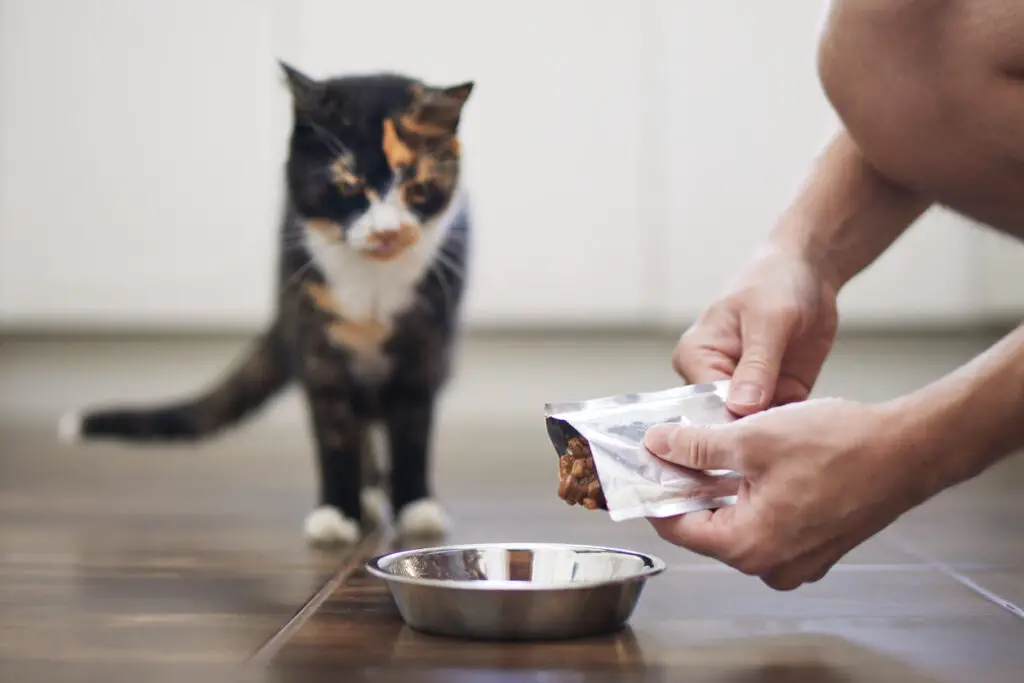
Caring for a clingy pet can be sweet at first, but it quickly becomes exhausting when they trail you everywhere or demand attention nonstop. Pets thrive on structure, and unpredictable routines can make them feel insecure, leading to needy behavior. Establishing consistent feeding times, walk times, play periods, and rest windows helps your pet understand what to expect each day, which reduces anxiety. Many veterinarians note that pets left guessing about their next meal or activity often seek reassurance by sticking too close to their owners. A simple routine, even if it’s flexible, signals stability and gives your pet confidence to settle down on their own. Start with manageable steps like morning feeding, midday enrichment, and evening wind-down practices to help reduce clinginess naturally.
2. Offer Independent Enrichment
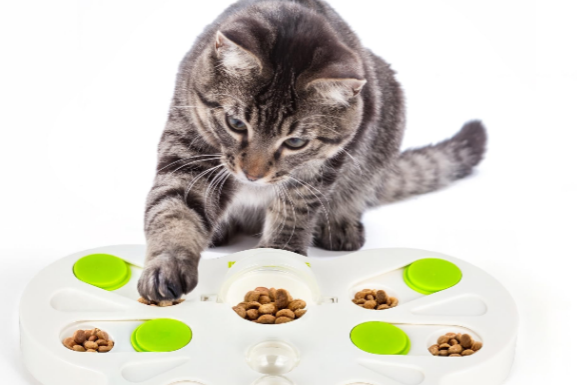
Needy behavior can stem from boredom, especially when pets rely on their owners as their main source of stimulation. Independent enrichment, such as puzzle feeders, chew toys, slow feeders, sniffing mats, and interactive treat-dispensing toys, encourages pets to engage their minds without needing constant attention. Behavioral experts explain that mental stimulation is just as important as physical exercise for reducing anxiety-driven clinginess. A busy pet is a confident pet, and enrichment taps into natural instincts like hunting, sniffing, pawing, or problem-solving. This helps redirect excess energy and provides a healthy challenge that reduces reliance on owners for entertainment. Rotating toys weekly keeps things fresh and prevents boredom from returning. Over time, your pet learns they can enjoy themselves even when you’re not interacting with them directly.
3. Avoid Reinforcing Clingy Behavior
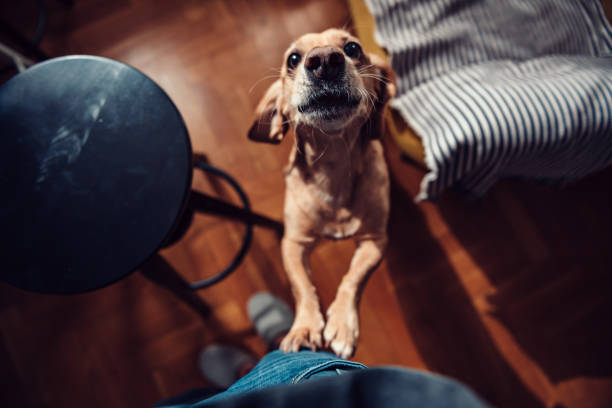
It’s easy to accidentally reward neediness by responding every time your pet whines, paws, or nudges you. Trainers often warn that even negative attention, like saying “stop” or pushing them away, still counts as attention in your pet’s mind. When clingy behavior consistently gets a reaction, it becomes a learned pattern. Instead, wait for moments of calm before giving affection, praise, or treats. This teaches your pet that relaxation brings rewards, not frantic or demanding behavior. You don’t need to ignore them entirely, just avoid engaging while they’re actively seeking attention in unhealthy ways. Over time, your pet begins offering calmer behaviors because those are the ones that work. Pair this with short training exercises that build patience, such as “go to your mat” or “settle,” to reinforce independence in a positive and gentle way.
4. Create a Safe Space They Truly Enjoy
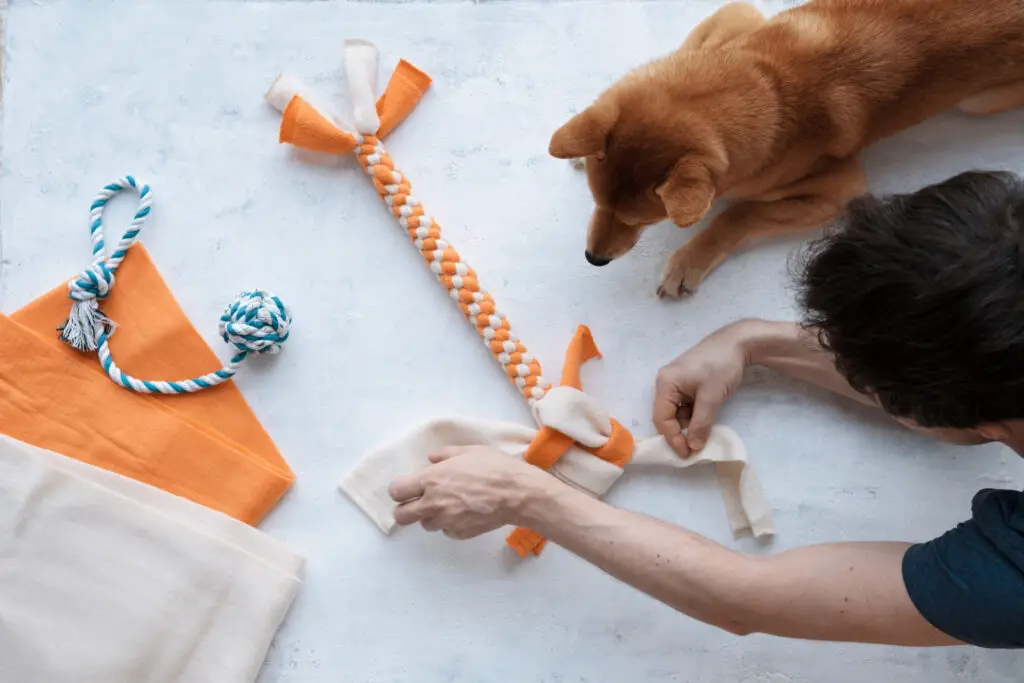
A secure, comfortable place of their own can make pets less dependent on constant closeness. Whether it’s a crate, a cat tower corner, a cushioned bed, or a small designated room, animals need a retreat where they can relax without feeling separated or punished. Experts recommend associating this space with pleasant experiences like treats, soft blankets, interactive toys, or calming scents. If a pet’s bed or crate has only been used for confinement or time-outs, they won’t see it as comforting. Create a soothing environment using dim lighting, quiet background noise, or familiar bedding. Over time, many pets begin choosing their space voluntarily and resting more independently. This reduces clinginess since they learn they have a safe, personal zone instead of relying solely on you for comfort.
5. Practice Short, Positive Separations

If your pet panics the moment you leave the room, they may need gentle separation training. Start small: walk out for a few seconds, return calmly, and gradually extend the time. Experts emphasize that this works best when paired with calm departures and arrivals, no big emotional exits or reunions. You can also leave a treat, puzzle toy, or soothing sound to help your pet stay relaxed. This technique teaches them that your absence is normal, temporary, and not a cause for stress. Consistency is key; scattered attempts won’t build confidence, but daily short sessions do. Many pets eventually become comfortable staying alone for longer stretches, which dramatically reduces needy behavior throughout the day.
6. Reduce Overstimulation
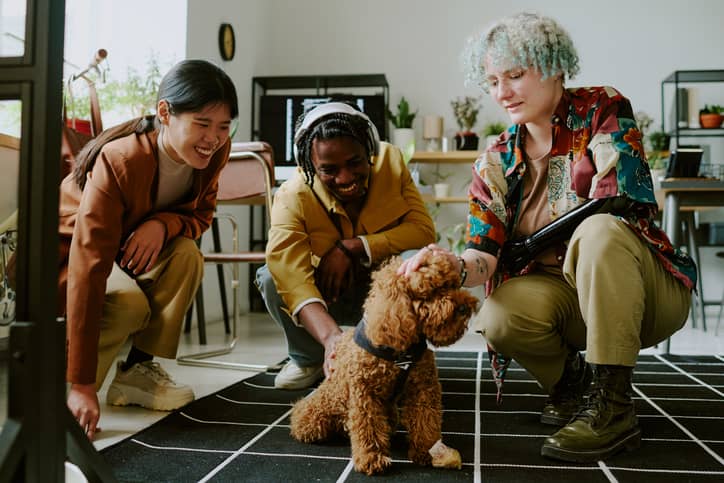
Some pets cling because they’re overstimulated, not under-stimulated. Loud homes, too much handling, new visitors, constant play, or unpredictable noise can overwhelm animals and make them turn to their owners for reassurance. Veterinary behaviorists note that overstimulated pets may pant, pace, hide, paw repeatedly, or follow their owners closely for comfort. Reducing overstimulation might mean offering quieter spaces, limiting rough play, or giving your pet breaks during social activities so they can reset. Turning down TV noise, closing curtains during busy periods, or keeping guests from crowding your pet can also help. When pets feel safer and less overwhelmed, they naturally become more independent because they’re no longer clinging out of stress or sensory overload.
7. Teach Clear Boundaries

Pets often become needy when they don’t understand limits, especially in homes where the rules change day by day. Teaching boundaries, like staying off your lap during work hours, waiting at doorways, or not pushing into your personal space, helps create structure that pets can trust. Trainers point out that animals behave more confidently when they know what is and isn’t allowed. Use consistent cues such as “wait,” “bed,” or “stay,” followed by calm praise when your pet listens. Visual boundaries like baby gates, mats, or furniture rules also give pets clear guidance without confusing mixed signals. Over time, pets learn how to behave independently instead of relying on you to manage every moment, reducing clingy patterns caused by uncertainty or lack of structure.
8. Increase Physical Exercise

Many pets become needy simply because they have too much unused energy. Regular physical exercise helps release tension, reduce anxiety, and improve focus. Dogs, for example, benefit from brisk daily walks, light jogs, fetch sessions, or off-leash play in secure areas. Cats, on the other hand, may need daily playtime with wand toys, running tunnels, chase toys, or short bursts of climbing activity. Trainers explain that a tired pet is usually more relaxed and less likely to demand attention constantly. Structured exercise also provides mental stimulation and satisfaction that helps pets settle afterward. When their physical needs are met, pets become more confident spending time alone because they’re not restless, anxious, or seeking their owners as their only outlet for energy.
9. Provide More Social Interaction with Other Pets
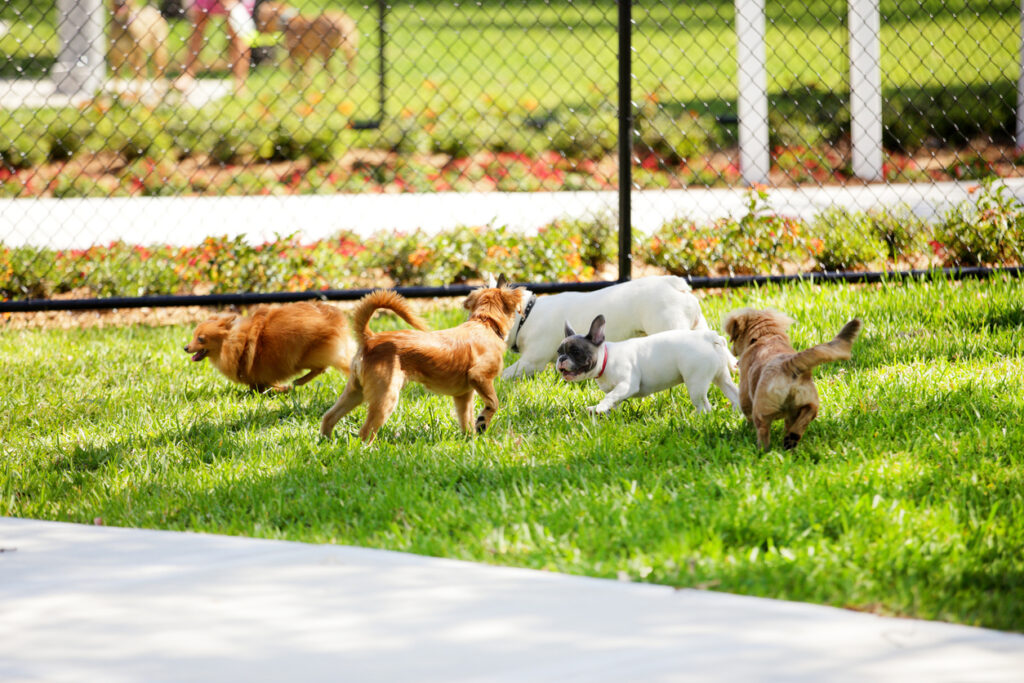
If a pet relies solely on its owner for companionship, clinginess often intensifies. Allowing safe, positive interaction with other animals, whether at a dog park, a trusted friend’s home, or a supervised indoor play session, can reduce dependence on human attention. For dogs, social play helps satisfy natural pack instincts, while cats may benefit from controlled introductions or environmental enrichment alongside another friendly cat. Behavior experts warn that not all animals enjoy group settings, so observe their comfort and go slowly. When done correctly, additional social outlets help pets build confidence, reduce isolation, and redirect attention away from constant human interaction. This leads to healthier emotional balance and more independent behavior at home.
10. Stop Making Departures a Big Event
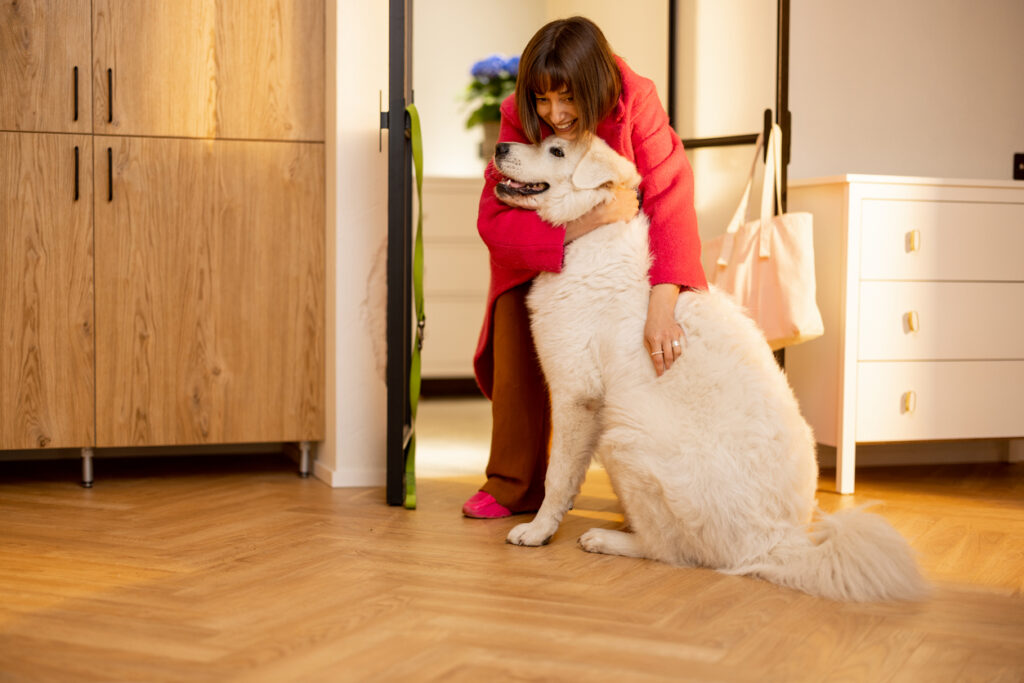
If your pet sees you getting anxious, excited, or emotional before leaving the house, they learn to mirror that energy. Behaviorists note that dramatic exits, such as long goodbyes, repeated pats, or nervous reassurance, signal to pets that something stressful is about to happen. The solution is making departures and returns calm and ordinary. Briefly pick up your keys, step outside, and leave without turning it into a moment of heightened emotion. When you return, wait for your pet to settle before greeting them warmly. This helps your pet understand that coming and going is normal and nothing to panic about. Over time, they stop clinging or whining at the door and develop better independence when you’re away.
11. Build Confidence with Basic Training
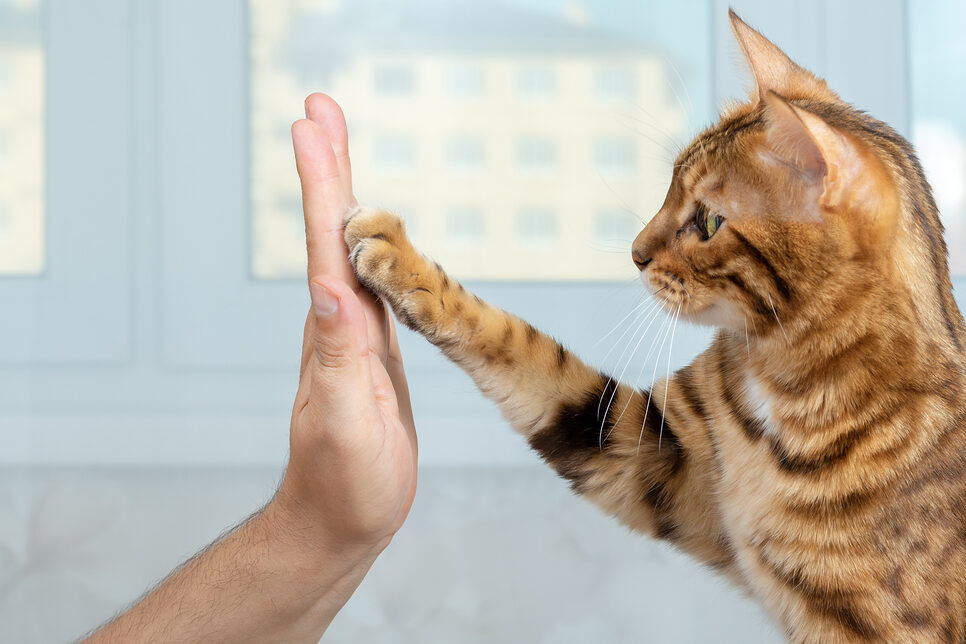
Confidence-building training helps reduce neediness by giving pets clear skills and predictable outcomes. Simple cues like sit, stay, come, or go-to-bed provide structure and make pets feel more secure in their environment. Trainers explain that learning and completing tasks successfully boosts a pet’s self-esteem and reduces anxiety-driven clinginess. Positive reinforcement, using treats, praise, or play, encourages pets to make good choices without relying heavily on owners for constant direction. Short, fun training sessions also offer mental stimulation, which can be just as tiring and calming as physical exercise. As pets gain confidence in their abilities, they become more comfortable exploring or resting independently, rather than shadowing their owners throughout the day.
12. Keep Their Environment Interesting

A dull environment often leads pets to cling to their owners for entertainment or comfort. Adding simple enrichment, like window perches, climbing shelves, bird videos, rotating toys, or a cozy lookout spot, gives pets something engaging to focus on. Experts often emphasize that pets need variety and sensory stimulation to stay mentally balanced. Cats, for example, enjoy elevated spaces and visual activity, while dogs benefit from scent-based enrichment, outdoor views, or safe chew items. Even small adjustments like moving furniture to create exploration paths can help. When pets have stimulating surroundings, they’re less likely to depend solely on their owners for attention and more likely to enjoy exploring their environment independently.
13. Address Underlying Anxiety
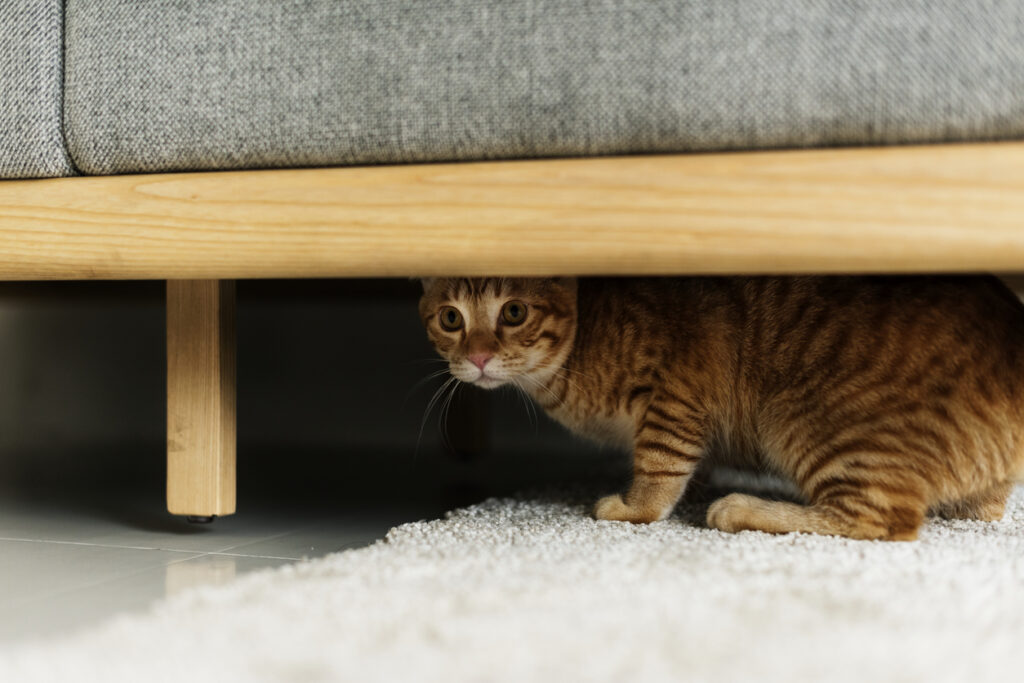
Sometimes clinginess is a sign of deeper anxiety, and addressing it can make a major difference. Pets may become overly attached due to past trauma, sudden changes at home, loud noises, or inconsistent treatment. Common signs include trembling, hiding, destructive behavior, or refusing to be alone. Veterinarians and behaviorists recommend identifying the root cause early and using calm routines, enrichment, pheromone diffusers, or anxiety-reducing supplements when appropriate. In more serious cases, professional guidance or a behavior modification plan may be needed. By treating the anxiety itself, not just the symptoms, you help your pet feel safer and more confident. A relaxed pet is naturally less clingy and more capable of spending time alone without stress.
14. Stay Consistent with Rules and Rewards
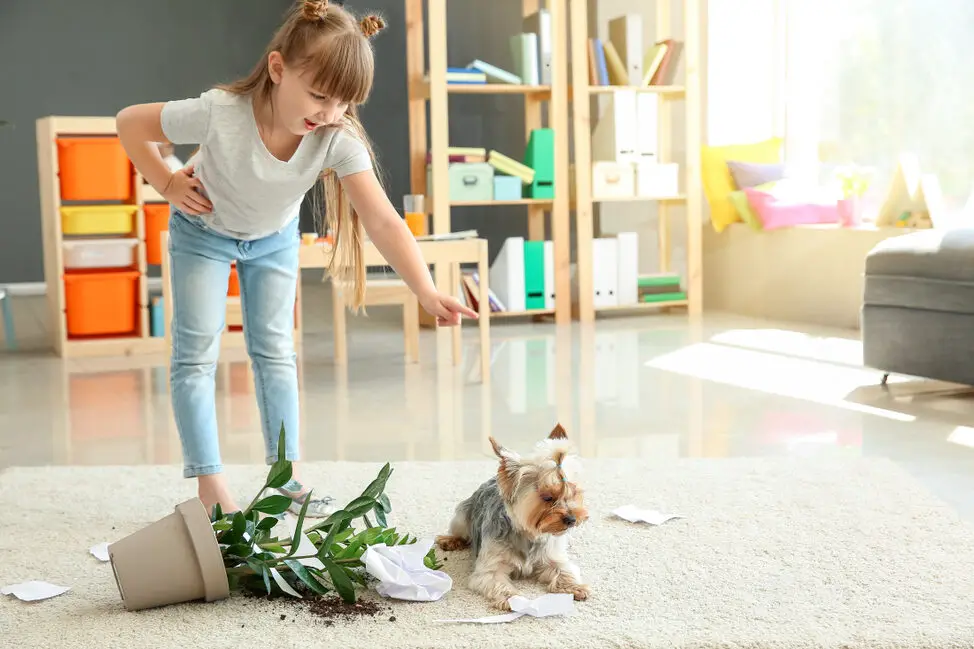
Inconsistent rules create confusion for pets, which can lead them to seek constant reassurance. If one day you allow couch cuddles and the next day you push them away, they don’t know what to expect and may respond by becoming clingier. Consistency in routines, boundaries, and rewards helps pets feel secure and understand what behaviors are acceptable. Experts note that predictable consequences make pets more confident and less anxious. Make sure everyone in the household follows the same guidelines, using the same cues and reinforcement methods. Over time, this stable environment reduces clinginess because your pet no longer needs to monitor your every move to figure out what’s allowed.
15. Give Them Tasks to Do
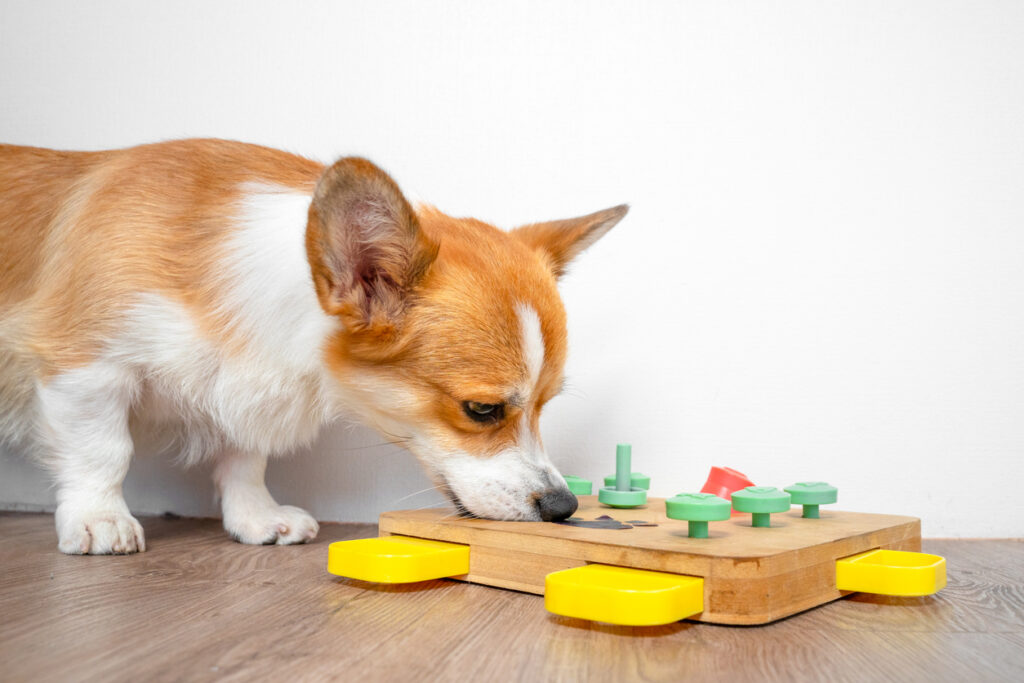
Many pets feel calmer and more secure when they have a “job” or purposeful activity. Working-dog breeds in particular benefit from carrying items, practicing scent games, learning fetch tasks, or participating in agility-style exercises. Cats also enjoy purposeful play that mimics hunting, like chasing moving toys, tackling play mice, or exploring puzzle feeders. Experts explain that tasks activate natural instincts and channel energy in a productive way, which reduces attention-seeking behavior. Giving pets a goal or responsibility helps them feel useful and fulfilled, making them less dependent on constant human interaction. A pet that feels accomplished is more likely to relax independently afterward.
16. Rotate Toys Regularly
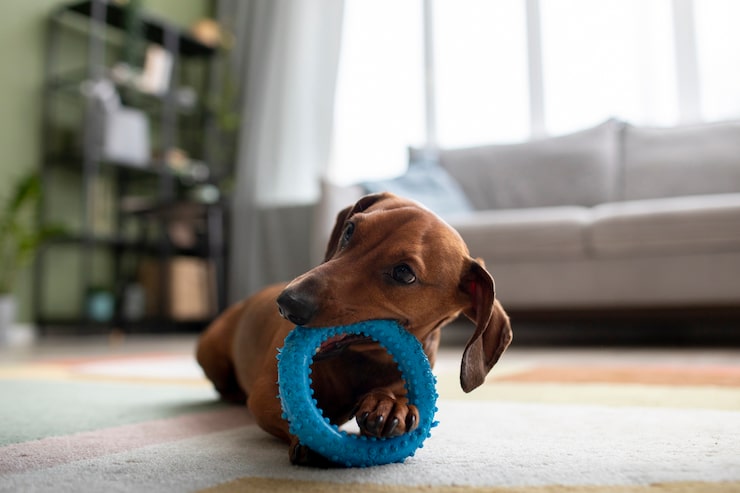
Pets can quickly grow bored when the same toys stay out every day, which can push them to rely more on their owners for stimulation. Rotating toys, putting some away and introducing others weekly, keeps them mentally engaged and curious. Trainers explain that novelty triggers natural exploration behaviors, helping pets entertain themselves for longer periods. You can rotate puzzle feeders, chew toys, cat wands, plushies, or even DIY enrichment items. This method works especially well for both dogs and indoor cats, who often need more mental variety to stay satisfied. When pets stay busy and excited about rediscovering “new” toys, they naturally show less clingy behavior because they have independent outlets for fun.
17. Use Calming Aids When Needed

Some pets struggle with extra sensitivity, and calming aids can help take the edge off their anxiety so they don’t cling as much. Products like pheromone diffusers, calming vests, weighted-style pet blankets, soothing music, or veterinarian-approved supplements can create a calmer environment. These aids are widely used for pets who worry during storms, fireworks, or household changes. While they aren’t magic solutions, they can reduce tension enough for your pet to feel more comfortable on their own. Behavior specialists often recommend pairing calming tools with training, structure, and patient consistency, rather than using them as the only approach. When pets feel more relaxed overall, their dependence on constant reassurance decreases as well.
18. Avoid Over-Cuddling or Over-Soothing
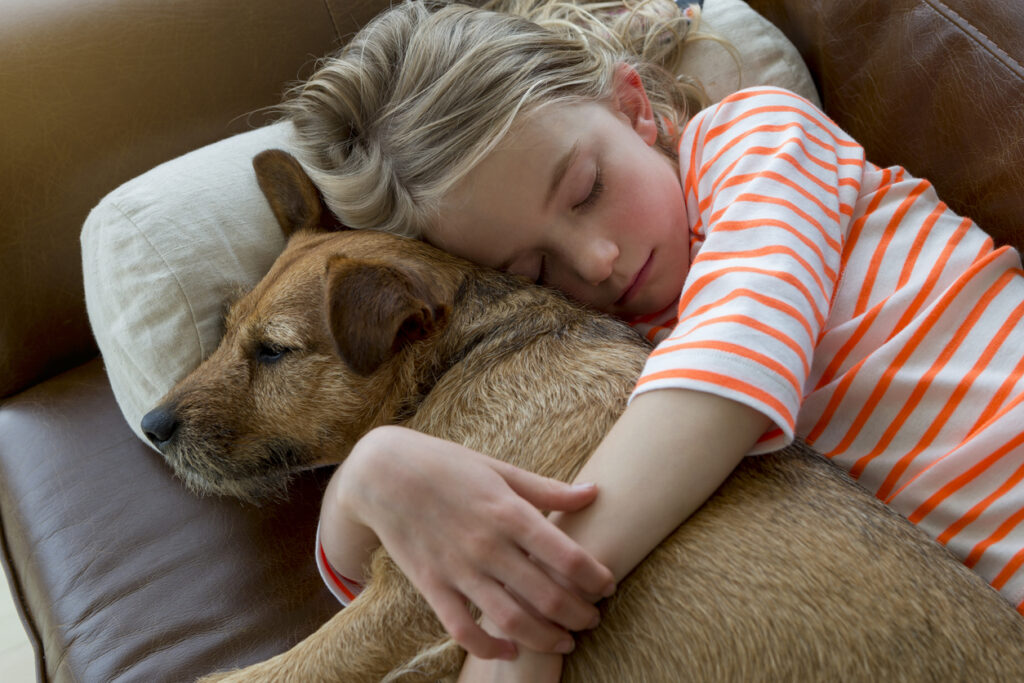
While affection is a wonderful part of pet ownership, too much of it can unintentionally reinforce needy habits. Pets that receive constant holding, cuddling, or immediate soothing learn to expect it and may struggle to self-regulate. Behavior experts note that balanced affection teaches pets independence, comfort is available, but not on demand every second. Instead of petting or picking up your pet whenever they appear anxious, encourage moments of calm by rewarding them only when they settle on their own. Gradually spacing out cuddles or encouraging them to rest in their own bed helps them feel secure without needing full-body contact at all times. This small shift reduces clinginess and builds healthier emotional responses.
19. Keep Training Sessions Short but Frequent
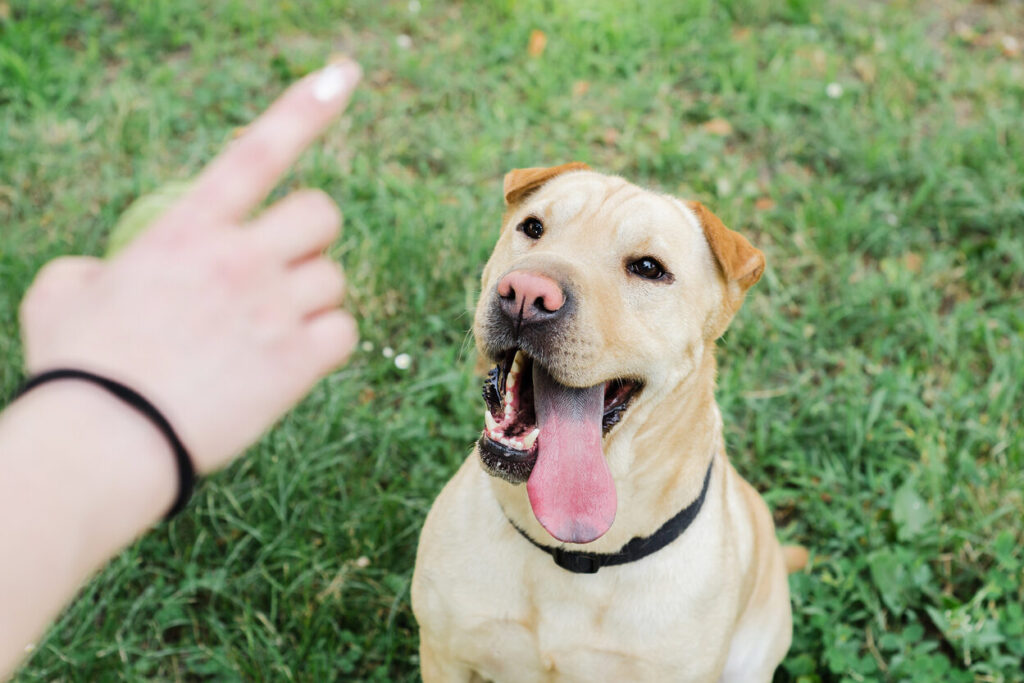
Short training sessions help keep pets mentally satisfied without overwhelming them. Trainers often recommend working in two-to-five-minute bursts throughout the day to reinforce confidence, boundaries, and impulse control. Frequent mini-sessions keep pets focused and engaged, which reduces attention-seeking behaviors caused by boredom or uncertainty. Teaching simple skills like touch, place, wait, or leave-it gives pets direction and builds independence. These repeated successes also increase self-confidence, making them less likely to cling to their owners for guidance. When pets consistently practice manageable tasks, they feel secure and mentally fulfilled, leading to calmer, more independent behavior at home.
20. Rule Out Medical Issues

Sudden clinginess can sometimes indicate an underlying medical issue, especially in aging pets or those with chronic conditions. Pain, cognitive decline, sensory loss, digestive discomfort, or hormonal changes can all make pets seek extra closeness for comfort. Veterinarians note that medical-related clinginess is often overlooked, so routine checkups are important when behavior shifts unexpectedly. Bloodwork, dental exams, and general assessments can help identify problems early. If a health issue is found and treated, the needy behavior often decreases as the pet begins to feel better. Addressing medical concerns not only improves their overall well-being but also helps restore their normal independence.
This story 20 Ways to Stop Your Pet from Being So Needy- But a lot of this is on you. was first published on Daily FETCH


