
1. Steve Wozniak
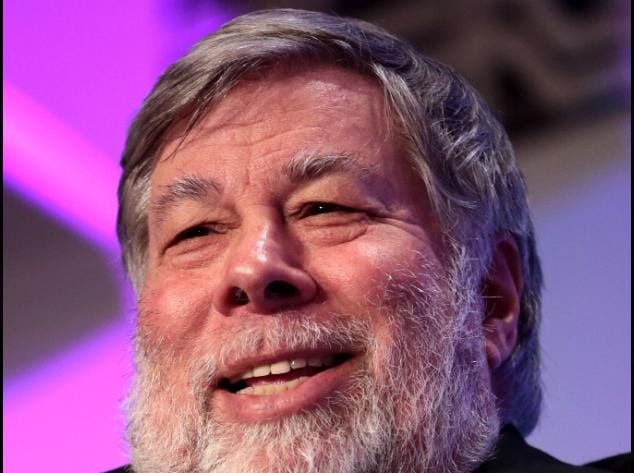
Steve Wozniak helped birth the personal-computer revolution as co-founder of Apple, designing the Apple I and Apple II, machines that changed how people used computers forever. But Wozniak didn’t stay a corporate giant. After the early Apple years, he turned to inventing peripherals (like the first universal remote control via his company CL 9) and, later, ventures like Wheels of Zeus (WOZ), aiming to bring wireless-GPS tech to everyday users. Today he lives a more low-key life, focusing on teaching, philanthropy, and supporting education, far from the glare of early Silicon Valley fame.
2. Guido van Rossum

Guido van Rossum created Python, a programming language that’s now everywhere: web development, data science, machine learning, automation, education, and more. Initially a “hobby” project started in the late 1980s, Python grew into one of the world’s most popular languages, powering entire industries and earning van Rossum global recognition. Over time, as Python became more than just his side-project, van Rossum gradually stepped back. In July 2018, he stepped down as Python’s “Benevolent Dictator For Life.” He later left his job at Dropbox and officially retired in 2019. But that’s not the end, in November 2020, he came out of retirement to join Microsoft as a Distinguished Engineer. Today he lives relatively quietly in California with his family and remains respected, even if he’s no longer in the limelight of Python’s daily evolution.
3. Jerry Lemelson
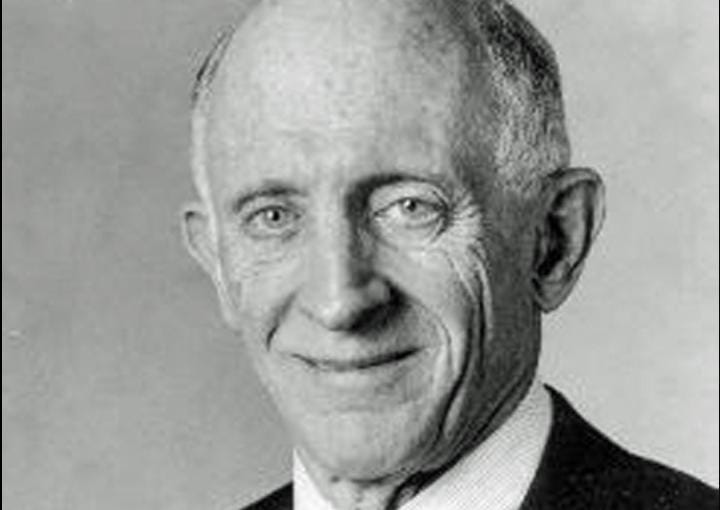
Jerome H. Lemelson was one of America’s most prolific, if controversial, inventors. Holding over 600 patents, he contributed to technologies behind videocassette recorders, cordless phones, industrial robots, camcorders, and more. His real achievement came through licensing: many big companies (think major electronics and manufacturing firms) paid him millions to use his patented ideas. Near the end of his life, Lemelson turned to philanthropy: he and his wife founded the Lemelson Foundation, aimed at supporting inventors and innovators, a quieter legacy than the tens of millions he earned.
4. Lee de Forest

Lee de Forest made a discovery that changed communication forever: in 1908 he invented the practical three-electrode vacuum tube (the “Audion”), an amplifier that became the backbone of radio, long-distance telephony, and eventually the electronics that powered broadcasting and sound in film. Despite his pivotal contribution and holding more than 300 patents, de Forest’s life had ups and downs. He reportedly made, and lost, several fortunes. Legal battles over patents ate into his wealth, and his financial highs were followed by serious lows. Still, his work laid the technical foundation for our modern media and electronics era. He died in 1961.
5. Otis T. Carr
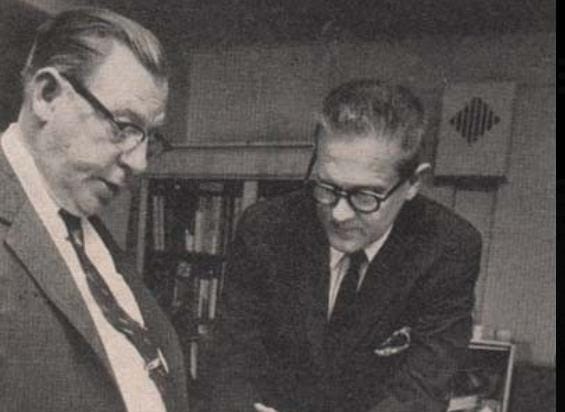
Otis T. Carr is one of the more curious, and controversial, entries on this list. In the 1950s, he claimed to have invented a “flying saucer” called the “Ezechiel Wheel,” supposedly powered by electromagnets and batteries to defy gravity. Carr founded OTC Enterprises around the idea, attracting believers and investors interested in “free energy” and UFO-style flight. But his claims failed, and in 1961 he was convicted (on mail-fraud charges). He served part of a 14-year sentence, and after release he quietly moved around, allegedly continuing to hawk non-functional “energy devices.” He died in 1982, largely forgotten by mainstream history, a footnote to an eccentric dream.
6. Trevor Baylis
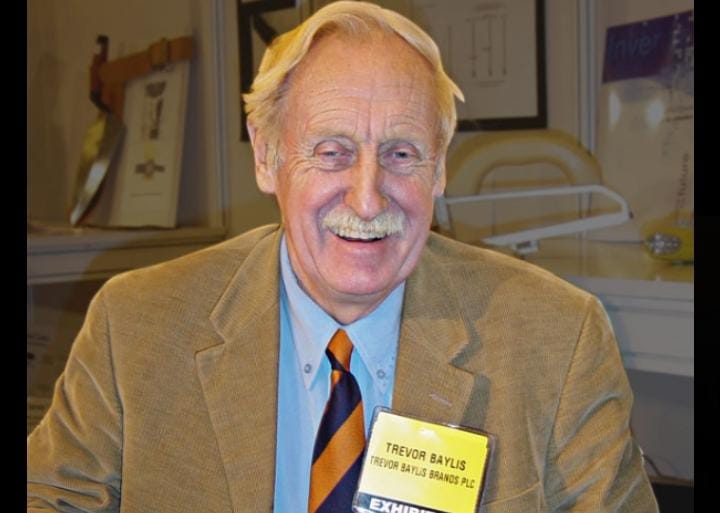
Trevor Baylis became widely known after inventing the wind-up radio in the early 1990s, a device that provided lifesaving communication in areas without reliable electricity. His idea was sparked by a documentary about AIDS in Africa, where he realized many people lacked access to vital information. The radio earned him international praise and commercial success once it was licensed. Despite early financial gains, Baylis later spoke openly about struggling to protect his intellectual property, spending years advocating for stronger inventor rights. After stepping back from public invention work, he lived quietly on Eel Pie Island in London, where he also worked as a stuntman and enjoyed engineering projects. Until his passing in 2018, Baylis remained a passionate supporter of young innovators, even if he chose a quieter life far from his invention’s early spotlight.
7. Ron Klein

Ron Klein, often called “The Grandfather of Possibilities,” created one of the most widely used technologies in modern banking: the magnetic-stripe credit card. His invention simplified payment processing and became the foundation of global transactions for decades. Klein also designed multiple consumer innovations, including the MLS real estate database and early fax-machine improvements. After selling several of his technologies and stepping away from corporate invention work, Klein transitioned into a more private life as a mentor and speaker. He avoids the high-profile tech spotlight, instead supporting entrepreneurship groups and offering quiet consulting advice. Though his invention reshaped modern finance, Klein chose a calmer later career built on teaching and personal passion projects. Today he lives a peaceful life in Florida, continuing to share insights without chasing the fame that once surrounded his breakthroughs.
8. Doug Engelbart
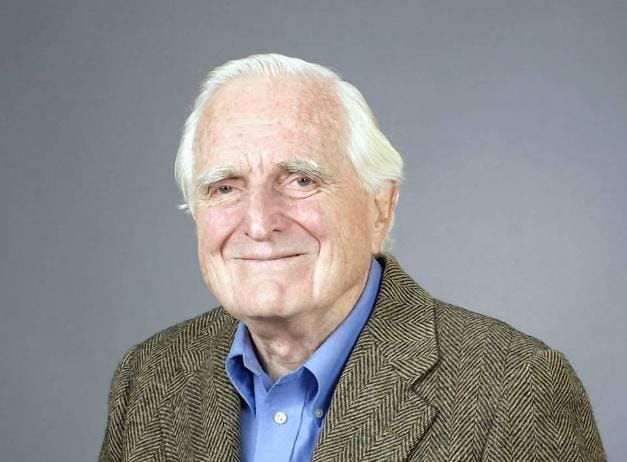
Doug Engelbart invented the computer mouse and pioneered many technologies that shaped modern computing, including hypertext, early video conferencing, windowed interfaces, and collaborative software tools. His 1968 “Mother of All Demos” is still considered one of the most influential tech demonstrations in history. Despite his groundbreaking contributions, Engelbart never became a Silicon Valley celebrity. He sold the mouse patent for a modest sum and did not profit from its later explosion in popularity. After retiring from active research, Engelbart lived quietly in California, running the Bootstrap Institute, where he focused on ideas for improving collective intelligence rather than pursuing commercial fame. His later life was spent out of the mainstream spotlight, recognized mostly within academic and tech-history circles. Engelbart passed away in 2013, remembered as a visionary whose ideas quietly shaped the digital age.
9. Robert Propst
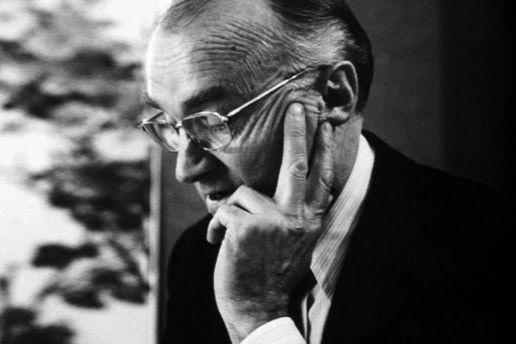
Robert Propst created the world’s first modern office cubicle system in the 1960s while working for Herman Miller. His invention, the Action Office, was meant to support creativity and flexibility, though it eventually became the standardized cubicle layout found in offices worldwide. Propst earned recognition and financial success early on, but disliked the way companies later cheapened his concept. Disappointed by how the cubicle evolved, he turned his attention to other inventions in hospital equipment, agricultural tools, and ergonomics. Over the years, Propst stepped out of the public eye, choosing a quieter, project-focused life that avoided media attention. Until his passing in 2000, he continued inventing privately and consulting in limited ways, living far from the fame his office innovation created.
10. Scott Hassan
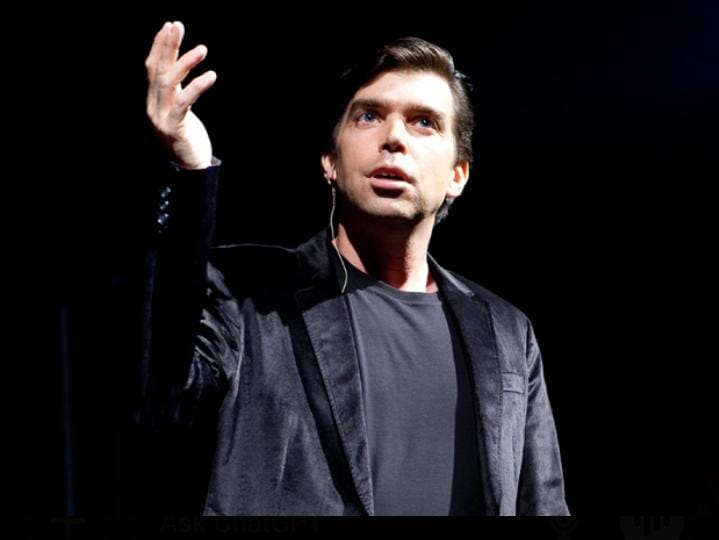
Scott Hassan is often described as the “third unofficial founder” of Google, having written much of the original code for the Google Search engine while working with Larry Page and Sergey Brin in the 1990s. Although he never became a public face of the company, Hassan financially benefited from his early involvement and later sold his shares for a substantial sum. After leaving the Google world, he founded Willow Garage, a robotics research lab that helped launch the influential open-source Robot Operating System (ROS). Despite leading major breakthroughs, he eventually stepped back from the tech spotlight, maintaining a private life mostly centered around personal ventures and investment projects. In recent years, he has appeared in the news mainly due to a high-profile divorce case, but otherwise remains far removed from public tech fame, living quietly while still influencing robotics behind the scenes.
11. Sir Tim Berners-Lee
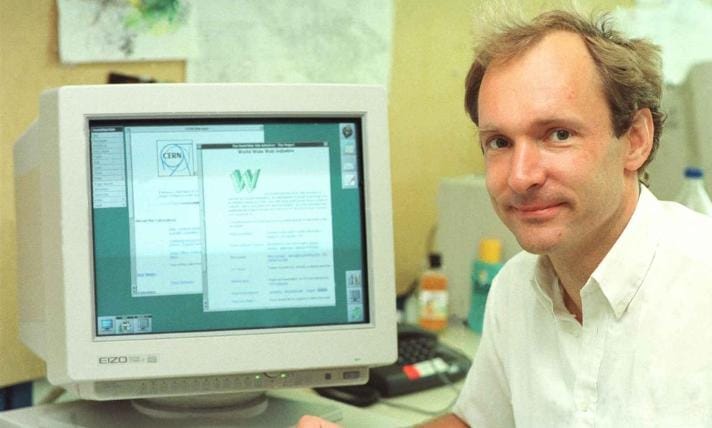
Sir Tim Berners-Lee changed the world in 1989 when he invented the World Wide Web while working at CERN. Instead of cashing out massively, he gave the web to the world royalty-free, a choice that allowed billions to access and build on it. Though he later benefited from roles at MIT, Oxford, and the World Wide Web Consortium (W3C), Berners-Lee intentionally stayed away from billionaire tech culture. In recent years, he has focused on privacy reform and his project, Solid, which aims to return personal data control to everyday users. Today he lives a largely low-profile life between the UK and the U.S., still active in digital-rights discussions but far from the commercial spotlight. Despite inventing one of the most transformative tools in human history, Berners-Lee prefers quiet advocacy over celebrity status.
12. Martin Cooper
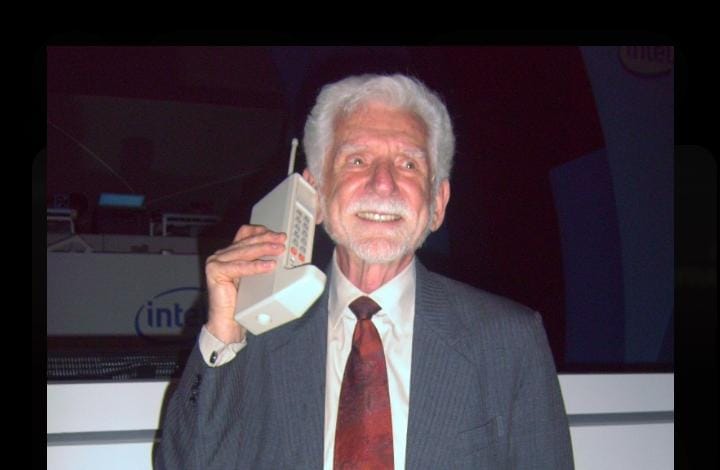
Martin Cooper pioneered the world’s first handheld mobile phone at Motorola in 1973, making a historic call that paved the way for today’s smartphone era. His invention eventually helped shape a trillion-dollar industry. After leading Motorola’s cellular program, Cooper later launched several companies, including ArrayComm, which developed key wireless technologies. Though he achieved significant financial success, he remained far quieter than the tech titans who followed. In his later years, Cooper became a calm voice in the telecom world, advocating for better broadband access and thoughtful innovation, while avoiding the public spotlight. Now in his 90s, he lives a modest life in California, frequently offering insights to journalists but not seeking fame. Despite having kick-started mobile communication, he remains surprisingly under-recognized outside tech history circles.
13. Harvey Ball
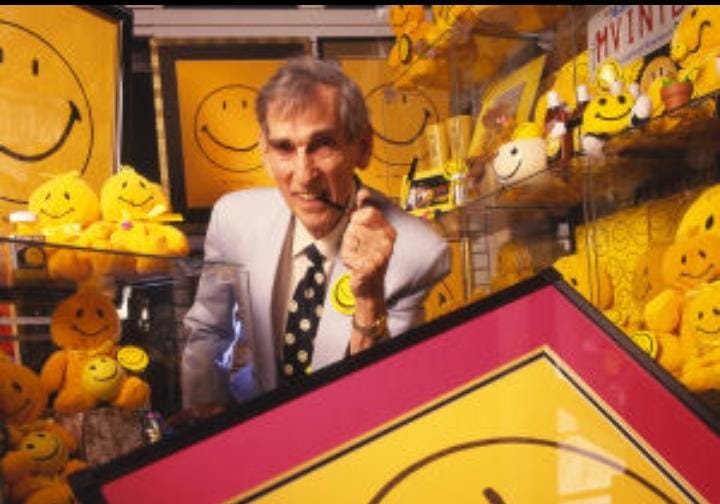
Harvey Ball created one of the most recognizable images on Earth: the bright yellow smiley face. Designed in 1963 as a morale-boosting symbol for an insurance company, Ball was paid just $45 for the artwork and never sought royalties. The symbol later exploded globally, appearing on merchandise, advertising, and pop culture. Rather than chase commercial gains, Ball stayed largely out of the spotlight, continuing his work as a graphic artist in Worcester, Massachusetts. In the 1990s, he founded World Smile Day, a charity-driven event encouraging small acts of kindness. Ball lived quietly until his death in 2001, known locally as a warm community figure but not widely celebrated as the creator of a global icon. His legacy remains one of humility, an inventor who made the world smile without capitalizing on his creation.
14. Tony Fadell
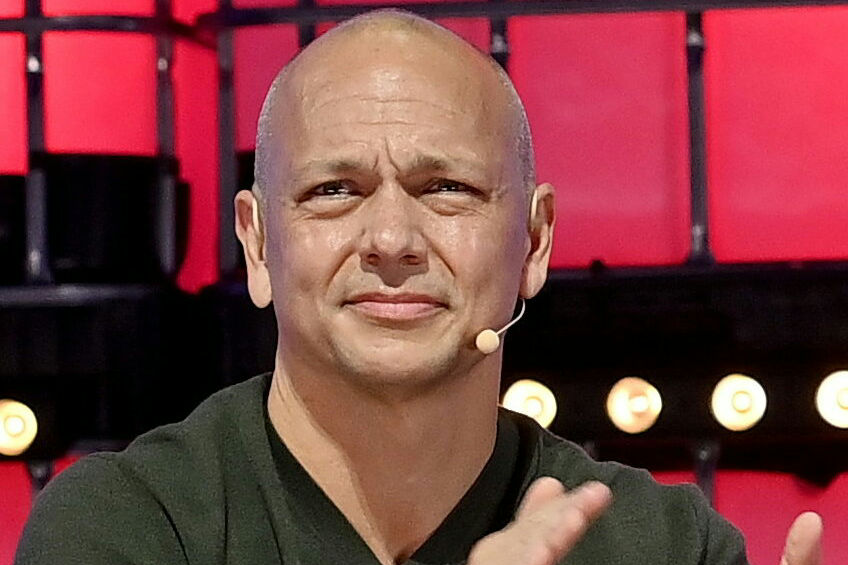
Tony Fadell helped revolutionize portable music as one of the key creators of the iPod at Apple, later co-founding Nest Labs, which popularized smart thermostats and home automation. Google acquired Nest in 2014 for $3.2 billion, making Fadell extremely wealthy. Yet after the sale, he stepped back from running the company, citing burnout and the desire for a quieter life. In the years since, he has shifted into selective advising, writing, and environmental-tech advocacy rather than high-profile leadership. Fadell spends much of his time in Europe, focusing on climate-friendly hardware design and mentoring startups. Though his inventions shaped two major industries, digital music and smart homes, he now prefers working behind the scenes. His lifestyle today is far calmer compared to his intense years at Apple and Nest.
15. Louis von Ahn

Louis von Ahn created CAPTCHA and reCAPTCHA, technologies that helped secure the internet while also digitizing old books through human verification tasks. Google acquired reCAPTCHA in 2009, bringing von Ahn significant financial success. Instead of staying in big tech, he quietly returned to Carnegie Mellon University before launching Duolingo, which has since become the world’s most popular language-learning platform. Although Duolingo made him even more successful, von Ahn still avoids the billionaire-influencer lifestyle, living privately in Pittsburgh and rarely courting the media. He continues steering Duolingo’s direction but often works away from public attention, focusing on education access and research-driven product design. Despite inventing tools used by billions, von Ahn remains known for his humble, low-key presence in the tech world.
16. Blake Ross

Blake Ross became famous in his teens as the co-creator of Mozilla Firefox, the browser that challenged Internet Explorer and reshaped early-2000s web culture. Firefox’s success gave Ross widespread recognition and financial stability when it gained hundreds of millions of users. Instead of remaining a high-profile figure in browser development, Ross stepped away from Mozilla and joined Facebook in 2007, where he worked quietly as a product director and contributed to several internal projects. Over the years, he has largely retreated from the tech spotlight, choosing writing, creative work, and personal pursuits over public-facing roles. Today he keeps a low profile, occasionally sharing insights online but avoiding the entrepreneur-celebrity path many expected. Despite helping create one of the most influential browsers of its time, Ross lives a mostly quiet, private life centered on creativity rather than fame.
17. Daniel Ek (Early Spotify Exit Co-Founder)

Before Spotify became a global streaming powerhouse, Daniel Ek launched Advertigo, an online advertising company he sold to TradeDoubler in 2006. The sale reportedly made him a millionaire in his early 20s. Instead of staying in the ad-tech world, Ek stepped back from corporate life, moved into a secluded Stockholm apartment, and spent time reflecting on what he wanted next, at one point even considering early retirement. That quiet period eventually inspired Spotify, but Ek’s retreat from public life during those years is often overlooked. While he later returned to found Spotify, the chapter after he “cashed out and disappeared” remains a striking example of someone stepping away from success to reset his life. Even today, despite Spotify’s fame, Ek maintains a relatively private personal life in Sweden, far from the Silicon Valley spotlight.
18. Nolan Bushnell
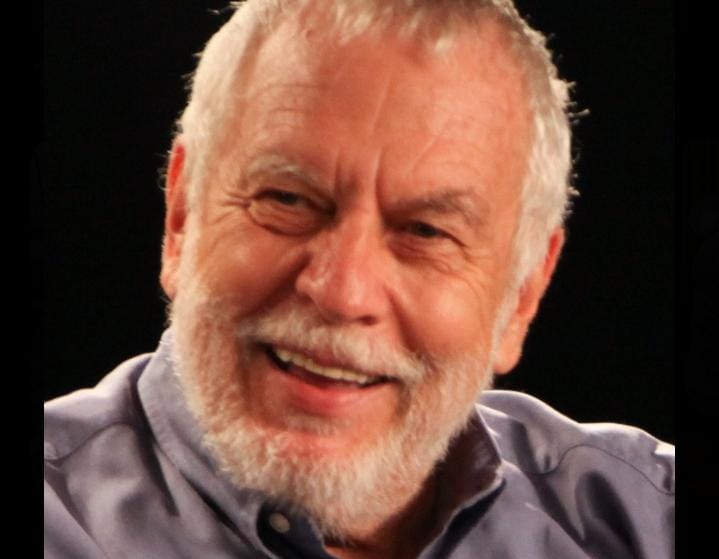
Nolan Bushnell co-founded Atari and helped launch the modern video game industry with hits like Pong. After selling Atari to Warner Communications in 1976 for an estimated $28 million, Bushnell stepped away from the company and shifted into a quieter mix of entrepreneurial and experimental projects. Though he later created Chuck E. Cheese and other ventures, many of his post-Atari companies stayed out of the public eye or never reached the mainstream. Over time, Bushnell has chosen a more low-profile lifestyle, focusing on mentoring young tech founders, writing about creativity, and quietly supporting new gaming ideas. He continues living in California, away from the spotlight of his Atari days, enjoying a long career as an industry pioneer who prefers to influence from a distance rather than remain a front-facing celebrity.
19. Bram Cohen
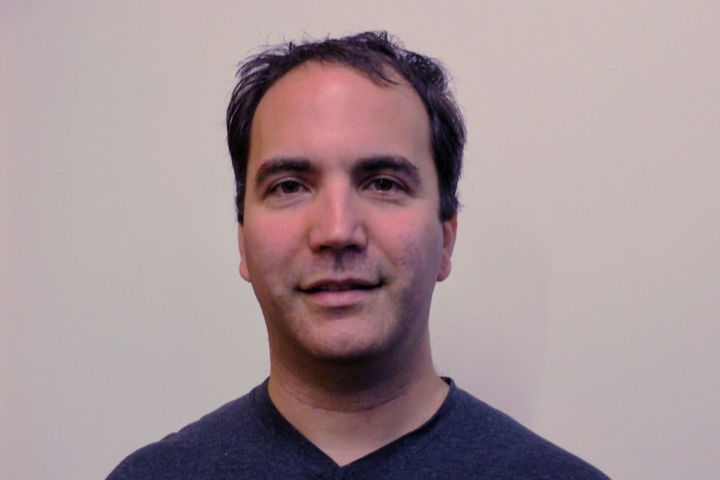
Bram Cohen created BitTorrent in 2001, a protocol that changed how large files move across the internet. The technology became essential to everything from software distribution to media delivery, and it made Cohen a prominent figure in early peer-to-peer computing. After commercializing the protocol through BitTorrent Inc., he gradually stepped away from the spotlight, preferring engineering challenges over public attention. In 2017, he quietly founded Chia Network, focusing on an eco-friendly cryptocurrency that uses storage instead of energy-heavy mining. Despite leading influential tech shifts, Cohen avoids celebrity culture, rarely giving interviews and maintaining a private life centered on programming and research. His inventions continue shaping the digital world even as he chooses a quieter, more focused existence.
20. James Dyson (Early Cyclone Cash-Out Phase)
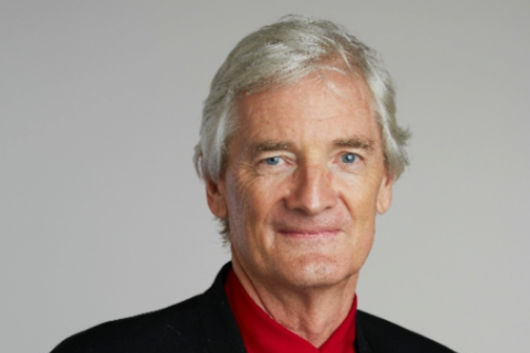
Long before becoming a global brand name, James Dyson spent years perfecting a bagless vacuum cleaner powered by cyclone technology. When his early designs in the 1980s finally brought in significant licensing revenue in Japan, Dyson used that unexpected windfall to step away from the spotlight and build his own independent company. During that period, he lived relatively quietly, focusing on prototypes and avoiding publicity while refining his ideas. It wasn’t until the mid-1990s, when his Dyson DC01 vacuum became a major success in the UK, that he re-emerged publicly. Though he is now well-known, the years immediately after his early financial success show a rare moment where Dyson briefly cashed out and retreated to develop his engineering approach away from public view.
21. Nick Holonyak Jr.
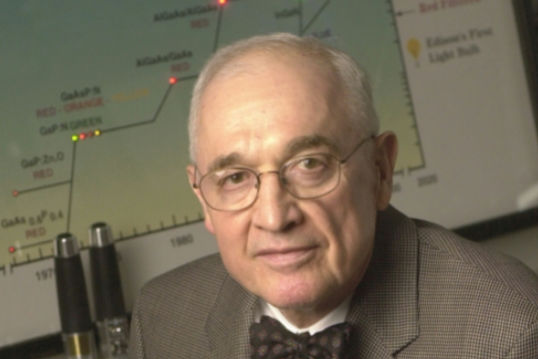
Nick Holonyak Jr. invented the first practical visible-light LED in 1962, a breakthrough that eventually powered modern lighting, screens, and countless displays. Despite creating one of the most widely used technologies on Earth, Holonyak did not chase commercial fame or enormous wealth. Instead, he continued working quietly as a researcher and professor at the University of Illinois for decades, mentoring students and advancing semiconductor science. Holonyak lived an understated life, far from the financial spotlight that other tech pioneers embraced. Even as LEDs became a multi-billion-dollar industry, he preferred lab work, teaching, and modest recognition over public attention. Until his passing in 2022, he was regarded as a humble genius who let his invention speak for itself.
22. Paul Buchheit

Paul Buchheit created Gmail at Google in the early 2000s, introducing features like powerful search, threaded conversations, and massive storage that reshaped email forever. Gmail’s success made Buchheit extremely wealthy through Google stock. After leaving the company, he joined the early startup FriendFeed, which Facebook later acquired, giving him another financial boost. Following these successes, Buchheit stepped away from high-profile engineering roles to live more quietly as an angel investor, mentoring early-stage founders without seeking the spotlight. He keeps a very low media presence, focusing on philanthropy and selective investments. Though his work influenced how billions of people communicate, Buchheit chooses to remain behind the scenes, supporting young innovators rather than leading major tech headlines.
23. Radia Perlman

Radia Perlman invented the Spanning Tree Protocol (STP), the backbone of modern network switching and one of the essential technologies that made the internet reliable. Her work quietly enabled the growth of global networks, yet she never sought the fame that often follows such achievements. After earning recognition in the 1980s and 1990s, Perlman continued working in research roles at DEC, Sun Microsystems, and Intel, preferring quiet innovation over public spotlight. Despite being called the “Mother of the Internet,” she takes a modest view of her contributions and often avoids media attention. Today she leads a calm, private life, occasionally appearing at conferences but mostly focusing on research, teaching, and writing. Her low public profile contrasts sharply with the enormous impact her invention continues to have on global communication.
24. Marc Randolph
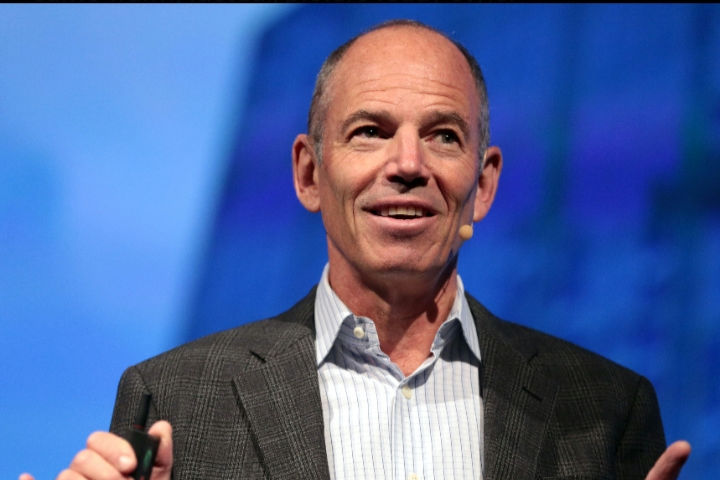
Marc Randolph co-founded Netflix in 1997 alongside Reed Hastings, helping design the original DVD-by-mail model that transformed home entertainment. After Netflix went public and began to take off, Randolph stepped away from the company in 2003, cashing out significant stock options. Instead of staying in Silicon Valley’s spotlight, he quietly shifted into mentoring new founders, angel investing, and spending more time with his family. Randolph largely avoids the billionaire lifestyle, preferring outdoor adventures, speaking engagements, and low-profile advisory work. While he occasionally surfaces to share entrepreneurial lessons, he lives far from the media attention now centered on Netflix. His post-exit life has been intentionally quieter, marked by personal projects and a preference for staying behind the scenes rather than in the tech headlines.
25. Rob Kalin

Rob Kalin founded Etsy in 2005, creating an online marketplace that helped millions of artisans sell handmade goods. As Etsy exploded in popularity, Kalin became a prominent figure in early digital marketplaces. But after several leadership shake-ups, he stepped down as CEO, twice, and eventually distanced himself completely from the company. After cashing out shares worth millions, Kalin withdrew from the tech scene and moved toward a quiet, craft-focused life. He founded small projects like a woodworking studio and a community arts space in Brooklyn, staying away from corporate environments. Kalin avoids interviews and public appearances, living almost entirely outside the spotlight. Though Etsy became a global brand, its founder chose to disappear into calmer, creative pursuits aligned with the platform’s original spirit.
26. Satoshi Nakamoto (Pseudonymous Bitcoin Creator)
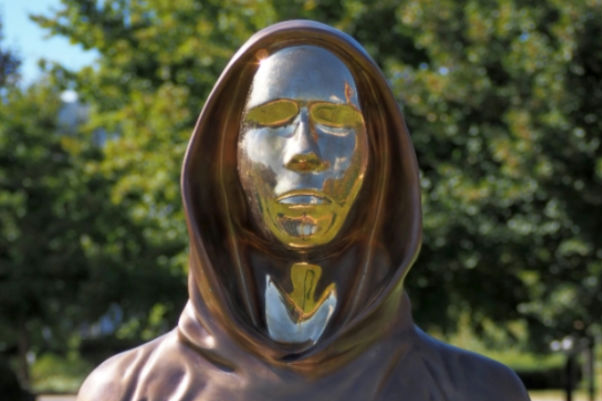
Satoshi Nakamoto, the mysterious creator of Bitcoin, published the groundbreaking cryptocurrency whitepaper in 2008 and mined early coins now worth tens of billions of dollars. After guiding the project for a short period, Satoshi disappeared completely from public communication in 2011, handing development to other programmers. To this day, no one knows Satoshi’s true identity, whether they were an individual or a group, and the untouched Bitcoin wallet attributed to them has only deepened the mystery. While many figures have been rumored to be Satoshi, none have been definitively proven. What is certain is that after creating one of the most influential financial technologies in modern history, Satoshi walked away entirely, leaving behind a legacy that continues shaping global finance from the shadows.
27. Pierre Omidyar (Post-eBay Step-Back Era)

Pierre Omidyar founded eBay in 1995, turning a simple auction website into a global e-commerce giant. The company’s enormous success made him a billionaire when eBay went public in 1998. Instead of becoming a permanent tech executive or media figure, Omidyar stepped back from daily operations and shifted toward a quiet philanthropic life. Through the Omidyar Network, he funds democracy initiatives, journalism projects, and social enterprises, often without attaching his name to major campaigns. He rarely seeks public attention and prefers operating through low-profile foundations and impact groups. Though eBay transformed global online trade, Omidyar chose a subdued lifestyle centered on giving, privacy, and long-term civic projects rather than continuing in the corporate spotlight.
28. Mike Krieger

Mike Krieger co-founded Instagram with Kevin Systrom in 2010, designing much of the app’s early interface and engineering foundation. When Facebook acquired Instagram for $1 billion in 2012, Krieger became extremely wealthy but continued working quietly behind the scenes for several years. In 2018, both founders left the company, stepping away from the intense corporate environment and public pressure surrounding the platform. Krieger then retreated into a mostly private life, focusing on selective projects such as climate-tech nonprofit work and small-scale startup advising. He remains intentionally low profile compared to other Silicon Valley figures, enjoying a quieter existence centered on family and meaningful, low-visibility innovation. Though Instagram reshaped global culture, Krieger’s personal life remains grounded and understated.
29. Jonathan Abrams

Jonathan Abrams founded Friendster in 2002, creating one of the earliest social networking sites long before Facebook dominated the landscape. Friendster rapidly attracted millions of users and helped shape the blueprint for modern social media. After raising substantial funding and attracting buyout interest, Abrams stepped away from the company following executive tensions and a series of management changes. He quietly pivoted to other projects, including founding a wine-bar startup and later an investment group supporting early-stage founders. While Friendster remains a nostalgic footnote in internet history, Abrams himself has largely avoided the spotlight, preferring small business ventures and low-key entrepreneurship over another high-profile tech role. Today he maintains a quiet presence in San Francisco, far removed from the frenzy of early social networking.
30. David Baszucki (Roblox Pre-Boom Quiet Period)
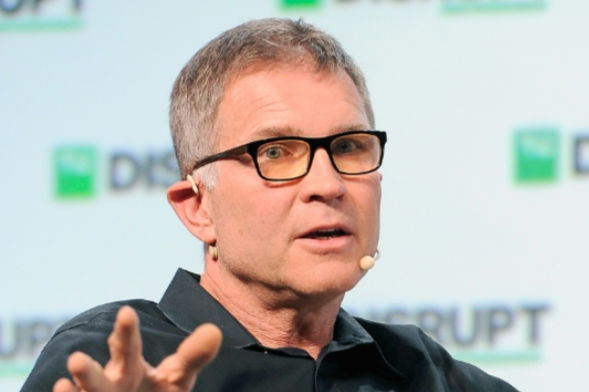
David Baszucki, co-founder of Roblox, spent years building the platform long before it became a cultural phenomenon. After selling his earlier company, Knowledge Revolution, for millions in 1998, Baszucki stepped back from public view and spent several quiet years experimenting with physics simulations and educational software. During this period, he lived far from the tech spotlight, quietly developing prototypes that would eventually evolve into Roblox. Once the platform launched in 2006, he continued operating mostly behind the scenes while children’s gaming communities slowly grew around it. It wasn’t until Roblox’s explosive surge in the late 2010s that Baszucki became widely known. His long, hidden chapter of post-sale experimentation remains a lesser-known phase in the life of a now highly influential tech leader.
31. Theodore Maiman
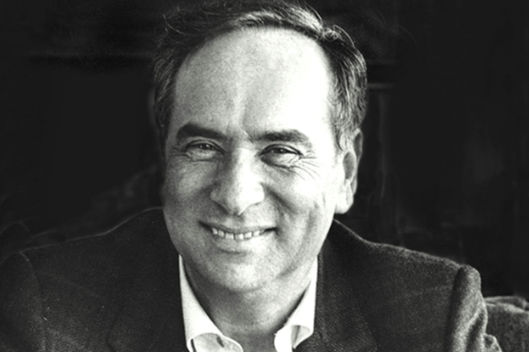
Theodore Maiman built the world’s first working laser in 1960, launching an entire field of technology used in medicine, communication, manufacturing, and everyday electronics. Despite the groundbreaking nature of his invention, Maiman never reached the fame of other physicists of his era. After early recognition, he stepped away from public scientific institutions and founded small research companies, preferring independent, low-profile labs over large government or academic roles. Maiman avoided media attention and lived quietly while continuing to prototype new optical technologies. Even though the laser became one of the most important inventions of the 20th century, its creator spent most of his career outside the spotlight, recognized mainly by specialists rather than the wider public.
32. Jeff Dean (Early Google Quiet Builder Phase)

Jeff Dean helped build the engineering foundation of Google, creating systems that allowed the search engine to scale to billions of users. His early work, on MapReduce, BigTable, and large-scale infrastructure, shaped cloud computing long before it entered mainstream conversation. Despite his enormous impact, Dean spent most of his early career largely invisible to the public, quietly writing and optimizing code rather than seeking executive recognition. Even after becoming a senior leader in Google’s AI division, he maintained a modest public presence, rarely doing interviews and focusing instead on research and engineering. Dean’s influence is undeniable, yet he remains one of Silicon Valley’s most quietly impactful figures, preferring technical work over public attention.
33. Luis von Ahn’s Co-Creator: Severin Hacker

Severin Hacker co-founded Duolingo alongside Luis von Ahn, helping build the language-learning platform’s early architecture and adaptive lesson system. The company’s success made Hacker extremely wealthy, yet he has always maintained one of the lowest profiles among major tech founders. After Duolingo expanded into a global brand used by hundreds of millions, Hacker gradually stepped back from public-facing leadership, focusing instead on internal research roles and product direction. He lives a quiet life centered on engineering, academic interests, and low-profile projects, rarely appearing in interviews or public events. While his work helped democratize language learning, Hacker remains almost anonymous outside tech circles, a prime example of an inventor who changed the world but chose a life far from fame.
34. Beulah Louise Henry
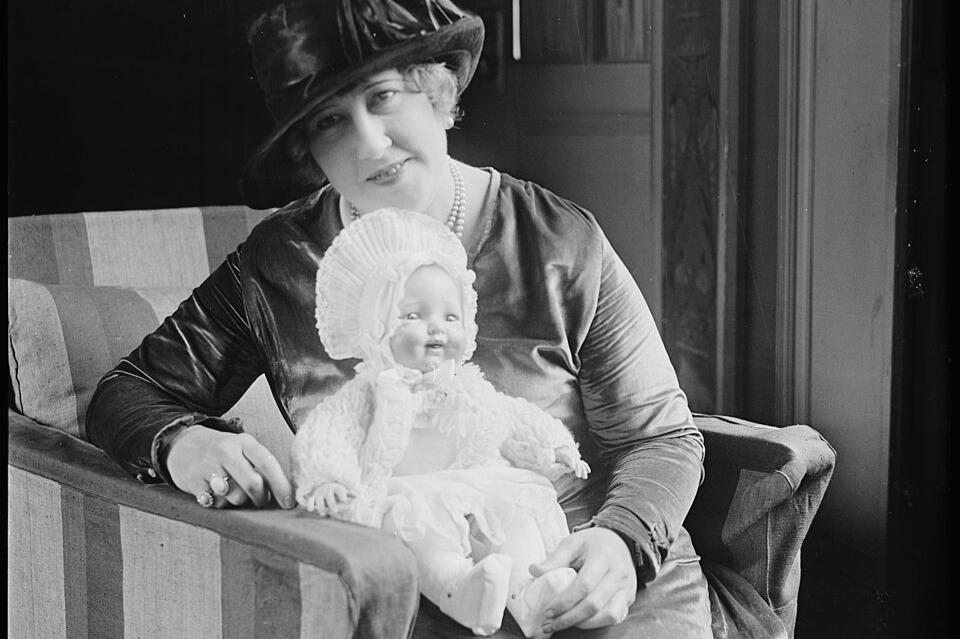
Beulah Louise Henry was once dubbed “Lady Edison” and held 49 patents, with more than 110 inventions to her name, more than any other woman of her time. Her creativity spanned everyday needs: she invented a bobbin-free sewing machine, a vacuum-ice-cream freezer, improved dolls, and even practical appliances that made manufacturing simpler. Rather than seeking fame or public adulation, Henry operated largely behind the scenes, working from New York City hotels, hiring model makers and patent lawyers to bring her ideas to life. Over decades she quietly contributed to household convenience and manufacturing innovation, yet today remains largely unknown outside specialist history circles. Her story reminds us that some of the most prolific inventors lived humble, private lives even as their creations quietly touched millions.
35. Maria E. Beasley
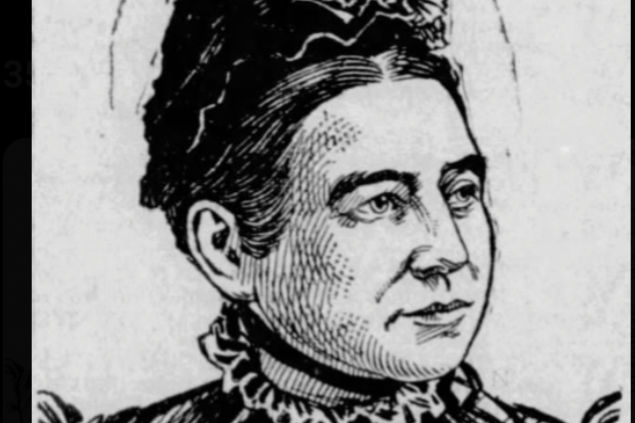
Back in the late 1800s, Maria E. Beasley earned her place among early female inventors in America. Between about 1878 and 1898 she patented fifteen inventions, from barrel-making machines to improved life rafts, anti-derailment train devices, and more. Her barrel-making machine became established enough to be licensed by major firms (including, reportedly, for oil barrels), and her raft designs were recognized at world’s fairs. Beasley founded her own companies and, upon sale of her business interests, reportedly earned a substantial sum, a rare success for a woman in her era. Despite this, she remains a little-known name today, her legacy largely confined to patent archives and specialized histories, rather than popular memory.
36. Florence Parpart
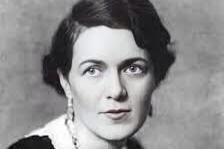
Florence Parpart was an American inventor active in the early 20th century, credited especially with an industrial street-sweeping machine and an early design of an electrical refrigerator. While many of her inventions were oriented toward industrial needs rather than consumer fame, her work contributed to the modernization of cleaning equipment and early refrigeration technology. Parpart mostly worked in obscurity, never achieving mass-public fame, yet her inventions played practical roles in improved daily life and industrial efficiency. Her story reflects how many innovators, especially women in her era, quietly shaped modern infrastructure without ever becoming household names.
37. Mary Dixon Kies
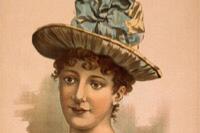
In 1809, Mary Dixon Kies became one of the first women in the United States documented to receive an official patent, for a method of weaving straw with silk and thread to make hats. That may seem modest today, but at a time when women inventors were rarely recognized, her patent stands as an early landmark. While weaving hats may not have transformed global technology, Kies’s act challenged societal norms of her era and opened doors for later generations of female inventors. Today she remains an important historical figure, not for fame or fortune, but for forging a path in a male-dominated system.
38. Stephanie Kwolek
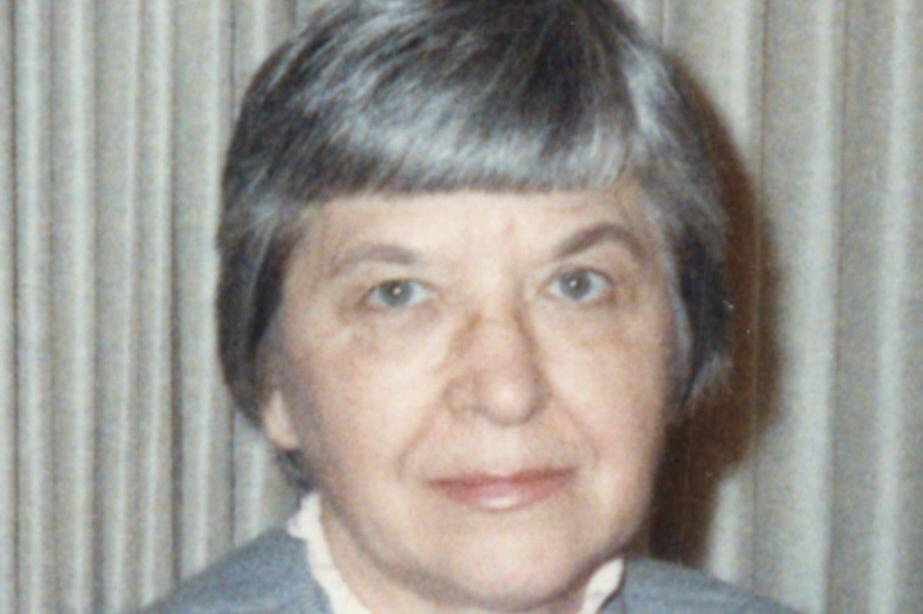
Stephanie Kwolek was a chemist whose work at DuPont led to the discovery of Kevlar, a fiber five times stronger than steel by weight. This invention revolutionized materials science and has saved lives via bulletproof vests, protective gear, and countless industrial uses. Despite the massive impact of her discovery, Kwolek remained modest and private, focused on science rather than personal publicity. Her humility and dedication exemplify how some of the most life-changing innovations come from individuals who never chase fame, but care deeply about solving real problems.
39. Hedy Lamarr
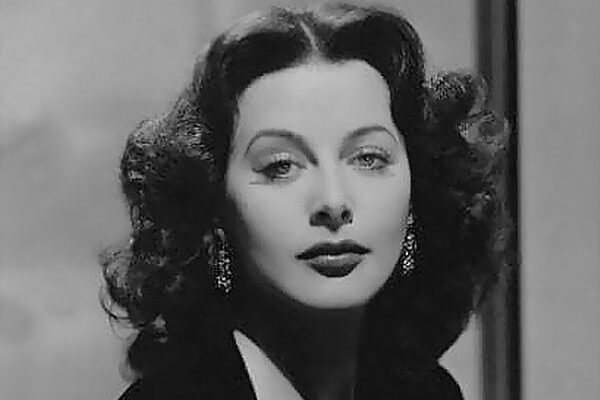
Hedy Lamarr, best known early in life as a Hollywood actress, quietly became one of the most impactful inventors of the 20th century. In 1942, she co-created a frequency-hopping communication system designed to prevent torpedo signals from being jammed during World War II. Though the U.S. Navy did not adopt it at the time, her patent later became foundational to technologies such as Wi-Fi, Bluetooth, and modern GPS communication. Lamarr never earned money from her invention and spent most of her later years living privately, out of public view. It wasn’t until decades afterward that she received recognition from engineers and historians. Her legacy is a reminder that world-changing ideas can come from unexpected places, and that some innovators go uncelebrated until long after their work reshapes modern life.
40. Tabitha Babbitt
Tabitha Babbitt, a member of the Shaker community in the early 1800s, is widely credited with creating the first circular saw used in sawmills. After observing workers struggle with inefficient manual saws, she designed a spinning, round blade that dramatically improved speed and safety. According to Shaker records, the idea was hers, though the patent was held collectively by her community, which meant she never sought personal credit or profit. Babbitt also contributed improvements to spinning wheels and textile tools, quietly shaping early American manufacturing. Despite her innovations becoming standard equipment in woodworking and lumber industries, she lived a humble, communal life, preferring service to recognition. Today, her name remains little known outside industrial history circles, though her invention still powers countless machines worldwide.
41. Bessie Nesmith Graham (Liquid Paper / White-Out)
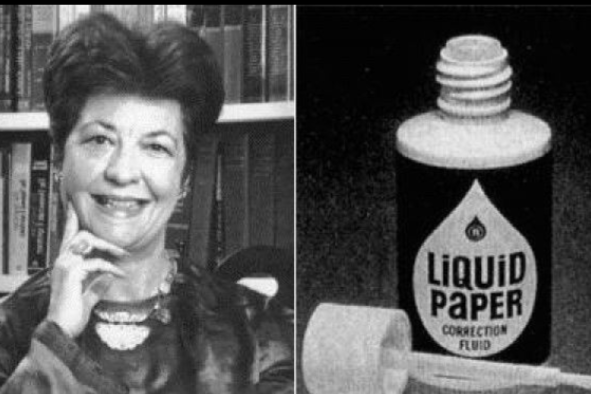
Bessie Nesmith Graham invented Liquid Paper, the correction fluid that became a staple on every office desk for decades. Working as a secretary in the 1950s, she struggled with fixing typing errors on early electric typewriters. Inspired by painters who covered mistakes with an extra stroke, she mixed tempera paint in her kitchen and began using it to correct her typing. Word spread among secretaries, and by the 1960s her product, later named Liquid Paper, became a global office necessity. She eventually sold the company to Gillette for millions, then stepped away from the spotlight to pursue philanthropy and community causes. Her invention is pure nostalgia: anyone who used a typewriter or early office supplies remembers the little white bottle that saved countless documents.
42. Ann Tsukamoto (Stem Cell Isolation)
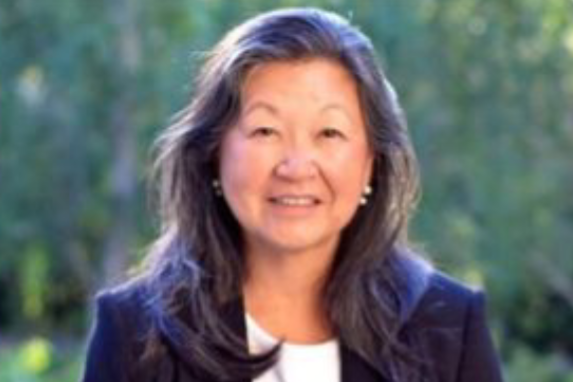
Ann Tsukamoto co-patented the process for isolating human blood-forming stem cells, a breakthrough that opened the door to modern treatments for leukemia, lymphoma, and bone marrow disorders. Her work made stem-cell transplants safer and more effective, something millions of families have benefited from, even if they never knew her name. Tsukamoto has remained a low-profile researcher throughout her career, choosing scientific progress over public attention. Today, her discovery continues to save lives in hospitals around the world. It’s one of those inventions people rely on without realizing the quiet woman behind it.
43. Melitta Bentz (The Coffee Filter)
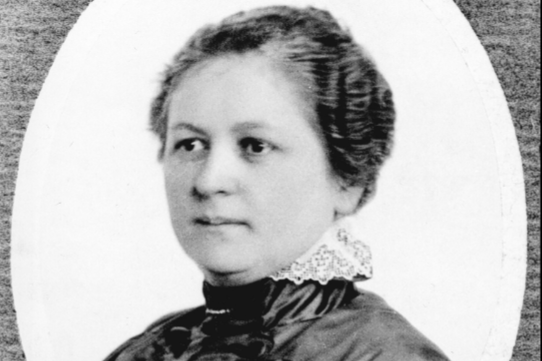
Melitta Bentz changed mornings forever when she invented the drip coffee filter in 1908. Tired of bitter, over-brewed grounds, she experimented using blotting paper from her son’s school notebook and punched holes into a tin cup, creating the world’s first modern pour-over system. Her simple idea turned into a household ritual used today in homes, diners, cafés, and offices worldwide. Bentz built a thriving company but never embraced fame, choosing a modest life focused on improving customer experience. Anyone who has ever used a paper coffee filter, from grandparents making breakfast to today’s pour-over enthusiasts, owes a morning smile to her quiet brilliance.
44. Margaret Knight (The Paper Bag Machine)
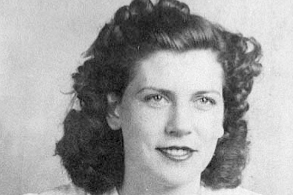
Margaret Knight invented the flat-bottom paper bag machine in the 1860s, a design still used in grocery stores, bakeries, bookstores, and lunchrooms today. Before her invention, bags were flimsy and impossible to stand upright. Knight’s machine revolutionized retail packaging, allowing bags to hold heavier items and making them perfect for everyday shopping. She patented over 80 inventions across her life, yet remained almost unknown to the public. Her work is a nostalgic reminder of simple things we all grew up using: brown lunch bags, grocery bags with handles, and the classic paper sack every kid carried at least once.
45. Mary Anderson (Windshield Wipers)
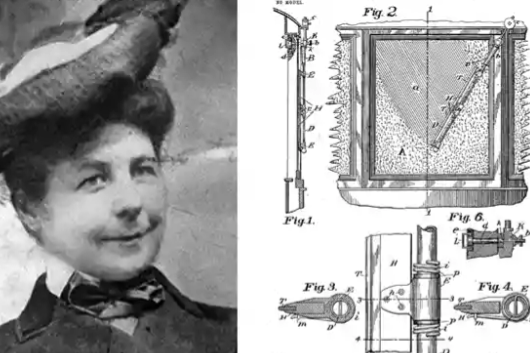
Mary Anderson invented the first functional windshield wiper in 1903 after noticing drivers struggling to see during bad weather. Her hand-operated mechanism was the prototype for every automatic wiper system used today in cars, buses, and trains. Although her patent expired before her invention became standard in vehicles, her idea became one of the most widely used automotive features in history. Anderson never sought fame and lived quietly, but every rainy-day drive, from childhood road trips to daily commutes, reflects her contribution. Her invention is one of those everyday conveniences nobody thinks about, yet everyone depends on.
46. Dr. Patricia Bath (Laser Cataract Surgery Device)
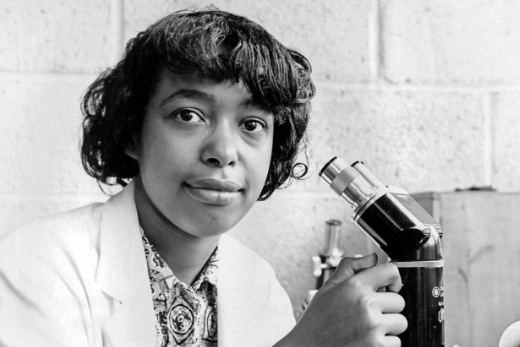
Dr. Patricia Bath pioneered a device and method for removing cataracts with lasers, a medical breakthrough now used worldwide. Her Laserphaco Probe allowed cataracts to be removed more precisely and with far less patient trauma, leading to millions of restored and improved vision cases. For anyone who has a parent, grandparent, or relative whose eyesight was saved by modern cataract surgery, Bath’s invention is part of that story. Despite her enormous impact as one of the first Black female ophthalmologists and a leader in eye-health equality, she lived most of her career outside mainstream fame. Her quiet innovation changed how healthcare treats one of the most common age-related conditions on Earth.
47. Joy Mangano (The Miracle Mop)

Joy Mangano invented the Miracle Mop in 1990, a self-wringing mop that became a runaway household sensation thanks to its simplicity and usefulness. Millions of families owned one in the 1990s and early 2000s, especially after seeing Mangano demonstrate it on QVC. Her invention sparked an entire wave of ergonomic home-cleaning tools. After selling her company for a substantial sum, Mangano gradually stepped back from day-to-day operations and lived a quieter entrepreneurial life, later portrayed in the film Joy. Her mop was the kind of nostalgic, practical item nearly every home had at some point, instantly recognizable to anyone who grew up around weekend cleaning routines.
48. Katharine Burr Blodgett (Non-Reflective Glass / Anti-Glare Coating)
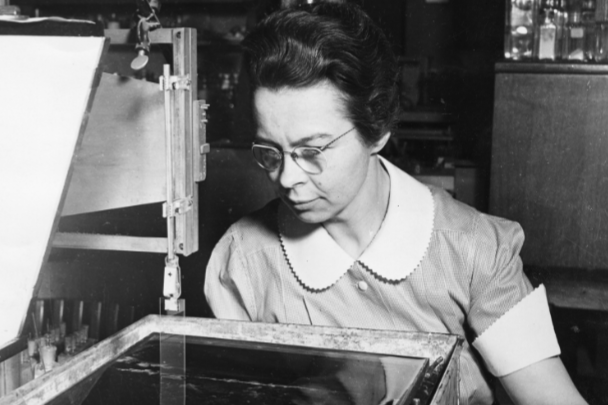
Katharine Burr Blodgett invented non-reflective (anti-glare) glass, the invisible, incredibly important coating used on camera lenses, eyeglasses, phone screens, car windshields, microscopes, and TVs. Her breakthrough in the 1930s created sharper images, clearer displays, and safer vision. Anyone who has worn glasses without glare, taken a photo, watched a movie, or used a smartphone benefits from her work. Despite impacting nearly every modern screen and lens, Blodgett stayed off the public stage, spending most of her career at GE laboratories. Her invention is a perfect example of something we all use constantly, without ever knowing the woman who made it possible.
49. Marion Donovan (Disposable Diaper Prototype)
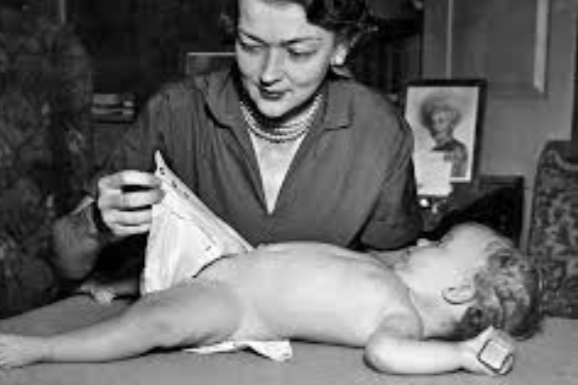
Marion Donovan invented the first practical waterproof diaper cover in 1946, a cloth diaper encased in a shower-curtain-like material called the “Boater.” This innovation kept babies dry and revolutionized childcare. Her later concept for a fully disposable diaper was rejected by manufacturers at the time, but it laid the groundwork for Pampers and every modern disposable diaper. Anyone who’s ever cared for a baby, or remembers siblings and cousins growing up, has used a product born from Donovan’s original insight. She sold her patents and then retreated from the limelight, spending the rest of her life inventing quietly and raising her family.
50. Ruth Wakefield (The Chocolate Chip Cookie)
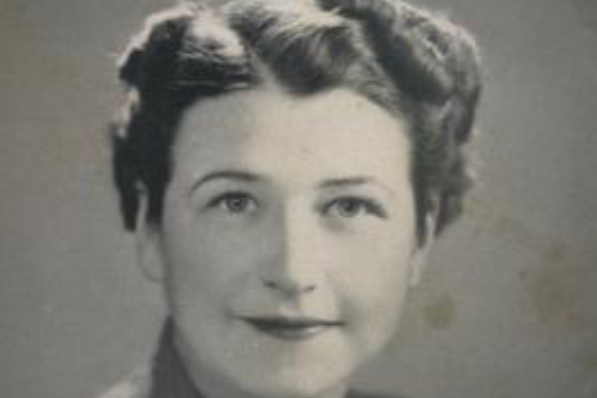
Ruth Wakefield invented the chocolate chip cookie in the 1930s at the Toll House Inn in Massachusetts. What began as a simple baking experiment, adding chopped chocolate to cookie dough, became one of the most beloved treats in the world. Wakefield sold the recipe to Nestlé in exchange for a lifetime supply of chocolate and lived a largely private, hospitality-focused life afterward. Her creation remains pure nostalgia: school bake sales, holiday tins, childhood lunches, and warm after-school treats all trace back to her invention. Few everyday foods spark as many warm memories as the humble chocolate chip cookie.
51. Ada Lovelace (The First Computer Algorithm)
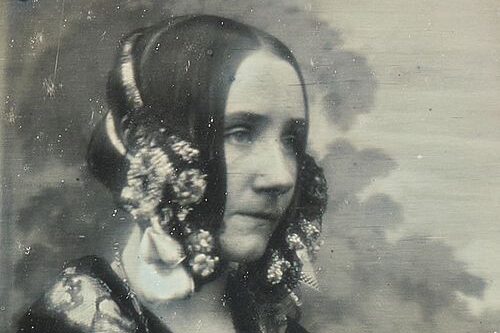
Ada Lovelace wrote the world’s first computer algorithm in the 1840s for Charles Babbage’s Analytical Engine, long before computers existed. Her notes laid the foundation for programming logic used today in everything from calculators to smartphones. Though she didn’t invent a physical gadget, anyone who has ever used a computer, tapped an app, or run software has benefitted from her conceptual breakthrough. Lovelace never lived to see her ideas realized and died young, spending her life far outside fame’s reach. Yet her influence is woven into every digital experience we have today, making her one of history’s most quietly transformative inventors.
52. Alice H. Parker (Modern Gas Home Heating)
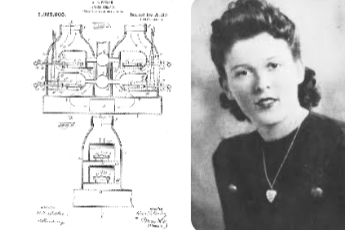
Alice H. Parker patented the first modern gas-powered central heating furnace in 1919, a design that allowed homes to be heated more efficiently and safely than coal or wood systems. Her idea introduced temperature zoning and the concept of pushing warm air through ducts, which became the blueprint for today’s HVAC systems. Anyone who has felt warm inside on a freezing winter morning is living with Parker’s innovation. Despite its massive impact, Parker remained largely unknown during her lifetime, and even today her name surprises many readers. Her quiet legacy lives in every home, school, and office warmed by modern heating.
53. Josephine Cochrane (The Dishwasher)
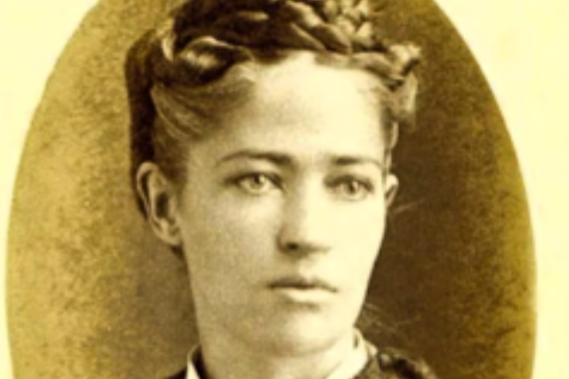
Josephine Cochrane invented the first practical mechanical dishwasher in 1886 after becoming frustrated with servants chipping her fine china. Her machine used water pressure instead of handwashing, and though it was originally adopted by hotels and restaurants, it eventually became a beloved household staple. By the mid-20th century, dishwashers transformed everyday kitchen cleanup, freeing families from hours of manual work. Cochrane lived modestly and never gained widespread fame, yet almost every home today uses a device inspired by her original design. Anyone who has enjoyed the comfort of loading dishes and walking away owes a thank-you to her practical brilliance.
54. Rosalind Franklin (DNA Structure Foundation)
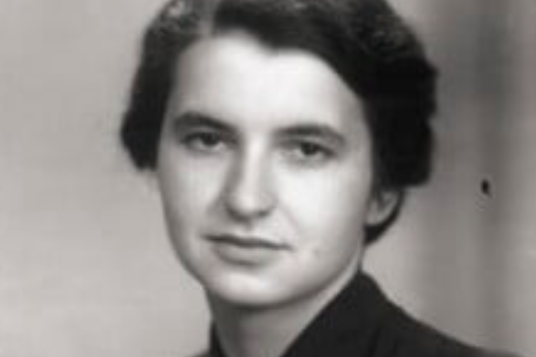
Rosalind Franklin produced the X-ray diffraction images, most famously “Photo 51”, that revealed the structure of DNA and made modern genetics possible. Her work became the foundation for everything from ancestry tests to medical diagnostics and biotechnology. Even though her data directly enabled Watson and Crick’s model of the double helix, Franklin received little recognition during her lifetime. Today, anyone who has taken a DNA test, learned genetics in school, or benefitted from precision medicine is connected to her discovery. Her legacy is globally impactful yet rooted in a quiet, deeply dedicated scientific career.
55. Virginia Apgar (The Apgar Score for Newborns)
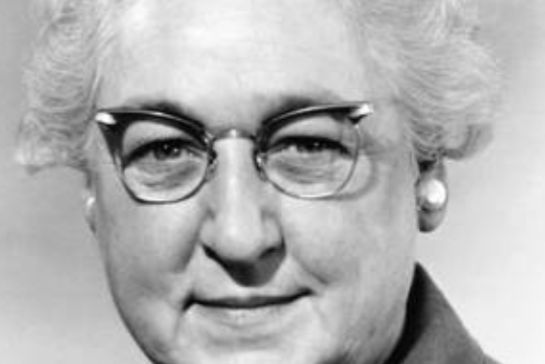
Dr. Virginia Apgar created the Apgar Score in 1952, a simple, life-saving test used to quickly assess the health of newborn babies at one and five minutes after birth. The score evaluates breathing, heart rate, muscle tone, reflexes, and skin color. It is used in nearly every hospital in the world. If you were born in a hospital, you almost certainly received an Apgar Score. Despite its universal impact, Apgar herself never became widely known by the public; she worked quietly in medicine and public health. Her invention is one of the most relatable on Earth, nearly every family has experienced it without knowing her name.
56. Martha Coston (Modern Signal Flares / Maritime Safety Flares)
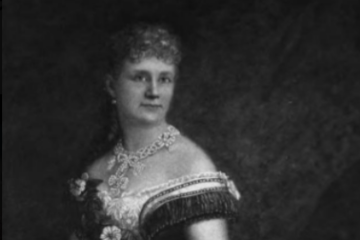
Martha Coston developed the modern maritime signal flare system, a lifesaving communication method still used by ships, the military, and emergency responders today. After discovering her late husband’s early notes, she spent nearly a decade perfecting a bright, color-coded flare system that worked reliably at sea. Patented in 1859, her invention became standard equipment for navies around the world. Anyone who has seen a flare in a movie, watched a fireworks-style emergency demonstration, or learned about nautical safety has encountered Coston’s legacy. Despite the massive global adoption of her invention, she lived much of her life outside the spotlight, quietly managing her company and supporting her family with the patent profits.
57. Sarah Boone (The Modern Ironing Board Design)
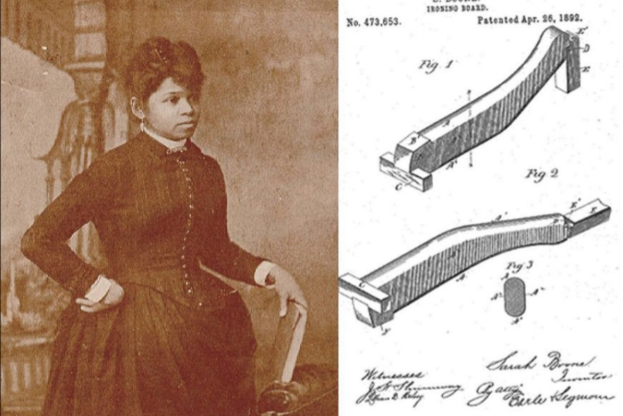
Sarah Boone improved and patented a refined version of the ironing board in 1892, especially shaped to iron fitted sleeves and women’s garments more efficiently. Her curved, narrow board design became the template for the foldable, household ironing boards still used today. Generations of families relied on this invention before wrinkle-free fabrics and steamers existed, making it a nostalgic household staple. Boone, a formerly enslaved woman turned dressmaker, received little public attention in her lifetime, yet her contribution quietly shaped daily domestic life for more than a century. Anyone who remembers hearing the metallic “clunk” of an ironing board unfolding has used a descendant of her design.
58. Dr. Shirley Ann Jackson (Touch-Tone Phone, Caller ID & Fiber-Optic Foundations)
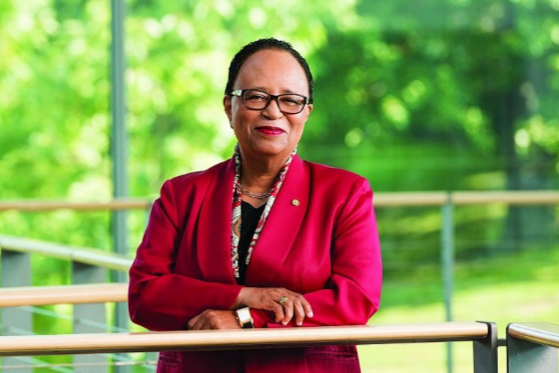
Dr. Shirley Ann Jackson’s research at Bell Labs helped lay the groundwork for Caller ID, Call Waiting, and the touch-tone telephone, technologies that defined landline calling for decades and shaped early digital communication. Her work also contributed to fiber-optic network development, something nearly everyone relies on today for internet access. Although her contributions power some of the most familiar sounds and habits of late-20th-century life, the beeps of a phone keypad, checking who’s calling, waiting on hold, Jackson herself maintained a low public profile outside academia and policy work. Her inventions evoke pure nostalgia for anyone who remembers home phones, long cords, or learning friends’ numbers by heart.
Some inventors stay in the spotlight forever, but many choose a different path. After creating groundbreaking innovations, the people in this list stepped back, cashed out, or simply moved on to quieter lives. Whether they turned to mentoring, philanthropy, family life, or private projects, each left a mark that still shapes our world today.
The story 58 People Who Invented Something Huge, Cashed Out, and Disappeared- Where Are They Now? was first published on Daily FETCH


