
1. Liza Koshy

Liza Koshy started on Vine in 2013, posting quick, comic sketches under the alias “Lizzza.” When Vine shut down, she smoothly transitioned to YouTube, and by 2017 she became the fastest person ever to hit 10 million subscribers on the platform. Since then, she hasn’t slowed down. She moved into acting (with roles in films and TV like the horror-comedy “Boo! A Madea Halloween” and the series Freakish), starred in web-series including Liza on Demand, and diversified into hosting. Now in 2025, Liza continues to juggle YouTube uploads, acting gigs, and brand collaborations, showing how early internet fame evolved into a multi-platform entertainment career.
2. Lele Pons

Lele Pons once held the title of most-followed woman on Vine. Her quick comedic sketches, often featuring self-deprecating humor, pratfalls and over-the-top reactions, made her an instant internet star. After Vine shut down, she expanded onto YouTube, Instagram and other platforms. Over the years, she added acting, music and writing to her repertoire: she released songs, appeared in films and TV, and even co-authored a novel. As of 2025, she’s married to fellow artist Guaynaa, expecting a child, and remains active across social media, a testament to how a Vine-era star can build long-term relevance.
3. Zach King
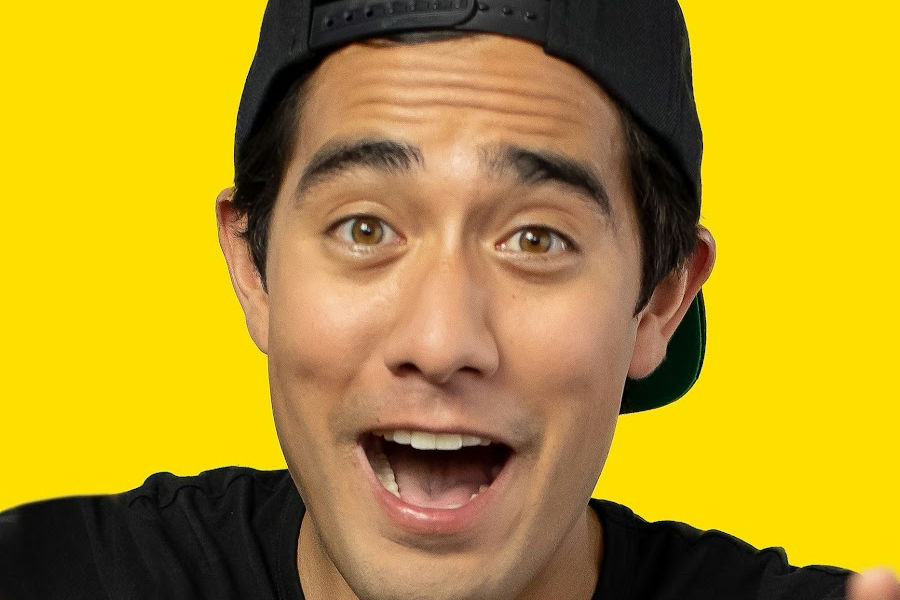
Zach King first wowed the internet with six-second “magic vines” on Vine, short, clever illusions that looked like real magic. That style launched him into fame. When Vine disappeared, Zach migrated his magic-style content to long-form platforms. On YouTube and later on TikTok, he continued to captivate audiences. As of 2025, he boasts millions of followers across platforms and billions of aggregated views. He’s become one of the most enduring early-internet stars, evolving from quick magic clips to polished, professional content that still carries the playful spirit of his roots.
4. Thomas Sanders

Thomas Sanders built a massive following on Vine thanks to his humorous “Narrating People’s Lives” and story-style sketches. He blended acting, singing, and comedic timing, hitting a sweet spot for fans of bite-size, relatable content. After Vine shut down, Sanders didn’t fade away. He expanded to YouTube, Instagram, TikTok and other platforms, continuing with longer-form content including comedic sketches, music, and personal commentary. As of 2025, he is still active online, with a loyal fanbase across different media. Sanders’ journey shows that viral fame doesn’t have to end with a platform, it can simply evolve into a more mature, diversified creative presence.
5. Cara Cunningham (formerly Chris Crocker)

In 2007, Cara Cunningham made internet history with the viral video “Leave Britney Alone!”, a tearful monologue defending pop icon Britney Spears during a controversial performance. The clip made Cunningham one of the first globally known internet personalities. Over time, Cunningham’s digital presence shifted, she eventually closed her YouTube account in 2015. Though no longer in the limelight, her influence endures: she’s recognized as a pioneer who helped show how raw emotion and personal storytelling could break through online. Her story reminds us that for some viral stars, influence isn’t measured in ongoing content output, it’s the cultural impact they leave behind.
6. Rebecca Black
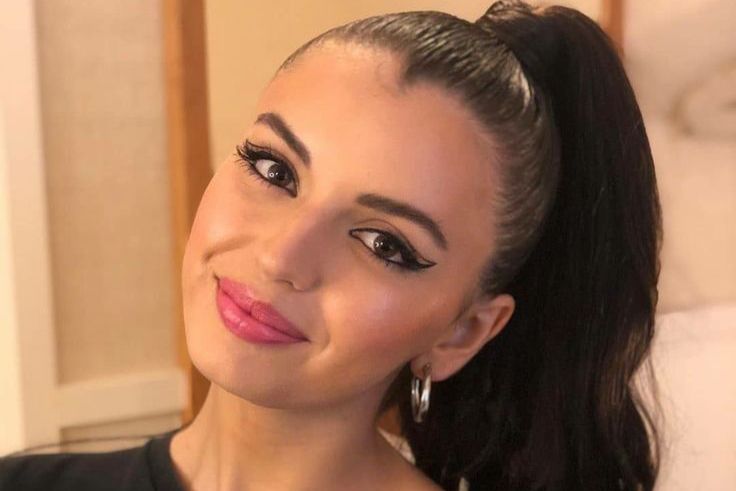
Rebecca Black shot to worldwide attention in 2011 when she released the music video for “Friday” at age 13. The song exploded on YouTube and across the internet, becoming a viral phenomenon, widely mocked yet impossible to ignore. Though the backlash was intense, Rebecca didn’t disappear. She eventually returned to music, and by 2025 she released a studio album called Let Her Burn. Her journey shows how early-internet virality can evolve: from meme status to a more mature, self-driven pop and creative career, reclaiming identity on her own terms.
7. Antoine Dodson
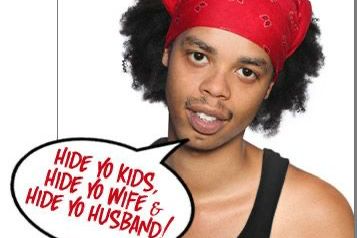
Antoine Dodson famously broke the internet in 2010 after a news interview in which he warned a home intruder: “hide your kids, hide your wife, hide your husband,” in the wake of a violent crime. That impassioned outburst was remixed by creators into Bed Intruder Song, which quickly became a global viral hit on YouTube. The fame translated into real change: Dodson used proceeds from the music’s success to move his family out of public housing. Over time, though his presence faded compared to the peak, he remains a symbol of early-internet virality, proof that an ordinary person’s moment captured on camera can reach millions and resonate worldwide.
8. Gary Brolsma (the “Numa Numa” Guy)

Way back in December 2004, Gary Brolsma casually recorded a lip-sync video to Dragostea din tei by O-Zone, flailing his arms, mouthing the words, and clearly having fun. The video, titled Numa Numa Dance, became one of the first global internet sensations, with hundreds of millions of views worldwide. Despite the fame, Brolsma was uncomfortable with the sudden spotlight and initially stepped back. Over the years he kept a low profile, but in recent times he’s returned to creative pursuits: running a small web-design business and occasionally releasing music. His 2023 comeback video remaking his classic dance proves that even decades later, nostalgia remains real, and he’s still that same joyful spirit who lip-synced in front of a webcam for fun.
9. Brooke Brodack (Brookers)

Brooke Brodack was among the first to show what budding creators could do when she launched her YouTube channel “Brookers” in 2005. By mid-2006, she had become the most-subscribed YouTuber in the world, thanks to her self-directed, often absurdist comedy videos made at home. At a time when YouTube was brand new, she competed for mainstream attention, even securing a development deal with TV. Over time, though her public presence declined and she faded from the spotlight. Looking back on her journey now highlights how early internet fame was far from guaranteed longevity, yet it opened the door for the era of content creators that followed.
10. Bethany Mota

Bethany Mota became a household name as one of YouTube’s earliest style and beauty gurus. Her simple, honest approach to fashion tips and makeup tutorials resonated with millions of young viewers, long before “influencer” was a common word. Her online popularity translated into real-world opportunities: she worked with major brands, appeared in media projects, and made the jump into more traditional entertainment and business ventures. Today, she stands as an early model of what being a digital creator could become, transforming from a self-made teen YouTuber into a full-fledged influencer and entrepreneur.
11. Jenna Marbles

Jenna Marbles, whose real name is Jenna Mourey, was one of YouTube’s earliest breakout stars. She began posting comedic vlogs and skits around 2010-2011, winning millions of followers with her candid humor and relatable commentary. For several years she was among the most subscribed creators on the platform. In 2020, she quietly stepped away from public posting on YouTube, citing a need to reflect on content and privilege after widespread conversations about race and representation. Since then she has maintained a very private life, occasionally updating fans about personal projects on social media. Her departure marked a rare but respectful exit, leaving a lasting legacy as one of the first true “internet-famous” creators.
12. Ryan Higa (nigahiga)

Ryan Higa, better known as nigahiga, rose to fame in the late 2000s and early 2010s with hilarious comedy sketches, music-parody videos and inventive editing on YouTube. His video “How to be Ninja” became one of the site’s earliest viral hits, helping define what online comedy could be.Though YouTube’s landscape changed a lot over the years, Ryan stayed active: he expanded into short films, podcasts, and collaborations, showing versatility beyond simple sketches. As of 2025, he continues to post, not always at the peak frequency of his early years, but still keeps a dedicated fan base. His journey illustrates how early-internet fame can mature rather than vanish.
13. Lucas Cruikshank (Fred Figglehorn)

Lucas Cruikshank, creator of the hyper-energetic character Fred Figglehorn, was among the first to show that YouTube characters could have real popularity. In the late 2000s, “Fred” videos blew up, spawning TV deals and even a feature film, making Lucas one of the first “internet character to mainstream media” successes. In recent years, however, Cruikshank stepped away from the over-the-top Fred persona. He’s embraced a more private, grounded lifestyle, occasionally sharing personal updates and creative projects under his real name. While he no longer dominates trending feeds, many former fans still remember him as a pioneer, proof that early YouTube creativity could cross over into broader media.
14. Psy (Gangnam Style Star)

Psy, South-Korean musician whose 2012 hit Gangnam Style became the first video ever to reach a billion views on YouTube. The song’s wild dance and catchy beat became a global phenomenon, crossing language and cultural barriers to “break the internet” long before TikTok challenges.Since that moment, Psy has continued his music career: releasing new songs, performing worldwide, and embracing creative growth beyond just one hit. Though none of his later songs matched the viral explosion of “Gangnam Style,” he remains a respected artist and a symbol of how a single moment can change global pop culture, and how an internet hit can evolve into a sustainable career.
15. KSI (Olajide Olatunji)

KSI (real name Olajide Olatunji) launched his YouTube career in the late 2000s posting gameplay videos, especially of FIFA, and humorous commentary, which gained a large following. Over time he diversified into comedy, music and eventually became one of the biggest independent creators from the UK, helping shape what online stardom could look like outside the US. Today (2025), KSI has built a multi-faceted career: he’s a successful music artist, a boxing personality, and continues to create content. His endurance shows how a start on YouTube gaming commentary could evolve into a diversified entertainment empire, long before TikTok disrupted the social-media space.
16. Paul “Bear” Vasquez (Double Rainbow Guy)
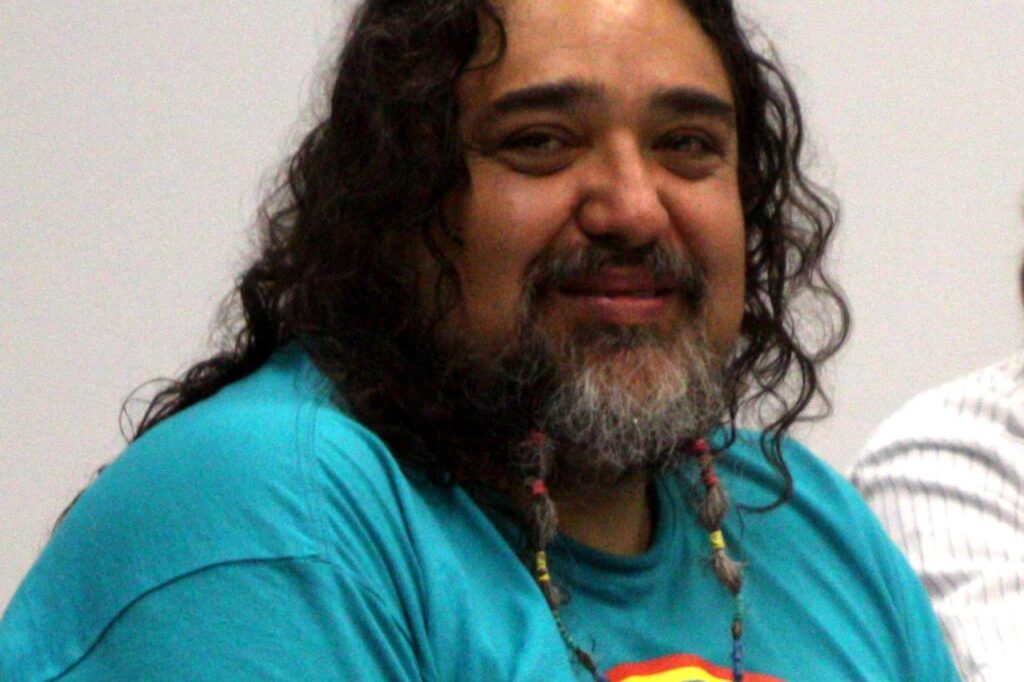
Paul “Bear” Vasquez became a viral legend in 2010 when he filmed a double rainbow over Yosemite National Park. His emotional reaction, laughing, crying, and asking “What does it mean?”, turned the clip into one of YouTube’s most wholesome early memes. The video earned millions of views and landed him guest appearances on national shows and even commercials. In the years that followed, Vasquez continued sharing nature-themed videos and updates from his mountain home, remaining a kind and uplifting figure online. He passed away in 2020 at age 57, but his joyful moment continues to circulate as one of the internet’s earliest examples of pure, unfiltered wonder.
17. Harry and Charlie Davies-Carr (Charlie Bit My Finger)

In 2007, a simple home video of toddler Charlie biting his older brother Harry’s finger unexpectedly became one of YouTube’s most viewed clips of all time. The charming, unscripted moment turned the Davies-Carr brothers into early viral stars before “going viral” was a familiar phrase. As they grew up, the family occasionally shared updates, but largely kept life private. In 2021, the original video was sold as an NFT, though the family later clarified that the clip would remain viewable online. Today, both brothers are focused on school and normal life. Their early fame stands as a reminder of how small family moments once shaped global internet culture.
18. Laina Morris (Overly Attached Girlfriend)

Laina Morris first appeared online in 2012 when she submitted a parody entry to a Justin Bieber contest, wide-eyed, smiling intensely, and singing lyrics filled with exaggerated devotion. Her performance instantly became the “Overly Attached Girlfriend” meme, spreading across forums and social media. Morris embraced the attention for several years by creating comedy videos on YouTube, where she built a strong following and explored more varied humor. In 2019, she announced she was stepping away from YouTube for mental-health reasons but has remained open and honest with her audience about personal growth. Though no longer active online, she remains one of the most recognizable faces from the early meme era.
19. Tay Zonday

Tay Zonday shot to internet fame in 2007 with his deep, unusual voice and original song “Chocolate Rain.” The track went viral for both its melody and Zonday’s quirky, piano-driven performance. “Chocolate Rain” became one of the earliest examples of a music video becoming a global meme. Since that breakthrough, Zonday has maintained a low-profile music career, occasionally producing content for YouTube and collaborating with other online creators. He continues to embrace the identity that first made him famous while expanding into online commentary and music projects, showing that early viral fame can become a sustainable, if niche, career in digital media.
20. Natalie Tran

Australian YouTuber Natalie Tran, also known as CommunityChannel, became famous in the late 2000s for her relatable, humorous sketches about everyday life. Her witty commentary and impeccable comedic timing helped her gain millions of subscribers. Tran’s videos often combined dry humor with creative editing, making her one of the first YouTube personalities to show that intelligent humor could attract mass audiences. Today, she posts less frequently and has shifted focus to other creative pursuits, including short film work and writing. Despite stepping back from daily uploads, she remains a respected figure in online comedy, remembered as a pioneer for female YouTubers worldwide.
21. Smosh (Anthony Padilla & Ian Hecox)

Smosh, the comedy duo of Anthony Padilla and Ian Hecox, became one of YouTube’s first big sensations in the mid-2000s. Their lip-sync videos and sketch comedy pushed the boundaries of what creators could achieve on a fledgling platform. Smosh helped define early internet humor and inspired a wave of other content creators. While Anthony Padilla left the company in 2017 to pursue independent projects, Ian Hecox continues producing content under the Smosh brand. Both remain active in entertainment and social media, showing how early online comedy teams could successfully transition to sustainable, long-term careers.
22. The Gregory Brothers (Auto-Tune the News)
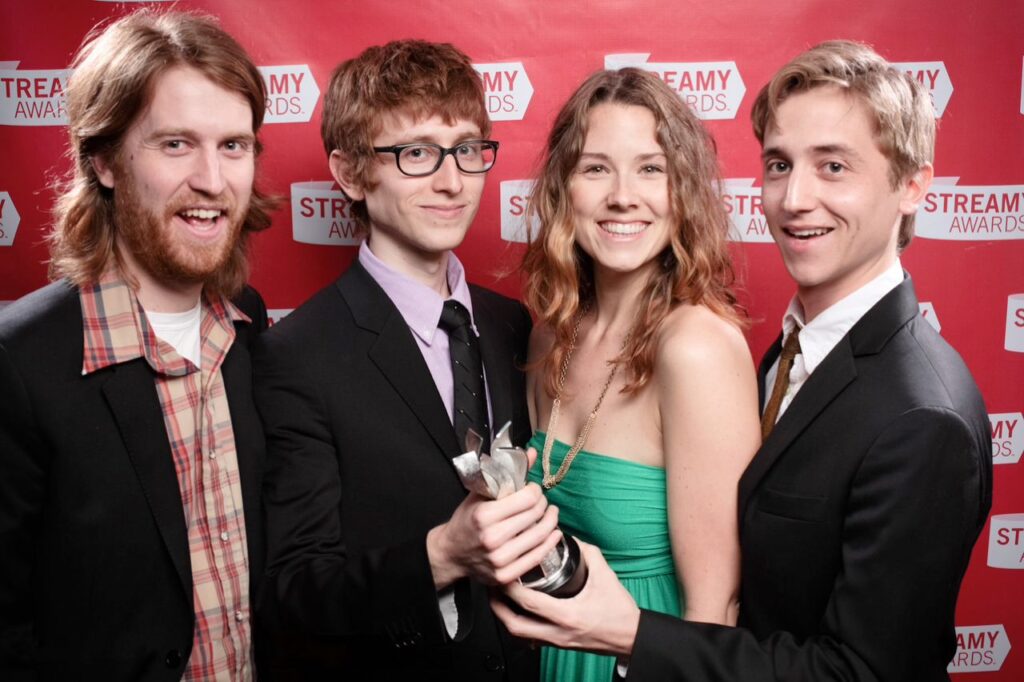
The Gregory Brothers rose to fame with “Auto-Tune the News,” taking viral news clips and turning them into catchy songs with humorous auto-tuned voices. Their clever editing style and comedic approach to current events captured millions of viewers, creating a unique niche in viral media. Today, the brothers continue producing music and content under their Songify the News and Schmoyoho channels. They have collaborated with major artists and brands while remaining true to the viral, humorous style that initially brought them attention. Their work illustrates how creativity and technical skill can turn even short clips into enduring internet phenomena.
23. Chris Trolls (Keyboard Cat)
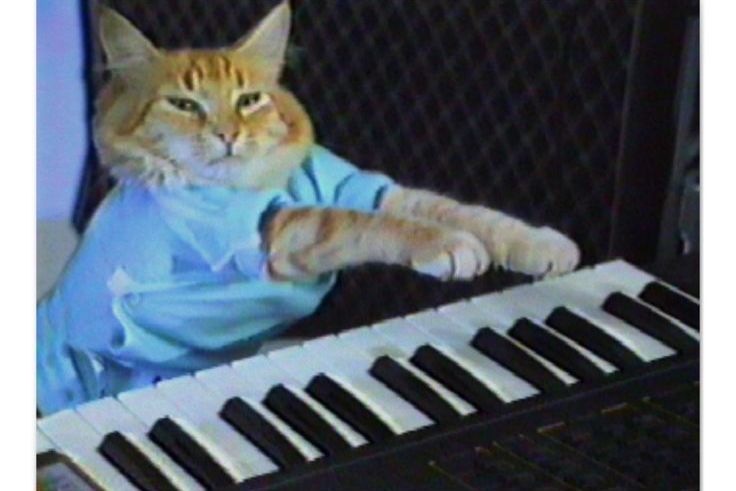
Keyboard Cat became one of the most enduring early internet memes after a video showing a cat “playing” a keyboard went viral. Though the cat itself passed away, the clip continued to circulate, used humorously in countless online contexts. The original creator, Charlie Schmidt, maintained the Keyboard Cat videos and occasionally updated fans with content. By 2025, Keyboard Cat remains a staple reference in meme history, demonstrating how even a short, simple clip can become a foundational piece of online culture. The phenomenon exemplifies early viral content’s power to persist well beyond its initial release.
24. Nyan Cat (Chris Torres)
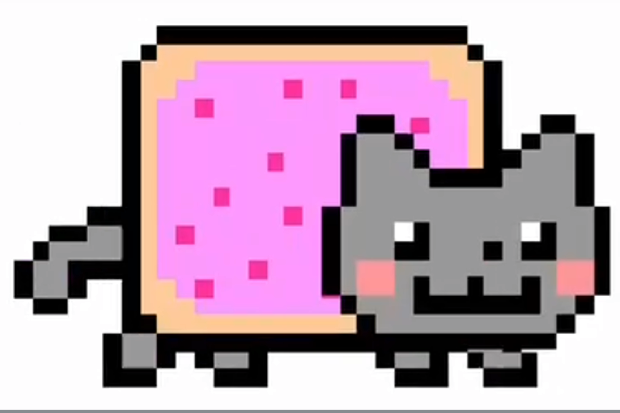
Nyan Cat, a pixelated flying cat with a Pop-Tart body leaving a rainbow trail, became an internet sensation in 2011. Created by artist Chris Torres, the short animation paired with a catchy Japanese pop tune spread rapidly across YouTube, Tumblr, and other early social media platforms. The meme was so popular that it inspired merchandise, remixes, and fan tributes. Torres has since continued digital art projects and occasionally revisits Nyan Cat for nostalgic celebrations. The meme’s continued recognition shows the lasting appeal of quirky, shareable visuals in viral culture.
25. Charlie the Unicorn
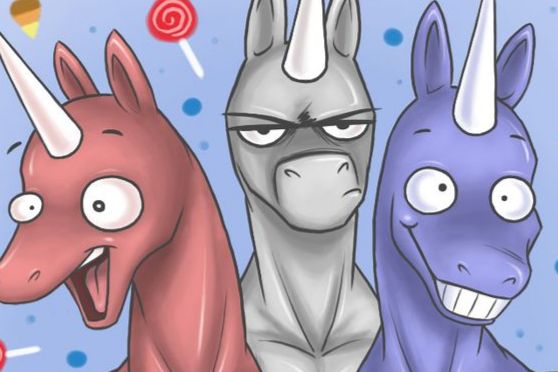
Charlie the Unicorn, a bizarre and humorous animated series, captured millions of viewers on Newgrounds and early YouTube platforms in the mid-2000s. Its surreal humor, catchy songs, and absurd storytelling made it a cult favorite, influencing online animation trends for years. The creators, Jason Steele and FilmCow, later expanded into more animation projects while occasionally revisiting Charlie in fan events or social media posts. This series exemplifies how early viral content wasn’t just people in front of webcams but could also include inventive, shareable animation that inspired entire communities online.
26. Honey Badger (Randall)
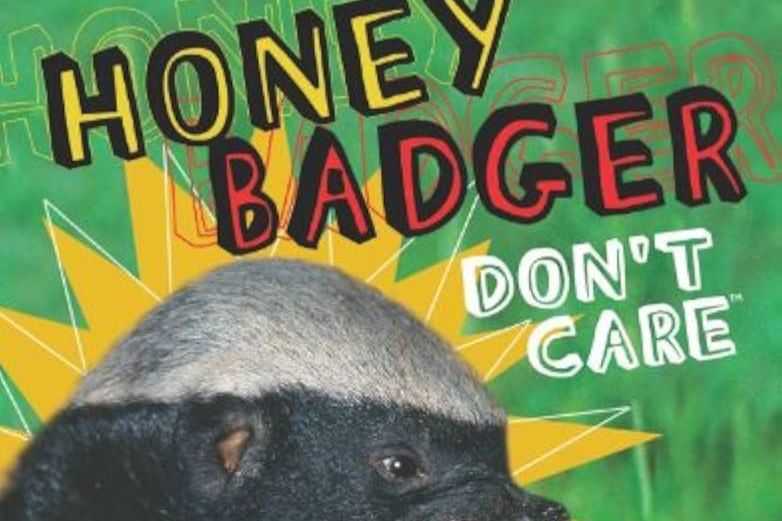
The “Honey Badger Don’t Care” video, narrated by Randall in 2011, became an instant viral sensation. Randall’s comedic voiceover of National Geographic footage captured the fearless attitude of the honey badger, turning it into a worldwide meme. Over the years, the video has been referenced in pop culture, parodied, and remixed countless times. While Randall did not pursue a full-time online career, the Honey Badger video remains a classic example of early viral internet humor, proof that clever narration paired with unexpected footage could capture global attention and maintain relevance for years.
27. Dramatic Chipmunk (Five-Second Video)
The “Dramatic Chipmunk” clip, a five-second video of a prairie dog turning dramatically toward the camera, became one of the earliest viral internet hits. Uploaded in 2007, the short, humorous moment spread across forums, YouTube, and email chains. Though it features no dialogue, the exaggerated reaction and suspenseful music made it instantly memorable. The creator, Andover, has since stepped back from viral content, but the clip continues to be referenced, remixed, and shared widely. Its popularity highlights the power of simplicity in early viral media, a tiny moment could achieve global recognition with no words needed.
Revisiting these stars reminds us that the early days of virality were raw, experimental, and endlessly entertaining, and their legacy still resonates in today’s social media landscape.
This story Where are They Now? 27 Viral Stars Who Broke the Internet Before TikTok was first published on Daily FETCH


