
1. Elephants Who Show Their Hearts
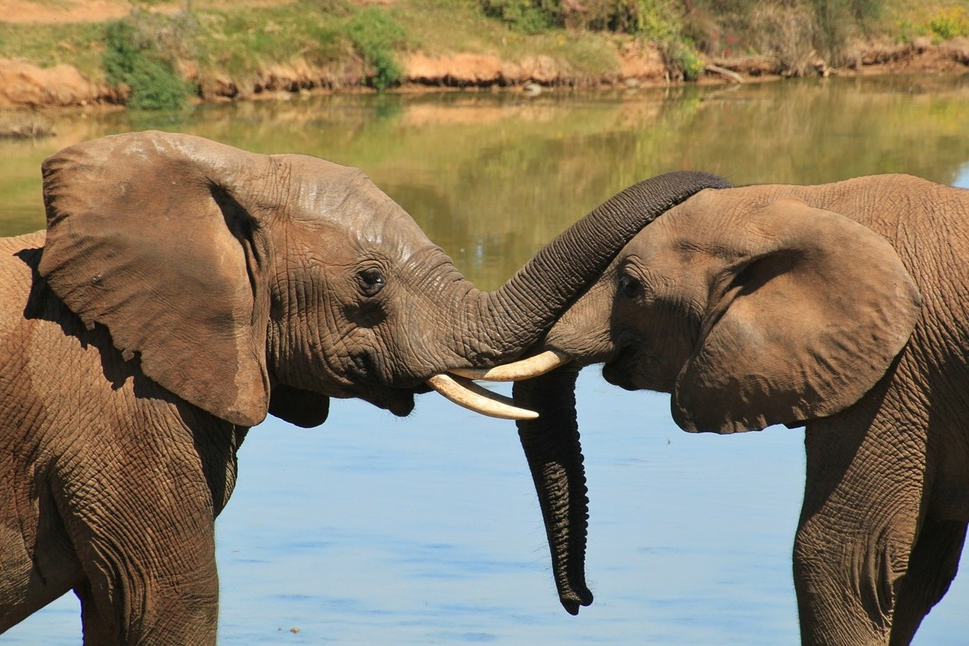
Sometimes emotions show up in places we least expect, and elephants are usually the first to remind us that feelings are universal. Watching them pause beside a fallen companion or gently touch another’s trunk feels like looking through a window into something familiar. They gather in quiet circles, standing close as if offering the comfort of presence rather than sound. Families move slowly when one of them is hurting, keeping pace with the emotional weight around them. It is tender in a way that needs no translation, and it sets the tone for how many animals feel more than we imagine.
2. Dogs Who Celebrate Your Return

Dogs have a way of making everyday reunions feel like grand occasions. They jump, wiggle, spin and greet you with bright eyes that seem to smile long before their mouths do. Their joy fills the moment with warmth, like a little spark that lights up the entire room. The way they lean into you or place a paw gently on your knee feels like a simple but genuine reminder that you matter to them. Their happiness is uncomplicated and honest, teaching us that love can be loud, enthusiastic and wonderfully contagious in the smallest daily moments.
3. Dolphins Who Love to Play
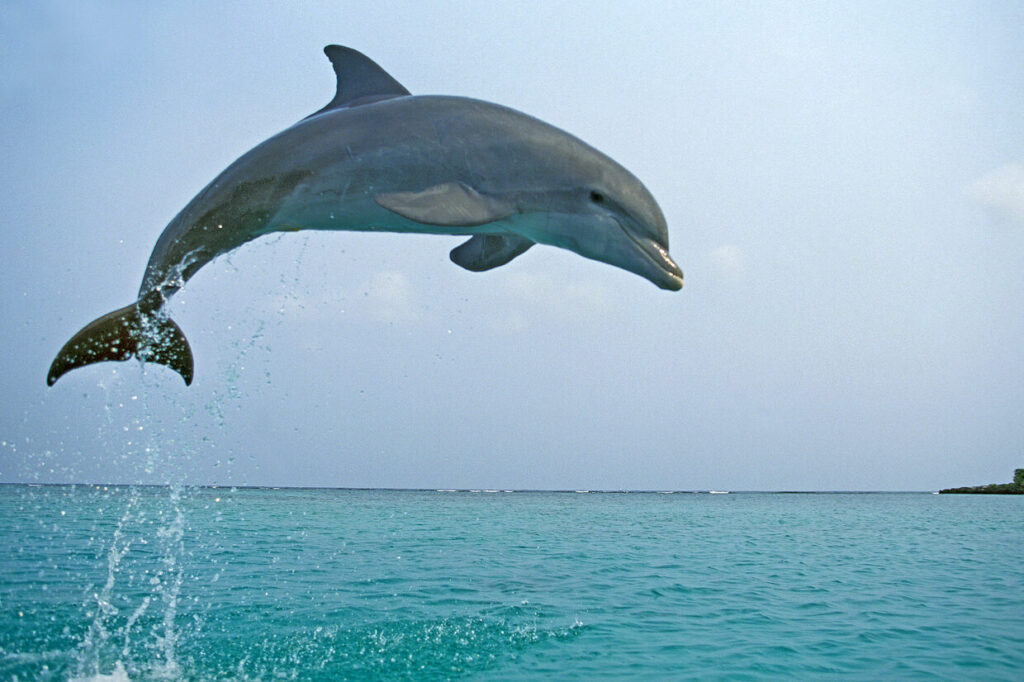
Dolphins show emotions in energetic bursts that feel almost human in spirit. They chase one another through the waves, circling back as if inviting a friend to stay in the fun just a little longer. Their playful jumps and light splashes make the ocean feel like a giant playground filled with laughter. Watching them glide together in harmony gives the impression of a shared inside joke carried through the water. There is something warm and familiar in their curiosity and delight, reminding us that joy can be expressed in movement and shared moments as easily as in words.
4. Cats Who Choose Quiet Affection
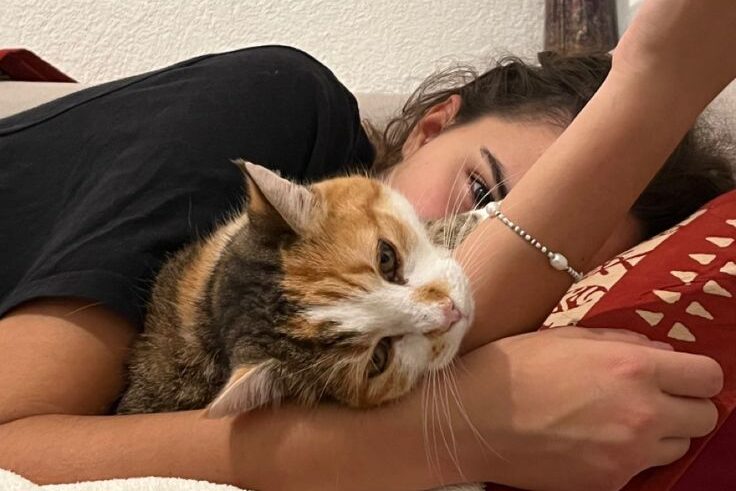
Cats often express emotion in soft, understated ways that feel tender once you learn their language. A slow blink becomes a peaceful greeting, and a gentle head bump feels like a small but meaningful gesture of trust. When a cat curls beside you and settles with a calm breath, it is their way of choosing closeness without needing anything dramatic. They follow you from room to room, sit near your feet or stretch quietly in your space. Their affection shows up in choices rather than noise, reminding us that love can be gentle, private and deeply sincere.
5. Chimpanzees Who Comfort in Trouble

Chimpanzees show emotions in ways that feel familiar and deeply human. When one of them becomes frightened or upset, another often steps close to offer reassurance through a gentle touch or an arm wrapped around their shoulder. These moments of comfort reveal how much they rely on one another in times of stress. They sit together, share space and allow silence to soften the moment. Watching them care for each other reminds us that empathy is not limited to our own species. It is a natural instinct, shared quietly and honestly among many living beings who understand the value of presence.
6. Horses Who Mirror Feelings
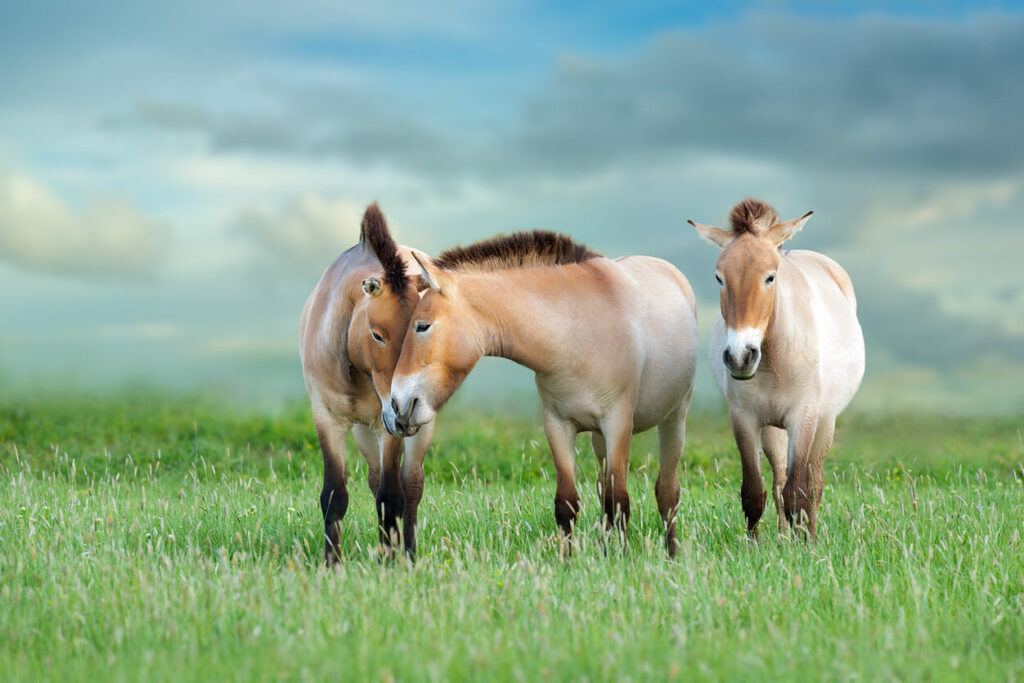
Horses express emotion through steady, thoughtful behavior that often reflects the mood around them. They sense tension with surprising accuracy and soften their movements when they trust the person nearby. A calm horse leaning its head against your shoulder feels almost like a peaceful invitation to breathe. Among themselves they form deep bonds, standing close or grooming one another in moments that resemble quiet companionship. Their emotional awareness appears in the way they gather protectively or settle beside a familiar partner. Through their gentle nature, horses show that understanding often lives in stillness and shared space.
7. Parrots Who Feel Left Out
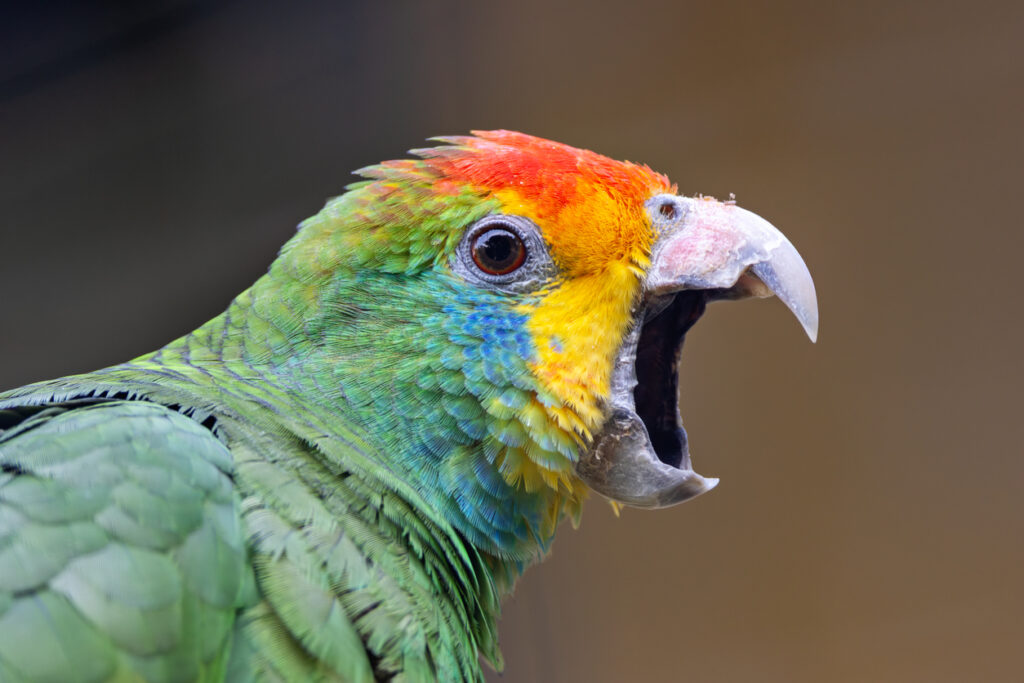
Parrots reveal their emotions with vivid personality. When they feel ignored, they may squawk loudly, shuffle closer or push themselves into the center of attention in a way that feels amusingly familiar. Their reactions resemble the impatience of a child wanting to be noticed. They brighten when included, fluffing their feathers and chirping with satisfaction. These colorful displays show more than instinct. They reveal an emotional response shaped by connection and preference. Watching a parrot insist on belonging reminds us that even animals with wings want to feel important to someone.
8. Gorillas Who Show Heavy Hearts
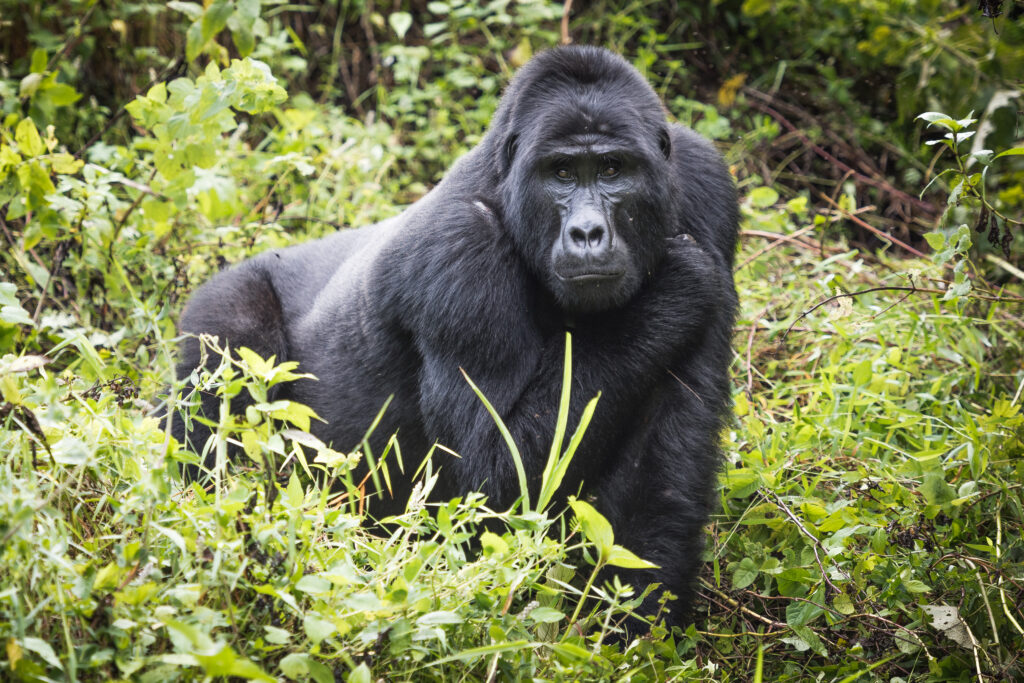
Gorillas express emotions through presence rather than noise. When one is sad or troubled, others may sit close, gently touching or simply sharing space. Their lowered heads, softened eyes and slow movements show a depth of feeling that is easy to recognize. Caregivers often speak about how gorillas cling to familiar companions in difficult moments, offering comfort through closeness. Their tenderness appears in the way they protect younger members and stay near loved ones. It reminds us that sadness is a universal emotion, softened by connection in every species that understands the value of togetherness.
9. Penguins Who Stay Loyal
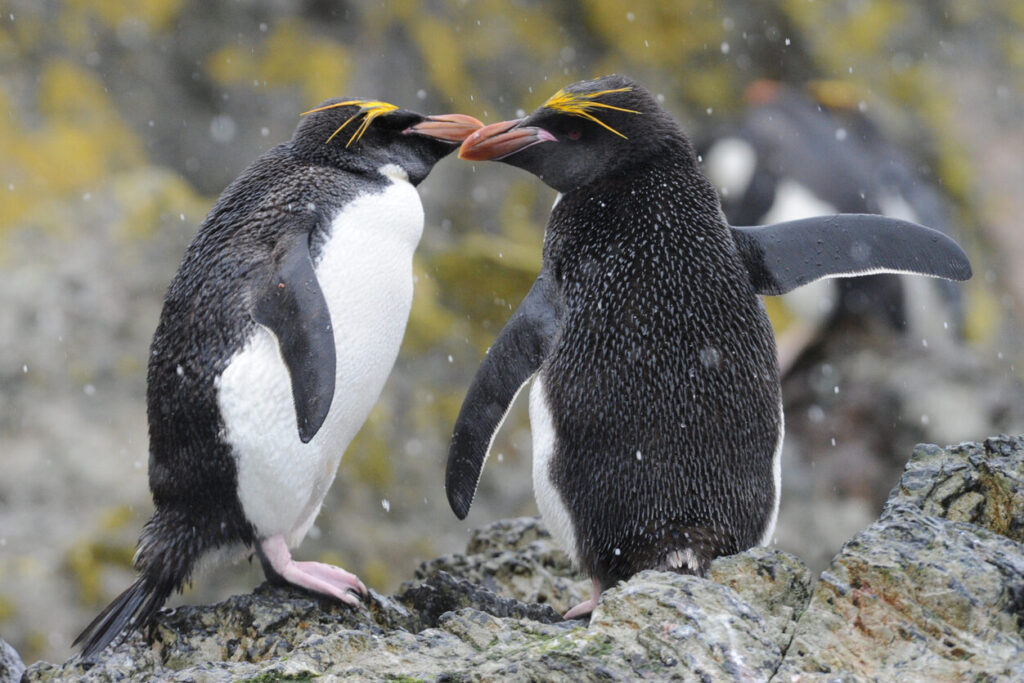
Penguins show emotion in the steady devotion they give to their chosen partners. They return to one another year after year, calling out with voices that stand out in a noisy colony. Their shared responsibility for eggs and chicks reveals a bond built on trust and cooperation. Watching them waddle side by side or guard their nests together feels like witnessing a simple but resilient kind of love. Their loyalty teaches us that commitment can be quiet and steady, existing in shared routines and small acts of care that carry meaning far beyond their icy world.
10. Orcas Who Cherish Family
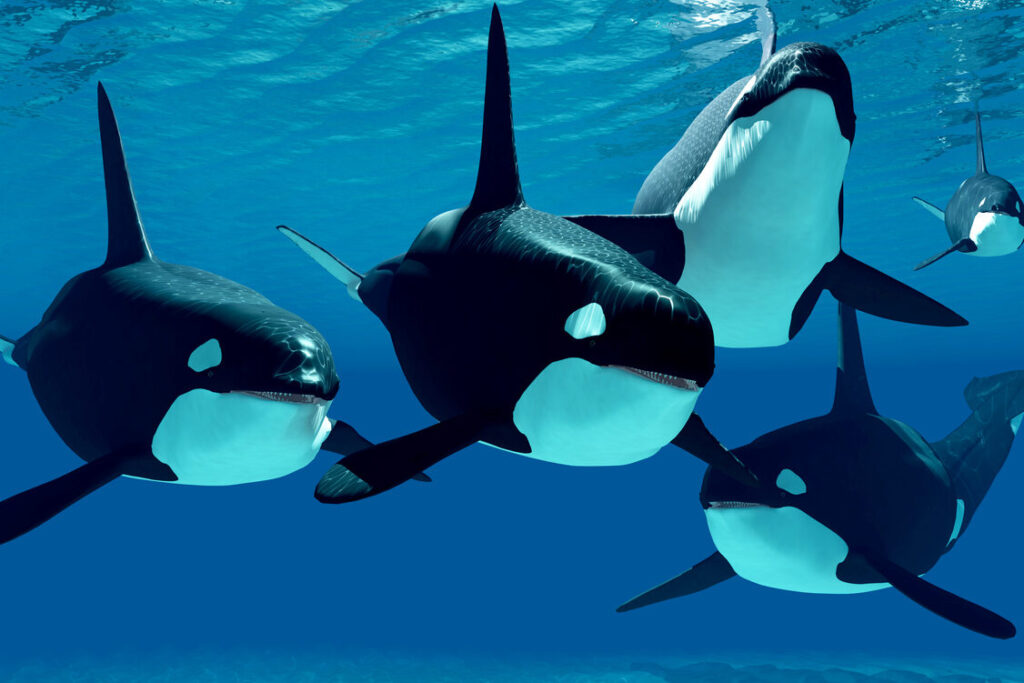
Orcas express emotion through strong family bonds that last throughout their lives. They swim in close groups, moving in graceful patterns that show unity and awareness of one another. Mothers guide their calves with gentle nudges, and older siblings help care for younger relatives as if instinctively drawn to support. Their calls echo through the water like familiar voices keeping the family connected. When one member falls behind, the others slow to match their pace. Their devotion feels honest and enduring, reminding us that love often lives in protection, patience and the willingness to stay close.
11. Cows Who Show Gentle Bonds
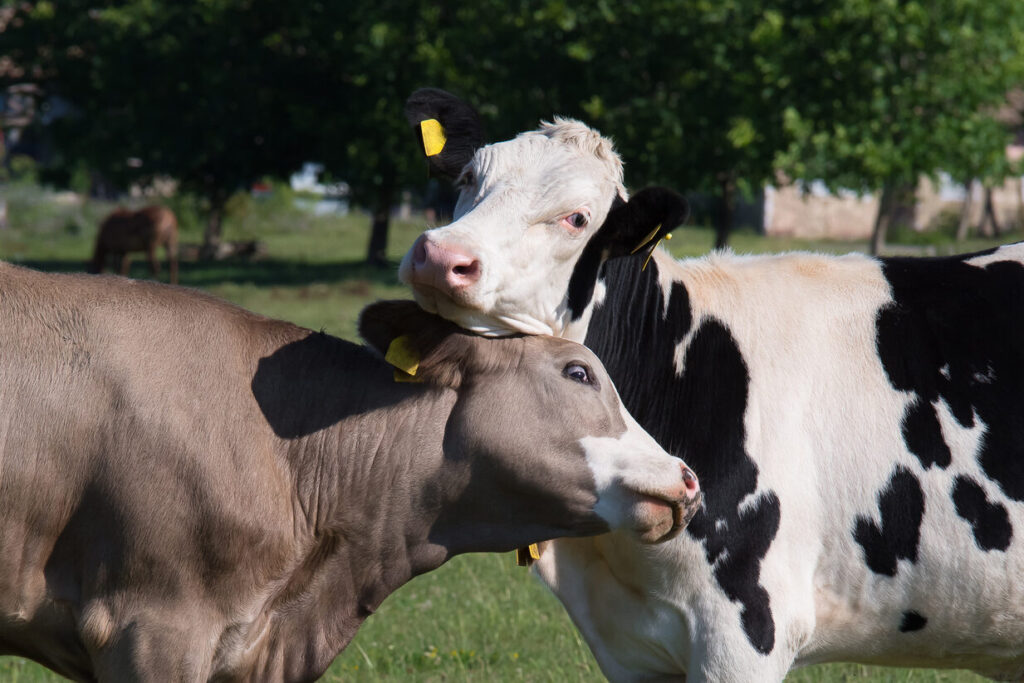
Cows display emotion in soft, quiet ways that often go unnoticed. They rest their heads on one another, walk side by side and stay near their favorite companions with a peaceful familiarity. When separated from those they trust, they show visible signs of stress, searching the space until reunited. Their friendships form naturally through shared routines and a comforting sense of presence. A cow leaning into another or grooming gently reflects a simple kind of affection. Their interactions remind us that emotional connection does not need grand gestures. Sometimes it appears in the steady warmth of companionship.
12. Ravens Who Enjoy a Good Joke
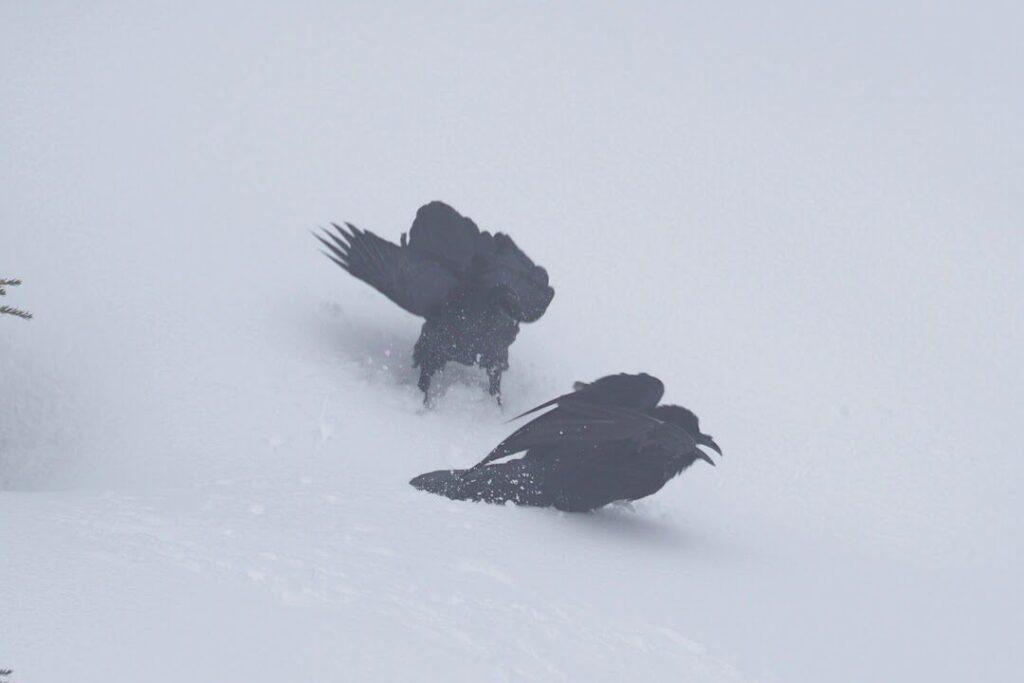
Ravens show emotion through playful behavior that feels surprisingly human. They roll in the snow, tease one another with small objects and hop around with a liveliness that resembles humor. Their sideways glances and curious tilts of the head create the impression of clever thought behind every movement. Watching a raven playfully tug at something or slide down a smooth surface reveals a spirit that enjoys fun for its own sake. Their mischief carries a sense of personality, reminding us that joy can be found in simple moments of creativity and curiosity.
13. Bonobos Who Show Kindness
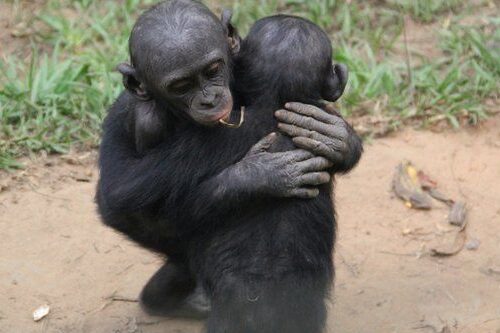
Bonobos express emotions through gentle, nurturing behavior that radiates warmth. They comfort those who are upset by touching, grooming and sitting closely, creating a circle of support within their groups. When food is available, they share generously, choosing cooperation over conflict in most situations. Their soft interactions reveal an instinctive kindness that feels deeply familiar. Watching them care for one another shows how compassion can arise naturally, shaped by connection and mutual understanding. Their peaceful approach to life reminds us that empathy can guide communities when individuals choose gentleness over tension.
14. Sea Otters Who Hold On
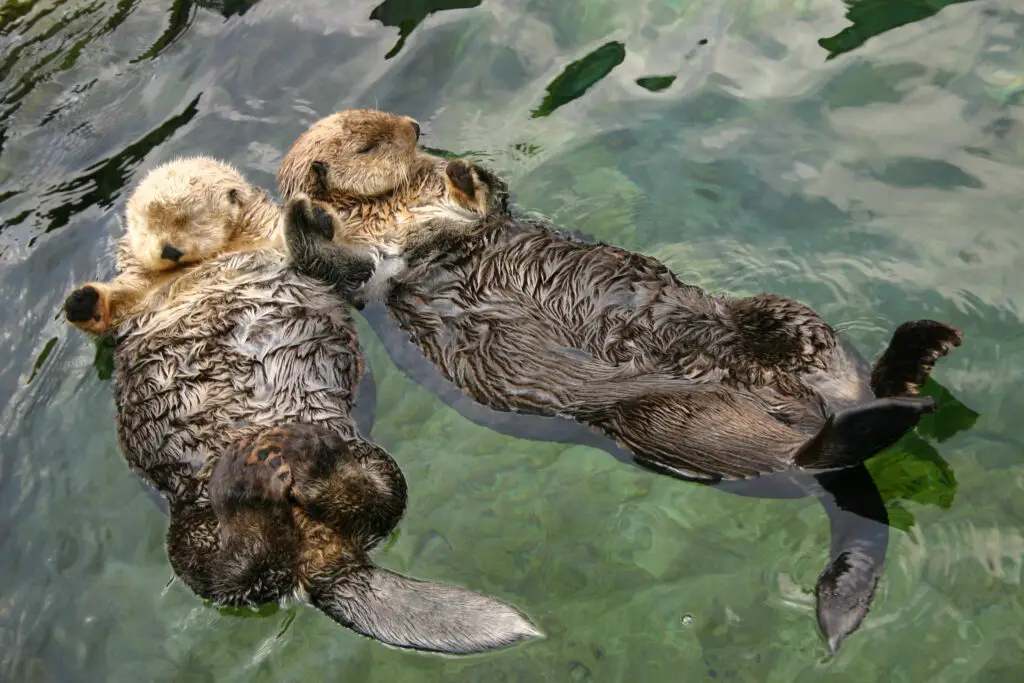
Sea otters show emotion in the tender way they stay connected. They hold hands while floating so currents cannot drift them apart, creating a picture of closeness that feels almost symbolic. They groom one another with careful attention, smoothing fur and offering warmth through touch. When resting in groups, they stay linked like a floating family that refuses to separate. Their interactions reflect comfort, safety and companionship woven together in simple routines. Watching them drift peacefully in pairs reminds us that love often looks like choosing to stay close even when the world gently pulls in different directions.
15. Rats Who Care About Each Other
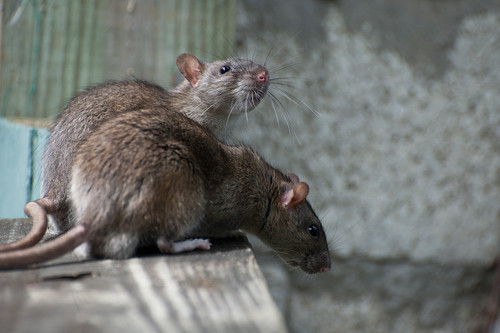
Rats express emotion through surprising acts of empathy. When one is distressed, others approach with gentle touches or persistent attempts to help, showing concern that feels genuine. They form bonds through grooming, shared food and close nesting, creating small communities built on cooperation. Their willingness to support one another in difficult situations reveals emotional intelligence that many overlook. Watching a rat stay beside a struggling companion shows that compassion appears in many species, sometimes in tiny bodies with big hearts. Their behavior reminds us that kindness often comes quietly from unexpected places.
16. Wolves Who Feel Loss
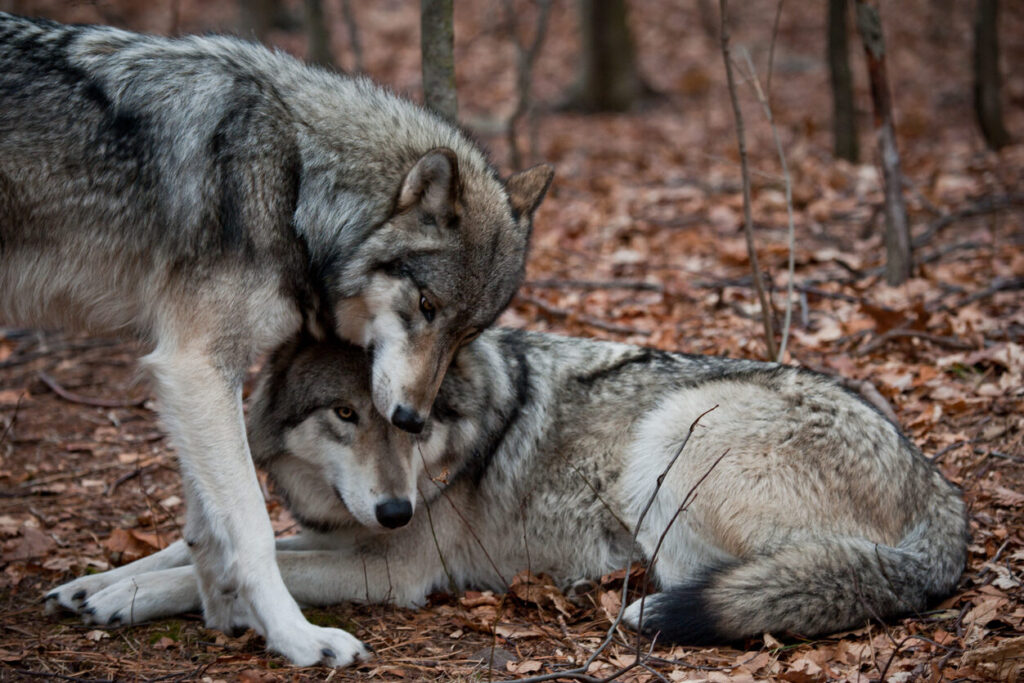
Wolves show emotion through deep loyalty to their pack. When a member is lost, the entire group changes, moving with a heaviness that reflects shared grief. Their howls soften, their routines slow and they stay closer together as if finding comfort in unity. Their bond is not only about survival. It is about connection built through trust, cooperation and shared experiences. Watching wolves support one another during such times reveals a quiet strength. Their emotional depth mirrors the way many of us navigate sorrow, relying on the presence of those who understand our hearts.
17. Octopuses Who Show Their Moods
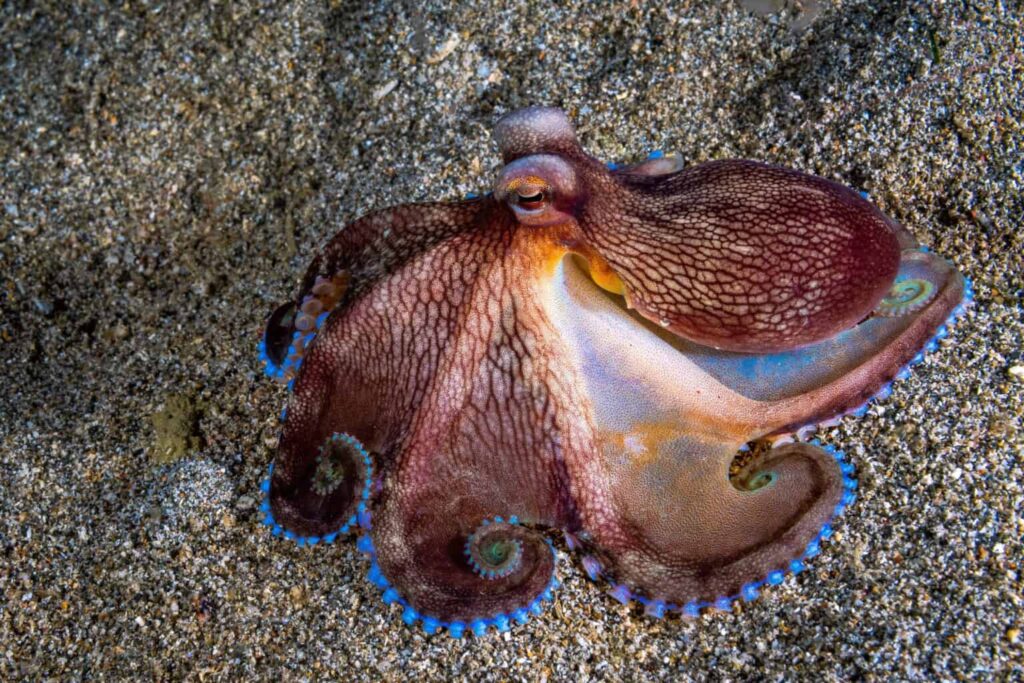
Octopuses express emotion with shifting colors and thoughtful movements that reveal more than instinct. When calm, they glide smoothly through the water. When curious, they stretch their arms toward objects or people with a gentle, exploratory touch. Some individuals greet familiar caretakers with visible interest and retreat from strangers with caution. Their moods appear through every change in texture and posture. Even frustration shows up when they push objects away or flick water with quick movements. Their expressive behavior reminds us that emotion can live quietly in creatures that look nothing like us yet feel their world deeply.
18. Swans Who Cherish Their Partner
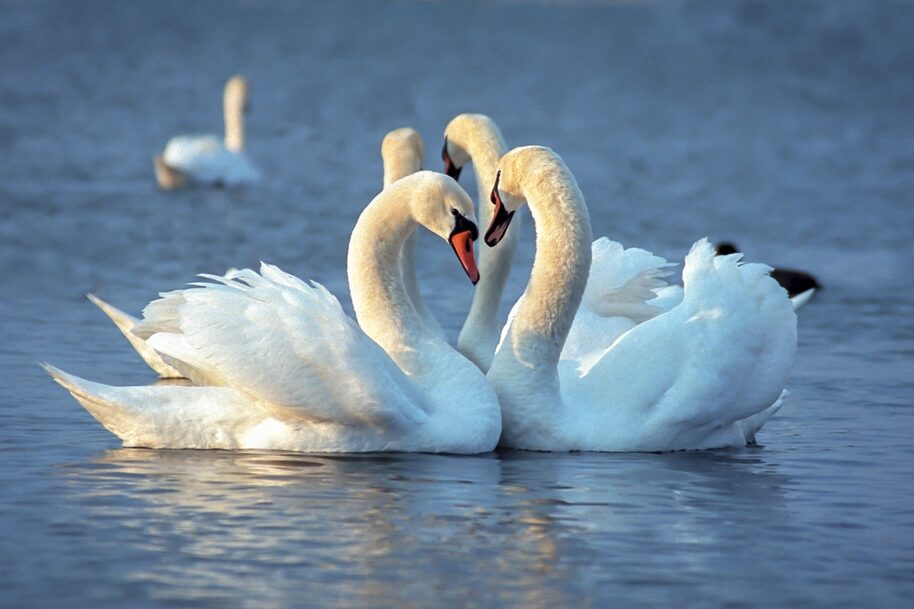
Swans reveal emotion through graceful devotion to their chosen partners. They swim close together, mirroring movements with a natural elegance that feels almost intentional. When resting, they often sit nearby, remaining connected through calm presence. Their loyalty shows in the way they return to the same companion year after year, forming bonds that seem to hold both trust and tenderness. When one swan loses its partner, periods of quiet isolation reflect a sadness that feels unmistakably emotional. Their devotion reminds us that love can be steady, enduring and woven through the patterns of everyday life.
19. Raccoons Who Show Frustration
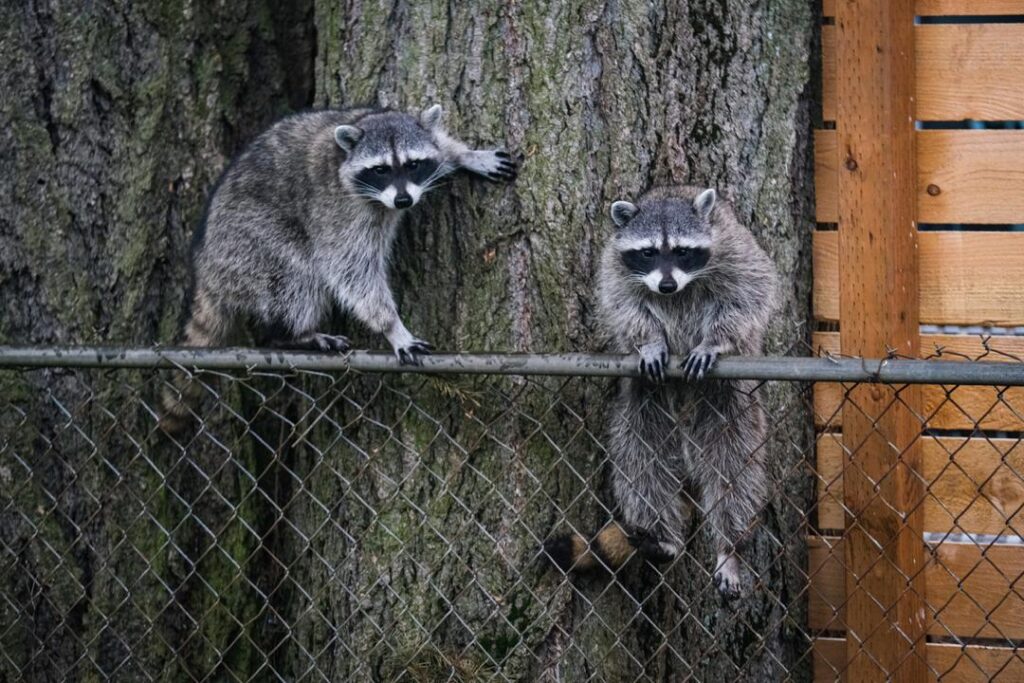
Raccoons express emotion through spirited reactions that make their personalities easy to notice. When they encounter a challenge that does not go their way, they may paw repeatedly at the obstacle, chirp with impatience or step back in visible irritation. Yet they return with determination, trying again until they find a solution. Their cleverness pairs with emotion in a way that feels relatable. Watching a raccoon puzzle through a situation reveals both intelligence and feeling, reminding us that frustration is a normal part of learning, even for animals who explore the world with nimble hands and curious minds.
20. Kangaroos Who Protect Their Own
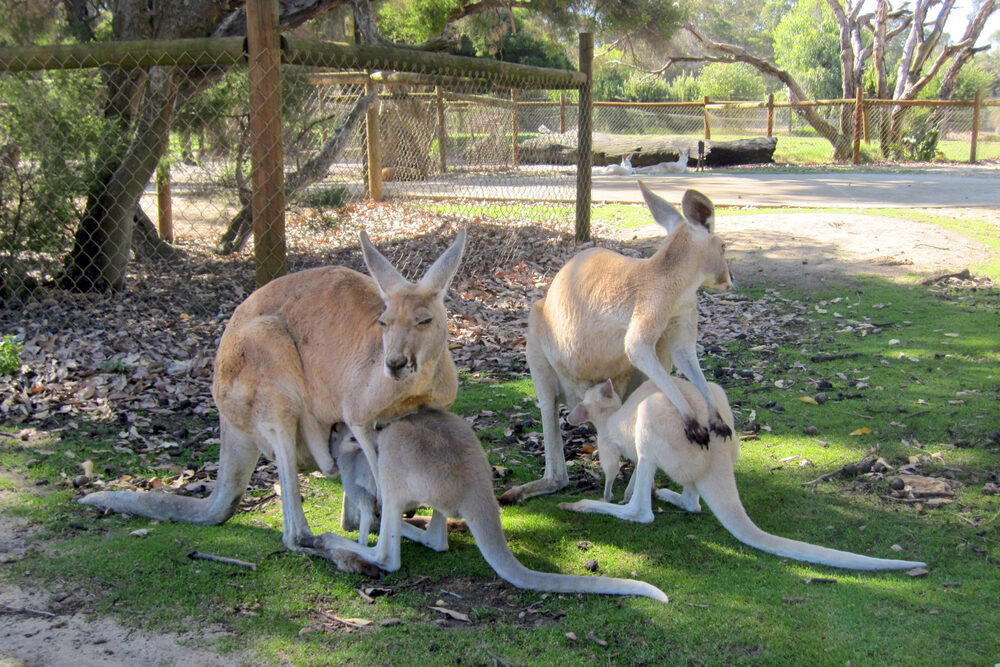
Kangaroos show emotion through protective behavior rooted in closeness. Mothers hold their joeys with gentle care, tucking them safely in their pouches and responding instantly to their movements. Adults stay near injured companions, offering quiet support through presence rather than sound. They lean into one another during moments of uncertainty as if drawing reassurance from the contact. Their bonds create a sense of community shaped by trust and mutual protection. Watching them interact reveals tenderness beneath their strength, reminding us that caring for others is a natural part of connection in many species beyond our own.
21. Whales Who Carry Their Memories
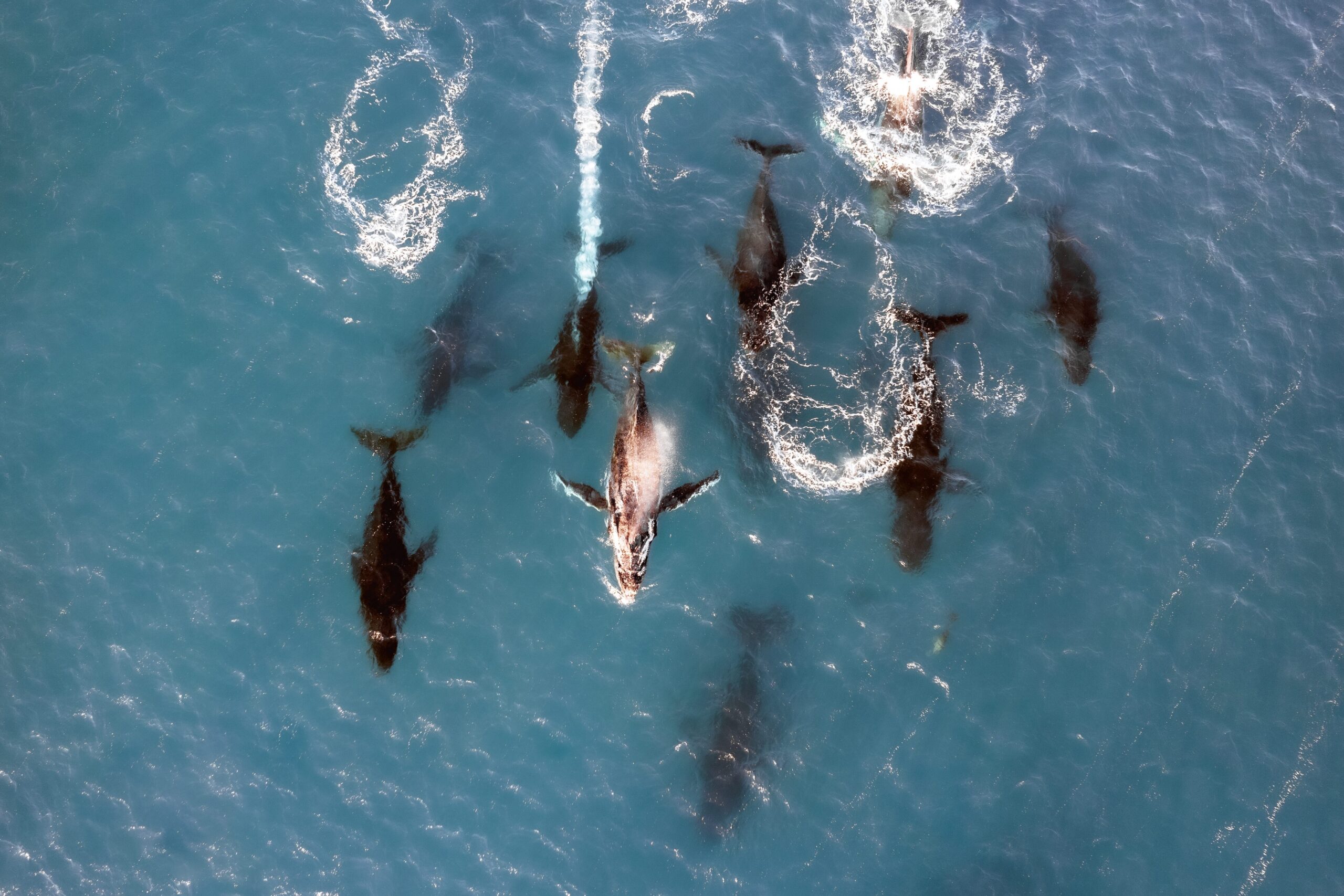
Whales express emotion with a depth that feels both powerful and quietly heartbreaking. When a mother loses her calf, she may carry it for days, moving slowly as if honoring the bond she is not ready to release. Other whales often stay nearby, offering presence rather than sound, forming a gentle circle of support in the open water. Their calls soften, drifting through the ocean with a tone that seems filled with meaning. These moments reveal emotional connections that reach far beyond instinct, reminding us that the natural world feels more than we realize and inviting us to look closer.
This story 21 Animals Showing Emotions Usually Considered “Human” was first published on Daily FETCH


