
1. Crows Using Sticks

Sometimes you watch birds long enough and realize they are quietly smarter than we ever noticed, and crows make that very clear with the way they use tools. They take simple sticks and turn them into something useful, slipping them into logs to pull out hidden insects like careful little problem solvers. It feels almost familiar watching them work because their steady movements look thoughtful and intentional. Their creativity sets the tone here and gently introduces how many birds have learned to shape their world in simple ways that remind us intelligence can appear in the softest everyday moments.
2. Woodpecker Finches Spearing Grubs
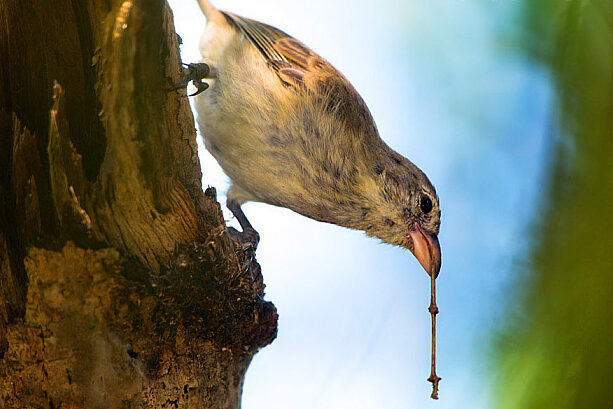
Woodpecker finches continue this rhythm of gentle cleverness with the way they snap off twigs and use them to spear insects hiding deep inside bark. Their movements seem calm and practiced, almost like they have learned a simple routine that works every time. They poke, test and adjust the twig until the food becomes reachable. It is surprisingly relatable to watch because the whole process looks like someone figuring out a small task with patience. Their natural problem solving fits smoothly after the crows and keeps the warm flow of birds using whatever is nearby to make life a little easier.
3. Parrots Grinding Food with Pebbles
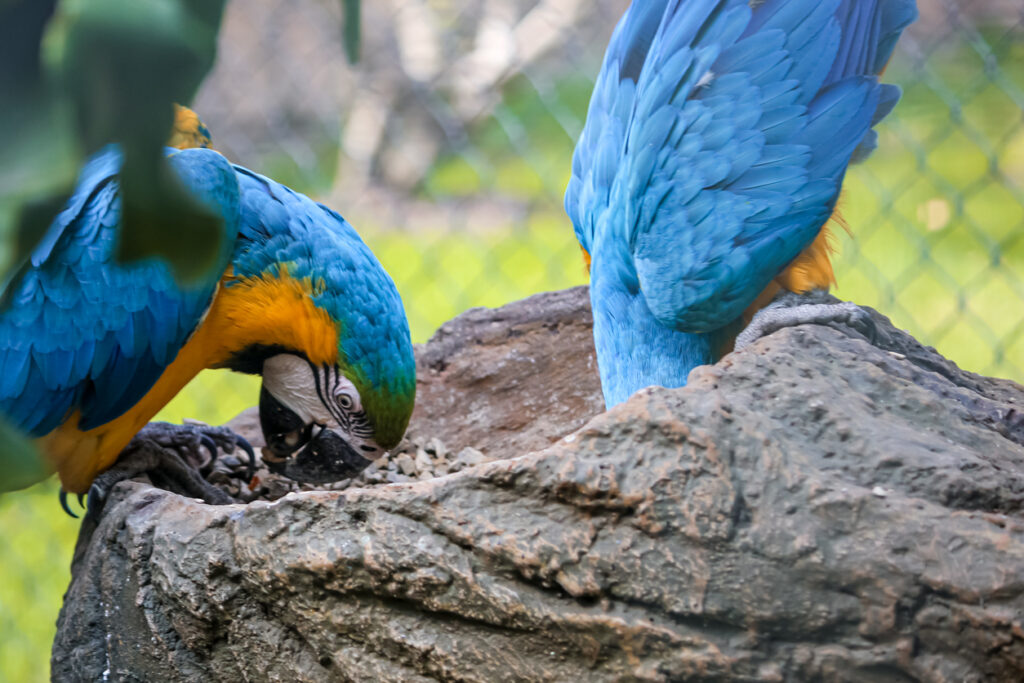
Parrots bring a different kind of charm to tool use with their habit of picking up small pebbles to grind food into pieces that are easier to swallow. It is such a simple act, yet it feels intentional as they roll the pebble with steady pressure. Their playful personalities give the moment a softer touch, turning a practical need into something that looks effortless. Watching them reminds you that tool use does not always need to look complex to be meaningful. Their presence adds a smooth transition from the finches and keeps the gentle humanlike pace of simple daily problem solving.
4. Egyptian Vultures Breaking Eggs
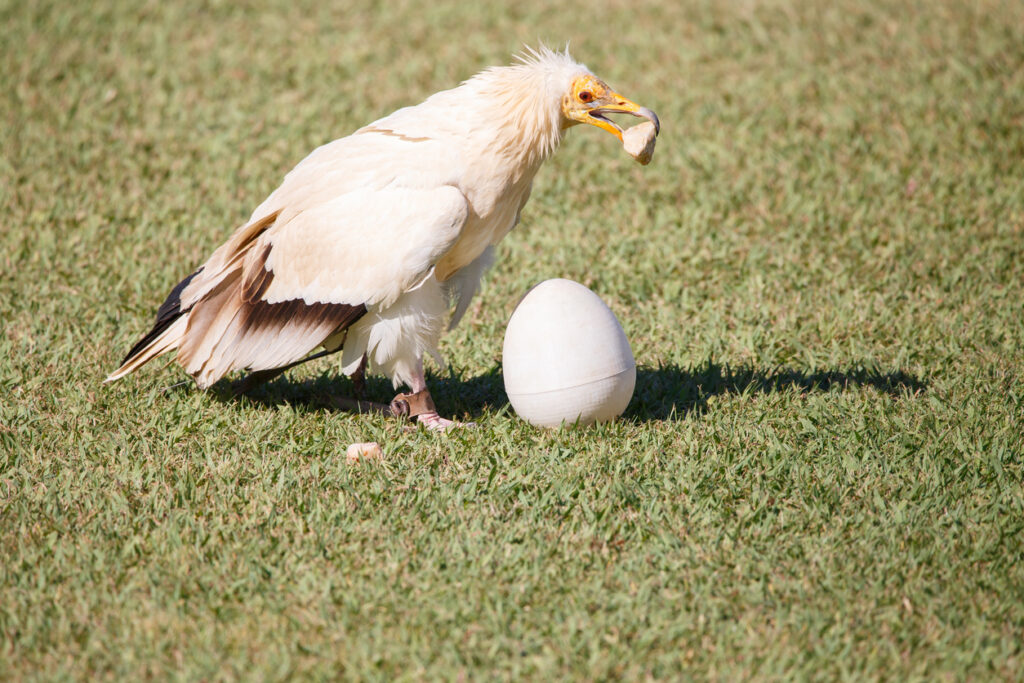
Egyptian vultures bring quiet determination to this list with their clever method of breaking large eggs using stones. They pick up a rock, toss it firmly and repeat the motion until the shell cracks open. Something about their persistence feels grounding, like they understand the reward will come if they stay consistent. The whole scene blends strength with simplicity, showing how birds rely on steady technique more than force. Their method fits comfortably after the calmer entries, adding a little firmness to the flow without losing the warm and relatable tone that makes these small examples feel close to home.
5. Green Herons Fishing with Bait
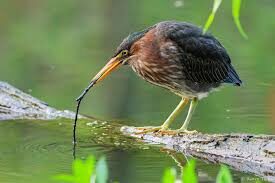
Green herons offer a gentle shift with their thoughtful fishing habits, dropping breadcrumbs or small objects on the water to lure fish toward them. They wait quietly as the bait drifts, watching for movement the same way someone might wait for a subtle signal. Their approach is calm and steady, relying more on patience than effort. It is easy to appreciate their strategy because it feels like problem solving we might use ourselves in a simple situation. Their delicate actions make the list feel more rounded and keep the soft flow of birds using what they have with intention.
6. New Caledonian Crows Shaping Tools
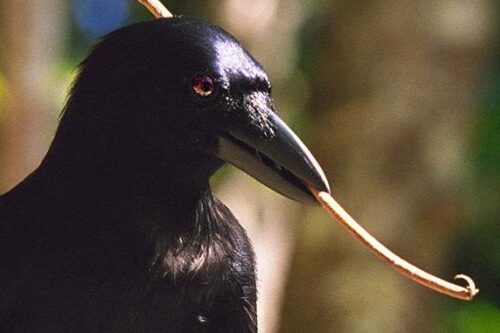
New Caledonian crows deepen the theme of bird intelligence with the way they shape leaves and twigs into hooks. They twist and test each piece until it becomes a small tool that can pull insects from tight spaces. Their focus feels almost meditative, like they are smoothing out a familiar craft. It is gentle yet impressive, and it adds a thoughtful pause to the list. Their calm inventiveness connects naturally to the herons and keeps the warm tone moving forward, reminding us that birds often create simple solutions with a kind of quiet wisdom we sometimes underestimate.
7. Rooks Dropping Stones
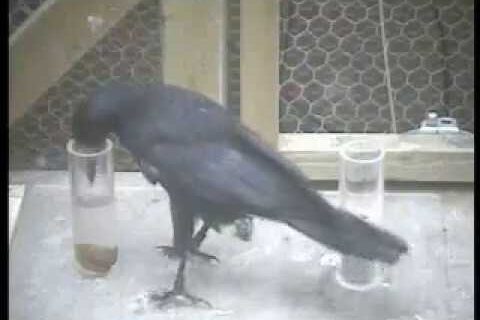
Rooks continue the pattern of quiet problem solving by dropping stones into containers to raise water levels so they can reach floating food. They approach the task slowly, testing the effect of each stone with thoughtful curiosity. Watching them makes the idea feel almost familiar, like observing someone adjust small things until a simple goal becomes possible. Their steady reasoning fits neatly after the crows and herons, keeping the flow warm and uncomplicated. Each movement reminds us that intelligence can be patient and gentle, building naturally from one idea to the next without needing to be complex or dramatic.
8. Goffin Cockatoos Crafting Tools
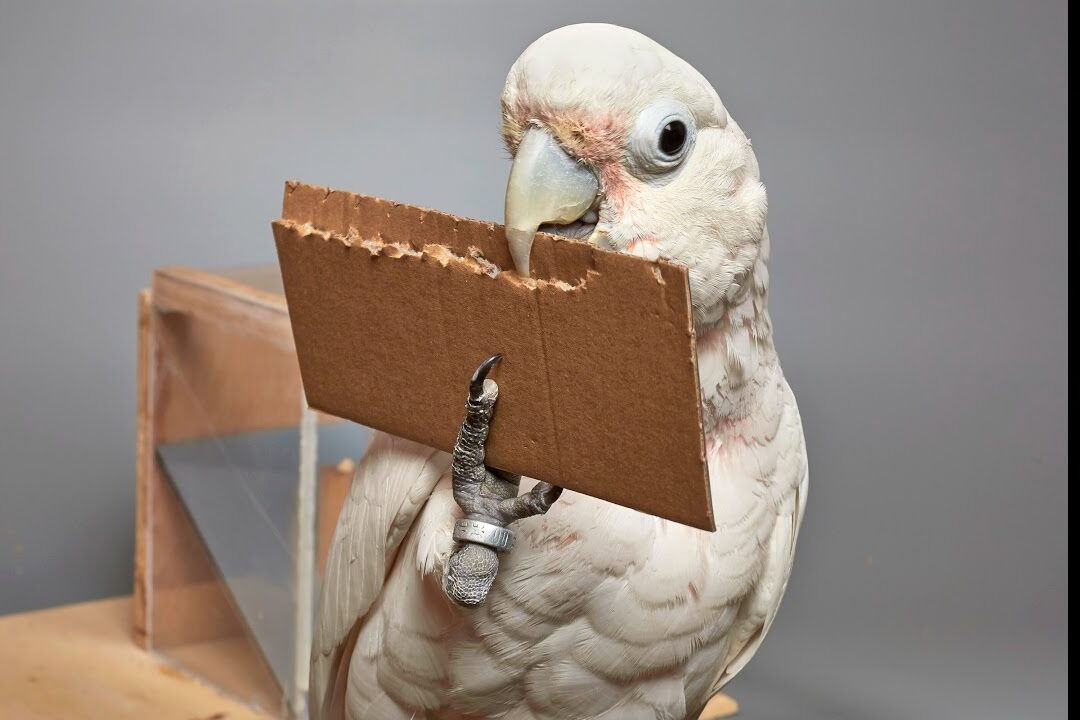
Goffin cockatoos bring a spark of careful creativity with their habit of cutting cardboard strips to reach distant food. They measure by instinct, shaping the strip long enough to work but short enough to stay manageable. It feels almost like watching someone learn by exploring, poking and adjusting until things make sense. Their calm experimentation adds a softer touch to the list and fits smoothly after the rooks. Their style keeps the warm handwritten tone moving forward and reminds us that problem solving often comes from curiosity rather than urgency, making their presence a gentle highlight in this sequence.
9. Burrowing Owls Using Bait
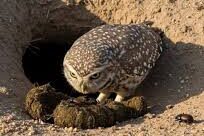
Burrowing owls bring a playful but clever trick to the list by placing animal dung near their burrows to attract insects they can easily catch. They seem relaxed as they arrange the pieces, almost like they have learned a simple shortcut that never fails. Their method feels surprisingly relatable and adds a small spark of humor to the flow. It blends nicely with the gentle inventiveness of the previous entries while keeping the tone steady and human. Their approach reminds us that intelligence often shows up in unexpected forms that make nature feel a little more familiar and enjoyable.
10. Black Kites Spreading Fire
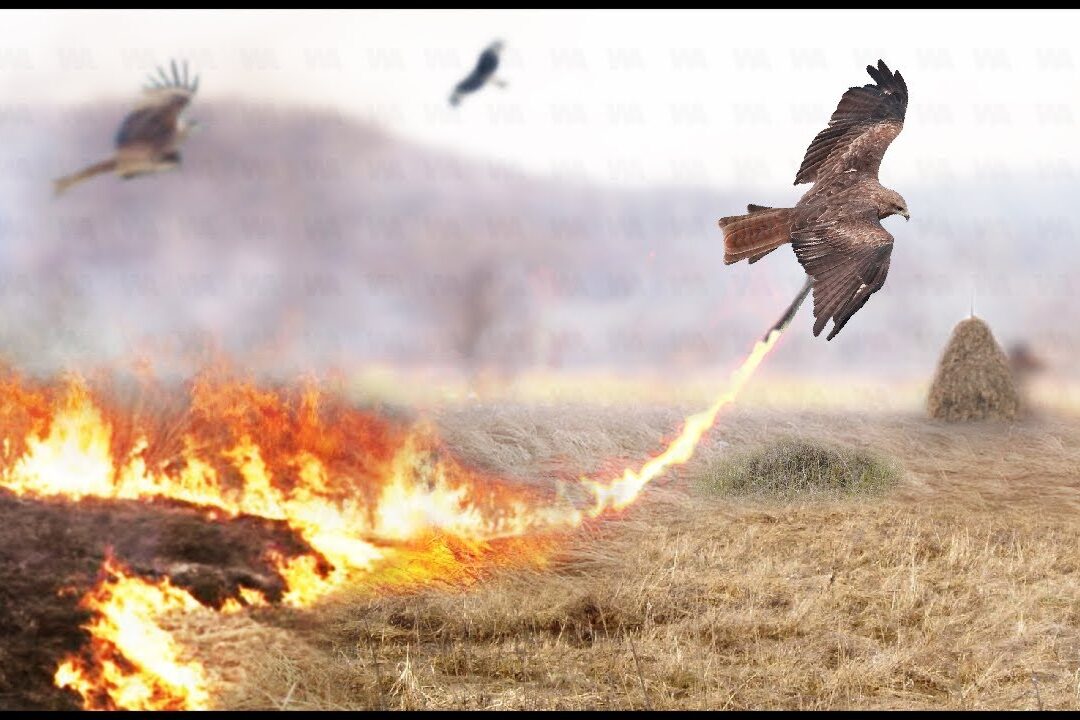
Black kites introduce a bold but still thoughtful form of tool use by carrying burning sticks to dry grass so hidden animals will run out. Their movements are controlled and intentional, showing awareness of how fire behaves. They glide calmly as they drop the ember, using the moment with careful timing rather than force. Their method brings a slightly stronger energy to the list but still flows naturally from the quieter entries. It adds depth without breaking the warm tone, reminding us that intelligence can appear in different shades while still fitting into a simple and relatable rhythm.
11. Song Thrushes Cracking Snails
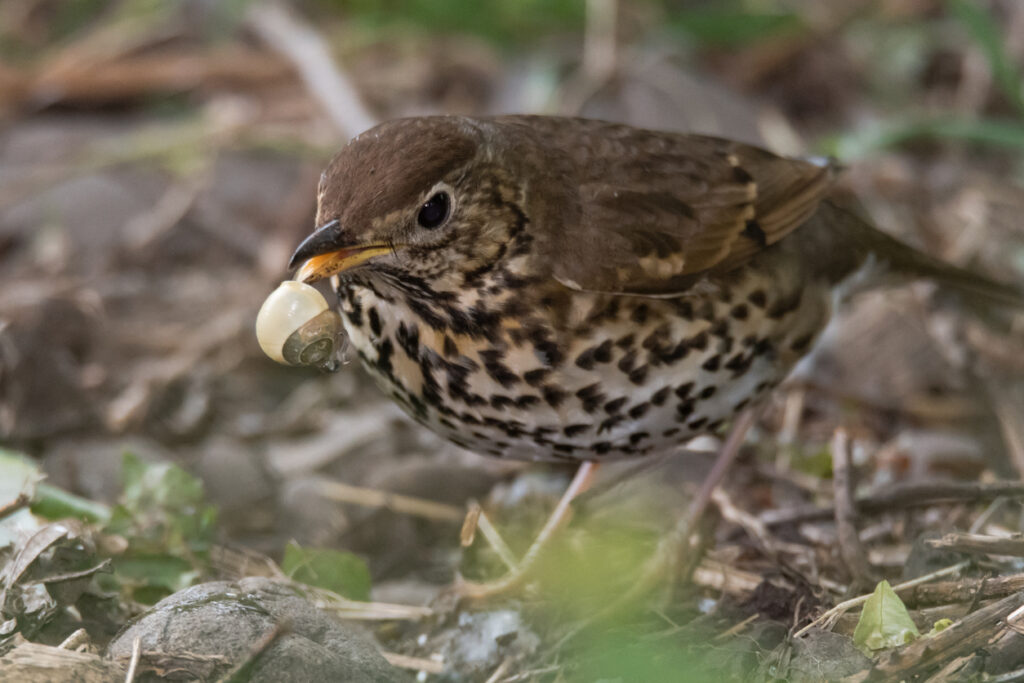
Song thrushes bring the story back to a softer rhythm with their habit of using chosen rocks to crack snail shells. They place the snail on a flat stone and strike with consistent taps until it breaks open. Their movements feel familiar in a comforting way, almost like following a routine learned through time. It is a gentle return to the steady pace of practical problem solving that connects well with earlier entries. Their presence keeps the list warm and coherent, adding another touch of relatable intelligence that blends smoothly into the continuing flow of thoughtful bird behaviors.
12. Palm Cockatoos Drumming
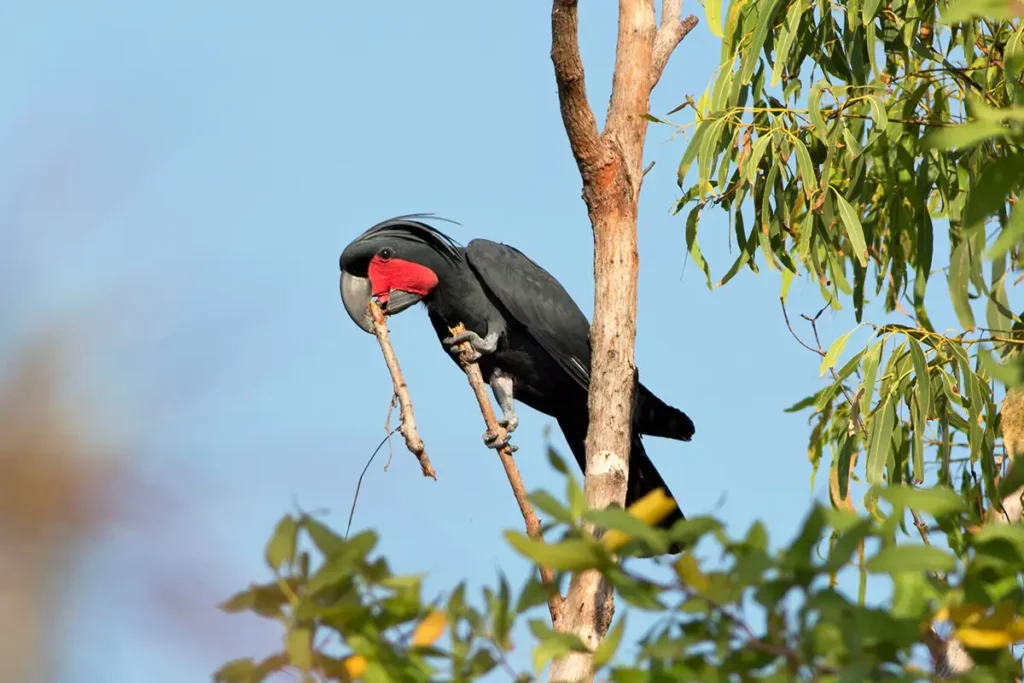
Palm cockatoos add a musical shift to the list with their habit of tapping sticks against hollow tree trunks to create soft rhythmic sounds. They choose and shape the stick with care, then drum with a calm and steady beat that feels expressive. Their actions look like communication mixed with creativity, giving the moment an artistic softness. It fits neatly after the song thrushes because the rhythm continues in a different form. Their presence keeps the flow smooth and tactile, reminding us that intelligence can show up in gestures that feel emotional as well as practical.
13. Ravens Sliding on Snow
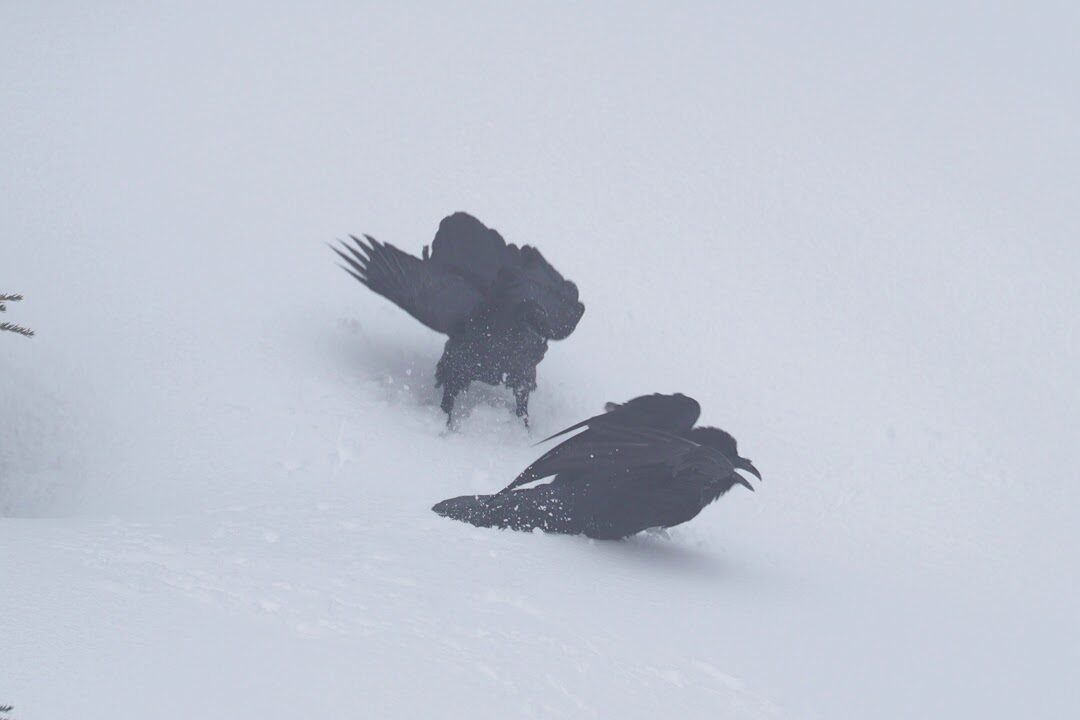
Ravens bring playful intelligence into the mix with their habit of sliding down snowy rooftops or hills. They hop back to the top and slide again, turning it into a small moment of practice and fun. It is lighthearted and simple, yet it still feels purposeful as they test balance and movement. Their energy adds an easy shift from the musical calm of the cockatoos and keeps the warmth alive in a different way. Ravens help remind us that intelligence is not only about solving tasks but also engaging with the world in ways that feel natural and joyful.
14. Blue Jays Softening Food with Leaves
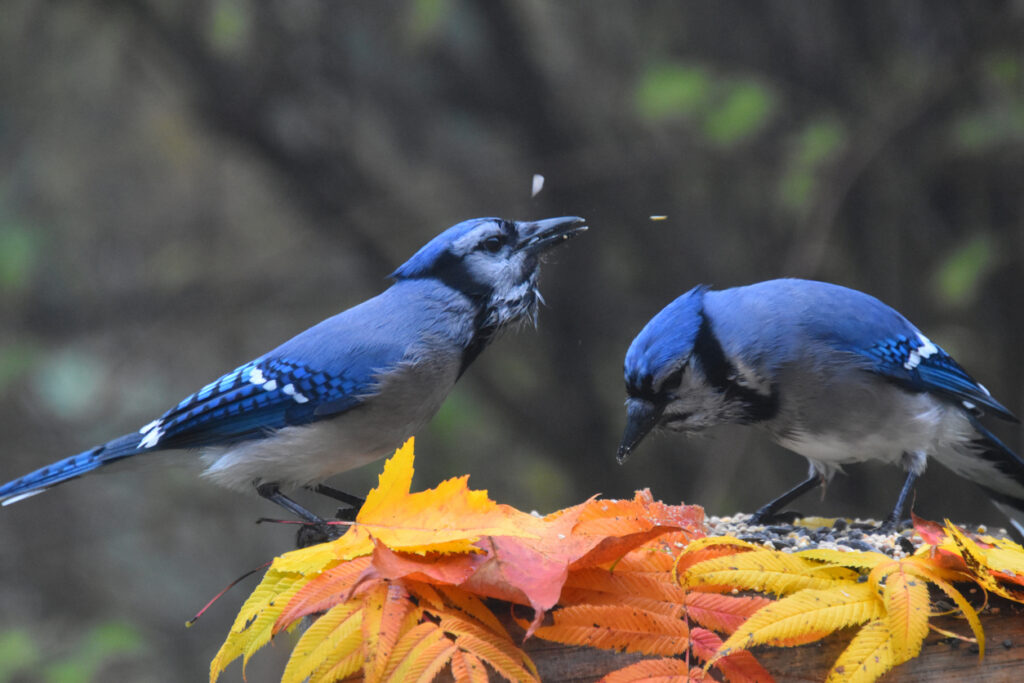
Blue jays often surprise people with how gently resourceful they are, and one of their quieter habits is softening tough food by wrapping it in damp leaves. They tuck the food inside the leaf and press it lightly, letting moisture make it easier to eat. The process looks patient and almost thoughtful, like they have learned a small technique that works every time. It blends naturally into the warm rhythm of this list because it shows intelligence in a simple and relatable way. Their soft approach keeps the flow steady and adds another calm moment of everyday bird ingenuity.
15. Kea Birds Solving Puzzles
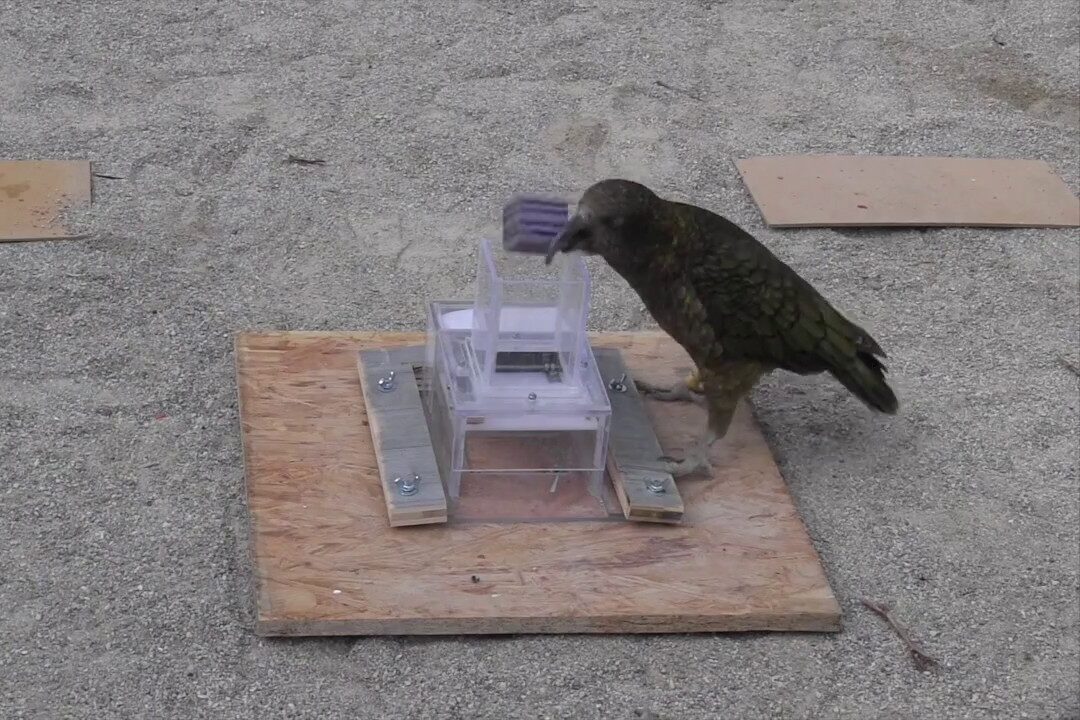
Kea birds bring an investigative energy with their ability to solve puzzles that require moving pieces in sequence. They explore each part with their beaks, gently testing what shifts or responds. Their curiosity feels thoughtful rather than frantic, giving the process a calm rhythm. Their intelligence blends easily with the previous entries because it highlights another form of gentle reasoning. Their presence keeps the human tone intact and adds another layer of quiet insight, reminding us that birds often approach challenges with patience that makes their actions feel closer to our own everyday problem solving.
16. Great Tits Working Around Traps
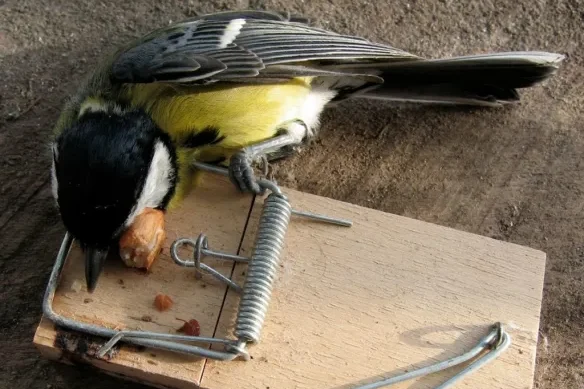
Great Tits show calm adaptability by using bits of paper or bark to reach food inside traps without triggering the mechanisms. They explore each part carefully, placing the material in a way that lets them gather food safely. Their method feels resourceful and deliberate, like someone finding a clever workaround in a small situation. Their style matches the kea birds in gentle reasoning and fits smoothly into the continuing flow. Their presence keeps the warm tone steady, showing how intelligence often appears in quiet, thoughtful actions that make daily survival feel a little more manageable.
17. Hawaiian Crows Probing for Food
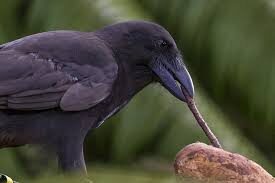
Hawaiian crows use branches to probe into logs and pull out hidden insects, moving with a calm and practiced touch. Their method looks familiar because it resembles the New Caledonian crows earlier in the list, creating a soft echo through the story. Their deliberate steps make the action feel warm and intentional rather than rushed. Their presence connects naturally to the pace of curiosity and patience that has been building. It helps keep the list coherent and grounded, showing how different birds share similar instincts that evolve into simple but meaningful patterns of everyday intelligence.
18. Wood Ducks Feathering Nests
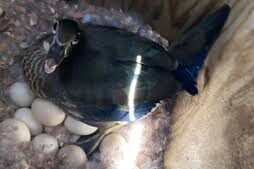
Wood ducks offer a tender form of tool use by pulling loose feathers and arranging them carefully to cushion their eggs. Their movements feel nurturing, almost like choosing comfort over convenience. They tuck the feathers around the nest with small deliberate motions that show gentle awareness. Their soft approach brings a calmer tone after the crows and keeps the warm flow alive. Their contribution reminds us that intelligence is not only about solving problems but also about creating small moments of care that make their world safer and more comfortable in the simplest and most natural ways.
19. Jays Covering Food
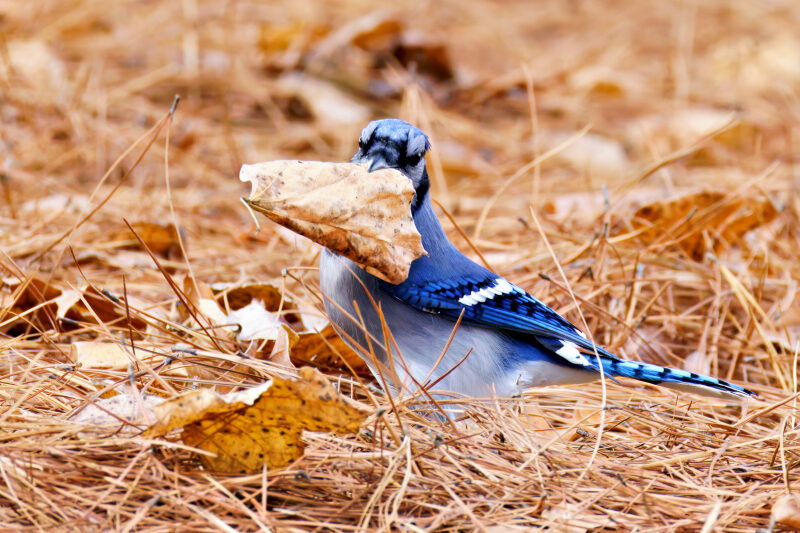
Jays show thoughtful planning by using leaves or small objects to hide food they want to save for later. They press the leaves down with gentle movements, adjusting them until the hiding spot looks natural. Their method feels relatable because it mirrors how someone might tuck something away for future use. Their presence deepens the theme of gentle intelligence and fits naturally after the wood ducks. Their small choices help carry the story toward its final entries while keeping the warm tone consistent. It reminds us that even simple actions can show awareness that feels close to home.
20. Herons Using Feathers
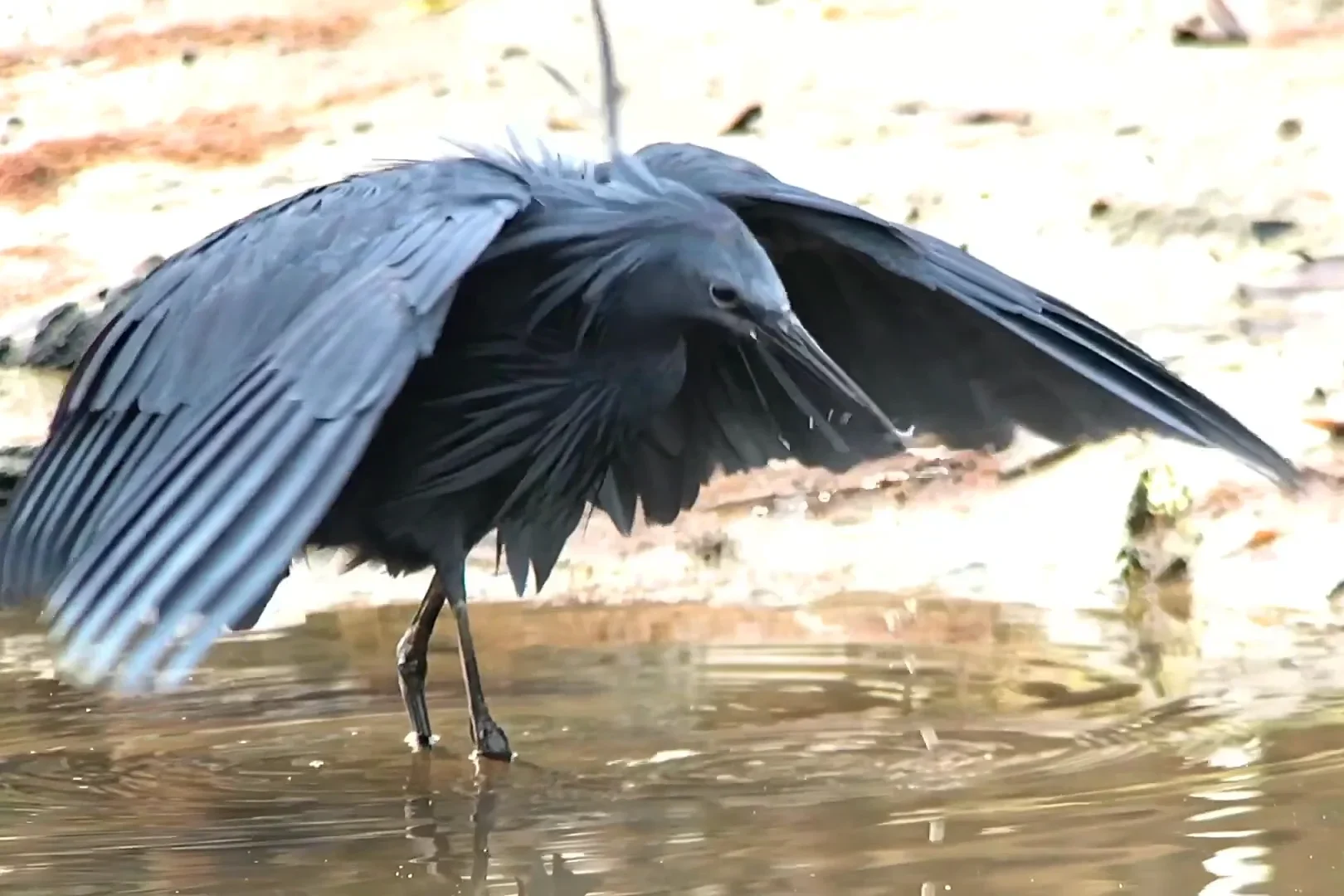
Some herons use loose feathers as bait by dropping them onto the water to attract curious fish. They stand quietly as the feather floats, waiting for the right moment with steady patience. Their calm approach feels soothing and matches the earlier rhythm of soft problem solving seen throughout the list. It is another reminder that birds notice small things around them and turn them into helpful tools. Their presence leads gently into the final entry, keeping the handwritten tone warm and smooth while showing how intelligence can rest in the quietest gestures.
21. Falcons Reading the Wind
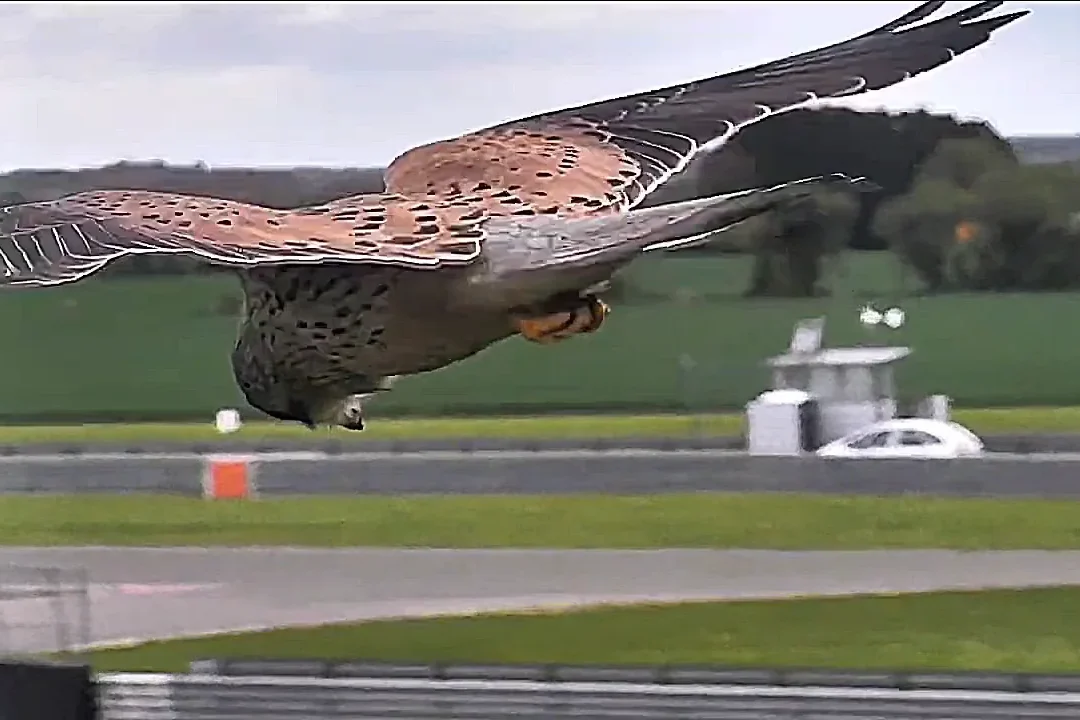
Falcons offer a thoughtful close to this list with their use of wind as a natural tool during high speed dives. They adjust their wings with precision, using air pressure to glide and strike efficiently. Their understanding of movement feels almost instinctive, yet it shows a deep awareness of their environment. Their presence wraps the list gently because it reminds us that intelligence comes in many small forms. From simple tools to quiet strategies, birds keep revealing abilities we often overlook. Their calm mastery invites us to look more closely at nature and appreciate its quiet lessons.
This story 21 Birds Using Intelligence Tools We Didn’t Realize They Had was first published on Daily FETCH


