
1. Lizards Growing Stickier Feet
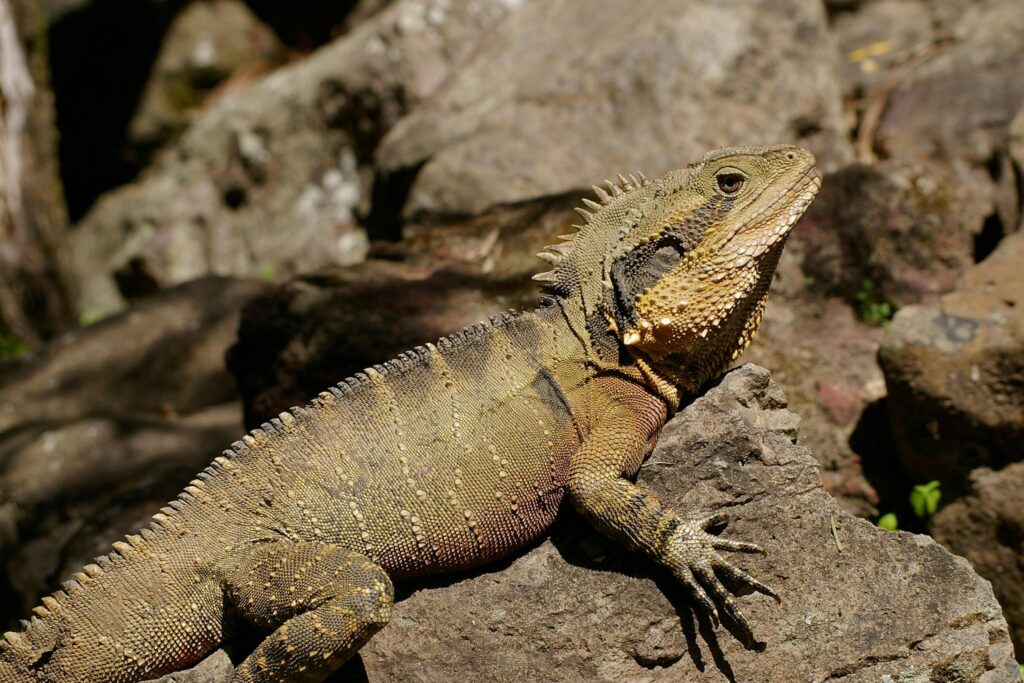
It is funny how cities quietly reshape the creatures living in them and lizards are one of the clearest reminders of that shift. These small climbers are developing stickier feet and longer toes because concrete walls and glass windows demand a different kind of grip than tree bark. As people build upward, the lizards that can cling better survive more easily and pass those traits along. Their daily routines slowly adjust to heat, smooth surfaces and fast movement around them. Before long, they become tiny urban climbers who fit right into the background of busy streets and steady footsteps.
2. Mice Adapting to Our Food
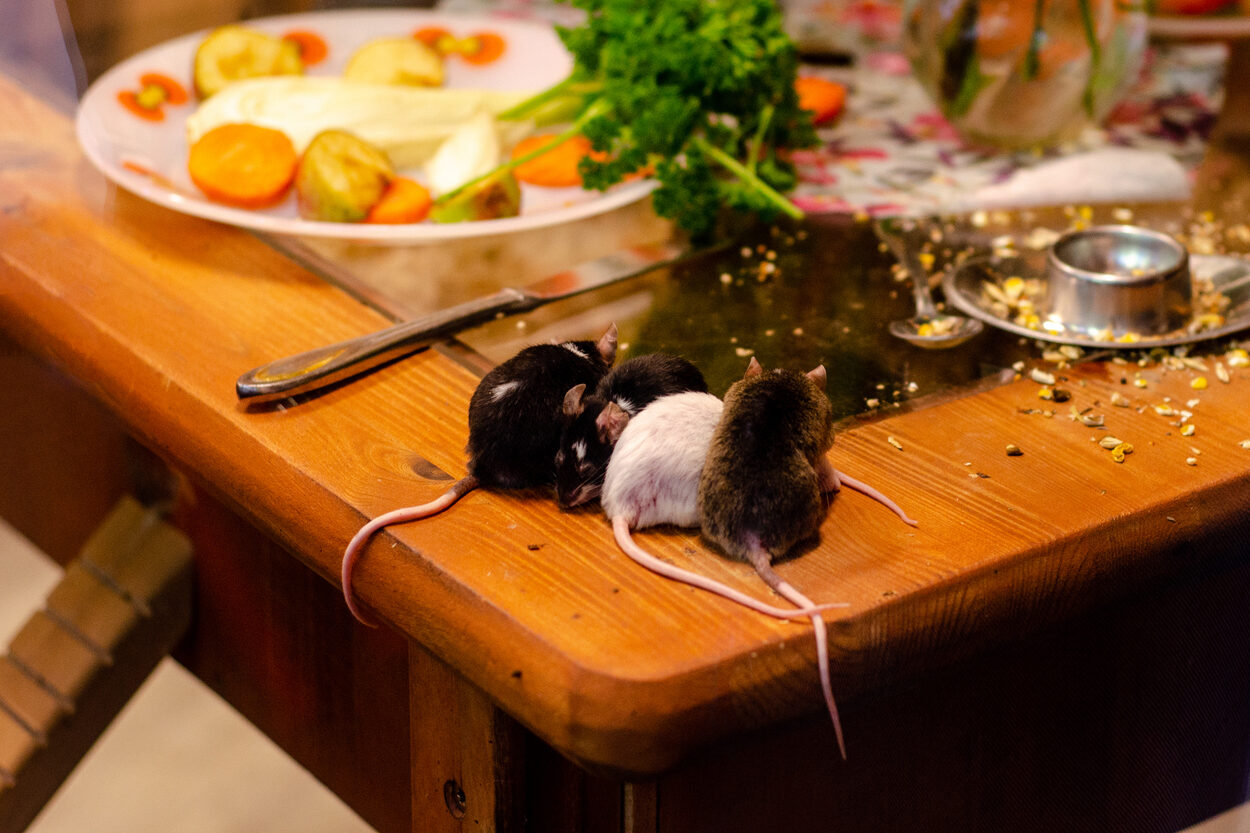
If you look closely at how city mice behave you can almost see how their bodies are learning from our habits. With access to sugary leftovers, rich snacks and easy waste, they slowly shift from wild diets to city flavored meals. Their digestive systems begin adjusting, helping them handle foods they would never find in forests or fields. Over time they grow more comfortable foraging near people because the reward is quicker and plentiful. As generations pass, these small changes stack up and shape city mice into animals that thrive on the rhythms and tastes of human living spaces.
3. Birds Raising Their Voices Over Noise
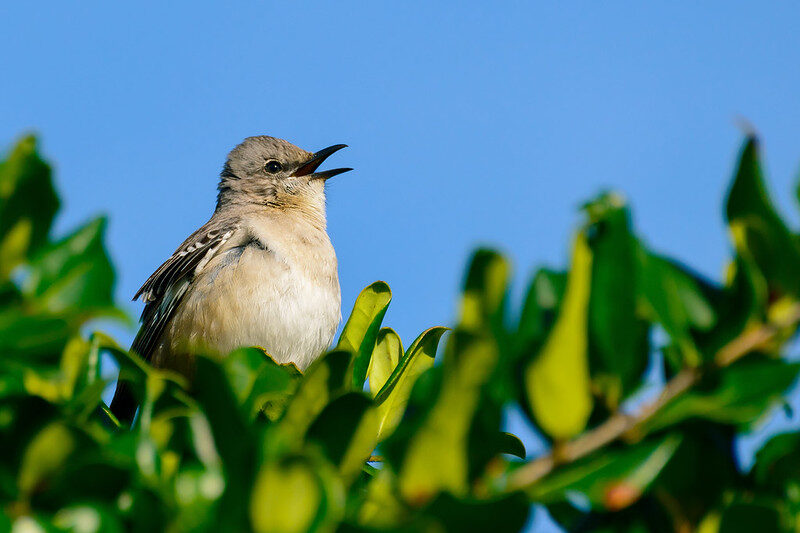
Anyone who has heard birds singing at odd hours in a busy neighborhood has probably noticed how they adapt to noise. Constant traffic, conversations and engines drown out softer calls so the birds that sing louder or at different times communicate better. With each generation the ones that adjust their pitch or timing pass those habits forward. They learn to use quiet pockets of the day like dawn or late night to make their songs heard. Slowly the city shapes a new kind of music and the birds shift right along with it as survival becomes a creative performance.
4. Water Fleas Learning to Handle Heat
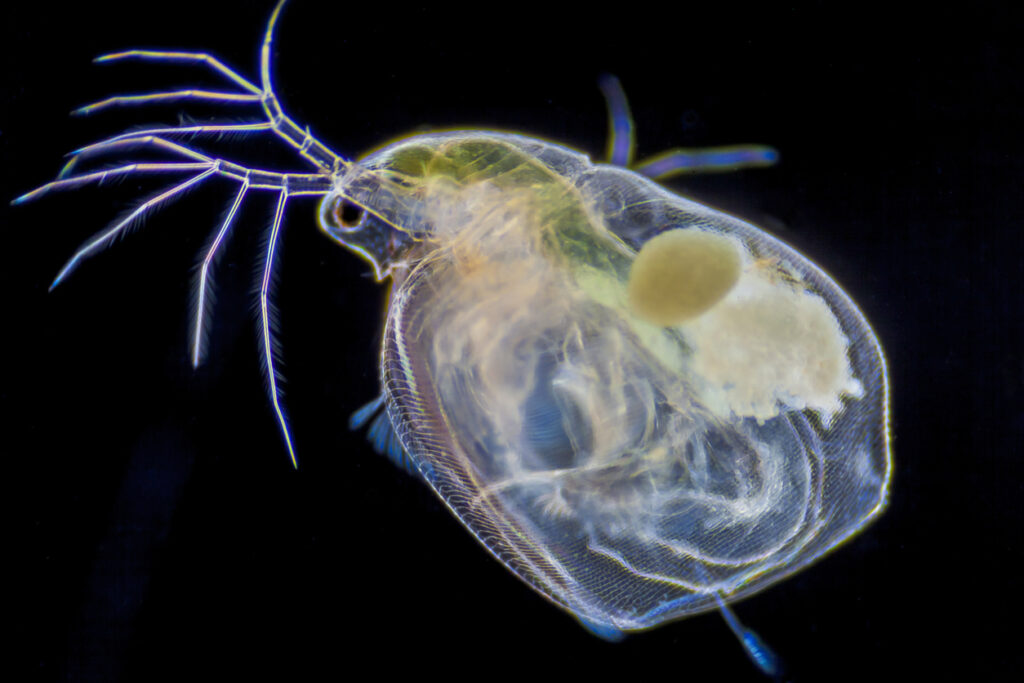
Even tiny creatures like water fleas find themselves changing as cities warm their ponds and waterways. Higher temperatures and occasional pollution push them to grow faster and tolerate stress that rural cousins rarely face. Over time the ones that handle these conditions better reproduce more and leave behind stronger traits. This quiet transformation helps them stay afloat in places shaped more by cement edges than leafy banks. While they are small enough to go unnoticed they carry a story of constant adjustment. City life challenges everything and even the tiniest survivors learn to grow stronger in response.
5. Rats Growing Bigger Bodies
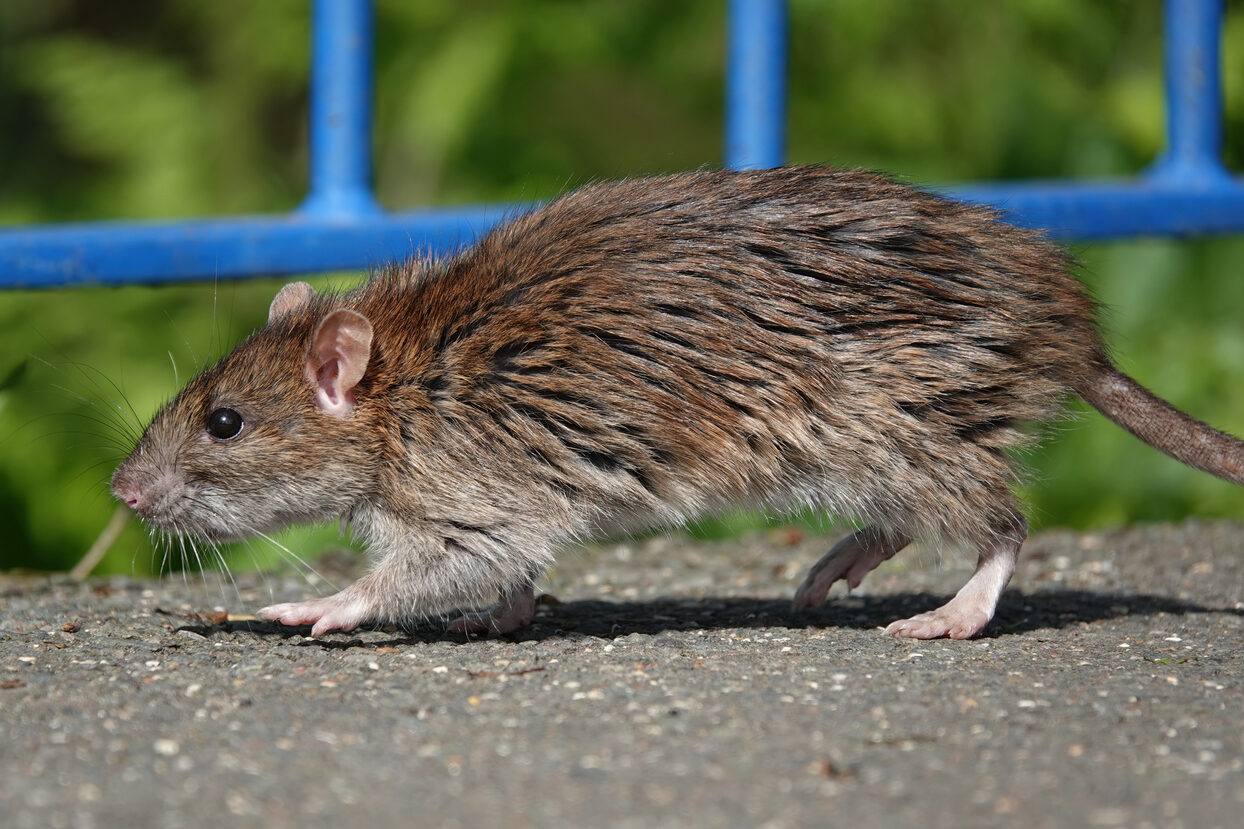
Rats in cities often end up larger than their rural relatives and it makes sense when you think about their surroundings. With endless access to food scraps and fewer natural predators the ones that grow bigger or store more fat have an advantage. Over time their heads get rounder and their bodies fill out in ways that suit their lifestyle. They crawl into warm spaces beneath buildings, slip through drains and find meals where people least expect it. Each generation becomes slightly more city built with instincts and bodies shaped by the steady rhythm of human movement around them.
6. Foxes Becoming Suburban Explorers
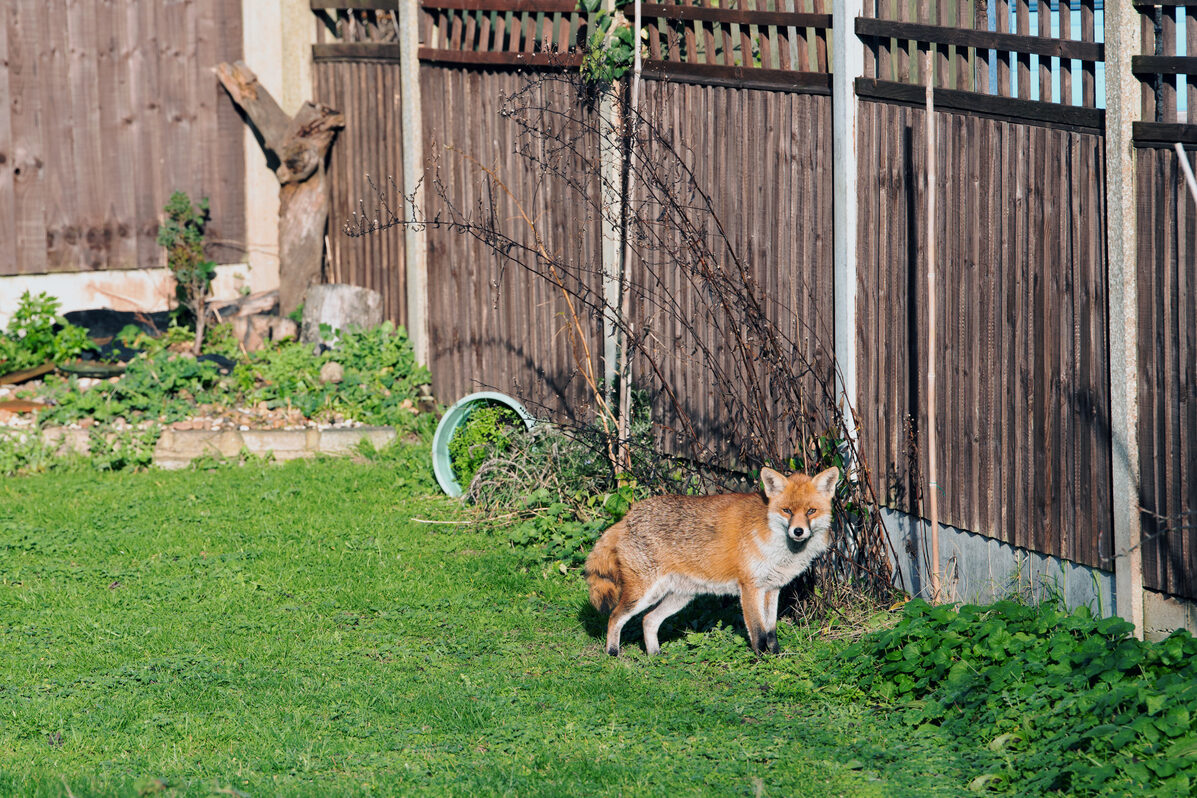
Some animals learn to live alongside people with surprising ease and foxes show this clearly in suburbs. They grow more comfortable wandering near houses because lawns and gardens hold food and shelter. Their movements shift gently toward nighttime to avoid people while still taking advantage of our presence. Over time they adapt to fenced yards, rooftops and backyard sounds. The foxes that master this lifestyle raise young that learn from the same environment. Slowly they blend into the neighborhood in a way that feels almost natural as if they have always known how to navigate sidewalks and street corners.
7. Blackbirds Choosing to Stay Put
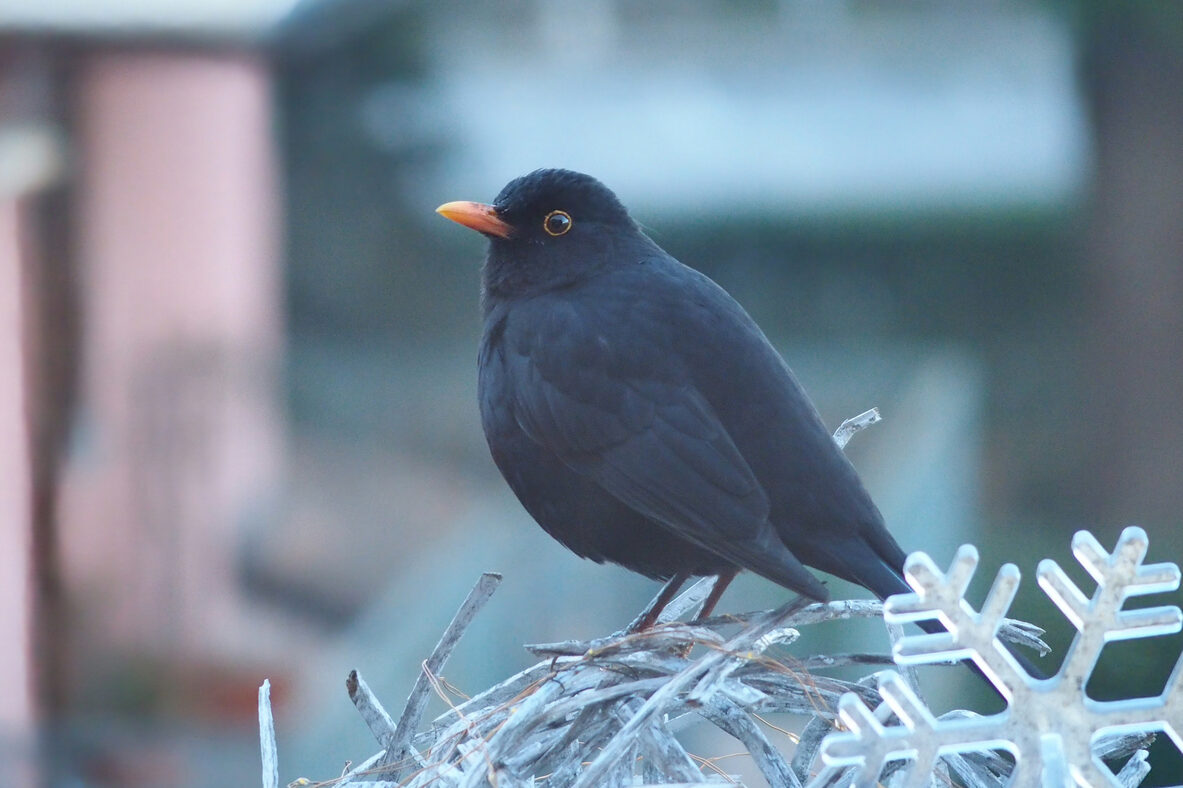
Migration used to define certain bird species but cities change their routines. Blackbirds often remain in the same area year round because food is available and winters feel a little softer among buildings. The birds that stay do not spend energy traveling long distances so they can breed earlier and raise more young. Over generations these traits make staying put part of their identity. They adjust to human sounds, artificial lights and constant movement. What started as a convenience becomes a pattern and before long these birds build their lives around city cycles instead of long seasonal journeys.
8. Rock Pigeons Becoming Less Sensitive to Noise
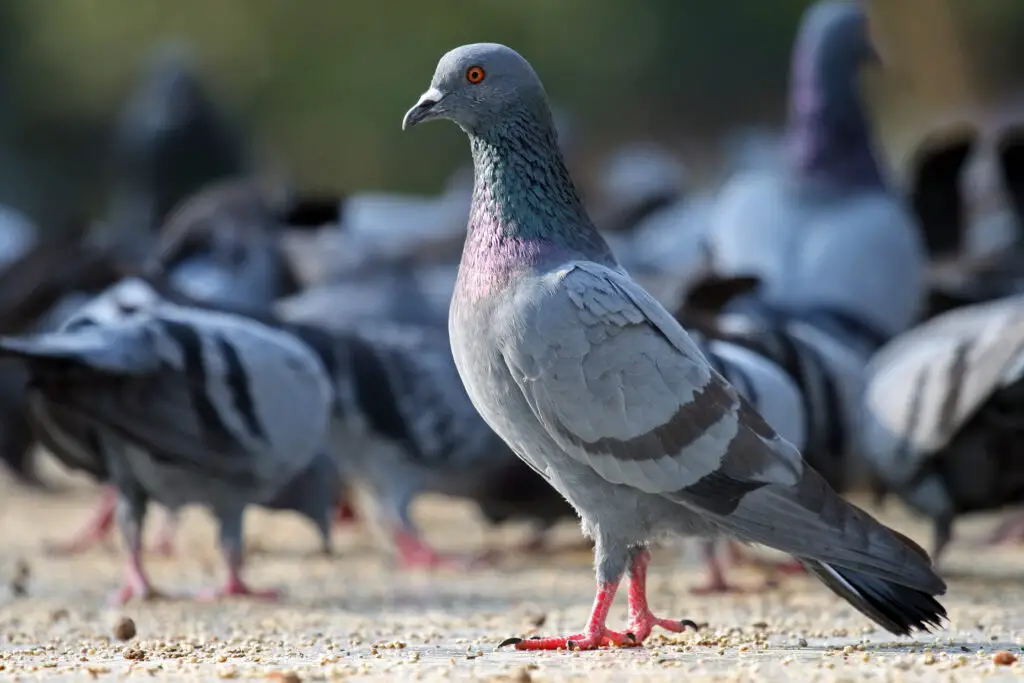
Rock pigeons quietly show how city living shapes creatures in small ways. Constant honking, engines and chatter surround them every day so the ones that tolerate noise naturally do better. Over time they grow more comfortable perching near roadsides, train stations and loud markets. Their instincts shift gently as they learn that noise does not always signal danger. Younger pigeons grow up hearing the same sounds and adapt even faster. Little by little these birds become steady residents of busy corners adjusting to the rhythm of people who rush past while they stay calm in the middle of it all.
9. Raccoons Using Buildings for Shelter

Raccoons are some of the most creative urban survivors and buildings offer them opportunities they would never find in forests. They squeeze into attics, crawlspaces and gaps behind walls because these spaces are warm, hidden and full of safety. The raccoons that master these environments raise young who learn the same tricks. Over time their confidence around artificial structures grows and they treat vents, rooftops and chimneys like natural shelters. Their clever paws and adaptable habits help them navigate city living with ease. Before long they become quiet neighbors tucked into the corners of homes people hardly notice.
10. Birds Feeding on Human Food
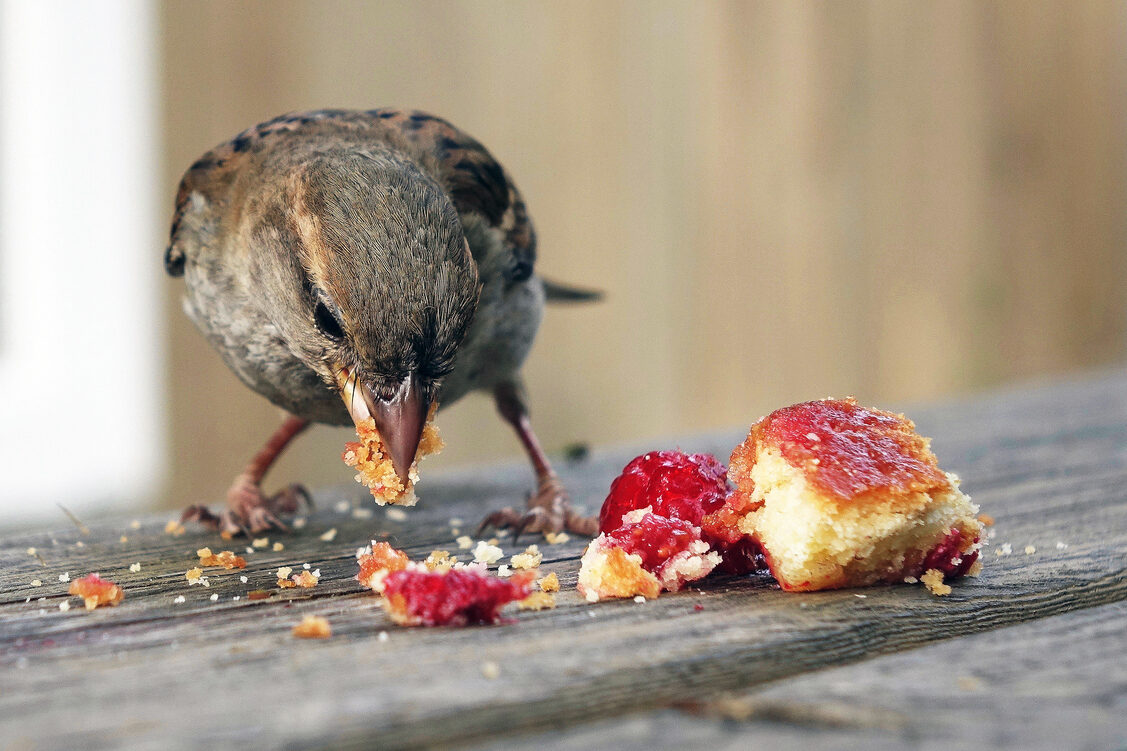
City birds often pick up new habits when exposed to human food and over generations those habits shape their bodies. They gather around outdoor tables, dig through trash bins or follow crowds for crumbs. Their diets slowly expand beyond seeds and insects and they grow comfortable eating what we leave behind. The birds that best digest these foods stay healthier and raise successful young. Over time small changes in behavior and digestion create a bird population that thrives on city meals. It becomes a gentle partnership where human routines accidentally shape the way these birds survive each day.
11. Fish Learning to Survive Tough Water

Some fish living in urban waterways must adjust to warmer temperatures and shifting water quality. Those that can tolerate stress survive longer and pass those resilient traits to their young. Over time they become better equipped to handle low oxygen pockets or sudden changes in their surroundings. While they still rely on nature they learn to manage conditions shaped by city runoff and heat. This gradual adaptation helps them maintain a presence in streams and canals that run through busy neighborhoods. Their quiet persistence tells a story of life continuing even in waters touched by concrete and city lights.
12. Birds Nesting on Tall Buildings
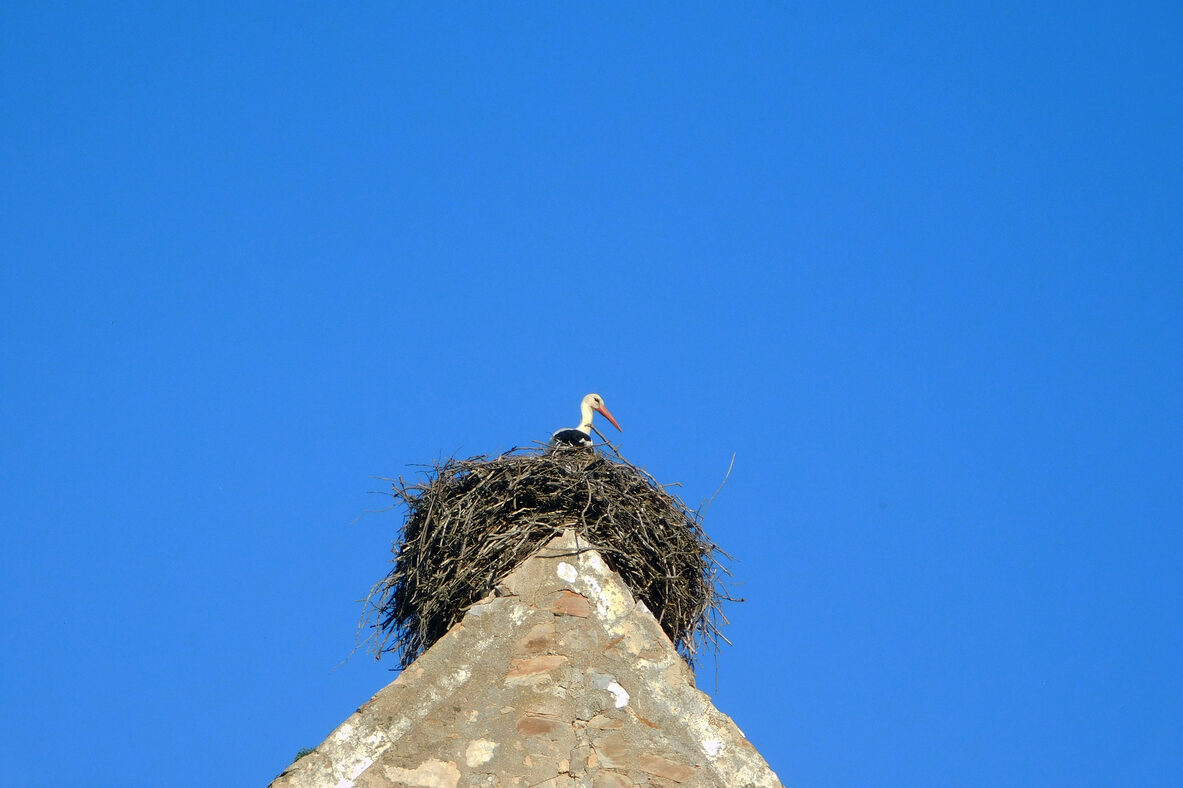
Skyscrapers and apartment blocks become new nesting grounds for birds that once relied only on trees and cliffs. They learn to use ledges, balconies and corners because these structures mimic natural high places. The birds that master this environment raise safe young far above predators and city movement. Over time they grow confident navigating vertical spaces and wind patterns around tall buildings. Their wings strengthen in ways that match these new challenges. Slowly they become urban gliders who find comfort in the very structures humans build for themselves creating a shared skyline shaped by adaptation and opportunity.
13. Coyotes Becoming More Active at Night
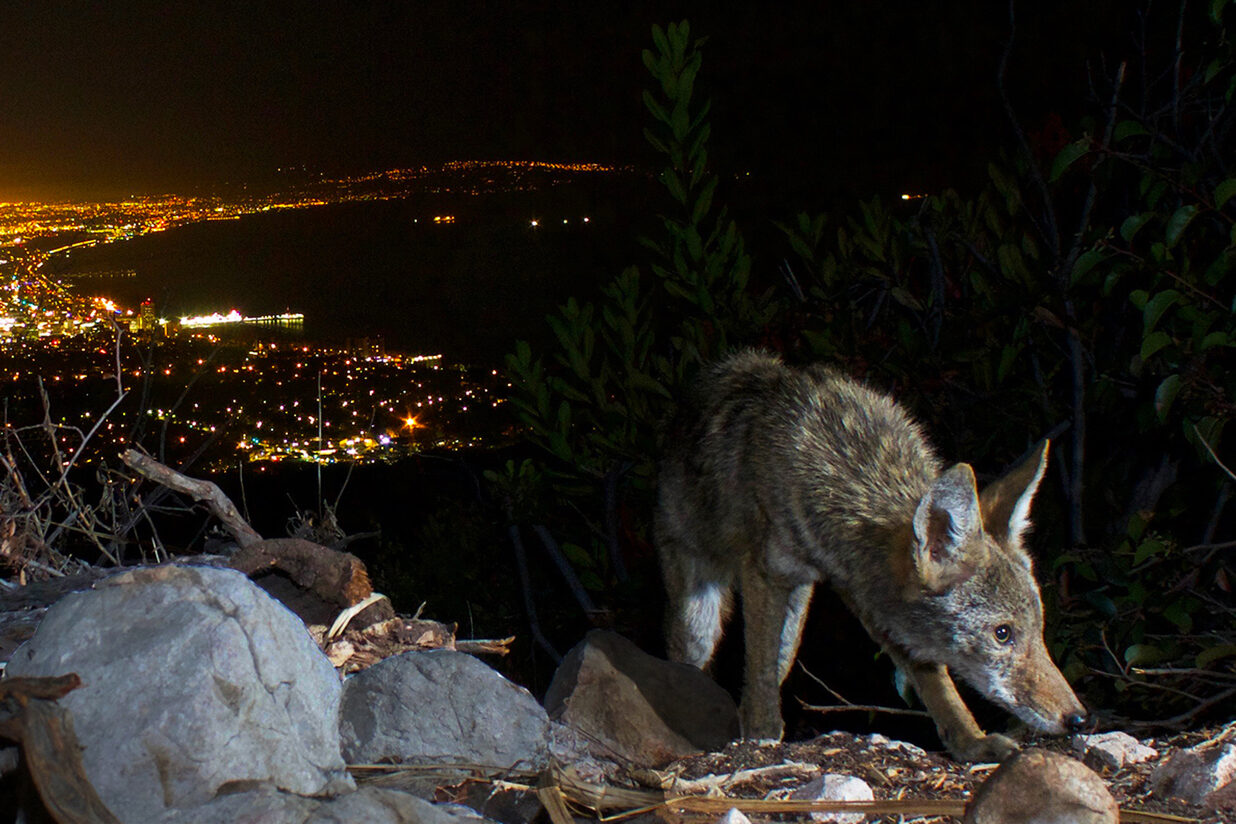
Coyotes adjusting to city life often shift their routines toward nighttime because the quiet helps them move safely. The ones that become more nocturnal avoid car traffic, loud crowds and busy streets which increases their chances of survival. Their young grow up understanding that darkness offers space to explore and hunt without constant disruption. Over time this pattern becomes part of their natural rhythm. They learn to navigate sidewalks, parks and alleyways using streetlights as guidance. The city’s nighttime layer becomes a place where they can exist with fewer risks slowly shaping them into confident after dark travelers.
14. Squirrels Growing Bolder Around People
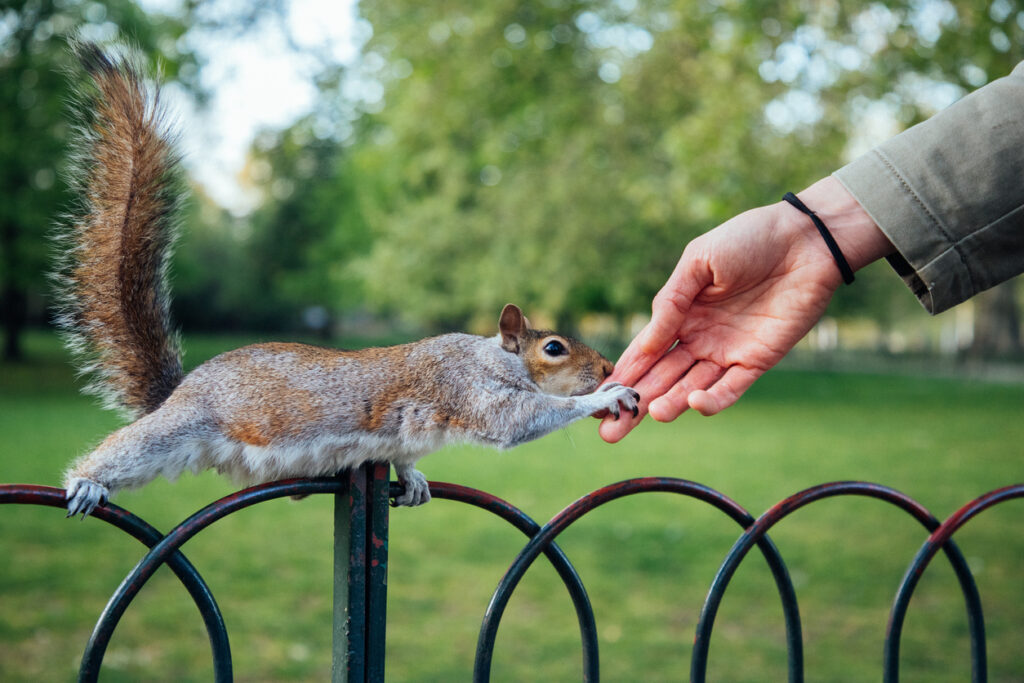
Squirrels in cities grow surprisingly bold because they spend their days around people who barely notice them. The ones that learn to gather food near benches, playgrounds or outdoor tables find easy rewards and quickly adapt. Their young watch and copy these habits so fear becomes less prominent with each generation. Over time squirrels become confident navigating close to footsteps and voices as they search for scattered snacks or buried treasures. Their interactions with people shape their instincts in subtle ways creating squirrels that feel almost like familiar companions in parks where both humans and wildlife share the same space.
15. Opossums Trading Forests for Concrete
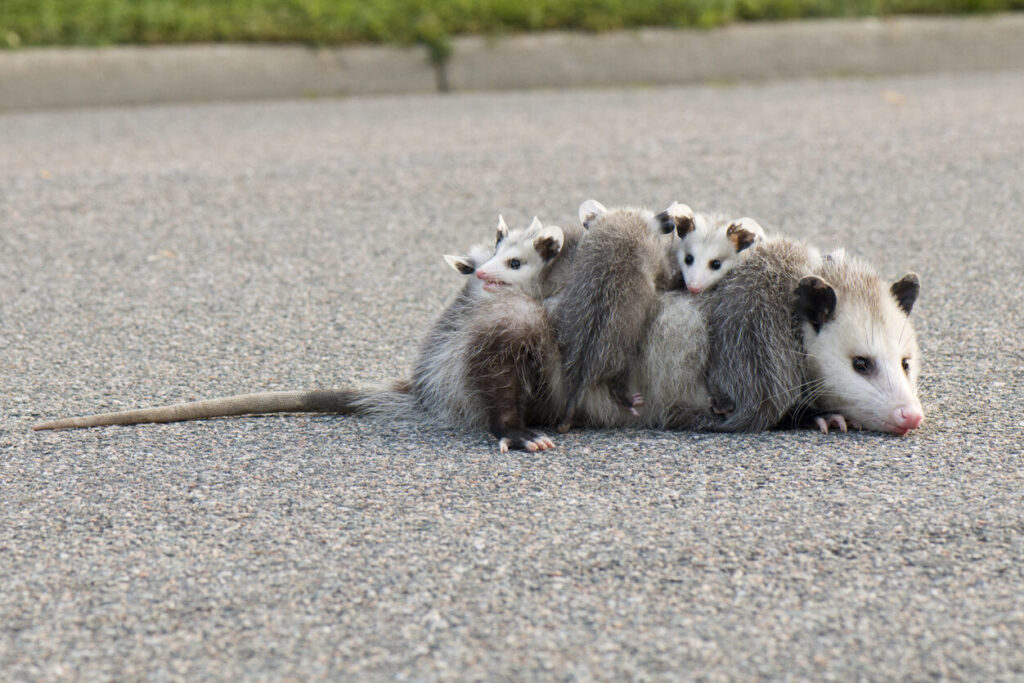
Opossums quietly adapt to city life by learning to survive in places far different from the forests their ancestors relied on. They explore alleys, backyards and older neighborhoods where food and shelter come in unexpected forms. The ones that adjust to trash bins, porch corners and quiet nighttime streets raise young who understand these spaces naturally. Over generations their instincts shift toward calmer reactions around people and comfort with artificial structures. They move slowly yet confidently through fences and forgotten corners showing how city living gently reshapes their habits. Opossums become steady survivors who fit into urban life with ease.
16. Birds Changing Their Singing Schedule
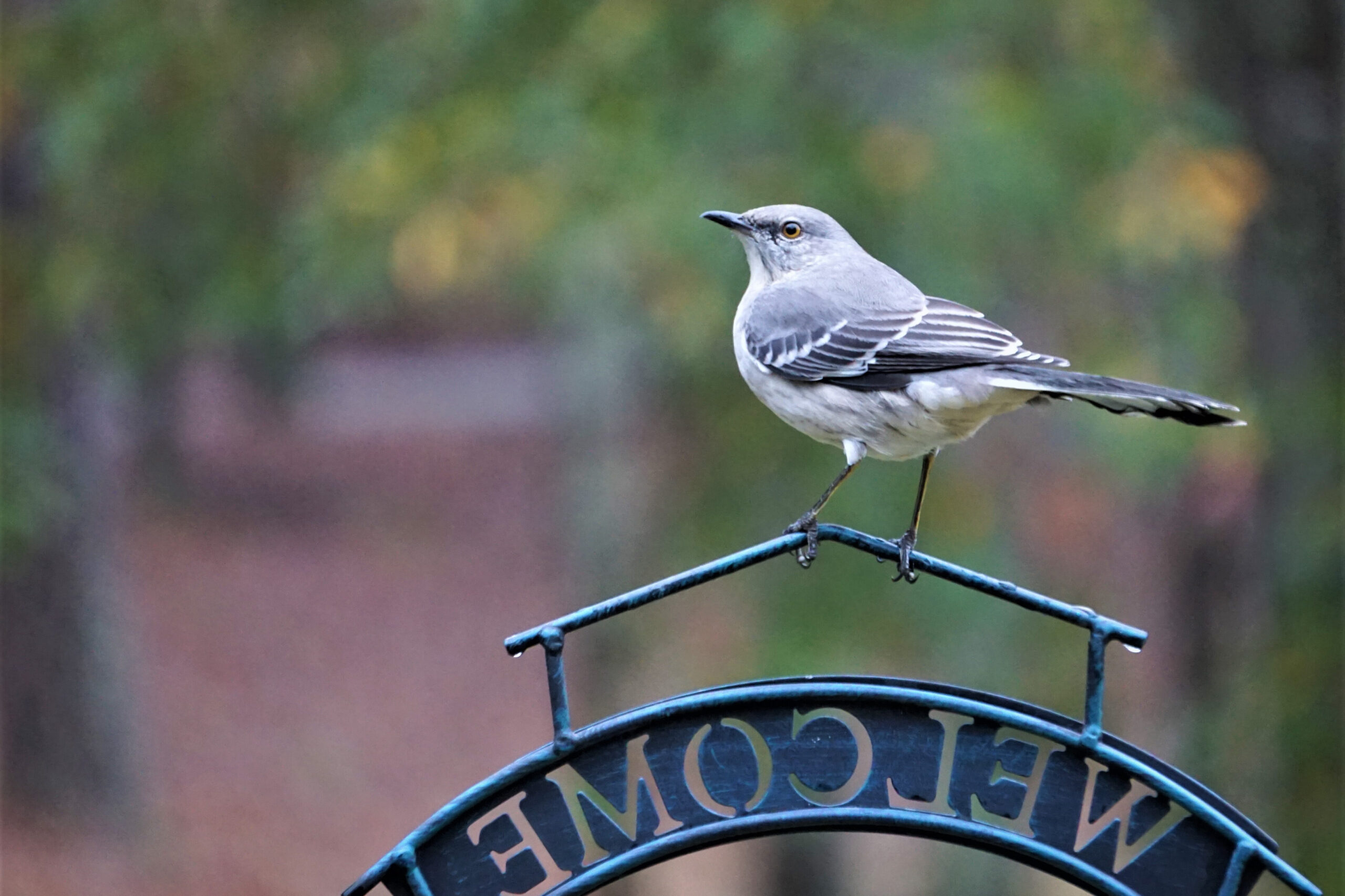
Urban birds often shift when they sing because the city can be loud at sunrise or midday. To make sure they are heard they adjust to quieter moments sometimes singing long before people wake up. The birds that choose better timing attract mates more easily and pass the habit forward. Over time these new schedules become part of their natural rhythm. Their voices rise above pockets of calm between passing cars or settling traffic. It becomes an example of how animals rebuild their routines around our movement and still manage to share their music in changing environments.
17. House Mice Growing Slimmer to Fit Small Spaces
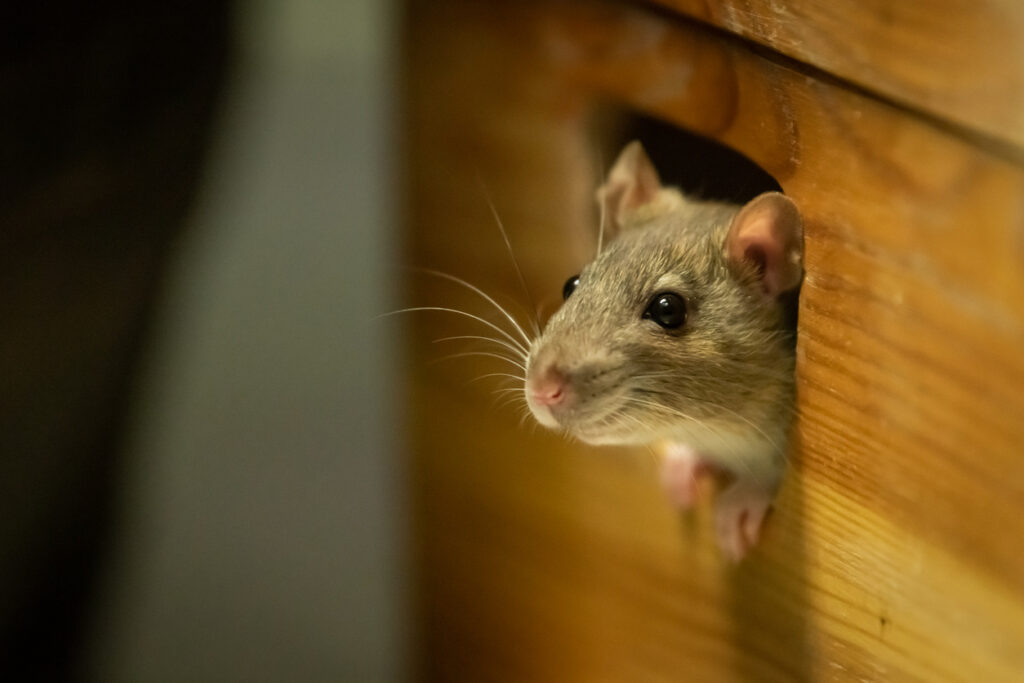
House mice in cities often become slimmer because narrow cracks and tight corners offer the safest paths. The ones that can squeeze through tiny gaps reach food and shelter that larger mice cannot access. Over generations their bodies adjust in small ways to suit this environment making them natural explorers of spaces behind cabinets, between walls or under appliances. Their survival depends on slipping unnoticed through places built for wires and pipes. This quiet shift creates city mice that move with ease through hidden pathways learning to navigate buildings as confidently as their ancestors navigated fields and open ground.
18. Gulls Turning Food Waste into Survival
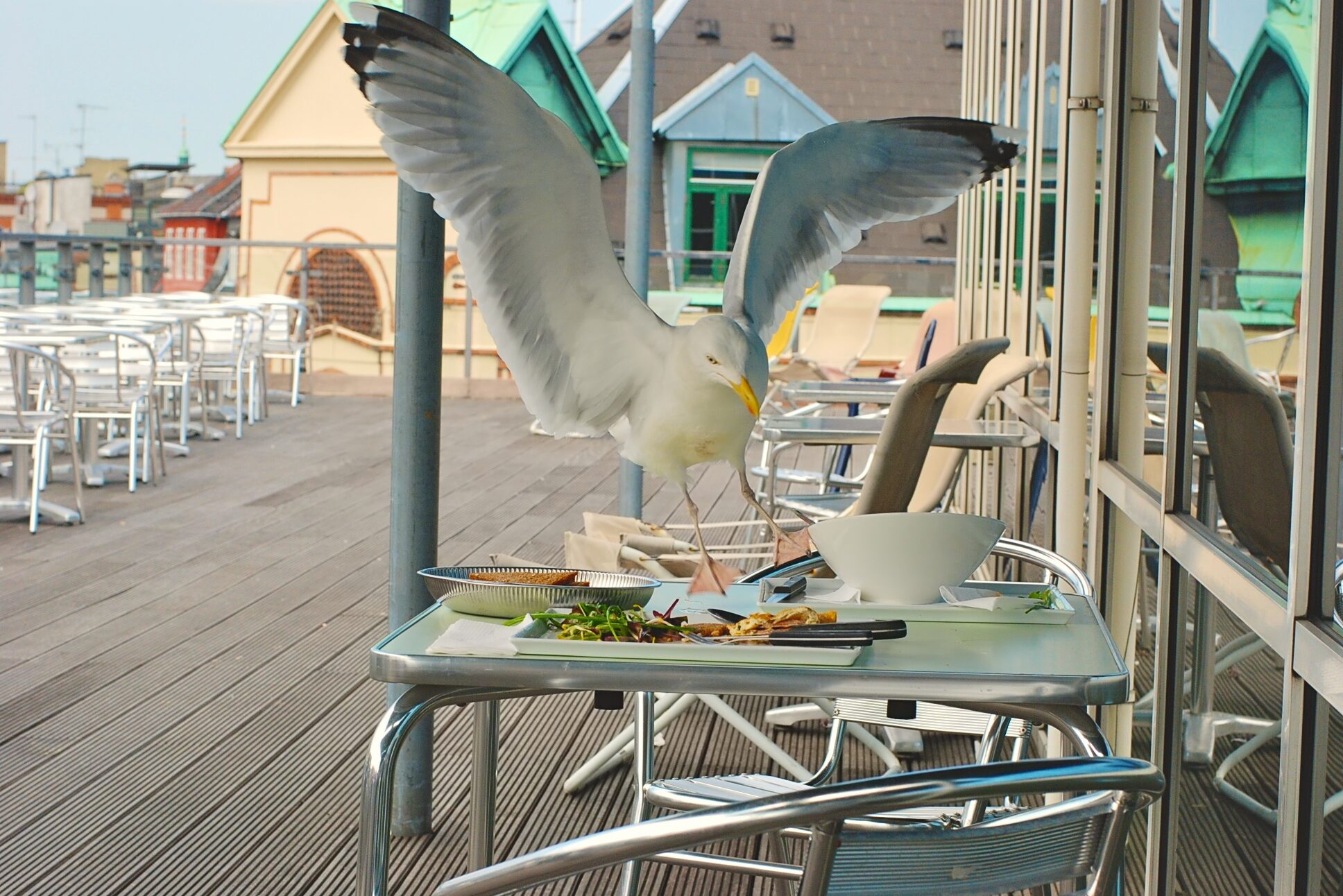
Gulls have become skilled city survivors by learning how dependable human food waste can be. They hover near parking lots, outdoor eateries and busy walkways where leftovers appear without effort. The gulls that adapt to these patterns grow stronger because they waste less energy searching for natural prey. Their young quickly learn the same routines and begin treating bins and crowded spaces as feeding grounds. Over generations these habits shape their instincts turning them into confident urban foragers. Their success shows how easily city life can redirect wildlife toward new opportunities created by people who rarely notice the exchange happening.
19. Cockroaches Reproducing More Quickly

Cockroaches thrive in cities partly because faster reproduction helps them survive unpredictable conditions. With food sources changing daily and safe hiding spots sometimes limited the ones that mature quickly and lay more eggs maintain strong populations. Warm buildings, steady moisture and constant human activity create an environment where rapid life cycles become an advantage. Each generation learns to adapt to cleaning routines, temperature shifts and changing food waste. Over time cockroaches become perfectly suited for city living growing into a presence that continues regardless of how often their hiding places are disturbed or rearranged by human hands.
20. Skunks Finding Safety in City Green Spots
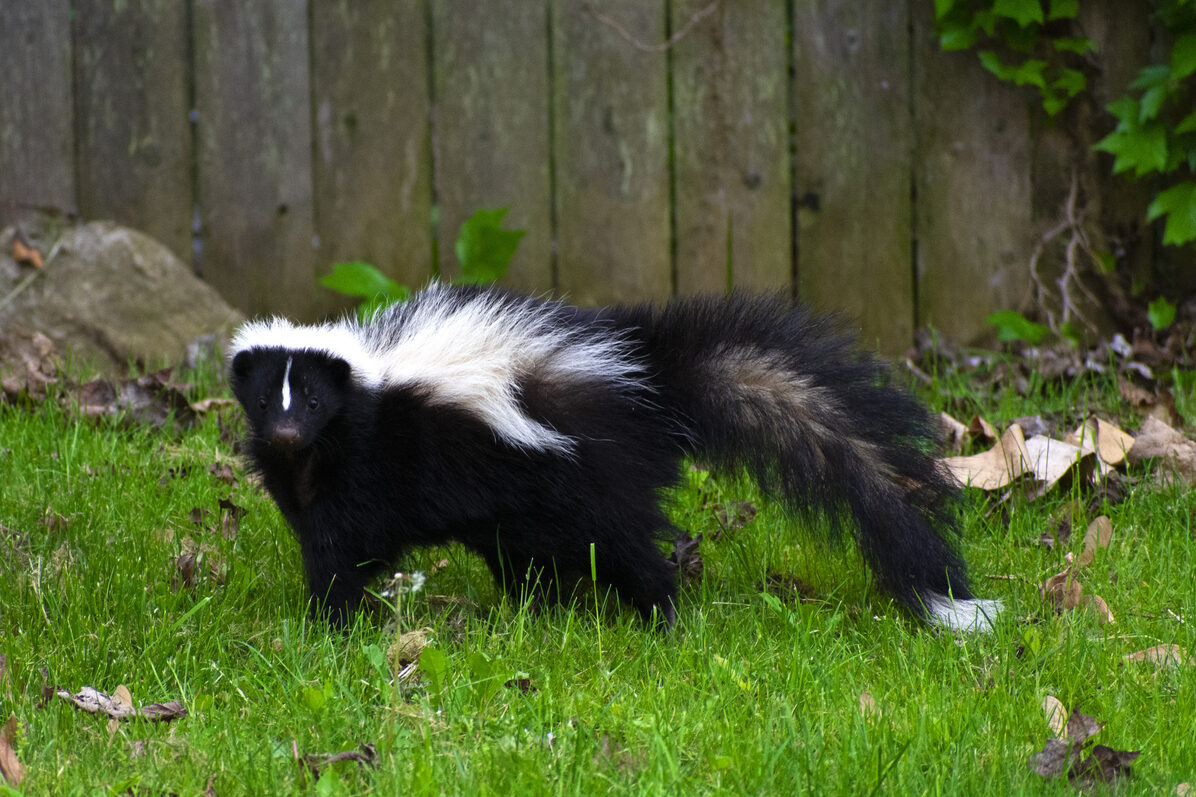
Parks, gardens and tiny green corners become valuable safe spaces for wildlife learning to survive among people. Animals grow familiar with these areas because they offer food, shelter and fewer risks compared to busy streets. The ones that adapt to these spaces raise young who also learn the same patterns. Over time populations develop habits centered around these small pockets of nature. They rest in shaded paths, hide among bushes and move between gardens like stepping stones. It becomes a gentle reminder that even in crowded cities nature finds a way to hold onto quiet spaces.
21. Crows Learning to Live Peacefully Around People

Crows are remarkably intelligent and city life gives them countless opportunities to show it. They learn to read human routines, spot patterns in food availability and remember which areas offer safety. The ones that understand people are not always threats thrive and teach their young the same lessons. Over generations crows grow comfortable nesting near buildings, perching on streetlights and watching crowds from above. Their presence becomes part of the landscape as they adapt calmly to movement and sound. They remind us that wildlife can adjust with grace when given space inviting us to stay curious and keep learning.
This story 21 Animals Evolving in Real Time Because of Cities was first published on Daily FETCH


