
1. George Washington
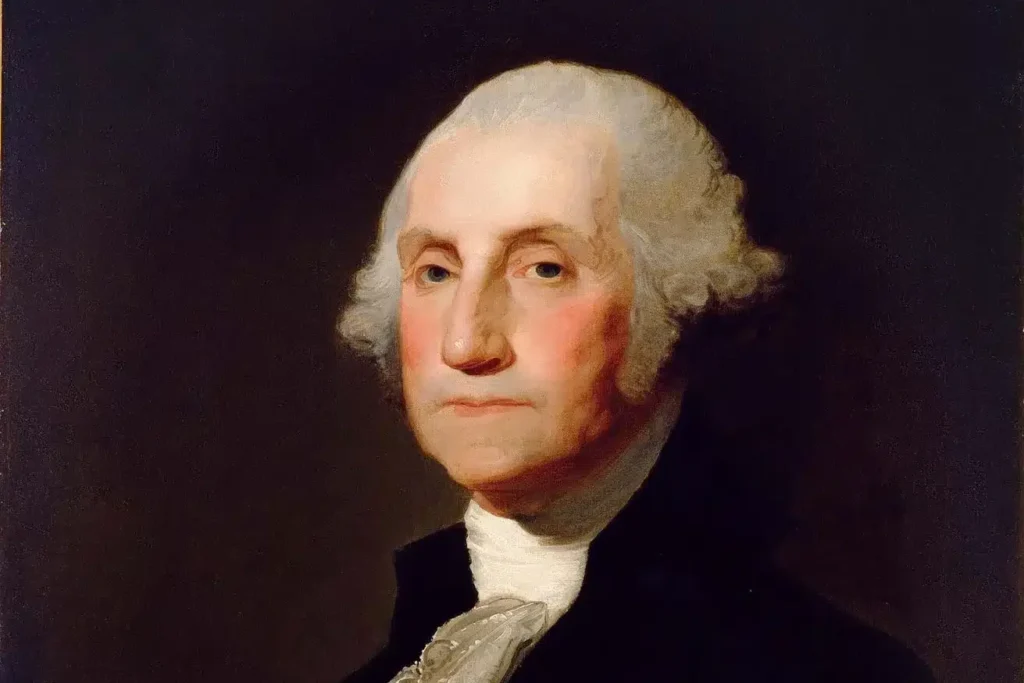
It always feels right to begin with Washington, our first President, because his story carries that steady kind of familiarity people lean on when looking back at the beginning of a nation. His best moment was stepping down after two terms, a gesture that shaped the peaceful transfer of power and taught future leaders the beauty of restraint. His worst came through his approval of the Fugitive Slave Act, a decision that weighed heavily on many who believed freedom should have been absolute. Still, he often spoke about liberty being a fragile plant that needed care, and his leadership showed both growth and contradiction. His presence sets the rhythm for the long journey of presidents who followed, reminding people that even the strongest foundations are built by imperfect hands doing the best they can.
2. John Adams
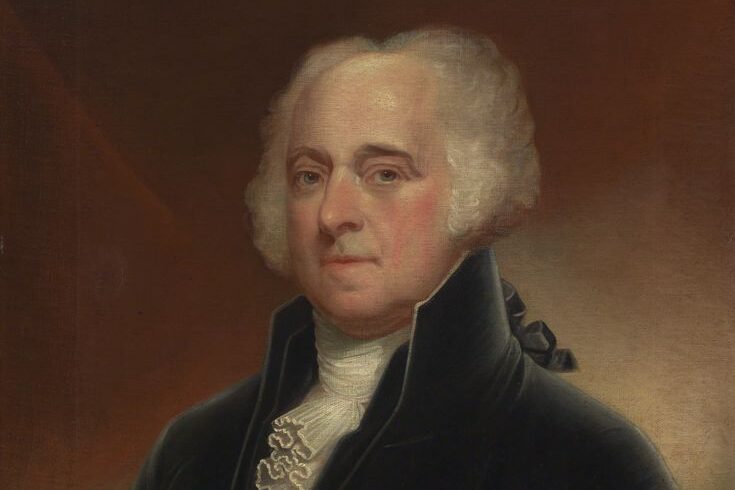
John Adams always feels like someone who tried to balance caution with conviction, doing what he believed was right even when the world around him felt loud and divided. His best moment came when he kept the young nation out of a potentially devastating war with France, choosing diplomacy over pride even when critics pressed him to fight. His worst decision was signing the Alien and Sedition Acts, which made many Americans feel silenced and betrayed by the leader meant to protect their voices. Adams often spoke about stubborn facts and principles, yet he sometimes let fear cloud his judgment. His presidency reminds people that leaders can be both wise and flawed, often at the same time, and that protecting peace sometimes comes with difficult misunderstandings that echo long after the moment has passed.
3. Thomas Jefferson
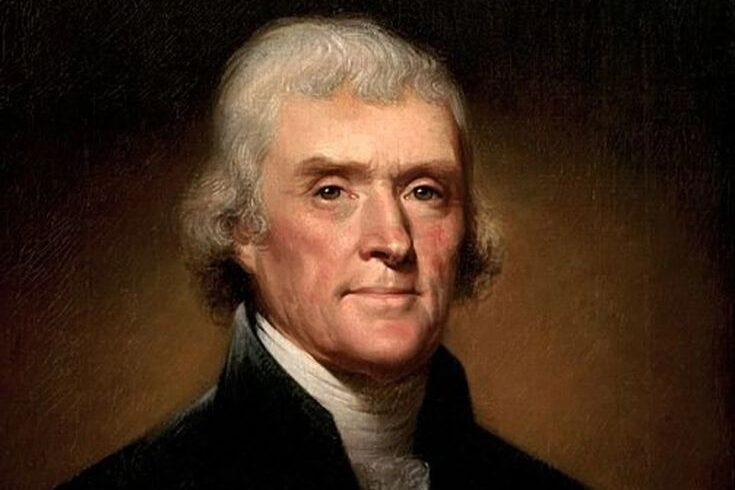
Jefferson carries a blend of brilliance and contradiction that makes his presidency feel both inspiring and unsettling. His best achievement was the Louisiana Purchase, a bold step that doubled the size of the country and opened new possibilities for generations to come. His worst contradiction was writing about equality while continuing to own enslaved people, a moral conflict that history has not overlooked. He believed in dreams shaped by freedom, yet his life often drifted away from the ideals he shared with the world. That tension makes him feel familiar, like someone trying to reach for something bigger than his own limits. Jefferson’s story teaches that vision can outshine actions, and actions can shadow words, leaving a legacy carried by both light and weight.
4. James Madison
Madison always feels like the calm thinker in a room full of raised voices, someone who approached leadership with reason rather than emotion. His best moment came through the strength he lent to the Constitution, carrying that same steady guidance into the presidency. His worst challenge unfolded during the War of 1812, especially when British forces burned Washington, leaving many people doubting the nation’s safety. He often reminded people that knowledge protects liberty, and that belief shaped the way he governed with a quiet kind of resolve. Madison showed how intellect can guide a country through uncertainty even when the world feels shaken. His presidency reflects how thoughtful leadership might not stop every storm, but it can hold a fractured nation together long enough for healing to begin.
5. James Monroe
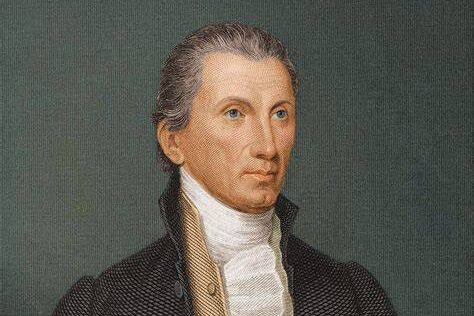
Monroe’s presidency often feels like a gentle chapter in a long story, carrying a sense of calm even as hidden tensions brewed beneath the surface. His best achievement was the Monroe Doctrine, a firm declaration that warned European nations to stay out of affairs in the Americas, giving the young country space to grow without foreign pressure. His worst struggle was watching divisions over slavery deepen while the government tried to maintain peace through compromise. Monroe spoke often about honor, yet not everyone felt protected by the unity he hoped to preserve. His leadership shows how peaceful moments can still hide burdens and how even quiet eras prepare the country for confrontations waiting just beyond the horizon.
6. John Quincy Adams
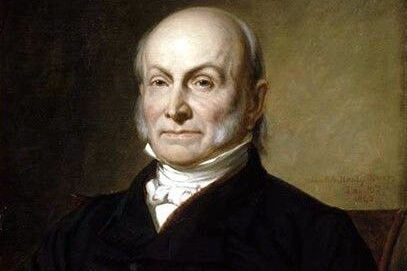
John Quincy Adams feels like a man built more for thoughtful work than political maneuvering, yet he carried a deep sense of duty into the presidency. His best legacy emerged after he left office, becoming a passionate voice against slavery in Congress and proving that purpose can outlive position. His worst moment was entering the presidency under suspicion after the House decided the election, causing many Americans to doubt the fairness of his victory. Adams believed strongly in doing the work placed before him, even when results brought little praise. His presidency may feel constrained, but his integrity and persistence left a deeper mark than a single term ever could, reminding people that influence sometimes grows stronger after power is gone.
7. Andrew Jackson
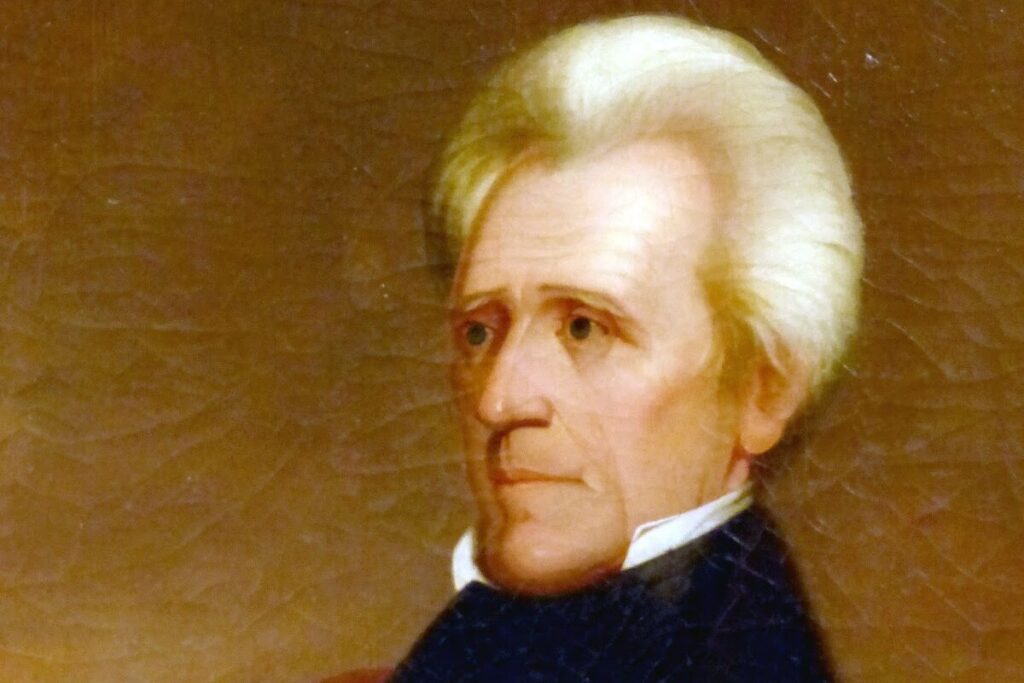
Jackson’s presidency reads like a storm full of energy, conflict and force, leaving behind marks both celebrated and mourned. His best side expanded political participation for many white men who previously felt unheard in government, making him appear relatable to large crowds. His worst decision was supporting the Indian Removal Act, which caused devastating suffering through the Trail of Tears and remains a painful part of American history. Jackson often spoke about serving the people, yet many people were harmed by his choices. His leadership shows how passion can inspire and damage at once, and how popularity can sometimes overshadow the real consequences felt by lives far away from campaign speeches and applause.
8. Martin Van Buren
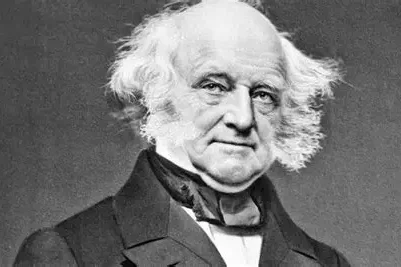
Van Buren often feels like the careful planner who stepped into the spotlight just as the stage collapsed beneath him. His best trait was his calm diplomacy, helping ease political tensions during moments when arguments could have escalated quickly. His worst challenge arrived with the Panic of 1837, a financial crisis that crushed the economy and left families struggling while he worked to slow the damage. He believed in measured decisions, yet the crisis moved faster than caution could manage. Van Buren’s presidency reminds people how timing can shape a leader’s legacy and how even a skilled politician can be overwhelmed by forces he did not create. His quiet steadiness feels almost crowded out by the hardship of his era, yet it remains part of the story.
9. William Henry Harrison
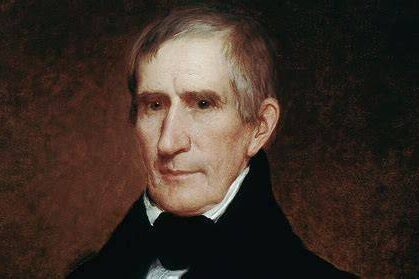
Harrison’s presidency feels like a beginning that ended before the first chapter truly opened, leaving people with a sense of what might have been rather than what was. His best moment came during his lively campaign, which connected with voters through simplicity and warmth, changing how future elections were presented. His worst mistake was speaking for far too long in the cold during his inauguration without proper protection, a choice that contributed to the illness that took his life weeks later. With such little time in office, he never had a chance to shape policy or show the leadership many hoped to see. His story reminds people how unpredictable life can be and how even the brightest expectations can fade quickly.
10. John Tyler
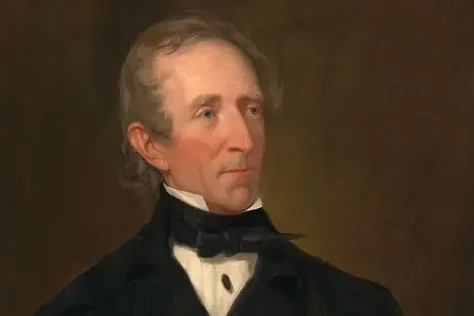
Tyler’s presidency feels like watching someone step unexpectedly into a position many doubted he would truly command, yet he moved forward with determination. His best decision pushed the nation toward annexing Texas, a move that shaped America’s future landscape. His worst struggle came from the intense conflict with his own party, which eventually rejected him entirely and left him governing without their support. Tyler believed that popularity was not a true measure of merit, and his actions reflected that belief as he made choices that sometimes stood alone. His presidency shows how unexpected leaders can reshape roles once thought ceremonial and how standing apart can leave both strength and isolation in its wake.
11. James K. Polk
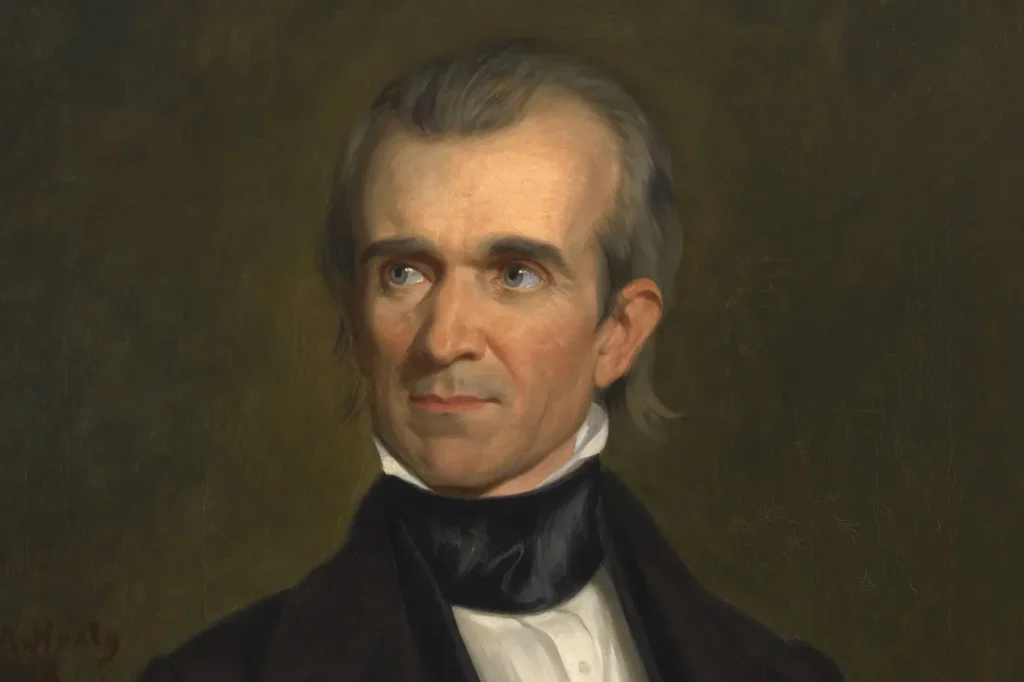
Polk’s presidency feels like a mission carried out with strict focus, almost as if he entered office with a list and refused to leave before checking every box. His best achievement was fulfilling the idea of coast to coast expansion through the Mexican American War and peaceful agreements with Britain, which dramatically reshaped the country’s boundaries. His worst legacy lies in how that expansion deepened the divisions surrounding slavery and brought significant loss to soldiers and families. Polk believed in hard work without rest, and he lived up to that belief throughout his term. His leadership shows how accomplishing goals can still leave emotional costs that linger far beyond victory.
12. Zachary Taylor
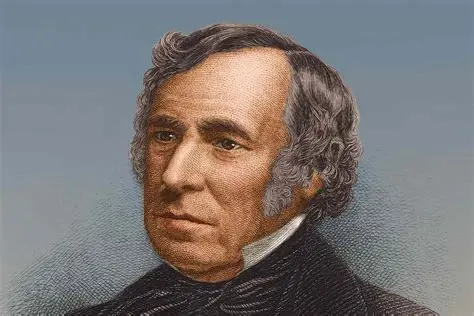
Taylor’s presidency feels like watching a man accustomed to battlefield decisions step into the slower, more complicated world of politics. His best moment was taking a firm stand against extending slavery into new territories, even though he did not come from a political background. His worst challenge was his sudden death, which left many issues unresolved and cut short his chance to grow into the role. Taylor often spoke simply about duty, and his time in office reflected that plain but steady approach. He may not have stayed long, but he showed a willingness to protect the country’s future even while navigating unfamiliar responsibilities and rising national tensions.
13. Millard Fillmore
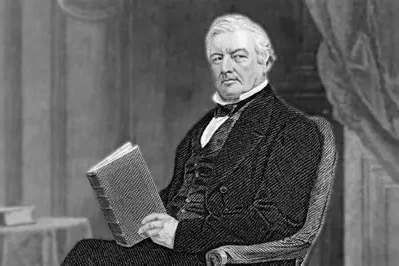
Fillmore’s presidency feels like someone trying to hold together a nation pulling apart at the seams, doing his best to quiet tensions that often refused to settle. His best action was supporting efforts to modernize trade and open routes that helped American markets grow. His worst moment came with signing the Compromise of 1850, particularly the Fugitive Slave Act included within it, which caused deep pain and anger across the country. Fillmore believed compromise could calm storms, yet his attempt only sharpened divides. His leadership shows how choosing the middle can sometimes heighten conflict and how difficult it becomes to balance peace when justice hangs unevenly on both sides.
14. Franklin Pierce
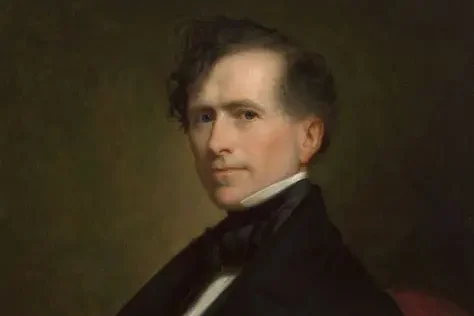
Pierce’s presidency feels heavy, almost as if personal grief followed him into office and shaped his decisions. His best intention was trying to unify a nation that felt increasingly split, hoping calm words might soothe louder arguments. His worst decision was signing the Kansas Nebraska Act, which opened the door for violent conflicts over slavery and pushed the country even closer to civil war. Pierce believed deeply in harmony, yet his choices created more turmoil than he expected. His presidency reminds people how even gentle leaders can make decisions that unravel communities and how trying to please opposing sides can sometimes fracture peace instead of building it.
15. James Buchanan
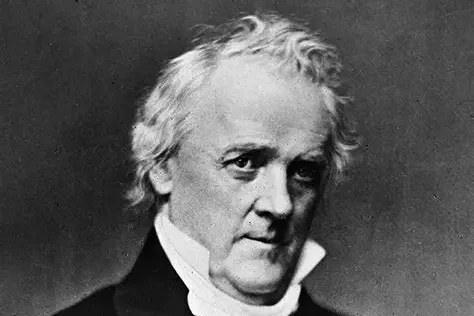
Buchanan’s presidency feels like watching a leader freeze in the center of a growing storm, unable to take the strong action desperately needed. His best quality was his experience, carrying decades of public service into the role with hopes of steadying the nation. His worst failure was avoiding decisive steps as tensions between North and South grew into crisis, allowing the situation to drift toward war. Buchanan often insisted that conflict would settle itself, but the country needed firm guidance he did not provide. His presidency shows how doing too little can cause greater harm than doing something imperfect and how hesitation shaped the final steps toward a devastating conflict.
16. Abraham Lincoln
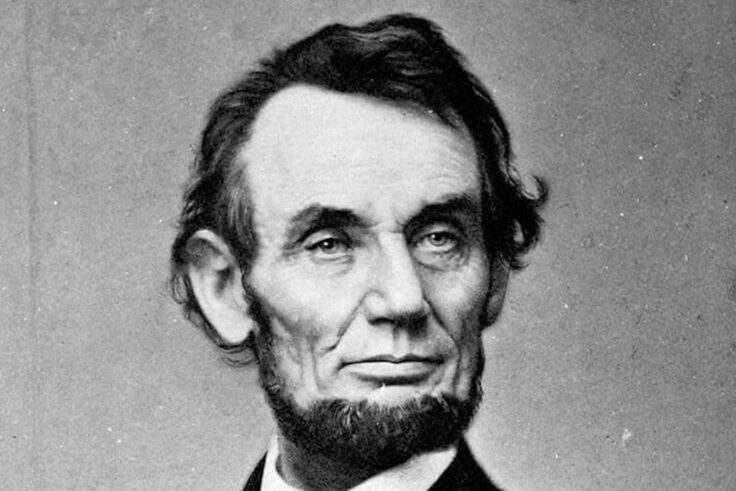
Lincoln’s presidency feels like hope rising through heartbreak, shaped by clear purpose and quiet resilience that carried the nation through its darkest years. His best achievement was preserving the Union and opening the path to ending slavery, guided by a belief that the country could rebuild stronger and fairer. His worst burden was the war itself, a tragedy he could not prevent but had to lead through with heavy responsibility. Lincoln spoke often about the better angels of human nature, and those words still echo with gentle strength. His leadership shows how compassion and determination can bridge impossible divides and how courage grows even in sorrow.
17. Andrew Johnson
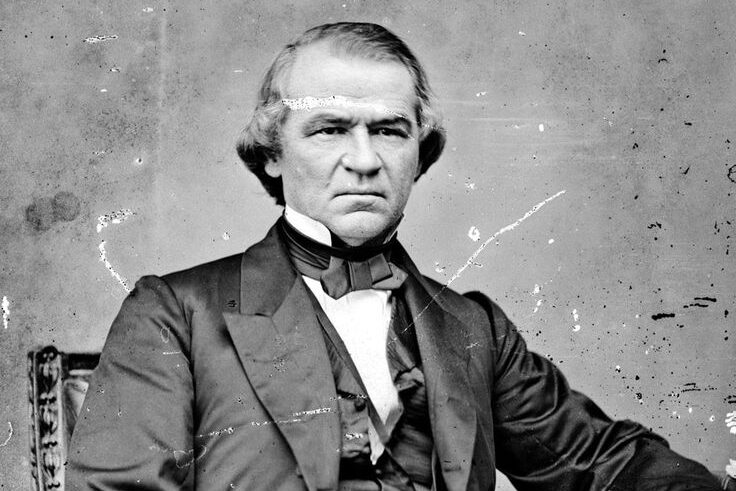
Johnson’s presidency feels like a sharp turn after Lincoln’s hopeful vision, marked by conflict and resistance that shaped the early years of Reconstruction. His best intention was wanting to bring southern states back into the Union quickly, hoping healing would replace hostility. His worst action was blocking civil rights protections for formerly enslaved people and clashing fiercely with Congress until he faced impeachment. Johnson believed he was defending constitutional principles, yet many felt he stood in the way of justice. His leadership shows how personal stubbornness can overshadow national recovery and how rebuilding requires openness more than rigid certainty.
18. Ulysses S. Grant
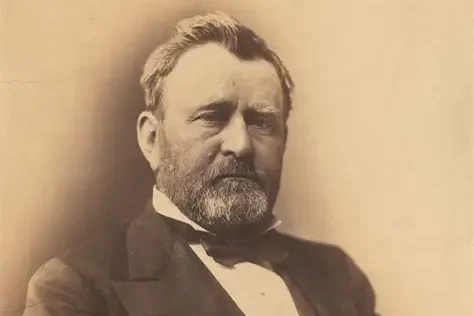
Grant’s presidency feels like a soldier trying to bring battlefield honesty into a government filled with hidden agendas and political traps. His best accomplishment was his genuine commitment to protecting the rights of formerly enslaved people, using federal power to challenge groups that threatened their freedom. His worst difficulty came from corruption scandals involving people he trusted, even though he personally remained honest. Grant believed loyalty was a virtue, yet that same loyalty sometimes clouded his judgment. His presidency shows how a good heart can be surrounded by flawed allies and how protecting progress can be just as hard as achieving it.
19. Rutherford B. Hayes
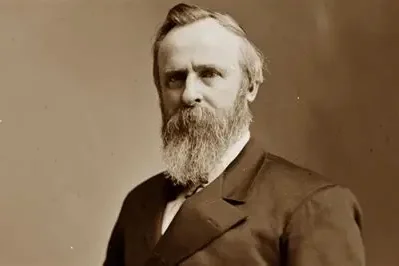
Hayes’s presidency feels like a quiet attempt to mend a tired nation, offering calm leadership after the turbulence of Reconstruction. His best decision was pushing for civil service reform, hoping to reduce corruption and make government positions based more on merit than political favoritism. His worst legacy was ending federal protection in the South as part of the agreement that secured his election, a move that weakened the rights of many who needed support. Hayes believed unity required compromise, yet some compromises left lasting harm. His leadership shows how healing requires patience and how difficult it becomes when fairness is unevenly restored.
20. James Garfield
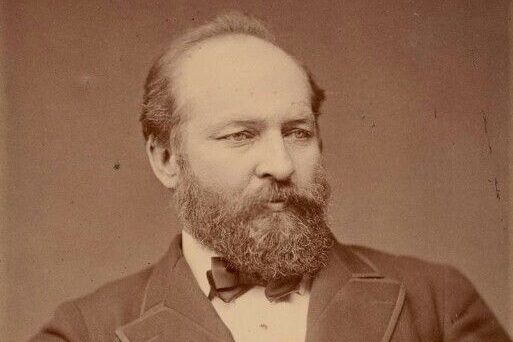
Garfield’s presidency feels like potential interrupted, carrying the hope of reform that never had the chance to fully take shape. His best vision centered on improving civil service and reducing corruption, a plan he began quickly with energy that impressed many Americans. His worst misfortune was the assassination attempt that cut his presidency short before he could make lasting change, leaving only glimpses of what he intended to build. Garfield believed deeply in education and fairness, and those values shaped the brief steps he managed to take. His story shows how quickly a promising path can shift and how unrealized dreams can still inspire years later.
21. Chester A. Arthur
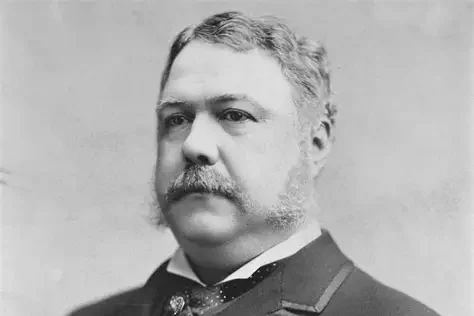
Arthur’s presidency feels like a surprising transformation, as he shifted from a political insider to a reformer determined to clean up the system that once supported him. His best achievement was signing the Pendleton Civil Service Act, which helped reduce corruption by ensuring positions were earned through merit rather than connections. His worst struggle came from lingering doubts about his earlier political ties, which made some question whether his change of heart was genuine. Arthur believed dignity mattered, and he carried himself with calm confidence that slowly earned respect. His leadership shows how people can evolve and how integrity sometimes arrives after difficult beginnings.
22. Grover Cleveland
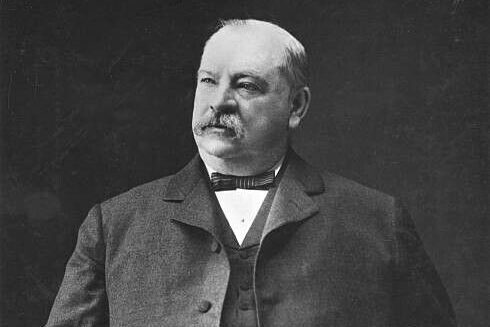
Cleveland’s presidency feels like watching someone who valued honesty above popularity, carrying a seriousness that shaped many of his decisions. His best trait was his firm stance against wasteful spending, which he challenged through numerous vetoes aimed at protecting public funds. His worst difficulty came from his handling of economic issues during his second term, when the Panic of 1893 brought deep financial struggles that he failed to ease effectively. Cleveland believed strongly in responsibility, yet many felt unsupported during hardship. His leadership shows how principles can be admired even when outcomes fall short and how character remains even when circumstances become overwhelming.
23. Benjamin Harrison
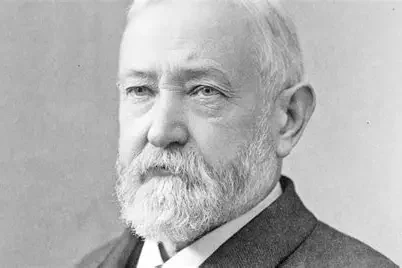
Harrison’s presidency feels like a blend of progress and pressure, with achievements that brightened some areas while challenges clouded others. His best accomplishment was supporting the Sherman Antitrust Act, an early attempt to regulate powerful business monopolies and protect fair competition. His worst struggle came from rising government spending and economic strain, which made many Americans question his financial decisions. Harrison believed in strengthening the nation’s global presence, yet domestic worries often overshadowed his broader goals. His leadership shows how progress sometimes arrives mixed with complications and how good intentions can become tangled in the realities of national responsibility.
24. Grover Cleveland (Second Term)
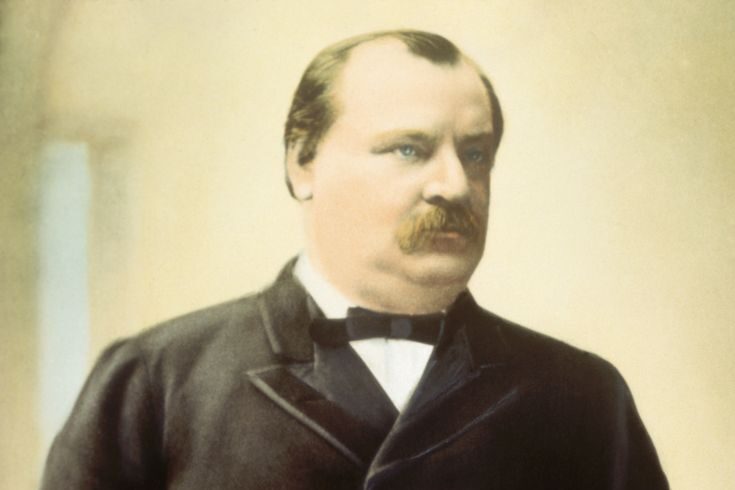
Cleveland’s second presidency feels heavier than his first, shaped by harsher economic struggles that tested his firm principles. His best strength remained his dedication to honesty and fiscal discipline, which he believed were essential for stable governance. His worst period came as the Panic of 1893 caused widespread unemployment and hardship, and his strict adherence to limited government made many feel unsupported during crisis. Cleveland valued consistency and resisted pressure to change course, yet this resolve sometimes appeared disconnected from the needs of struggling families. His second term shows how returning to leadership brings higher expectations and how unchanging principles can become liabilities in moments that demand flexibility.
25. William McKinley
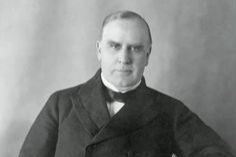
McKinley’s presidency feels steady and confident, marked by calm leadership during a time of growing international influence. His best achievement was guiding the country through the Spanish American War with a sense of reassurance that helped unify many Americans. His worst legacy came from expanding the nation into overseas territories, a move that raised difficult questions about imperialism and national identity. McKinley believed the country should protect both its interests and its values, yet balancing the two proved challenging. His leadership shows how strength and caution often walk side by side and how important decisions can reshape a nation’s path for generations.
26. Theodore Roosevelt
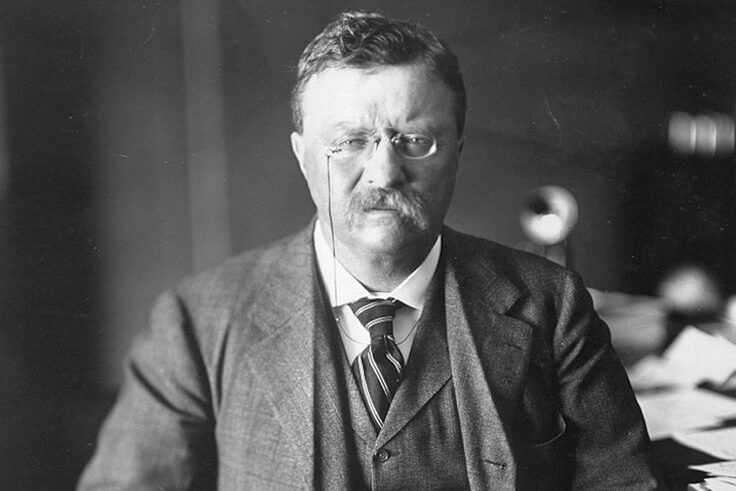
Roosevelt’s presidency feels bold and energetic, almost as if he carried a spark that pushed the country into a more modern era. His best accomplishments included breaking up large monopolies, protecting natural landscapes and advocating for public welfare with enthusiasm rarely seen before. His worst moments came from decisions that involved aggressive foreign policy, which some believed placed too much weight on American influence abroad. Roosevelt believed strongly in living a vigorous life, and that lively spirit shaped every part of his leadership. His presidency shows how passion can create lasting progress while also stirring debate about the reach of national power.
27. William Howard Taft
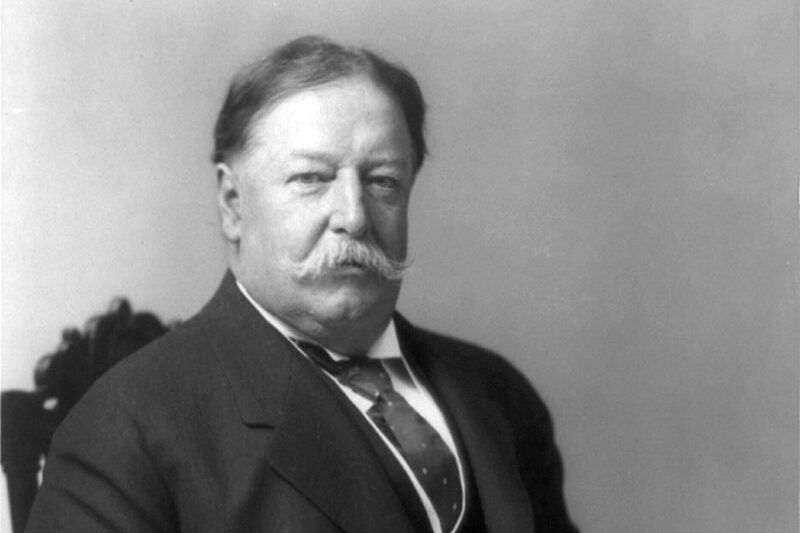
Taft’s presidency feels like watching a thoughtful man placed in a role filled with pressures he never fully embraced, even though he tried diligently to serve well. His best achievement was expanding trust busting efforts and strengthening the justice system’s ability to challenge harmful corporate practices. His worst struggle came from conflicts with progressives, including Roosevelt, which fractured support and left Taft feeling misunderstood. He believed deeply in law and order, yet politics often pulled him into battles he did not enjoy. His leadership shows how competence can be overshadowed by political tension and how personal comfort plays a quiet role in public service.
28. Woodrow Wilson
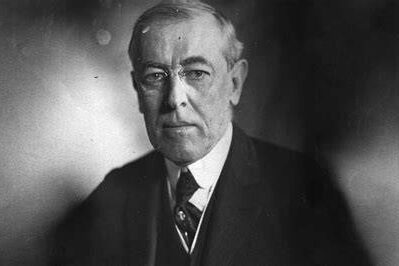
Wilson’s presidency feels like a mixture of idealism and contradiction, shaped by visionary goals and troubling blind spots. His best accomplishment was leading the country through World War One with a plan for lasting peace, including the idea of a League of Nations that aimed to prevent future conflict. His worst decisions involved supporting segregation within federal offices and ignoring injustices that should never have been overlooked. Wilson believed deeply in shaping a better world, yet he struggled to show fairness at home. His leadership shows how high ideals can rise alongside painful inconsistencies, creating a legacy carried by both inspiration and disappointment.
29. Warren G. Harding
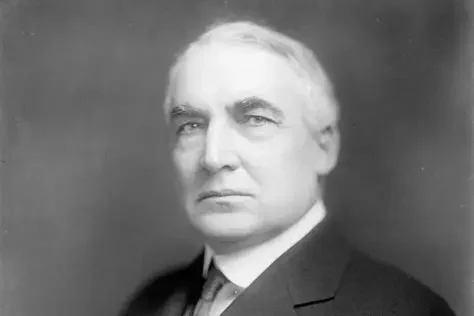
Harding’s presidency feels like someone trying to bring comfort after difficult years, offering familiarity and friendliness that many people appreciated. His best quality was creating a sense of calm by encouraging normalcy, helping the nation settle after the strain of war. His worst legacy came from the corruption scandals involving people he trusted, especially within his administration, which overshadowed achievements he hoped would define his time in office. Harding believed in helping the country relax and breathe again, yet the mistakes of those around him added shadows he could not escape. His leadership shows how trust can sometimes be placed too freely and how a gentle approach can still be weighed down by hidden troubles that later become impossible to ignore.
30. Calvin Coolidge
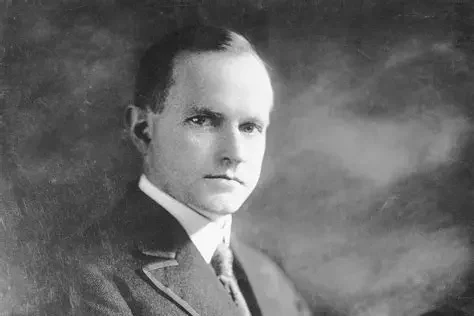
Coolidge’s presidency feels quiet and careful, shaped by a leader who believed strongly in saying little and letting actions speak. His best achievement was stabilizing the economy and restoring public confidence after previous scandals, offering a steady presence during years of growth. His worst challenge was responding too lightly to signs of looming economic trouble, leaving the nation vulnerable to deeper issues that followed. Coolidge believed firmly in limited government and personal responsibility, yet his restraint sometimes created gaps where stronger guidance might have helped. His leadership shows how silence can feel peaceful in good times but uncertain when problems grow quietly beneath the surface.
31. Herbert Hoover
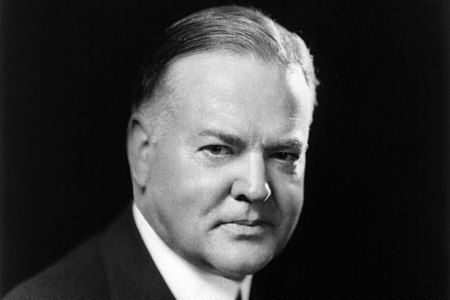
Hoover’s presidency feels like watching a capable man trapped in a storm he could not calm, despite his lifelong belief in problem solving and service. His best contribution before his presidency was his humanitarian work, and he carried that spirit into office with hopes of strengthening the nation. His worst moment came with the Great Depression, when his cautious approach failed to bring relief to millions who needed help quickly. Hoover believed deeply in voluntary cooperation, yet the scale of the crisis demanded far more than optimism. His leadership shows how unexpected disasters can redefine even the most prepared leaders and how hardship can overshadow earlier good intentions.
32. Franklin D. Roosevelt
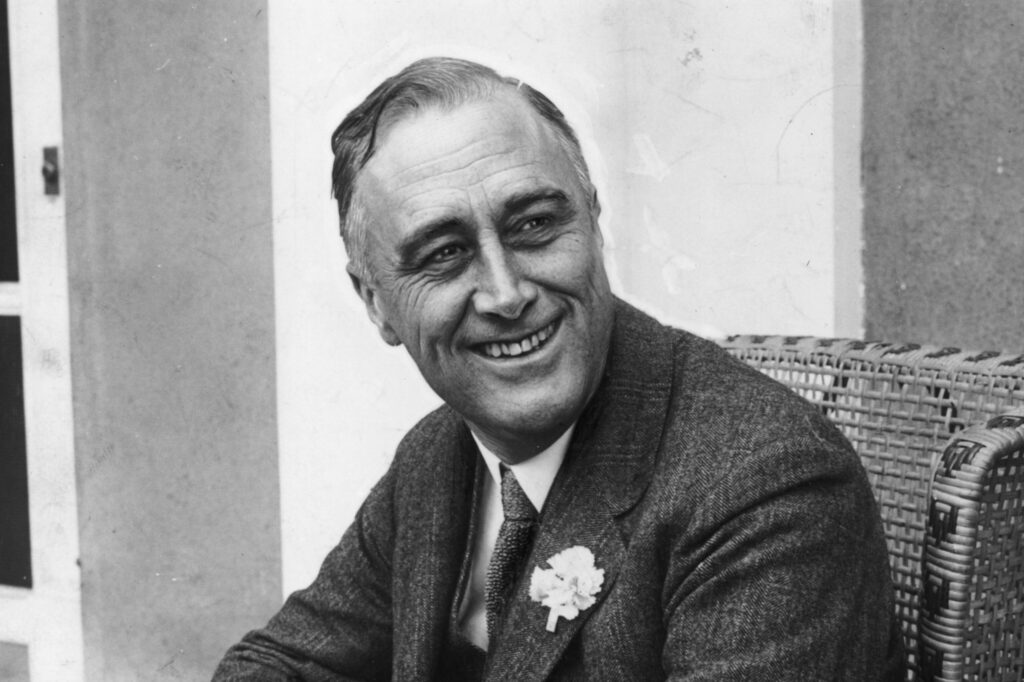
Roosevelt’s presidency feels like a voice pulling the nation forward through its most difficult years, offering hope and stability when both felt fragile. His best achievements included the New Deal programs that provided relief, recovery and reform during the Great Depression, along with steady leadership during World War Two. His worst decision involved the internment of Japanese Americans, a painful chapter that contradicted the ideals he often spoke about. Roosevelt believed strongly in courage and resilience, and those beliefs shaped his confident and comforting approach. His leadership shows how determination can lift a nation through uncertainty even while difficult choices leave marks that history does not forget.
33. Harry S. Truman
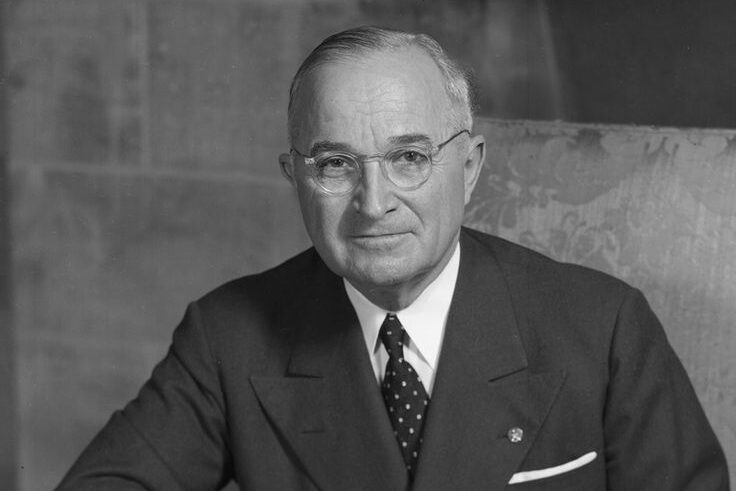
Truman’s presidency feels like watching someone step into immense responsibility unexpectedly, yet carry it with plainspoken honesty and surprising strength. His best decisions included supporting postwar recovery, recognizing global alliances and implementing policies that helped shape modern international cooperation. His worst moment was authorizing the atomic bombings of Hiroshima and Nagasaki, actions that ended the war but caused unimaginable suffering. Truman believed deeply in doing what he felt necessary, even when the choices felt painfully heavy. His leadership shows how extraordinary circumstances can force decisions no one wants to make and how courage can be complicated by consequences that echo far beyond the moment.
34. Dwight D. Eisenhower
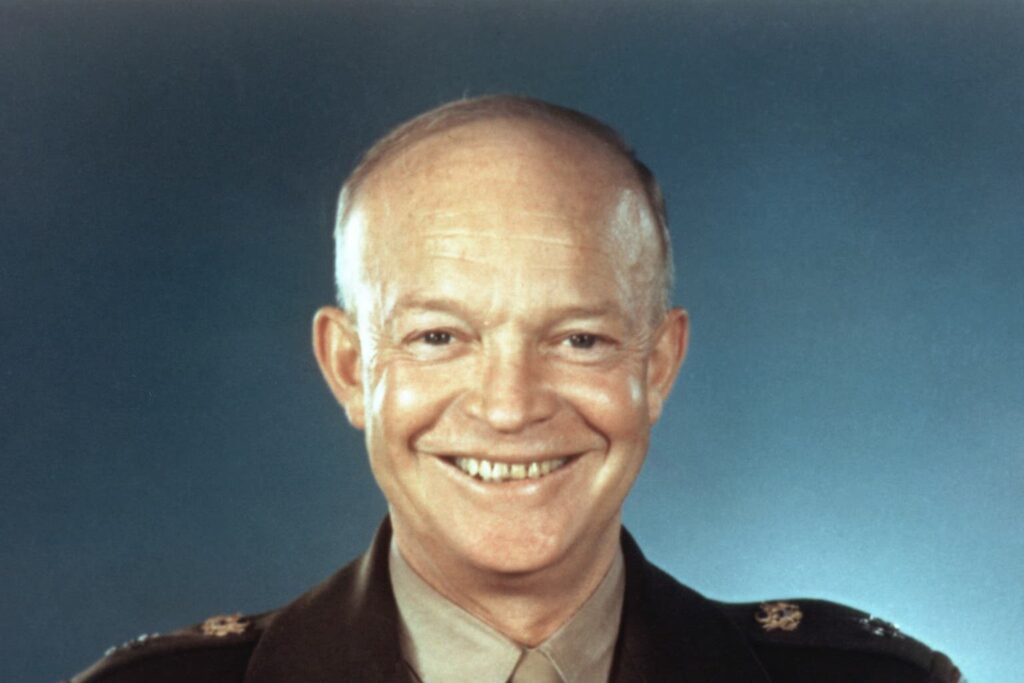
Eisenhower’s presidency feels calm and measured, shaped by the steady confidence of a former general who preferred balance over bold disruption. His best accomplishments included expanding infrastructure through the interstate highway system and maintaining a thoughtful approach to foreign policy during tense Cold War years. His worst challenge was hesitating to support civil rights more firmly at first, even though he later enforced federal rulings with determined clarity. Eisenhower believed strongly in moderation and unity, and that belief guided his gentle leadership style. His presidency shows how stability can bring comfort and how patience can sometimes slow progress even when hearts are in the right place.
35. John F. Kennedy
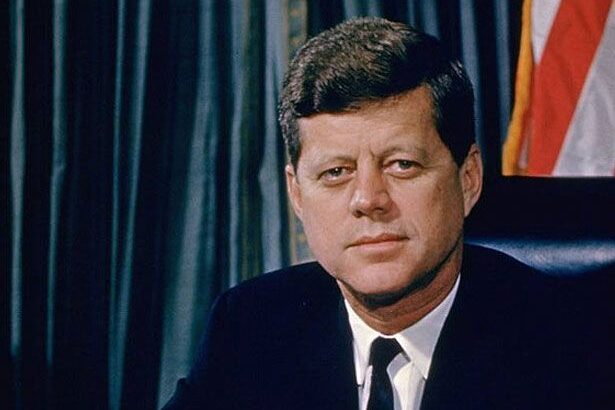
Kennedy’s presidency feels bright and youthful, shaped by optimism and a belief in what people could achieve together. His best moments included his inspiring call for public service, his steady handling of the Cuban Missile Crisis and his push for advancing civil rights. His worst misstep involved the Bay of Pigs invasion, a failed operation that exposed weaknesses in early decision making. Kennedy believed deeply in rising to challenges and encouraged Americans to do the same. His story shows how hope can unite a country and how even promising beginnings can be cut short, leaving people imagining what more might have come.
36. Lyndon B. Johnson
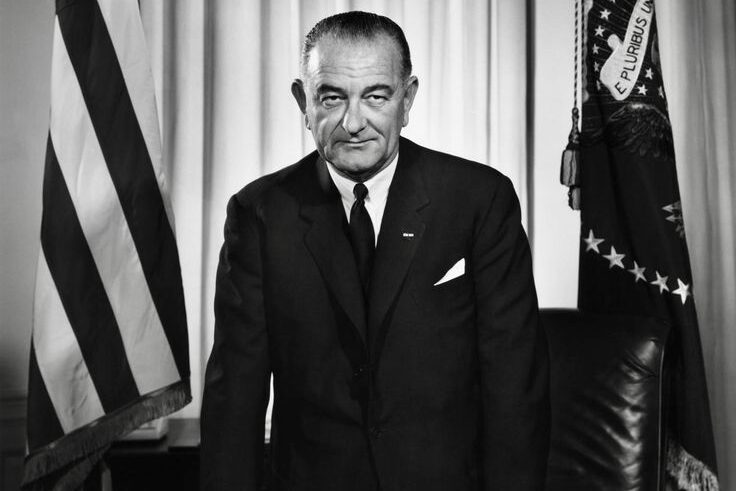
Johnson’s presidency feels like a mix of bold action and painful conflict, shaped by determination to expand opportunity while struggling to manage a growing war. His best achievements included the Civil Rights Act and the Voting Rights Act, which brought long overdue protections and opened doors for millions. His worst decision was escalating the Vietnam War, a choice that brought deep division, loss and mistrust. Johnson believed in using power to fight poverty and injustice, yet the war overshadowed much of his progress. His leadership shows how one choice can weigh heavily across a legacy and how ambition can both lift and burden a nation.
37. Richard Nixon
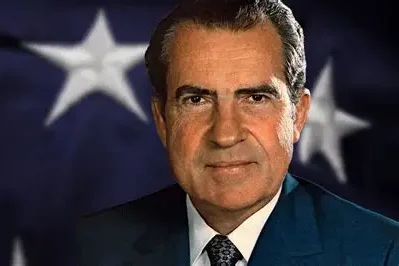
Nixon’s presidency feels like a journey of significant achievement tangled with deep personal flaws, leaving a mixed legacy that still sparks debate. His best accomplishments included opening diplomatic relations with China and advancing environmental protections that shaped future policy. His worst decision was becoming involved in actions that led to the Watergate scandal, which broke trust and forced him to resign. Nixon believed strongly in strategic thinking, yet he struggled with suspicion and misjudgment. His leadership shows how success can be overshadowed by secrecy and how personal decisions can reshape the nation’s faith in its leaders for years to come.
38. Gerald Ford
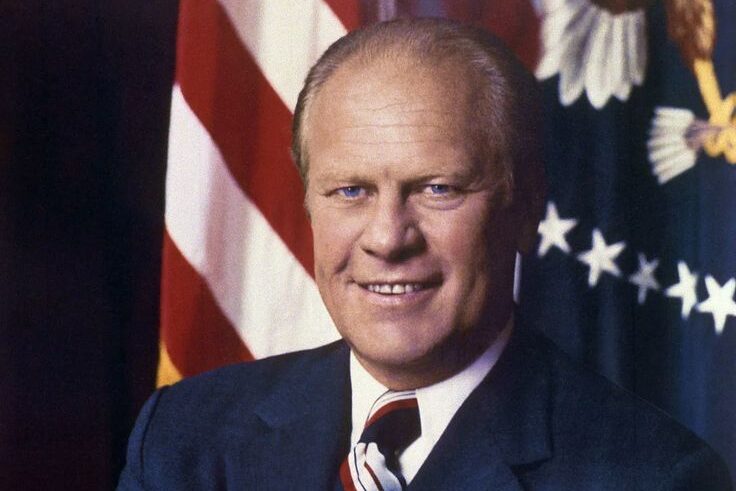
Ford’s presidency feels like a steady hand reaching out to calm a shaken country, offering honesty after a period of deep political mistrust. His best quality was his desire to restore stability, working transparently and thoughtfully to rebuild confidence in government. His worst challenge came from his decision to pardon Nixon, which angered many Americans who believed accountability was unfinished. Ford believed the country needed to heal quickly, yet the choice carried consequences that followed him. His leadership shows how difficult it can be to balance justice with unity and how sometimes the most sincere intentions leave complicated reactions behind.
39. Jimmy Carter
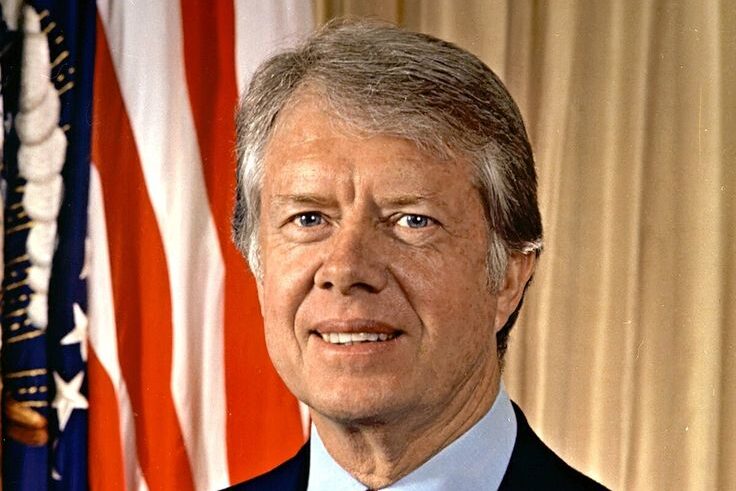
Carter’s presidency feels sincere and grounded, shaped by a leader who tried to govern with humility and moral clarity. His best achievements included the Camp David Accords, which brought historic progress to Middle East peace efforts, and his focus on energy conservation. His worst struggle was managing economic difficulties, including inflation and unemployment, which left many families frustrated. Carter believed deeply in honesty and human rights, yet economic hardships overshadowed his good intentions. His leadership shows how character can shine even during troubling circumstances and how compassion sometimes becomes the legacy that grows stronger long after a presidency ends.
40. Ronald Reagan
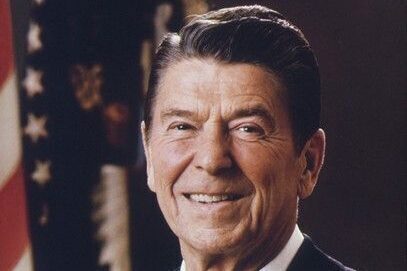
Reagan’s presidency feels confident and upbeat, marked by a leader who believed strongly in inspiring the nation through optimism and clarity of vision. His best achievements included helping end the Cold War through diplomatic and strategic efforts and revitalizing national morale during difficult economic times. His worst challenges came from policies that widened economic inequality and controversies such as the Iran Contra affair, which troubled many Americans. Reagan believed firmly in the power of hope and often used that belief to encourage unity. His leadership shows how storytelling and conviction can shape a nation’s spirit while also leaving behind complex questions about long term impact.
41. George H. W. Bush
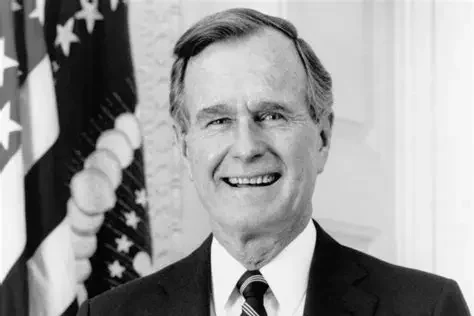
Bush’s presidency feels thoughtful and measured, guided by a leader who valued service and steady judgment. His best accomplishment was managing the end of the Cold War with calm diplomacy and leading a successful international coalition during the Gulf War. His worst challenge came from economic struggles at home, including a recession that left many Americans feeling overlooked. Bush believed deeply in responsibility and civility, shaping his gentle approach to leadership. His presidency shows how global success does not always translate into domestic confidence and how quiet integrity can sometimes be overshadowed by changing economic winds.
42. Bill Clinton
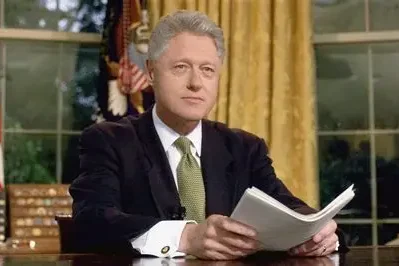
Clinton’s presidency feels energetic and forward looking, shaped by a leader who enjoyed connecting with people and embracing new ideas. His best achievements included economic growth, job expansion and efforts to modernize government while supporting working families. His worst moments came from personal scandals, particularly the events that led to his impeachment, which overshadowed some of his accomplishments. Clinton believed strongly in opportunity and often spoke about building bridges to the future. His leadership shows how charisma can open doors while personal choices can complicate public trust, leaving a legacy that blends policy progress with lingering controversy.
43. George W. Bush
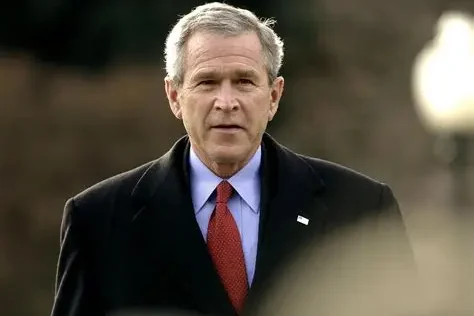
Bush’s presidency feels shaped by sudden crisis and difficult decisions that arrived early and changed everything. His best moments included providing steady reassurance after the September 11 attacks and strengthening global cooperation against terrorism. His worst decisions involved the Iraq War, which grew more complicated and costly than initially promised, leaving many Americans divided. Bush believed deeply in protecting the country, yet some strategies brought lasting consequences. His leadership shows how unexpected events can redefine a presidency and how determination in one direction can sometimes lead to difficult paths that echo long after the moment has passed.
44. Barack Obama
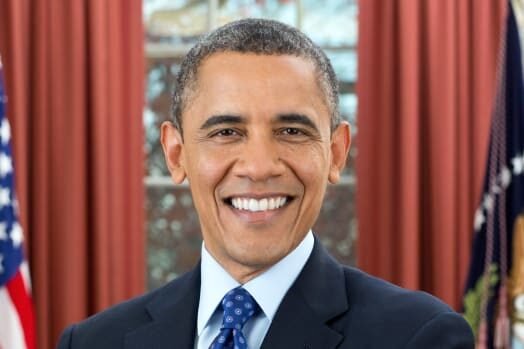
Obama’s presidency feels hopeful and thoughtful, shaped by a belief in dialogue and possibility even when challenges felt overwhelming. His best achievements included expanding healthcare access through the Affordable Care Act and guiding the country through recovery after the financial crisis. His worst difficulty came from deep political polarization that slowed progress and made cooperation harder than he expected. Obama believed in the power of unity grounded in shared values, and that belief carried into much of his work. His leadership shows how inspiring words can shape a nation’s mood even as obstacles remain and how patience becomes essential in times of change.
45. Donald Trump
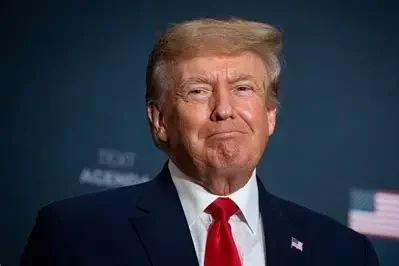
Trump’s presidency feels turbulent and bold, shaped by a leader who challenged traditional political norms and energized supporters with a direct communication style. His best moments included tax reforms that pleased many businesses and conservative voters, along with criminal justice reform through the First Step Act. His worst struggles came from intense national division, the Covid19 crisis, controversies surrounding his rhetoric and the events connected to the certification of the 2020 election, which created deep national tension. Trump believed in forceful leadership rooted in disruption. His presidency shows how strong personality can redefine expectations while creating sharp divides that linger well beyond a single term.
46. Joe Biden
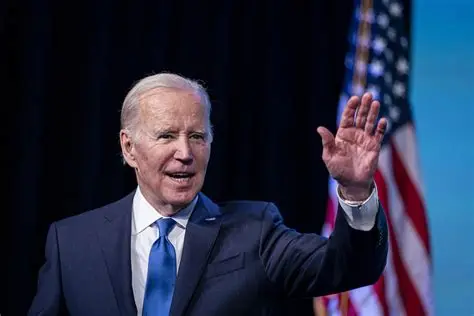
Biden’s presidency felt more steady and familiar, shaped by decades of experience and a desire to calm a country tired from conflict and crisis. His best achievements include expanding economic relief during the pandemic, investing in infrastructure and restoring alliances that had grown strained. His worst challenges come from ongoing political division, immigration struggles and economic concerns that make many Americans feel uncertain about progress. Biden believed in empathy as a guiding force, and he often leaned on connection to bring people together. But he decided to not run for re-election, based on a bad debate performance and many whispers about his mental acuity. Kamala Harris stepped in, she lost against Trump.
47. Donald Trump (Second Term)
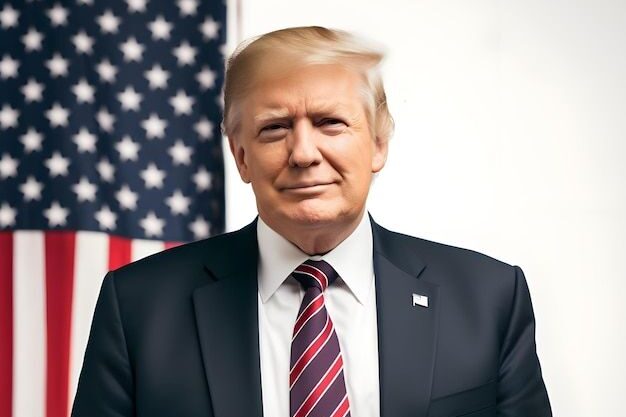
Trump’s second term as the forty seventh president feels like a continuation of the bold, fast paced energy that defined his first time in office, shaped by sharp contrasts and strong loyalty from his supporters. His best moments include pushing forward economic directives aimed at boosting business confidence, continuing efforts in reshaping trade relationships and maintaining his focus on issues that resonate deeply with his base. His worst challenges come from divisions that remain intense across the country, with national conversations often feeling strained and emotionally charged. Trump believes in direct leadership built on disruptive change, and his second term continues in that rhythm. His presidency shows how a familiar leader can return with the same intensity as before, creating both renewed momentum and renewed conflict. It reflects how American politics stays shaped by strong personalities and how each presidency becomes another chapter in a long, evolving story.
This story The Best and Worst of All 47 Presidents was first published on Daily FETCH


