
1. Sergeant Stubby, World War I’s Most Decorated Dog
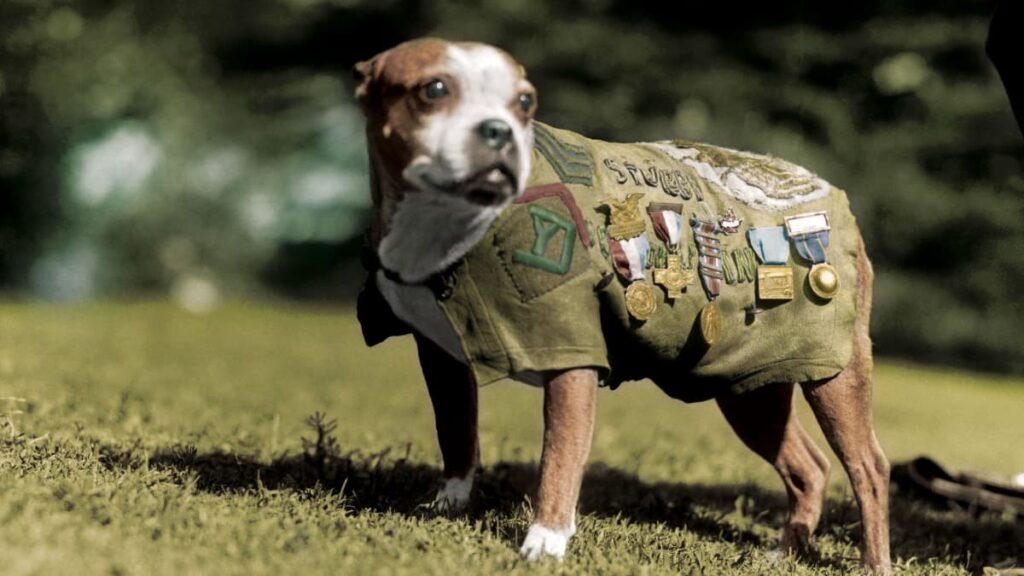
Stubby began life as a stray, only to be smuggled aboard a troop transport during WWI and eventually fight on the Western Front. As a member of the 102nd Infantry, he proved invaluable, alerting soldiers to mustard gas attacks, helping locate wounded comrades, and even capturing a German spy. For his bravery, he became the first dog in U.S. military history to be officially promoted to sergeant. After the war, he met presidents, marched in parades, and became a symbol of loyalty. Though decades have passed, his legacy still whispers in history.
2. Laika, First Dog in Space
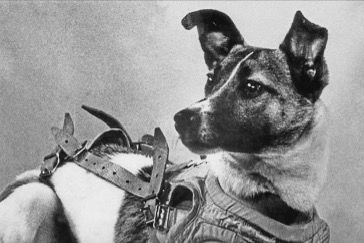
Across continents and centuries, a few remarkable dogs left paw-prints on history, only for time to blur their stories. This is a tribute to 22 of them whose courage, loyalty, or companionship still deserve to be remembered. Laika was a stray dog from the streets of Moscow, chosen in 1957 to become the first living creature to orbit Earth, aboard the Soviet satellite Sputnik 2. Though her life was tragically short, she opened the door to space travel for living beings. Her journey captured the world’s imagination, reminding humanity of how far we had come, and at what cost. Today, her story remains a powerful symbol of courage, curiosity, and the unknown.
3. Balto, The Sled Dog Who Helped Save a Town

In 1925, when a diphtheria epidemic threatened the remote town of Nome, Alaska, a relay of sled-dog teams carried antitoxin hundreds of miles under brutal winter conditions. Leading the final leg was Balto, whose endurance, intelligence, and courage helped deliver the life-saving serum. After his death, Balto was mounted and is now on display in a museum. A bronze statue of him in New York’s Central Park carries the words “Endurance · Fidelity · Intelligence,” honoring his part in saving many lives. His story remains a testament to pressing through against all odds.
4. Togo, The Unsung Hero of the Serum Run
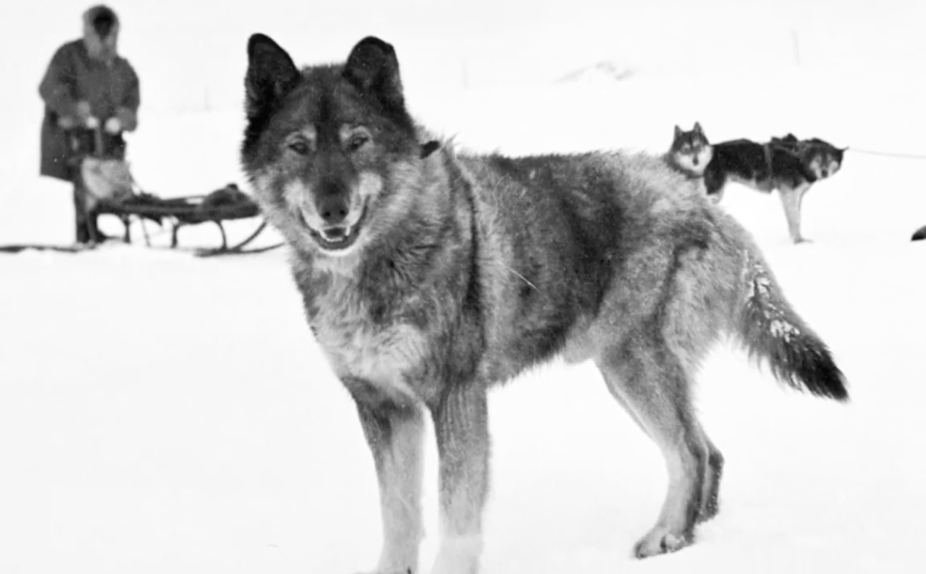
While Balto got most of the fame, Togo was the dog who covered the longest, and most dangerous, part of the 1925 serum run route. His journey spanned over treacherous Arctic terrain, including perilous swims across freezing waters, to deliver antitoxin during Nome’s crisis. Later in life, he toured the U.S. with his musher, drawing huge crowds. In 2011, a leading magazine even named him the “most heroic animal of all time”, yet his story remains less told. Togo’s grit and loyalty embody the quiet heroism that saved many lives.
5. Rin Tin Tin, From Battlefield Rescue to Silver Screen Stardom
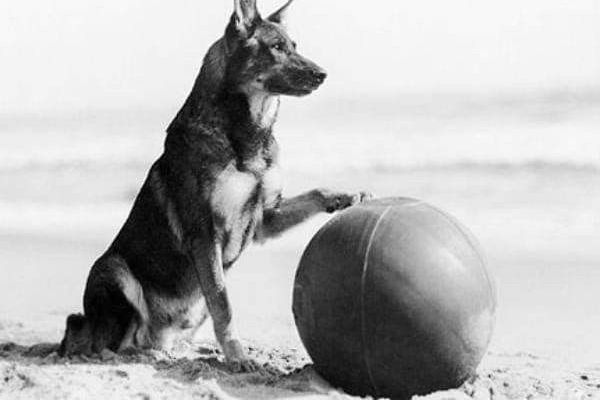
Rescued from a war-torn battlefield in France during WWI by an American soldier, Rin Tin Tin rose from hardship to Hollywood stardom. He appeared in 27 films during the silent-movie era, helping to launch what became one of the largest film studios in the world. His screen presence made German Shepherds among the most popular family pets in the U.S., and his success helped boost public interest in dogs as loyal companions rather than just working animals. Though decades have passed since his heyday, Rin Tin Tin’s paw-prints are still visible in pop-culture and film history.
6. Hachikō
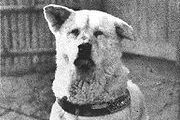
Hachikō, the loyal Akita from Tokyo, became a national symbol of devotion after he spent nearly ten years waiting at Shibuya Station for his owner, Professor Hidesaburō Ueno, who had died unexpectedly in 1925. His daily vigil continued rain or shine, drawing commuters who later shared his story across Japan. Over time, Hachikō became a cultural icon, inspiring books, films, statues, and annual memorial events. His preserved body was even placed in Japan’s National Museum of Nature and Science. Though his story is often shortened to a simple tale of loyalty, the full history shows how one dog united an entire country around compassion and remembrance.
7. Greyfriars Bobby
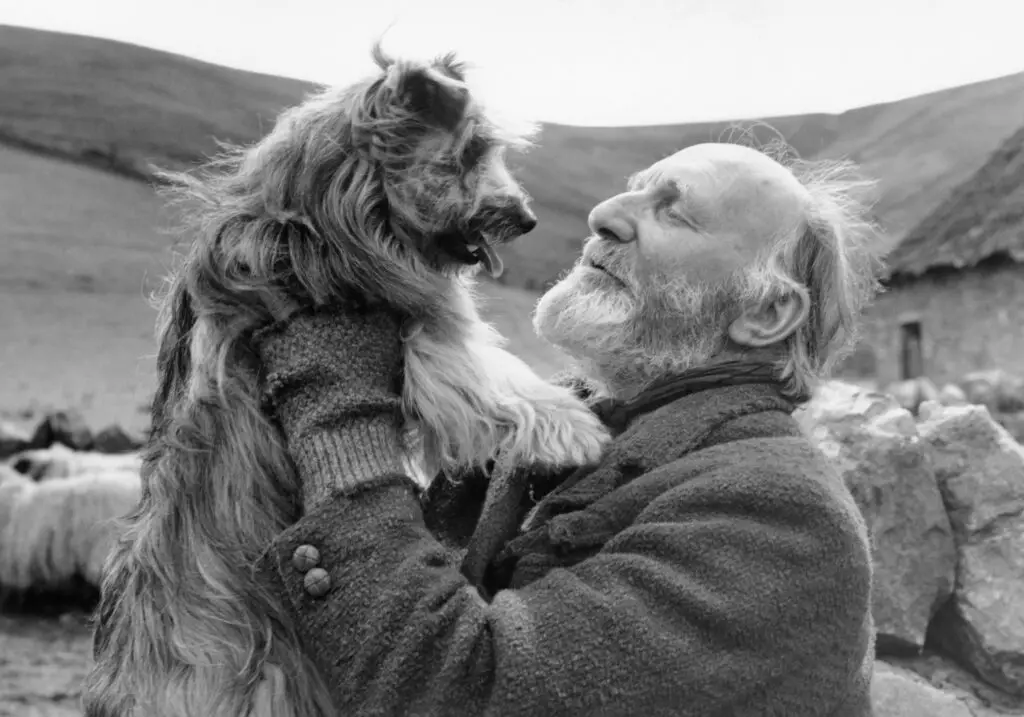
Greyfriars Bobby was a small Skye Terrier in 19th-century Edinburgh, best known for guarding his owner John Gray’s grave for 14 years until his own death in 1872. His loyalty captured the hearts of locals, who brought him food and built him a shelter near the cemetery. Bobby became a beloved figure in Scottish folklore and remains memorialized through a statue near Greyfriars Kirkyard, where visitors still rub his nose for luck. While many know the legend, fewer know that Bobby was officially granted a dog license, paid by the city’s Lord Provost, so he could legally remain in the churchyard. His story continues to represent faithfulness that endures even after loss.
8. Pickles
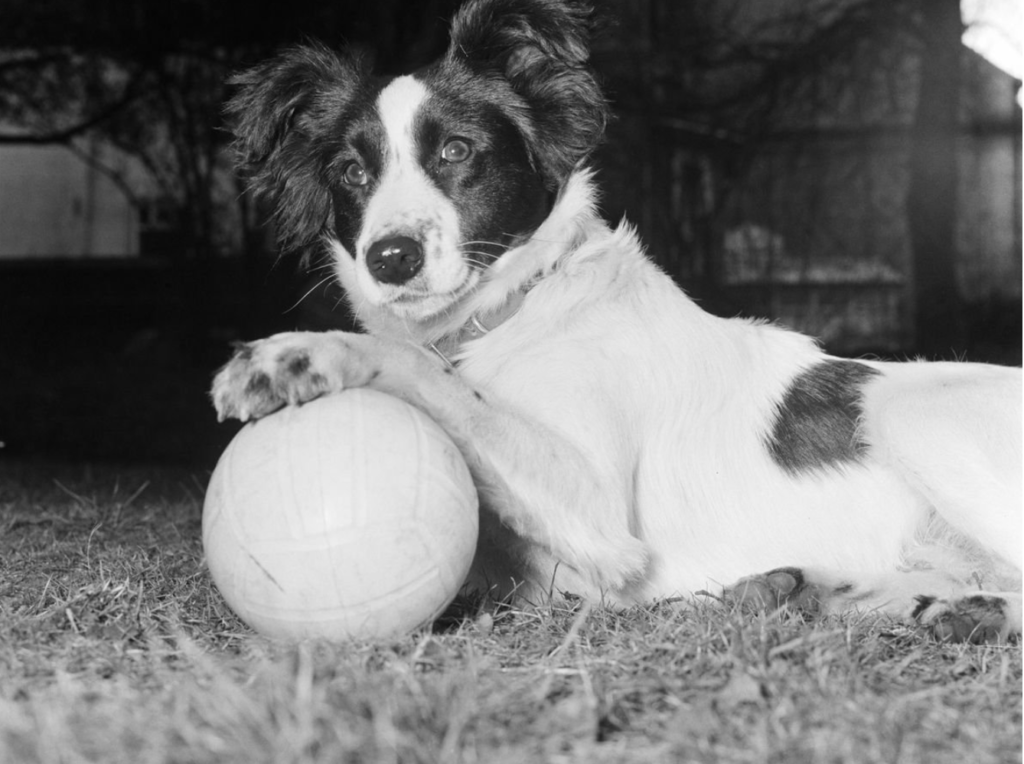
Pickles, a black-and-white collie, became a national hero in England in 1966 after discovering the stolen Jules Rimet World Cup trophy wrapped in newspaper under a hedge in a South London garden. Police had been searching for days with no leads, and Pickles’ unexpected find prevented an international embarrassment just months before the World Cup tournament hosted by the U.K. His fame skyrocketed overnight: he attended celebratory banquets, appeared on television, and even starred in a film. Though his life ended tragically a year later, Pickles’ quick nose and lucky timing earned him a place in sporting history that many younger fans never learned about.
9. Sinbad of the Coast Guard
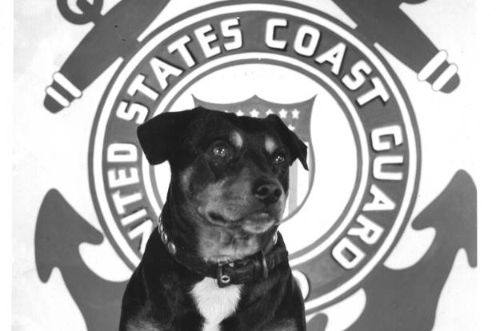
Sinbad was a mixed-breed dog who served aboard the USCGC Campbell during World War II and became one of the most recognized mascots in U.S. maritime history. Enlisted as an official member of the Coast Guard, he took part in dangerous Atlantic patrols, including escort missions and anti-submarine operations. Sinbad famously remained calm during storms and combat, providing comfort to anxious crew members. He was awarded service ribbons, traveled the world, and was given his own bunk on the ship. After the war, Sinbad retired to shore duty as a local celebrity. Although he once appeared in magazines and documentaries, his story is now a mostly forgotten chapter of military life at sea.
10. Owney the Postal Dog
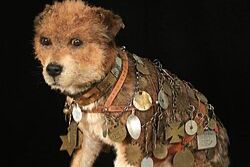
Owney, a scruffy terrier mix, became the unofficial mascot of the U.S. Railway Mail Service in the late 1800s. He first wandered into an Albany post office and soon began riding mail trains across the country, earning tags and medals from dozens of cities he visited. Postal workers believed he brought good luck, and records show he logged over 140,000 miles during his travels. In 1895, Owney even completed a global mail-route tour, making him one of the earliest dogs to circle the world. After his death, postal clerks preserved him as a tribute, and he is still displayed today at the Smithsonian. Many Americans know of him only faintly, yet he once represented the entire spirit of the expanding postal system.
11. Barry the Alpine Rescue Dog
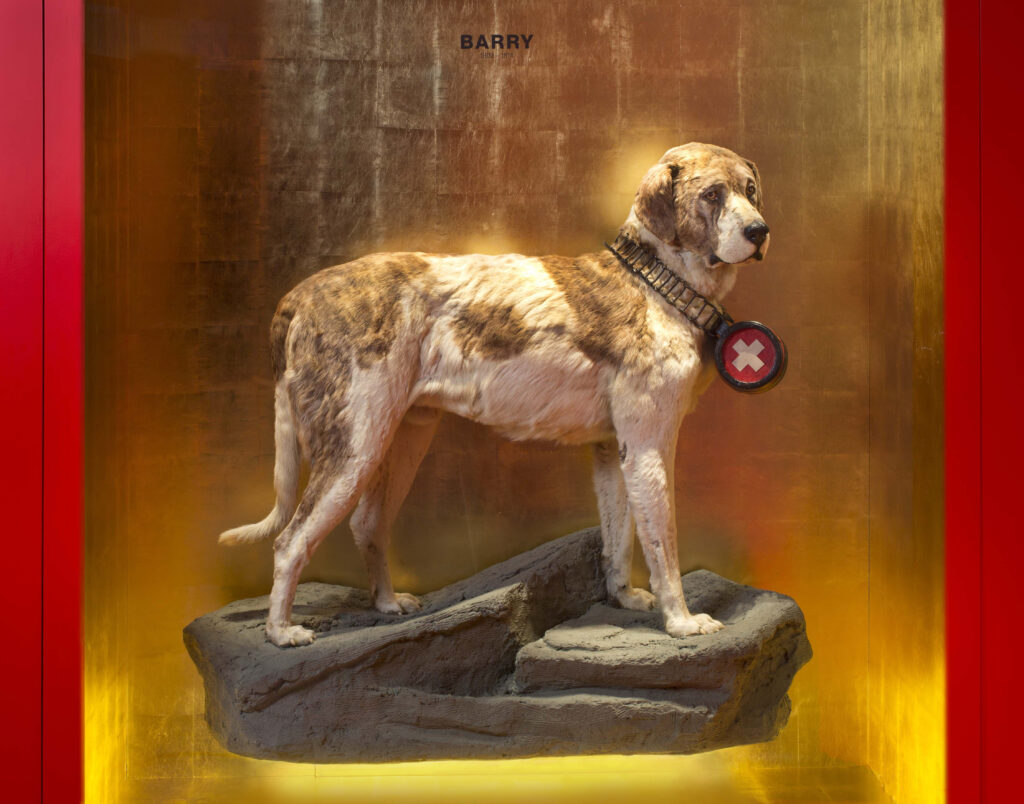
Barry, a Saint Bernard who lived at Switzerland’s Great St. Bernard Hospice in the early 1800s, became one of the most legendary rescue dogs in the Alps. Historical records credit him with saving more than 40 travelers who were stranded or lost in deep snow. One famous account describes Barry warming and reviving a child trapped in an icy drift before safely carrying him to the hospice. After his death, Barry’s body was preserved and displayed in Bern as a national treasure, and a long line of hospice dogs was named “Barry” in his honor. Though rescue technology has since advanced, Barry’s story helped shape the global image of Saint Bernards as gentle lifesavers.
12. Swansea Jack
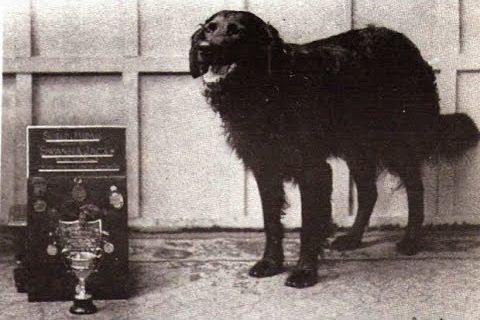
Swansea Jack was a black retriever-like dog who lived near the docks of Swansea, Wales, in the 1930s and became famous for his lifesaving instinct around water. Witnesses recorded at least 27 rescues, with Jack leaping into the harbor to pull struggling swimmers and fishermen to safety. His heroism earned him a specially made dog’s medal from the National Canine Defence League, a rare honor, and he became a celebrated local figure, even receiving newspaper coverage across Britain. A statue now stands on Swansea’s promenade, though many outside Wales have never heard his name. Jack’s natural courage made him one of the U.K.’s most remarkable animal heroes.
13. Fala, Franklin D. Roosevelt’s Dog
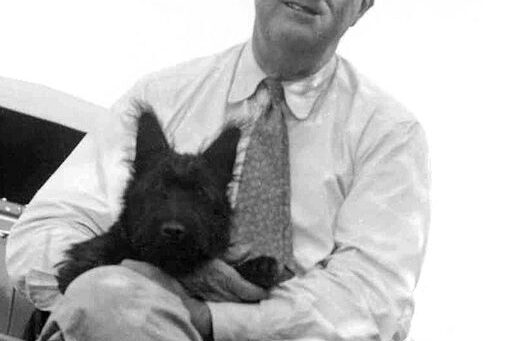
Fala, a Scottish Terrier, was President Franklin D. Roosevelt’s constant companion during the 1940s and one of the most recognizable presidential pets in American history. He traveled with Roosevelt on official trips, attended press events, and even appeared in wartime newsreels that boosted public morale. Fala was so beloved by the public that he received thousands of fan letters, and Roosevelt referenced him in speeches, including the famous “Fala speech” in 1944. When Roosevelt died, Fala reportedly stayed near his master’s casket and later lived with Eleanor Roosevelt until his own passing. Though once widely known, Fala’s story has faded for newer generations despite his place in American political culture.
14. Red Dog of the Pilbara

Red Dog was a wandering kelpie–cattle dog mix who became a folk hero across Western Australia during the 1970s. He traveled alone for thousands of miles, hitching rides on trucks, trains, and buses while forming friendships in remote mining towns. Locals cared for him collectively, and he became so beloved that he was registered to the Dampier Salt Company as a community pet. After his death, Red Dog’s legend grew through books, songs, and a later film, but the real dog’s life was even more remarkable, a symbol of the rugged independence and camaraderie of the Pilbara region. Many outside Australia have never heard his full story.
15. Chips, the WWII Hero Dog

Chips was a mixed-breed war dog who served with U.S. forces during World War II and became the most decorated dog of the conflict. Assigned to sentry and patrol duties, he took part in major campaigns in North Africa, Italy, France, and Germany. His most famous act occurred in Sicily, where he broke free from his handler and forced an enemy machine-gun crew to surrender, protecting his unit. Chips earned the Silver Star, the Purple Heart, and the Distinguished Service Cross, though the awards were later revised due to rules about animal commendations. Despite that, his bravery made him a wartime icon, and he remains a powerful example of the role animals played in global conflict.
16. Bud Nelson
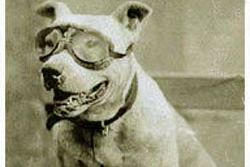
Bud Nelson, a pit bull terrier, became the first dog to travel across the United States by automobile in 1903 when physician Horatio Nelson Jackson attempted one of the earliest transcontinental road trips. Bud wore custom-made goggles to protect his eyes from dust as the trio crossed rough, unpaved terrain from San Francisco to New York City. Newspapers loved the adventurous dog, who quickly became a symbol of the young nation’s fascination with automobiles. Photos of Bud wearing his goggles became some of the earliest and most iconic images of American road culture. Though the journey became famous in its day, Bud’s role has slowly faded from public memory despite his importance in early automotive history.
17. Bummer and Lazarus
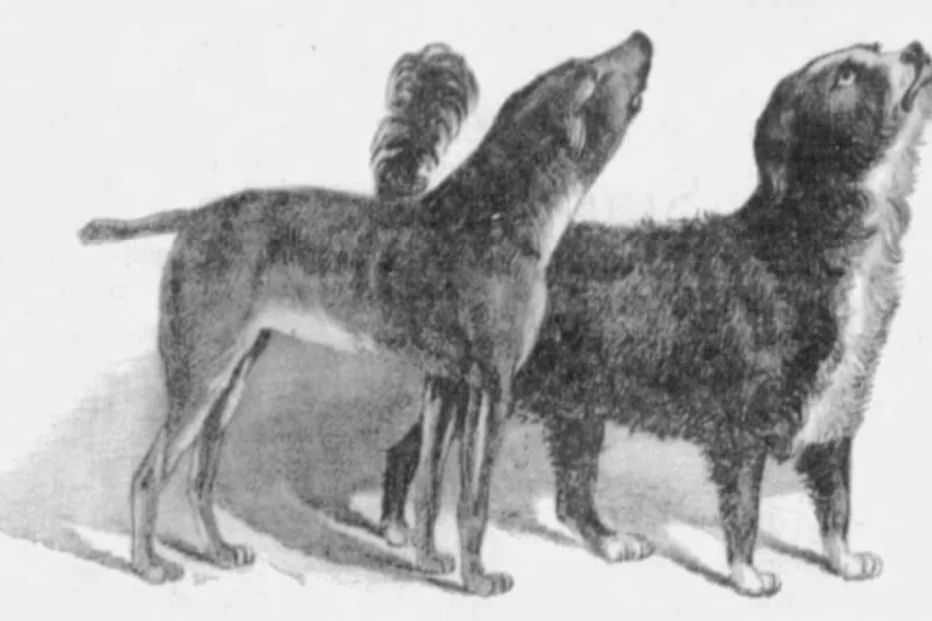
Bummer and Lazarus were two stray dogs who roamed the streets of San Francisco in the 1860s and became beloved city mascots thanks to their extraordinary rat-catching skills. The pair gained fame through newspaper stories—particularly cartoons by the humorist Mark Twain—and were granted special status that allowed them to wander freely, protected from animal control. Their close companionship and quirky personalities made them early celebrities in a rapidly growing city, often appearing in local headlines. Though they were once among the West Coast’s most recognizable dogs, their fame has mostly been forgotten outside California history circles. Their story shows how even strays can become symbols of a community’s identity.
18. Bobbie the Wonder Dog
Bobbie, a Scotch Collie–English Shepherd mix from Oregon, became known as “Bobbie the Wonder Dog” after traveling more than 2,500 miles on foot in 1923 to return home. He had been separated from his family during a trip to Indiana, yet months later he appeared back at their house, thin and injured but alive. Along the way, he was reportedly helped by strangers who later recognized him in newspaper accounts. Bobbie’s journey captured national attention, leading to magazine features, public appearances, and even a silent film. His story later inspired the book Silverton’s Bobbie, but today only locals and historians widely remember how extraordinary his trek truly was.
19. Just Nuisance
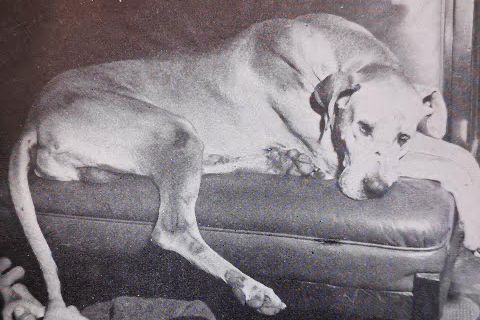
Just Nuisance was a Great Dane who became the only dog officially enlisted in the Royal Navy, serving in South Africa during World War II. He lived near the naval base in Simon’s Town and developed a habit of jumping onboard trains to accompany sailors—often being reprimanded for traveling without a ticket. To solve the issue, the Navy enlisted him as an able seaman so he could legally travel on military transport. He quickly became a morale booster, attending ceremonies, marching with sailors, and even “signing” forms with a paw print. Though he died in 1944, his funeral was held with full military honors. His story remains a proud chapter of South African naval history, though less known internationally.
20. Smoky the Yorkshire Terrier
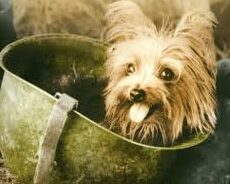
Smoky, a tiny Yorkshire Terrier found in a foxhole in New Guinea during World War II, became one of the most unlikely heroes of the Pacific campaign. She accompanied troops on nearly a dozen combat missions and performed tricks that entertained soldiers waiting between operations. Her most famous contribution came when she crawled through a narrow, 70-foot drainage pipe carrying a communication cable—saving engineers days of dangerous work and enabling vital signals between units. Smoky also helped launch the idea of therapy dogs, visiting wounded soldiers in hospitals long before the practice became common. Despite her enormous impact for such a small dog, Smoky’s fame has dimmed over time, though monuments and memorials continue to honor her.
21. Pompey, the Prince’s Protector
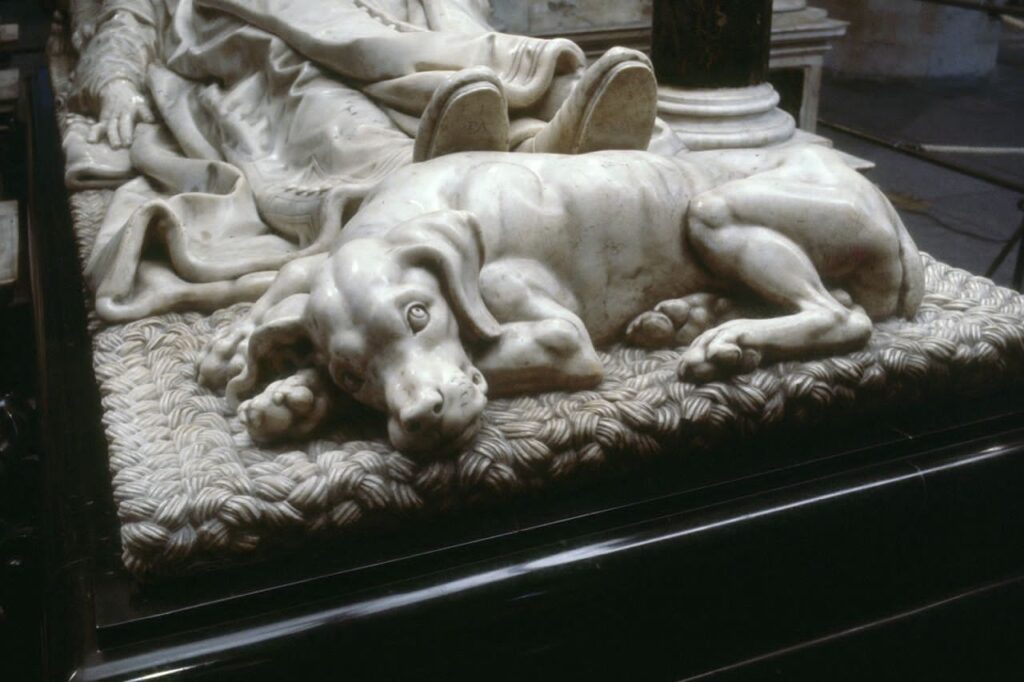
Pompey was the loyal Pug who famously saved the life of William the Silent, Prince of Orange, during the Dutch Revolt in the 1570s. While William slept during an enemy attack, Pompey sensed danger and barked loudly until the prince awoke, narrowly avoiding assassination. The dog’s quick action became a well-known story in the Netherlands, and Pompey was later memorialized by being carved at William’s feet on his tomb in Delft. Although the tale once appeared in schoolbooks and biographies, modern audiences rarely hear about Pompey’s role in shaping Dutch history. His loyalty became a small but meaningful part of the nation’s fight for independence.
22. Zanjeer
Zanjeer, a Labrador Retriever with the Mumbai Police, became a national hero in India during the 1993 bombings. Trained as an explosives-detection dog, he located multiple devices, detonators, and caches of weapons that prevented further attacks in the chaotic aftermath of the blasts. His work is credited with saving countless lives during one of the country’s most difficult moments. Zanjeer served for years afterward, assisting in high-risk security operations across Mumbai. When he died in 2000, he was honored with a full police ceremony, complete with flowers and a procession, a rare tribute for an animal. Though his name once dominated headlines, younger generations often know little about the dog who helped protect an entire city.
While many of their stories have faded with time, revisiting them reminds us how deeply connected humans and dogs have always been. These forgotten heroes show that loyalty can echo across centuries, carried not in monuments alone, but in the quiet, enduring bond we continue to share with our best friends.
This story 22 Famous Dogs in History Whose Stories Were Mostly Forgotten was first published on Daily FETCH


