
1. Zebra
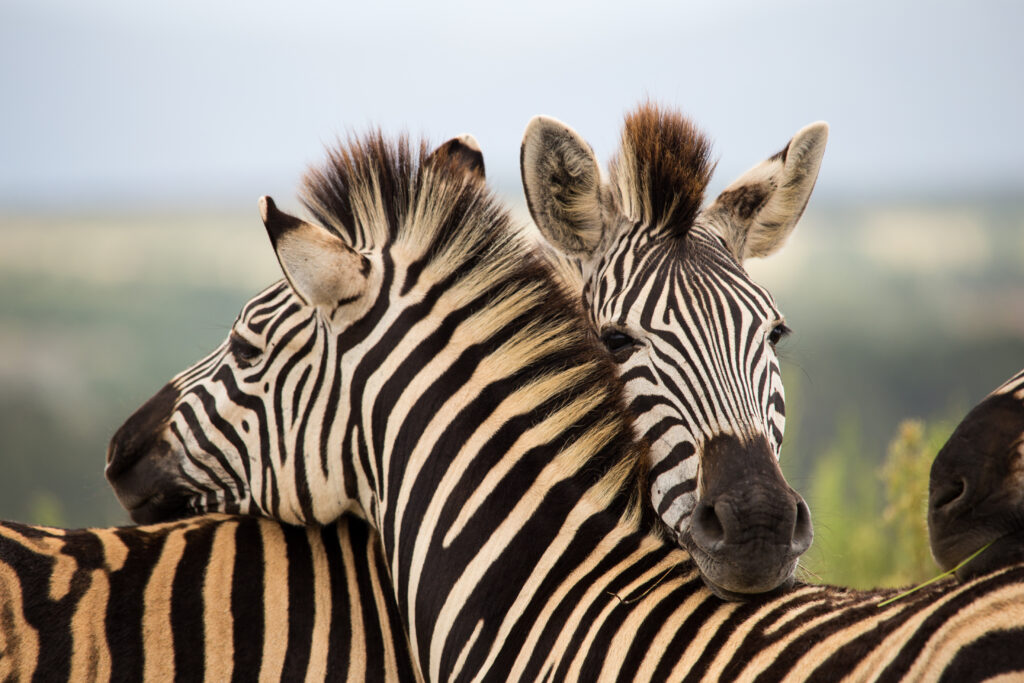
Colonial travelers in 19th-century Africa considered using zebras as riding or transport animals, after all, they’re close relatives of horses and often stronger against local diseases. But zebras consistently proved too aggressive, skittish, and difficult to control for riding or harness work. Their natural disposition includes a strong flight response and a readiness to kick or bite when threatened. Even when individuals were tamed, their wild instincts remained intact, colonists learned that zebras seldom tolerated bridles or riders and often reverted to dangerous behaviour. Because domestication requires stable, predictable temperament, zebras never made the cut despite repeated attempts.
2. Moose
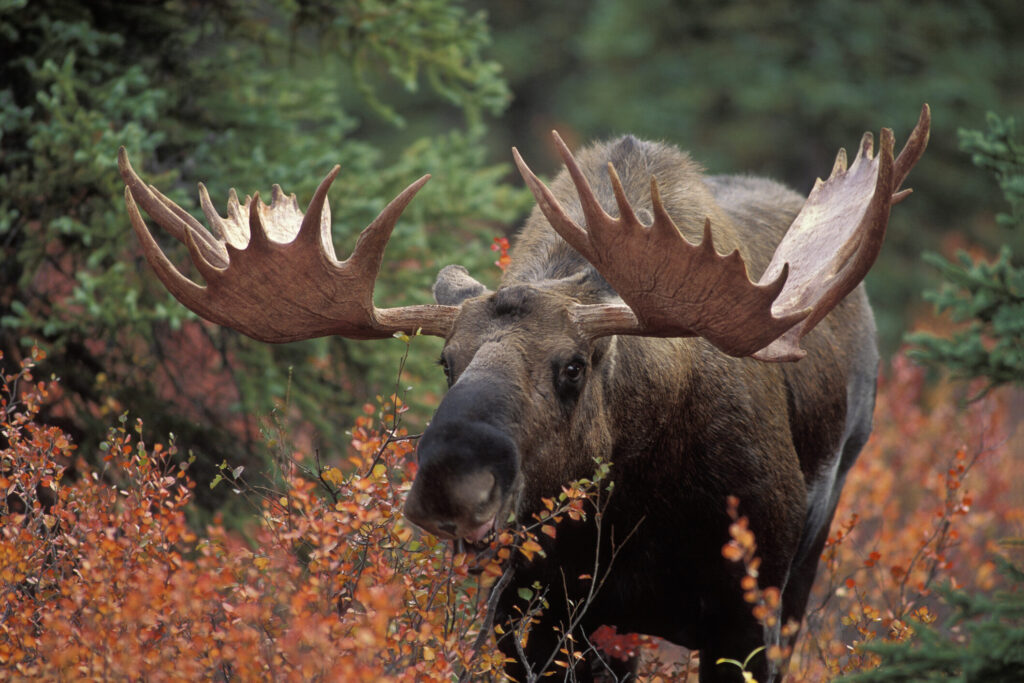
In history, there were attempts to domesticate moose, including a reputed (though not fully documented) project by a European monarchy hoping to use moose as cavalry or riding beasts. However, moose are large, unpredictable animals that do not adapt well to confinement or human command. They are solitary or loosely social, not herd-oriented like many domestic species, and their temperament tends to remain wild under stress. Efforts in places like Russia to raise semi-tame moose for forestry work or milk production never resulted in stable, bred-in-captivity populations. In short: moose proved impractical as domestic animals because their biology and behavior clashed with the demands of domestication.
3. Hippopotamus
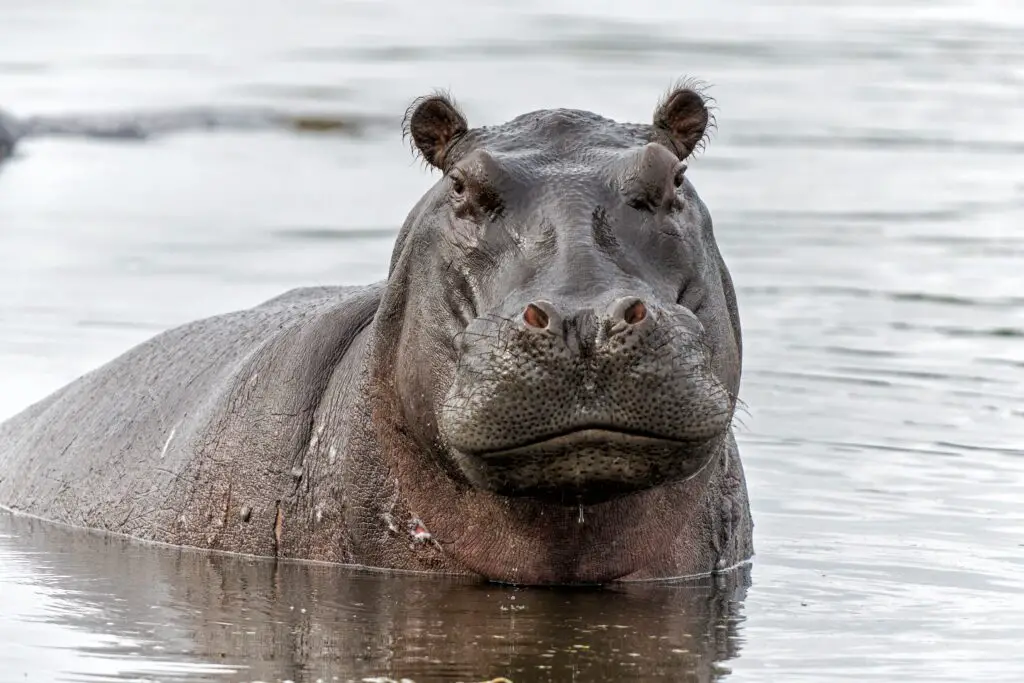
Though it might seem wild yet alluring to tame a powerful creature like the hippopotamus, especially given its massive size and strength, humans have repeatedly failed. Hippos remain among Africa’s most dangerous animals, responsible for many human fatalities each year. Their aggressive nature, unpredictable responses under stress, and need for large, specialized aquatic habitats make them nearly impossible to domesticate. Even if a hippo calf were hand-reared, the adult animal’s instinctive behavior and environmental needs would pose huge challenges. As a result, any serious attempt to turn hippos into domestic beasts has consistently failed.
4. Cheetah

At various points in history, notably among some wealthy rulers or hunters, people tried to keep cheetahs for hunting, companionship, or display. Indeed, cheetahs can be tamed to some extent, especially individual animals raised from cubs. However, true domestication requires breeding in captivity, and cheetahs are notoriously poor breeders under such conditions; their mating is complex, and females often require large territories and special behaviors, which captivity typically cannot provide. Without reliable breeding and with their strong wild instincts, cheetahs never became domestic animals despite centuries of human fascination.
5. Asian Elephant
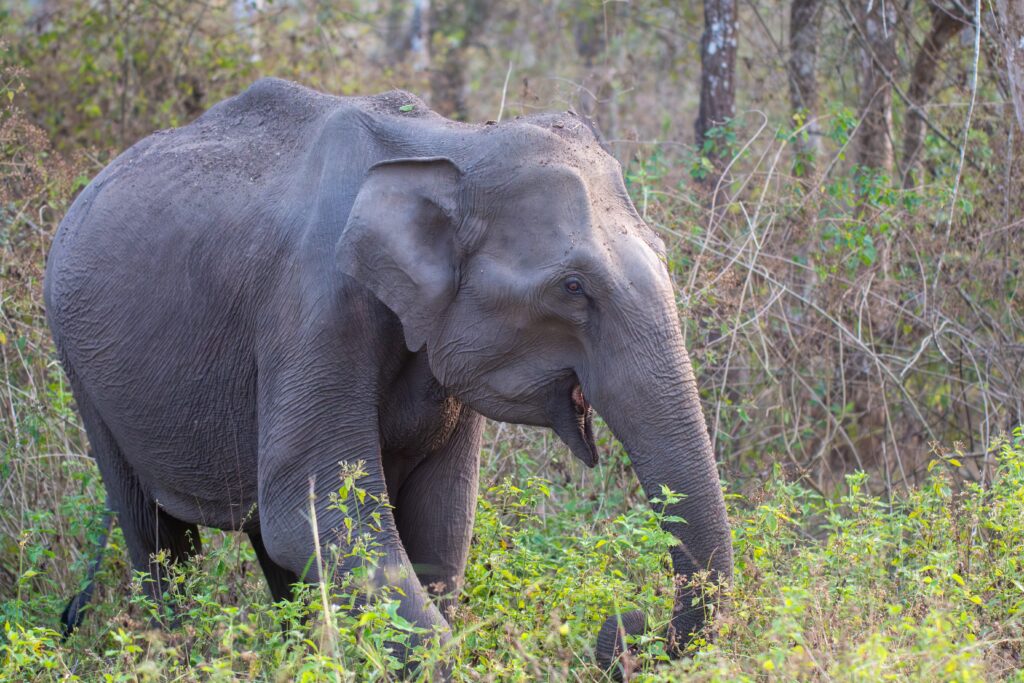
Humans have long used wild-caught Asian elephants for labour, transport, and ceremonial purposes, especially in parts of Asia. These elephants can be tamed and trained to respond to humans and perform tasks. Yet despite long histories of working alongside people, Asian elephants are not truly domesticated. The reason lies in their slow maturation and breeding cycles: they take many years to reach maturity and reproduce, making selective breeding impractical for long-term domestication. Because domestication depends on human-controlled breeding over many generations, elephants remain wild in genetic terms even if their behavior is partially conditioned.
6. Wolf
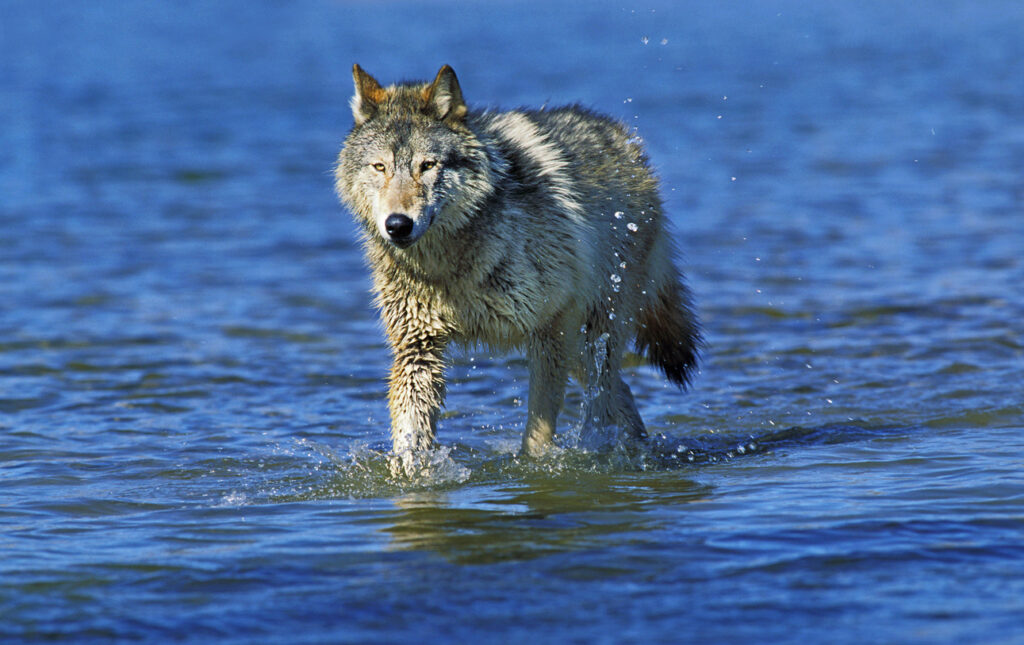
For thousands of years, humans tried to tame wolves directly, long before the modern dog evolved. While wolf pups can be raised by hand and may bond with humans, they rarely remain dependable into adulthood. Wolves retain strong pack instincts, territorial behavior, and a high flight response, making them unpredictable when stressed. They also reach maturity with a sharp shift in temperament, which often causes once-docile wolves to act aggressively or avoidantly. The species’ strict social hierarchy and need for large territories make controlled breeding nearly impossible. Although dogs descended from ancient wolf populations, this occurred through natural selection and long-term proximity to human camps, not through humans successfully domesticating adult wolves themselves.
7. Fox
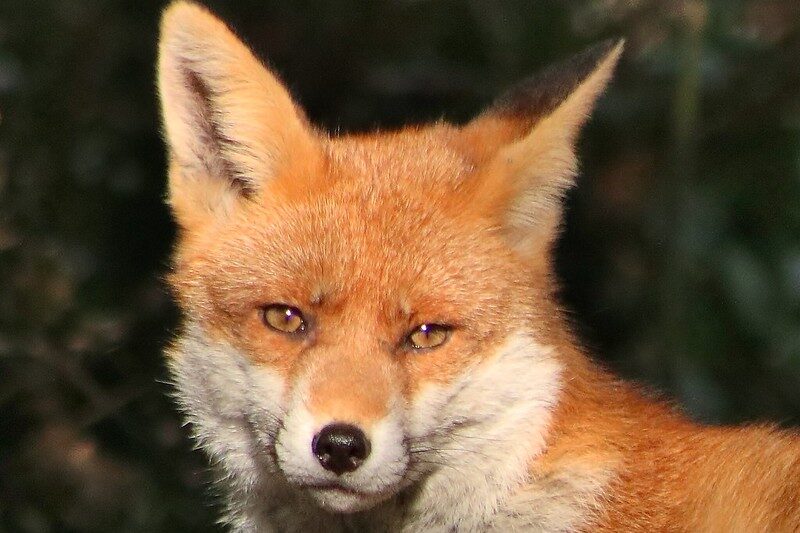
Foxes have long fascinated people because of their dog-like faces and agile behavior, leading to multiple attempts to keep or domesticate them. Historically, foxes were too skittish, solitary, and scent-driven to become true domestic animals. They mark territory heavily, dig constantly, and can bite when startled. A famous 20th-century Russian experiment successfully bred a small population of tame silver foxes, but even these selectively bred animals retained strong wild instincts and were costly to raise. The experiment showed that domestication is slow, resource-intensive, and limited in scale, which is why foxes never became mainstream domestic companions. Outside that controlled program, foxes remain difficult to handle and unreliable around humans.
8. Giraffe
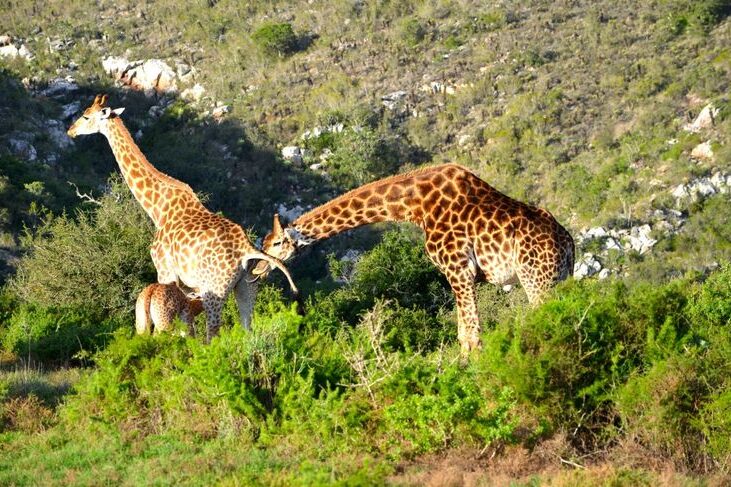
Throughout history, giraffes have been transported as diplomatic gifts and exotic symbols, but attempts to domesticate them have always failed. Their towering height, delicate bone structure, and specialized cardiovascular system make handling and training extremely challenging. Giraffes are also naturally shy, easily stressed, and not inclined toward cooperative behavior. They require vast grazing ranges and have complex social needs that captivity rarely meets. While individual giraffes can become accustomed to human presence, they do not breed reliably under domestic conditions, a key requirement for domestication. Their unique biology and temperament, combined with practical difficulties in care and controlled breeding, made long-term domestication impossible.
9. Kangaroo
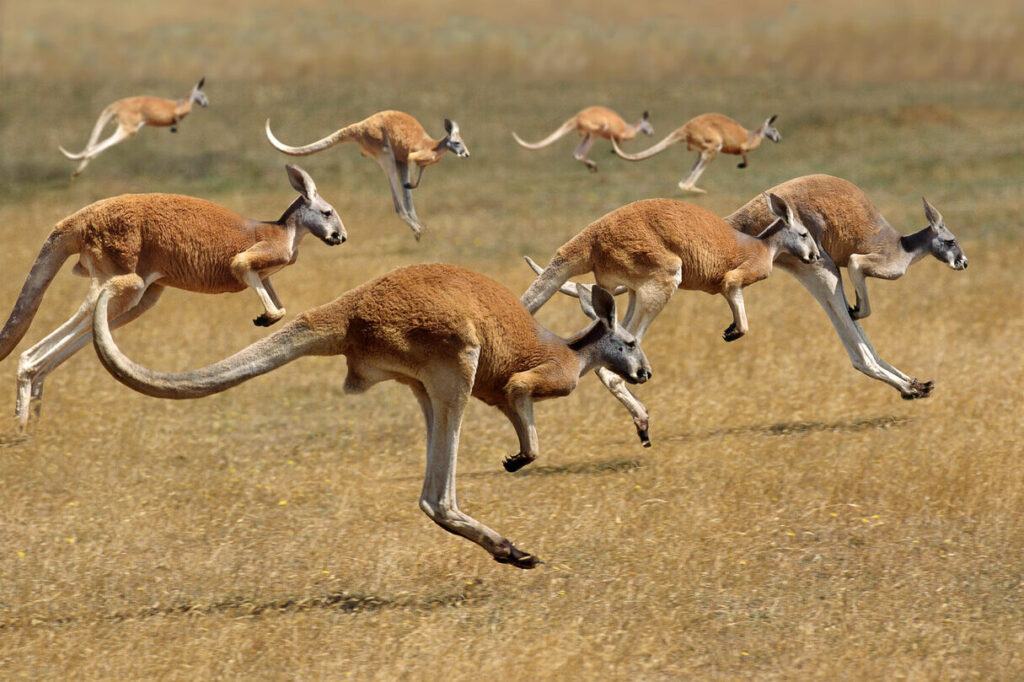
Kangaroos have occasionally been raised by humans, especially orphaned joeys, which can grow friendly and accustomed to people. But adult kangaroos become far more unpredictable. Males can be territorial and powerful, capable of kicking with great force, while females require specific conditions to breed and rear joeys. Kangaroos also depend on open landscapes and constant grazing, which doesn’t align with controlled domestic environments. Their strong tendency to flee or fight when startled, along with their need for large, natural habitats, prevents stable domestication. Attempts to keep them as working or companion animals failed because their behavior shifts dramatically as they mature, and they never adapted to human-controlled breeding.
10. Bison

American bison were once considered potential livestock replacements for cattle due to their strength and resilience. While ranchers have managed to raise bison in controlled environments, the species has never been domesticated in the true sense. Bison remain powerful, unpredictable, and prone to breaking through fences when alarmed. They have strong herd instincts, large roaming needs, and a natural tendency to flee or aggressively defend when threatened. Their temperament makes handling and selective breeding extremely difficult. Modern bison farms rely on minimal human interaction because close contact is too risky. Although they can be managed, their genetics and behavior remain fully wild, preventing true domestication.
11. Hyena

Hyenas have appeared in folklore and royal menageries for centuries, but attempts to domesticate them never succeeded. Their complex social hierarchy, strong jaws, and unpredictable group behavior make them difficult to manage safely. Unlike dogs, hyenas are not naturally inclined to cooperate with humans or respond to commands. Even hand-raised cubs often become aggressive or dominant as they mature. Hyenas also require large territories and intricate clan interactions to stay mentally stable, something captivity struggles to replicate. While a few individuals have been tamed enough for research or exhibition, the species as a whole remains too independent, too powerful, and too socially specialized to adapt to domestication.
12. Bear
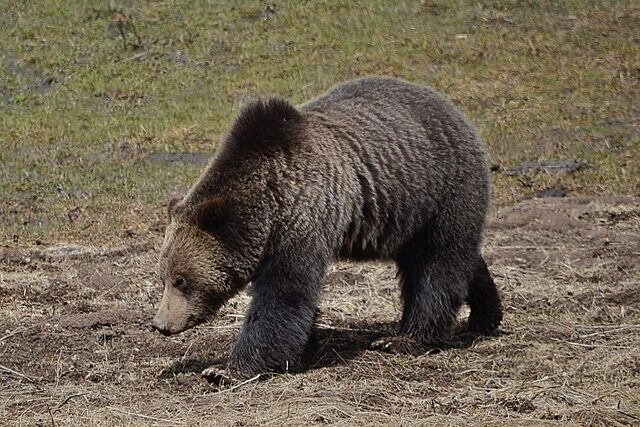
Historically, bears were trained for entertainment, labor, and even ceremonial purposes, but none of these efforts amounted to domestication. Bears grow rapidly, becoming enormously strong within months, and their behavior changes drastically as they mature. They are solitary animals with unpredictable temperaments, making them difficult to handle even for experts. Bears also have specific dietary and habitat needs and breed slowly, which limits the possibility of selective breeding. Though cubs may appear tame and affectionate, adult bears often revert to instinctive behaviors, sometimes dangerously so. These realities made bears entirely unsuitable for sustained, controlled breeding, a key requirement for any true domesticated species.
13. Gazelle
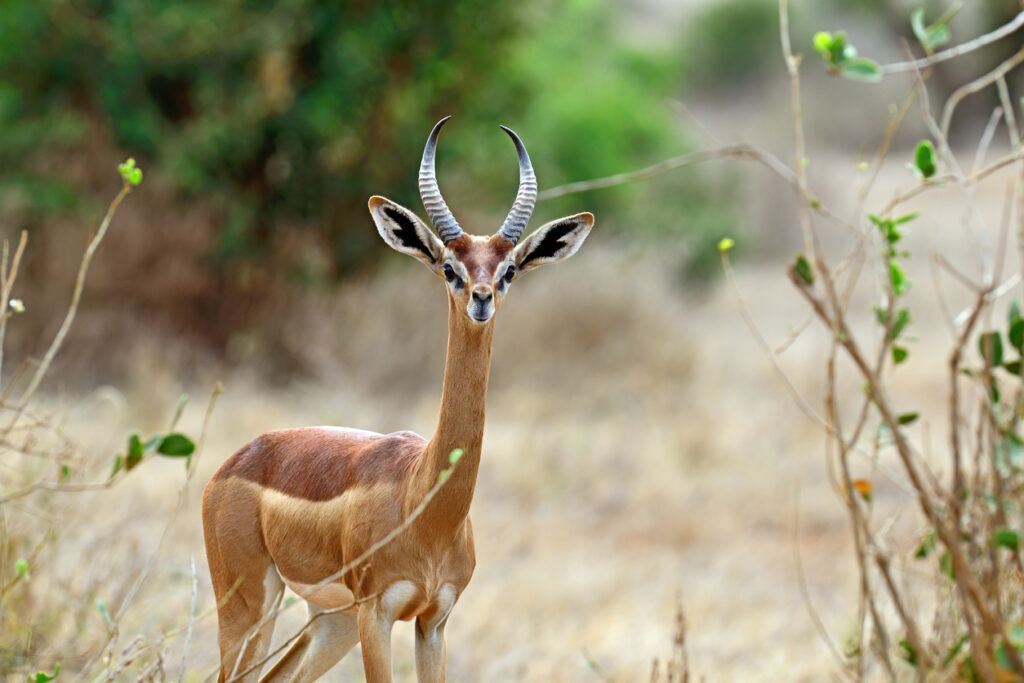
Gazelles have long intrigued people for their grace and speed, leading to occasional attempts to tame them for hunting or ornamental use. However, gazelles are intensely skittish and rely on flight reflexes to survive in open habitats. They are extremely difficult to handle without causing stress, and many do not adapt to confinement at all. Their fragile build, high-alert instincts, and sensitivity to human presence make controlled breeding nearly impossible. Even when kept in royal enclosures or private estates, gazelles rarely responded well to human interaction and often injured themselves trying to escape. Their nervous temperament and need for wide, open space ensured domestication attempts never advanced beyond curiosity.
14. Wildebeest
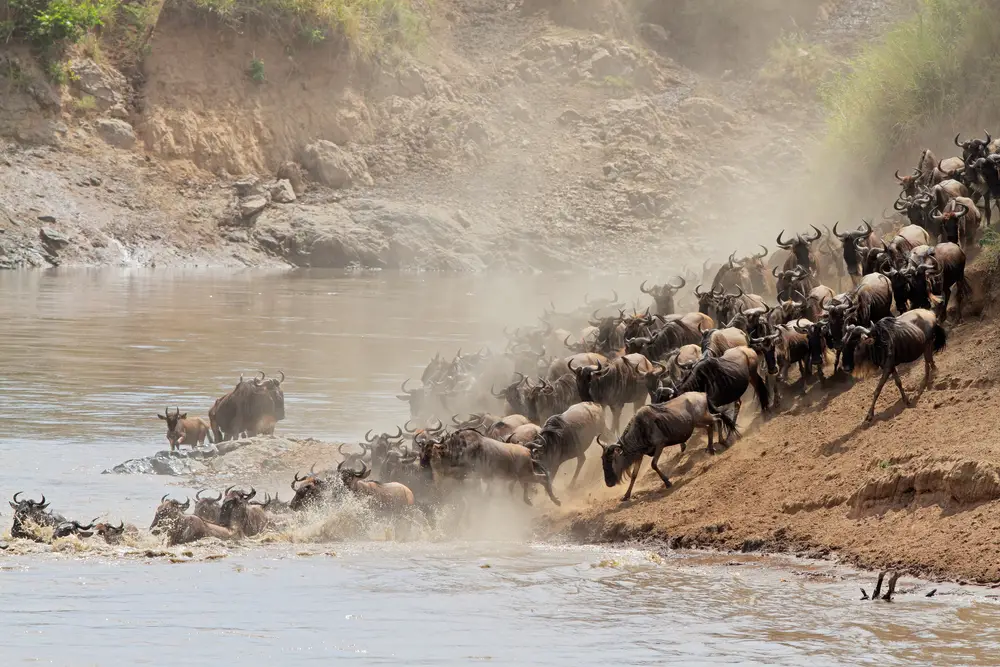
Wildebeests, despite their large herds and apparent manageability, are not suited for domestication. They participate in one of the largest annual migrations on Earth, driven by instinct, climate patterns, and grazing needs, a behavior that cannot be contained or redirected by human control. Wildebeests are alert, excitable, and prone to panic, making them difficult to corral or breed in confined areas. Calves rely heavily on the herd’s movement, and disrupting that cycle affects their survival. Attempts to keep them in fixed enclosures often led to stress-related injuries or failure to breed. Their instinctive need to migrate and their sensitive group dynamics made domestication unworkable.
15. Zebra Duiker
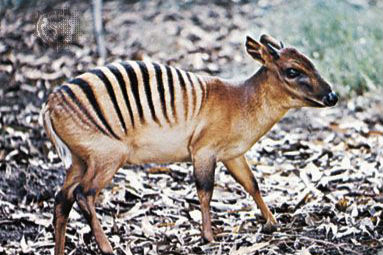
Native to West African forests, the zebra duiker is a small, shy antelope with distinctive stripes that once inspired interest in keeping it as a tame household animal. However, zebra duikers are extremely sensitive, relying on dense forest cover and quiet environments to stay calm. They are difficult to feed outside their natural habitat, requiring a mix of leaves, shoots, and fruits that can be challenging to replicate. Their solitary nature also works against domestication, since they do not thrive in crowded or noisy spaces. Even when raised from young, they remain cautious and prone to stress. These factors, combined with fragile health in captivity, prevented any successful domestication efforts.
16. African Buffalo
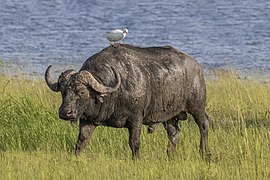
African buffalo have long been considered for domestication because of their strength and resilience, yet they are widely regarded as one of Africa’s most dangerous animals. Unlike cattle, buffalo have unpredictable temperaments and a heightened defensive instinct, especially when threatened or separated from their herd. Many early attempts to tame them ended in injury because even bottle-fed calves often grew into aggressive adults. Their herding behavior is also tightly tied to wild survival strategies, making it difficult for humans to manage breeding or enclosure systems. Despite their potential usefulness, the risk and difficulty involved in handling buffalo ensured domestication never took hold.
17. Zebra Finch
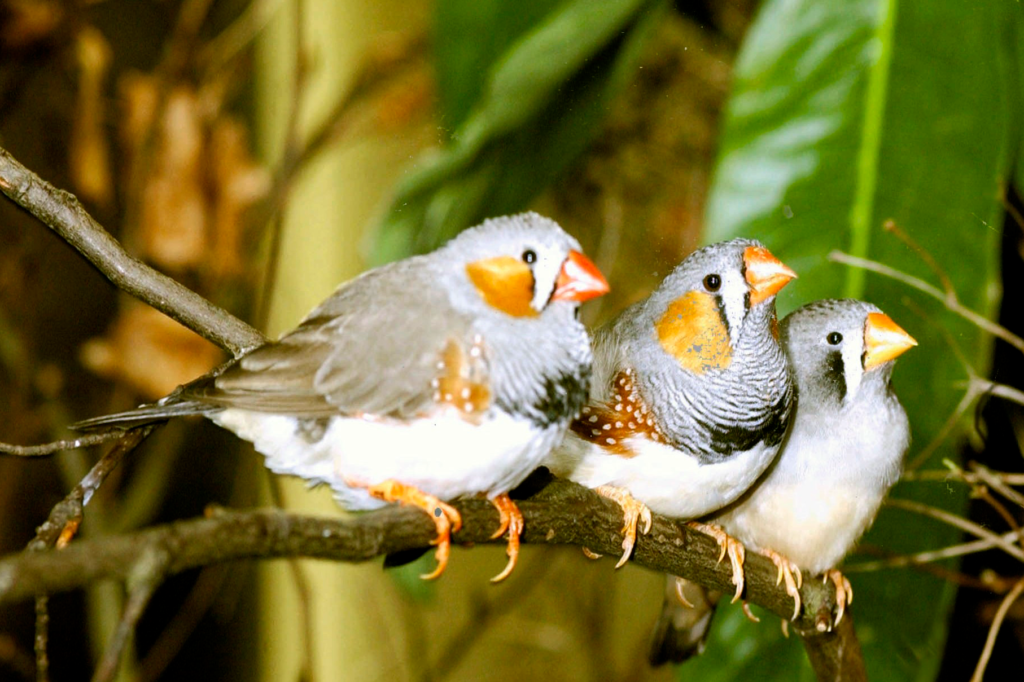
Zebra finches are widely bred in captivity, yet they remain a strong example of animals humans cannot truly domesticate. Although they adapt well to cages and can be handled, their core behaviors, including flocking, nesting, and rapid breeding cycles, remain fully wild. They are not selectively bred for human use in the way chickens or pigeons are, and their needs still mirror those of wild populations. In the wild, zebra finches survive extreme climates by breeding opportunistically after rainfall, a pattern that doesn’t translate into predictable domestication traits. While they are common pets, their genetics and natural instincts remain untouched by human-directed domestication.
18. Pronghorn
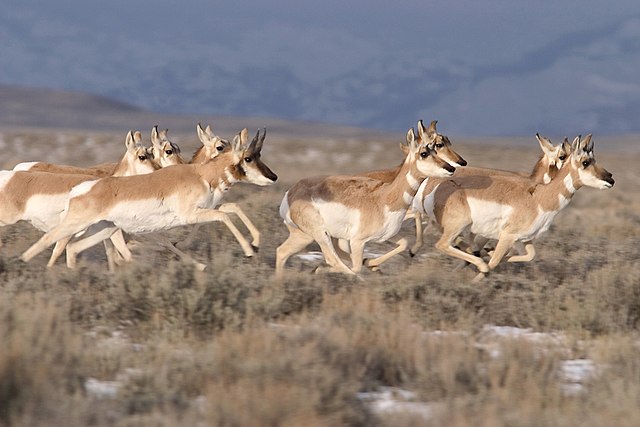
Pronghorns, native to North America, are among the fastest land animals on the continent. Their speed reflects a high-alert lifestyle, which makes them extremely nervous around confinement or human handling. Early settlers occasionally tried to keep pronghorn fawns, but even hand-raised individuals remained skittish and quick to bolt when startled. Pronghorns require large, open landscapes, and they stress easily when enclosed, often injuring themselves against fences. Their digestive systems also depend on specific native vegetation, which complicates captive feeding. These combined challenges, sensitivity, speed, and stress, prevented efforts to breed or manage them in controlled environments, making domestication impossible.
19. Elk
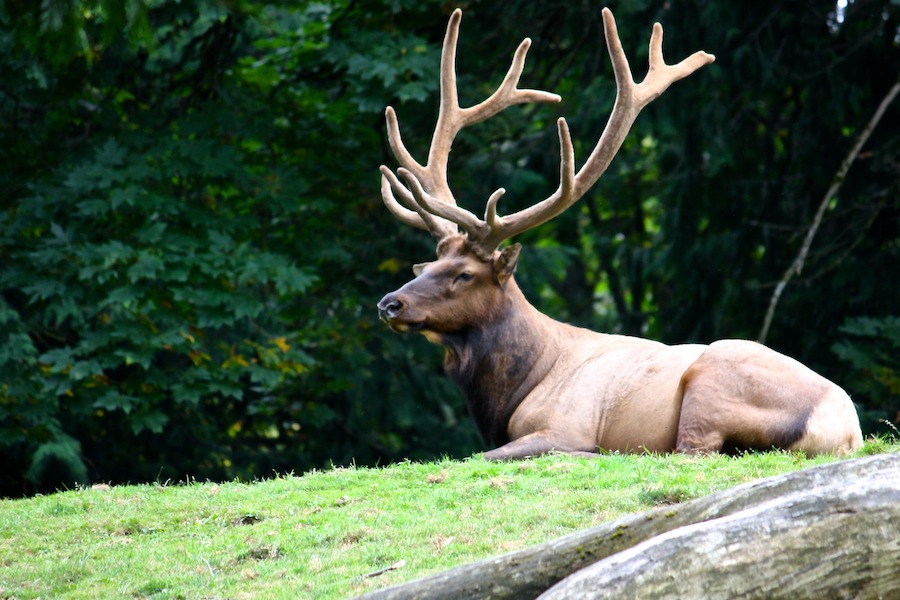
Elk have been managed on farms for meat, antler velvet, and tourism, but even these semi-controlled settings reveal how difficult it is to domesticate them. Elk remain strong, easily stressed, and capable of clearing tall fences when alarmed. Their social structure shifts seasonally, with males becoming highly territorial during the rut, making handling dangerous. While calves can sometimes be bottle-raised, adults rarely lose their flight response or instinctive behaviors. Breeding elk intentionally also proves challenging because they require large territories and specific environmental cues. As a result, elk farming never produced a domesticated species, only managed wildlife that still behaves much like its wild counterparts.
20. Oryx
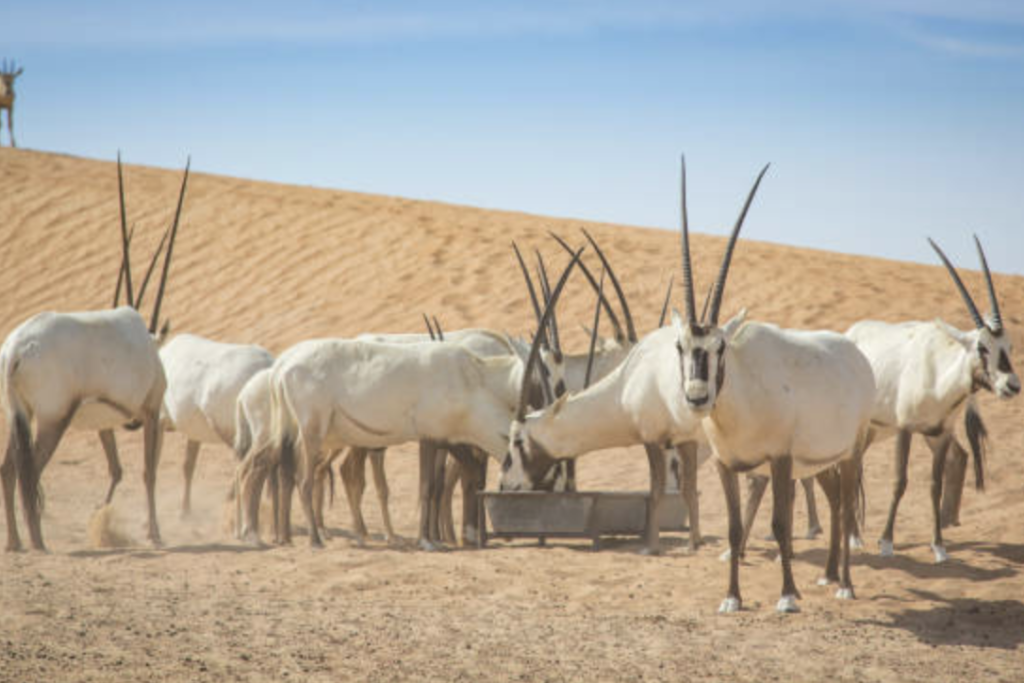
The oryx is a striking desert antelope once considered a possible domestic species because of its endurance in harsh climates. However, oryx are extremely territorial, quick to defend themselves with sharp horns, and prone to panic when confined. They rely on roaming across large dry regions to find food, and restricting that movement leads to health and stress issues. Efforts to keep oryx in enclosures or ranch settings often resulted in low breeding success and unpredictable behavior. Even hand-reared oryx tend to revert to wild instincts as they mature. These behavioral and environmental needs made them unsuited for long-term domestication.
21. Caracal
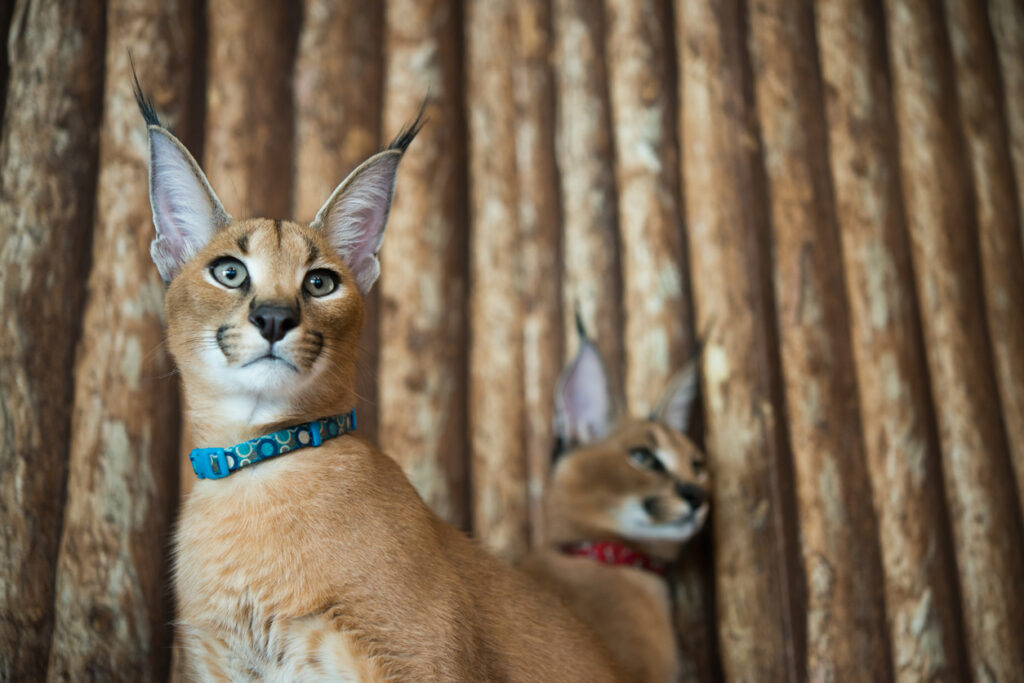
Caracals have been admired since ancient times for their athletic leaps and striking tufted ears, leading some rulers and hunters to keep them as semi-tame animals. While young caracals can bond with humans, their behavior changes drastically as they reach maturity. They are solitary, territorial, and extremely reactive to sudden movement, traits that make them unpredictable in domestic settings. Attempts to breed caracals reliably in captivity often fail because they require large territories, quiet environments, and natural hunting routines. Even well-trained individuals can lash out when overstimulated. These instinctive patterns, combined with their strong prey drive, have prevented caracals from becoming domestic or reliably tame companions.
22. African Wild Dog
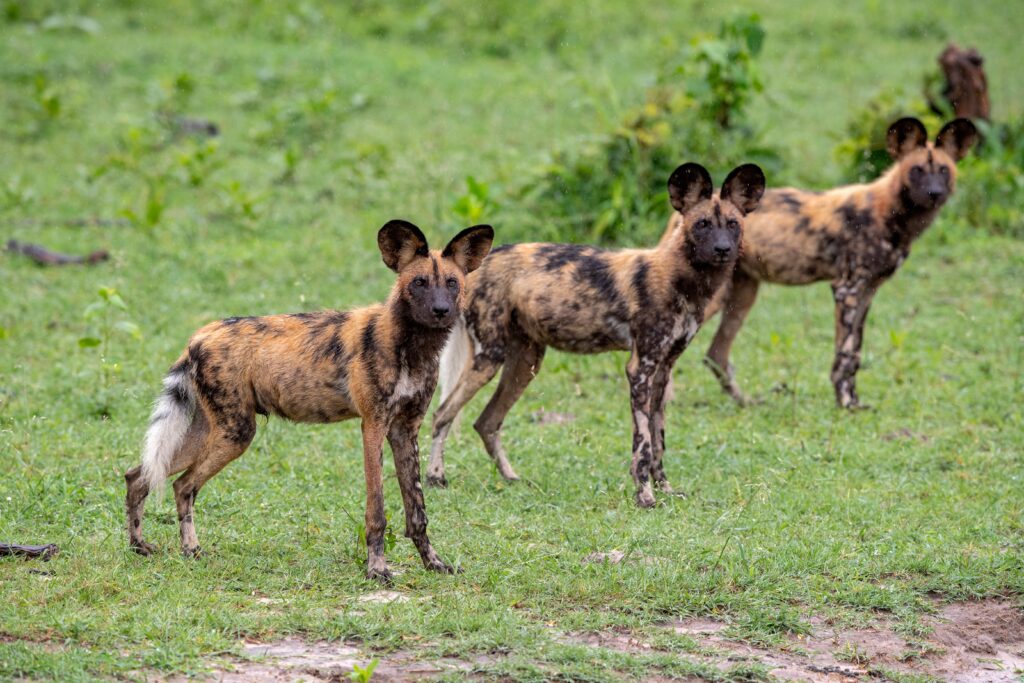
African wild dogs live in highly cooperative packs that rely on complex social structures and coordinated hunting strategies. These behaviors make them fascinating but nearly impossible to domesticate. Their communication, hierarchy, and emotional bonds are so tightly woven that removing an individual from the pack often causes severe stress. Early colonial attempts to tame or display them in captivity failed because they do not adjust well to enclosures or human-imposed social changes. Even hand-raised pups maintain intense predatory instincts and remain wary of unfamiliar people. Their dependence on pack life and need for vast roaming space make domestication unsuitable for their survival and well-being.
23. Cassowary

Cassowaries, large, flightless birds native to Australia and New Guinea, have occasionally been raised by Indigenous groups for their feathers or meat. Yet even those handled from an early age retain the species’ powerful defensive instincts. Cassowaries possess strong legs, dagger-like claws, and a territorial streak that can be dangerous when they feel threatened. They also require dense forest cover and varied fruit-based diets that are difficult to replicate in domestic environments. Attempts to manage them in captivity often lead to stress or aggression, especially during breeding season. Their size, strength, and unpredictable temperament made long-term domestication unrealistic, despite centuries of human interaction.
24. Wild Boar

Wild boars are actually the ancestors of modern domestic pigs, yet the wild populations remain distinctly undomesticated. Boars are strong, aggressive, and highly territorial, with sharp tusks and a strong instinct to defend themselves. Their temperament differs dramatically from domestic pigs, even though the two can interbreed. Attempts to tame wild boars for farming or companionship typically fail because the animals quickly revert to their natural behaviors, especially as they reach adulthood. They root, charge, and challenge dominance in ways that make them dangerous to handle. While humans successfully domesticated their ancient ancestors through long-term selective breeding, today’s wild boars show none of the docile traits needed for domestic life.
25. Warthog
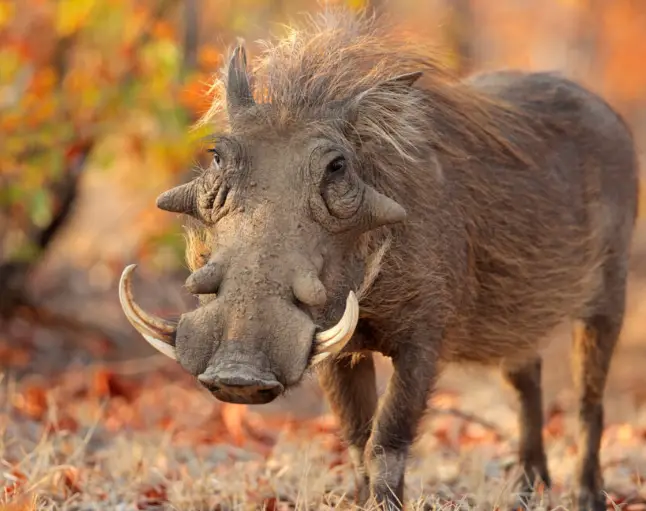
Warthogs might appear manageable due to their size, but they remain highly wild in temperament. They are skittish, quick to bolt, and rely heavily on burrows for protection, a behavior difficult to support in controlled environments. Warthogs also defend themselves with sharp tusks and can become aggressive when cornered. Attempts to keep them in enclosures or private collections have shown that they stress easily and often fail to breed in captivity. Even hand-raised warthogs stay alert and reactive, lacking the calmness required for domestication. Their survival instincts and specialized lifestyle have kept them firmly in the wild despite occasional human curiosity.
Domestication isn’t just about taming; it requires generations of selective breeding and predictable temperament. These animals remind us that the wild world carries its own rhythms, best admired from a respectful distance.
This story 25 Wild Animals Humans Tried to Domesticate, And Why Most Attempts Failed was first published on Daily FETCH


