
1. Queenie
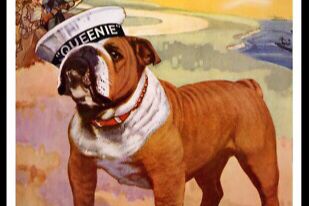
Queenie was a surprisingly common female dog name in the 1940s, especially in rural and suburban homes. The name had been popular in vaudeville-era entertainment and often appeared in comedic sketches, giving it a sense of personality and flair. Many families used Queenie for terriers, spaniels, and small watchdogs, playing into the humorous idea of a tiny dog with a “royal” attitude. Its popularity also reflected the era’s trend of giving pets regal or exaggerated names as a playful contrast to everyday life. While Queenie sounds unusual to modern ears, it captures the mix of humor, affection, and optimism that shaped pet naming during that period.
2. Rover
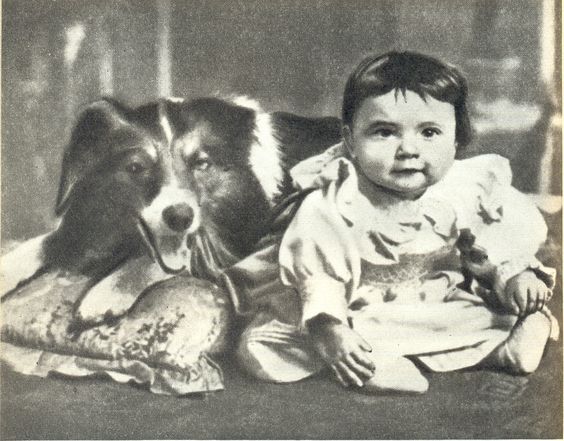
Rover was one of the most common dog names in the early-to-mid 20th century, thanks in part to decades of children’s books, early films, and radio stories that used the name as a shorthand for an everyday family dog. Its popularity also came from the 1905 silent film “Rescued by Rover,” which remained well-known into the 1940s and helped cement the name in American culture. Families often named collies, mixed breeds, and farm dogs Rover because it signaled loyalty and reliability. Today, it sounds more like the name of a dog in an old textbook than something modern owners choose, yet it remains a time capsule of what Americans once imagined the ideal dog to be.
3. Fido
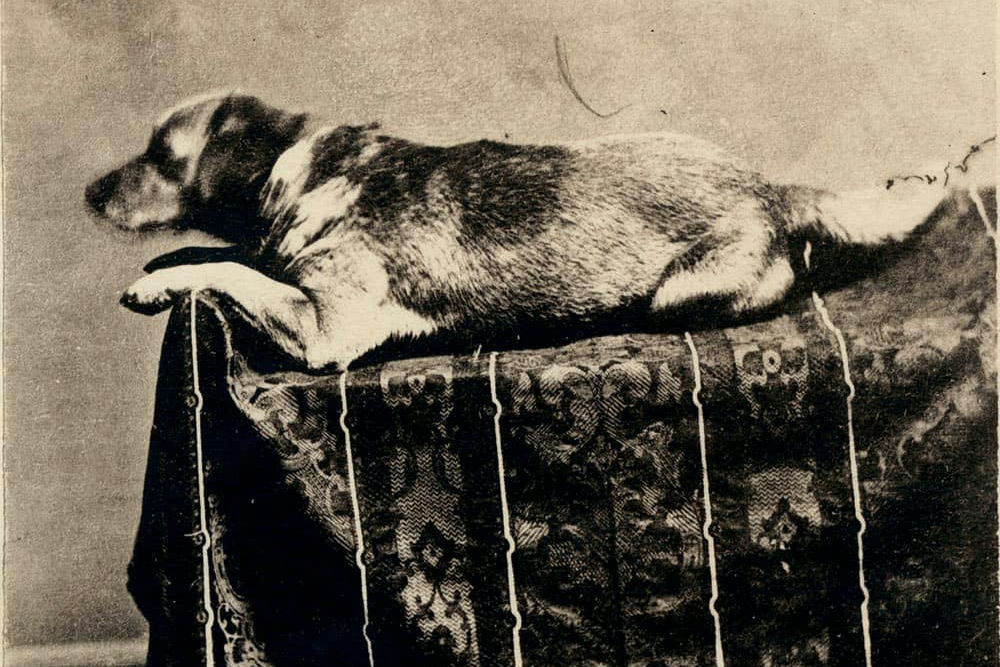
Fido was extremely popular in the 1940s, partly because it had been a widely used generic dog name in newspapers and comics for decades. The name became especially iconic after Abraham Lincoln’s dog, also named Fido, was featured in numerous historical accounts and photo reproductions circulated in the early 20th century. In the 1940s, the name represented a friendly, well-behaved family dog and appeared often in children’s stories and advertisements. Modern dog owners rarely use it today because it now feels more like a stereotype than a real name, but its history reflects a time when simplicity and familiarity shaped the way people named their pets.
4. Spot
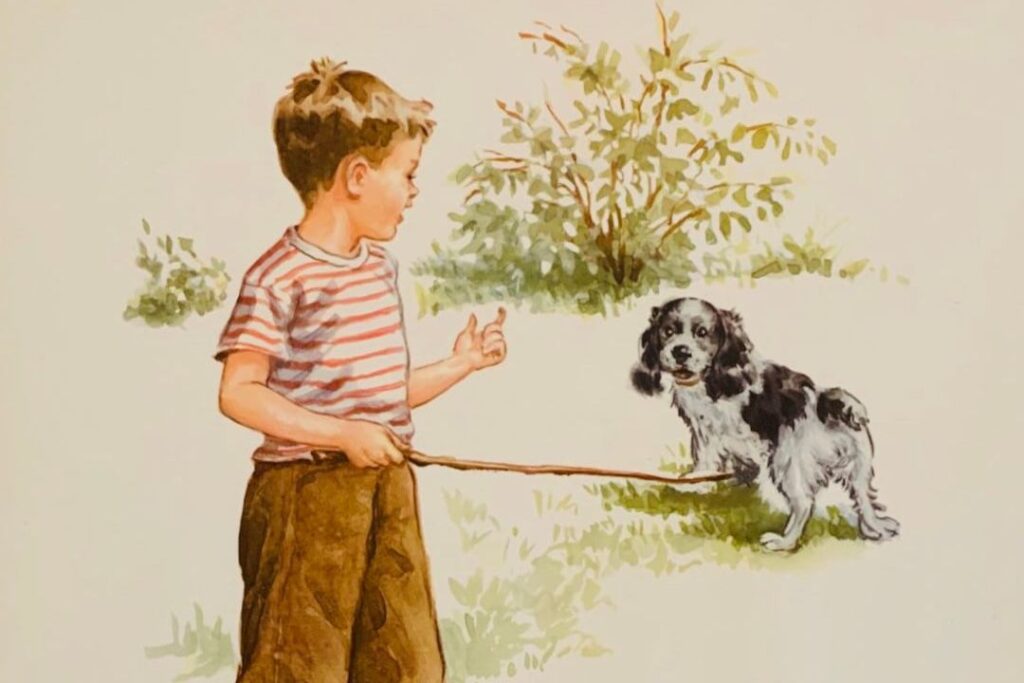
Spot was a top dog name during the 1940s, especially for families with small children, because it appeared frequently in early readers, comics, and radio shows. The name’s rise was boosted by the iconic “Dick and Jane” children’s books, which featured a playful dog named Spot and became standard in American classrooms beginning in the late 1930s and throughout the 1940s. Because many family pets were mixed breeds or farm dogs with actual spots, the name felt both literal and friendly. Today, Spot feels old-fashioned and overly simple, partly because naming trends moved toward more human-like or unique names, but its legacy remains tied to mid-century American childhood.
5. Tippy
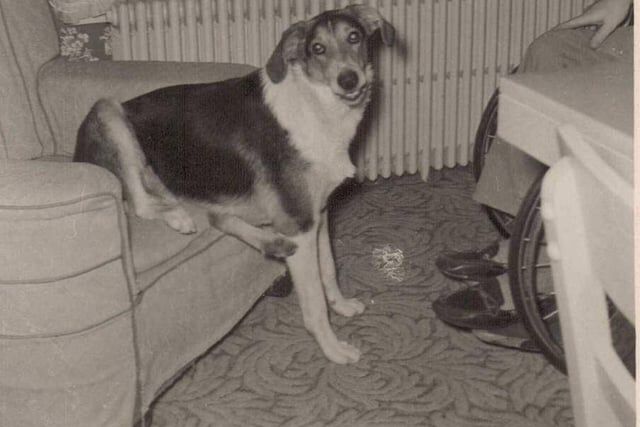
Tippy was a cheerful and affectionate dog name in the 1940s, often used for small or medium-sized dogs with white-tipped tails or paws. The name appeared regularly in newspaper comic strips and school readers, where Tippy was portrayed as a loyal, well-behaved companion for children. Many American families at the time kept mixed-breed farm dogs, and names like Tippy helped describe their appearance in a simple, memorable way. While naming a dog Tippy today might feel outdated or whimsical, the name reflects an era when pet names were guided by everyday traits and warm family imagery rather than the trend-driven choices seen today.
6. Duke
Duke was a very popular dog name in the 1940s, especially in farming communities, where large working dogs were commonly given strong, dignified names. The influence of Western films and radio serials also helped, as many heroic characters or loyal sidekicks carried titles like “Duke.” Families often chose the name for hounds, shepherds, and outdoor dogs that served as guardians or hunting companions. While Duke remains in use today, it is far less common than it was during the mid-century boom, making it feel like a classic but slightly old-world choice tied to a period of rural life, wartime values, and Hollywood’s Golden Age storytelling.
7. Brownie
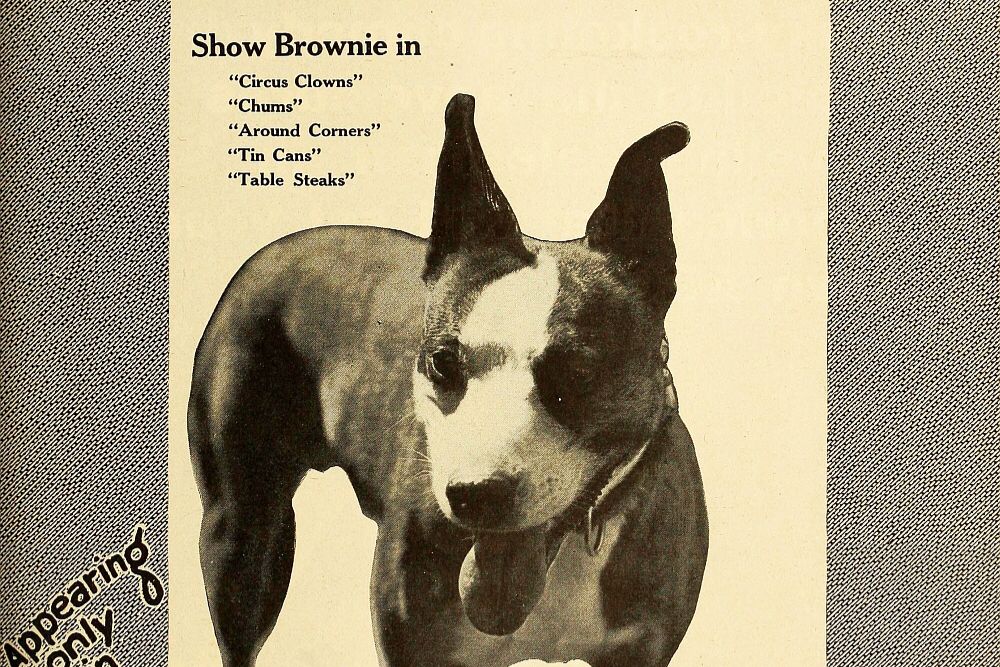
Brownie was a go-to dog name for many American families in the 1940s, especially for mixed-breed or farm dogs with brown coats. The name appeared frequently in local newspapers, where pets in small towns were often mentioned in human-interest stories, lost-and-found sections, or school essays printed in community pages. Because most pets then were not purebreds, descriptive names like Brownie were easy for children to remember and fit the everyday nature of family dogs. Today, Brownie feels nostalgic and slightly old-fashioned, but its history reflects a time when dog names were playful, literal, and rooted in the simple joys of home life.
8. Lady
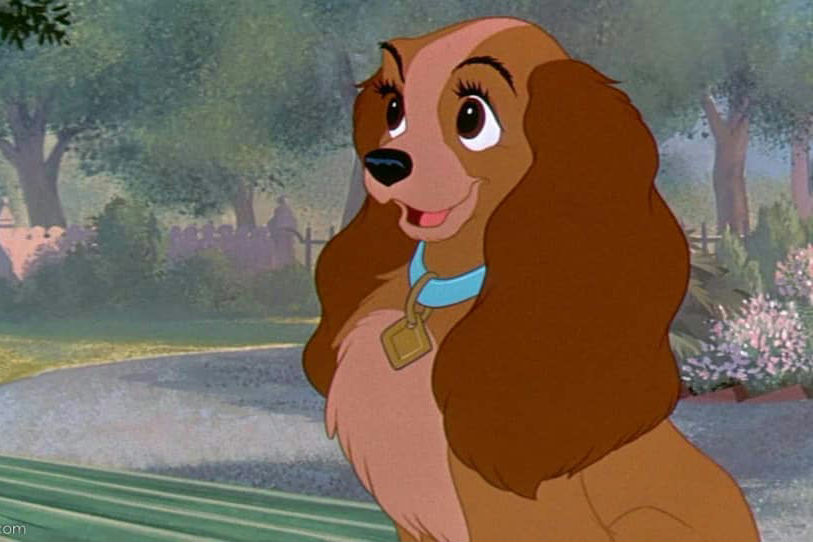
Lady became a popular dog name in the 1940s due to the rising popularity of cocker spaniels, which were often portrayed as graceful, affectionate companions. The name represented elegance and gentleness, qualities families associated with well-mannered female pets. Although Disney’s “Lady and the Tramp” premiered much later in 1955, the trend for naming spaniels “Lady” was already well established by the mid-century, supported by newspaper photos and kennel club publications from the time. Modern dog owners may view the name as old-style or a bit prim, but during the 1940s it was a warm and fashionable choice for beloved indoor pets.
9. Buster

Buster was a lively, boyish dog name that surged in popularity during the 1930s and stayed common in the 1940s. It reflected the era’s fondness for nicknames used in radio comedies, comic strips, and early Hollywood films. Many families gave the name to terriers, mutts, or energetic farm dogs that loved to play and roam. Because the name conveyed a scrappy, adventurous spirit, it matched the personality of many all-American pets of the time. Today, Buster still appears occasionally but is far less common, giving it a distinctly vintage feel tied to classic radio humor and mid-century Americana.
10. Princess
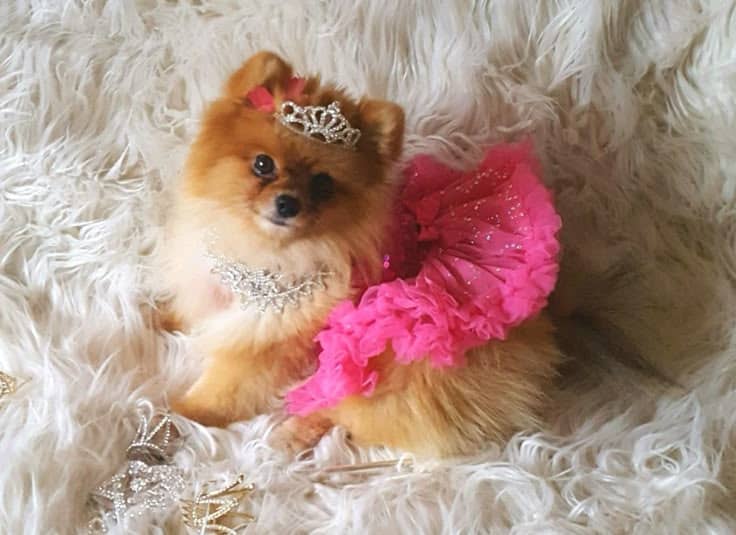
Princess was a favored name for pampered indoor dogs in the 1940s, particularly small breeds like Pomeranians, toy terriers, and poodles. As post-Depression households regained stability, many families treated their pets with more affection, and names like Princess reflected that shift toward sentimental, human-like naming. Newspapers and women’s magazines of the era often featured pets named Princess in lifestyle sections, reinforcing the name’s popularity. While Princess is still heard today, it peaked in the mid-20th century, and modern tastes lean toward more unique or contemporary choices, making it feel somewhat old-fashioned yet still charmingly nostalgic.
11. Skippy
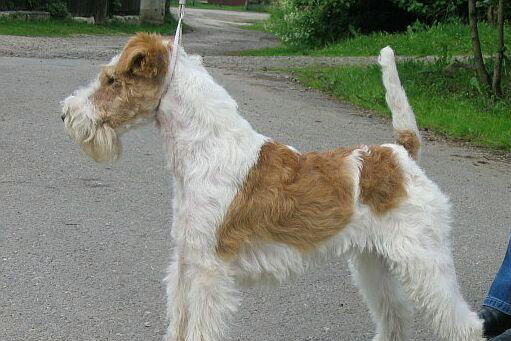
Skippy was a cheerful dog name throughout the 1940s, influenced by the popularity of comic strips and radio shows featuring lighthearted, energetic characters. The name had become well known earlier thanks to Skippy the wire fox terrier, a famous canine actor from the 1930s who appeared in films like “The Thin Man.” Families adopted the name for playful dogs that loved to run, jump, and roam with children. Its upbeat, bouncy sound fit perfectly with the era’s fondness for endearing, cartoon-like names. While Skippy may sound whimsical or dated today, it once captured the spirit of everyday family life and the simple joy of a dog’s companionship.
12. Buddy
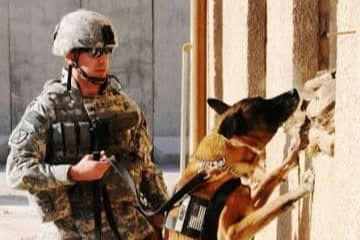
Buddy was one of the most affectionate and widely used dog names of the 1940s because it expressed what many families felt their pets truly were, companions. The name showed up frequently in newspaper classifieds, World War II-era letters, and family photo albums, reinforcing its popularity. Soldiers returning home often described their dogs as “my old buddy,” which helped keep the name culturally relevant. It was most commonly given to mixed breeds, retrievers, and farm dogs known for their loyalty. Although Buddy remains common today, modern naming trends have shifted toward more personalized or unusual names, making this classic feel distinctly mid-century in tone.
13. Tiny
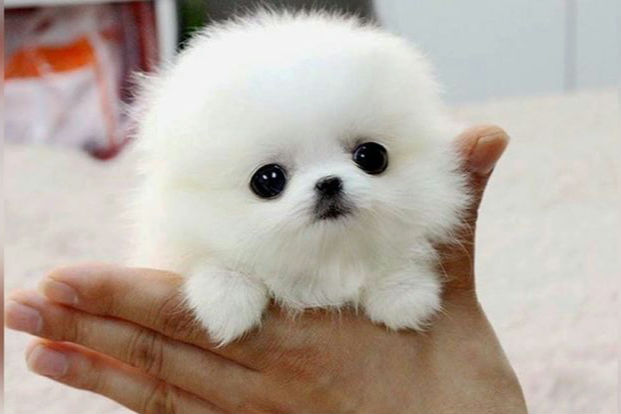
Tiny was a humorous and affectionate name commonly given to small dogs in the 1940s, particularly toy breeds and compact terriers. It also appeared frequently as an ironic name for larger farm dogs, which added to its charm in rural communities. The name was easy for children to pronounce and fit well with the era’s tendency toward simple, descriptive naming styles. Tiny appeared in local newspaper pet contests, school essays, and community events, reflecting its widespread use. Although it may sound quaint or old-fashioned to modern ears, Tiny once symbolized a warm, playful connection between families and their pets.
14. King
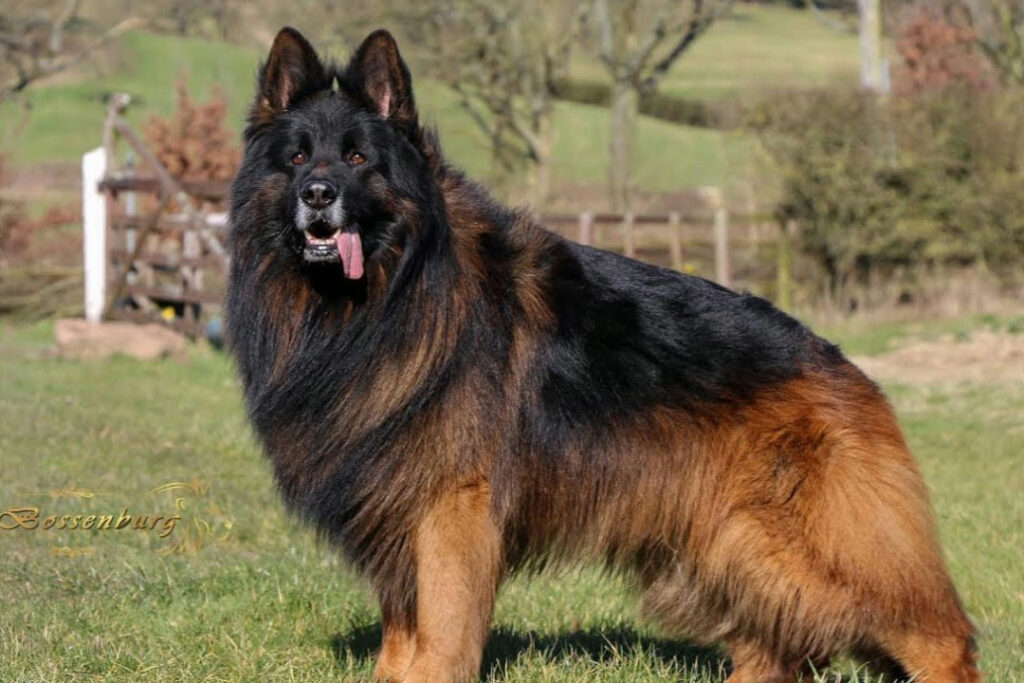
King was a popular name for strong or protective dogs in the 1940s, especially German shepherds, collies, and larger working breeds. Its rise was influenced by animal adventure films and radio dramas featuring heroic canine characters, many of whom were named King or given royal titles to emphasize their bravery. Families often chose the name for farm dogs or watchdogs that played an important role in day-to-day life. While the name King is still used, it has a distinctly vintage feel tied to a period when loyalty and strength were celebrated qualities in household pets.
15. Ladybug
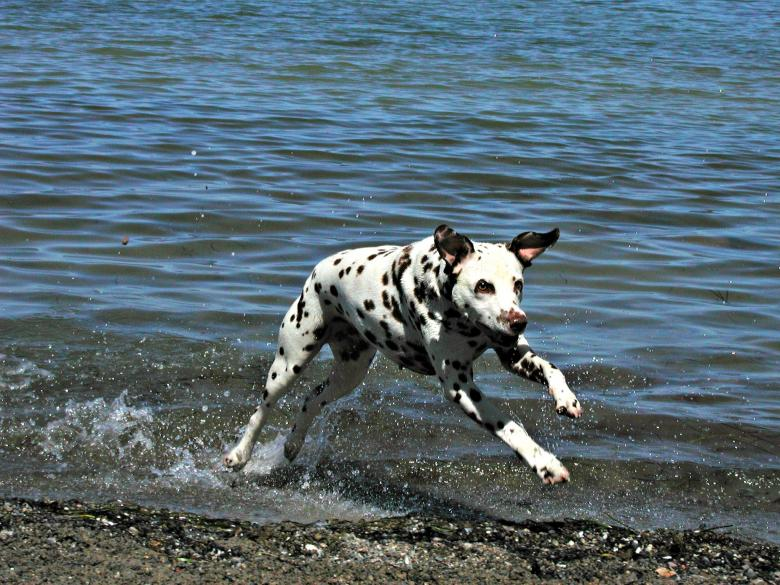
Ladybug was a quirky but surprisingly popular name in the 1940s, especially for small female dogs with spotted or multicolored coats. The name reflected the era’s fondness for whimsical nature themes, which appeared often in children’s storybooks, school art projects, and household décor. Many families used the name to highlight a dog’s gentle temperament or colorful markings. Though Ladybug is rarely heard today, it captures a charming slice of mid-century life when pet names often drew from simple, everyday things children found delightful. It stands out as one of the more imaginative choices of the decade.
16. Bingo
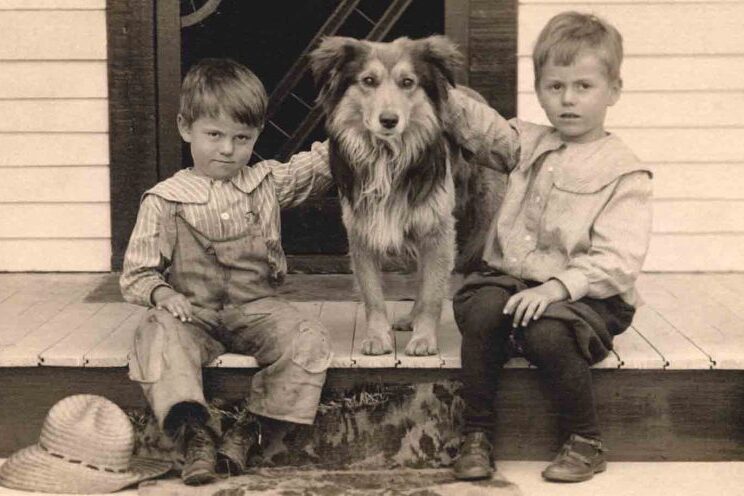
Bingo was a widely recognized dog name throughout the 1940s, thanks to the long-standing children’s song and its frequent use in school activities and family entertainment. The name was simple, memorable, and upbeat, qualities that made it easy for young children to latch onto. Bingo often appeared in local newspaper stories about farm dogs or family pets, particularly in rural communities where mixed-breed dogs were common. Though many people today associate the name with the song more than actual pets, Bingo once reflected an era defined by wholesome family traditions and the importance of easy, cheerful names that fit a dog’s friendly personality.
17. Fluffy
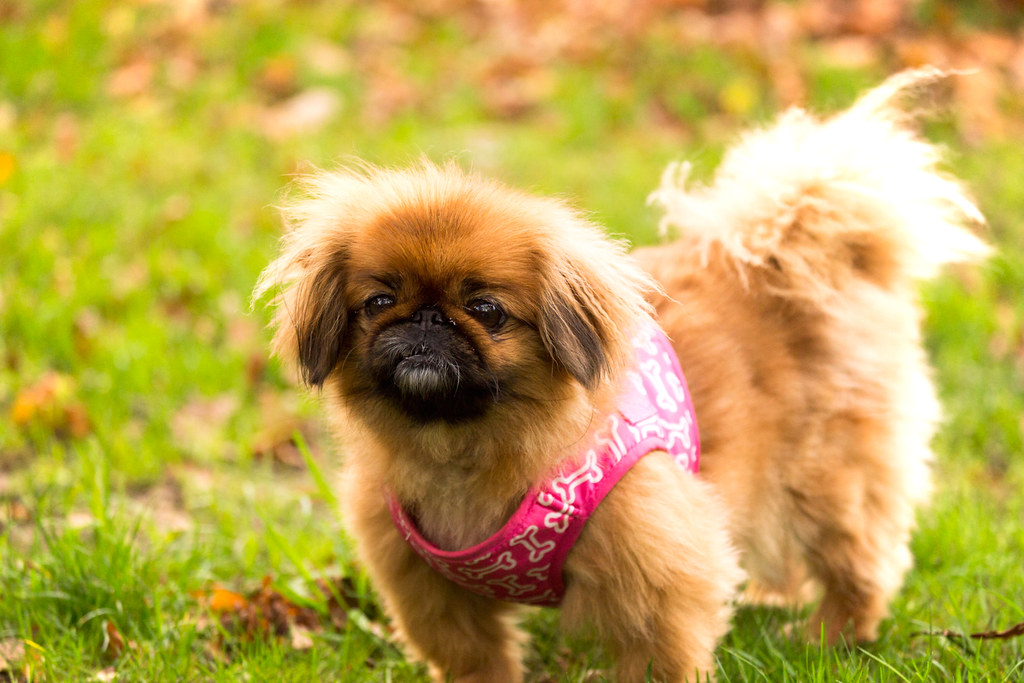
Fluffy became a popular dog name in the 1940s as more families brought small companion dogs into the home, including Pekingese, poodles, and mixed-breed lapdogs. The name was commonly seen in women’s magazines and household photo albums, often describing pets with soft, full coats. It fit neatly into the decade’s preference for literal, cute, and descriptive names that children could easily remember. While Fluffy may sound cliché today, it was once a beloved choice that captured the comforting domestic atmosphere of the era, when pets were increasingly treated as cherished members of the family.
18. Boots
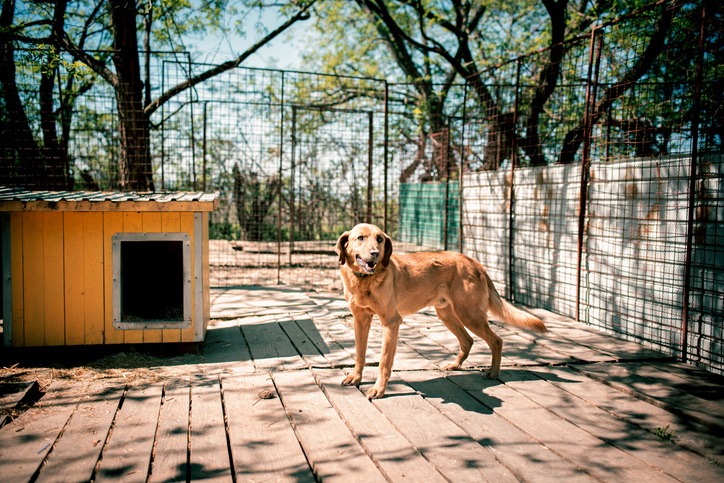
Boots was a common dog name in the 1940s, especially for dogs with white paws or markings that resembled little “boots.” Families liked the name because it was playful and descriptive, matching the visual characteristics of many mixed-breed farm and neighborhood dogs. It also appeared in children’s books and newspaper cartoons, which helped cement its popularity. Though modern naming trends lean toward human-style names or unique choices, Boots remains a charming reminder of a time when people often named their pets based on appearance and the simple joy of everyday observation.
19. Jiggs
Jiggs was a popular dog name in the 1940s, influenced heavily by the famous “Bringing Up Father” comic strip that ran for decades and featured a character named Jiggs. The name carried a humorous, lighthearted feel that families found endearing, especially for spirited terriers and lively outdoor dogs. It frequently appeared in mid-century newspaper mentions of family pets, reflecting its national familiarity. While Jiggs is rarely heard today, it once represented a playful, slightly mischievous personality and fit well with the decade’s fondness for comic-inspired names.
20. Mitzi
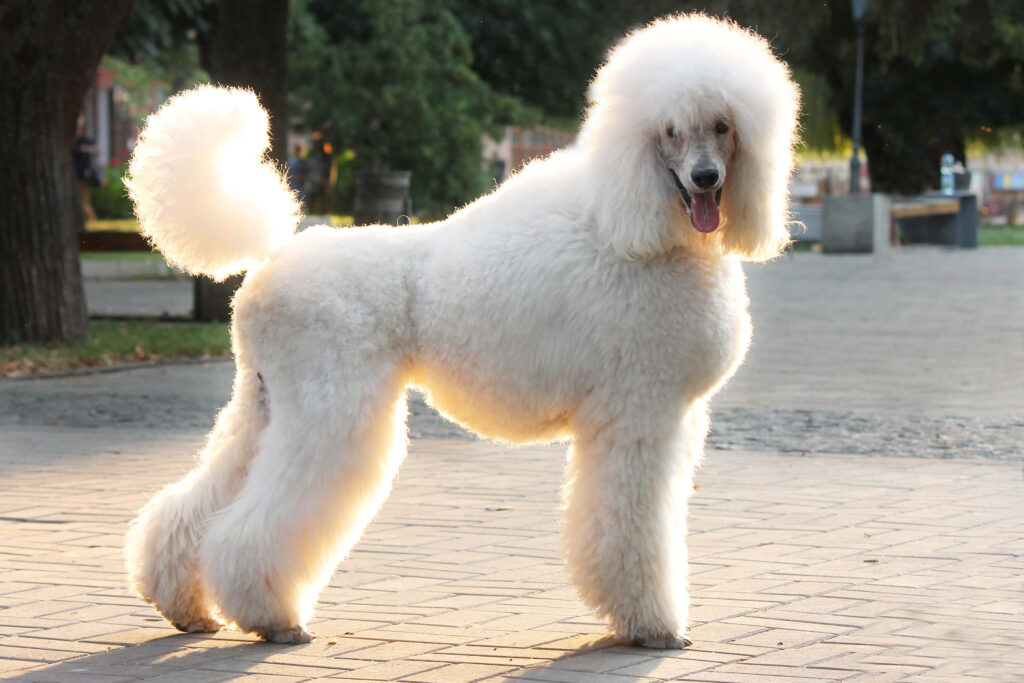
Mitzi was a fashionable female dog name in the 1940s, influenced by Central European nicknames that had become trendy in American pop culture through films and stage performances. It was often given to poodles, spaniels, and small companion dogs that were seen as elegant or refined. The name appeared in newspaper society pages and pet contests, showing that it was a favorite among families who wanted something slightly fancy but still easy to pronounce. Today, Mitzi feels distinctly vintage, capturing the cultural blend and charm of mid-century America’s entertainment-driven naming trends.
21. Spike
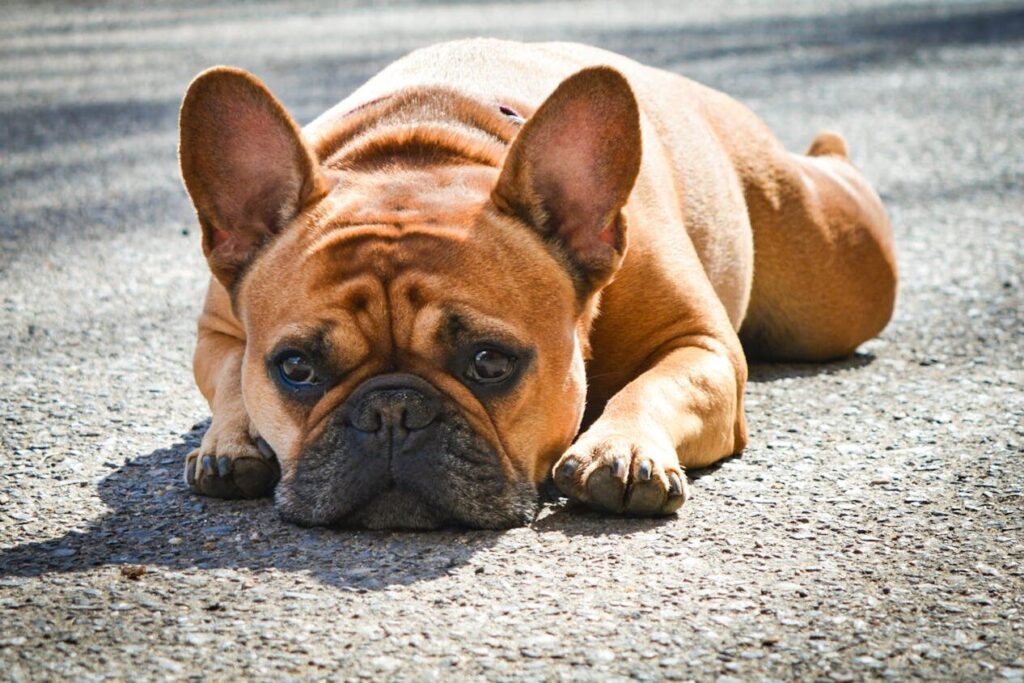
Spike was a popular dog name in the 1940s, especially for sturdy or tough-looking breeds like bulldogs, boxers, and farm dogs that doubled as protectors. The name’s rise was influenced by early cartoon characters and comic strips that used Spike for strong, no-nonsense animals. Families enjoyed the name because it conveyed a sense of rugged loyalty without sounding unfriendly. Though Spike still appears in modern culture, it’s far less common as a real pet name today, giving it a distinctly retro edge tied to mid-century humor and the era’s fascination with bold, masculine-sounding choices.
22. Pal
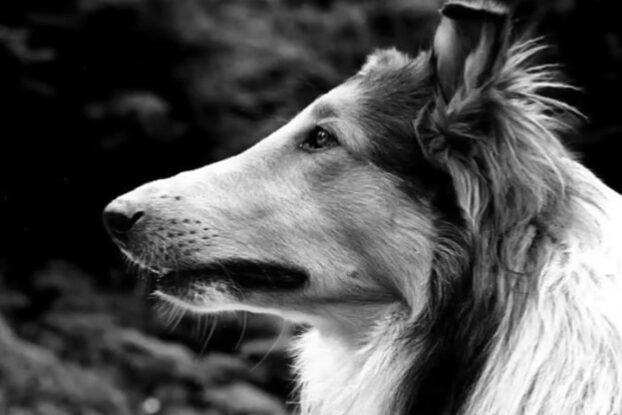
Pal became especially well known in the 1940s due to its connection with the original collie who portrayed Lassie in early films and radio programs. That dog, famously named Pal, helped popularize the name nationwide. Families also gravitated toward Pal because it represented companionship and trust, qualities deeply valued during the World War II years. The name appeared commonly in newspaper stories involving local pets, reflecting a wholesome, neighborly tone. While Pal has rarely been used in recent decades, it remains a charming reminder of Hollywood’s influence on mid-century pet naming.
23. Lucky
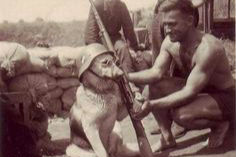
Lucky was a meaningful dog name in the 1940s, reflecting the hopeful spirit many families held during and after World War II. It was commonly given to rescue dogs, strays adopted by families, or pets that survived accidents, echoing themes of gratitude and fortune. The name frequently appeared in small-town newspapers, often attached to stories of dogs reunited with owners or pets that performed small acts of loyalty. While Lucky is still popular today, its strong presence in the 1940s marks a time when many Americans cherished simple symbols of positivity and resilience.
24. Snowball
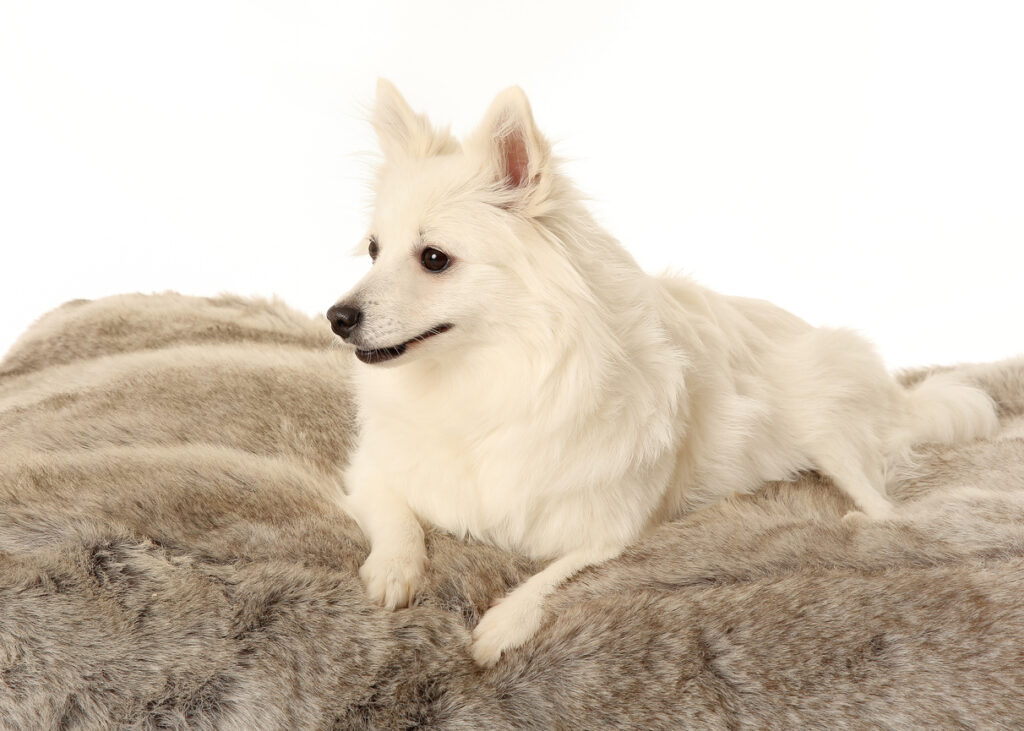
Snowball was a favored name for white-coated dogs in the 1940s, especially poodles, Spitz breeds, and fluffy farm dogs. The name appeared frequently in children’s literature, school projects, and newspaper pet announcements, making it familiar across the country. Families liked it because it sounded fun, gentle, and friendly, perfect for small or medium dogs with bright white fur. Today, Snowball is used less often and tends to feel old-fashioned, but it remains one of the most recognizable examples of the descriptive, appearance-based naming trend that defined mid-century pet culture.
25. Sandy
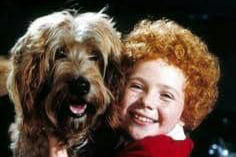
Sandy was a popular name in the 1940s for dogs with tan, golden, or light brown coats. It had already gained cultural traction thanks to the “Little Orphan Annie” comic strip, which featured a loyal dog named Sandy, and continued to appear in newspapers and children’s books throughout the decade. Families chose the name for friendly, dependable pets, making it a familiar choice across both rural and suburban communities. Although Sandy still appears today, especially for retrievers and terrier mixes, it remains closely tied to its mid-century roots and the comforting simplicity of that era’s naming styles.
26. Whiskers

Whiskers was a charming and playful name for dogs in the 1940s, especially terriers and wire-haired breeds known for their prominent facial hair. Families often chose it as a fun way to highlight a dog’s scruffy look or expressive muzzle. The name occasionally appeared in children’s stories and local newspaper anecdotes, usually attached to mischievous but lovable pets. While Whiskers is far more common today for cats than dogs, it reflects an era when descriptive, appearance-based names were widely embraced. Its light, whimsical tone makes it a memorable relic of mid-century home life.
27. Dutchess

Dutchess, often spelled this way rather than the traditional “Duchess”, was a popular dog name in the 1940s for elegant female dogs, especially spaniels, collies, and poodles. The misspelling was common in newspaper classifieds and pet announcements, suggesting families favored the name for its regal sound rather than its accuracy. It symbolized grace and gentility, making it a favorite among households that viewed their pets as treasured companions. Though rarely used today, Dutchess captures a nostalgic glimpse of a time when giving dogs aristocratic titles was considered both playful and endearing.
28. Trixie
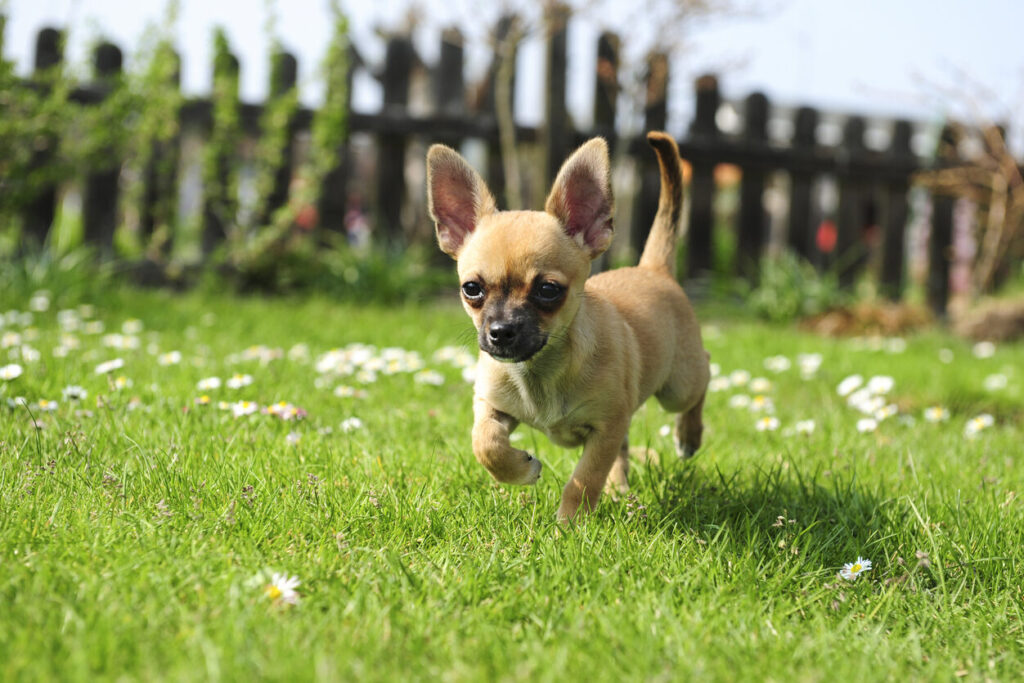
Trixie was a lively female dog name that flourished in the 1940s, closely tied to vaudeville, radio comedies, and early film characters who bore the name. Known for its peppy, youthful sound, Trixie was often given to small, energetic breeds like terriers, Chihuahuas, and poodles. The name appeared frequently in local pet contests and family photo captions, reflecting its national familiarity. While modern naming trends have shifted toward more contemporary human names, Trixie remains a distinctly vintage choice that echoes the humor and charm of mid-century entertainment.
29. Shadow
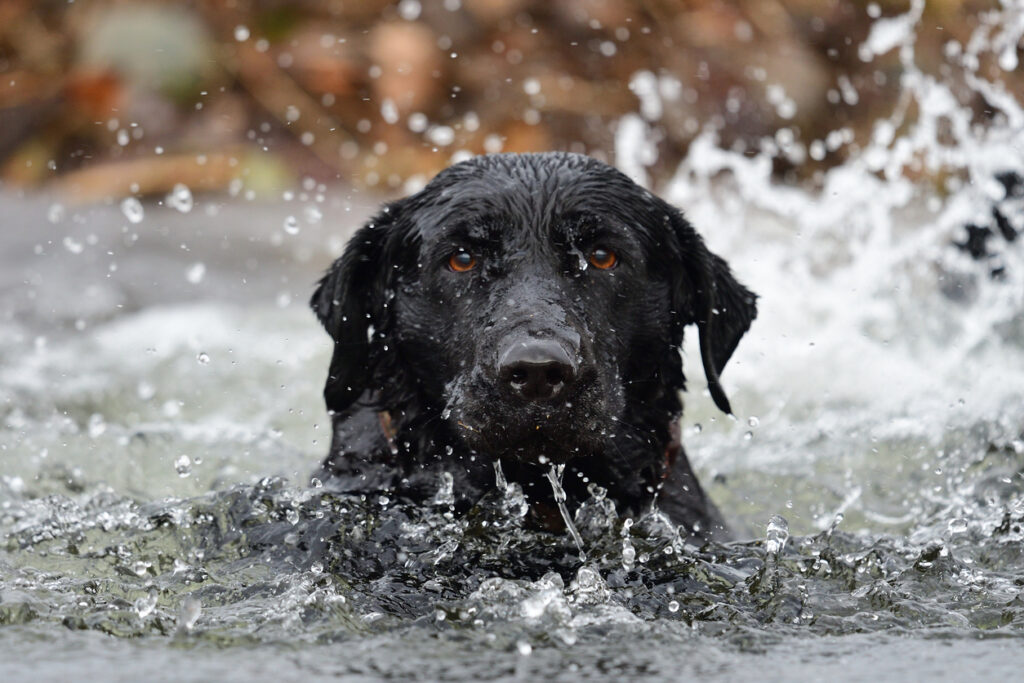
Shadow became a popular dog name in the 1940s for loyal pets that followed their owners everywhere. Many families used it for darker-colored dogs like black labs, shepherd mixes, and farm mutts that always stayed close to home. The name was also influenced by the popular radio drama “The Shadow,” which ran through the 1940s and helped embed the word into everyday culture. While Shadow is still used today, it has a distinctly classic feel tied to loyalty, companionship, and the storytelling traditions of the era.
30. Smoky

Smoky was a meaningful dog name in the 1940s and is often associated with Smoky, the famous Yorkshire Terrier who served alongside U.S. troops during World War II. Her remarkable story, carrying messages through narrow tunnels, entertaining soldiers, and surviving harsh conditions, was widely shared in newspapers and military publications. Families adopted the name for pets with gray or dark coats or simply to honor the heroic little dog. Smoky embodies the resilience, warmth, and companionship that dogs represented during a challenging decade in American life.
The dog names of the 1940s reveal a warm and practical era shaped by family life, wartime culture, and the influence of early media. Looking back at these vintage choices reminds us how much our relationships with dogs have evolved and how deeply these loyal friends have always been woven into daily life.
This story 30 Dog Names That Were Hugely Popular in the 1940s (But Sound Strange Today) was first published on Daily FETCH


