
1. German Shepherd
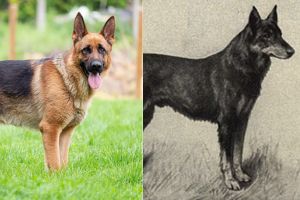
It is always funny how time changes things, even with dogs we think have always looked the same. Take the German Shepherd for instance. A hundred years ago, they looked more like slim herders built for long workdays with straighter backs and lighter frames that helped them move quickly in fields. Today many look larger with a deeper chest and a slanted back that makes their walk look dramatic. They still look noble and loyal, but their build has shifted from rugged worker to a heavier, showier companion that carries both beauty and responsibility.
2. English Bulldog Transformation
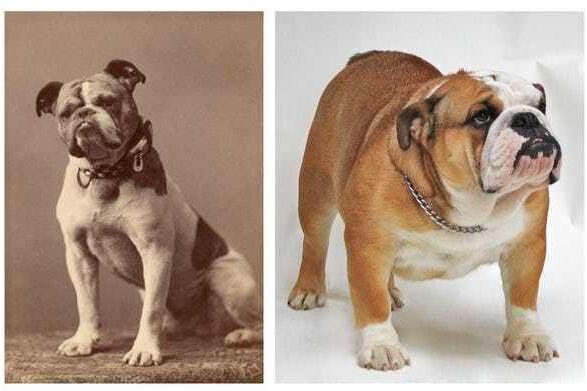
If you compare an old picture of the English Bulldog with one from today, you will notice how much wider and stockier the modern version appears. Bulldogs used to have a longer snout, a slimmer body, and a less bulky chest that made movement easier. Their faces were less squished and their breathing more comfortable. Over time thicker wrinkles and a more compact build became the common look many people adored. While today’s bulldog looks incredibly charming, it has become more dependent on human care, proving that cute sometimes comes with extra responsibility we should always consider.
3. Pug Over the Years
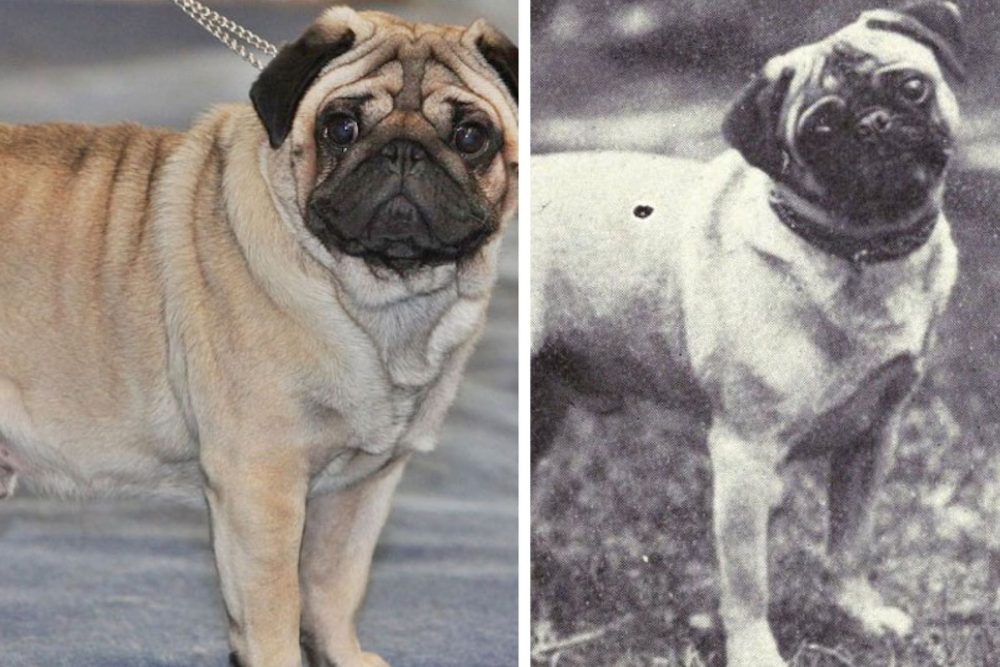
Old pugs looked more like small sporty dogs with noses that allowed easier breathing and legs that helped them move around more comfortably. They had slimmer bodies and less exaggerated faces. The modern pug we see today looks more round with a very short snout, big expressive eyes, and soft folds that many people find lovable. The change did not happen overnight, it slowly followed human preference for a charming cute face. Although they still bring joy with their personality, their altered features remind us that beauty should never outweigh comfort for the pets we adore.
4. Dachshund Body Changes
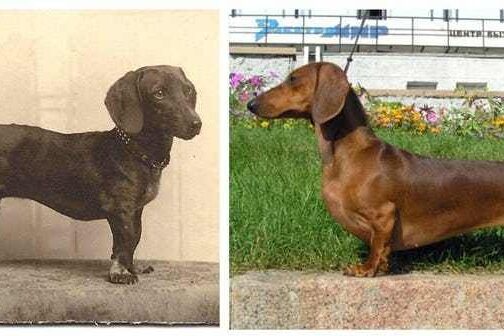
Dachshunds of the past still had long bodies, but they were more balanced with legs slightly longer for digging and chasing small animals underground. They were built for active work and agility rather than small size. Today’s dachshunds appear much longer with shorter legs which gives them a more striking look. This exaggerated body shape makes them adorable but can put pressure on their spine. Even with this change, they remain lively curious companions. Their transformation shows how adjustments in appearance may affect a dog’s body and reminds us to protect their playful nature with careful care.
5. Bull Terrier Head Evolution
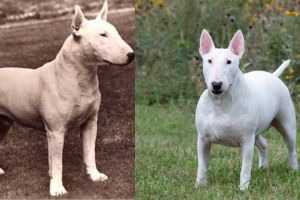
Looking at early bull terrier photos, you would notice a strong working shape with a more traditional head and athletic build. Over time breeders favored a unique curved head and thicker body that became a popular breed hallmark. The modern bull terrier has a smoother face shape, small eyes, and a fuller frame that looks distinctive and somewhat cartoonlike compared to its earlier version. This change made the breed recognizable almost instantly, yet it also shifted their structure in noticeable ways. Their transformation stands as an example of how style can reshape a dog’s entire identity in just one century.
6. Basset Hound Growth in Features
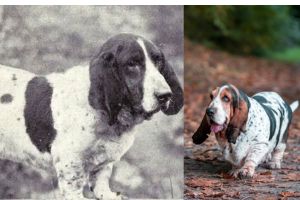
Older basset hounds were still droopy and low to the ground, but their bodies looked a bit more balanced with less exaggerated length in their backs. Over years their long ears, heavy wrinkles, and short legs became more dramatic as people found those traits appealing. The breed is now known for its sad sweet expression and slow steady personality. While those long bodies and heavy ears give charm, they can also require extra attention to keep them comfortable. Their story shows how small preferences can grow into signature features that shape how an entire breed is viewed today.
7. `Airedale Terrier` Coat and Build

The Airedale Terrier was once shaped like a sleeker worker with a body ready for hunting and tasks that required endurance. They had a practical wiry coat that helped protect them from harsh outdoor conditions. Over time the coat became fuller and more styled, creating a fluffier look that many admirers appreciate. Their body also shifted slightly toward a more show style rather than purely functional lines. Although the Airedale still has energy and intelligence, the focus on appearance highlights how a once rugged breed can gradually turn into a fashionable companion while keeping its confident spirit.
8. Shetland Sheepdog Fluff Change
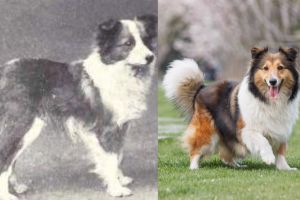
A century ago the Shetland Sheepdog looked like a smaller hardworking herder with a simpler coat that made movement easy on farms. Today’s version carries a thicker mane around its neck, a longer coat, and a daintier frame that makes it appear more elegant. People adore the fluffy beauty and gentle personality, yet its original purpose was far more practical than glamorous. Although they still have sharp minds and alert senses, their longer coat requires more care. This shift reflects how the modern world often values appearance more than utility even when the heart of a breed remains the same.
9. Irish Setter from Hunter to Beauty
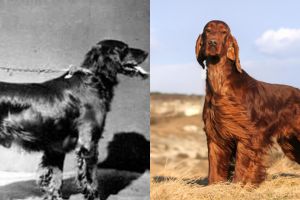
Long ago Irish Setters had a build designed primarily for work with bodies that helped them run fields and assist hunters with energy and stamina. Their coats, though elegant, were more straightforward than the glossy flowing look people admire today. Modern setters have fuller fur, richer color shading, and a more refined outline that gives them a striking presence in homes and show rings. While they still love movement and remain affectionate companions, their transformation from rugged helper to polished beauty highlights how a useful worker can easily become a treasured household companion shaped by changing desires.
10. Doberman Pinscher Shape Refinement
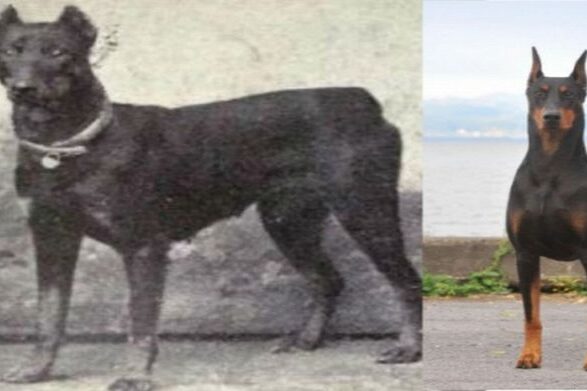
Early Doberman Pinschers had strong working features with thicker bodies and natural ears that matched their protective duty. They were bred as reliable guardians ready to respond quickly. Modern Dobermans look more streamlined with a sleek slender body and a refined head that gives them a bold elegant presence. Many are raised as friendly companions rather than personal guards. Their ears are often shaped by cosmetic choices rather than functional needs. This change shows how the image of strength can shift toward elegance while the breed still carries loyalty and confidence in a way that feels both modern and familiar.
11. Poodle Working Roots to Style
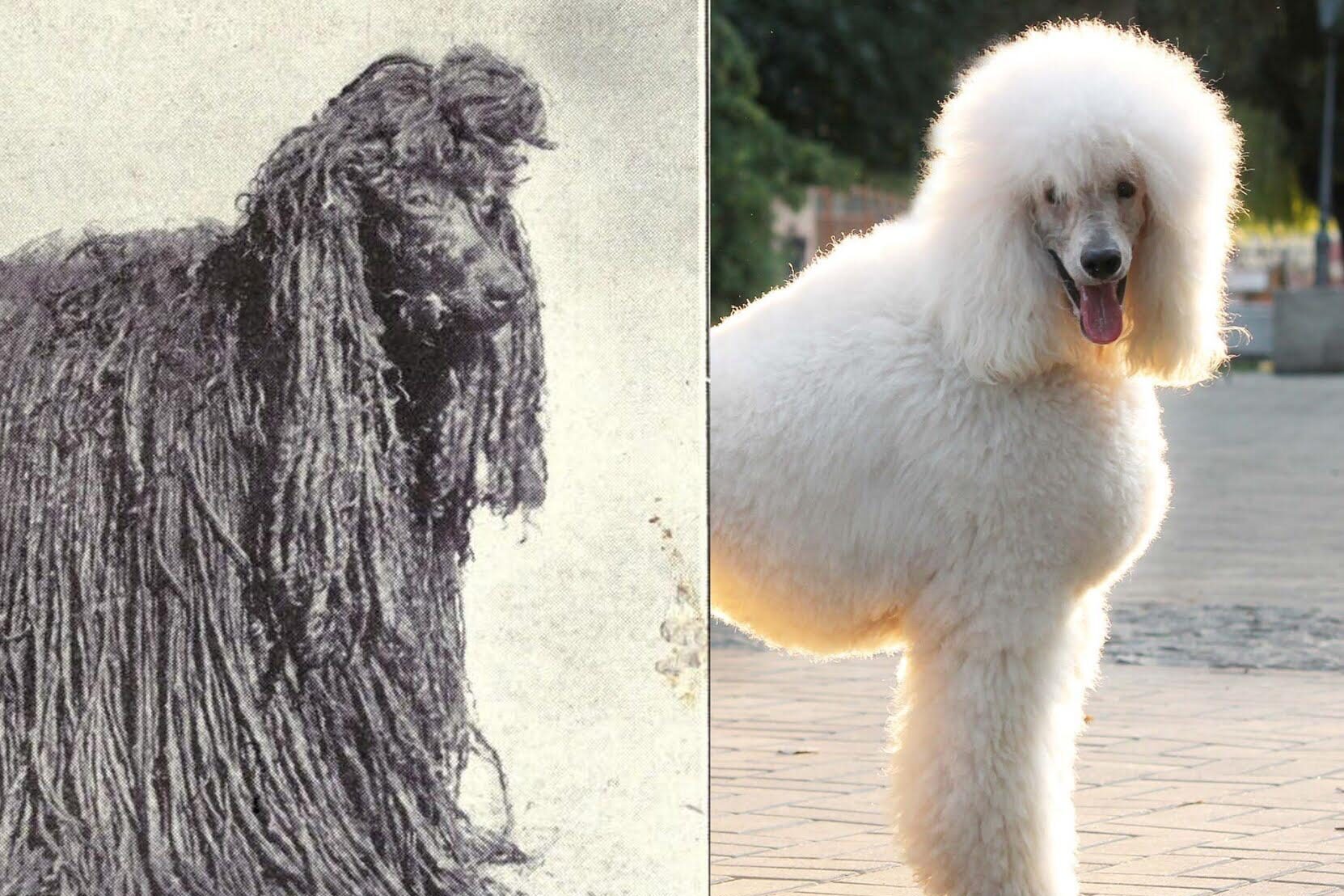
We often picture the poodle as a polished dog with creative grooming styles, but its ancestors were practical workers that retrieved game from water. Their curly coat protected them from cold conditions and helped them swim easily. Over time that coat became shaped into fashionable styles seen in competitions and family settings. The body also leaned toward a more refined silhouette that highlights their elegance. Even though they now shine as stylish pets, their intelligence and athletic ability remain remarkably strong. Their transformation reminds us that beauty can grow from function while still keeping a little hint of history.
12. Boxer Shape and Personality Shift
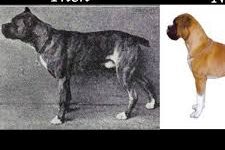
The boxer once appeared slimmer and more functionally built with a longer muzzle that allowed easier breathing. They were agile dogs used for tasks that needed alertness and quick movement. Today boxers often look more compact with a broader chest and shorter muzzle that gives them a signature expressive face. Their playful charm and loyal temperament remain, yet their physical build has adapted to a more companion focused life. The change in head shape altered their look significantly. Even though their roles have softened, their enthusiasm and protective spirit still shine brightly as part of their lasting character.
13. Saint Bernard Size and Appearance
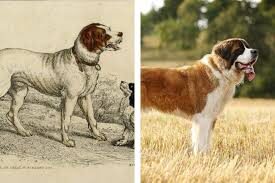
Early Saint Bernards were large, but not as massive or heavily coated as the versions we recognize today. They were practical rescue dogs meant to navigate snowy paths with sturdy endurance rather than overwhelming size. Modern Saint Bernards have fuller coats, deeper bodies, and a more droopy face that highlights their gentle personality. Their bigger structure offers a cozy lovable look, but the added size can require careful health management. Their transformation from mountain helper to peaceful affectionate companion shows how breeds evolve with changing lifestyles while keeping their kind reassuring nature at the heart of their identity.
14. Bullmastiff Growth in Bulk
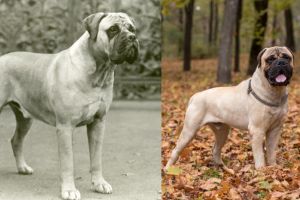
Bullmastiffs from the past had a strong yet moderate build that allowed them to guard property without unnecessary weight slowing them down. Their work needed stamina and presence rather than sheer bulk. Today their bodies carry more mass with a broader chest and thicker neck that makes them appear even more powerful. Though impressive, this extra weight can sometimes require close attention to support their joints and mobility. Their gentle personality remains a pleasant contrast to their size. Their development reminds us that strength can be shaped by preference yet still must be supported with responsible care and balance.
15. Chow Chow Coat and Frame Changes
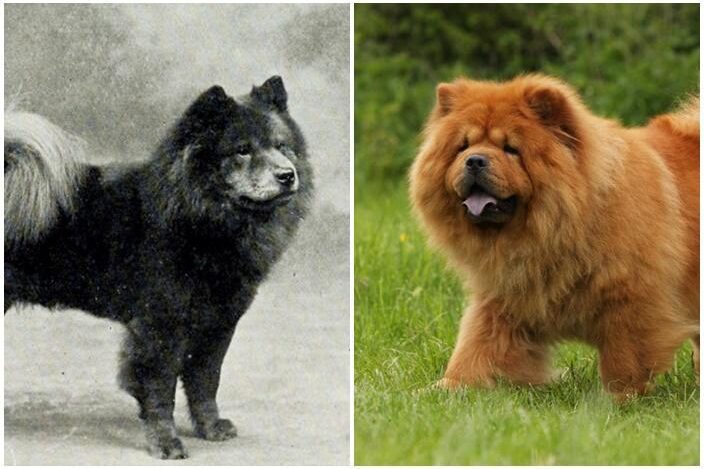
Looking at older chow chow pictures, you would notice a less densely coated dog with a sturdier body ready for various tasks. Today the breed carries a thicker mane that frames their round face, giving them a lionlike look that fascinates many admirers. Their bodies have also become more compact, adding to their fluffy presentation. Although the personality still carries independence and loyalty, the heavier coat requires more effort to maintain. This change demonstrates how distinctive traits can grow into a breed’s defining identity, turning a practical worker into a stunning companion that draws attention wherever it goes.
16. Great Dane Height and Frame
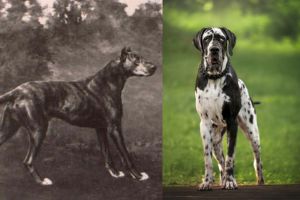
The great dane of the past was tall, but its build showed a little more balance and a slightly shorter frame compared to today’s giant appearance. Now they are known for striking height and long legs that create a commanding silhouette. Their bodies appear more refined with deeper chests that add elegance to their size. Although they look majestic and gentle, their height makes them more delicate than many assume. This evolution shows how dramatic looks can sometimes hide fragility, reminding us that the largest dogs may still need careful support to stay comfortable and healthy throughout their lives.
17. Rottweiler Strength Over Time
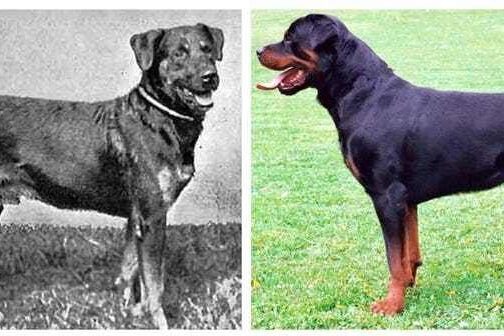
Old rottweilers had a leaner body that reflected their working purpose of driving cattle and assisting farmers. They were sturdy but more athletic than bulky. Today many have a thicker build with a broader head that highlights strength and confidence. Their roles shifted toward guarding homes and being loyal companions, which influenced their appearance. The modern rottweiler looks powerful yet still carries a gentle loyal heart. Their journey from hardworking helper to protective household favorite shows how dogs adapt to our lives. It also leaves a reminder that caring for their bodies ensures their spirit remains strong and happy.
This story 17 Dog Breeds That Look Completely Different Than They Did a Century Ago was first published on Daily FETCH


