
Silent Bonds Begin in the Heart
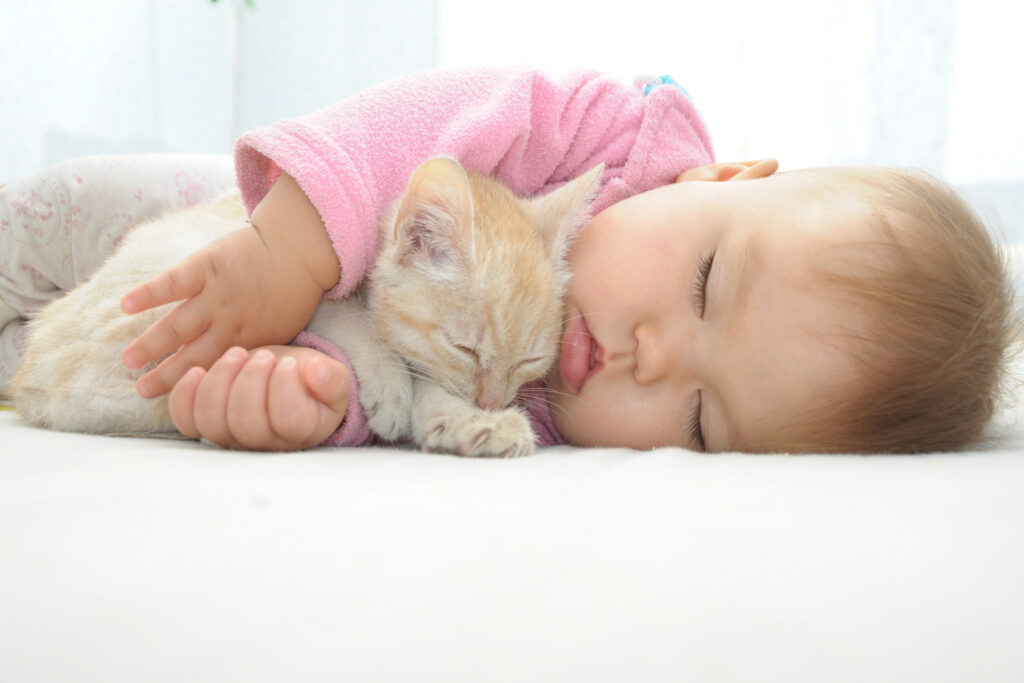
Sometimes the most honest friendships between children and animals happen without a single spoken word, and it feels like both understand something deeper than the noise of everyday life. Kids are still learning how to speak, and animals have never needed words at all, yet they often meet in a quiet space of shared feeling. A child reaching for a soft paw or laughing at a playful tail is already communicating something real. They read each other by expression, energy and comfort, forming emotional conversations without needing to explain anything out loud.
Emotional Instincts Connect Them
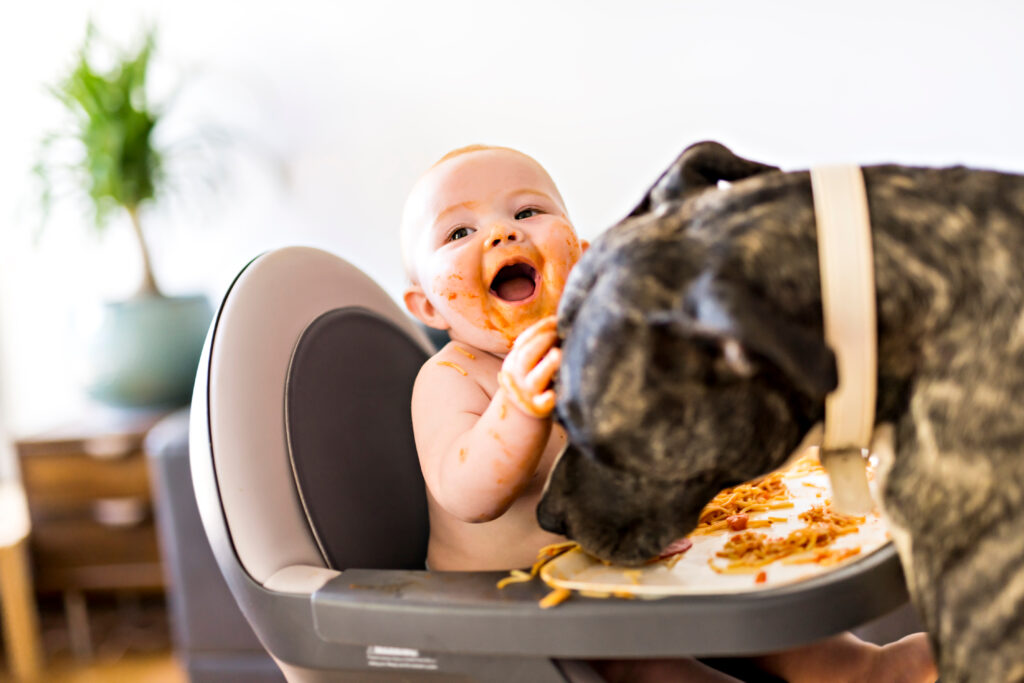
Children and animals both communicate with instincts that feel natural and unfiltered, responding to what they sense rather than what they are told. A dog might notice excitement in a child before the child even speaks, or a child might giggle at a kitten’s playful approach without needing to describe why it feels funny. They do not stop to think before reacting, they simply respond, making their communication pure and easy. The honesty in their reactions creates connection, showing that they understand each other in ways that do not rely on complicated words or explanations.
Body Language Becomes Their Words
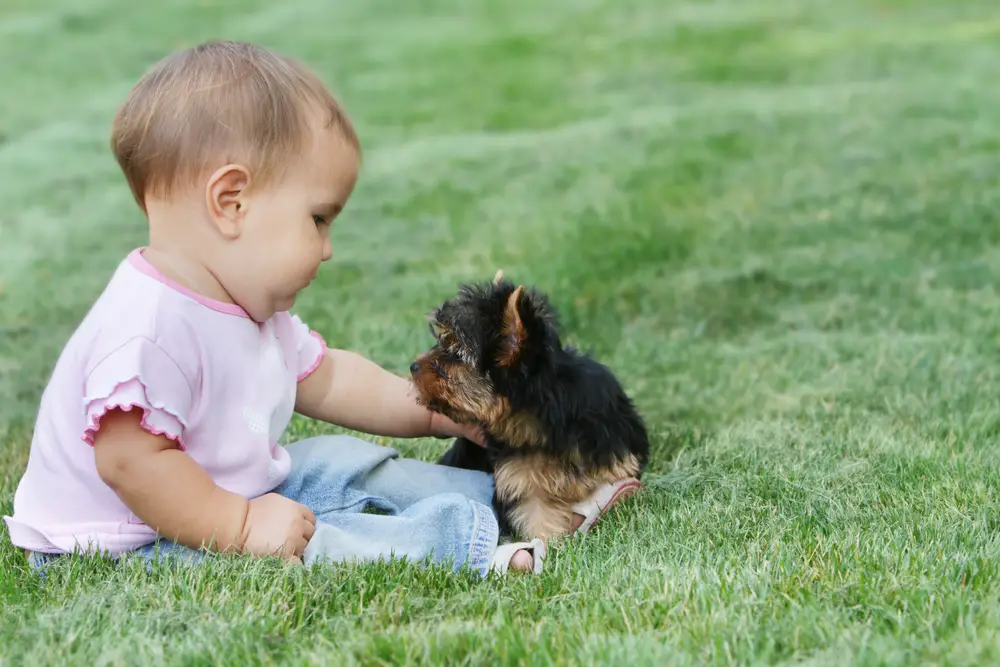
Before children develop strong vocabulary, they rely heavily on movements, gestures and expressions, which is exactly how animals communicate too. A child crawling closer to a curious pet or smiling when a puppy wiggles with excitement already speaks a language of comfort. Animals show affection by leaning in, rolling over or slowly blinking, and children absorb those signals without being taught. Their bodies do the talking in simple ways that feel natural, and they respond instantly to what they see. This physical communication allows both sides to express emotions clearly even when verbal language is limited or unnecessary.
Gentle Touch Builds Trust
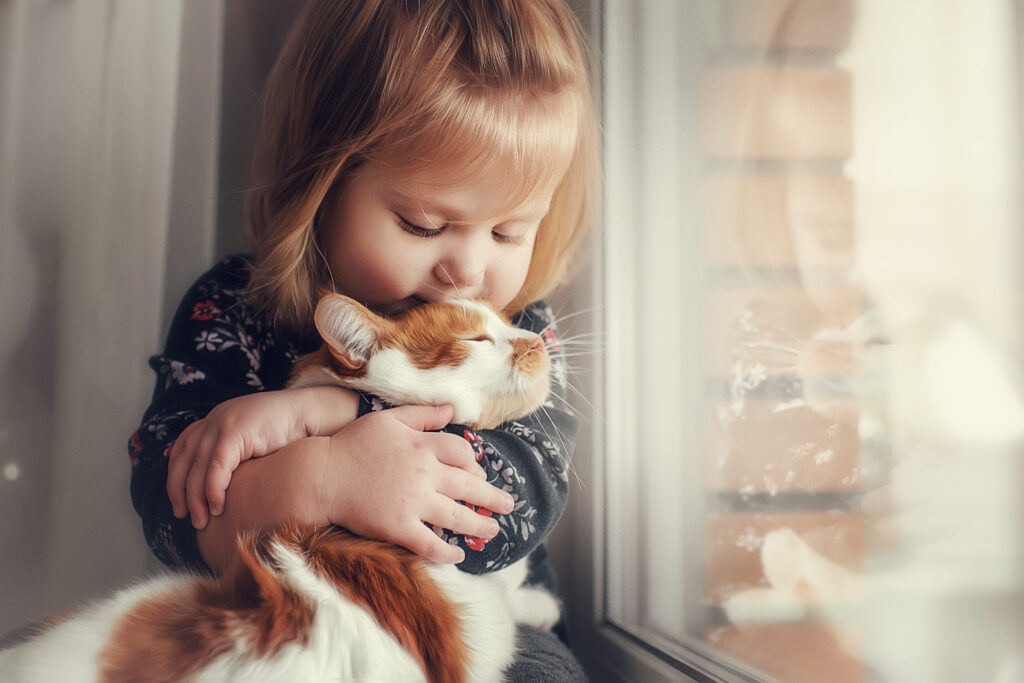
Touch becomes a language that children and animals understand without needing any explanation, and it often speaks louder than words ever could. A soft pat on the head, a tiny hand rubbing fluffy fur or a pet leaning against a child creates a bond that feels reassuring. Children relax when they hold something warm and friendly, and animals respond with closeness when they feel safe. That shared physical comfort becomes their form of conversation, building trust little by little. No one needs to talk, because the connection grows naturally through touch, patience and quiet understanding.
Tone Matters Even Without Words
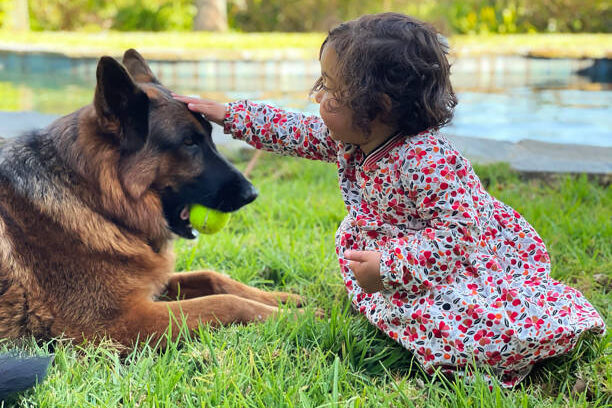
Even when children cannot form full sentences and animals never speak like humans, they both understand the tone of a moment. A soft voice, a calm laugh or a gentle hum sends signals of safety that animals recognize easily. Children also react to tone before fully learning language, feeling comfort in soothing sounds and feeling alert when someone seems tense. Their emotions respond directly to how something sounds rather than what it means in words. This shared sensitivity creates communication rooted in feeling, showing that tone itself can guide relationships without needing any detailed or spoken language.
Curiosity Communicates Interest
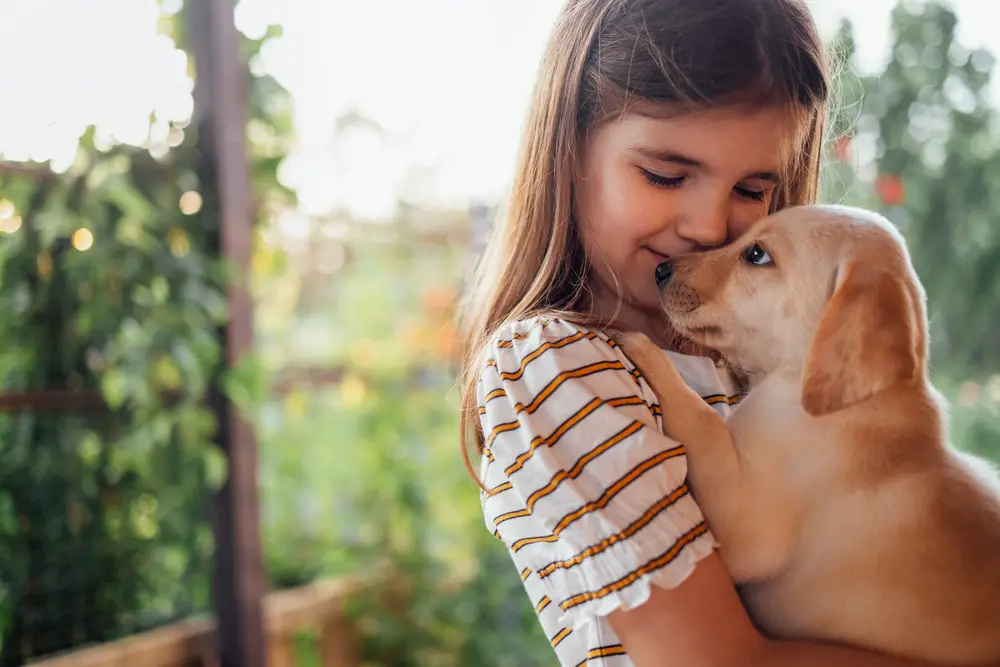
Children and animals both explore the world through curiosity, often using observation instead of speech to show interest. A toddler slowly following a cat, watching its movements with fascination, is already communicating engagement. A puppy sniffing a child’s shoes or gently nudging toys is expressing a desire to understand who the child is. They learn about each other through exploration rather than questions, and the excitement in their curiosity becomes a form of communication. Every glance, sniff, crawl and reach expresses interest, building silent friendships that begin with discovery instead of explanations or formal introductions.
Play Creates Natural Conversation
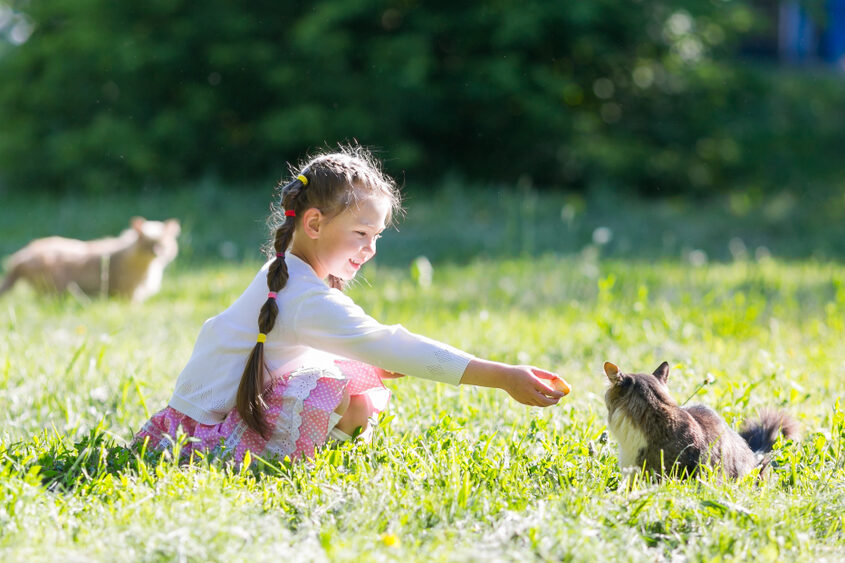
A lively game of chase, a bouncing ball or a child pretending to share toys with a furry friend becomes a conversation without any need for words. Play is universal for both, and they understand each other perfectly while moving, running or laughing together. A dog’s playful bow or a kitten’s quick jump invites interaction, and a child knows exactly how to respond without asking what it means. In those joyful moments they create their own language, built through shared movement and excitement. They do not need instructions, because playing speaks clearly for both of them.
Honest Reactions Bring Them Closer
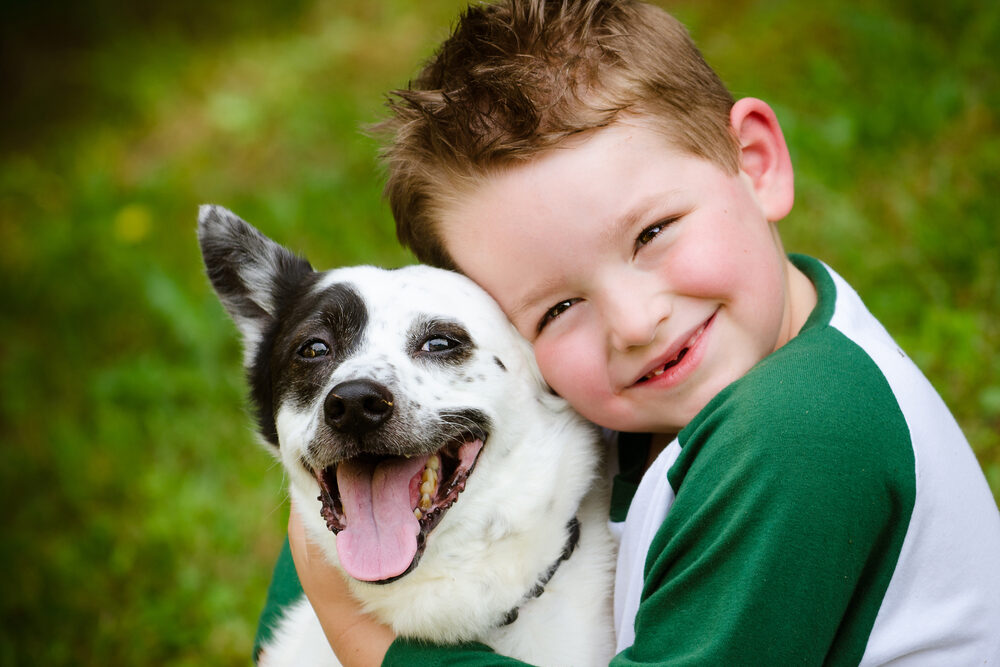
Neither animals nor young children hide their feelings, and that honesty creates strong, effortless communication. When a child is scared, they cling or cry, and when an animal is worried, it might back away or lower its body. When they are excited, they move closer, smile or wag, showing exactly how they feel. Because they reveal themselves openly, they can connect quickly without misunderstandings. Their reactions are natural and immediate, building trust through transparency. The truth in their emotions forms a bond that does not need explanation, allowing them to communicate openly just by being themselves.
Shared Presence Feels Safe
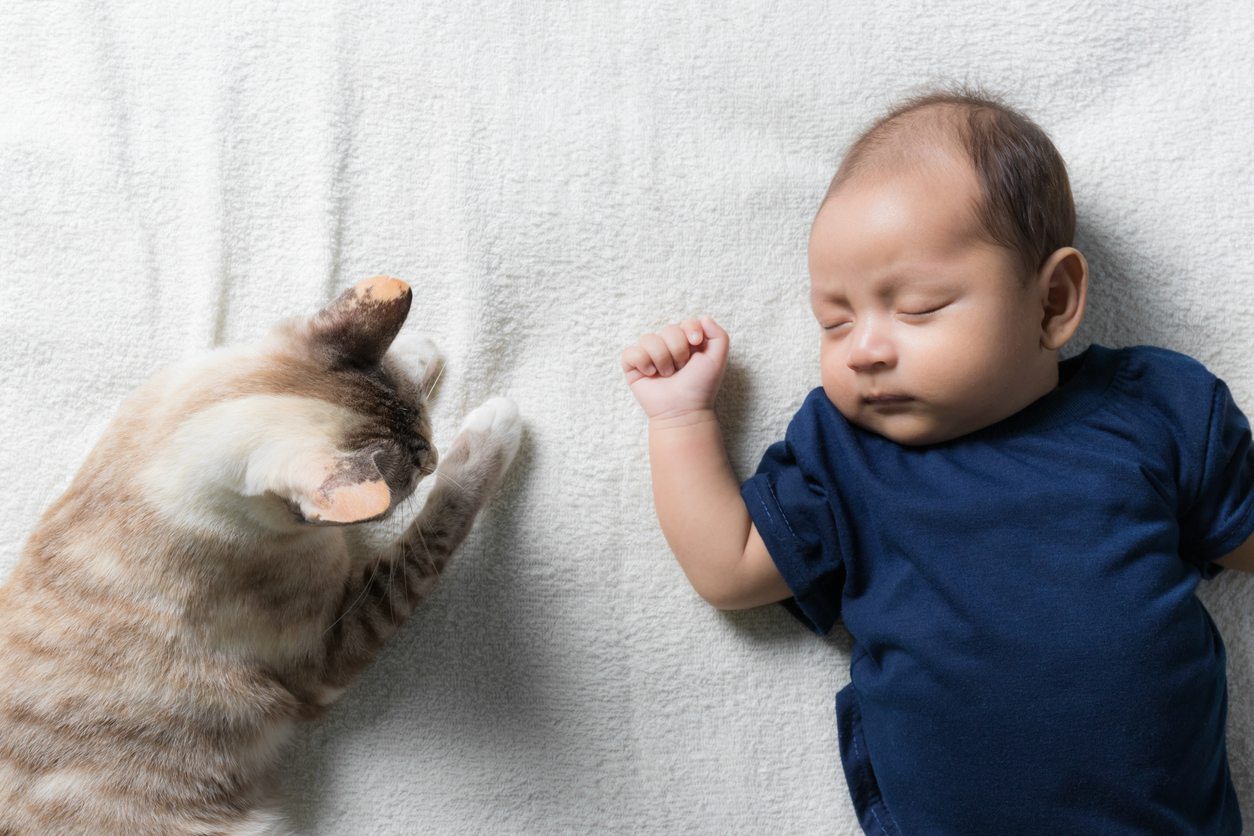
Sometimes children and animals do not play or touch or even look at each other, yet still share a warm connection simply by being close. A child sitting quietly while a pet naps nearby understands that presence itself brings comfort. Animals sense calmness and respond by settling down, making the space around them feel peaceful. Children feel safe when they notice softness, warmth or gentle breathing near them. In that stillness they form silent companionship that requires no action. They communicate through proximity, showing trust just by choosing to stay close and exist together comfortably.
Their Communication Is Pure
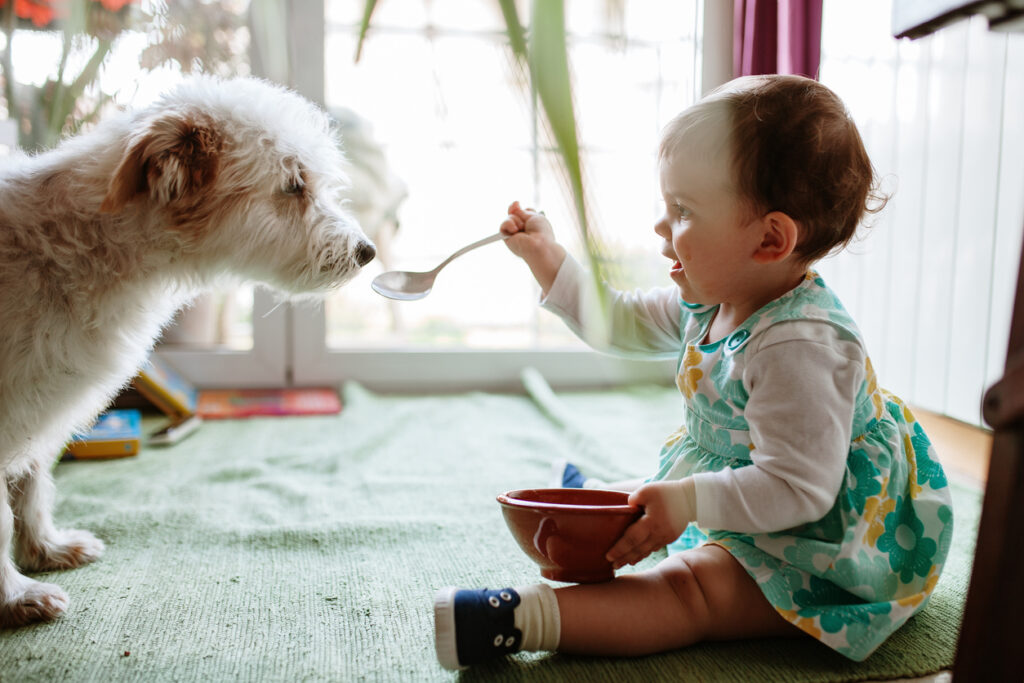
Children and animals both communicate without overthinking, and that purity makes their interactions genuine. There is no judgment, no need to impress, no complicated meaning to decode. They simply feel and respond. A child reaching to share food or a pet rolling over to ask for belly rubs reflects simple emotional truth. They do not disguise feelings behind polite words or forced smiles, and that authenticity creates immediate connection. Their communication stays honest and direct, showing that relationships do not always need language to feel real. Sometimes sincerity is the only message needed between them.
Touch Teaches Empathy

When children pet animals gently or hold them softly, they learn how to care without being instructed by words. They learn which touch is too rough, which is comforting, and how to respond to reactions they notice. Animals guide them, stepping away when uncomfortable and leaning in when they feel safe. This teaches children empathy naturally, helping them understand that kindness is felt and not simply spoken. Animals also sense gentle intentions and respond by trusting the child more. Together, they build emotional awareness through touch, learning compassion in a silent and meaningful way.
They Learn to Respect Boundaries
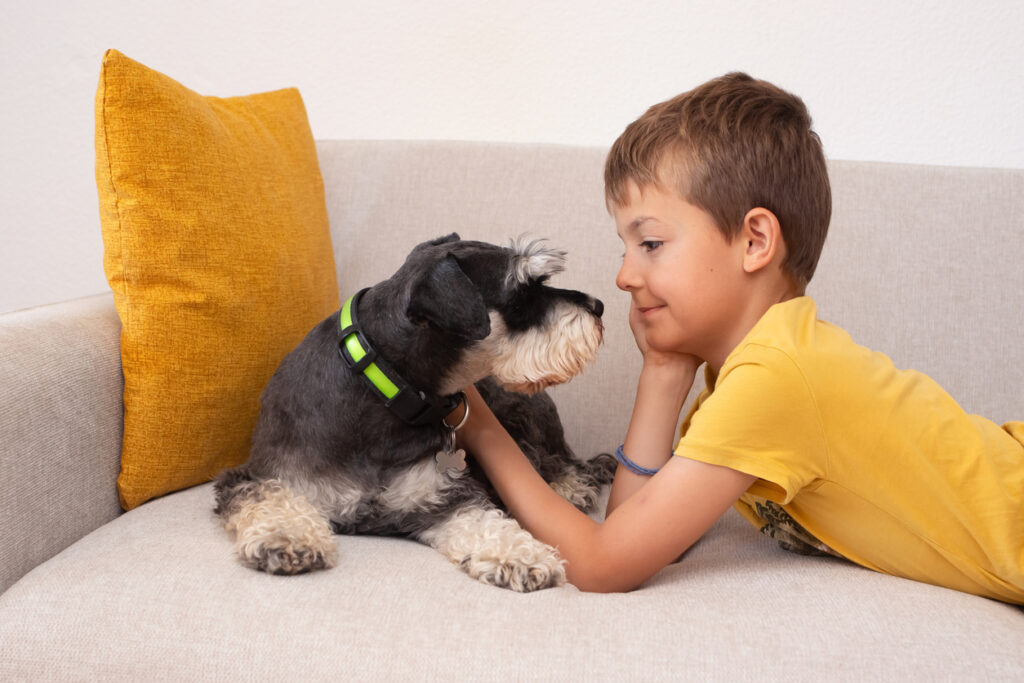
Animals communicate discomfort through movement or behavior instead of talking, and children learn to recognize those signals over time. A child might stop pulling a tail once they notice the animal move away, or they might slow down after seeing a pet shrink from sudden noise. These moments teach respect without any discussion. The child learns that communication includes listening to silence, watching reactions and adjusting behavior. Animals teach boundaries patiently, and children respond by becoming more gentle. Respect grows naturally between them, not through rules spoken loudly, but through quiet understanding and real awareness.
They Share Emotions Without Explaining Them
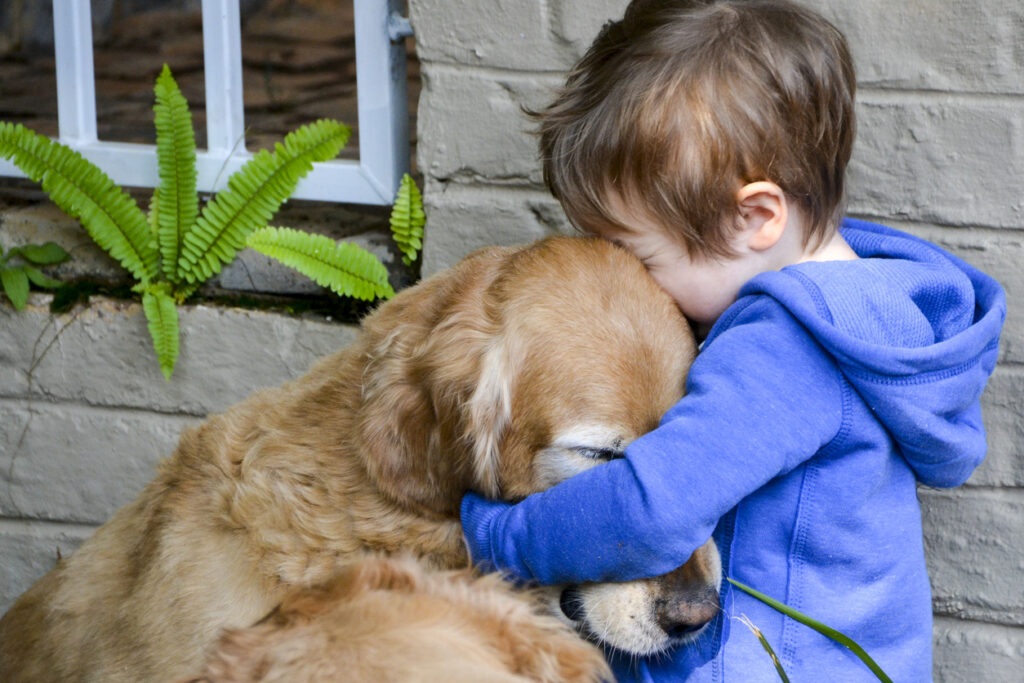
Both children and animals feel deeply before they can describe emotions in words, and that shared experience lets them connect quietly. A sad child might cuddle against a dog without telling anyone why, and the dog responds by staying close without asking questions. A playful animal makes a shy child slowly open up. They communicate comfort, excitement and fear not by explaining feelings but by showing them. This emotional exchange creates connection built on shared experience. They do not analyze or label anything, they simply feel together, and those shared feelings become a language all on their own.
Routine Builds Understanding
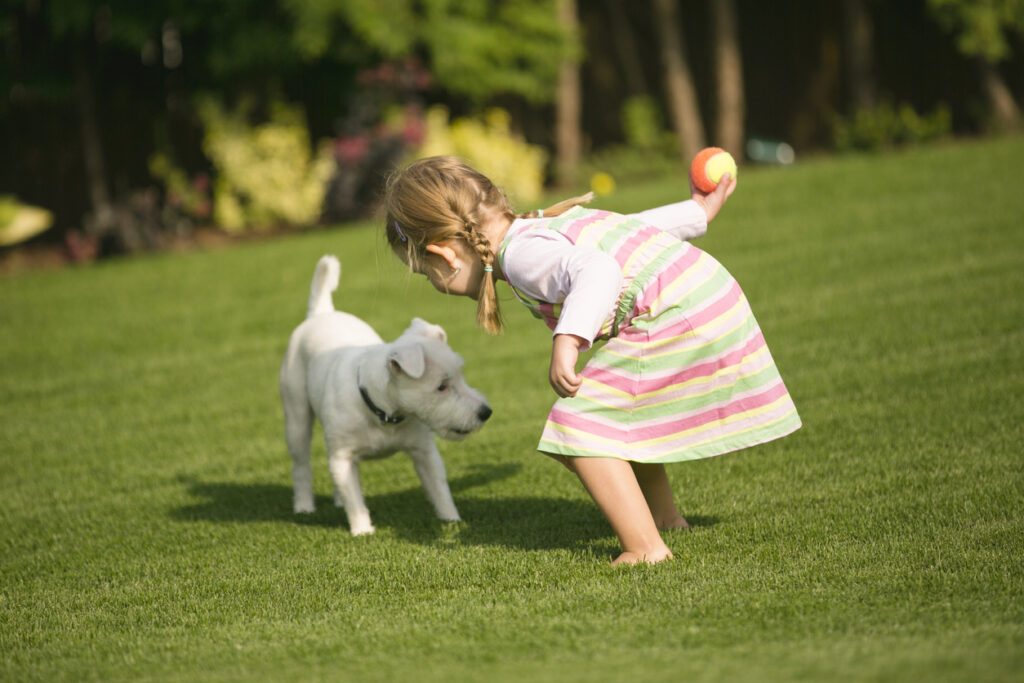
When children spend time repeatedly feeding, grooming or playing with animals, they begin to communicate through predictable actions rather than words. Animals learn what each gesture means and respond accordingly, and children learn to anticipate reactions. Shared routines create familiarity that feels reassuring. The child knows when a pet wants affection, and the animal knows when the child is offering care. Over time, both sides cooperate without talking, following patterns that feel natural and comforting. That silent teamwork grows stronger through repetition, proving that shared habits can build deeper understanding than spoken instructions ever could.
They Communicate Through Attention

A child staring curiously at a pet and an animal watching a child closely are already communicating through shared attention. They observe each other carefully, learning behaviors, moods and intentions simply by looking. That watchfulness shows interest, caution or excitement even if no words are exchanged. Observing becomes a form of silent listening, where both sides try to understand without interrupting or forcing interaction. The child learns what the animal likes, and the animal learns what makes the child calm or playful. Their quiet attention becomes connection, turning observation into a meaningful conversation built without sound.
They Bond Through Shared Calmness

Quiet moments where both child and animal rest in the same space create bonds that feel deep even without interaction. A child napping with a kitten curled beside them or a baby quietly sitting near a gentle dog builds silent trust. They breathe softly, relax together and feel safe without needing to talk. Calmness becomes a message of comfort that both sides understand. Those peaceful moments teach stability, showing that presence alone can communicate safety. In silence they share emotional stillness, learning that care is not always shown through noise or movement, but through shared relaxation and peace.
Love Is Expressed Visually
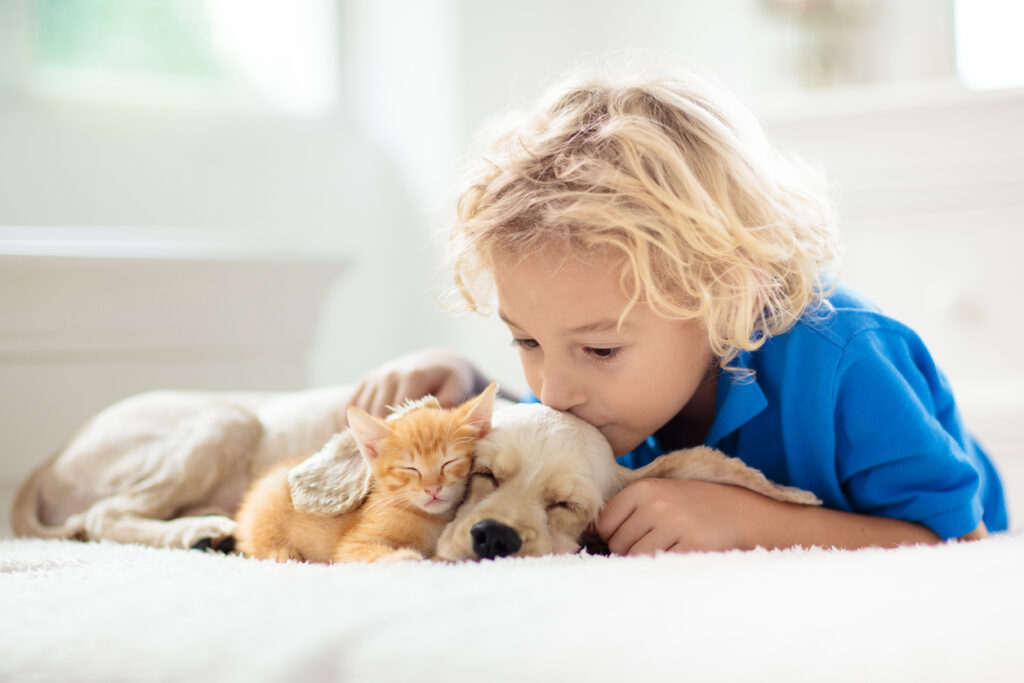
Young children express love through smiles, giggles, wide eyes and eager actions, while animals show affection with slow blinks, tail wags or leaning in gently. These visible signs become their mutual language of love. They read each other’s expressions without needing to interpret words. A child might hug a pet tightly or proudly share a treat, and the pet might nuzzle or follow them closely. Their love is obvious without needing conversation. They express warmth through visible joy, trusting that their feelings are clear. Love becomes something that can be seen, not spoken, and their shared affection grows naturally.
Animals Encourage Gentle Behavior
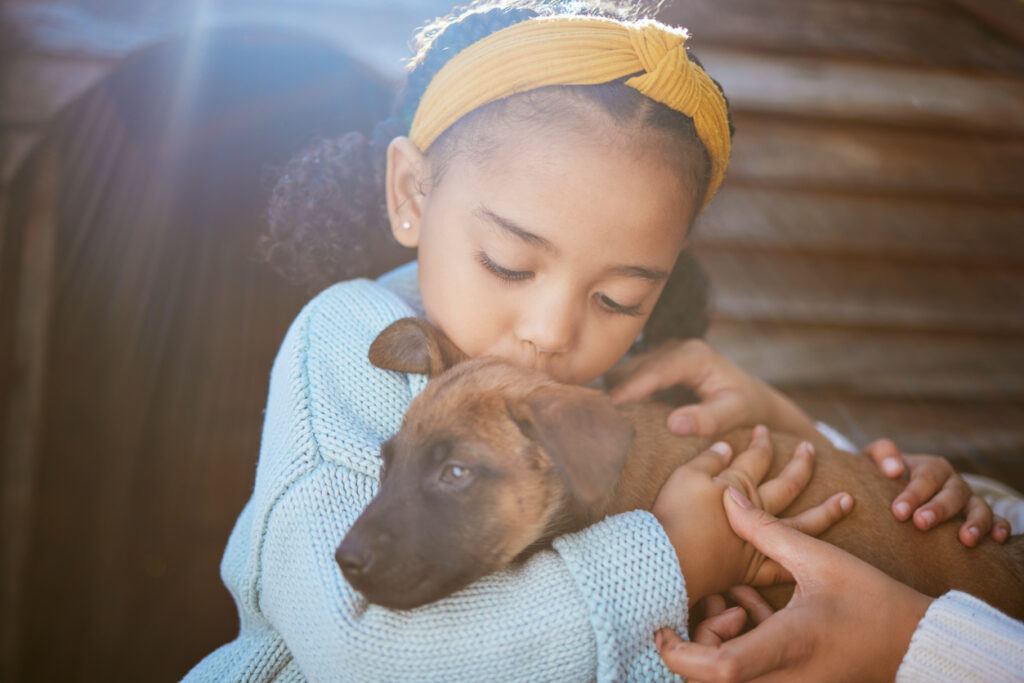
Being around animals naturally encourages children to soften their actions, slow down and act with patience. They learn that kindness is needed to earn trust, and that gentle movements create a positive response. Children realize quickly that loud or rough behavior pushes animals away, while calm and friendly energy draws them closer. Animals teach this lesson wordlessly, reacting honestly to whatever they feel. The child grows more considerate over time, learning how powerful gentle actions can be. This silent lesson shapes their social behavior, showing them that kindness is universal and does not require speech to make sense.
They Learn to Care Without Instructions
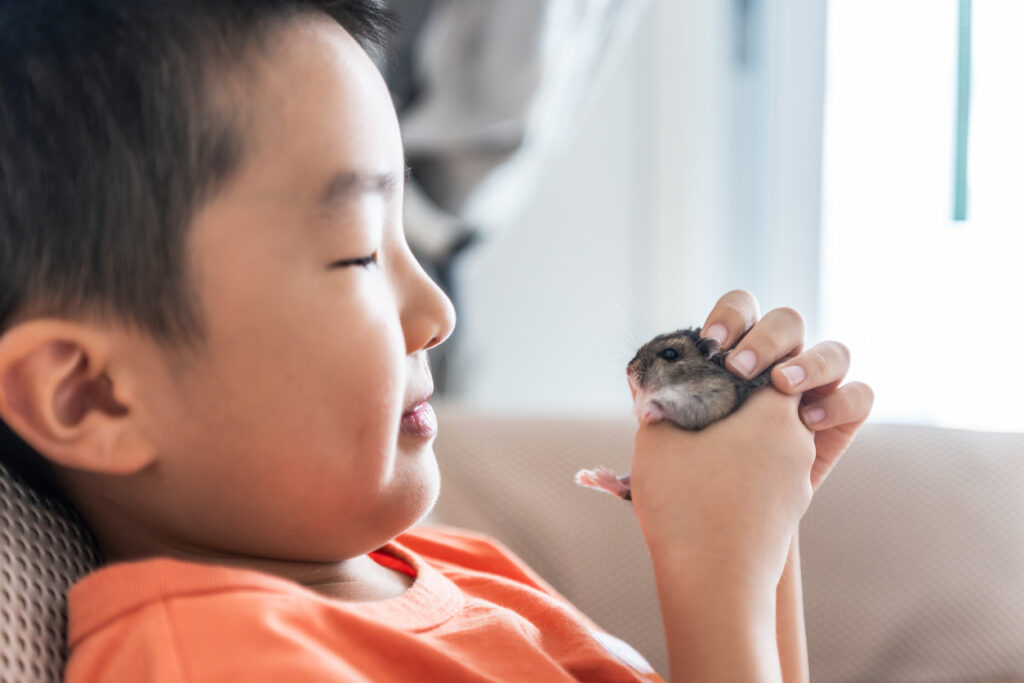
Children who spend time with animals learn to care intuitively, recognizing when a pet is hungry, sleepy or wants attention without being told. Animals inspire children to take responsibility quietly, offering comfort, food or space when needed. The child reads signals through behavior instead of spoken requests, discovering how to respond selflessly. This teaches them that caring is not always about words but about presence, observation and effort. Animals receive care through actions, and children learn to provide it naturally. The relationship grows through these small acts, proving that love can be practiced even without verbal guidance.
Animals Notice Subtle Feelings
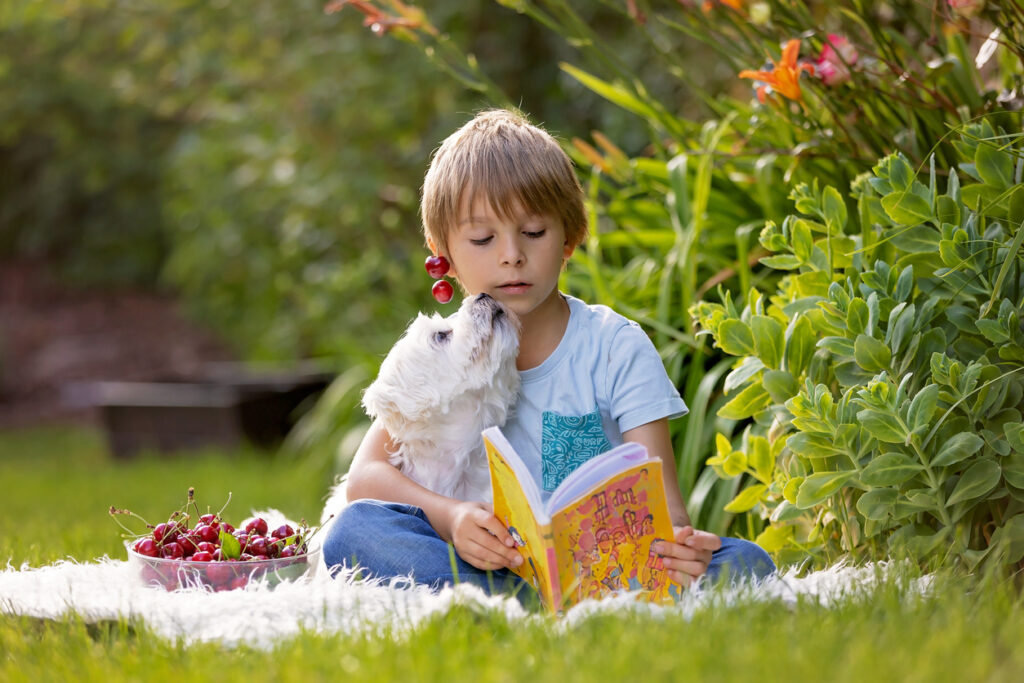
Animals sense emotional changes quickly, and children often react to how animals behave, even before they fully understand their own emotions. If a pet becomes clingy or alert, a child might recognize that something is wrong even without being told. Animals pick up on sadness, anger or excitement, and children respond to those signals instinctively. This creates a cycle of mutual awareness where both pay attention to each other’s moods. Their sensitivity builds quiet communication that helps both feel supported. Without understanding complicated language, they read emotions accurately, forming a bond based on emotional intuition and care.
Silence Teaches Patience
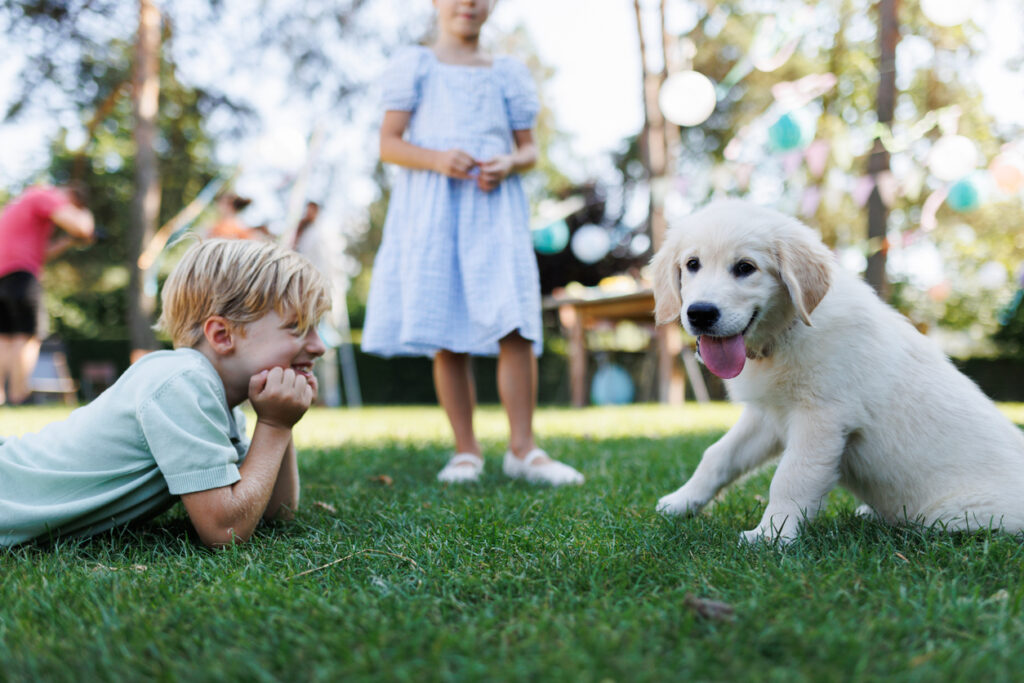
Children learn patience naturally through silent interactions with animals. They wait for a shy pet to come closer, hold still while a bird decides to perch or remain calm while a cat chooses whether to play. Animals set their own pace, and children adapt without needing explanations. Patience becomes something practiced rather than taught through words. Animals guide the rhythm of each moment, and children learn to respect that rhythm. This patience strengthens their connection, showing that meaningful communication often happens slowly. They discover that waiting respectfully can create deeper bonds than rushing or demanding immediate attention.
Animals Offer Comfort Without Advice
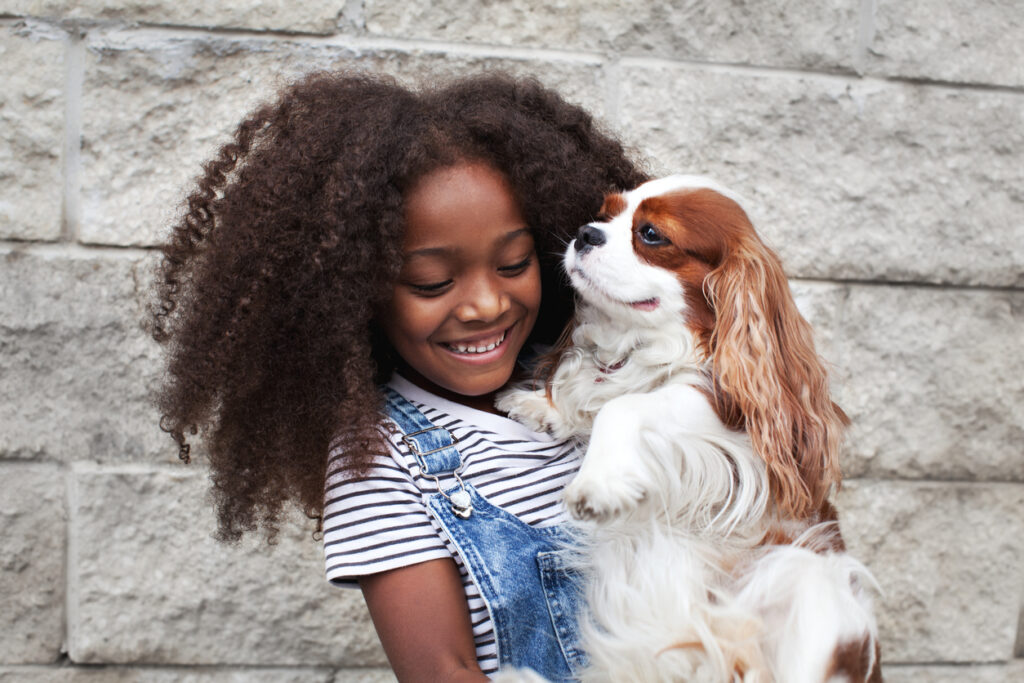
When a child cries, a pet does not respond with instructions, solutions or questions. It simply stays close, sits beside them or rests its head in their lap. This wordless comfort can mean more than verbal reassurance. Children feel supported without pressure to explain what is wrong. Animals accept emotions quietly, allowing kids to process feelings safely. The child learns that comfort is not always about talking, and sometimes quiet presence is enough. This silent empathy builds trust and emotional security. Their bond strengthens through calm companionship, proving that true comfort does not always require spoken answers.
Children Feel Accepted Without Expectations
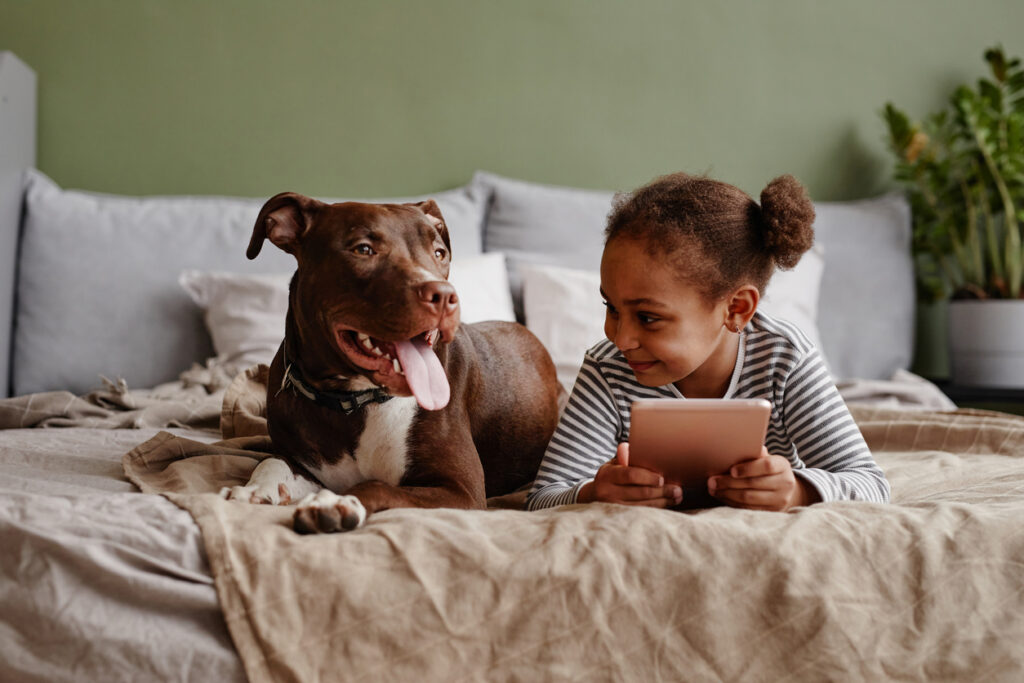
Animals do not expect perfect behavior, proper grammar or polite manners. They accept children as they are, without demanding performance or explanations. Kids feel free to express themselves honestly because animals simply respond to feelings and energy. This acceptance creates a safe emotional space that makes communication easy and natural. The child does not need to prove anything, and the animal does not judge. This mutual acceptance becomes a quiet form of communication, telling the child that they are enough. That feeling builds confidence and encourages genuine connection, showing that love does not need words to feel real.
They Grow Together Through Routine Moments

Daily interactions like feeding, brushing, greeting after school or playing outside become small rituals that strengthen their bond. These repeated moments teach cooperation without needing spoken reminders. Children learn to notice what animals need at different times, and animals recognize familiar actions from the child. These routines create a dependable relationship built on shared patterns instead of long conversations. The child and animal both anticipate each moment with comfort and trust. Over time, these simple rituals become the foundation of their relationship, showing how consistent actions build stronger communication than any speech could.
Their Shared Curiosity Inspires Learning
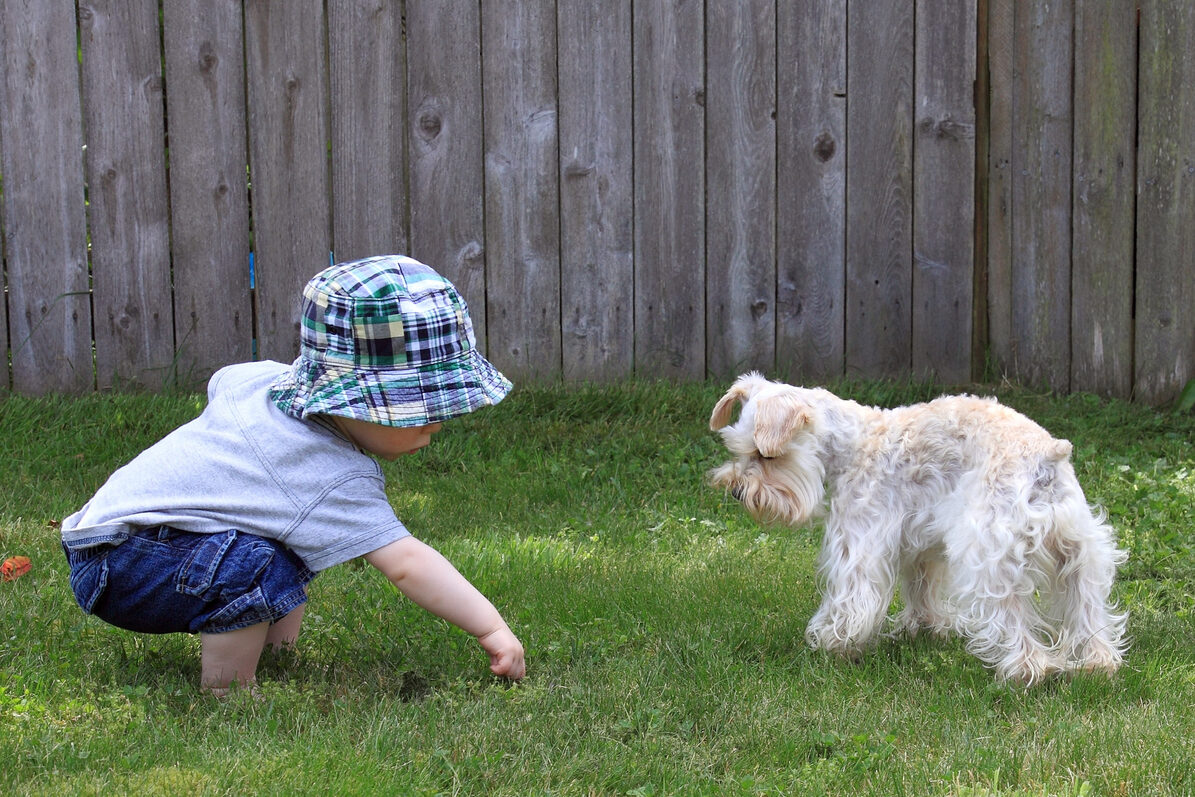
Children and animals often explore the world together, noticing sounds, textures and movement with excitement and wonder. A child might watch bugs with a kitten or follow a butterfly with a dog. Their shared curiosity becomes a silent invitation to discover something new. They do not ask questions out loud, but they learn side by side just by observing. This shared exploration becomes communication through discovery, encouraging learning in a natural and joyful way. They teach each other patience, awareness and appreciation for small details. Together they grow more curious, forming memories that speak louder than words.
Animals Show Loyalty Without Promises
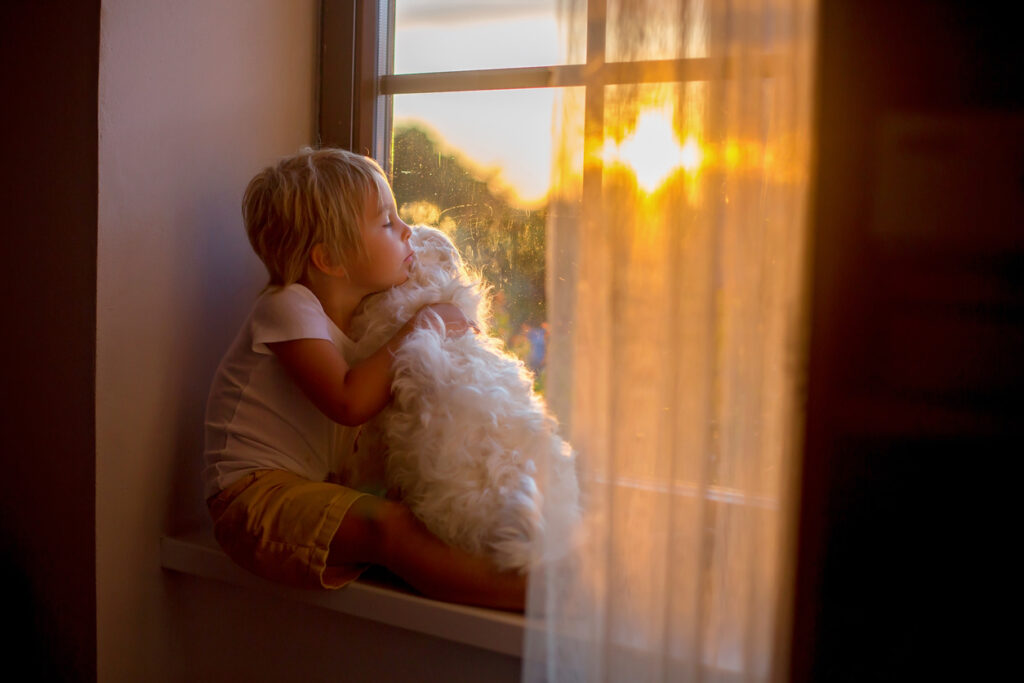
Animals do not promise loyalty, they simply live it through their actions. They follow, snuggle, wait patiently and celebrate a child’s return every day. Children notice this consistency and begin to trust it without needing verbal reassurance. Loyalty becomes something they feel, not something they are told. A pet waiting at the door or resting near a sleeping child expresses a level of devotion that builds security. The child learns what loyalty looks like through real experience instead of explanations. This steady companionship forms a deep emotional connection that words could never fully describe or replace.
Shared Vulnerability Deepens Connection
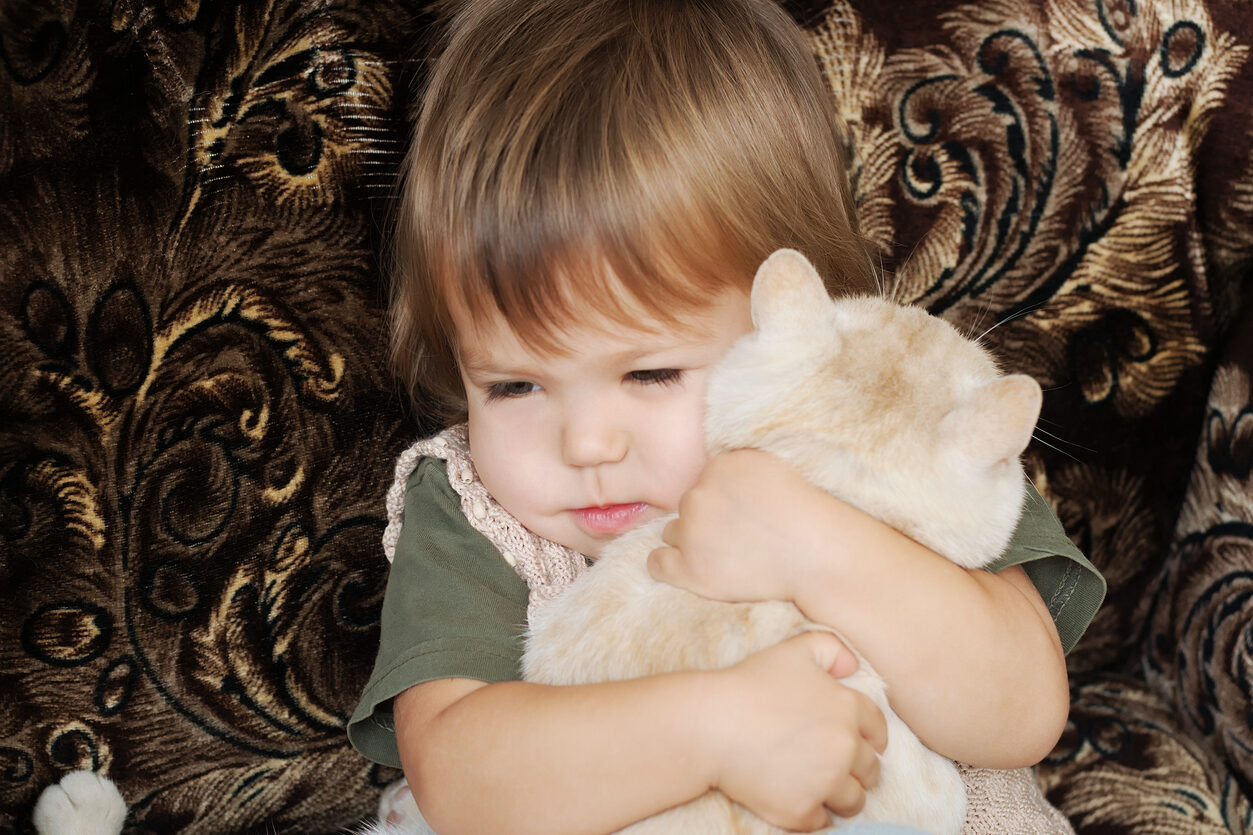
Both children and animals experience moments of vulnerability, and those shared feelings create emotional closeness without any need for speech. A scared child might cling to a gentle pet, and the pet might calmly stay close, offering silent protection. Likewise, a shy animal might seek comfort from a quiet child who moves gently and patiently. Vulnerability becomes an opportunity to trust each other without discussing what they feel. They learn that emotional safety can be created through presence and sensitivity. This connection grows stronger because both offer comfort naturally, understanding fear without needing to speak about it.
They Understand Each Other Through Routine Signals
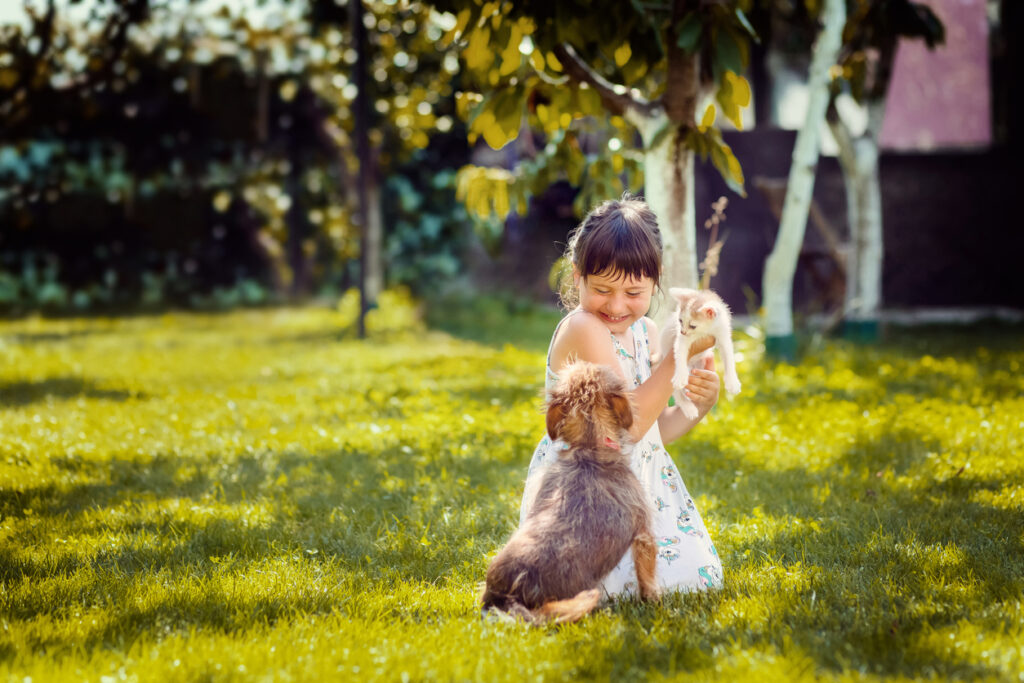
Animals communicate when they want play, food, rest or space through subtle repeated behaviors. Children learn to recognize these signals over time without being told what they mean. A pet bringing a toy, rubbing against legs or curling up quietly sends messages that children begin to understand naturally. Children also create signals through habits, like grabbing a leash, picking up a bowl or sitting with a blanket. Animals respond to these actions without needing instructions. These patterns create a system of communication shaped by habit, making it easy for both sides to understand each other effortlessly.
They Comfort Each Other Through Calm Reactions

A child offering a quiet cuddle or a pet leaning softly against them creates a calm exchange of comfort that feels powerful without any discussion. They sense distress in each other through stillness, not words. A child may stop crying when a dog lays its head nearby, and a nervous pet relaxes when a child gently holds it close. These comforting reactions become their shared language of support. They do not need to explain sadness or fear because they simply soothe one another through presence and contact. Silence becomes healing, proving that emotional care does not require speech.
Love Speaks Loudest Without Words
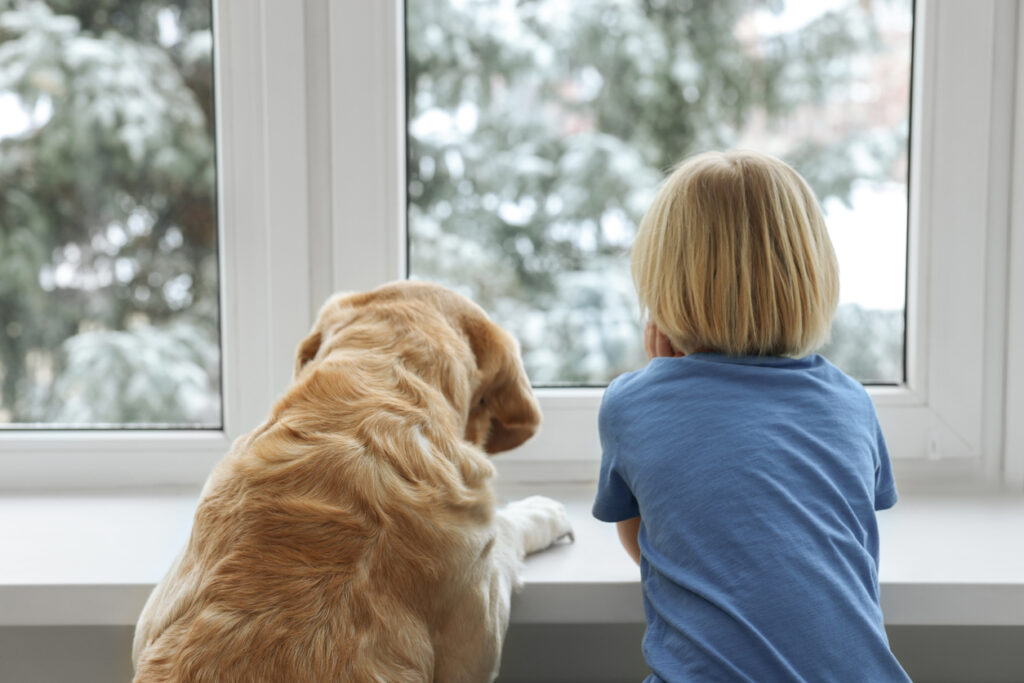
The bond between children and animals shows that love is not limited to conversation. It appears in playful moments, quiet cuddles, patient waiting, shared curiosity and gentle understanding. Their interactions are full of meaning even when nothing is spoken. Love becomes something they feel and show through action, expression and calm presence. This silent bond reveals that true connection is built from care, not vocabulary. If we paid closer attention, we would see how much communication happens without speaking. Their connection reminds us that love can speak more clearly in silence than in carefully chosen words. If this warmed your heart, share it with someone who believes love should be seen, felt and lived, not just spoken.
This story Why Children and Animals Communicate Without Words was first published on Daily FETCH


