
1. She Earned a Master’s Degree in London
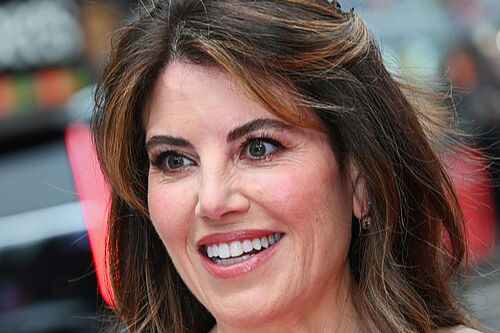
Monica Lewinsky became one of the most widely recognized names of the 1990s, but her life after the scandal took a very different path from the headline-driven chaos that first brought her into the public eye. After years of being unable to live a normal life in the United States due to intense public scrutiny, Monica Lewinsky moved to the United Kingdom in the early 2000s to pursue higher education. She earned a Master of Science degree in Social Psychology from the London School of Economics in 2006. Her thesis reportedly explored social stigma, a subject closely tied to her own lived experience. Lewinsky has said the time in London allowed her to reclaim privacy, live more anonymously, and focus on rebuilding her intellectual and personal identity. This academic experience became an anchor for her later work on anti-bullying, digital culture, and online harassment.
2. She Became a Public Speaker on Cyberbullying
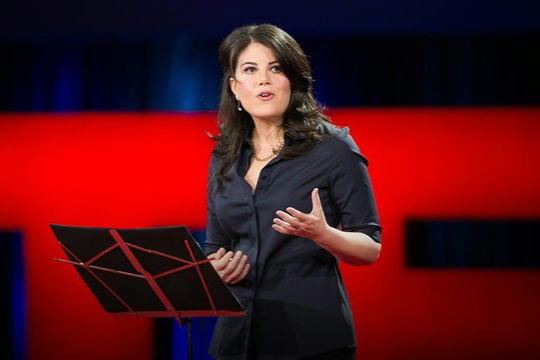
Drawing from her own history of extreme public shaming, Lewinsky emerged in the 2010s as a leading voice on cyberbullying and online harassment. Her 2015 TED Talk, titled “The Price of Shame,” went viral globally and has now been viewed millions of times. In it, she spoke candidly about surviving one of the earliest examples of worldwide digital shaming, noting how the internet amplified her humiliation in ways the world had never seen before. She now regularly speaks at conferences, schools, and tech industry events about mental health, compassion online, and the need for more responsible digital ecosystems. Her advocacy helped reframe public understanding of what she went through and how it connects to modern online behavior.
3. She Collaborated on ‘American Crime Story: Impeachment’

Lewinsky served as a producer for the 2021 FX series “Impeachment: American Crime Story,” which dramatized the events of the scandal and its fallout. Her involvement ensured that the storytelling included her perspective and corrected inaccuracies that had long persisted in popular culture. She worked closely with the writers to provide real-life details, and she spoke publicly about how difficult it was to revisit painful moments from her early adulthood. The series brought renewed attention to power dynamics, media scrutiny, and the treatment of young women in political scandals. Lewinsky described the project as both emotionally challenging and an important opportunity to reclaim her narrative.
4. She Became a Writer and Cultural Commentator

Over the last decade, Lewinsky has published widely read essays in outlets like Vanity Fair, where she eventually became a regular contributing editor. Her writing often blends personal reflection with cultural analysis, including pieces about shame, power, privacy, and the evolution of public opinion. Her 2014 essay “Shame and Survival” marked a major return to the public conversation and helped shift public perceptions about her story. In interviews, she has said that writing allowed her to articulate the emotional toll of her experience while also connecting it to larger societal trends. Her work is frequently cited in discussions about digital culture and restorative justice.
5. She Works as an Anti-Bullying Advocate
Lewinsky has become a recognized advocate for anti-bullying causes, partnering with organizations and campaigns dedicated to online safety. She joined forces with Bystander Revolution, a group focused on encouraging small acts of kindness to reduce bullying in daily life. She has also appeared in public service announcements and social media campaigns urging people to think before posting or sharing harmful content. Lewinsky often emphasizes that young people today face pressures that did not exist during her own crisis, including instant viral exposure. Her advocacy stresses empathy, accountability, and healthier digital habits for both teens and adults navigating always-on social platforms.
6. She Became a Leading Voice on Public Shaming Culture
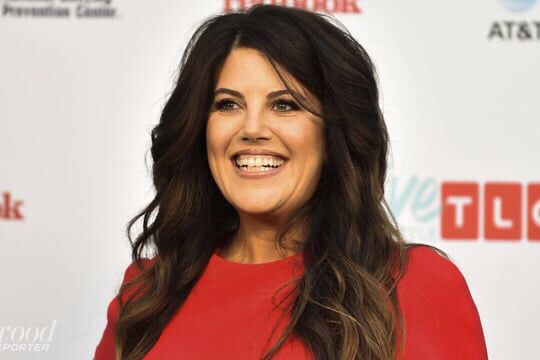
Monica Lewinsky’s experience placed her at the center of one of the earliest global scandals of the internet age, and she later used that painful history to help society understand the mechanics of shame. In essays, interviews, and speeches, she has examined how humiliation became a commodity in online media, where clicks and shares often reward cruelty. Her message is that people should rethink how they participate in digital pile-ons and snap judgments. She frequently highlights the mental health consequences faced by targets of viral shaming, including anxiety, depression, and isolation. Lewinsky’s work helped popularize the broader conversation around compassion online and made her one of the most recognized critics of public humiliation in the modern era.
7. She Consulted With Tech Companies on Safety Issues
Lewinsky’s insights into online harassment led to collaborations with technology groups focused on improving user safety. While many details remain private, she has been invited to speak at internal events for major Silicon Valley companies about the importance of empathy in online design and moderation. Her talks often stress that developers and platform leaders must consider the real human impact behind digital interactions. She has argued that online ecosystems can amplify harm if not properly monitored and has encouraged companies to embed compassion-driven policies. Her perspective carries weight because few public figures have experienced extreme online backlash at the scale she did in the early internet era.
8. She Took Part in Social Impact Campaigns

Over the years, Lewinsky joined multiple campaigns centered on kindness, mental health, and digital responsibility. One widely shared example was her 2019 anti-bullying video, which used silence and emotional imagery to encourage viewers to rethink hurtful behavior online. She also supported campaigns tied to World Mental Health Day and National Bullying Prevention Month, using her platform to reach younger audiences. Her participation in these initiatives underscored how her public identity shifted from scandal to social good. Many of these campaigns framed her as a symbol of survival and resilience, helping people see her through a more empathetic lens.
9. She Became a Fashion Brand Ambassador Briefly

In the early 2000s, before stepping back into the public eye through activism, Lewinsky experimented with several business ventures, including a short-lived role in fashion marketing. She appeared in a small number of advertisements for Jenny Craig in 2000, a campaign that drew significant media attention. Although the partnership ended earlier than planned, the experience marked one of her first attempts to move forward professionally despite intense public pressure. The campaign also highlighted how difficult it was for her to reenter the workforce at a time when nearly every move she made generated scrutiny. It remains one of the lesser-known chapters in her post-scandal life.
10. She Testified Before Congress on Cyberbullying
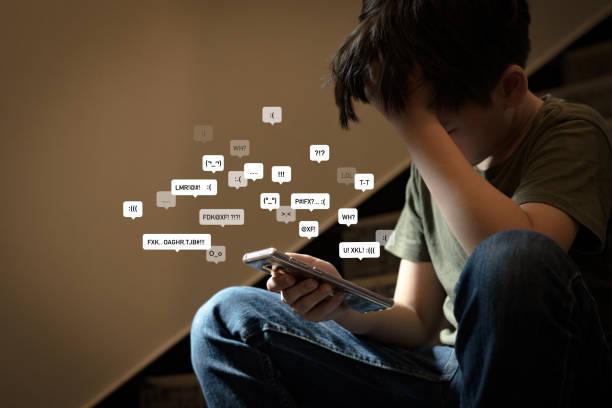
In 2022, Lewinsky participated in congressional discussions about online safety, misinformation, and the harms of cyberbullying. She presented her personal experiences as a framework for understanding what unchecked digital harassment can do to a young person’s mental well-being. Her testimony helped lawmakers see the long-term effects of public humiliation and the responsibility platforms have to create safer spaces. She emphasized that today’s teens encounter risks that barely existed during her own ordeal, making preventive strategies even more urgent. Her involvement in these hearings reflected her growing role as a respected voice in national conversations about digital ethics and emotional health.
11. She Became an Advocate for Mental Health Awareness

Monica Lewinsky has often spoken publicly about the emotional fallout she experienced during and after the scandal, noting the severe depression and anxiety that shaped her early adulthood. Because of this, she later aligned herself with mental health causes, encouraging people to seek help and reduce stigma around therapy. She frequently highlights how public humiliation can lead to long-term psychological stress, especially when amplified by the internet. Lewinsky’s perspective resonates with younger generations who face cyberbullying and online pressure at much earlier ages. Her advocacy is grounded in lived experience, giving her credibility in discussions about emotional resilience and recovery. Over time, she became a recognizable figure within global mental health conversations.
12. She Returned to Television for Awareness Projects

Although Lewinsky largely avoided entertainment roles after the scandal, she made selective TV appearances tied to causes she deeply cares about. She participated in documentaries examining public shaming, digital behavior, and media ethics. One notable example was her appearance in the 2018 HBO documentary “The Price of Shame,” which expanded on the themes from her TED Talk. These appearances were not for celebrity visibility but for educating viewers about how digital culture changed since the 1990s. Through these projects, she aimed to shift the conversation toward empathy and responsible media consumption. Her involvement helped spark renewed reflection on how society treats people who become the focus of widespread scrutiny.
13. She Became a Notable Social Media Presence
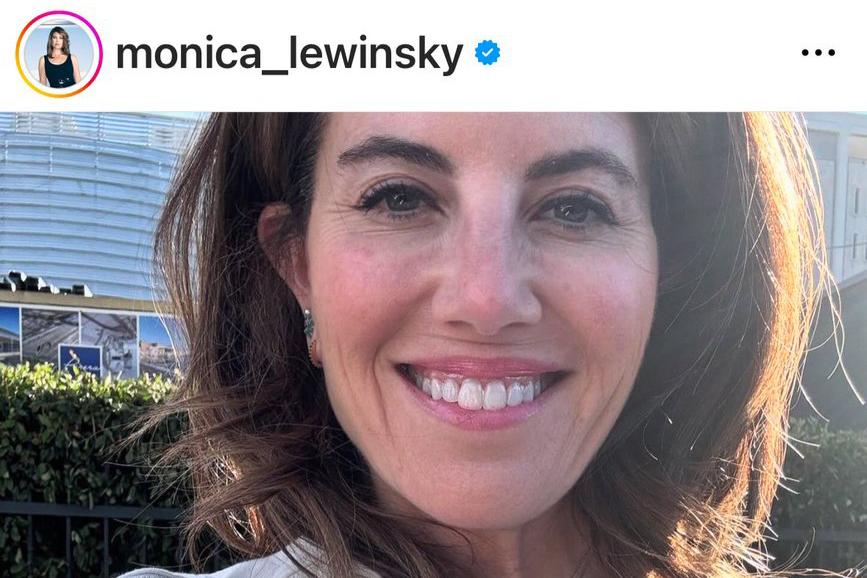
Over time, Lewinsky developed a thoughtful, often humorous presence on social media platforms, especially Twitter (now X) and Instagram. Her posts blend advocacy with self-awareness, and she often uses concise, witty comments to address the broader cultural conversations happening online. This approach helped reshape her public image, showing a person who could acknowledge her past while still fully participating in modern digital dialogue. She also uses her accounts to amplify anti-bullying messages, highlight mental health resources, and share updates about her projects. Lewinsky’s social media has become an example of how someone can reclaim their voice after years of being defined by others.
14. She Launched the “#DefyTheName” Campaign
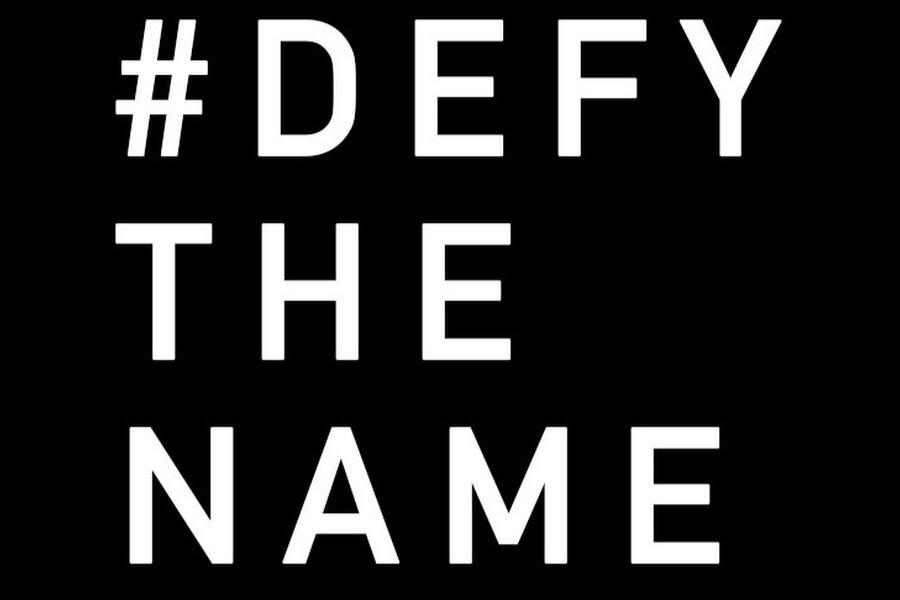
In 2018, Lewinsky partnered with several organizations to launch the “#DefyTheName” campaign, which focused on helping teens rise above name-calling and verbal harassment. The initiative encouraged people to post videos confronting hurtful labels used against them, transforming insults into messages of strength. The campaign drew participation from celebrities, activists, and students, all sharing personal stories of overcoming bullying. Lewinsky explained that reclaiming one’s narrative is a powerful step in healing from public or private shame. Her leadership in #DefyTheName positioned her as a trusted figure in anti-bullying work and expanded her reach to younger audiences who face online harassment daily.
15. She Became a Producer for Multiple Media Projects

Following her role in “Impeachment,” Lewinsky continued expanding her work behind the scenes as a producer. She collaborated on documentaries and scripted projects centered on shame culture, digital behavior, and social compassion. Her goal has consistently been to encourage more nuanced portrayals of people caught in public controversies. Lewinsky has said she wants to use storytelling to spark empathy and reduce the quick judgment mentality that dominates online spaces. Her work in production also represents a full-circle moment, allowing her to shape cultural narratives rather than being shaped by them. Each project reflects her ongoing mission to use her experience for meaningful change.
16. She Wrote About Power Dynamics in the Workplace

Monica Lewinsky has increasingly emphasized the importance of discussing workplace power imbalances, especially between older authority figures and young employees. In essays and interviews, she has reflected on how she was only 22 at the time of the scandal and how that age difference shaped the dynamic. She connects her experience to broader conversations about consent, vulnerability, and the responsibilities leaders hold in professional spaces. Her writing on these issues has been used in academic and cultural discussions to illustrate how public narratives often overlook the structural inequalities behind headline-making events. By reframing her story in this context, she helped shift focus toward more empathetic and nuanced understandings of similar situations.
17. She Reentered the Public Sphere on Her Own Terms
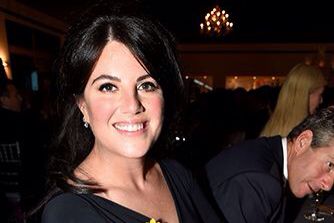
After more than a decade spent largely out of the spotlight, Lewinsky made a conscious choice to reappear publicly in the mid-2010s. She has described this period as a turning point, when she realized she could either continue living in silence or use her experience to help others. Her decision to speak out was shaped by rising concerns about cyberbullying and a growing recognition that her story carried new relevance in the digital age. This reentry was deliberate and self-directed, signaling that she would define her future rather than letting past events define her. The shift ultimately changed how many people viewed her personal journey.
18. She Advocated for Responsible Media Coverage

Lewinsky became a strong critic of sensationalist reporting, urging journalists and media outlets to adopt more ethical standards when covering scandals and individuals. She frequently points to her own story as an example of how media amplification can escalate personal crises into global spectacles. Lewinsky has addressed journalism schools, appeared at media ethics events, and written essays urging reporters to consider the human consequences behind every headline. Her advocacy contributed to larger conversations about the responsibilities of newsrooms in the age of instant virality. She encourages a reporting culture that prioritizes accuracy, empathy, and restraint rather than exploitation.
19. She Supported Initiatives for Safer Online Practices

In recent years, Lewinsky has backed several initiatives geared toward reducing online toxicity, including partnerships focused on digital wellness for teenagers. She has worked with groups promoting stronger platform accountability and better content moderation practices. Lewinsky emphasizes that online spaces can be constructive and supportive if users and platforms commit to healthier norms. Her efforts include participating in educational workshops and advocating for clearer guidelines that protect people from targeted harassment. Her ongoing involvement in these initiatives reinforces her belief that everyone has a role to play in making the internet safer and more humane.
20. She Collaborated With Mental Health Organizations

Lewinsky’s mental health advocacy expanded through partnerships with organizations dedicated to helping young people cope with stress, shame, and online pressure. She has participated in fundraising events, awareness campaigns, and public discussions aimed at improving access to mental health support. Her involvement often includes personal testimony about the importance of seeking help during difficult periods. These collaborations highlight her commitment to ensuring others do not feel as isolated as she did during her most challenging years. Over time, she became a reassuring voice within youth mental health spaces, encouraging open dialogue and community support.
21. She Participated in Academic and Policy Panels

Lewinsky has been invited to speak at universities, policy institutes, and digital ethics forums around the world. These panels often focus on public shaming, online behavior, and the long-term impact of media exposure. Her firsthand experience provides a unique case study for scholars examining how the early internet shaped modern patterns of viral scandal. She has spoken alongside researchers, journalists, and policymakers, offering insights into how empathy and regulation can create safer digital environments. Her presence at these events signals how far she has come from being a tabloid figure to being valued for her perspective on digital citizenship and emotional well-being.
22. She Became a Symbol of Cultural Reassessment

In the 2010s and 2020s, as society reevaluated past scandals through a modern lens, Lewinsky’s story resurfaced with new context. Commentators and historians began examining how gender bias, power structures, and media sensationalism shaped the public’s understanding of her in the 1990s. Documentaries, long-form essays, and academic studies often cite her experience to show how a young woman was unfairly portrayed and scapegoated. This cultural shift helped humanize Lewinsky for a new generation that views the scandal as part of a broader conversation about fairness and empathy. Her willingness to engage with these discussions has positioned her as an important figure in reexamining the past.
23. She Worked Toward Reclaiming Her Public Identity
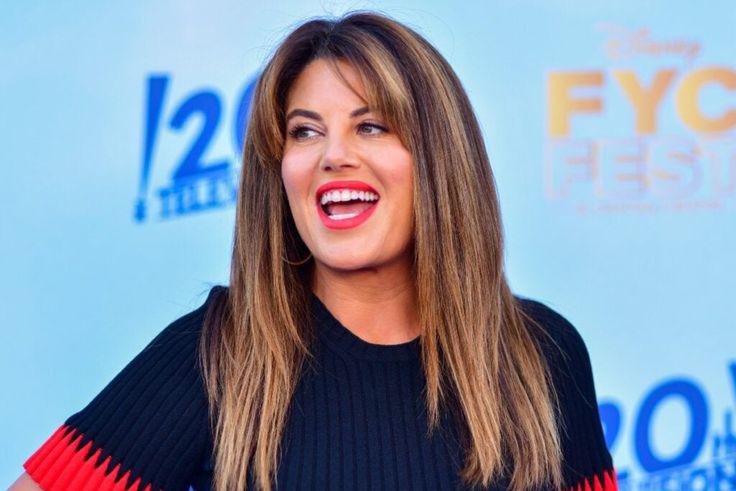
A key theme of Lewinsky’s post-scandal life is the work she did to reclaim her identity from decades of jokes, headlines, and assumptions. Through writing, speaking, and advocacy, she slowly reshaped how people perceived her, prioritizing honesty and emotional clarity. She has spoken about the difficulty of letting go of a narrative that the world wrote for her before she had a chance to respond. Over time, she gained respect for her resilience and willingness to confront painful history openly. Her journey became an example of how someone can rebuild a public life through purpose, reflection, and courage.
24. She Used Storytelling as a Tool for Change

Lewinsky has said repeatedly that storytelling, through essays, TV projects, and public speeches, allowed her not only to heal but also to contribute something meaningful to society. She harnessed narrative to illuminate the human cost of shame, bullying, and online cruelty. By telling her story thoughtfully and publicly, she gave others permission to share their own. Her work shows how personal narratives can shape cultural conversations, especially when they highlight lessons about compassion, accountability, and dignity. This storytelling-centered approach remains at the heart of her advocacy and professional work.
25. She Built a Life Outside the Public Eye as Well

While Lewinsky became increasingly visible for her activism and commentary, she also maintained a deeply private personal life. She has spoken sparingly about relationships, family, and day-to-day routines, often noting that privacy became one of her most valued possessions after living through such intense public exposure. She keeps certain parts of her life intentionally separate from her advocacy work, allowing herself room to grow without constant scrutiny. This balance between public purpose and personal boundaries reflects the hard-earned lessons of her early twenties and shows how she continues to shape a life defined by more than the events that once overshadowed it.
Monica Lewinsky’s journey after the scandal is a story of resilience, reinvention, and purpose. She transformed one of the most painful experiences a young person could face into a mission to help others navigate a world where judgment spreads faster than ever.
This story Whatever Happened to Monica Lewinsky After the Scandal? was first published on Daily FETCH


