
1. He Went From Hitmaker to Risk
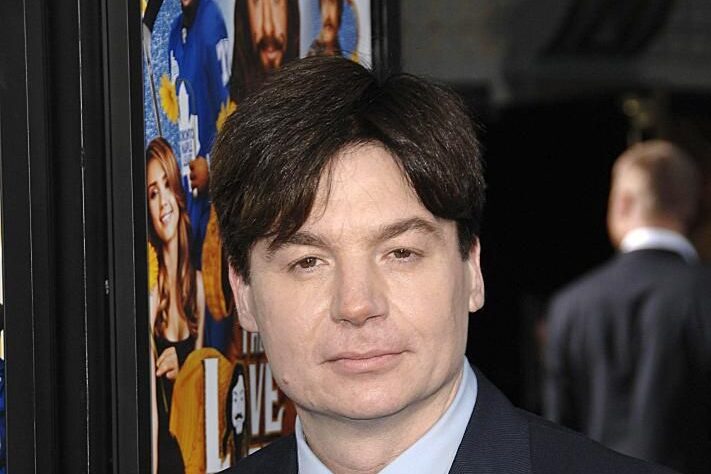
Mike Myers was once unstoppable, thanks to Wayne’s World, Austin Powers, and Shrek. Each project showed his ability to create unforgettable characters and build franchises almost single-handedly. But the very thing that made him unique also made him vulnerable. Once his brand of humor stopped connecting, he had no backup lane to rely on. Instead of being seen as a safe bet, studios began to view him as unpredictable, someone who could either deliver a huge hit or a costly flop. In Hollywood, that shift from hitmaker to risk is often enough to slow down even the biggest careers.
2. The Love Guru Flopped Hard
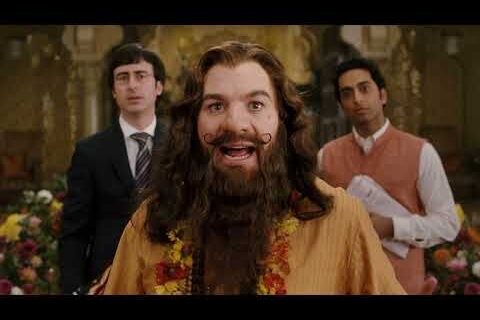
In 2008, Myers released The Love Guru, which was expected to be his next big comedy after years of success. Instead, it was a disaster. Critics panned it as unfunny and offensive, audiences stayed away, and the film bombed financially. The backlash was so strong that Myers won a Razzie Award for Worst Actor, and the movie became a cautionary tale in comedy. After such a public failure, studios were understandably hesitant to invest in another Myers-led project. One flop might be survivable, but this one was big enough to seriously damage his career momentum.
3. He Gained a Difficult Reputation
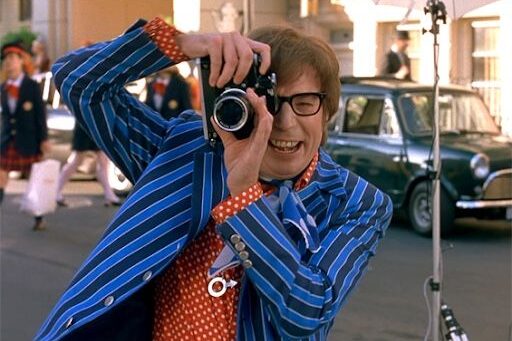
Behind the scenes, Myers earned a reputation for being a perfectionist who could be tough to work with. Former collaborators have described him as demanding and controlling, with very specific ideas about how things should be done. While that drive helped create iconic characters like Austin Powers and Shrek, it also made working with him stressful for others. In a business where time is money, producers often prefer actors who keep things smooth and efficient. Myers’ reputation for clashing with colleagues made him less appealing, especially once his star power wasn’t guaranteed to outweigh the difficulties.
4. He Became Incredibly Selective
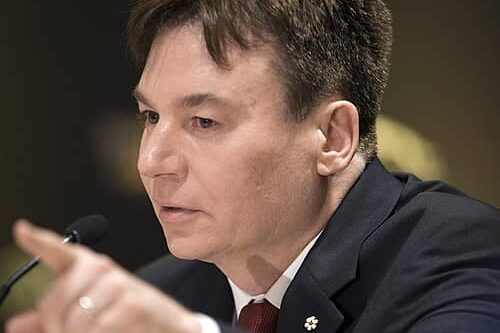
Unlike many stars who try to strike while the iron is hot, Myers often said no to projects. After his early 2000s peak, he reportedly turned down a wide range of roles, holding out for the perfect part. But Hollywood moves fast, and when actors disappear from screens for too long, audiences move on. By being overly selective, Myers created long gaps in his career that made him seem less bankable. Producers want stars who stay visible and relevant, and his absences signaled that he wasn’t interested in playing by the industry’s usual rules.
5. He Took a Long Hiatus
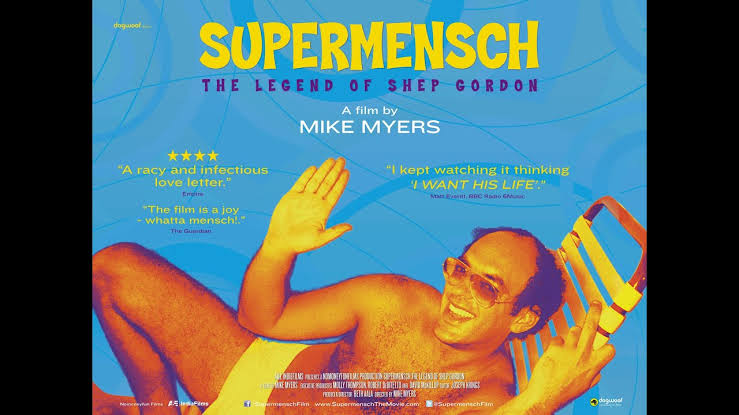
For nearly a decade, Myers largely stepped away from the spotlight, focusing on his family, passion projects, and directing. While he still voiced Shrek in sequels, he didn’t appear much on camera. His most notable side project during this time was a documentary about Shep Gordon, which showed his creative side but didn’t keep him in mainstream audiences’ minds. In Hollywood, momentum is everything, and Myers’ extended break meant new comedians were rising while he stayed quiet. By the time he tried to return, the landscape had changed, and he no longer had the same hold on audiences.
6. Comedy Styles Moved On
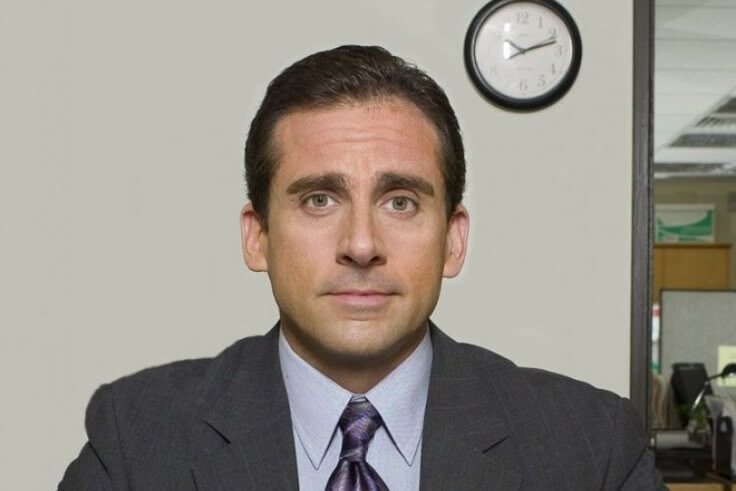
Mike Myers’ comedy relied heavily on big characters, silly accents, and memorable catchphrases, an approach that defined the ’90s and early 2000s. But as comedy evolved, audiences leaned toward more natural, improv-heavy, or edgy styles. Stars like Steve Carell, Seth Rogen, Kristen Wiig, and Tina Fey brought in a new wave of humor that felt more grounded and current. Myers’ brand of broad parody began to feel dated, especially to younger viewers who hadn’t grown up with Austin Powers. The shift in audience taste meant that what once made him iconic no longer guaranteed laughs at the box office.
7. His Comebacks Didn’t Land
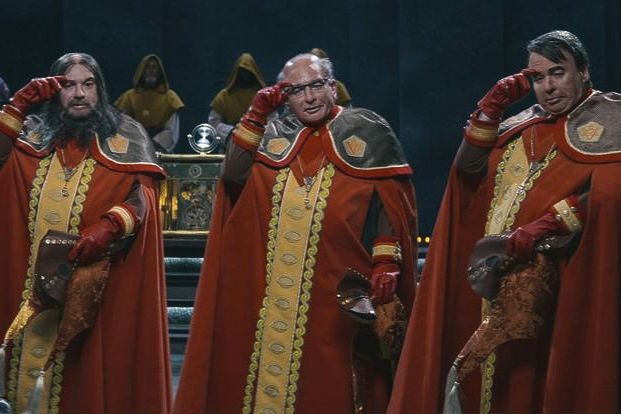
Myers has made attempts to return, but none have reignited his old magic. His cameo as a record executive in Bohemian Rhapsody was a fun nod to Wayne’s World but didn’t signal a true comeback. Later, his 2022 Netflix series The Pentaverate gave him multiple roles to play, classic Myers style, but it failed to gain much traction with audiences or critics. The problem wasn’t effort but timing. By the time he tried to return, comedy had changed so much that his familiar formula struggled to connect, especially with a generation unfamiliar with his earlier hits.
8. Hollywood Changed Too
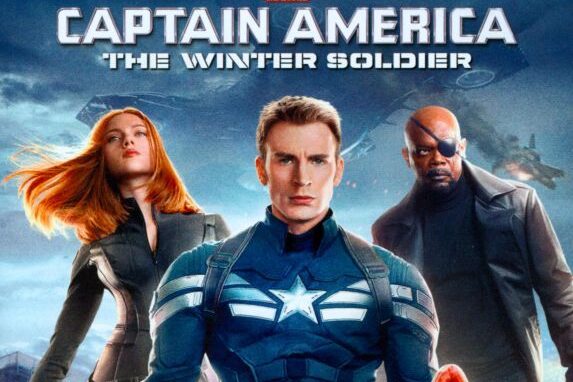
When Myers was at his peak, a single comedic actor could carry an entire movie, just as Eddie Murphy or Jim Carrey once did. But today’s Hollywood is different. Studios now put their biggest bets on shared universes, superhero films like the famous captain America, or ensemble comedies. Myers’ success was always tied to unique characters he created and played himself, which doesn’t easily fit into the current model of storytelling. Without a franchise tailor-made for him, he has had a hard time finding a space in today’s system, even though his talent remains undeniable.
9. He’s Still Loved, Just Not Needed
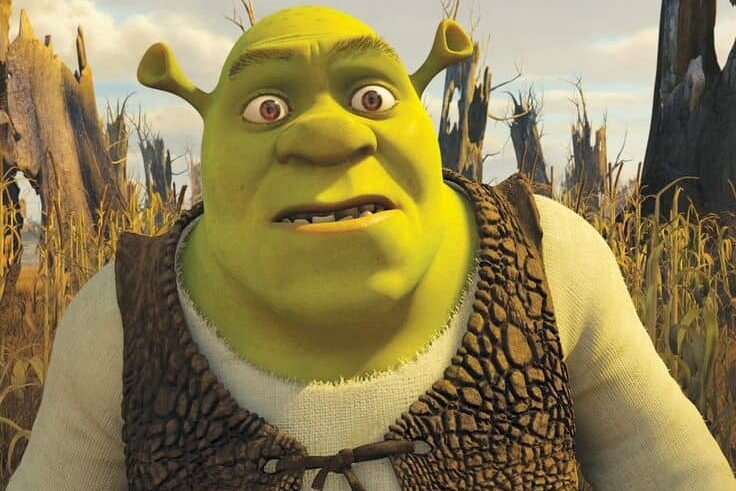
Even if he’s no longer a Hollywood staple, Myers’ legacy remains strong. Shrek continues to be a cultural touchstone for kids and adults alike, while Austin Powers is still quoted and parodied decades later. Fans who grew up with his movies remember him fondly, and his characters remain some of comedy’s most recognizable. The challenge is that love from audiences doesn’t always translate to new roles. Hollywood sees him as a risk, and until he delivers another major hit, he’s more likely to stay celebrated for what he’s already done than for what’s next.
This story 9 Real Reasons Hollywood Stopped Casting Mike Myers was first published on Daily FETCH


