
1. What Alone Frozen Teaches Us
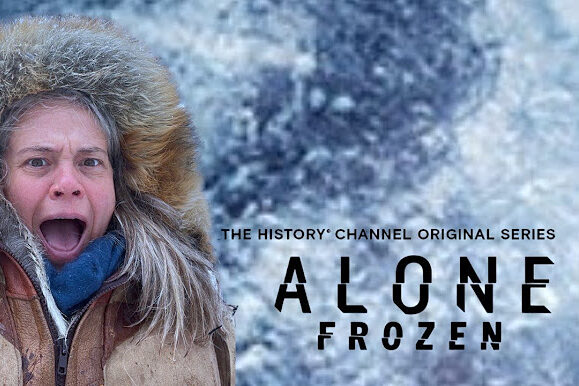
The spinoff Alone: Frozen places skilled survivalists in the unforgiving Arctic, where temperatures plunge and resources are scarce. Each contestant is limited to just 10 tools, forcing them to rely on knowledge, discipline, and grit. While most of us won’t face such extremes, the lessons seen on the show can apply to real-life emergencies, like a car breaking down in a snowstorm or getting lost while hiking in cold weather. Staying warm, finding water, and keeping calm aren’t just TV drama; they’re practical skills that could save your life when conditions turn dangerous and help doesn’t arrive right away.
2. Dress in Layers
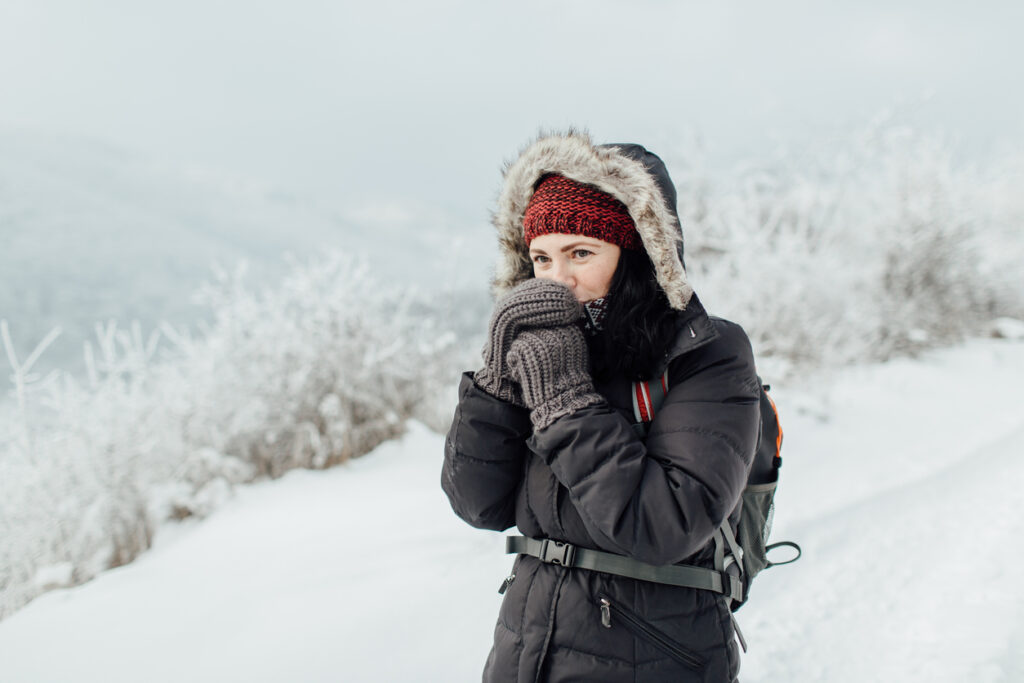
When facing cold weather, layering clothes is one of the most effective ways to stay warm. A thin base layer wicks away sweat, a middle layer like fleece traps body heat, and an outer waterproof layer shields against wind and moisture. This method keeps warmth circulating without trapping dampness, which can quickly lead to hypothermia. In contrast, one bulky coat might seem warm but fails if it gets wet or doesn’t allow for ventilation. Even hikers and skiers use this approach daily, proving it’s not just for survival shows. Whether outdoors for hours or stranded in a storm, dressing in layers can make the difference between staying safe and putting yourself at risk.
3. Find Natural Shelter Quickly
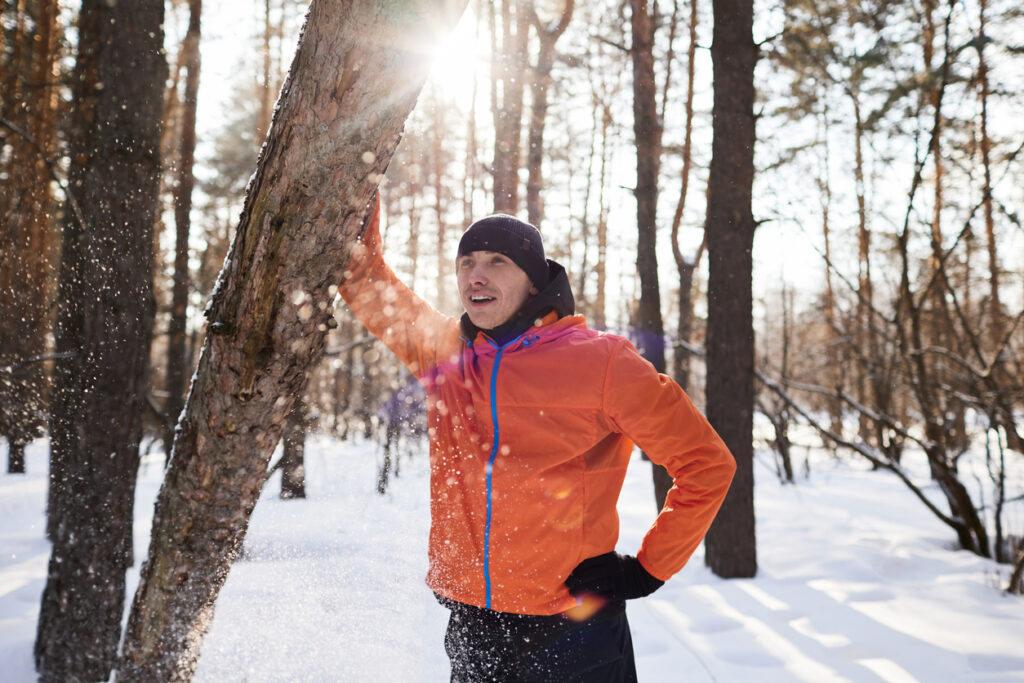
Shelter is often the first priority in survival because exposure to the elements can be deadly within hours. On Alone: Frozen, participants often seek natural shelters like fallen trees, overhangs, or snowbanks before attempting anything else. These natural formations can block wind, reduce exposure to rain or snow, and give the body a chance to retain heat. In real life, hikers caught in a sudden storm can use similar strategies, even if it’s just ducking under dense evergreen branches or positioning against a rock wall. The goal is always to create a barrier between yourself and the weather, buying time until you can build a fire, set up gear, or signal for help.
4. Pack Calorie-Dense Snacks
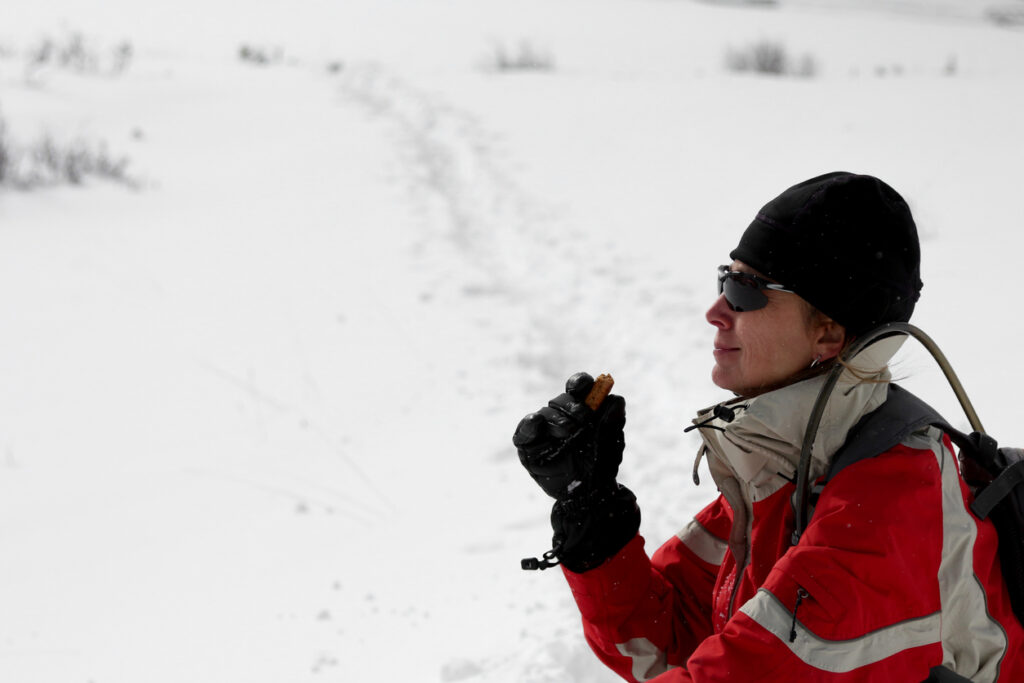
Energy is fuel for survival, and in freezing conditions, the body burns calories much faster just to stay warm. That’s why calorie-dense snacks like trail mix, nut butters, and energy bars are invaluable. On the show, participants often struggle with food shortages, which drain strength and morale. For everyday adventurers, tossing a few high-fat snacks into a backpack could provide the boost needed to keep moving or stay warm until rescued. Unlike bulky meals, these foods are lightweight, easy to store, and deliver a high payoff in both energy and mental focus. Even a single protein bar can be the difference between exhaustion and endurance when you need it most.
5. Use Snow or Ice Safely
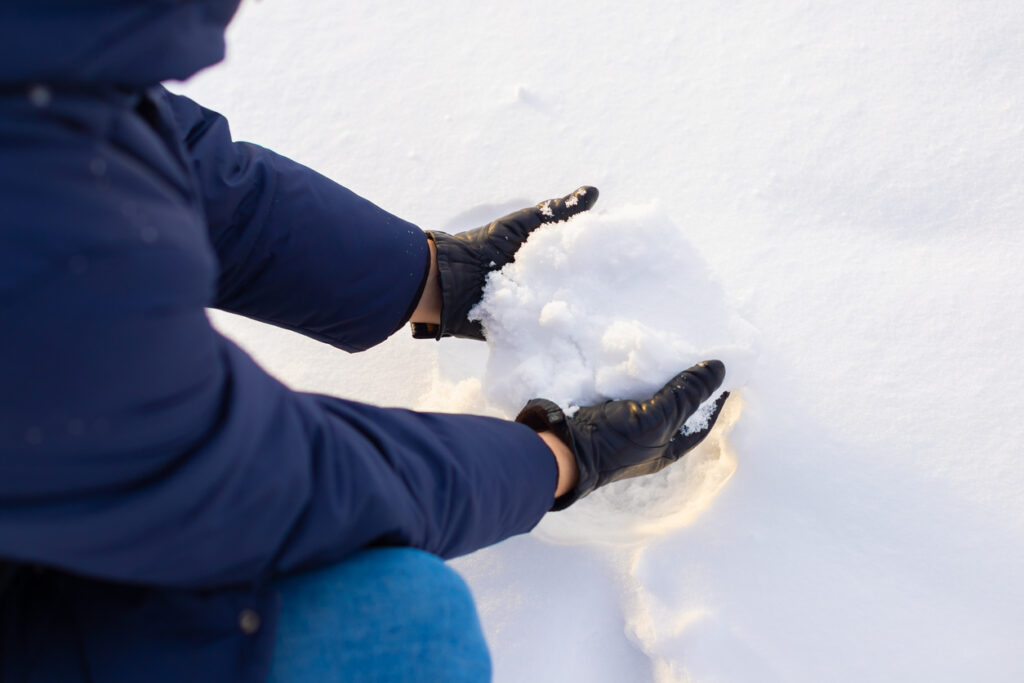
Water is essential, but in icy conditions it must be used wisely. Fresh white snow can be melted for safe drinking water, but eating snow directly is a mistake, it rapidly lowers body temperature and drains precious energy. Contestants on Alone: Frozen know this well, carefully collecting clean snow or ice to melt over a fire or inside containers. For anyone stranded in winter, the same rule applies: melt before drinking. Carrying a small metal cup or even using body heat in a container inside a jacket can do the trick. The key lesson is to stay hydrated without sacrificing warmth, because both are equally critical to survival.
6. Check for Early Frostbite Signs
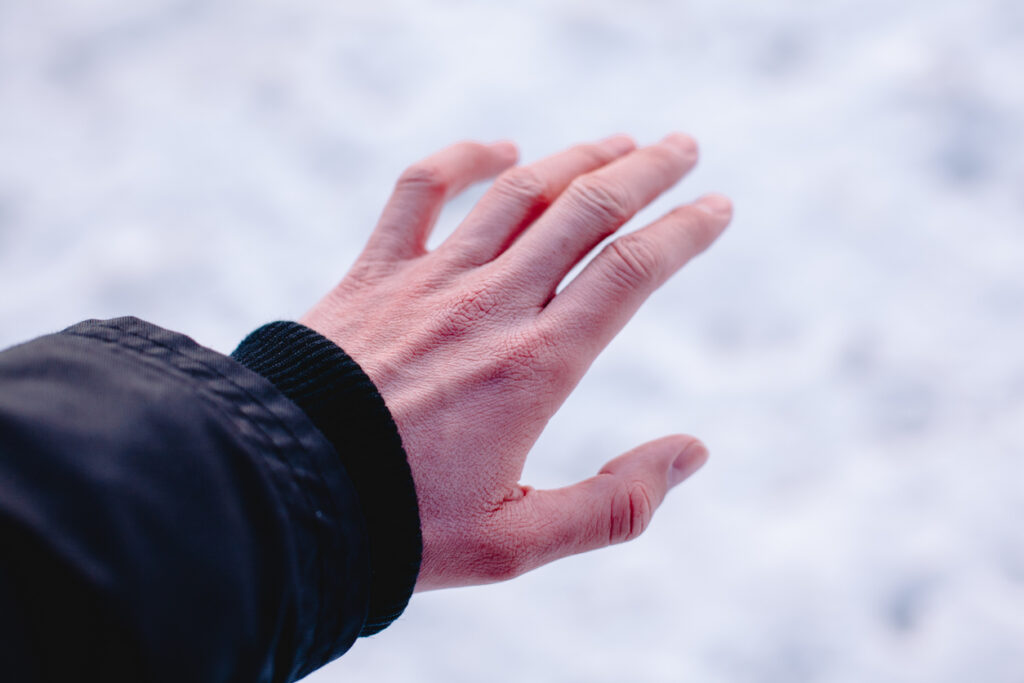
Frostbite can set in faster than most people realize, especially when skin is exposed to freezing wind or damp conditions. The earliest warning signs are numbness, tingling, or pale and waxy-looking skin, often on fingers, toes, ears, or the nose. On Alone: Frozen, survivalists constantly check their extremities because once frostbite advances, damage can be permanent. In everyday situations, warming up quickly is crucial: cover exposed areas, add dry layers, or tuck hands under armpits. For hikers or travelers, recognizing these symptoms early could prevent lasting injury. Awareness and fast action can be the difference between temporary discomfort and a serious medical emergency.
7. Fire Is for Warmth and Signal
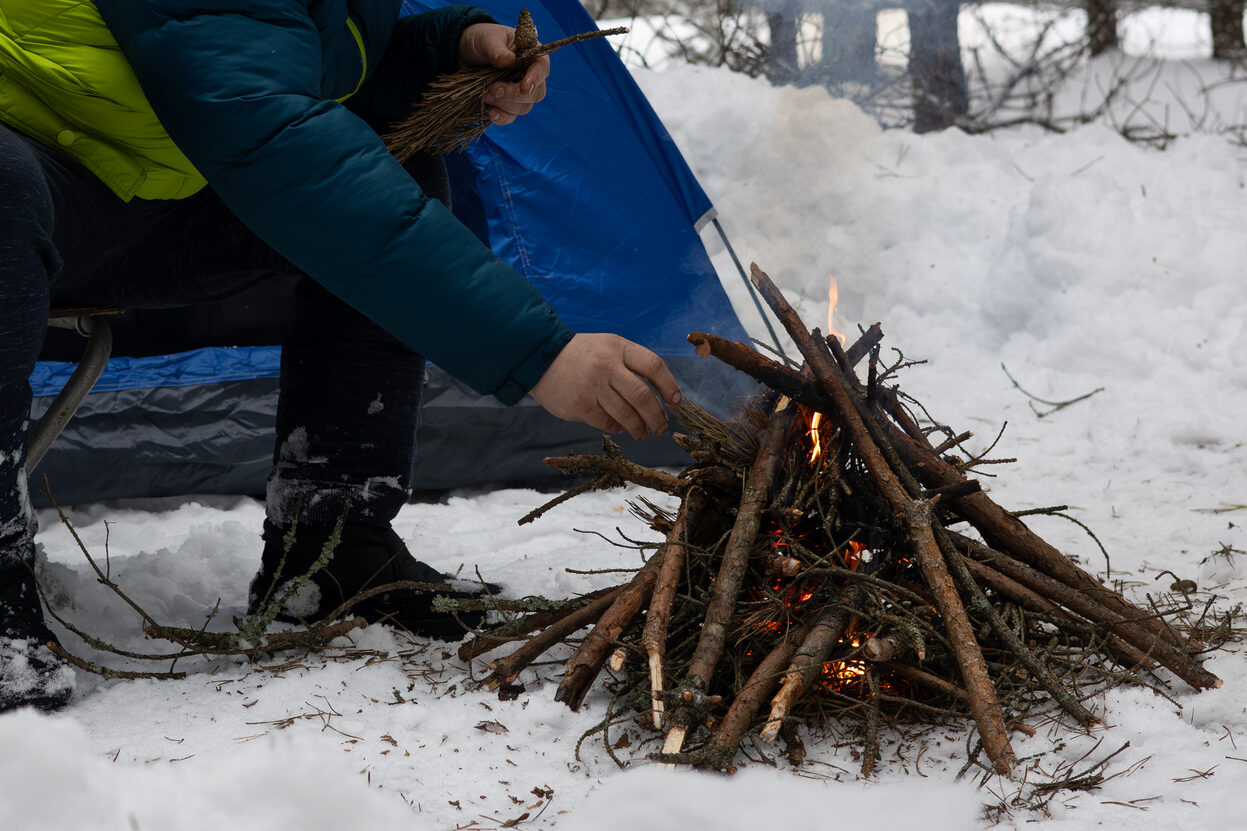
A fire does more than provide heat, it’s also a lifeline for visibility and rescue. On Alone: Frozen, contestants often use dry leaves, birch bark, and small sticks to spark flames quickly before adding larger logs. A fire not only helps maintain body temperature but also boosts morale and signals location to rescuers, especially at night. For those stranded outdoors, smoke by day and flame by night can be seen from long distances. Even in modern emergencies, carrying a lighter, matches, or a fire starter in your gear is a small step that pays off enormously if you’re ever caught outdoors in dangerous weather.
8. Insulate from the Ground
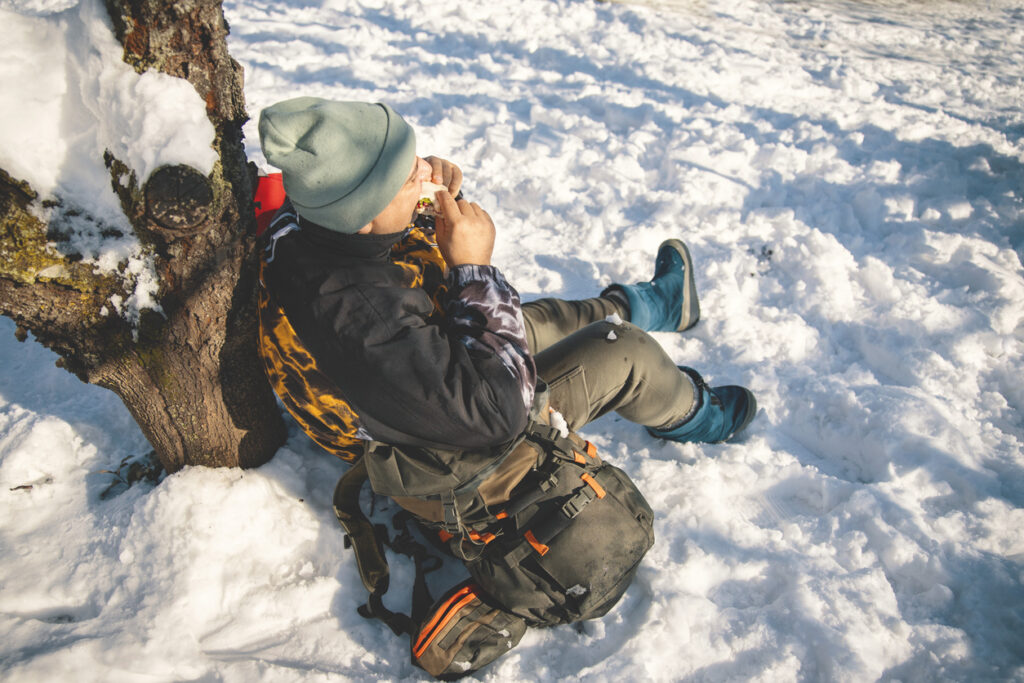
Cold doesn’t just come from the air, it seeps up from the ground. Lying directly on snow, frozen soil, or wet surfaces drains body heat dangerously fast. On the show, survivalists use branches, pine needles, or even their backpacks as insulation to create a barrier. For hikers or campers, sitting on a jacket, extra clothes, or a foam pad can prevent rapid heat loss. This simple adjustment can mean the difference between sleeping through the night or waking up shivering and weakened. Staying off the cold ground conserves energy, helps maintain warmth, and increases your chances of staying alert and focused in survival situations.
9. Stay Calm and Think Clearly
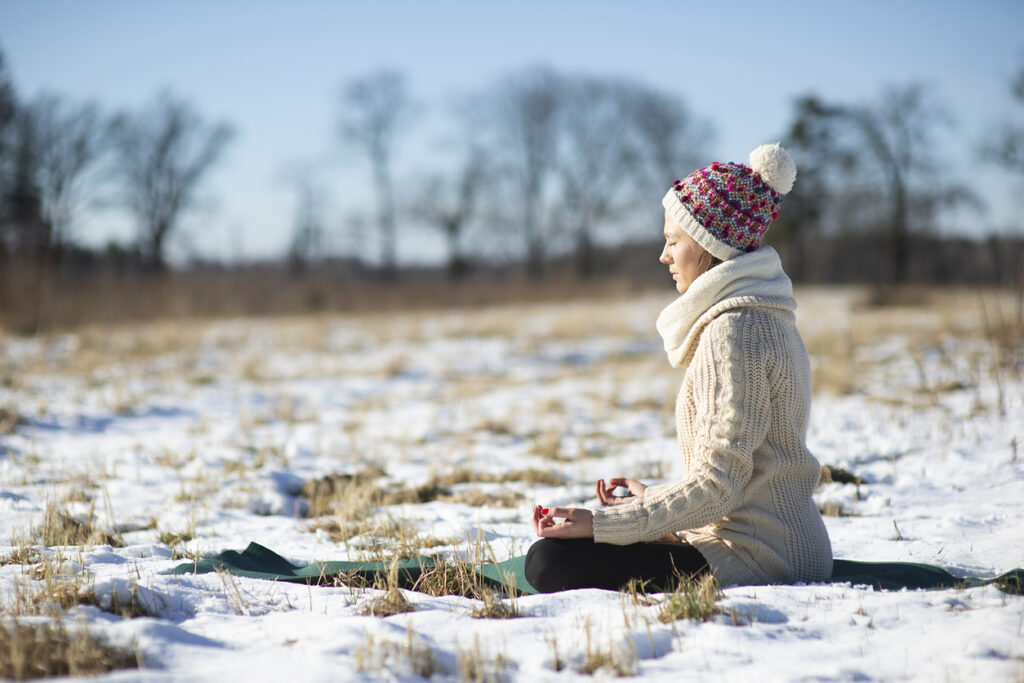
Panic is often the biggest danger in any survival situation. Fear leads to rash decisions, wasted energy, and poor judgment, which can quickly make a bad situation worse. Contestants on Alone: Frozen show how important it is to slow down, breathe deeply, and focus on priorities: shelter, water, fire, and food, in that order. In real life, the same applies if you’re lost, stranded, or facing extreme weather. Taking a few steady breaths before making choices can conserve energy and sharpen awareness. A calm mind doesn’t just improve problem-solving; it keeps hope alive, which is as vital to survival as warmth or water.


