
1. Carrying a Cub Scout Knife
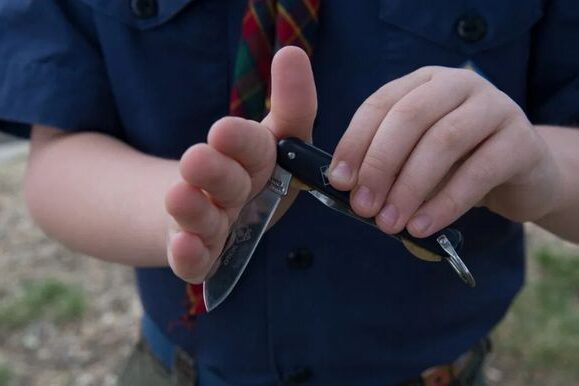
Many kids who proudly wore their Cub Scout uniforms to school never expected trouble, but carrying the small official pocketknife often led to suspension. It was meant to be a tool, a symbol of learning responsibility, not a weapon. Administrators, though, saw it as dangerous and reacted harshly. What parents saw as harmless preparedness schools labeled misconduct. It felt unfair to punish a child for participating in scouting, but zero tolerance left no room for context. What was once normal for some became enough to threaten a student’s record.
2. Doodling on Your Binder

During long lessons, kids often filled their notebooks and binders with doodles. It was a natural way to pass the time or show creativity. Yet in many schools, drawings were misinterpreted as graffiti or even signs of gang involvement. A simple sun or cartoon character could spark suspicion from teachers. Being disciplined for idle sketching felt harsh, but strict interpretations made doodles into offenses. Today, doodling is often seen as creative expression that even helps some students focus. Back then, though, a few casual drawings could lead to punishment that stuck far longer than the ink.
3. Wearing Spaghetti Straps

Girls in the ’80s and ’90s often faced dress code battles, especially with spaghetti strap tops. While many simply wore them to stay comfortable in hot classrooms, administrators claimed the thin straps were distracting to boys. The result was warnings, suspensions, or even being sent home. It made students feel unfairly singled out for clothing choices that were harmless outside school. For many, it was their first brush with rules that treated them differently. The strictness made summer days in class harder, all because of a strap that barely covered a shoulder but somehow carried heavy consequences.
4. Bringing a Pager to School
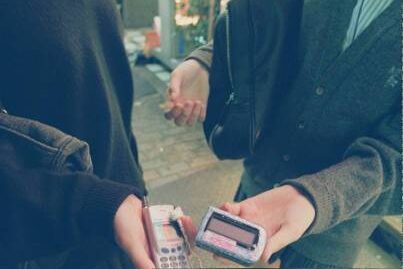
Before cell phones took over, pagers were the small buzzing devices that kids thought were cool or practical. Some carried them to keep in touch with parents after school. Unfortunately, schools assumed anyone with a pager was up to no good. Administrators linked them with drug dealing and banned them outright. Kids were disciplined not for what they did but for what adults assumed. Having a pager could get you suspended, even if it was just a parent checking in. It showed how quickly new technology was misunderstood and punished instead of embraced as something harmless.
5. Sharing a Tylenol

Passing a classmate a Tylenol for a headache may have felt like helping, but in the zero tolerance climate it was classified as drug distribution. Schools treated over the counter medicine with the same seriousness as banned substances. Students were punished for showing kindness, often facing suspension for breaking strict rules. What started as a good intention quickly became a violation that could stain a record. It was frustrating for many kids who only wanted to help a friend. Looking back, the lack of common sense in these policies makes them feel even more unreasonable today.
6. Kissing on the Cheek
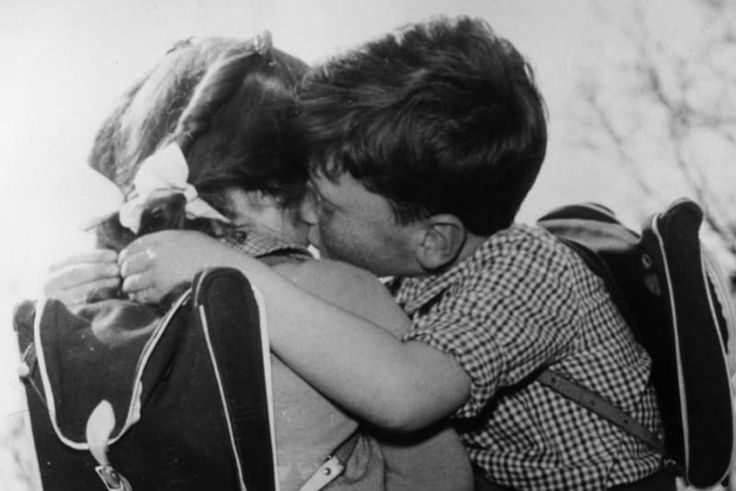
A quick kiss on the cheek, often seen as harmless affection, was enough to cause trouble in the ’80s and ’90s. Many schools had strict rules about public displays of affection, and even the smallest gestures could lead to suspension. What felt normal between friends or sweethearts was treated as inappropriate conduct. Students often found themselves embarrassed as administrators acted as though they were breaking serious rules. It turned moments of innocence into punishable offenses. Kids learned quickly that affection in school could be risky, even when it was nothing more than a simple sign of closeness.
7. Wearing Black Nail Polish

In the ’80s and ’90s, something as small as wearing black nail polish could stir suspicion. It was often seen as a sign of rebellion or linked to negative stereotypes. Some schools treated it as a disruption, sending students home or punishing them for self-expression. For many kids, it was just a fashion choice or a way to feel unique, not a statement of troublemaking. Yet administrators often saw it differently and reacted with discipline. Looking back, it seems strange that painted nails could cause so much concern, but it shows how appearance was policed.
8. Dancing Suggestively at Prom
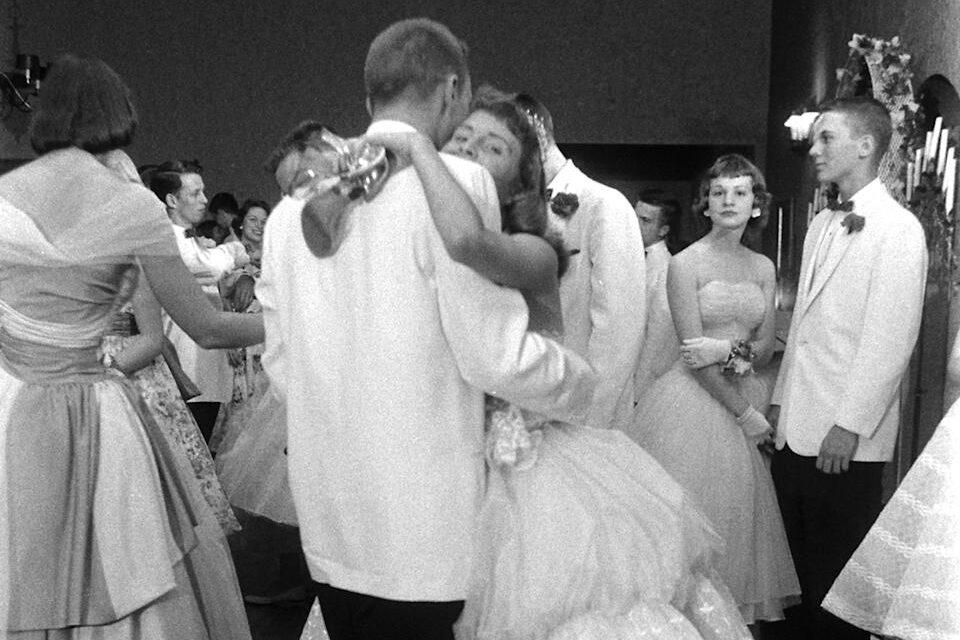
Prom nights were meant to be joyful, but in the ’90s, dancing too close or too suggestively often meant trouble. Schools monitored students closely and some even stopped music mid song to separate couples. A dance move that felt playful or exciting could end with being escorted out. For many, it turned a fun memory into embarrassment. Students looked forward to prom all year, only to face rules that treated dancing as misconduct. What was meant to be celebration sometimes felt more like surveillance, and it left many with lasting stories of awkward school overreactions.
9. Trapper Keepers
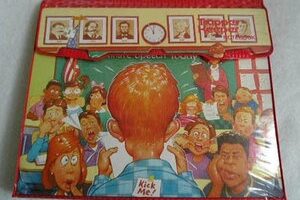
Trapper Keepers were the ultimate symbol of school organization in the late ’80s and ’90s, with their colorful covers and Velcro flaps. Kids loved them for keeping notes, pens, and homework together, but some schools thought otherwise. Teachers complained about the loud ripping sound during class or said they were too bulky for desks. A few districts even banned them, calling them disruptive contraband. Parents often saw them as harmless tools, but administrators viewed them as a nuisance. What should have been simple school supplies sometimes became the reason for frustration and a surprising amount of conflict.
10. Slap Bracelets

Slap bracelets were a quick fad that spread through playgrounds and hallways, creating a snap everyone recognized. They were fun, colorful, and collectable, but teachers quickly grew concerned. When the fabric covering wore down, the sharp metal inside sometimes poked out, and that was enough for many schools to label them unsafe. In a matter of months, districts moved from tolerating the craze to banning them completely. Kids who wore them suddenly found themselves breaking rules. What felt like harmless fun ended up turning into something forbidden, showing how fast trends could shift from exciting to off-limits.
11. Dyed or “Extreme” Hair

Nothing expressed personality more than hair, and the ’90s were full of bold choices. Pink streaks, mohawks, or jet-black goth styles made kids stand out, but in some conservative schools, they were treated as rebellion. Administrators sent kids home, told them to dye it back, or even suspended them for what they wore on their heads. It was less about learning and more about appearance, as though colorful hair could disrupt the entire classroom. Today, bright dyes are celebrated as creativity, but at the time, even a streak of color could land you in serious trouble.
12. Strict Skirt-Length Checks

Girls in the ’80s and ’90s faced some of the strictest dress code checks. Many schools required skirts to hit the knee, and some teachers actually measured the distance from hem to kneecap with a ruler. Getting written up for being even an inch too short was common, regardless of whether the outfit was modest by modern standards. These rules often left girls feeling singled out while boys rarely faced the same scrutiny. The focus on skirt length showed how much clothing was policed, turning ordinary outfits into reasons for discipline that sometimes felt deeply unfair and unnecessary.
13. Hunting Rifles in Trucks

In rural communities, it was not unusual to see rifles in the back window of pickup trucks in school parking lots. Many students planned to hunt before or after class, and for years teachers hardly reacted. By the ’90s, however, this changed drastically. The presence of any gun on school property became grounds for immediate discipline or worse. What had once been ordinary suddenly became unthinkable. For kids raised in hunting families, it was confusing to see tradition collide with strict policies. It showed how quickly cultural norms could shift when safety became the overriding concern.
14. Passing Notes

Before texting and messaging apps, handwritten notes were the main way to pass secrets or jokes in class. Kids folded them in creative ways, filled them with doodles, and slid them across desks when the teacher was not looking. While most of it was harmless fun, teachers often confiscated them and sometimes read them aloud to embarrass students. In stricter schools, repeat offenders could get detention for constant distractions. What seemed like a way to connect with friends became risky business. Looking back, it feels quaint that folded slips of paper once carried such serious consequences.
15. Over-the-Top Hairstyles

Few styles defined the late ’80s more than sky-high bangs sprayed with layers of Aqua Net hairspray. Punk spikes, shaved sides, or multicolored streaks also made appearances. For kids, it was about fun and identity, but some schools cracked down. Administrators called them distracting and even sent kids home to “fix” their looks. The rules made students feel policed not for their behavior but for the shape of their hair. What seemed outrageous then is now looked back on with nostalgia. Those hairstyles became part of the culture, even if they caused unnecessary trouble at the time.
16. Comic Books and Trading Cards

Classrooms were often filled with kids swapping baseball cards, Pokémon cards, or reading comic books under the desk. To many students, it was harmless fun, but some teachers saw them as distractions that pulled attention away from lessons. Entire schools banned cards after arguments broke out over trades, and comic books were sometimes confiscated for not being “serious reading.” It was disappointing for kids who loved their hobbies but found them treated like offenses. Looking back, it feels funny that something as collectible as cards or as creative as comics could be turned into reasons for discipline.
17. Wearing Band or Horror Movie T-Shirts

Band T-shirts and horror movie shirts were staples for kids who wanted to show off their favorite music or films. Metallica, Guns N’ Roses, and Freddy Krueger often made appearances in hallways. But many schools cracked down, saying the imagery was violent or inappropriate. Students were punished for what adults viewed as threatening even though it was just fandom. Being told to change clothes or face detention made kids feel like their personalities were being erased. What was really just a shirt became a source of tension, proving how often schools confused style with serious misconduct.
This story 17 Innocent Things Kids Got in Trouble For in the ’80s and ’90s That Seem Absurd Today was first published on Daily FETCH


