
Tardigrades
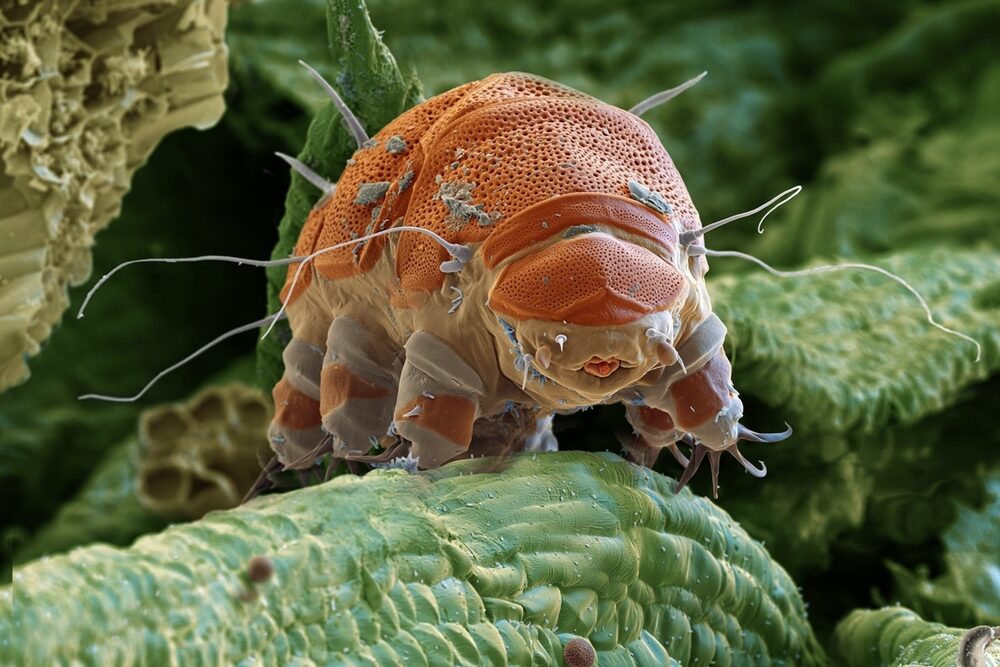
If space had an ultimate survivor, the tardigrade would be its reigning champion. These tiny, water-dwelling creatures—also called water bears—are like living tanks, capable of withstanding radiation, freezing temperatures, and even the vacuum of space itself. In 2007, scientists launched them into orbit without protective suits (because, obviously, they’re too small for that), and guess what? Some of them shrugged it off and had babies afterward. Imagine a creature so resilient it can be dehydrated into a glass-like state, blasted into the cosmos, and still bounce back like it just took a power nap. Even more astonishing, tardigrades can survive boiling water, crushing pressures, and the deep freeze of Antarctica.
Their secret lies in their ability to produce a special protein that shields their DNA from damage, making them one of the most formidable organisms on Earth. Scientists are studying them to see if their unique survival abilities could be applied to human space travel, potentially offering ways to protect astronauts from cosmic radiation. These creatures redefine what it means to be unbreakable, proving that size doesn’t always dictate strength. Tardigrades have become a symbol of resilience, a tiny, almost comical creature proving that life finds a way, no matter how hostile the environment.
Deinococcus radiodurans
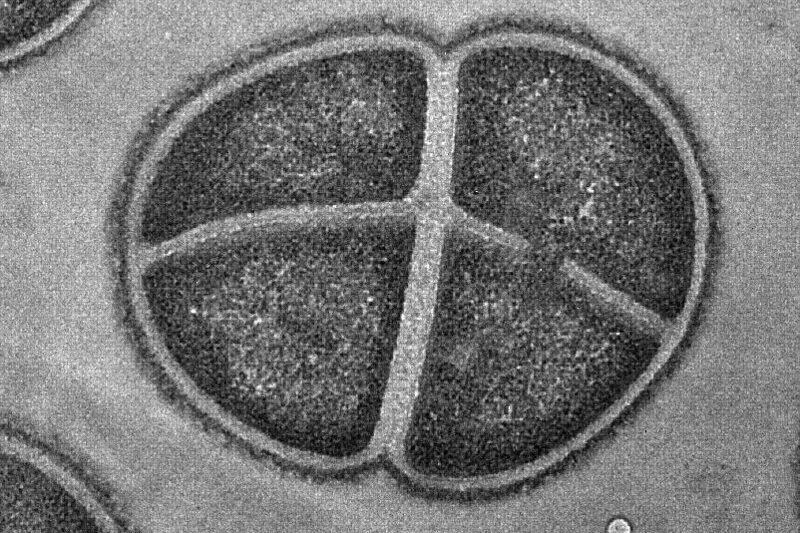
Nicknamed “Conan the Bacterium,” this microscopic beast can take radiation doses that would melt human DNA into soup. Found in some of Earth’s harshest environments—like nuclear waste sites—Deinococcus radiodurans can survive doses of radiation thousands of times greater than what would kill a human. NASA has tested its endurance in space, and, unsurprisingly, it’s as unbothered as ever. Scientists even speculate that if bacteria did hitch a ride on an asteroid between planets, this one would be first in line.
Even more fascinating, Deinococcus radiodurans can repair its shattered DNA within hours, making it practically immortal under conditions that would obliterate most life forms. It’s no wonder researchers are intrigued by its potential applications in biotechnology, from radiation-resistant crops to cancer treatments. If we ever find microbial life on Mars, don’t be surprised if it shares a few traits with this tough little survivor. This bacterium’s incredible resilience makes it a strong candidate for future space research and might even unlock secrets to surviving in otherworldly conditions.
The Devil Worm
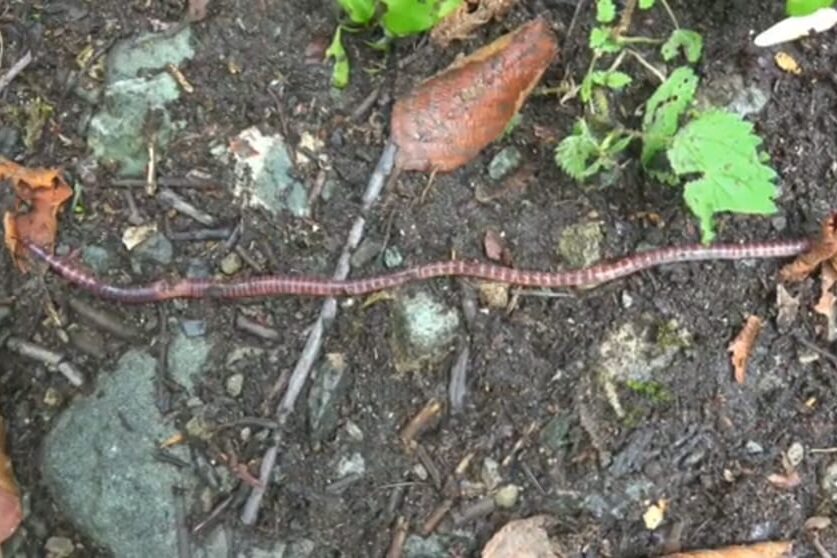
Meet Halicephalobus mephisto, better known as the devil worm. This tiny nematode was discovered miles underground, thriving in pockets of water that have been isolated for thousands of years. Scientists believe that if it can handle crushing pressures and toxic gases here on Earth, there’s a chance it could survive in environments like Mars’s subterranean lakes. So if we ever do find life on Mars, don’t be shocked if it’s just a bunch of smug little worms hanging out beneath the surface.
The devil worm’s ability to survive in extreme environments is due to genetic adaptations that allow it to tolerate high levels of heat and methane. Its discovery challenges our understanding of where life can exist, pushing the boundaries of what scientists consider habitable zones. Studying these creatures might help us prepare for long-term human survival in harsh planetary conditions. Who knows? The devil worm could be the key to discovering life on other planets that thrives in environments we thought were too hostile for any living thing.
Brine Shrimp (Sea Monkeys)
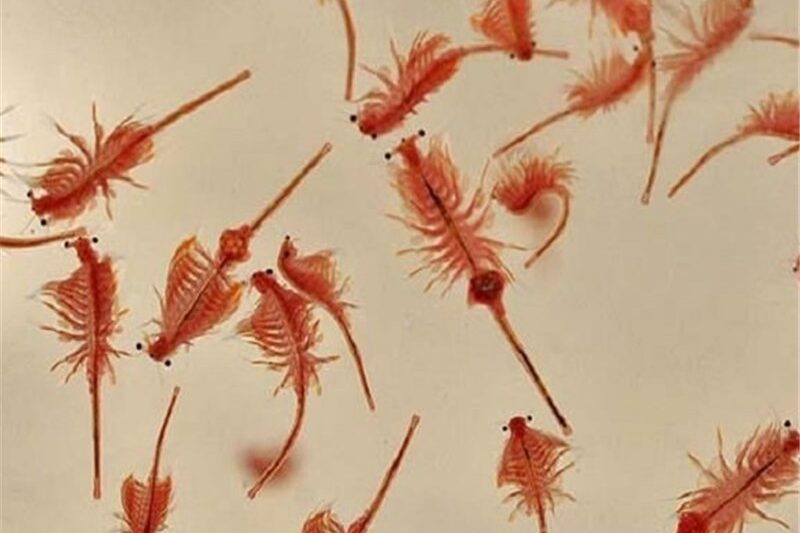
Those “instant pets” you begged your parents for as a kid? Yeah, turns out they’re low-key space pioneers. Brine shrimp, or sea monkeys, are known for their ability to enter cryptobiosis—a state where they can survive without water, food, or oxygen for years. NASA has sent them to space multiple times, and they’ve come back just fine, reanimating as soon as they hit water. The real kicker? They’ve even been hatched and raised aboard space stations, making them unofficial astronauts.
Researchers are particularly interested in brine shrimp because their cryptobiosis abilities could offer insights into preserving human organs for transplant. If we ever develop suspended animation for long space journeys, we might just owe it all to sea monkeys. Who knew those tiny, wiggling creatures could hold the key to interstellar survival? These tiny creatures aren’t just childhood nostalgia—they’re a potential tool for space exploration and even medical breakthroughs, proving once again that life has a way of surprising us.
The Russian Space Mold

Imagine astronauts waking up to find their space station slowly being conquered—not by aliens, but by mold. That’s exactly what happened aboard the International Space Station (ISS), where colonies of radiation-resistant fungi started growing on the walls. These weren’t your everyday kitchen molds; they were thriving in an environment bombarded by cosmic radiation. What’s even more astonishing? Some of these fungi didn’t just survive—they became stronger, developing an even higher resistance to radiation. Scientists now believe that studying these space-hardy molds could help create radiation-blocking materials for future astronauts.
But it gets weirder. Some researchers speculate that similar fungi could exist on Mars or other planets, potentially surviving under extreme conditions just like they do on the ISS. The idea that mold might outlive humans in space is both hilarious and terrifying. What if, one day, the first sign of alien life we find isn’t a little green being but an unstoppable, space-faring fungus colony? Whether we like it or not, mold is proving that life can thrive in space—sometimes, in the most inconvenient of places.
The Jumping Spider
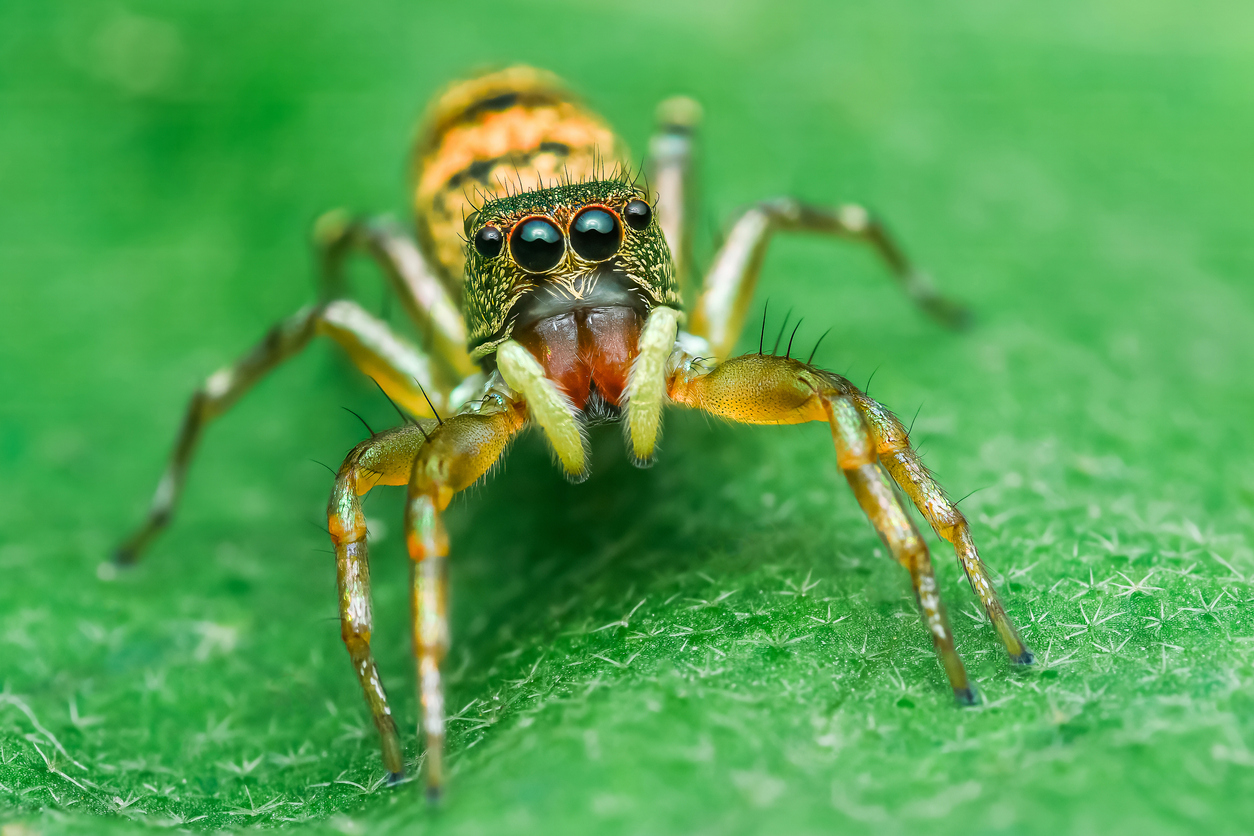
Most creatures in space are tiny, microscopic life forms—but in 2012, NASA sent something a little different: a jumping spider named Nefertiti. Unlike most spiders that rely on their webs, jumping spiders hunt by calculating precise leaps to catch prey. The question was: Could one still pull off those acrobatic jumps in microgravity? To everyone’s surprise, Nefertiti adapted quickly, figuring out how to hunt even without gravity pulling her down. She became the first spider to successfully live and hunt in space, proving that even arachnids could be space explorers.
After her 100-day mission aboard the ISS, Nefertiti returned to Earth and continued living normally, showing no ill effects from her time in zero gravity. Scientists believe that her adaptability could provide insights into how different species adjust to life in space—important knowledge if humans ever plan to bring animals along on interplanetary missions. Who knows? Maybe one day, future space colonies will have pet spiders helping keep insect populations in check. Whether you love or fear them, spiders have officially earned their place in space history.
The Cockroach
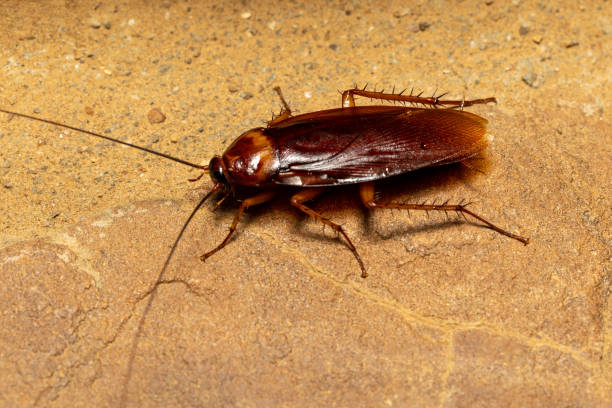
If there’s one thing cockroaches love, it’s proving that they can survive just about anything—including space. Russian scientists conducted an experiment where they sent cockroaches into orbit aboard the Foton-M bio-satellite, and not only did the insects survive, but they also did something shocking: they reproduced. That’s right—cockroach babies were born in space, making them the first known creatures to do so outside Earth. What’s even creepier? The space-born cockroaches grew faster and were tougher than their Earth-born relatives.
This experiment sparked discussions about how insects might fare on future space missions and whether they could become unwanted stowaways on interplanetary voyages. If cockroaches can survive radiation, microgravity, and cosmic conditions, what’s stopping them from thriving on Mars? While the idea of a cockroach-infested spaceship is the stuff of nightmares, their resilience could actually provide scientists with useful data on how to design long-term survival strategies in space. Still, let’s hope our first extraterrestrial neighbors aren’t just giant, space-mutated roaches.
The Moon Lichen
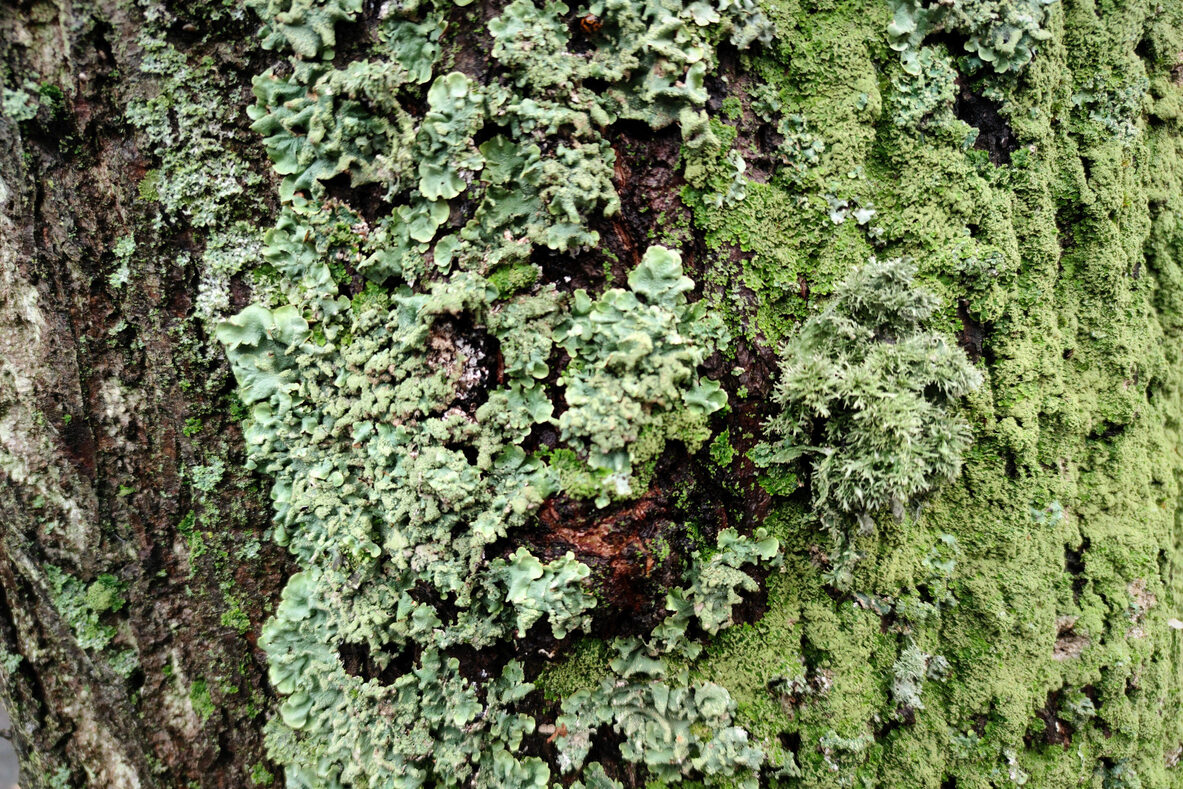
Plants are generally fragile creatures, but lichens have proven time and time again that they’re built differently. In 2005, scientists sent two species of lichen into space, exposing them to the vacuum, extreme temperatures, and radiation of open space. While most plants would wither and die almost instantly, these lichens endured for weeks before being brought back to Earth. When researchers rehydrated them, they bounced back as if nothing had happened—proving that they could essentially survive space travel.
This discovery has huge implications for the future of space exploration. If lichens can handle space conditions, they might be useful for terraforming planets, creating oxygen, or even forming part of future space habitats. Their ability to withstand extreme conditions makes them one of the most promising life forms for future Mars colonization. Who knows? The first plants to grow on another planet might not be crops or trees, but tough little lichens paving the way for other greenery to follow.


