
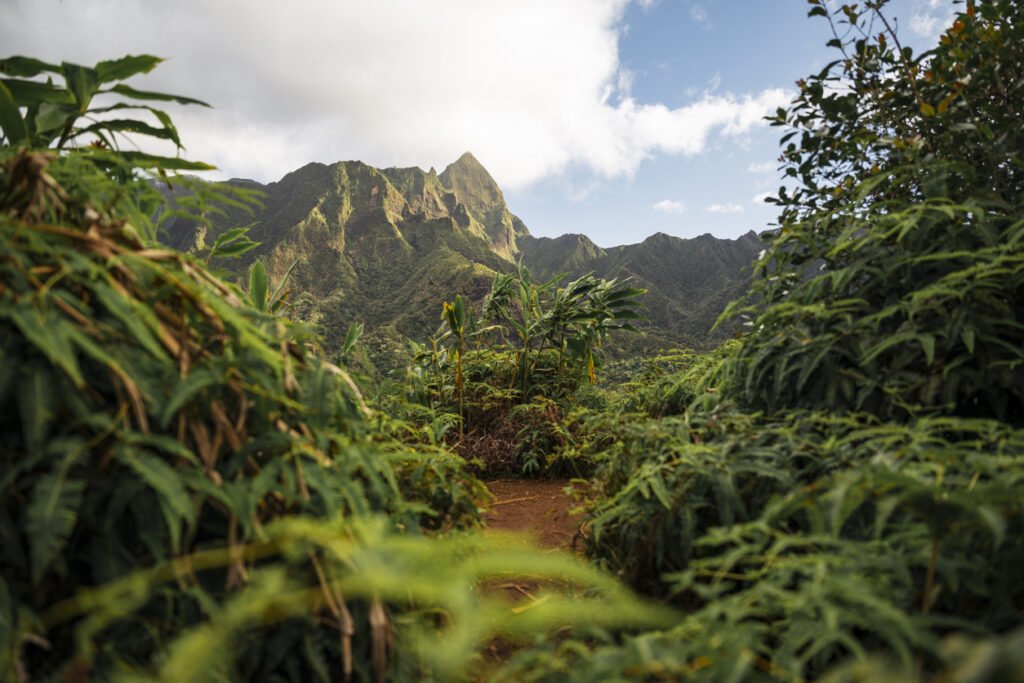
Ever feel like getting away from it all… like really away? Picture a place where animals outnumber humans, where nature’s in charge, and silence hums louder than traffic. These islands aren’t just remote – they’re ruled by fur, feathers, and fins. Whether it’s a paradise packed with puffins or a no-man’s land crawling with crabs, each of these spots flips the script on what we think “population” means. Ready to discover where the wild things actually are?
1. Sable Island, Canada
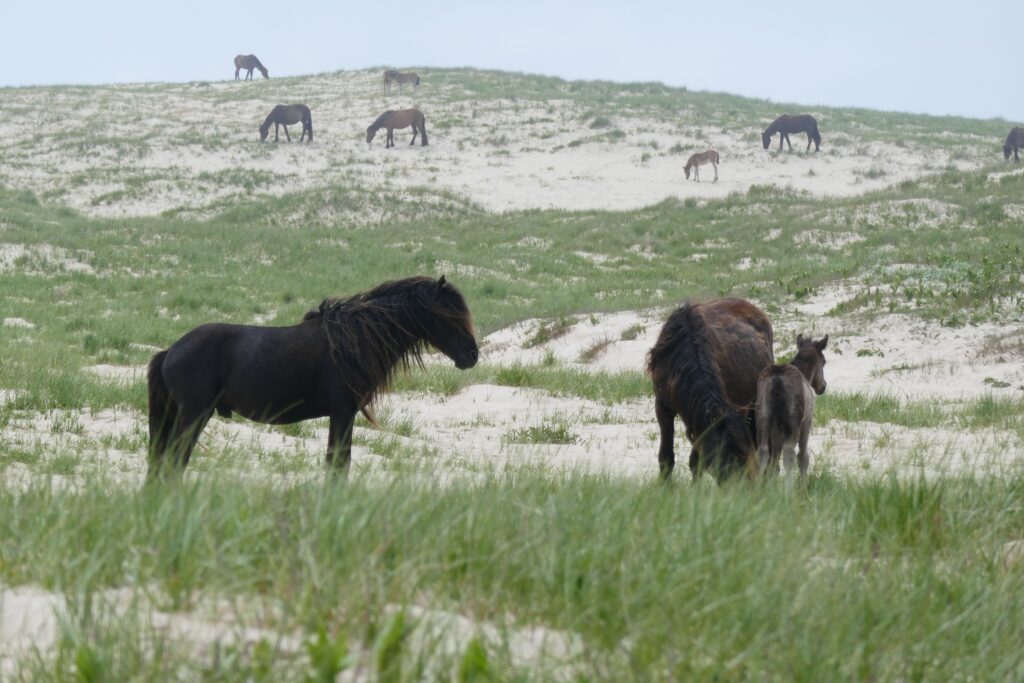
Off the coast of Nova Scotia lies a crescent of sand known more for its wild horses than humans. With fewer than ten permanent residents and over 500 feral horses, Sable Island feels like something straight out of a storybook. The island’s isolation has helped the horses thrive without interference, creating a rare and protected population. Seals also sprawl along its shores, and the occasional researcher is vastly outnumbered by wildlife. Experts say Sable’s limited human footprint has helped preserve its delicate ecosystem, making it a sanctuary in every sense of the word. Source: Sable Island
2. Big Major Cay, Bahamas
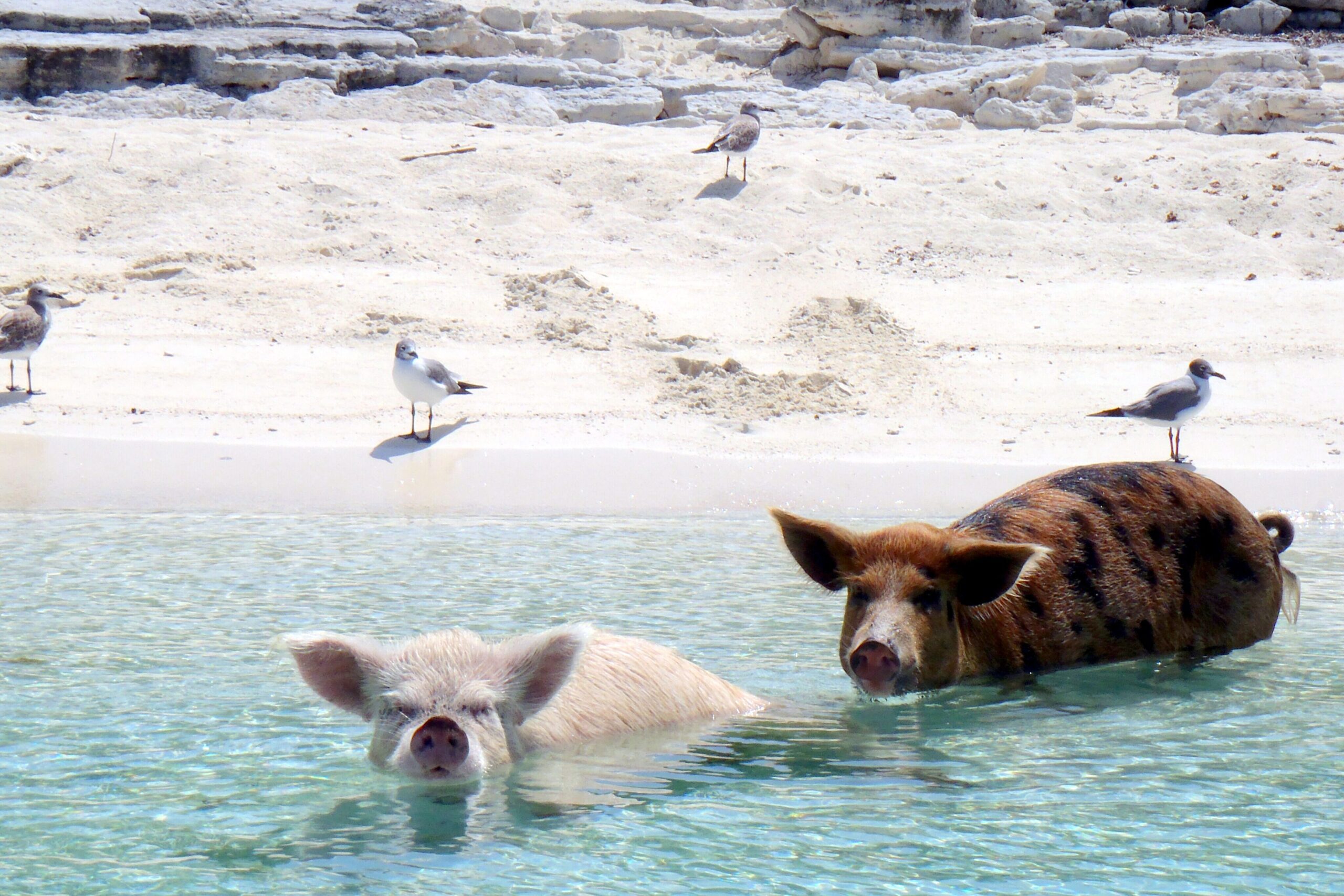
Locally known as Pig Beach, this uninhabited island in the Exumas has made waves for its unique residents: swimming pigs. With zero human population and a few dozen porcine locals, it’s a curious twist on the tropical getaway. Tourists flock by boat to feed and photograph these snorting swimmers, but no one actually lives on the island. The pigs’ origins are still debated, but their impact is undeniable. Experts highlight this island as a strange but compelling example of how animals can reshape an island’s identity and economy, without ever signing a lease. Source: Big Major Cay
3. Tashirojima, Japan
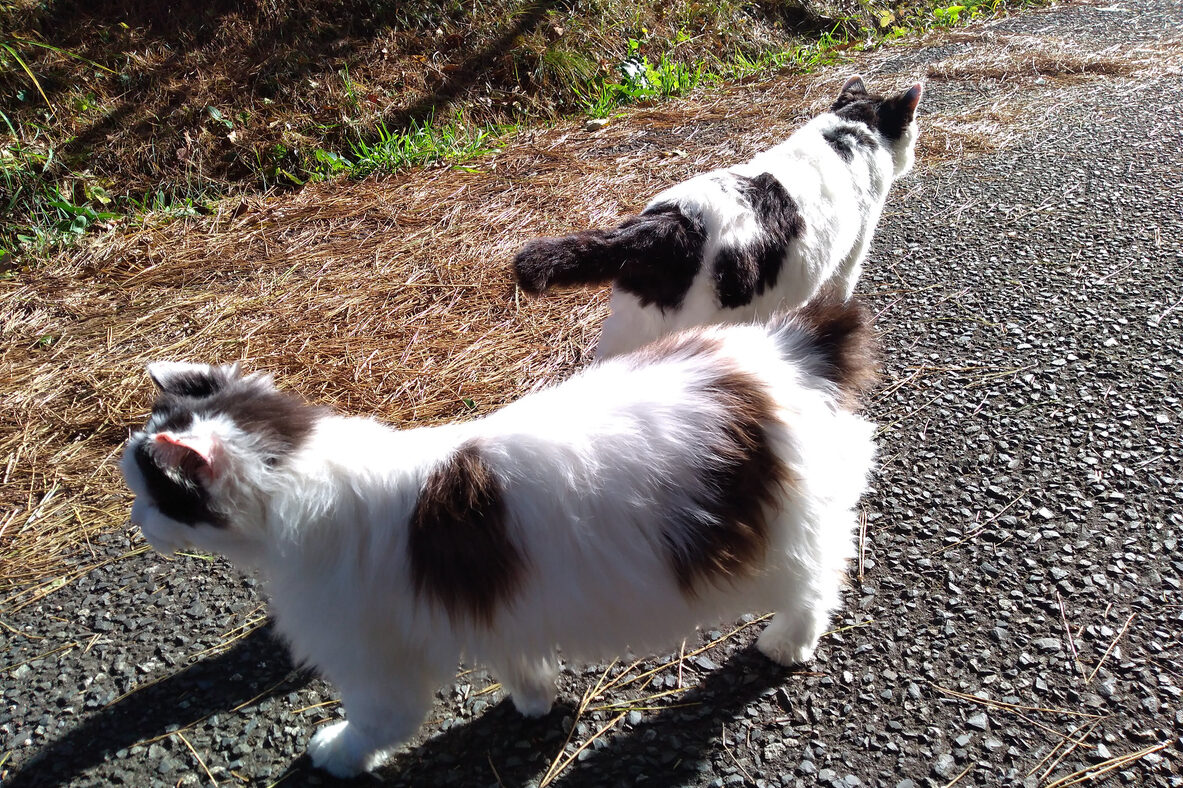
Nicknamed “Cat Island,” this tiny dot off Japan’s coast is purring with feline life. With fewer than 50 elderly residents and hundreds of cats, Tashirojima is practically run by its whiskered inhabitants. Cats were originally brought in to control the rodent population in silk farms, but over time, they became the main attraction. Today, dogs are banned, and the cats roam freely, lounging around shrines and homes. Experts note that the strong cultural belief in cats as good luck has helped preserve their dominance here, making it a living example of harmony between humans and animals. Source: Tashirojima
4. Assateague Island, USA
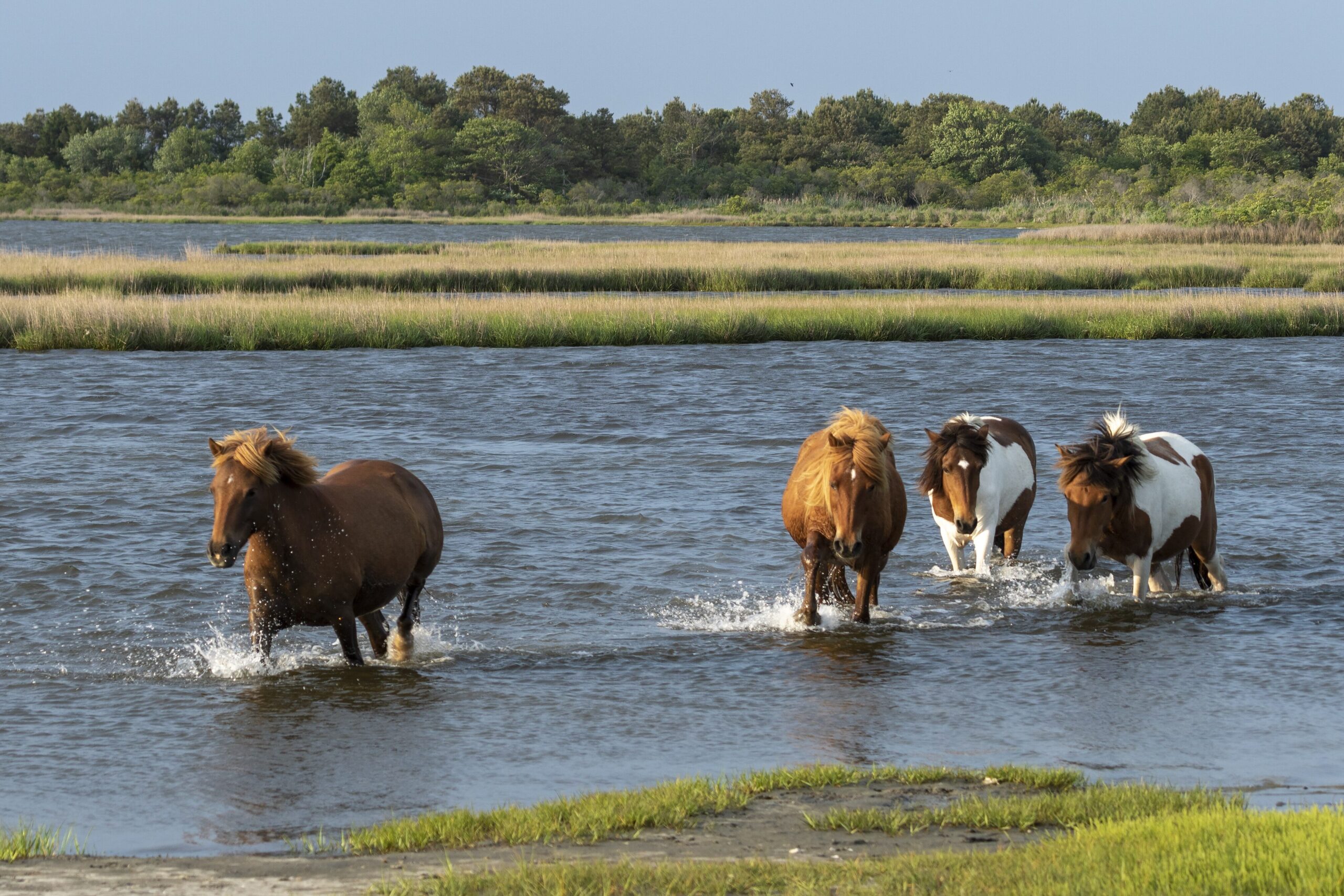
Stretching along the coasts of Maryland and Virginia, Assateague Island is home to wild ponies that outnumber human visitors most of the year. These feral horses, believed to have arrived centuries ago from a shipwreck, have adapted brilliantly to the salty marshes and sandy terrain. With no permanent residents, the island is carefully managed to ensure minimal human disruption. Conservationists emphasize how Assateague stands as a model for sustainable wildlife tourism, allowing people to witness natural beauty without overcrowding it. It’s nature on its own terms and the horses clearly prefer it that way. Source: Assateague Island
5. Macquarie Island, Australia
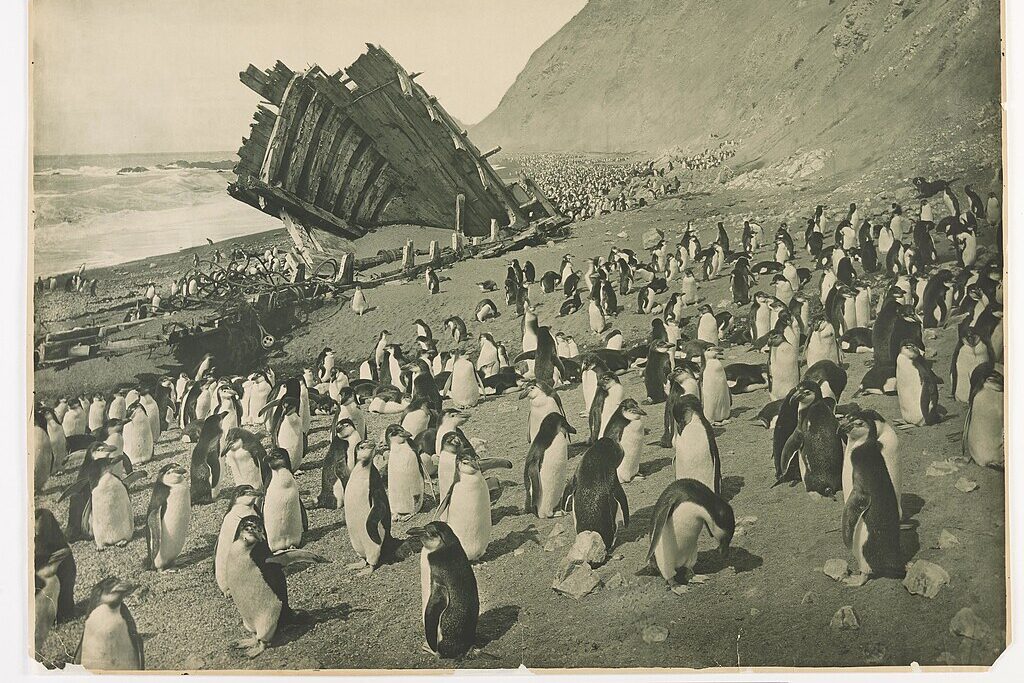
Halfway between New Zealand and Antarctica lies Macquarie Island, a cold, windswept haven teeming with penguins, seals, and seabirds. With no native human population and only a rotating group of researchers, animals have free reign here. The penguin population alone can hit into the millions during breeding season. Experts consider it a key site for studying sub-Antarctic ecosystems because of its relative lack of human interference. Here, wildlife isn’t just surviving, it’s booming. The island’s unique geography and conservation status make it one of Earth’s most vital and vibrant animal outposts.
6. Isle of Rum, Scotland
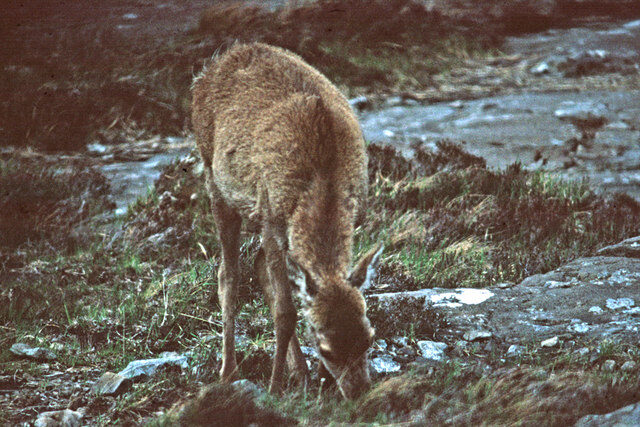
Part of the Inner Hebrides, the Isle of Rum may have under 40 human residents but it boasts a staggering population of red deer. This rugged island is also home to wild goats, golden eagles, and one of the UK’s largest bird colonies. Once privately owned and now a national nature reserve, Rum has become a field lab for ecological study. Wildlife experts use it to observe how large mammals behave with minimal human disruption. It’s a rare slice of land where nature calls the shots and humans are the curious guests.
7. Aldabra Atoll, Seychelles
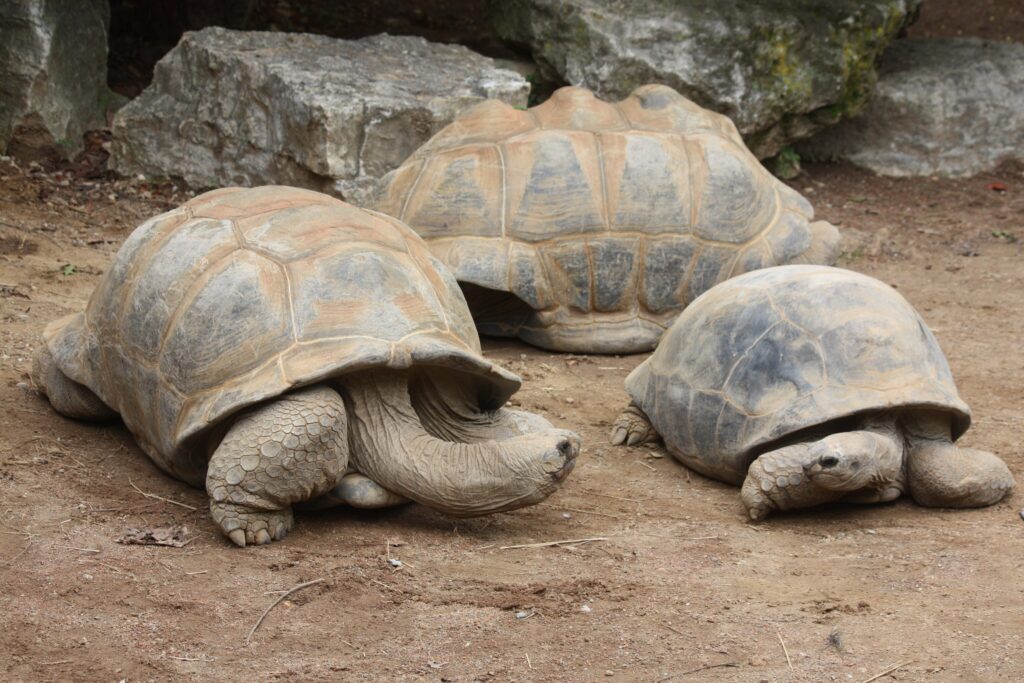
This remote coral atoll in the Indian Ocean is nearly untouched by people, but it’s crawling with giant tortoises, over 100,000 of them. Aldabra is one of the largest raised coral atolls on Earth and remains largely closed to the public, protected under strict conservation laws. Its few buildings are mostly used by scientists and rangers. The tortoises roam freely among mangroves and limestone flats, creating an ancient landscape that feels completely apart from the modern world. For ecologists, Aldabra is a dream, a living laboratory untouched by modern sprawl.
Know another wild island where animals rule the land? Share it with us! And if this list made you want to trade city streets for sandy shores and furry neighbors, drop a comment below. Which of these wild wonderlands would you want to explore first?


