
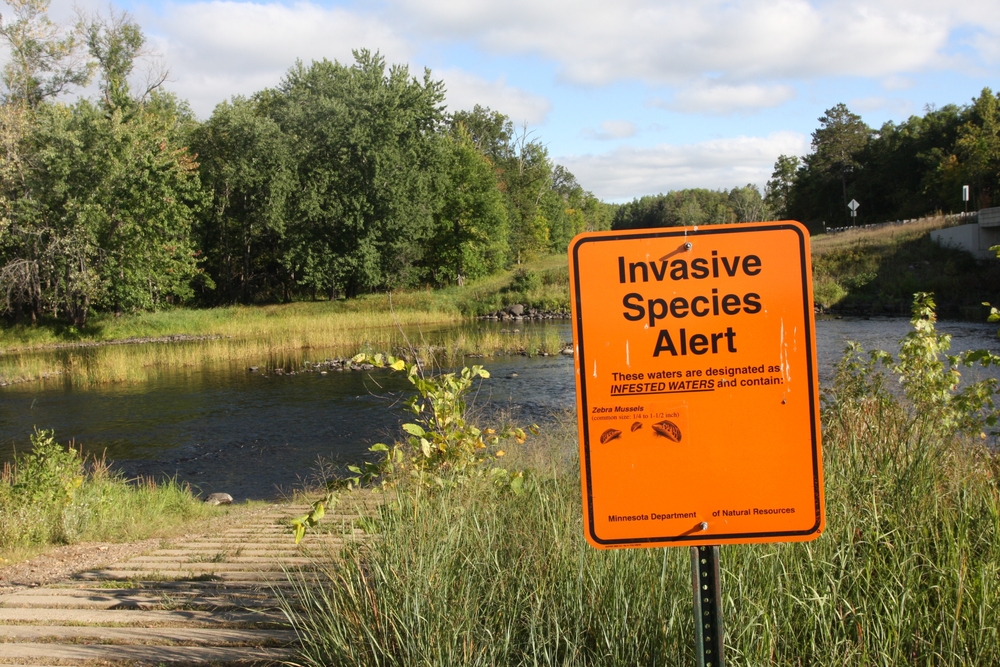
Invasive species are non-native organisms that harm ecosystems when introduced. With no natural predators, they spread fast and disrupt food chains, habitats, and biodiversity across the U.S.—from forests to backyards.
Whether they arrive by cargo ship, escape from pet collections, or are planted for landscaping, their impact is often long-lasting.
Here are 7 invasive species reshaping American ecosystems—and what’s being done to stop them.
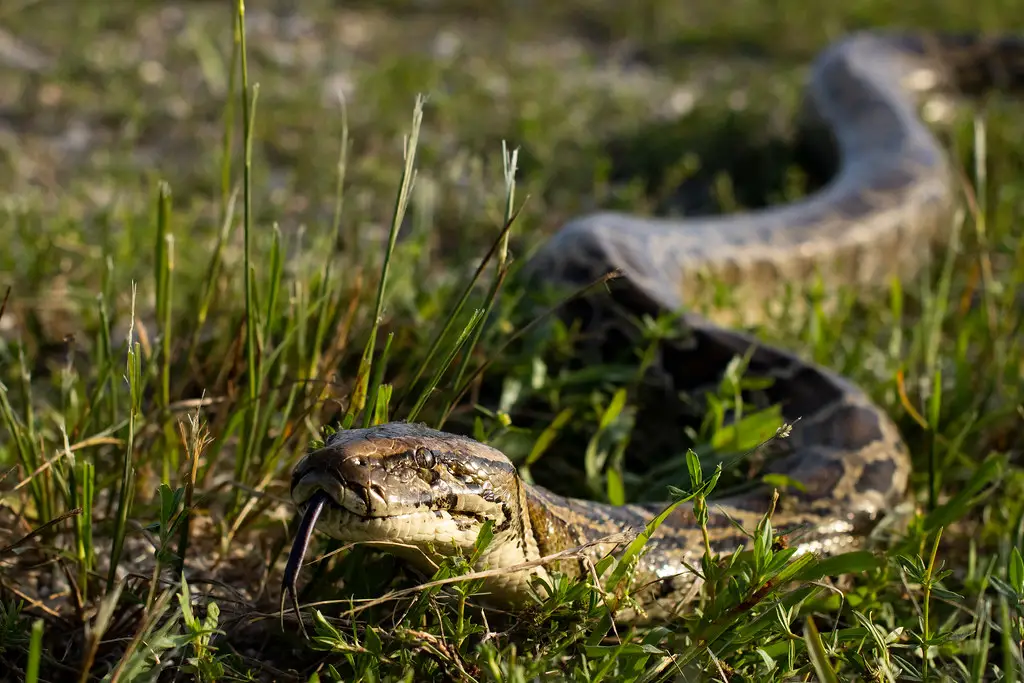
1. Burmese Python – The Silent Predator of the Everglades
Nicknamed “the vine that ate the South,” Kudzu was introduced from Japan in the late 1800s and later promoted to prevent erosion. But it grows up to a foot per day, smothering trees, power lines, and native plants.
Kudzu disrupts ecosystems by blocking sunlight, altering soil, and reducing biodiversity. Now covering over 7 million acres, mostly in the Southeast, it’s managed with herbicides, removal, and goat grazing—but remains a top example of ecological disruption gone wild. Source: Wikipedia
2. Kudzu Vine – The Plant That Ate the South
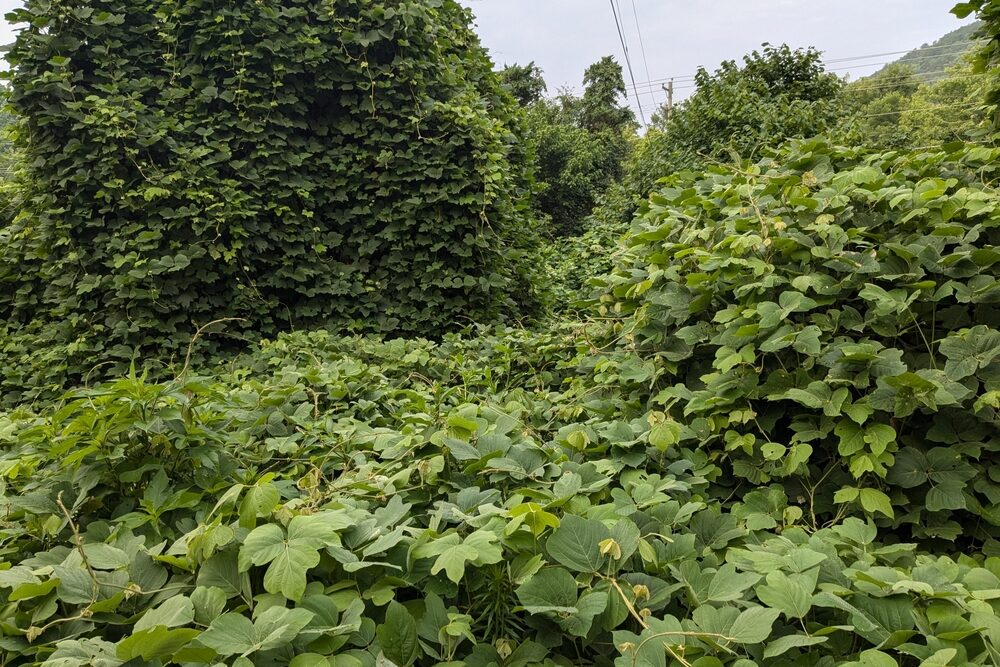
Nicknamed “the vine that ate the South,” Kudzu was brought from Japan in the late 1800s and later promoted to prevent erosion. It seemed harmless—until it started growing a foot a day, smothering trees, power lines, and buildings.
Kudzu chokes out native plants, blocks sunlight, alters soil, and reduces biodiversity. Now covering over 7 million acres in the Southeast, it’s controlled with herbicides, removal, and goat grazing—but remains a powerful example of an invasive species gone out of control. Source: Nature.org
3. Zebra Mussels – Tiny Shells, Huge Problems
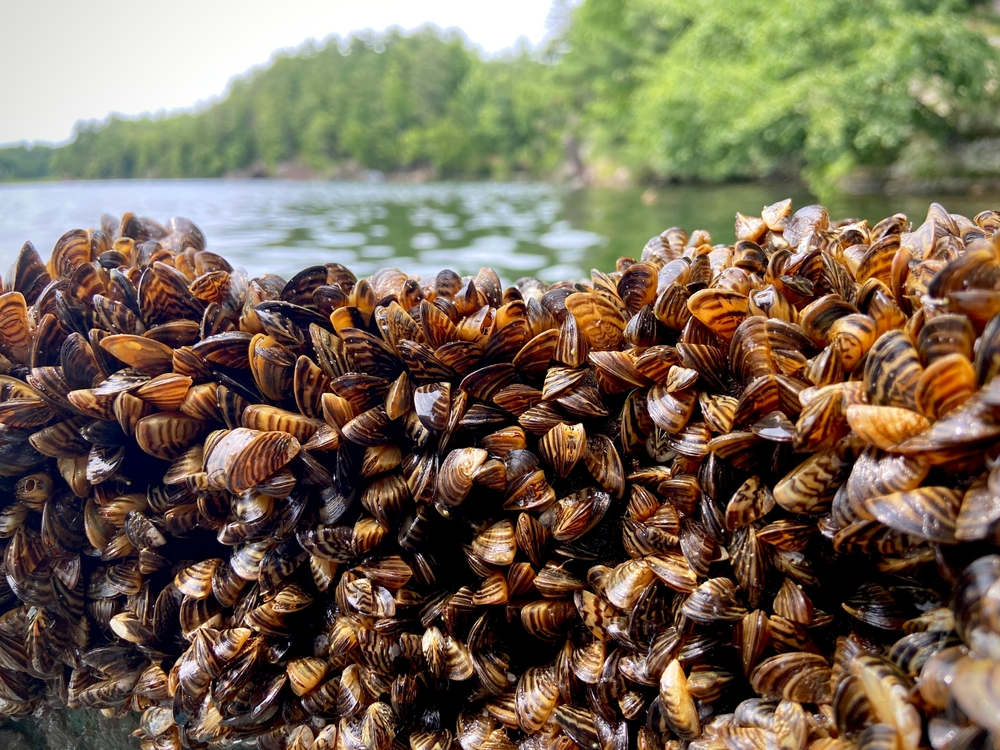
Zebra mussels, native to Eastern Europe, were first found in the Great Lakes in 1988, likely arriving via ballast water from ships. These tiny invaders reproduce quickly, cling to surfaces, and clog pipes and water systems—causing billions in damage.
They also harm fisheries, outcompete native mussels, and disrupt ecosystems by filtering algae that other species need. Despite boat inspections and chemical treatments, zebra mussels have now spread to over 30 states—a reminder of how small invaders can cause huge problems. Source: USGS.gov
4. Feral Hogs – Destructive and Dangerous Invaders
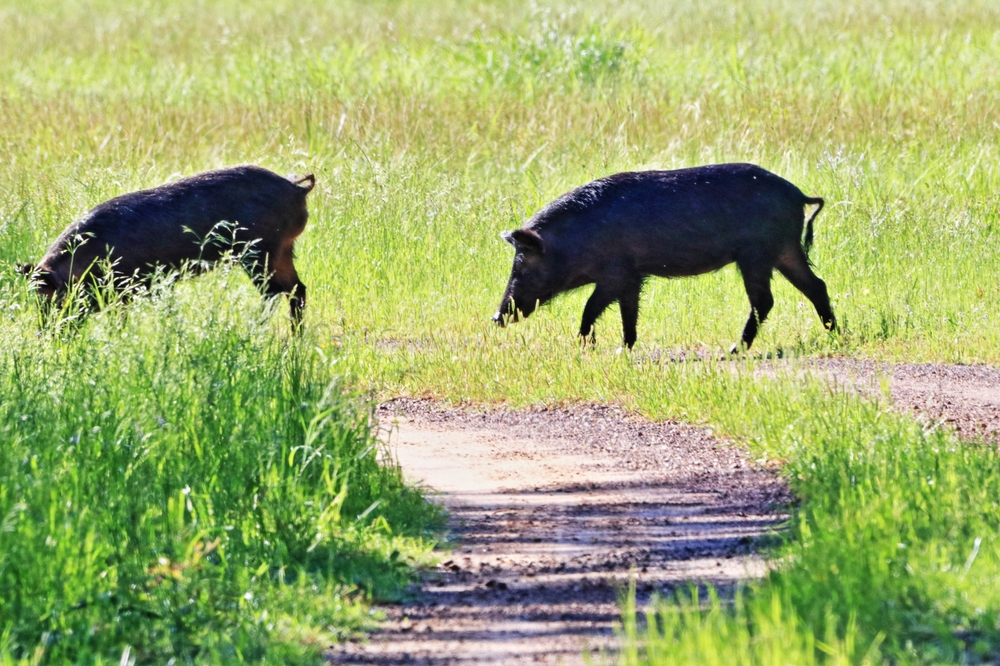
Feral hogs, a mix of wild boar and domestic pigs, now number around 6 million across 35 states, causing over $2.5 billion in damage each year.
They destroy crops, erode soil, threaten livestock, and outcompete native wildlife. With no natural predators, they wreak havoc on ecosystems. Control methods like trapping, aerial hunting, and sterilization help, but their numbers keep rising, making them one of the most destructive invasive species in the U.S.
5. Northern Snakehead – The Fish That Walks on Land
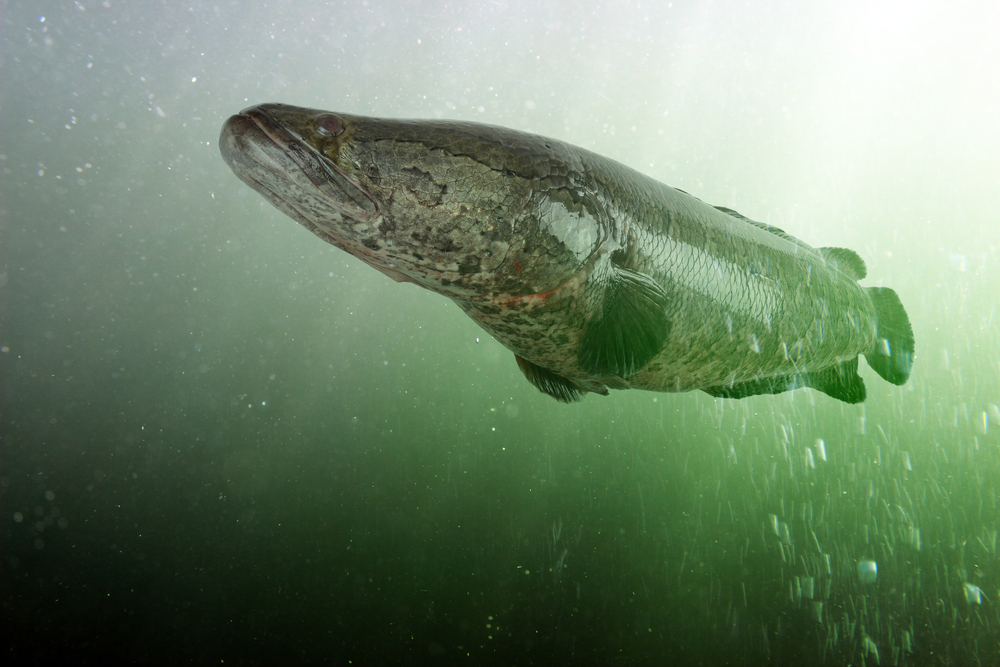
Native to Asia, the northern snakehead gained notoriety for its ability to survive out of water for days and slither on land. First found in Maryland in 2002, it has since spread to several states.
Snakeheads are aggressive predators that eat fish, frogs, and even small birds. With no natural predators in U.S. waters and rapid reproduction, they threaten native species and disrupt ecosystems. In many states, it’s illegal to own or sell them, and anglers are urged to kill any they catch. While not yet nationwide, the snakehead is a serious ecological threat in affected areas. Source: National Geographic
6. Emerald Ash Borer – The Tiny Beetle Killing Millions of Trees
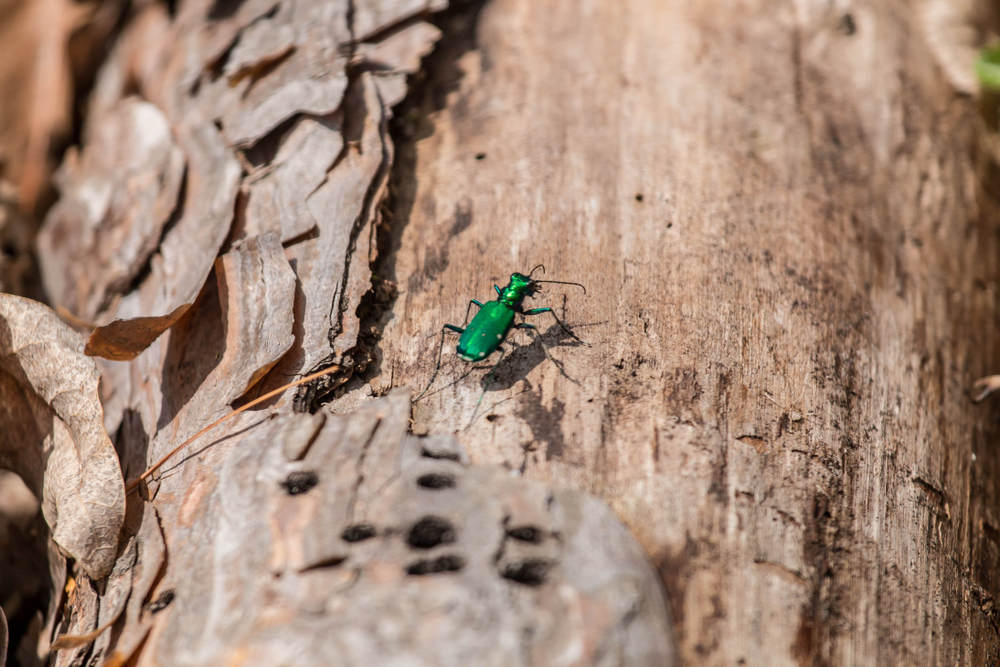
The emerald ash borer, a small green beetle from Asia, has been destroying ash trees in North America since it was first found in Michigan in 2002. Its larvae burrow under bark, cutting off nutrient flow and killing over 100 million trees in 30 states.
Ash trees are crucial for wildlife habitats and urban shade, so their loss hits hard. Control efforts include parasitic wasps, firewood quarantines, and tree removal, but the emerald ash borer remains one of the most destructive invasive insects in the U.S.
7. European Starling – A Songbird with a Dark Side
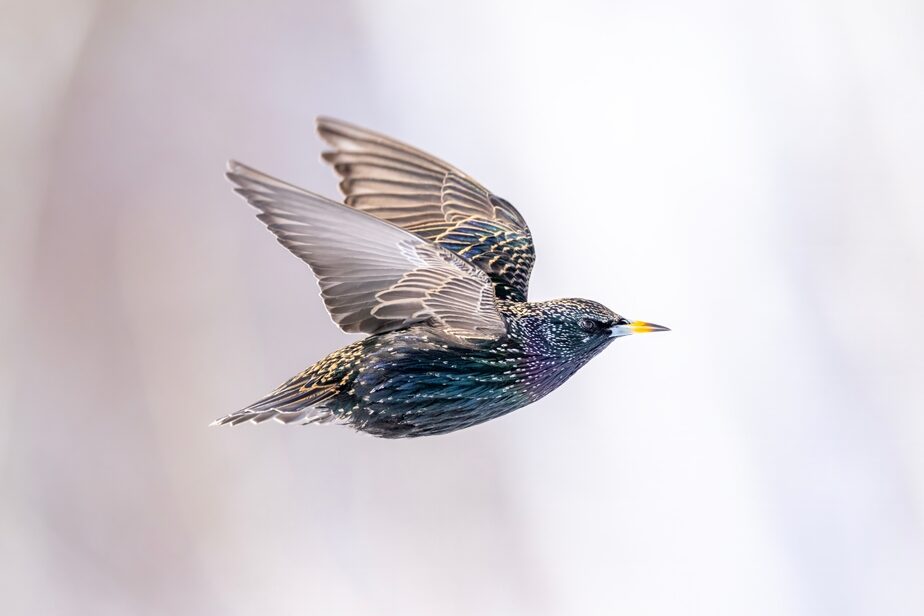
European starlings were introduced in the 1890s by a Shakespeare fan who wanted every bird from his plays to live in America. Now, over 200 million starlings blanket North America.
They may look harmless, but they’re aggressive competitors, push out native birds, and destroy crops. Huge flocks can disrupt farms and even aviation. Despite control efforts, their numbers remain high.
Their story is a cautionary tale of how good intentions can lead to wildlife disruption. With climate change and globalization, more invasive species are likely. Staying informed and supporting prevention is key to protecting native ecosystems.


