
1. The Deceptive Slow Loris
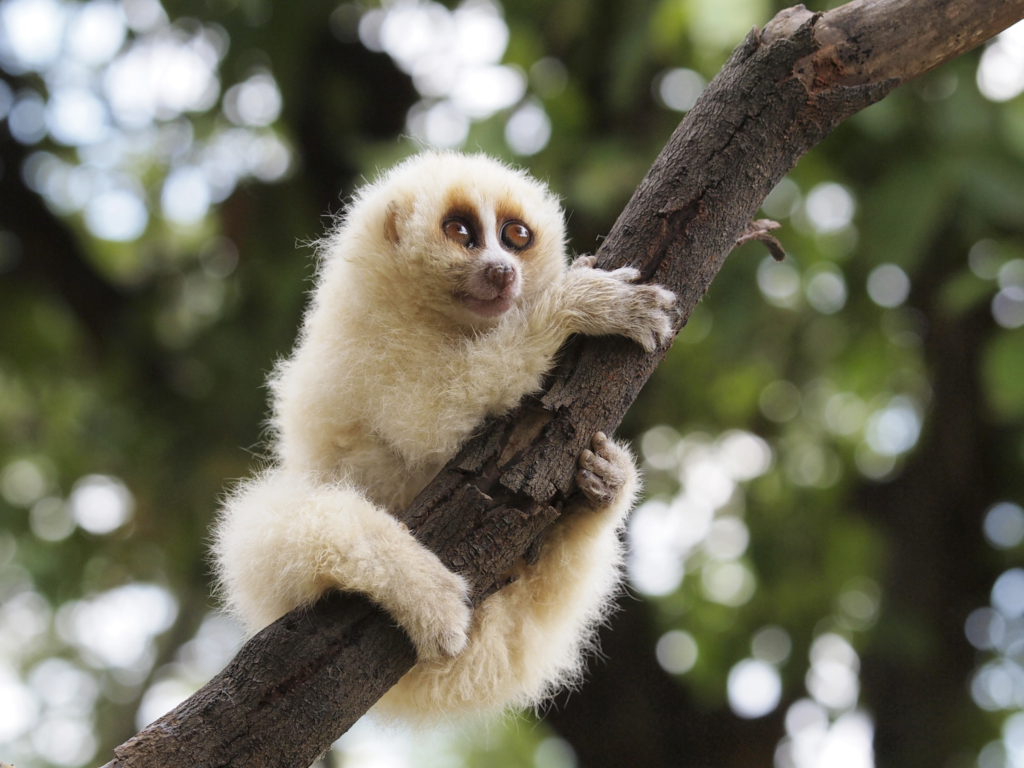
Nature has a funny way of playing tricks on us because we often equate big, soulful eyes and a tiny, furry frame with something that needs a cuddle rather than a trip to the emergency room. The slow loris is perhaps the ultimate example of this evolutionary ruse as it looks like a living stuffed toy while it creeps through the rainforests of Southeast Asia. However, these primates are actually the only venomous monkeys in existence and they possess a specialized gland near their elbows that produces a potent toxin. When they feel threatened, they lick this gland to mix the secretion with their saliva and create a venomous bite that can cause anaphylactic shock or even death in humans.
It is quite fascinating to note that researchers only truly began to understand the full extent of this biological weapon around 2013 when studies revealed how the toxin mimics the allergen found in cats. While they might look like they are moving in slow motion for our amusement, this deliberate pace helps them remain undetected by predators while they wait for the perfect moment to strike. They use their sharp teeth to needle the venom deep into the skin of an opponent and this serves as a stark reminder that physical beauty in the wild is often a warning rather than an invitation. We should always admire these unique creatures from a safe distance because their bite is far more than just a painful nip.
2. The Fiery Short-Tailed Shrew

We often overlook the smaller residents of our gardens, yet the North American short-tailed shrew is a tiny powerhouse that proves size is absolutely no indicator of ferocity. These velvety little mammals might look like harmless, bumbling mice with pointed snouts, but they are actually one of the few mammals on Earth that carry venom. Since they have an incredibly high metabolic rate, they must eat nearly their own body weight every single day just to survive. This constant hunger drives them to hunt prey much larger than themselves, such as frogs or even snakes, using their toxic saliva to paralyze their victims so they can save them for a later meal.
Records from naturalists dating back to the early 19th century have often remarked on the surprising aggression of these creatures when they are cornered. Their venom is delivered through grooves in their incisors and it works by attacking the central nervous system of insects and small vertebrates alike. While a bite to a human is not usually fatal, it can cause significant swelling and a burning sensation that lasts for days on end. It is a brilliant bit of biological engineering that allows such a small animal to dominate its local ecosystem and it teaches us that the most unassuming creatures are often the most formidable hunters in the undergrowth.
3. The Grumpy Hippopotamus
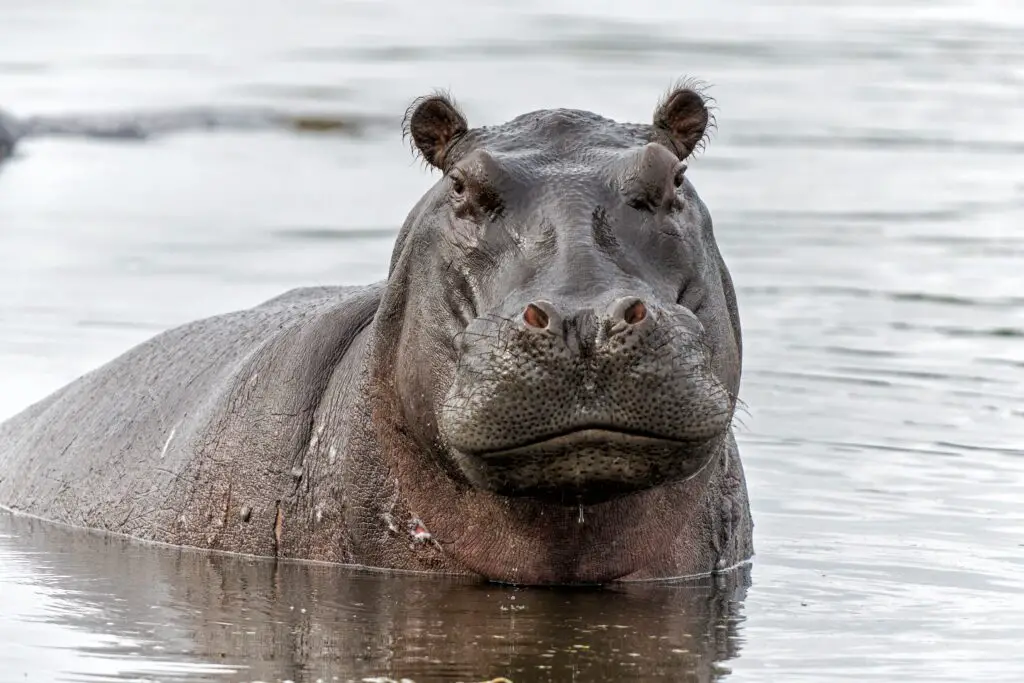
It is quite easy to see why people fall in love with hippos because their round bodies and wiggly ears make them look like the jovial giants of the African waterways. We see them depicted as clumsy and kind characters in children’s books, but the reality is that the hippopotamus is widely considered one of the most dangerous large land animals in the world. They are incredibly territorial and surprisingly fast, reaching speeds of up to twenty miles per hour when they feel the need to defend their stretch of the river. Every year, they are responsible for more human fatalities in Africa than lions or leopards combined because they do not hesitate to charge.
Historical data from wildlife conservancies highlights that most hippo attacks occur when people accidentally get between the animal and the safety of the water. Their massive canine teeth can grow to over twenty inches long and they are designed for combat rather than eating since hippos are primarily herbivores. Their jaws can snap a small boat in half with a single bite and this incredible power is often hidden beneath the surface of a calm lagoon. It is a sobering thought that such a seemingly lethargic animal can transform into a whirlwind of aggression in a matter of seconds and it reminds us to respect the boundaries of the natural world.
4. The Elegant Mute Swan
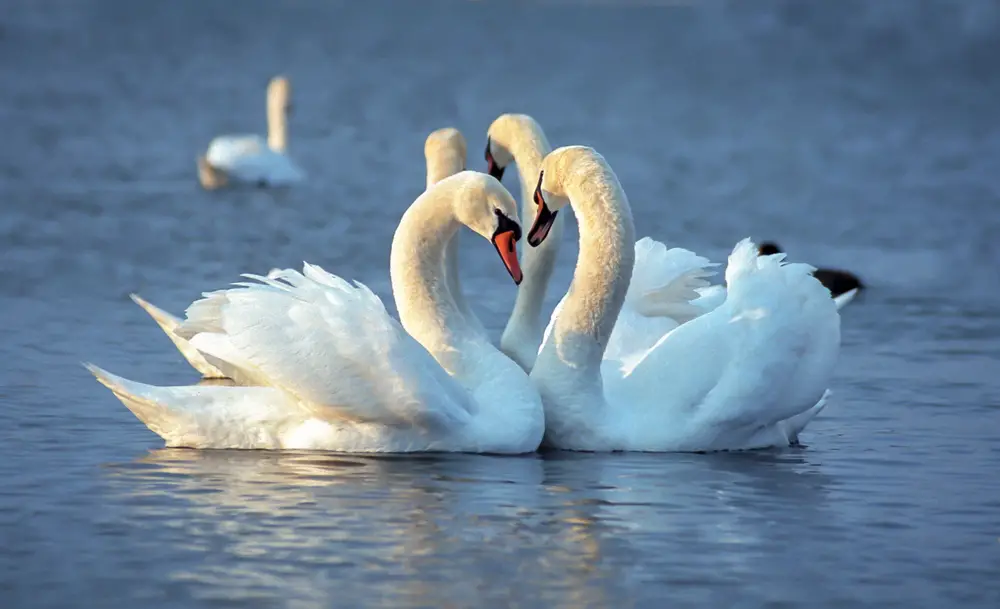
There is a certain regal grace to a swan gliding across a British lake and they have long been symbols of purity and romance in our cultural history. However, anyone who has ever wandered too close to a nesting pair will know that these birds are anything but peaceful when they feel their family is under threat. With a wingspan that can reach up to eight feet, the mute swan is a powerful avian athlete that uses its sheer size to intimidate rivals. They are known to hiss loudly and flap their wings with immense force and they have even been known to capsize small kayaks or knock grown men into the water.
While the old urban legend that a swan can break a human arm is slightly exaggerated, their strength is certainly nothing to sneeze at. These birds were protected by the British Crown as far back as the 12th century and their status as royal birds has perhaps given them a bit of an ego over the generations. They are fiercely protective of their cygnets and will pursue intruders across both land and water until they are certain the danger has passed. It is a classic case of a beautiful exterior masking a very gritty and determined spirit and it proves that being “pretty as a picture” does not mean they won’t put up a fight.
5. The Playful Bottlenose Dolphin
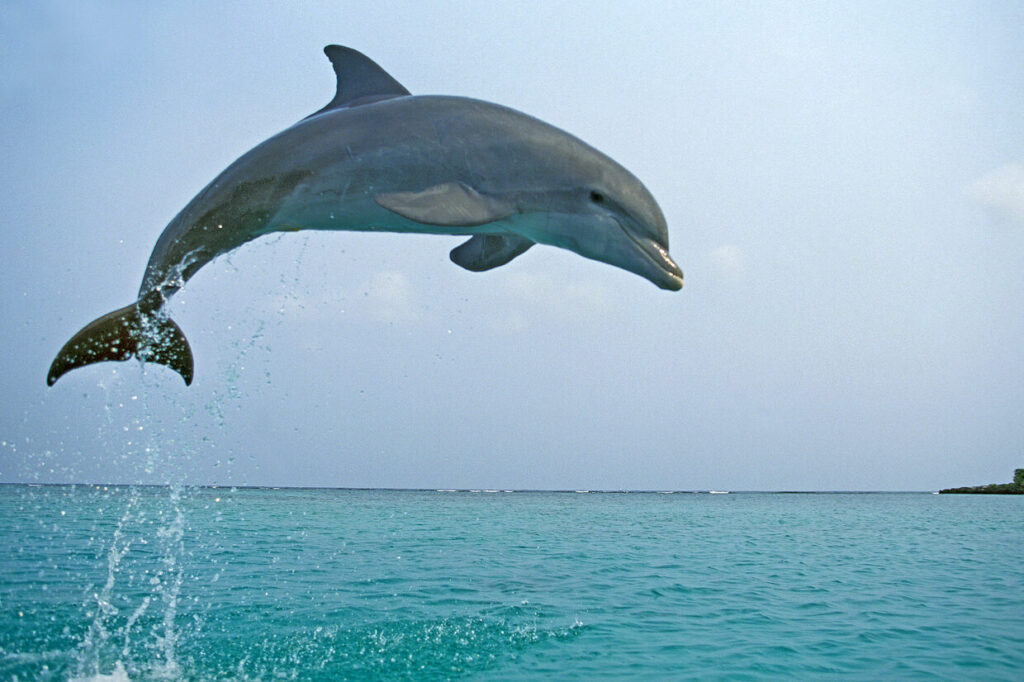
Dolphins are almost universally beloved because of their permanent smiles and their reputation for saving shipwrecked sailors in ancient myths. We tend to view them as the Golden Retrievers of the ocean, yet marine biologists have documented a much darker side to their social behavior in recent decades. These highly intelligent mammals are known to engage in aggressive play and they sometimes hunt other small porpoises not for food, but for sport. Their social structures are incredibly complex and they can be quite ruthless when it comes to establishing dominance within their pods or competing for the attention of a mate.
In various studies conducted since the 1990s, researchers have observed bottlenose dolphins using their powerful snouts as battering rams to inflict internal injuries on rivals. They are also incredibly strong predators that can take down large fish with precision and their intelligence allows them to coordinate attacks with frightening efficiency. While they are undoubtedly capable of showing great kindness and curiosity toward humans, it is important to remember that they are wild apex predators with their own agendas. Their friendly appearance is simply a result of their facial anatomy and it does not always reflect the complex and sometimes violent reality of their lives beneath the waves.
6. The Cuddly Koala Bear
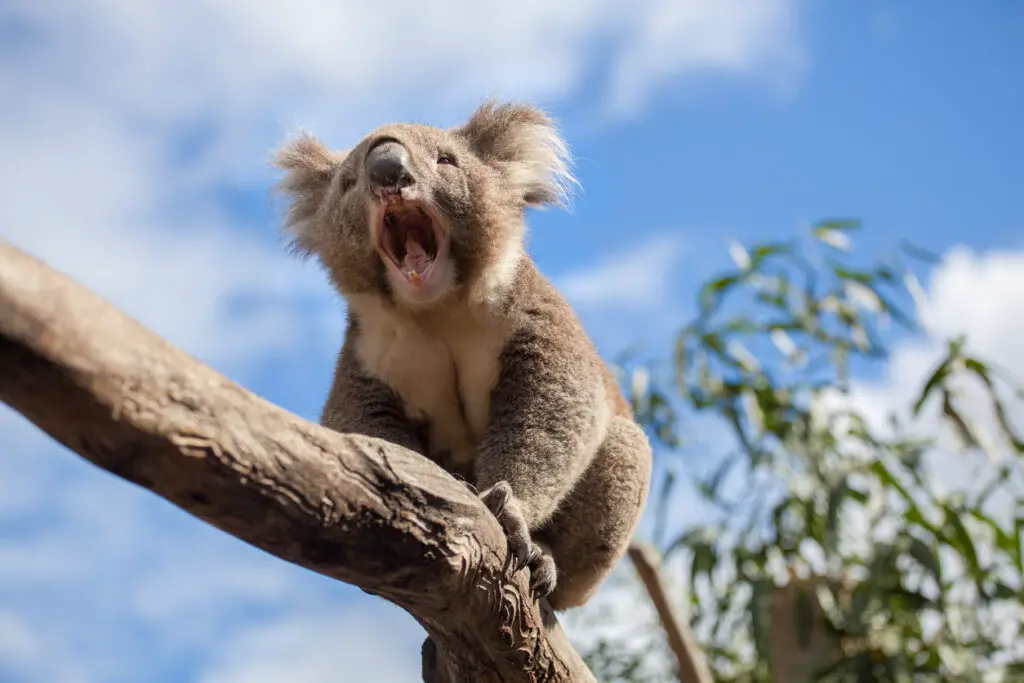
The koala is the quintessential symbol of Australian wildlife and their fluffy ears and spoon-shaped noses make them look like the ultimate nap partners. Most of the time, they are indeed quite lethargic because their diet of eucalyptus leaves provides very little energy and requires a lot of digestion. However, when a koala is stressed or feels cornered, it can transform from a sleepy herbivore into a scratching machine with very little warning. They possess incredibly sharp claws that are designed for gripping smooth tree bark and they also have surprisingly strong jaws and long teeth that can deliver a very nasty bite.
During the mating season, male koalas are known to be particularly aggressive as they bellow loudly and fight one another for territory and breeding rights. These brawls can be quite intense and they often result in the animals tumbling out of trees while they remain locked in combat. It is also worth noting that they can move surprisingly fast on the ground when they need to reach another tree or escape a perceived threat. While they are undeniably cute, they are wild animals that prefer to be left alone and they will not hesitate to defend themselves if they feel that their personal space is being invaded.
7. The Tiny Blue-Ringed Octopus
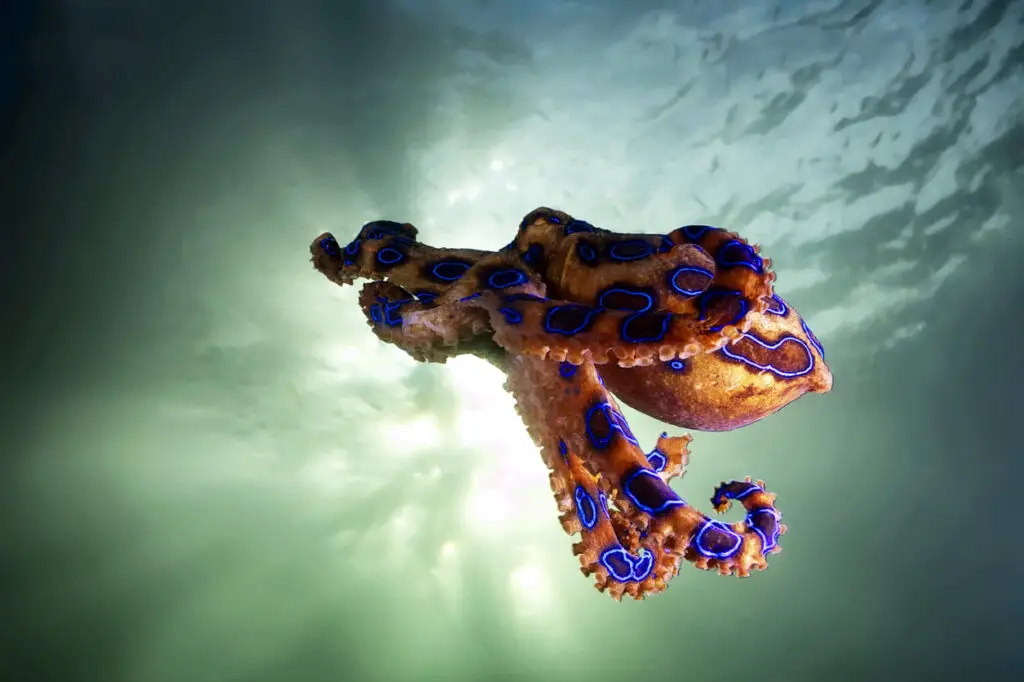
If you were walking along an Australian beach and saw a tiny, glowing octopus in a tide pool, your first instinct might be to pick it up and marvel at its beauty. Measuring only about five to eight inches, the blue-ringed octopus is famous for its vibrant sapphire circles that pulse when it is agitated. However, this stunning display is actually a high-priority warning because this tiny mollusk carries enough venom to kill twenty-six adult humans within minutes. There is currently no known antivenom for its bite and this makes it one of the most dangerous residents of the ocean despite its diminutive size.
The venom contains tetrodotoxin, which is the same deadly neurotoxin found in pufferfish, and it works by paralyzing the muscles needed for breathing. What makes this creature even more terrifying is that its bite is often so small and painless that the victim might not even realize they have been envenomated until they start to have trouble moving. It is a perfect example of how nature uses bright colors as a “keep away” sign and it serves as a reminder that the most beautiful things in the sea are often the most lethal. We should always appreciate their psychedelic patterns from a distance and leave them to hunt their crabs in peace.
8. The Majestic Polar Bear
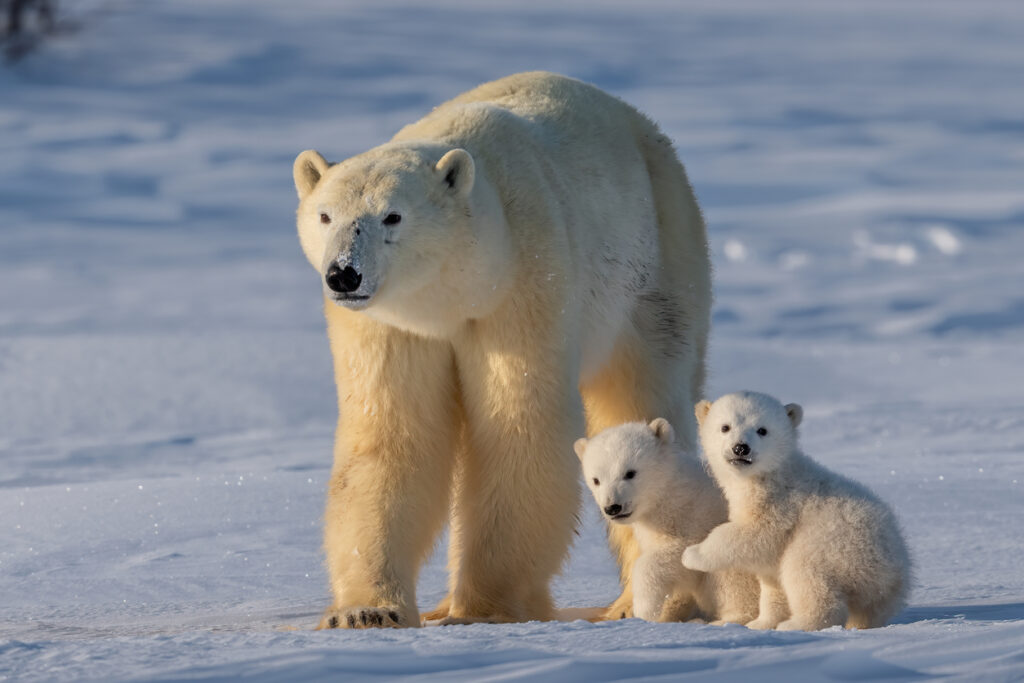
There is something undeniably charming about a polar bear, especially when we see videos of them sliding across the ice or playing with their cubs in the snow. They look like giant, soft pillows of white fur, but we must never forget that they are the largest land carnivores on the planet. Unlike most other bears, which tend to avoid humans unless they are provoked, a hungry polar bear will actively track a human as a potential food source. They are perfectly evolved killing machines with a sense of smell that can detect a seal under three feet of ice from miles away.
The sheer power of a polar bear is difficult to comprehend until you see them in action as they can take down a thousand-pound walrus with their bare paws. Their fur is not actually white but transparent and it covers a layer of black skin that helps them absorb heat in the harsh Arctic climate. As their habitat continues to shrink due to environmental changes, these magnificent predators are being forced closer to human settlements in search of sustenance. This increased interaction is a tragedy for both species and it highlights the fact that we are dealing with an animal that views almost everything in its environment as a meal.
9. The Misunderstood Aye-Aye
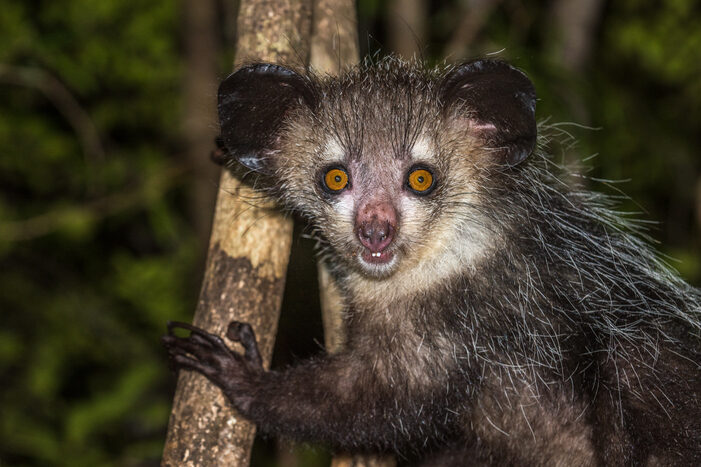
While the previous entries were about cute things that are dangerous, the Aye-Aye is often the victim of the opposite problem because it looks like something out of a horror film. With its huge leathery ears, bulging yellow eyes, and one exceptionally long, skeletal finger, this Malagasy lemur has a bit of an image problem. In fact, many local legends in Madagascar suggest that the Aye-Aye is a harbinger of doom or an evil spirit. This unfortunate reputation has led to the species being persecuted for centuries, yet in reality, they are completely harmless to humans and are actually quite shy and gentle.
The Aye-Aye is a specialized forager that uses its long middle finger to tap on trees to find grubs, acting much like a primate version of a woodpecker. They use their massive ears to listen for the echoes of hollow chambers and then use their sharp teeth to chew through the bark to reach their snack. They are nocturnal creatures that spend most of their lives high in the canopy and they play a vital role in their ecosystem by controlling insect populations. It is a shame that their unique appearance has caused so much fear because they are truly one of nature’s most fascinating and specialized evolutionary success stories.
10. The Fearsome Basking Shark
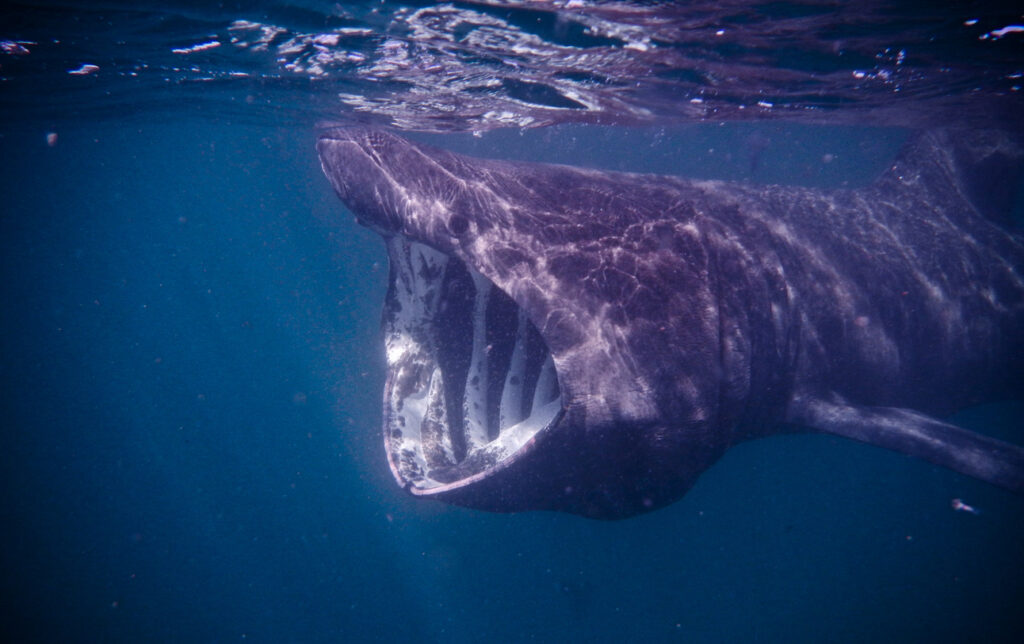
Seeing a massive dorsal fin and a gaping, cavernous mouth rising from the ocean surface is enough to make any swimmer’s heart skip a beat. The basking shark is the second-largest fish in the world and it can reach lengths of up to forty feet, which understandably makes it look like a terrifying prehistoric monster. Because they often swim near the surface with their mouths wide open, they are frequently mistaken for Great Whites or other man-eaters. However, these gentle giants are actually filter feeders that have absolutely no interest in eating anything larger than a tiny piece of plankton.
Despite their intimidating size, basking sharks are slow-moving and generally indifferent to the presence of divers or boats. They have hundreds of tiny teeth that are practically useless for biting and they rely on their massive gill rakers to strain thousands of gallons of water every hour. They are a common sight off the coast of the British Isles during the summer months when the plankton blooms are at their peak. It is a wonderful example of how our primal fears can sometimes blind us to the peaceful nature of a creature that is simply trying to go about its day. Relying on our initial instincts about an animal’s appearance can often lead us to fear something that is actually a magnificent and harmless part of our natural heritage.
11. The Sturdy Honey Badger
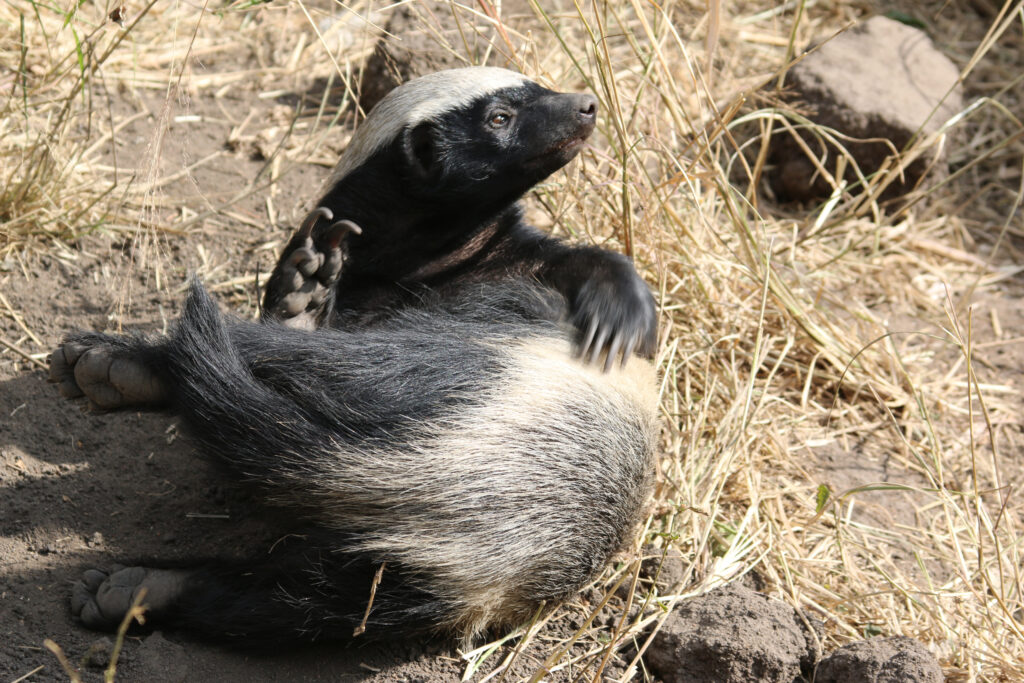
We often associate members of the weasel family with being sleek and perhaps a bit shy, but the honey badger has earned a reputation for being the most fearless animal in the world. With its thick, coarse fur and stocky build, it might look like a grumpy little old man of the savannah, yet it possesses a level of ferocity that defies its size. These creatures are legendary for their ability to take on lions, hyenas, and even the most venomous snakes without flinching. Their skin is incredibly thick and loose, which allows them to twist around and bite back even when they are held in the jaws of a much larger predator.
It is quite remarkable to consider that honey badgers have a specialized resistance to snake venom, a trait that was documented extensively by biologists in the late 20th century. If a cobra bites them, they might pass out for a few minutes, but they often wake up shortly after and finish eating the snake as if nothing happened. They are also highly intelligent and have been observed using tools to escape enclosures, proving that their brawn is matched by their brains. While they aren’t looking for a fight with humans, they are best given a very wide berth because they simply do not know the meaning of the word surrender.
12. The Creepy Giant Isopod
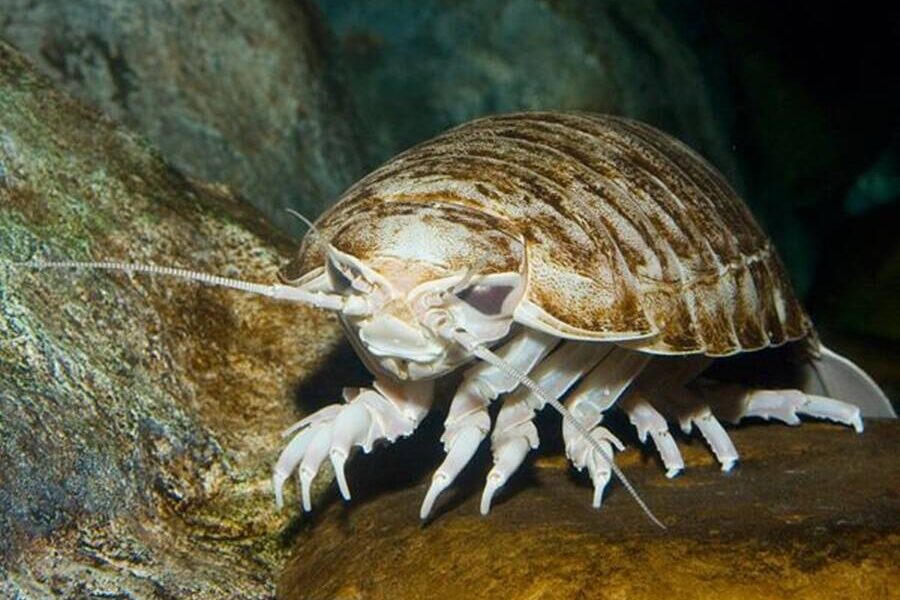
If you were to encounter a giant isopod on dry land, you might think you had stumbled onto the set of a science fiction movie involving giant alien insects. These deep-sea crustaceans look like massive, armored woodlice and can grow to be over a foot long, which is a terrifying prospect for anyone with a phobia of bugs. They have many jointed legs and glowing eyes that peer through the darkness of the ocean floor, making them look like a nightmare from the abyss. However, these scavengers are actually quite harmless to humans and play a vital role in cleaning the seabed.
Records from deep-sea expeditions in the 2010s show that these creatures can go for years without eating, surviving on whatever falls from the surface above. They are not hunters but rather patient opportunists that spend their lives in the freezing, high-pressure depths where food is scarce. Despite their frightening appearance, they are slow-moving and possess no venom or aggressive tendencies toward people. They are a testament to the strange ways life adapts to extreme environments and their scary looks are simply a suit of armor designed to protect them from the crushing weight of the deep ocean.
13. The Striking Gila Monster

The Gila monster is often portrayed in old Western films as a terrifying desert demon that will chase down travelers with its venomous bite. With its beaded, orange-and-black skin and heavy body, it certainly looks like something that walked out of a prehistoric era. It is one of the few venomous lizards in the world and its hiss is enough to make anyone back away in a hurry. However, the reality of the Gila monster is far less dramatic than the Hollywood myths suggest because they are actually quite sluggish and prefer to avoid conflict whenever possible.
These lizards spend about ninety percent of their lives underground and only come out to sunbathe or find a quick snack of bird eggs or small mammals. While their venom is indeed potent, they do not inject it like a snake but rather chew it into the wound, and they are generally too slow to catch a person unless they are being handled. Interestingly, a synthetic version of a protein found in their saliva has been used since 2005 to treat Type 2 diabetes in humans. This shows that even a creature with a fearsome reputation can end up providing incredible benefits to medicine and human health.
14. The Odd Gharial Crocodile
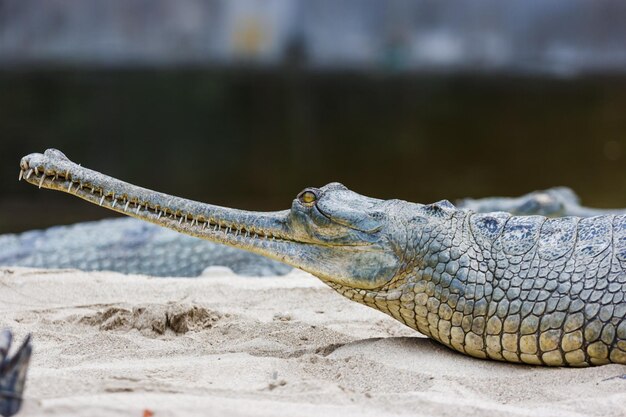
With its long, thin snout lined with hundreds of needle-sharp teeth, the gharial looks like a more specialized and perhaps even more dangerous version of a standard crocodile. They can grow to be incredibly long, reaching up to twenty feet, and their appearance is often enough to keep people far away from the rivers of India and Nepal. However, those delicate jaws are actually quite fragile and are designed specifically for catching fish with a quick side-swipe. They are physically unable to eat large prey like humans because their snouts would likely break under the pressure of such a struggle.
Conservation efforts in the early 2000s highlighted just how endangered these unique reptiles have become due to habitat loss and fishing nets. Unlike their cousins, the saltwater crocodiles, gharials are generally shy and will slide into the water to hide long before a human gets close. They are a wonderful example of specialized evolution, where every part of their body is tuned for a specific lifestyle that doesn’t involve being a “man-eater” at all. It is important to look past the frightening rows of teeth to see a creature that is an essential and non-threatening part of its riverine ecosystem.
15. The Heavy Alligator Snapping Turtle
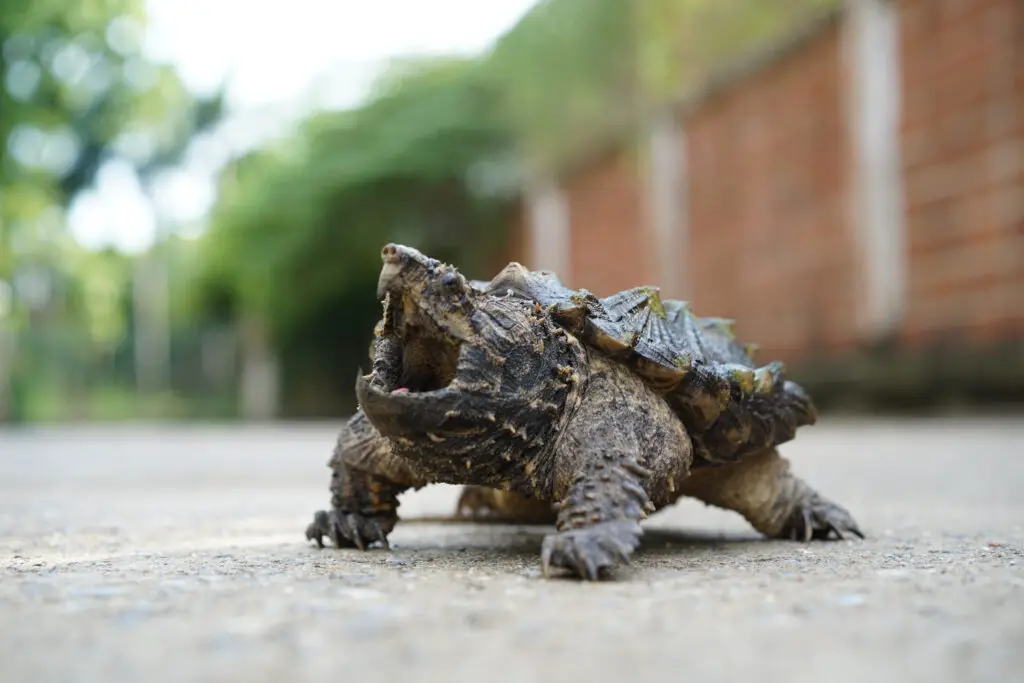
The alligator snapping turtle looks like a living dinosaur with its spiked shell, hooked beak, and thick, scaly tail. They are the largest freshwater turtles in North America and have a reputation for being able to bite through a broomstick with ease. Because they stay perfectly still at the bottom of murky lakes and use a worm-like lure on their tongue to catch fish, they have an aura of mystery and danger. Many people fear stepping into the water lest they lose a toe to one of these ancient-looking behemoths that seem so ready to snap.
In reality, these turtles are quite sedentary and would much rather stay hidden in the mud than interact with a human. Most “attacks” only occur when someone tries to lift or harass the turtle on land, where it feels vulnerable and uses its beak as a last resort for defense. They have been around for nearly 20 million years, and their survival is a result of their patient, low-energy lifestyle rather than any inherent desire to be aggressive. Understanding that their fearsome look is just a defensive shell helps us appreciate the quiet role they play in keeping our freshwater ecosystems balanced and healthy over many centuries.
16. The Majestic Manta Ray

Gliding through the water with “horns” on its head and a massive, cloak-like body, the manta ray was once feared by sailors who called it the “devil fish.” With a wingspan that can reach over twenty feet, its dark shadow moving beneath a boat can be a truly intimidating sight for those unfamiliar with its nature. For generations, stories circulated of these giants wrapping their wings around divers or pulling anchors into the deep, leading to a lingering sense of dread. Yet, as we have spent more time studying these graceful animals, we have discovered that they are some of the most gentle and curious inhabitants of the sea.
Manta rays lack the stinging barb found in many of their relatives and they possess no teeth for biting, as they are filter feeders that consume tiny plankton. They are known for their high intelligence and have even shown signs of self-awareness in mirror tests conducted by marine biologists in 2016. These social creatures often approach divers out of sheer curiosity and seem to enjoy the bubbles from scuba gear. This journey through the world of deceptive creatures shows us that our eyes often lie to us and relying on a single outward trait to judge a creature’s character is a mistake. Just as relying on a single factory or source for our needs can lead to unexpected vulnerabilities, our snap judgments about nature can prevent us from seeing the true balance of the wild. We must learn to look deeper and respect the reality of the animal kingdom.
Like this story? Add your thoughts in the comments, thank you.


