
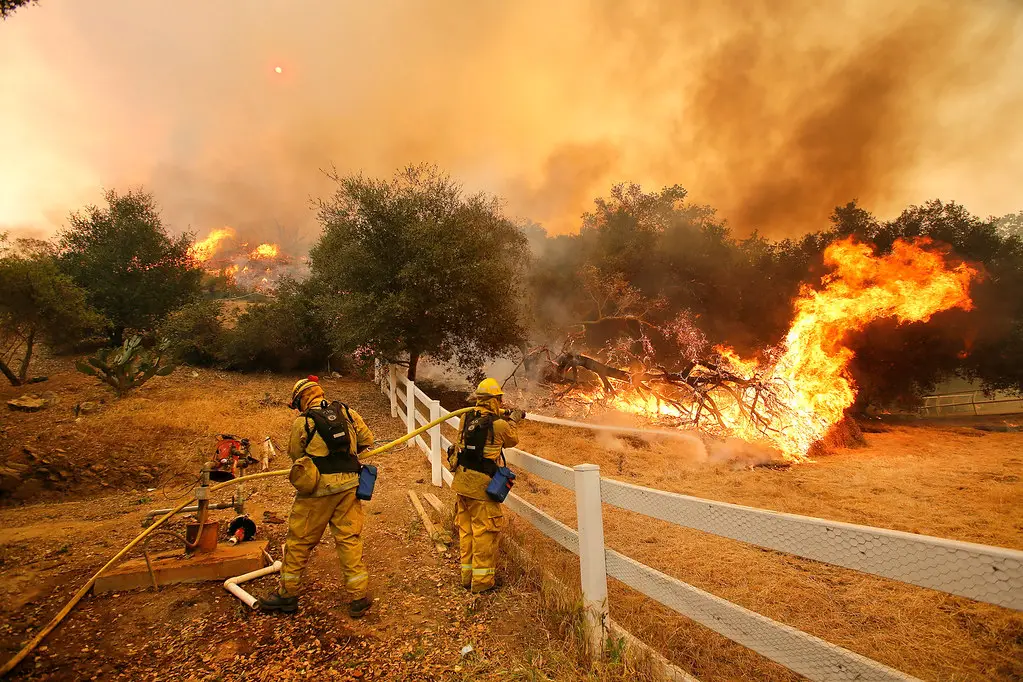
We talk a lot about wildfires—how intense, fast, and devastating they’ve become in recent years. But there’s a quieter, more insidious culprit working behind the scenes: pine beetles. These tiny bugs might seem harmless at first glance, but they’re deeply tangled up in the growing wildfire crisis. Once you understand the connection, it’s hard to unsee it. The truth? Our forests are under siege in more ways than one. Let’s explore some unexpected ways these beetles and wildfires are feeding off each other—literally and figuratively.
Dead Trees Are a Wildfire’s Favorite Fuel
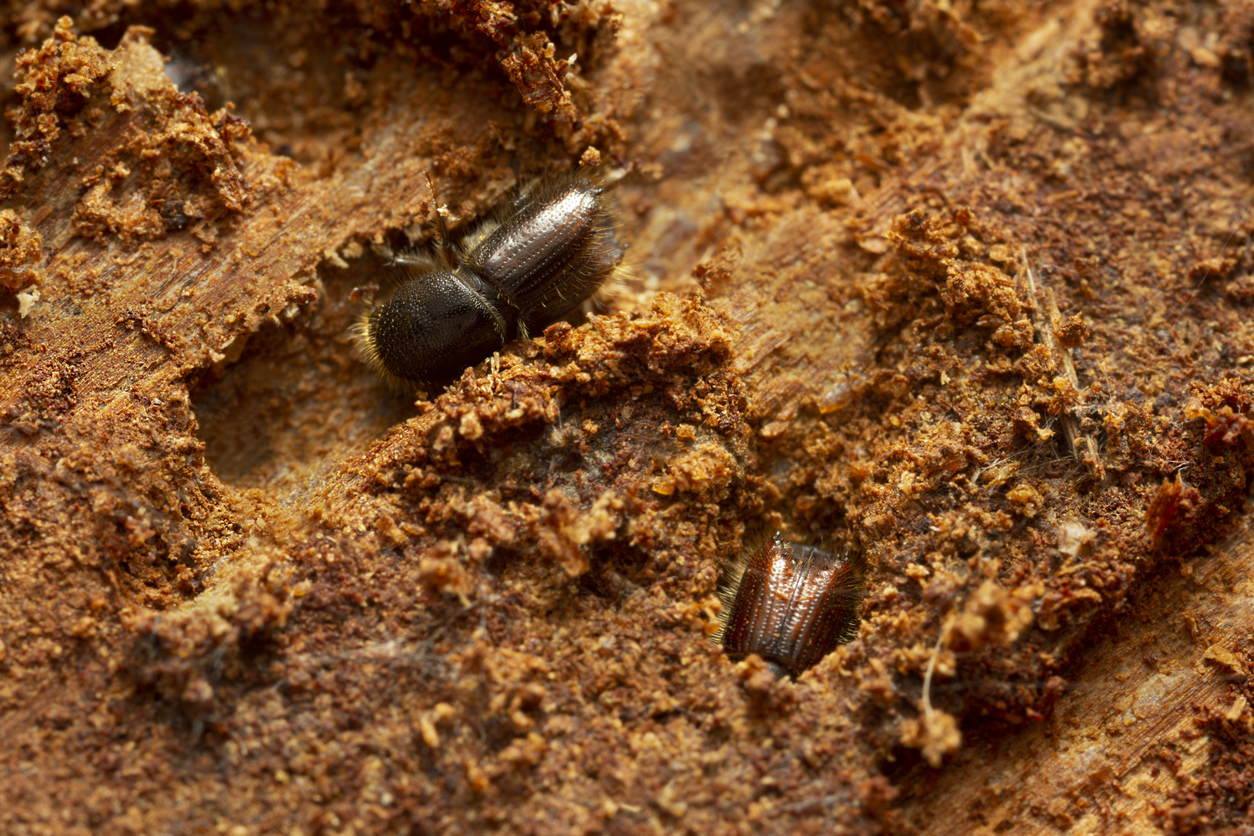
When pine beetles infest a forest, they don’t just nibble a few needles—they decimate trees from the inside out. Their attack disrupts the tree’s ability to circulate water and nutrients, slowly killing it. What’s left behind is a standing skeleton: dry, brittle, and basically kindling. These beetle-killed trees can stand for years, building up an invisible forest of fuel. Come wildfire season, that dry timber becomes a torch waiting to ignite. Firefighters dread beetle-affected areas because fires move faster and burn hotter in these zones, making them harder—and more dangerous—to control. The beetles, in effect, prep the stage for the kind of firestorms that level entire landscapes. It’s not just about the dead trees either; the infestation stresses nearby living trees too, making them more flammable and more vulnerable. It’s a cascade effect with terrifying results. Read more on this US Government site fs.usda.gov.
Beetles Thrive in the Same Conditions That Spark Wildfires
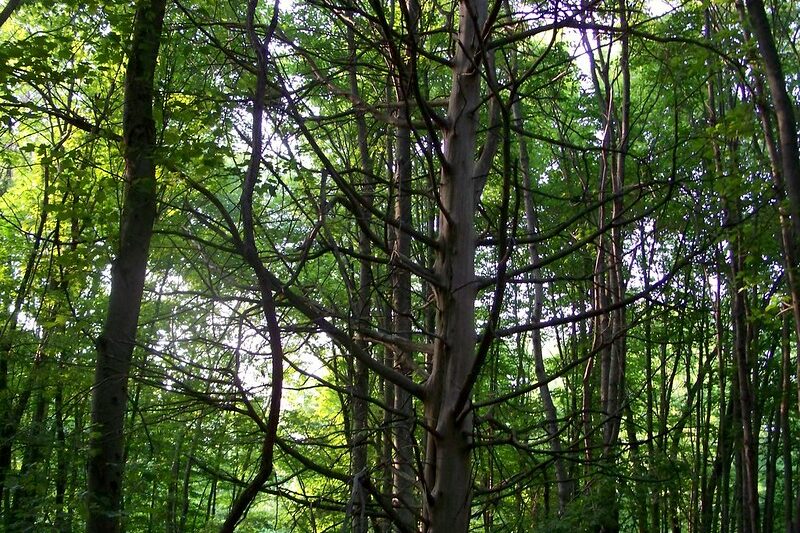
Here’s where it gets even messier: pine beetles and wildfires both love the same weather. Warmer temperatures, long dry spells, and milder winters—basically everything climate change is serving up—create perfect breeding grounds for beetles. The same climate patterns that dry out forests and raise fire risk also supercharge beetle populations. They reproduce faster, spread wider, and attack more aggressively. It’s a one-two punch. And because beetles can complete multiple life cycles in a single season under these ideal conditions, forests are hit harder and faster than ever before. That means more dead trees sooner, which feeds directly into the wildfire equation. Climate isn’t just fueling fires—it’s helping the beetles create the tinderbox that makes them unstoppable. It’s a brutal synergy playing out on millions of acres of woodland.
Forests Don’t Just Burn—They Collapse from Within
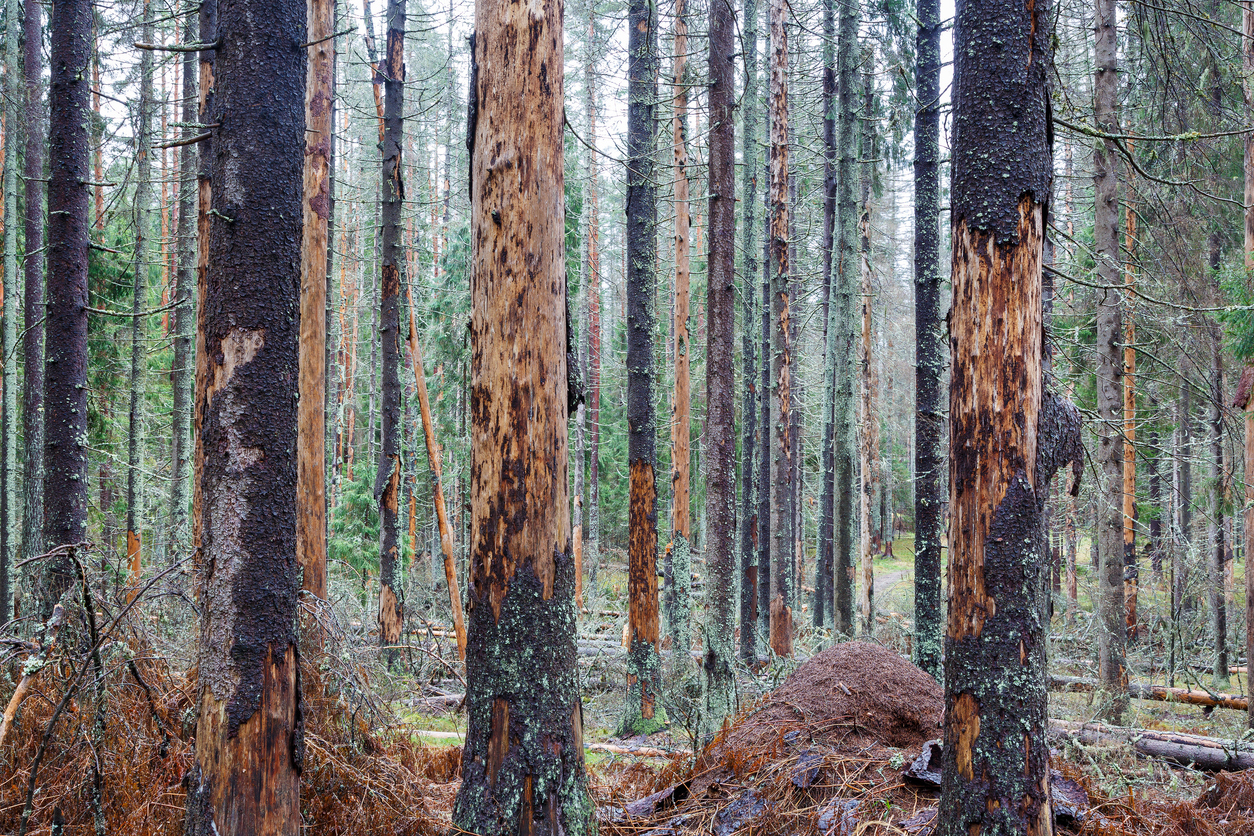
One of the more heartbreaking connections between pine beetles and wildfire destruction is how both contribute to a kind of ecological collapse. When beetles kill trees, they don’t just leave behind fire fuel—they unravel the entire forest structure. The shade canopy disappears, soil dries out faster, and moisture-retaining undergrowth dies off. This makes the entire area more flammable from the ground up. It also means new seedlings struggle to grow, so forests don’t recover like they used to. When a wildfire sweeps through after a beetle outbreak, it doesn’t just destroy what’s there—it prevents anything from coming back easily. The forest becomes locked in a cycle of damage and decay. And while it may look like a natural process from the outside, what’s happening is a very unnatural acceleration of loss caused by the compounding stress of beetles and fire, all amplified by climate shifts, says colorado.edu.
Bark Beetle Infestations Can Change Fire Behavior
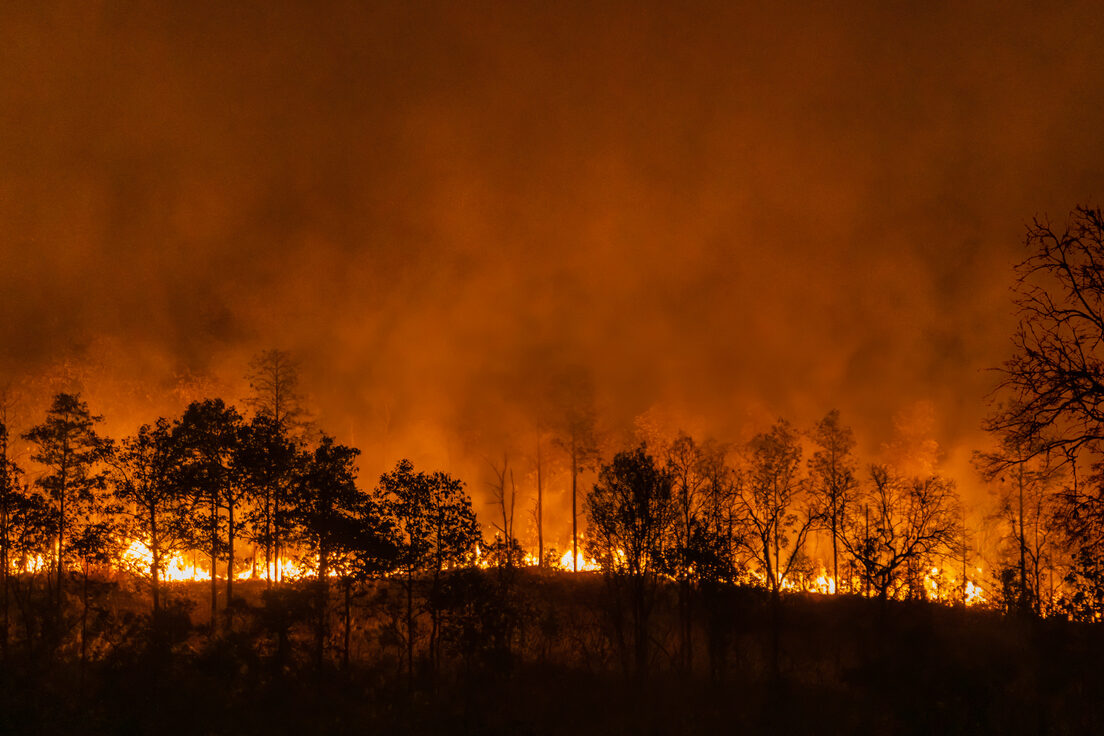
We tend to imagine wildfire as this uncontrollable force of nature, but there’s actually a lot of science behind how fires behave—how high the flames reach, how fast they spread, and whether they crown (leap from tree to tree). Beetle-damaged forests create the perfect cocktail of conditions that change the rules. The dry needles on dead trees ignite easily and spread flames vertically, helping fires leap higher and faster than in healthy forests. Even the chemical makeup of a tree changes after a beetle attack, which can affect flammability. Expert observations show that fires in these zones can behave in more erratic and dangerous ways, making suppression efforts much harder. It’s not just a fire—it’s a fire on steroids, supercharged by the altered biology of the forest. And the longer we ignore the beetle outbreaks, the more unpredictable wildfire seasons become. Look at what NASA has to say on the topic.
Wildfires Actually Make Beetle Infestations Worse
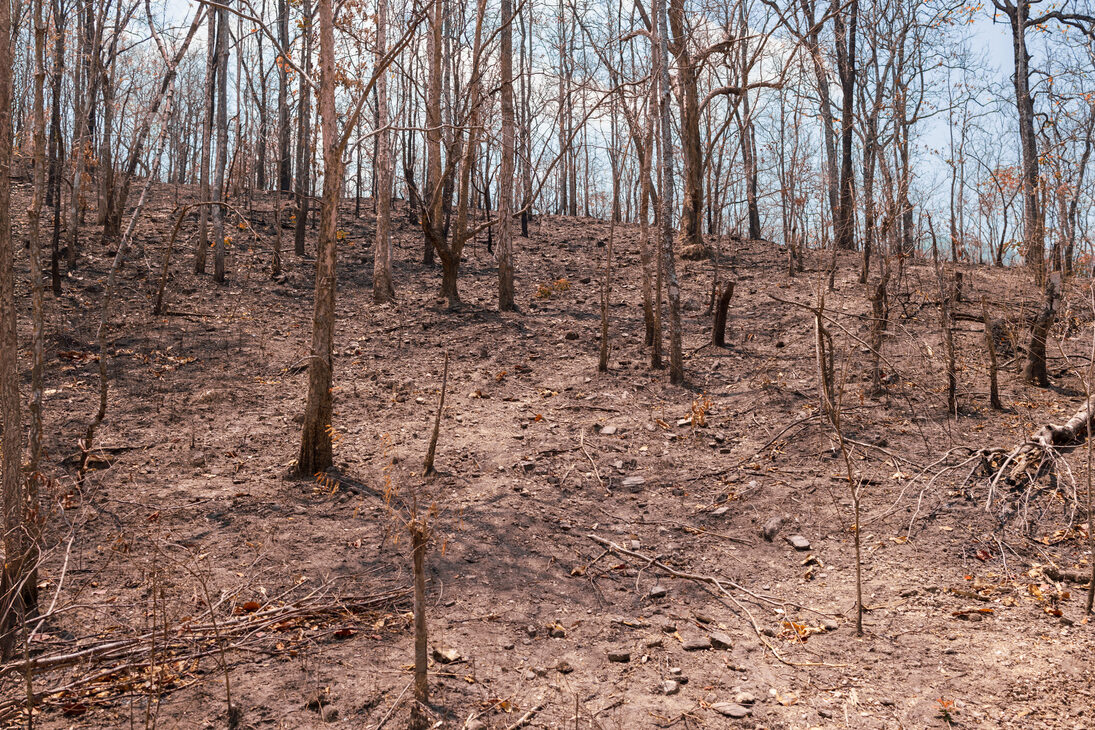
You might think fire would kill off beetles, but ironically, wildfires often pave the way for even bigger infestations. Post-fire forests are weak, and stressed trees become prime targets for beetles looking to lay eggs. Many species can even detect smoke or the scent of damaged trees and head straight for them. In some cases, fire-scorched bark is easier for beetles to penetrate. This creates a cruel cycle: beetles kill trees, fire burns the forest, and then beetles return to finish off what’s left. And since warmer seasons are stretching longer, beetles have more time to take advantage of these post-fire landscapes. Instead of nature resetting itself, it’s like hitting repeat on destruction. The ecosystem doesn’t get a break—it just keeps absorbing blow after blow says Colorado.edu.
It’s Not Just About Trees—It’s About Entire Communities
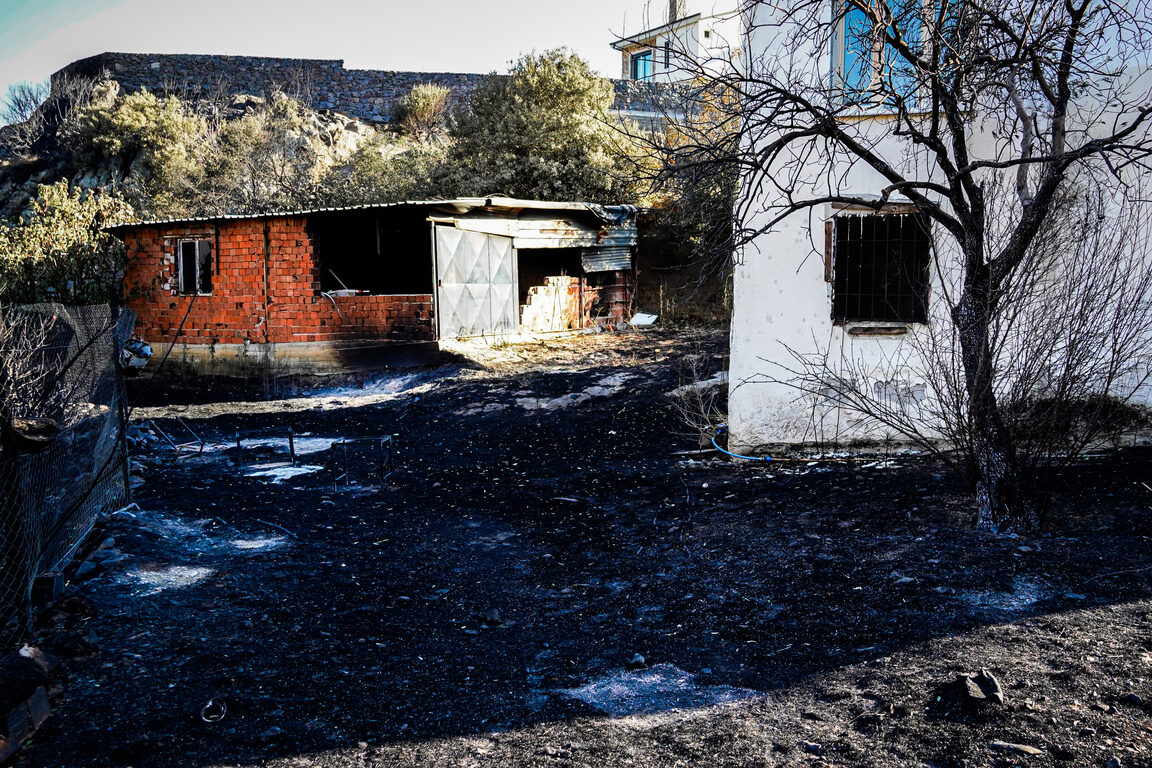
The effects of beetle-fueled wildfires go way beyond the tree line. When massive fires sweep through beetle-killed forests, nearby communities are often in the crosshairs. Faster-moving, hotter-burning fires don’t just take down trees—they take down homes, roads, wildlife, and sometimes lives. The economic toll from both beetle infestations and subsequent wildfires is staggering, especially in rural towns that depend on logging, tourism, or recreation. Insurance claims skyrocket, emergency services are overwhelmed, and rebuilding takes years—if it even happens at all. What’s worse, many communities aren’t even aware that beetle infestations are increasing their risk. It’s not just a forest management issue anymore; it’s a public safety and environmental justice concern. When we talk about preventing wildfires, we can’t afford to ignore the insect invasion quietly setting the stage.


