
Rapid Growth and Cyclone Survival
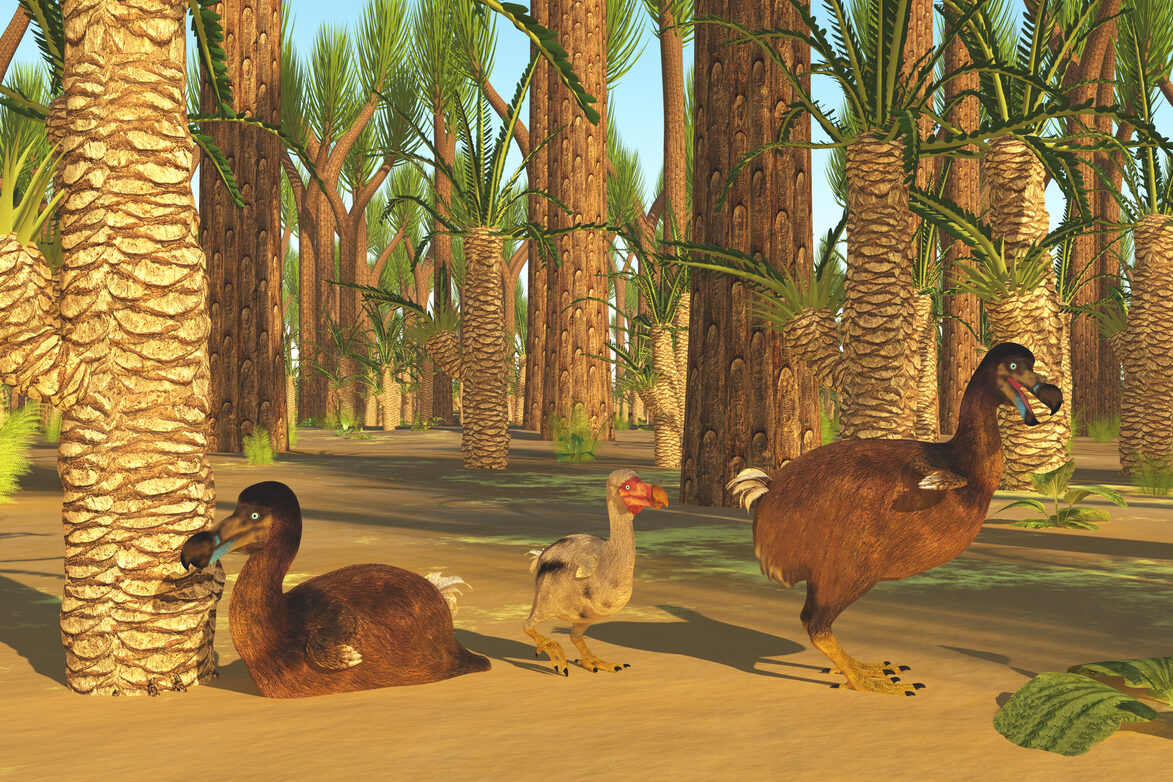
The dodo’s unique growth pattern revealed a crucial piece of the extinction puzzle. Scientists found that dodo chicks hatched in August and grew remarkably fast, a vital adaptation to survive the brutal cyclone season from November to March. These cyclones ravaged Mauritius, stripping away much of the island’s vegetation and leaving food scarce. This rapid growth was essential for young dodos to endure these harsh conditions. However, despite this early burst of development, dodos took several years to reach sexual maturity because they evolved without natural predators. This slow reproductive rate, made them especially vulnerable when humans arrived, bringing invasive species and disrupting the fragile balance of their ecosystem, says experts at nature.com
Vulnerable Ground Nests
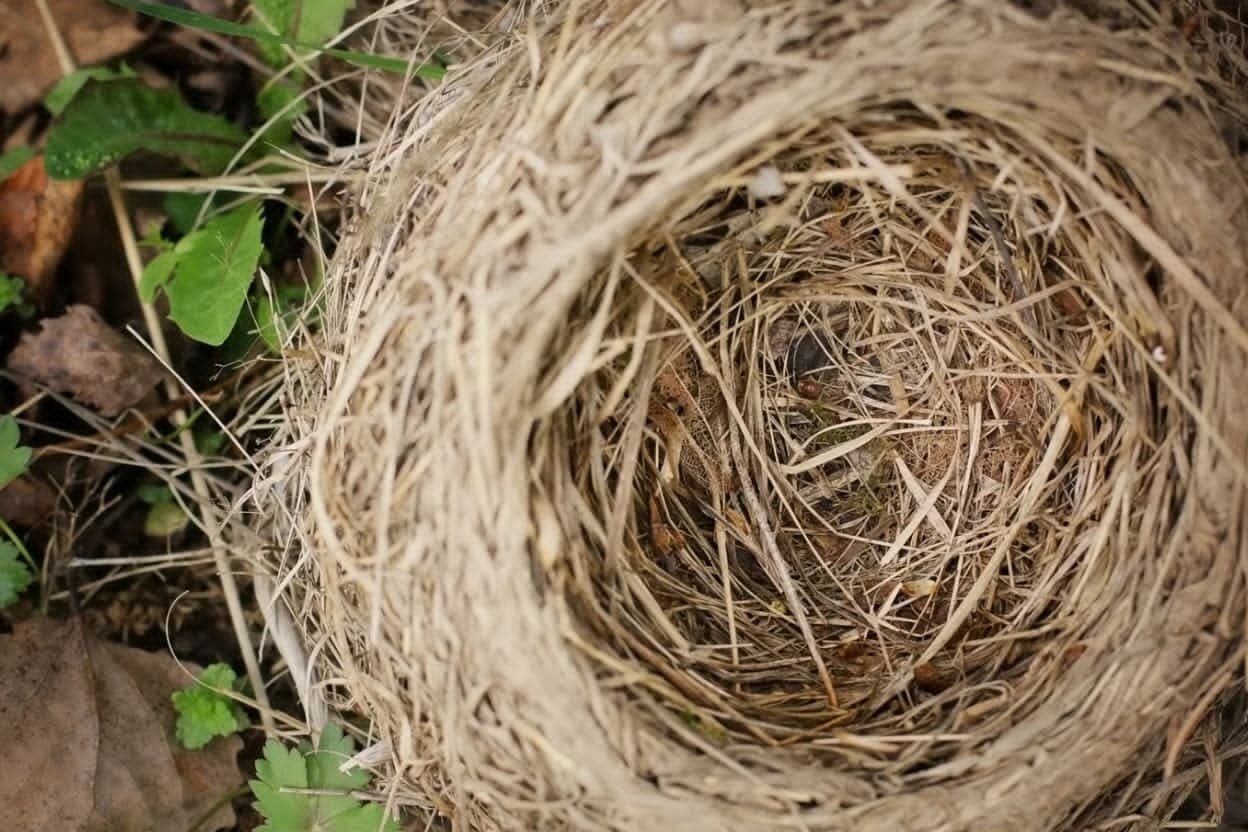
Another revealing clue about the dodo’s extinction lies in their nesting habits. These birds laid their eggs directly on the ground, a strategy that worked well before humans arrived but became a fatal flaw once invasive animals like rats, pigs, and monkeys were introduced by sailors. These new predators easily raided the nests, devouring eggs and young chicks, drastically reducing the dodo’s chances of successful reproduction. The ground nests, once a safe haven, turned into death traps. This vulnerability underscores how human colonization brought unintended consequences, upsetting the delicate ecological balance and accelerating the dodo’s decline. Feel free to read more on this blog at blogspot.
The Impact of Hunting

Hunting pressure was another significant factor that hastened the dodo’s extinction, though it wasn’t the sole cause. Early sailors and settlers hunted dodos for food during long voyages, despite reports that the meat was tough and unpalatable. The dodo’s inability to fly and their curious, unafraid nature made them easy prey. This relentless hunting, combined with habitat destruction and introduced predators, created a perfect storm of threats. Over time, the dodo population dwindled rapidly. This tragic chapter highlights how human exploitation, even when unintentional or opportunistic, can have devastating effects on vulnerable species, especially those isolated on islands with no evolutionary experience of predation, per britannica.com.
Misconceptions About Dodo Behavior
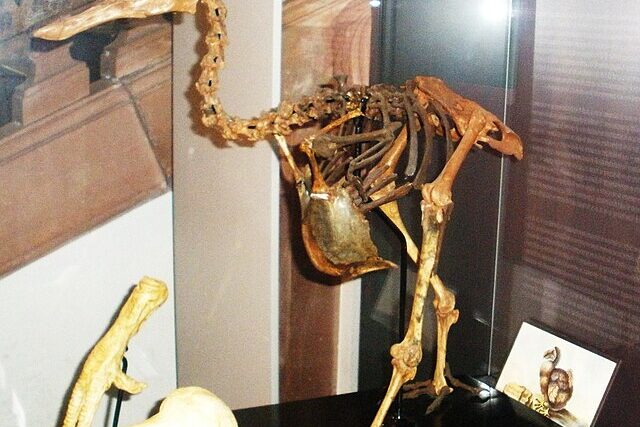
For centuries, the dodo was unfairly portrayed as a clumsy, slow, and unintelligent bird, doomed by its own nature. However, recent scientific studies have challenged this stereotype, revealing that dodos were actually quite active and well-adapted to their environment. Their strong leg tendons suggest they were agile and capable of quick movements, likely helping them forage efficiently and avoid minor threats. This new understanding shifts the narrative away from blaming the dodo’s biology for its extinction. Instead, it highlights the overwhelming impact of human interference and invasive species. It’s a reminder that extinction stories are often more complex than they seem, and shaped by external pressures rather than inherent weaknesses, per sciencedaily.com.
Ecosystem Collapse on Mauritius
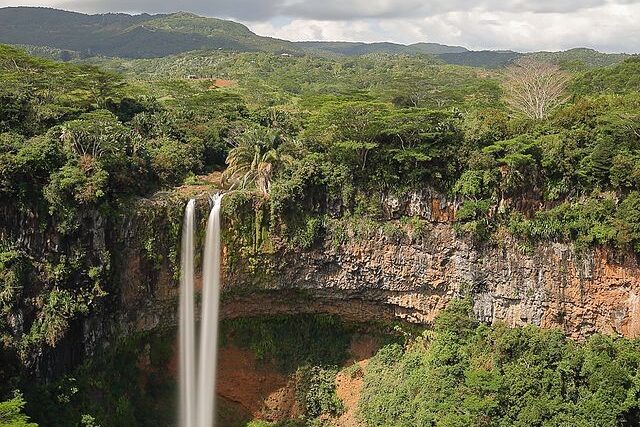
The final piece of the puzzle lies in the broader ecological collapse of Mauritius. The island’s delicate ecosystem was repeatedly battered by cyclones that destroyed native vegetation, while invasive species introduced by humans competed fiercely with native animals for limited resources. This combination of natural disasters and human-induced changes created an environment where the dodo and many other native species could no longer survive. The extinction of the dodo symbolises how fragile island ecosystems are and how quickly they can unravel when disrupted. It is a lesson for us today, emphasizing the urgent need to protect biodiversity and prevent similar losses in our rapidly changing world, per researchgate.net.


