
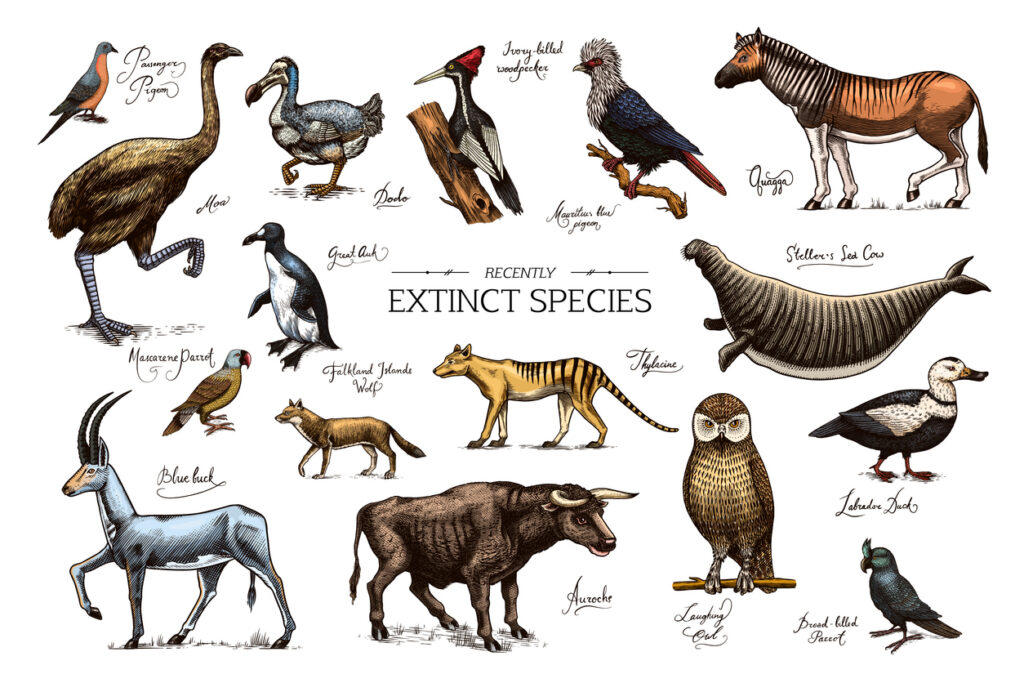
We’ve all heard of animals going extinct—but what about the ones that come back? Thanks to science, conservation efforts, and a few strokes of luck, some species once thought lost forever have clawed their way back into existence. But these miraculous returns aren’t without complications. From cloned ferrets to birds that still depend on humans to survive, these comebacks come with caveats. Here are five fascinating animals that defied extinction—but not without a catch.
California Condor: Back from the Brink, But Still on Life Support
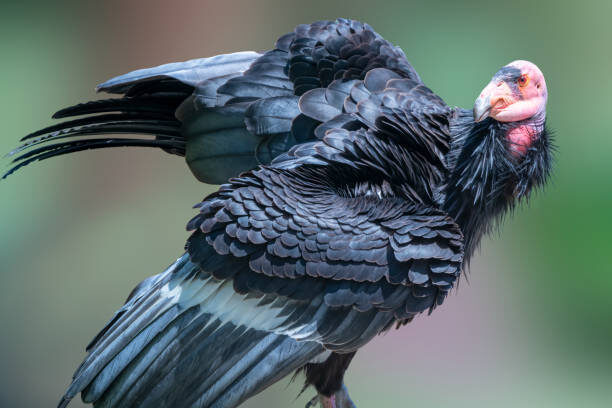
In the 1980s, the California condor was considered extinct in the wild, with only 27 individuals left on the planet. Conservationists made a bold move: they captured every last one for a captive breeding program. It worked—condors have since been reintroduced to the wild in California, Arizona, and Utah. Today, there are over 500 condors in existence. Sounds like a success story, right? Here’s the catch: these birds still can’t survive without human help. Lead poisoning from ammunition and environmental threats keep them reliant on constant monitoring, feeding stations, and medical treatment. Their return is impressive, but fragile. Research Gate says the condor’s future depends heavily on continued funding and public awareness. So while they’re technically “back,” they’re not truly wild yet. Source: ResearchGate.com
Lord Howe Island Stick Insect – Coming Back But Not Quite There Yet
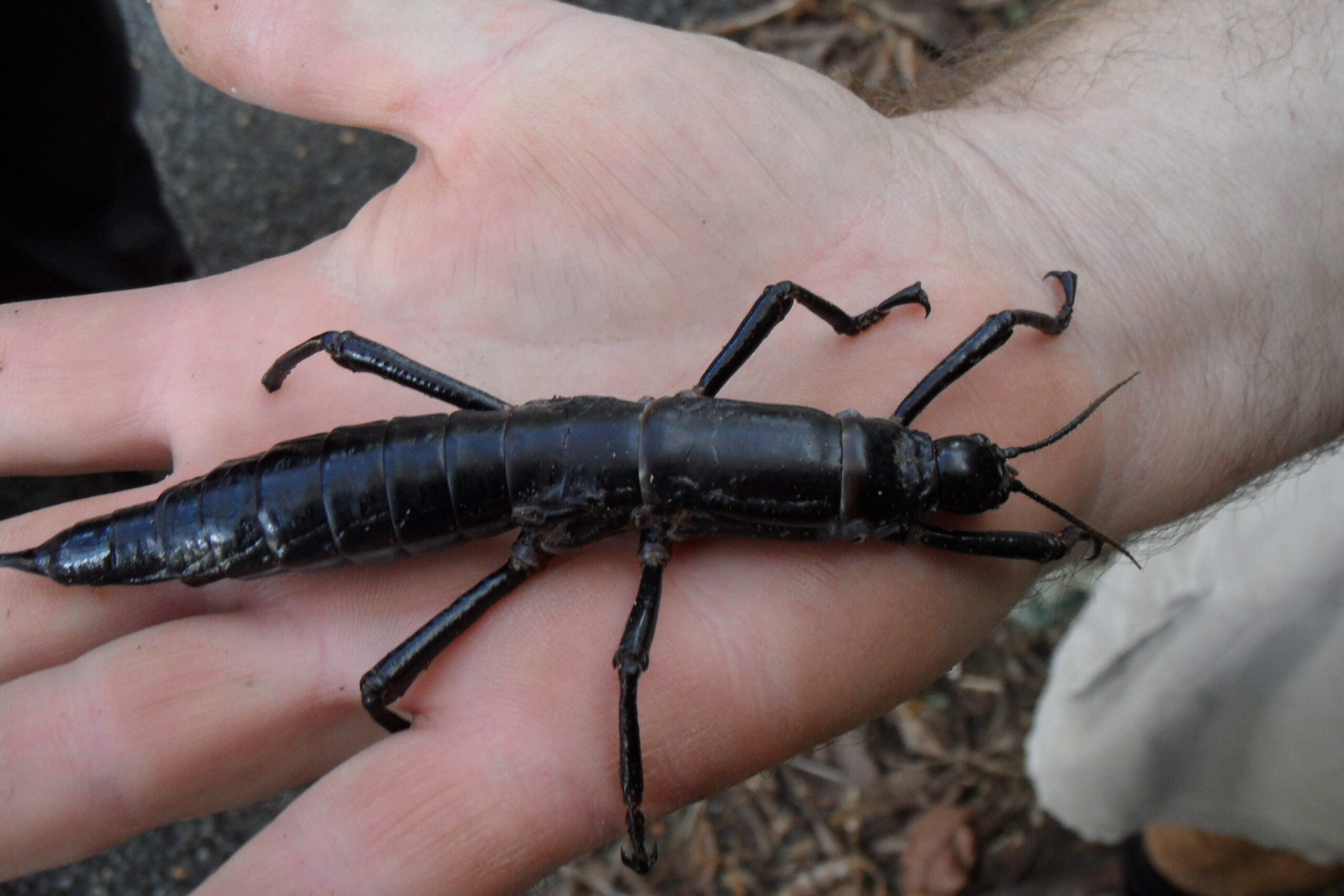
Nicknamed the “tree lobster,” this bizarre, oversized stick insect was thought to be extinct for decades after rats wiped them out on Australia’s Lord Howe Island in the 1920s. Then in 2001, climbers on a rocky outcrop called Ball’s Pyramid discovered a small, hidden population clinging to survival. The insect’s Lazarus-like comeback stunned scientists. A breeding program began, and efforts are now underway to reintroduce it to its native island. But here’s the twist: the original threat—rats—still exists on Lord Howe Island, making it unsafe for reintroduction. Plans to eradicate the invasive rats have faced pushback from local residents and environmental complications. Until that happens, this insect’s homecoming is on hold. National Geographic shares that the insect made a comeback… just not quite complete. Source: National Geographic.
Przewalski’s Horse: Needed a Genetic Boost
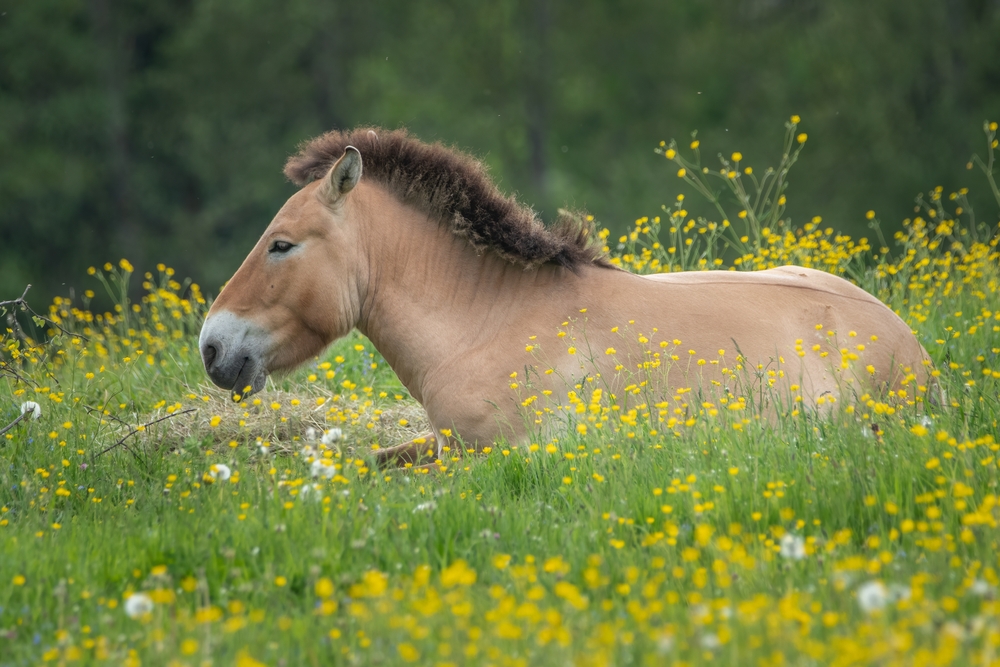
Przewalski’s horse, once native to the steppes of Central Asia, was declared extinct in the wild by the 1960s. Thanks to a carefully managed breeding program in zoos, they’ve been reintroduced into protected reserves in Mongolia. These sturdy, stocky horses are now thriving—but there’s a catch. Their comeback has required intense genetic management to avoid inbreeding, and scientists recently had to clone one using cryopreserved cells from a stallion that died in 1998. It was the first clone of an endangered species created for genetic diversity. According to The National Library Of Medicine, while wild herds now roam again, their long-term survival still depends on careful scientific intervention. They may be running free, but behind the scenes, it’s far from natural. Source: National Institute of Health.
Black-Footed Ferret: The Predator That Needed a Clone
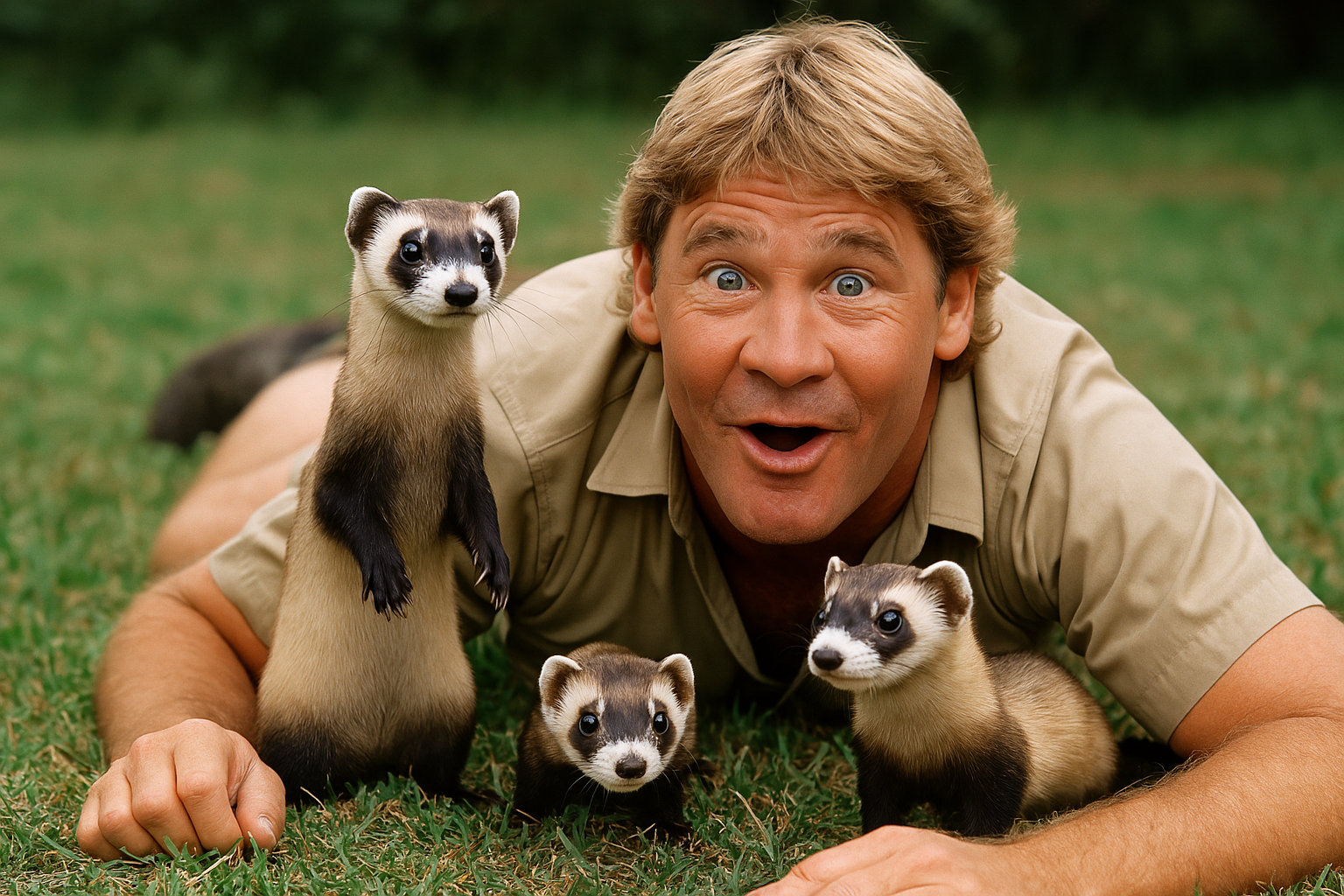
Once thought extinct, the black-footed ferret was rediscovered in the 1980s when a dog brought one home in Wyoming. Since then, captive breeding programs have helped boost their numbers. But here’s the kicker: all black-footed ferrets alive today descended from just seven individuals, which means their genetic diversity is dangerously low. To fix this, scientists cloned a ferret named Elizabeth Ann in 2020 using cells from a long-dead ancestor. The clone represents hope for adding critical variation to the population. Still, reintroducing them to the wild hasn’t been easy. The ferrets rely heavily on prairie dogs for food, and the World Wildlife Fund attested that prairie dog colonies are under threat—meaning the ferrets’ survival is closely tied to another vulnerable species. It’s a comeback with multiple strings attached. Source: WWF.
Coelacanth: The Fish That Outsmarted Extinction
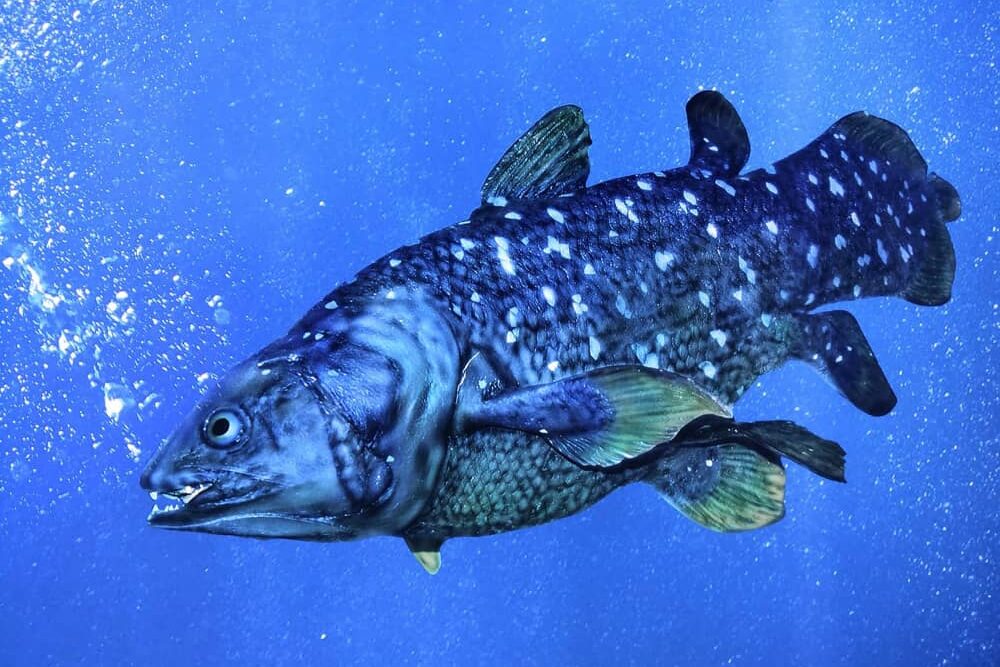
The coelacanth was believed to have gone extinct with the dinosaurs—until a live one was found off the coast of South Africa in 1938. This “living fossil” turned out to be alive and well, just hiding in deep ocean caves all along. More have since been found near Madagascar and Indonesia. But despite their dramatic rediscovery, coelacanths face new threats today: deep-sea fishing, habitat disturbance, and climate change. They reproduce slowly and live up to 100 years, making them especially vulnerable. According to ScienceDirect, conservationists are working to protect their habitats, but these ancient fish remain critically endangered. Their survival is more of a rediscovery than a recovery—and their future is far from certain. Source: ScienceDirect.


