
1. “Come On Eileen” – Dexys Midnight Runners
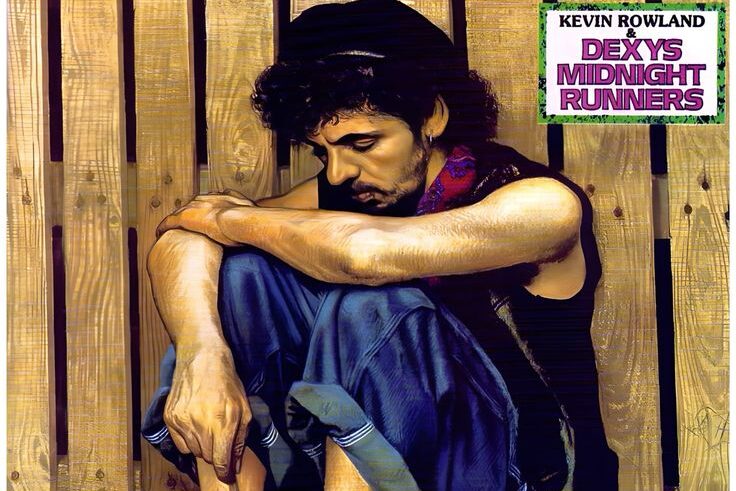
There is something about this song that instantly changes the mood of a room. The moment those opening strings begin, people look at each other like they already know what is coming. It does not matter if you are at a wedding, a reunion, or just cleaning the house on a Saturday afternoon. “Come On Eileen” has a way of pulling everyone in. Released in 1982 by Dexys Midnight Runners, it climbed all the way to number one in the United States and became one of the most recognizable songs of the decade. Still, for many people, the chorus is easier to remember than the band’s name.
Maybe it is because the title feels so conversational, like you are calling out to someone across the room. Maybe it is the dramatic tempo shift that makes the song feel like two moments stitched into one memory. Over time, it stopped feeling like a track owned by a band and started feeling like a shared experience. We shout the lyrics without hesitation, but when someone asks who sings it, there is often a brief pause before Dexys Midnight Runners comes to mind.
2. “Take On Me” – A-ha
You probably remember the video before anything else. A man stepping out of a comic strip, a woman pulled into a pencil drawn world, and that soaring chorus that feels almost impossible to sing. “Take On Me” was released in 1985 by the Norwegian band A-ha, and after a few tries, it finally became a global number one hit. The synth intro alone can transport you straight back to the eighties. It is one of those songs that plays in supermarkets, on throwback radio stations, and in movie soundtracks without ever needing an introduction.
Over the years, the melody became larger than the name behind it. Many people can hum the tune instantly but hesitate when asked who performs it. A-ha had other successful songs, but this one cast a long shadow. The high note in the chorus is what most people remember first. It feels dramatic and hopeful at the same time. The band’s name often comes a second later, like an afterthought following a very familiar feeling.
3. “Tubthumping” – Chumbawamba
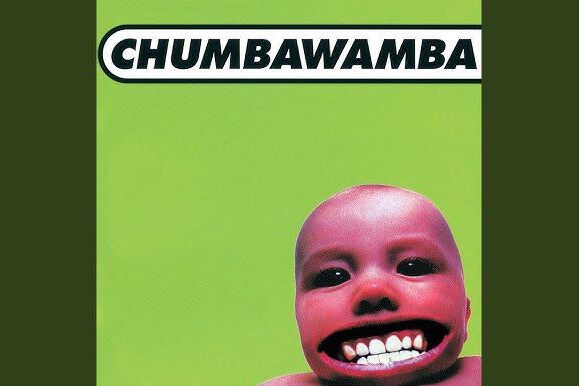
The first line alone is enough to make people smile. “I get knocked down, but I get up again” feels less like a lyric and more like a life motto. Released in 1997 by the British band Chumbawamba, “Tubthumping” quickly climbed charts around the world and became a staple at sports events and parties. It has that chant like quality that invites everyone to join in. You do not need to know the verses to feel part of the moment.
Yet the band’s name does not always stick the way the chorus does. Chumbawamba is memorable once you hear it, but many listeners draw a blank when asked who sings the song. The track became bigger than the group in everyday memory. Decades later, it still pops up when people want something loud and uplifting. We remember the energy, the shouting, the resilience in the lyrics. The name attached to it sometimes takes a second to surface.
4. “Mambo No. 5” – Lou Bega
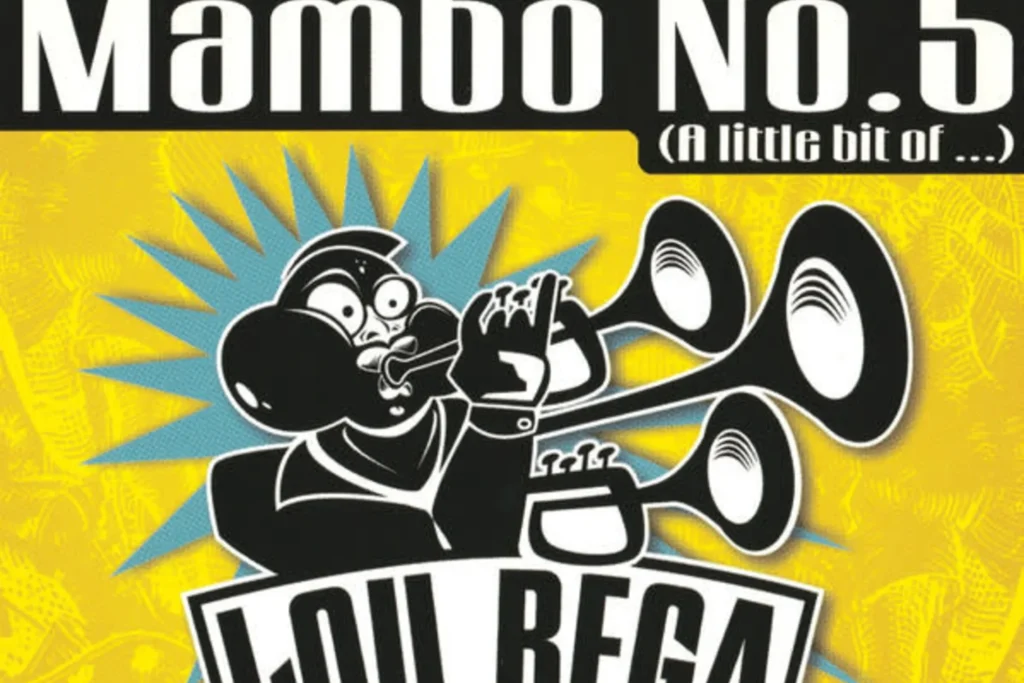
The moment it starts with that cheerful brass and confident introduction, you already know what is coming. “Mambo No. 5” was released in 1999 by Lou Bega and quickly became one of the defining songs of the late nineties. It topped charts in several countries and seemed to play everywhere during that summer. The playful list of names in the chorus made it unforgettable. It felt lighthearted, catchy, and easy to dance to without thinking too hard about it.
Because the song felt so communal, the artist’s name often faded behind the fun. Many people can recite the chorus without hesitation but pause when asked who sings it. Lou Bega sampled an older mambo instrumental and turned it into a global pop hit, yet the track took on a life of its own. It became a wedding favorite and a nostalgic throwback. The names in the lyrics are easier to recall than the man who sang them.
5. “99 Luftballons” – Nena
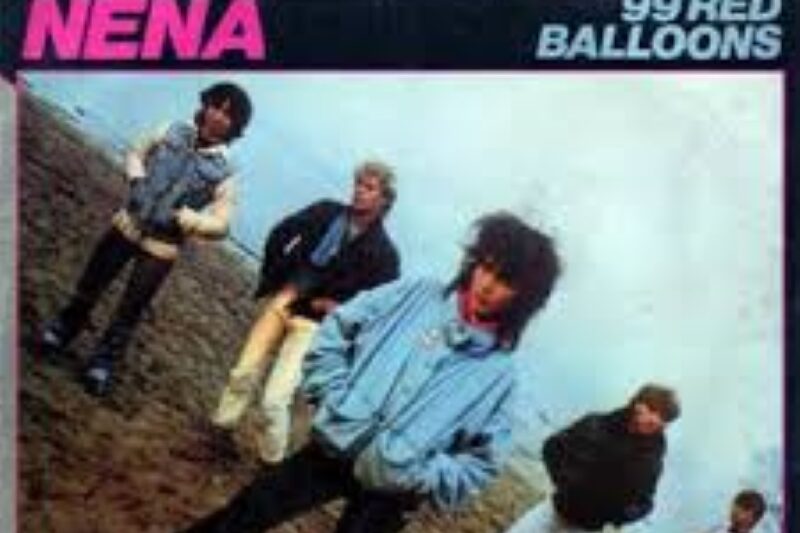
Even if you do not speak German, chances are you can sing along to the chorus of “99 Luftballons.” Released in 1983 by the band Nena, the song became an international hit and reached number two on the charts in the United States. Its upbeat melody contrasts with lyrics that reflect on misunderstanding and conflict. For many listeners, it was their first introduction to a non English pop hit that felt both serious and catchy at the same time.
Over time, the image of red balloons floating into the sky became more memorable than the artist behind them. Nena was both the name of the band and the lead singer’s stage name, which sometimes adds to the confusion. The song continues to appear in films and nostalgic playlists decades later. We remember how it sounds and how it feels. The name attached to it sometimes drifts gently to the background.
6. “Macarena” – Los del Río
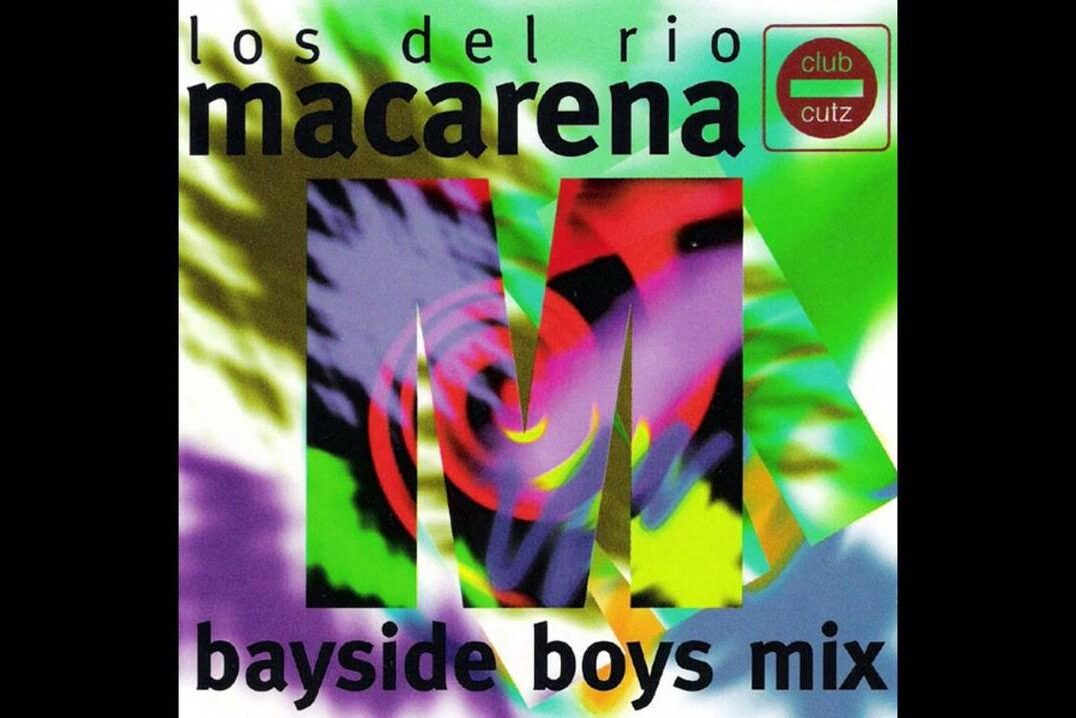
If you were anywhere near a dance floor in the mid nineties, you learned this routine whether you planned to or not. “Macarena” was originally recorded by Spanish duo Los del Río, then remixed into the version that dominated the US charts in 1996. It held the number one spot for weeks and became a global celebration anthem. From school events to weddings, everyone lined up and moved in sync. It felt less like a pop song and more like a shared ritual that required no rehearsal.
Because the dance became the main attraction, the artists themselves quietly slipped into the background. Many people can still perform the hand movements from memory, yet struggle to name Los del Río without help. The track took on a life beyond radio play. It became a moment in time, a cultural snapshot of carefree fun. Decades later, when the beat starts, people remember the steps instantly. The singers, however, are often remembered a beat later.
7. “Spirit In The Sky” – Norman Greenbaum
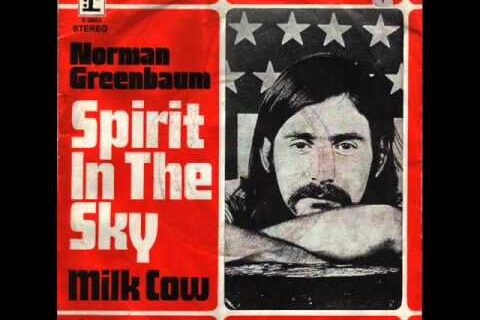
That fuzzy guitar intro feels almost cinematic, like the beginning of a road trip scene. “Spirit In The Sky” was released in 1969 by Norman Greenbaum and quickly climbed the charts, reaching number three in the United States. The song blended rock energy with gospel inspired lyrics, creating something uplifting and slightly unexpected. It has since appeared in countless films, television shows, and commercials, which keeps it alive across generations. The chorus is simple, strong, and easy to sing along to.
Yet many people recognize the tune immediately while hesitating over the artist’s name. The song feels timeless, almost like something that has always existed. That sense of familiarity may be why Norman Greenbaum is not always the first thing that comes to mind. The track has outlived its era and continues to resurface in new settings. We remember the sound, the feeling, the groove. The name behind it sometimes follows quietly after the melody settles in.
8. “I’m Gonna Be (500 Miles)” – The Proclaimers
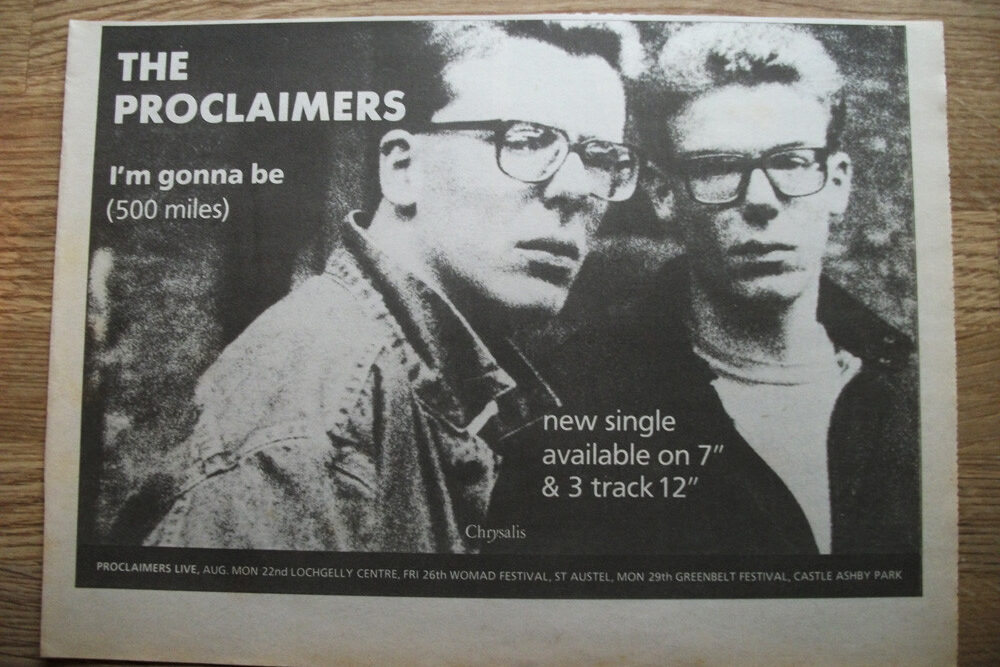
There is something charmingly sincere about a song that promises to walk five hundred miles for love. “I’m Gonna Be (500 Miles)” was released in 1988 by Scottish duo The Proclaimers and later gained major popularity in the United States after being featured in a popular film. It eventually climbed high on the charts and became a road trip favorite. The steady beat and strong accents give it a personality that stands out instantly.
Even so, many people know the chorus by heart without confidently naming the artists. The Proclaimers may not always be the first answer that comes to mind in a quick trivia round. The song feels communal, built for group singalongs and long drives with friends. It continues to appear in playlists decades later, always met with loud participation. The promise in the lyrics feels playful and loyal. The band name sometimes lingers just behind the echo of the chorus.
9. “House Of The Rising Sun” – The Animals
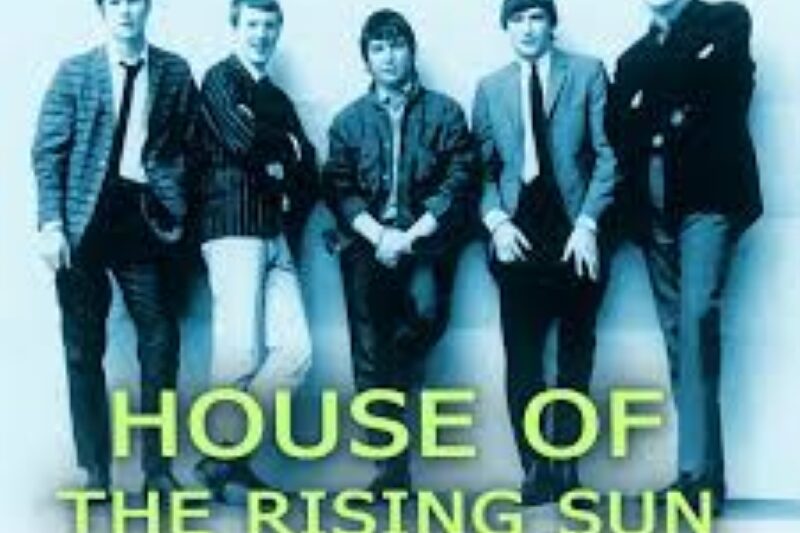
“House Of The Rising Sun” carries a weight that makes it feel older than rock itself. The 1964 version by The Animals became a number one hit in both the United States and the United Kingdom. With its slow build and haunting organ intro, the song left a lasting impression on listeners. Because its roots trace back to traditional folk music, it often feels like something passed down through generations rather than created by one specific group.
That history may explain why many people forget which band made it famous. The dramatic vocals and steady rhythm draw attention to the story in the lyrics more than to the performers. Over the years, numerous artists have covered the song, further blurring the connection to The Animals. When it plays, people recognize it instantly. They recall the mood and the melody. The band’s name sometimes arrives a moment later, gently following the familiar tune.
10. “You Get What You Give” – New Radicals
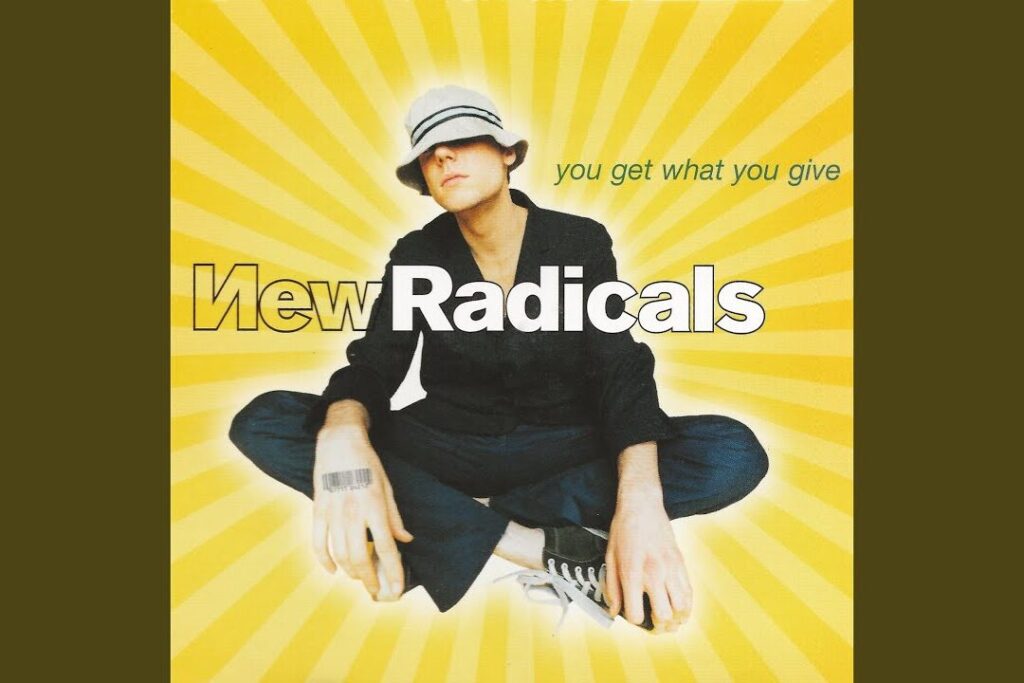
There is a warmth to “You Get What You Give” that feels almost reassuring. Released in 1998 by New Radicals, the song became a top ten hit and quickly found a place in graduation ceremonies and reflective playlists. The piano intro is instantly recognizable, and the chorus carries a hopeful message about resilience and belief. It feels like the kind of song you rediscover during a nostalgic moment and wonder why you ever stopped playing it.
Despite its success, the band behind it did not remain in the spotlight for long. New Radicals was largely a short lived project, which may be why the track endured more strongly than the name. Many listeners can sing every word of the chorus but pause when asked who performs it. The song continues to surface over the years, steady and familiar. The message stays clear. The band’s identity sometimes takes a quiet second to return.
11. “I Melt With You” – Modern English
There is something about this song that feels like a memory you cannot quite place. “I Melt With You” by Modern English was released in 1982 and slowly grew into a beloved new wave classic. It was not an immediate chart topping smash in the United States, but over time it became a staple in films, commercials, and nostalgic playlists. The opening guitar line has a soft shimmer to it, and the chorus feels warm and slightly dreamy. It is the kind of song that plays in the background of coming of age movie scenes.
Because it crept into pop culture gradually, many people recognize the melody but struggle to name the band. Modern English is not always the first guess that comes to mind. The track feels personal and reflective, almost like it belongs to a specific era rather than a specific group. Decades later, it still surfaces in unexpected places. We hum along easily. The artist credit often follows a few seconds behind the familiar tune.
12. “What Is Love” – Haddaway
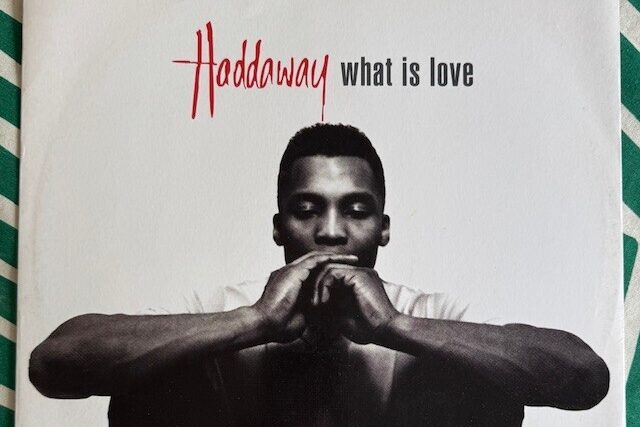
You know the line. Everyone knows the line. “What Is Love” by Haddaway was released in 1993 and quickly became a global dance hit. The pulsing beat and dramatic chorus made it impossible to ignore. It topped charts across Europe and reached high positions in the United States. For many people, though, the song is closely tied to late night comedy sketches and head bobbing car scenes that gave it a second life in pop culture.
Because the hook is so strong and repetitive, it tends to overshadow the name behind it. Haddaway had other songs, but this one defined his career in the public eye. When the beat drops at a party, nobody pauses to announce the artist. They simply shout the chorus and move. It has become shorthand for nineties dance energy. The voice is unforgettable. The name sometimes takes a moment to click into place.
13. “Tainted Love” – Soft Cell
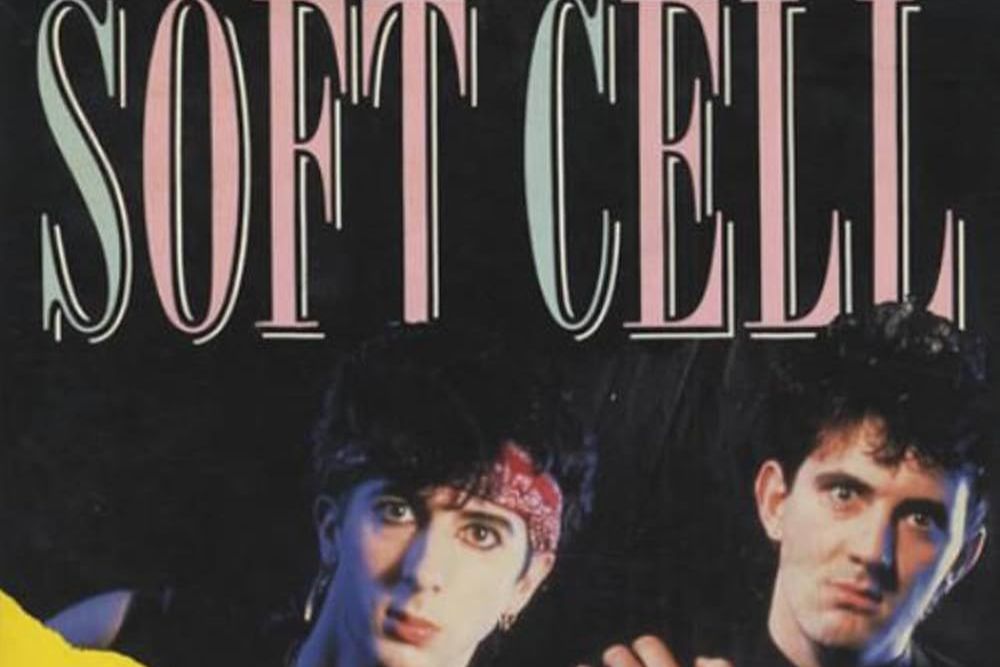
There is a certain mood that “Tainted Love” captures perfectly. Released in 1981 by the British duo Soft Cell, the song became a major hit and reached high on charts around the world. With its steady electronic beat and slightly dark tone, it stood out from other pop songs of the time. It has since appeared in films, commercials, and countless throwback playlists. The opening notes alone can instantly set a scene.
Despite its popularity, many listeners cannot immediately recall the name Soft Cell. The track feels almost anonymous in the way it floats through decades of pop culture. Its chorus is catchy but slightly melancholic, which makes it memorable without feeling overplayed. Over the years, it has been covered and sampled, further blending it into the background of collective memory. We remember the feeling of it clearly. The artists sometimes feel just out of reach.
14. “I’m Too Sexy” – Right Said Fred
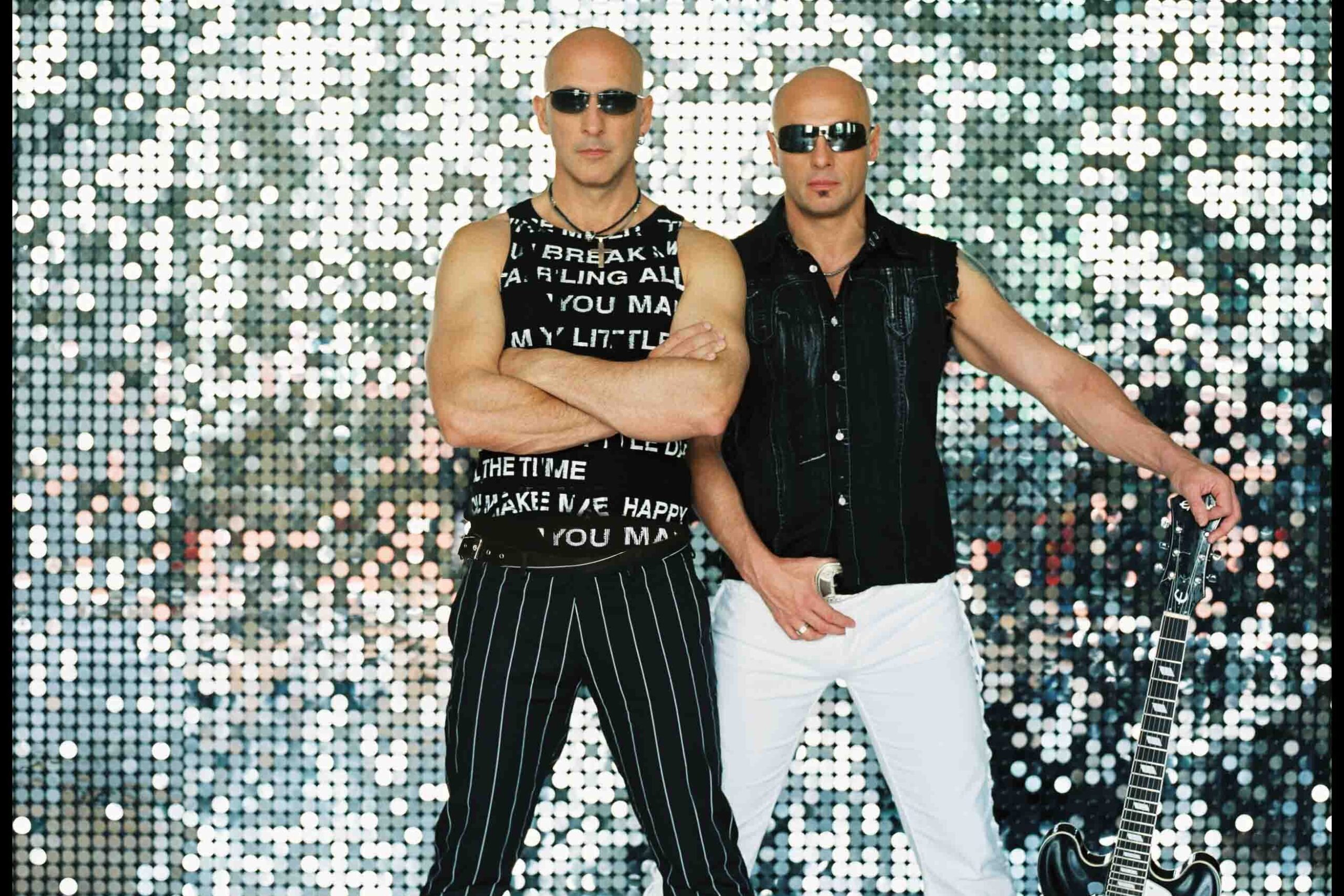
The first few words are enough to make people laugh. “I’m Too Sexy” by Right Said Fred was released in 1991 and quickly became a playful international hit. It topped the charts in the United States and several other countries. The beat is simple, the lyrics are tongue in cheek, and the confidence in the delivery makes it instantly recognizable. It feels like a novelty song, yet it had serious staying power.
Because it leans so heavily into humor, many people remember the attitude more than the band’s name. Right Said Fred is memorable once you hear it, but it is not always the first answer that comes to mind. The song resurfaces whenever someone wants something light and ironic. It has been sampled and referenced in modern music, which keeps it alive. The chorus sticks effortlessly. The credit sometimes takes a little prompting.
15. “Walking On Sunshine” – Katrina And The Waves
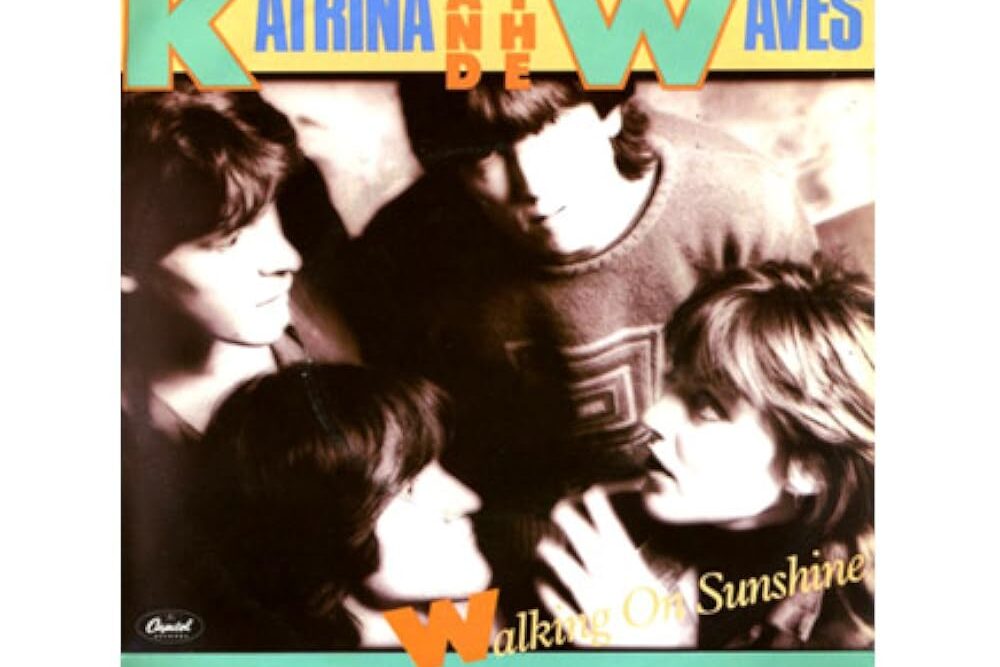
Few songs feel as instantly cheerful as “Walking On Sunshine.” Released in 1983 by Katrina and the Waves, it gradually became a global hit and remains one of the most recognizable feel good tracks ever recorded. The bright horns and upbeat rhythm make it almost impossible to sit still. It has been featured in films, commercials, and celebratory playlists for decades. The energy feels timeless and uncomplicated.
Even so, many people sing along without remembering the band’s name. Katrina and the Waves had other successes, but this song overshadowed much of their catalog. It feels like a universal burst of optimism rather than a specific band’s creation. When it plays, people smile first and think later. The chorus carries the mood. The artist credit often lingers quietly in the background while the sunshine takes center stage.
16. “Closing Time” – Semisonic
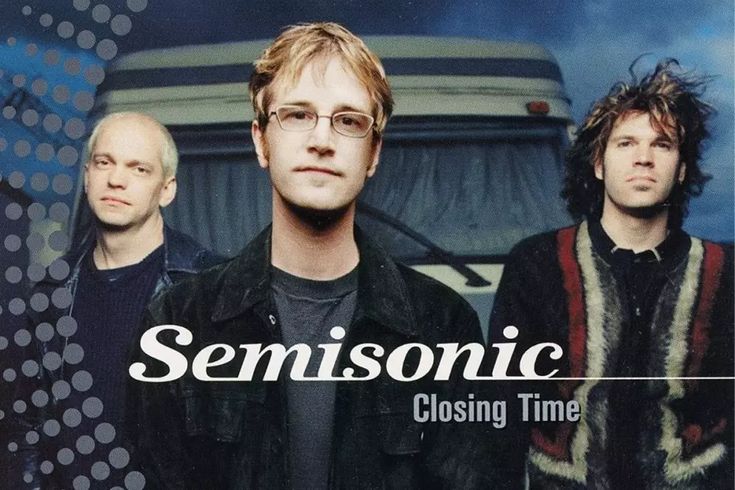
There is a certain familiarity to “Closing Time” that makes it feel like it has always been there. Released in 1998 by Semisonic, the song became a radio favorite and climbed high on the charts. Its lyrics about last calls and endings gave it a natural home in bars and at the end of events. The steady build and reflective chorus made it both catchy and slightly emotional.
Despite its presence on radio for years, the name Semisonic does not always stick in casual memory. The song feels like a moment more than a band. It is often used as a metaphor for transitions, which keeps it relevant long after its initial release. Many people know every word to the chorus but hesitate when asked who performs it. The mood remains clear. The band name sometimes takes a second to return.
17. “Bitter Sweet Symphony” – The Verve
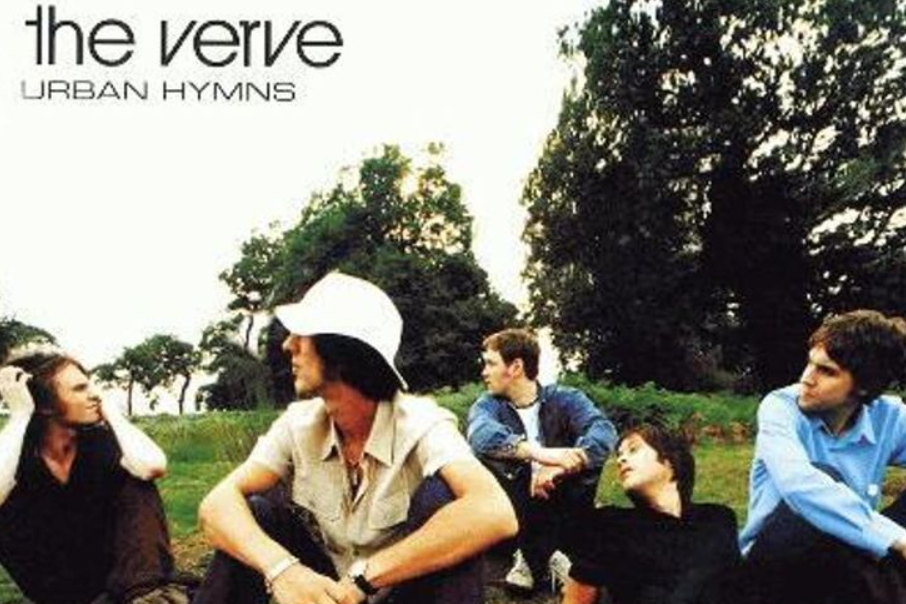
From the very first sweeping strings, “Bitter Sweet Symphony” feels dramatic and cinematic. Released in 1997 by The Verve, the song became one of the defining tracks of the decade. It reached high positions on charts worldwide and became closely tied to its iconic music video. The blend of orchestral elements and rock vocals gave it a powerful emotional pull. It felt serious and reflective without losing its catchiness.
Over time, the song’s grand sound became more recognizable than the band’s name. Many people can identify the intro within seconds but pause before saying The Verve. The track has appeared in films and nostalgic playlists, keeping it alive for new listeners. It feels larger than life, almost like a theme song for an era. The melody stays front and center. The artists sometimes remain just behind it.
18. “Blue (Da Ba Dee)” – Eiffel 65
If you were around in 1999, this song was unavoidable. “Blue (Da Ba Dee)” by Eiffel 65 became a massive international hit with its electronic beat and quirky lyrics. It topped charts in multiple countries and defined a specific moment in late nineties pop. The chorus is impossible to forget, even if you are not entirely sure what the words mean. It is playful, repetitive, and strangely addictive.
Because of its unusual sound and lyrics, the song often overshadows the band’s name. Eiffel 65 is not always the first answer that comes to mind when the track starts playing. It feels like a novelty and a classic at the same time. Decades later, it still appears at throwback parties and sparks instant recognition. The color blue comes to mind immediately. The artists sometimes follow a few beats later.
19. “MMMBop” – Hanson
The chorus of “MMMBop” is one of those melodies that never quite leaves your head. Released in 1997 by the band Hanson, it became a number one hit and turned the young trio into household names for a time. The song’s upbeat tempo and harmonies made it feel light and catchy, even though the lyrics carried more depth than many realized at first listen. It quickly became one of the most recognizable songs of the decade.
Over the years, the hook remained strong in public memory, sometimes stronger than the band’s name. Many people remember it simply as that nineties song with the three brothers. Hanson continued making music long after the initial wave of fame, but for casual listeners, this track defines them. The chorus is instantly familiar. The credit sometimes needs a moment to catch up with the sound.
20. “Groove Is In The Heart” – Deee Lite
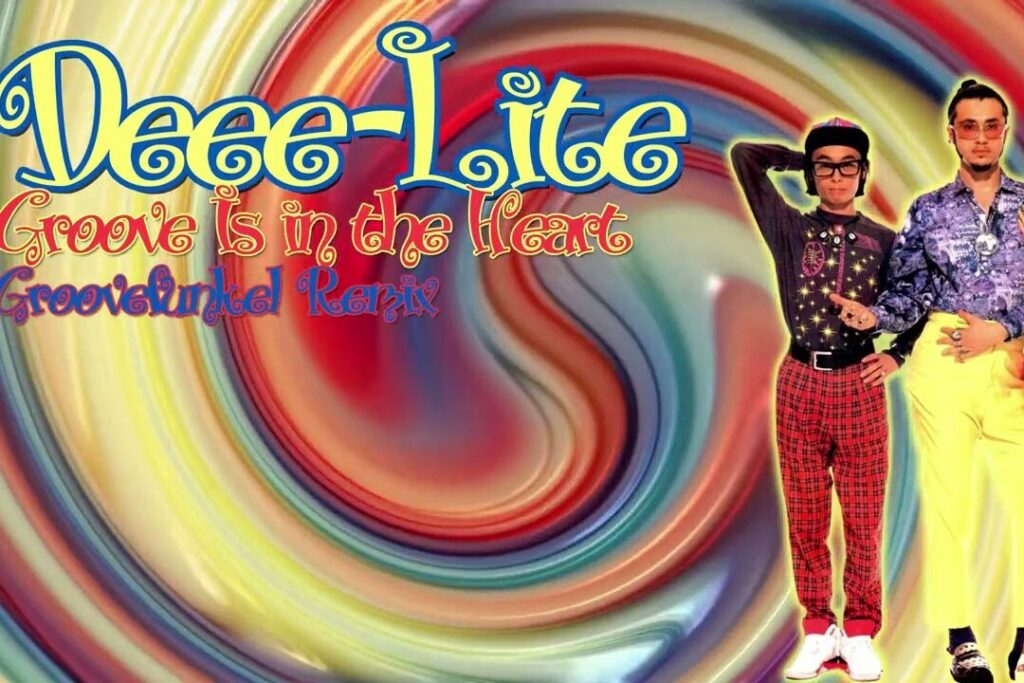
“Groove Is In The Heart” feels like a colorful burst of early nineties energy. Released in 1990 by Deee Lite, the song blended dance, funk, and playful vocals into something that stood out immediately. It became a major hit and found its way into clubs, fashion shows, and later nostalgic playlists. The bass line and bright delivery make it hard to ignore. It sounds like pure movement and confidence.
Even with its bold style, the name Deee Lite does not always come to mind right away. The song’s personality is so strong that it sometimes overshadows the group behind it. It continues to resurface in pop culture, reminding listeners of a vibrant era. People remember the groove, the rhythm, the mood. The artist credit sometimes arrives quietly, just after the beat has already taken over.
21. “Ice Ice Baby” – Vanilla Ice

The moment that familiar bass line kicks in, most people can finish it without thinking. “Ice Ice Baby” was released in 1990 by Vanilla Ice and quickly became the first hip hop single to top the Billboard Hot 100. It felt bold, catchy, and impossible to escape during its peak. The rhythm was instantly recognizable, and the chorus had that repetitive quality that made it easy to memorize after just one listen. It became a defining track of the early nineties, playing everywhere from radio stations to school dances.
Yet over time, the hook stayed sharper in memory than the artist’s name. Many people can quote the opening line but hesitate before confidently saying Vanilla Ice. The song has been referenced and replayed so often that it almost feels like part of pop culture background noise. It remains a nostalgic favorite at throwback events. The beat comes to mind immediately. The credit sometimes follows just a second behind it.
22. “Who Let The Dogs Out” – Baha Men

There are few songs that spark instant crowd participation quite like this one. “Who Let The Dogs Out” was released in 2000 by the Bahamian group Baha Men and quickly became a global hit. It won awards, topped charts, and seemed to play at every sporting event imaginable. The chorus is simple and impossible not to shout along to, which made it perfect for stadiums and celebrations. It felt playful and loud in the best way.
Even so, the group’s name is not always top of mind. Many people remember the barking hook before they remember Baha Men. The track became a cultural moment, attached to games, commercials, and party playlists. It still resurfaces when a crowd needs energizing. The question in the chorus echoes instantly in people’s heads. The artists who delivered it sometimes take a moment to be recalled.
23. “You Spin Me Round (Like A Record)” – Dead Or Alive
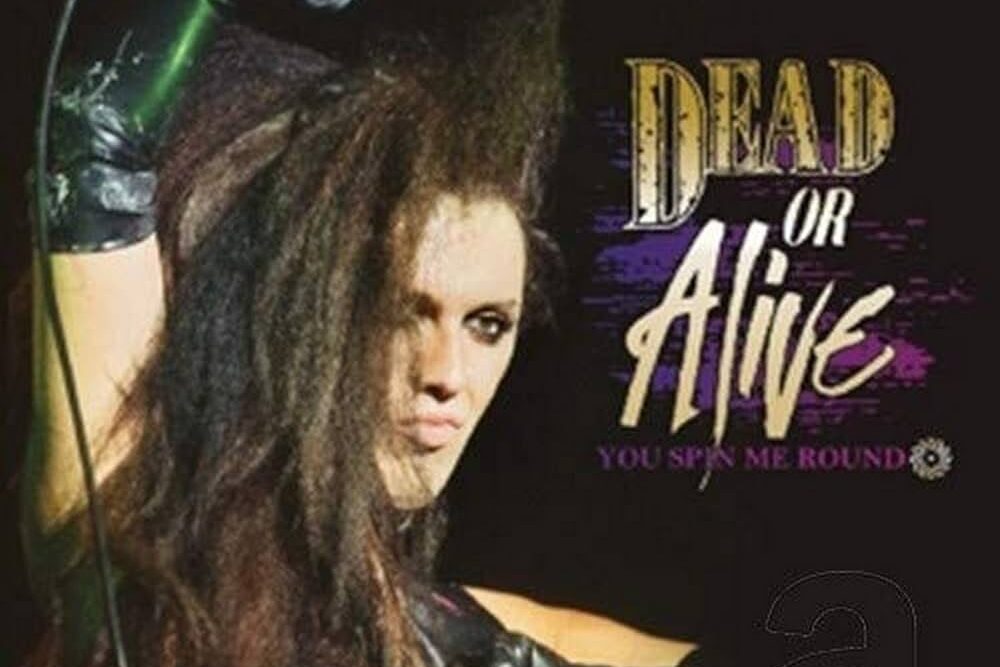
There is a certain drama in the opening of this song that makes it hard to ignore. “You Spin Me Round (Like A Record)” was released in 1984 by the British band Dead Or Alive and became a major international hit. Its pulsing beat and bold vocals made it stand out in the eighties pop scene. The chorus is catchy and slightly theatrical, which helped it stick in listeners’ minds for decades.
Despite its lasting popularity, the band name is not always immediately remembered. Dead Or Alive feels familiar once you hear it, but it does not always surface quickly in conversation. The song has been remixed and reused over the years, giving it new life in different eras. When the beat starts, people recognize it right away. The title and melody come first. The artist credit sometimes trails gently behind.
24. “Everybody’s Free (To Feel Good)” – Rozalla

There is something uplifting about the chorus of “Everybody’s Free (To Feel Good).” Released in 1991 by singer Rozalla, the song became a dance floor favorite and climbed charts across Europe and beyond. Its steady beat and encouraging lyrics made it a staple in clubs and fitness classes alike. The message feels simple and positive, which is likely part of why it continues to resurface years later.
Even with its wide reach, many listeners hesitate when asked who sings it. The chorus often overshadows the name Rozalla in everyday memory. The song has been sampled and featured in films, giving it renewed exposure with new audiences. It feels timeless in its optimism. People remember the freedom in the lyrics and the rhythm that carries it forward. The singer’s name sometimes arrives quietly after the melody settles in.
25. “Jump Around” – House Of Pain
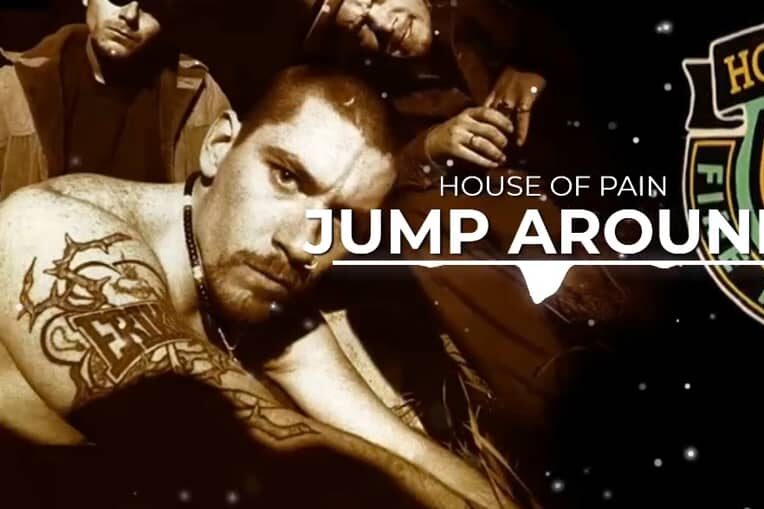
From the first shout of the chorus, “Jump Around” demands movement. Released in 1992 by the hip hop group House Of Pain, the song became an energetic anthem that still fills dance floors today. It climbed high on the charts and found a permanent home at sporting events and parties. The pounding beat and bold delivery make it impossible to ignore. It feels like a command more than a suggestion.
Yet while the hook is instantly recognizable, the group name is not always on the tip of everyone’s tongue. Many people associate the song with the energy it brings rather than the artists behind it. House Of Pain made a strong mark with this track, but in casual conversation the chorus often takes center stage. The call to jump is unforgettable. The credit sometimes follows just after the crowd has already started moving.
26. “Stacy’s Mom” – Fountains Of Wayne
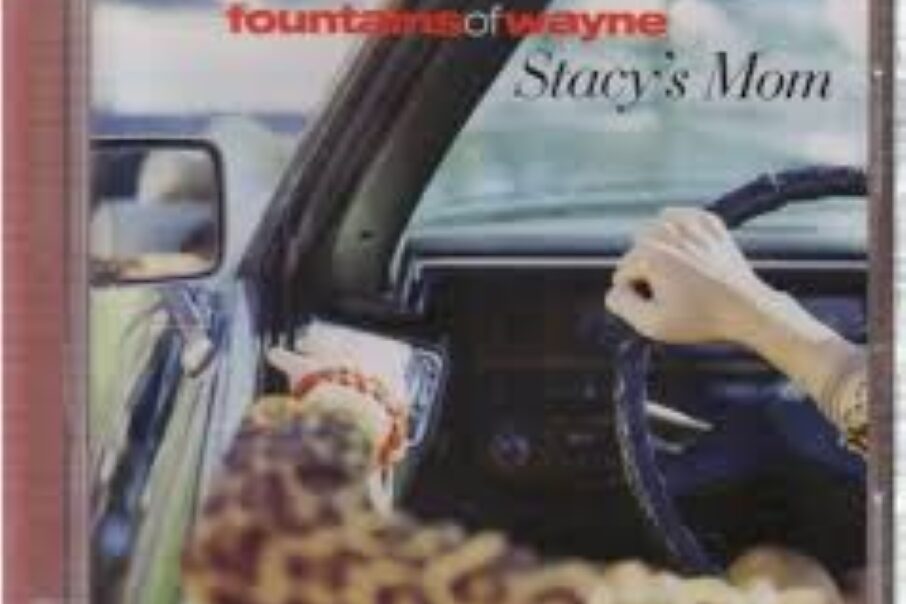
The opening guitar riff alone is enough to take you straight back to the early 2000s. “Stacy’s Mom” was released in 2003 by the band Fountains Of Wayne and quickly became a radio favorite. It had that bright, slightly cheeky energy that made it feel both innocent and mischievous at the same time. The storyline was clear, catchy, and easy to sing along to, which helped it stick in people’s heads long after its chart run slowed down. It became one of those songs that instantly paints a picture the second it starts playing.
Even with its popularity, many people struggle to name the band without a hint. Fountains Of Wayne is memorable once you hear it, but it does not always come to mind immediately. The chorus tends to overshadow everything else. Over the years, the song has lived on through playlists and nostalgic throwbacks. We remember the hook and the humor. The artist credit sometimes follows just after the smile.
27. “Lovefool” – The Cardigans
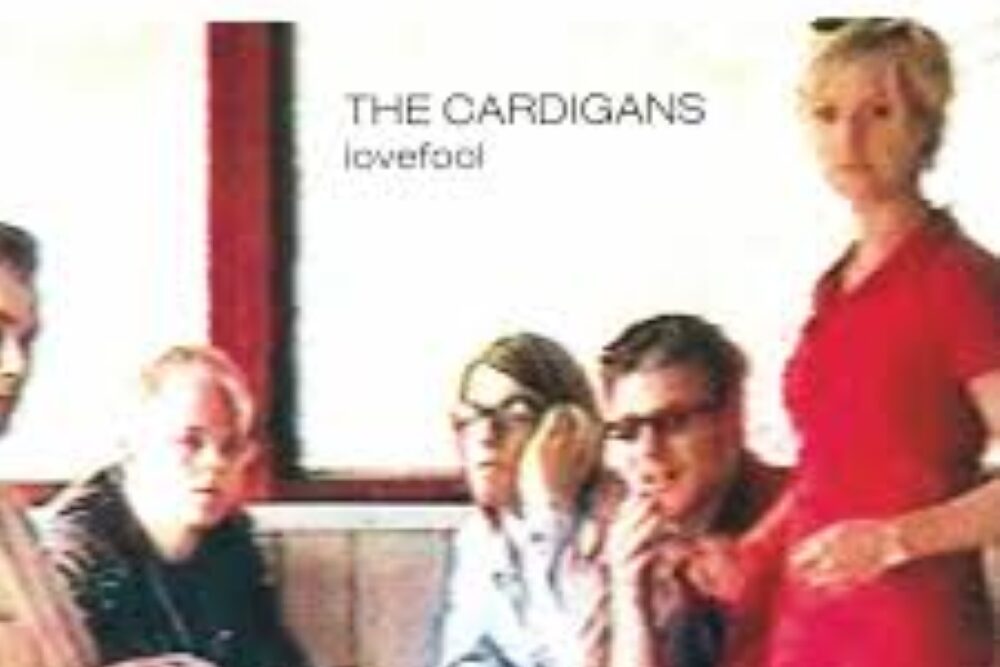
There is something softly dramatic about “Lovefool.” Released in 1996 by the Swedish band The Cardigans, the song gained international attention after being featured in a popular romantic film. Its sweet sounding melody contrasts with lyrics that reveal insecurity and longing, which gives it an emotional pull beneath the pop surface. The chorus is light and almost playful, yet there is vulnerability woven through it. That balance is part of what made it so memorable.
Still, many listeners recognize the song instantly but hesitate over the band’s name. The Cardigans may not be the first answer people offer in a quick music quiz. The track has continued to resurface in films and nostalgic playlists, introducing it to new audiences. The voice and melody linger easily in memory. The credit sometimes needs a quiet second to catch up with the familiar tune.
28. “No Rain” – Blind Melon
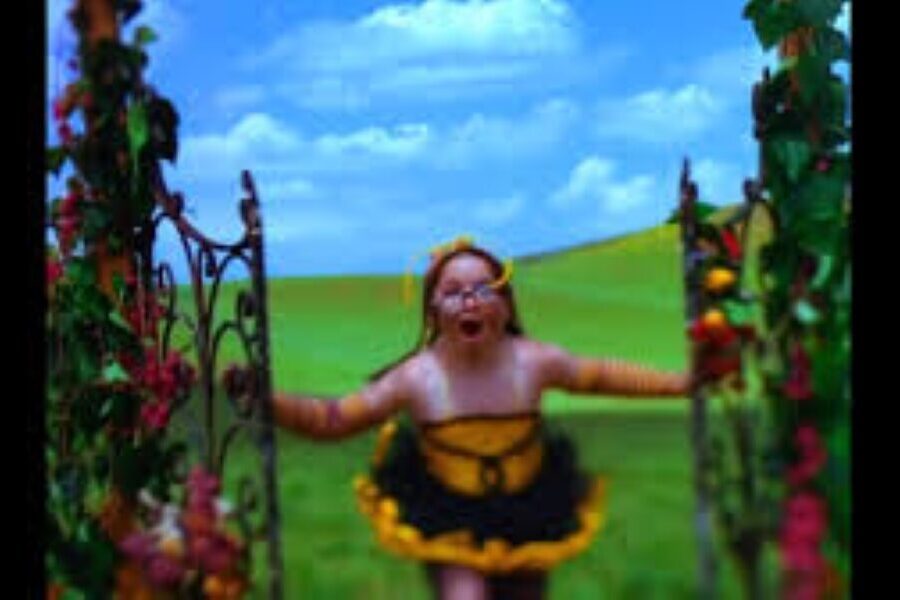
The gentle opening and laid back feel of “No Rain” give it a warmth that feels effortless. Released in 1992 by Blind Melon, the song became their biggest hit and climbed high on the charts. Its reflective lyrics and relaxed melody made it stand out during a decade filled with louder rock anthems. The music video, featuring a child in a bee costume searching for belonging, left a lasting visual impression that many still remember clearly.
Yet when the song comes on, people often focus on the mood before the band’s name. Blind Melon is not always the first guess in casual conversation. The track has remained steady in rotation over the years, often appearing on alternative throwback playlists. It feels thoughtful and slightly nostalgic. The melody settles in easily. The artist credit sometimes arrives a moment after the first few chords.
29. “Steal My Sunshine” – Len

The sunny vibe of “Steal My Sunshine” feels like a snapshot of late nineties optimism. Released in 1999 by the Canadian group Len, the song became a surprise hit and climbed charts in several countries. Its light beat and conversational lyrics made it feel effortless, like a song you would hear playing through open car windows on a warm afternoon. It had a casual charm that made it easy to replay.
Despite its strong presence during its peak, many people cannot immediately recall the group behind it. Len is a short name, but it does not always stick in memory the way the chorus does. The track continues to resurface in nostalgic playlists, bringing back memories of simpler times. The melody feels bright and carefree. The credit sometimes takes an extra second to find its place.
30. “Are You Gonna Be My Girl” – Jet
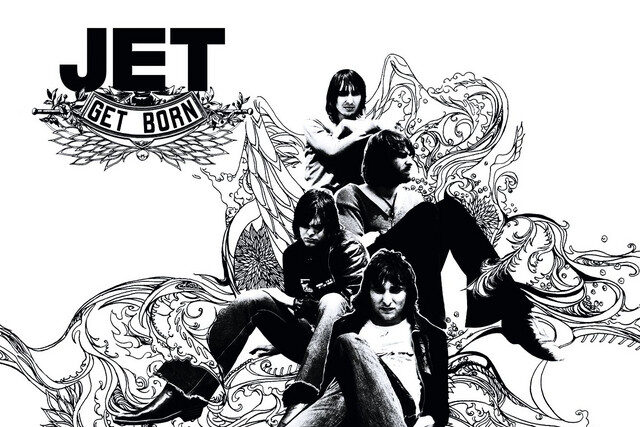
The driving guitar riff in “Are You Gonna Be My Girl” grabs attention right away. Released in 2003 by the Australian band Jet, the song quickly became a rock radio staple. Its high energy beat and straightforward lyrics gave it a raw, confident feel that stood out at the time. It was featured in commercials, films, and sports events, which helped cement its place in early 2000s culture.
Even so, the band’s name does not always surface as quickly as the riff. Many people recognize the song within seconds but pause before saying Jet. The track feels bold and immediate, built for loud speakers and crowded rooms. It continues to appear on rock playlists years later. The rhythm sticks firmly in memory. The artist credit sometimes trails just behind the sound.
31. “Absolutely (Story Of A Girl)” – Nine Days
The first line of this song feels like a memory you did not realize you still had. “Absolutely (Story Of A Girl)” was released in 2000 by the band Nine Days and quickly became a radio staple. It climbed into the top ten and carried that early 2000s blend of rock and pop that felt both emotional and easygoing. The chorus is the part most people remember, bright and open, the kind you sing without thinking too hard about the verses. It felt relatable in a simple way that made it stick.
Even so, the band name does not always surface as quickly as the melody. Nine Days is not difficult to say, but it does not always anchor itself in memory the way the chorus does. The song still shows up on nostalgic playlists and throwback radio. People recognize it within seconds. They sing along comfortably. The credit often takes a small pause before it clicks into place.
32. “Flagpole Sitta” – Harvey Danger

There is something instantly restless about “Flagpole Sitta.” Released in 1997 by Harvey Danger, the song gained widespread attention after being featured in films and on alternative radio. Its rapid fire lyrics and catchy chorus made it stand out in a crowded music scene. It had an anxious energy that felt honest and slightly chaotic in a way that listeners connected with. The hook became the part most people carried with them long after the first listen.
Despite that recognition, the band name Harvey Danger is not always top of mind. Many people remember the feeling of the song before they remember who performs it. It has continued to appear in nostalgic playlists and television soundtracks, keeping it alive across generations. The chorus sticks easily. The credit sometimes lingers just behind the rush of the melody.
33. “How Bizarre” – OMC
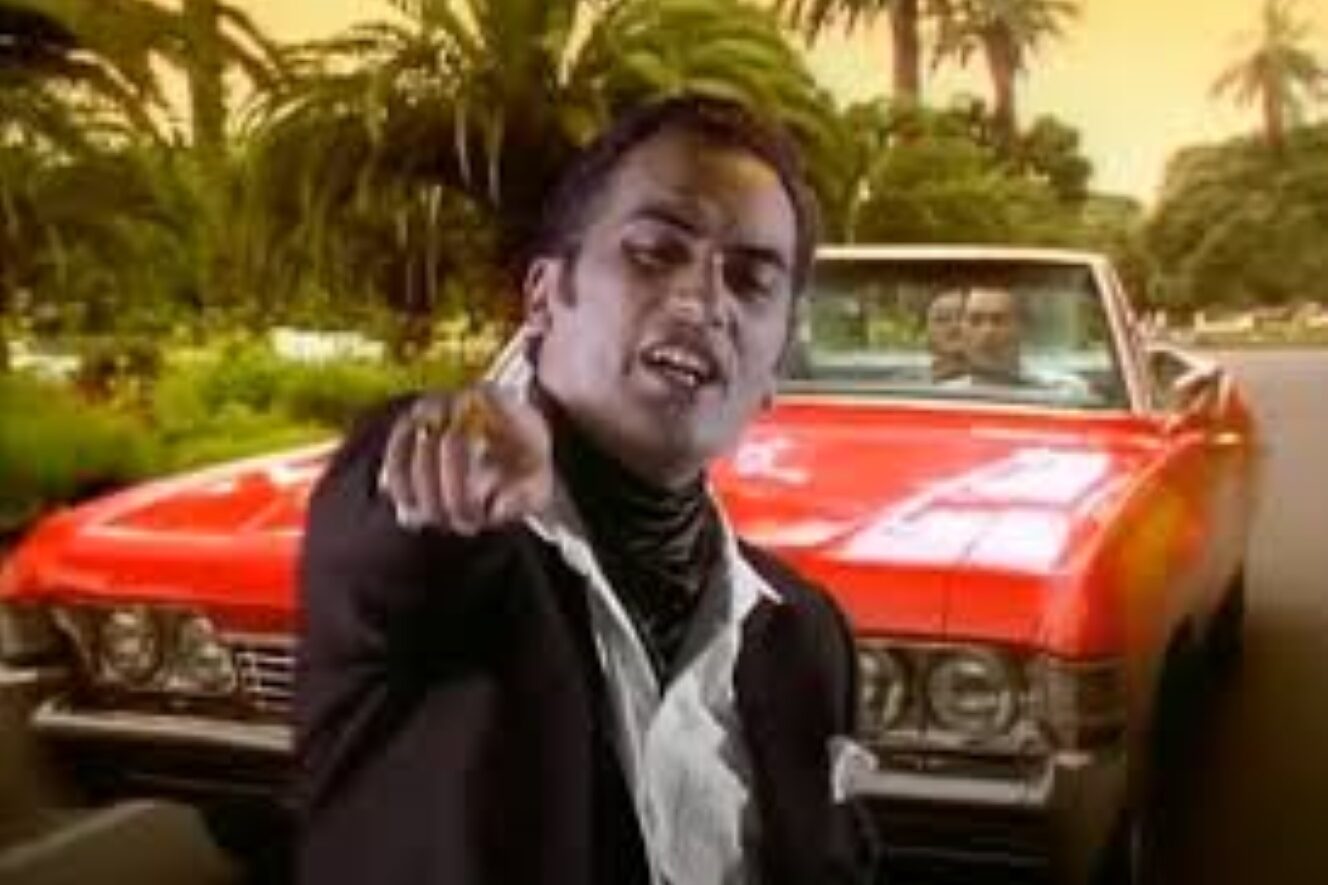
The laid back groove of “How Bizarre” makes it feel instantly recognizable. Released in 1995 by the New Zealand group OMC, the song became an international hit and climbed high on charts in multiple countries. Its relaxed beat and conversational style gave it a unique charm. It felt slightly different from other pop songs of the time, which may be part of why it stood out so strongly. The chorus is easy to hum, even if you have not heard it in years.
Yet when asked who sings it, many people hesitate. OMC is short and simple, but it does not always stick in memory as firmly as the hook does. The track continues to resurface on throwback playlists, often sparking an instant wave of recognition. We remember the rhythm and the mood clearly. The artist’s name sometimes takes a second to settle in.
34. “Send Me On My Way” – Rusted Root
The opening vocal sounds of “Send Me On My Way” are almost playful, and they grab attention immediately. Released in 1992 by Rusted Root, the song gained broader popularity after being featured in films and commercials throughout the nineties. Its upbeat rhythm and optimistic tone gave it a carefree spirit that made it easy to love. It feels like a soundtrack to travel, new beginnings, and open roads.
Still, Rusted Root is not always the first name people think of when the song begins. Many recognize the melody and the joyful energy before recalling the band. Over the years, the track has continued to appear in feel good playlists and movie scenes. The chorus carries a sense of movement and lightness. The credit often follows quietly after the initial burst of recognition.
35. “In The Meantime” – Spacehog
“In The Meantime” has a bold, slightly theatrical sound that makes it stand out. Released in 1995 by the band Spacehog, the song became their biggest hit and received heavy radio play. Its driving bass line and layered vocals created a dramatic atmosphere that felt different from much of what was on air at the time. The chorus is powerful and easy to latch onto, which helped it stay in listeners’ heads.
Even with its strong presence during its peak, Spacehog is not always the first name people recall. The track often feels larger than the band behind it. It continues to resurface on alternative rock playlists, bringing back a rush of nineties nostalgia. The melody and energy are remembered quickly. The artist credit sometimes arrives a moment later, following the echo of the chorus.
36. “Breakfast At Tiffany’s” – Deep Blue Something
There is something quietly charming about “Breakfast At Tiffany’s.” Released in 1995 by the band Deep Blue Something, the song climbed into the top five in the United States and became a defining radio hit of the mid nineties. The lyrics tell a simple story about a couple trying to find common ground, and that conversational tone made it easy to relate to. The chorus feels familiar even if you have not heard it in years. It has that steady, singalong quality that slips back into memory without much effort.
Even so, the band name does not always come to mind right away. Deep Blue Something sounds distinctive, yet many people hesitate before saying it out loud. The track continues to pop up on nostalgic playlists, often sparking that moment of recognition where you say, I forgot about this song. The melody settles in quickly. The credit sometimes follows just a breath behind the chorus.
37. “All The Things She Said” – t.A.T.u.
When “All The Things She Said” was released in 2002 by Russian duo t.A.T.u., it immediately stood out. The dramatic production and emotional chorus helped it climb charts around the world. It felt intense and slightly mysterious, which made it memorable in a sea of early 2000s pop tracks. The hook is powerful and easy to recognize within seconds. It is one of those songs that pulls you in with its urgency.
Yet many listeners remember the chorus more clearly than the group’s name. The stylized spelling of t.A.T.u. can add to the hesitation when recalling it. The song has continued to surface in throwback playlists, reminding people of that era’s bold pop sound. The emotion in the vocals is what lingers. The artist credit often takes a quiet second to return to the surface.
38. “Save Tonight” – Eagle Eye Cherry
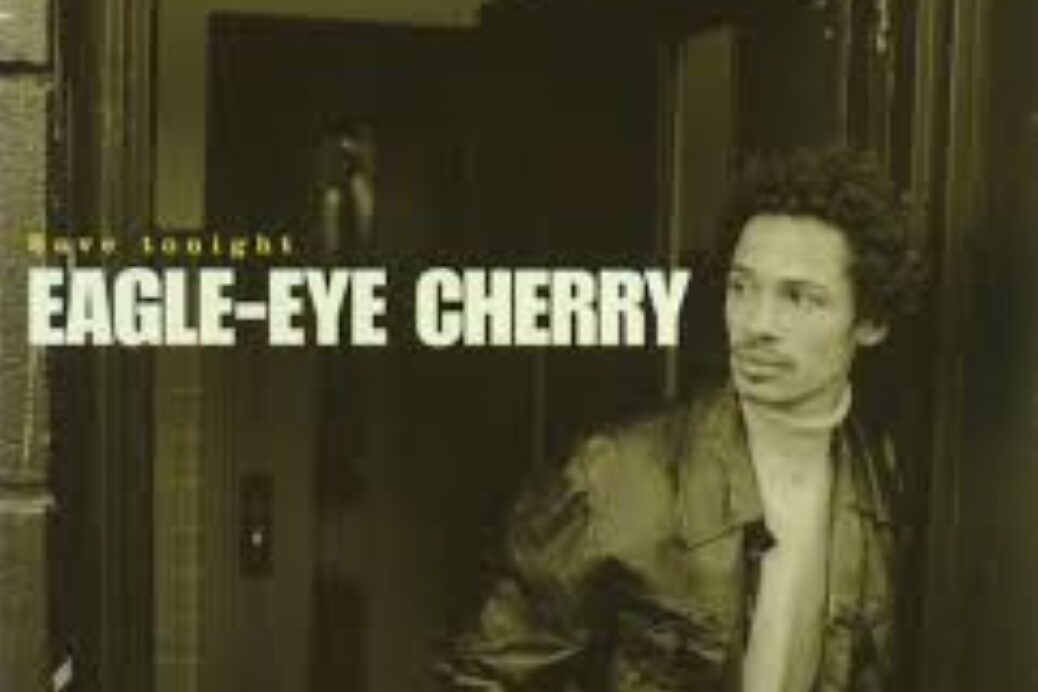
There is a warmth to “Save Tonight” that makes it feel timeless. Released in 1997 by Eagle Eye Cherry, the song became a top ten hit and earned steady radio play for years. Its acoustic driven melody and reflective lyrics gave it a gentle, end of summer feeling. The chorus is easy to sing along to, and it has that comforting rhythm that feels familiar almost instantly.
Despite its success, the artist’s name does not always stick as quickly as the melody. Eagle Eye Cherry is distinctive, yet many people pause before remembering it. The song continues to appear in nostalgic playlists and movie soundtracks, keeping it alive for new listeners. We remember the mood and the chorus clearly. The credit sometimes arrives a moment after the first few notes begin.
39. “The Promise” – When In Rome
“The Promise” carries a soft sincerity that makes it hard to forget. Released in 1988 by the band When In Rome, the song became their biggest hit and found lasting life on radio and in films. The steady beat and heartfelt chorus give it a gentle emotional pull. It feels like the kind of song that plays during a reflective movie scene, which may be why it continues to resurface over the years.
Even with that familiarity, the band name does not always roll off the tongue. When In Rome is memorable once you hear it, but many listeners hesitate before recalling it. The chorus is what people hold onto most. The track has quietly maintained its place in pop culture, drifting in and out of playlists. The artist credit often comes a second after the recognition sets in.
40. “Tubular Bells” – Mike Oldfield
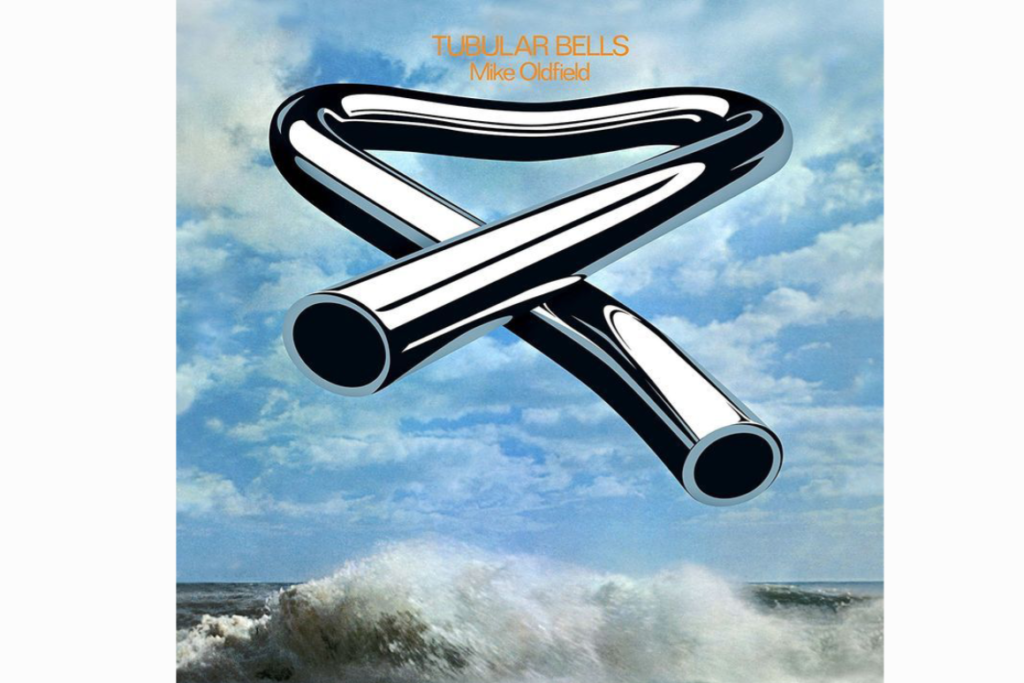
Some songs are so woven into cultural moments that they feel anonymous. “Tubular Bells,” composed by Mike Oldfield and released in 1973, became widely recognized after being used as the theme in a famous horror film. The eerie piano motif is instantly familiar to many people, even if they cannot name it. It feels suspenseful and haunting, the kind of melody that lingers long after it stops playing.
Because it is instrumental and tied so closely to that film, many listeners never connect it to Mike Oldfield. The piece has endured for decades, resurfacing whenever that unsettling atmosphere is needed. It stands as proof that a melody can become larger than its creator. By now, you have probably noticed the pattern. We carry these songs with us for years, singing them confidently, while the names behind them wait quietly in the background.


