
1. Passwords Fade Further Into the Background
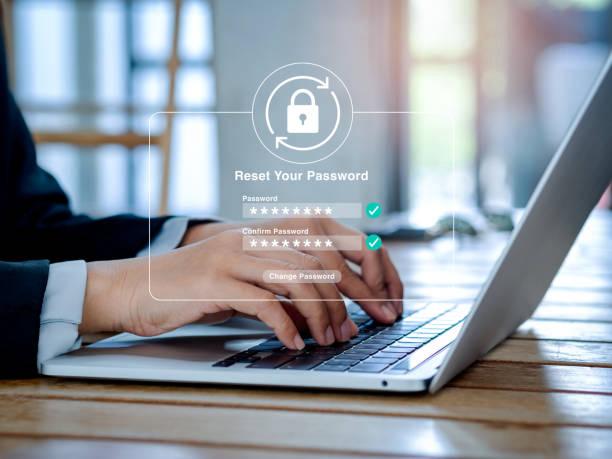
As 2026 unfolds, these subtle shifts across technology, work, money, health, and culture are adding up faster than many people realize. By 2026, traditional passwords are becoming less central to daily digital life. Major tech companies, banks, and government platforms are steadily expanding the use of passkeys, biometrics, and device-based authentication. This means more logins handled through fingerprints, facial recognition, or trusted devices rather than memorized strings of characters. The shift is driven by rising cybercrime and the proven weakness of reused passwords. For users, the change feels small, fewer reset emails, fewer lockouts, but the impact is meaningful. Logging into services becomes faster and less frustrating, while security improves quietly in the background.
2. Everyday Subscriptions Get More Carefully Trimmed
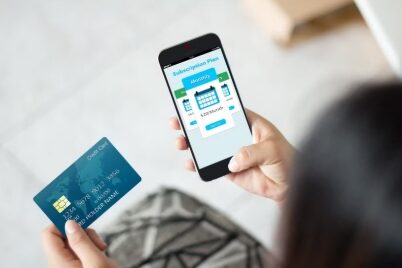
Subscription fatigue continues to grow into 2026, pushing households to quietly reassess recurring digital expenses. Streaming platforms, cloud storage, fitness apps, and premium news services all compete for monthly fees, and many users are learning to rotate instead of accumulate. Social media conversations and budgeting apps have made people more aware of how small monthly charges add up over a year. The result isn’t a dramatic rejection of subscriptions, but a more intentional approach, canceling unused services, pausing memberships, or sharing plans within families. This shift subtly reshapes spending habits, leaving people with slightly more financial breathing room and a clearer sense of value. Over time, it also pressures companies to justify ongoing costs rather than relying on forgotten renewals.
3. Hybrid Work Becomes the Default Expectation
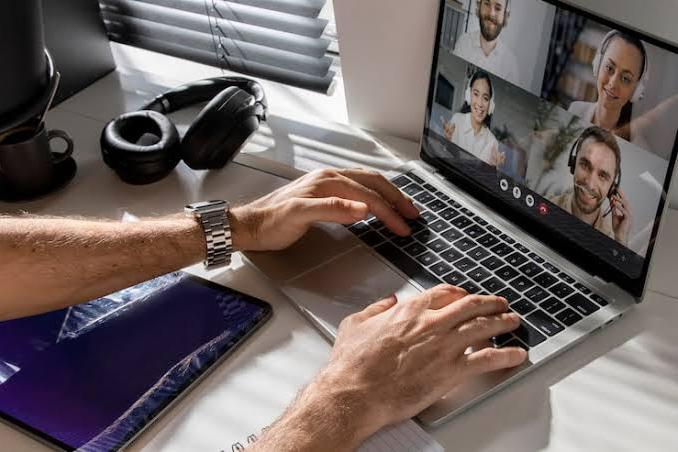
By 2026, hybrid work is no longer treated as a temporary adjustment but as a standard expectation across many industries. While fully remote roles remain competitive, the real shift is cultural: employees increasingly expect flexibility to be part of the conversation, not a perk. Offices are redesigned for collaboration rather than daily attendance, and meetings are planned with remote participants in mind from the start. This change affects commuting patterns, childcare planning, and even where people choose to live. The impact builds quietly, less daily travel, more control over time, and improved work-life balance for many. Over years, these small adjustments reshape productivity norms and redefine what a “normal” workday looks like.
4. Digital Receipts Replace Paper Almost Everywhere

Paper receipts continue to disappear in 2026 as digital alternatives become the default. Retailers increasingly offer email or app-based receipts, driven by cost savings, environmental concerns, and customer convenience. For shoppers, the change feels minor, one less slip of paper, but it adds up quickly. Wallets stay uncluttered, returns become easier to track, and expense management improves through searchable digital records. This shift also supports broader moves toward contactless payments and app-based loyalty programs. Over time, many people realize they can’t remember the last time they were handed a printed receipt, marking another quiet step toward fully digital daily transactions.
5. People Check the Weather More Precisely
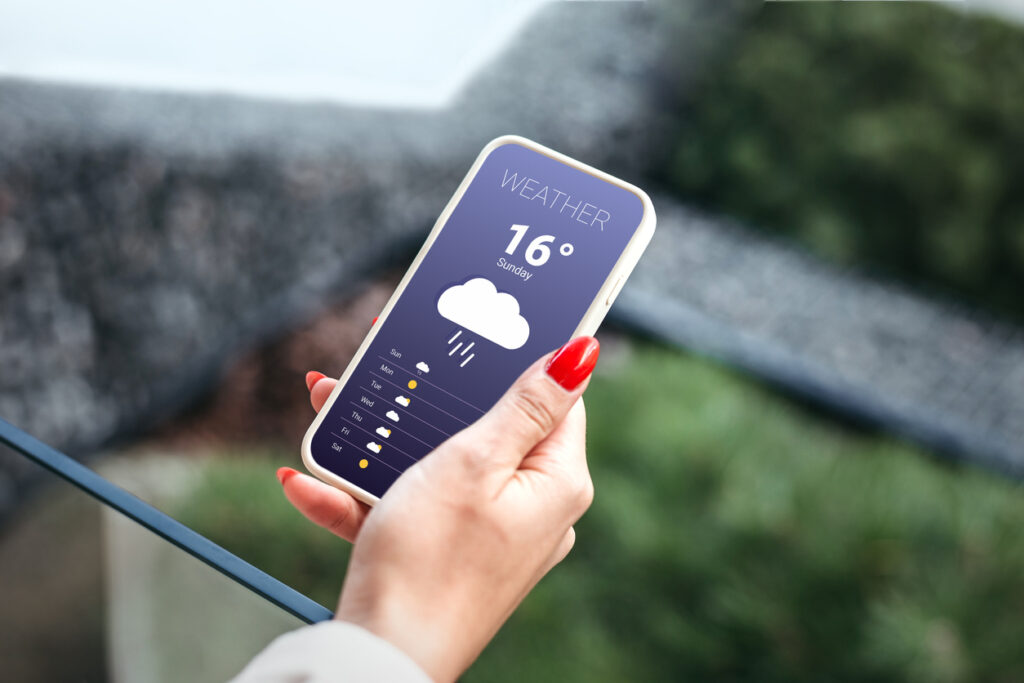
Weather checking becomes more granular in 2026, with people relying less on daily forecasts and more on hourly or hyperlocal updates. Improved weather apps, real-time alerts, and location-based notifications make forecasts feel more personal and actionable. This matters as weather patterns become more unpredictable in many regions. Instead of planning around a general forecast, people adjust schedules by the hour, timing commutes, workouts, or errands more carefully. The result is subtle but powerful: fewer disruptions, better preparation, and a growing awareness of how closely daily life is tied to environmental conditions. Over time, this habit reshapes planning and decision-making in ways previous generations never experienced.
6. Cashless Payments Feel Normal in More Places
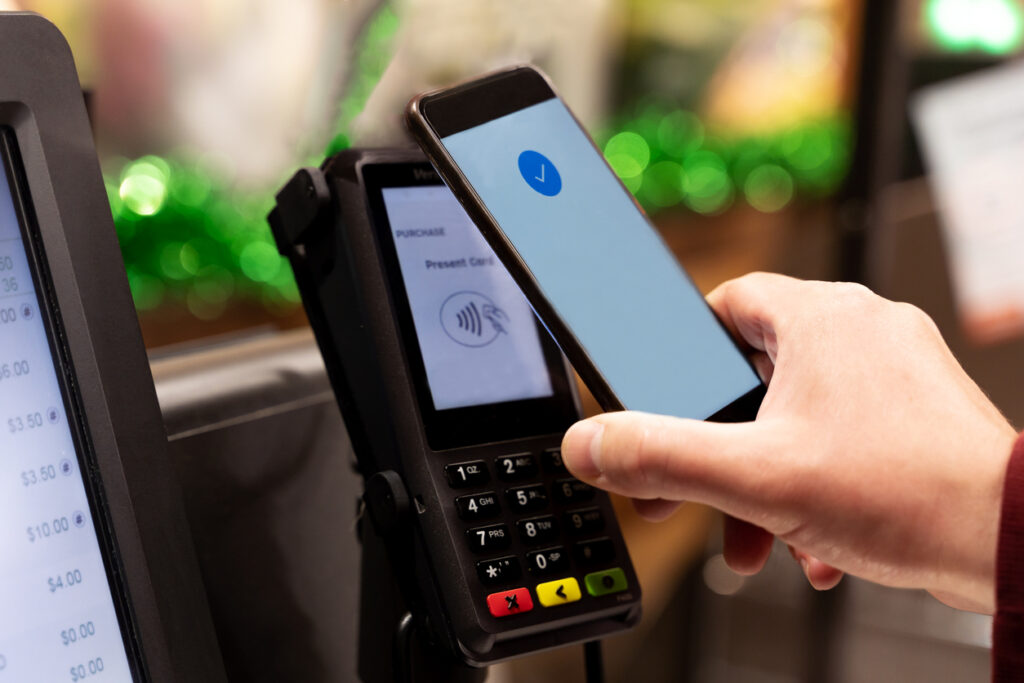
In 2026, cashless payments expand beyond major cities into smaller businesses and everyday services. Mobile wallets, QR codes, and contactless cards are increasingly accepted for transport, food vendors, and local shops. This shift isn’t about eliminating cash entirely, but about reducing how often it’s needed. Transactions become quicker, records more transparent, and budgeting easier through digital tracking. For many, the biggest change is psychological, reaching for a phone instead of a wallet feels natural. Over time, this influences how people think about spending, saving, and even tipping, subtly modernizing economic habits without a single headline announcement.
7. AI Tools Quietly Assist Daily Tasks
By 2026, artificial intelligence is woven into daily routines in understated ways. People use AI to draft emails, summarize long messages, plan schedules, or generate ideas without always labeling it as “AI use.” These tools are embedded in familiar apps, reducing friction rather than replacing human judgment. The impact builds gradually, tasks take less time, mental load decreases, and productivity improves in small increments. What makes this change significant is its invisibility. Many users benefit from AI daily without consciously thinking about it, marking a shift from novelty to normalcy in how technology supports everyday life.
8. Screen Time Conversations Become More Nuanced
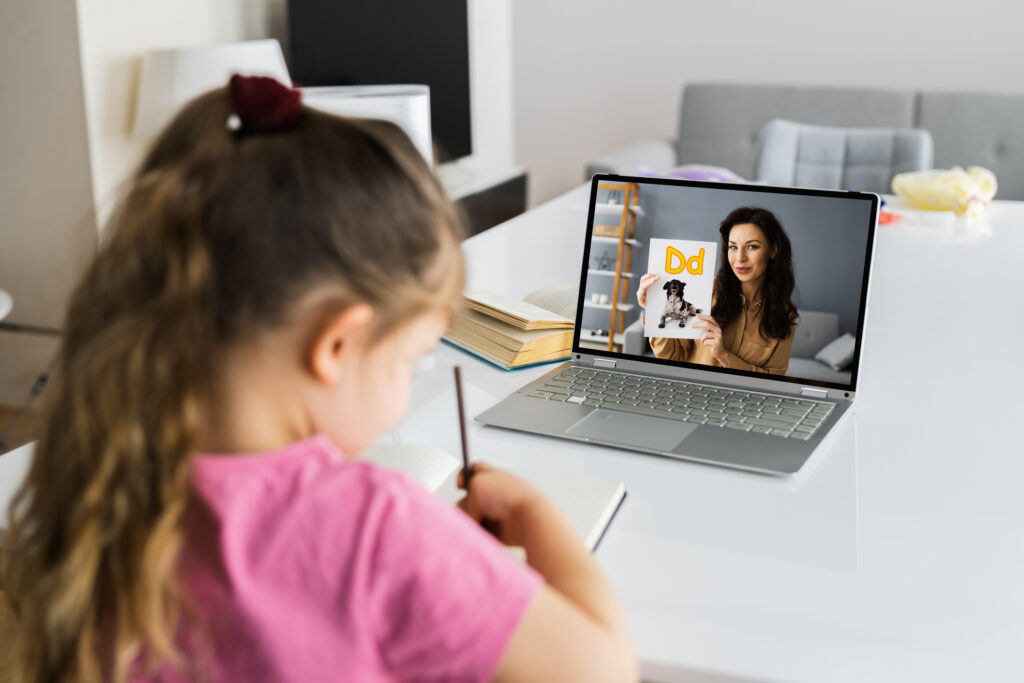
By 2026, discussions around screen time move beyond simple limits to more thoughtful use. Parents, educators, and individuals focus less on total hours and more on content quality and purpose. Built-in digital wellbeing tools help users see patterns rather than just totals, encouraging mindful adjustments. This shift recognizes that screens are essential for work, learning, and connection, not just distraction. Over time, people become better at distinguishing between draining and enriching screen use. The result is healthier digital habits formed through awareness rather than strict rules, subtly improving mental focus and balance.
9. Short-Form Learning Becomes a Daily Habit

Learning in 2026 often happens in small, frequent bursts rather than long sessions. Short videos, podcasts, and bite-sized courses make it easier to pick up new skills during spare moments. Platforms increasingly cater to this format, offering lessons designed for five or ten minutes at a time. Over weeks and months, this adds up to meaningful knowledge gains without overwhelming schedules. The change feels casual, watching a clip or listening to a short explanation, but it reflects a deeper shift in how people approach personal growth. Education becomes more flexible, accessible, and integrated into daily life.
10. People Walk More Without Calling It Exercise
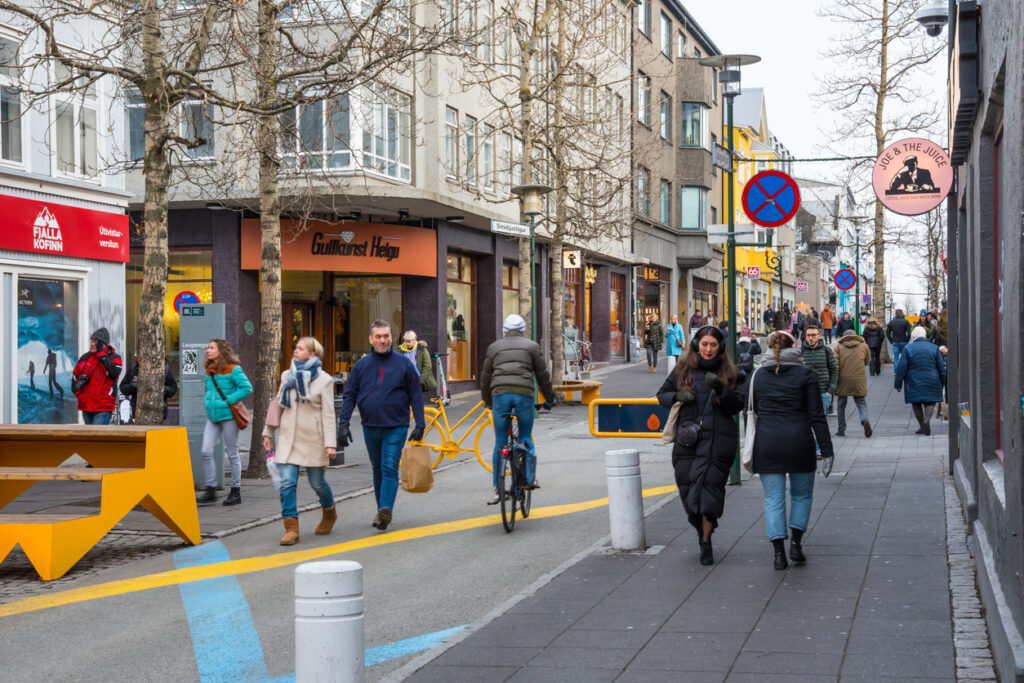
Walking gains renewed importance in 2026, not as a fitness trend but as a practical habit. People walk to clear their heads, replace short drives, or fit movement into busy days. Urban planning, health research, and wellness advice increasingly highlight walking as one of the most sustainable forms of activity. The impact is subtle, no gym membership required, but consistent walking improves physical health, mood, and energy levels over time. Because it doesn’t feel like formal exercise, it’s easier to maintain. Over months and years, this small habit quietly supports better overall wellbeing.
11. Small Home Energy Tweaks
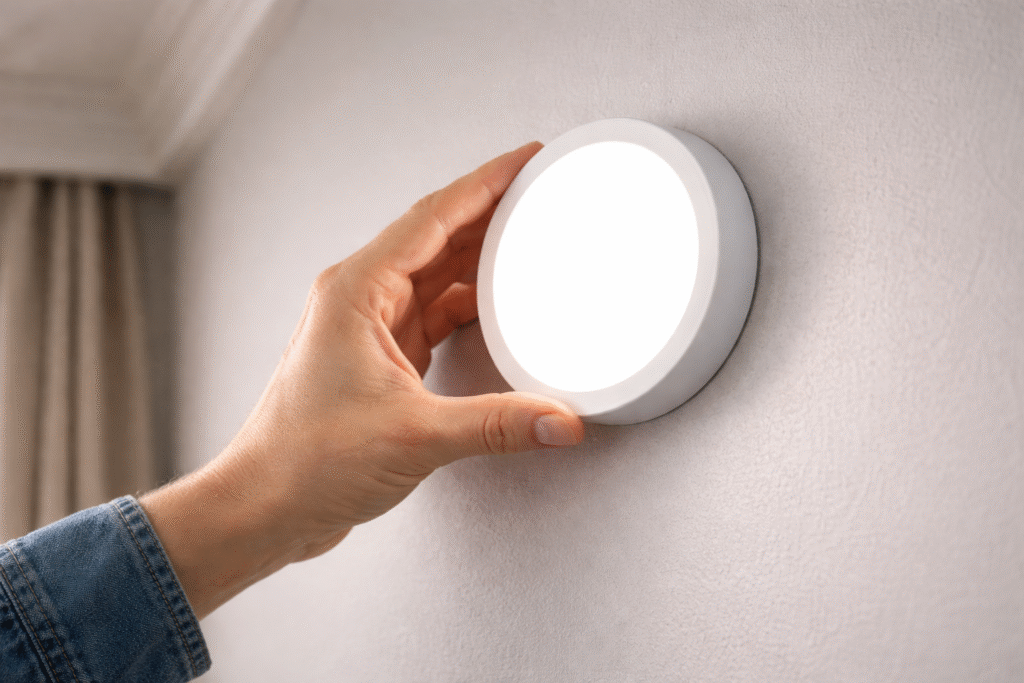
Tiny changes at home, switching to LED bulbs, sealing a few gaps, lowering thermostat setpoints by a degree or two, or adding simple draught excluders, add up fast. By 2026 more households are treating these micro-upgrades like routine maintenance rather than big renovations. The cumulative effect is lower monthly energy bills and smaller household carbon footprints, especially when combined with smarter habits like unplugging idle devices or using appliance delay timers. For renters and homeowners alike, low-cost fixes are easier to justify than major retrofits, so adoption spreads quietly. Over a year, families notice steady savings and fewer surprise spikes on utility bills, making these small changes feel like dependable improvements rather than sacrifices.
12. Micro Meal Prep and Batch Cooking
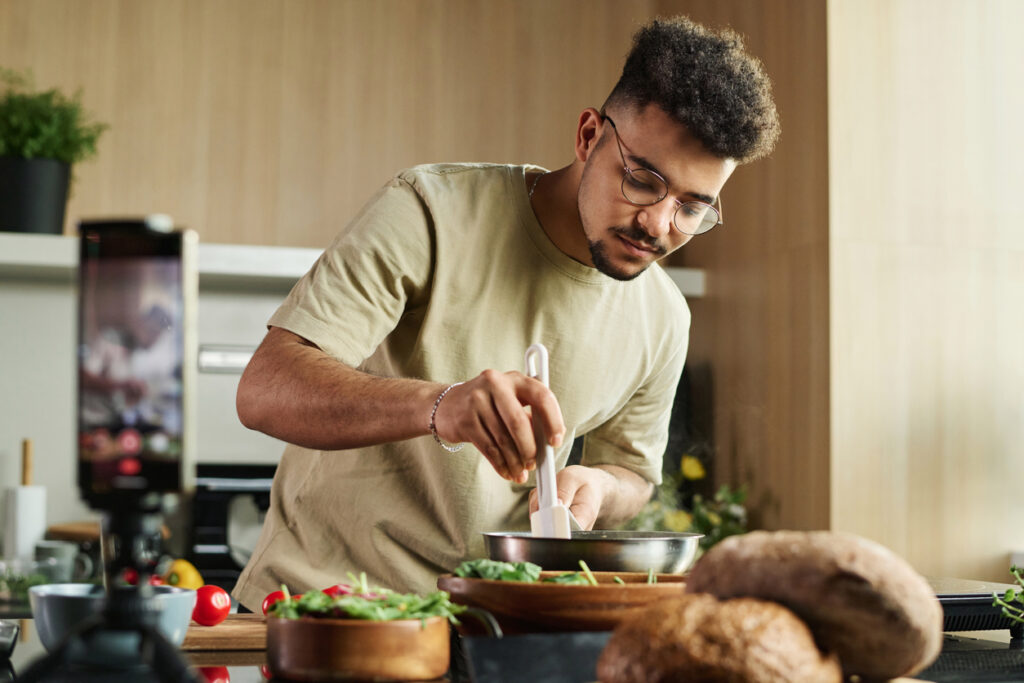
Preparing simple elements, grains, roasted vegetables, a protein, or using a single large-batch recipe once or twice a week changes daily meals more than a strict diet ever could. By 2026 micro meal prep is a widespread habit: people chop once, eat several times, and repurpose leftovers into quick lunches or weeknight dinners. The result is less food waste, fewer takeout runs, and calmer evenings. Micro prep also supports healthier choices because ready-to-eat options are more likely to be nutritious when planned. For busy households, this small time investment saves time and mental energy across the week, turning mealtime from a stress point into a predictable moment of comfort.
13. Reusable Packaging Finds Practical Wins
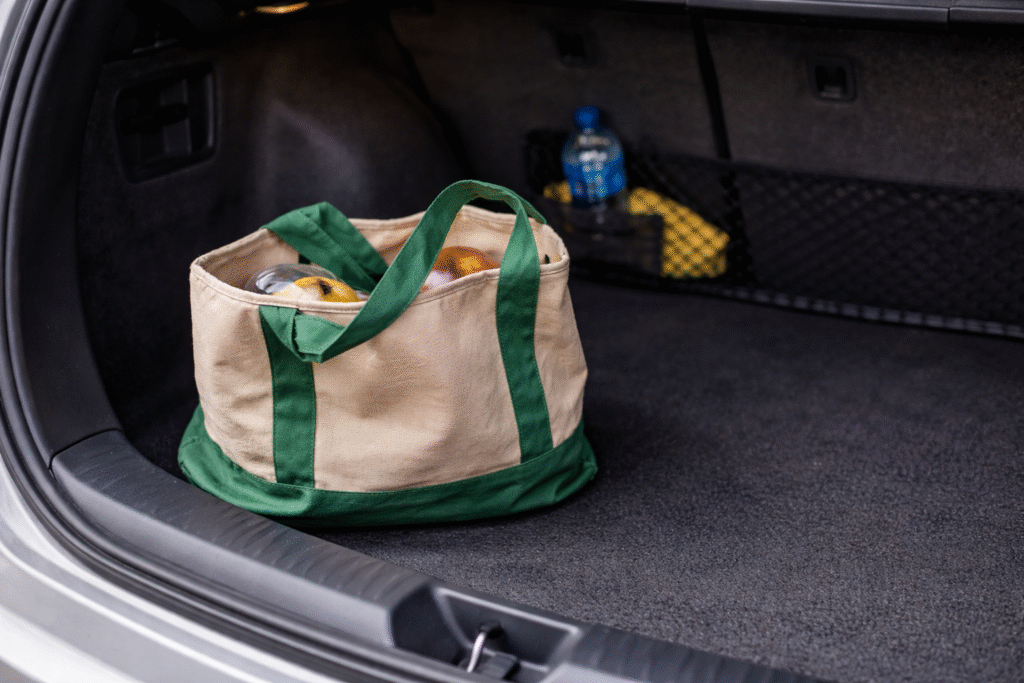
Refill stations, reusable produce bags, and deposit-return schemes are growing in visibility and convenience, and by 2026 many consumers treat reusable packaging as standard practice rather than an eco fad. Shoppers bring containers to bulk bins, refill household staples at local markets, and choose products offered in refill pouches. Businesses that make it easy, clear labeling, small incentives, or quick in-store processes, see steady customer loyalty. These small acts reduce single-use waste and normalize a circular mindset without requiring dramatic lifestyle changes. Over time, neighborhoods where reusable packaging is common look and feel cleaner, and household trash volumes shrink, making the environmental benefit practical and tangible for everyday life.
14. Scheduled Micro Mental-Health Breaks

Short, scheduled pauses, two-minute breathing, a five-minute walk, or a quick stretch, are becoming normalized as preventive mental-health habits. Employers, schools, and wellness apps promote brief breaks because evidence shows they reset focus and reduce burnout risk more reliably than rare, long vacations. People notice these micro-rests slipping naturally into their day: a timed phone reminder to step outside, a group doing a stretch between meetings, or a short guided breathing session after a stressful call. These small resets reduce cognitive load cumulatively, helping sustain productivity while protecting mood. Over months, workers and students report fewer crashes in the late afternoon and a steadier emotional baseline, demonstrating how tiny pauses add up to resilience.
15. Short Local Getaways Replace Big Vacations

Instead of one long holiday, many people in 2026 favor short, frequent local escapes, an overnight in a nearby town, a cabin for two nights, or a city staycation. These mini-trips fit into busy schedules, cost less, and reduce travel stress while still delivering the mental reset a full vacation would. They also spread tourism benefits more evenly across smaller communities and lessen the carbon cost of long-haul flights. For families or solo travelers, short breaks allow for experimentation, trying a new neighborhood restaurant, visiting a nearby nature reserve, or exploring a local festival. Over time, these mini-escapes build richer, more varied leisure habits and create memorable moments without the planning overhead of big trips.
16. Clearer Food Labels Shape Small Choices
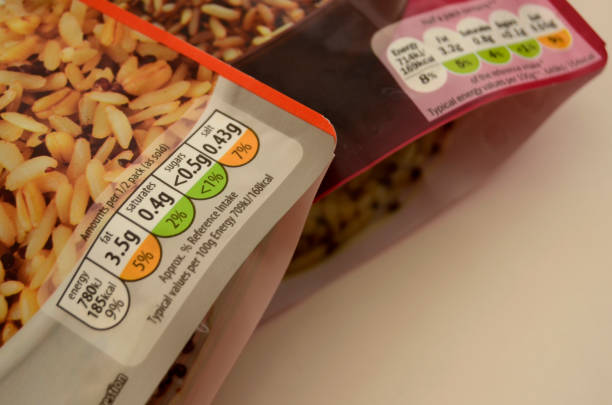
Better, simpler food labels, front-of-pack nutrient summaries, clearer allergen icons, and standardized serving sizes, make quick decisions easier at the supermarket. By 2026 shoppers increasingly expect transparent labeling and use those signals for tiny daily switches: choosing a lower-sugar cereal, an oil-free dressing, or a portion-controlled snack. These micro-choices accumulate into healthier eating patterns without dramatic dieting. Policy changes and retailer initiatives push for uniform design so consumers can compare products at a glance, reducing confusion and impulse purchases. Over months, families report fewer surprise ingredients at mealtimes and more confidence in making everyday choices that align with health goals, showing how label clarity nudges better routines.
17. Thermostat Smarts and Small Adjustments
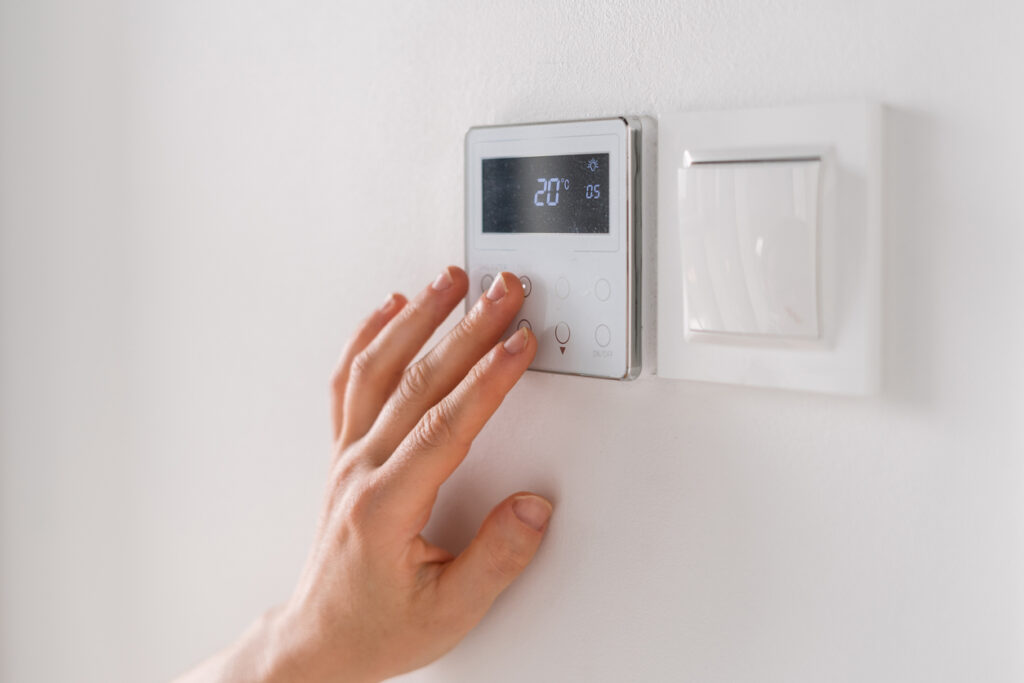
Smart thermostats and simple scheduling habits, lowering heat at night or during work hours, fine-tuning water heater settings, and using zoned heating, become small, routine actions that cut energy use. By 2026 more households pair inexpensive smart devices with habit changes: slightly cooler sleep temps, automatic setbacks when no one’s home, or only heating commonly used rooms. These changes are subtle (you don’t notice one degree) but persistent, producing measurable savings and reduced demand at peak times. For people on tight budgets, that steady reduction in bills matters. Over seasons, these small tweaks compound, decreasing household emissions and making energy efficiency a normal part of home upkeep rather than a special project.
18. Learning at Work, One Skill Bite at a Time

Workplace learning shifts toward micro-modules: ten-minute lessons, quick simulations, and single-skill tutorials that employees complete between tasks. Employers adopt this approach because it fits modern attention spans and produces faster, more consistent skill refreshers than annual training marathons. These short lessons cover targeted needs, new software features, compliance refreshers, or communication tips, and are practical to slot into a coffee break. The change improves performance across teams without heavy time cost, and employees feel less overwhelmed by continuous upskilling. Over the year, small, repeated learning moments accumulate into meaningful competence gains that keep teams nimble without disrupting daily work flow.
19. Recycling Made Simpler and Less Confusing
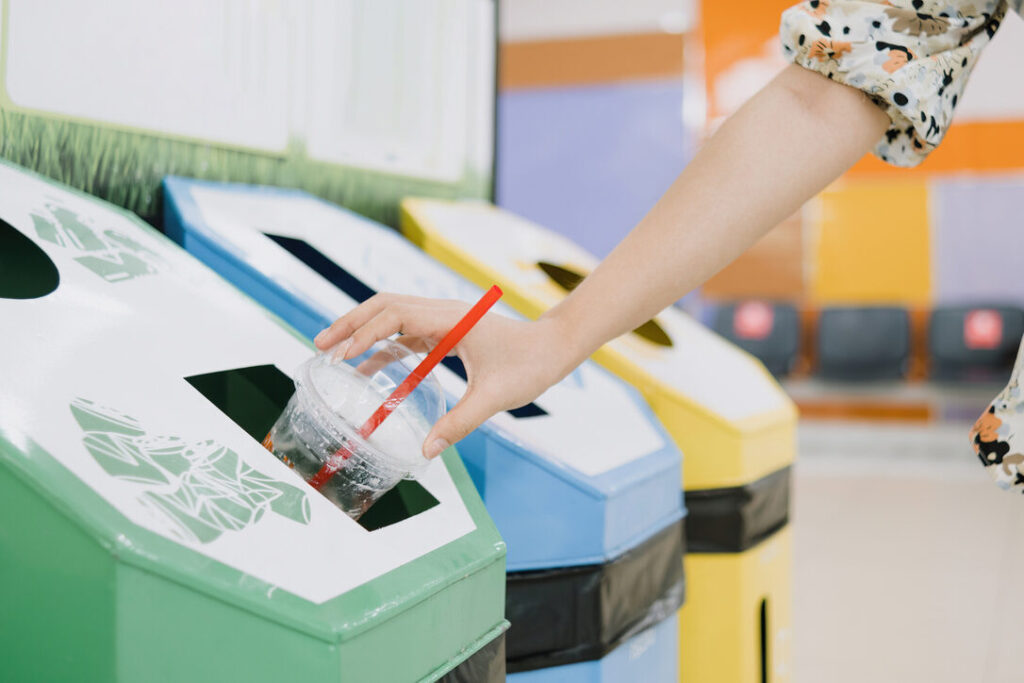
As municipalities and retailers refine recycling rules and labeling, sorting waste becomes less of a guesswork chore. Standardized icons, clearer in-store guidance, and single-stream options in more areas mean people make fewer recycling mistakes. By 2026 this reduces contamination rates and raises diversion from landfills without asking individuals to become experts. Small everyday acts, rinsing containers, flattening boxes, and following clearer bin labels, make an outsized difference when multiplied across neighborhoods. Over time, easier recycling boosts participation and strengthens local waste systems, turning environmental participation into a practical habit rather than a source of guilt.
20. Local Exchange and Barter Resurface

Neighborhood-level exchanges, skill swaps, freecycle groups, and small barter markets, gain traction as people look for low-cost ways to access goods and services. By 2026 online platforms and community boards make trading time, tools, or skills simpler: a plumbing fix for a week of childcare help, or homegrown produce exchanged for baked goods. These micro-economies increase local resilience, reduce consumption, and strengthen social ties without replacing formal markets. For many, participation begins as a single small trade that proves convenient and rewarding, then becomes an ongoing habit. Over time these exchanges reshape how communities meet needs, less money changing hands, more mutual support and shared value.
21. People Rely More on Neighborhood Services

By 2026, many people are rediscovering the value of nearby services, local repair shops, tailors, pharmacists, salons, and neighborhood markets. Rising delivery costs and longer wait times have nudged consumers back toward walkable, local options. This isn’t about rejecting big platforms, but balancing convenience with proximity. Small errands become quicker, relationships form naturally, and money circulates locally. Over time, these choices strengthen community ties and support small businesses that might otherwise disappear. The change feels practical rather than ideological, but the long-term effect is noticeable: neighborhoods feel more active, resilient, and connected, with everyday needs met closer to home.
22. Voice Notes Replace Long Text Messages
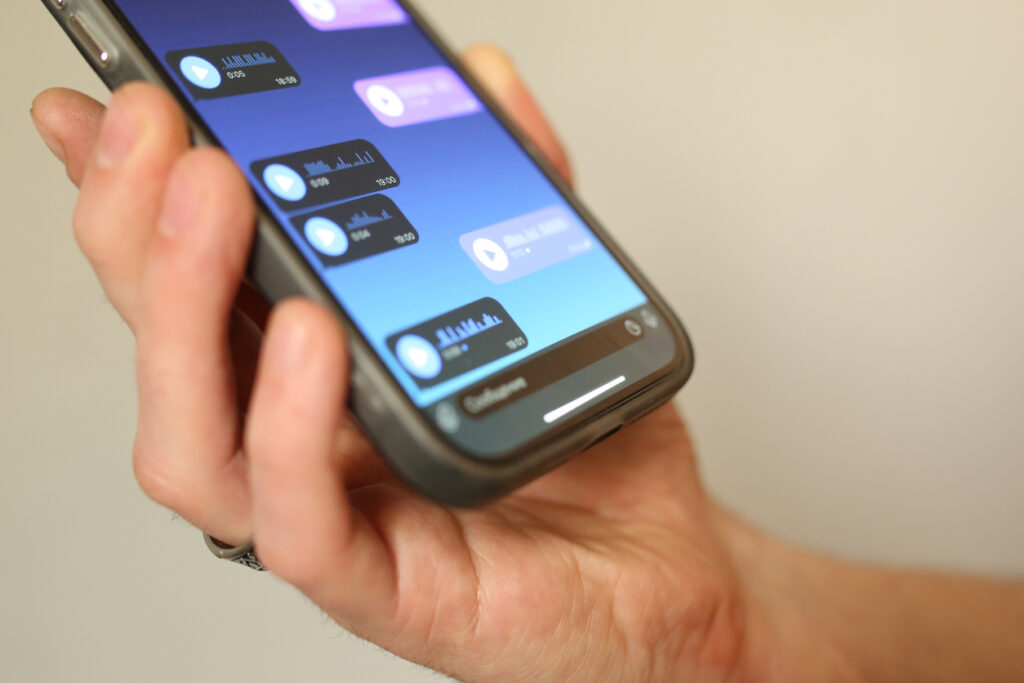
Voice notes continue to grow in everyday communication, especially for longer or emotional messages. By 2026, many people prefer sending short audio clips rather than typing paragraphs, particularly while multitasking. This shift adds tone, emotion, and nuance that text often misses, reducing misunderstandings. It also saves time and effort, making communication feel more human and spontaneous. Over months, voice messaging subtly changes relationship dynamics, conversations feel warmer, more personal, and less transactional. What starts as convenience gradually reshapes how people express themselves digitally.
23. Quiet Budget Tracking Becomes Routine
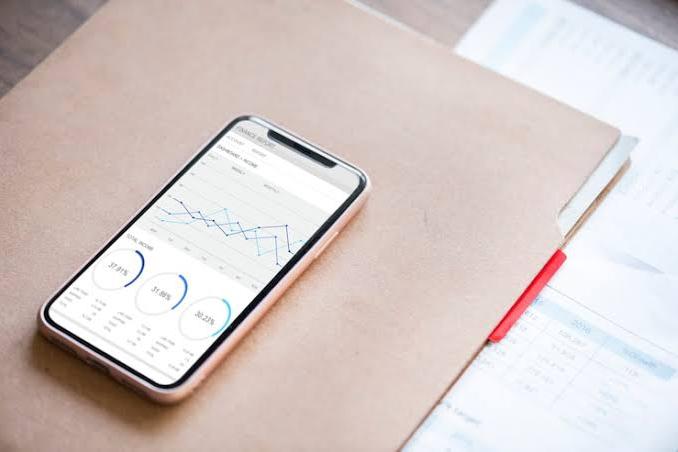
Instead of detailed spreadsheets, many people in 2026 rely on simple budget apps that automatically categorize spending. These tools work quietly in the background, offering gentle alerts or weekly summaries rather than strict rules. The result is increased awareness without financial anxiety. People notice patterns, small subscriptions, frequent takeout, impulse buys, and adjust naturally. Over time, this passive tracking leads to better savings habits and fewer end-of-month surprises. The change feels small, but it builds confidence and control around money management.
24. Shorter Meetings Become the Norm

By 2026, many organizations intentionally shorten meetings to 15 or 25 minutes instead of defaulting to an hour. This shift reflects growing awareness of attention fatigue and productivity loss. Shorter meetings force clearer agendas and quicker decisions, freeing up time for focused work. Employees benefit from fewer interruptions and more energy throughout the day. Over weeks, this adds up to less burnout and better workflow. What feels like a minor scheduling tweak ends up reshaping how teams collaborate and respect each other’s time.
25. Personal Data Settings Get Reviewed
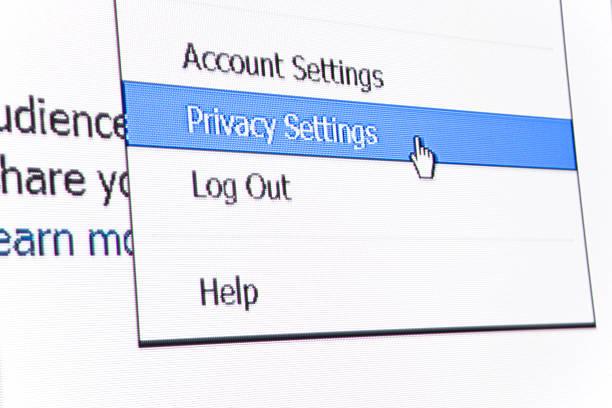
Privacy awareness continues to rise, and by 2026 more people periodically review app permissions and data-sharing settings. This habit is often triggered by reminders, news stories, or app updates. Small actions, turning off location tracking, limiting ad personalization, or deleting unused apps, add up to greater digital control. While the changes happen quietly, they reduce data exposure and improve device performance. Over time, users feel more confident navigating digital spaces, knowing their information is shared more intentionally.
26. Health Checkups Become More Preventive

Preventive healthcare gains momentum in 2026 as people schedule routine screenings rather than waiting for symptoms. Wearables, reminders, and public health messaging encourage early detection and consistent monitoring. Small actions, annual blood tests, blood pressure checks, or dental cleanings, help catch issues earlier and reduce long-term costs. These habits don’t feel dramatic, but they improve quality of life over time. Gradually, health management shifts from reactive to proactive, making care more sustainable and less stressful.
27. Digital Decluttering Becomes Seasonal
Just like spring cleaning, digital decluttering becomes a regular habit for many people. By 2026, users periodically clear old photos, emails, downloads, and unused apps. This improves device performance and reduces mental clutter. The act itself is simple, but the payoff is noticeable, faster devices, easier searches, and less overwhelm. Over time, people feel more in control of their digital environments, treating storage space and attention as valuable resources worth maintaining.
28. Public Transport Apps Improve Reliability
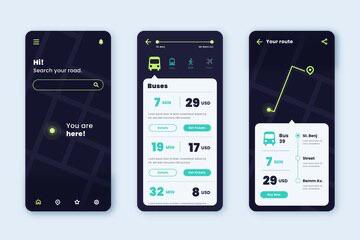
Transport apps in 2026 provide more accurate real-time updates, helping commuters plan better. Live tracking, delay alerts, and crowd-level indicators reduce uncertainty and waiting time. These small improvements make public transport more appealing and less stressful. Over months, people adjust routines, leaving later, choosing less crowded routes, or combining trips more efficiently. The cumulative effect is smoother daily travel and increased trust in shared transport systems.
29. Simple Fitness Beats Intense Routines

High-intensity fitness trends give way to consistent, manageable routines. In 2026, people focus on stretching, mobility, light strength work, and regular movement rather than extreme workouts. These simple habits are easier to maintain and reduce injury risk. Over time, they improve flexibility, posture, and energy levels. The shift isn’t flashy, but it’s sustainable, helping people stay active without burnout or guilt.
30. Gratitude Becomes a Quiet Habit

More people adopt small gratitude practices, writing one line a day, reflecting before sleep, or sharing appreciation messages. By 2026, this habit is widely recommended for mental wellbeing. The action takes minutes but gradually reshapes perspective, helping people notice positives amid routine stress. Over months, gratitude practices are linked to improved mood, better sleep, and stronger relationships. What feels like a simple reflection quietly supports emotional resilience.
31. Notifications Get Quietly Smarter
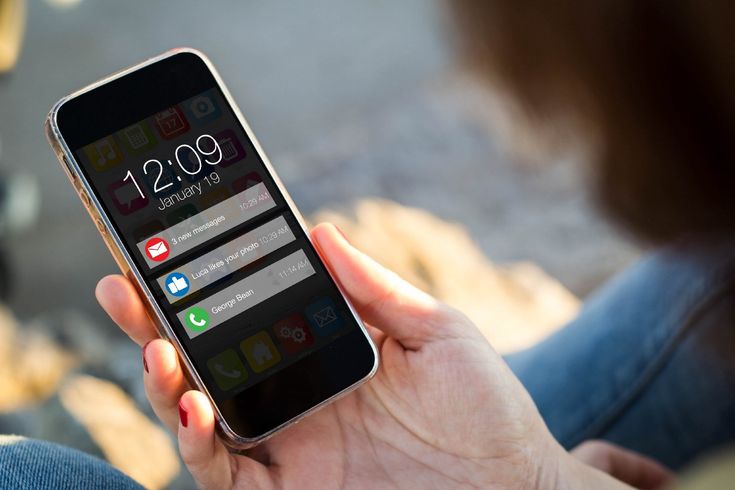
By 2026, people experience fewer unnecessary interruptions thanks to smarter notification controls. Operating systems and apps increasingly group alerts, prioritize important messages, and silence low-value pings automatically. Users also become more comfortable adjusting notification settings themselves, muting apps that distract without adding value. This doesn’t eliminate notifications, it refines them. Over time, fewer interruptions mean deeper focus, calmer days, and better sleep. What feels like a small digital tweak gradually improves attention span and reduces stress caused by constant alerts competing for attention.
32. Repaired Items Replace Quick Replacements
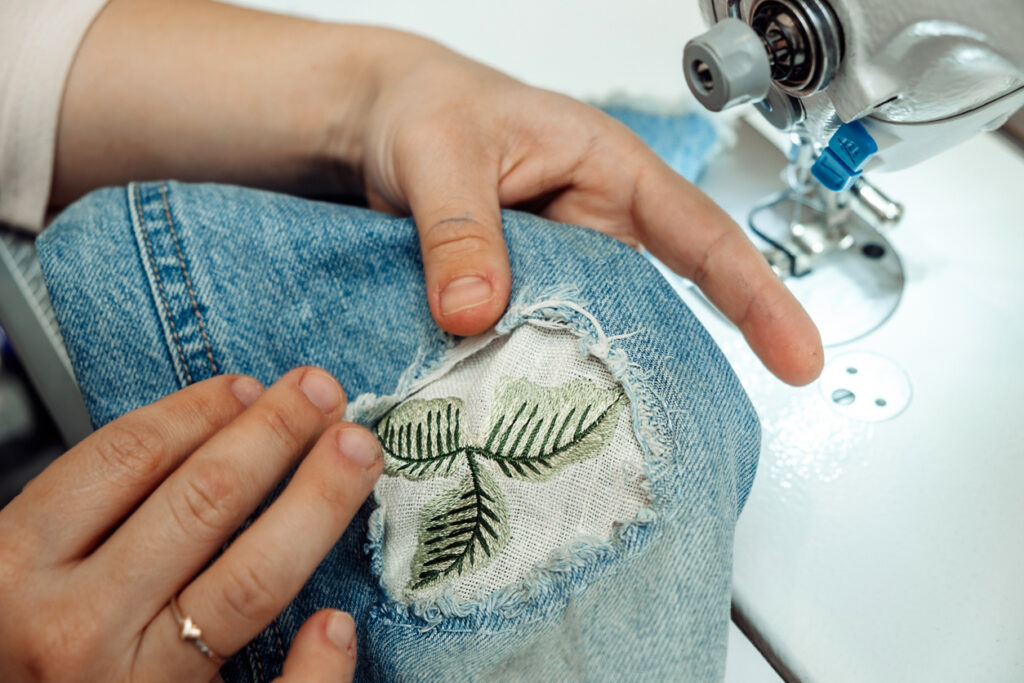
Repair culture continues its quiet comeback in 2026. Rising costs and sustainability awareness encourage people to fix appliances, clothes, and gadgets rather than replace them immediately. Repair cafés, online tutorials, and spare-part availability make repairs more accessible. A repaired phone screen or stitched jacket may seem minor, but repeated choices like these save money and reduce waste. Over time, people regain confidence in maintaining what they own, shifting attitudes away from disposability and toward long-term value.
33. Sleep Routines Become More Intentional

Rather than chasing perfect sleep, people in 2026 focus on consistent routines. Simple habits, lowering lights earlier, reducing screen brightness, or keeping regular bedtimes, prove more effective than extreme sleep hacks. Wearables and apps gently reinforce these patterns without overwhelming users. Over weeks and months, better sleep improves mood, focus, and immune health. The change feels gradual, but its impact touches nearly every part of daily life, making rest a foundation instead of an afterthought.
34. Secondhand Shopping Feels Mainstream
Buying secondhand items, especially clothing, books, and furniture, becomes an ordinary choice rather than a niche one. Online resale platforms and curated thrift shops make pre-owned goods appealing and easy to find. In 2026, shoppers value quality and sustainability over novelty. This habit stretches budgets and reduces waste while still allowing personal style. Over time, secondhand shopping reshapes consumer expectations and weakens the pressure for constant new purchases.
35. Digital Calendars Replace Mental Notes
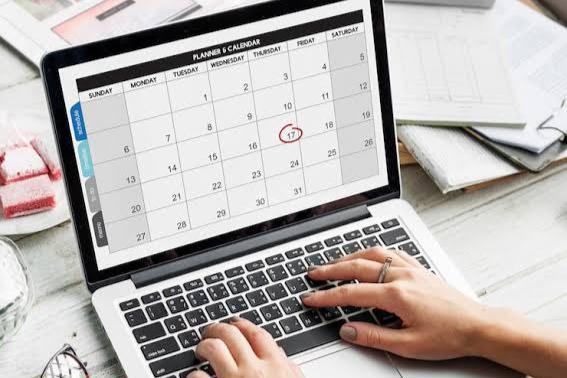
More people rely fully on digital calendars for reminders, deadlines, and planning instead of keeping everything in their heads. In 2026, calendars sync seamlessly across devices and integrate with messaging and task apps. This reduces mental load and forgotten commitments. The benefit compounds daily, less anxiety, better time management, and clearer priorities. What starts as adding one reminder becomes a dependable system that supports both work and personal life.
36. Home Spaces Become More Multipurpose
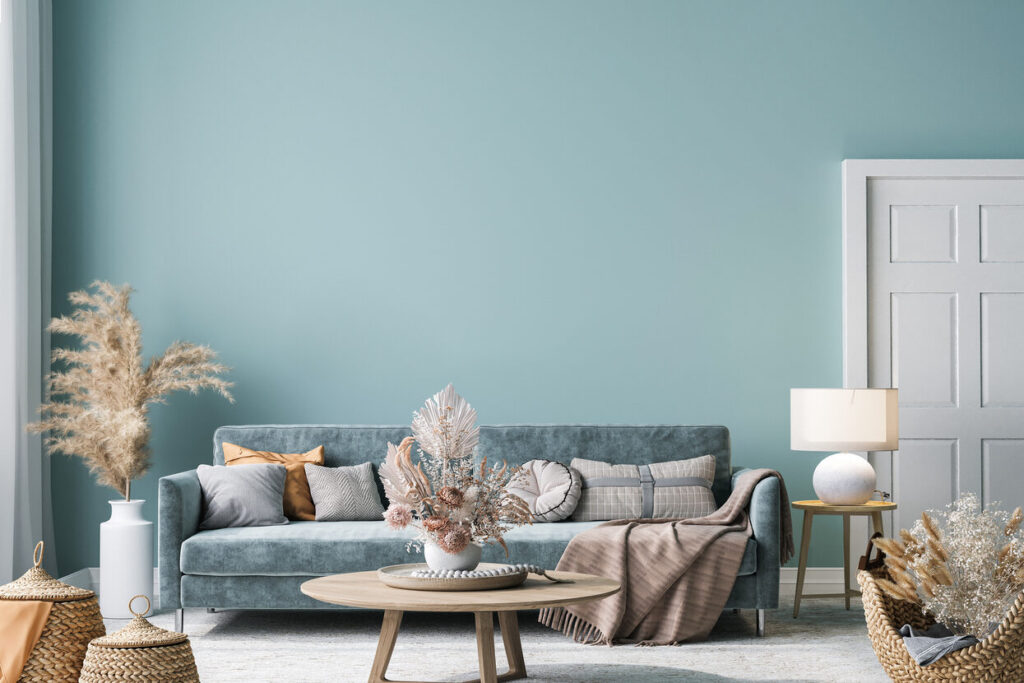
Homes in 2026 are quietly optimized for flexibility. Dining tables double as workspaces, spare corners become reading nooks, and furniture serves multiple functions. This shift reflects hybrid work and evolving lifestyles. Small layout changes make homes feel more usable without renovations. Over time, people feel more comfortable and productive at home, proving that thoughtful adjustments, not bigger spaces, often make the biggest difference.
37. People Read Headlines More Critically

With information overload continuing, readers become more selective and skeptical. By 2026, many people pause before sharing headlines, check sources, or read beyond the title. Media literacy improves through habit rather than formal training. These small acts reduce misinformation spread and encourage thoughtful consumption. Over time, public conversations become slightly calmer and more grounded, shaped by readers who engage more intentionally with news.
38. Small Acts of Kindness Feel More Visible

In challenging times, small gestures, holding doors, checking on neighbors, offering help, stand out more. By 2026, these acts are often shared quietly, reinforcing social bonds without performative intent. Kindness spreads subtly through example, improving everyday interactions. Over time, these moments shape community culture, making public spaces feel more human and supportive. What seems fleeting leaves a lasting emotional impression.
39. Photos Are Taken More Selectively

Rather than documenting everything, people become more selective about capturing moments. In 2026, many choose to experience events fully and take fewer, more meaningful photos. This shift reduces digital clutter and increases presence. Memories feel richer when not filtered through constant recording. Over time, this habit changes how people remember experiences, less scrolling later, more living in the moment now.
40. Small Daily Wins Are Valued More

By 2026, people increasingly recognize progress through small, consistent wins rather than big milestones alone. Finishing a task, sticking to a routine, or making a healthy choice becomes worth acknowledging. This mindset supports motivation and emotional wellbeing. Over months, valuing small wins builds confidence and resilience. What feels like a quiet mental shift transforms how people measure success and satisfaction in everyday life.
In 2026, these small shifts, across technology, health, money, and daily routines, are steadily adding up to meaningful improvements in how people live and feel.
Like this story? Add your thoughts in the comments, thank you.


