
1. AI Prompt Engineer
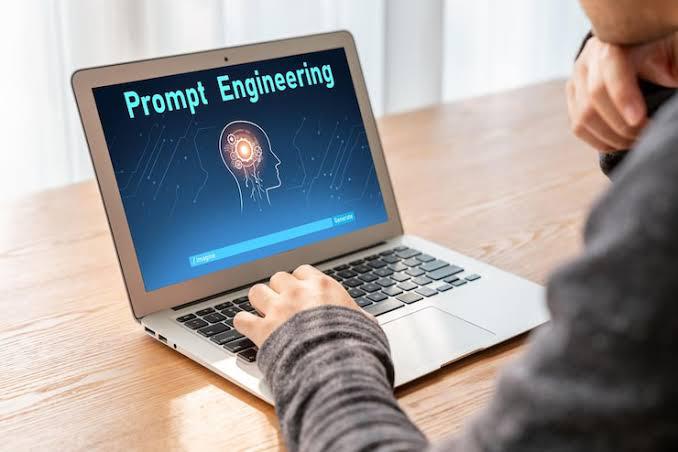
The world of work is changing faster than ever, shaped by technology, climate goals, health needs, and shifting lifestyles. s artificial intelligence tools become central to workplaces, the ability to communicate effectively with them has become a valuable skill. AI prompt engineers specialize in crafting precise instructions that help AI systems generate accurate text, images, code, or analysis. Companies are already hiring specialists to optimize outputs from tools like generative chatbots and image models. This role does not always require deep programming knowledge, but it does demand strong language skills, logic, and experimentation. In 2026, demand is expected to grow as businesses rely more on AI for customer service, marketing, education, and internal research. Better prompts mean better results, and that efficiency directly affects profits.
2. Renewable Energy Technician

Renewable energy technicians install, maintain, and repair systems like solar panels, wind turbines, and energy storage units. As governments and corporations push toward clean energy targets, demand for skilled workers in this field continues to rise. Solar and wind farms require regular inspections, troubleshooting, and upgrades to stay efficient. This career blends hands-on technical work with environmental impact, making it appealing to younger workers. By 2026, renewable energy expansion in both developed and emerging economies is expected to accelerate, creating steady jobs that cannot be easily outsourced. It is a practical career tied directly to global climate and energy policies.
3. Cybersecurity Analyst

Cybersecurity analysts protect networks, systems, and data from digital threats. As more businesses move operations online and store sensitive data digitally, cyberattacks have become more frequent and costly. Analysts monitor activity, investigate breaches, and design defenses to prevent future attacks. In recent years, industries like healthcare, finance, education, and government have all increased cybersecurity budgets. By 2026, this role is expected to be even more critical as artificial intelligence and remote work expand attack surfaces. The career offers strong job security, competitive pay, and global relevance, making it one of the most reliable technology-focused paths.
4. Telehealth Support Specialist

Telehealth support specialists assist patients and healthcare providers with virtual medical services. They help set up video consultations, manage digital health records, and ensure patients can access care remotely. The growth of telemedicine has made healthcare more accessible, especially for rural areas and busy professionals. This role combines basic healthcare knowledge with technical and communication skills. By 2026, telehealth is expected to remain a permanent part of healthcare systems rather than a temporary solution. As hospitals and clinics expand digital services, trained support staff will be essential to keep virtual care running smoothly and safely.
5. Climate Data Analyst

Climate data analysts study environmental data to track climate patterns, risks, and impacts. Governments, research institutions, insurance companies, and corporations increasingly rely on climate data to make decisions about infrastructure, agriculture, and investments. Analysts interpret large datasets related to temperature, rainfall, emissions, and natural disasters. Their findings help shape climate policies and risk planning. By 2026, climate reporting and compliance requirements are expected to increase, driving demand for professionals who can turn complex data into clear insights. This career blends science, technology, and policy in a way that directly influences long-term global planning.
6. Digital Product Manager

Digital product managers oversee the development of apps, platforms, and online services from concept to launch. They coordinate between designers, developers, marketers, and stakeholders to ensure products meet user needs and business goals. As companies expand digital offerings, strong product leadership has become essential. This role requires strategic thinking, communication skills, and data-driven decision-making. By 2026, demand is expected to grow as businesses compete to improve user experience and retain customers in crowded digital markets. Product managers play a central role in shaping tools people use daily, from financial apps to entertainment platforms.
7. Content Moderation Specialist

Content moderation specialists review and manage online content to ensure it meets platform guidelines and legal standards. As social media, forums, and video platforms continue to grow, so does the need for moderation to protect users and advertisers. This role involves identifying harmful, misleading, or inappropriate content while balancing free expression. By 2026, increased regulation and public scrutiny are expected to push companies to invest more in content safety teams. The job requires strong judgment, emotional resilience, and cultural awareness, making it a critical but often overlooked part of the digital economy.
8. E-commerce Logistics Coordinator

E-commerce logistics coordinators manage the movement of products from warehouses to customers. They oversee inventory, shipping schedules, delivery partners, and returns. As online shopping continues to grow worldwide, efficient logistics have become a competitive advantage for retailers. This role focuses on problem-solving and coordination rather than sales. By 2026, faster delivery expectations and cross-border e-commerce will increase demand for skilled logistics professionals. The career sits at the intersection of technology, transportation, and customer experience, making it essential to modern retail operations.
9. Online Course Creator

Online course creators design and produce digital learning materials for platforms, schools, or independent audiences. Topics range from professional skills to hobbies and personal development. The global shift toward flexible learning has made online education more accepted and accessible. Creators often combine teaching expertise with video production and marketing skills. By 2026, demand for short, practical courses is expected to rise as workers reskill and upskill throughout their careers. This role offers flexibility and scalability, allowing individuals to reach large audiences without traditional classroom limitations.
10. Virtual Event Producer
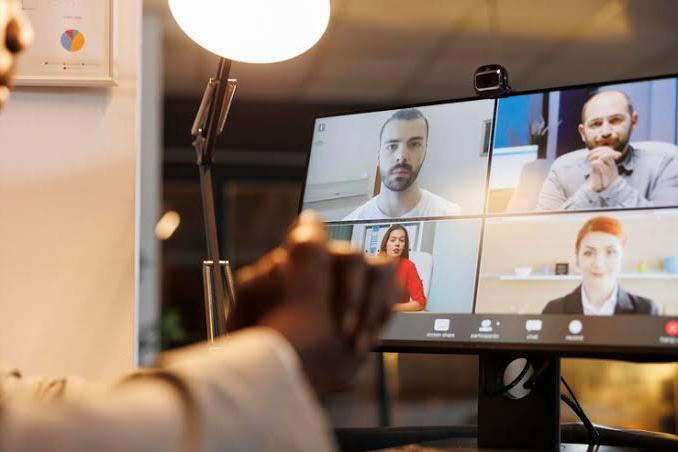
Virtual event producers plan and manage online conferences, webinars, and hybrid events. They handle technical setups, scheduling, audience engagement tools, and live-stream coordination. Even as in-person events return, many organizations continue to favor virtual or hybrid formats to reduce costs and expand reach. By 2026, companies, educators, and nonprofits are expected to keep hosting digital events as part of their core strategies. This role blends event planning with technical skills and creativity, making it ideal for professionals who enjoy coordination and digital communication.
11. Drone Operations Specialist
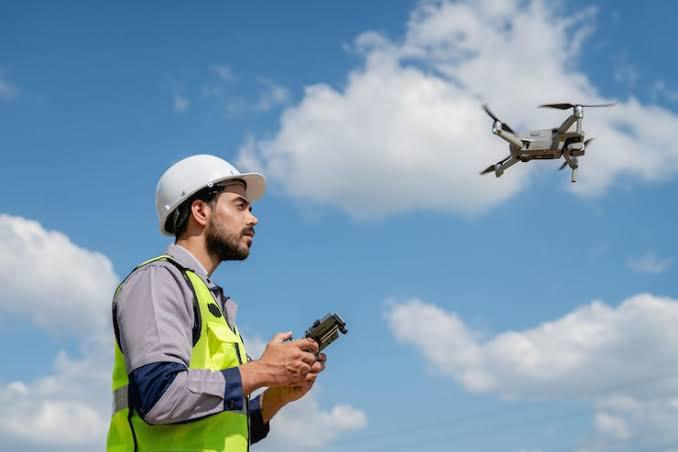
Drone operations specialists run, maintain, and coordinate unmanned aerial systems for delivery, surveying, agriculture, inspection, and security. As companies pilot drone deliveries and governments approve broader beyond-visual-line-of-sight flights, organizations need trained operators who understand flight regulations, payload handling, data capture, and safety procedures. The role blends hands-on piloting with data analysis, turning aerial footage into actionable maps for construction, insurance, and farming. Careers scale from local inspection pilots to managers of autonomous drone fleets, and can include regulatory compliance and training responsibilities. With growing commercial use and new military contracts, demand is spreading across logistics, media, agriculture, and public safety sectors.
12. Health Data Privacy Officer

Health data privacy officers ensure medical records, telehealth platforms, and research databases comply with privacy laws and cybersecurity best practices. As healthcare digitizes, through electronic health records, remote monitoring, and genomic data, organizations must balance access to patient data with strong legal and technical protections. This role combines legal literacy (privacy regulation and consent), technical understanding (encryption, access controls), and communication skills to train staff and respond to incidents. Employers include hospitals, clinics, digital-health startups, and insurers. Growing regulatory scrutiny worldwide and repeated healthcare data breaches make this role essential: it reduces legal risk, builds patient trust, and enables safe use of health data for research and care improvement.
13. Sustainable Packaging Designer

Sustainable packaging designers create materials and formats that reduce waste, emission, and cost while meeting branding and protection needs. Driven by consumer demand, retailer sustainability rules, and extended producer responsibility laws, designers are moving from single-use plastics to recyclable, compostable, or reusable solutions. This job requires materials knowledge, cost modeling, and collaboration with supply-chain teams to ensure design innovations can scale and pass regulatory tests. From consumer goods to e-commerce parcels, companies are investing in packaging that lowers carbon footprint and improves recyclability. Designers who can pair creativity with manufacturability and lifecycle analysis are increasingly valuable as brands aim to meet ESG targets and win eco-conscious customers.
14. Genetic Counseling Technician / Assistant

Support roles in genetics, technician or assistant positions, help genetic counselors with testing logistics, patient education materials, and data entry, enabling clinics to scale as demand for genetic testing rises. With wider availability of diagnostic and predictive tests in oncology, prenatal care, and rare disease screening, specialist teams need skilled support staff to manage samples, explain results in plain language, and coordinate follow-ups. These roles are ideal entry points for people interested in genomics careers and can be upskilled into counseling or laboratory positions. Official projections already show genetic counselor employment growing faster than average, which cascades into more support-level openings across hospitals, labs, and tele-genetics services.
15. Vertical Farm / Controlled-Environment Grower
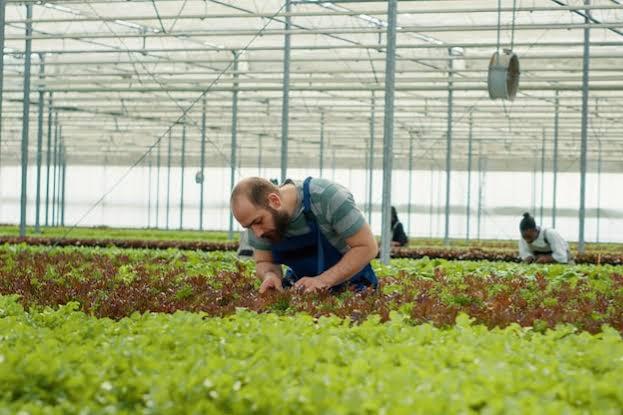
Managers and technicians for vertical farms run indoor systems that use LED lighting, hydroponics, and automation to grow produce year-round in urban or water-scarce regions. As investors and food companies tackle supply-chain resilience, local production, and climate risks, controlled-environment agriculture (CEA) projects are expanding, requiring operators who understand plant science, environmental control systems, nutrient management, and automation. These farms reduce water use and shipping emissions for premium leafy greens and specialty crops, and larger projects now attract serious capital and long-term retail contracts. While the sector has growing pains, skilled growers are essential to bringing yields, cost efficiency, and consistent quality to scale.
16. Web3 Compliance & Risk Specialist
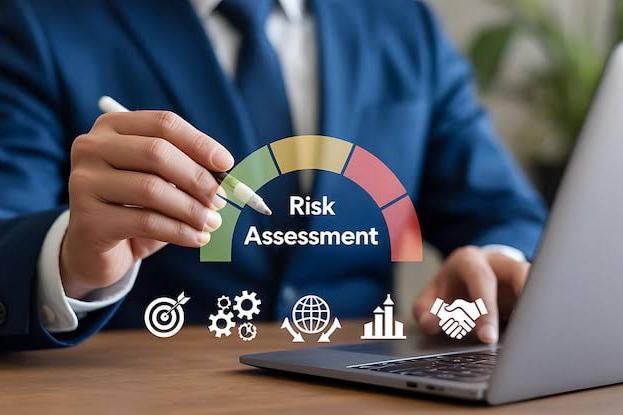
As crypto, NFTs, and tokenized finance mature, firms need compliance specialists who understand anti-money laundering rules, securities law, and blockchain analytics tools. This role evaluates new token models, sets KYC/AML policies, and coordinates with regulators and auditors to keep platforms lawful. It’s a hybrid of legal, policy, and technical skills, knowledge of smart contracts and on-chain forensics is increasingly expected. Businesses that bridge traditional finance and decentralized systems (exchanges, custodians, tokenized asset platforms) rely on these experts to enable innovation while minimizing legal exposure, making compliance a growth area as regulators worldwide increase scrutiny.
17. Voice & Conversational UX Designer
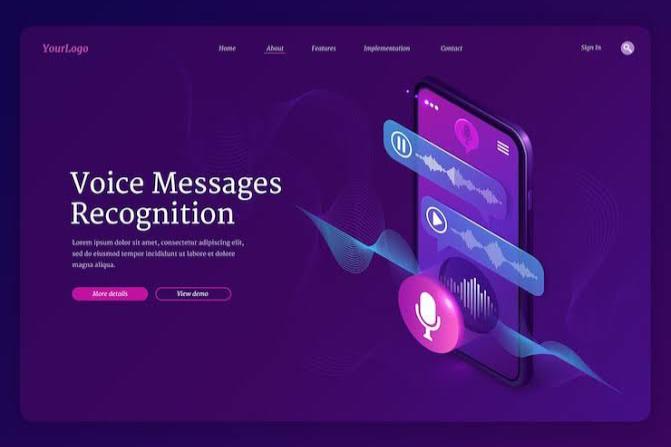
Voice and conversational UX designers craft natural, useful interactions for voice assistants, in-car systems, and voice-enabled apps. With more homes and devices adding voice control, and AI making dialogue more context-aware, designers must shape flows that feel human, respect privacy, and handle errors gracefully. This specialty merges linguistics, interaction design, and content strategy to create personas, prompts, and fallback paths that reduce friction and delight users. As interfaces shift from screens to multimodal experiences (voice + visuals), designers who can make voice interactions efficient and inclusive will be in demand across consumer electronics, automakers, healthcare, and enterprise tools.
18. Digital Mental Health Coach / Program Facilitator

Digital mental-health coaches support scalable care by guiding users through evidence-based programs, habit coaching, and early-intervention tools on apps and platforms. While licensed therapists handle clinical diagnoses, coaches provide structured support, engagement design, and symptom monitoring that increase access and lower costs. Employers include mental-health startups, employer wellbeing programs, and telehealth services. With rising awareness of mental health, and companies investing in workforce wellbeing, coaches who can blend empathetic communication with digital literacy and program metrics are valuable for keeping users engaged and helping triage clinical needs when necessary.
19. Subscription & Retention Marketing Manager

As more businesses adopt subscription models, from streaming and software to food and personal-care boxes, companies focus on reducing churn and increasing lifetime value. Subscription and retention managers design onboarding flows, pricing experiments, loyalty programs, and personalized communication to keep customers engaged. They rely on user analytics, cohort analysis, and cross-functional campaigns with product and customer success teams. With customer acquisition costs rising, retention-driven roles deliver direct ROI; expect growth across startups and established brands as subscriptions become mainstream and businesses hunt for predictable recurring revenue.
20. Micro-Mobility Technician (E-scooter & E-bike)
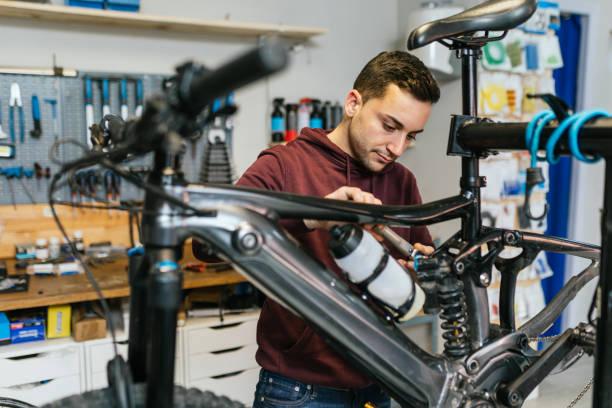
Technicians who service electric scooters, bikes, and shared micro-vehicles keep urban fleets rolling, handling battery systems, motors, brakes, and IoT diagnostics. Cities expanding micro-mobility options need local maintenance teams to ensure safety, uptime, and cost-effective operations. With the micromobility market projected to expand rapidly, operators and municipalities are investing in repair hubs, spare-parts logistics, and training programs. This hands-on role offers steady local demand, and technicians can specialize in fleet management, safety compliance, or battery recycling pathways as the sector professionalizes.
21. AI Ethics & Governance Specialist
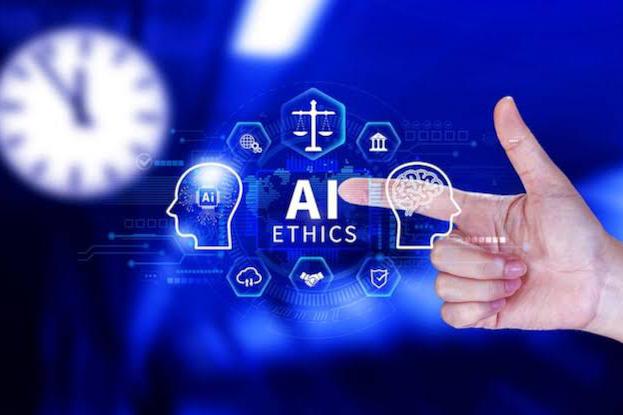
As artificial intelligence becomes embedded in hiring, finance, healthcare, and public services, organizations face growing pressure to use it responsibly. AI ethics and governance specialists develop policies that address bias, transparency, data usage, and accountability in automated systems. Their work helps companies comply with emerging regulations while maintaining public trust. This role blends policy research, technology awareness, and stakeholder communication, often working alongside engineers and legal teams. By 2026, as governments introduce stricter AI rules and audits, demand for professionals who can guide ethical implementation is expected to rise sharply across tech firms, enterprises, and public institutions.
22. Carbon Accounting Analyst

Carbon accounting analysts measure and report greenhouse gas emissions produced by companies, products, or supply chains. As climate disclosure requirements expand, businesses need accurate emissions data to meet regulatory and investor expectations. Analysts calculate Scope 1, 2, and 3 emissions, verify data sources, and support sustainability strategies. This role combines environmental science, data analysis, and reporting standards knowledge. By 2026, carbon accounting is expected to become as routine as financial reporting in many industries, creating steady demand for professionals who can translate complex emissions data into actionable insights.
23. Smart Home Installation Specialist

Smart home installation specialists set up connected devices such as security systems, lighting, thermostats, and voice assistants. As smart-home adoption grows among homeowners and property developers, demand for trained installers is increasing. This role requires technical skills, basic networking knowledge, and customer education abilities. Installers often help clients customize systems for energy efficiency, safety, and convenience. By 2026, smart homes are expected to move beyond luxury status and become standard in new housing developments, creating consistent work opportunities in residential and small commercial markets.
24. Creator Economy Manager

Creator economy managers help digital creators grow sustainable businesses by managing brand deals, content schedules, monetization strategies, and audience analytics. As influencers and independent creators become powerful media channels, brands increasingly rely on specialists to coordinate partnerships professionally. This role blends marketing strategy, contract management, and platform knowledge. By 2026, as creator-led businesses expand beyond sponsorships into products, subscriptions, and communities, managers will play a key role in turning online popularity into long-term income and brand value.
25. EV Charging Infrastructure Planner

EV charging infrastructure planners design and coordinate charging networks for cities, businesses, and residential developments. With electric vehicle adoption accelerating, reliable charging access has become a major concern for governments and consumers. Planners assess traffic patterns, grid capacity, and future demand to determine optimal charger placement. This role combines urban planning, energy systems knowledge, and project coordination. By 2026, as EV ownership expands rapidly, planners will be essential to preventing charging bottlenecks and supporting clean transportation goals.
26. Digital Archivist

Digital archivists preserve and organize digital records, media, and historical data for institutions, companies, and cultural organizations. As more information is created digitally, long-term preservation has become a critical challenge. Archivists manage file formats, metadata, and storage systems to ensure future accessibility. This role blends information science with technology and historical awareness. By 2026, governments, news organizations, and enterprises are expected to invest more in digital preservation to protect records from data loss, platform shutdowns, or cyber threats.
27. Remote Team Culture Consultant

Remote team culture consultants help organizations build trust, communication, and engagement among distributed workforces. As remote and hybrid work become permanent for many companies, maintaining productivity and morale has become a strategic priority. Consultants design onboarding processes, communication norms, and performance frameworks tailored to remote teams. By 2026, companies competing for global talent will increasingly seek experts who can reduce burnout, improve collaboration, and create inclusive digital workplaces. This role blends human resources insight with organizational psychology and modern work tools.
28. Digital Identity Verification Specialist

Digital identity verification specialists manage systems that confirm user identities online using biometrics, documents, and behavioral data. As online fraud and identity theft increase, secure verification has become essential for banking, healthcare, and government services. Specialists evaluate verification tools, oversee compliance, and balance security with user convenience. By 2026, as digital services expand and regulations tighten, demand for professionals who understand identity systems and privacy safeguards is expected to grow across fintech, e-commerce, and public-sector platforms.
29. Sustainable Tourism Planner

Sustainable tourism planners design travel experiences that minimize environmental impact while supporting local communities. As travelers become more conscious of climate and cultural preservation, destinations are rethinking tourism models. Planners assess carrying capacity, conservation needs, and economic benefits to create balanced strategies. By 2026, governments and tourism boards are expected to invest more in sustainable travel frameworks to protect ecosystems and maintain long-term visitor appeal. This career blends environmental planning, economics, and cultural sensitivity in a growing global sector.
30. AI-Assisted Journalism Editor

AI-assisted journalism editors oversee the responsible use of artificial intelligence in newsrooms. They guide how AI tools support research, transcription, data analysis, and content drafting while maintaining editorial standards. This role ensures accuracy, transparency, and ethical use of automation in reporting. As media organizations adopt AI to improve speed and efficiency, editors who understand both journalism values and AI capabilities are increasingly important. By 2026, this role is expected to expand as newsrooms balance innovation with credibility and public trust.
31. Digital Accessibility Specialist

Digital accessibility specialists ensure websites, apps, and digital services can be used by people with disabilities. This includes improving screen-reader compatibility, keyboard navigation, captions, color contrast, and overall usability. As governments strengthen accessibility laws and companies aim to serve wider audiences, accessibility is no longer optional. Specialists work with designers, developers, and legal teams to audit platforms and implement inclusive standards. By 2026, demand is expected to rise as organizations face legal risk for inaccessible platforms and recognize the business value of inclusive design. This role blends technical knowledge with empathy, making digital spaces usable for everyone.
32. AI-Powered Customer Support Trainer
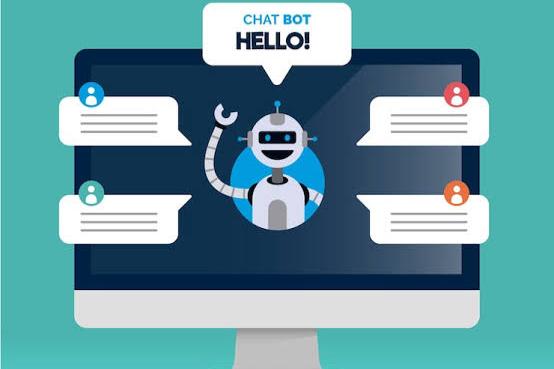
AI-powered customer support trainers teach automated systems how to respond accurately, politely, and helpfully to real customer needs. They review chatbot conversations, refine response logic, and ensure tone aligns with brand values. As businesses increasingly rely on AI for customer service, poorly trained systems can frustrate users and damage trust. This role combines communication skills, problem analysis, and basic AI understanding. By 2026, companies across e-commerce, banking, and telecoms are expected to invest heavily in improving AI-driven support experiences, making skilled trainers essential to maintaining customer satisfaction.
33. Circular Economy Supply Chain Coordinator
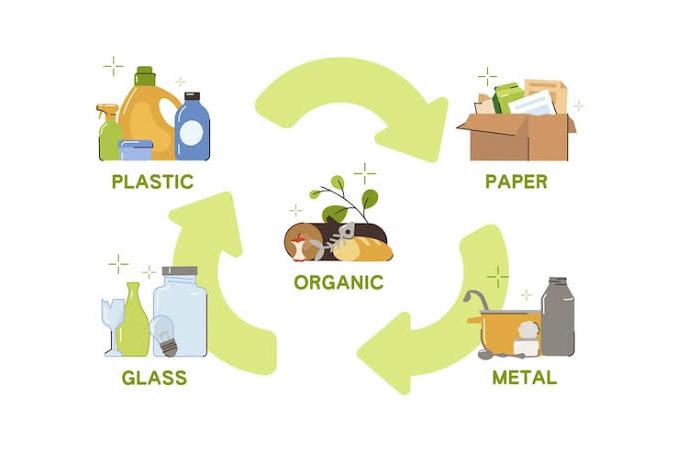
Circular economy supply chain coordinators design systems that reduce waste by reusing, refurbishing, or recycling materials. Instead of traditional linear production models, this role focuses on extending product life cycles and recovering valuable resources. Coordinators work with manufacturers, recyclers, and logistics partners to track materials and minimize environmental impact. By 2026, as sustainability regulations and cost pressures increase, companies will seek professionals who can redesign supply chains to be both efficient and environmentally responsible. This career sits at the intersection of sustainability, operations, and long-term cost savings.
34. Digital Grief and Memorial Platform Manager

Digital memorial platform managers oversee online spaces where families and communities honor loved ones through virtual memorials, tribute pages, and legacy content. As digital life expands, people increasingly seek meaningful online ways to preserve memories and connect during loss. This role involves platform moderation, content support, and ethical data management. Sensitivity and trust are essential. By 2026, demand is expected to grow as digital memorial services become more widely accepted across cultures. It is a quiet but meaningful career that blends technology, community management, and emotional care.
35. AI Literacy Educator

AI literacy educators teach individuals and organizations how artificial intelligence works, how to use it responsibly, and where its limits lie. As AI tools spread into everyday life, misunderstanding and misuse remain major concerns. Educators create workshops, courses, and learning materials for schools, workplaces, and the public. By 2026, basic AI understanding is expected to become as important as digital literacy once was. This role empowers people to work confidently with new technology while recognizing ethical and practical boundaries, making it increasingly valuable across education, business, and community programs.
The careers gaining momentum today reflect deeper shifts in how people live, learn, travel, and connect. Whether rooted in innovation, care, or environmental responsibility, these roles highlight where long-term opportunity is likely to grow by 2026.
Like this story? Add your thoughts in the comments, thank you.


