
1. Ants Building Hidden Highways
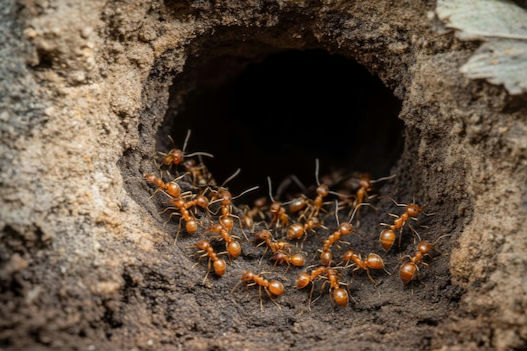
Even the quietest backyard is never truly still. Beneath leaves, along fences, and under patches of shade, countless small creatures are carrying out their daily routines. Ants spend most of the day constructing and repairing their network of underground tunnels, which can stretch far beyond what you see at the surface. In many yards, worker ants move sand or soil grains one at a time to keep the nest ventilated and protected from weather changes. You might notice small piles of dirt near cracks or paving stones, which are signs of fresh excavation. As they travel, ants leave chemical scent trails that help their colony navigate with impressive precision. These tiny highways allow workers to transport food, tend to larvae, and maintain the complex social structure that keeps the colony functioning nonstop.
2. Bees Gathering Water for the Hive
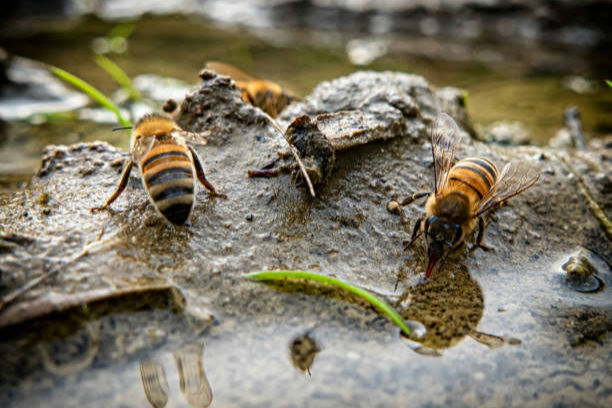
In many backyards, bees aren’t just collecting pollen and nectar, they’re also gathering water, which plays a key role inside the hive. Worker bees gently sip droplets from birdbaths, puddles, or dew-covered surfaces before carrying the moisture back. Once there, the water helps regulate hive temperature during warm weather and is mixed with pollen to feed growing larvae. A single bee may make dozens of small trips in a day, often choosing consistent water sources that feel safe. If you see bees hovering near a damp patch of soil or resting on the edge of a shallow dish, they’re likely doing this quiet but essential job for their colony.
3. Earthworms Aerating the Soil
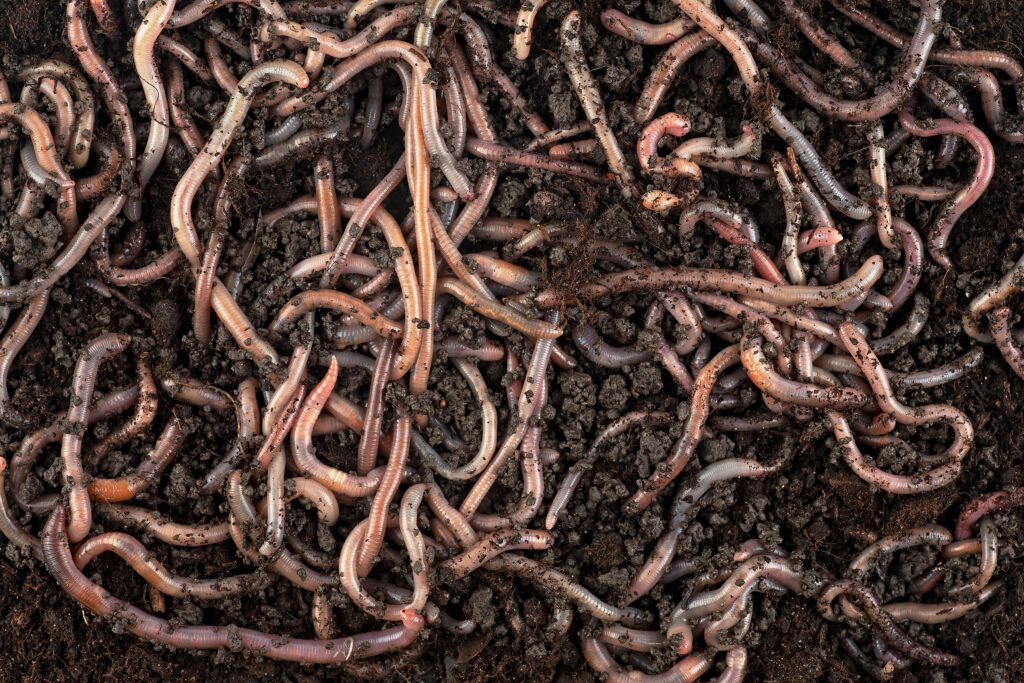
Earthworms continuously tunnel through soil, creating channels that help air and water reach plant roots. These movements usually happen early in the morning or after rain when the ground is soft. As worms travel, they break down organic matter such as fallen leaves, enriching the soil with nutrients that support garden growth. Their castings, small, crumbly piles of processed soil, are often found around lawns and beds, signaling healthy underground activity. Though rarely seen above ground, earthworms are always at work beneath your feet, shaping the texture and fertility of your yard in small but vital ways.
4. Squirrels Hiding and Recovering Food
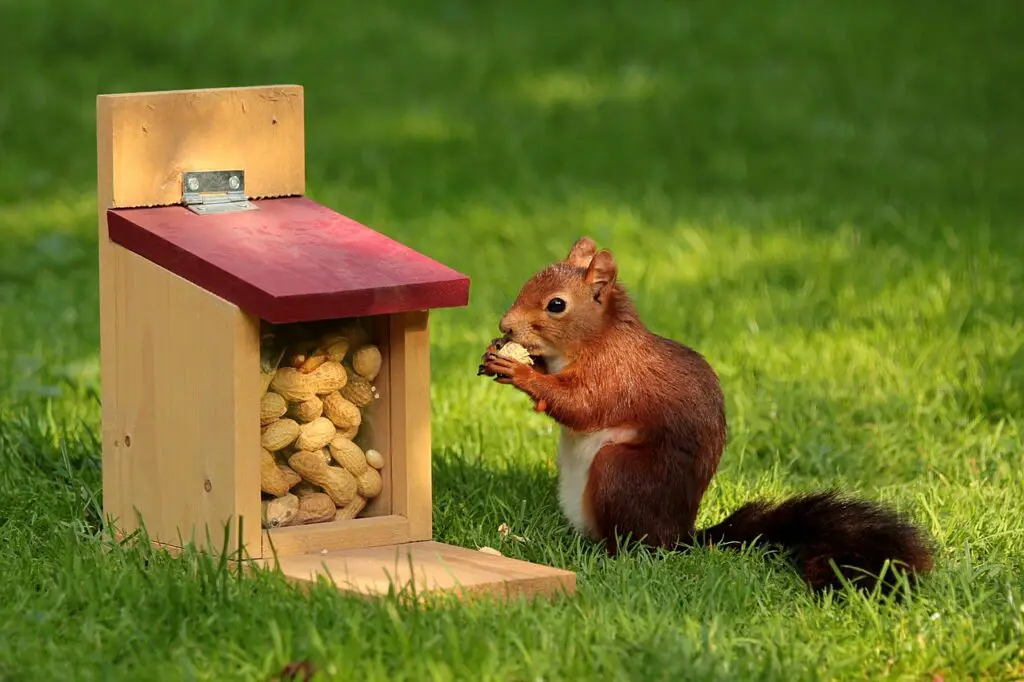
Squirrels spend much of their day caching food, burying small items like acorns, seeds, or fruit pieces in scattered locations across a yard. They rely on a combination of memory and scent to retrieve these buried treasures later, though some are forgotten and sprout into new plants. You might spot a squirrel patting down soft soil or leaves after hiding something. Their quick, deliberate movements are part of a behavior that ensures they have resources during colder months. The constant burying and digging also helps redistribute organic material and soil, making squirrels accidental gardeners without even realizing it.
5. Ladybugs Hunting Aphids
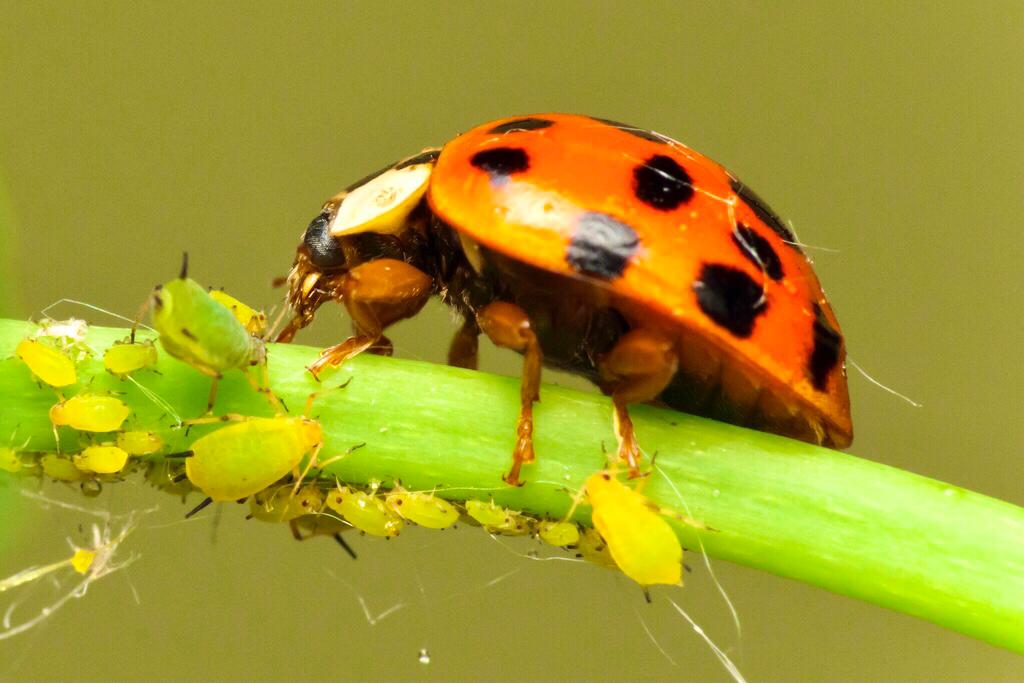
Ladybugs are active predators, spending much of the day crawling along stems and leaves searching for aphids and other soft-bodied pests. A single ladybug can eat dozens of aphids in a day, making them valuable allies for backyard plants. Their slow, methodical movements often indicate they’ve picked up a scent trail left by aphid colonies. When temperatures are mild, ladybugs gather in sunny spots to warm themselves before resuming their hunt. If you see clusters of tiny yellow eggs on the underside of leaves, those may belong to ladybugs, ready to hatch into larvae that are even more voracious hunters.
6. Spiders Checking and Repairing Their Webs
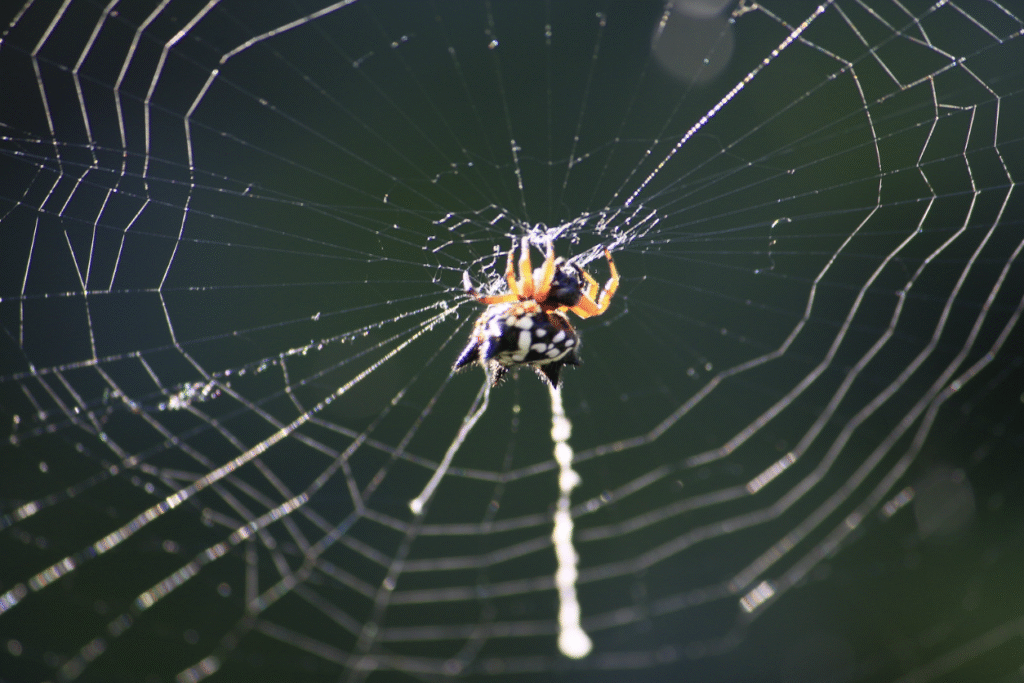
Many spiders spend the early hours of the day inspecting their webs and repairing any damage caused by wind, rain, or curious insects. Orb weavers, in particular, often rebuild parts of their circular webs every single day to keep them strong and sticky. You might see a spider nibbling away broken strands before replacing them with fresh silk. This maintenance helps ensure the web remains an effective hunting tool, able to catch small flies, gnats, and other insects passing through your yard. The shimmering effect you notice on dewy mornings often highlights these newly reinforced sections, revealing just how much fine craftsmanship goes into each web.
7. Birds Cleaning Themselves in Dust Baths
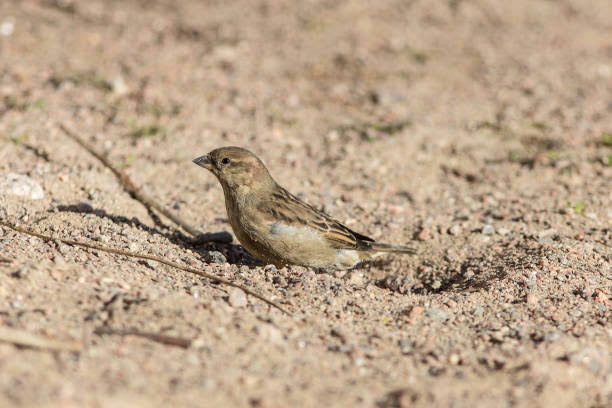
Many backyard birds take dust baths to keep their feathers in good condition. Sparrows, robins, and blackbirds often find a dry patch of soil or loose dirt, then flutter and roll around to coat themselves in fine particles. This behavior helps absorb excess oils and deters parasites that might otherwise cling to their feathers. Afterward, birds shake off the dust and preen to realign their feathers for smooth flight. You may spot small shallow depressions in the ground where repeated dust baths occur. Though it looks playful, this routine is an essential part of how birds maintain their health and hygiene.
8. Butterflies Sipping Minerals From Damp Soil
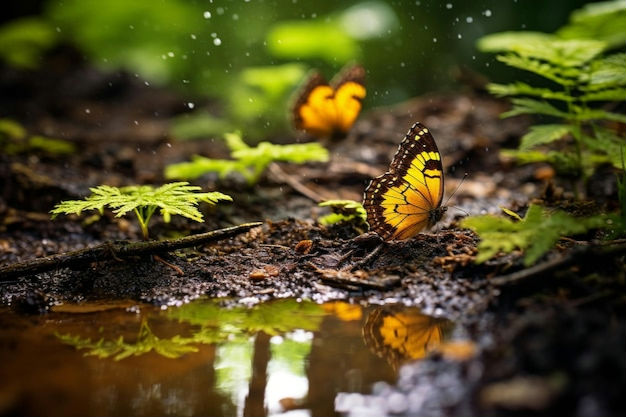
Butterflies often gather on damp soil, compost edges, or muddy spots to sip nutrients a behavior known as puddling. While nectar provides sugar for energy, butterflies also need minerals like sodium, which they collect from moist ground. Males frequently puddle more than females, using the minerals to support reproduction. You may notice butterflies clustering in sunny areas after rain, gently extending their proboscis to draw up moisture. Their stillness can make the moment easy to miss unless you look closely. This simple activity helps support their life cycle and ensures they have the nutrients needed to thrive in your yard.
9. Chipmunks Stuffing Their Cheeks With Food
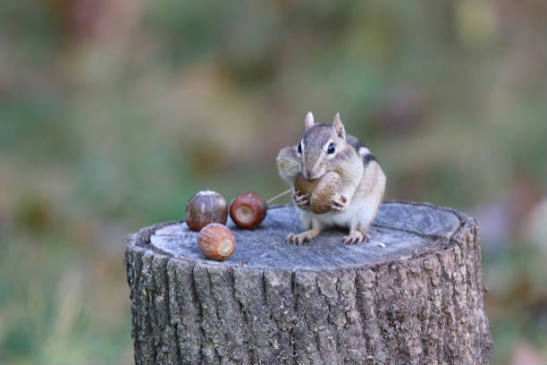
Chipmunks spend much of their time gathering seeds, nuts, and berries and storing them in underground chambers for later use. Their expandable cheek pouches allow them to carry multiple items at once, sometimes filling up to three times the size of their head. You might see a chipmunk darting between plants or disappearing under a deck after collecting food. They make frequent short trips to ensure their storage tunnels remain stocked, especially during seasons when resources are abundant. These small mammals rely heavily on their hidden caches, and much of their daily movement revolves around managing these secret food reserves.
10. Moths Resting in Camouflaged Daytime Hiding Spots
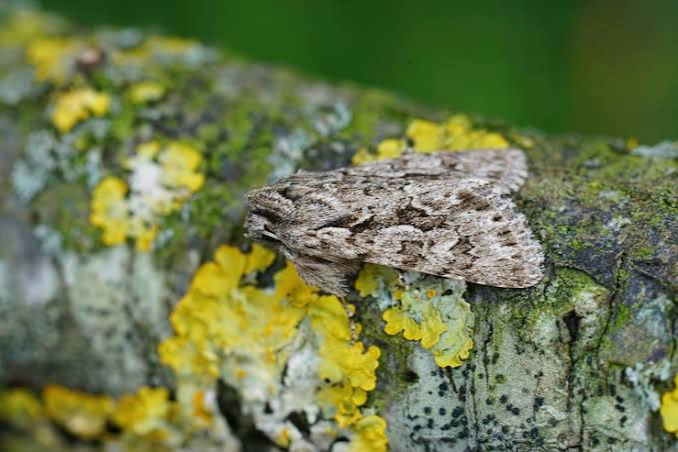
Many moth species remain perfectly still throughout the day, using their wing patterns to blend into bark, fences, or leaf litter. While nighttime is their active period for feeding and mating, daytime is spent avoiding predators by staying nearly invisible. Their wing designs often mimic natural textures such as wood grain or dried leaves, making them hard to notice unless you look closely. If you ever find a moth tucked beneath a windowsill or perched quietly on a tree trunk, it’s likely conserving energy and relying on camouflage for safety. These resting behaviors can go unnoticed for hours, even when they happen in plain sight.
11. Slugs and Snails Grazing at Dawn
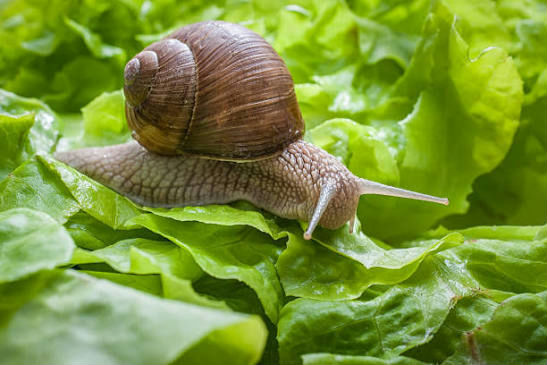
Slugs and snails prefer cool, damp conditions, so much of their feeding happens at dawn or after rainfall. They glide slowly across leaves, mulch, and soil, scraping plant surfaces with a specialized tongue-like structure called a radula. This allows them to consume algae, decaying matter, and tender plant growth that helps recycle nutrients in a yard. Silvery trails left behind show where they’ve traveled, marking their quiet nighttime routes. During the day they hide under stones, pots, or shaded vegetation to avoid heat and dehydration. Although they move at a gentle pace, their grazing plays a steady role in breaking down organic material outdoors.
12. Wasps Hunting Caterpillars and Other Pests
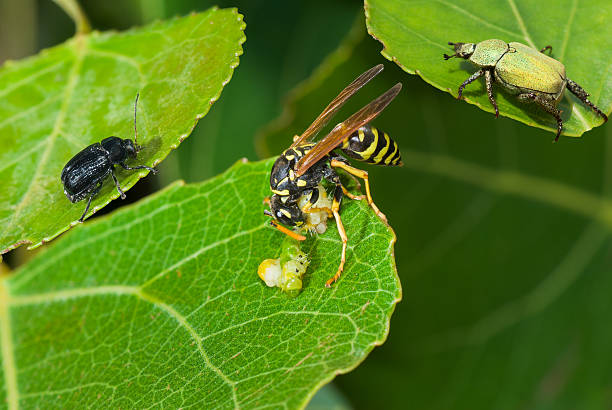
Paper wasps and other predatory species patrol gardens looking for caterpillars, beetle larvae, and soft-bodied insects to feed their developing young. They fly low over plants, pausing to inspect leaves for movement before quickly capturing prey. After paralyzing or subduing the insect, a wasp often cuts it into manageable pieces and carries it back to its nest. This hunting behavior helps naturally reduce pest populations in many yards. Although their presence can be intimidating, these wasps play a vital ecological role as regulators of insect life. Observing them from a safe distance reveals how much silent work they do in controlling small garden pests.
13. Frogs Hiding and Waiting for Passing Insects
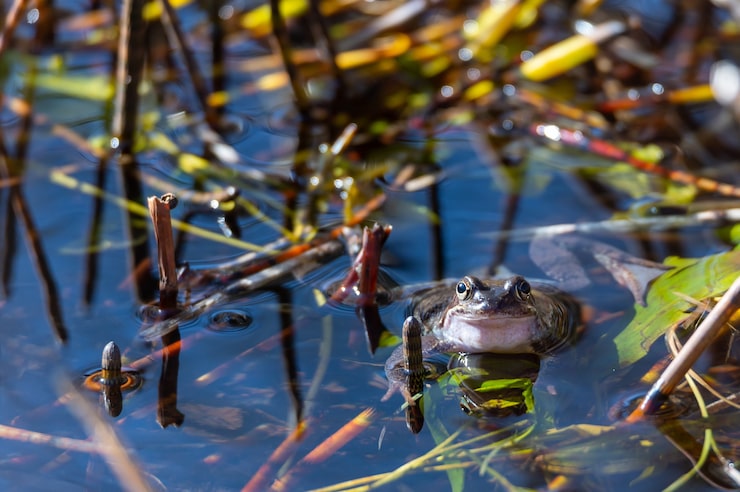
Small frogs often settle into moist, shaded corners of a yard where they wait patiently for insects to wander close. They rely on stillness as camouflage, blending into leaf litter or tucked spaces around garden beds. When prey like flies, beetles, or mosquitoes pass by, frogs strike with surprising speed using their long sticky tongues. Many backyard species prefer staying near water sources such as ponds, drains, or even damp flowerpots, which attract insects. Because they are sensitive to temperature and moisture, frogs frequently shift hiding spots throughout the day. Their calm, watchful hunting style makes them easy to overlook but essential in keeping bug populations balanced.
14. Dragonflies Patrolling for Mosquitoes
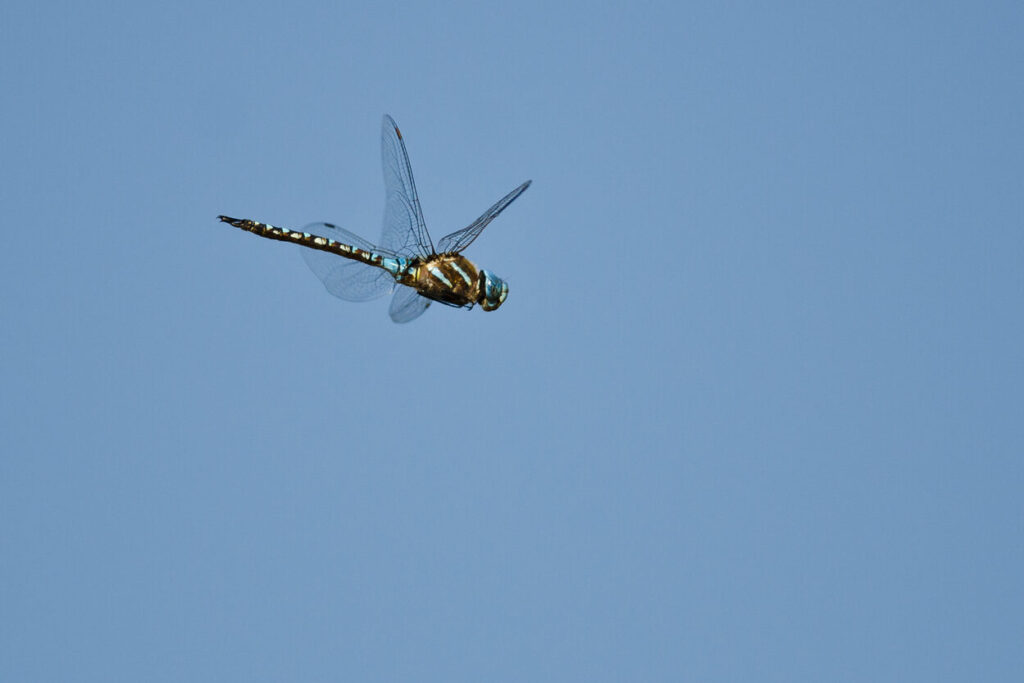
Dragonflies spend much of their day darting through the air as they hunt flying insects, especially mosquitoes and gnats. Their exceptional agility allows them to hover, reverse, and change direction quickly while scanning the yard like tiny aerial guards. They often return to favorite perches such as reeds, fence posts, or garden stakes between flights. Nearby water sources, even small ones, attract dragonflies because they lay eggs in or near water and find prey in these areas. When you see a dragonfly patrolling your yard, it’s likely contributing to natural pest control. Their precise flight and constant movement make them one of the most active hunters in backyard ecosystems.
15. Roly-Polies Breaking Down Decaying Matter
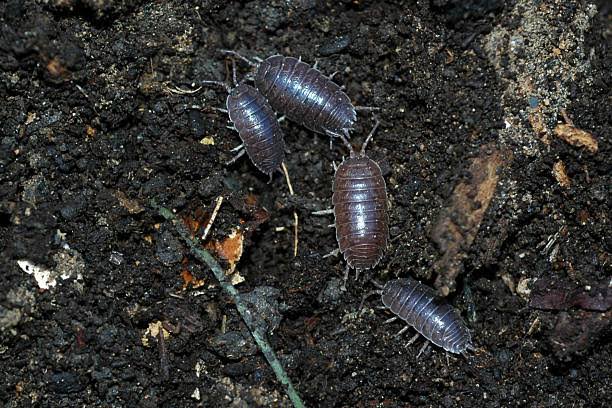
Roly-polies, also known as pill bugs, gather in damp, shaded spots where they feed on decaying leaves, wood, and plant debris. As small crustaceans adapted to land, they need moisture to survive and spend much of their time under logs, stones, or mulch. Their slow grazing contributes to decomposition, helping return nutrients back into the soil. When disturbed, they often curl into tight balls as protection from predators and drying out. You may notice clusters of them under backyard planters or compost piles, where the conditions are ideal. Though easy to miss, their constant cleanup work keeps organic material cycling through your yard’s ecosystem.
16. Carpenter Bees Inspecting Wood for Nesting Sites
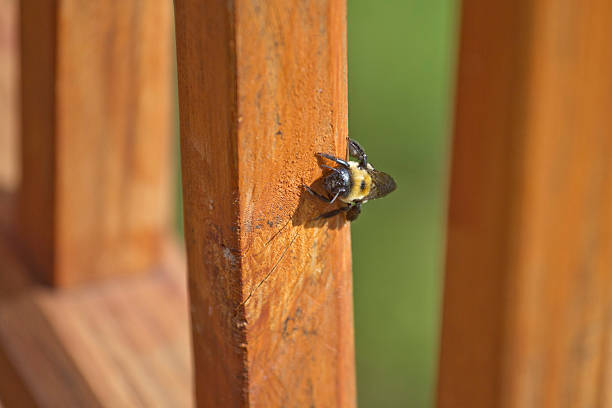
Carpenter bees spend time hovering around wooden structures such as fences, decks, and shed frames while searching for suitable nesting spots. Unlike honeybees, they do not live in colonies; females create individual tunnels by chewing into soft, untreated wood. Their hovering and tapping behaviors often signal that they’re assessing the wood’s density and exposure. Once they find the right area, they excavate a round entrance hole about the size of a marble and carve out chambers for their eggs. While these bees can cause cosmetic damage, they are also important pollinators, visiting flowers throughout the day and contributing to plant health in a backyard.
17. Fireflies Using Light Signals to Communicate
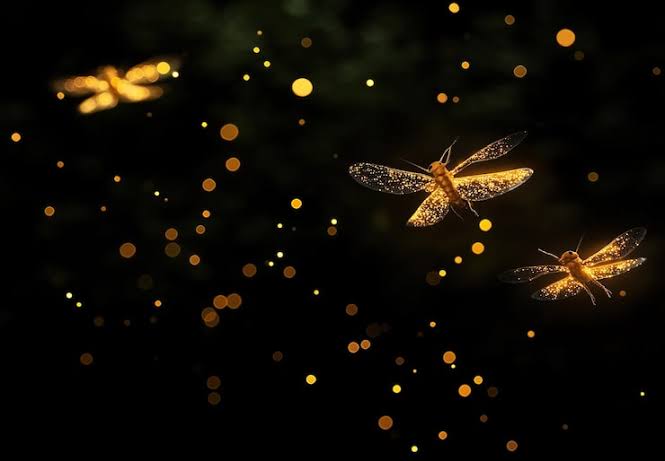
During warm evenings, fireflies flash patterned signals that help them locate mates and communicate species-specific information. Each species has its own rhythm of light pulses, which males display while flying. Females perched on vegetation respond with timed flashes that guide males toward them. These tiny bioluminescent exchanges often appear magical, yet they serve a precise biological purpose. Fireflies rest quietly during the day, conserving energy for nighttime signaling. Yards with tall grass, shrubs, or dark areas are especially attractive to them because they offer safe places to perch and communicate. Their soft glows reveal a unique form of communication happening right in the open.
18. Rabbits Creating Shallow Nests in Quiet Corners
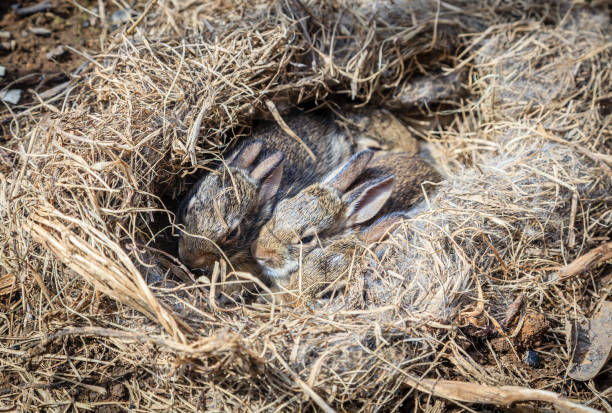
Cottontail rabbits often build small, shallow nests in sheltered parts of a yard, typically tucked into tall grass or under shrubs. These nests are lined with dried vegetation and the mother’s fur, forming an insulated cradle for her young. During daylight hours, the mother stays away from the nest to avoid drawing predators, returning briefly at dawn and dusk to nurse her babies. Homeowners sometimes discover these nests unexpectedly when mowing or gardening, as they are well camouflaged and only a few inches deep. While rabbits are frequently seen nibbling on plants, much of their most important activity, raising young, happens quietly and out of sight.
19. Blue Jays Stashing Food in Multiple Locations
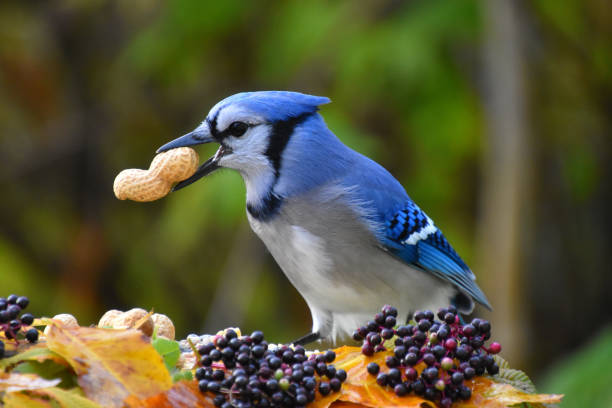
Blue jays use a behavior known as caching to store food for future use, often hiding nuts, seeds, or suet pieces in bark crevices, soil, and leaf piles. They carry items one at a time, sometimes flying short distances to find a safe hiding spot. Blue jays have strong spatial memory, allowing them to recover many of their hidden caches later, although some remain forgotten and contribute to seed dispersal. You may notice a jay repeatedly flying between a feeder and a tree trunk, or tapping at the bark to tuck food out of sight. These routines help them prepare for leaner seasons while supporting long-term forest growth.
20. House Lizards Hunting Near Lights
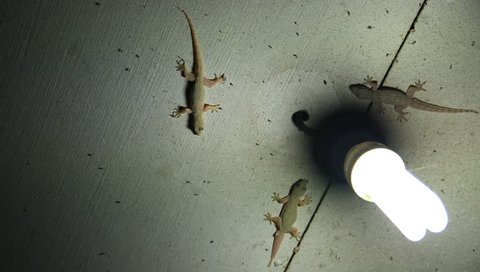
Small house geckos or lizards often gather near exterior lights where moths, beetles, and other insects are drawn at night. Their behavior involves remaining still on walls or ceilings, then making quick, precise movements to capture passing prey. These reptiles rely on warm surfaces and nighttime temperatures to stay active, which is why they frequent porches, window frames, and illuminated garden areas. Their hunting style is efficient and quiet, helping naturally control insect populations. Even though they are active mostly after dark, their presence indicates a healthy balance of insects in the yard and available shelter for these small predators.
21. Goldfinches Harvesting Soft Fibers for Nesting
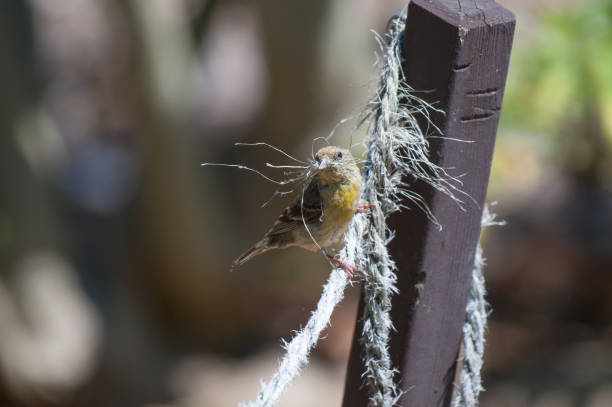
Goldfinches often visit yards in search of soft plant fibers to line their nests, especially during late spring and early summer. They pull strands from dandelions, thistles, milkweed, and other fluffy seed heads, sometimes spending several minutes working at a single plant. Because goldfinches breed later than many birds, they rely on abundant summer vegetation to construct their tightly woven nests. You may see them hopping along stems or gently tugging at seed fluff before flying off with a beakful of material. Their steady collection of fibers shows how even small birds depend on the textures and resources found in everyday backyard plants.
22. Ground Beetles Patrolling for Nighttime Prey
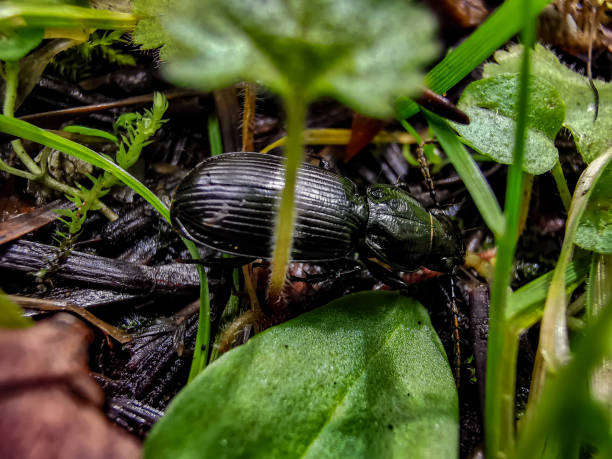
Ground beetles are active nighttime hunters that roam through mulch, soil, and garden beds searching for insects, larvae, slugs, and other small creatures. Their shiny bodies and quick movements help them navigate tight spaces while they patrol for prey that emerges after dark. Many species are beneficial predators, reducing populations of pests that damage plants. If you lift a rock or disturb leaf litter, you might see a ground beetle sprint away to find another hiding spot. These beetles spend the day concealed in cool, shaded areas, reserving their energy for nighttime foraging that plays a crucial role in maintaining a balanced backyard ecosystem.
23. Hummingbirds Guarding Their Favorite Feeding Spots
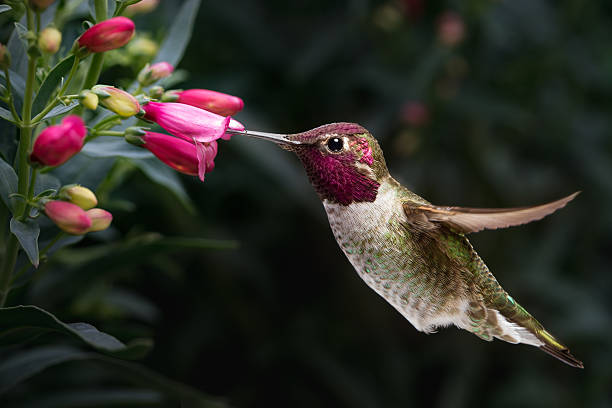
Hummingbirds are fiercely territorial and often guard nectar-rich flowers or feeders, circling and diving to chase away rivals. Their high-energy lifestyle requires frequent feeding, so maintaining control of a reliable food source becomes a daily priority. You may notice one hummingbird perching nearby and darting forward whenever another approaches. Between these bursts of activity, they rest on thin branches or wires where they can watch over their territory. This protective behavior might appear dramatic, but it helps them secure the calories they need to sustain rapid wingbeats and long feeding days. Their vibrant presence adds constant motion and color to many yards.
24. Carpenter Ants Tending Their Brood Deep Underground
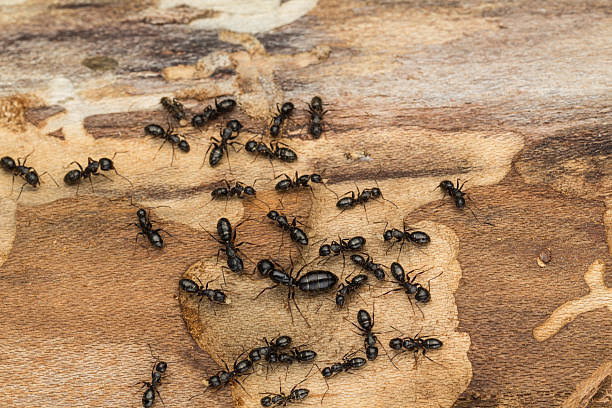
Carpenter ants spend much of their time inside hidden chambers caring for their developing brood. Workers gently groom the larvae, move them to warmer or cooler parts of the nest, and feed them predigested food brought from outside. Because temperature and moisture greatly affect growth, workers constantly shift the brood to maintain ideal conditions. Even though these ants sometimes explore yards and patios at night, the majority of their activity happens below the surface in intricate galleries carved into softened wood or soil. This quiet, continuous care supports the survival of the colony and keeps their complex internal system running smoothly.
25. Sparrows Collecting Feathers for Nest Lining
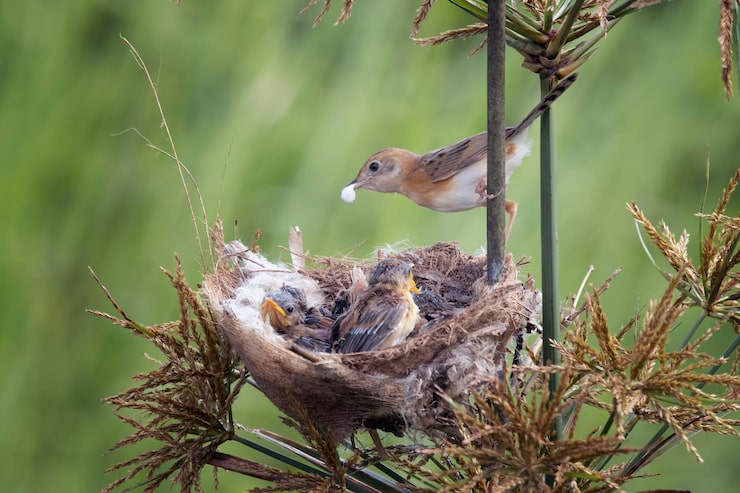
House sparrows often gather stray feathers from the yard to line their nests, searching the ground, garden beds, or even dryer vents for soft pieces. These feathers help insulate the nest and cushion the eggs, giving the growing chicks a warm, stable environment. Sparrows may return to the same spot repeatedly if they find a dependable supply, often carrying multiple feathers in their beak at once. This behavior is most common during spring and early summer, when nesting activity peaks. Watching a sparrow scurry across a lawn with a fluffy feather trailing from its beak offers a small glimpse into the detailed care involved in nest building.
26. Bees Sleeping Inside Flowers
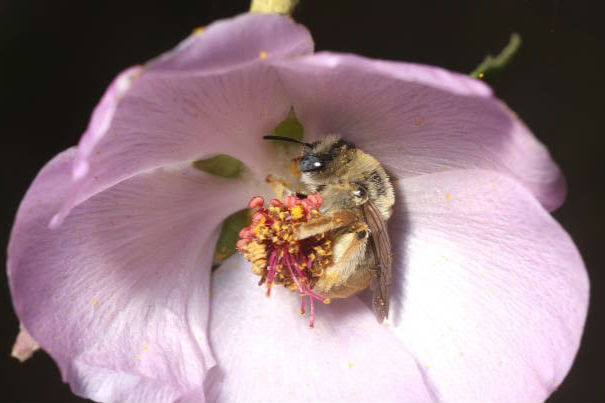
Many solitary bees, especially male bees, rest or sleep inside flowers overnight or during cooler parts of the day. They tuck themselves against petals or cling gently to stamens, protected from wind and predators. Morning dew often reveals them still nestled inside, awaiting warmer sunlight to resume foraging. This behavior is more common in species that do not return to large hives, relying instead on temporary shelter wherever they find it. Gardens with open-faced flowers like asters, sunflowers, and marigolds often host these tiny resting bees. Their quiet presence inside blooms adds another layer of life to backyard plants many people walk past without noticing.
27. Garden Snakes Sunbathing to Warm Their Bodies
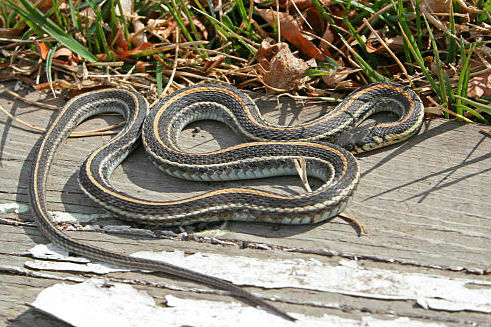
Small, harmless garden snakes such as garter snakes frequently stretch out on warm rocks, pathways, or sunlit patches to regulate their body temperature. Because they are cold-blooded, they depend on external warmth to stay active, digest food, and hunt. Once they’ve absorbed enough heat, they slip back into shaded vegetation to search for insects, small amphibians, or earthworms. Their basking sessions are typically brief and cautious, ending quickly if they sense movement nearby. Although their sudden appearance may startle homeowners, these snakes play an important ecological role and often help keep pest populations under control.
28. Woodpeckers Checking Trees for Hidden Insects
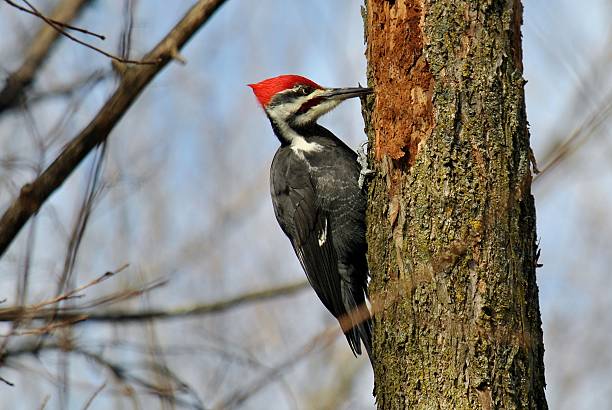
Woodpeckers spend much of the day inspecting bark, branches, and dead wood for insects hiding beneath the surface. Their tapping is a controlled, exploratory behavior used to detect hollow areas or soft spots where larvae may be feeding. Once they identify a promising site, they chip away small sections of bark to access ants, beetle larvae, or other insects. Woodpeckers also use their long, barbed tongues to reach deep into crevices. Even short visits to a yard can reveal that they are assessing trees for food or nest possibilities. Their careful, methodical foraging benefits the landscape by reducing wood-boring pest populations.
29. Hoverflies Mimicking Bees While Pollinating
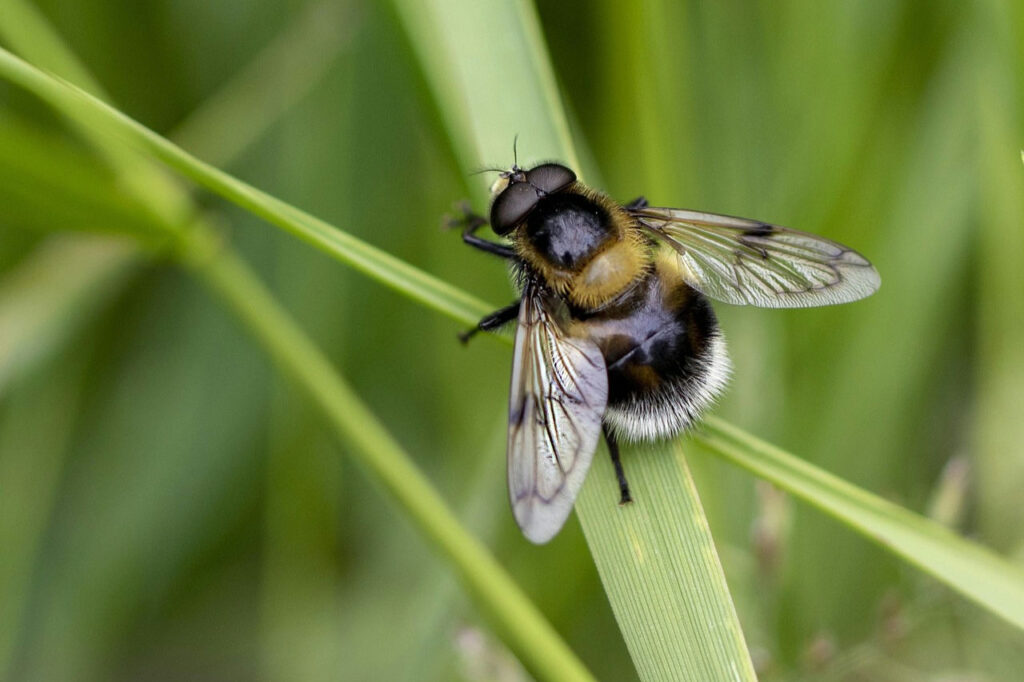
Hoverflies, often mistaken for small bees because of their yellow-and-black patterns, quietly pollinate flowers while feeding on nectar. They can hover in place with remarkable precision, allowing them to reach tiny blossoms that some bees overlook. Many species lay their eggs near aphid colonies so that their larvae, which are strong predators of aphids, have immediate access to food. While adult hoverflies pose no threat, they cannot sting, they contribute significantly to garden pollination and pest control. Their presence, though subtle, signals a healthy plant environment where both flowers and natural pest management thrive.
30. Mice Gathering Nesting Materials at Night
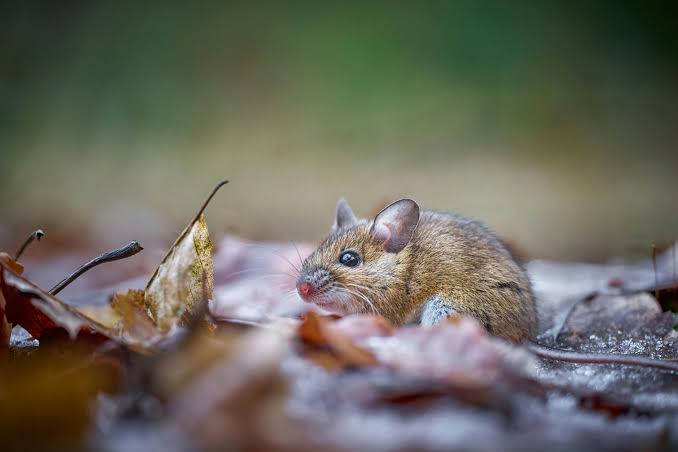
At night, small mice often venture into yards to collect soft materials such as dried grass, shredded leaves, or bits of plant fluff for their nests. They move quickly and cautiously, carrying pieces back to hidden burrows beneath sheds, decks, or dense vegetation. These nests provide warmth and protection for raising young and sheltering during cooler months. Although their activity is rarely noticed, signs like neatly chewed plant fibers or small tunnels through mulch can reveal recent collection trips. Their quiet nighttime routines contribute to the unseen network of tiny shelters that many small mammals depend on throughout the year.
Your yard is far livelier than it appears at first glance. Every patch of soil, blade of grass, and shaded corner hosts small creatures carrying out routines that support the larger ecosystem.
Like this story? Add your thoughts in the comments, thank you.
This story 30 Tiny Wildlife Behaviors Happening in Your Yard Right Now was first published on Daily FETCH


