
1. The Look That Said Enough
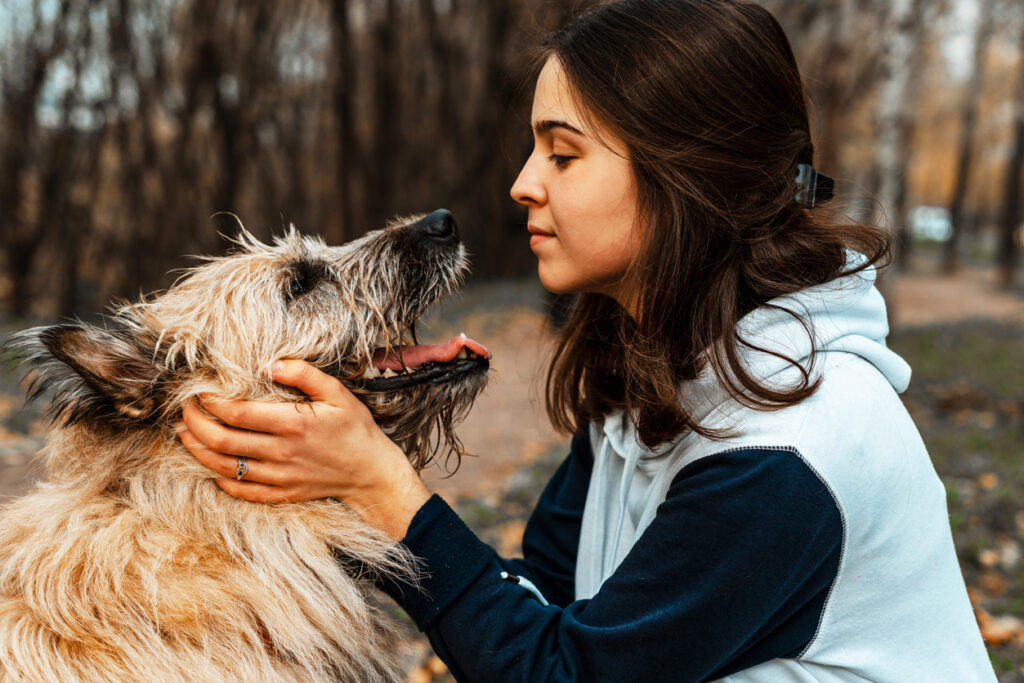
Sometimes communication does not start with words, and this is where the story quietly begins. Anyone who has lived with a pet knows that steady look that lands before a sound is made. It often appears when routines change or expectations slip. Pets do not explain or defend themselves. They simply look, hold eye contact, and wait. That pause carries awareness, patience, and clarity. Humans recognize it immediately because it mirrors familiar feelings. In that moment, the message feels complete. Nothing else is needed. The honesty in that look reminds us that understanding can exist without conversation or explanation.
2. Sitting by the Door Without a Sound
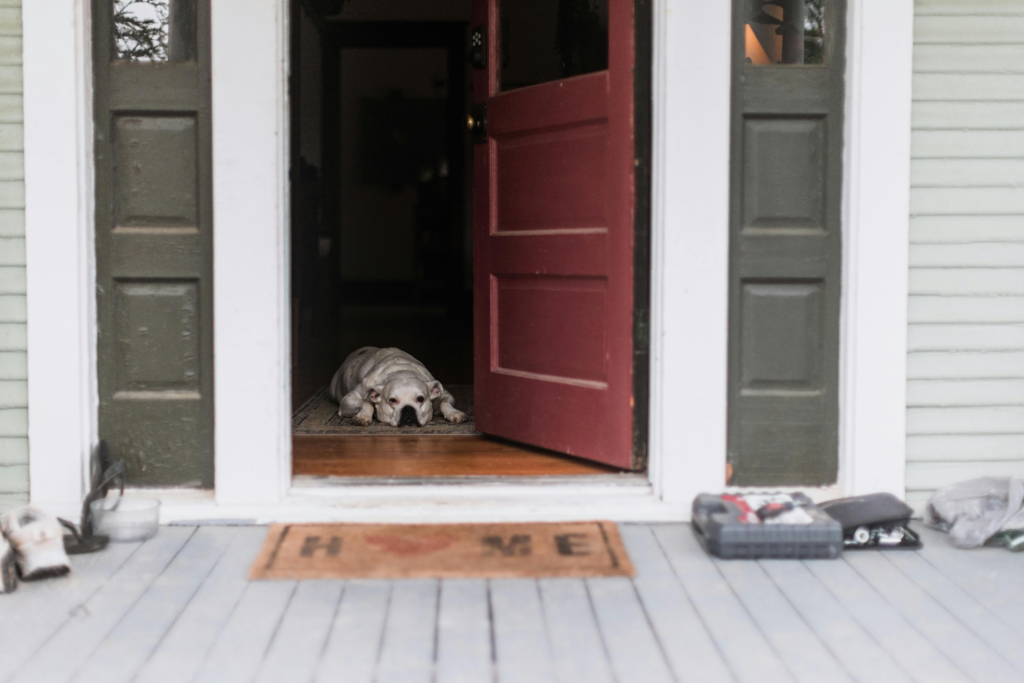
A pet sitting calmly by the door communicates readiness without pressure. There is no pacing, whining, or urgency. Just a still body placed with intention. It says everything clearly. The time is right, the routine is known, and waiting feels natural. Humans often over explain simple needs, but pets reduce communication to presence. Watching this moment feels respectful and grounded. The pet trusts that the message will be noticed. That quiet patience stands out in a noisy world. It shows that clarity does not require repetition, only confidence and shared understanding built over time.
3. The Head Rest That Asked for Comfort
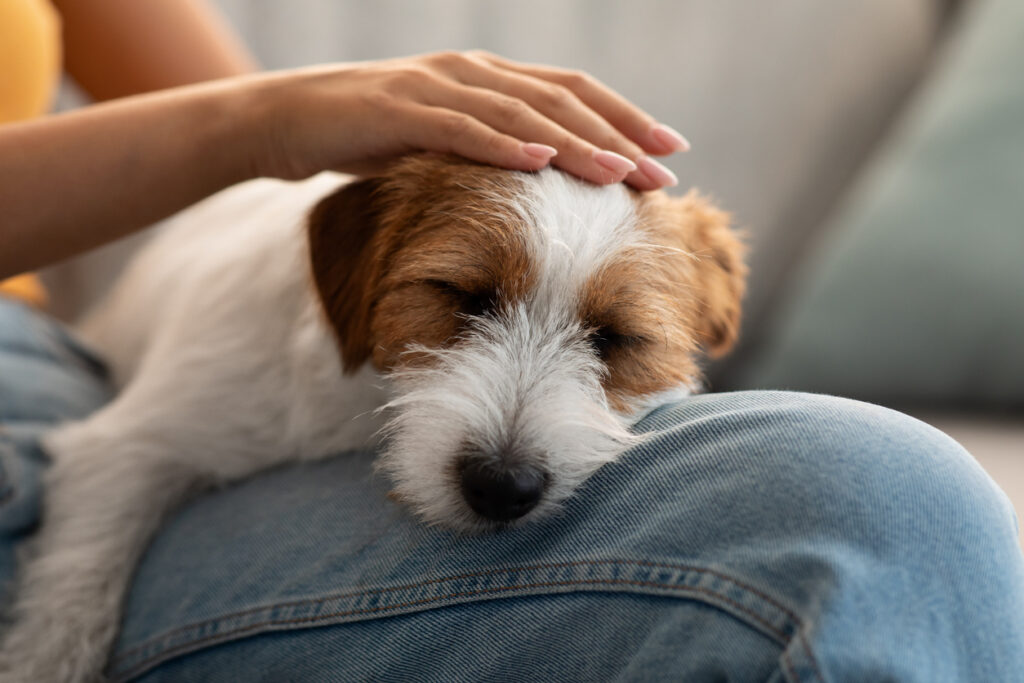
When a pet gently rests their head on you, the message arrives softly but clearly. There is no demand, only closeness. This often happens during emotional shifts, when stress or sadness quietly fills the room. Pets sense what humans sometimes ignore. That small weight carries reassurance and vulnerability together. It says I am here and I trust you. Humans often struggle to ask for comfort without awkwardness. Pets skip that entirely. They communicate need through presence alone. The simplicity of the gesture makes it powerful, turning silence into connection without effort.
4. Walking Away Mid Conversation
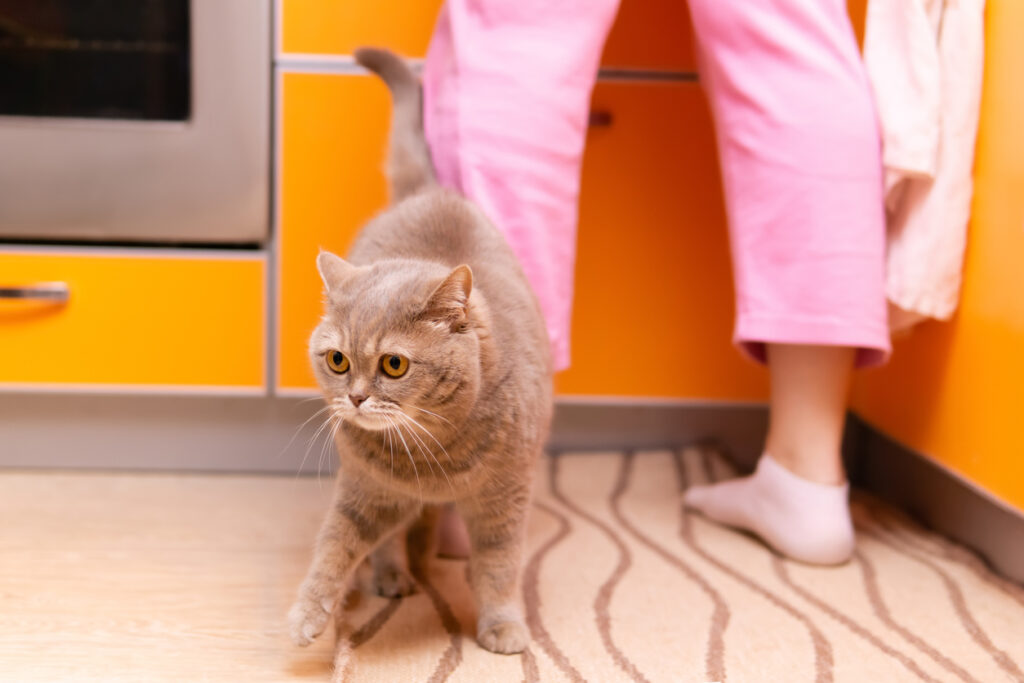
When a pet walks away while you are speaking, it feels blunt but honest. There is no pretending or polite endurance. The moment interest fades, they leave. This behavior communicates boundaries clearly. Pets do not stay to appear agreeable. Humans often remain in conversations long after disengaging mentally. Pets choose clarity instead. Watching this happen feels refreshing because it removes confusion. It says I am done without hostility. That honesty can feel uncomfortable, but it is effective. Pets remind us that stepping away can be truthful rather than disrespectful.
5. The Slow Blink of Trust
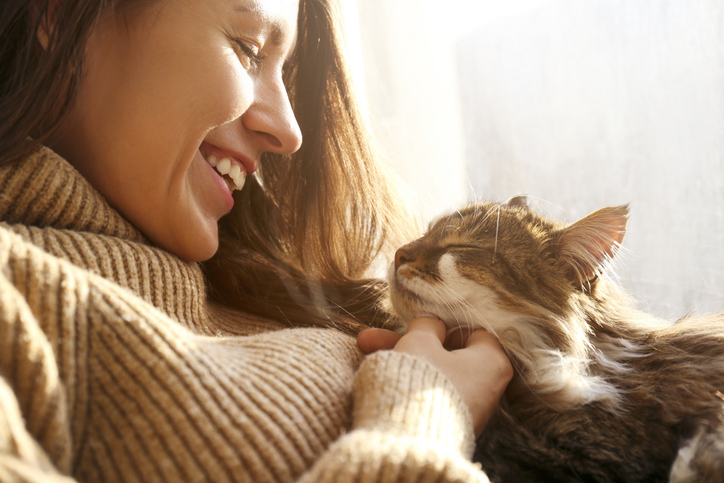
A slow blink from a pet may seem small, but it carries deep meaning. It usually happens in calm spaces where safety is felt. That brief closing of the eyes communicates trust and comfort. It is not rushed or accidental. You often notice it only when paying close attention. Humans expect communication to announce itself, but pets speak quietly. That blink says I feel safe here. It invites shared calm without effort. In that moment, connection happens naturally. Pets show that trust does not need explanation, only presence and consistency over time.
6. Bringing a Toy Instead of Acting Out
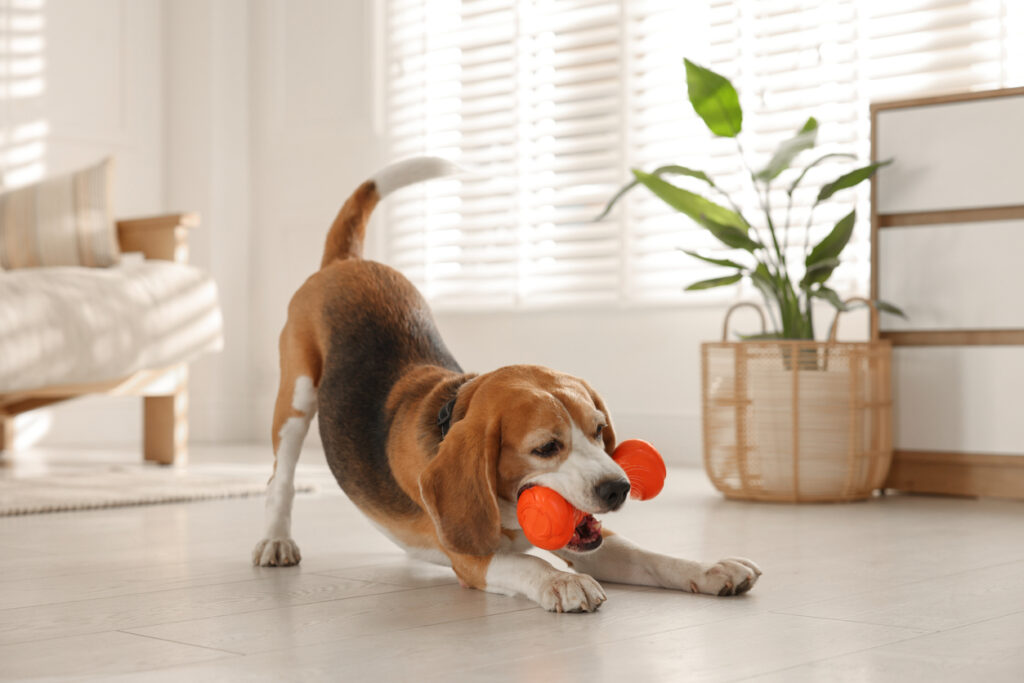
When a pet brings a toy rather than causing trouble, it shows thoughtful communication. They learn what leads to attention and choose it intentionally. Instead of noise or destruction, they offer an object and wait. The message is simple and clear. I want engagement. Humans often express needs through frustration. Pets choose a calmer option once they understand it works. This behavior strengthens trust because it shows learning and patience. Communication improves when both sides recognize what creates connection. Pets often master this balance faster than people expect.
7. Sitting Close Without Touching

There are moments when a pet chooses closeness without contact, and those moments feel intentional. Sitting nearby communicates companionship while respecting space. Humans often assume closeness requires constant interaction. Pets show another way. They share the same room and the same quiet. That presence feels steady and reassuring. It says I am here without asking for anything. This kind of communication feels balanced and calm. Pets remind us that connection does not always need movement or touch. Sometimes simply being near is enough to feel understood and supported.
8. Refusing Food When Something Feels Wrong
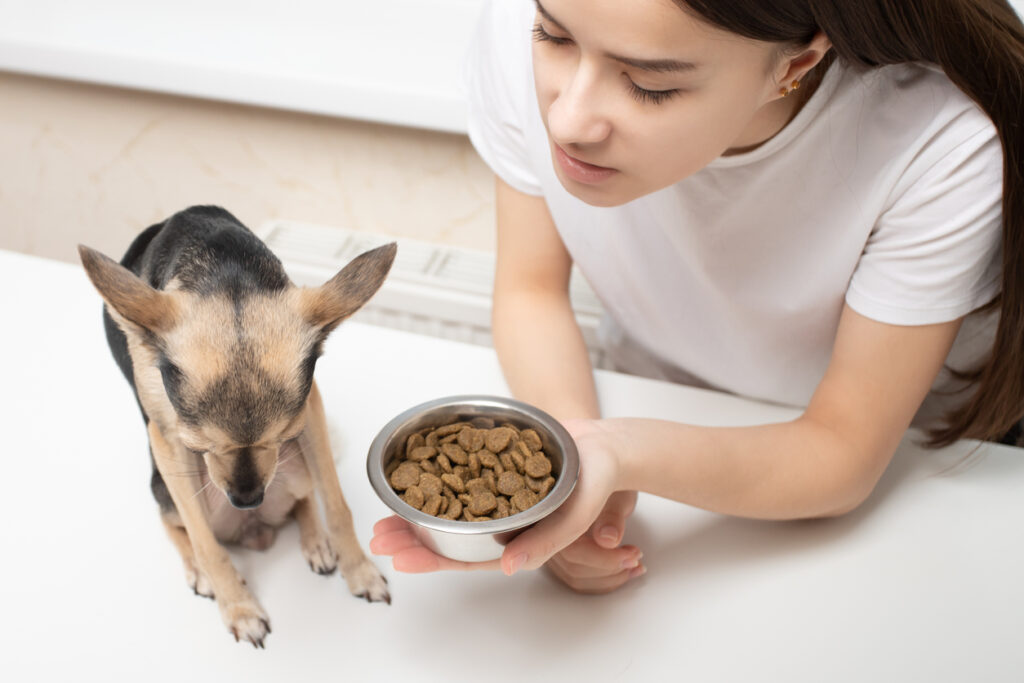
When a pet refuses food, the message often goes beyond appetite. It interrupts routine and demands attention. This pause signals discomfort that cannot be ignored. Pets listen to their bodies and respond honestly. Humans often push through discomfort and stay silent. Pets stop and wait. That behavior communicates need without drama. It asks for care through absence rather than noise. Paying attention to this moment builds trust. It reminds owners that listening sometimes means noticing what is missing. Pets teach awareness through small changes that carry important meaning.
9. The Protective Lean
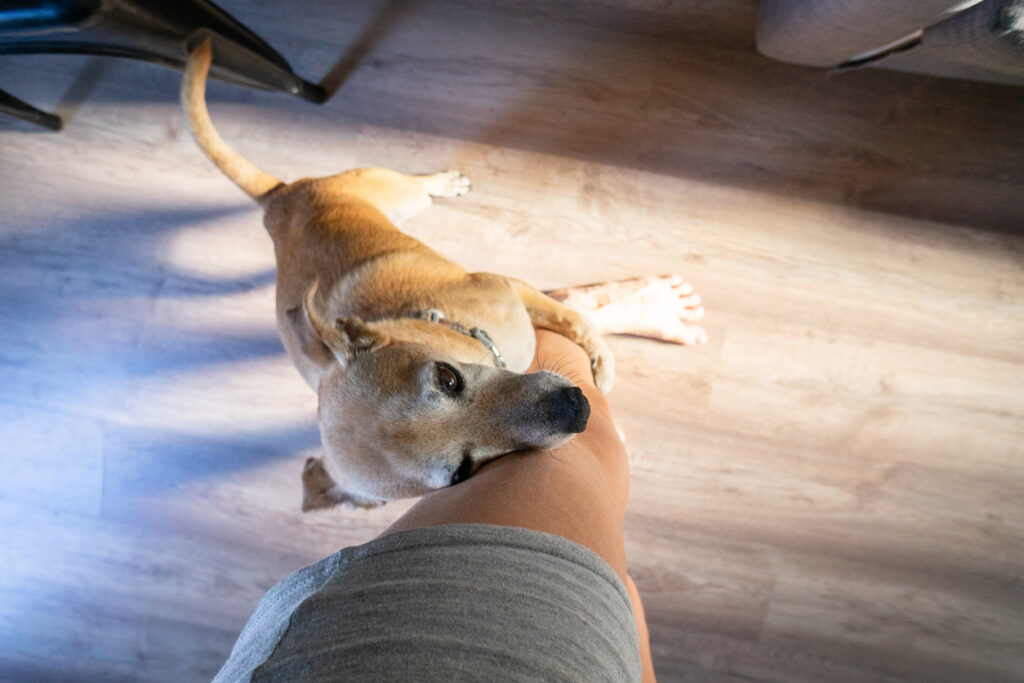
A pet leaning into you communicates reassurance through physical presence. This often happens during uncertainty or unfamiliar situations. That lean can mean seeking comfort or offering it. Sometimes it feels like both at once. Humans often separate vulnerability and strength. Pets blend them naturally. The contact feels grounding and sincere. It says I trust you and I am here with you. That shared weight creates calm without words. Pets show that support does not require speeches. Sometimes it only needs closeness and quiet understanding.
10. Falling Asleep During Chaos

When a pet falls asleep during noise or tension, the message is calm and clear. Their relaxed body signals safety and trust in the environment. This quiet confidence often shifts the mood of the room. Humans notice and begin to relax too. Pets do not try to convince anyone to calm down. They simply demonstrate it. Watching this moment feels grounding. It reminds us that emotional regulation can be shared silently. Pets communicate reassurance by modeling peace rather than explaining it, and that simplicity often works better than words.
11. Staring at the Empty Bowl
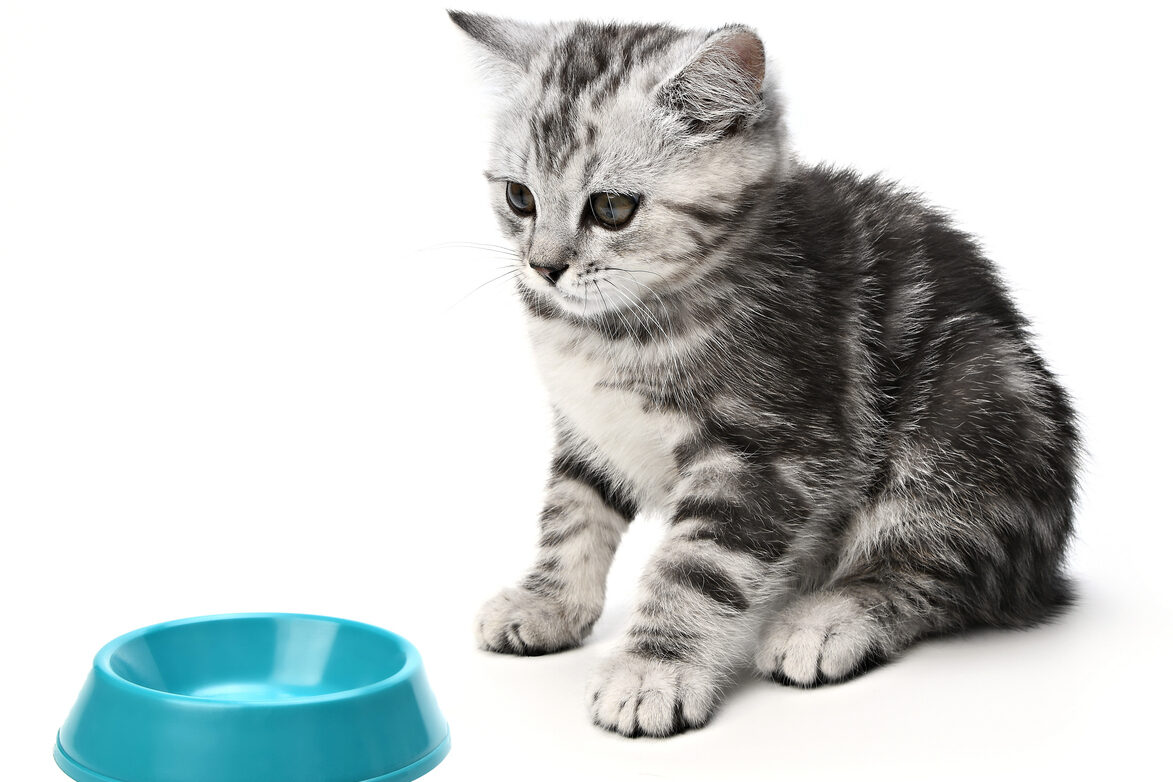
A pet sitting beside an empty bowl communicates need politely. There is no whining or urgency, just awareness and patience. They trust that the message will be noticed. Humans often repeat requests until frustration builds. Pets try once and wait. That quiet expectation feels respectful. The bowl, the look, and the timing make the message obvious. This moment shows how clarity can exist without repetition. Pets remind us that communication works best when understanding already exists. Sometimes all that is needed is noticing what is right in front of us.
12. Blocking the Path Gently
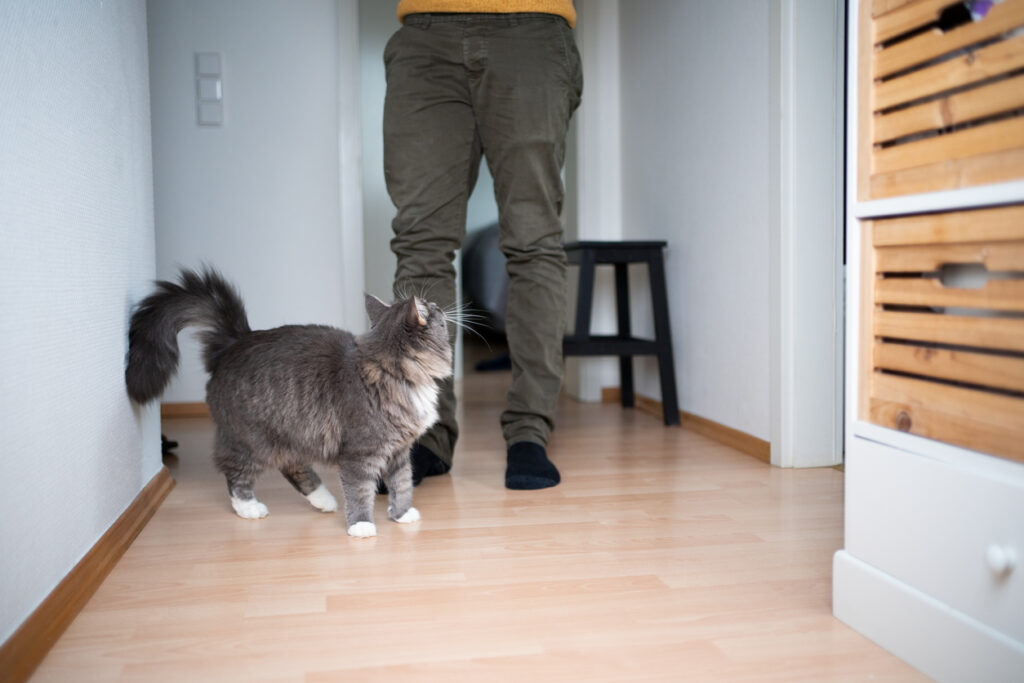
Sometimes a pet steps into your path and stops calmly. There is no aggression, just intention. This behavior communicates urgency without panic. It forces a pause and demands attention. Humans often rush past signals like this in daily life. Pets make it harder to ignore. Their body becomes the message. It says slow down and notice. This kind of communication feels caring rather than controlling. Pets remind us that stopping someone can be an act of protection. Awareness begins when movement is interrupted with purpose.
13. Ignoring Commands on Purpose
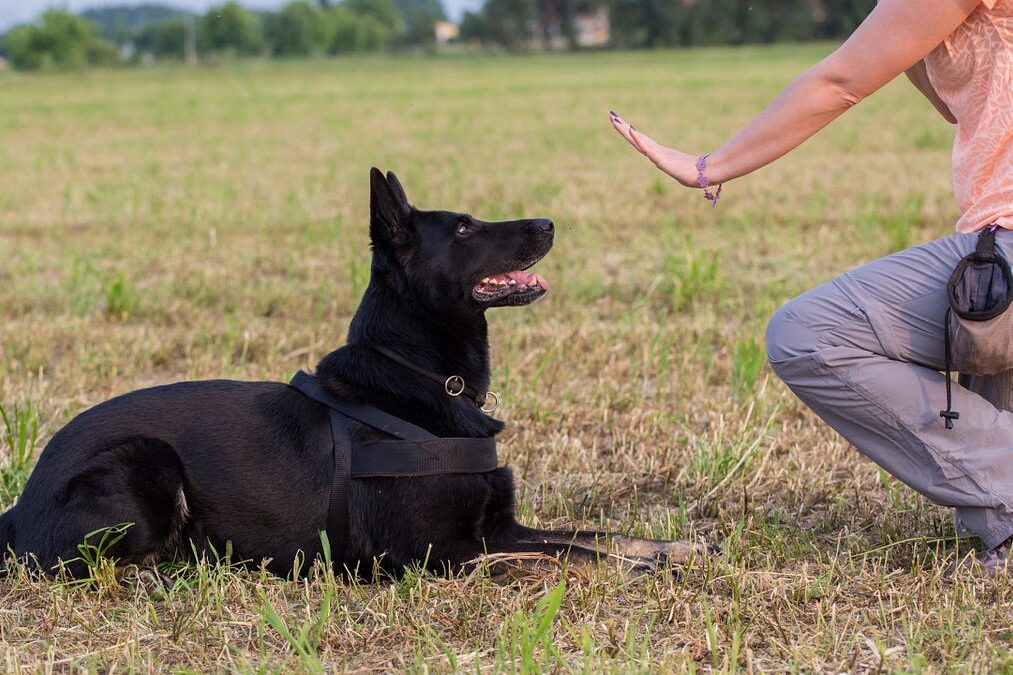
When a pet ignores a command they clearly understand, it communicates choice. This is not confusion. It is a boundary. Pets sometimes decide rest or comfort matters more. Humans often label this behavior negatively, but it is honest communication. It says not now. That clarity can feel refreshing. Pets show that consent exists even in trained relationships. Respect grows when limits are recognized. This moment reminds us that communication includes refusal. Listening goes both ways, and understanding deepens when autonomy is acknowledged without punishment.
14. Following You From Room to Room
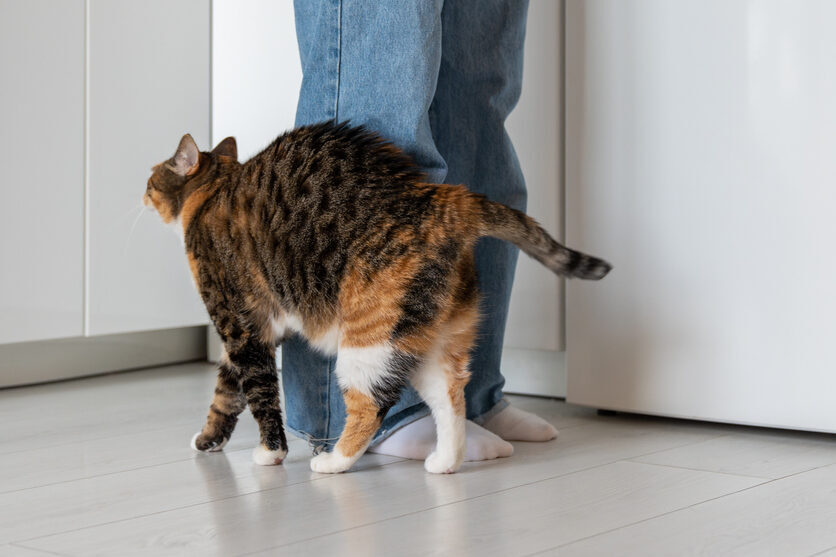
A pet quietly following you from room to room communicates attachment without demand. They do not interrupt or seek constant attention. They simply stay close. This behavior feels steady and reassuring. It says I choose to be where you are. Humans often seek reassurance through conversation. Pets offer it through presence. Over time, this quiet loyalty builds connection naturally. It feels comforting rather than overwhelming. Pets remind us that companionship does not always need interaction. Sometimes shared movement and proximity are enough to feel supported and seen.
15. Waiting Patiently After a Mistake
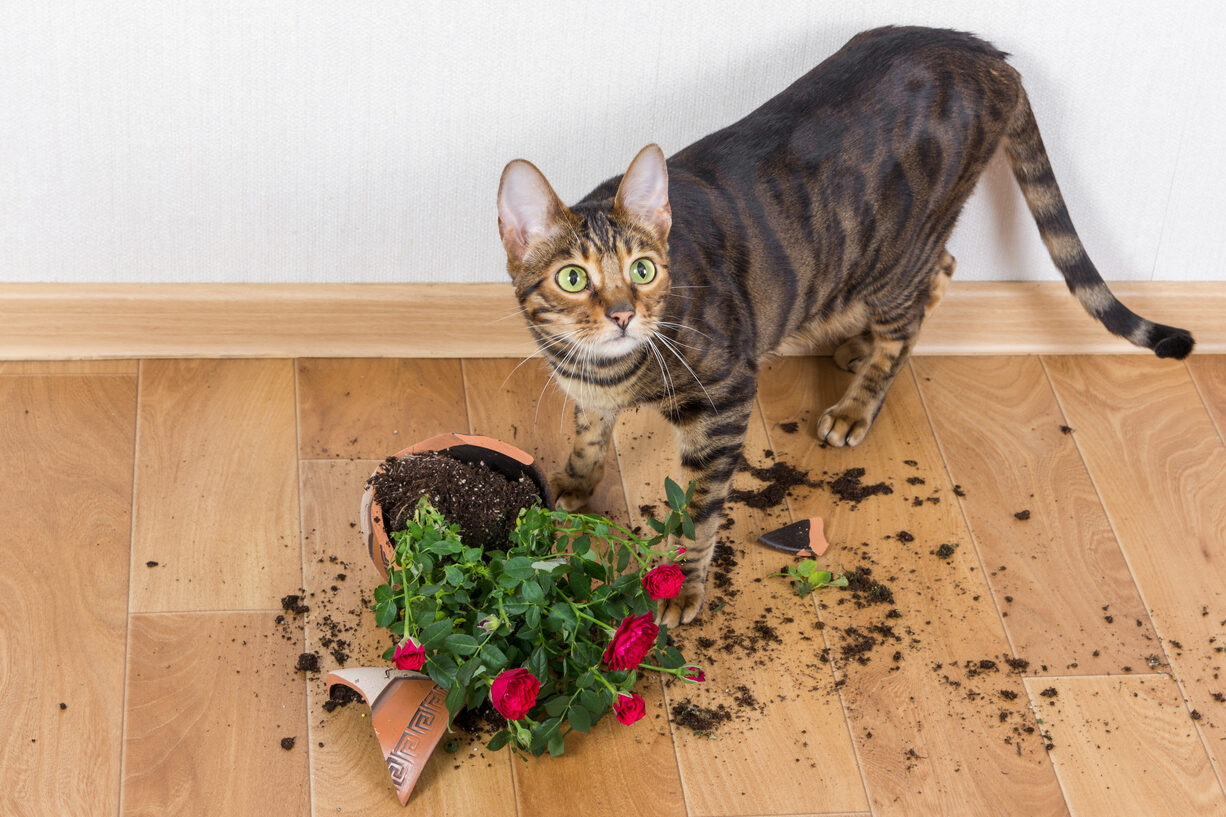
When a pet makes a mess and waits calmly, the message feels honest and vulnerable. There is no hiding or panic. They remain nearby and watch your response. This communicates awareness and trust. Humans often avoid accountability out of fear. Pets face it directly. That quiet waiting says I know something happened. As these moments add up, it becomes clear how often pets communicate through presence. They remind us that understanding grows when we slow down, pay attention, and respond with care instead of noise.
16. Waiting by the Bathroom Door
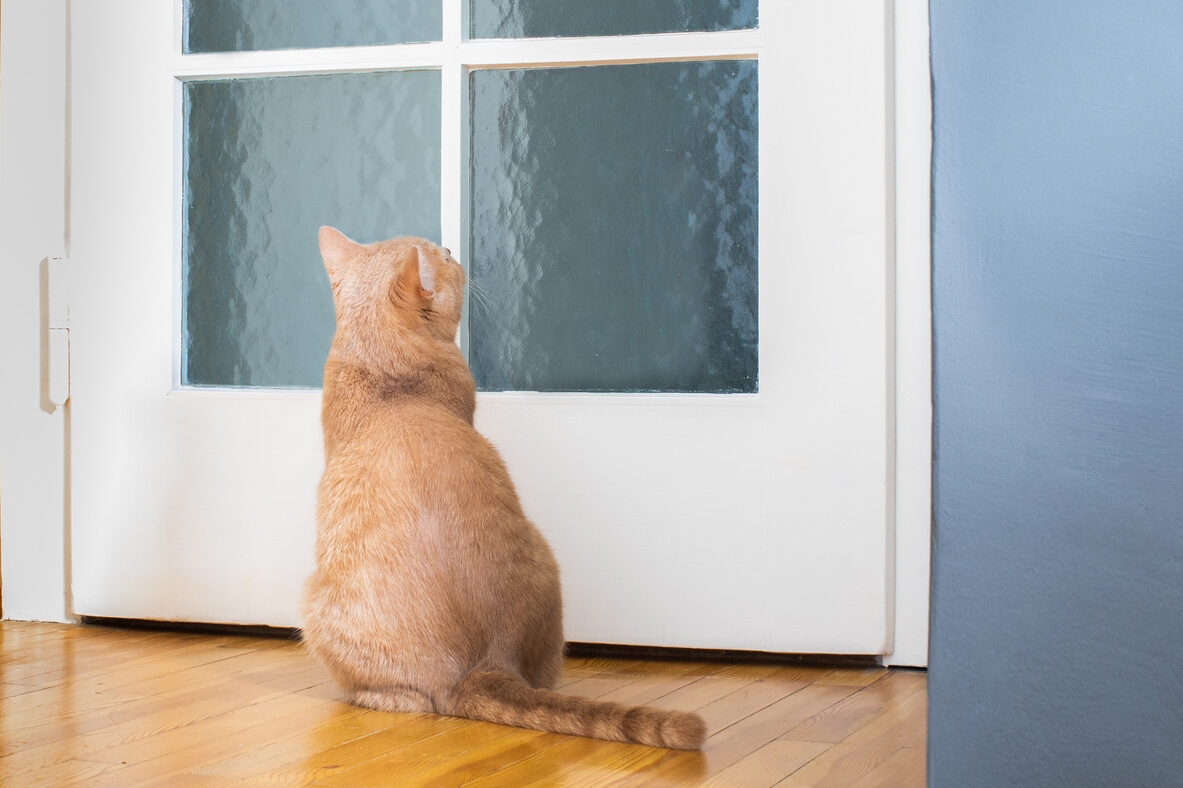
A pet waiting quietly outside the bathroom door communicates loyalty without words. They do not scratch or cry. They simply sit and wait. This behavior feels steady and reassuring. It says I am still here even when you disappear for a moment. Humans often announce absence or explain it. Pets accept it and remain present. That patience feels grounding. It reminds us that presence does not require constant interaction. Pets show commitment through consistency. Waiting becomes a form of communication, expressing connection through stillness rather than sound or demand.
17. Bringing You Something Random

When a pet brings you an unexpected object, the message feels personal. It might be a sock, a leaf, or something they value. This gesture communicates offering and trust. Pets do not overthink the meaning. They share what they have. Humans often struggle to express affection simply. Pets show that giving does not need perfection. The act itself matters. That small delivery feels intentional and sincere. It says I thought of you. Communication becomes tangible and warm, reminding us that meaning often lives in simple actions rather than polished words.
18. Sitting on What You Are Using

A pet sitting on your book, laptop, or clothes communicates priority clearly. It is not jealousy. It is presence. They position themselves where your attention already is. The message is simple. I want to be part of this moment. Humans might interrupt verbally. Pets use placement. This behavior feels honest and effective. It gently redirects focus without force. Watching this happen often brings laughter and warmth. Pets remind us that attention is a shared space. Sometimes communication means joining rather than interrupting.
19. Refusing to Move from Your Spot
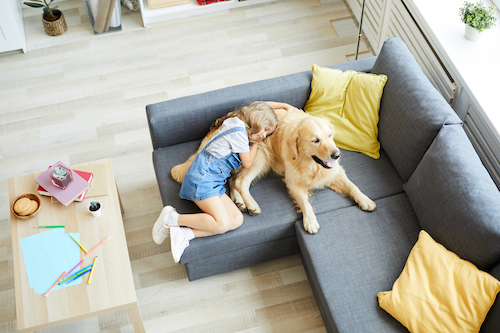
When a pet refuses to move from your seat, the message feels playful yet clear. They claim the space confidently. It says this feels good and I belong here. Humans often negotiate space with words. Pets choose action. This behavior communicates comfort and familiarity. It also invites compromise rather than conflict. The simplicity makes it effective. Pets remind us that shared environments are built through everyday choices. Communication happens through comfort rather than confrontation, and the message lands without tension.
20. Following a Routine Perfectly

A pet following a routine without reminders communicates understanding. They know the timing, the sequence, and what comes next. This behavior reflects trust and shared rhythm. Humans often rely on reminders and schedules. Pets internalize patterns and respond naturally. Watching this unfold feels satisfying. It says we are in sync. Communication becomes mutual and unspoken. Pets show how consistency builds clarity. When routines are respected, communication feels effortless. Nothing needs to be said because both sides already know.
21. Sitting Still During Your Stress
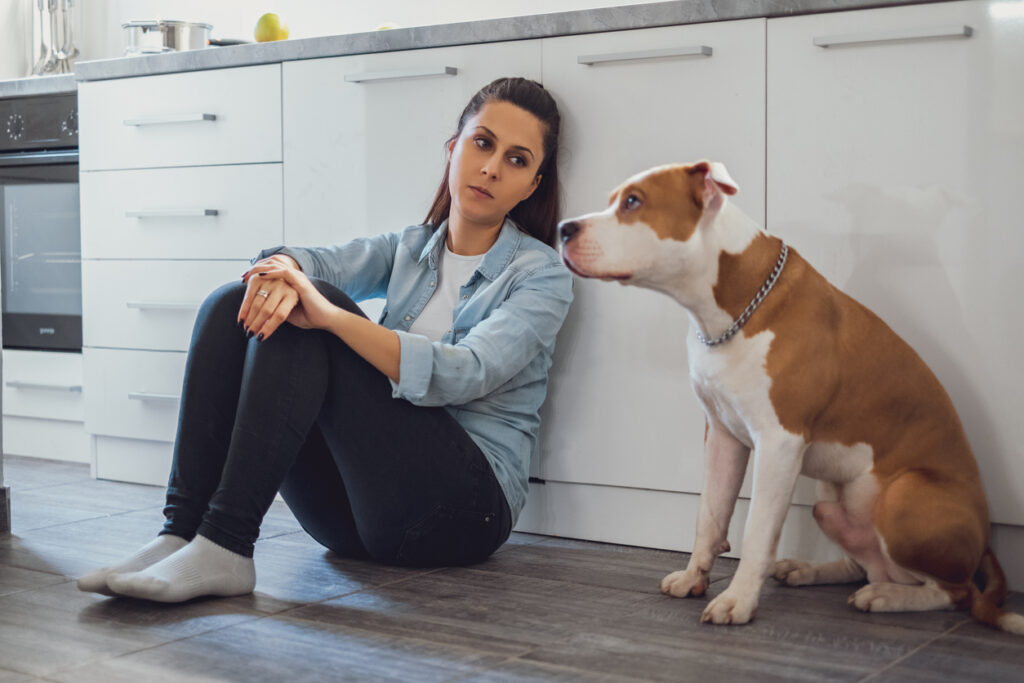
When a pet sits quietly while you are stressed, the message feels intentional. They do not distract or demand. They simply stay beside you and breathe in rhythm with the room. This presence communicates awareness and steady support. Humans often rush to fix emotions or talk through them before listening. Pets allow feelings to settle and move naturally. That calm companionship says I see you and I am not leaving. It reminds us that comfort does not always require advice. Sometimes communication is patience, and the quiet space shared together becomes the language both hearts understand at the same time.
22. Ignoring Visitors Completely
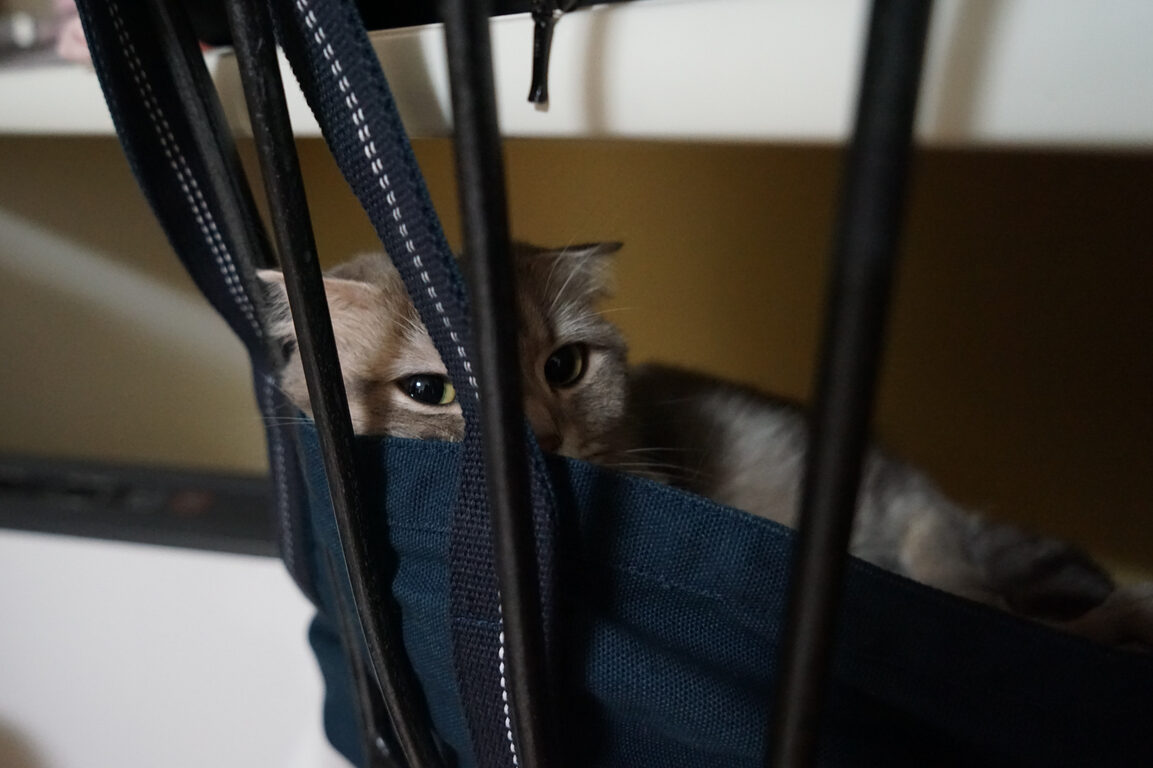
When a pet ignores visitors completely, the message feels confident rather than rude. They do not rush forward, bark, or search for attention. Instead they remain settled in their chosen space, comfortable with the environment and the people they already know. This behavior quietly says I feel secure here and I do not need more stimulation. Humans often feel pressure to entertain and socialize even when tired. Pets choose honesty instead. Their calm refusal becomes communication, showing that participation is optional. It reminds us that boundaries can exist gently, without arguments, and still protect our peace in daily life today.
23. Choosing Your Bed Over Theirs
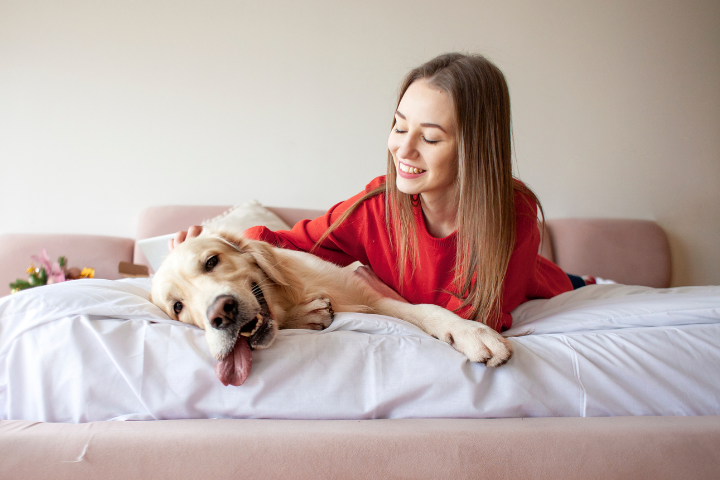
When a pet chooses your bed instead of their own, the message feels deeply personal. They are not simply seeking softness. They are seeking closeness. Curling beside you communicates warmth, familiarity, and trust. Humans often talk about love with long explanations. Pets express it through quiet proximity. That shared space during rest becomes meaningful because defenses drop and comfort rises. It says I want to be near you when the world slows. This nightly habit builds connection over time, reminding us that affection can be simple, honest, and peaceful and steady like something trusted more with every passing quiet night.
24. Pausing Before Entering a Room
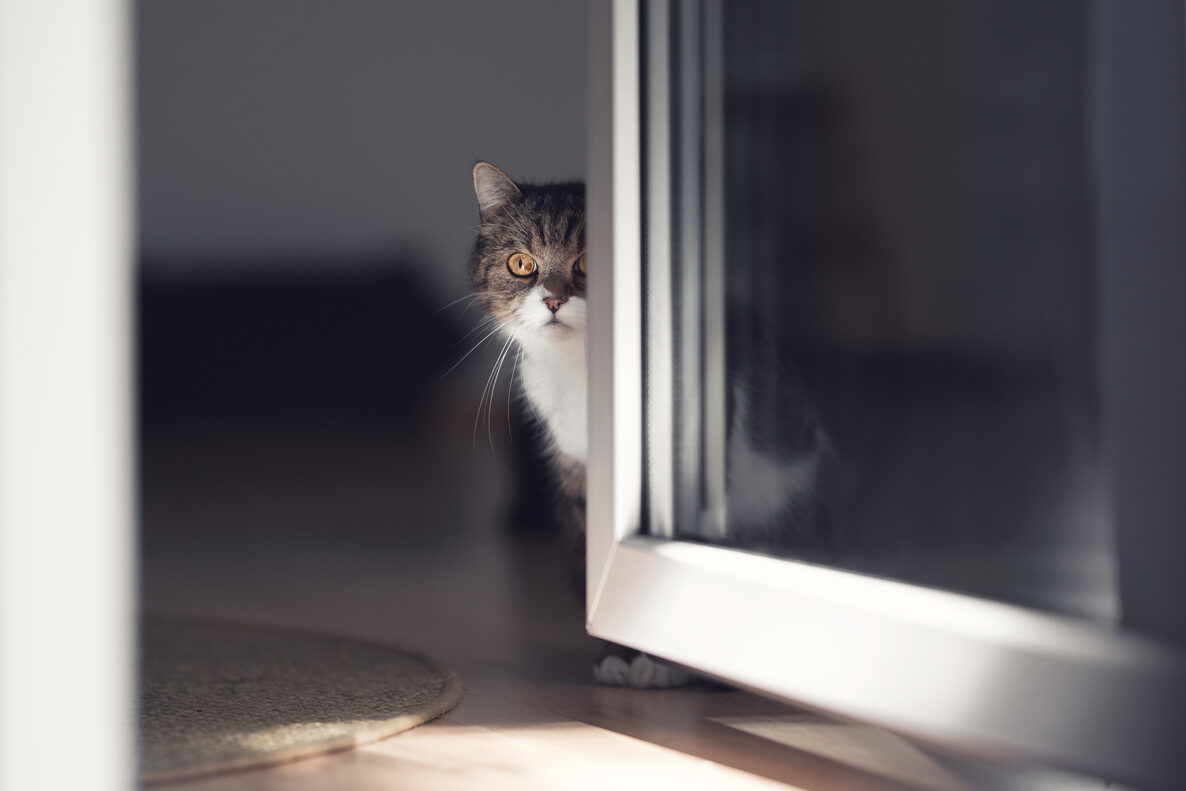
When a pet pauses before entering a room, it communicates thoughtful awareness. They sense tone, movement, and emotion before stepping forward. This small hesitation shows caution without fear. It quietly asks whether the space feels welcoming. Humans often rush through doors without noticing what energy waits inside. Pets remind us to observe first. That pause gives time to adjust, breathe, and choose wisely. It teaches that awareness is part of communication. By noticing surroundings, misunderstandings shrink and empathy grows, helping everyone feel a little safer and more grounded with each careful moment we choose to pay attention and remain present.
25. Choosing to Sit with One Person
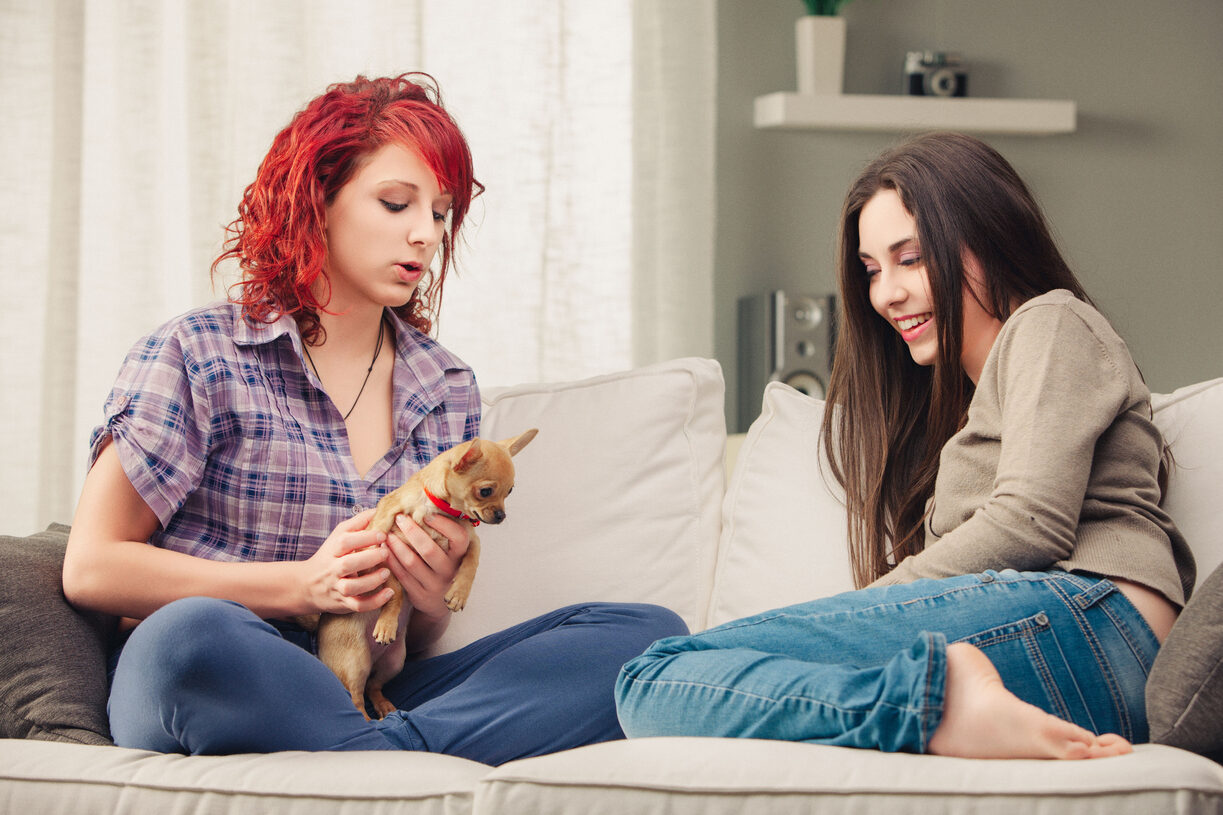
When a pet chooses one person in the room and settles beside them, the message feels intentional. It communicates preference, trust, and comfort all at once. Humans sometimes worry about fairness or social expectations. Pets simply follow where they feel most at ease. That quiet decision says I feel safe here. It builds gentle bonds that strengthen with time. There is no competition, only connection. This behavior reminds us that relationships grow from honesty. Choosing where we feel calm can be an expression of loyalty rather than distance and it helps both hearts relax into something steady real simple together.
26. Standing Between You and Noise
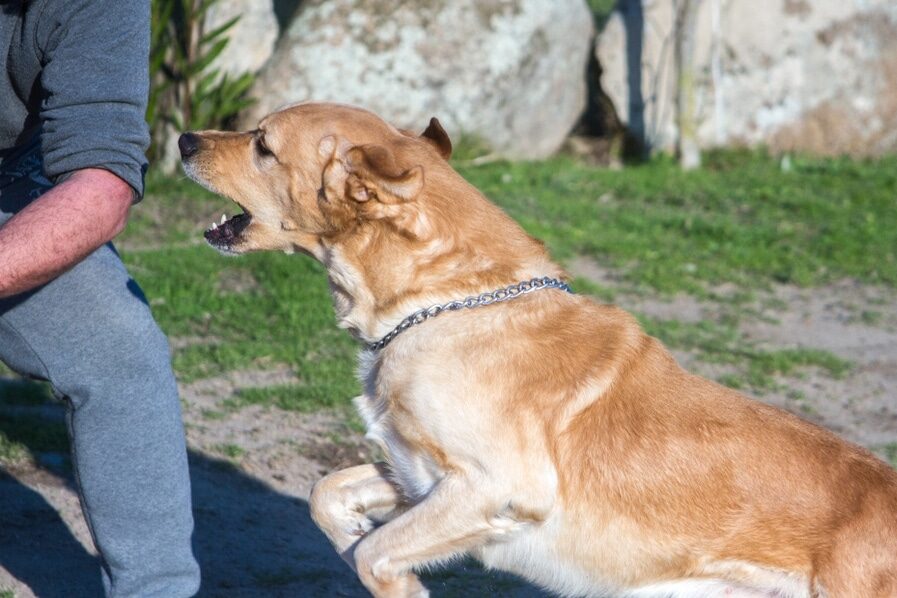
When a pet stands between you and a loud or startling sound, the message is protective without force. They place their body as a quiet barrier. It communicates awareness and care. Humans often respond with talking, explanations, or worry. Pets respond with position. That small act says I am here and I will stay close. It does not seek attention. It simply offers reassurance. Moments like this remind us that safety can be communicated through presence, and sometimes the most comforting words are never spoken at all yet they still reach the heart and make everything feel calmer and secure.
27. Waiting Until You Notice
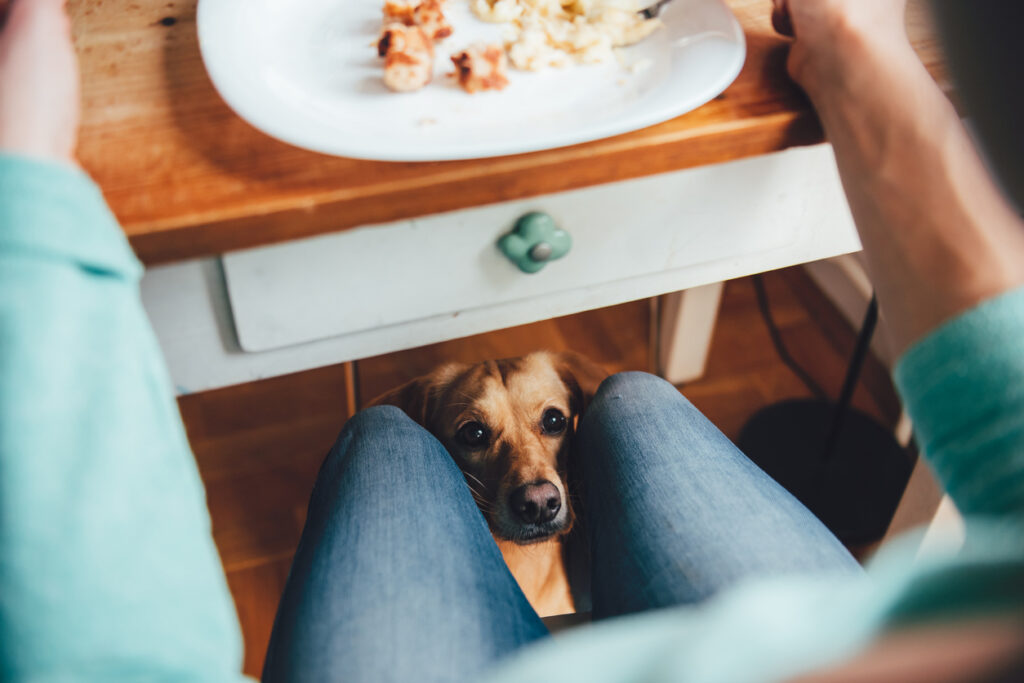
When a pet needs something and waits quietly until you notice, the message feels patient and respectful. They do not rush toward demand. They trust awareness will arrive. Humans often repeat requests until frustration grows. Pets choose steadiness instead. That soft waiting says I believe you will understand. It allows space for observation and learning. Communication becomes cooperative rather than competitive. This simple patience strengthens connection, reminding us that listening can happen even before words appear and it often teaches people to slow down notice more and respond with kindness instead of hurry which deepens trust for everyone involved always.
28. Turning Their Back to You
When a pet turns their back toward you, it communicates trust rather than distance. They feel safe enough to rest without watching. Humans sometimes misread this behavior as indifference. In reality it says I believe you will protect me. That vulnerability reveals security. It shows that comfort can look different than attention. Pets remind us that communication includes posture, not only expression. A relaxed back can speak quietly about safety and belonging even when nothing else is happening and it builds deeper familiarity over time helping relationships feel gentle steady peaceful natural ordinary honest calm grounded reassuring in small moments.
29. Reacting Before You Do
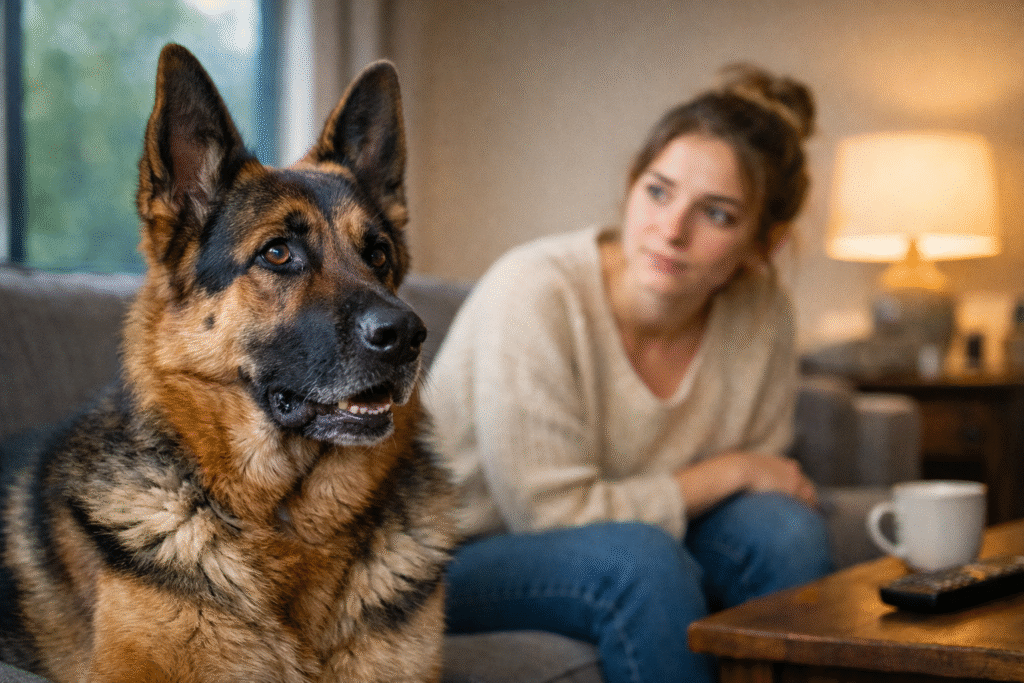
When a pet reacts before you do, the message shows awareness and instinct. They sense sounds, shifts, and movements ahead of you. This early reaction communicates protection. It says something changed and I noticed first. Humans often rely on thinking before reacting. Pets respond naturally. That difference creates balance. Their attentiveness becomes another form of care. It reminds us that communication is not always spoken. Sometimes it is timing, and their quick response feels like quiet reassurance that helps people trust their presence more and appreciate how awareness shared gently can soften everyday worries into something easier to handle together.
30. Staying When Nothing Is Happening

When a pet chooses to stay near you even when nothing is happening, the message feels intentional and gentle. There is no reward offered and no excitement pulling them forward. They remain simply because presence matters. That quiet loyalty ties the list together. It shows that communication is not only about needs. Sometimes it is about choosing connection for its own sake. Pets remind us that the clearest language often appears in silence, and it quietly invites us to slow down and notice more while letting the final message settle naturally inside our thoughts like gentle company we appreciate longer.


