
Gone So Gradually No One Noticed
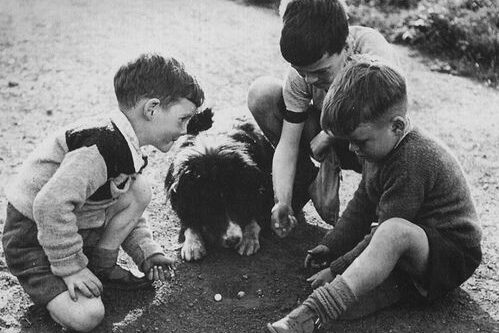
Some things do not end with a headline or a final warning. They do not ask for a proper goodbye. They just thin out slowly, like background noise fading until one day you realize it is quiet. That is how change often works in everyday life. It does not knock loudly at the door. It settles in gently, adjusting our habits bit by bit until the old way feels distant.
We rarely notice the exact moment something disappears. It is only later, usually in a random conversation or memory, that we pause and think, When did that stop being normal? The shifts feel small at first. A new convenience here, a small upgrade there. And before long, the familiar becomes the forgotten. What follows is a look at the ordinary things that slipped away so gradually, most of us never even saw them go.
1. Saturday Morning Cartoons Felt Like An Event
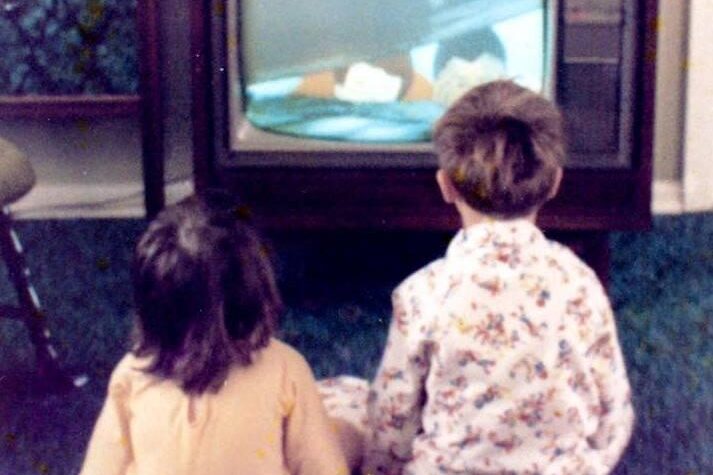
There was a time when Saturday mornings had their own kind of magic, and you did not need anyone to remind you it was your favorite day of the week. You woke up early without complaint, poured cereal into a bright plastic bowl, and claimed your spot in front of the television before anyone else could. Cartoons only aired at certain hours, so you showed up on time. It felt shared, almost communal, like kids across the neighborhood were laughing at the same scenes in the same moment. That routine quietly shaped weekends in ways we barely noticed while living through them.
Then streaming entered gently and removed the schedule. Shows became available at any hour, any day, with no need to wait. It sounded like freedom, and in many ways it was. But the anticipation faded. There was no more counting down to one specific block of programming or talking about it at school on Monday because everyone had watched it live. Cartoons still exist, yet the ritual dissolved. Saturday mornings stopped feeling like an event and started feeling like any other morning with a screen nearby.
2. The Phone Book On The Doorstep
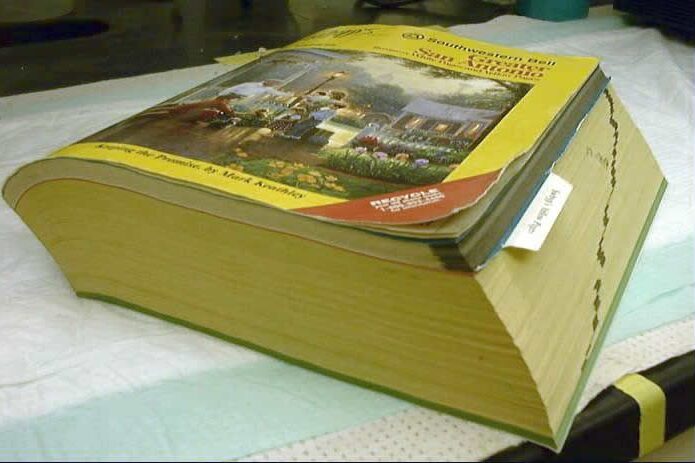
Once a year, like clockwork, a thick phone book would appear on the doorstep without anyone requesting it. It felt official, heavy in your hands, filled with names printed in tiny orderly rows. If you needed a plumber, a neighbor’s number, or a local restaurant, you flipped patiently through those thin pages. It was not exciting, but it was dependable. You trusted that every household and business had a place inside those covers. It quietly anchored the idea that information lived in one physical, reachable spot.
Then search engines and smartphones made the process almost effortless. Instead of flipping pages, you typed a name and received an answer in seconds. The phone book grew thinner each year until eventually it stopped arriving altogether. There was no announcement, no goodbye edition marking its final delivery. It simply became unnecessary in a world built around digital search bars. Now most of us cannot remember the last time we held one. The annual thud on the porch faded into memory, replaced by silent taps on a glowing screen.
3. Friday Nights At The Video Store
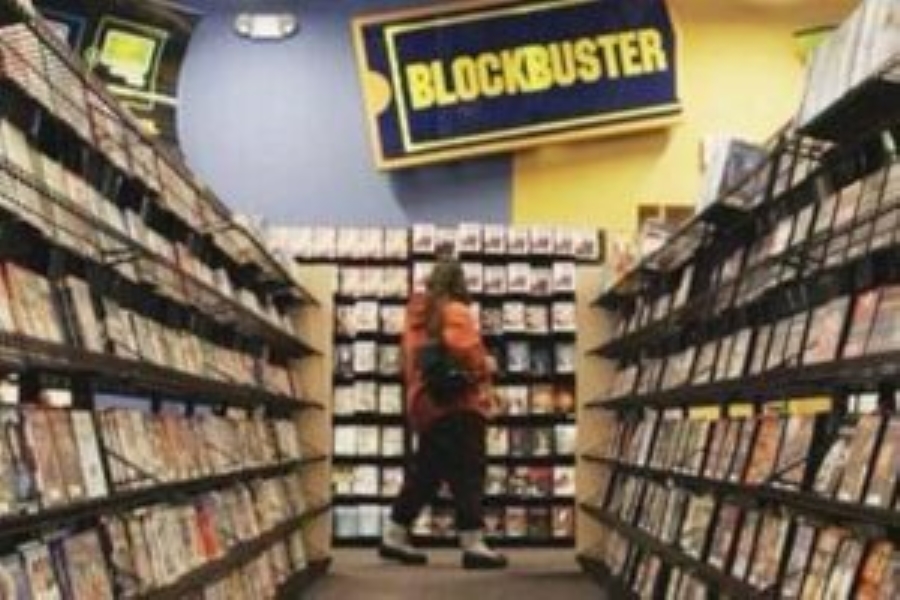
Friday nights once carried a small but meaningful mission. You piled into the car and drove to the video store, hoping the new release had not already been rented. The aisles were familiar, lined with colorful cases that had been handled by countless other families. You read the backs carefully, debated genres, and sometimes settled for something unexpected when your first choice was gone. Choosing a movie required conversation and compromise because you were committing to one or two options for the entire weekend. It felt like an outing, not just a decision.
Streaming gradually erased the urgency. Suddenly every title was available instantly, with no closing hours and no late fees to worry about. The convenience was undeniable, but the ritual quietly slipped away. There was no more wandering between shelves or chatting with the cashier about recommendations. Watching movies remained part of life, yet the shared experience of selecting one together outside the home faded. What used to feel like a small adventure became a simple scroll and click.
4. Writing Letters By Hand
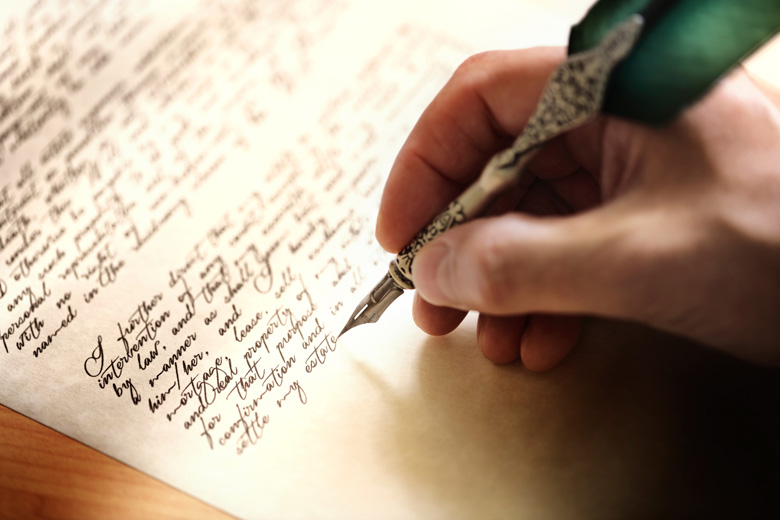
There was something grounding about sitting down to write a letter by hand. You chose your paper, picked up a pen, and allowed your thoughts to flow without the safety net of a delete key. Your handwriting carried your mood, whether steady and neat or slightly rushed and uneven. After sealing the envelope and placing a stamp on the corner, you dropped it into a mailbox and waited. Days passed before a reply arrived, and that waiting built quiet anticipation. Holding someone’s written words felt personal in a way that was hard to explain.
As emails and text messages became the norm, communication sped up dramatically. Conversations now happen instantly, sometimes without pause for reflection. It is efficient and constant, but different. Handwritten letters did not vanish overnight. They simply became optional in a world that prefers quick responses. Most mailboxes now hold mostly bills and advertisements. The slow, thoughtful exchange of ink on paper gently stepped aside, leaving behind only the occasional card or special note to remind us it once mattered.
5. Payphones On Street Corners
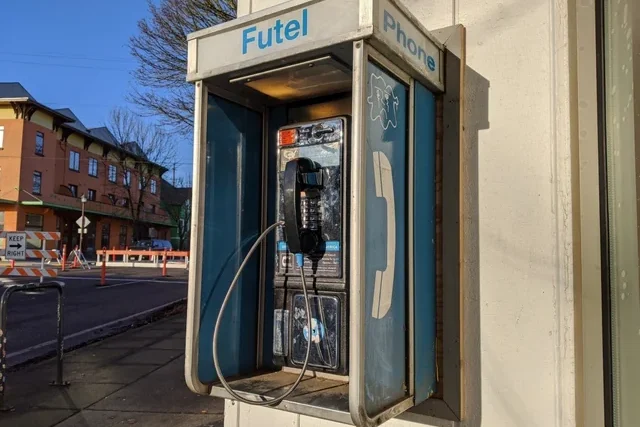
Payphones once stood quietly on busy corners, near gas stations, and outside grocery stores, ready for anyone who needed to make a quick call. You carried a few coins just in case, knowing that if plans changed or you were running late, that metal receiver would connect you home. They were practical and unremarkable, part of the everyday background of city life. No one thought of them as special. They were simply there, waiting to be used.
As mobile phones became common, then essential, the payphones began to sit untouched for longer stretches of time. Fewer people needed them, and maintenance costs outweighed their use. One by one, they were removed without ceremony. You did not notice the exact moment the last one in your neighborhood disappeared. You only realized years later that you had not seen one in a long while. Public communication shifted into private pockets, and the sturdy booths that once carried urgent voices quietly became relics of another pace of living.
6. Burning A Mix CD For Someone
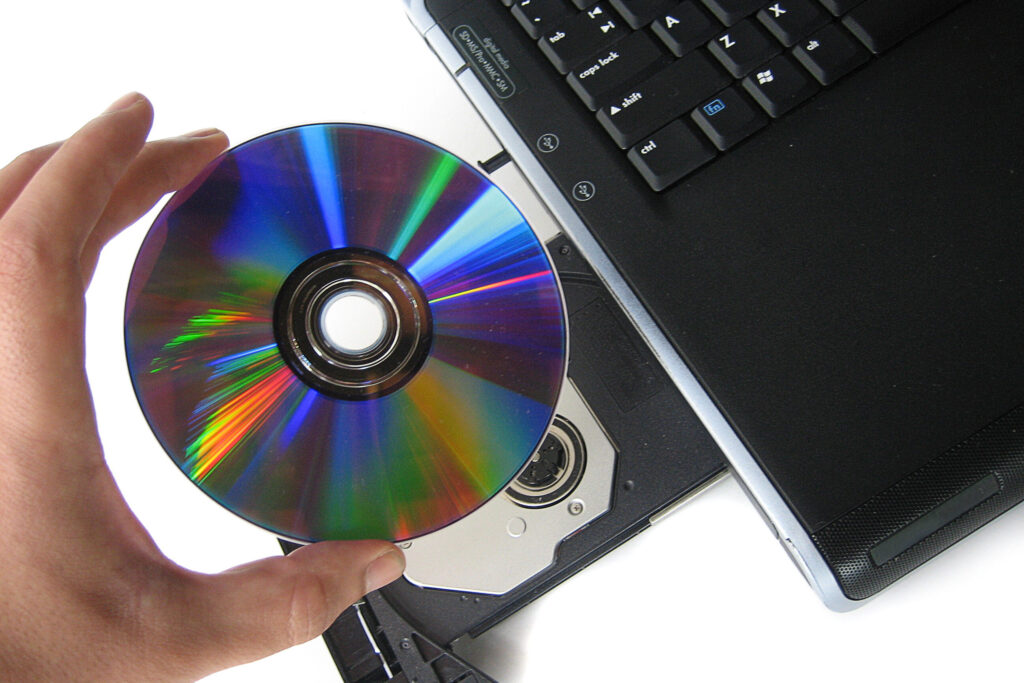
There was a stretch of time when making someone a mix CD felt deeply personal, almost like writing them a soundtrack to your thoughts. You sat at a computer choosing each song carefully, thinking about the order, the mood, the way one track would fade into the next. You listened through the entire thing before finalizing it, just to be sure it felt right. Then you slid the disc into a clear case and wrote the track list in your own handwriting, sometimes adding a small note on the inside cover. It was simple, but it carried effort.
As music shifted to streaming platforms, sharing songs became immediate. You could send a playlist link in seconds without leaving your seat. It was faster and undeniably easier. Gradually, cars stopped including CD players, laptops lost disc drives, and stacks of blank CDs gathered dust in drawers. The small ritual of burning a disc and hearing it spin to life faded quietly. Now music is endless and weightless, floating through apps, while that tangible act of giving someone a carefully crafted collection slowly slipped away.
7. Internet Cafes As A Social Spot
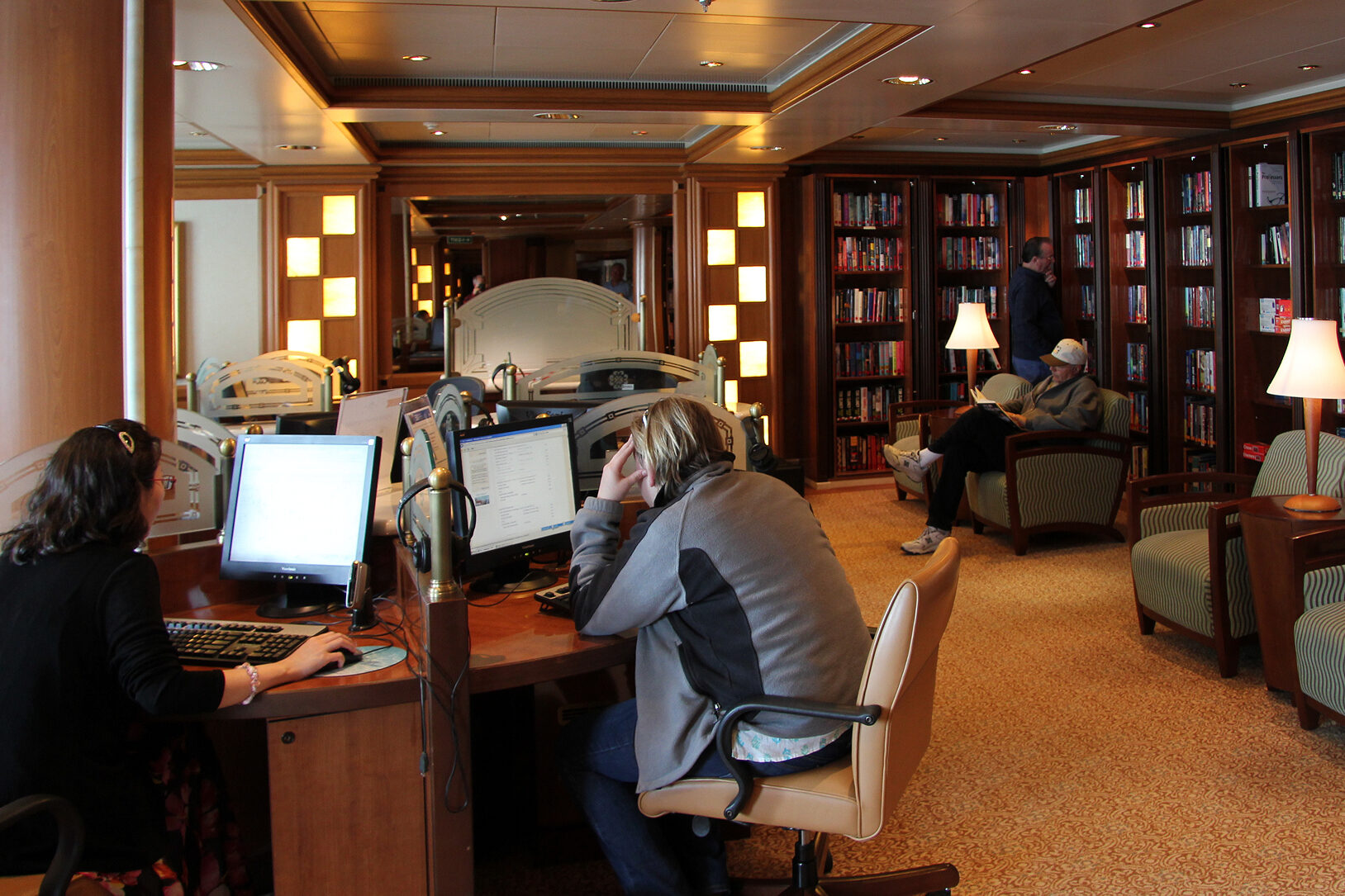
Before home internet became standard, internet cafes felt lively and slightly futuristic. Rows of desktop computers lined the walls, and the soft clicking of keyboards filled the air. People paid for an hour or two to check emails, chat with friends, or explore websites that still felt new and exciting. It was not only about going online. It was about doing it together in the same physical space. You could glance around and see others deep in their screens, connected in different ways yet sharing the same room.
As broadband moved into homes and smartphones placed the internet into every pocket, the need for those shared spaces quietly declined. Fewer people walked through the doors, and eventually many cafes closed without much attention. There was no dramatic ending. They simply became unnecessary. Now connection feels constant and personal, rarely communal in the same way. The buzzing rooms filled with glowing monitors gave way to silent scrolling on individual devices, and most of us barely noticed the shift.
8. Waiting For Film To Be Developed
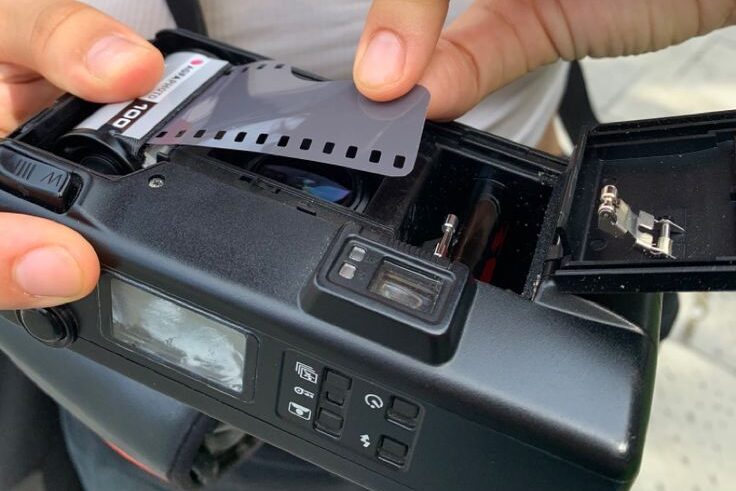
Taking photos once required patience and intention. You loaded a roll of film into a camera knowing you had a limited number of shots, so each click mattered. You thought twice before pressing the button. After finishing the roll, you dropped it off at a store and waited days, sometimes longer, to see how the images turned out. There was always a mix of excitement and uncertainty when you picked up the envelope of glossy prints. Some photos were perfect. Others were slightly blurry, but still meaningful.
Digital cameras and smartphones slowly changed that rhythm. You could review a photo instantly and delete it if it did not meet your expectations. The waiting disappeared, and with it a certain kind of anticipation. Film processing counters became smaller or vanished entirely as fewer people needed them. Photography became easier and more abundant, yet perhaps less deliberate. We capture countless moments now without hesitation. The careful pause before each shot and the quiet thrill of opening a packet of developed photos faded softly into memory.
9. Encyclopedias Lining The Shelf
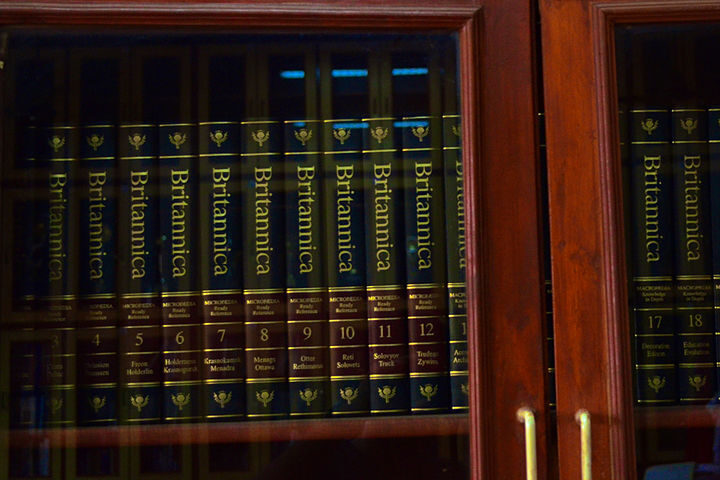
There was a time when encyclopedias stood proudly on bookshelves, their spines forming a neat alphabetical row. They felt substantial, almost authoritative, as if knowledge itself had weight. When a school assignment was given, you reached for the appropriate volume and flipped carefully through thin pages. Sometimes you found the information you needed. Other times you discovered something unexpected simply by turning a few extra pages. Research felt slower, but it also felt immersive.
As the internet expanded, information became searchable in seconds. Instead of scanning indexes, you typed keywords and received immediate answers. The encyclopedias remained for a while, but they were opened less often. Eventually they were boxed up, donated, or left behind during moves because they felt bulky and outdated. Knowledge did not disappear. It simply changed form. The quiet act of standing at a shelf and leafing through pages gradually faded, replaced by quick searches on glowing screens that rarely require wandering beyond the topic at hand.
10. Reading A Paper Map Without Fear
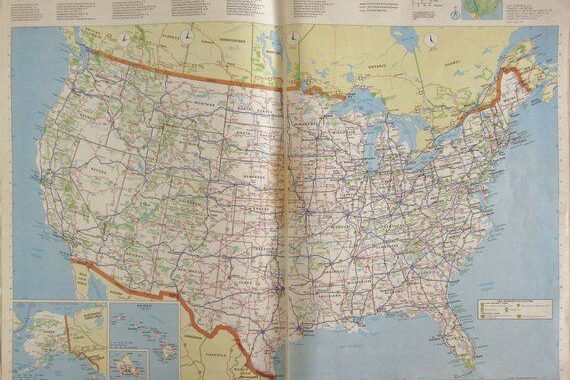
Road trips once included unfolding a large paper map across your lap while someone else focused on the road. The map rarely folded back the same way twice, and you had to trace routes with your finger to be sure you understood the path. Landmarks mattered. Highway numbers mattered. You paid attention because you needed to. Getting slightly lost was part of the story you told later. It required awareness and a bit of patience.
When GPS navigation became common, directions arrived calmly and clearly through a small device or phone. Turn by turn guidance removed much of the guesswork. Over time, fewer people kept paper maps in their cars. The skill of reading one confidently began to weaken simply because it was no longer practiced. Now if a battery dies or a signal drops, many of us feel unexpectedly unsure. The folded map quietly left glove compartments and back seats, taking with it a hands on way of finding direction.
11. The House Phone Everyone Shared

There was a time when every home had one main phone, usually placed in the kitchen or hallway where everyone could hear it ring. When it rang, whoever was closest picked up, sometimes shouting for the person the call was actually for. Conversations were rarely private. You stretched the cord around the corner for a bit of space, but everyone still knew you were on the line. It created small shared moments, even small interruptions, that tied the household together in quiet ways.
As mobile phones became common, calls shifted from shared spaces to personal pockets. Gradually, fewer families renewed their landline service. The familiar ring stopped echoing through the house, and the long coiled cords disappeared from walls. Now most calls are answered individually, often silently, with names flashing on personal screens. The house phone did not vanish overnight, but it slowly became unnecessary. In gaining privacy and convenience, we quietly lost that communal experience of hearing the phone ring and wondering together who it might be.
12. Balancing A Checkbook By Hand
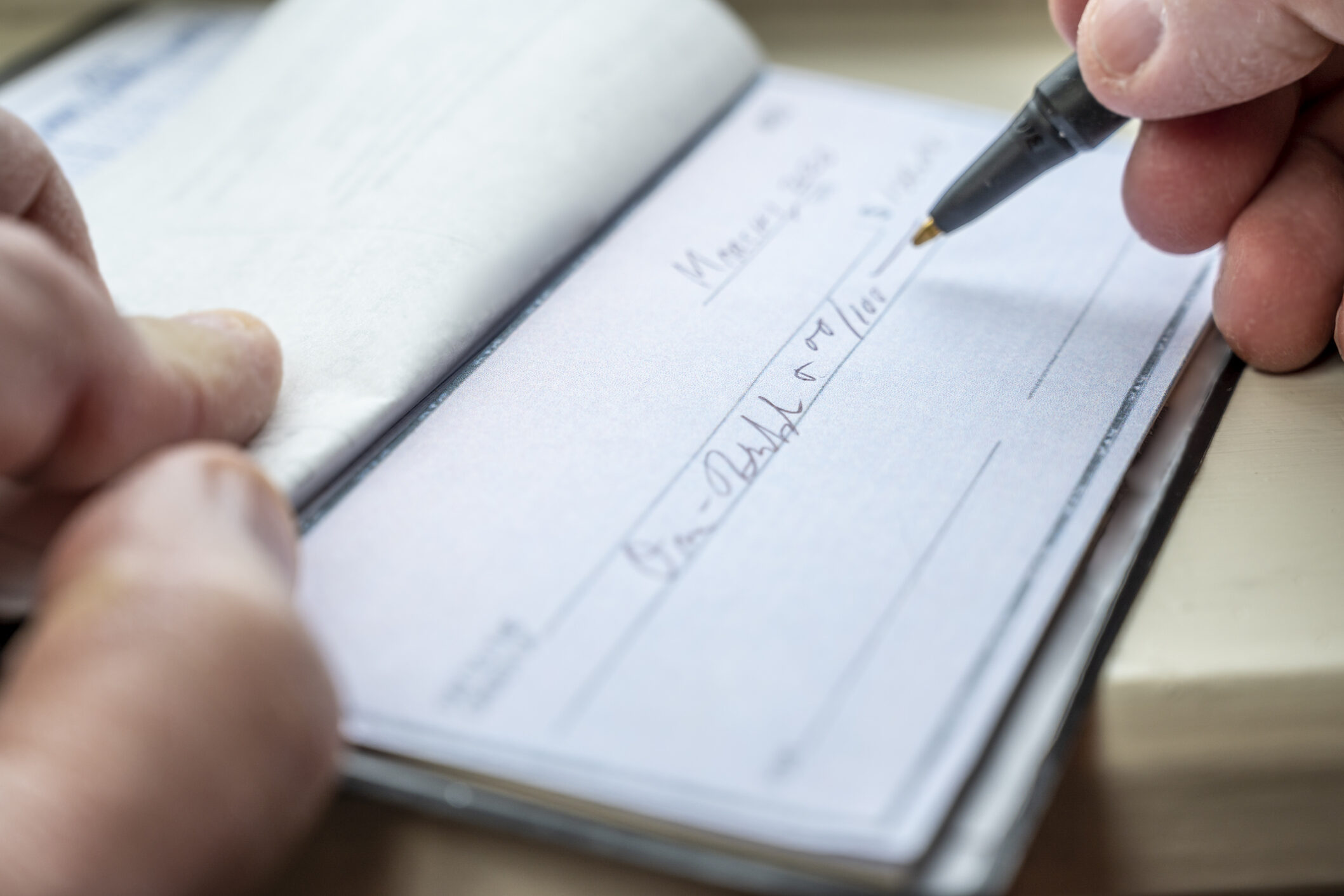
There was something methodical about sitting down with a checkbook and a pen at the end of the month. You recorded every payment carefully in a small register, subtracting amounts and double checking the math to be sure it all lined up. Writing a check required focus. You filled in the date, the name, the amount in numbers and words. It felt formal and responsible, a small act of adulthood that demanded attention.
Online banking gradually changed that rhythm. Bills became automatic, transfers instant, and balances visible with a quick glance at a screen. Fewer stores accepted checks, and fewer people carried them at all. The small ledger tucked behind each check slowly became unused. Financial tracking did not disappear, but it moved into apps and digital statements. The quiet habit of sitting with paper and pen to balance everything by hand faded gently, replaced by notifications and automatic updates that require far less effort.
13. Flipping Through Newspaper Classifieds
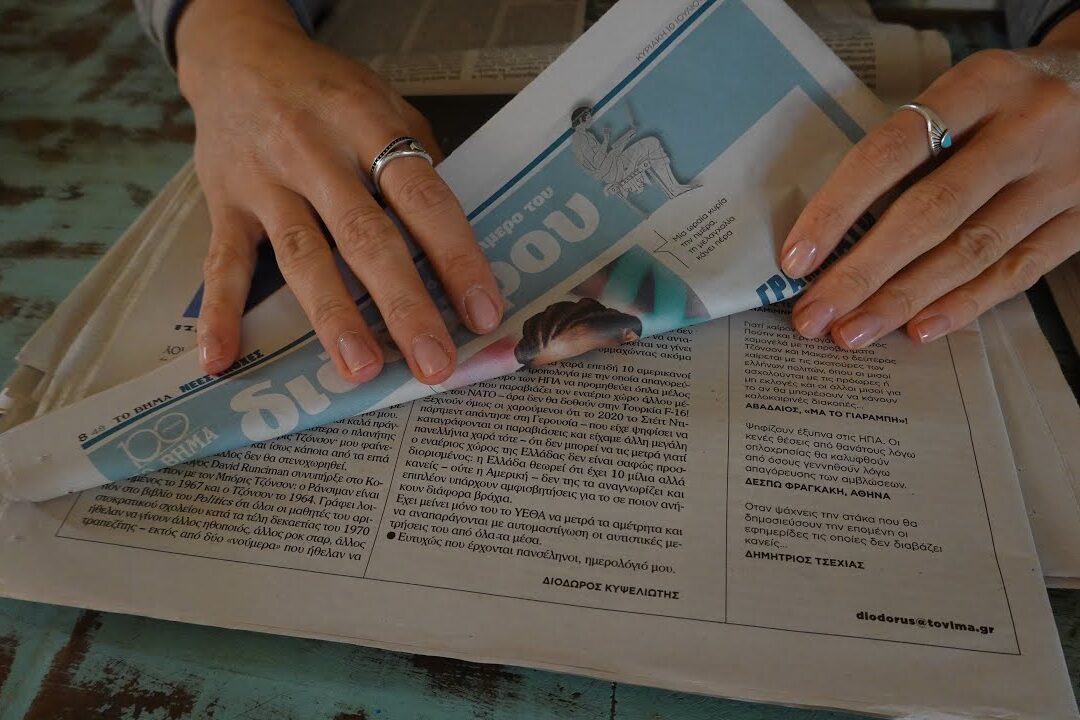
There was a time when searching for a job, an apartment, or even a used car meant opening the newspaper and turning directly to the classified section. The print was small and tightly packed, and you sometimes circled promising listings with a pen. It took patience to scan each column, but there was a sense of discovery in finding something that seemed just right. Sunday mornings often included that quiet ritual at the kitchen table.
As online listings grew more detailed and searchable, the classified pages began to shrink. Websites allowed you to filter by price, location, and countless other details within seconds. The convenience made sense, and people adjusted quickly. Eventually entire sections of printed classifieds disappeared because fewer readers relied on them. The rustle of newsprint and the careful scanning of tiny type quietly gave way to scrolling screens. Without much discussion, that once familiar weekly habit slipped into the background.
14. The Answering Machine With The Blinking Light
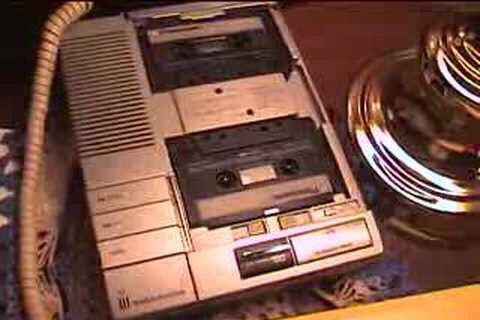
Before voicemail lived inside mobile phones, many homes had a small answering machine sitting near the main phone. When you returned home and saw the red light blinking, you knew someone had tried to reach you. Pressing play felt like opening a small window into moments you had missed. Sometimes you replayed a message just to hear a familiar voice again. The tape whirred softly as it recorded and stored each call.
As voicemail became integrated into cell phones, the separate machine became unnecessary. Messages were accessible anywhere, not just at home. The blinking red light slowly disappeared from countertops and shelves. There was no clear moment when the last answering machine was unplugged. It simply became outdated. We still leave messages today, but the physical presence of that small device and the ritual of pressing its buttons quietly faded from everyday life.
15. A Room Just For The Family Computer
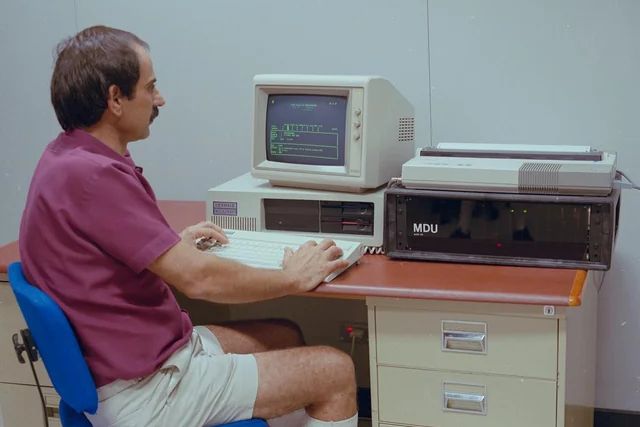
Not so long ago, many homes had a designated computer space, often in a corner of the living room or a small home office. The desktop computer sat heavily on a desk, complete with a large monitor and a humming tower beneath it. You waited your turn to use it, logged in carefully, and logged out when finished. It felt shared and slightly formal, like stepping into a specific zone for homework, emails, or games.
Laptops, tablets, and smartphones gradually untethered technology from that single spot. The computer no longer needed its own room because it could travel anywhere in the house. Families stopped gathering around one screen and began using separate devices in separate spaces. The hum of the desktop tower and the clicking of a shared keyboard became less common. Without much attention, the idea of a family computer station quietly dissolved into personal screens scattered throughout the home.
16. Buying Custom Ringtones
There was a brief but memorable moment when your ringtone felt like a small extension of your personality. People spent time choosing the perfect snippet of a favorite song, sometimes even paying to download it. When the phone rang in public, heads turned, and you felt a quiet pride if someone recognized the tune. Assigning specific ringtones to certain people made incoming calls feel personal before you even looked at the screen. It was playful and slightly expressive in a way that now feels oddly specific to that era.
As smartphones evolved, notifications multiplied and life became louder. Gradually, many people switched their phones to silent or vibrate mode to avoid constant interruptions. Custom ringtones became less noticeable because fewer people actually let their phones ring out loud. The excitement of selecting and sharing a ringtone faded without much discussion. Music still plays through our devices daily, but that tiny moment of personality tied to an incoming call quietly slipped into the background.
17. Printing Boarding Passes At Home
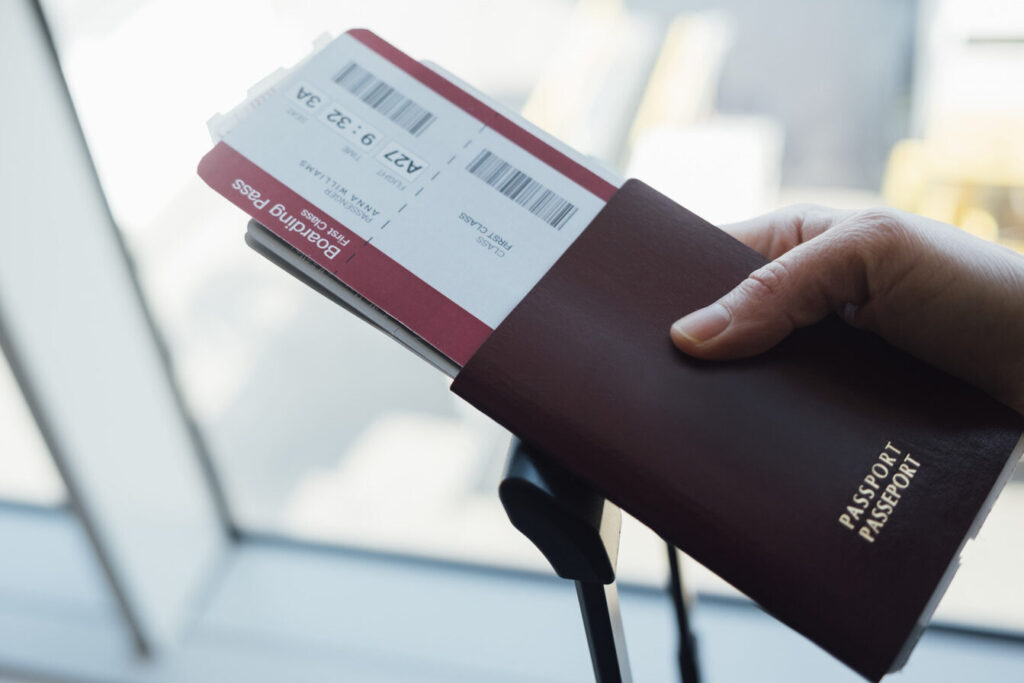
There was something reassuring about printing your boarding pass the night before a flight. You checked in online, listened to the hum of the printer, and held that sheet of paper like it was a small ticket to something bigger. You folded it neatly and slipped it into your passport or travel wallet, glancing at the gate number more than once just to be sure. At the airport, you kept it ready in your hand, smoothing it out in line as if that simple paper carried a bit of control over the journey ahead. It felt official and grounding.
Over time, that ritual softened. Airlines encouraged mobile check in, and soon a barcode on a phone screen was enough to move through security and board. It is efficient and practical, and most of us appreciate that. Still, the act of physically holding your boarding pass has become less common. Airports now glow with screens instead of paper slips. The folded ticket that once marked the start of a trip quietly gave way to digital convenience.
18. Card Catalog Drawers In Libraries
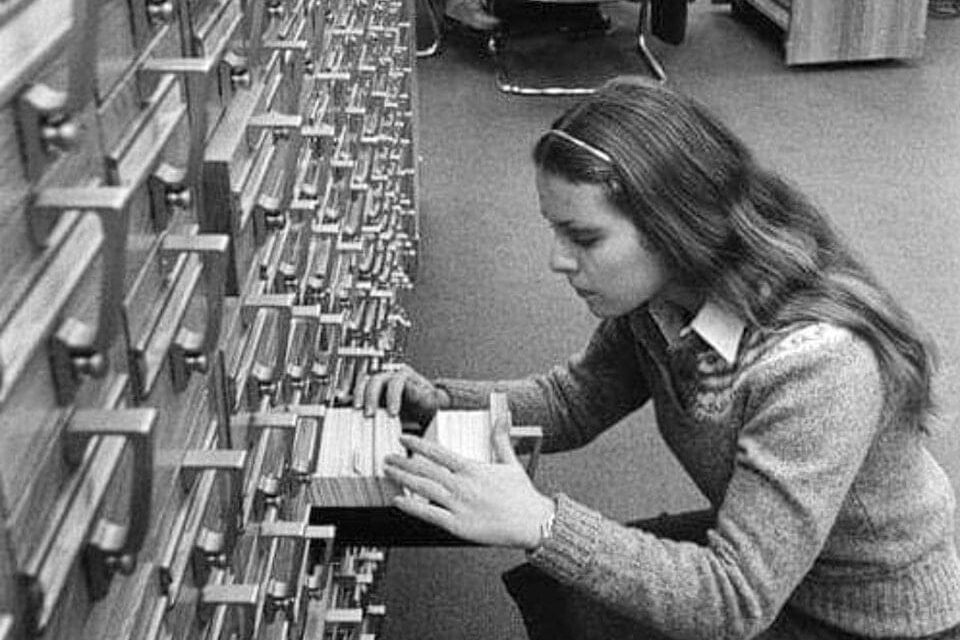
There was a quiet patience required to use a library card catalog. You walked to the long wooden cabinet, pulled open a drawer, and began flipping through neatly arranged index cards. Each card held a title, an author, and a small call number that guided you to the right shelf. It was not instant, but it felt intentional. You learned how the system worked by using it, and sometimes you stumbled across books you were not even looking for just by scanning nearby entries. The process had a steady rhythm that matched the hush of the room.
As libraries moved their catalogs online, the wooden drawers slowly disappeared. Searching for a book became a matter of typing a few words into a computer and clicking enter. It is faster and far more efficient, especially for large collections. Yet the tactile experience of flipping through those cards has faded. The soft sound of sliding drawers and shuffling paper quietly stepped aside, replaced by silent keyboards and glowing screens.
19. Disposable Cameras At Big Events
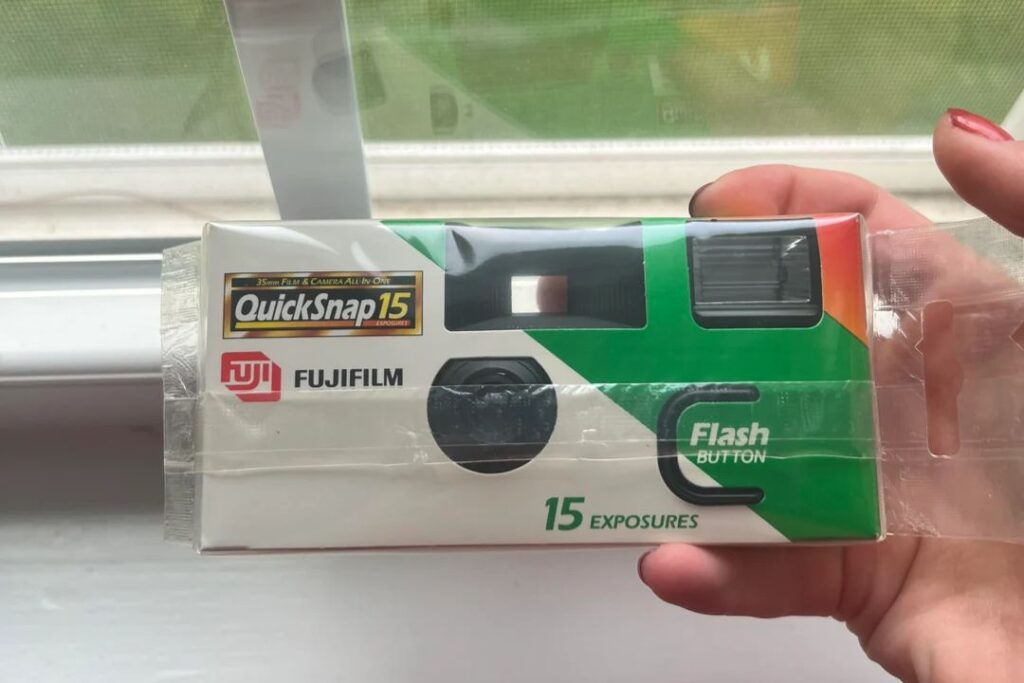
At weddings and birthday parties, disposable cameras often sat on tables, waiting for guests to capture small, candid moments. People snapped photos without knowing exactly how they would turn out. There was something freeing about that. You pressed the button and hoped for the best, trusting that the memory was worth capturing even if the angle was imperfect. After the event, the cameras were collected and sent off for development, adding a small layer of anticipation to the celebration.
As smartphones became part of everyday life, those small plastic cameras became unnecessary. Everyone already carried a device capable of taking dozens of clear photos in seconds. Images could be reviewed instantly and shared before the night even ended. Gradually, disposable cameras stopped appearing on reception tables. The delayed joy of flipping through printed snapshots days later quietly gave way to digital albums and instant uploads that live online instead of in envelopes.
20. Checking Movie Times In The Newspaper
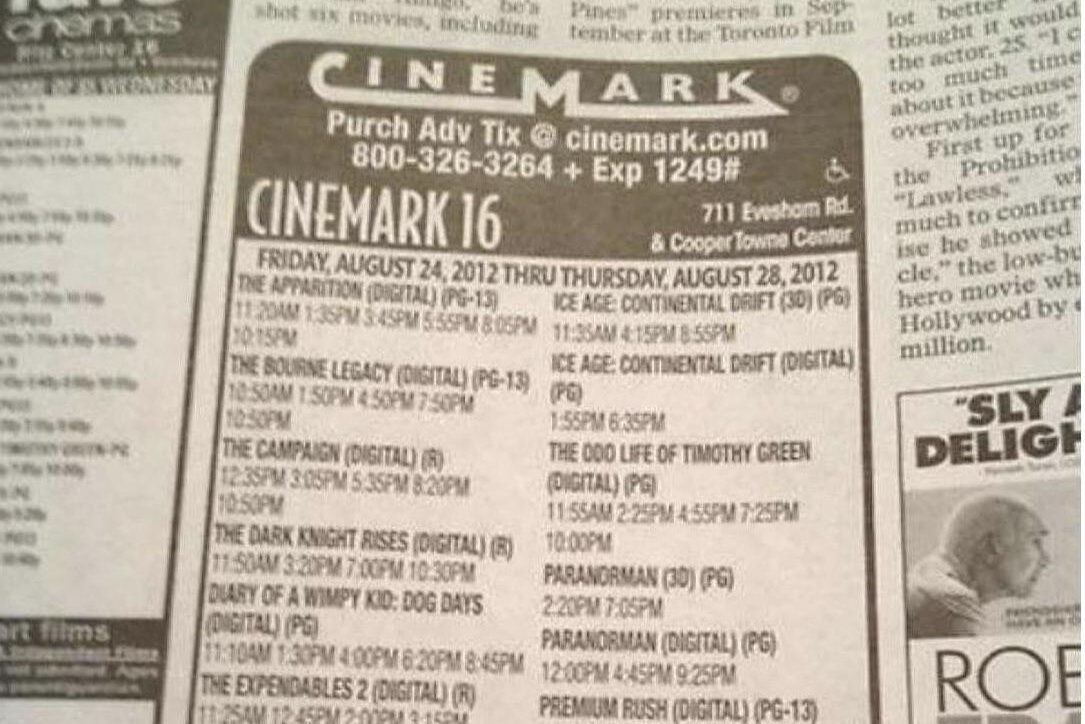
Planning a movie night once meant reaching for the newspaper and turning to the entertainment section with quiet focus. You scanned through narrow columns of listings, matching film titles to theaters and showtimes. Sometimes you circled a time in pen and double checked the address before heading out. It required a bit of coordination, and that small effort made the outing feel intentional. The process itself was part of the anticipation.
As digital tools became common, showtimes moved online and updated in real time. Instead of unfolding paper, you now tap a screen and see every available option within seconds. Buying tickets can happen instantly, often without speaking to anyone. The printed listings gradually shrank as fewer readers depended on them. Without much attention, the habit of scanning the newspaper for your chosen film faded. The rustle of pages gave way to silent scrolling, and the ritual quietly disappeared.
21. The Sound Of A Fax Machine
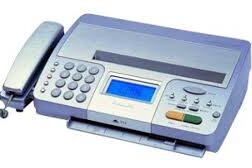
There was a time when the fax machine felt essential in offices, humming quietly in a corner until someone needed it. You fed a sheet of paper into the tray, dialed a number, and waited through a series of mechanical beeps and tones that signaled a connection. When the pages slid through successfully, there was a small sense of relief. It felt almost impressive that a document could travel through a phone line and appear somewhere else within minutes. The process was not glamorous, but it was reliable and strangely satisfying.
As email attachments and digital signatures became standard, the fax machine slowly lost its place. Sending a scanned document required only a few clicks, and confirmation arrived instantly. Offices began removing bulky machines to free up space, and the familiar high pitched tones faded from hallways. The shift was gradual, not dramatic. One day you simply realized you had not heard that sound in years. The fax machine did not vanish loudly. It just became unnecessary in a quieter digital world.
22. Mall Photo Booth Strips
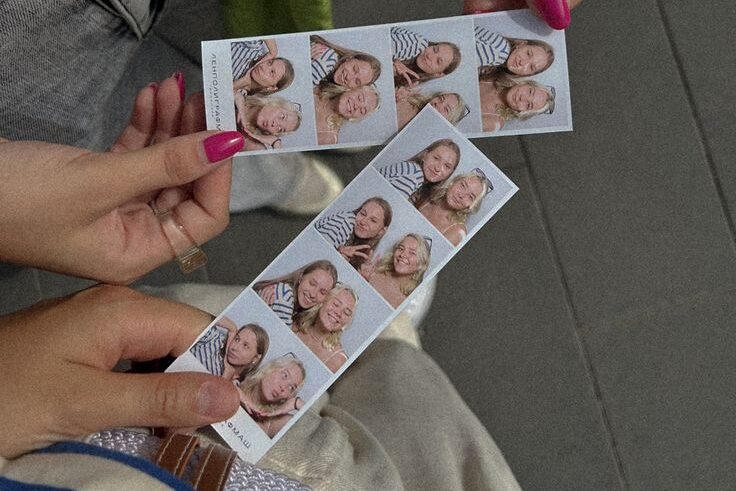
Mall photo booths once offered a quick and slightly awkward kind of fun. You squeezed into a narrow space with friends, closed the curtain, and waited for the countdown to begin. There were only a few seconds between each shot, so you had to think fast and pose faster. When the strip of glossy photos slid out, you laughed at the expressions you did not plan. Those small printed strips often ended up tucked into wallets, notebooks, or taped to mirrors as tiny reminders of a moment.
As phone cameras improved, fewer people lined up for those booths. You could take endless selfies without coins or cramped spaces. Sharing photos became instant and digital, and the novelty of the booth began to fade. Gradually, many malls removed them because they were used less often. The spontaneous fun of waiting for that strip to print quietly gave way to curated images on screens. What once felt like a small adventure became another memory from a slower afternoon at the mall.
23. The Alarm Clock Radio Glow
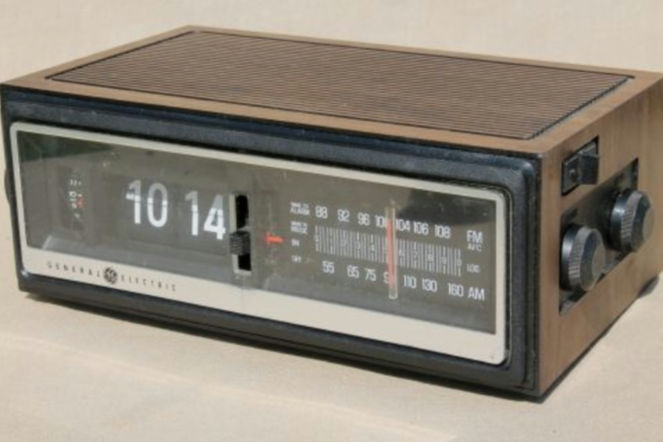
For years, a small alarm clock radio sat on nightstands across bedrooms, glowing softly in the dark. The red or green numbers were often the last thing you saw before falling asleep and the first thing you noticed in the morning. You set the alarm carefully, sometimes waking to music or a favorite morning host. If the power blinked overnight, you worried it might reset and leave you late. It was a simple device, but it quietly shaped daily routines.
As smartphones became constant companions, they took over the role of alarm clocks. One device now handles calls, messages, weather updates, and wake up times. Gradually, the separate clock radio became unnecessary and disappeared from many bedside tables. The glow that once lit up dark rooms was replaced by the faint light of a charging phone. Without much discussion, that dedicated device stepped aside, and waking up became tied to the same screen that follows us through the rest of the day.
24. Rolling Down A Car Window By Hand
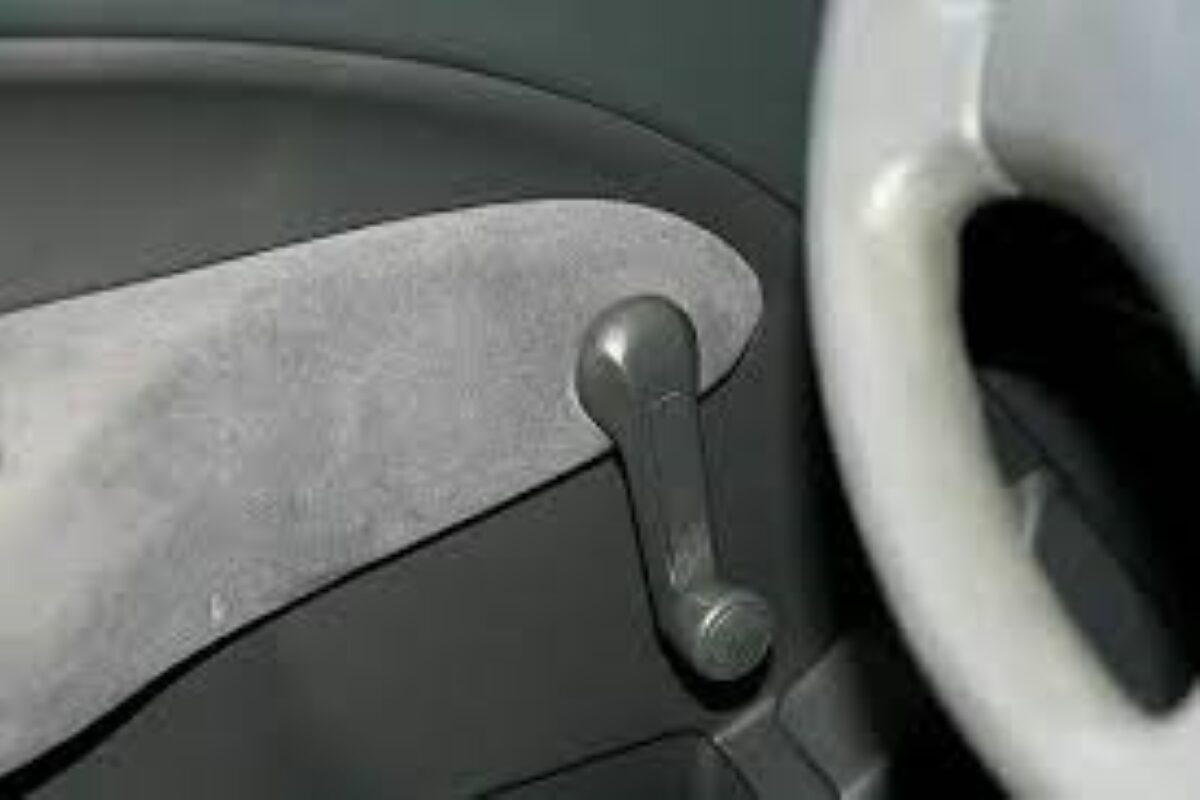
There was something oddly satisfying about rolling down a car window with a manual crank. You turned the handle steadily, feeling the resistance as the glass lowered inch by inch. It required a small bit of effort, especially if you were reaching across to help someone else. Children often fought over who got to roll it down. It was not advanced or impressive, but it was part of the physical experience of riding in a car.
As power windows became standard, the crank slowly disappeared from door panels. Pressing a button replaced the circular motion of your hand. It was smoother and easier, and few people argued against the convenience. Over time, newer generations grew up without ever using a manual window. The simple mechanical act of lowering the glass quietly faded from daily life. It was not missed loudly because the replacement worked well, but that small tactile detail slipped into memory.
25. Blue Mailboxes On Every Corner
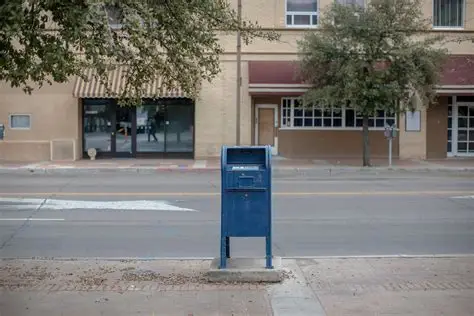
There was a time when bright blue mailboxes seemed to stand on nearly every few blocks. Dropping a letter inside felt straightforward and dependable. You heard it land with a soft metallic echo and trusted it would reach its destination in a few days. Mailing bills, postcards, or handwritten notes required only a short walk and a stamp. The mailbox was part of the neighborhood landscape, as ordinary as a streetlight or bench.
As online bill payments and digital communication became common, fewer letters traveled through those slots. The volume of physical mail declined, and some mailboxes were removed because they were rarely used. You might not notice until you need one and realize the closest box is farther away than it used to be. The change happened gradually, without much attention. In choosing faster digital options, we quietly stepped away from that small routine of dropping a letter into a box on the corner.
26. Thick Game Instruction Manuals
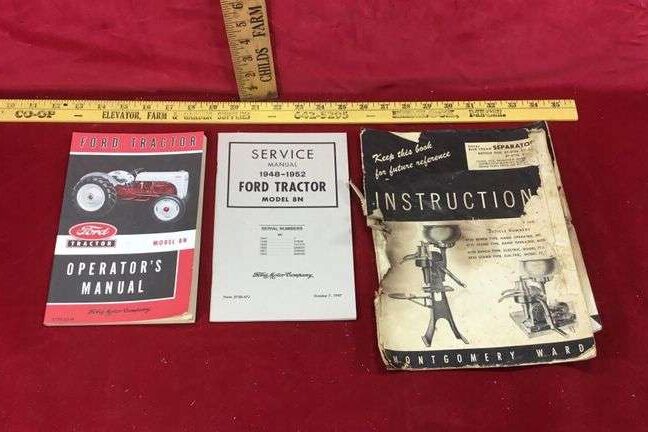
There was a time when opening a new video game meant sitting on the floor and flipping through a thick instruction manual before you even powered anything on. The booklet smelled like fresh ink and paper, filled with character backstories, maps, button layouts, and tips that made you feel prepared. Sometimes you read it on the ride home, studying the pages as if there might be a quiz later. It built anticipation. The manual made the game feel bigger, like you were stepping into a fully explained world with rules you needed to learn.
As games moved to digital downloads and online updates, those printed manuals quietly disappeared. Tutorials became built into the first level, guiding you step by step as you played. It made sense and saved paper, but something small shifted. There was no more flipping pages or discovering hidden details in tiny print. The excitement of holding a physical guide faded into loading screens and pop up instructions. Without much attention, the ritual of reading before playing slipped away.
27. Weekly Printed TV Guides
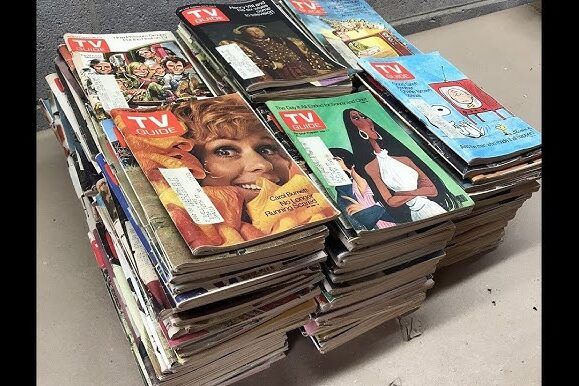
There was a rhythm to sitting down with a printed TV guide and planning what you wanted to watch for the week. You scanned through the listings, circled favorite shows, and sometimes discovered something new by accident. It required attention because if you missed the time slot, you missed the episode. That small act of planning created anticipation. Families often gathered around the same shows because there were fewer choices and specific schedules to follow.
Streaming services and on screen program guides gradually replaced that routine. Now content waits for you instead of the other way around. You can start a series at any hour and pause it whenever you like. The flexibility is convenient, but the printed booklet slowly vanished from coffee tables and kitchen counters. There is no longer a need to flip through pages or remember exact time slots. The quiet ritual of planning your week around a show faded into endless scrolling and instant access.
28. Bulky Home Camcorders
Family vacations and birthday parties were once documented with handheld camcorders that felt slightly heavy and important. Someone stood behind the lens narrating softly while everyone else waved and smiled. Later, you gathered around a television to replay the footage, sometimes fast forwarding through shaky moments. The tapes were labeled carefully and stored in drawers, holding pieces of family history in plastic cases. Recording an event felt intentional because it required effort and preparation.
As smartphones improved their video quality, the need for a separate camcorder quietly declined. Now capturing a moment takes only a quick tap on a screen you already carry. Sharing that video happens instantly, often before the day is over. The ritual of charging a camcorder, inserting a tape, and labeling it afterward slowly disappeared. Without much ceremony, those bulky devices were tucked away, replaced by lighter tools that fit into a pocket.
29. Memorizing Important Phone Numbers
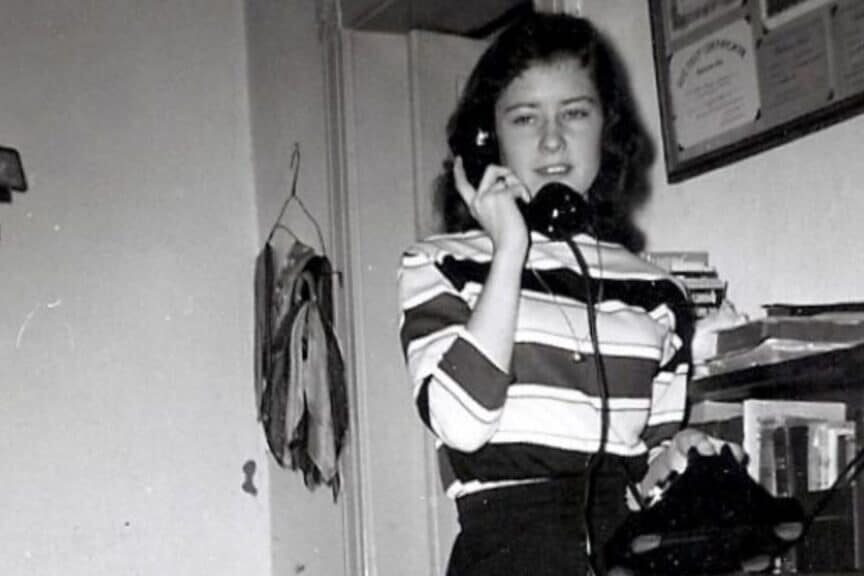
There was a time when you knew key phone numbers by heart. A close friend, a grandparent, the family home line. You could dial them without looking because repetition made them stick. It felt normal to carry those numbers in your memory, ready if you needed them. Writing them down in a small address book added another layer of security, just in case. Your memory served as backup in a world without constant digital storage.
As contact lists moved into mobile phones, memorizing numbers became less necessary. You saved a name once and rarely looked at the digits again. Over time, even frequently called numbers slipped from memory because you no longer had to recall them. If your phone battery dies today, many of those numbers feel out of reach. The quiet skill of remembering strings of digits faded gently, replaced by searchable contact lists that remember for us.
30. Standing In Line Without A Screen
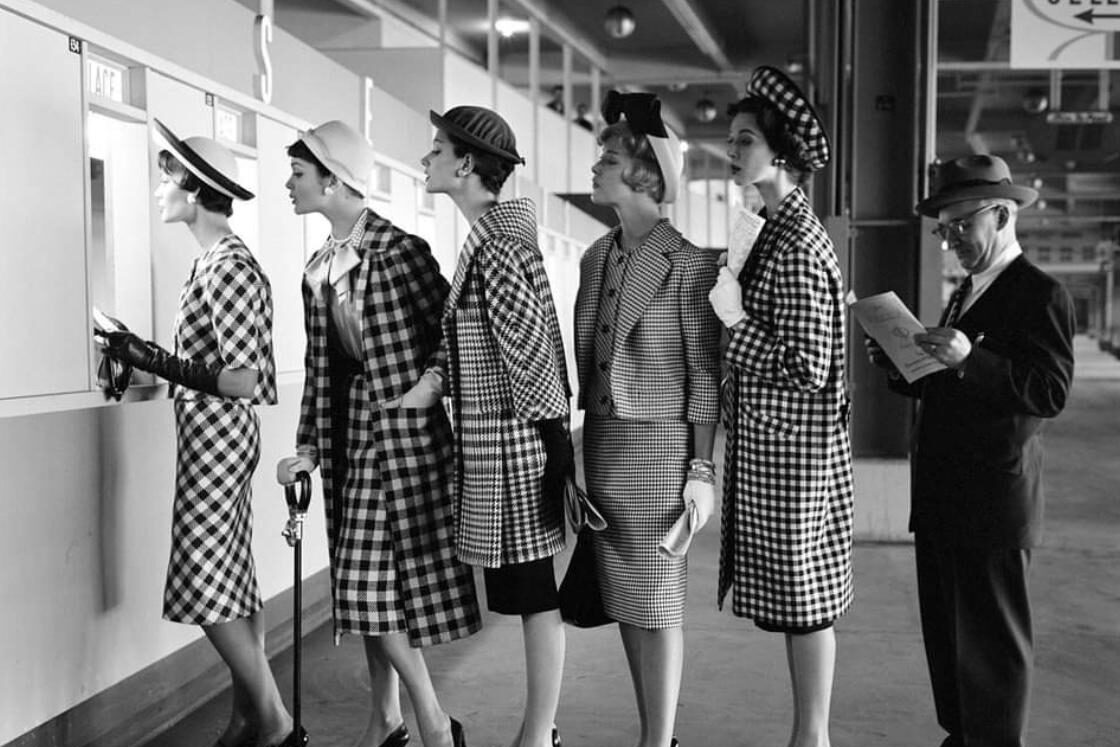
There was a time when waiting in line meant simply waiting. You looked around, observed small details, maybe struck up a short conversation with the person beside you. You daydreamed or rehearsed what you were about to say at the counter. The pause was sometimes boring, but it created space for wandering thoughts. Those unoccupied minutes were part of everyday life, woven into errands and appointments without much complaint.
As smartphones became constant companions, those small pockets of stillness filled quickly. The moment a line slows down, a screen appears. Scrolling replaces observing, and notifications replace idle thoughts. It feels harmless and efficient, yet the habit of being briefly alone with your surroundings has grown rare. The change happened so gradually that most of us never marked when it began. In gaining constant connection, we quietly gave up those simple, unscripted pauses that once belonged to us.


