
1. Fixing a Leaky Faucet
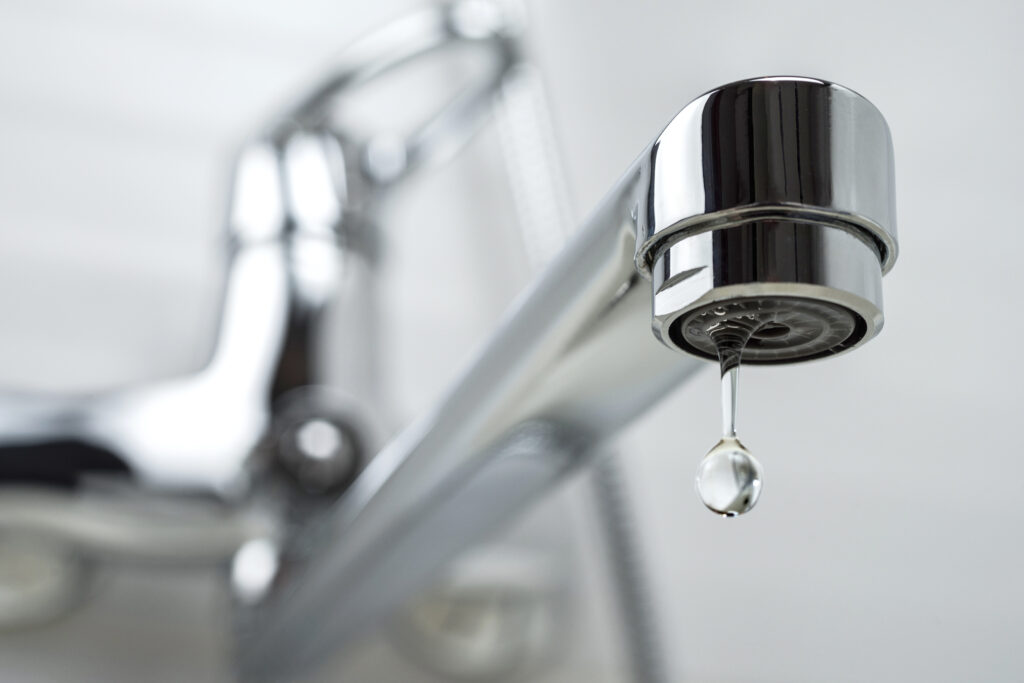
It used to be normal to notice a drip, sigh softly, and reach for a wrench without thinking too hard about it. A leaky faucet felt like a small problem with a small solution, something learned by watching and trying. Over time, faucet designs changed quietly, becoming sealed, layered, and less forgiving. Today, what looks like a simple drip feels connected to hidden parts and expensive mistakes. Many people hesitate now, not because they cannot learn, but because the margin for error feels thinner. The sink still drips the same way, but the confidence to fix it no longer flows as easily.
2. Replacing a Light Switch
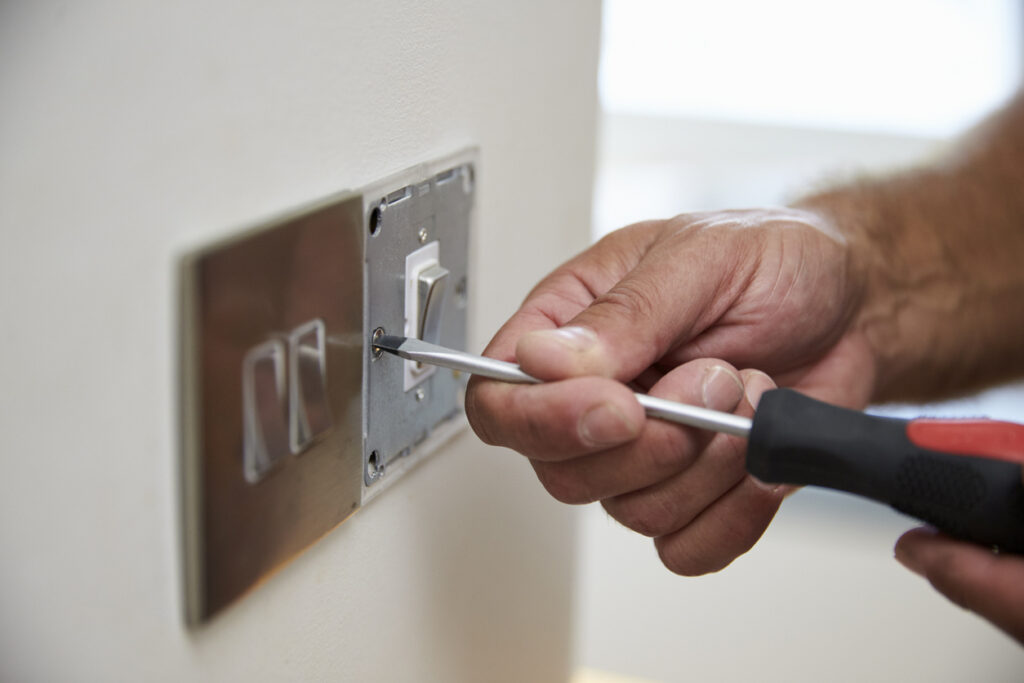
Changing a light switch once felt like a harmless household skill, something done carefully but without fear. You turned off the power, followed the wires, and trusted your hands. Modern switches look similar but behave differently, tied into dimmers, sensors, and sometimes entire systems. The switch still clicks on and off, but what sits behind it feels heavier and more serious. People pause longer before touching it now. What was once a quiet act of independence has become a decision weighed against safety, cost, and uncertainty, turning a simple wall fixture into something that feels off limits.
3. Unclogging a Drain
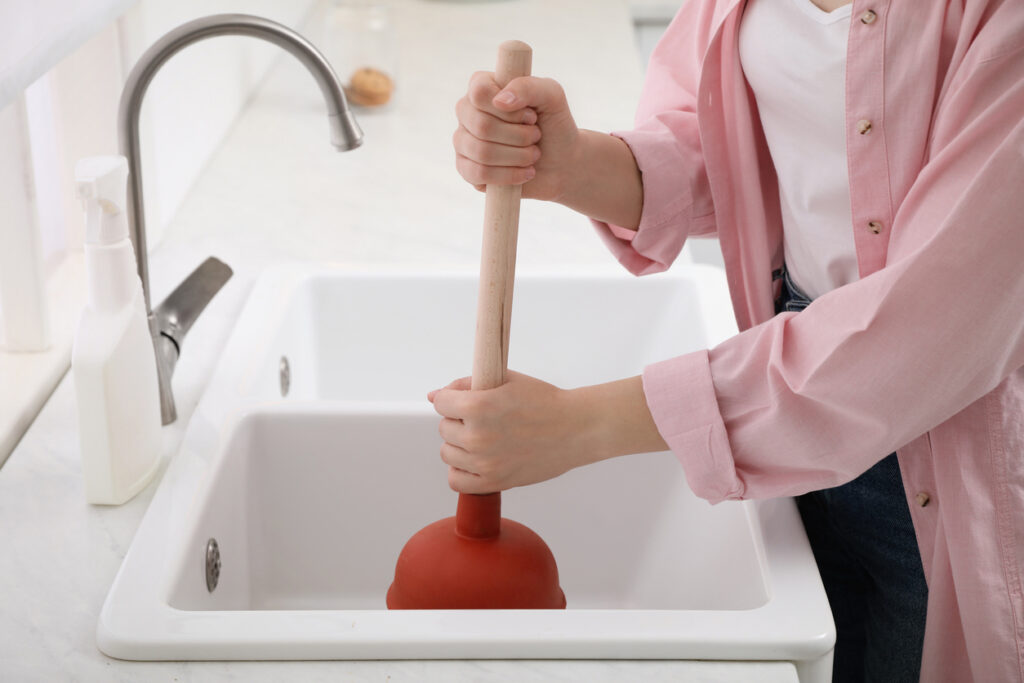
A slow drain once meant experimenting with simple solutions, hot water, patience, and a bit of mess. It was unpleasant but familiar, part of keeping a home running. Today, drains feel more delicate and less predictable. Pipes are narrower, systems more connected, and mistakes feel expensive. People worry about causing damage they cannot see. Instead of trying and learning, they wait and watch water pool. The drain still clogs the same way, but the response has shifted. What was once a hands on fix now feels like something best handled by someone who knows what lies beneath.
4. Repairing a Washing Machine

Washing machines used to announce their problems clearly with noise, leaks, or refusal to spin. Opening them felt possible, even expected. Modern machines speak in codes and silence, hiding their logic behind panels and screens. When something goes wrong, people feel locked out of understanding it. The machine still cleans clothes faithfully until it does not. At that point, curiosity gives way to caution. Instead of lifting a panel, homeowners search instructions and quickly realize the fix is no longer meant for them. Ownership remains, but control has quietly slipped away.
5. Fixing a Refrigerator

Refrigerators once felt like steady companions that occasionally needed attention. Cleaning coils or replacing seals felt manageable with care. Today’s refrigerators are smarter, quieter, and more complex, filled with sensors and electronics that discourage interference. When cooling changes slightly, people notice but hesitate. Opening the back feels risky. The fridge still hums in the kitchen, dependable and familiar, yet distant in how it works. Repair now feels like a professional conversation rather than a personal task. What once invited inspection now asks for restraint, turning a household staple into something observed rather than understood.
6. Servicing an Air Conditioner
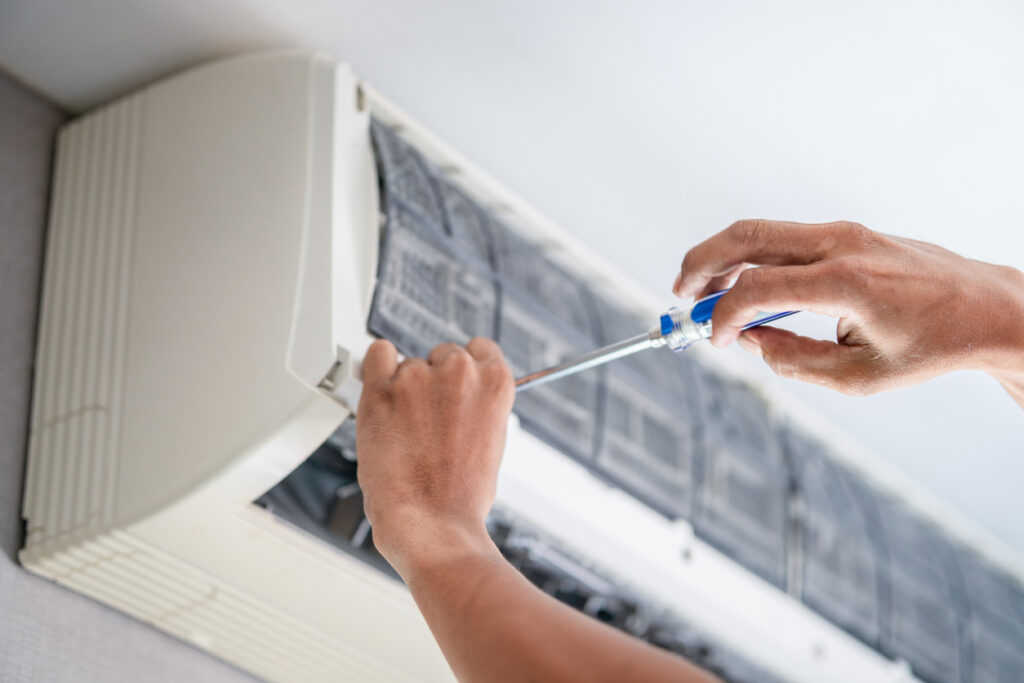
Air conditioners once allowed room for simple upkeep, cleaning filters, checking belts, listening for trouble. Modern systems are sealed tightly and governed by rules most homeowners know they should not cross. When airflow weakens or sounds change, people do not investigate deeply. They wait. Comfort still arrives through vents, but the system behind it feels untouchable. The idea of fixing it yourself feels outdated. Cooling the home remains essential, yet the knowledge of how it happens belongs elsewhere now, handled by specialists who operate beyond everyday household experience.
7. Repairing a Smartphone Screen
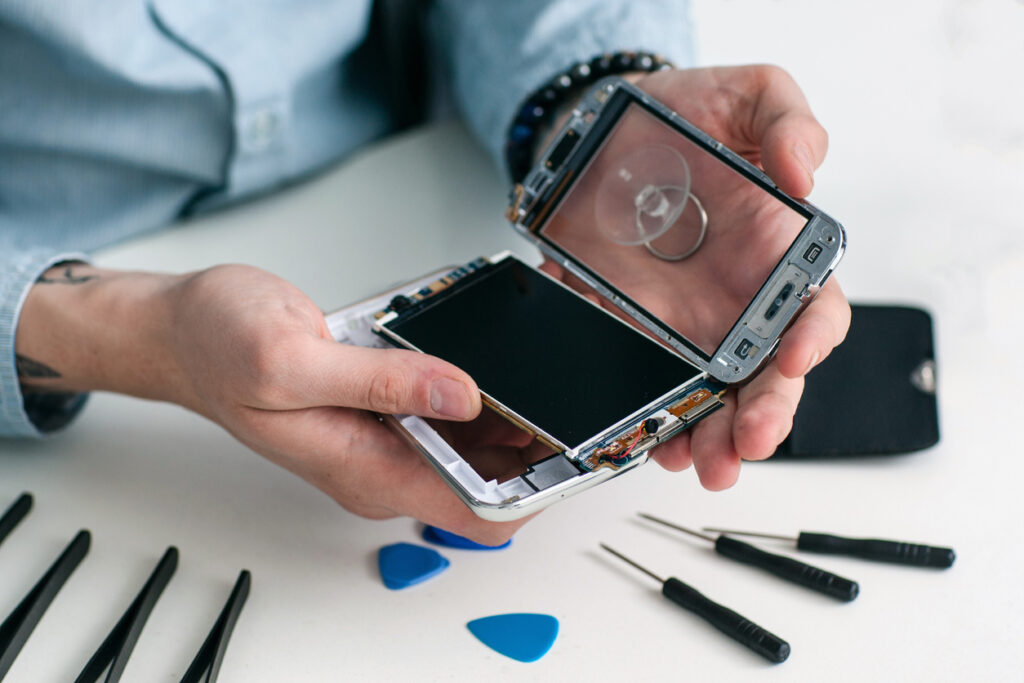
Phones were once sturdy objects that survived drops and scratches with little fuss. When screens cracked, some people tried careful repairs themselves. Now, phones are thinner, sealed, and fragile. A small crack feels final. People worry about damaging sensors or losing function. The device still feels personal, always close, yet repairing it feels like crossing a line. Instead of tools, people reach for service counters. The phone remains part of daily life, but fixing it has moved beyond curiosity. What was once an experiment now feels like a risk few are willing to take.
8. Adjusting a Garage Door
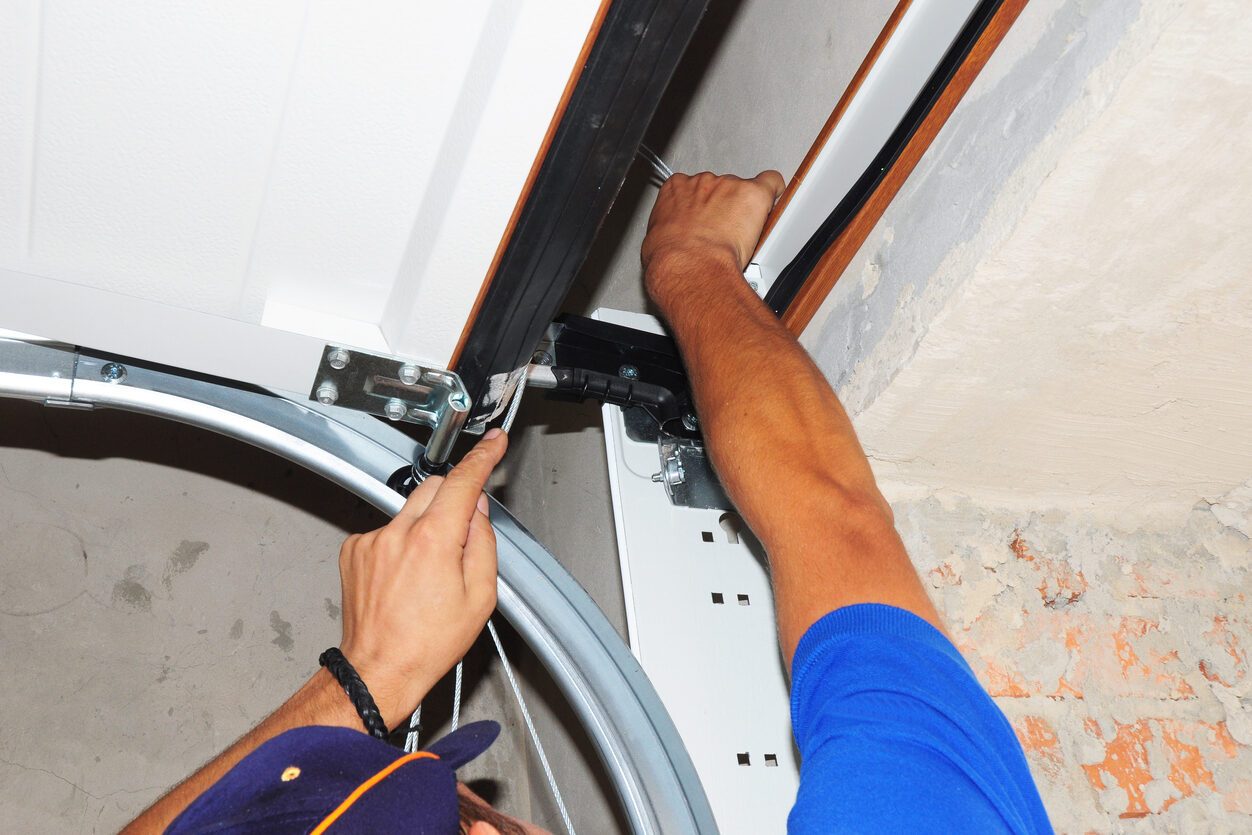
Garage doors used to be loud and mechanical, showing their parts openly as they moved. If something felt off, adjustments were possible with patience. Today’s doors are smoother, quieter, and more dangerous to approach. Springs and sensors are hidden and powerful. When the door hesitates or sounds wrong, people step back instinctively. The garage still opens each morning, but its inner workings feel intimidating. Repairing it yourself feels reckless rather than resourceful. What once felt like basic maintenance now feels like a line not meant to be crossed.
9. Fixing a Television
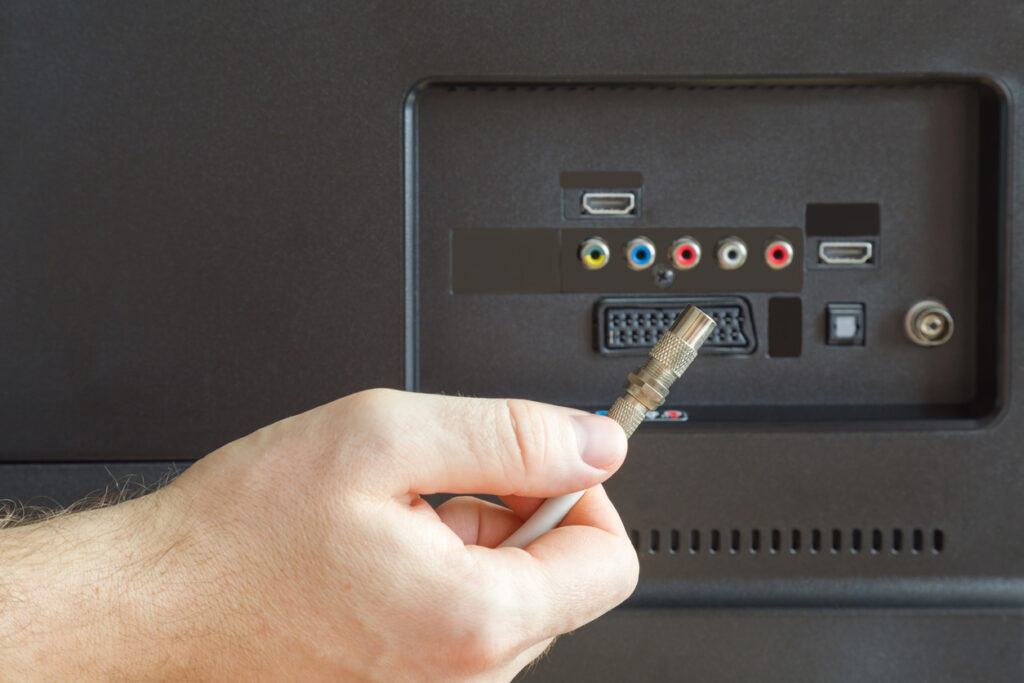
Televisions were once bulky but understandable, with visible components and clear failures. When something went wrong, it was often obvious. Modern screens are thin, sealed, and silent when they fail. Diagnosing problems feels impossible without special knowledge. People stare at dark screens and weigh replacement against repair. Opening the device feels pointless. The television still fills the room with familiar sounds and images until it suddenly does not. Repair has become abstract, distant, and rarely attempted. What was once a household project now feels disposable, quietly changing how people relate to the things they own.
10. Replacing Car Headlights
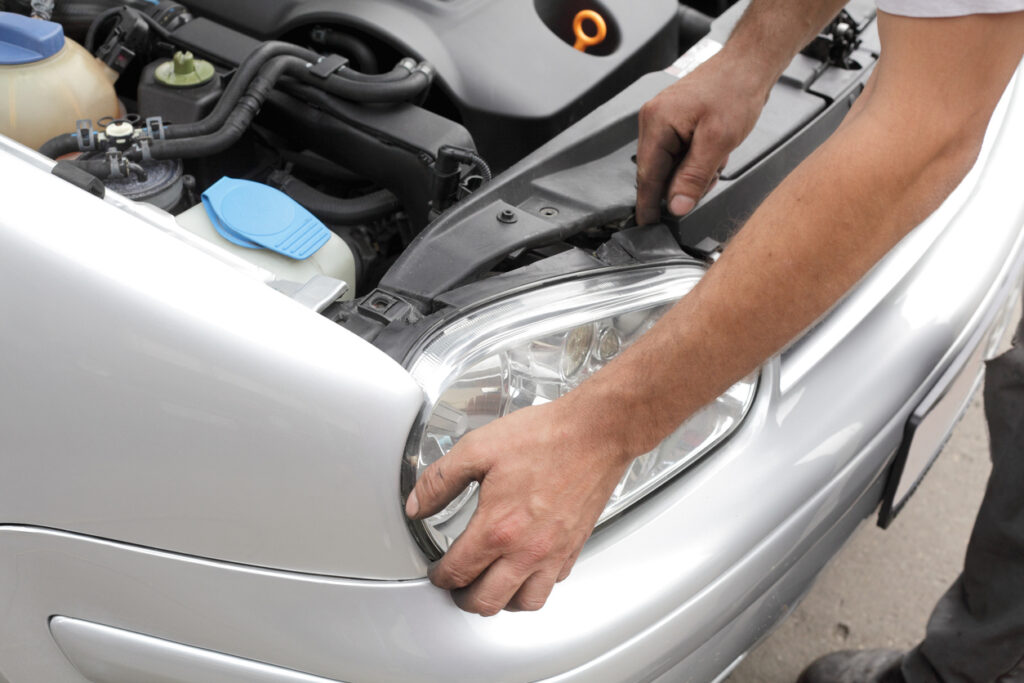
Changing a headlight once felt like a basic responsibility of driving, quick and satisfying. You opened the hood, swapped a bulb, and moved on. Modern cars hide headlights behind layers of design and engineering. What should be simple now requires access most drivers do not have. People hesitate to touch anything under the hood. The car still represents freedom, but maintaining it feels complicated. Headlights still burn out, yet the fix feels disconnected from the driver. What once built confidence now builds dependence on service appointments and unfamiliar hands.
11. Repairing a Laptop
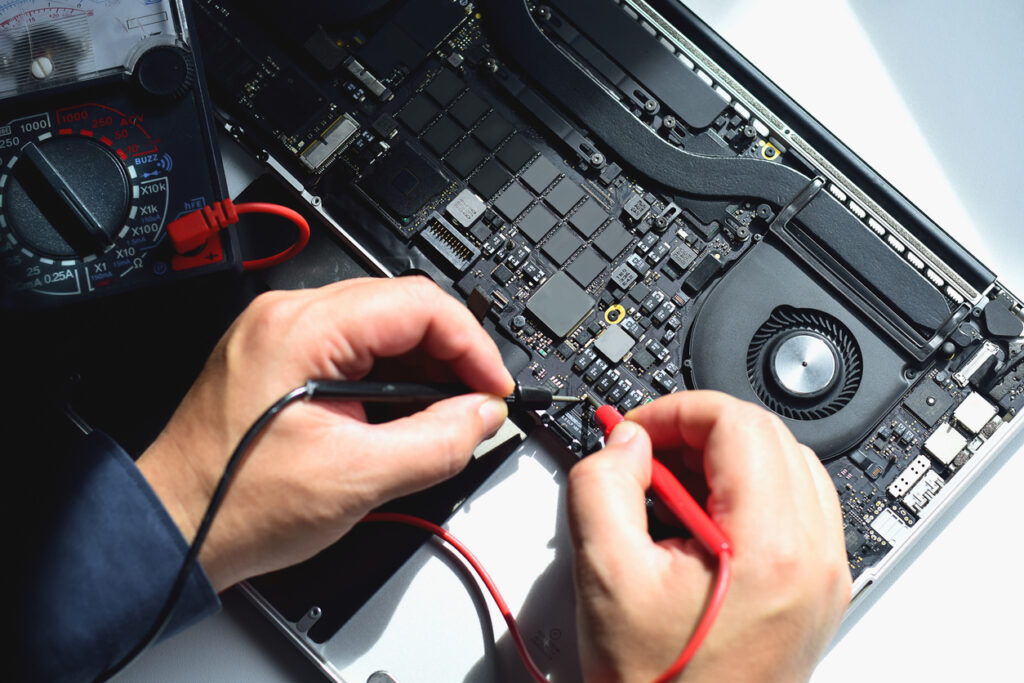
Laptops once invited exploration, with accessible batteries and parts that could be replaced carefully. Today’s laptops are sealed tightly, prioritizing thinness over accessibility. When something breaks, it feels final. Users hesitate to open anything, fearing permanent damage. The device still holds work, memories, and plans, yet fixing it feels forbidden. Instead of trying, people adapt or replace. Repair has shifted from a skill to a service. Ownership remains, but understanding fades. The laptop becomes something you use deeply but touch lightly, trusting others to handle what lies inside.
12. Adjusting a Thermostat
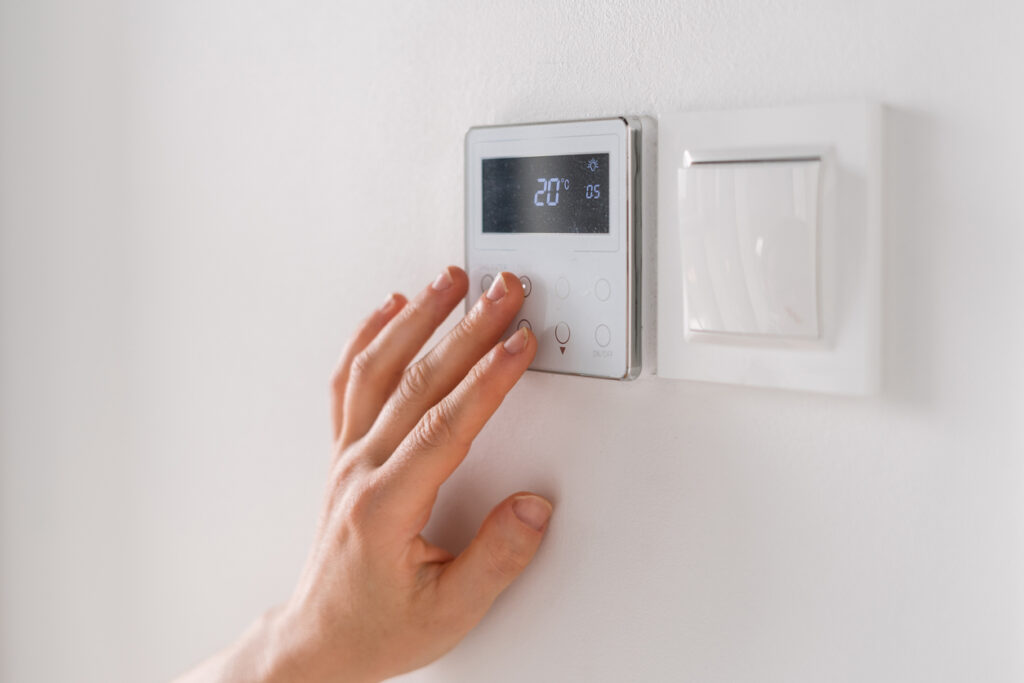
Thermostats were once simple controls that responded immediately to touch. Adjusting them felt intuitive. Modern thermostats learn habits and connect quietly to larger systems. A small change feels like it could affect everything. People hesitate to experiment. They follow prompts instead of instincts. Comfort still fills the home, but control feels guided rather than direct. The thermostat still sits on the wall, but it feels smarter than the person adjusting it. What once felt like a dial now feels like a conversation with technology that expects obedience more than curiosity.
13. Fixing a Dishwasher
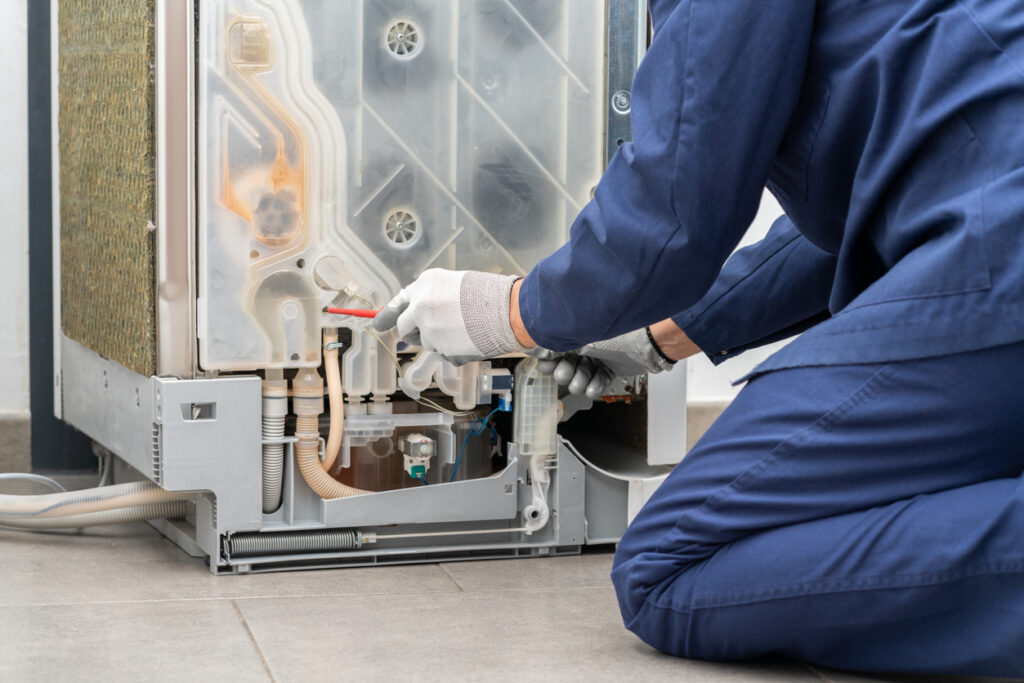
Dishwashers once revealed their problems clearly, water left behind or strange sounds during cycles. Fixes felt possible with observation. Modern dishwashers hide their logic behind sensors and codes. When something goes wrong, people feel excluded from understanding it. They reset and hope. The machine still hums quietly each night, but repairing it feels complicated and uncertain. Instead of lifting panels, homeowners schedule visits. What was once a mechanical helper now feels like a system that works until it does not, discouraging hands on involvement along the way.
14. Repairing a Microwave
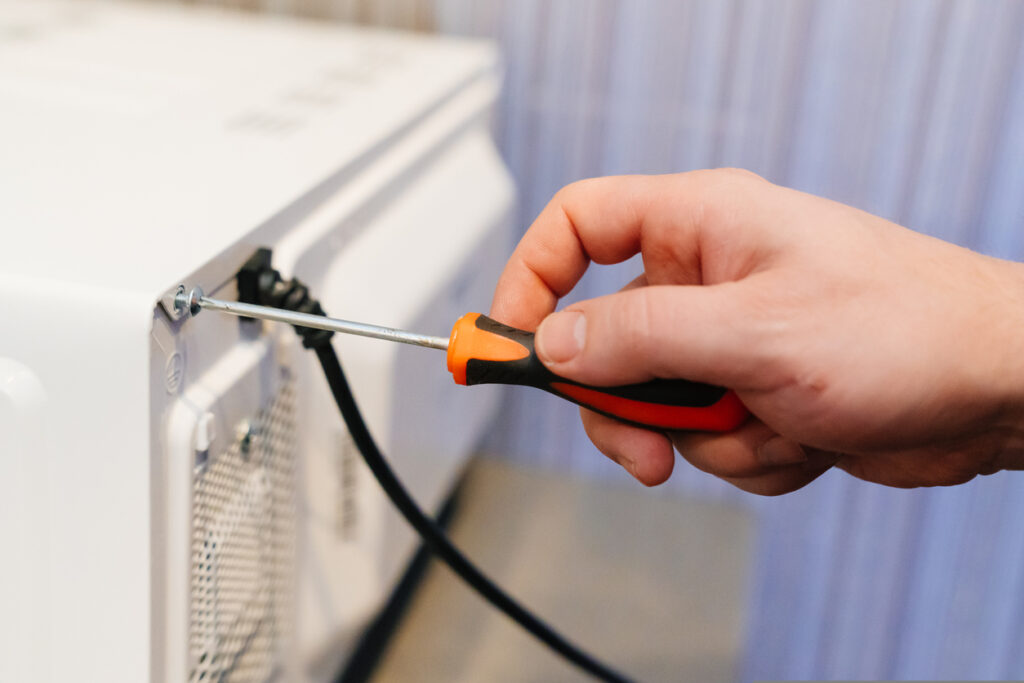
Microwaves always carried a sense of caution, but older models allowed simple fixes like replacing trays or switches. Modern microwaves feel sealed and serious. When they fail, people step away quickly. Fear replaces curiosity. The appliance still warms food reliably until it suddenly stops. Repairing it feels unsafe, even for small issues. Instead of fixing, people replace. The microwave remains central to daily routines, yet its inner workings are treated with distance. What once allowed careful attention now demands avoidance, reshaping how people respond to everyday breakdowns.
15. Fixing Home Internet Wiring
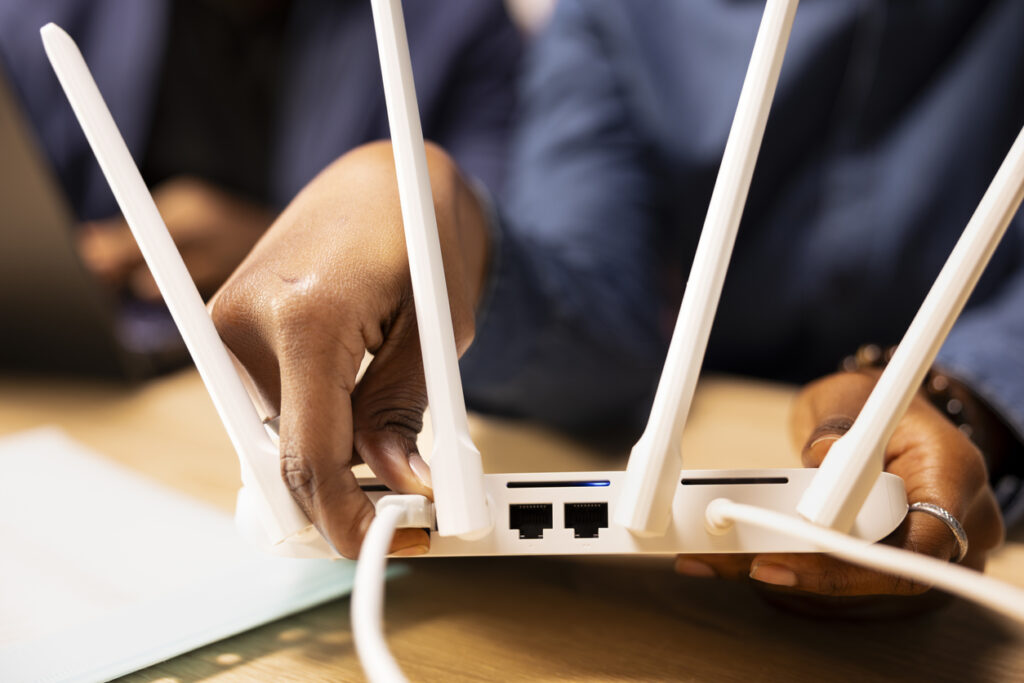
Home internet once involved visible cords and basic troubleshooting. When connections failed, people checked cables and adjusted settings confidently. Today’s setups are layered and abstract, involving equipment most homeowners are told not to touch. When service drops, people wait rather than investigate. The connection still feels essential but maintaining it feels out of reach. What once invited problem solving now requires permission. The home remains connected, yet fewer people feel capable of fixing that connection themselves, marking a quiet shift from participation to reliance.
16. Fixing a Toilet
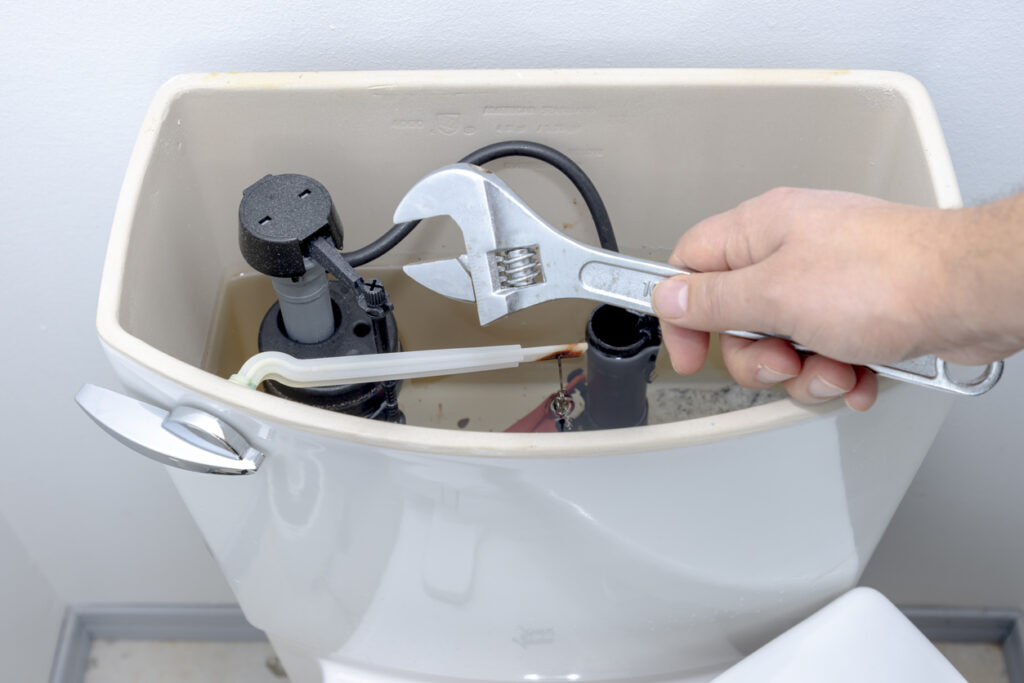
Toilets once invited quick fixes that felt oddly satisfying once completed. Lifting the tank lid revealed parts that made sense with a little patience and observation. Adjusting a chain or replacing a flapper felt manageable and familiar. Modern toilets are quieter, more efficient, and less transparent in how they work. Small problems now feel connected to bigger consequences like leaks or water waste. People hesitate longer before touching anything inside. The toilet still does its job every day without complaint. Fixing it yourself now feels uncertain rather than empowering, turning a basic household task into something easily handed off today.
17. Adjusting a Ceiling Fan
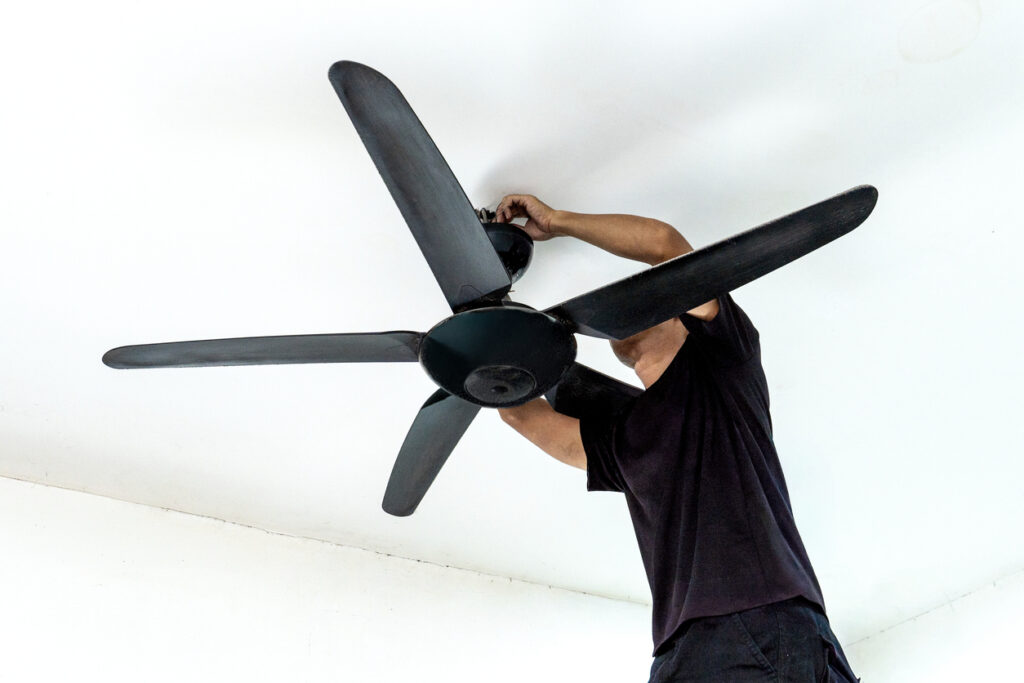
Ceiling fans used to wobble, hum, and invite attention when something felt wrong. Tightening screws or checking balance felt like common sense maintenance learned at home. Newer fans are quieter, heavier, and often controlled by remotes or apps. That change shifts how people respond to small issues. A slight wobble now feels risky instead of routine. Homeowners worry about mounting, wiring, and safety. The fan still spins above daily life unnoticed. Repairing it yourself feels less approachable than before, not from lack of ability, but from fear of doing something that cannot be undone over time in many modern homes.
18. Repairing a Door Lock
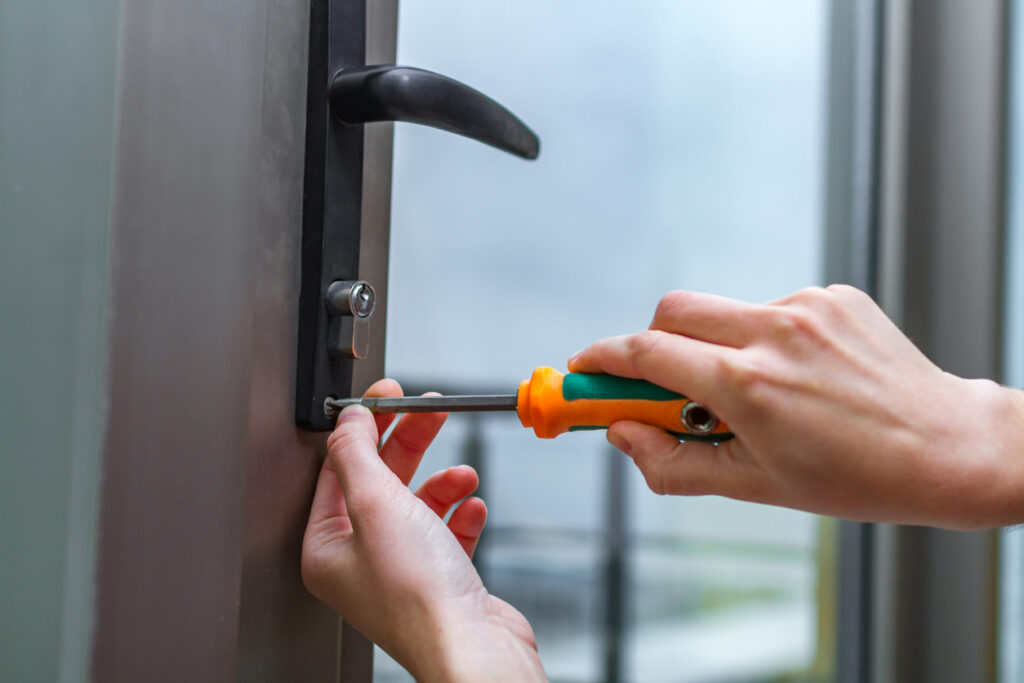
Door locks once relied on simple mechanics that rewarded patience and careful hands. When keys stuck or handles loosened, people adjusted parts slowly and learned how things fit. Modern locks often include codes, sensors, or digital features that feel less forgiving. Security feels higher, but confidence feels lower. A small mistake now feels like it could affect safety. The door still closes the same way each night. Fixing the lock yourself feels stressful rather than practical, pushing homeowners to call for help instead of learning through careful trial and patience built over everyday household experience at home together now again.
19. Fixing a Water Heater
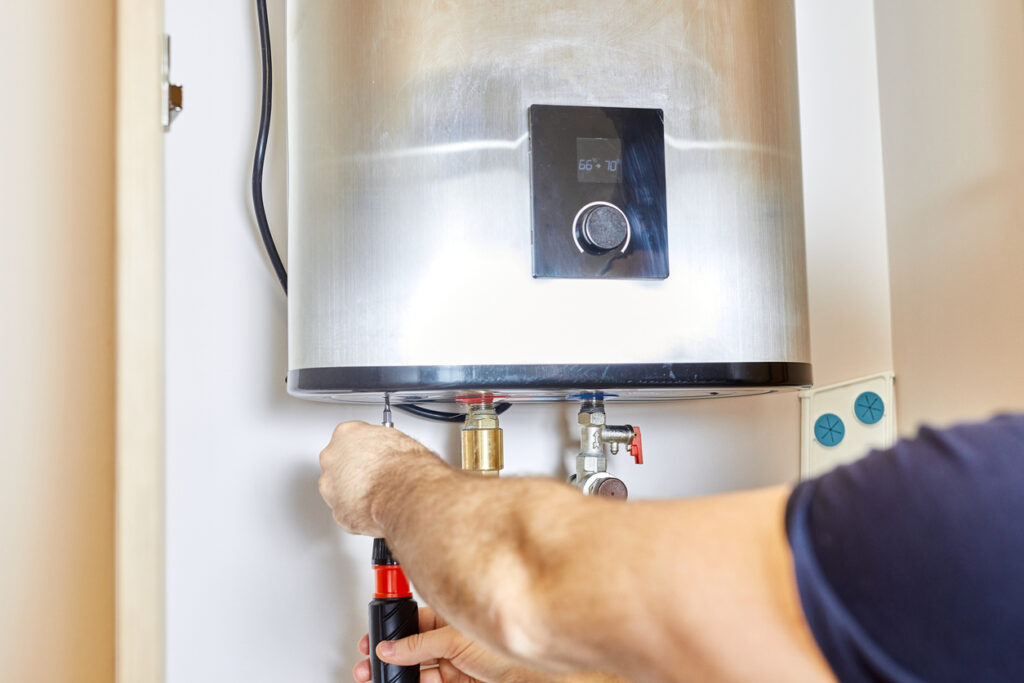
Water heaters were once bulky machines tucked away but still understandable with effort. Adjusting valves or replacing parts felt serious but possible when done carefully. Modern systems are compact, efficient, and tightly controlled. Small issues feel connected to safety concerns and costly damage. People hesitate to interfere. The heater still delivers warm water reliably, quietly supporting daily routines. Fixing it yourself now feels intimidating rather than instructional. What once invited learning now encourages distance, turning a hidden appliance into something trusted but rarely touched by homeowners today in many ordinary households across different ages and experiences everywhere lately now today.
20. Repairing a Vacuum Cleaner
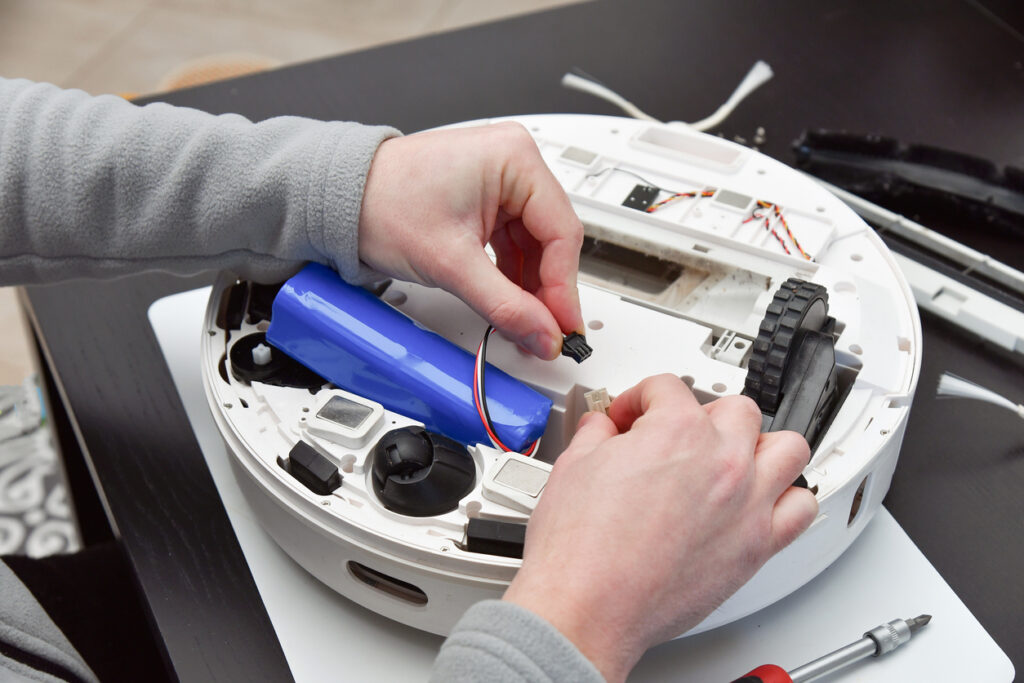
Vacuum cleaners once came apart easily and rewarded effort with visible results. A replaced belt or cleaned brush brought immediate improvement. Modern vacuums are lighter, sealed, and often designed for replacement instead of repair. When suction drops, people troubleshoot briefly then stop. Opening the machine feels unnecessary or discouraged. The vacuum still moves across floors faithfully. Fixing it yourself feels outdated rather than helpful. What was once a long term household tool now feels temporary, changing how people value maintenance and longevity over time within everyday home routines and shifting expectations about ownership in modern living spaces today now again.
21. Adjusting Window Mechanisms
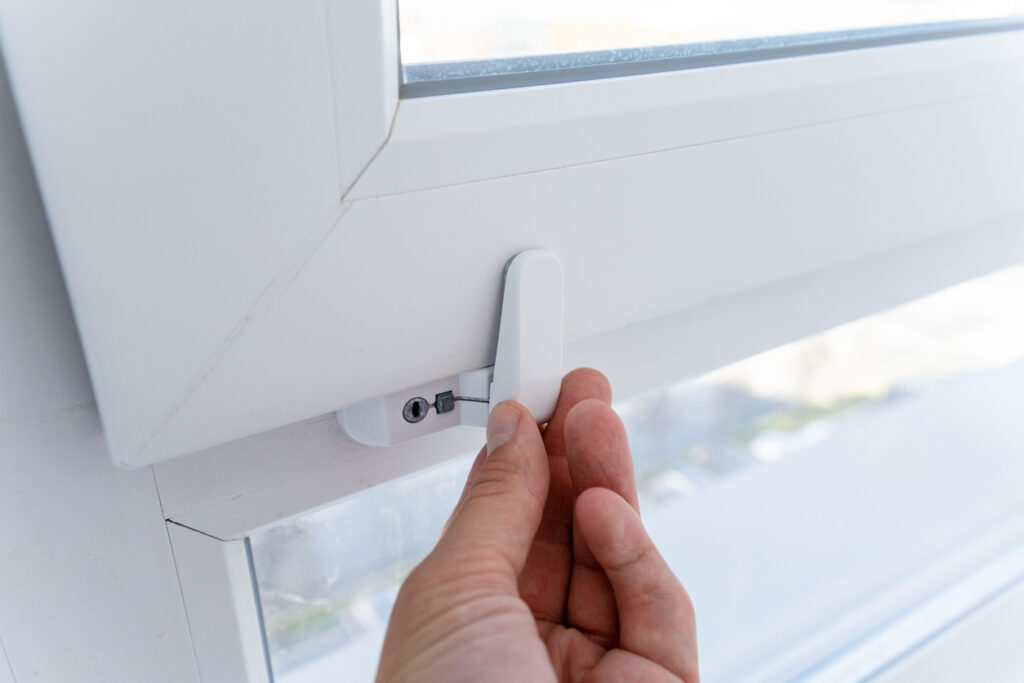
Windows once slid open with effort and clear mechanical logic. When they stuck, people cleaned tracks and adjusted hardware patiently. Modern windows focus on insulation and sealing rather than accessibility. Repairs feel risky because mistakes affect comfort and energy use. Homeowners hesitate to intervene. The window still frames light and air daily. Fixing it yourself now feels intrusive instead of practical. What once felt like routine upkeep now feels like something best left alone in many homes built with newer materials and quieter expectations about personal repair skills learned less often today across different households everywhere now again today here.
22. Fixing a Printer
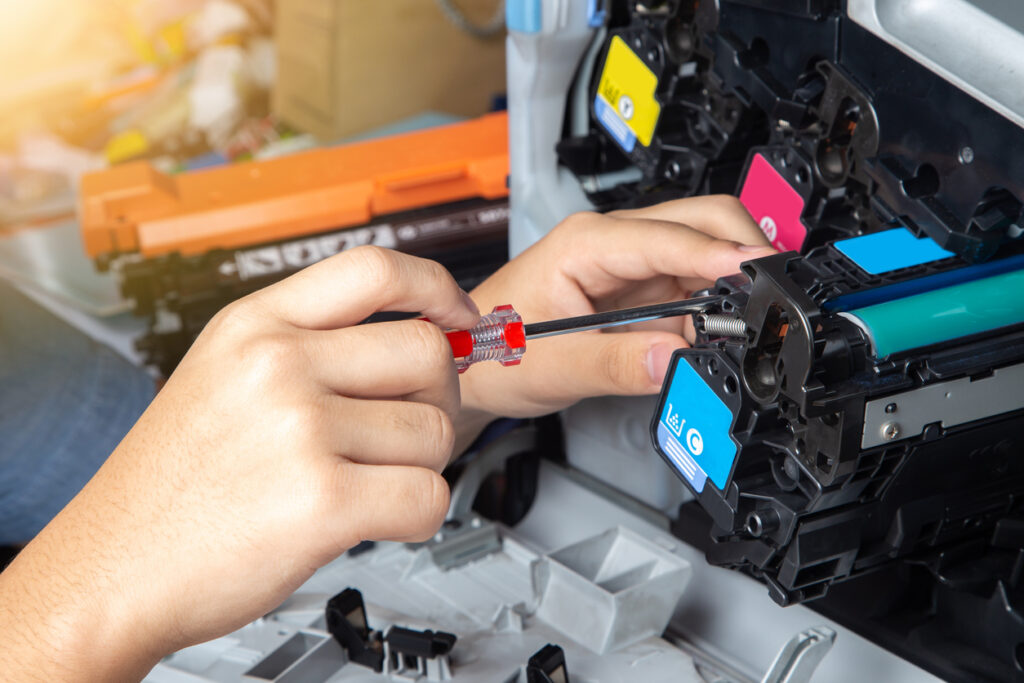
Printers have always tested patience, but older models allowed visible problem solving. Paper jams were obvious and parts reachable. Modern printers combine software and hardware in confusing ways. Error messages replace clear causes. Users reset systems and hope. Opening the device feels pointless or discouraged. The printer still promises productivity at home. Fixing it yourself now feels frustrating rather than empowering. What once involved learning now involves waiting or replacing broken machines without understanding the reason behind frequent everyday printing problems in shared work and home spaces where reliability matters most now more than repair skills today again now here.
23. Repairing a Coffee Maker
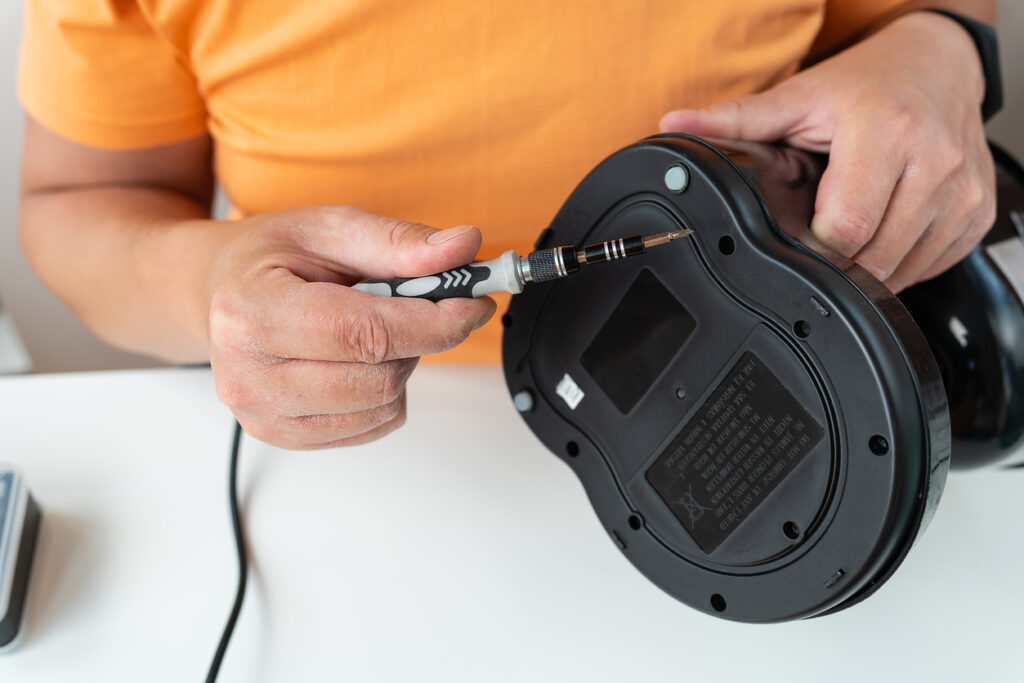
Coffee makers once brewed simply and allowed basic cleaning and repair. When something failed, descaling or replacing a part often helped. Modern machines do more with less transparency. Buttons replace understanding. When performance changes, people hesitate to interfere. Morning routines depend on reliability. The coffee still comforts and familiarizes the day. Fixing the machine yourself feels risky rather than reassuring. What was once an object you learned now feels like one you manage carefully within everyday kitchen habits shaped by convenience and modern expectations rather than curiosity and repair passed down between generations in many homes today now again here.
24. Fixing a Lawn Mower
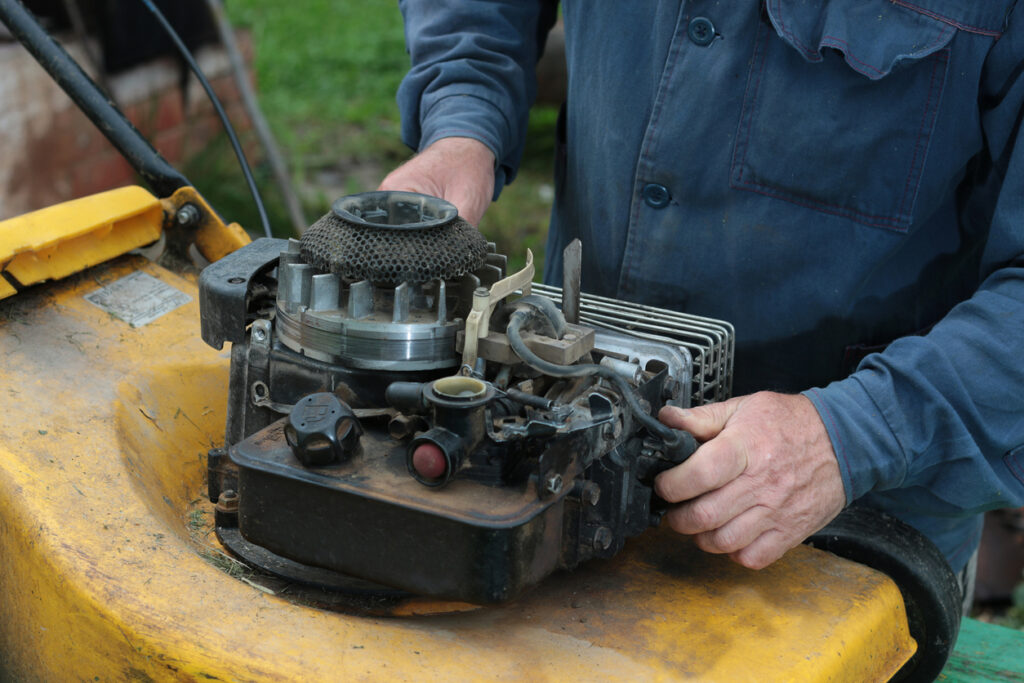
Lawn mowers once demanded hands on care and rewarded attention with reliable performance. Sharpening blades or changing plugs felt normal. Modern mowers emphasize safety and sealed systems. Electric models add complexity. Homeowners hesitate to open anything. The mower still trims grass as expected. Fixing it yourself feels dangerous rather than responsible. What was once weekend maintenance now feels like professional territory, shifting yard work away from learning and into scheduling appointments that remove personal involvement from ordinary home care routines many people once enjoyed growing up fixing things themselves outside during quiet weekend mornings today now again here there home.
25. Repairing a Home Alarm System
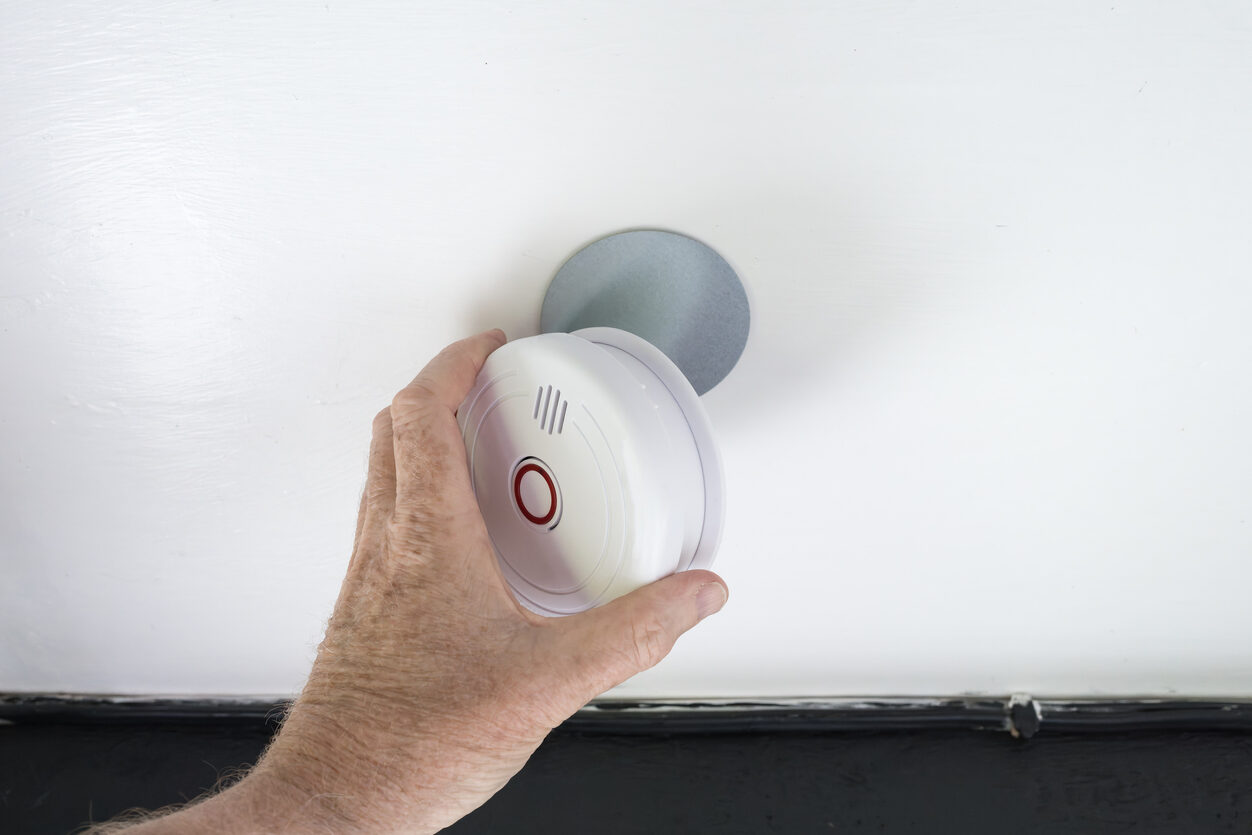
Home alarm systems once relied on simple wiring and audible alerts. Troubleshooting meant checking sensors and connections patiently. Modern systems integrate apps and remote monitoring. When something fails, users feel locked out. Fixing it yourself feels discouraged. The system still promises protection every night. Repair becomes a phone call rather than an action. What once felt manageable now feels distant, shifting security from household knowledge to external support that homeowners depend on quietly without understanding how it works inside their own living spaces where trust replaces hands on skills learned through experience over years of home ownership today now again.
26. Fixing a Bathroom Exhaust Fan
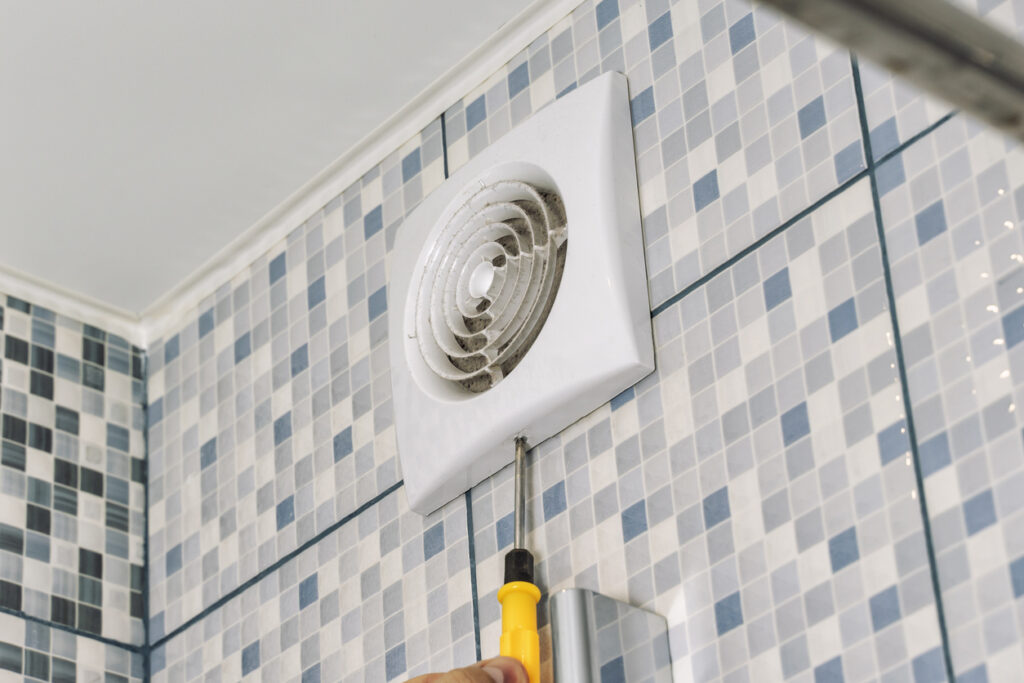
Bathroom exhaust fans once made noise and revealed dust easily. Cleaning them felt necessary and simple. Modern fans are quieter and sealed behind clean surfaces. When moisture lingers, people worry but hesitate. Opening the unit feels technical. The fan still protects walls and ceilings daily. Fixing it yourself feels uncertain rather than routine. What once encouraged upkeep now encourages waiting, trusting specialists instead of personal effort for repairs that once felt manageable during everyday home maintenance moments many homeowners remember clearly from earlier stages of life before systems became less visible and more controlled now again today here home there.
27. Fixing a Stair Railing
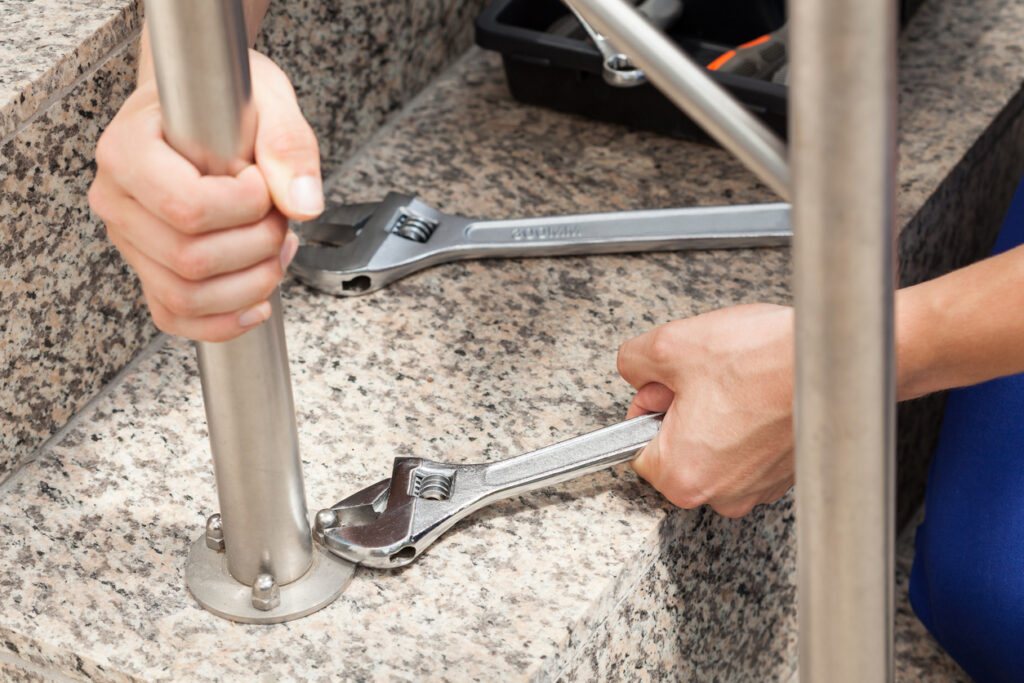
Stair railings once relied on visible bolts and sturdy materials. Tightening them felt like a responsible safety check. Modern designs hide fasteners and follow stricter rules. Repairs feel more serious. Homeowners worry about liability and safety. The railing still guides daily movement. Fixing it yourself now feels risky rather than practical. What once felt straightforward now feels regulated, pushing people toward professional help for changes they once handled confidently within their own homes without hesitation or formal approval from codes inspectors or contractors involved in modern housing standards that shape repairs today more than ever before now again here home.
28. Repairing a Home Speaker System

Home speakers once connected with visible wires and clear inputs. Troubleshooting meant checking connections patiently. Modern systems are wireless and software driven. When sound fails, users reset apps and wait. Opening hardware feels discouraged. Music still fills rooms when it works. Fixing it yourself feels abstract rather than hands on. What once involved cables now involves updates, shifting repair away from touch and toward screens that change how people interact with sound inside their everyday living spaces where convenience replaces curiosity about fixing things independently over time and repeated use in modern connected homes today now again here there home.
29. Fixing a Sink Stopper
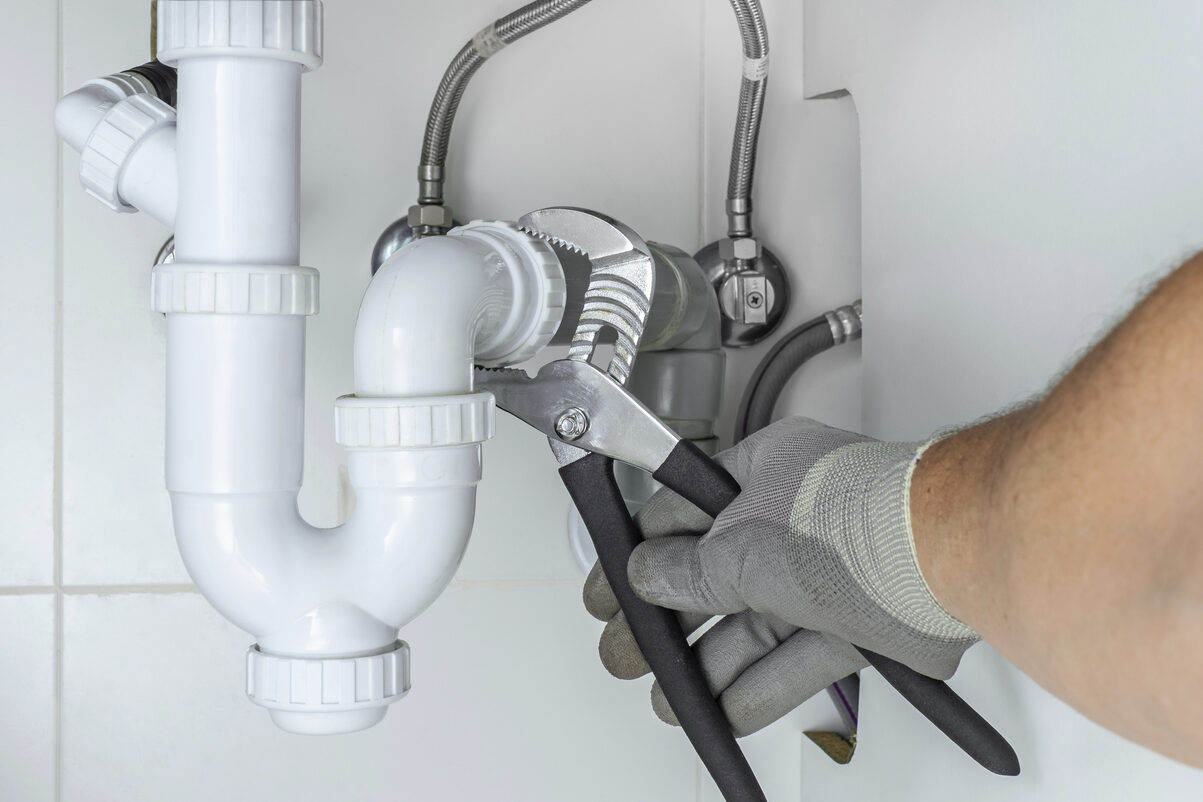
Sink stoppers once relied on simple rods and levers beneath the basin. Adjustments were easy to understand. Modern designs hide mechanisms behind clean lines. When water drains slowly, people hesitate to touch anything. A small mistake feels costly. The sink still supports daily routines. Fixing it yourself feels inconvenient rather than simple. What once required patience now requires a call for help that homeowners avoided needing before during ordinary moments of use in kitchens and bathrooms everywhere across different styles of homes built for appearance over access and repair friendly design people once expected from everyday fixtures today now here.
30. Fixing Things Around the Home
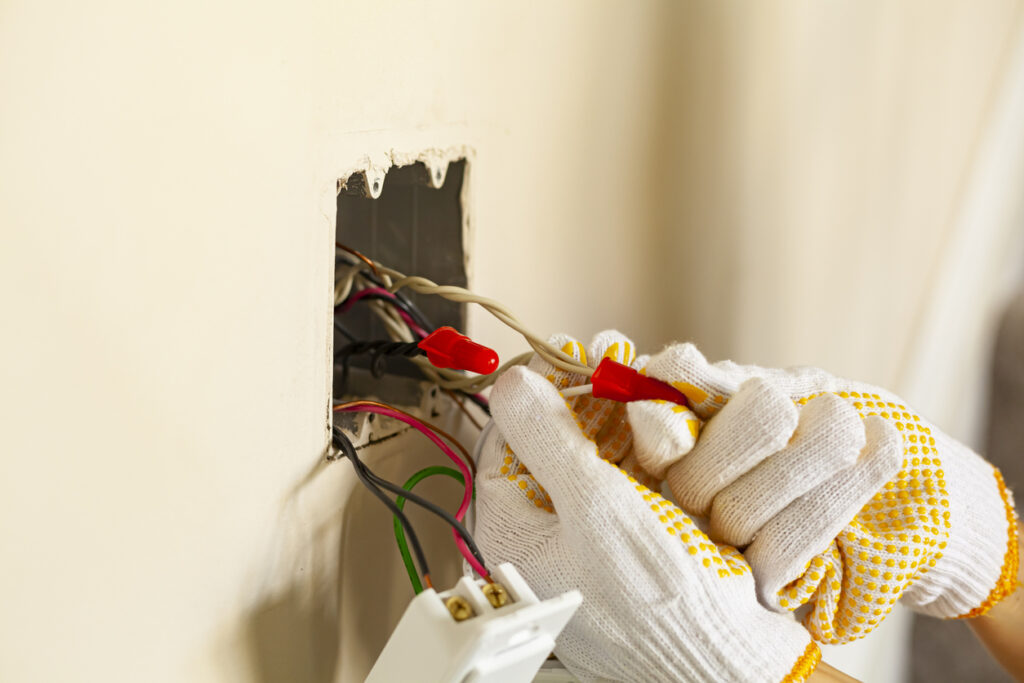
Looking back, it is not that people forgot how to fix things. It is that things quietly stopped inviting repair. Design shifted, warnings grew louder, and systems became closed. The home still functions, but participation changed. As The Atlantic once observed, “Modern products often prioritize convenience over repairability.” That observation ties everything together gently. Specialists became normal, not because people lack ability, but because access narrowed. Recognizing this shift helps explain everyday hesitation. It also opens space to ask what kind of relationship we want with the things we own. If this list felt familiar, take a moment to notice your home differently


