
1. Pineapple on Pizza

The internet has a funny way of turning tiny preferences into full blown debates, and pineapple on pizza always seems to kick things off. What feels like a simple food choice becomes a line people proudly stand behind online. Some say fruit does not belong on pizza, others enjoy the sweet contrast and defend it loudly. In real life, most people just eat what they like and move on. Online, the argument feels playful, familiar, and oddly comforting. It is less about taste and more about belonging to a side in a harmless conversation.
2. Android vs iPhone

Android versus iPhone debates live comfortably online and never seem to age out. People defend their phone choice as if it reflects their values, habits, and common sense. Android users talk about freedom and flexibility, while iPhone users praise simplicity and smooth performance. Offline, no one really cares what phone someone uses. Online, it becomes part of identity. Screenshots, updates, and features are used as proof points. The debate sticks because phones are personal and constant. Arguing about them feels like justifying comfort, spending, and daily routines without admitting it is mostly preference.
3. Toilet Paper Direction
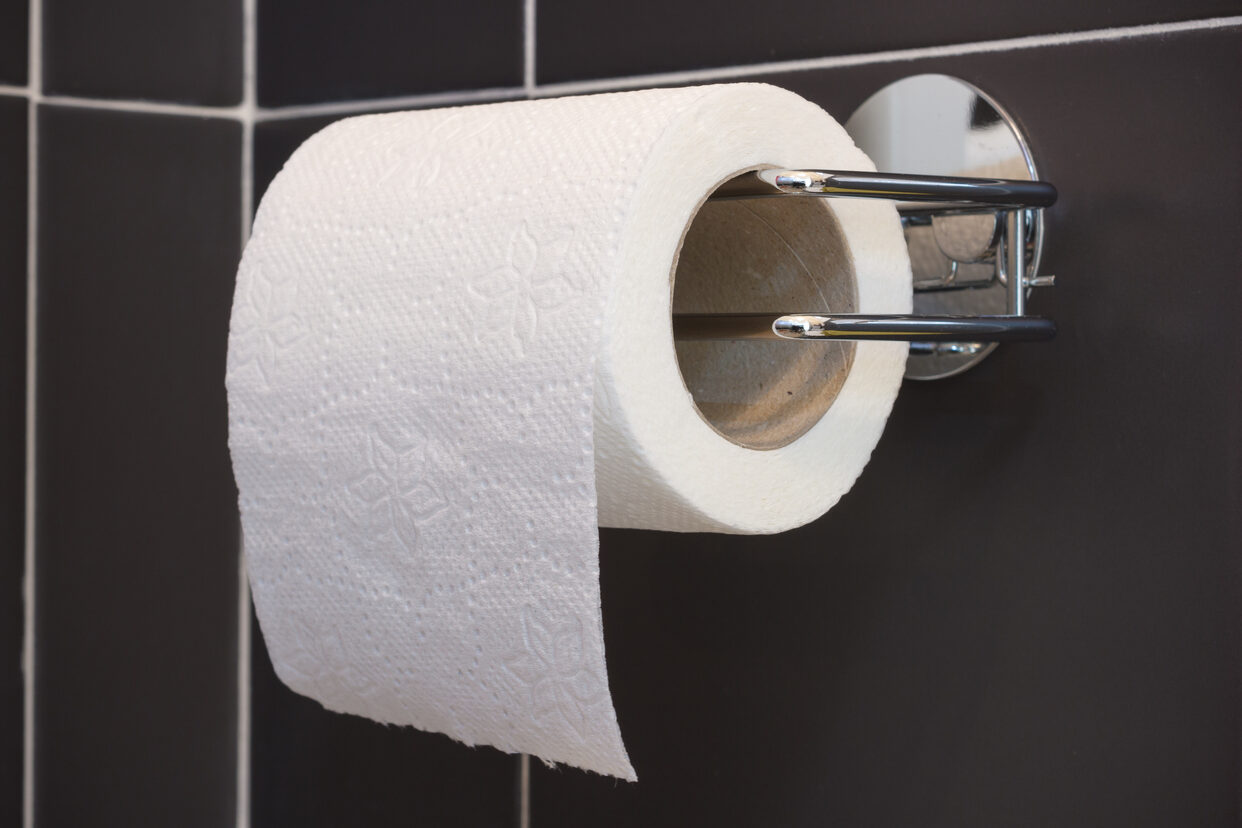
The debate about which way toilet paper should face somehow feels important once it reaches the internet. Over or under sparks diagrams, confident opinions, and strong reactions. At home, people adjust without thinking twice. Online, it becomes a symbol of order, logic, and common sense. Some argue over is cleaner, others say under is practical. The passion feels exaggerated but friendly. It works because everyone can relate and no one is truly offended. It fills comment sections with humor and light tension, giving people something easy to argue about together. Editor’s Note: There should be no argument. It’s over or I turn the roll around. Who wants the roll to touch the wall? Nobody!
4. Oxford Comma Loyalty
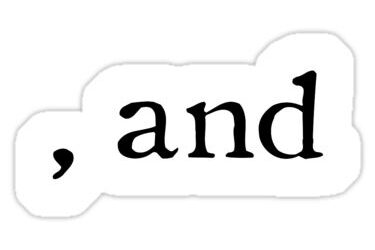
Oxford comma debates feel louder online than they ever do in everyday writing. People argue clarity, correctness, and intelligence with surprising emotion. Some insist it saves meaning, others see it as unnecessary. In real conversations, nobody stops to debate punctuation. Online, where words carry everything, small details feel powerful. Defending a comma feels like defending structure in a messy digital space. It also becomes a quiet way to show care for language. The argument continues because it feels smart, controlled, and low risk while still letting people feel confidently right.
5. GIF Pronunciation
How to pronounce GIF is an internet argument that never truly ends. Some follow the creator, others follow logic tied to graphics. Offline, many people avoid saying the word aloud at all. Online, it becomes a playful battle with stubborn opinions. People correct each other, joke endlessly, and refuse to budge. It thrives because it has no real consequence. Nobody loses anything. Everyone gets to be confidently wrong or right for fun. The debate survives because it is familiar, light, and just serious enough to keep people talking without real tension.
6. Friends vs The Office
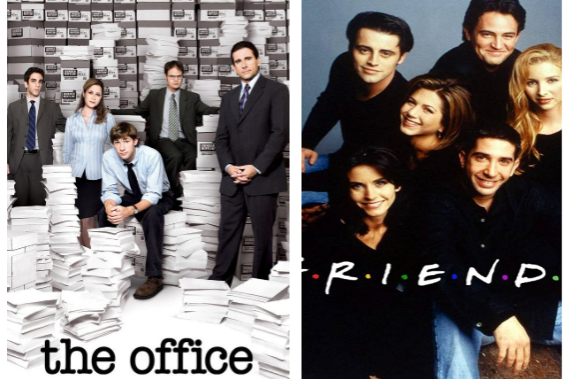
Friends versus The Office debates flourish online where nostalgia feels loud and personal. People tie these shows to comfort, timing, and different stages of life. Some say Friends feels outdated, others find The Office awkward. Offline, many people enjoy both without conflict. Online, picking one becomes a personality statement. Defending a favorite sitcom feels like defending a memory. The argument continues because it connects humor with emotion. It is less about quality and more about where someone found laughter when they needed it most.
7. Cancel Culture Meaning

Cancel culture arguments exist almost entirely online where visibility magnifies everything. People debate accountability, forgiveness, and fairness without agreeing on definitions. Some see consequences, others see punishment. Offline, these conversations are usually quieter and more nuanced. Online, they feel urgent and public. The argument persists because it touches values, fear, and identity. Everyone wants fairness but disagrees on how it should look. The internet gives space to speak loudly without resolution. It becomes less about solutions and more about signaling beliefs in a crowded digital space.
8. Book Before Movie

The debate about reading the book before watching the movie thrives online. Book lovers argue depth and imagination, while others prefer visual storytelling. Offline, people enjoy stories however they choose. Online, reading first becomes a badge of pride. Saying the book was better feels almost expected. The argument sticks because it blends nostalgia, routine, and personal ritual. It also lets people defend how they experience stories. Nobody is wrong, yet everyone feels strongly. The debate continues quietly, powered by shared love for storytelling and familiar narratives.
9. Typing Speed Bragging

Typing speed debates appear online when productivity turns competitive. People share numbers and screenshots as proof of efficiency. Others question why it matters at all. Offline, no one asks how fast someone types. Online, metrics feel meaningful. The argument reflects a desire to measure value in visible ways. Fast typing feels like focus and intelligence combined. Questioning it feels like pushing back against hustle culture. The debate continues because people want validation or relief. Both sides are really asking what productivity should look like today.
10. Minimalism Lifestyle

Minimalism debates thrive online where aesthetics shape expectations. Clean spaces look calming, but critics say they ignore real life. Offline, homes are personal and practical. Online, minimalism becomes a lifestyle standard. People argue whether it is freeing or unrealistic. The conversation sticks because it reflects pressure to look put together. Defending minimalism feels like defending peace. Criticizing it feels like defending authenticity. The argument continues because everyone is negotiating how much is enough while living in a world that constantly encourages more.
11. Working From Bed

Working from bed became an internet debate once remote work entered everyday life. Some people say it boosts comfort and focus, while others argue it ruins boundaries and motivation. Offline, most workers quietly figure out what helps them get through the day. Online, routines turn into rules worth defending. The bed represents rest, safety, and escape, so mixing it with deadlines feels wrong to some and freeing to others. The argument keeps resurfacing because work and personal life now overlap. Talking about it online helps people normalize choices without feeling judged or corrected by strangers.
12. Coffee vs Tea

Coffee versus tea debates feel louder online than they ever do in real life. People defend their drink of choice as if it reflects personality and values. Coffee lovers talk about energy and productivity, while tea drinkers lean into calm and intention. Offline, many people enjoy both without thinking twice. Online, choosing sides feels playful and familiar. The argument survives because daily habits feel personal. Defending a drink becomes defending a rhythm of life. It is harmless, cozy, and easy to join, which is why it keeps showing up in comment sections everywhere.
13. Spoiler Timing Rules
Spoiler rules spark endless internet arguments, especially in the age of streaming. Some people believe a few days is fair, others think spoilers should never be shared. Offline, spoilers spread slowly and usually by accident. Online, one post can ruin a story instantly. The debate exists because people now watch shows at different times but still want shared excitement. Arguing about spoilers becomes a way to ask for courtesy without directly saying it. The conversation keeps returning because no rule satisfies everyone scrolling at their own pace through shared digital spaces.
14. Influencer Credibility

Influencer credibility debates exist because influence itself lives online. People question expertise, honesty, and intention when advice comes from someone with a large following. Offline, recommendations usually come from friends or family. Online, they come from strangers. The argument continues because trust feels fragile in digital spaces. Some see influencers as helpful guides, others see marketing disguised as truth. Talking about it online helps people protect their judgment. The debate sticks because many want guidance without being misled, and questioning influence feels like taking control of personal choices.
15. Dark Mode vs Light Mode
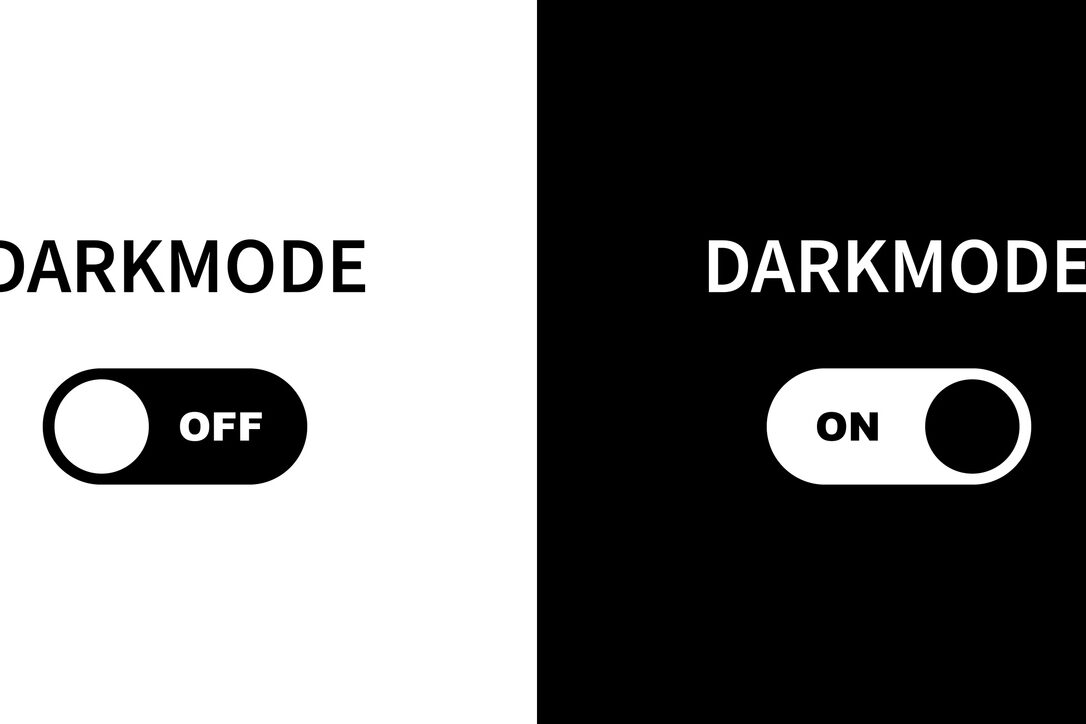
Dark mode versus light mode arguments surprise people with how passionate they become. Online, screen preferences turn into personality signals. Some swear dark mode saves eyes and battery life, others say light mode feels cleaner and clearer. Offline, nobody sees someone else’s settings. Online, it becomes part of identity. The debate sticks because it is visual, personal, and easy to joke about. Nobody truly loses. It adds light humor to digital conversations and gives people something small to defend in a space filled with much heavier opinions.
16. Voice Note Etiquette

Voice notes spark online debates about convenience and boundaries. Some people love hearing tone and emotion, while others find voice notes intrusive and time consuming. Offline, conversations flow naturally without overthinking format. Online, attention feels limited and scheduled. The argument reflects unspoken expectations about availability. Sending a voice note assumes time and focus. Ignoring it can feel rude. Talking about it online helps people express preferences they struggle to explain directly. The debate continues because communication keeps evolving, and everyone is still negotiating what feels respectful and comfortable.
17. Grammar Corrections

Grammar correction debates appear online whenever someone points out an error. Some see corrections as helpful, others experience them as dismissive. Offline, people rarely correct each other publicly. Online, corrections feel exposed. The argument continues because language connects to education, confidence, and identity. Being corrected can feel embarrassing, while correcting can feel necessary. Both sides want clarity and respect. Discussing it online helps people talk about tone and kindness in written spaces. The debate persists because words carry weight, and everyone wants to be understood without feeling judged.
18. Self Care Definitions

Self care arguments online question what rest should really look like. Some people see self care as boundaries and mental health support, while others criticize how commercial it has become. Offline, care looks different for everyone. Online, definitions blur and trends simplify it. The debate sticks because many people feel exhausted and want permission to slow down. Defending self care feels like self protection. Criticizing it feels like pushing back against pressure. Talking about it online helps people redefine rest in a world that rarely pauses or rewards stillness.
19. Celebrity Privacy

Celebrity privacy debates thrive online where access feels constant. People argue about what public figures owe audiences versus what should remain personal. Offline, celebrities feel distant. Online, they feel close and visible. The argument exists because social media blurs boundaries. Fame creates attention but not ownership. Discussing privacy online becomes a way to practice empathy. It reminds people that visibility does not erase humanity. The debate continues because digital spaces invite commentary without responsibility, and many are still learning where curiosity should end.
20. Age Gap Relationships

Age gap debates online focus on consent, power, and perception. People analyze relationships they will never witness firsthand. Offline, these conversations tend to be private and nuanced. Online, they become loud and judgment driven. The argument persists because it mixes protection with assumption. Everyone wants fairness but disagrees on limits. Talking about it online allows people to express concern without context. The debate continues because values are shifting, and public discussion feels like a way to protect others, even when complexity gets lost.
21. Rewatching Shows

Rewatching shows sparks online debate about comfort versus growth. Some people say familiar stories bring peace, while others argue it avoids new experiences. Offline, nobody tracks what others watch. Online, preferences become discussion points. The argument exists because comfort media helps people cope with stress. Defending rewatches feels like defending rest. Criticizing them feels like encouraging curiosity. Neither side is wrong. The debate continues because people process life differently. Talking about it online helps normalize comfort while still questioning habits gently and without pressure.
22. Hustle Culture

Hustle culture debates online challenge ideas about productivity and worth. Some praise discipline and ambition, while others warn about burnout and exhaustion. Offline, work looks different for everyone. Online, success often feels standardized. The argument persists because many people feel pressure to constantly perform. Defending rest feels necessary. Defending hustle feels practical. Both sides want balance but define it differently. Discussing hustle culture online helps people question expectations without abandoning goals. The debate survives because work shapes identity, and redefining it feels personal and urgent.
23. Child Free Choices

Child free discussions online often become emotional quickly. People defend full lives without parenting, while others question fulfillment and legacy. Offline, these conversations are usually personal. Online, they invite public opinion. The argument persists because expectations around family still exist. Choosing differently can feel like rebellion. Defending that choice feels necessary. Talking about it online gives validation to people often questioned in real life. The debate continues because life paths are expanding, and public conversations help normalize choice without demanding agreement from everyone involved.
24. Pets as Family

Treating pets like family sparks online debates about affection and realism. Some see it as harmless love, others find it excessive. Offline, pets simply exist in homes without commentary. Online, how people love them becomes discussion. The argument persists because pets provide comfort and companionship. Defending pet affection feels like defending joy. Criticizing it feels like restoring balance. The conversation continues because relationships look different now. Talking about it online helps people express attachment without apology, even when others do not fully understand the bond.
25. Reply Time Expectations

Reply time debates online question availability and respect. Some people expect quick responses, others value space and flexibility. Offline, delayed replies feel normal. Online, silence can feel personal. The argument exists because constant connection changed expectations. Defending slow replies feels like protecting mental health. Expecting fast replies feels like valuing connection. The debate continues because boundaries are still being negotiated. Talking about it online helps people explain needs without confrontation, reminding others that timing does not always reflect care or interest.
26. Aesthetic Journaling

Aesthetic journaling arguments online focus on creativity versus pressure. Some people find inspiration in beautiful layouts, while others feel intimidated. Offline, journaling is private and unpolished. Online, it becomes visual and shared. The debate persists because comparison can motivate or discourage. Defending aesthetics feels like celebrating creativity. Criticizing it feels like protecting authenticity. Talking about it online opens space for different styles. It reminds people that reflection does not need perfection, and journaling can still be meaningful even when it looks simple or messy.
27. Accent Judgments

Accent debates online challenge assumptions about intelligence and professionalism. People push back against bias loudly. Offline, accents blend into daily life more easily. Online, they are often scrutinized. The argument persists because language connects deeply to identity. Defending accents feels like defending dignity. Questioning judgment feels necessary. Talking about it online gives people space to share experiences and educate others. The debate continues because representation still matters, and hearing different voices helps remind everyone that communication is about understanding, not sounding a certain way.
28. Generational Labels
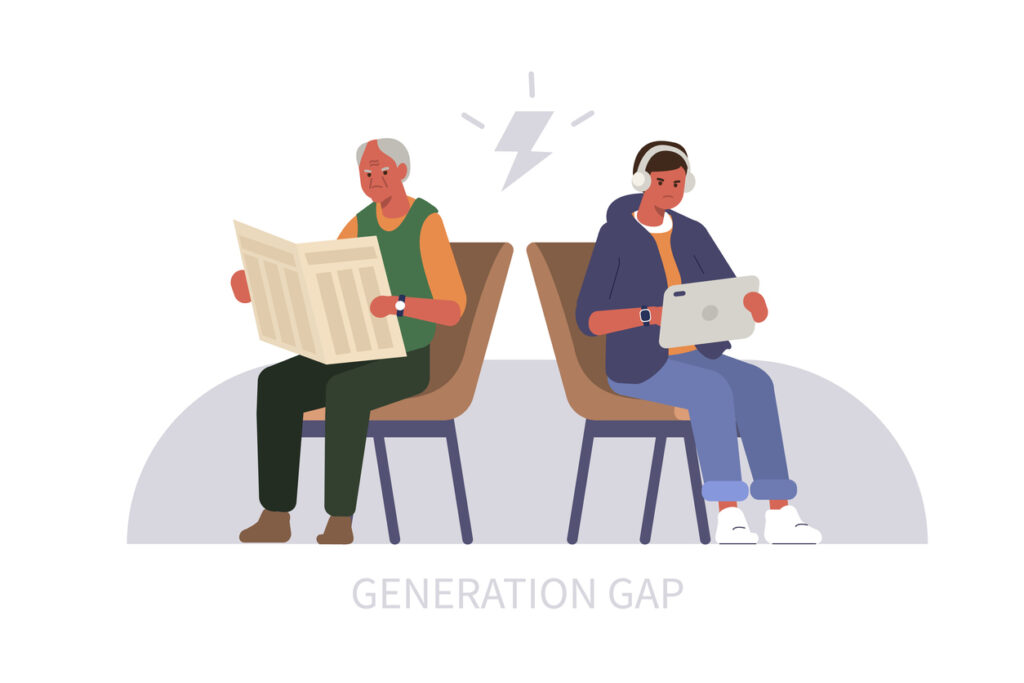
Generational arguments online simplify complex lives into labels. People compare struggles, habits, and opportunities. Offline, experiences feel more nuanced. Online, comparisons dominate. The argument persists because identity feels easier when grouped. Defending a generation feels like defending lived experience. Criticizing labels feels like restoring complexity. Talking about it online helps surface shared challenges while acknowledging differences. The debate continues because people want recognition without erasing others. It reflects a desire to be understood without being boxed into a stereotype.
29. Algorithm Complaints
Complaining about algorithms is a shared internet habit. People blame visibility drops, engagement changes, and shifting timelines. Offline, algorithms do not exist. Online, they shape what people see and share. The argument persists because lack of control feels frustrating. Defending complaints feels like demanding fairness. Dismissing them feels practical. Talking about algorithms online gives people a sense of shared experience. Even without solutions, discussing it builds understanding and reminds users they are not alone in navigating unseen systems.
30. Logging Off Advice

Telling someone to log off often sparks quiet debate online. Some see it as care, others experience it as dismissal. Offline, rest happens naturally. Online, stepping away feels intentional and symbolic. The argument persists because connection feels both necessary and exhausting. Defending logging off feels like choosing peace. Resisting it feels like staying engaged. As this list closes, it becomes clear these arguments exist because people want to belong, be heard, and feel understood. If this felt familiar, share your thoughts, leave a comment, and pass it along.
This story 30 Things People Argue About Only on the Internet was first published on Daily FETCH


