
1. Winding a Home Phone Cord
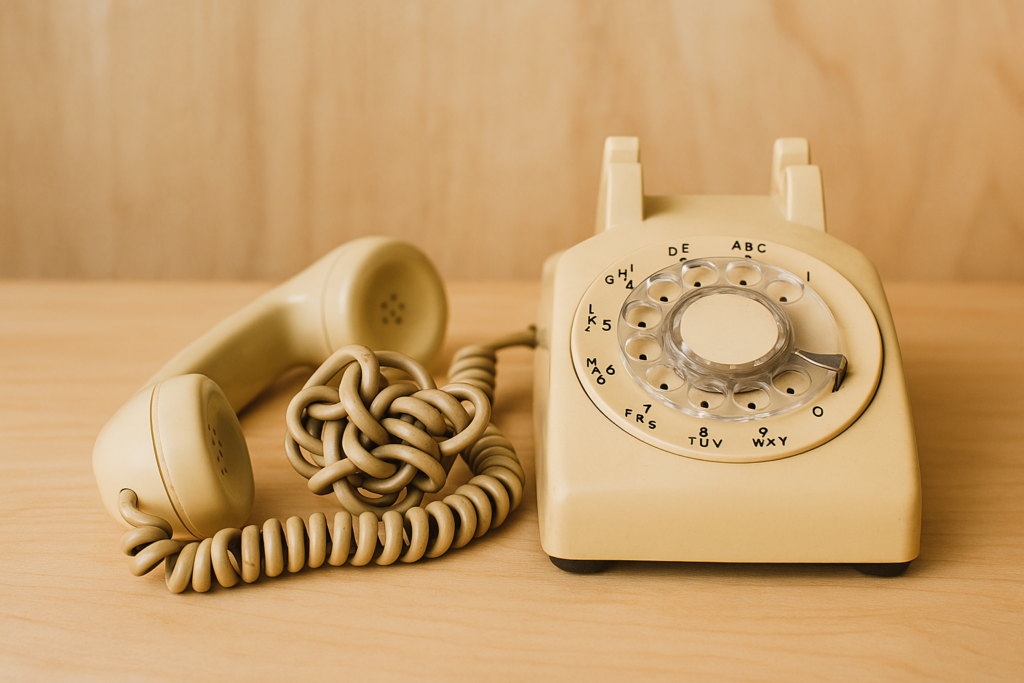
Boomers grew up in a world filled with everyday routines and objects that no longer exist in most homes today. These habits shaped their childhoods, family life, and the rhythm of each day, yet many have quietly disappeared with new technology and modern conveniences. Boomers grew up using corded home phones, and part of daily life involved stretching the coiled wire around the kitchen, getting it tangled, and then winding it neatly again. Long conversations often meant twisting the cord between fingers or pacing in circles while trying not to trip. Kids today mostly use mobile phones or cordless models, so they’ve never seen the quiet ritual of straightening a stretched-out cord or the way families tried to protect the “good phone” in the living room. Many households even replaced cords because they became stretched beyond recognition, something that simply doesn’t exist in the wireless era.
2. Adjusting Rabbit-Ear Antennas
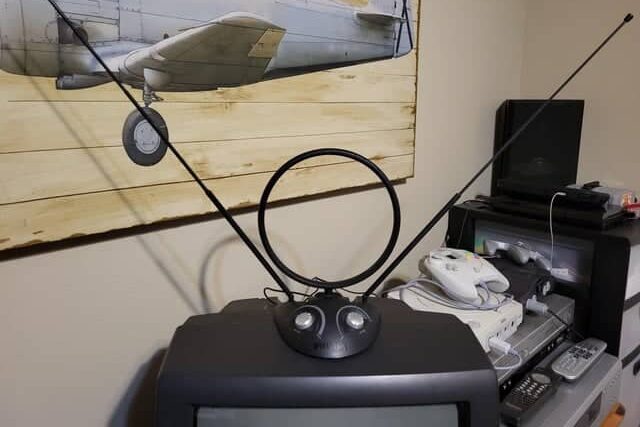
Before digital streaming, watching TV required constant negotiation with rabbit-ear antennas. Boomers remember moving each metal rod in small increments, hoping the picture would clear or the static would disappear. Sometimes placing foil on the ends helped improve the signal, and family members would call out “Stop! Right there!” when the screen finally steadied. Kids today grow up with HD streaming and stable signals, so they never experience the trial-and-error process of tweaking antennas just to see a news report or Saturday morning cartoon. It was a small but daily reminder that entertainment once required patience.
3. Dropping Film at a Photo Lab
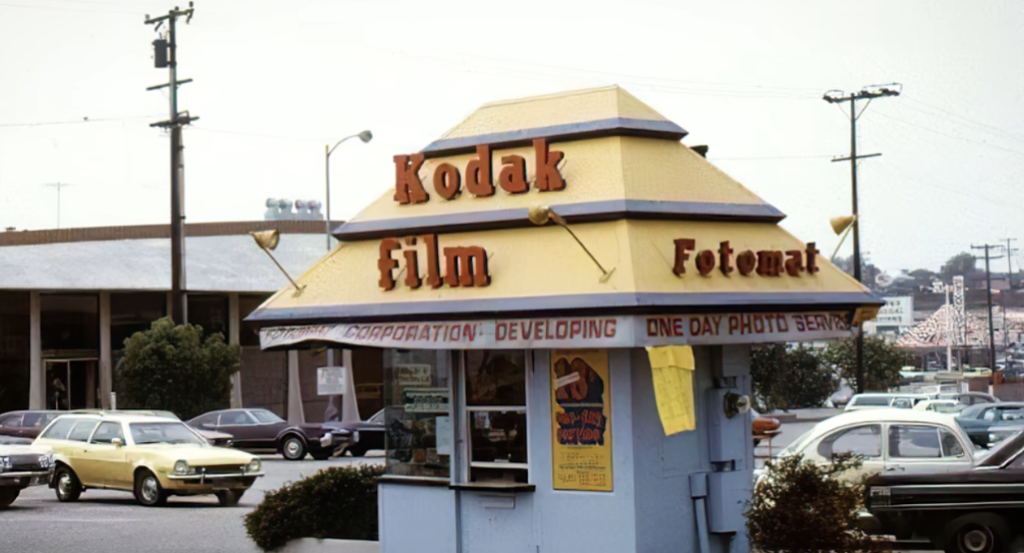
Boomers didn’t take unlimited digital photos; they used rolls of film that had to be developed at a local photo lab or drugstore. Dropping off film was a regular errand, and waiting several days to see the results added suspense. Many people didn’t know whether their photos were blurry, overexposed, or perfectly captured until the envelope of prints returned. Some labs even offered overnight service, which felt fast at the time. Kids today instantly review photos on their phones, so the experience of physically handing over a film canister and hoping for the best is completely foreign to them.
4. Writing Checks at the Grocery Store
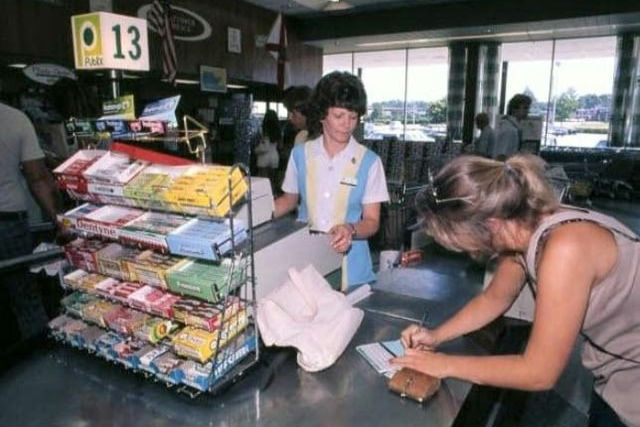
Checking out at the grocery store once required more time because many boomers paid with handwritten checks. Shoppers pulled out checkbooks, filled in amounts, showed ID, and sometimes waited while a clerk manually recorded details. This was such a common part of daily errands that many people memorized their bank routing information. Kids today use digital wallets, debit cards, or tap-to-pay systems, so they rarely watch anyone fill out a check in public. Even checkbooks themselves are disappearing, making this once-routine task something younger generations may never encounter firsthand.
5. Hanging Laundry on a Clothesline
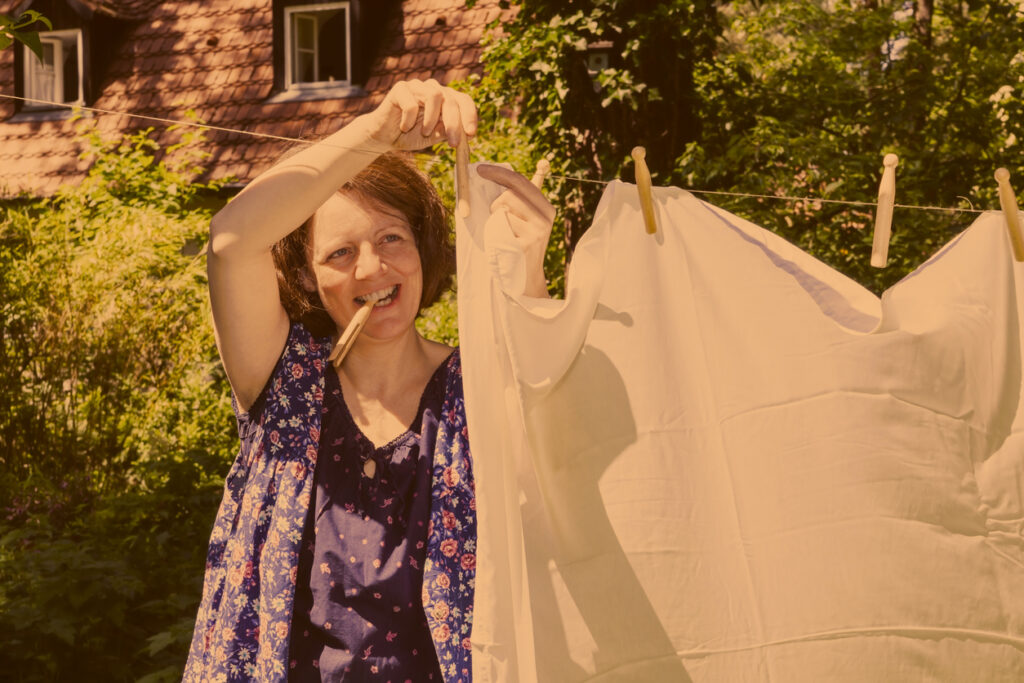
Before tumble dryers became standard in every household, boomers often hung clothes outside on a line to dry. It was a daily or weekly ritual, especially in warm weather, and many remember the fresh sun-dried smell that no dryer sheet can match. The process required clothespins, space, and good timing to avoid sudden rain. Kids today mostly rely on electric dryers, so they rarely see long rows of laundry flapping in the wind or understand the planning that went into wash days. For boomers, this simple routine was part of home life and neighborhood scenery.
6. Checking TV Listings in TV Guide
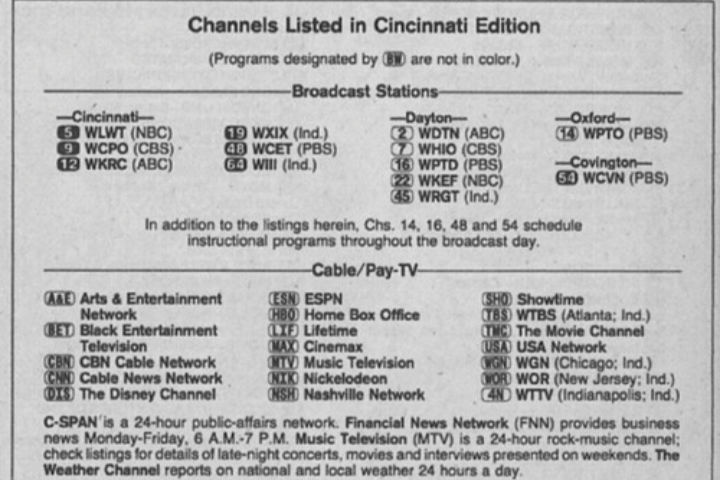
Before streaming guides and on-screen menus, boomers relied on printed TV listings to decide what to watch each day. Many households kept a copy of TV Guide or the local newspaper near the set and checked it constantly to track favorite shows, specials, and late-night movies. TV Guide, first published nationally in 1953, grew into one of the most widely read magazines in the United States by the 1960s because families depended on its weekly program schedules. People circled titles, planned evenings around broadcasts, and reminded each other when a show was about to start. Kids today scroll through apps or streaming menus, so they rarely see anyone flipping through pages of listings or saving old issues in a stack beside the television.
7. Rewinding Cassette Tapes with a Pencil
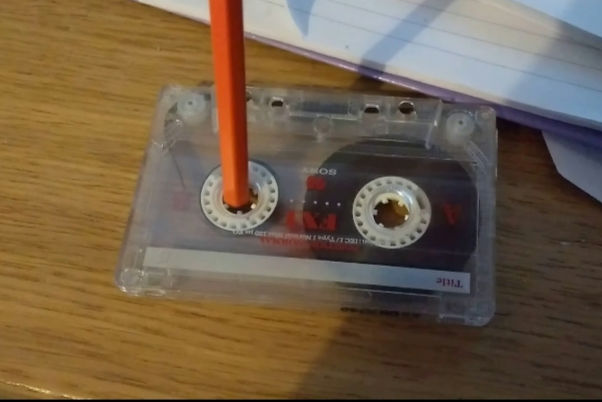
For boomers and older Gen X, cassette tapes were a daily companion for music and recorded radio shows. When the tape inside became loose or started to spill out, the quickest fix was to slide a pencil into one of the reels and twist, neatly winding it back in place. This little motion saved batteries on portable players, rescued favorite albums, and prevented jams inside cassette decks. Many people did it without thinking while chatting on the phone or doing homework. Kids today usually stream songs on phones or smart speakers, so they rarely handle any physical music format, let alone learn the simple trick of rescuing a cassette with a school pencil.
8. Emptying Ashtrays Around the House
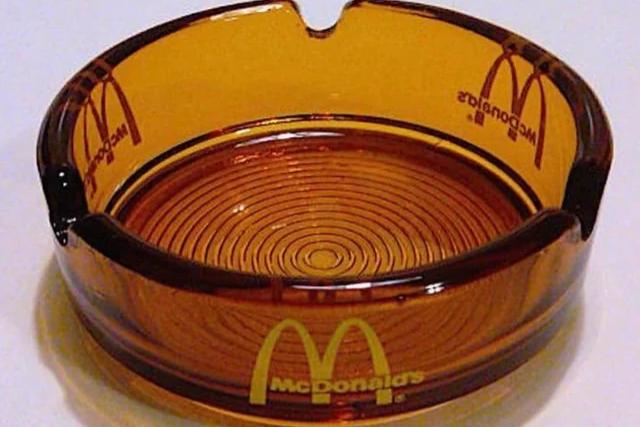
In the 1950s, 1960s, and 1970s, smoking was much more common in homes, offices, and public places, and ashtrays were everyday household objects. Coffee tables, end tables, and even cars often held heavy glass or ceramic ashtrays, sometimes decorated with restaurant or hotel logos. Children growing up then remember being asked to empty them into the trash as part of regular chores, even if they did not smoke themselves. Today, with stronger health warnings and widespread smoke-free laws, many younger people rarely see someone light up indoors, and ashtrays have largely disappeared from living rooms and restaurant tables. For boomers, though, the clink of a cigarette being tapped into an ashtray was once a familiar background sound of daily life.
9. Manually Defrosting the Freezer
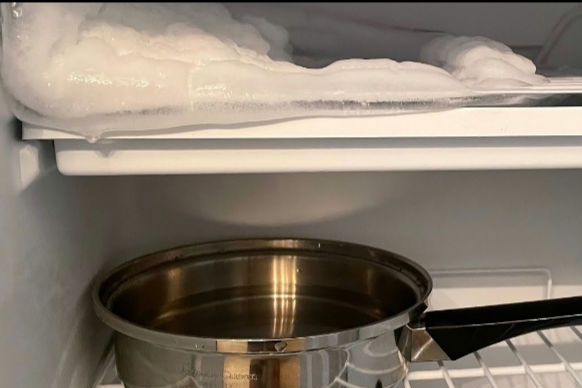
Before frost-free refrigerators became common, many freezers slowly filled with thick layers of ice that had to be removed by hand. Boomers remember unplugging the fridge or turning a dial to switch it off, laying down towels, and waiting for the frost to melt so it could be chipped away. Manufacturers still describe “manual defrost” models as units where ice builds up on the walls and must be cleared periodically by warming the compartment. This was often a weekend task and could take hours, especially for larger family freezers. Kids today mainly grow up with automatic defrost or frost-free systems that handle this quietly in the background, so they may never experience the messy but memorable ritual of defrost day.
10. Navigating with Fold-Out Road Maps
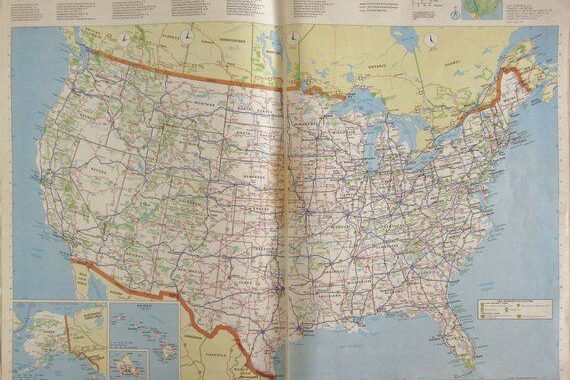
Long before GPS and smartphone navigation, boomers planned trips using paper road maps and atlases that unfolded across car dashboards and kitchen tables. Gas stations sold branded maps, and many families kept a glove compartment stuffed with well-worn copies showing highways, small towns, and scenic routes. One person often acted as the “navigator,” tracing routes with a finger and calling out the next turn. Today, digital navigation is so common that paper maps are mainly used as backups, including by modern armies training for situations where GPS might fail, which shows how central maps once were. For kids who grow up following a blue dot on a screen, the art of reading a large, creased map is almost completely unfamiliar.
11. Returning Glass Milk Bottles to the Doorstep

Daily or weekly milk delivery was a familiar routine for many boomer households. Families left empty glass bottles on the doorstep for the milkman to collect, replacing them with fresh ones. The reusable bottles were washed, sterilized, and returned into circulation, an early form of recycling long before it became a trend. Kids often listened for the early-morning clinking of bottles as delivery trucks made their rounds. Although some small dairies still offer the service, especially in rural areas, most communities phased it out as supermarkets and refrigeration became more widespread. Children today rarely see glass bottles lined up on front porches or understand how normal it once was to depend on a local milkman for fresh dairy every week.
12. Dialing Operators for Information
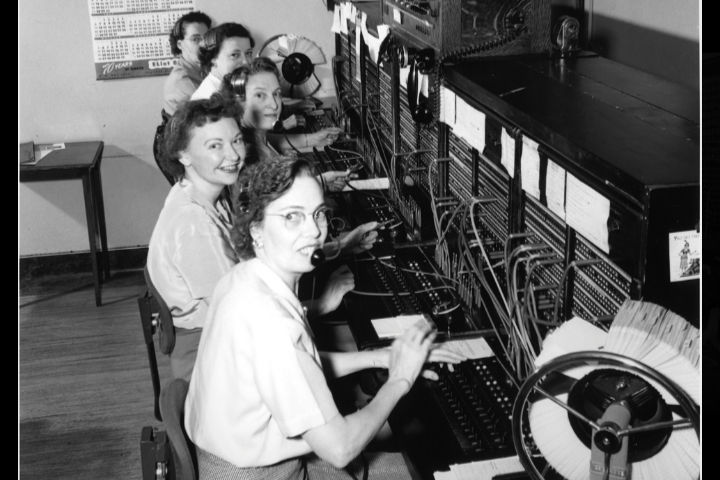
Before digital search engines and smartphones, boomers often relied on telephone operators for directory assistance. Calling “0” or later “411” connected you to a real person who could look up phone numbers, provide business listings, or help place long-distance calls through large switchboards. Operators handled millions of requests daily, and their work was essential for navigating local and national communication. By the 1980s, computerized systems began replacing operators, and by the 2000s, most services transitioned to automated directories. Kids today simply type a query into a search bar or tap a contact on their phones, so the idea of asking a live operator for help is something they rarely encounter.
13. Using Carbon Paper for Copies
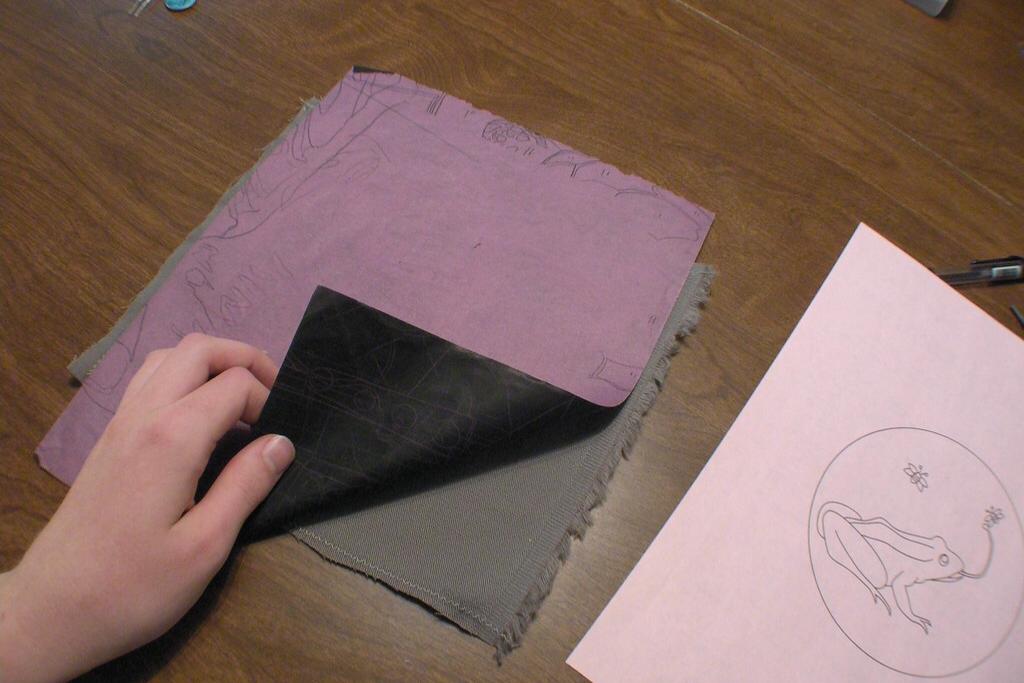
Boomers frequently used carbon paper to make duplicate documents before photocopiers became widely affordable. Sandwiching a sheet of carbon paper between two pages allowed the typewriter keystrokes or handwritten notes to transfer onto the second sheet. Offices relied on it for invoices, receipts, and contracts, and students sometimes used it for school assignments that required extra copies. Although carbon paper still exists for niche uses, especially in legal or multi-part forms, it has largely vanished from daily life thanks to printers and digital files. Kids today rarely see the smudgy blue or black residue that once stained fingers or the careful alignment needed to ensure the copy came out clean.
14. Setting the TV Dial Manually
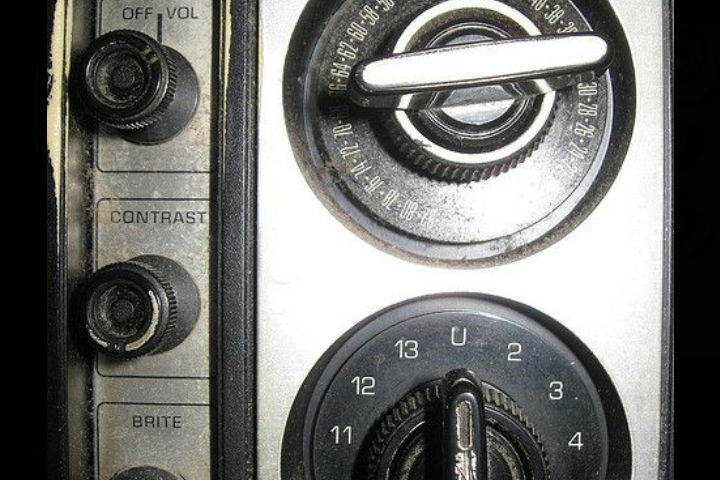
TV remotes weren’t common until the late 1970s and early 1980s, so boomers grew up walking across the room to change channels using a mechanical dial. Each click represented a broadcast station, and reception could vary enough that viewers sometimes fine-tuned a secondary dial to stabilize the picture. Kids today expect instant switching with sleek remotes or voice commands, making the idea of physically getting up to rotate a chunky dial seem almost unimaginable. For boomers, though, the sound of clicking through channels was part of everyday viewing, especially during prime-time hours or Saturday morning cartoons.
15. Sharpening Pencils with a Wall-Mounted Sharpener
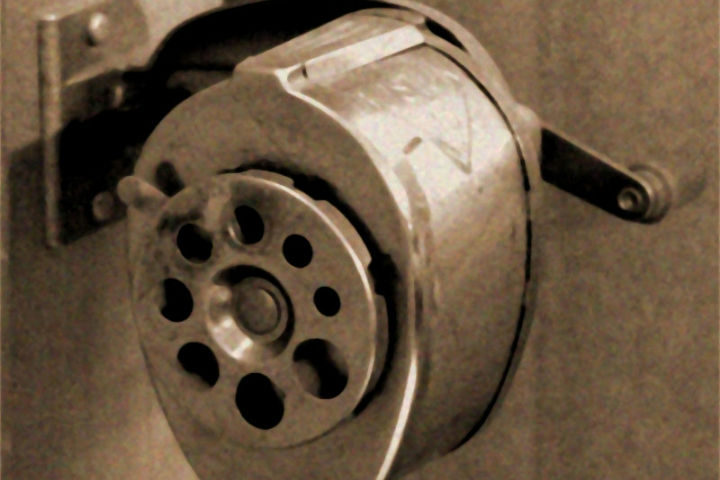
Many boomer-era classrooms and home study areas featured a metal, crank-style pencil sharpener mounted on the wall. Students walked up during lessons, turned the handle, and listened to the familiar grinding sound as wooden pencils were shaped to a crisp point. These sharpeners lasted decades and were considered sturdier than today’s small plastic versions. Kids now often use mechanical pencils or battery-operated sharpeners, so the ritual of waiting in line behind classmates to sharpen a no. 2 pencil isn’t something they experience often. For boomers, though, that small moment was a routine part of schoolwork and daily writing.
16. Listening to the Weather on the Radio
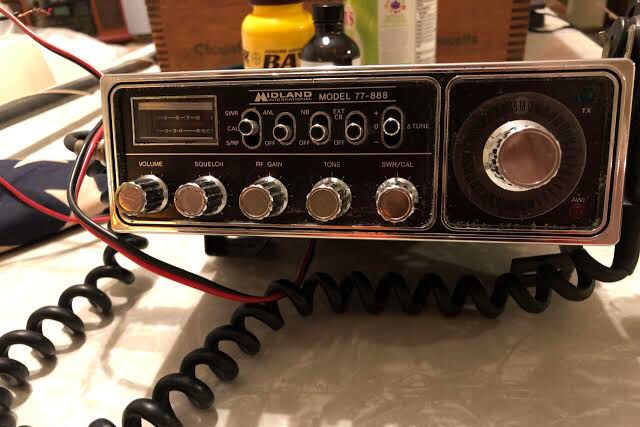
Before instant weather apps and live radar maps, boomers relied on daily radio forecasts to know if rain, heat, or storms were coming. Families often kept an AM radio in the kitchen, and hearing the local meteorologist’s voice became part of the morning routine. Radio stations read temperatures, wind conditions, and farm reports, and many people planned school, work, and travel around these brief updates. While radio weather still exists today, kids rarely depend on it, as modern smartphones provide hour-by-hour predictions and alerts at a glance. For boomers, however, waiting for the weather segment was simply how the day started.
17. Using Phone Books for Every Address

Boomers regularly used thick phone books to look up friends, local shops, repair services, and emergency numbers. Every household typically received new editions of the Yellow Pages and White Pages each year, often dropped at the doorstep in wrapped bundles. Families flipped through them daily for everything from plumbers to pizza places. Kids today can search instantly online, and many will never handle a phone book at all, let alone see entire shelves dedicated to old editions. For boomers, though, knowing how to navigate these giant alphabetical directories was an essential part of daily communication.
18. Heating Food on the Stove Instead of Microwaves
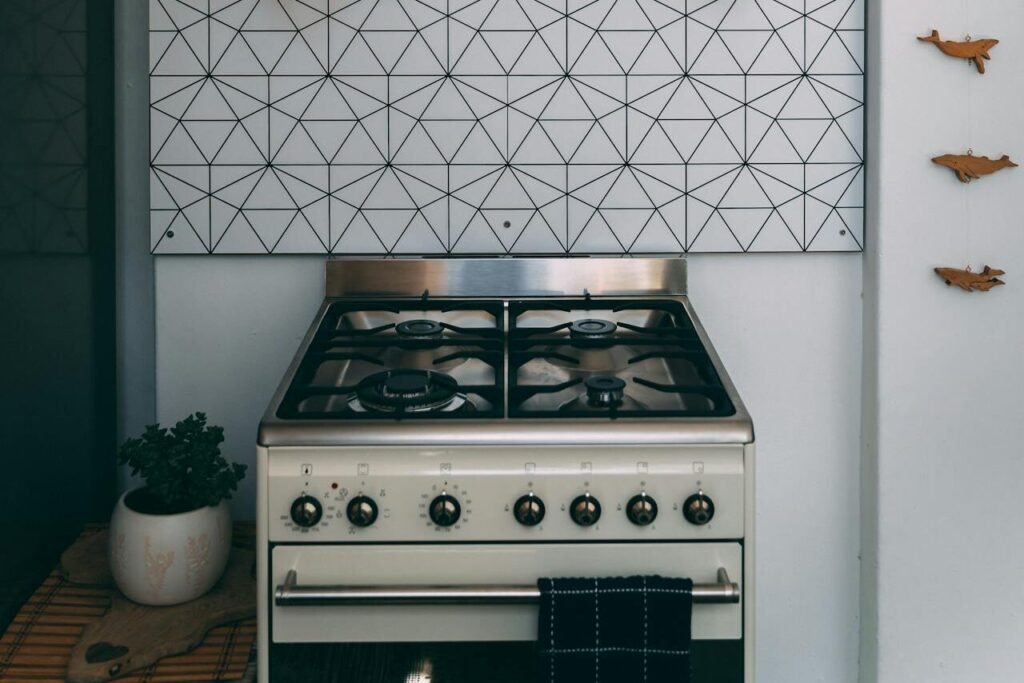
Microwaves didn’t become widespread until the late 1970s and early 1980s, so boomers reheated nearly everything on the stove or in the oven. Leftovers were warmed in metal pots, soups simmered slowly, and frozen meals required long cooking times. The process took more attention, stirring to avoid burning or checking to prevent boil-overs, but it gave kitchens a different rhythm and smell that many remember fondly. Kids raised with microwaves expect quick reheating in minutes, so they rarely see someone take the extra steps of putting food in a pan, lighting a burner, and waiting patiently for it to warm through.
19. Fixing TV Sets by Banging on the Side
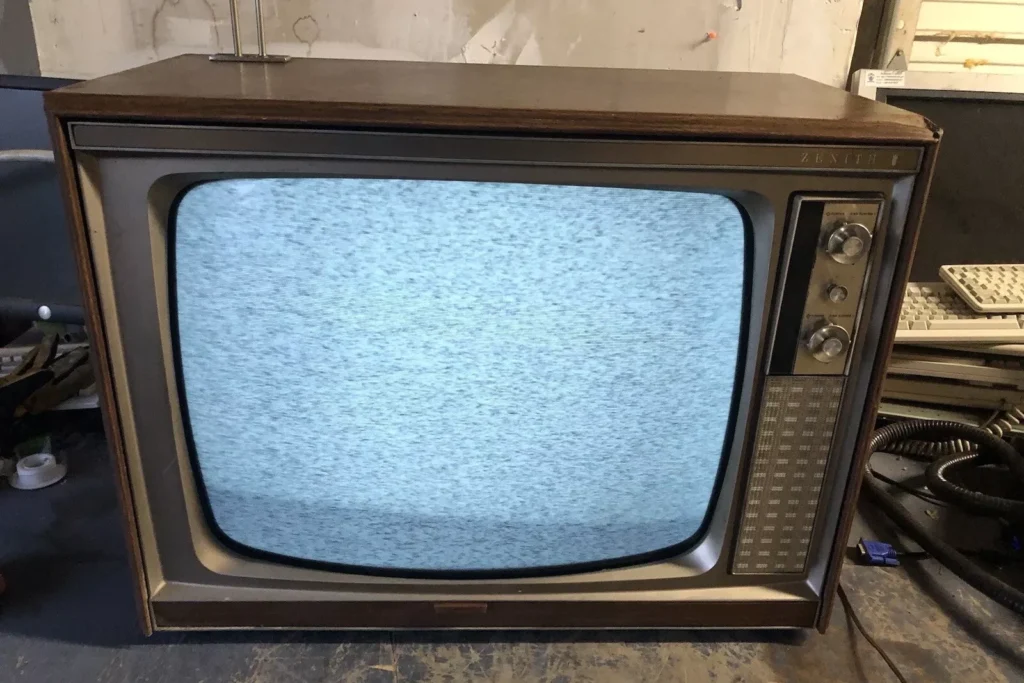
Cathode-ray-tube televisions were mechanical in nature and sometimes developed loose connections or flickering screens. Boomers learned that a gentle tap, or sometimes a firm smack, on the side of the cabinet often restored the picture temporarily. It became such a common fix that it turned into a running joke in many households and TV shows. Kids today live with flat-screen TVs that either work perfectly or fail completely, making the idea of hitting a screen to fix it both surprising and risky. But for boomers, a quick smack was simply routine troubleshooting before calling a repairman.
20. Cleaning Records with a Brush Before Playing
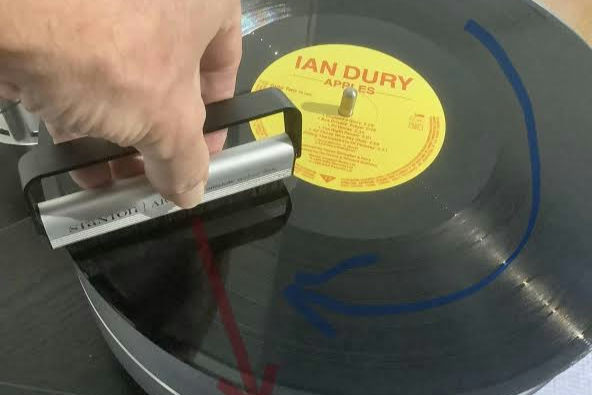
Listening to vinyl was a daily hobby for many boomers, and maintaining records was part of the experience. Before playing an LP, people used soft brushes or cloths to remove dust that could cause pops, skips, or damage to the needle. Some even used special anti-static tools or solutions to keep collections in good condition. Kids today enjoy digital music that never scratches or gathers dust, so they rarely see the careful ritual of prepping a record before dropping the needle. For boomers, though, this small routine was essential for preserving their favorite albums and keeping a turntable running smoothly.
21. Using Payphones Outside Stores and Schools
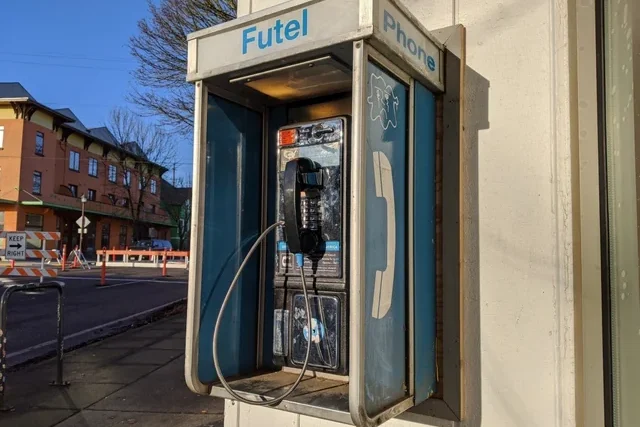
Before cell phones, payphones were essential for quick calls home, checking in with parents, or contacting a ride. Boomers kept coins ready for emergencies, and many remember waiting in line behind others to make a short call. Payphones were placed outside grocery stores, gas stations, schools, and malls, and they were a reliable part of everyday communication. Today, with nearly everyone carrying a personal mobile device, public payphones have nearly vanished. Kids rarely see them in working condition, and many don’t know how common they once were, or how important they were for staying connected during the day.
22. Waking Up to a Clock Radio Alarm
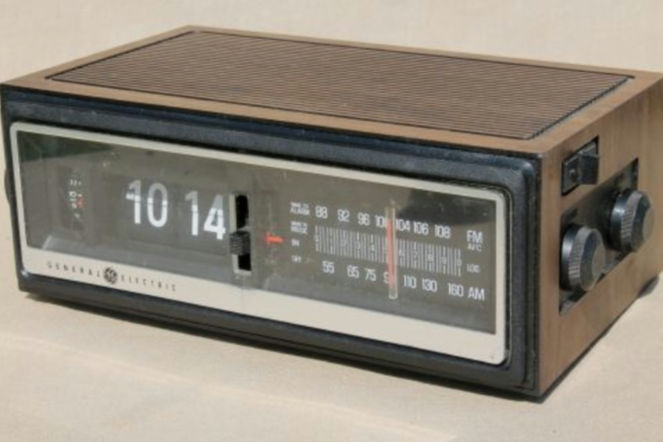
Before smartphones replaced bedside alarms, boomers woke up to clock radios, compact units combining digital or flip clocks with AM/FM tuning. Many people set alarms to local stations so they’d wake up to music, traffic reports, or morning news. The sound of the radio crackling on became a familiar start to the day. Clock radios were so common that nearly every bedroom had one. Today, kids rely on phone alarms or smart speakers, and many have never experienced the switch from a quiet room to a sudden burst of radio chatter at dawn.
23. Writing Long Letters and Waiting for Replies
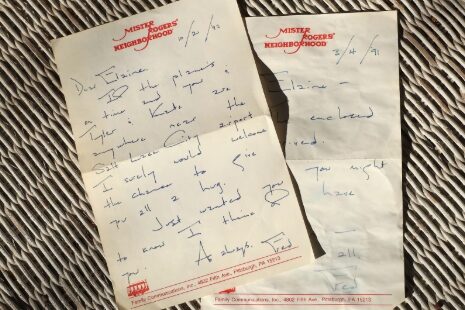
Before emails and instant messaging, boomers kept in touch with friends and family through handwritten letters. People bought stationery, chose stamps, and often took time crafting thoughtful messages. Mailing letters meant waiting days or weeks for responses, especially from distant relatives or pen pals. For many, visiting the mailbox each afternoon felt like an exciting moment of connection. Kids today grow up with real-time communication, so the patient rhythm of writing and receiving letters feels unfamiliar. Yet for boomers, the slow back-and-forth of mail was an ordinary part of relationships and daily life.
24. Checking the Newspaper for Movie Times
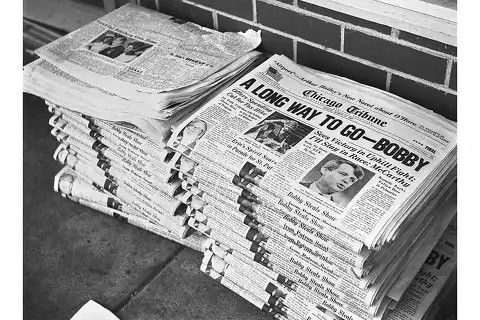
Seeing a movie used to involve checking the local newspaper, where theaters printed daily or weekly showtimes. Boomers scanned these listings to find the right theater, time, and rating, sometimes even clipping listings to save them. This routine continued well into the 1990s before online schedules became standard. Kids today open apps or websites for instant information and rarely experience flipping through several pages of print to plan a night at the movies. The newspaper listings not only guided entertainment plans but also encouraged readers to browse other sections, making it part of a larger daily reading habit.
25. Filling Ice Trays Manually
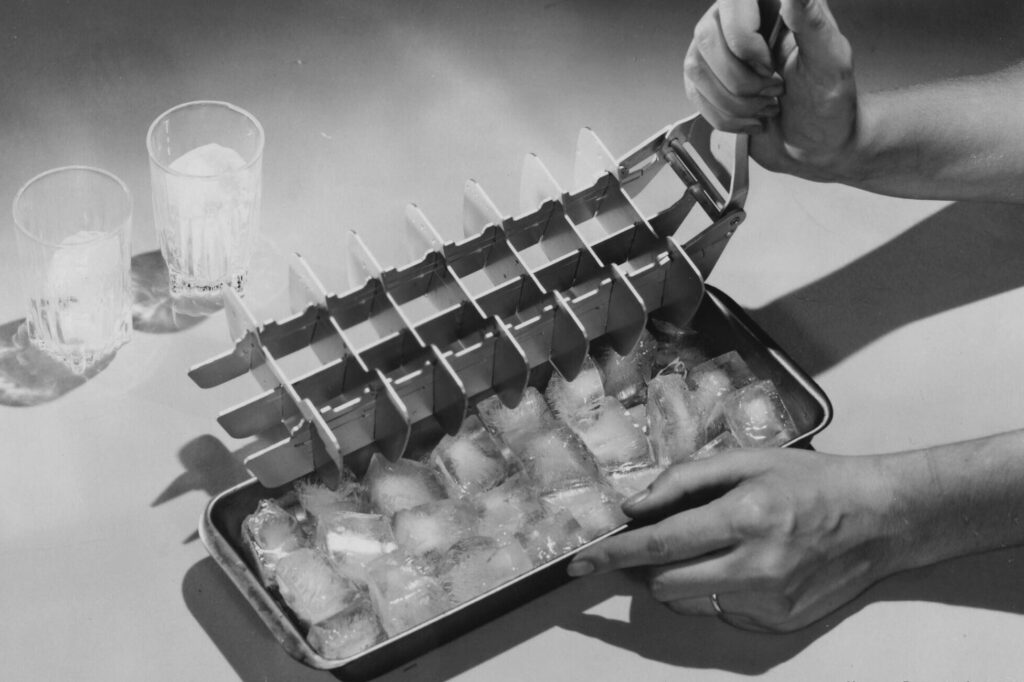
Before automatic ice makers became common, boomers filled plastic or metal ice trays by hand and placed them carefully in the freezer. Metal trays with pull levers were especially memorable, releasing the cubes with a loud crack. Families kept multiple trays to ensure a steady supply for drinks, parties, and dinners. Kids today often push a button or open a freezer drawer to grab ready-made ice, with no idea how much effort once went into a simple cube. For many boomers, refilling ice trays was just another small but constant household task.
26. Handwashing Cars in the Driveway
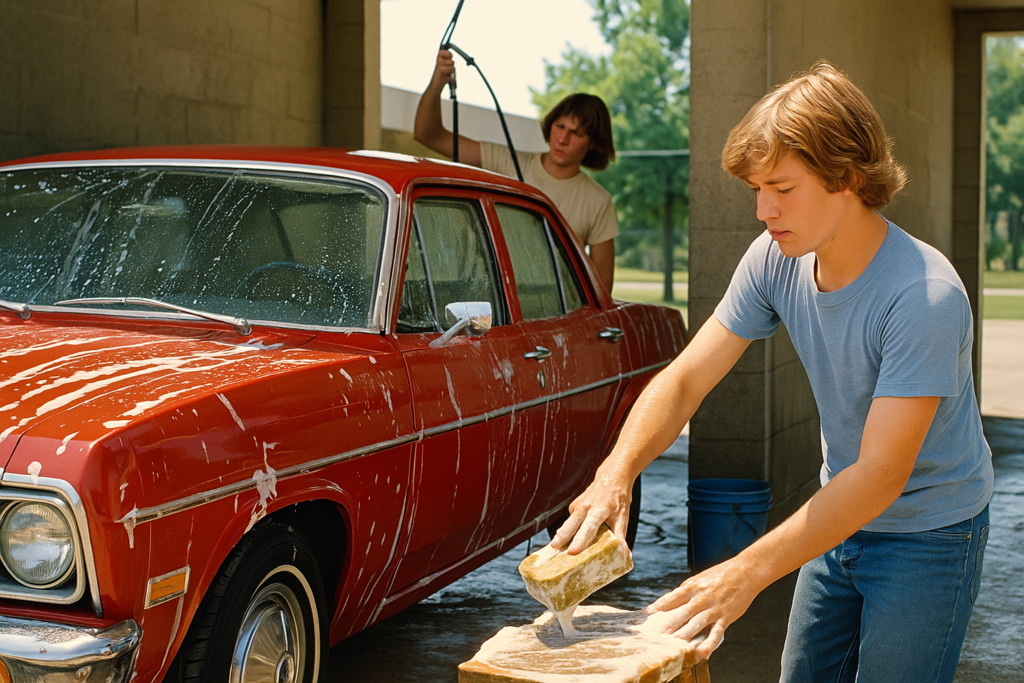
Before automated car washes became inexpensive and everywhere, boomers often washed their cars at home with a bucket, sponge, and garden hose. Weekends in many neighborhoods included the familiar sight of parents and kids scrubbing bumpers, rinsing off suds, and drying chrome with soft towels. Families treated it as both a chore and a bonding moment. Today, many younger people rely on drive-through or touchless car washes, which are fast and require no effort. As a result, kids rarely experience the hands-on process of detailing a car in the driveway or the satisfaction of stepping back to admire the shine after a job well done.
27. Using Library Card Catalogs
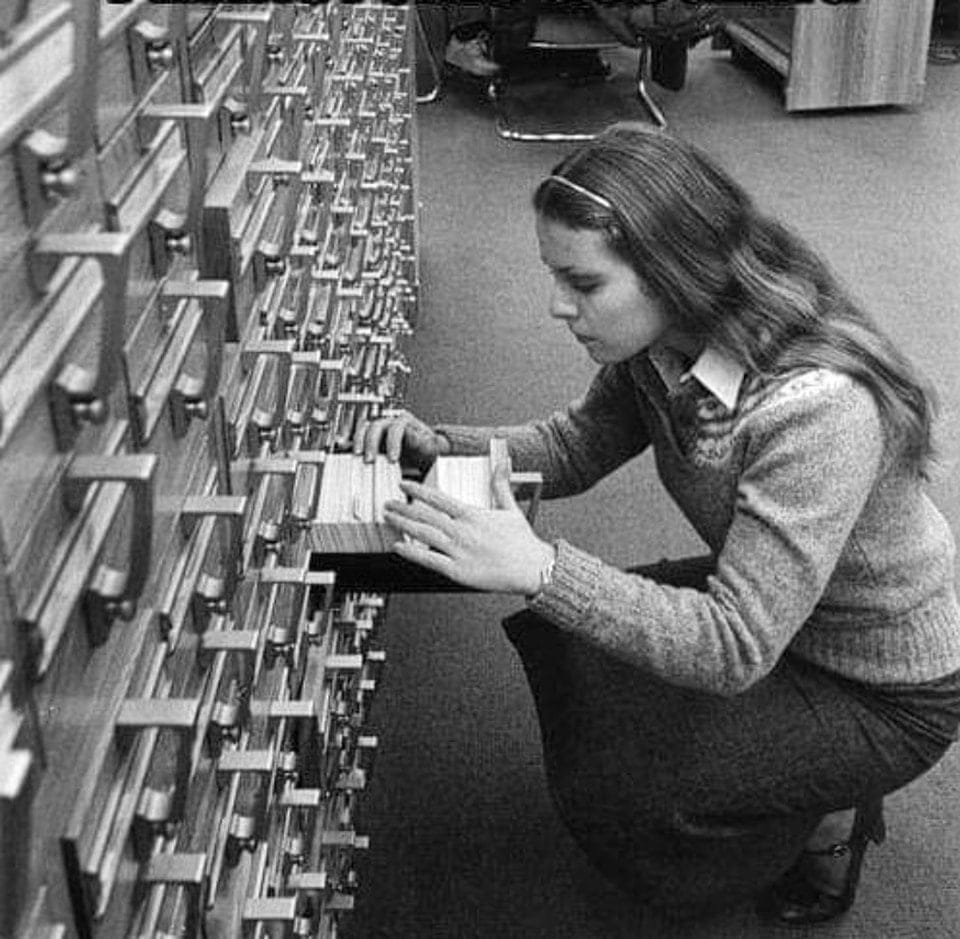
Boomers learned to navigate libraries using physical card catalogs, long wooden drawers filled with alphabetized index cards. Each card listed an author, title, subject, and call number, guiding readers to books on the shelves. Students used them daily for research papers and school assignments. The process required careful searching, note-taking, and sometimes asking a librarian for help. Today’s kids search digital catalogs in seconds, making the card catalog experience feel almost museum-like. But for boomers, the ritual of flipping through handwritten or typed cards was an essential skill for finding information long before the internet.
28. Lighting the Furnace or Water Heater Manually
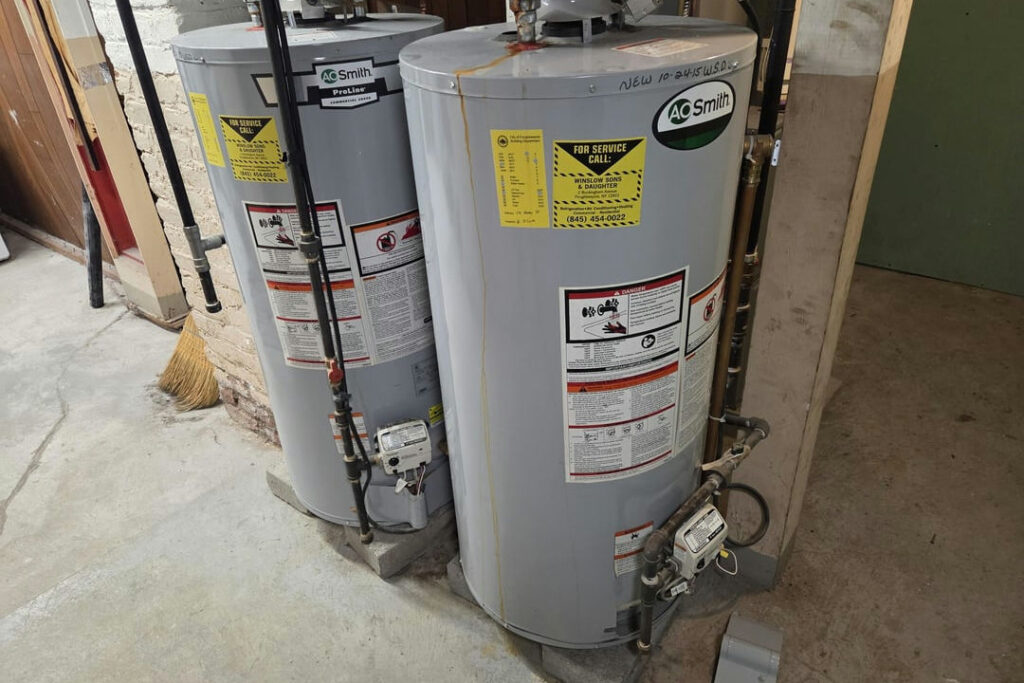
Many mid-century homes relied on gas appliances with pilot lights that occasionally went out. Boomers often watched their parents manually relight furnaces or water heaters using instructions printed on the unit, sometimes requiring a match, careful timing, and patience. These tasks were part of normal home maintenance and not usually seen as dangerous when done properly. Today, modern systems often have electronic ignition or safety features that reduce the need for manual lighting. Kids rarely see anyone kneeling beside a furnace with a match in hand, though it was once a common household moment during cold seasons.
29. Running Errands with Green Stamps
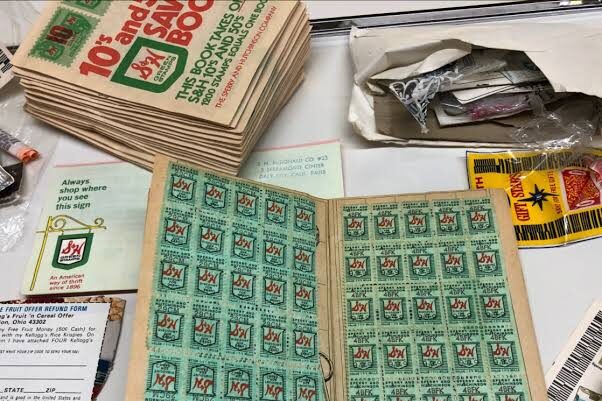
S&H Green Stamps were a popular rewards program from the 1930s through the 1970s. Boomers collected stamps at grocery stores, gas stations, and other retailers, then pasted them into special books. Families often made a daily or weekly habit of adding newly earned stamps, and kids helped fill the pages. Full books could be redeemed for household goods from large catalogues or redemption centers. Today’s loyalty programs are digital, so children rarely see physical stamps, thick redemption books, or the excitement of trading completed pages for a new toaster, blender, or toy.
30. Listening for the Evening News Jingle
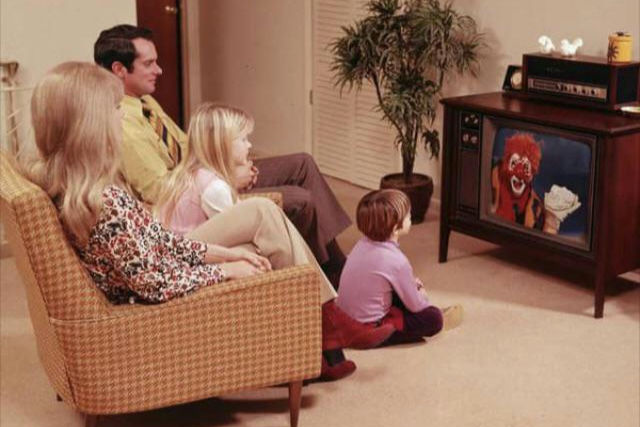
Before streaming news on demand, boomers scheduled their evenings around the nightly broadcast. Families recognized the signature jingles and opening themes of major networks, which signaled it was time to sit down and catch up on national events. The news hour was so central to daily life that many households paused dinner preparation or quieted the living room when it started. Kids today consume news through push notifications, social media clips, and on-demand video, so they rarely experience the shared household moment when everyone turned toward the TV at the same time each evening.
While many have faded with new technology, they remain vivid memories for those who lived through them. If any of these moments remind you of your own childhood, feel free to share your thoughts in the comments, thank you for reading.
This story 30 Things Boomers Did Daily That Kids Today Have Never Seen was first published on Daily FETCH


