
1. RadioShack Was the Fix It Store
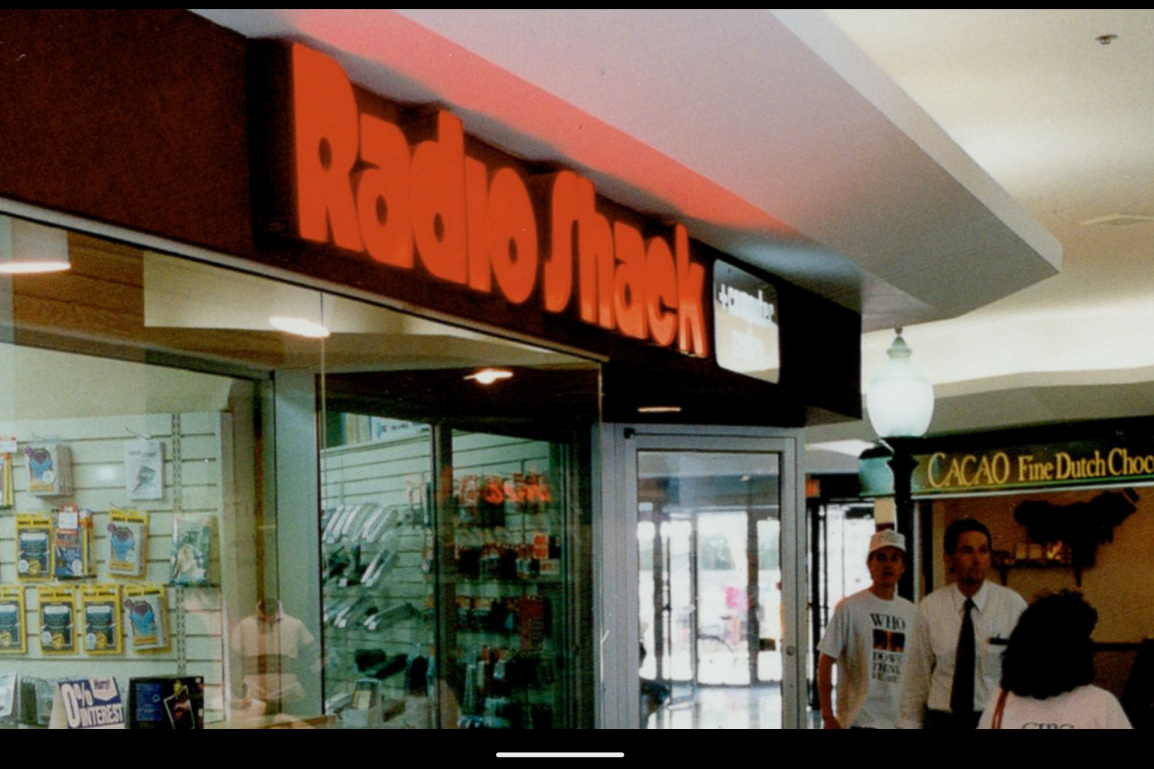
RadioShack was where you went when you needed something specific and confusing. A charger, a cable, batteries, a weird part you didn’t know the name of, it was the place that saved you. Many shoppers walked in feeling lost and walked out feeling relieved, because someone helped them find what they needed. It was not flashy, but it was useful, and that made it important. Some people only visited once in a while, but when you needed it, you really needed it. It was the mall store that quietly solved problems while everyone else was browsing clothes.
But electronics shopping changed fast. Big retailers offered more options, and online stores made it easy to search and order the exact product you wanted. As technology moved quickly, small specialty stores struggled to keep up with the demand and pricing competition. Mall traffic also dropped, and that hurt stores that depended on walk in customers. RadioShack couldn’t compete, and many locations shut down. Now it feels like one of those useful places we didn’t fully appreciate until it disappeared, because it made everyday problems easier to fix with one quick mall stop.
2. Spencer’s Was the Store You Entered Carefully
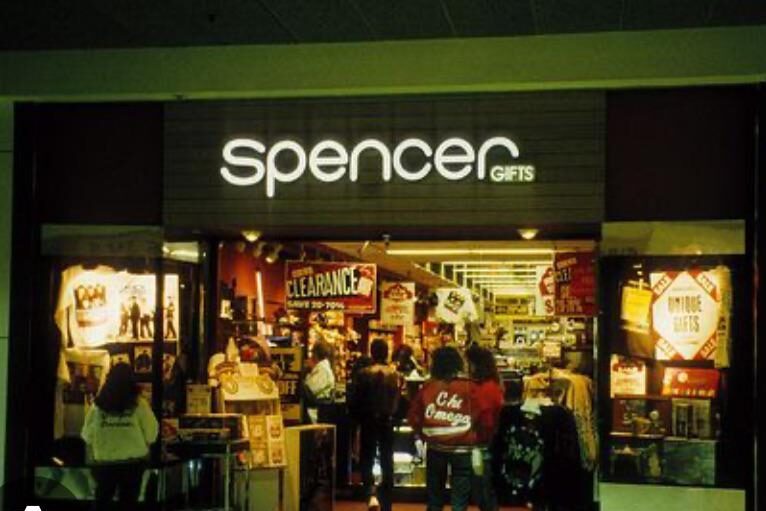
Spencer’s always had that energy of “you can look, but don’t get caught.” It sold funny gifts, bold shirts, posters, and items that made teenagers laugh too hard in the aisle. It was a mix of humor, chaos, and curiosity, and people loved walking in just to see what was new. Friends dared each other to go deeper into the store, and even adults sometimes walked in pretending it was for a gift. Spencer’s felt like the mall’s secret corner, the place that didn’t take itself seriously and made everyone feel a little rebellious.
But gift shopping changed, and people began buying quirky items online instead of browsing in person. Malls also became less of a hangout space for teens, which reduced the crowd that kept Spencer’s buzzing. It did not disappear everywhere, but it stopped feeling like a major mall centerpiece in many areas. Still, just hearing the name brings back memories of laughing with friends, trying not to act suspicious, and walking out feeling like you got away with something small and silly.
3. Sam Goody Made Music Feel Personal
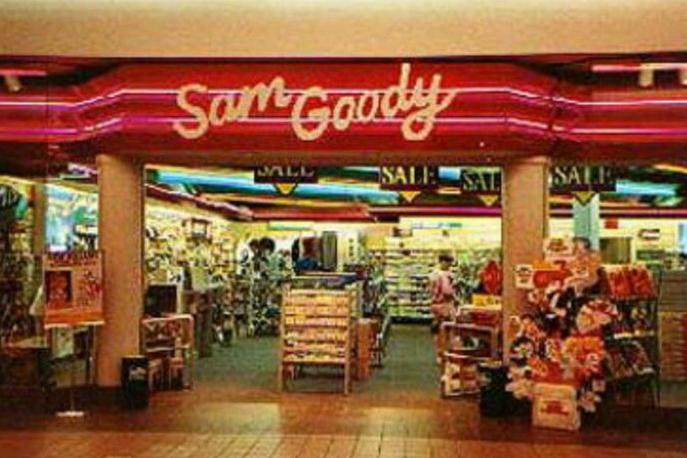
Sam Goody was the kind of store that made you feel cool just by entering it. The posters, the album covers, the sound playing from speakers, it all made shopping feel like a music moment. You could discover a new artist by accident, or buy a CD just because the cover looked interesting. Some people walked in just to listen and nod their heads like music experts. It was a place where taste was built slowly, and your favorite song could be found without searching online first. You left feeling like you picked something special.
But the world changed fast when music became digital. Streaming and downloads replaced the need for physical CDs, and online stores made buying music quicker and cheaper. Malls also stopped being the main hangout space, so music stores lost the wandering crowds they depended on. Without steady foot traffic, Sam Goody could not keep going the way it used to. Now it lives mostly in memory, like the soundtrack of growing up, back when choosing music meant standing in front of shelves and trusting your instincts.
4. KB Toys Was Every Kid’s Happy Place
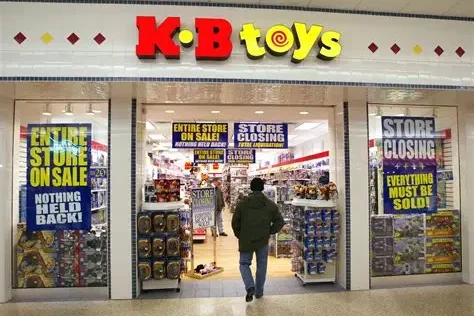
KB Toys was a trap in the best way, especially if you were a child or walking with one. It had stacked shelves, bright boxes, and that feeling that anything could happen if you picked the right toy. Even adults enjoyed walking in just to see what was new, because it always felt busy and alive. Kids begged, parents bargained, and someone was always pressing buttons on a demo toy like it was serious business. You could walk in for one thing and still leave with a whole new wish list in your head.
But toy shopping moved to big retail stores and online platforms, where prices were lower and options were endless. Parents began comparing deals quickly, and kids started building their dream lists from videos instead of mall trips. Malls also lost traffic over time, and a toy store needed constant crowds to survive. KB Toys couldn’t keep up with the shift and slowly disappeared. Now it’s one of those names that brings instant nostalgia, because it reminds people of when happiness was walking into a store full of surprises.
5. Orange Julius Was a Mall Treat Tradition
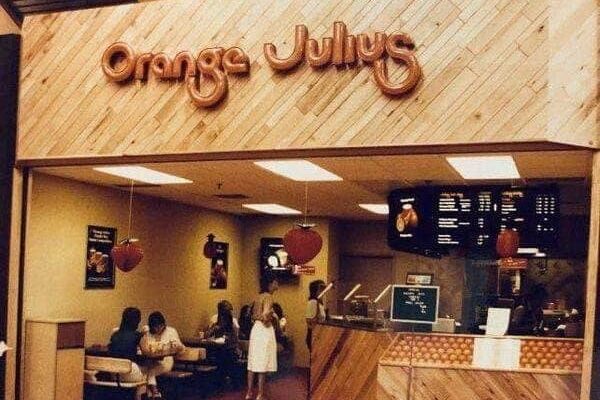
Orange Julius had that sweet smell that pulled you closer even when you told yourself to keep walking. It felt like a reward after hours of window shopping, and it was the kind of drink you carried like proof you were enjoying your day. Some people treated it like a tradition, because it wasn’t a real mall trip until you had that cold cup in your hand. It tasted simple and comforting, like the fun part of the day showing up early. Even if you came with family, it still felt like your own little treat.
But food courts changed, and drinks became more about trends than comfort. New smoothie spots, bubble tea stands, and bright colorful menus started taking attention. People also began craving more variety, plus drinks that looked good in pictures. As malls got quieter, classic stands like Orange Julius became less common in many places. Some locations still exist, but for a lot of people, it’s now just a memory of those carefree mall days when a sweet drink could make everything feel lighter.
6. Mrs. Field’s Cookies Was the Real Attraction
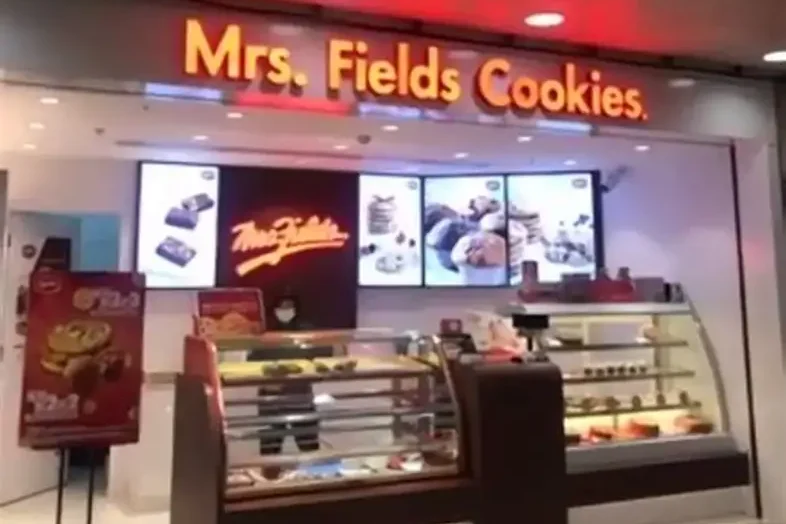
Mrs. Field’s Cookies didn’t need a big sign because the smell did all the work. You could be walking past, minding your business, and suddenly you were turning your head like the cookies called you. It was warm, soft, and comforting, the kind of snack that made you feel taken care of without any effort. People stood by the glass choosing slowly, even though every cookie felt like the right answer. Sometimes you bought one, sometimes you bought a box, but either way the smell followed you down the hallway like a sweet cloud.
But mall life changed and impulse snack stops got hit hard. Foot traffic dropped, and dessert competition grew fast with new cookie brands, fancy donuts, and delivery options that brought treats straight to your door. People started craving bigger portions and louder flavors, and some stopped shopping in person altogether. Mrs. Field’s became less of a mall staple in many areas. Still, the memory of that smell can bring back cravings instantly, because it reminds you of a time when joy was simple, warm, and easy to find on an ordinary day.
7. Sbarro Was the Pizza You Didn’t Overthink
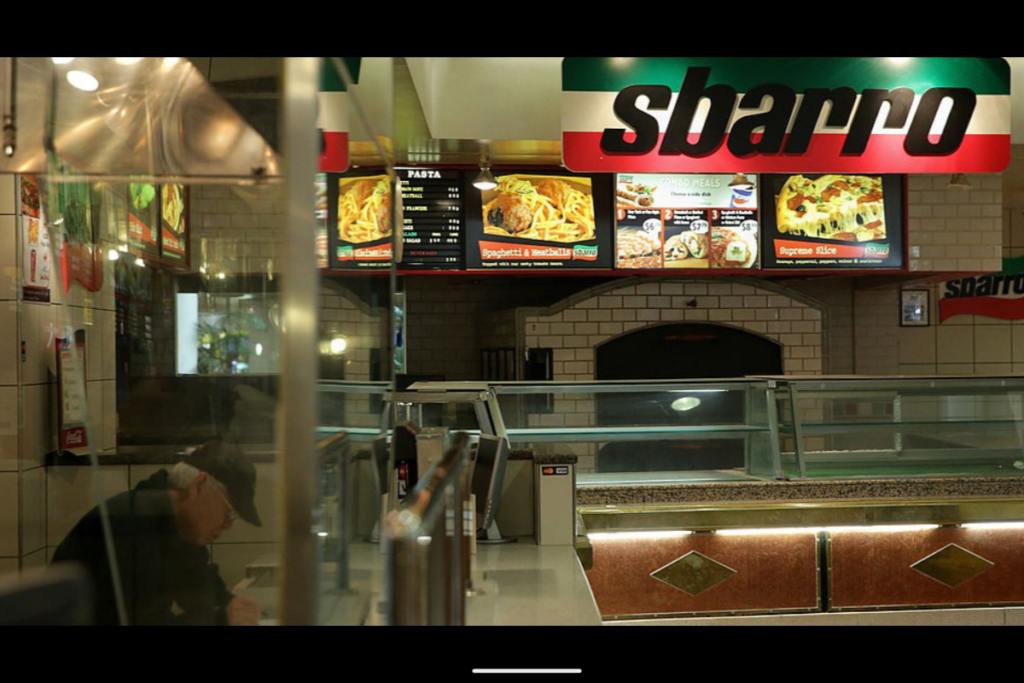
Sbarro was food court pizza in its most familiar form. You didn’t go there looking for the best slice on earth, you went because it was quick and it worked. You pointed at a slice, grabbed a drink, and kept moving like the mall had a schedule. It was the kind of meal you ate while standing, holding shopping bags, and talking about where to go next. If you were with friends, it felt like the easiest group choice, because nobody wanted to argue too much. Sbarro was simple comfort, and it kept things moving.
But food courts started changing as people wanted fresher options, more variety, and better quality for the same money. Many shoppers started choosing outside restaurants or ordering food online instead of eating in the mall. As mall traffic slowed down, quick stop chains like Sbarro were affected. It didn’t disappear everywhere, but it stopped being the automatic food court choice it once was. For many people, it’s still a reminder of the old mall routine when a slice of pizza felt like the perfect reward.
8. Cinnabon Was the Smell You Could Not Avoid
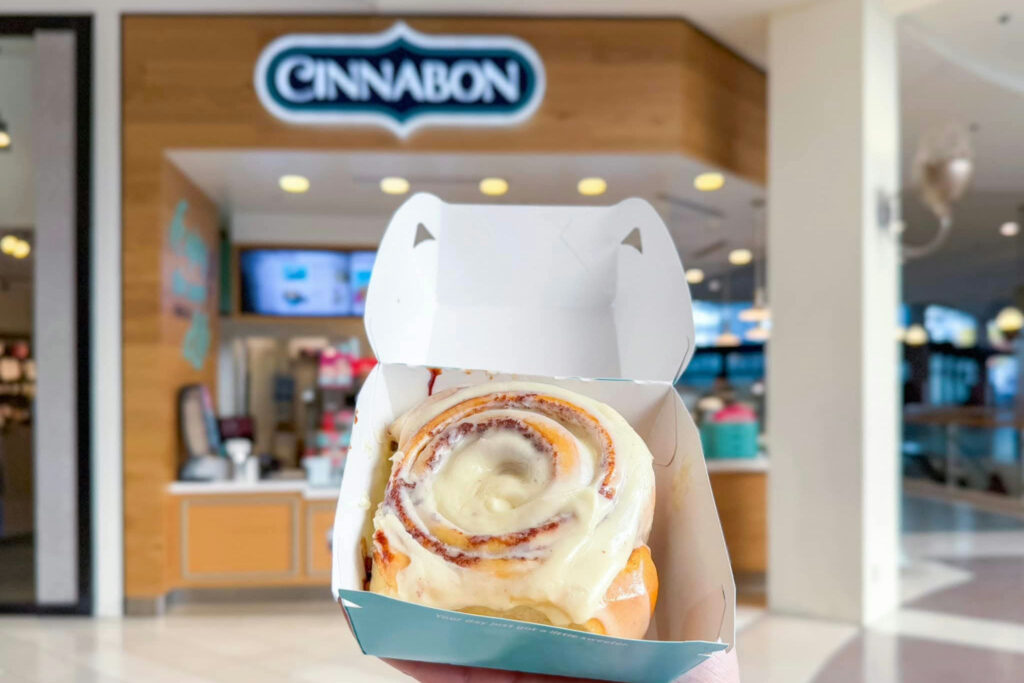
Cinnabon was never hidden, because the smell always reached you first. You could be walking far away and suddenly feel hungry, even if you weren’t hungry a minute ago. That cinnamon scent pulled people in like a magnet, and it always felt like a treat you didn’t have to explain. You’d buy a roll, carry the box around, and feel like your whole mall day just improved. Even people who claimed they were just browsing often ended up stopping, because the smell made it hard to resist. Cinnabon was like the mall’s sweetest trap.
But snack habits changed, and malls stopped getting the same steady crowds they used to. People began choosing lighter options, or saving desserts for special moments instead of impulse buys. Also, new dessert brands started offering more variety and delivery convenience. Cinnabon still exists in many places, but it is not the same mall centerpiece it once was. For a lot of people, it has become a nostalgic craving, the kind that hits you when you remember those shopping days when a warm cinnamon roll felt like happiness in a box.
9. The Limited Made You Feel Put Together
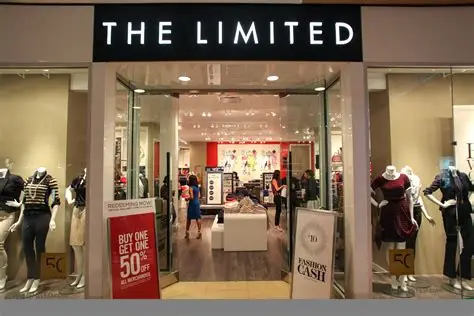
The Limited was where you went when you wanted to look like you had your life together, even if you didn’t. It had clean office outfits, polished pieces, and clothes that made you feel ready for something important. Many people got their first “serious” outfits there, the kind you wore to interviews, meetings, or just days when you wanted to feel grown. The store made professional style feel achievable, even if you were still figuring everything out. You could walk in unsure and walk out looking like you belonged in a different chapter of life.
But fashion shifted and workwear became more casual. Online shopping grew quickly and gave people more options without needing a mall trip. Malls also stopped being the main place for wardrobe upgrades, and stores like The Limited felt the pressure. It struggled to keep up with the new retail world and the changing way people dressed for work. Now it’s remembered as the store that helped many people build confidence through clothing, back when dressing up felt like a step toward the future you wanted.
10. Limited Too Was the Tween Dream Closet
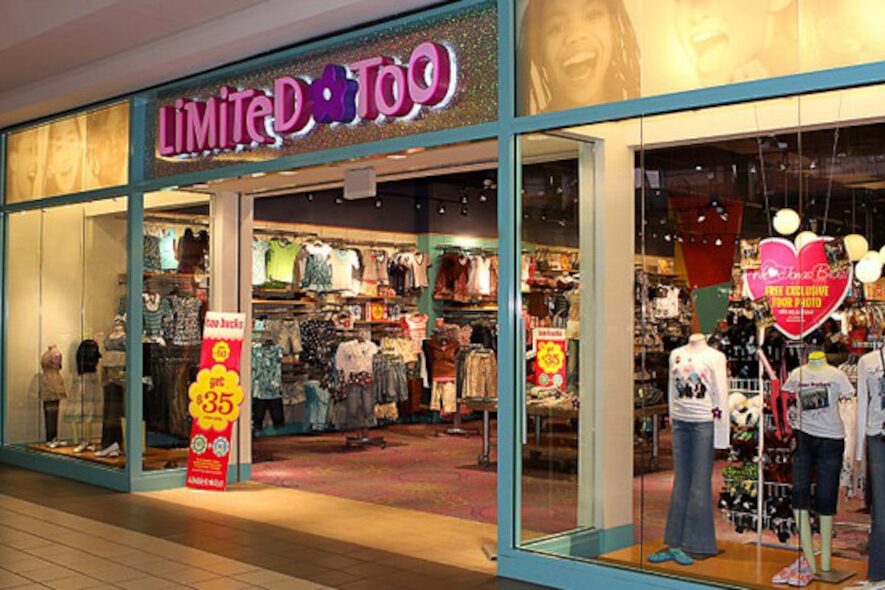
Limited Too felt like a bright little world built for growing up. It had glitter, fun colors, cute outfits, and accessories that made tweens feel like they were stepping into their own style. It was the store where you begged your parent for one more item because everything felt perfect. Even just browsing felt exciting, like you were collecting ideas for who you wanted to be. It was playful, bold, and full of little pieces that made school days feel more fun. For many kids, it was where confidence started, one colorful top at a time.
But tween fashion moved fast and competition grew. Bigger brands offered cheaper styles, and online shopping made trends change almost overnight. Kids moved quicker through phases, and mall stores struggled to keep up with what was popular. Malls also became less central to young shoppers, which made it harder for stores like Limited Too to thrive. Eventually it faded away, leaving behind memories that still feel sweet. When people remember it, they usually remember the feeling too, that early moment of discovering personal style and feeling proud of it.
11. Gadzooks Was Teen Style in One Store
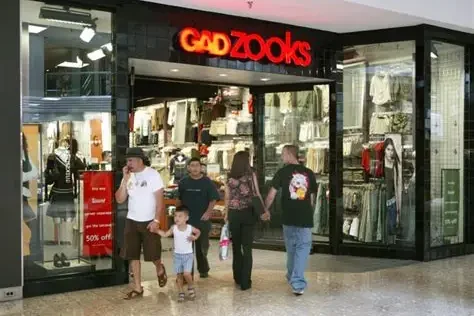
Gadzooks was loud, trendy, and full of personality. It was the kind of store teens went to when they wanted their outfits to say something before they spoke. You’d find bold graphic tees, shiny accessories, and styles that felt playful and fearless. Even if you didn’t buy anything, you still walked through because it was fun to look. It felt like a store made for the era when the mall was your social life and your fashion experiment all in one. You could walk in shy and walk out feeling like you had a new attitude.
But teen fashion changes fast, and stores like Gadzooks struggled to stay ahead. Online shopping made trends move quicker than physical stores could keep up with. Malls also became less central for teens as hangout culture shifted. Without steady foot traffic, Gadzooks faded away. People still remember it because it captures that time perfectly, when your outfit was part of your identity and the mall felt like the stage. It’s one of those lost mall stores that lives on through memories of trying things on, laughing with friends, and feeling cool for no serious reason.
12. Wet Seal Was the Cute Top Store
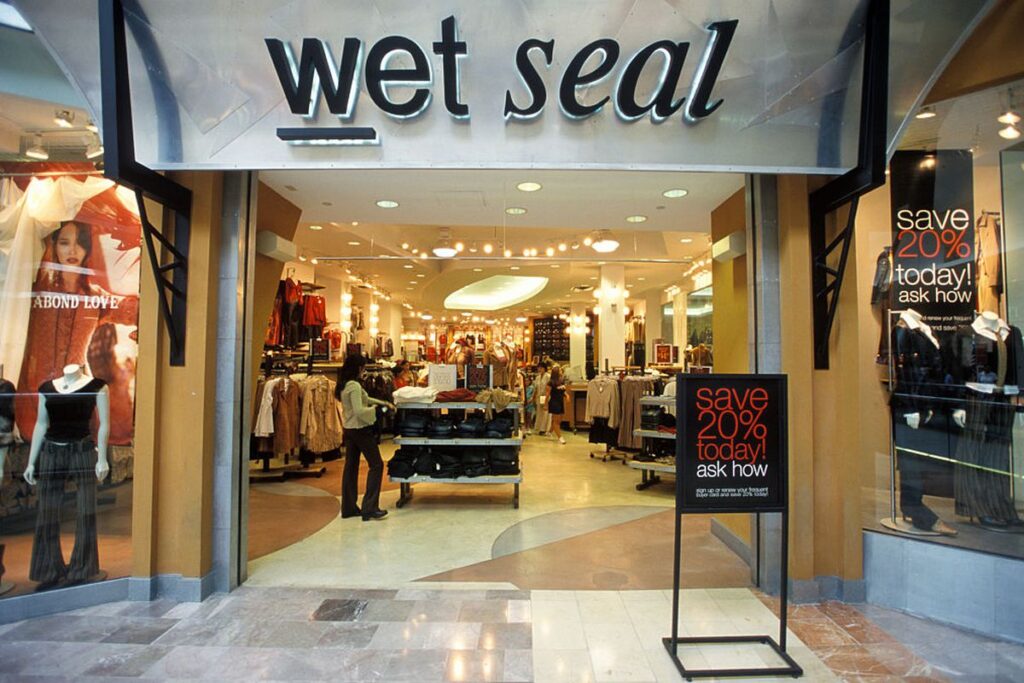
Wet Seal was a favorite for quick fashion wins. If you needed something cute for the weekend, a hangout, or a last minute plan, it was one of the first places you checked. The prices felt friendly, and the style was youthful without trying too hard. You could walk in thinking you were just browsing and still leave with a top you didn’t plan to buy. It was that kind of store, easy, fun, and always tempting. For many people, Wet Seal was part of the mall routine because it made looking good feel simple and affordable.
But fast fashion became even faster, and online stores started offering endless choices with delivery. Mall foot traffic dropped, and Wet Seal struggled to keep up with the pace of trends and pricing competition. When shoppers moved online, it became harder for mall stores to survive on impulse visits. Wet Seal slowly disappeared from many malls, and people still miss it because it was reliable. It wasn’t about luxury, it was about those moments when you needed something quick that made you feel confident, and Wet Seal usually had it waiting on the rack.
13. Delia’s Felt Like a Walking Teen Magazine
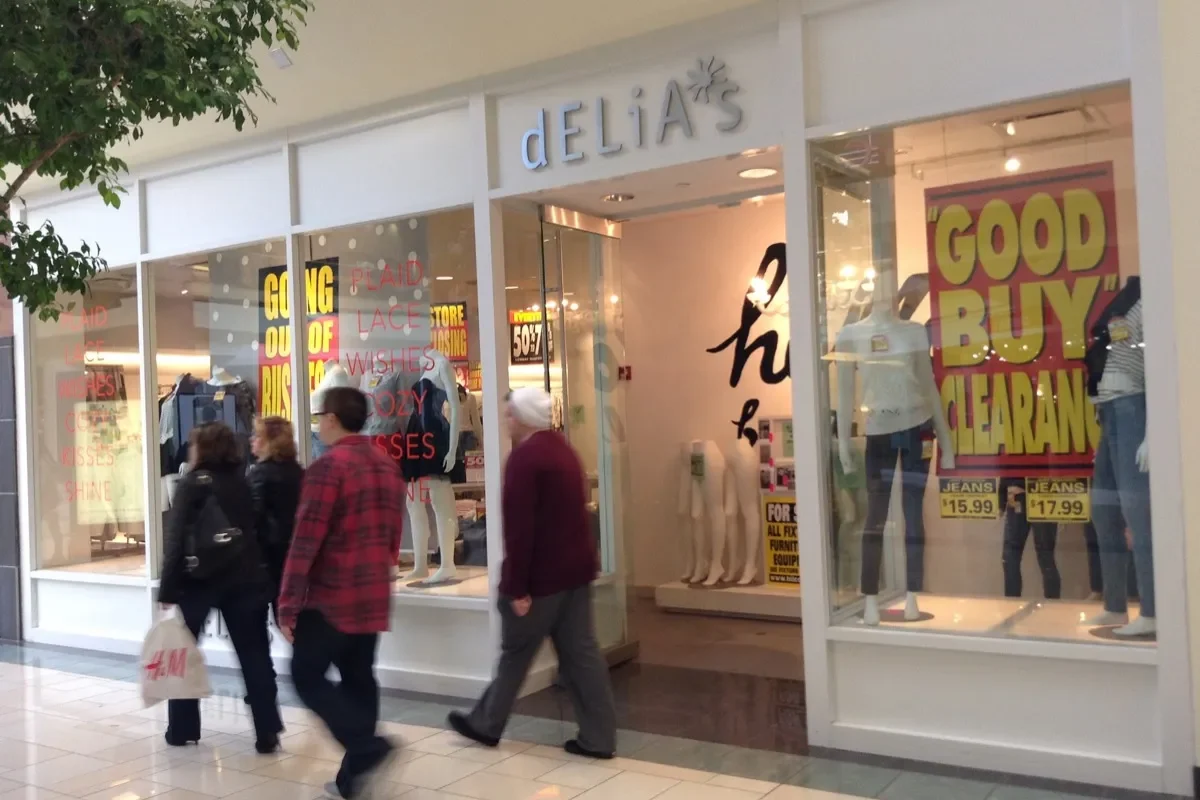
Delia’s had that quirky style that made you feel like you were living inside a teen movie. The clothes were playful, a little different, and full of personality. Even if you didn’t buy anything, the store made you feel inspired, like you could reinvent yourself with one outfit. It felt like a place where creativity and fashion mixed, and you could almost hear the soundtrack of your own coming of age story while browsing. Delia’s was for the people who wanted to stand out softly, not loudly, but still in a way that felt special.
But online fashion changed everything. Shoppers stopped waiting for mall stores to stock what they wanted, because trends became easier to find online and often cheaper too. Styles also shifted quickly, and stores like Delia’s struggled to keep up with the pace. As malls became less popular hangout spots, the audience that loved Delia’s had more options elsewhere. It faded away, but the memory stayed strong. Many people still remember how it felt, like browsing inside a magazine, dreaming up new outfits and a new version of yourself at the same time.
14. Claire’s Was Every Girl’s First Stop
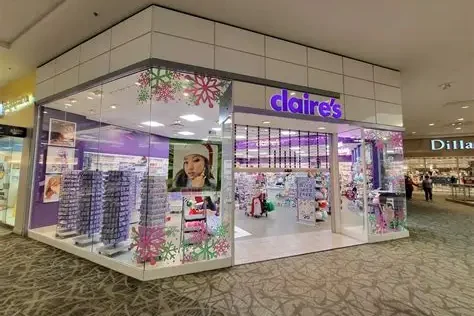
Claire’s was the mall store that made accessories feel like magic. It had earrings, hair clips, rings, and tiny sparkly things that made you feel instantly upgraded. Even if you only had pocket money, you could still buy something small and feel happy. For many people, it was also where they got their first ear piercing, so it holds real memory, not just shopping. Walking into Claire’s felt like entering a world of color and fun, the kind of place that made growing up feel exciting. It was bright, friendly, and easy to love.
But accessory shopping moved online, and trends started changing faster than mall shelves could keep up with. People could buy cheap accessories in bulk from online stores without leaving home. Malls also became less busy in many areas, and Claire’s stopped feeling like the automatic stop it once was. Some locations still exist, but the mall era of Claire’s as a major hangout has faded. Still, it remains a strong childhood memory for many people, because it was one of the first places where personal style felt like something you could try on and enjoy.
15. B. Dalton Was Always There Somehow
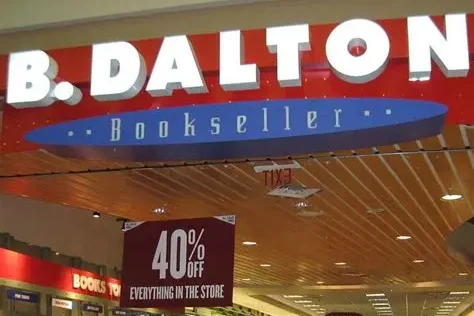
B. Dalton felt like the bookstore you didn’t search for, but always ended up finding. It was smaller than the big book giants, but it carried enough to make you stay longer than planned. You’d see romance novels, mystery books, magazines, and little gift books that felt perfect for last minute presents. It was the kind of place where you stood near the shelves reading back covers like you were choosing a new version of yourself. Even when money was tight, you still walked in just to browse, because the calm itself felt like something free.
The problem was that bigger bookstores grew bigger, and online shopping made book buying quicker. People still read, but fewer people walked into malls to browse shelves for fun. Once next day shipping became normal, malls stopped being the main place for discovery. As foot traffic dropped, smaller bookstores could not hold the same steady crowd. When B. Dalton disappeared, many malls lost that gentle corner where stories waited patiently, and the whole mall felt a little less personal afterward.
15. And All The Other Book Stores
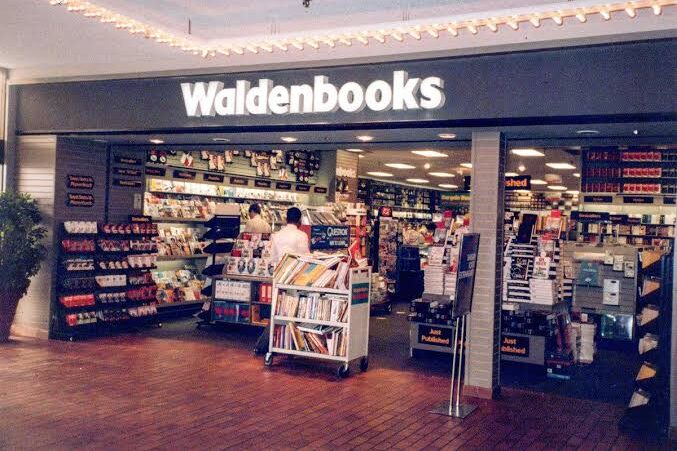
If you grew up hanging around the mall, you already know some stores felt like part of your routine. Not because you always bought something, but because you always passed through. Barnes & Noble, Waldenbooks and so many other fantastic chain and independent stores were many of those places. It felt quiet and calm, like a soft break from the noise outside. You could flip through pages, read random lines, and suddenly feel like you found something for yourself. It was also the kind of store that made you slow down, even if you were only waiting for friends or hiding from the crowd. You didn’t have to buy anything to feel like you belonged there.
But as online shopping grew and people stopped browsing in person, mall bookstores started disappearing. Waldenbooks slowly faded because book buying moved to clicks instead of casual strolls. Bigger bookstores pulled shoppers away with wider selections, and later, e-books and fast delivery made physical browsing feel unnecessary. Once malls started thinning out, quiet stores like this had fewer loyal visitors to keep them alive. Waldenbooks didn’t just sell books, it sold that gentle pause in the middle of a busy day, and many malls never replaced that feeling.
16. Sharper Image Was the Fancy Gadget Stop
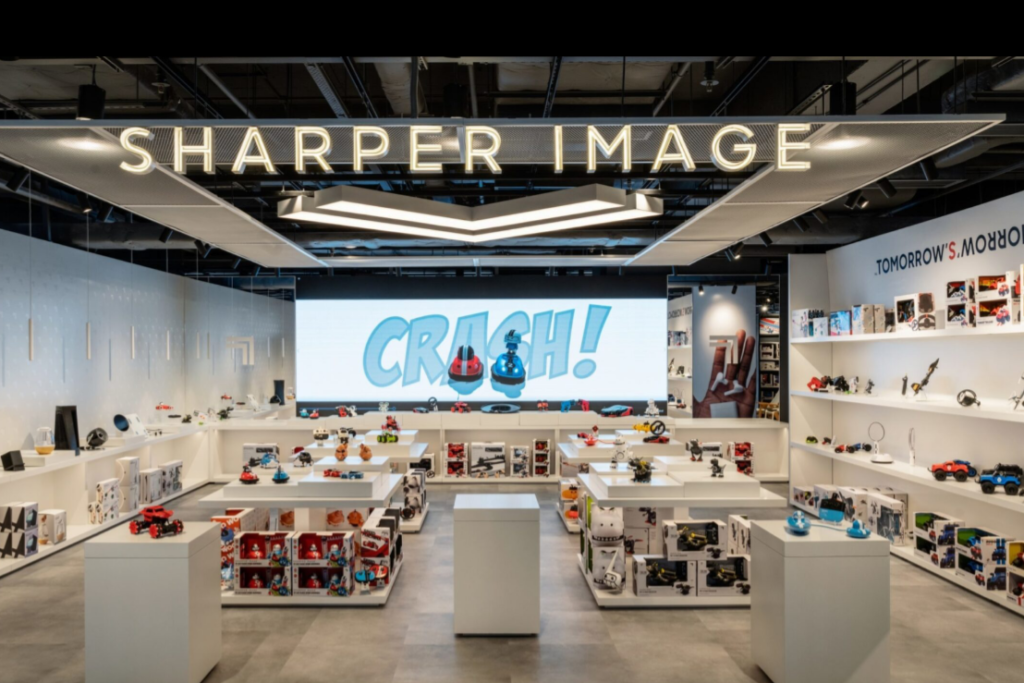
Sharper Image felt like a store you entered just to look around, even when you had no intention of buying anything. It had massage chairs, sleek gadgets, and strange inventions that made you feel like the future arrived early. People loved testing things out and laughing at how expensive the “fun stuff” was. It was the kind of place where you tried a chair for five minutes and suddenly started planning a whole new lifestyle in your head. Even if you walked out empty handed, you still felt entertained, like the store was part showroom and part playground for curious adults.
But once online shopping became the easiest way to buy gadgets, stores like this started losing attention. You could find similar items cheaper, read reviews quickly, and get it delivered without stepping into a mall. Malls also stopped getting the same steady crowds, and a store like Sharper Image depended on people wandering in for fun. Without that constant traffic, it slowly faded from many places. Now it lives mostly in memory as the store that made you dream big for no reason and enjoy every second of it.
17. Brookstone Was the Store You Always Played In
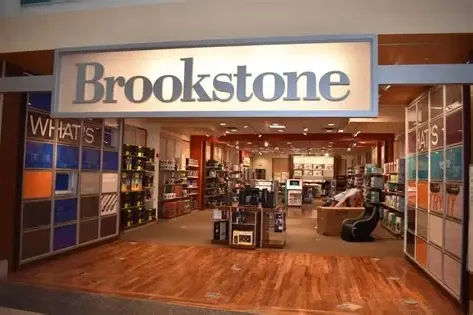
Brookstone was like Sharper Image’s fun cousin, always packed with gadgets you could touch and try. It was the mall stop where people tested massagers, cool pillows, mini fans, and little inventions that felt unnecessary but exciting. Even when you did not plan to buy anything, you stayed longer than expected because everything begged to be tested. It was the kind of store that made shopping feel less serious, like you could laugh and explore without pressure. Some people went straight to the massage chair every time, treating it like a free break in the middle of a long mall day.
But shopping habits changed, and people started ordering the same items online, often for less money. As mall visits dropped and curiosity shopping became less common, Brookstone struggled to stay alive in that space. Online stores made it easy to compare options, get discounts, and avoid mall crowds. Brookstone still exists in some form, but the classic mall version faded in many places. For lots of people, it will always be remembered as the store where browsing felt like play and the mall felt more fun.
19. The Disney Store Felt Like a Mini Vacation
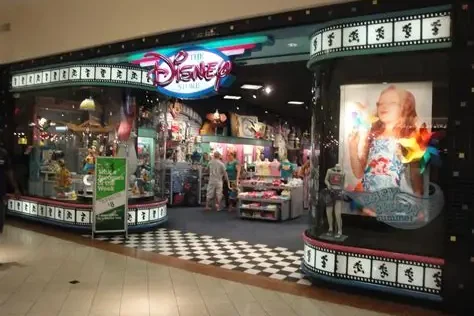
The Disney Store made the mall feel magical, especially for kids. The music, the bright displays, the characters everywhere, it felt like stepping into a tiny theme park without buying a ticket. Even adults enjoyed it because it brought out that soft childhood feeling you forget you still have. Kids touched everything, stared at the toys like they were treasures, and begged for just one item to take home. It was more than shopping, it was an experience that made the rest of the mall feel brighter. Even walking past the entrance could lift your mood a little.
But as Disney products became available everywhere, from big retailers to online stores, the mall location became less necessary. Families also started visiting malls less often, and that made it harder to keep specialty stores running. Shopping habits changed, and people wanted convenience over experience. Some Disney Store locations still exist, but many disappeared from malls over the years. People miss it because it was not just about buying toys, it was about that small burst of wonder in the middle of an ordinary day.
20. Gap Kids Was the Clean Cute Outfit Spot
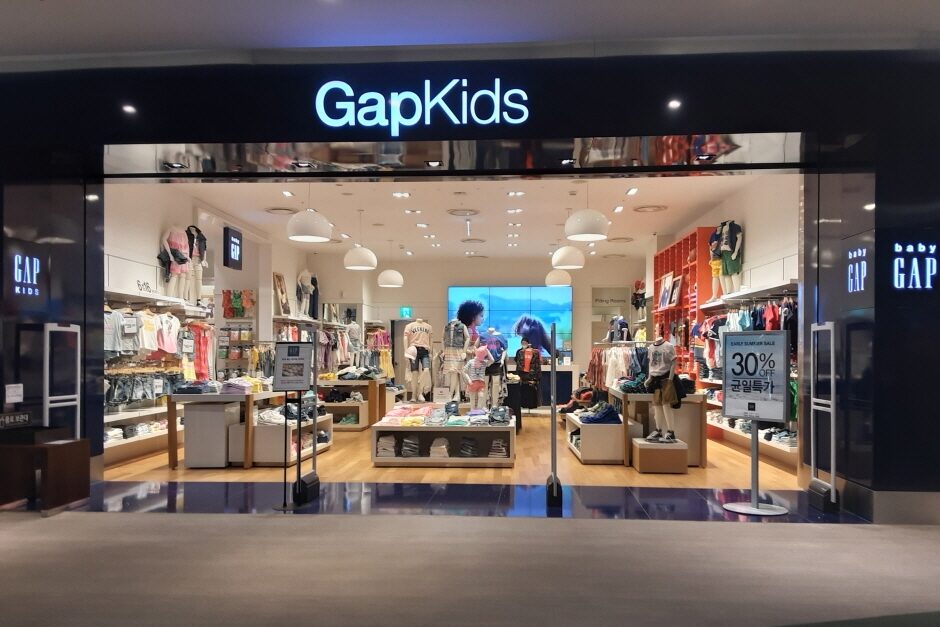
Gap Kids was where parents went when they wanted their child to look neat and stylish without doing too much. The clothes were simple, comfortable, and perfect for school, outings, and family pictures. It had that clean look that made kids seem instantly put together, even if they were wild five minutes later. Shopping there felt easy because the pieces matched well and always looked fresh. For many families, it was a back to school tradition, the kind of store you visited every year like a routine you could count on.
But kids clothing became more competitive, and many parents started shopping online for convenience and better deals. Big box stores also offered affordable kidswear, and fast fashion brands pulled attention with trendy styles. With fewer families spending long days at the mall, stores like Gap Kids stopped getting the same steady traffic. It still exists in some places, but it is no longer the mall essential it once was. Now it mostly reminds people of those childhood outfit moments when looking nice felt like part of growing up.
21. Payless Shoes Was the Budget Saver
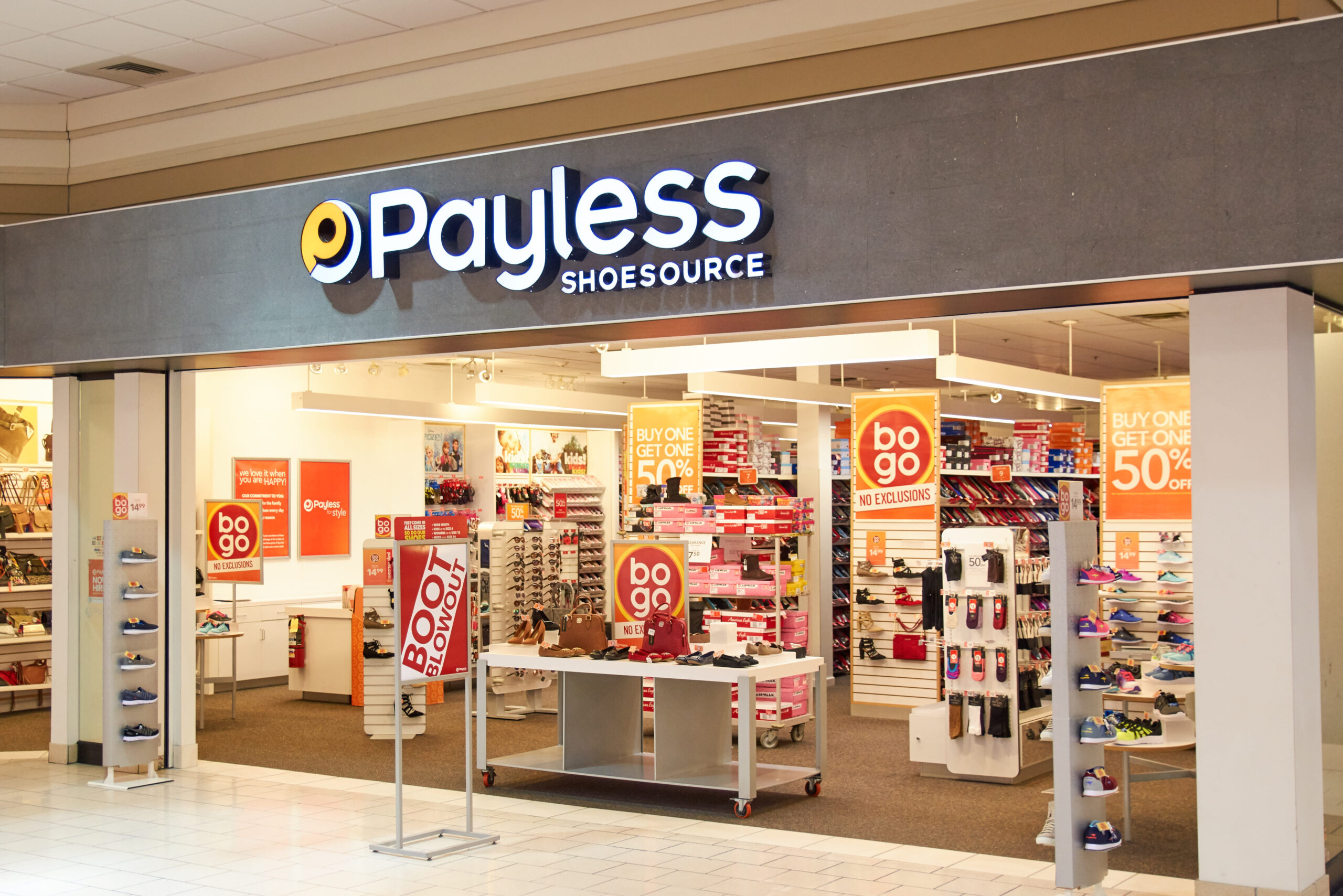
Payless was the store that made shopping feel possible when money was tight. You could walk in with a small budget and still leave with shoes that looked good enough for work, school, or church. It was not about luxury, it was about getting what you needed without stress. Parents loved it because they could buy multiple pairs, and kids loved it because they could still pick something that felt cool. Payless was one of those stores that helped families stretch money while still feeling like they were keeping up with life.
But online shopping made cheap shoes easy to find, and big retailers started offering more affordable styles too. Competition grew fast, and shoppers began expecting better quality for low prices. Payless struggled to keep up with the new retail world, and many locations closed. People felt the loss because it served everyday shoppers who needed simple options that worked. Payless proved that affordable shopping could still feel like a win, and the memory of walking out with a new pair of shoes in a small yellow bag still feels satisfying.
22. Foot Locker Was the Sneaker Corner
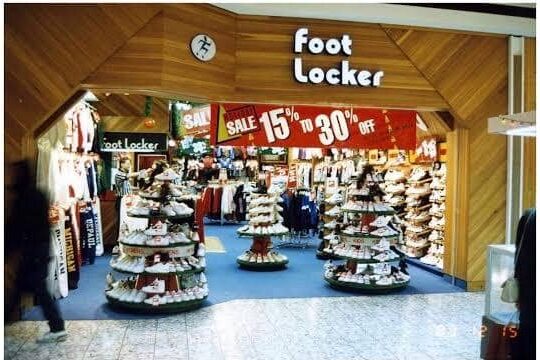
Foot Locker was a mall classic, especially for anyone who cared about sneakers. It had that sports energy, the wall of shoes, and the feeling that something fresh was always dropping soon. Even if you were not buying, you still walked in to look, compare, and imagine what you would get next. People tried on sneakers like it was an important decision, and sometimes it actually was. Foot Locker also felt like the place where style met confidence, because the right pair of shoes could change your whole mood before you even left the mall.
But sneaker culture shifted online, and people started hunting releases through apps and brand websites. Shopping in person became less necessary, and malls stopped being the center of sneaker hype. Many brands began pushing direct sales, which changed how people bought shoes. Foot Locker still exists, but the mall vibe around it has changed. It is now more of a familiar name than the main hangout spot it once was. Still, it brings back memories of walking in with big hopes, checking prices, and stepping out feeling taller in new kicks.
23. Champs Sports Was the Quiet Sneaker Rival
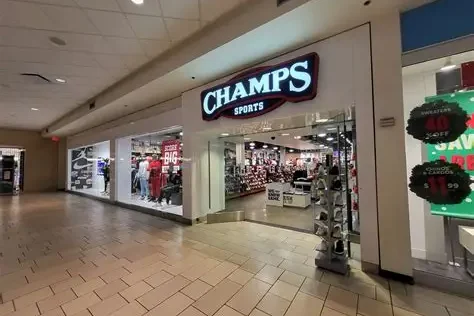
Champs Sports had a similar feel to Foot Locker, but with a slightly calmer vibe. It was the place for sneakers, jerseys, sportswear, and everyday athleisure before athleisure became everyone’s daily uniform. You could find something comfortable, sporty, and stylish without trying too hard. People went there for school shoes, gym outfits, or just that one hoodie that felt perfect. It was one of those stores that always felt reliable, especially when you wanted to look fresh but still relaxed. Even browsing felt easy because everything looked like it belonged in real life.
But sports brands began selling directly to customers online, and many shoppers started buying from websites instead of malls. As mall visits slowed down, stores like Champs lost the steady crowd that made them thrive. Online sales, app discounts, and direct brand drops pulled attention away. Champs still exists in some places, but it no longer feels like the heart of the mall the way it used to. Still, it reminds people of the days when a new pair of sneakers or a team jersey felt like a major confidence boost.
24. Musicland Was the Old School Music Stop
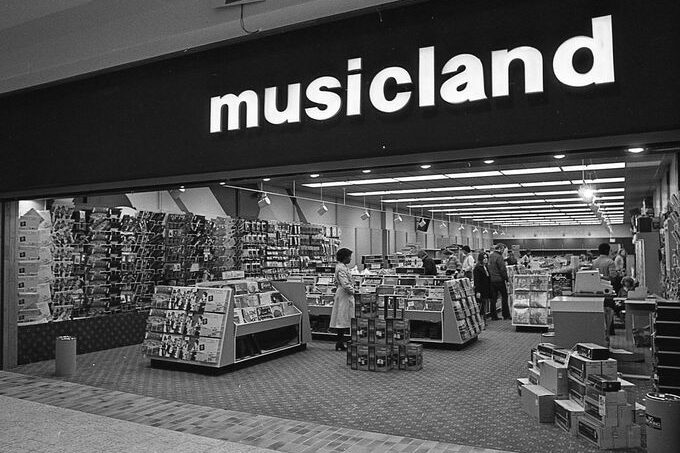
Musicland was the kind of store you visited when music still came in cases. You would browse CDs, look at album covers, and pick something based on vibe alone. It felt like a small ritual, like choosing your next mood for the week. Sometimes you bought a full album for one song and still felt proud of it. It was also a place where friends gathered to talk about artists, argue about who was better, and discover new sounds just by walking around. Music felt personal there because you had to choose it with your hands.
But once digital music became normal, physical music stores started fading fast. Streaming and downloads made everything quicker, cheaper, and easier to access anywhere. People stopped building CD collections, and malls stopped being the place where music discovery happened. Without enough shoppers browsing in person, stores like Musicland could not survive. It slowly disappeared, leaving behind nostalgia for a time when buying an album felt like a decision and an experience. Now it’s remembered as part of that mall era when music shopping was slow, exciting, and oddly meaningful.
25. Suncoast Was a Pop Culture Treasure Spot
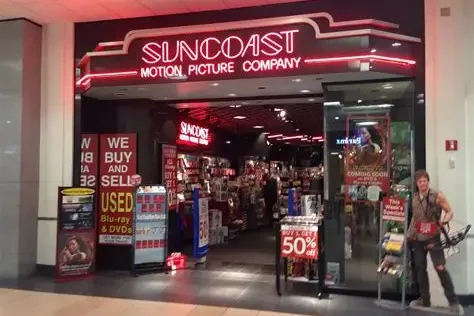
Suncoast was a dream for anyone who loved movies, anime, and pop culture. It had DVDs, collector items, posters, and rare finds that made browsing feel like treasure hunting. Even if you walked in with no money, you could still enjoy looking around like you belonged there. Fans loved it because it felt like a safe space where people actually understood their interests. You could find something that matched your personality, whether it was a new movie release or a weird collectible you didn’t know existed. It was one of those stores that made the mall feel fun and personal.
But streaming changed everything, and physical DVDs became less important for most shoppers. Collectors also moved online, where options were endless and easier to ship. As malls got quieter, niche stores like Suncoast lost the audience that kept them alive. It could not hold on in the new world, and many locations vanished. People still miss it because it wasn’t just shopping, it was an experience. It made you feel like a fan, not just a customer, and the mall felt more alive when you had a store like that to explore.
26. Blockbuster Was the Weekend Plan
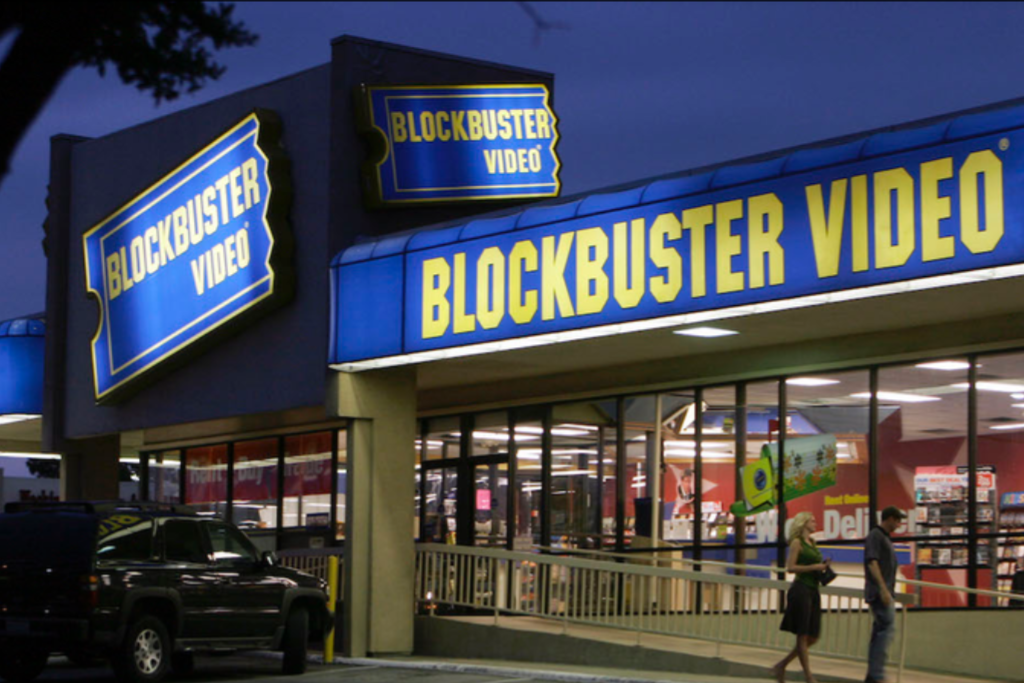
Blockbuster was not always inside malls, but it belonged to the same era of simple fun. Renting a movie was a real weekend plan, not something you did in two seconds on an app. You walked the aisles, judged covers, and sometimes argued over what to pick. It made movie night feel like an event you prepared for. People loved the routine, choosing snacks, picking one safe movie and one risky one, and feeling proud of the final decision. Even walking into Blockbuster felt exciting because it meant you were about to relax and enjoy something.
But streaming came in fast and made everything instant. People stopped wanting to drive out, return tapes or discs, and deal with late fees. Convenience became the new normal, and physical rentals started feeling like extra work. As a result, Blockbuster faded away and became one of the biggest symbols of changing entertainment habits. People still talk about it because it holds memories, not just movies. It reminds you of the slower days when fun meant leaving the house, browsing with someone you loved, and turning a simple movie into a whole night.
27. Borders Was the Cozy Big Bookstore
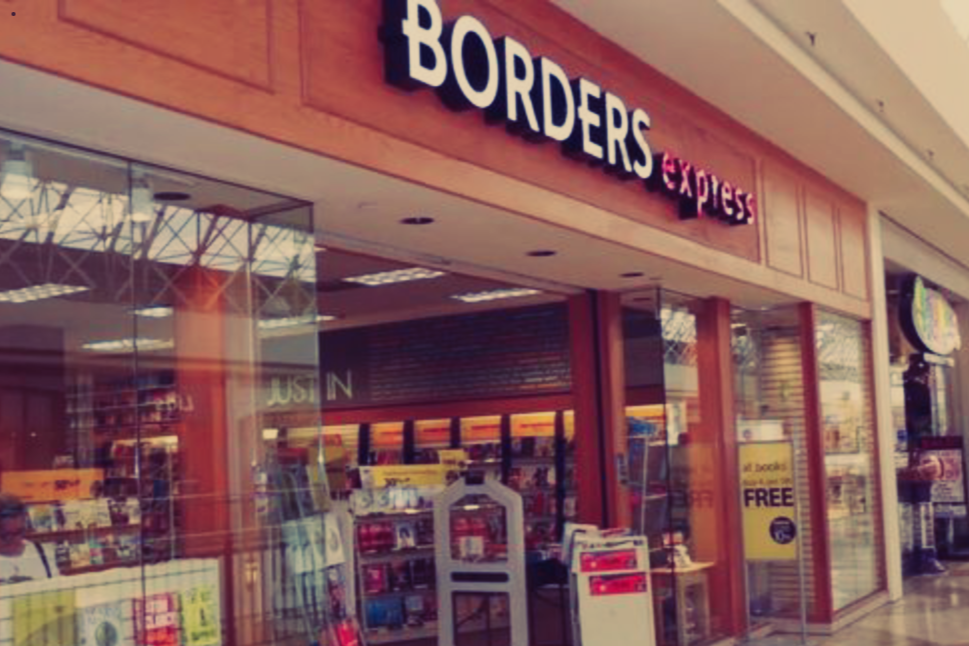
Borders felt like a bookstore you could live in. It was big, calm, and full of corners where you could lose track of time. People walked in to browse, read a few pages, and maybe leave with more books than they planned. It was a peaceful break from the rest of the mall, and it made the day feel slower in a good way. Some people treated it like a quiet hangout, the kind of place where you could think, dream, and feel safe without spending money right away. It felt warm, like the store welcomed you to stay.
But online book shopping grew, and digital reading became more common. People started ordering books from home because it was faster and sometimes cheaper. Big chains struggled to compete with that shift, especially as mall traffic slowed down. Borders could not survive the changes and eventually disappeared. Many people still miss it because it was not just about buying books, it was about how it felt to be surrounded by stories. Losing Borders meant losing one of the calmest places in the mall, and not many stores have replaced that quiet comfort since.
28. Abercrombie Was a Loud Mall Era
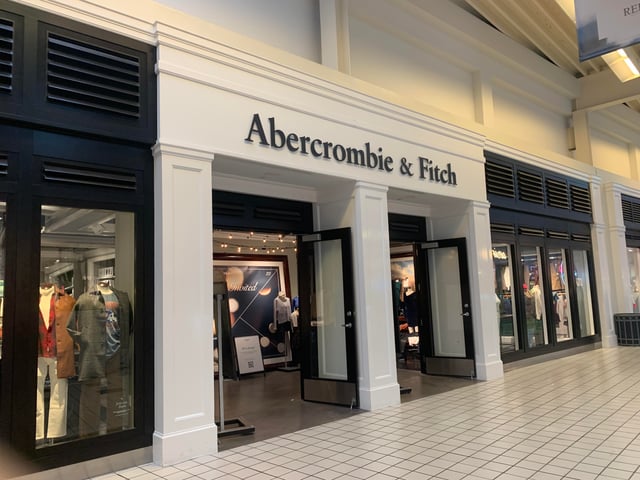
Abercrombie was one of those stores you noticed before you even entered. The music was always loud, the scent filled the hallway, and the vibe felt like a teen movie scene. People shopped there to feel trendy, confident, and part of something popular. Even if you did not buy anything, you still walked past slowly just to look. It was the kind of store that made fashion feel like a status, and many teens measured their style against what they saw in those front displays. It captured an era when the mall felt like a runway and everyone wanted to fit in.
But fashion changed and shoppers started wanting more comfort, variety, and honest pricing. Online brands grew quickly, and people stopped relying on mall stores for their identity the way they once did. Malls also became less central to teen hangouts, so the hype faded. Abercrombie still exists, but the classic mall version of it is mostly a memory now. It reminds people of the days when music was loud, perfume was everywhere, and a simple hoodie felt like the biggest flex in the world.
29. Sears Was the Mall’s Big Backbone
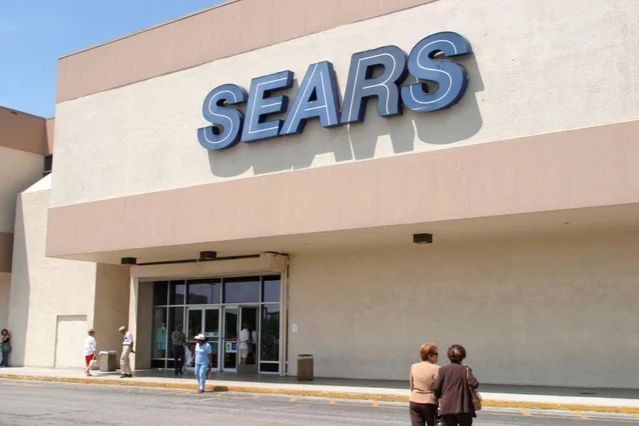
Sears was the kind of store that made the mall feel complete. It sold everything, clothes, appliances, tools, home items, and it felt like the reliable adult part of the mall. Families shopped there for practical things, and many people grew up walking through Sears before heading to the more exciting stores. It was where parents bought serious stuff while kids wandered and waited. Even if Sears did not feel trendy, it mattered because it anchored the whole mall. When you saw Sears, you felt like the mall was solid and permanent, like it would always be there.
But competition grew, shopping moved online, and department stores started losing power. Big retailers offered better deals, and customers started preferring quick online orders over long mall trips. Sears struggled to keep up and many locations closed. When a Sears shut down, the mall often felt emptier and quieter, like it lost its backbone. Sears leaving was not just one store disappearing, it was a sign that the mall era itself was changing. It showed how even the biggest names can fade when the world starts shopping differently.
30. The Mall Movie Theater Made It a Full Day
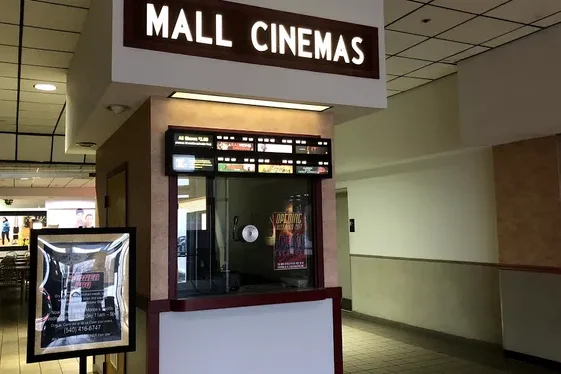
The movie theater was often the final stop that made the mall feel like a full outing. You shopped, grabbed snacks, walked around, then ended the day with a movie like it was tradition. It turned a normal mall trip into a whole experience that felt complete. People met friends there, went on first dates there, and planned weekends around showtimes. Even buying tickets felt like part of the fun, because you knew you were about to sit down and escape for a while. The mall theater made the place feel alive, even when you were not buying clothes or food.
But theaters faced tough times as streaming became more popular and people stayed home more. Some mall theaters closed, while others moved to bigger locations with newer features. Still, many people miss the feeling of walking out of a movie and stepping back into the mall lights, laughing and talking about the best scenes. It’s funny how malls were never just about shopping, they were where memories happened naturally. And maybe that’s why we still talk about these stores, because we are really remembering ourselves back then.
We know there are many more that we could add. If you have some to include when we re-do this story, please add it in the comments and we will include it. Thank you for reading our stories at Daily Fetch. Please follow for more.


