
1. George Washington And The Freedom He Withheld
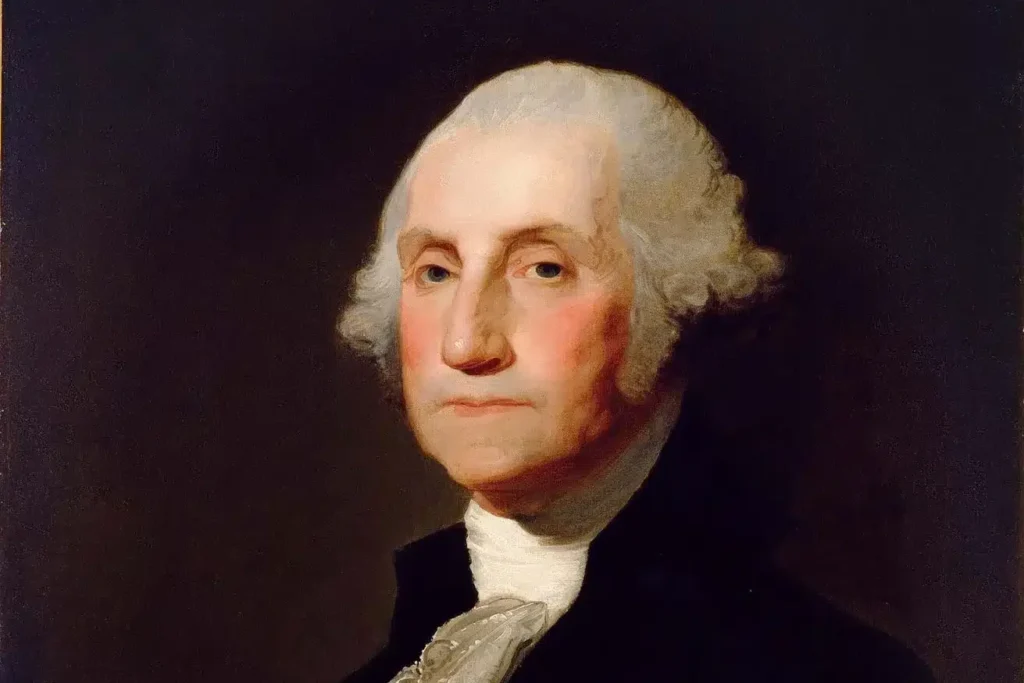
George Washington is often treated as the safest place to begin American history, a figure wrapped in respect before questions are allowed. His leadership during the nation’s founding is real, but so is the fact that he enslaved hundreds of people and protected that system throughout his life. He spoke carefully about liberty while ensuring his own comfort remained untouched. Even as debates about slavery grew louder, Washington chose delay over disruption. That choice preserved unity and reputation while people he owned lived without choice, security, or legal protection under a man celebrated for independence.
What makes this legacy difficult is how deliberate the silence was. Washington understood the contradiction and managed it rather than confronting it. Enslaved people were moved, controlled, and denied freedom while he shaped a country built on rights language. Remembering him only as a founder turns suffering into background noise. Seeing him fully does not erase achievement. It simply reminds us how often leadership protects itself first, and how respect can soften truths that deserve sharper focus.
2. Thomas Jefferson And The Life Behind The Words
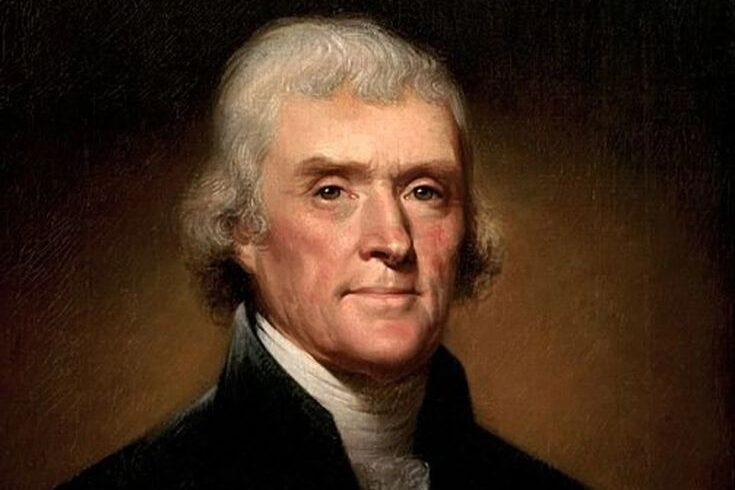
Thomas Jefferson is remembered for words that still feel alive, sentences about equality that echo through classrooms and courtrooms. That clarity makes his personal choices harder to reconcile. Jefferson enslaved hundreds of people and relied on their labor while publicly wrestling with slavery as an abstract wrong. He wrote about moral discomfort yet repeatedly chose convenience. Even when opportunities arose to act differently, he preserved his lifestyle instead, leaving contradiction neatly contained within eloquent language that outlived the people constrained by his decisions.
Jefferson knew the gap between belief and behavior existed. He acknowledged it privately and lived with it publicly. That matters. Admiring the writing while overlooking the lives shaped by his inaction turns intelligence into insulation. His legacy survives because people separate ideas from impact, but those were never separate for the enslaved families tied to his estate. Jefferson’s story shows how insight without courage often reinforces the very systems it claims to question.
3. Andrew Jackson And The Brutality Of Removal
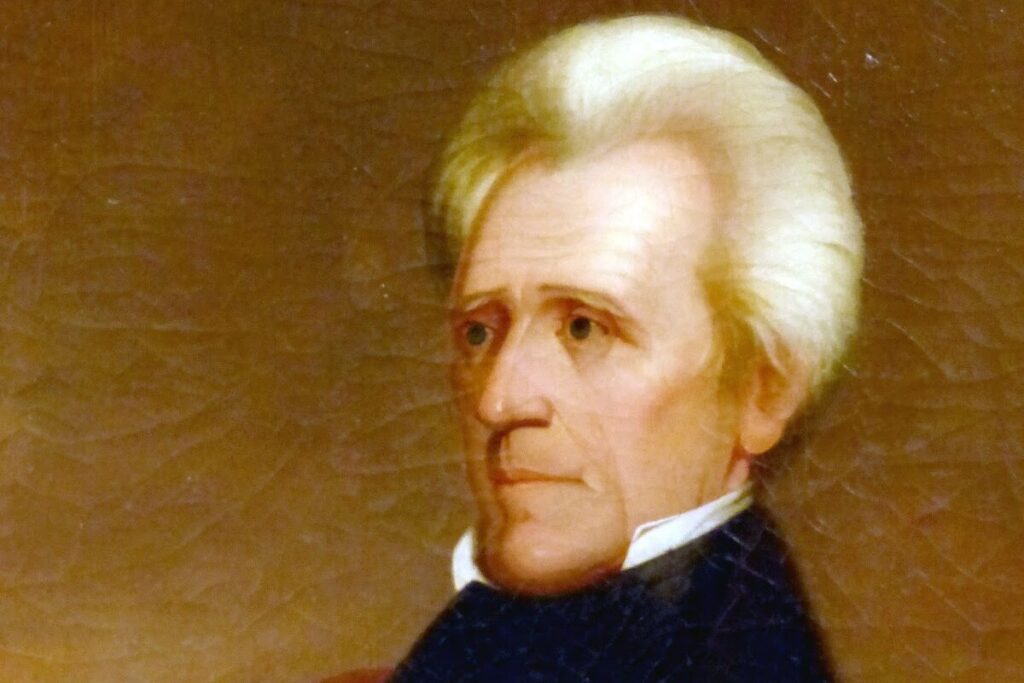
Andrew Jackson was praised as a leader who challenged elites and spoke for ordinary citizens. That image falls apart when you follow who paid the price for his policies. His presidency pushed Native American removal with force and speed, uprooting entire nations. Communities were marched from their land under government authority, facing hunger, disease, and death. This was not a tragic accident of expansion. It was a deliberate strategy framed as progress, security, and inevitability.
Jackson’s popularity rested on decisiveness, a trait many admired at the time. Moral objections were dismissed as weakness. Suffering was treated as collateral rather than consequence. His legacy still benefits from selective memory that centers strength over compassion. Remembering Jackson honestly means acknowledging that national growth came through violence and indifference. Expansion did not just happen. It was enforced by a leader who valued power over humanity.
4. Woodrow Wilson And The Segregation He Deepened
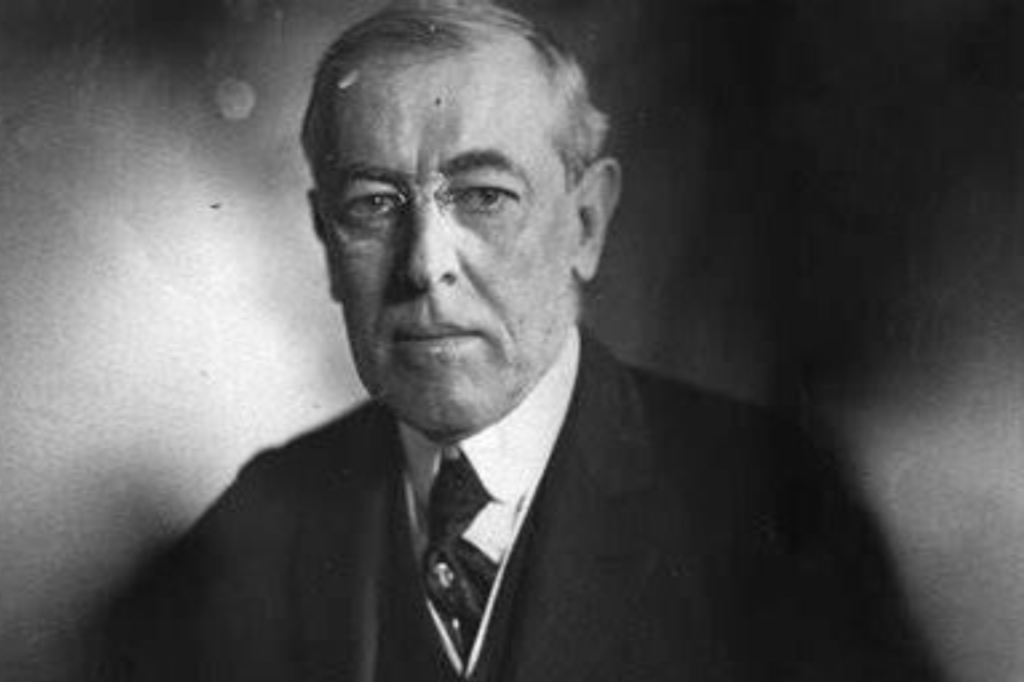
Woodrow Wilson is often praised as an intellectual president who reshaped global politics after war. At home, his record tells a harsher story. Wilson resegregated federal offices, rolling back progress that Black Americans had already fought to secure. These choices were intentional. Segregation was presented as efficiency and order, giving racism a bureaucratic stamp of approval. Government became a tool that reinforced exclusion under the cover of professionalism and reform.
Wilson spoke passionately about democracy and self determination abroad while denying both at home. That contradiction was not hidden. It was normalized. Black workers lost jobs and dignity under policies justified as administrative improvement. Respect for Wilson’s international vision often overshadows domestic harm, but both belong to the same presidency. His story shows how progress framed selectively can deepen injustice when leaders decide whose freedom truly matters.
5. Lyndon B Johnson And Power Without Restraint
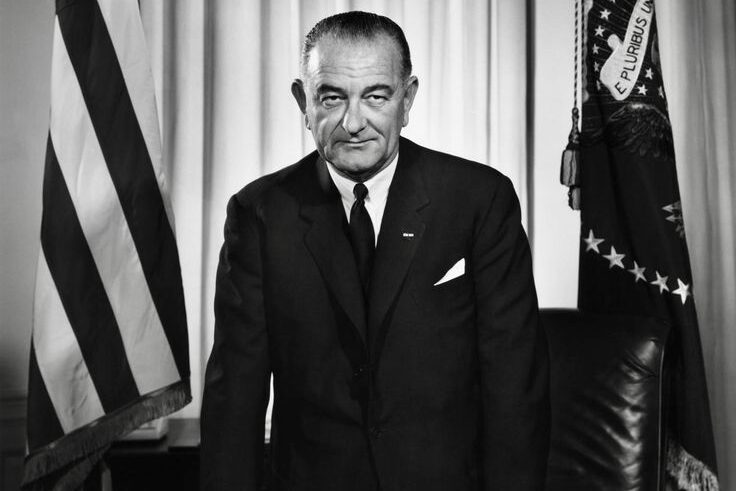
Lyndon B Johnson is rightly credited with advancing civil rights legislation that reshaped American law. That achievement often dominates how he is remembered. Behind the scenes, his use of power was frequently aggressive and coercive. Johnson relied on intimidation, humiliation, and pressure to force outcomes. Those methods extended beyond legislation and into foreign policy, where decisions escalated war and suffering. Power was something he wielded instinctively, often without pausing to measure its reach.
Johnson believed results justified methods. That belief produced progress and devastation at the same time. Millions were affected by choices made through force rather than consensus. Remembering him only as a civil rights champion flattens a more complicated truth. His leadership reminds us that moral victories do not excuse unchecked authority. When power goes unquestioned, even good outcomes carry costs that history must not ignore.
6. Richard Nixon And The Abuse That Felt Routine
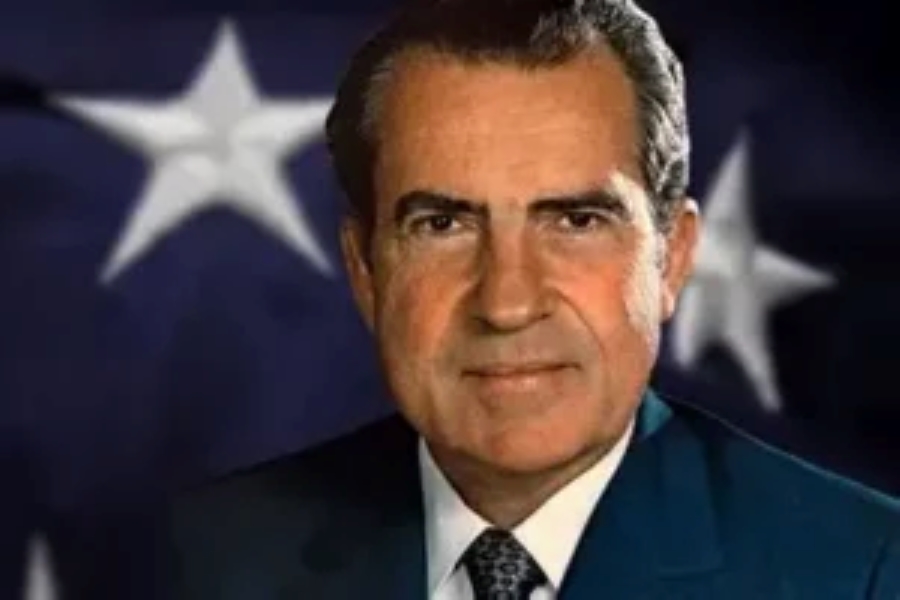
Richard Nixon entered office promising order and discipline at a moment when the country felt unsteady and exhausted. He understood systems deeply and believed rules existed to be used, bent, and controlled. That mindset shaped an administration obsessed with enemies, loyalty, and survival. Surveillance, secrecy, and manipulation became routine, not accidental. Nixon framed these choices as protection of the nation, but they consistently protected him first. The respect he once commanded made the damage quieter, allowing abuses to feel procedural rather than alarming. Power under Nixon was not chaotic. It was methodical, calculated, and increasingly detached from democratic restraint itself.
He was not undone by a single mistake but by a pattern he normalized. Nixon treated government as an extension of personal will, where legality mattered less than loyalty. Watergate exposed behavior that had long been embedded, not suddenly invented. What shocked the public was not just the crime but how ordinary it felt within his circle. Nixon’s downfall reminds us that intelligence without humility can corrode institutions quietly. When leaders stop seeing limits as necessary, systems bend until they break, often too late for gentle correction. History keeps repeating this lesson whenever power goes unchecked by those in charge.
7. Ronald Reagan And The Comfort That Hid Consequences
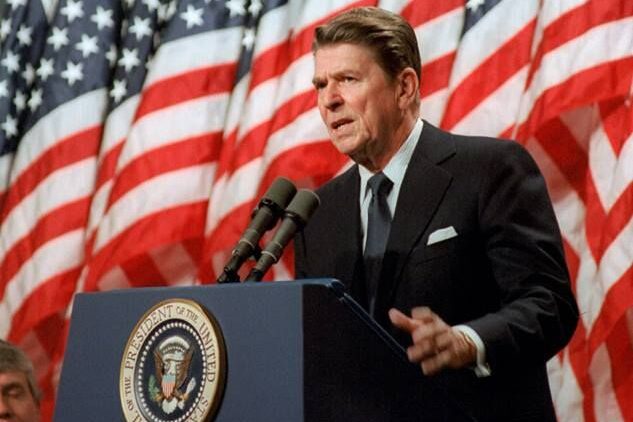
Ronald Reagan was remembered for warmth, humor, and reassurance during years when Americans wanted comfort more than complexity. His communication skills softened policies that carried long shadows. Economic changes favored wealth and weakened safety nets, while rhetoric framed hardship as personal failure. During the early AIDS crisis, silence and delay defined federal response, leaving vulnerable communities without urgency or care. Reagan believed deeply in individual responsibility, but that belief often excused withdrawal from collective duty. The gap between tone and impact allowed damage to unfold slowly, making consequences easier to ignore while optimism remained intact for many watching from afar.
Supporters recall Reagan as uplifting, and that memory persists because feeling good is powerful. Those harmed by his policies experienced something quieter and lonelier. Cuts to support systems reshaped lives without headlines, and delayed action cost lives that could not wait. Leadership is not only about morale. It is about responsibility when optimism is insufficient. Reagan’s legacy shows how charm can cushion accountability, and how popular leaders are often forgiven for outcomes their words helped obscure for decades. That pattern still shapes how history remembers power today, especially when consequences arrive slowly and harm lacks visibility to comfortable audiences everywhere.
8. Margaret Thatcher And The Certainty That Cut Deep
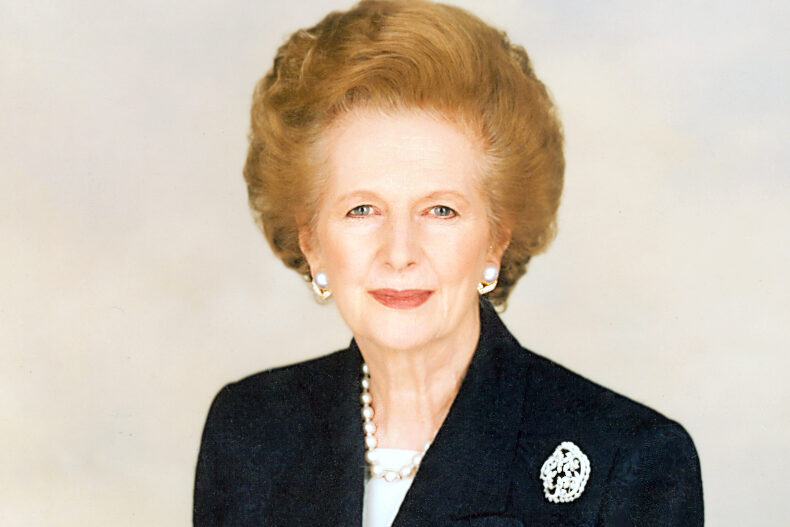
Margaret Thatcher built her reputation on certainty, presenting clarity as strength in uncertain economic times. She rejected compromise and framed opposition as weakness. Her policies dismantled industries that had anchored communities for generations, offering little support for transition. Job loss and social fracture were treated as necessary discipline rather than human crisis. Thatcher believed markets would correct suffering over time, but many never recovered. The confidence that inspired supporters also justified indifference toward those left behind, making resolve feel virtuous even when damage was permanent to critics watching their lives unravel without help from distant seats of power above all.
Thatcher’s legacy remains polarizing because certainty feels admirable until its cost becomes personal. Those who benefited praise her discipline. Those harmed remember abandonment. Leadership that refuses empathy often ages poorly, even when results are defended. Thatcher showed how conviction can harden into cruelty when listening stops. Strength that ignores repair leaves scars long after policies end, shaping memory differently depending on where one stood during the upheaval. History rarely balances those experiences evenly, but both truths remain and continue influencing debates about power and responsibility in modern political conversations worldwide long after the moment passes for everyone involved at all.
9. Winston Churchill And The Lives Outside The Frame
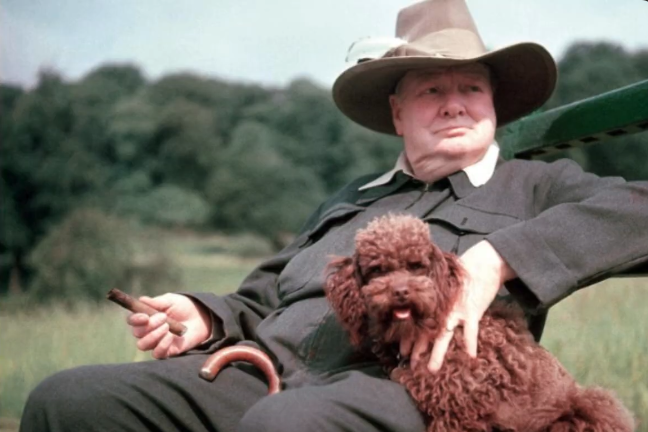
Winston Churchill is celebrated for resolve during war, a reputation that dominates how he is remembered. That courage mattered, but it was not the whole story. Churchill’s views on empire and race shaped policies that caused suffering far from Britain. Decisions during famine in colonial territories prioritized imperial needs over human life. These outcomes were dismissed or minimized at the time, framed as unfortunate necessity. Leadership that saves some while sacrificing others demands fuller examination than hero narratives usually allow, especially when memory favors triumph over accountability for victims lacking voice or recognition within official historical storytelling for generations afterward.
Churchill’s wartime leadership deserves acknowledgment, but it cannot erase imperial harm. The imbalance in remembrance reflects whose suffering counted. Colonial lives were treated as expendable in service of power. That truth complicates admiration without negating courage. History grows clearer when leaders are held to the same moral lens everywhere. Churchill’s story reminds us that greatness in one moment does not excuse cruelty in another, and that selective memory protects comfort more than truth. This discomfort is necessary for honest understanding of leadership beyond wartime myth and national pride that shapes textbooks and popular memory for decades to come afterward again.
10. Henry Kissinger And Distance From Human Cost
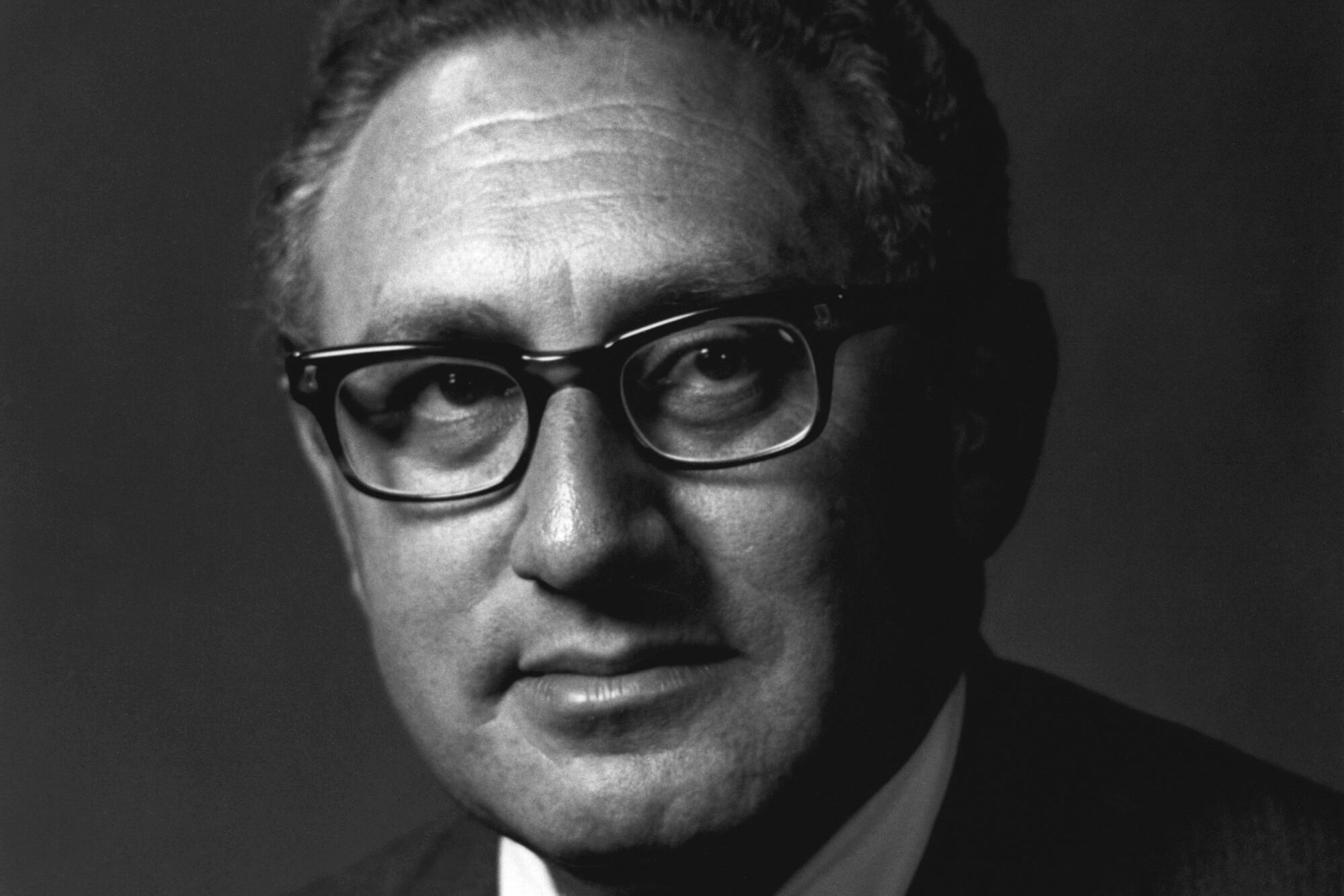
Henry Kissinger is often praised as a master strategist, a thinker who shaped modern foreign policy with intellect and confidence. That praise rarely lingers on the human cost of decisions tied to his influence. Policies connected to him contributed to civilian suffering across Southeast Asia and Latin America. These outcomes were discussed as abstractions, framed as necessary moves in a global contest. Distance from consequence became part of authority, allowing strategy to replace empathy in decisions that affected millions of lives without requiring personal accountability or visible remorse from those directing policy at distance behind closed doors of power centers.
Kissinger’s reputation endured because consequences felt remote to those praising him. Strategy sounded clean on paper, even when outcomes were brutal on the ground. Ending this stretch here highlights a recurring pattern. Leaders earn respect when harm feels distant. When decisions are framed as chess moves, humanity disappears. Remembering Kissinger honestly asks readers to question admiration built on detachment. Power without proximity to suffering rarely governs with care, and history records the damage long after applause fades. This lesson quietly connects all the figures discussed so far and sets the tone for what follows as the list continues from here.
11. Bill Clinton And The Power Imbalance Excused
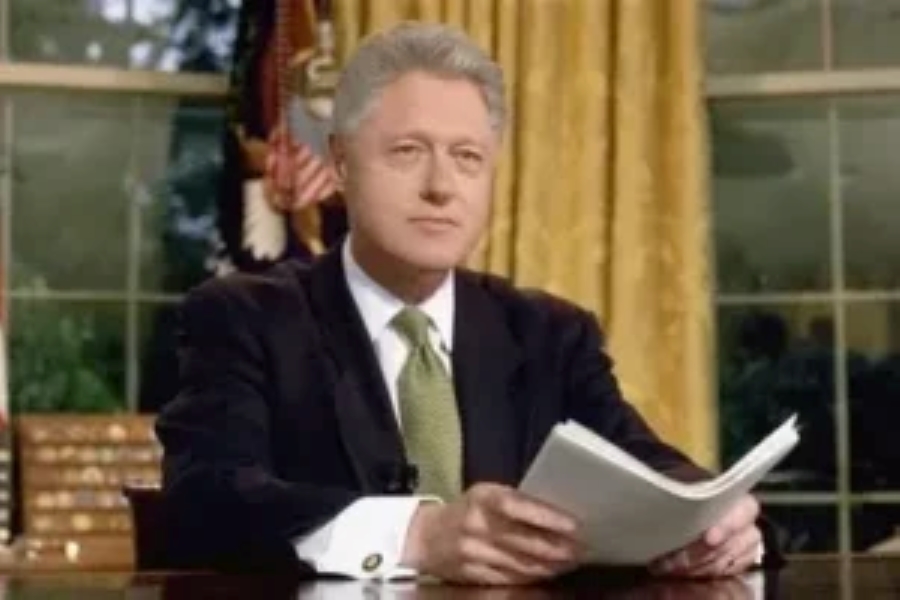
Bill Clinton was often described as relatable, charismatic, and emotionally intelligent, a leader who felt approachable in ways others did not. That ease helped him survive scandals that would have ended different careers. His presidency was marked by policy wins and economic growth, but also by repeated patterns of personal misconduct involving power imbalance. Those moments were frequently reframed as private flaws rather than reflections of how authority was exercised. The distinction allowed admiration to remain intact while harm was minimized. The women involved were scrutinized more harshly than the man who held the office, reinforcing familiar dynamics around credibility and consequence.
What made this especially damaging was how normal it became. Behavior that should have prompted accountability was absorbed into narrative spin. Clinton’s ability to deflect criticism relied on charm and political loyalty, not reflection. Over time, the story shifted from impact to survival. Remembering him honestly requires acknowledging how often institutions protect those at the top. Leadership does not exist separately from personal conduct. When power shields behavior, the cost is carried quietly by those without influence, while respect remains carefully preserved in public memory long after discomfort fades.
12. George W Bush And Decisions That Traveled Far
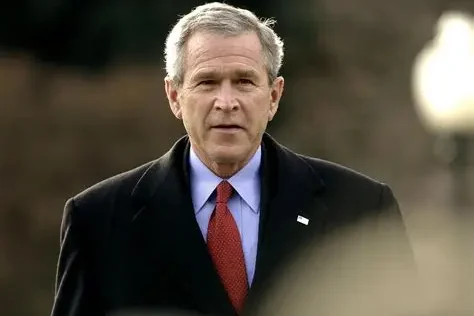
George W Bush entered office presenting himself as guided by conviction and moral clarity. That framing shaped how many interpreted his response to crisis. After September 11, choices made under his leadership reshaped global politics and daily life for millions. The decision to invade Iraq was justified through urgency and certainty, despite disputed intelligence and warnings. What followed was prolonged conflict, civilian suffering, and instability that stretched far beyond initial promises. Confidence replaced caution, and dissent was often framed as disloyalty rather than legitimate concern.
Bush’s leadership style relied on trust in instinct and inner certainty. That approach left little room for correction once momentum took over. Consequences unfolded slowly and unevenly, making accountability feel abstract. Those who bore the cost lived far from decision makers. Remembering Bush only through intention ignores outcome. Leadership measured by conviction alone often resists reflection, even when reflection is owed. His presidency shows how certainty can silence doubt, and how power moves forward long after its justification collapses under the weight of lived reality for those affected most directly.
13. J Edgar Hoover And The Fear He Normalized
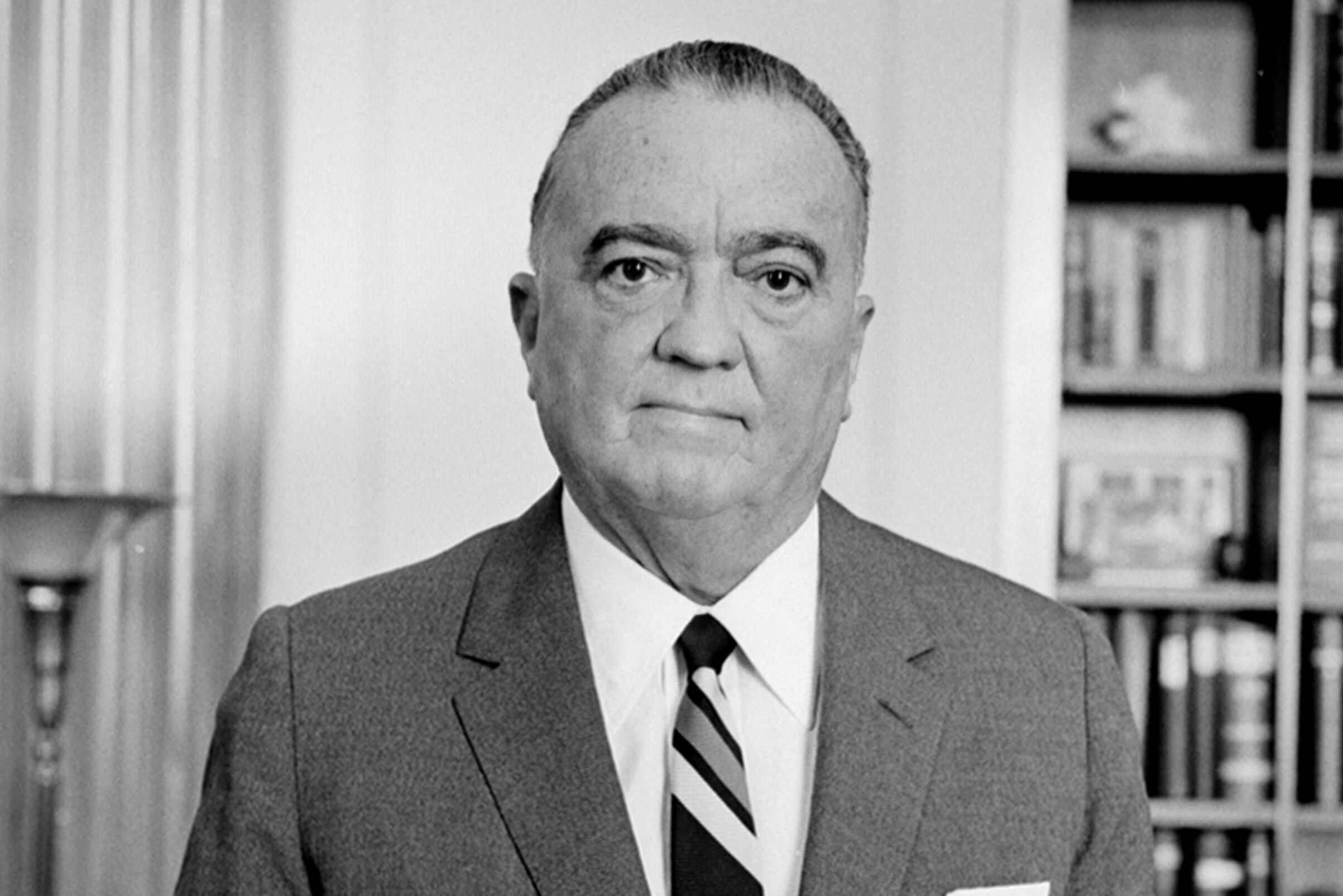
J Edgar Hoover was not an elected official, but his influence over American political life was immense. As head of the FBI for decades, he built a reputation for efficiency and control. Beneath that image sat a system driven by surveillance, intimidation, and personal vendettas. Hoover monitored activists, politicians, and private citizens, collecting information not for justice but leverage. Fear became a management tool. Dissent was treated as threat, and power was maintained through secrecy rather than transparency.
Hoover’s longevity depended on silence and complicity. Presidents tolerated his excesses because confronting him felt risky. That allowed abuse to become institutional rather than personal. Communities advocating for civil rights paid the highest price. Hoover’s story matters because it shows how unelected power can operate without accountability when wrapped in respectability. Control justified as security corrodes trust quietly. His legacy reminds us that harm does not always announce itself loudly. Sometimes it settles in through files, whispers, and the steady normalization of fear within systems meant to protect.
14. Franklin D Roosevelt And Power Without Pause
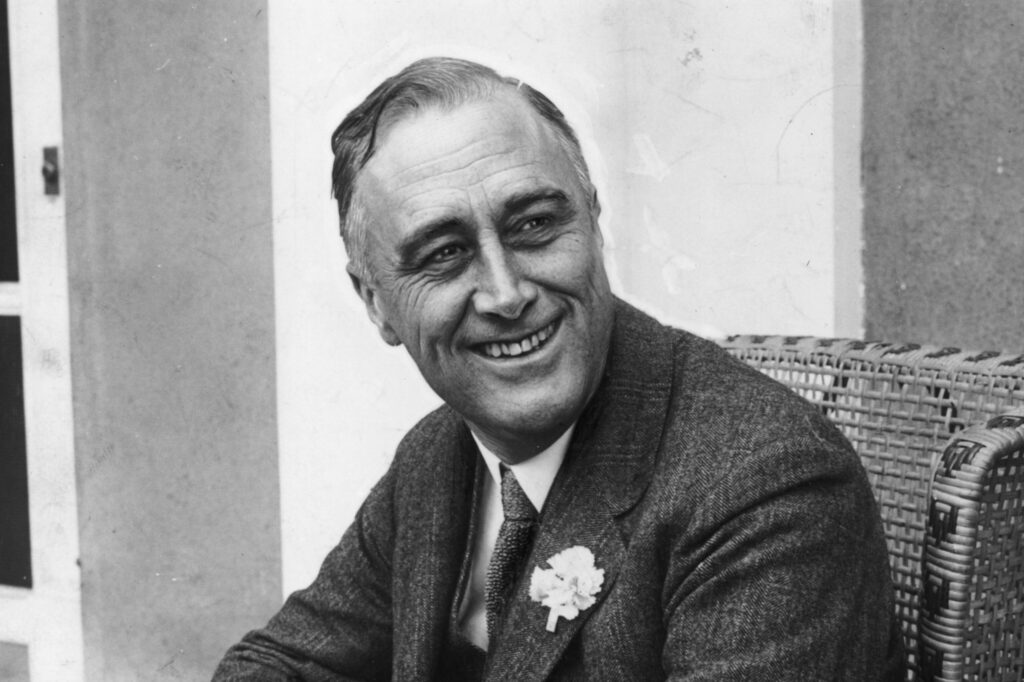
Franklin D Roosevelt is remembered as the steady hand that guided America through economic collapse and global war. His confidence and communication restored public faith during moments of fear. That admiration often overshadows how extensively he expanded executive power. Emergency authority became routine, and checks were weakened in the name of necessity. Policies were shaped quickly, sometimes without meaningful challenge. Roosevelt believed strong leadership required speed and control, especially during crisis. That belief helped stabilize the nation but also normalized concentration of power that future leaders would inherit and exploit with fewer restraints and greater confidence.
The most troubling example remains the internment of Japanese Americans, carried out with broad public support and limited resistance. Families lost homes, freedom, and dignity through a decision framed as security. Roosevelt authorized it while maintaining his image as protector of democracy. His legacy endures because achievements feel larger than harm. Yet leadership that bypasses rights in emergencies leaves scars long after stability returns. Remembering Roosevelt honestly means acknowledging how easily fear reshapes values. His presidency shows that even admired leaders can set precedents that undermine the freedoms they claim to defend when urgency replaces restraint.
15. Dick Cheney And Power Without Visibility
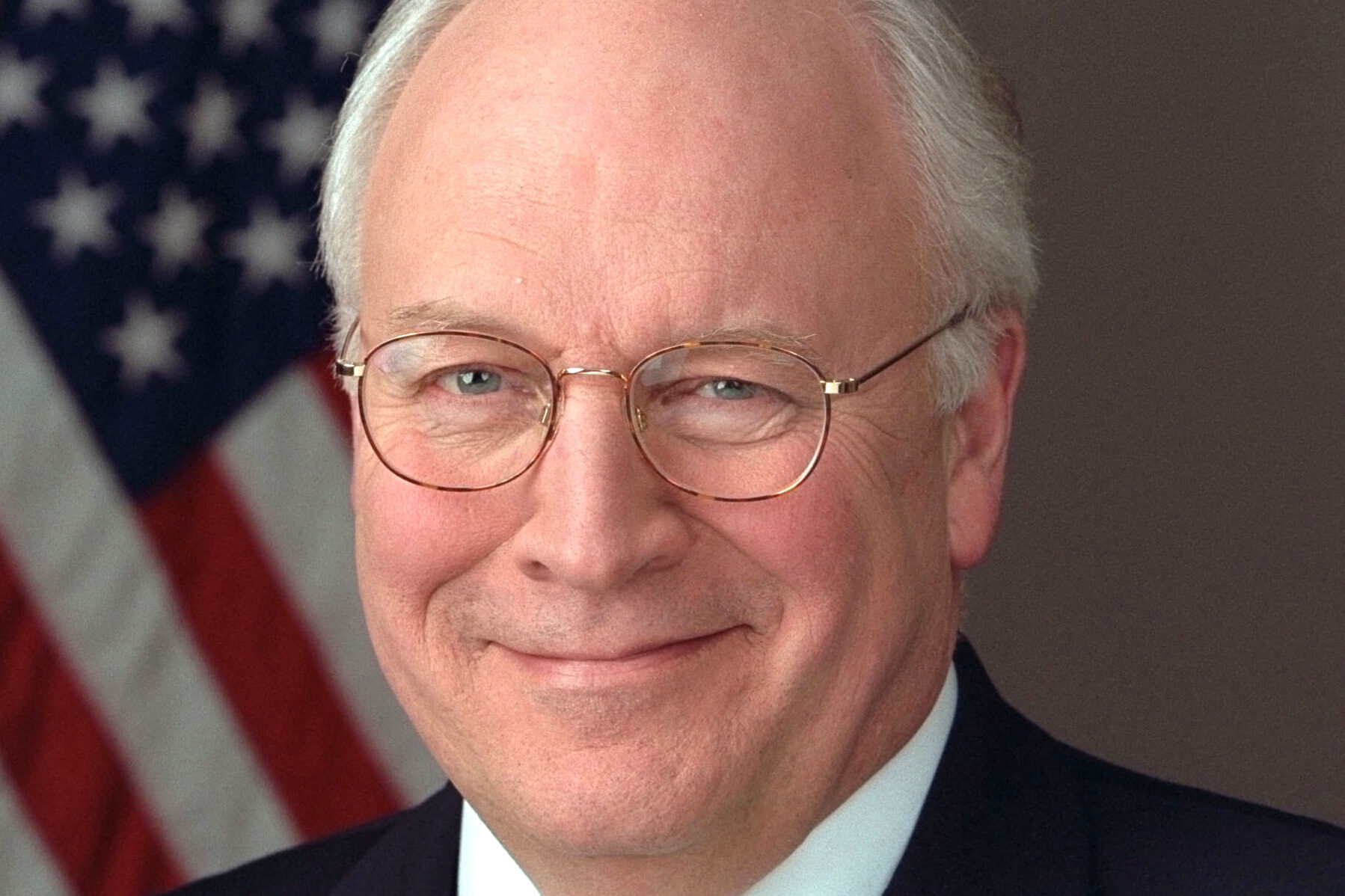
Dick Cheney preferred influence over attention, shaping policy from behind the scenes with remarkable reach. As vice president, his authority extended into military decisions, surveillance expansion, and executive power consolidation. Cheney believed strongly in secrecy and control, arguing that safety required fewer limits. That belief fueled policies that normalized detention without trial and expanded government intrusion. The lack of visibility shielded him from public scrutiny while consequences spread widely.
Cheney’s approach treated accountability as a weakness rather than a safeguard. Decisions were justified through fear and framed as necessity. Those affected rarely saw faces behind the choices. Ending this batch here highlights a recurring thread. Power becomes most dangerous when it operates quietly. Cheney’s legacy shows how influence without transparency reshapes norms permanently. When leaders avoid the spotlight, damage can outlast memory. As this list continues, the pattern remains familiar. Respect often follows authority, while harm lingers where attention never stayed long enough to challenge it.
16. Tony Blair And The Certainty That Traveled Too Far

Tony Blair entered office promising modern compassion and moral leadership after years of conservative rule. His calm style and emphasis on values earned trust quickly, especially among voters tired of ideological conflict. That trust carried into decisions following September eleven, when Blair aligned Britain closely with the United States. The Iraq War was framed as moral necessity and global responsibility, despite growing doubt at home. Blair insisted certainty was required, even as evidence weakened. Supporters admired loyalty and resolve, but many citizens felt misled. The war reshaped regions far from Britain, while confidence at home eroded the weight of consequences.
What unsettled many later was how firmly Blair defended the decision long after outcomes were clear. Responsibility became shared language, diffusing accountability across institutions and allies. Civilian suffering felt distant from press briefings and speeches. Blair’s reputation as a humane reformer softened criticism, allowing personal sincerity to substitute for reckoning. Trust once given proved difficult to reclaim. Remembering Blair honestly requires separating tone from impact and loyalty from judgment. Leadership measured by intention alone misses harm that unfolds slowly. His story fits this list because respect endured even as consequences lingered, reminding readers that reassurance can coexist with irreversible damage.
17. Joe Biden And The Comfort Of Familiar Power
Joe Biden built his reputation on approachability and longevity, presenting himself as someone who understood government because he had lived inside it for decades. That familiarity made many people feel safe during moments of political exhaustion. Yet long careers come with long records. Biden supported policies that contributed to mass incarceration and expanded policing during earlier decades, positions he later softened but never fully reckoned with publicly. His image as empathetic often blurred scrutiny of those choices. Respect followed his tone rather than his track record, allowing past harm to fade behind reassurance and promises of normalcy.
Biden’s leadership style favors consensus and gradualism, which can steady institutions but also delay justice. Critics argue that caution preserved systems that needed disruption. Supporters defend patience as realism. Both can be true. What places Biden on this list is how easily experience becomes insulation. When leaders are framed as safe, their history feels less urgent to examine. Biden’s story reflects how political comfort can slow accountability. Familiar power rarely invites hard questions, even when those questions are necessary to understand who benefited, who suffered, and why certain lessons remain unresolved decades later.
18. John F Kennedy And The Privilege Of Excuse
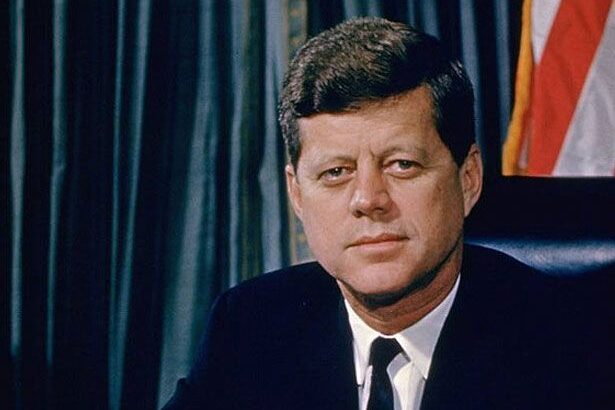
John F Kennedy remains an emblem of youthful promise and cultural change, frozen in memory by tragedy. His presidency is remembered for inspiration, not introspection. Behind that image was a pattern of personal behavior shaped by privilege and secrecy. Kennedy engaged in repeated affairs while holding immense power, exposing others to risk without consent or accountability. These actions were treated as private indulgence rather than ethical failure. The separation protected his legacy while reinforcing norms that excused misconduct at the highest levels, particularly when charisma made criticism feel unpatriotic and discouraged accountability within political culture of the era broadly accepted.
Kennedy’s story matters because admiration lingered without examination. Power insulated behavior and shifted attention elsewhere. Women involved bore consequences while institutions stayed silent. The myth endured because people wanted hope, not complexity. Remembering Kennedy honestly does not deny achievement. It asks why standards change when leaders feel inspiring. Charisma can blur judgment, allowing harm to hide behind charm. This pattern repeats whenever admiration outweighs accountability. Kennedy’s legacy shows how easily societies forgive misconduct when leadership feels symbolic, leaving real people to carry private costs that history rarely names and remembers only the image carefully preserved for public comfort and continuity.
19. Boris Johnson And The Performance Of Disorder
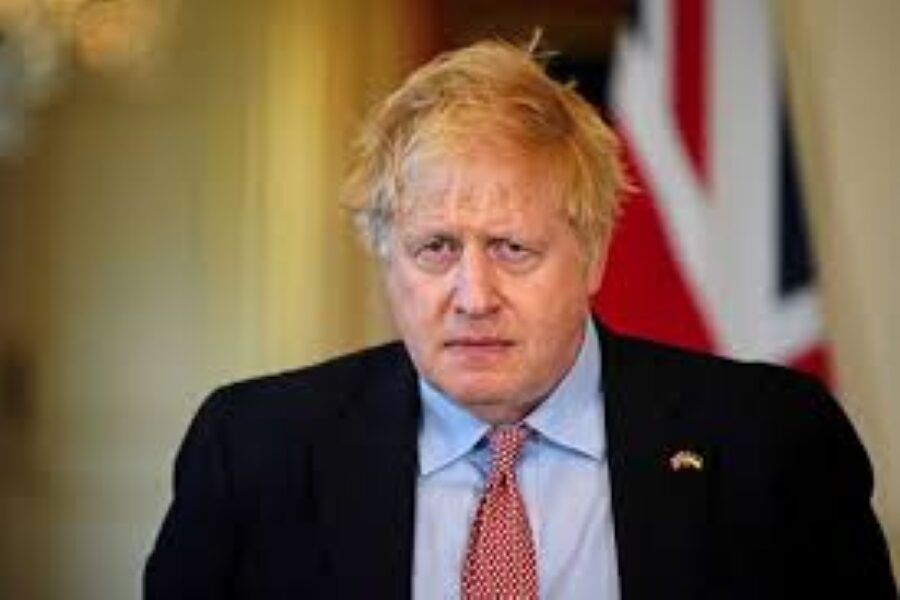
Boris Johnson cultivated an image of humor and relatability, presenting chaos as authenticity. Supporters saw charm where critics saw avoidance. As prime minister, he broke rules he imposed, treating governance casually while demanding public sacrifice. Scandals accumulated around honesty, accountability, and responsibility, yet consequences were delayed. Johnson relied on personality to deflect scrutiny, framing criticism as humorless or political. The performance worked for years, allowing trust to erode quietly beneath laughter and distraction while institutions struggled to enforce standards on someone who treated leadership like theatre during moments of national crisis and collective responsibility expected by citizens everywhere at once.
Johnson’s leadership revealed how style can overpower substance. Repeated breaches normalized behavior that would end other careers. Apologies felt rehearsed, not reflective. The gap between rules and rulers widened, weakening public faith. What lingered was not outrage, but fatigue. People stopped expecting better. That erosion matters more than any single scandal. When leaders model disregard, standards slip. Johnson’s story fits here because respect survived longer than accountability. His tenure shows how humor can soften judgment, leaving damage behind long after laughter fades and trust struggles to recover fully within public institutions meant to serve citizens honestly and fairly again today.
20. Nicolas Sarkozy And Authority As Spectacle
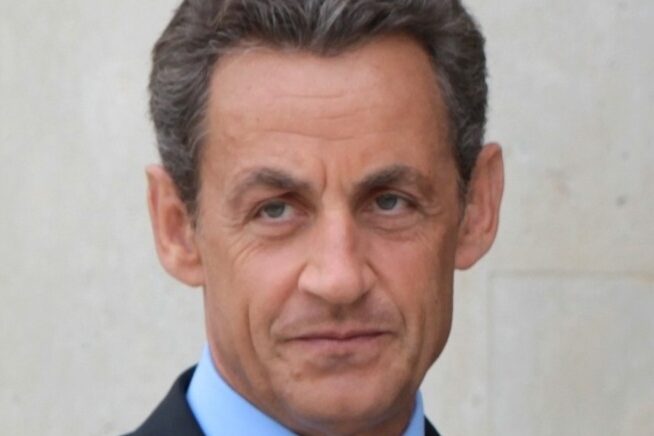
Nicolas Sarkozy rose as a symbol of energy and reform, promising efficiency and renewal in French politics. His presidency emphasized authority and spectacle, often blurring governance with personal ambition. Accusations of corruption and improper influence followed him through office and beyond. Sarkozy dismissed criticism as political hostility, leaning on confidence to outrun scrutiny. The constant defensiveness overshadowed policy and weakened trust. Leadership felt transactional, shaped by loyalty and power rather than transparency, leaving many citizens cynical about motives behind decisions presented as national necessity during moments of economic strain and political uncertainty across the country affecting everyday confidence deeply felt.
Sarkozy’s story illustrates how aggression can masquerade as decisiveness. Constant motion replaced reflection, making accountability feel secondary. Legal troubles that followed reinforced doubts many already held. Respect lingered because confidence can persuade even when trust weakens. Citizens watched power defend itself loudly while answers stayed elusive. Remembering Sarkozy honestly means questioning leadership that prioritizes image over integrity. When authority performs instead of listens, institutions suffer quietly. His tenure reminds readers that spectacle may command attention, but it rarely builds durable trust or ethical governance over time for societies seeking stability, fairness, and accountability from those in power today still ongoing.
21. Donald Trump And The Erosion Of Norms
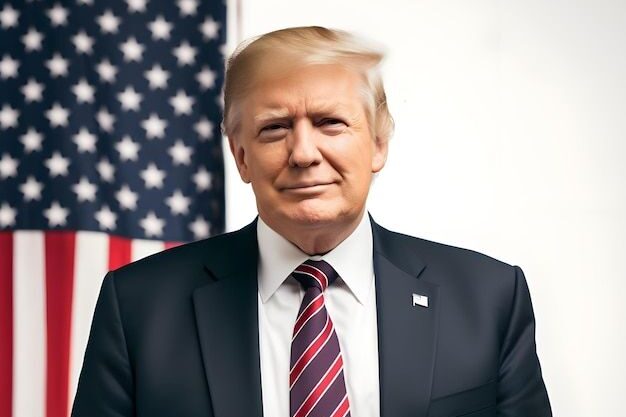
Donald Trump entered office as a disruption rather than a transition, promising to challenge institutions he claimed were broken. Many supporters admired his refusal to follow convention, seeing it as honesty. In practice, that disregard extended to democratic norms, truth, and accountability. False statements became routine, loyalty was demanded publicly, and disagreement was framed as betrayal. The presidency shifted toward personal grievance, with institutions treated as obstacles rather than safeguards. Respect for the office relied heavily on spectacle, while trust in systems weakened steadily. What felt refreshing to some felt destabilizing to many others watching standards erode in real time.
Trump’s leadership revealed how fragile norms become when leaders openly dismiss them. The harm was not only in policy, but in precedent. Behavior once unacceptable became survivable. Accountability blurred under constant controversy. Supporters defended tone over truth, while critics struggled against exhaustion. Trump’s legacy fits this list because admiration endured despite sustained damage to civic trust. Leadership rooted in personal validation reshaped expectations permanently. The cost was measured not only in decisions, but in the normalization of disregard for shared rules that hold democratic life together long after any single leader leaves office behind.
22. Silvio Berlusconi And The Blur Between Power And Self
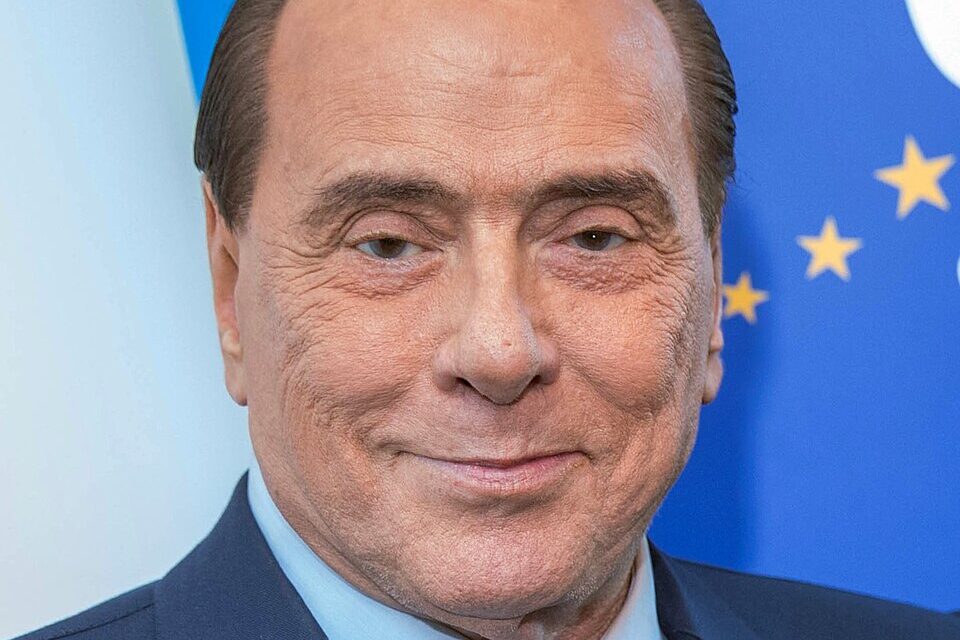
Silvio Berlusconi built his political career on media influence, wealth, and personality, blending entertainment with governance. His supporters admired confidence and defiance, seeing him as a symbol of modern leadership. His tenure was marked by repeated scandals involving corruption, conflicts of interest, and personal misconduct. Berlusconi dismissed criticism as jealousy or political attacks, often reshaping laws to protect himself. Governance felt secondary to self preservation, while institutions struggled to assert independence against a leader who treated authority as personal property rather than public trust.
What lingered was how long admiration survived exposure. Berlusconi’s charm and control over narrative softened consequences repeatedly. Legal trouble became background noise rather than disqualifying. Citizens grew accustomed to spectacle replacing accountability. His story shows how power distorts when self interest dominates leadership. Respect followed familiarity, not integrity. When leaders merge personal survival with national governance, institutions weaken quietly. Berlusconi’s legacy illustrates how democracies strain when influence outweighs ethics, and how public tolerance can normalize behavior once considered unacceptable over time, leaving lasting damage to political culture and expectations of leadership responsibility.
23. François Mitterrand And Secrets That Outlived Truth
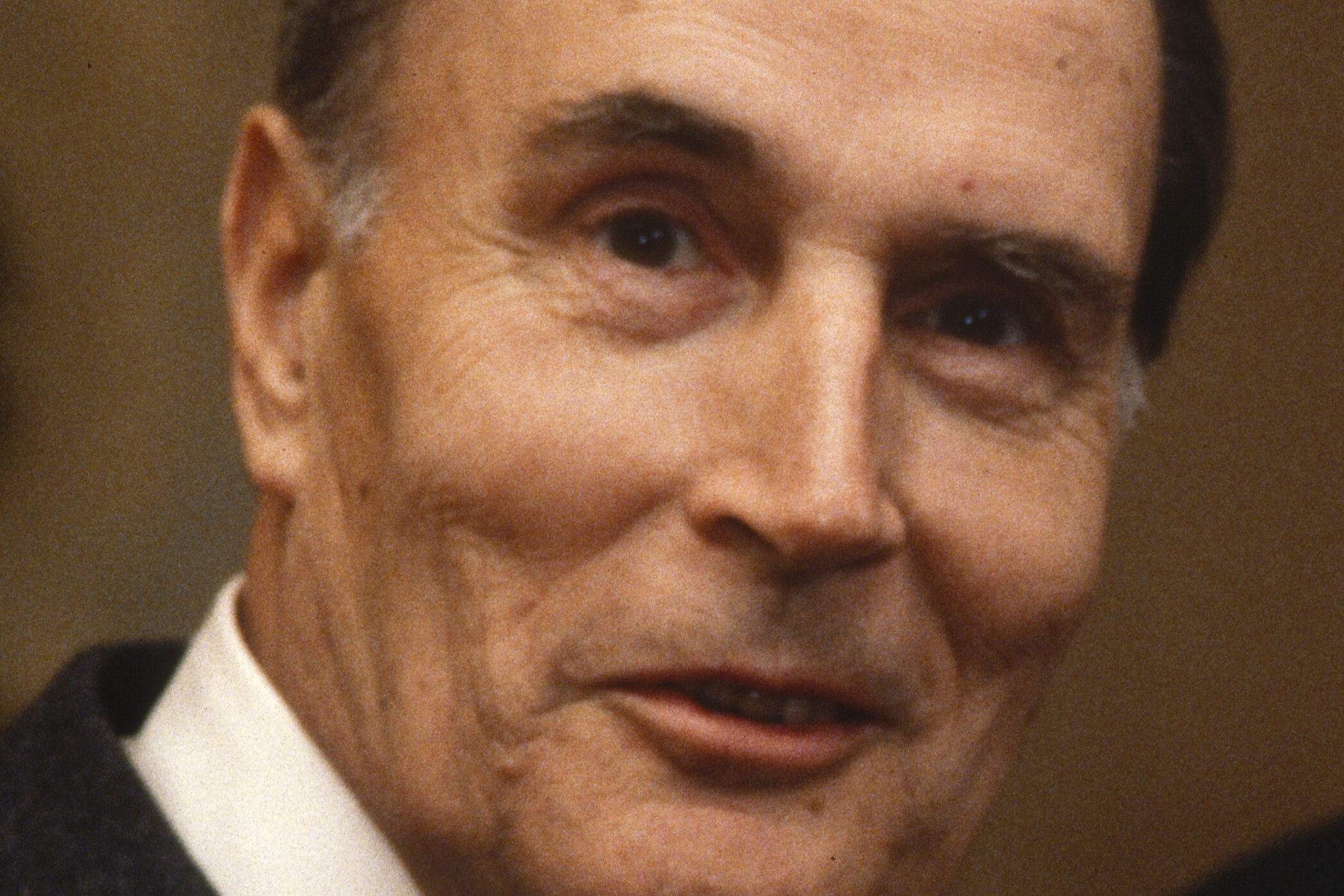
François Mitterrand projected intellectual depth and steadiness during his long presidency, earning respect as a thoughtful statesman. Behind that image sat a culture of secrecy that extended into both personal and political life. Mitterrand concealed a second family for decades while maintaining control over state institutions and media narratives. That secrecy mirrored broader patterns of centralized power and limited transparency. Decisions were made quietly, with little challenge, reinforcing the idea that authority did not owe full disclosure to the public it governed.
The issue was not private life alone, but the precedent secrecy set. When leaders normalize concealment, trust becomes conditional. Mitterrand’s control over information insulated him from accountability and shaped how power operated around him. Respect endured because discretion was mistaken for dignity. His legacy reminds readers that silence can be strategic. Leadership that withholds truth trains institutions to accept opacity. Over time, that acceptance erodes democratic expectation. Mitterrand’s presidency shows how calm authority can mask manipulation, leaving citizens with fewer tools to question decisions that shape their lives without their knowledge.
24. Emmanuel Macron And Distance Disguised As Vision
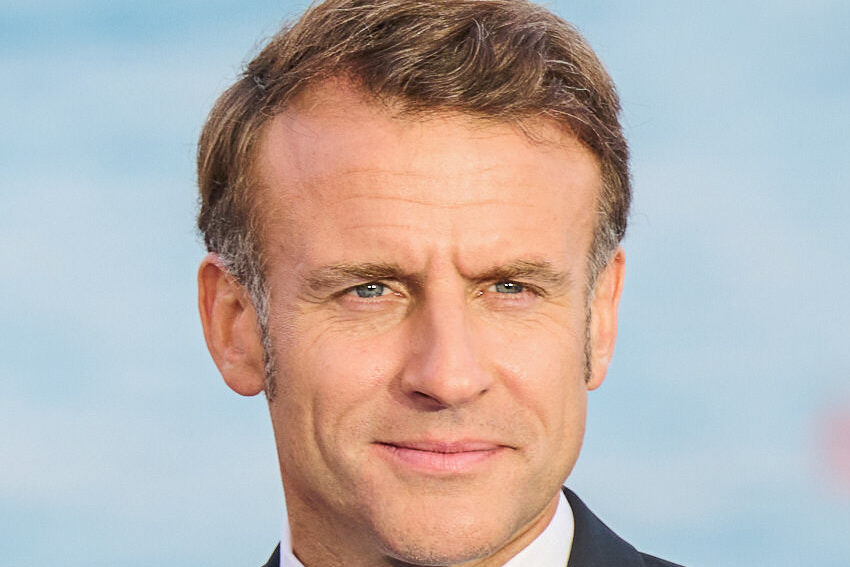
Emmanuel Macron entered office as a symbol of renewal, intelligence, and forward thinking leadership. His confidence and reform focused messaging appealed to voters seeking competence. Over time, his presidency revealed a growing distance from public sentiment. Economic reforms prioritized efficiency while sidelining lived experience. Protests were met with firmness rather than dialogue, reinforcing perceptions of elitism. Macron’s style emphasized vision over listening, creating a leadership gap between intention and reception that deepened mistrust among communities who felt unheard by a president who spoke fluently but listened selectively.
Macron’s challenge has been tone rather than intent. Respect followed education and articulation, but empathy lagged. Policies may have aimed at progress, yet implementation felt dismissive to those affected. Leadership requires proximity, not just clarity. Macron’s story fits this list because admiration often focused on intellect while overlooking disconnect. When leaders prioritize being right over being responsive, trust erodes quietly. His tenure highlights how modern leadership can alienate without cruelty, simply through distance, leaving citizens feeling managed rather than represented in decisions shaping their daily realities and future security.
25. Benjamin Netanyahu And Permanence Over Principle
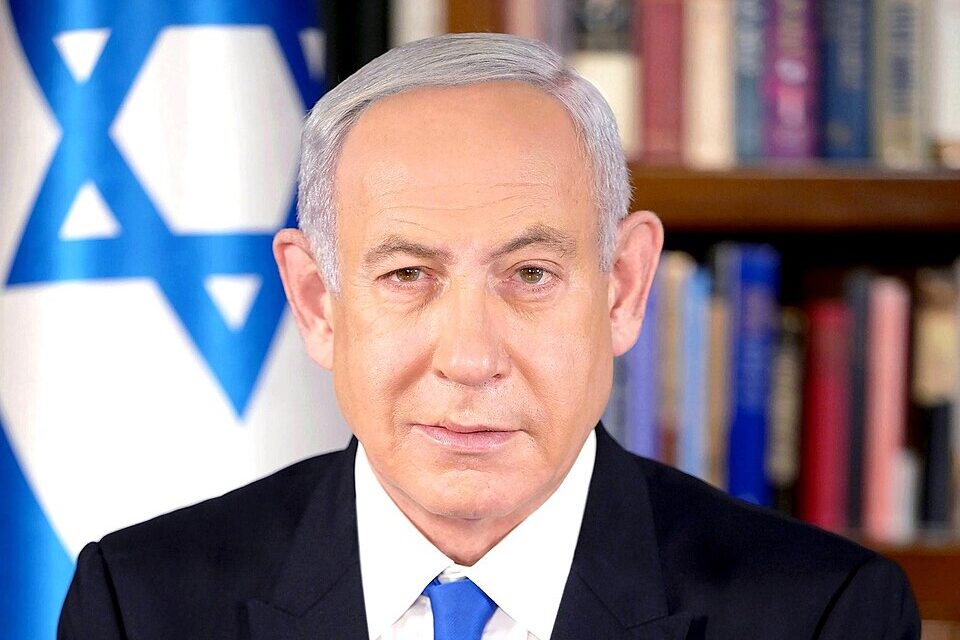
Benjamin Netanyahu built a reputation as a skilled political survivor, navigating crises with strategic discipline. His leadership emphasized security and strength, earning loyalty from supporters who valued consistency. Over time, that survival instinct became the central feature of governance. Legal challenges and political pressure encouraged alliances that compromised democratic norms. Netanyahu framed criticism as existential threat, using fear to consolidate support. Institutions bent to preserve continuity rather than accountability, shifting governance toward personal endurance instead of national reflection during periods of intense polarization.
Netanyahu’s long tenure shows how power adapts to protect itself. Respect lingered because experience felt safer than uncertainty. Critics warned of democratic erosion while supporters emphasized stability. Both existed simultaneously. Leadership that prioritizes permanence reshapes values subtly. Netanyahu’s legacy fits this list because survival became justification. When staying in power becomes the goal, principles become negotiable. Ending this batch here underscores a pattern repeating across decades. Respect often rewards endurance, even when endurance comes at the cost of institutional integrity and public trust that democracies rely on to function honestly.
26. Vladimir Putin And The Control That Became Normal
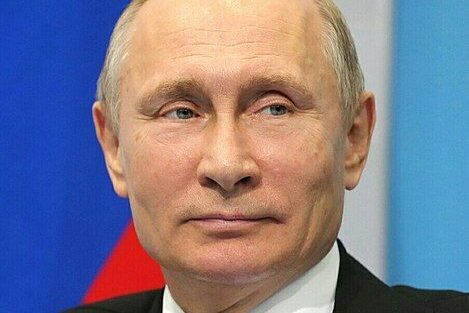
Vladimir Putin initially presented himself as a stabilizing force after years of uncertainty, promising order, pride, and national restoration. Many welcomed that clarity. Over time, stability hardened into control. Independent media shrank, political opposition weakened, and power centralized steadily. Elections continued, but choice narrowed. Critics faced pressure that ranged from legal harassment to exile. Governance became less about public consent and more about managed loyalty. Respect for Putin often rests on perceived strength, but that strength relied on silencing alternatives and redefining dissent as threat, creating a political environment where fear replaced participation and authority became unquestioned routine.
What makes Putin’s leadership unsettling is how gradually limits disappeared. Each restriction felt temporary, justified by security or unity. Together, they reshaped the state. Supporters credit him with restoring pride, while critics point to lost freedoms and lives disrupted. Both realities coexist. Putin’s legacy fits this list because respect followed control. Power that removes choice rarely announces itself loudly. It settles in through repetition. Remembering his rise honestly reminds readers how easily stability becomes excuse, and how endurance in power often depends on narrowing who gets to speak without consequence.
27. Jair Bolsonaro And The Casualness Of Harm

Jair Bolsonaro rose to power by rejecting political polish, presenting bluntness as honesty. Many supporters found that refreshing. His leadership style dismissed expertise and minimized responsibility, especially during moments of crisis. Environmental protections weakened as deforestation accelerated. Public health responses were marked by denial and delay. Bolsonaro framed criticism as elitism, turning accountability into culture war. Harm unfolded openly, yet consequences struggled to stick. Authority leaned on bravado rather than care, normalizing indifference toward vulnerable communities affected by policy neglect and rhetoric that treated suffering as exaggeration rather than reality.
Bolsonaro’s tenure showed how harm can feel ordinary when leaders trivialize it. Disrespect became policy posture. Supporters defended attitude over outcome. Over time, fatigue replaced outrage. Institutions strained to respond to a leader who thrived on conflict. Bolsonaro’s story fits here because admiration survived amid damage. When leadership mocks responsibility, standards erode. Remembering this period honestly means acknowledging how casual disregard can devastate quietly. Power does not need cruelty to cause harm. Sometimes it only needs indifference, repeated often enough that people stop expecting protection from those elected to provide it.
28. Viktor Orbán And Democracy Reduced To Form
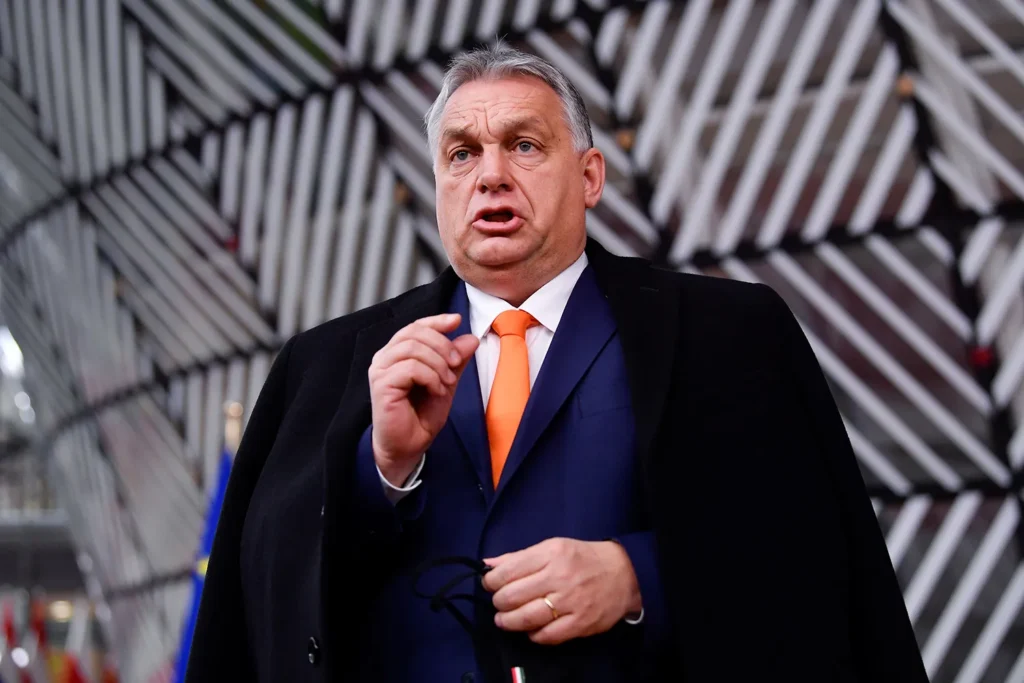
Viktor Orbán positioned himself as a defender of national identity and tradition, winning support through promises of protection. Once in power, he reshaped Hungary’s institutions methodically. Courts, media, and education faced increasing political influence. Elections remained, but competition weakened. Orbán described these changes as reform, arguing they reflected popular will. Critics saw democratic form preserved while substance eroded. Respect followed the appearance of order, even as pluralism narrowed and dissent lost space within systems designed to absorb difference rather than suppress it.
Orbán’s leadership illustrates how democracy can hollow without collapsing. Laws changed legally. Power consolidated patiently. Supporters valued predictability and cultural affirmation. Opponents warned of creeping authoritarianism. Both narratives unfolded simultaneously. Orbán fits this list because admiration often centers on effectiveness while overlooking cost. When institutions serve power rather than check it, trust fades quietly. Remembering his rise reminds readers that democracy depends on more than ballots. It requires limits leaders are willing to respect even when consolidation feels efficient and politically rewarding in the short term.
29. Augusto Pinochet And Order Through Violence
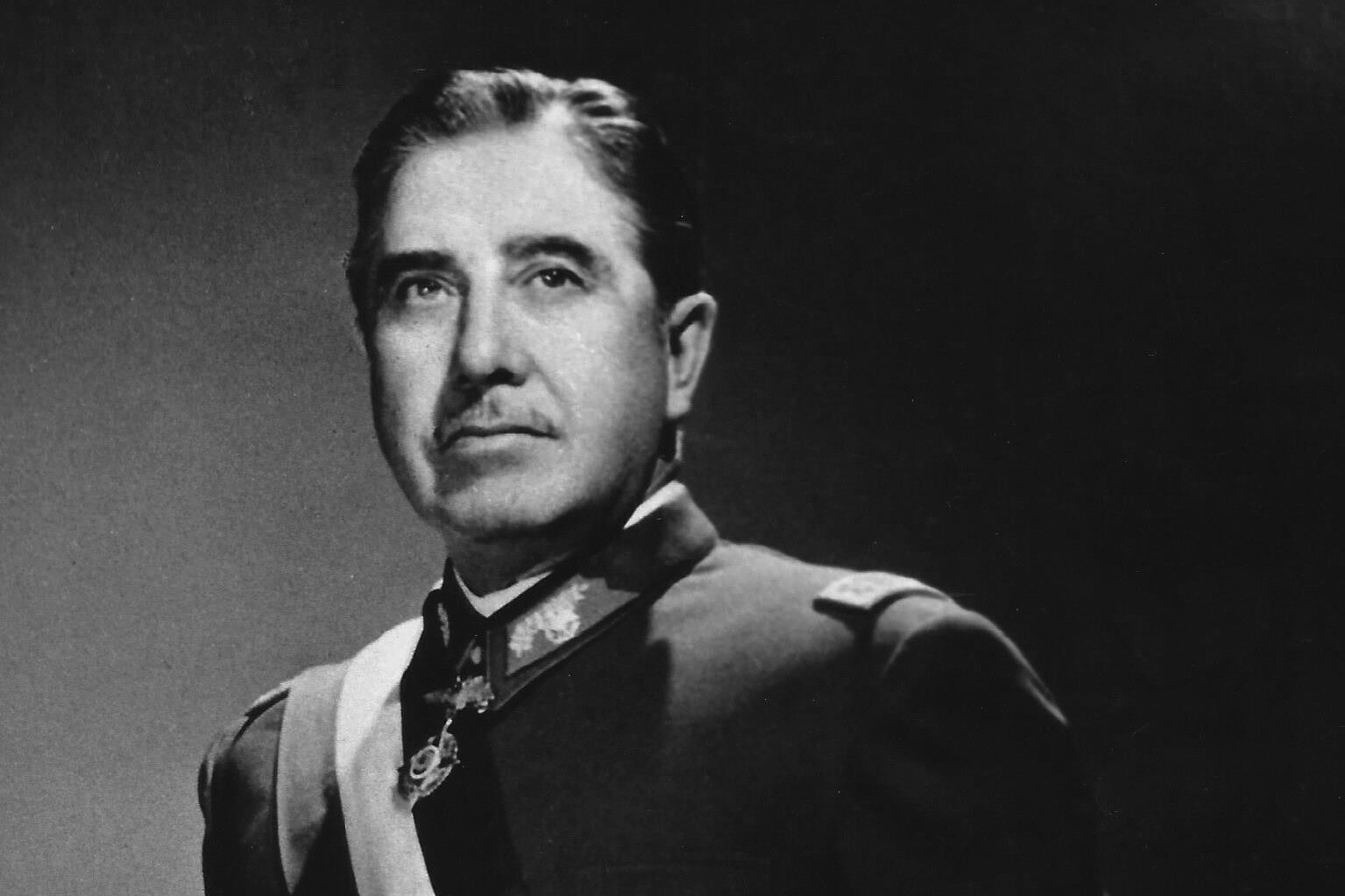
Augusto Pinochet is sometimes cited for economic reform and restored order after upheaval. That framing ignores the violence that enforced it. His military dictatorship relied on fear, torture, and disappearance to maintain control. Political opponents were silenced brutally. Stability was achieved through repression rather than consent. Supporters argued results justified methods, separating economic outcomes from human cost. That separation allowed respect to survive among those untouched by the regime’s brutality while victims carried trauma long after public conversation moved on.
Pinochet’s legacy shows how order becomes seductive when chaos precedes it. Fear quiets resistance quickly. Respect built on enforced silence distorts memory. Ending praise at outcomes while ignoring methods erases victims. Pinochet belongs here because admiration persisted despite documented cruelty. Remembering him honestly demands rejecting the idea that efficiency excuses violence. Leadership that relies on terror leaves wounds that do not heal with growth statistics. History must account for those erased voices, not just the calm that followed their removal from public life and collective memory.
30. Barack Obama And The Limits Of Hope
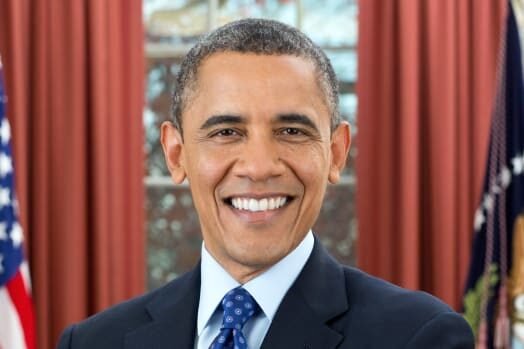
Barack Obama entered office carrying extraordinary expectation, framed as a turning point rooted in hope, empathy, and change. His rhetoric reshaped political tone and restored faith for many who felt alienated by power. That symbolism mattered deeply. Yet his presidency revealed limits that admiration often softened. Drone warfare expanded under his administration, carried out with secrecy and distance. Civilian casualties were discussed in measured language that rarely captured human cost. Promises of transparency and accountability met institutional resistance, but also careful compromise. Hope became something managed rather than fully realized, especially for communities expecting structural change rather than symbolic progress.
Obama’s leadership was defined by restraint as much as aspiration. He governed cautiously, often prioritizing stability over disruption. Supporters praised realism. Critics saw missed opportunities. Surveillance programs continued. Financial accountability after crisis felt limited. The contrast between language and outcome shaped his legacy. Obama is respected because he represented dignity and possibility, but respect can blur critique. His story fits this list because admiration endured even when change felt incomplete. Remembering him honestly means holding space for both inspiration and disappointment. Leadership can be historic and still fall short. That tension is not failure. It is a reminder that symbolism alone cannot replace accountability or fully satisfy the demands placed on power.


