
1. Robin Williams
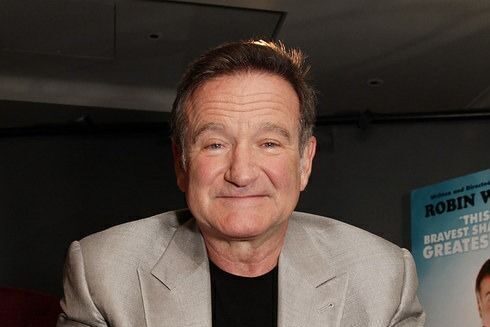
Most of us met Robin Williams through pure noise and energy, so it felt natural to assume he lived like that every hour of the day. The truth felt much quieter when people from his sets spoke about him later. Between scenes, he often sat still, reading or talking softly with crew members instead of performing. Many said his kindness showed up in small private check ins rather than big public jokes. Williams himself once hinted that comedy helped him release personal struggles, and those close to him understood that the unstoppable stage version was only one carefully managed part of his life.
Away from cameras, friends described someone thoughtful, sensitive, and sometimes emotionally heavy. He listened more than he spoke in small rooms and preferred meaningful conversations over chaotic celebrity parties. That contrast does not make his humor feel fake. It makes it feel generous. The laughter millions received often came from someone working through his own inner storms while still trying to brighten the day for everyone around him.
2. Marilyn Monroe
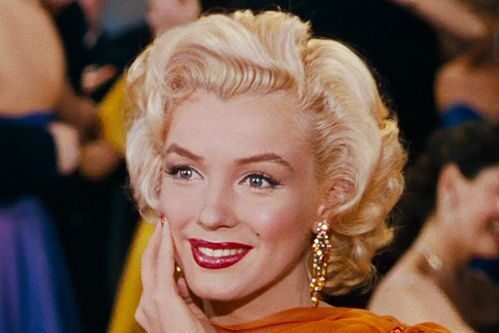
Hollywood sold Marilyn Monroe as the effortless playful blonde, but behind the scenes she treated acting like serious study. She attended professional acting classes, read demanding novels, and filled notebooks with character ideas long before filming began. Directors often saw her rehearsing repeatedly, worrying about emotional truth rather than just appearance. She openly said she wanted to be respected as an artist, and that ambition shaped how she approached every role even when studio marketing pushed a simpler image.
Co stars later remembered how hard she worked to understand motivations and emotional timing. The public saw glamour and charm, yet many crew members saw nervous preparation and determination to improve. This difference explains why her best performances still feel layered today. What looked like natural star sparkle was often the result of someone quietly fighting to prove she deserved serious recognition in an industry that preferred selling her beauty instead of acknowledging her discipline.
3. Mister Rogers
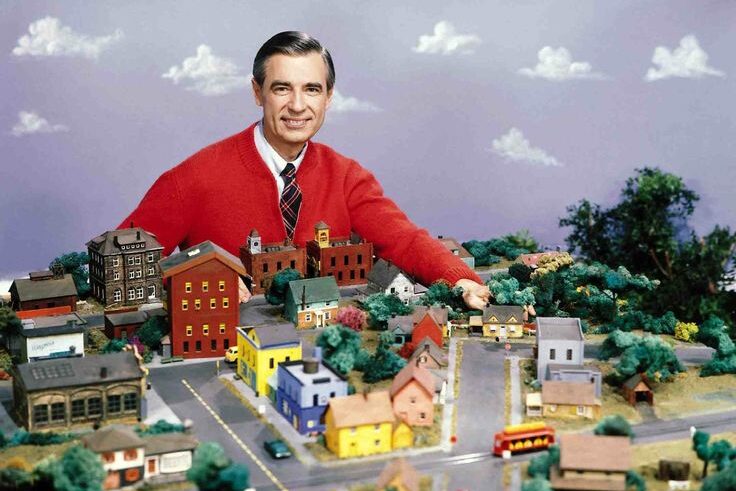
Some television personalities switch off their warmth the moment filming stops, so many assumed Mister Rogers must have done the same. People who visited the set discovered something surprising. Fred Rogers spoke to adults with the same patience he used with children, remembered personal details about staff families, and answered letters himself for years. His calm voice and careful listening were not performance habits but daily behavior that shaped how everyone around him felt.
Former crew members shared stories of Rogers taking time after long recording days just to sit with anxious coworkers or encourage young interns. Visitors expecting a normal television host instead met someone who genuinely believed emotional safety mattered. The remarkable thing about him was not a hidden personality. It was the consistency. The kindness audiences saw through the screen turned out to be the exact same kindness people experienced when the cameras were gone.
4. Audrey Hepburn
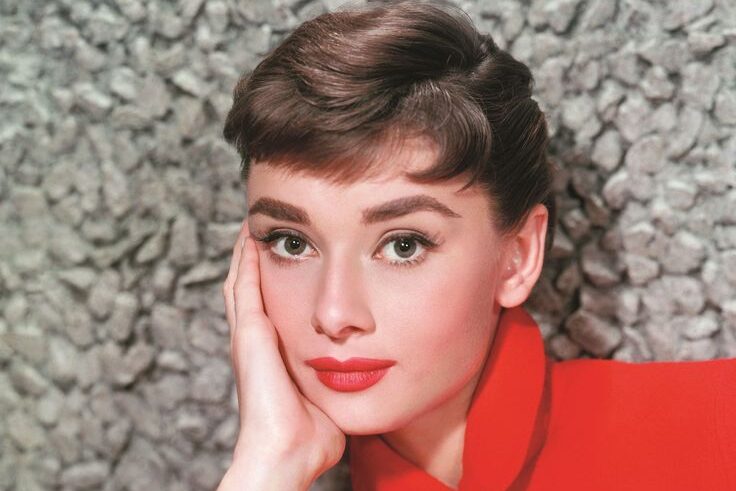
Audrey Hepburn’s film roles often made her seem delicate and almost untouchably graceful, yet friends constantly mentioned her playful private humor. During filming breaks, she loved sharing silly stories, laughing loudly, and relaxing with simple meals rather than glamorous parties. She enjoyed teasing coworkers gently and often used humor to calm nervous new actors. Those who expected fragile movie star energy instead found someone warm, practical, and surprisingly mischievous in conversation.
Later humanitarian colleagues saw the same personality while traveling on difficult charity missions. She could switch from serious compassion to light jokes that made exhausted teams feel human again. The polished elegance the public loved was real, but it was only part of the picture. Beneath the refined public image lived someone earthy, resilient, and emotionally grounded, which may explain why people who actually met her often remembered the laughter first and the glamour second.
5. Dwayne Johnson
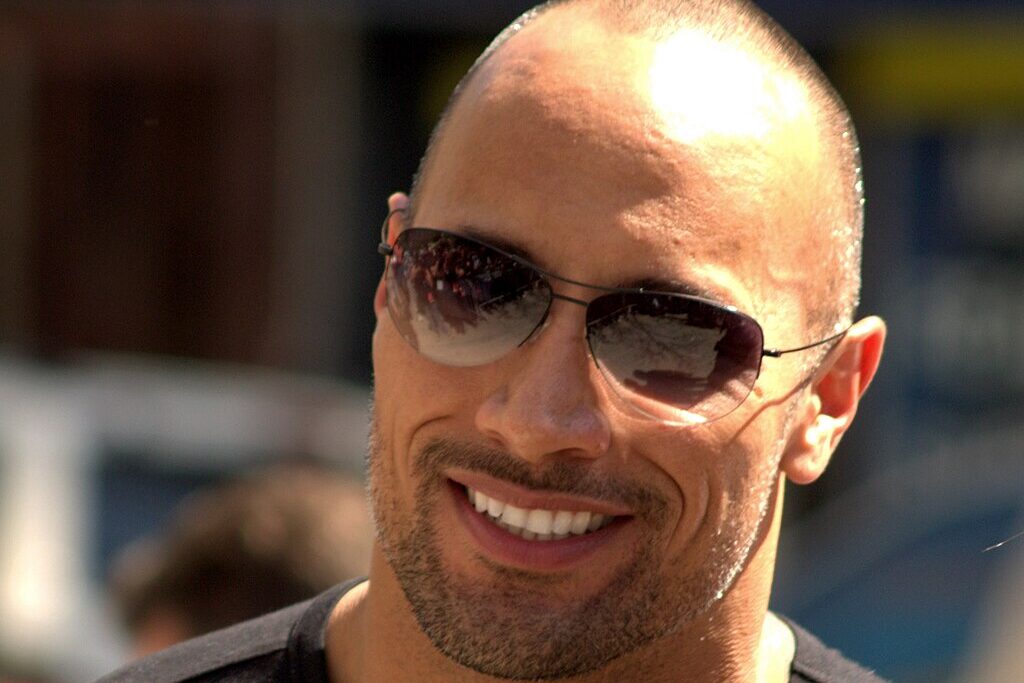
Dwayne Johnson now projects unstoppable confidence, yet his earlier life included serious career uncertainty and emotional struggle that he later spoke about openly. Instead of relying on natural charisma alone, coworkers say he runs his life through structured routines, strict preparation schedules, and extremely consistent work habits. Film teams often describe him arriving fully prepared, tracking production details closely, and focusing heavily on teamwork rather than celebrity attention.
Off camera, many say he is calmer and more focused than fans expect. He prioritizes planning, physical training, and business meetings over social spotlight events. The booming motivational personality people see publicly is genuine but also carefully maintained through discipline. Understanding that difference makes his success story feel more human. What looks like endless natural energy from the outside often comes from someone deliberately building stability and resilience step by step behind the scenes.
6. Princess Diana
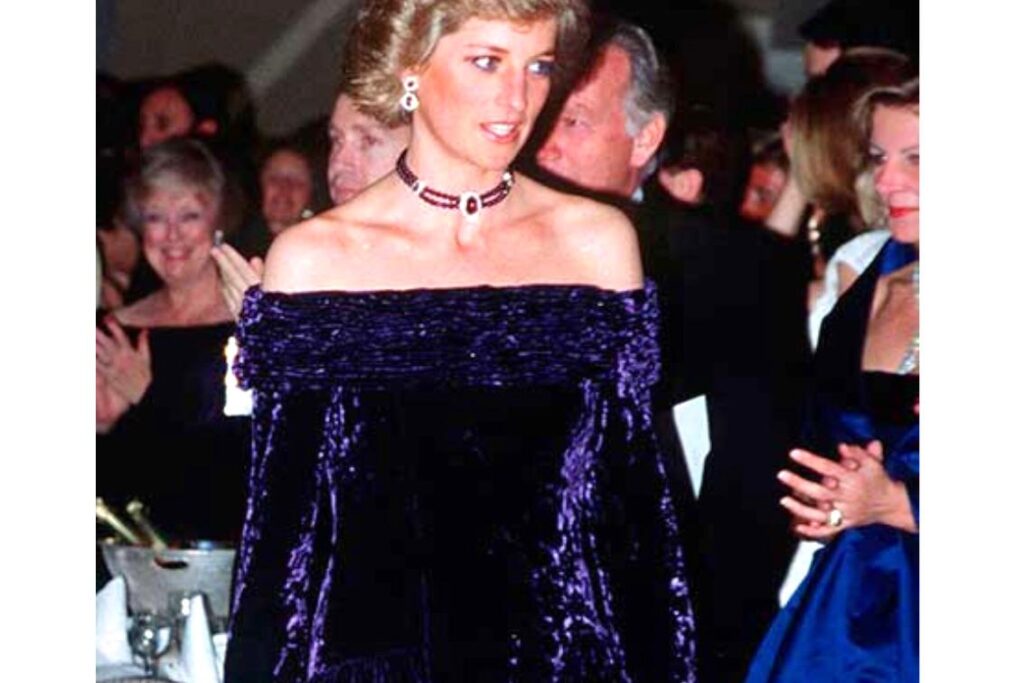
Princess Diana appeared radiant in crowds, shaking hands and connecting emotionally with thousands of strangers, which made her seem naturally fearless. Palace staff later revealed that smaller formal dinners often made her far more nervous than large public events. She worried about saying the wrong thing and sometimes preferred private one on one conversations with nurses or charity workers where she felt more emotionally safe.
Those quieter meetings showed the side of her that felt deeply empathetic and vulnerable. Instead of rehearsed royal distance, she often asked personal questions and listened carefully to individual stories. The world saw a confident global figure, yet inside she was navigating intense personal pressure and self doubt. That inner sensitivity explains why her compassion during hospital visits and humanitarian campaigns felt so sincere to the people she met directly.
7. Keanu Reeves
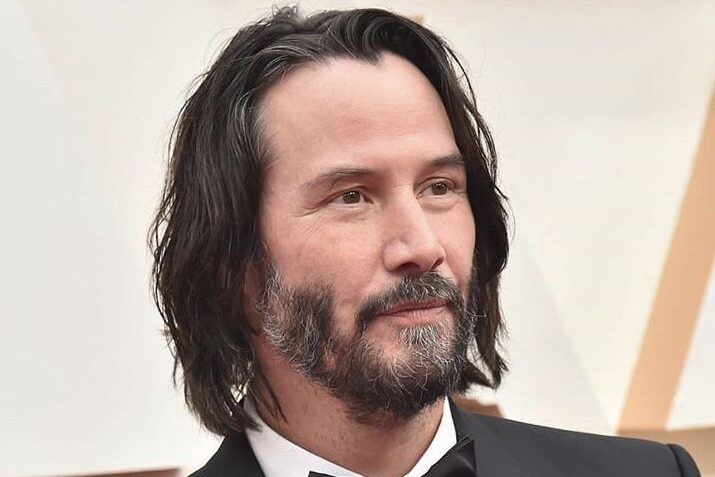
Early in his career, Keanu Reeves was marketed mainly as a cool action star, but film crews quietly shared stories about his unusual generosity. During major productions, he reportedly helped redistribute bonuses so stunt teams and technical staff could receive better pay. Reeves rarely spoke publicly about such decisions and often downplayed praise, focusing instead on collaboration and shared success on set.
Colleagues consistently describe him as reserved, polite, and far more comfortable in small conversations than large celebrity gatherings. He prefers simple routines, motorcycles, and reading over industry parties. Fans often expect dramatic movie star energy when meeting him, yet many encounter someone soft spoken and attentive. The difference between his calm private nature and his intense screen characters has only strengthened his reputation as one of the more grounded personalities in modern Hollywood.
8. Elvis Presley
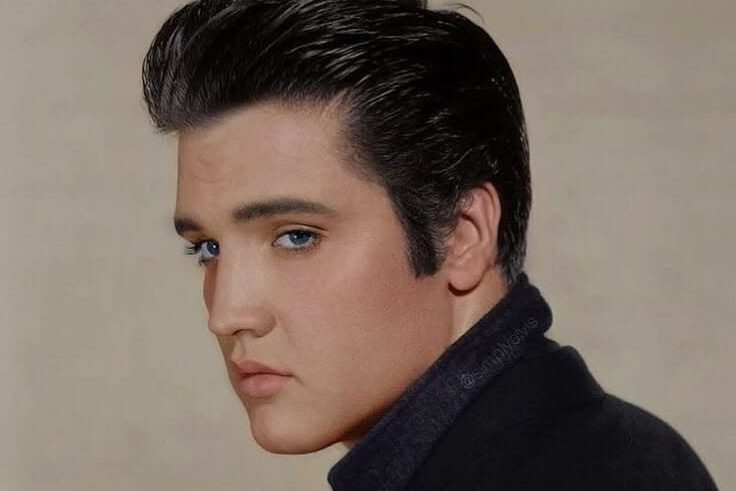
Elvis Presley’s stage performances helped define rebellious rock stardom, yet many people who knew him personally remembered a deeply polite Southern upbringing that stayed with him throughout his life. Former classmates and early band members spoke about his respectful manners, quiet generosity, and habit of helping neighbors privately without publicity. Even after global fame, staff at his home recalled structured hospitality rules ensuring guests and workers were treated warmly.
Visitors often expected a wild celebrity lifestyle but instead encountered someone who valued family traditions, home cooking, and familiar routines. While the jumpsuits and screaming crowds shaped his public legend, daily life often felt calmer and more traditional. That contrast between cultural icon and courteous host reminds us how stage personas can amplify one emotional slice of a person while their everyday character continues following habits learned long before fame arrived.
9. Lady Gaga
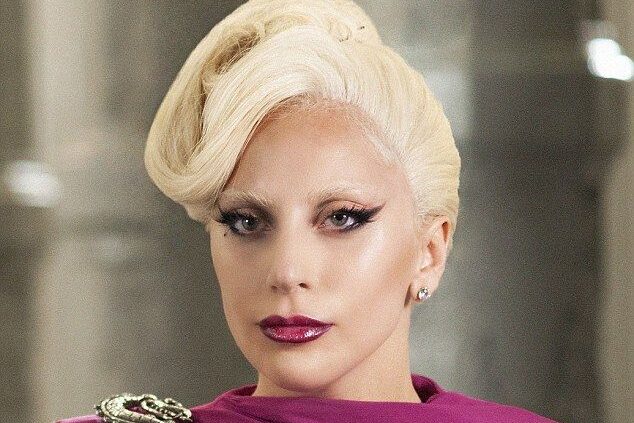
When Lady Gaga first appeared in elaborate outfits and theatrical performances, many assumed the spectacle reflected nonstop personal chaos. Former classmates and producers describe a very different reality. She spent long hours studying composition, practicing piano technique, and refining songwriting structure with intense academic focus. Music theory discussions reportedly mattered to her as much as visual performance concepts.
Studio collaborators often recall disciplined recording sessions where she analyzed chord progressions, vocal layering, and lyrical pacing in detail. The public saw shock value and fashion headlines, yet the working musician behind the scenes behaved more like a dedicated conservatory student obsessed with craft. That deeper musical seriousness explains why her career sustained itself beyond early visual headlines, proving the theatrical image was a creative choice rather than a reflection of an unfocused personality.
10. Steve Jobs

Steve Jobs became famous for intense leadership and brutally honest product critiques, and many workplace stories confirm that demanding style. Yet colleagues from animation studios and educational programs noticed a different tone when he spoke with young designers or student developers. He often asked what inspired them personally and encouraged bold experimentation rather than immediate perfection.
Family interviews also described quieter home moments filled with long walks and thoughtful conversations about curiosity and creativity. This gentler mentorship side rarely appeared in corporate headlines, but those who experienced it remembered how seriously he took imagination in younger thinkers. The public persona highlighted relentless pressure, while private interactions sometimes revealed someone deeply invested in nurturing future innovators who could eventually push ideas further than he ever could.
11. David Bowie
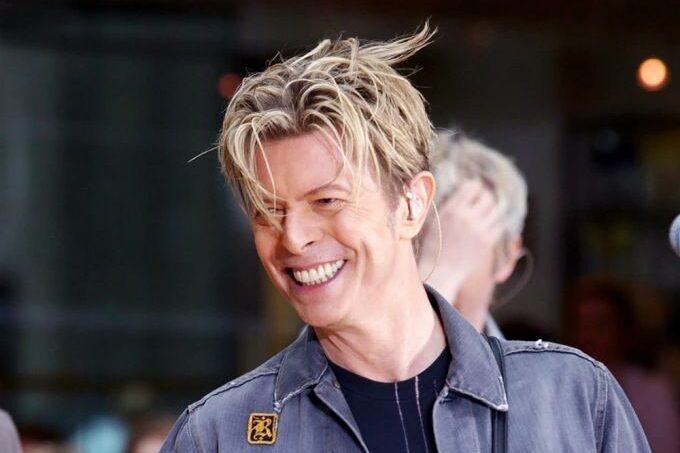
For years, David Bowie’s changing stage personas made it seem like he lived inside permanent artistic chaos. Glitter, characters, reinventions, and unpredictable interviews shaped the public expectation that his private life must feel just as wild. Yet friends from his later decades described something very different once he settled into marriage and fatherhood. Instead of constant nightlife, Bowie spent long stretches enjoying school runs, cooking meals at home, and walking quietly through New York neighborhoods where most people barely noticed him.
Studio engineers who worked with him during those later albums remembered calm recording days filled with tea breaks, thoughtful musical discussions, and very little drama. He seemed deeply protective of routine and family stability, almost as if the wild creativity lived only in the work itself. Fans often imagined nonstop performance energy, but those who actually knew him encountered a grounded husband and father who valued ordinary peace. The distance between the theatrical public figure and the private homebody revealed how performance can sometimes be the place where chaos lives, so real life can stay steady.
12. Angelina Jolie
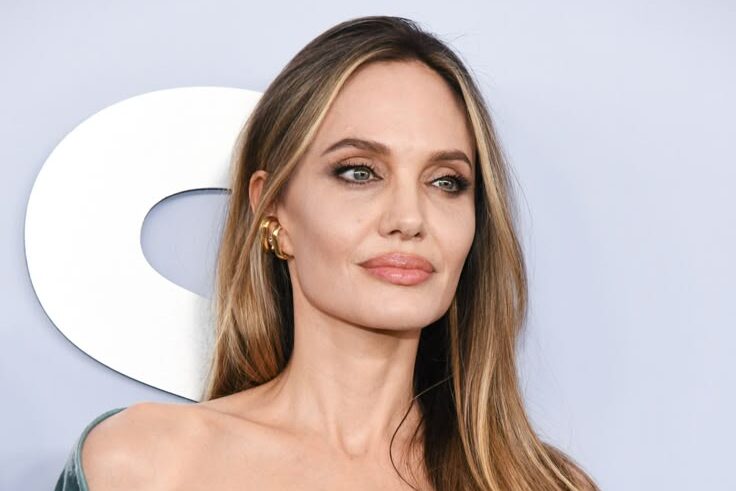
Early celebrity coverage often painted Angelina Jolie as unpredictable and impulsive, focusing heavily on her rebellious Hollywood years. When she began humanitarian missions, many expected symbolic visits and photo opportunities. Aid workers quickly realized she approached the work very differently. Before traveling, she studied refugee reports, regional conflict histories, and security briefings in detail. Field staff noticed she asked careful logistical questions about supply chains, camp safety, and long term education access instead of rushing through appearances.
During visits, she often stayed longer than scheduled, speaking privately with families and listening to translators explain complex local issues. Colleagues described her carrying notebooks and reviewing policy summaries late into the evening rather than socializing after official events. The public image once leaned toward emotional celebrity activism, but the working reality resembled a disciplined researcher trying to understand systems before speaking publicly. That serious preparation slowly reshaped how international organizations viewed her, showing that the thoughtful planner behind the scenes had been underestimated for years.
13. Tom Hanks
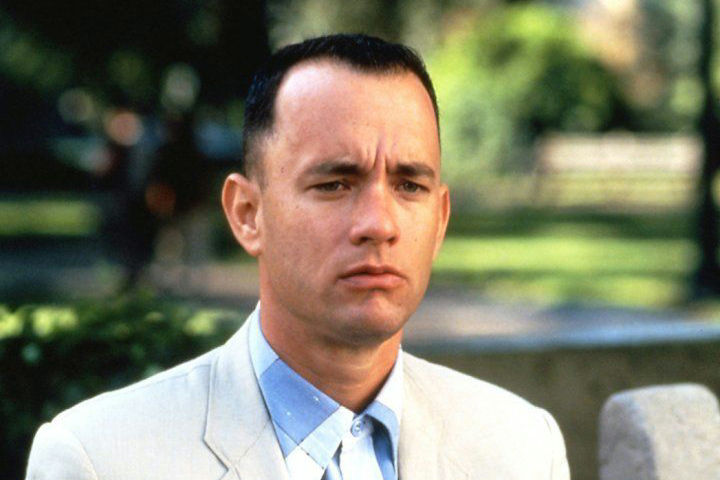
Tom Hanks is often seen as the easiest, most naturally warm actor in Hollywood, the kind who simply shows up and delivers heartfelt performances without visible strain. Directors and crew members tell a more methodical story about how he actually works. Before historical roles, he reportedly studies timelines, interviews subject experts, and gathers small personal details that help shape realistic behavior on screen. Script meetings with him often include long conversations about motivation, pacing, and emotional realism.
On set, coworkers describe someone friendly but extremely focused once filming begins. He tracks continuity details, checks dialogue rhythm, and quietly reviews scenes between takes rather than relying on instinct alone. The relaxed charm audiences feel is genuine, yet it rests on heavy preparation that rarely gets public attention. That difference explains why his performances feel so believable across completely different genres. What looks effortless on screen often comes from someone who treats every project like a serious research assignment long before the cameras ever start rolling.
14. Taylor Swift
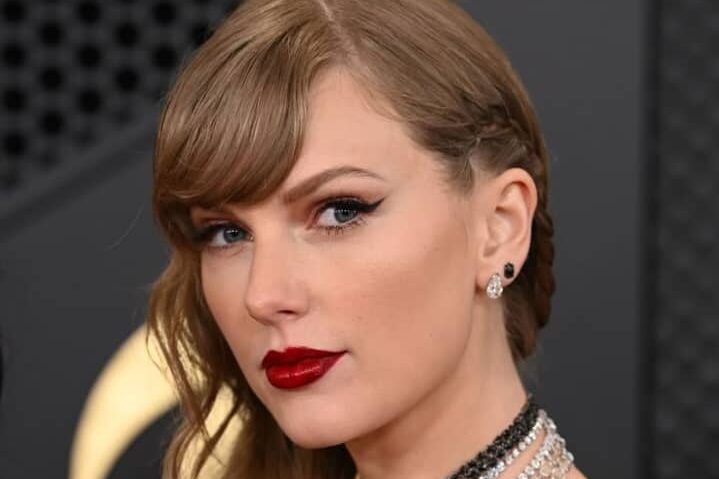
Many early listeners connected with Taylor Swift through emotional storytelling and personal lyrics, which led critics to assume her career decisions were driven mostly by feeling. Music executives and collaborators soon noticed a sharp strategic thinker guiding those emotional releases. She became closely involved in release calendars, fan engagement timing, and long term ownership decisions that shaped her catalog control. Industry insiders often mention detailed planning sessions where marketing steps were mapped months or even years ahead.
Her rerecording campaign especially showed how carefully she understood publishing rights, contract leverage, and audience loyalty patterns. While the public persona highlights diary style vulnerability, the professional environment reveals someone tracking business structure with impressive patience. Team members describe meetings where creative discussion blends naturally with legal awareness and brand positioning. That combination surprised observers who once underestimated her executive instincts. Over time, it became clear that the heartfelt songwriter and the calculated strategist were always working side by side, even when only one side made the headlines.
15. Bruce Lee
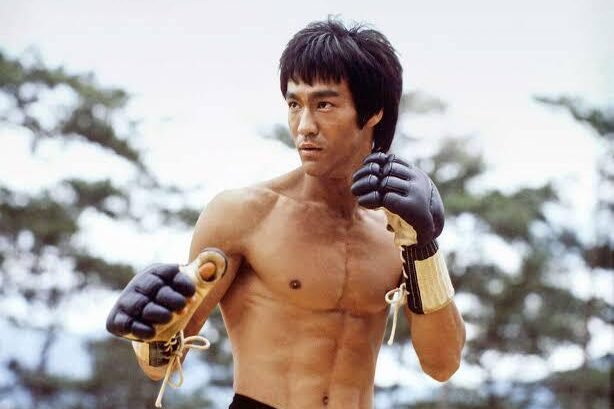
Bruce Lee’s films showcased explosive speed and physical dominance, so audiences often imagined a personality built purely on aggression and competition. Students who trained with him described something far more reflective inside his teaching sessions. Classes frequently included conversations about emotional discipline, mental flexibility, and self awareness before any physical drills even began. He encouraged students to study philosophy, psychology, and personal habits alongside movement training.
Training partners remembered him asking questions about personal fears, confidence, and life direction as part of martial development. His notes and writings showed deep interest in human behavior and creative expression beyond fighting technique. The public saw an unstoppable action hero, yet those closest to him encountered a thoughtful mentor treating martial arts as a path toward balance rather than dominance. That philosophical mindset explains why his influence reached writers, athletes, and educators far outside the film industry, shaping ideas about self mastery that continue spreading decades later.
16. Betty White
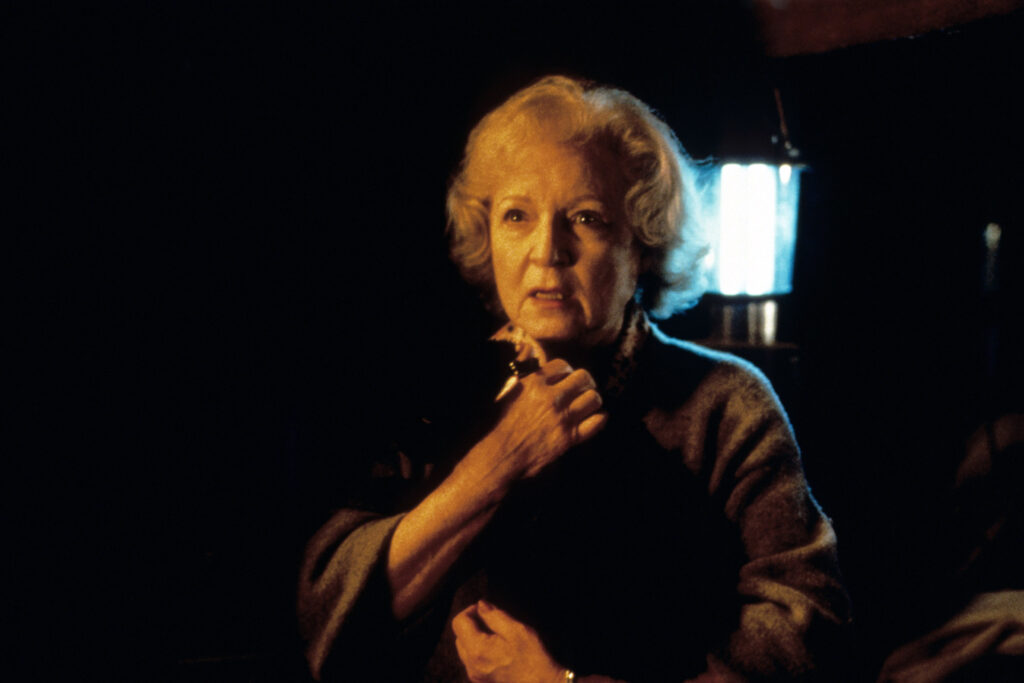
Betty White’s television presence felt warm, gentle, and almost grandmotherly, which made audiences assume she carried that same harmless sweetness into every situation. Game show hosts and longtime coworkers often laughed about how competitive she became whenever points or prizes were involved. She loved trivia games, word puzzles, and card tournaments, and she played to win with surprising determination. Friends recalled her celebrating victories with playful bragging and immediately asking for another round.
Writers from her sitcom years also noticed she memorized scripts quickly and pushed herself to deliver sharper comedic timing than anyone expected. That quiet drive helped sustain her performance energy well into her later decades on screen. The public saw a lovable personality who seemed content just being present, yet behind the scenes lived someone energized by challenge and mental sharpness. That competitive spark likely fueled her extraordinary career longevity far more than simple luck or charm alone.
17. Michael Jordan
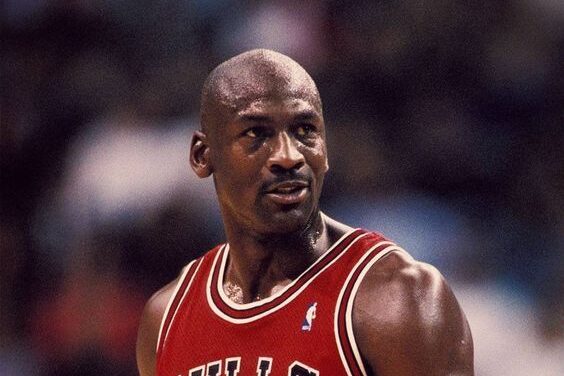
Michael Jordan’s commercials and highlight reels often showed effortless athletic brilliance, creating the impression that his greatness came naturally. Teammates consistently described brutally intense practice sessions that told a very different story. Internal scrimmages were treated like championship games, and Jordan reportedly pushed everyone to match his focus whether they welcomed it or not. Coaches recalled him reviewing plays repeatedly and challenging teammates to sharpen defensive effort every single day.
Locker room stories mention constant personal competitions, side bets, and relentless performance tracking long before game night arrived. Fans saw smooth confidence and last second hero shots, yet daily team life involved constant pressure and preparation. That hidden workload explains why younger players sometimes found his leadership exhausting but effective. The public legend celebrates talent, while the private routine reveals someone obsessed with improvement at a level few people ever witnessed outside closed gym doors.
18. Emma Watson
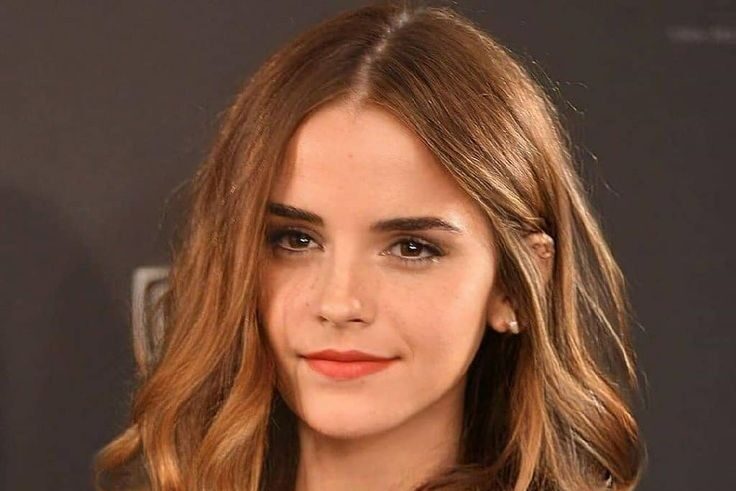
Emma Watson became globally famous during childhood, so many assumed her teenage and university years would revolve around celebrity events and red carpets. Classmates at university described a much quieter student life. She attended lectures consistently, took detailed notes, and participated thoughtfully in discussions rather than leaning on her fame. Professors treated her like any other student because she clearly wanted to earn academic respect through real effort.
Peers often saw her studying in libraries or walking to class in simple clothes with minimal attention seeking. She reportedly insisted on completing assignments independently and keeping a normal dorm routine whenever possible. The blockbuster star image suggested nonstop glamour, yet campus life revealed someone deeply committed to education and intellectual independence. That grounded focus later showed up clearly in her advocacy work, where preparation and research shaped her public speeches far more than celebrity status ever did.
19. Chris Evans
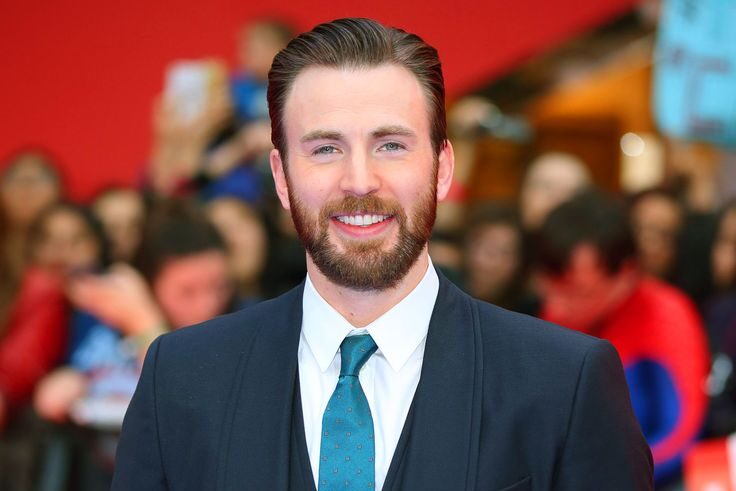
Chris Evans became widely known for playing fearless heroic characters, which naturally led fans to assume he carried the same steady confidence in real life. Interviews over the years revealed a much more cautious personality navigating anxiety about career decisions and public attention. Before accepting major franchise roles, he reportedly hesitated seriously and sought advice from trusted friends about the emotional pressure involved.
Directors and coworkers say he often prefers extra rehearsal discussions so he can feel fully grounded before filming intense scenes. Socially, he tends to keep a small circle and avoid excessive industry events when possible. The strong superhero image contrasts with someone who openly values therapy, reflection, and emotional preparation. That honesty about vulnerability has actually strengthened audience connection, showing that even actors who portray the boldest characters may privately rely on careful support systems to stay balanced.
20. Rihanna
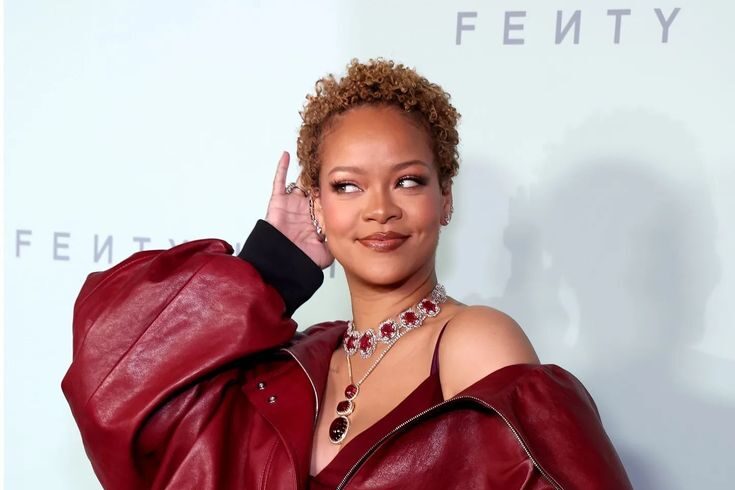
Rihanna’s public persona has always projected effortless cool and spontaneous creativity, so early observers assumed her beauty brand involvement might stay mostly promotional. Employees from product development teams quickly confirmed she participated deeply in technical decisions. Shade ranges were tested repeatedly under different lighting conditions, packaging textures were reviewed personally, and launch timing discussions often included her direct feedback. Meetings sometimes ran long because she insisted products work for a wide range of real users.
Marketing staff also noted her attention to inclusive messaging and long term brand identity rather than quick celebrity sales boosts. The relaxed performer image suggested casual involvement, yet the operational reality looked more like a hands on executive tracking product performance carefully. That serious engagement explains why the brand gained credibility so quickly. Customers sensed it was not simply a celebrity endorsement but a structured business effort shaped by someone determined to build something that functioned properly beyond the launch headlines.
21. Daniel Radcliffe

After years of global fame from childhood, many people expected Daniel Radcliffe to grow into the typical celebrity lifestyle filled with nonstop parties and industry attention. Theatre directors and coworkers instead found someone happiest discussing novels, stage scripts, and character psychology in calm backstage corners. He often arrived early to rehearsals simply to reread scenes quietly and understand emotional timing before others even reached the building.
Friends from later projects describe small dinners, board games, and long conversations about writing rather than flashy social nights. He seemed far more interested in improving his craft than maintaining celebrity image. That difference became clearer as he chose unusual theatre roles and independent films instead of chasing predictable blockbuster leads. The famous wizard label suggested permanent Hollywood spectacle, yet the adult actor behind it showed a thoughtful performer building a steady career through curiosity, reading, and a genuine love for storytelling that extended far beyond the franchise that first made him known.
22. Oprah Winfrey
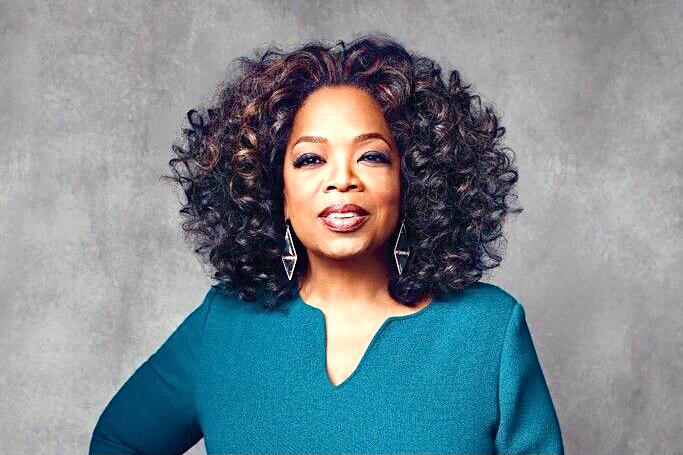
Television audiences connected with Oprah Winfrey through emotional interviews and deeply empathetic conversations, which made her leadership style seem purely heart driven from the outside. Former production executives often described a second side that handled contracts, budgets, and scheduling with very firm clarity. Studio teams learned quickly that while creative discussions felt warm, business agreements required precise standards and accountability.
Staff at her production company recall structured meeting agendas, long term ownership planning, and careful oversight of editorial direction across projects. She encouraged open storytelling on screen while simultaneously building strong operational systems behind the scenes to protect content rights and distribution stability. The public saw emotional connection and inspirational dialogue, yet the internal workplace experienced a disciplined media strategist focused on sustainability and independence. That blend of compassion and control helped transform her from host into one of the most influential media owners of her generation.
23. Heath Ledger
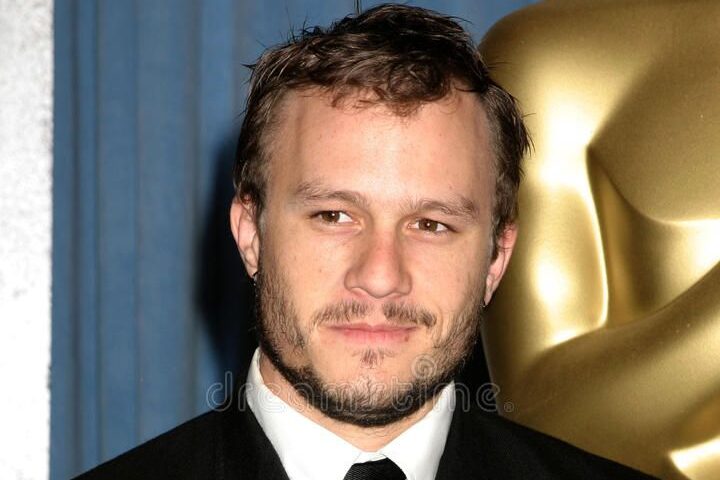
Heath Ledger’s intense dramatic performances often left audiences assuming he carried that same heavy emotional atmosphere throughout daily life. Cast members from several productions remembered someone far more playful once the cameras stopped. Between takes, he enjoyed joking with crew members, playing music, and helping ease tension on long shooting days where fatigue could easily build.
Directors noticed how quickly he could step out of deep emotional scenes and return to relaxed conversation with colleagues. His creative focus was serious when required, yet his general presence often lifted the working mood rather than darkening it. The public memory sometimes freezes actors inside their most haunting roles, but those who spent real time around him described a collaborative performer who valued humor and human connection on set. That lighter everyday personality reminds us how professional immersion in a role does not always define the full emotional range of the person performing it.
24. Beyonce
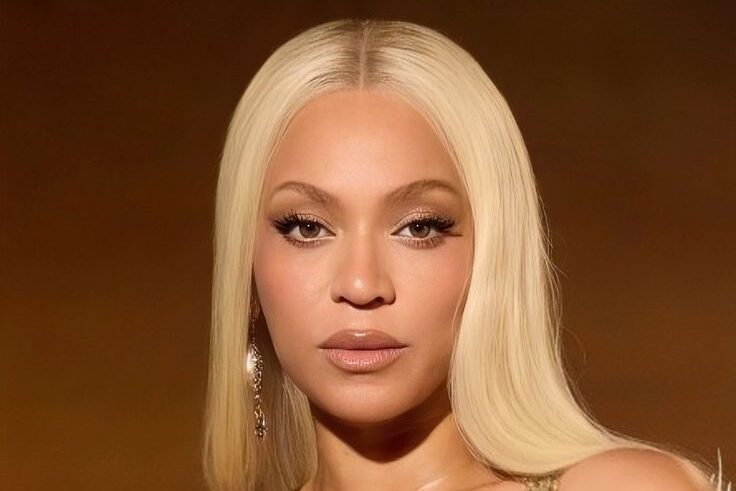
Beyonce’s stage performances radiate complete power and confidence, giving the impression of someone constantly living in the spotlight. Collaborators often say her personal routine looks very different behind the scenes. Rehearsals follow tightly organized schedules, vocal rest periods are protected carefully, and family time is guarded with strong boundaries that limit unnecessary public exposure.
Tour staff frequently mention color coded planning documents, detailed production timelines, and controlled media windows designed to keep both performance quality and personal balance stable. While audiences see explosive stage energy and glamorous appearances, daily life reportedly includes disciplined preparation and intentionally quiet private spaces. That structured approach has helped sustain her voice, career, and family stability across many demanding years in entertainment. The difference between public spectacle and controlled personal rhythm shows how long lasting success often depends less on constant visibility and more on knowing exactly when to step away.
25. George Clooney
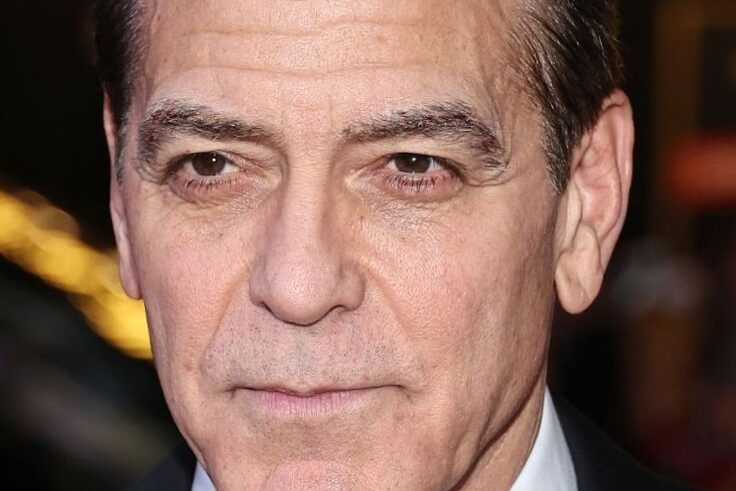
George Clooney’s talk show appearances often highlight humor and easy charm, creating the sense of someone casually floating through celebrity life. Journalists visiting him for long form interviews often noticed stacks of international newspapers, policy books, and humanitarian reports covering his office tables. Conversations frequently shifted toward diplomatic issues, journalism safety, and global conflict awareness rather than entertainment industry chatter.
Colleagues from advocacy campaigns said he prepared extensively before public statements, reviewing briefings and consulting regional experts. Dinner discussions reportedly leaned toward current events and social policy far more than film promotion stories. The relaxed public persona sometimes hides how seriously he tracks world developments and supports investigative journalism initiatives. That intellectual engagement explains why many of his later projects and speeches reflect sustained global interest rather than occasional celebrity activism. The friendly movie star image remains accurate, yet it only captures part of a much more politically attentive private thinker.
26. Selena Gomez
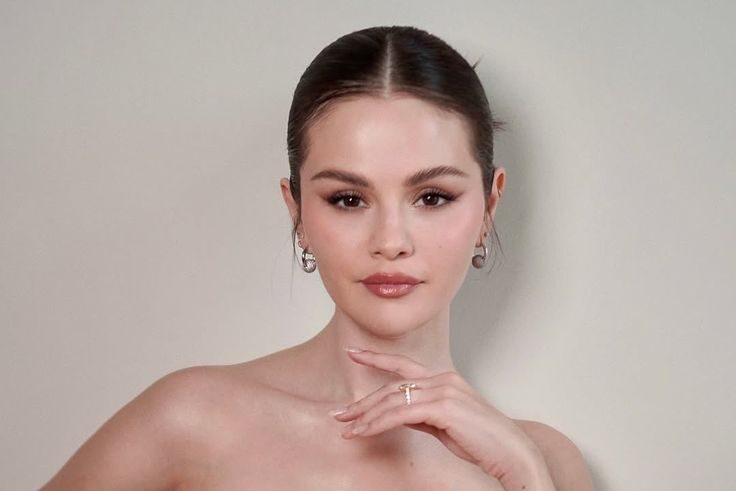
Selena Gomez built a public identity around emotional openness and relatable storytelling, which sometimes led observers to assume her work style might feel unpredictable. Production assistants and makeup teams from television and music projects often describe the opposite experience. She typically arrives prepared, reviews schedules carefully, and maintains a calm working rhythm that helps stabilize large crews during long filming days.
Assistant directors note she communicates clearly about scene timing, wardrobe changes, and rehearsal needs, reducing confusion for everyone involved. That steady professionalism rarely becomes entertainment headlines because it lacks drama, yet it shapes the smooth execution of many projects she leads. Fans often focus on the emotional themes of her public interviews, but the daily work environment reveals someone who values reliability, preparation, and respectful teamwork. That quieter consistency may be one of the main reasons she continues balancing acting, music, and production responsibilities successfully across multiple demanding industries.
27. Anthony Hopkins
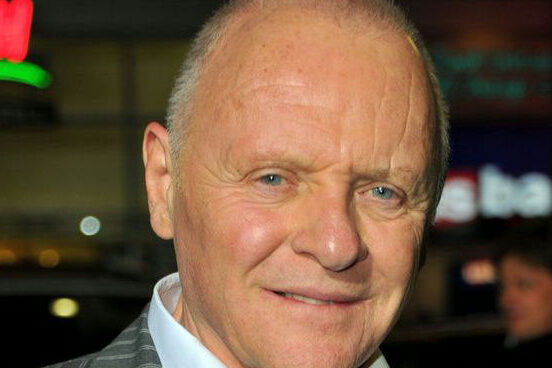
Anthony Hopkins’ most famous roles include chilling and intense characters, so new crew members sometimes expect a permanently intimidating presence on set. Many quickly discover a very relaxed and even humorous colleague once filming pauses. He enjoys casual conversation, occasional piano playing during breaks, and light dry jokes that help release tension during demanding production schedules.
Acting students attending his workshops often arrive nervous and leave surprised by how calmly he discusses memorization methods and emotional detachment from characters after filming ends. He treats acting as structured craft rather than psychological burden, encouraging performers to maintain personal balance outside scenes. The public association with dark dramatic roles can overshadow that approachable teaching personality. Those who actually work alongside him often remember the gentle professionalism and unexpected warmth long after the famous characters fade from immediate memory.
28. Jackie Chan
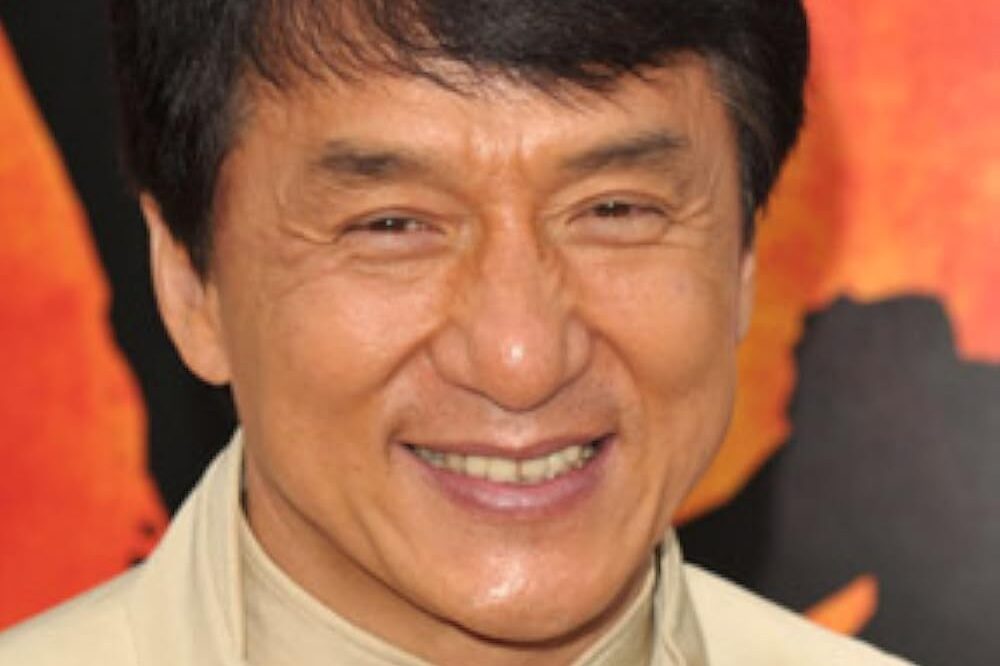
Jackie Chan’s films look wildly spontaneous, filled with chaotic chases and improvised physical comedy that suggests fearless risk taking. Stunt coordinators and longtime crew members explain that the preparation process behind those scenes is extremely methodical. Weeks are often spent testing landing surfaces, measuring camera angles, and rehearsing movement timing repeatedly before any final filming begins.
Production notes reportedly track injury risks, backup safety methods, and alternate camera positions in case conditions shift unexpectedly. Chan participates directly in these planning sessions, reviewing each sequence until everyone understands the exact physical pathway involved. The finished movie gives audiences thrilling unpredictability, yet the working environment depends heavily on structured engineering level preparation. That disciplined planning is likely the reason he managed such a long action career while performing many of his own stunts. The fearless screen legend turns out to rely heavily on careful calculation behind the scenes.
29. Morgan Freeman
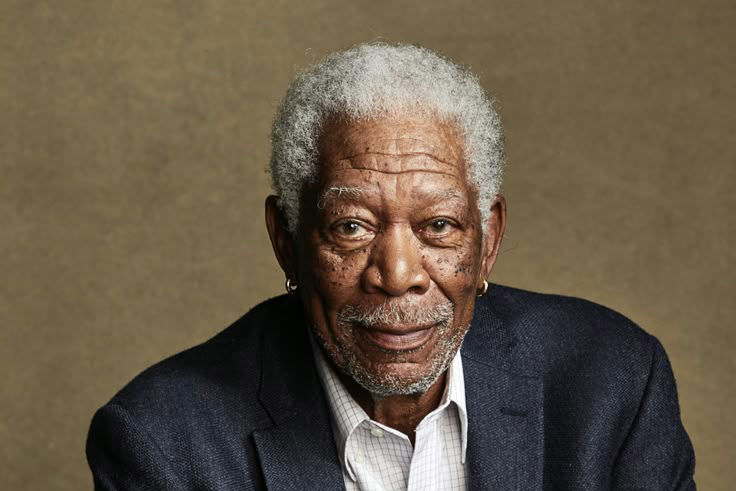
Morgan Freeman’s calm narration voice and steady screen presence make him seem endlessly conversational and socially open. Reporters who spend extended time with him often notice he speaks thoughtfully but briefly, conserving words rather than filling silence. During long filming days, crew members say he frequently spends breaks reading scripts quietly or sitting alone reviewing upcoming scenes instead of gathering in large social groups.
This reserved rhythm does not signal coldness, but rather a preference for focus and personal space that helps maintain his performance clarity. The public image of the endlessly storytelling wise figure can suggest constant outgoing warmth, yet the working actor behind that voice appears far more private and deliberate in daily interaction. That measured communication style likely contributes to the authority audiences feel when he does speak, since every line arrives with intention rather than casual noise.
30. Dolly Parton
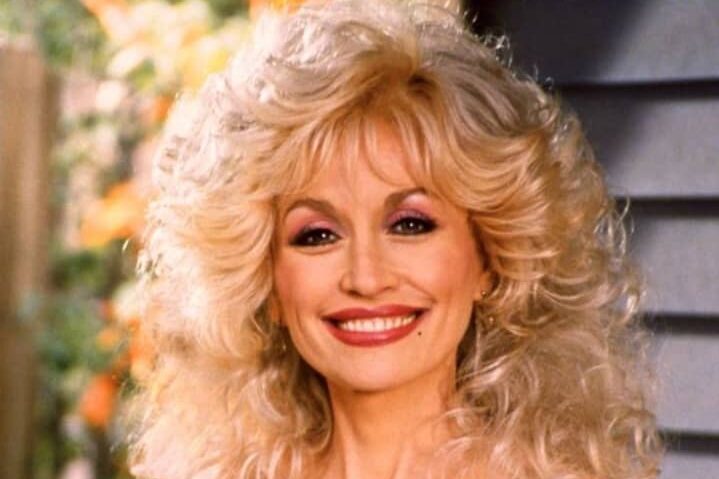
Dolly Parton’s bright costumes, humor, and playful interviews once led some critics to underestimate the level of strategic thinking guiding her career. Music industry partners learned quickly that she tracked publishing rights carefully, negotiated ownership terms with patience, and planned long term investments including theme parks and literacy programs that extended far beyond music charts.
Her friendly storytelling style remained genuine, yet behind those warm conversations sat a creator fully aware of contract structure and brand sustainability. Over decades, that mix of charm and careful planning built a legacy that supported both entertainment success and community initiatives. In many ways her story quietly wraps around this entire list. Public images often highlight the loudest or most colorful traits, while the real lives underneath usually depend on discipline, preparation, and grounded choices that rarely make headlines. Remembering that difference makes every famous face feel a little more human.


