
1. Life Is Quietly Changing Around Us

Sometimes change arrives softly and we only notice when we pause. As we look toward 2026, life feels like it is shifting into something more connected, more digital, and still human. This first prediction sets the tone by showing how daily routines evolve without noise. In 2026 technology moves deeper into homes and work to support organization, communication, and simple tasks. Instead of replacing people it lifts pressure so there is more room for rest, creativity, and conversation. Small changes start to feel like quiet help in ordinary life. Over time that support shapes habits in ways we barely notice.
2. Work Gets More Flexible and Personal

Work in 2026 begins to feel like it finally understands real life. Instead of rigid schedules and long daily commutes many people blend home offices, shared spaces, and occasional visits to workplaces. Flexibility becomes part of trust rather than a special favor. Families plan days with less stress. Individuals carve out time for learning, exercise, and simple rest. Productivity shifts from counting hours to measuring thoughtful results. People choose roles that fit their rhythm, and employers discover morale improves when balance becomes normal. The workplace turns into a supportive environment where life and effort move together for many people everywhere.
3. Smart Assistants Quietly Become Everyday Helpers
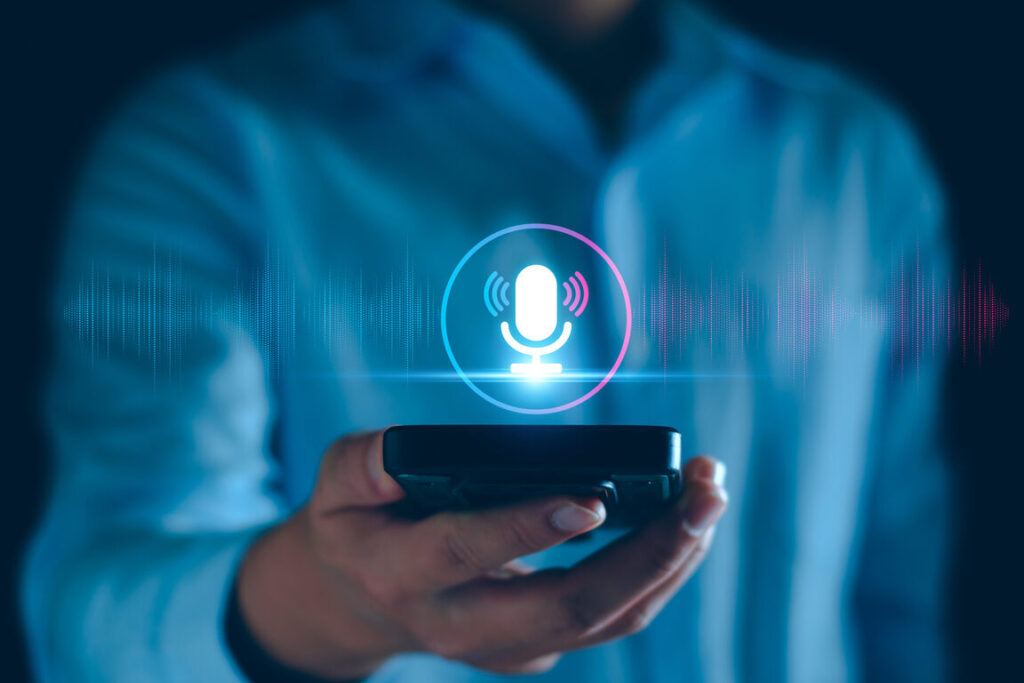
By 2026 smart assistants quietly become part of everyday routines. People ask for reminders, lists, directions, and small planning help without thinking much about it. The technology fades into the background and simply reduces mental load. Households feel more organized and days feel smoother because fewer details slip away. Instead of juggling everything, people free space in their minds for creativity, conversation, and rest. These helpers do not replace judgment. They simply handle tiny tasks so energy is saved for what matters. Over time that gentle support becomes normal and life feels easier without needing constant attention from users everywhere.
4. Health Monitoring Moves into the Home
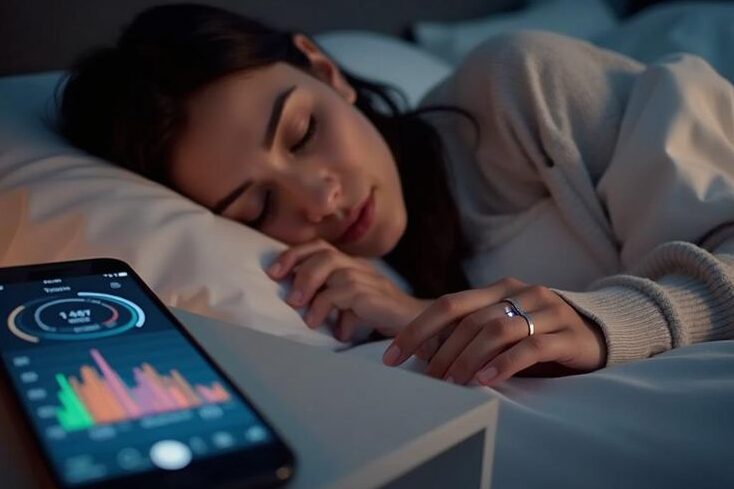
In 2026 health awareness moves closer to home. Simple devices and apps help track sleep, movement, heart rate, and habits we often ignore. Instead of guessing, people see patterns and understand when something feels unusual. Doctors still guide care, but the first signals begin earlier. Families notice trends together and make small adjustments like more water, better rest, or gentler routines. This shift creates confidence, not fear. Health becomes an everyday conversation, handled calmly and thoughtfully at home. Over time people realize they can participate more fully in their wellbeing and feel supported instead of distant in daily life always.
5. Learning Becomes More Self-Guided

By 2026 learning stretches far beyond traditional classrooms. People explore new skills from home through short lessons, interactive tools, and friendly communities that share real experiences. Instead of long programs that require strict schedules, flexible learning fits into evenings, breaks, and weekends. Adults switch careers, rediscover passions, and build confidence at their own pace. Curiosity replaces pressure. Education becomes something living, not something finished. This shift reminds people that growth is possible at any age and that knowledge is not limited to institutions. It belongs to anyone willing to try, practice, and steadily keep moving forward with patience and focus.
6. Shopping Feels More Personal and Calm

Shopping in 2026 feels more guided than chaotic. Instead of scrolling endlessly, people see choices that match their tastes, needs, and budgets. Stores learn patterns like preferred colors, fits, and everyday habits, then offer gentle suggestions without pressure. The experience becomes calmer, like having a thoughtful friend who understands what matters. People waste less time, return fewer items, and feel more satisfied with what they bring home. Shopping becomes intentional instead of rushed, and that simple shift reduces stress in daily life while still leaving room for surprise and discovery that can feel refreshing when routines start to feel heavy.
7. Travel Slows Down in the Best Way

Travel in 2026 leans toward slower, more thoughtful journeys. Instead of rushing through several cities, people choose one place and stay longer. They walk, talk to locals, taste simple meals, and watch everyday life unfold. This style of travel feels restful, almost like breathing out after years of hurry. Memories become deeper and more personal because there is time to notice details. Travelers return home calmer, grateful, and more aware of the world. The goal is not collecting photos. It is building gentle connection that lasts beyond the trip and helps people remember why exploring matters in everyday life afterward.
8. Homes Turn into Peaceful Retreats
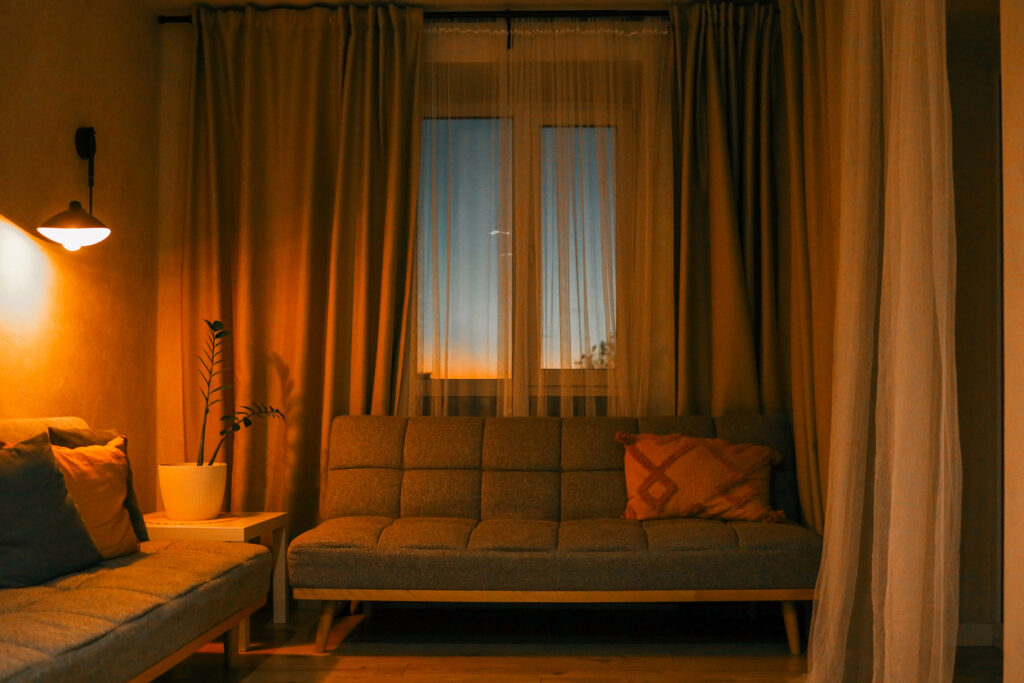
In 2026 many homes shift toward comfort and calm. People choose soft lighting, natural textures, meaningful objects, and quiet corners for reading or resting. Instead of decorating to impress, they create spaces that feel safe and supportive. Home becomes the place where stress slowly loosens and breathing feels easier. Families share meals, talk more, and take breaks from constant screens. This gentle approach reminds people that beauty can be simple. A peaceful home shapes how the rest of the day unfolds, giving strength for work, relationships, and challenges outside the front door while making everyday routines feel lighter and kinder.
9. Community Starts to Matter Again
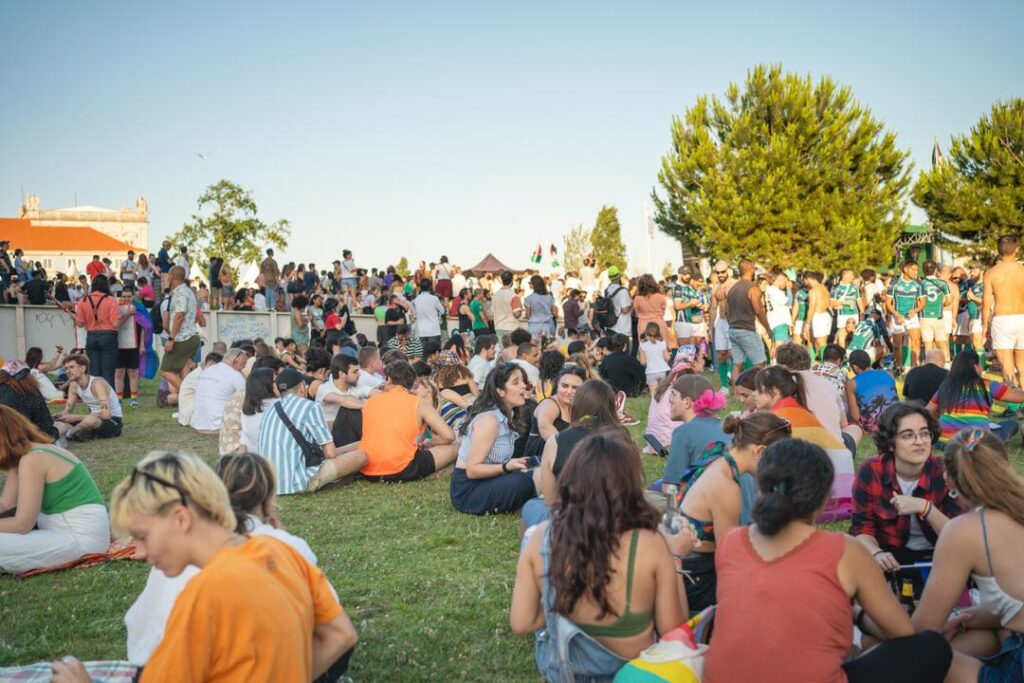
In 2026 community slowly returns to the center of life. People join neighborhood groups, attend small events, share meals, and check on one another with genuine care. These simple acts create belonging in a world that often feels busy and scattered. Friendships form through shared interests and quiet conversations. Support appears during hard moments, and celebrations feel warmer because they are shared. Community reminds people they are seen and valued. Over time that feeling builds confidence and resilience, helping everyone face uncertainty with steadier hearts and stronger connections that continue to grow each year as neighbors keep showing up together.
10. Money Becomes Easier to Understand

By 2026 money management becomes clearer for many households. Simple apps, reminders, and organized dashboards help track spending without confusion. People begin to see patterns, like recurring costs and small habits that quietly add up. With awareness comes calm planning. Savings goals feel reachable, debts feel manageable, and emergencies feel less frightening. Families talk openly about priorities and learn to choose intentionally instead of reacting. Over time, financial life feels steadier, and that stability opens room for dreams, opportunities, and thoughtful generosity toward others that grows stronger each month as better habits replace stress and uncertainty for families everywhere today.
11. Food Balances Health and Enjoyment
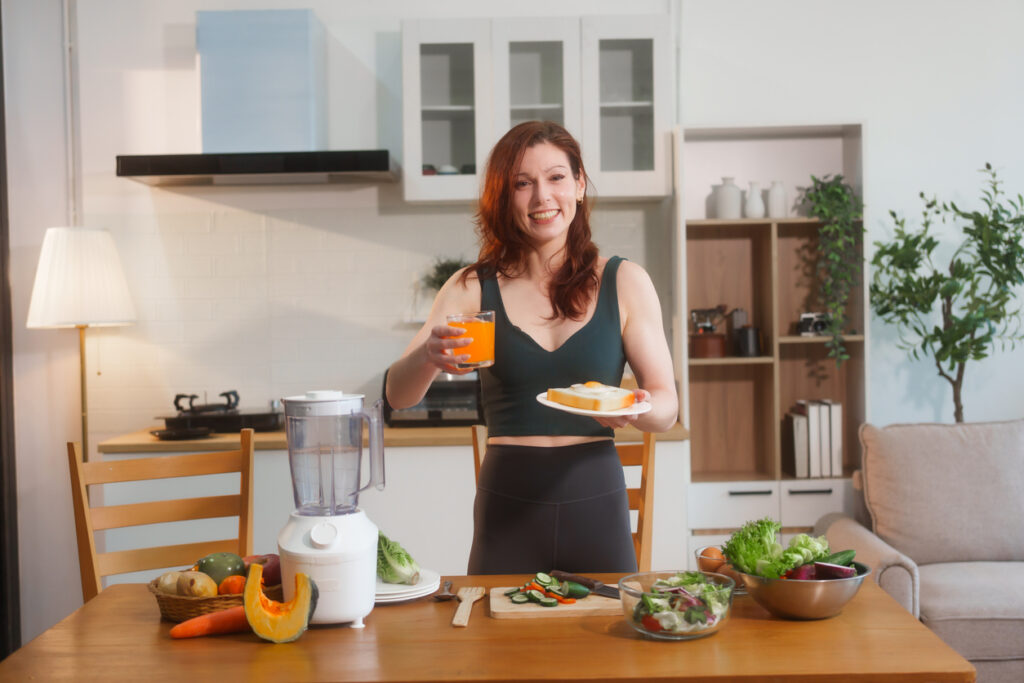
Eating in 2026 focuses on balance, not extremes. People choose meals that support energy, digestion, and long term health while still feeling enjoyable. Home kitchens welcome fresh produce, simple recipes, and shared dinners that bring conversation back to the table. Food becomes about nourishment and connection, not guilt or pressure. Cooking feels creative rather than complicated. Over time, this approach helps people build kinder relationships with what they eat and with their bodies, creating steady habits that last through everyday choices that feel realistic and supportive rather than strict plans that fade when life becomes busy and unpredictable for anyone.
12. Mental Health Becomes Everyday Care

In 2026 conversations about mental health feel ordinary and compassionate. People talk openly about stress, exhaustion, and emotional strain without shame. Support shows up through therapy, rest, gentle routines, and honest check ins with friends. Instead of pushing through everything, people learn to pause and listen to their needs. Workplaces encourage healthier boundaries. Families understand signs earlier. This steady awareness does not remove hardship, but it helps people face challenges with care, patience, and hope while reminding everyone that healing is not a race but a journey shaped by kindness support rest reflection trusted guidance and community surrounding each person.
13. Transportation Works More Smoothly

Transportation in 2026 becomes more coordinated and thoughtful. Navigation tools, public systems, and vehicles work together to reduce delays and improve safety. Daily trips feel smoother as people spend less time stuck and more time arriving calmly. Planning becomes easier because routes are predictable and information is clearer. Instead of frustration, travel routines begin to feel manageable. Families reach appointments on time. Workers feel less drained. Communities benefit from quieter streets and safer crossings that give everyone confidence to move through the day without constant worry about traffic surprises missed signals or stressful detours that interrupt important moments in life.
14. Entertainment Invites You to Join In

Entertainment in 2026 invites more participation. Instead of only watching, people join games, virtual spaces, creative challenges, and shared storytelling experiences. This involvement makes entertainment feel personal and memorable because each person shapes part of the moment. Friends connect through play. Families collaborate instead of sitting silently. Artists experiment with new tools and ideas. The line between audience and creator softens, giving everyone a chance to express themselves and discover interests they never expected while building confidence sharing laughter learning skills exploring imagination staying curious appreciating creativity and finding joy that carries into everyday conversations and relationships beyond the screen.
15. Life Blends Online and Offline Gently

By 2026 life settles into a gentle balance between online tools and real-world presence. People choose screens when they help organize tasks, communicate quickly, or learn something new. They unplug when relationships, rest, or reflection deserve attention. This rhythm feels natural instead of forced. Technology becomes a helpful partner rather than a distraction. Days flow more smoothly, and people feel grounded even in busy seasons because they know when to focus inward when to connect outward how to protect their peace and how to use digital tools with purpose clarity intention kindness patience presence respect and calm guiding every day.
16. Work And Learning Keep Mixing

By 2026 work and learning blend more closely than before. People discover that careers are no longer straight lines. Instead, they move through courses, mentorships, side projects, and new responsibilities as they grow. Learning becomes part of every job instead of something that happens only in school. This rhythm keeps minds active and opportunities open. Workers gain confidence because they know they can adapt. Companies benefit from fresh ideas. Over time, the mindset shifts from finishing education to continuing education, allowing people to stay curious, flexible, capable, and hopeful about what the next chapter might bring professionally and personally.
17. Families Spend More Intentional Time Together

In 2026 families begin choosing presence over distraction more often. Meal times return. Evening walks feel special again. Parents listen more, and children share their thoughts without rushing. Simple traditions grow, like quiet games, reading together, or checking in after long days. These moments do not require perfection. They simply require attention. Over time, family bonds feel stronger because everyone feels seen and valued. Stress may still exist, but connection softens the weight. This gentle focus reminds people that time together is not guaranteed, and caring relationships need steady nurturing to stay healthy, warm, supportive, and meaningful for everyone involved.
18. Creativity Finds Its Place in Daily Life
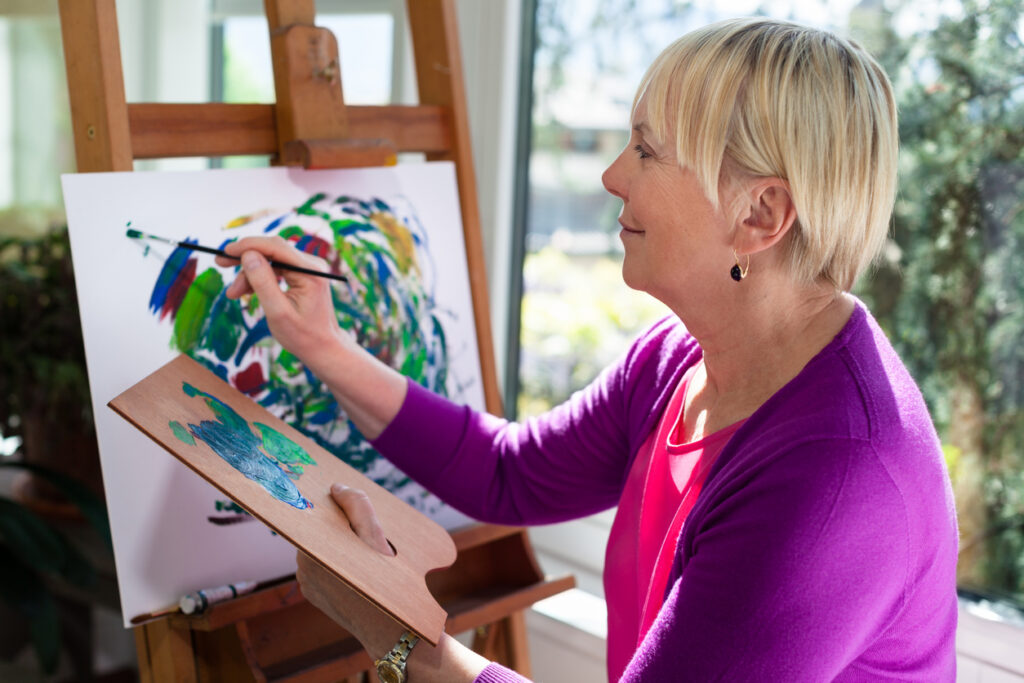
By 2026 creativity feels less like a hobby and more like a natural part of everyday living. People write, paint, record, bake, craft, design, or build small projects simply because it feels good. There is less pressure to be perfect and more joy in expression. Creative moments help release tension and remind people of their individuality. They bring color to routines and spark curiosity again. Over time, this creative spirit encourages confidence and resilience, showing that imagination is not childish but deeply human, helping people think, dream, problem solve, and stay emotionally alive even when life feels demanding or uncertain.
19. Friendships Become More Intentional and Supportive
In 2026 friendships grow deeper because people choose quality over quantity. Instead of endless acquaintances, they nurture a few trusted connections. Coffee chats feel meaningful. Honest messages check in when someone goes quiet. Friends show up to celebrate wins and sit quietly during hard moments. This type of friendship feels steady and real. It teaches patience, listening, forgiveness, and care. As trust grows, life feels less lonely and more supported. People realize companionship does not require constant noise. It requires presence. That understanding shapes how relationships are built moving forward, with softness, respect, sincerity, and a shared desire to grow.
20. Homes Support Work, Rest, And Routine

By 2026 homes are designed with clearer intentions. One corner may hold a desk for focused work. Another might invite relaxation with soft cushions and warm light. Kitchens encourage simple cooking rather than chaos. Bedrooms feel restful, not crowded. These choices create rhythm. Work has a place. Rest has a place. Daily habits become easier to maintain. Over time, this structure reduces stress and brings calm to busy schedules. People feel grounded because their environments gently support their goals instead of fighting against them, allowing life to flow more smoothly inside familiar walls that finally feel organized and nurturing.
21. Nature Becomes Part of Everyday Healing
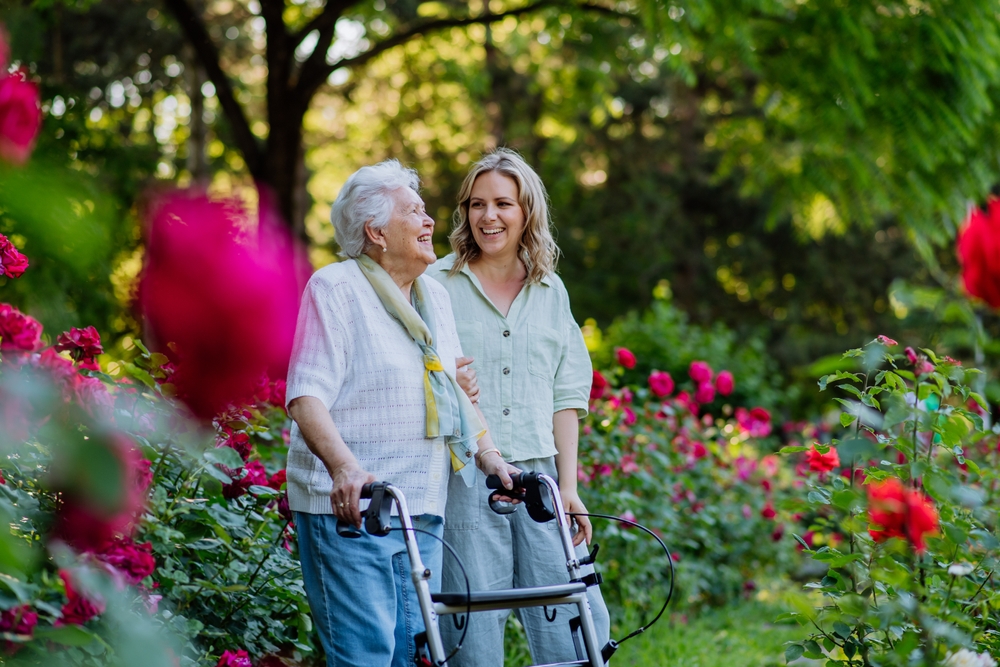
In 2026 people rediscover how refreshing nature feels. Short walks, fresh air, sunlight, gardens, and quiet outdoor spaces become small rituals. These moments slow the mind and relax the body. They remind people that life moves in seasons, not constant rush. Nature offers perspective and calm without asking for anything in return. Even small touches like plants on windowsills or weekend visits to parks make a difference. Over time, the outdoors becomes an essential part of caring for emotional and physical wellbeing, gently guiding people back to balance whenever life starts to feel overwhelming, noisy, unsettled, or disconnected inside.
22. Workplaces Begin Valuing Kindness More

By 2026 workplaces slowly start recognizing the importance of kindness. Leaders listen more carefully. Teams share appreciation instead of only criticism. Mistakes become learning moments rather than reasons to fear. This does not mean responsibilities disappear. It means respect becomes part of the culture. Employees feel safer speaking up, asking questions, and offering ideas. Motivation grows because people know they are valued as human beings, not only as workers. Over time, this approach builds trust, cooperation, stability, and healthier environments where creativity thrives and daily work feels meaningful rather than draining, harsh, competitive, or cold toward the people involved.
23. Personal Boundaries Become Clearer

In 2026 more people learn to say yes with intention and no with confidence. Boundaries become acts of self-respect rather than signs of selfishness. People protect rest, limit overcommitment, and step back from relationships or habits that drain their energy. They choose what aligns with their values. This clarity brings emotional peace and healthier interactions. Others also benefit because expectations become honest and transparent. Over time, boundaries help relationships grow stronger instead of breaking them apart, allowing life to feel steadier, calmer, and guided by thoughtful choices instead of constant pressure, guilt, confusion, or unspoken frustrations building quietly inside.
24. Communities Create Spaces of Support
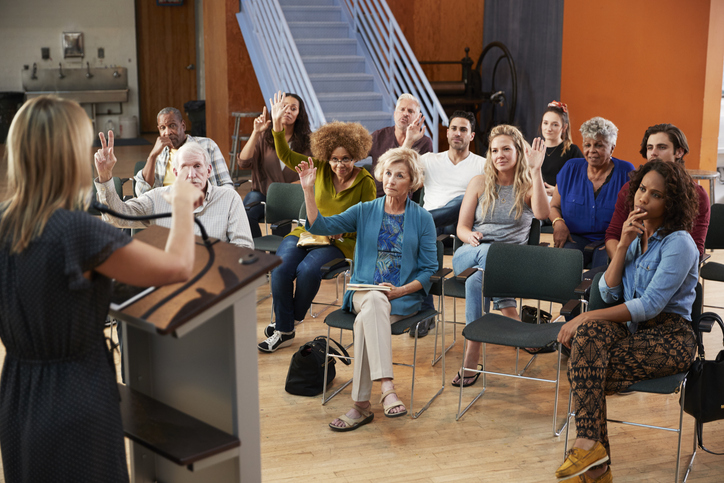
By 2026 more neighborhoods, online circles, and local groups organize spaces for learning, sharing, and mutual care. People exchange skills, offer help, host gatherings, and support those going through tough times. These small networks give a sense of belonging. They remind people that they are part of something larger. Community becomes less about convenience and more about shared responsibility. Over time, these connections create stronger safety nets, reducing isolation and helping people navigate life together with empathy, openness, and hope instead of feeling like they must carry everything alone without encouragement, understanding, or practical support from those around them.
25. Simple Living Starts to Feel Appealing

In 2026 many people begin leaning toward simpler lifestyles. Decluttering routines, thoughtful spending, and fewer unnecessary commitments bring relief. Instead of chasing constant upgrades, they choose stability, comfort, and meaning. Life becomes less about owning everything and more about appreciating what already exists. Simplicity creates mental space and emotional peace. It allows time for friendships, hobbies, faith, health, and personal growth. Over time people realize that less can truly feel like more when choices are intentional, grounded, and focused on what genuinely matters rather than on appearances or endless comparison that leaves hearts tired and dissatisfied too often.
26. Health Care Feels More Collaborative

By 2026 health care slowly becomes more cooperative. Patients communicate more openly with doctors, ask questions, and participate in decisions about treatment and lifestyle changes. Instead of feeling powerless, people feel informed and involved. This partnership builds trust. It also encourages earlier care rather than waiting until problems grow. Families learn together, track habits, and stay engaged. Over time, health care feels less intimidating and more like a shared journey focused on prevention, understanding, compassion, and steady progress, giving people confidence that they are not facing their health challenges alone or without guidance that respects their voices and experiences.
27. Young People Shape Everyday Culture

In 2026 younger generations influence daily life in thoughtful ways. They encourage creativity, inclusiveness, openness, and awareness about emotional and social issues. Their voices remind older generations of curiosity, innovation, and courage to question habits that no longer serve anyone. Instead of conflict, there is more conversation. Together, different ages learn from one another. Over time, culture becomes softer, more reflective, and more supportive because new ideas blend with wisdom already gained, creating a shared future where growth, fairness, understanding, and hope slowly guide choices in homes, schools, workplaces, communities, and public spaces across everyday environments everywhere.
28. People Pay Attention to What Truly Matters

By 2026 many people begin quietly shifting priorities. Instead of measuring life only by achievements, they focus more on peace, relationships, health, purpose, and gratitude. This gentle change influences decisions about work, spending, time, and commitments. Life becomes less about racing and more about meaning. Over time, people notice that contentment grows when attention moves toward experiences that nourish the heart rather than the constant pursuit of more. This awareness shapes the future in subtle ways, slowly creating communities that value empathy, presence, sincerity, and appreciation over endless competition or constant exhaustion that leaves everyone feeling empty.
29. Technology Becomes a Helpful Partner

In 2026 technology settles into a more balanced role. It simplifies tasks, organizes schedules, supports communication, and helps people manage responsibilities more easily. Yet people also learn when to step away. Instead of controlling lives, technology becomes a supportive companion. It works in the background while humans remain at the center. Over time, this partnership helps reduce stress, improve routines, and encourage healthier habits. Life feels modern but still grounded, efficient but still human, reminding everyone that tools exist to serve people, not replace the natural rhythms of conversation, reflection, connection, presence, imagination, and thoughtful pauses throughout daily living.
30. Life Gently Moves Forward with Hope

By 2026 most changes do not explode into life. They arrive quietly, shaping routines, relationships, and expectations with patience. When people look back, they realize how much has shifted slowly toward balance, care, and awareness. The world may still be imperfect, but there is steady movement toward healthier choices and kinder ways of living. This final thought reminds us that progress often starts in small daily decisions. As these patterns continue, the future becomes something we can walk into with calm hearts, grateful minds, and thoughtful intention, ready to grow gently into whatever comes next together.


