
1. Big Cats (tigers, lions, etc.)
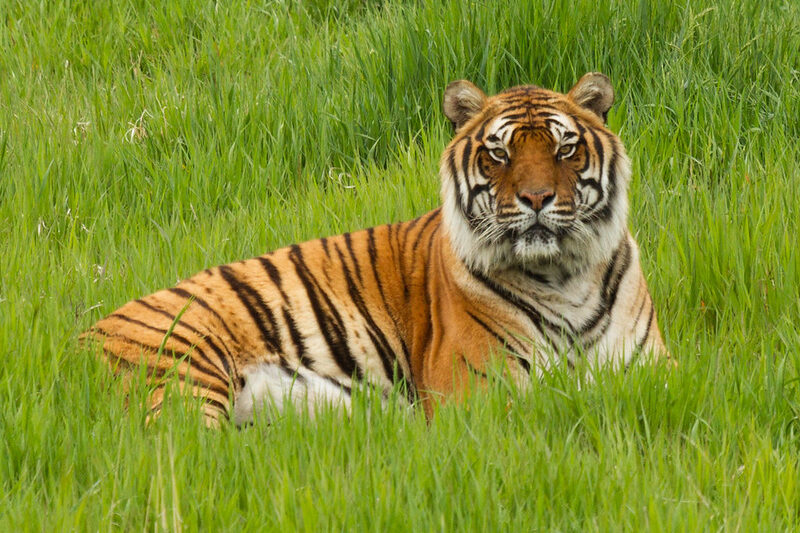
Lots of animals look cute or exotic in photos, but many popular “pets” turn out to be far more trouble than they’re worth. Big cats like tigers, lions, or cougars might look majestic, but they are wild animals with instincts that don’t go away just because they live in a home. Even if raised young, they remain powerful predators with strength, claws and jaws capable of causing severe injury or death. People who keep big cats as pets often underestimate how dangerous they can be: there are documented cases of attacks on owners, children, or visitors. Because they’re not just big “cats”: they carry the instincts, unpredictability, and needs of wild animals. Providing adequate space, diet, stimulation, and safety is almost impossible in a typical home, which makes big cats one of the worst “cute-pet” ideas out there.
2. Primates (monkeys, small apes, etc.)
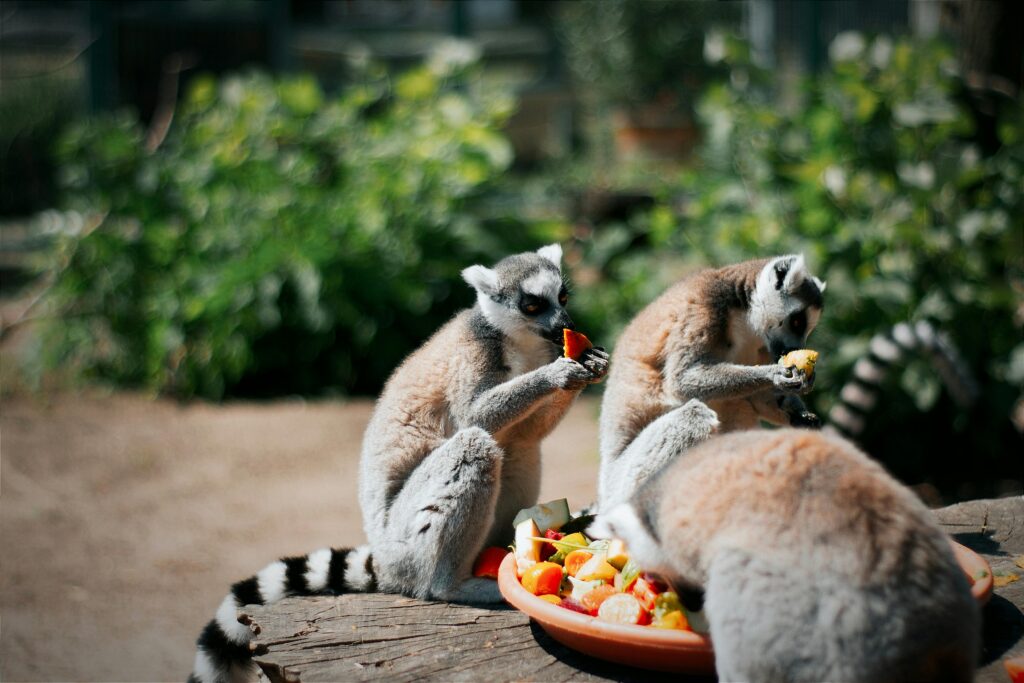
Monkeys and other primates, the kind you sometimes see in viral videos, are often bought as pets for their “cute, human-like” features. But that similarity is part of the problem: primates are highly intelligent, social animals with complex physical and emotional needs that a typical household can’t meet. Moreover, primates can be dangerous. Even ones that seem tame may act unpredictably as they mature, biting or attacking people or other pets. They are also capable of carrying diseases transmittable to humans, making them a serious health and safety risk.
3. Burmese Pythons
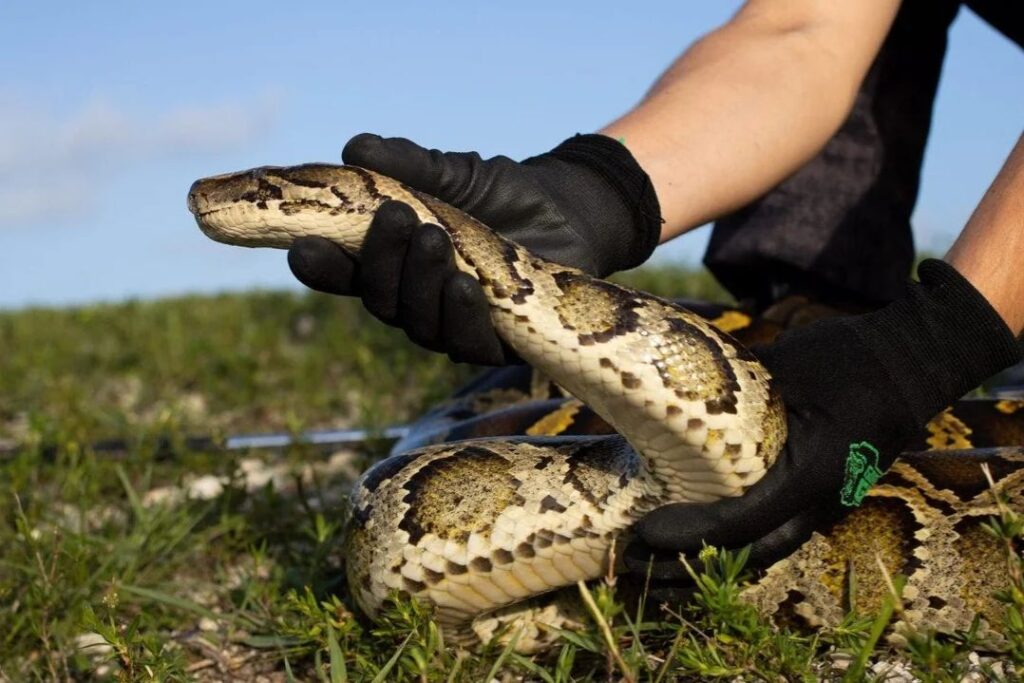
Some pet lovers are charmed by the idea of a calm, slithering snake, but large constrictor snakes like the Burmese python are often far from harmless. These snakes grow quickly and can reach adult sizes that require big, secure enclosures. A constrained snake’s instinct to constrict prey doesn’t disappear, and there have been fatal or life-threatening incidents involving pythons kept in homes, especially where safety, feeding, or containment was misjudged. Plus, they usually have demanding care needs: large food requirements, strong enclosures, and often a long lifespan. Many owners end up unprepared, sometimes releasing the snake into the wild, which can harm native ecosystems.
4. Turtles and Tortoises (especially popular small ones)
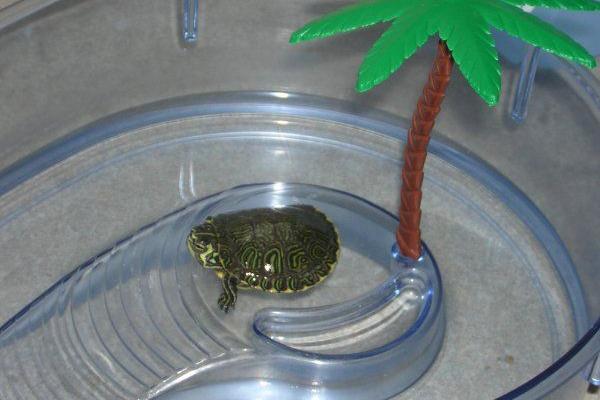
Turtles (or tortoises) are often seen as “easy pets”, slow-moving, smallish, low-maintenance. But that perceived ease hides serious problems. Many of them, such as the Red-eared slider, carry bacteria like Salmonella that can infect humans, making them a health risk, especially to children, older people, or anyone with a weak immune system. Also, mentally and physically, turtles may not thrive in a typical home aquarium, many need special conditions (lighting, temperature, space) to stay healthy. Long lifespans (sometimes decades) add to the long-term commitment, which many owners underestimate.
5. Raccoons
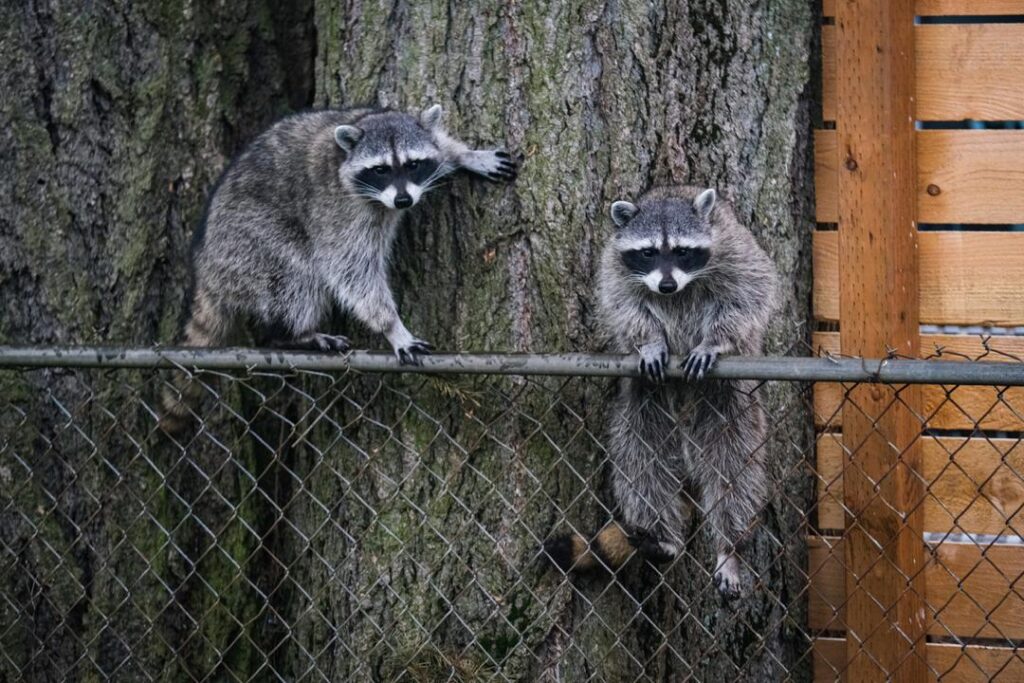
It might seem thrilling to have a “wild but cute” animal at home, like a small fox, raccoon, or other exotic mammal, but in reality, these animals carry heavy risks. Wild (or once-wild) animals have instincts, dietary and environmental needs, and social behaviors that humans rarely can meet. Their natural behaviours often don’t adapt to domestic life. They can be unpredictable and even dangerous. Sharp claws or teeth, sudden aggression, or stress-induced behavior are not unusual reactions. They may carry diseases transferable to humans and other pets. And ethically, keeping such animals encourages illegal or destructive capture, harming wild populations and ecosystems.
6. Sugar Gliders
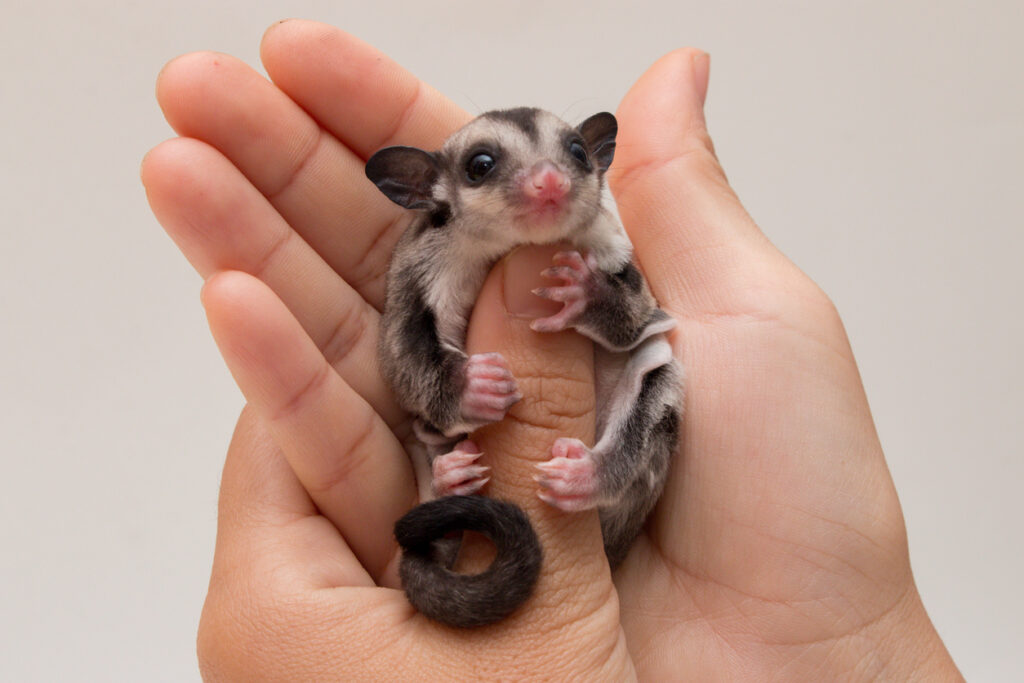
Sugar gliders often get attention for their big eyes and tiny size, but caring for them is far more complicated than most people expect. They’re highly social animals that live in large groups in the wild, so a single sugar glider typically becomes stressed, lonely, and unhealthy. They also have a demanding diet that includes nectar, insects, and fresh produce, making their nutritional needs difficult for many owners to meet. On top of that, sugar gliders are nocturnal and extremely active, so they can cry, bark, or glide around at night, disrupting sleep in the household. Many also develop behavioral problems when confined to small cages or kept without companions. For a pet that looks adorable from afar, sugar gliders often turn out to be a stressful and unsuitable choice for most homes.
7. Hedgehogs
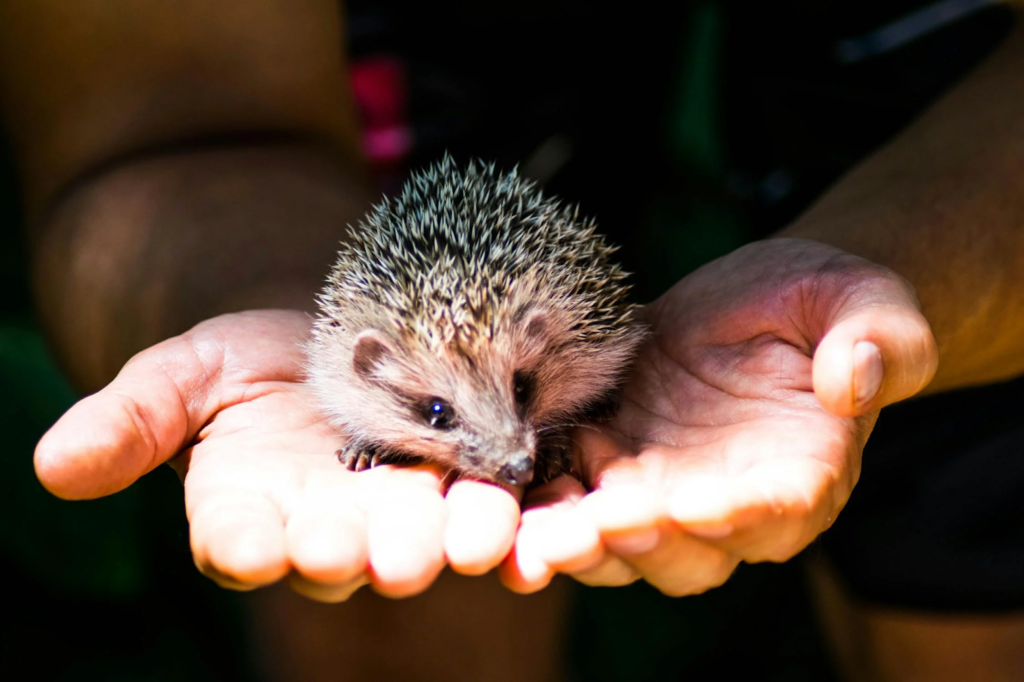
Hedgehogs became trendy after viral online videos, but the reality of caring for them is far less simple. Although they’re small, they require precise temperatures to stay healthy, since they can become seriously ill if they get too cold or too hot. Their quills may look cute, but they can be sharp enough to make handling uncomfortable, especially for children. Hedgehogs are also nocturnal, often running miles on wheels at night, which can be noisy. Many carry Salmonella, posing a risk to families who aren’t aware of strict hygiene requirements. And despite their appearance, hedgehogs are not naturally cuddly pets; many prefer being left alone and become stressed when handled too much. While they’re fascinating animals, they rarely match the easygoing, “pocket-pet” image people expect.
8. Ferrets
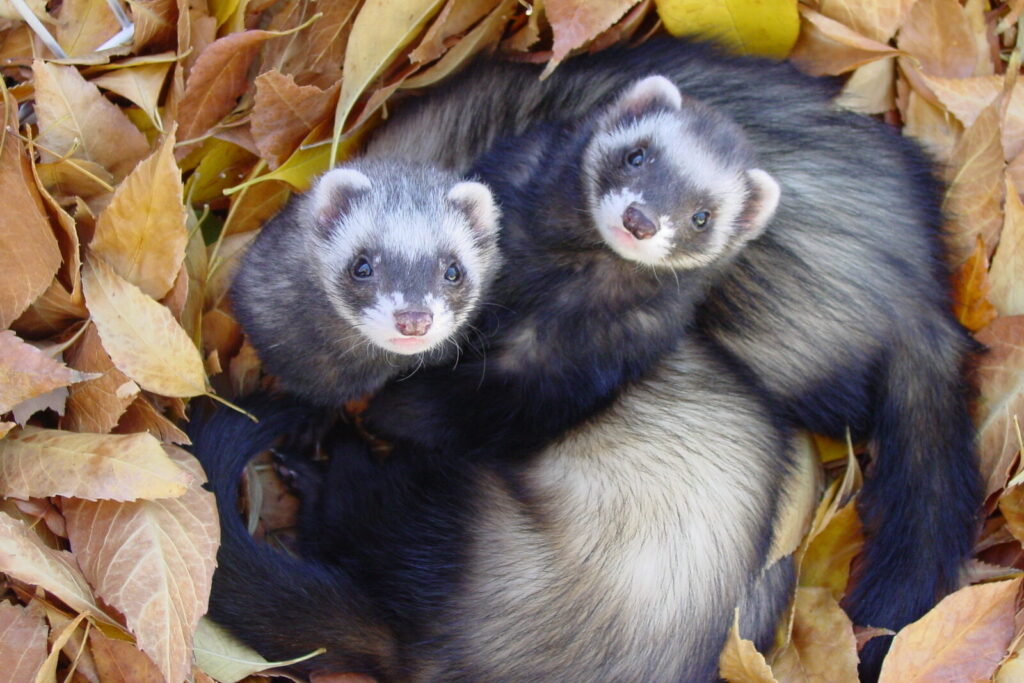
Ferrets are energetic, playful, and curious, traits that make them fun but also extremely challenging to manage safely. They are natural escape artists and can squeeze through tiny gaps in doors, vents, or furniture, making constant supervision necessary. Ferrets also have a reputation for chewing everything from wires to shoes, which can lead to injuries or damage around the home. Their musky odor, even when descented, can be an issue for families who are sensitive to strong smells. They also require large enclosures, regular enrichment, and plenty of time outside the cage to remain healthy. Many new owners underestimate just how much attention and space ferrets need, and shelters often see them surrendered when the reality becomes overwhelming.
9. Parrots (macaws, cockatoos, African greys)

Parrots are incredibly intelligent and social birds, which makes them wonderful to watch, but surprisingly difficult to care for. Many species live 40 to 80 years, meaning they’re a lifelong commitment that often outlasts their owners. Parrots also need daily mental stimulation, interaction, and large spaces to thrive; confining them to a small cage can lead to feather-plucking, aggression, or depression. Their vocalizations can be extremely loud, especially with species like cockatoos and macaws, and the noise can be disruptive in apartments or busy households. Additionally, their beaks are powerful enough to cause serious injuries if they become stressed or mishandled. For most people, the combination of time, noise, longevity, and space requirements makes parrots far more demanding than expected.
10. Potbellied Pigs
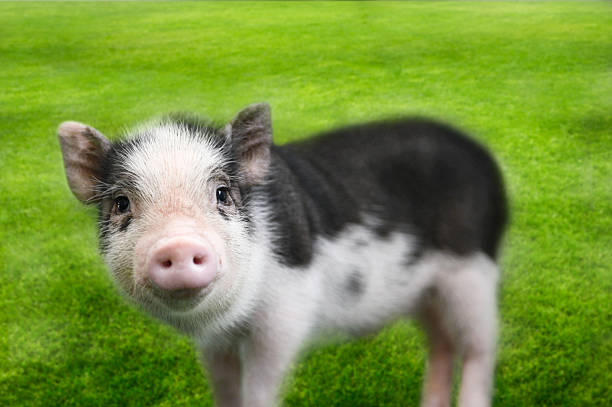
Potbellied pigs are often marketed as “mini pigs,” but the term is misleading, most grow to between 70 and 150 pounds, and some get even larger. This growth surprises many owners who expected a permanently tiny animal. Pigs are intelligent and strong, meaning they can open cabinets, uproot flooring, or move furniture if unstimulated or bored. They also need outdoor space for rooting, regular exercise, and specialized diets to avoid obesity. Owning a pig in a typical suburban home can be challenging, and many cities have zoning laws that restrict keeping them as pets. Without enough enrichment, pigs may show destructive behavior or become territorial. While they are affectionate in the right environment, potbellied pigs often require far more space, effort, and long-term care than most families can provide.
11. Rabbits
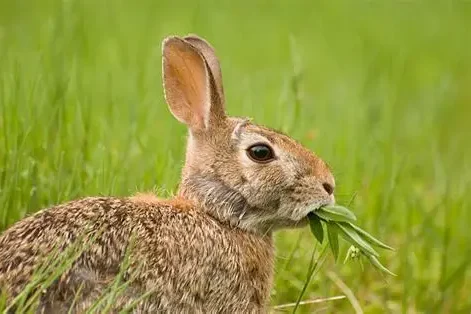
Rabbits look soft and easygoing, but caring for them is far more demanding than most new owners expect. Many people assume rabbits can live in small hutches, yet they actually need large, safe spaces where they can run, dig, and explore daily. Their teeth never stop growing, so they chew constantly, wires, wooden furniture, and baseboards are common targets, which can be dangerous for both the rabbit and the home. Rabbits are also sensitive to stress, temperature changes, and improper diets, often developing digestive issues when fed only lettuce or carrots instead of balanced hay-based meals. They dislike being constantly picked up, making them less suitable for small children. While they can be affectionate companions, rabbits require space, time, and careful care that many new owners are unprepared for.
12. Chinchillas
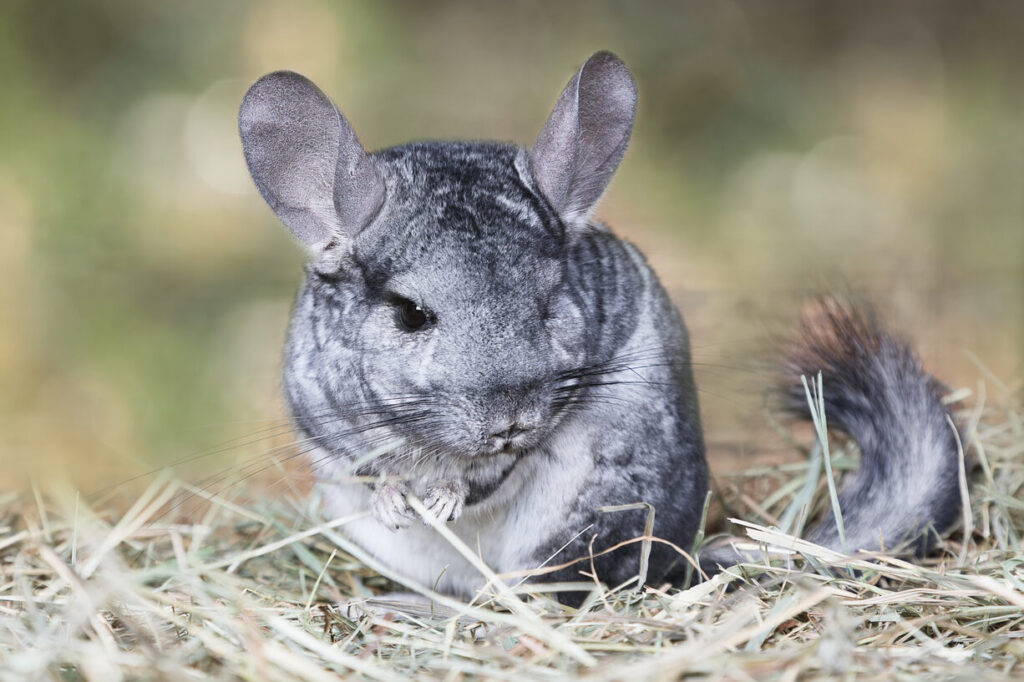
Chinchillas have soft fur and a charming look, but they come with surprisingly complex needs. They are extremely sensitive to heat and can suffer from overheating in temperatures that feel normal to humans, so they require a carefully controlled environment. Chinchillas also need large, multi-level enclosures because they are active jumpers with a lot of energy. Their fur can’t get wet, which means they require regular dust baths, something many first-time owners don’t expect. Chinchillas also tend to be shy and fast-moving, making them difficult for children to handle safely. When stressed, they may shed fur in patches or become skittish. They’re wonderful animals in the right hands, but often a poor fit for households expecting an easy or low-maintenance pet.
13. Iguanas
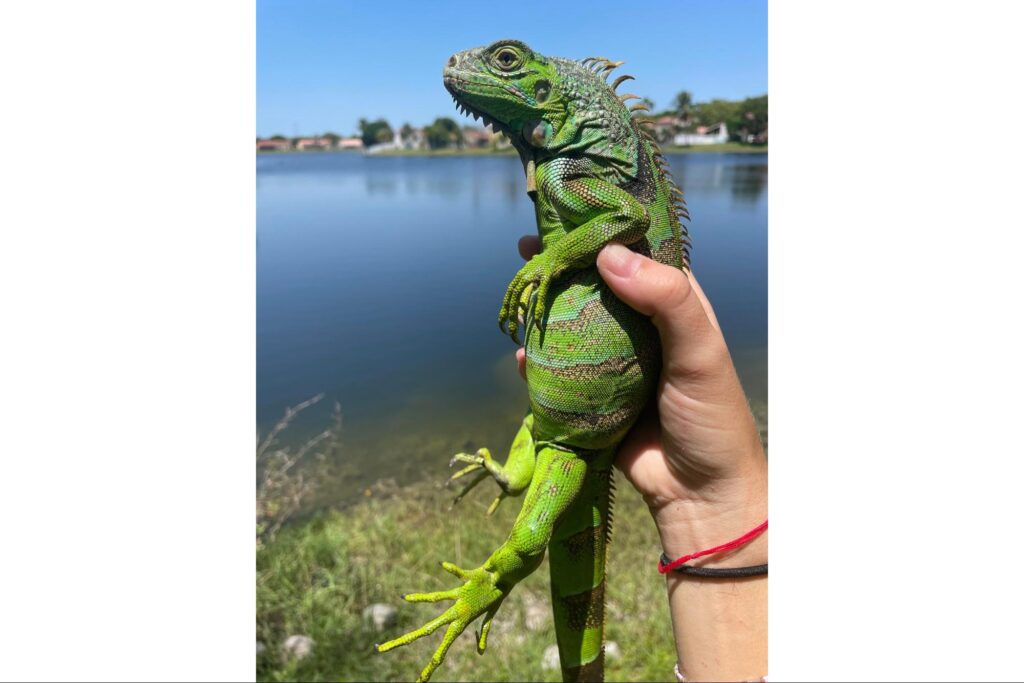
Green iguanas are frequently sold as small, inexpensive reptiles, but they grow into very large animals, often five to six feet long, and require specialized environments. They need huge enclosures with controlled humidity, high heat, full-spectrum lighting, and plenty of climbing branches. Without this, iguanas can develop bone disease or serious health issues. Their tails can whip powerfully enough to cause injury, especially if the iguana feels threatened. Some also become territorial as they mature, making handling risky. Their strict herbivorous diet, temperature needs, and long lifespans mean they are expensive and time-consuming to care for. Many owners end up overwhelmed, and shelters often receive unwanted iguanas when people realize they cannot meet the reptile’s long-term demands.
14. Tarantulas
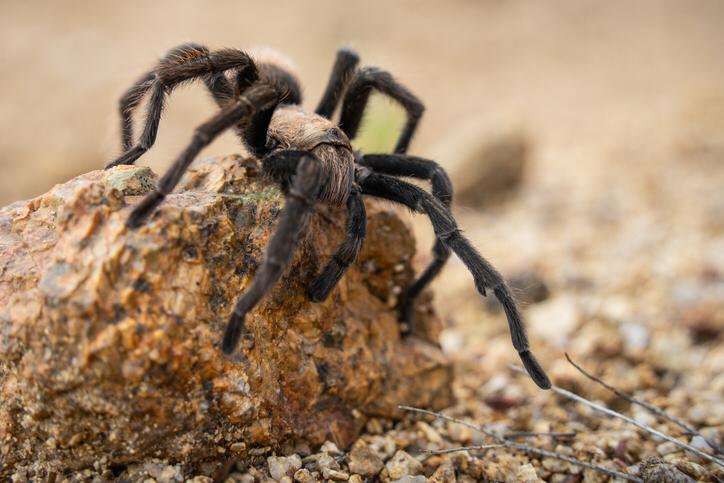
Tarantulas attract attention for their unusual appearance, but keeping them as pets isn’t as simple as buying a tank and letting them sit. Different species have distinct humidity, temperature, and habitat needs that must be maintained precisely. Handling tarantulas is risky because their bites can be painful, and many species release irritating hairs that can cause skin or eye reactions. They’re delicate animals despite their intimidating look, a fall from just a few feet can be fatal due to their fragile abdomen. Tarantulas also don’t provide much interaction, and their slow, cautious behavior may disappoint people expecting an engaging or active pet. They can be fascinating for experienced keepers, but for most people, the risks and specialized care make them a poor match.
15. Hermit Crabs
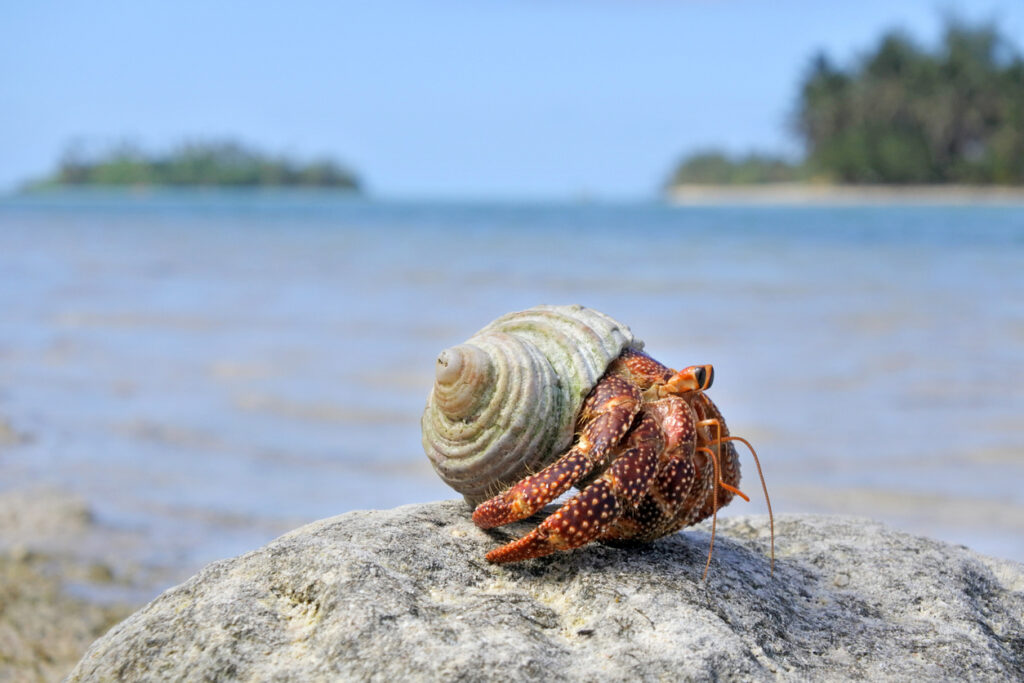
Hermit crabs are often sold as easy novelty pets, but their care needs are surprisingly complex. They require warm, humid environments that mimic tropical conditions, something small plastic tanks can’t provide. Many hermit crabs die quickly because owners don’t realize they need deep sand for digging, multiple shells for growth, and social groups to stay healthy. Hermit crabs can live for decades in the wild, yet most live only a few months in captivity due to improper care. They are also skilled climbers and escape artists, meaning enclosures must be secure. Their shells come from natural environments, and demand for them contributes to unsustainable shell harvesting. While charming to watch, hermit crabs are far from the low-maintenance pets many families imagine.
16. Scorpions

Scorpions attract pet enthusiasts who like unusual or “dangerous-looking” creatures, but their care, and risks, are often underestimated. Even species considered mild, like emperor scorpions, can deliver painful stings, and some species have venom potent enough to require medical care. Their nocturnal habits mean they hide most of the day, offering little interaction and making them difficult to monitor for health issues. Maintaining proper humidity, temperature, and hiding spaces is essential, and a small mistake can stress or harm them. Escapees are another concern, as a loose scorpion in the home can be frightening and dangerous. While they can be fascinating to observe, scorpions are not practical pets for households expecting safety, simplicity, or hands-on companionship.
17. Fennec Foxes
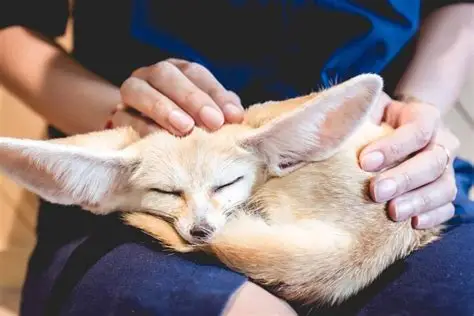
Fennec foxes gained popularity online thanks to their big ears and tiny size, but they remain wild animals with instincts that don’t translate well to domestic life. They are extremely active, vocal, and often destructive, capable of digging up floors, climbing furniture, and barking loudly throughout the night. Unlike dogs, they’re difficult to train, and many never become fully house-safe. They require specialized diets, outdoor space, and enrichment to stay healthy. Even with good care, they can be skittish and may bite if stressed. Many regions restrict or ban fennec fox ownership because of their care needs and the welfare concerns involved in capturing or breeding them. For most households, they are simply too wild and high-energy to work as pets.
18. Capuchin Monkeys
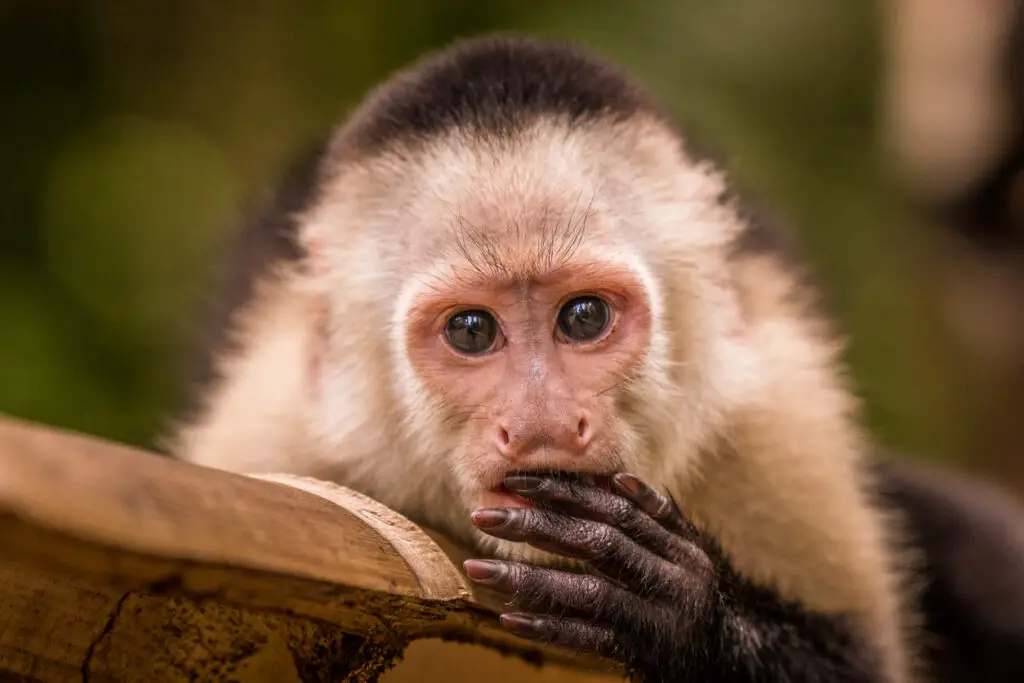
Capuchin monkeys look small and manageable, but they have immense social, emotional, and mental needs that make them extremely difficult to care for. These monkeys require constant stimulation and group interaction, something nearly impossible for a single household to provide. As they mature, capuchins often become aggressive or territorial, especially around food or when stressed. Their strength and dexterity allow them to open cabinets, escape enclosures, and cause accidental injuries. Capuchins can also carry diseases transmissible to humans, making close interaction risky. With lifespans reaching 40 years, owning one is a decades-long commitment that many families cannot sustain. In most cases, capuchin monkeys end up stressed, bored, or unhealthy in captivity, which is why experts strongly discourage keeping them as pets.
19. Prairie Dogs
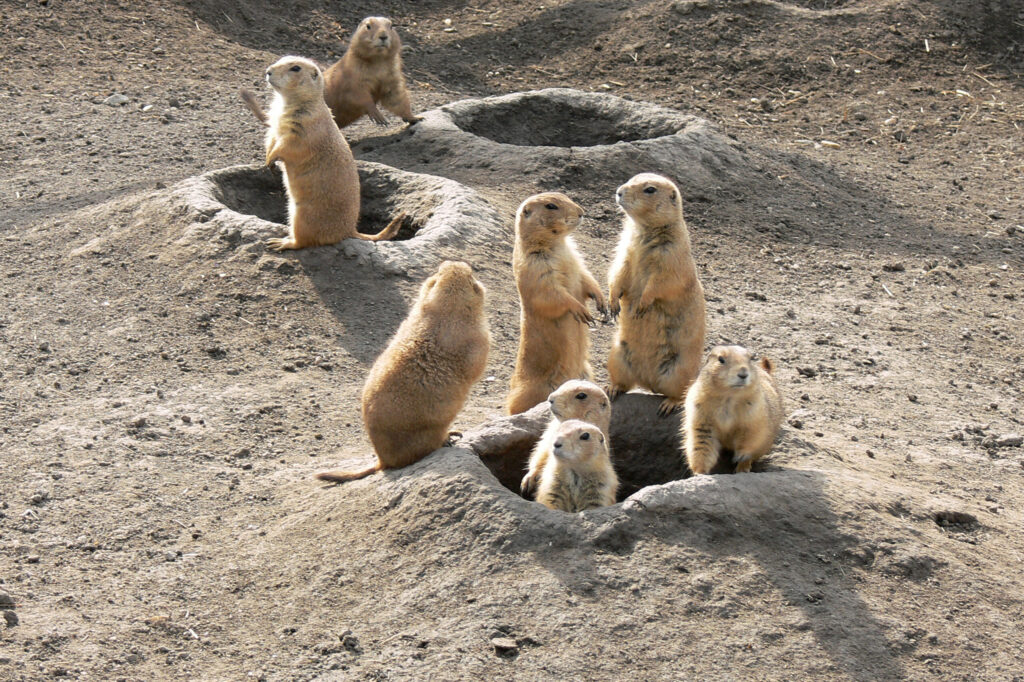
Prairie dogs are social, energetic rodents that live in large “towns” in the wild, making solitary home life very stressful for them. They require constant interaction and plenty of space to dig and burrow, needs that are difficult to meet indoors. Prairie dogs also chew aggressively, damaging furniture, walls, and household materials. Their strong teeth can deliver serious bites if they feel threatened or overly stimulated. These animals are also prone to diseases such as tularemia, and some regions have restrictions on owning them due to public health concerns. Without the companionship of other prairie dogs and an outdoor environment suited for digging, many become anxious or destructive. While undeniably cute, they rarely make suitable pets.
20. Slow Lorises
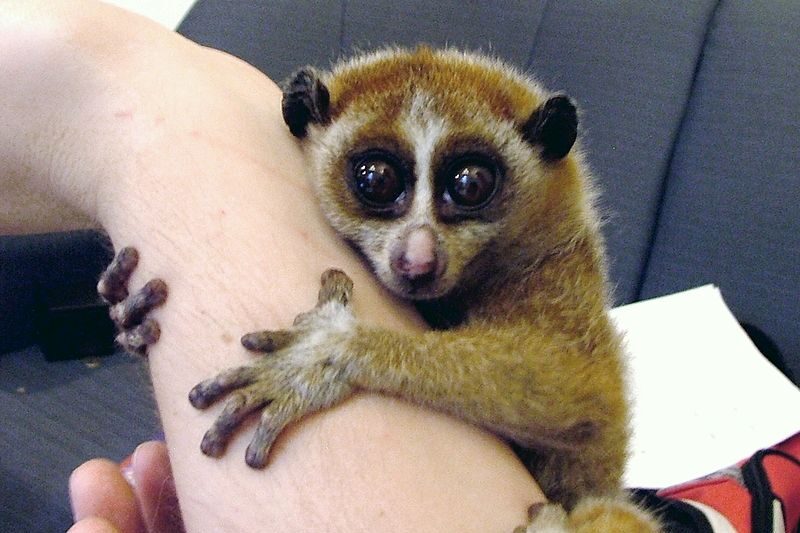
Slow lorises look irresistibly cute with their large, round eyes, but they are among the worst animals to keep as pets. They are strictly nocturnal, easily stressed by daylight, noise, and handling. To be sold as pets, many slow lorises are taken illegally from the wild, and sellers often clip their teeth to prevent them from biting, a process that causes lifelong pain and infections. Their diet is extremely specific, involving tree gum, insects, and plant materials that are difficult to replicate in captivity. Slow lorises also have a toxic bite, making them dangerous if frightened. Most kept as pets live short, unhealthy lives because their natural needs cannot be met in domestic settings. Their popularity online has fueled trafficking, making ownership not just impractical but harmful to the species.
21. Miniature Horses
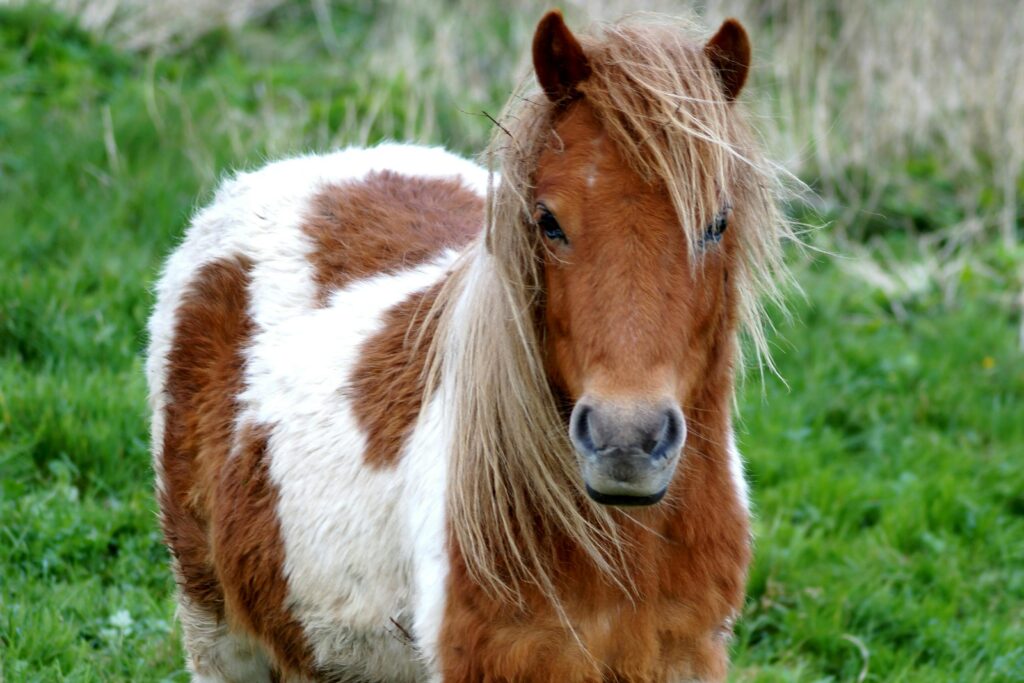
Miniature horses often appear manageable due to their small size, but they require the same level of care, space, and responsibility as full-size horses. They need access to pasture, regular farrier visits, specialized diets, and constant exercise to avoid obesity and hoof problems. Their strength and intelligence mean they can push open gates, damage fences, or develop behavioral issues if left unstimulated. Keeping them indoors is never practical, as the space and sanitation requirements are far beyond typical household capacities. Mini horses can live more than 30 years, making them a long commitment that many families do not anticipate. While gentle and charming, they are farm animals at their core, not house pets, and their needs quickly overwhelm unprepared owners.
22. Bengal Cats
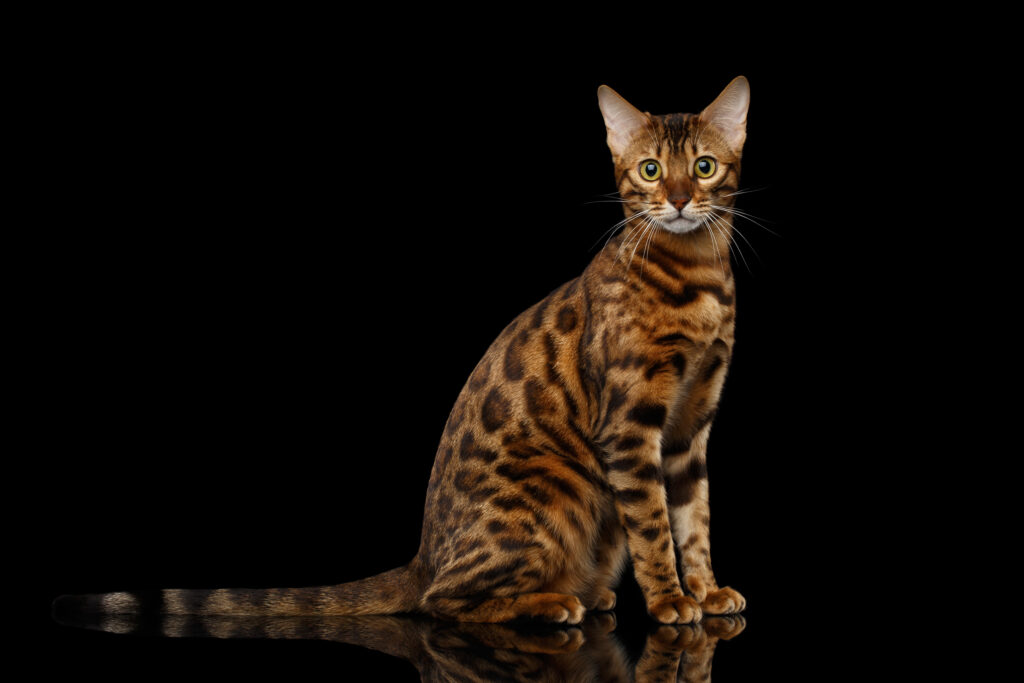
Bengal cats attract attention for their wild leopard-like appearance, but their behavior often surprises people. They are incredibly high-energy, athletic, and demanding, needing hours of stimulation and interactive play every day. Without enough activity, Bengals can become destructive, climbing curtains, knocking over shelves, or scratching furniture. Their intelligence enables them to open doors, turn on faucets, and escape enclosures. Bengals also tend to be vocal, which can be overwhelming for some households. Because they are a hybrid breed with wild ancestry, some individuals display territorial behavior or difficulty adjusting to multi-pet homes. While beautiful and affectionate in the right environment, Bengals often require far more time, space, and engagement than the average household can offer.
23. Ball Pythons
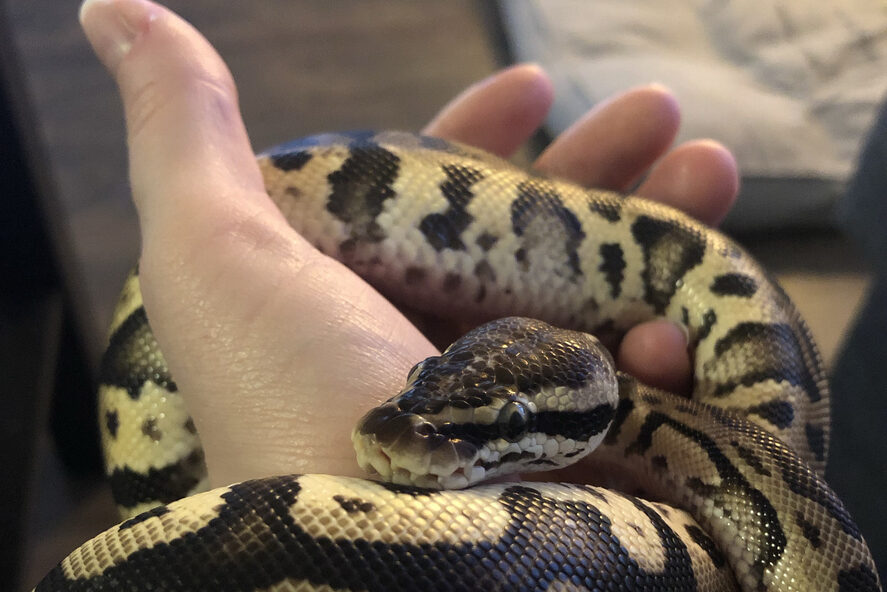
Ball pythons are popular because they are small and generally calm, but many owners underestimate their specialized care needs. They require precise humidity and temperature gradients, and even small fluctuations can lead to respiratory infections or shedding problems. Ball pythons are also notorious for refusing food for weeks or even months, which can alarm inexperienced owners and lead to improper feeding attempts. Their enclosures must be escape-proof, as an unsecured lid can lead to a missing snake in the home. Although not typically aggressive, they still require careful, knowledgeable handling and routine habitat maintenance. For many first-time reptile owners, the equipment, monitoring, and patience required make ball pythons more challenging than expected.
24. Green Anoles

Green anoles are often marketed as inexpensive “starter reptiles,” but they are surprisingly fragile and sensitive to poor care. They need stable temperatures, controlled humidity, and UVB lighting to remain healthy, conditions that require more equipment than many first-time owners expect. Because they are small and skittish, handling can stress them easily, and they may drop their tails when frightened. Their diet of live insects must be varied and supplemented properly, or they quickly develop nutritional deficiencies. In small or improperly set-up enclosures, anoles become stressed and turn brown, a common sign of poor welfare. While beautiful and interesting to observe, they require attentive care and are far from the simple, low-maintenance pets many buyers assume them to be.
25. Axolotls
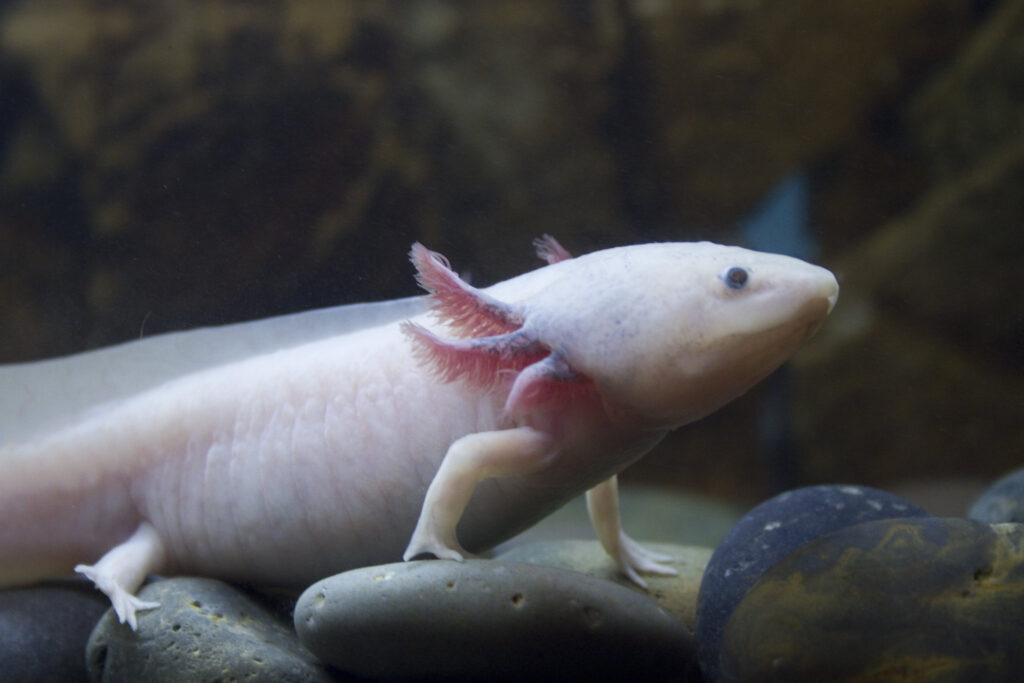
Axolotls look adorable with their feathery gills and smiling faces, but their care is far more complex than most people realize. They require cold, pristine water conditions, meaning owners must use chillers, strong filtration, and frequent water testing to keep ammonia and nitrate levels safe. Warm household temperatures can be deadly for axolotls, and even minor fluctuations can stress them. They also require species-only tanks, since many fish nip their delicate gills or get eaten themselves. Axolotls are sensitive to handling and can be injured easily due to their soft bodies. Their long lifespan, often over 10 years, combined with their strict environmental needs makes them challenging for beginners, despite their cute and harmless appearance.
26. Skunks
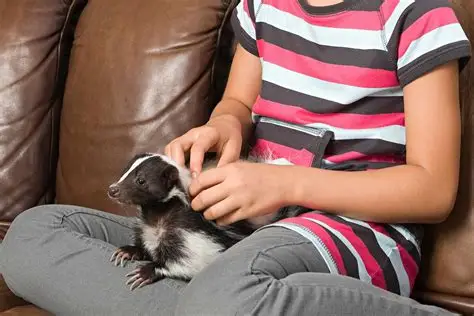
Domestic skunks are legal in some places, but they still come with significant challenges that surprise most owners. Even descented skunks maintain their natural digging instincts, often tearing up carpets, gardens, and flooring in search of food or enrichment. They require a highly varied diet and can quickly become obese without careful portioning and frequent exercise. Skunks also have a tendency to hoard and hide food, leading to unpleasant smells and hygiene issues indoors. They are intelligent but stubborn animals, so training can be slow and inconsistent. Because skunks bond strongly with one household, they can become stressed or defensive around visitors or other pets. Although charming at times, their needs and behaviors make them impractical for most families.
27. Red Foxes
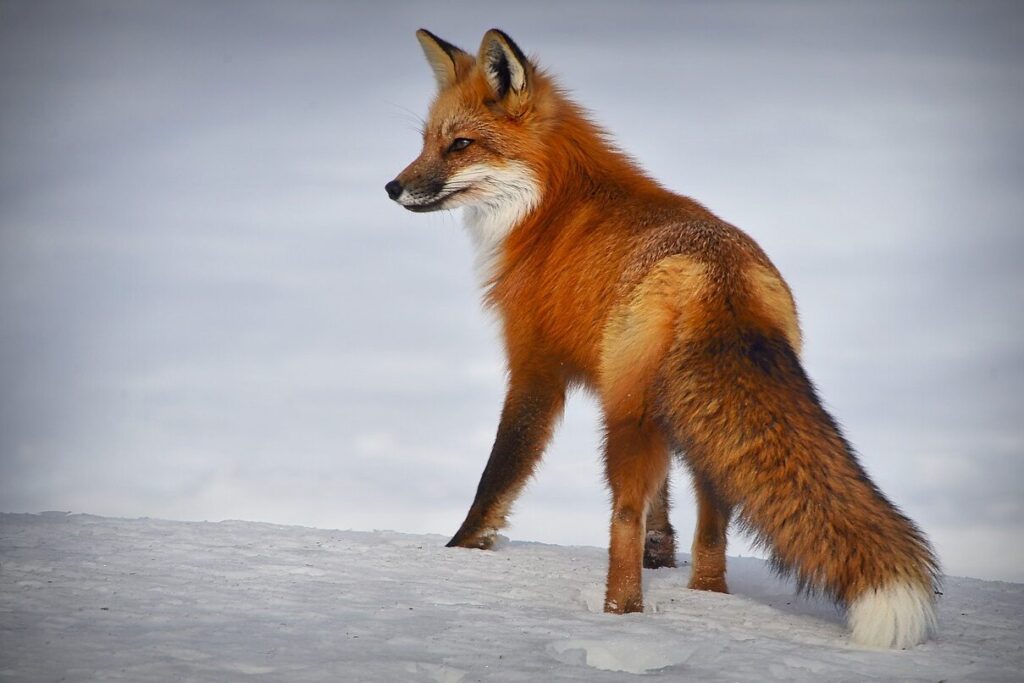
Red foxes are sometimes marketed as “dog-like” pets, but their behavior is strikingly different from domestic animals. Foxes almost always retain a strong musky odor that is difficult to manage indoors, even with frequent cleaning. They dig, chew, climb, and mark territory, making household destruction common. Red foxes also require secure outdoor enclosures with space for running, burrowing, and exploring, something most homes cannot provide. Their wilder temperament makes them unpredictable, and many never become reliably house-trained. They can also be vocal at night, producing loud screams that disturb neighbors. While undeniably beautiful, red foxes are fundamentally wild animals whose instincts and energy levels far exceed what typical owners can handle.
28. Savannah Cats
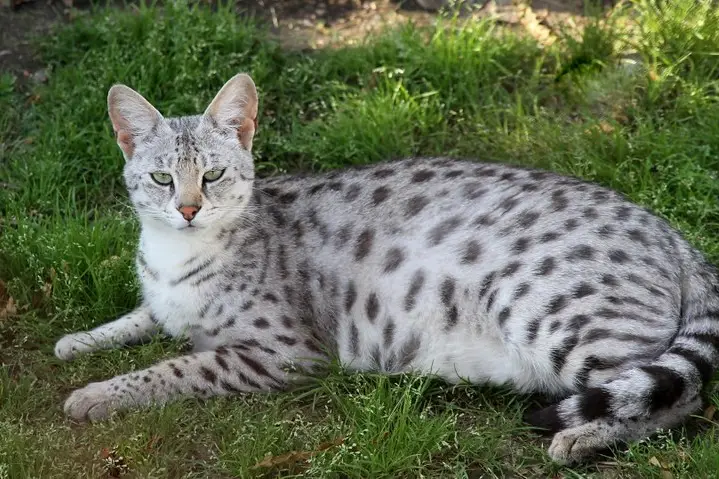
Savannah cats, especially early generations (F1–F3), are hybrids between domestic cats and servals, giving them extraordinary athleticism and strong wild traits. They can jump over six feet, require huge amounts of stimulation, and become restless or destructive when bored. Many jurisdictions restrict ownership because early-generation Savannahs can behave unpredictably, with stronger territorial instincts and higher prey drive than typical house cats. They require large, reinforced enclosures or catios to burn off energy safely. Their size, strength, and intelligence also make them difficult to control indoors, as they can open doors, knock over appliances, or escape through small openings. While stunning and loyal to experienced owners, Savannah cats are too demanding and wild-leaning for most households.
29. Giant African Snails

Giant African snails are sometimes kept as inexpensive exotic pets, but they are illegal in many countries because they are invasive and spread plant diseases. These snails grow extremely large, sometimes reaching the size of a human hand, and reproduce rapidly, laying hundreds of eggs at a time. Their mucus can carry parasites, including the rat lungworm, which can infect humans if hygiene is poor. They require carefully maintained humidity and warmth, and their enclosures must be cleaned frequently to prevent mold and bacteria buildup. If released or escaped, they can devastate local vegetation and agriculture. While they may seem like simple, low-effort pets, their legal issues, health risks, and environmental dangers make them a poor choice.
30. Wallabies
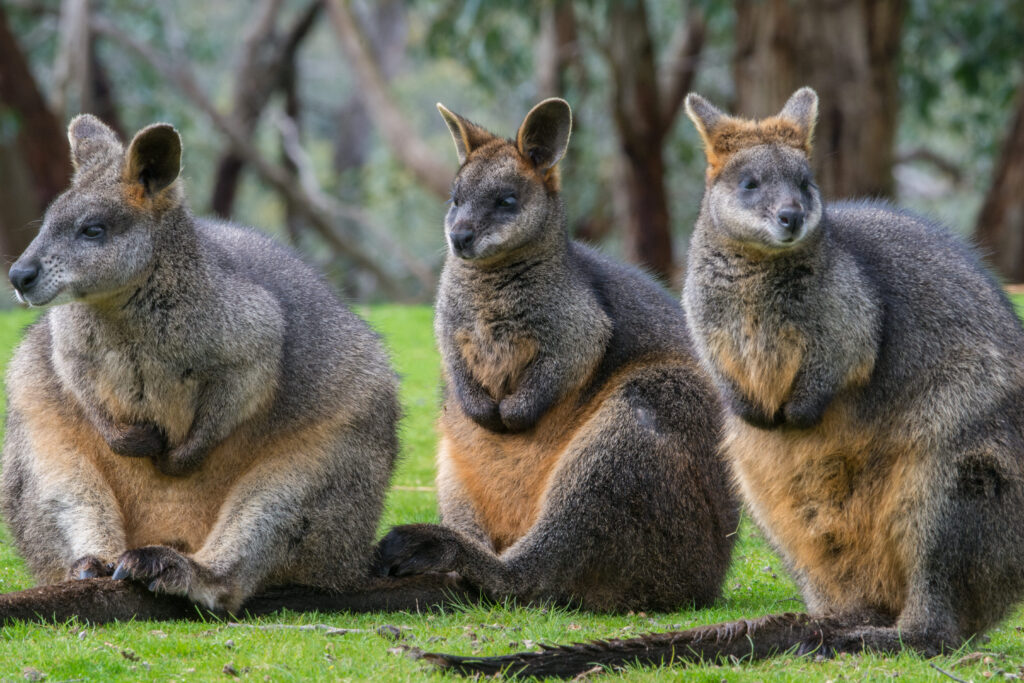
Wallabies are sometimes promoted as “mini kangaroos” that can adapt to home life, but they are challenging animals that rarely make suitable pets. They are powerful jumpers and require large, secure outdoor enclosures with plenty of space to roam, graze, and move naturally. Indoors, wallabies can knock over furniture, damage walls, and injure themselves because homes simply aren’t built for their size or movement. Their digestive systems are sensitive, needing specialized diets that many owners struggle to provide correctly. Wallabies are also socially complex and can become anxious, skittish, or even aggressive when stressed. Veterinary care can be difficult to access, as few clinics specialize in macropods. While eye-catching and gentle-looking, wallabies have needs far beyond what a typical household can manage.
Before bringing any animal home, it’s always worth researching deeply and thinking long-term. The right pet can enrich your life for years, but the wrong one can lead to stress for both you and the animal.
Like this story? Add your thoughts in the comments, thank you.
This story 30 Popular Pets That Turn Out to Be Terrible Ideas was first published on Daily FETCH


