
1. Kinder Surprise and the Toy Inside

Some brands feel universal, like they belong everywhere, but travel quickly shows that rules change at borders. Kinder Surprise is a perfect place to begin because childhood nostalgia meets strict regulation. In the United States the classic egg is restricted since laws forbid edible products containing non edible items, citing choking risks. While Americans now see modified versions, the original remains limited in several countries. It quietly shows how safety standards override sentiment, reminding us that beloved treats are shaped by policy, culture, and caution long before they reach store shelves for families navigating trust, expectation, and responsibility together worldwide.
2. Google and Information Boundaries

Google feels like a daily habit in America, opening answers within seconds and storing modern life quietly. In countries like China many Google services are restricted or blocked under regulations controlling data, search results, and information flow. Local alternatives are encouraged instead, offering similar tools with closer oversight. For users it changes how curiosity is satisfied and how work gets done. Google becomes less a company and more a symbol of internet freedom debates, showing how access depends not only on technology, but on national priorities shaping digital boundaries that influence daily communication, learning, business, creativity, and personal expression everywhere.
3. Facebook and Controlled Connection

Facebook often feels like a digital town square for Americans, blending news, memories, and conversation casually. In several countries it is restricted or banned because authorities fear misinformation, unrest, or loss of control. Some governments temporarily shut it down during elections or protests. What feels like simple sharing elsewhere becomes a powerful organizing tool in tense moments. Facebook’s uneven presence shows how connection can be welcomed or feared, depending on who controls speech, timing, and the broader political climate for citizens, families, activists, businesses, journalists, and communities navigating modern communication realities across borders, cultures, languages, values, expectations, rules, and consequences.
4. Uber and Transport Traditions

Uber changed how Americans think about rides, making travel feel instant and flexible. In countries like Germany and parts of Asia, Uber has faced bans or strict limits under transportation laws. Regulators argue it bypasses licensing rules designed to protect passengers and professional drivers. For riders it can feel inconvenient, while for governments it is about fairness. Uber’s experience shows how innovation often collides with regulation, especially where public safety and labor systems are carefully protected by history, local economics, worker rights, enforcement capacity, and cultural expectations around mobility for cities, towns, families, commuters, visitors, planners, unions, regulators, operators worldwide.
5. Airbnb and Housing Balance

Airbnb promises travelers a sense of home, but not every city welcomes it freely. In places like Barcelona and parts of Japan, Airbnb is restricted to protect housing supply. Officials argue short term rentals reduce availability and raise rent for residents. Hosts see opportunity, while neighbors feel pressure. Rules now limit rental days or require permits. Airbnb’s story reflects how tourism can strain communities, forcing cities to balance visitor demand with everyday life and long term stability for families, workers, local culture, and future generations who depend on affordable homes, consistent neighborhoods, shared spaces, fair rules, accountability, trust, compromise, cooperation.
6. TikTok and Digital Power
TikTok feels playful and addictive in the US, filling spare moments with humor and creativity. In India the app was banned over concerns about data security and national interests. Millions lost access overnight, including creators who built livelihoods there. The ban showed how entertainment can become political quickly. TikTok’s restriction reminds users that behind viral trends sit serious questions about data ownership, borders, and control that influence trust, youth culture, innovation, expression, opportunity, regulation, diplomacy, and global digital power dynamics affecting creators, audiences, families, advertisers, policymakers, educators, parents, students, markets, platforms, communities, norms, values, habits, debates, relationships, livelihoods, futures worldwide.
7. McDonald’s and Local Taste

McDonald’s feels like a constant in American life, offering familiarity wherever highways lead. In some countries the brand struggled or withdrew due to costs, supply issues, or local preferences. Places like Iceland saw closures when economics no longer worked. Elsewhere menus changed dramatically to suit tastes. McDonald’s global story shows that fast food success depends on adaptation, not just recognition, reminding brands that comfort looks different across cultures shaped by tradition, affordability, routines, expectations, identity, and daily eating habits formed through history, family, geography, income, access, time, marketing, competition, regulation, resilience, loyalty, convenience, change, memory, emotion, experience, perception, choice, balance.
8. Coca Cola and Health Rules

Coca Cola’s red label is iconic, but its availability faces limits in some countries. Governments in parts of Europe and Latin America impose taxes or warnings to curb sugar consumption. These policies aim to reduce obesity and health costs. Higher prices and labels influence buying habits quietly. Coca Cola remains present, yet more regulated. Its experience shows how public health priorities can reshape relationships with familiar drinks without banning them entirely while nudging consumers toward moderation, awareness, choice, responsibility, balance, and long term wellness goals valued by families, schools, doctors, insurers, communities, workplaces, governments, cultures, systems, generations, futures, planning, prevention.
9. Netflix and Restricted Screens
Netflix feels endless in the US, but its reach varies widely elsewhere. In countries with strict media laws, access is limited or unavailable. Even where Netflix operates, libraries differ due to licensing and censorship. Viewers may see fewer titles or edited content. Netflix’s uneven presence highlights how storytelling crosses borders carefully, shaped by culture, regulation, and politics rather than pure demand forcing creators, studios, and audiences to adjust expectations, patience, taste, access, and viewing habits across regions, languages, ages, households, families, devices, schedules, values, norms, rules, systems, markets, economies, platforms, borders, negotiations, compromises, approvals, reviews, filters, limits, processes, realities, experiences.
10. Starbucks and Coffee Culture

Starbucks represents comfort for many Americans, but not every culture embraces it easily. In Italy coffee traditions favor quick espresso and local cafes, making large chains feel unnecessary. Starbucks entered cautiously, adapting its approach. Resistance softened over time, but only with respect for ritual. The brand’s journey shows how success abroad requires listening first. Familiar logos do not guarantee acceptance when daily habits carry deep cultural meaning formed by history, pride, place, identity, routine, taste, pace, memory, and shared social moments experienced in neighborhoods, families, mornings, breaks, conversations, friendships, workdays, traditions, values, expectations, rhythms, customs, norms, behaviors, belonging, continuity, trust.
11. Amazon and Market Protection

Amazon defines convenience for Americans, but expansion abroad often meets protective rules. In India, regulations restrict marketplace behavior to shield small sellers from dominance. Amazon must separate inventory ownership from platform services and operate through partnerships. These limits slow growth and complicate logistics, yet aim to preserve competition. Shoppers notice fewer discounts and longer delivery windows compared with the US. The contrast shows how scale triggers safeguards where livelihoods depend on local trade networks, reminding global brands that trust grows when markets feel fair, transparent, and balanced for merchants, workers, consumers, regulators, communities, and future entrepreneurs navigating opportunity together globally.
12. WhatsApp and Surveillance Fears

WhatsApp feels like a default text line in many countries, including the US, but acceptance is uneven. In places facing unrest, governments restrict or monitor WhatsApp due to encrypted messaging. Officials argue encryption limits oversight during security threats. Users experience sudden communication gaps affecting families and work. Temporary bans create confusion and reliance on alternatives. WhatsApp’s challenges reveal how privacy tools can alarm authorities, turning everyday chats into policy concerns. The app’s journey reflects a tension between personal privacy and state control that shapes how people connect, organize, and trust digital spaces during sensitive moments worldwide today for many users.
13. Pepsi and Ingredient Rules

Pepsi tastes familiar to Americans, yet formulas change across borders due to food laws. Some countries restrict additives or sweeteners allowed in the US, forcing reformulation or limited sales. Consumers notice subtle flavor differences and labeling changes. These rules reflect varying health standards and risk tolerance. Pepsi adapts quietly to comply, balancing brand identity with compliance. The experience shows how even taste is regulated, shaped by science, policy, and culture. What seems like a simple soda becomes a lesson in how governments influence ingredients, choices, and perceptions through everyday products people share at meals together at home and abroad daily.
14. Disney and Cultural Standards

Disney stories feel timeless to American audiences, yet global releases face review. In several countries, certain films are restricted, edited, or delayed due to cultural or political standards. Scenes, themes, or representation can trigger concern. Families abroad sometimes receive altered versions or none at all. Disney adapts to meet requirements while preserving appeal. The situation shows how storytelling travels through filters of values and governance. What feels universal at home becomes negotiated elsewhere, reminding viewers that imagination crosses borders carefully, shaped by local expectations, approval processes, and social norms that influence access, timing, audience, reception, discussion, memory, impact, meaning globally.
15. YouTube and Information Control

YouTube serves as a classroom and stage for Americans, blending learning and entertainment. In China, access is blocked under strict information controls. Authorities prefer domestic platforms they can oversee. Creators and viewers adjust by using alternatives with different rules. The absence reshapes how tutorials, commentary, and culture spread. YouTube’s restriction illustrates how video carries influence beyond fun. When platforms amplify voices, governments weigh openness against control, affecting education, creativity, and discourse. The result is a fragmented online world where the same curiosity finds different paths depending on location, access laws, culture, language, policy, history, values, borders, power, context, choices, outcomes.
16. Snapchat and Regional Limits

Snapchat feels playful in the US, built around fleeting moments and filters. In parts of the Middle East, features have faced restrictions tied to content rules and monetization. Authorities scrutinize ads, maps, and discover content. Users may experience limited functions or delayed rollouts. Snapchat adapts regionally to comply. The situation shows how even casual apps must align with cultural norms and regulations. What starts as fun becomes structured by local expectations, reminding companies that youth culture, privacy, and expression are interpreted differently across societies shaped by law, tradition, values, oversight, community, trust, risk, tolerance, identity, boundaries, context, balance, acceptance, evolution.
17. Apple and Feature Restrictions

Apple devices feel seamless in America, but features vary elsewhere. In countries like the United Arab Emirates, FaceTime was long restricted due to telecom regulations. Authorities prioritized licensed services and monitoring. Users bought iPhones knowing calls might not work. Gradual policy changes eased some limits, yet differences remain. Apple’s experience shows how hardware freedom depends on software permissions. A premium device can feel incomplete abroad, reminding buyers that connectivity reflects local law, infrastructure, and oversight rather than brand promise alone shaping expectations, usage, value, satisfaction, trust, loyalty, access, cost, choice, adaptation, patience, planning, reality for consumers, families, businesses, travelers globally.
18. Twitter and Speech Control

Twitter, now X, plays a central role in American discourse, spreading news quickly. In some countries it is restricted during elections or protests. Governments cite misinformation or security risks. Users face sudden silence as timelines disappear. Alternatives fill gaps unevenly. These interruptions reveal how platforms amplify voices and tensions. Twitter’s limits show that speech tools are treated differently depending on context. What feels like open debate at home can be viewed as instability elsewhere, shaping how societies manage conversation, power, and public order across cultures, borders, laws, values, fears, history, timing, trust, responsibility, control, governance, pressure, response, reaction, outcomes, balance, priorities, stability.
19. General Motors and Emissions Rules

General Motors vehicles are common on American roads, but standards differ abroad. In parts of Europe, strict emissions rules limited certain models. Compliance costs and market fit influenced availability. Consumers noticed fewer choices compared with the US. GM adjusted strategies, focusing on regions with aligned regulations. The case shows how environmental policy shapes what people drive. Cars become reflections of climate priorities, technology investment, and regulation, reminding buyers that mobility is tied to law, sustainability goals, and long term planning affecting design, pricing, access, adoption, infrastructure, jobs, innovation, behavior, cities, families, commuters, fleets, markets, trade, choices, futures, transitions, pathways globally.
20. PayPal and Financial Barriers
PayPal simplifies online payments for Americans, connecting buyers and sellers easily. In several countries it faces restrictions due to financial regulations and sanctions. Users encounter limits on withdrawals or access. Businesses adjust by using local processors. These barriers highlight how money movement is tightly governed. PayPal’s uneven reach shows that trust, compliance, and oversight define financial tools. What feels instant at home becomes conditional elsewhere, shaped by banking systems, risk controls, and national policy guiding how commerce grows responsibly across borders, economies, communities, households, freelancers, shops, startups, markets, cultures, timelines, expectations, norms, access, equity, confidence, security, stability, resilience, inclusion, participation.
21. IKEA and Cultural Adjustments

IKEA feels like a weekend ritual for many Americans, blending furniture shopping with meatballs and browsing. In countries like India, IKEA faced restrictions that delayed expansion for years due to sourcing and investment rules. Regulations required a percentage of products to be locally sourced, which challenged IKEA’s global supply model. Stores opened slowly with adjustments to layout and offerings. Shoppers noticed differences in pricing and selection. IKEA’s experience shows how even home goods are shaped by policy, reminding brands that entering new markets often means rebuilding systems patiently while respecting local industry, labor, supply chains, consumer habits, trust, negotiation, compromise, regulation, timing, culture, expectations, affordability, access, planning, persistence.
22. Nike and Labor Scrutiny

Nike dominates American sportswear, but its operations face restrictions in some countries tied to labor and sourcing rules. Governments and advocacy groups scrutinize factories, wages, and working conditions. Certain regions impose import limits or require compliance audits before products enter. These checks slow distribution and raise costs. Consumers abroad sometimes see fewer releases or higher prices. Nike’s challenges highlight how ethics influence access. Sneakers become more than fashion, reflecting labor standards, accountability, transparency, and global responsibility. The brand’s presence reminds shoppers that what we wear connects to people, policies, and protections shaping fairness across borders, industries, economies, factories, communities, families, oversight systems, enforcement, values, trust, reform, awareness, accountability.
23. Walmart and Market Resistance
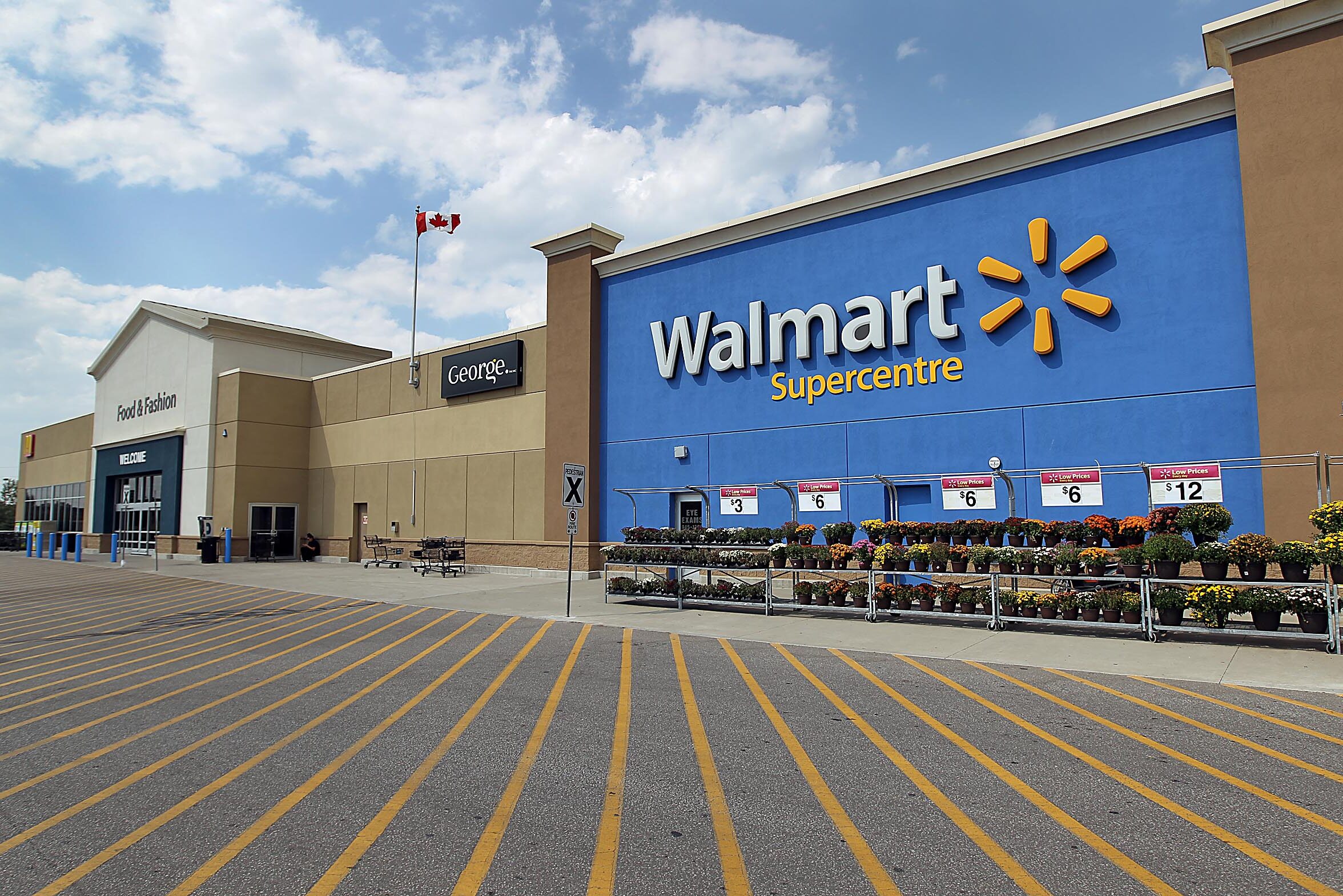
Walmart represents low prices and scale in the US, but abroad that model meets resistance. In Germany, strict labor laws and cultural shopping habits made operations difficult. Walmart eventually exited, unable to adapt fully. Other countries impose limits to protect local retailers. Shoppers may never see Walmart’s full format outside America. The story shows how size alone does not guarantee success. Retail depends on trust, employment norms, pricing ethics, and community perception. Walmart’s experience proves that global growth requires humility and alignment with local expectations rather than assuming one formula fits every market, neighborhood, economy, workforce, regulation, culture, behavior, tradition, value system, consumer mindset, shopping rhythm, social contract.
24. Zoom and Security Policies

Zoom became essential for Americans during remote work shifts. In some countries, its use faced restrictions over data routing and security concerns. Governments required assurances about where information traveled and who could access it. Certain agencies banned Zoom internally, opting for approved platforms. Users experienced sudden policy changes affecting meetings and education. Zoom adapted by opening data centers and increasing transparency. Its restrictions show how digital tools must earn trust. Communication platforms now sit at the intersection of convenience and national security, shaping how work, learning, governance, collaboration, privacy, policy, infrastructure, compliance, confidence, oversight, regulation, access, continuity, resilience, preparedness, accountability, planning, safeguards, responsibility, assurance evolve globally.
25. Spotify and Licensing Limits

Spotify streams freely in the US, but access varies globally due to licensing laws. In some countries, music catalogs are smaller or unavailable. Rights negotiations differ by region, limiting artist availability. Listeners notice missing albums or delayed releases. Spotify must negotiate market by market, balancing cost and access. These restrictions show how music rights shape listening habits. Streaming feels universal, yet it depends on legal frameworks protecting creators. Spotify’s uneven reach reminds users that culture travels through contracts, laws, and negotiations that quietly decide what songs soundtrack daily life, memories, routines, commutes, celebrations, moods, creativity, discovery, sharing, connection, community, expression, ownership, fairness, sustainability.
26. LinkedIn and Professional Oversight
LinkedIn feels like a career necessity in the US, but in some countries it faced restrictions over data storage and content rules. China once limited access before further tightening controls. Authorities questioned how professional data was shared. Users adjusted by relying on local platforms. LinkedIn adapted with compliance efforts and regional changes. The platform’s experience highlights how even resumes and networking raise governance questions. Careers now live online, making professional identity subject to regulation. LinkedIn’s path shows how opportunity, visibility, and connection depend on trust frameworks shaping digital workspaces across borders, economies, industries, governments, cultures, privacy norms, compliance standards, transparency, access, regulation, oversight, balance, professional mobility.
27. Pay TV Networks and Content Approval

American cable networks feel familiar, but broadcasting abroad involves approval processes. In some countries, channels face restrictions due to political or cultural content. Shows may be edited or excluded. Networks navigate guidelines to secure licenses. Viewers abroad see different programming than Americans expect. These limits reveal how entertainment aligns with governance. Television becomes curated by policy, not just preference. The experience shows how stories carry influence, prompting oversight. Media companies must balance creativity with compliance, adapting narratives while preserving appeal across societies shaped by regulation, tradition, audience sensitivity, moral codes, historical context, social norms, censorship frameworks, public values, institutional control, responsibility, influence, perception, acceptance, tolerance, moderation, continuity.
28. Tesla and Regulatory Readiness

Tesla represents innovation in the US, but electric vehicle adoption varies globally. In some countries, regulations, infrastructure gaps, and import rules slow availability. Charging networks and incentives differ widely. Buyers face higher costs or delays. Governments balance environmental goals with readiness. Tesla adjusts by partnering locally or waiting for policy shifts. The brand’s uneven presence shows how innovation depends on ecosystem support. Electric cars require coordination beyond manufacturing, including energy policy, planning, investment, regulation, consumer education. Tesla’s story reflects how progress arrives unevenly, shaped by preparedness, governance, infrastructure, climate priorities, economic capacity, adoption timelines, regional strategies, incentives, access, affordability, trust, systems thinking, collaboration, adaptation.
29. eBay and Trade Restrictions

eBay simplifies resale for Americans, but international trade rules complicate access elsewhere. Some countries restrict cross border listings due to customs, taxes, or counterfeit concerns. Sellers face limitations shipping abroad. Buyers encounter higher fees or unavailable items. eBay adapts by adjusting policies regionally. These barriers highlight how commerce is governed by law. Online marketplaces feel borderless yet remain tied to regulation. eBay’s experience shows how trust, taxation, consumer protection, and trade oversight shape digital buying and selling, influencing small businesses, collectors, hobbyists, entrepreneurs, and everyday users navigating fairness, transparency, risk, compliance, accountability, logistics, enforcement, opportunity, access, choice, confidence, systems, balance, cooperation.
30. KFC and Ingredient Regulations

KFC feels familiar to Americans, from bucket nights to roadside stops. In some countries, KFC faces restrictions tied to ingredient standards and sourcing laws. Certain additives and preservatives allowed in the US are limited elsewhere, forcing recipe changes or menu reductions. Governments also require halal certification or local poultry sourcing, reshaping operations. Customers notice differences in taste, sides, and preparation. KFC adapts to remain present while complying with food safety and cultural expectations. The brand’s experience shows how fast food must evolve across borders, reminding us that recipes are shaped by regulation, tradition, and trust in what people choose daily


