
1. Network
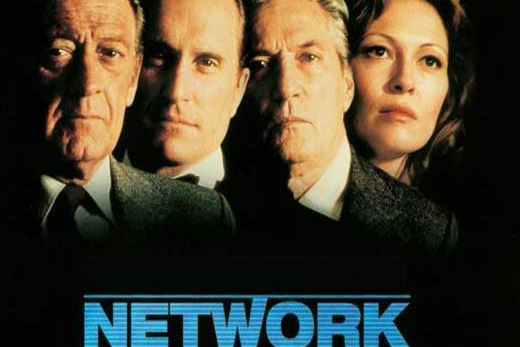
Old television rarely tried to predict the future, yet Network quietly introduces the problem many modern issues grow from. It shows how emotion becomes currency and how outrage keeps people watching longer than truth. What once felt exaggerated now mirrors daily media cycles built on provocation. Watching today feels like scrolling through headlines designed to trigger reaction instead of understanding. The characters are not villains, only participants in a system that rewards noise. Network did not predict platforms or algorithms. It predicted behavior, noticing how anger could be shaped, sold, applauded, and normalized once attention became more valuable than honesty.
2. The Twilight Zone
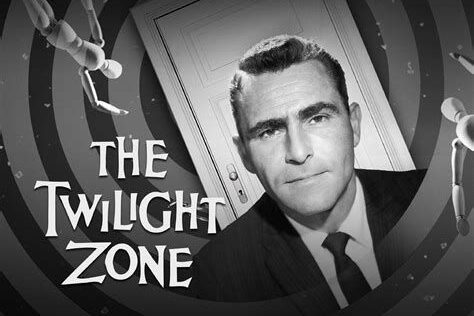
The Twilight Zone predicted modern anxiety without relying on advanced technology. Its stories focused on fear, conformity, and isolation, emotions that quietly define digital life today. Ordinary people were watched, judged, or trapped by systems they barely understood. That tension feels familiar. What made the show powerful was restraint. Fear lingered rather than exploded. Episodes suggested anxiety would become background noise instead of a passing response. The Twilight Zone reminds us that progress does not erase fear. It relocates it. Watching now feels less like fantasy and more like recognition of emotions people still struggle to name.
3. All in the Family
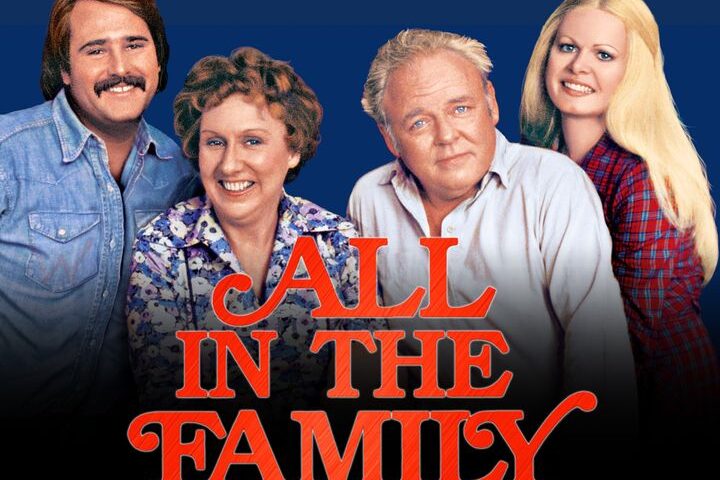
All in the Family brought social conflict into ordinary homes and refused to soften it. Conversations about race, gender, and values unfolded around a shared table. Archie Bunker represented beliefs many recognized but rarely questioned. The show did not demand agreement. It demanded listening. Today similar arguments play out online with less patience and more volume. All in the Family predicted how division deepens when empathy disappears. Humor made the truth easier to face without removing discomfort. Watching now feels familiar because the same disagreements still exist, only louder and far less personal.
4. The Outer Limits
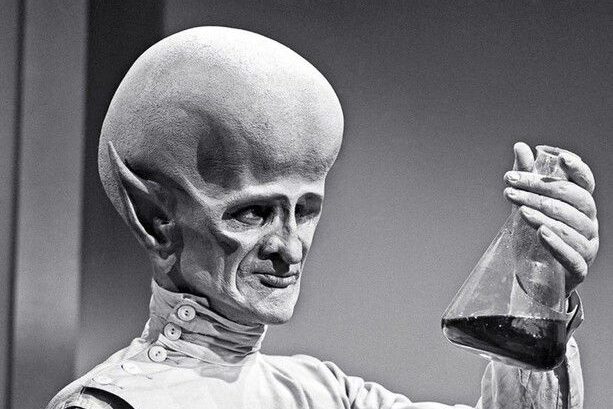
The Outer Limits warned about progress without responsibility. Its stories focused less on machines and more on human behavior. Technology itself was never the danger. Carelessness was. Episodes explored consequences quietly rather than dramatically. That perspective feels relevant as automation shapes modern life. The show predicted confusion instead of collapse. It suggested humans would struggle emotionally before systems failed structurally. Watching today feels like hearing an early warning that was easy to ignore. The Outer Limits reminds us that invention without reflection creates outcomes someone else must eventually live with.
5. MASH
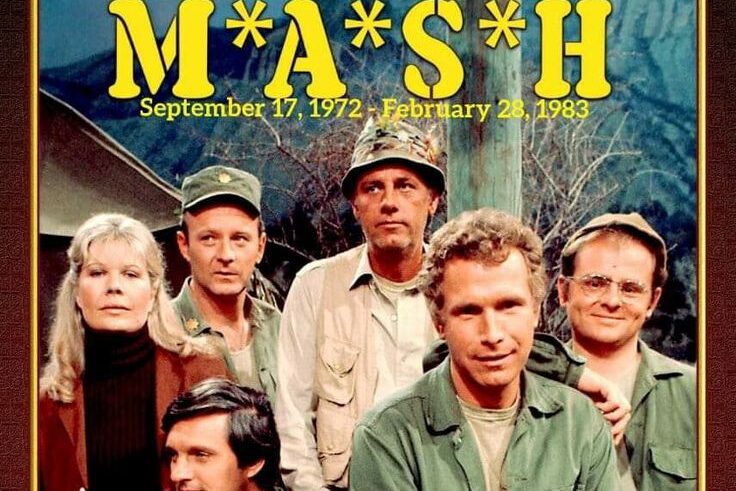
MASH used humor as a coping mechanism for exhaustion and trauma. Beneath the jokes lived emotional strain and constant pressure. Characters laughed because stopping meant facing pain directly. That rhythm feels familiar today. Stress becomes routine and rest feels optional. The show predicted conversations about burnout and mental health before language existed for them. MASH was never truly about war. It was about endurance. Staying human when circumstances refuse to slow down. That struggle still resonates in modern workplaces and homes where exhaustion often hides behind humor.
6. Max Headroom

Max Headroom imagined media becoming invasive, corporate, and self-consuming. Identity blurred into branding and authenticity faded behind performance. Max himself felt like an early digital personality before online personas became normal. Today algorithms shape visibility and influence defines value. The show predicted distortion rather than addiction. Reality filtered through screens slowly reshaped behavior. What once looked absurd now feels routine. Max Headroom understood that when media stops reflecting life and starts directing it, people adjust quietly without noticing what they lose along the way.
7. The X Files

The X Files thrived on distrust. Its central tension asked who controls truth and why transparency feels rare. While aliens filled the screen, uncertainty filled the atmosphere. The show predicted skepticism becoming a default response to authority. That feeling now defines how many people consume information. The X Files did not encourage paranoia. It captured confusion. Watching today feels familiar because answers still feel incomplete. The series recognized a moment when belief began eroding quietly. That erosion never stopped. It simply became more visible and emotionally exhausting.
8. Star Trek
Star Trek imagined a hopeful future shaped by progress and ethics. Advancement came with responsibility rather than blind celebration. Episodes explored surveillance, privacy, and artificial intelligence thoughtfully. Technology was treated as a tool, not a solution. That balance feels relevant today. The show predicted debates about safety versus freedom without panic. It suggested humanity must mature emotionally alongside its inventions. Star Trek never feared progress. It feared complacency. That distinction remains important as convenience continues to challenge responsibility in everyday life.
9. The Simpsons
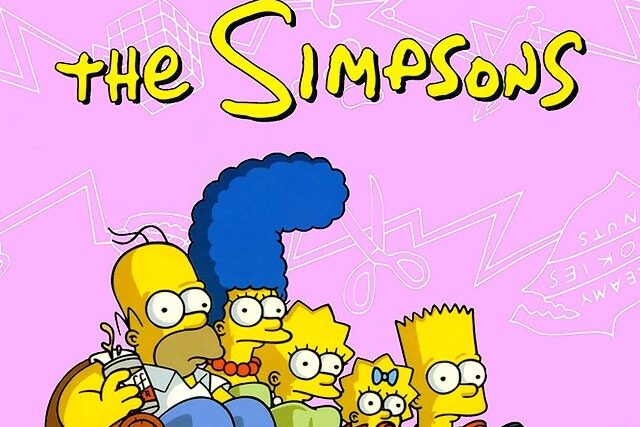
The Simpsons captured cultural stagnation through repetition and routine. Life continued while ambition quietly faded. Homer represented disengagement more than ignorance. Comfort replaced curiosity. The show predicted how entertainment could distract people from meaningful participation. That idea feels familiar in a world of endless scrolling. Humor softened the observation, making it easy to laugh past the warning. The Simpsons did not predict specific events. It predicted a mindset where familiarity feels safer than change, shaping how societies resist growth while joking about it.
10. Seinfeld
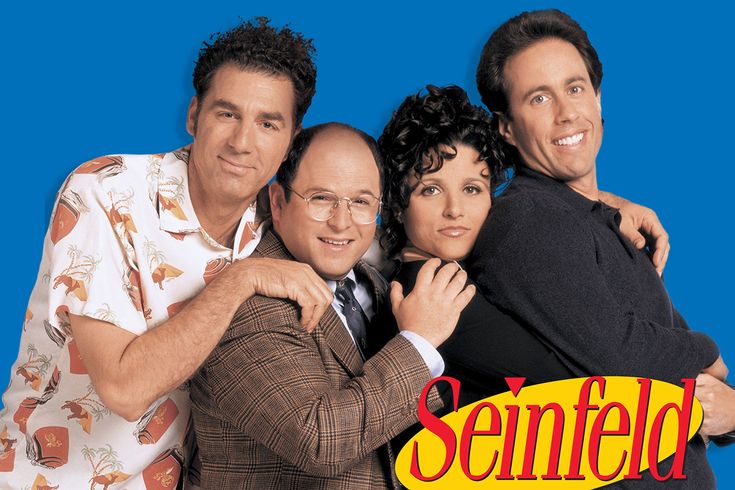
Seinfeld explored emotional detachment as normal behavior. Characters avoided vulnerability and treated minor inconveniences as major concerns. Irony replaced sincerity and connection felt optional. That tone mirrors modern social habits shaped by speed and convenience. The show predicted detachment becoming routine rather than alarming. Awkwardness was accepted, not resolved. Watching now feels less like comedy and more like recognition. Seinfeld observed how avoidance often feels easier than honesty. That truth still shapes how people navigate relationships without realizing what they sacrifice.
11. Cheers
Cheers centered on the need for belonging. Beneath jokes lived loneliness and unspoken disappointment. The bar became a refuge from pressure and expectation. That longing feels familiar in a world connected digitally but fragmented emotionally. The show predicted how community would become something people actively seek. Belonging was not about perfection. It was about consistency. Showing up mattered. Cheers reminds us that familiarity offers comfort when everything else feels uncertain. That need has not disappeared. It has simply changed settings.
12. Twin Peaks

Twin Peaks showed how darkness hides behind pleasant appearances. The town looked peaceful while carrying secrets everyone avoided. That tension mirrors how communities ignore uncomfortable truths. The show predicted conversations about denial and complicity. Problems persist when people choose not to see them. Twin Peaks allowed discomfort to linger rather than rushing answers. That patience feels rare today. The series reminds us that pretending everything is fine rarely fixes anything. Facing hidden issues often feels unsettling but necessary.
13. Friends
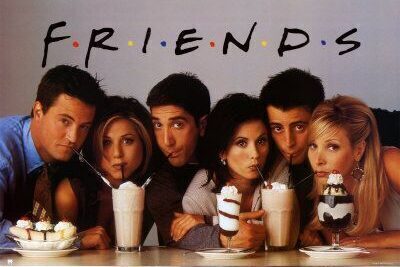
Friends presented adulthood as playful yet unstable. Characters struggled financially, emotionally, and professionally while maintaining humor. That contradiction feels familiar today. The show predicted delayed milestones becoming normal. Beneath laughter lived uncertainty about direction and purpose. Friends never framed this as failure. It framed it as shared experience. Watching now feels less like escape and more like reflection. The series captured how friendships become support systems when traditional structures feel harder to reach.
14. The Prisoner

The Prisoner warned about systems reducing people to numbers. Individuality became monitored and controlled. Freedom felt conditional. The show predicted concerns about autonomy without referencing modern tools. It focused on power rather than technology. That approach feels relevant as tracking shapes daily life. The struggle centered on self definition. Watching now feels unsettling because the questions remain unresolved. How much identity survives inside systems built for efficiency remains unanswered.
15. Roseanne
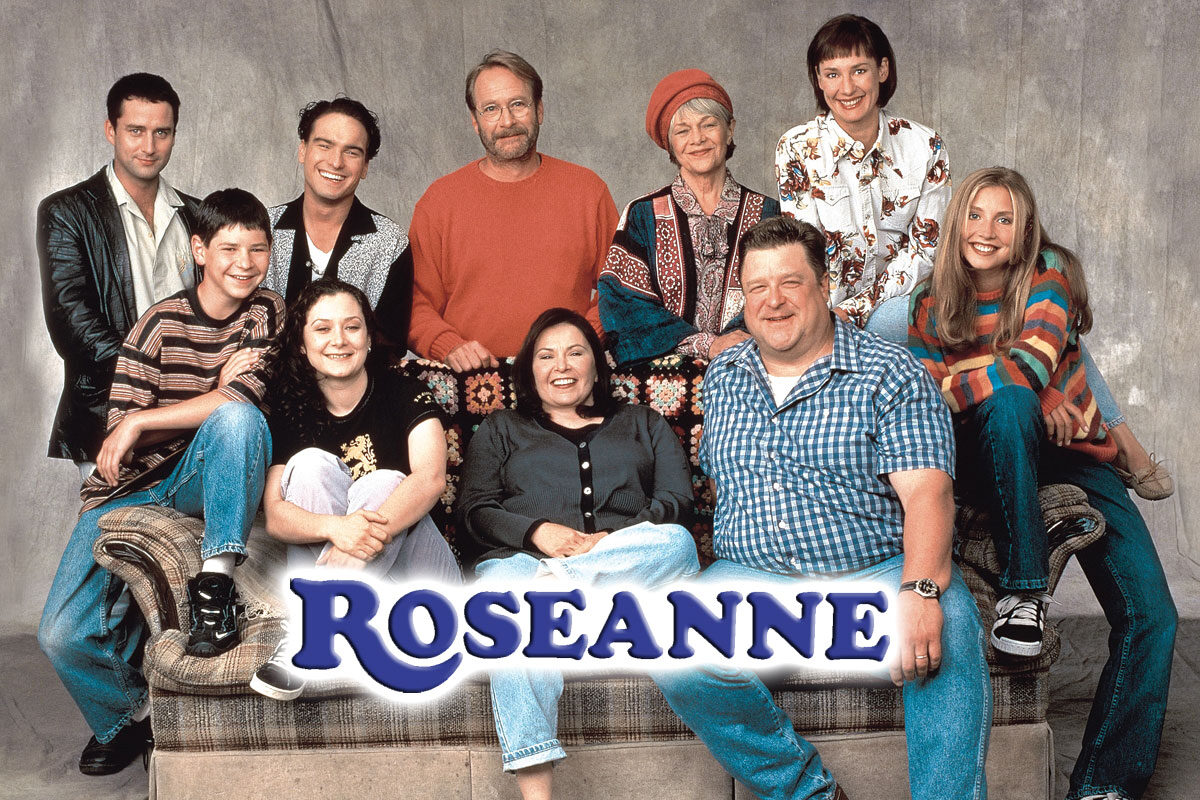
Roseanne treated financial strain as ordinary. Bills, exhaustion, and frustration shaped daily life without spectacle. The show predicted economic anxiety becoming widespread rather than exceptional. Humor softened reality but never denied it. Families struggled together without tidy solutions. That honesty feels familiar. Roseanne did not romanticize hardship. It normalized survival. Watching now feels relevant in uncomfortable ways. Strength often hides inside routine, not triumph. The show understood that endurance rarely looks impressive but matters deeply.
16. Quantum Leap
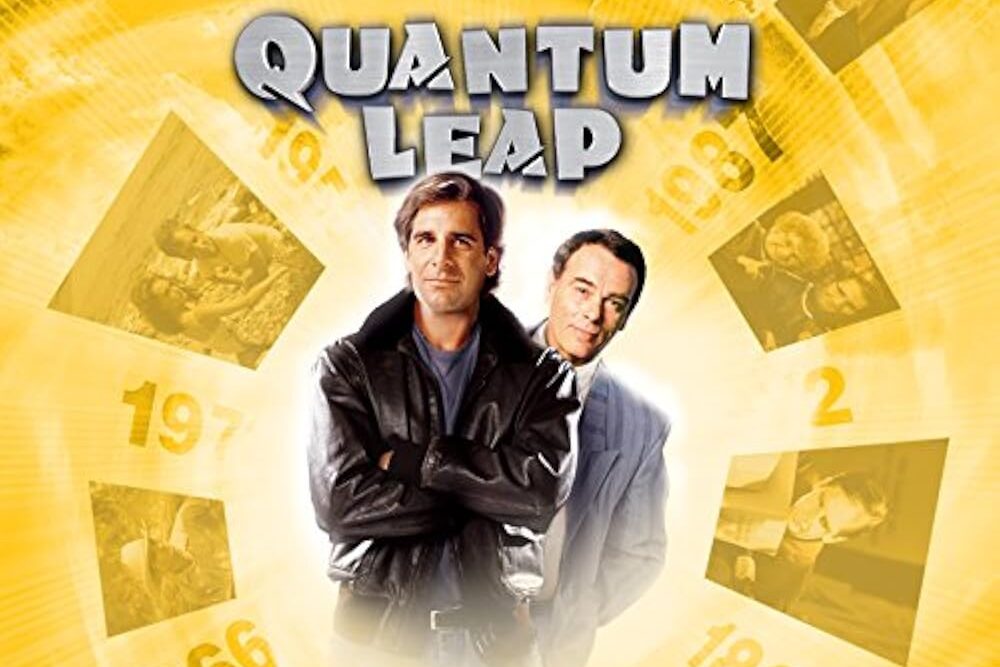
Quantum Leap explored empathy long before it became a popular conversation. By placing one man inside the lives of others, the show quietly suggested understanding comes from experience, not opinion. Each leap revealed how easily people judge lives they have never lived. That idea feels relevant in a world shaped by quick takes and limited context. The show predicted a growing need for perspective as society became more divided. Quantum Leap never offered easy answers. It showed growth happening slowly through connection. Watching now feels like a reminder that progress often begins when people are willing to step into stories beyond their own.
17. Futurama
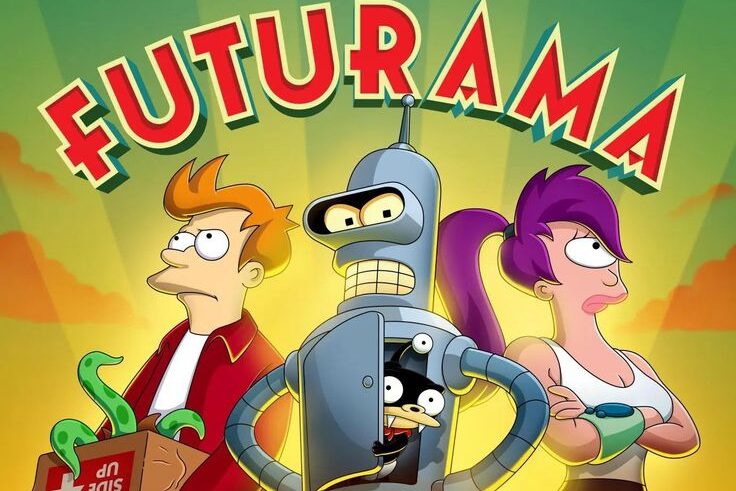
Futurama hid serious warnings beneath humor and absurdity. It imagined a future overflowing with convenience, distraction, and unchecked consumerism. People relied on machines for comfort while meaning quietly faded. That vision feels familiar today. The show predicted how technology could simplify life while complicating purpose. Jokes about dependency masked real concerns about attention and fulfillment. Futurama never rejected progress. It questioned excess. Watching now feels less like satire and more like reflection. The future it imagined does not feel distant. It feels like a playful exaggeration of habits people already recognize in themselves.
18. The West Wing
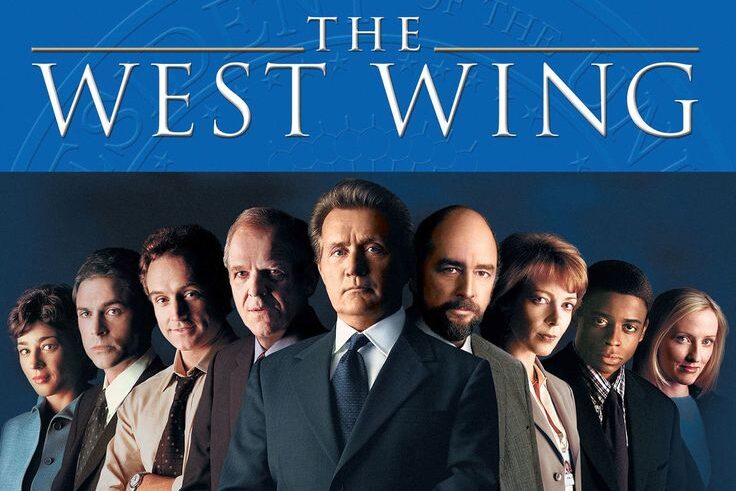
The West Wing portrayed politics as idealistic yet exhausting. Leaders struggled with compromise, pressure, and public scrutiny. The show predicted how governance would become increasingly shaped by optics and media cycles. Even good intentions felt strained under constant observation. That tension feels familiar now. The West Wing did not suggest easy solutions. It showed how responsibility often comes with disappointment. Watching today feels bittersweet. The series captured a moment when hope and realism coexisted. It reminds viewers that progress requires persistence even when systems resist change and public trust feels fragile.
19. Family Ties

Family Ties explored generational conflict during a period of shifting values. Parents and children clashed over money, politics, and ambition. The show predicted ideological divides forming within families rather than between strangers. Those tensions feel familiar today. Conversations became harder as certainty replaced curiosity. Family Ties used humor to soften disagreement without resolving it. Watching now highlights how values evolve unevenly. The show reminds us that change often begins at home and discomfort is part of growth. Generational understanding remains a challenge, shaped by different experiences and expectations.
20. The Jetsons
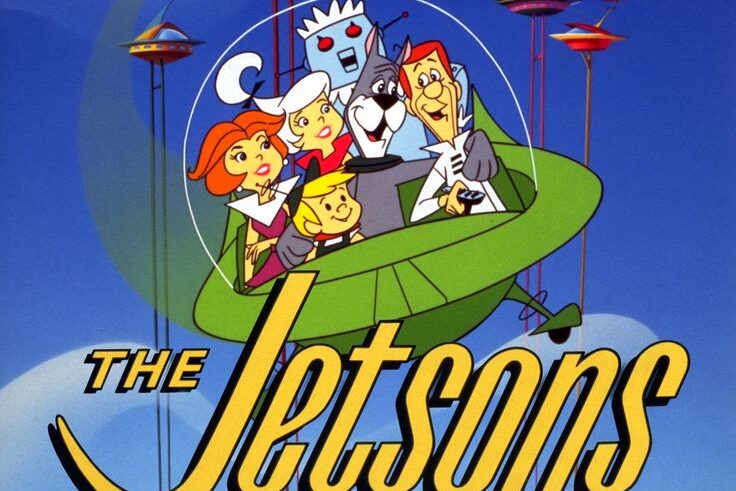
The Jetsons imagined a future built on convenience and automation. Everyday tasks disappeared, replaced by buttons and machines. While the tone felt playful, the message was subtle. Ease does not equal fulfillment. The show predicted reliance on technology to solve emotional problems. That idea feels familiar today. Automation saves time but does not create meaning. Watching now feels less futuristic and more reflective. The Jetsons suggested comfort could become dependency if unchecked. It quietly asked whether progress improves life or simply removes effort without replacing purpose.
21. Freaks and Geeks
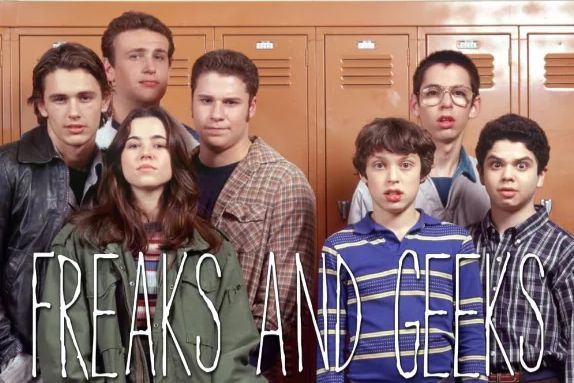
Freaks and Geeks captured the discomfort of not fitting neatly into expectations. Teenagers struggled with identity, belonging, and pressure to perform. The show predicted how social comparison would intensify emotional insecurity. That feeling feels familiar in a world shaped by visibility and judgment. Freaks and Geeks treated adolescence with honesty rather than nostalgia. Watching now feels validating. The show reminds viewers that uncertainty is not failure. It is part of growth. Identity formation remains messy, especially when approval feels measurable and public.
22. Miami Vice
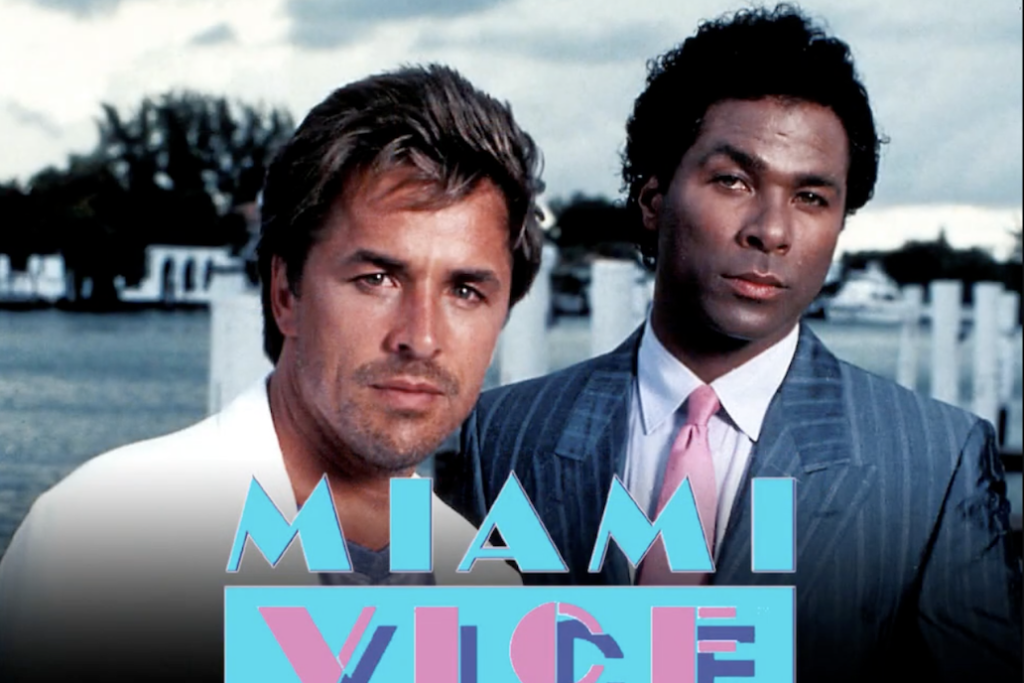
Miami Vice glamorized excess while quietly exposing emptiness beneath it. Style dominated substance and image often replaced integrity. The show predicted how appearance would gain power over meaning. That shift feels familiar in modern culture. Miami Vice suggested success could look impressive while feeling hollow. Watching now feels like a warning dressed as entertainment. The show did not condemn ambition. It questioned values. It showed how chasing image without purpose leads to isolation. That tension continues to echo in a world driven by visibility and status.
23. Hill Street Blues
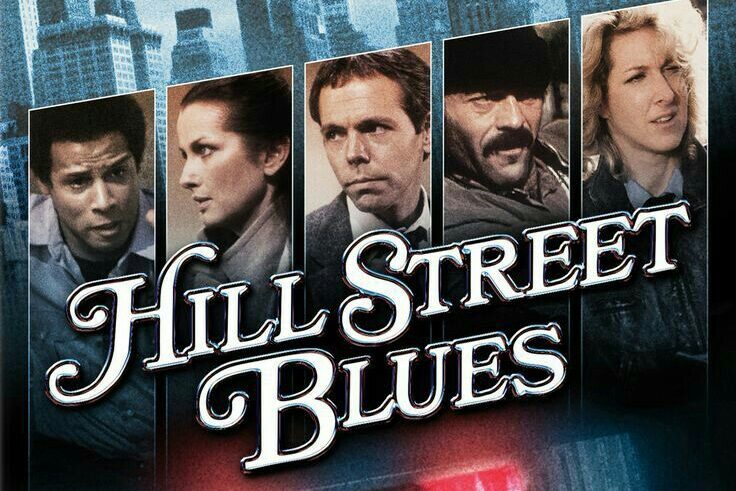
Hill Street Blues portrayed systems under strain and people stretched thin. Public service felt exhausting and thankless. The show predicted burnout becoming normalized in essential professions. That reality feels familiar today. Characters carried responsibility without resolution. Problems rarely ended neatly. Watching now highlights how institutions depend on human endurance. Hill Street Blues never offered hero fantasies. It showed persistence instead. The series reminds viewers that survival within broken systems requires resilience. That message feels relevant as many continue working through pressure without recognition.
24. The Wonder Years
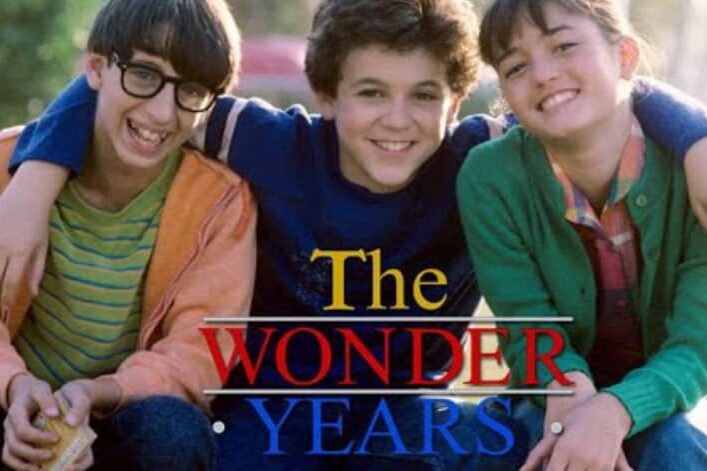
The Wonder Years explored memory and nostalgia with honesty. Childhood felt simpler only in hindsight. The show predicted how people would romanticize the past to cope with present uncertainty. That habit feels familiar today. Watching now reveals how memory edits reality. The Wonder Years suggested reflection can comfort but also mislead. Growth requires acknowledging complexity rather than rewriting it. The show reminds viewers that longing for simpler times often masks unresolved feelings. That emotional pattern remains deeply human.
25. Murphy Brown
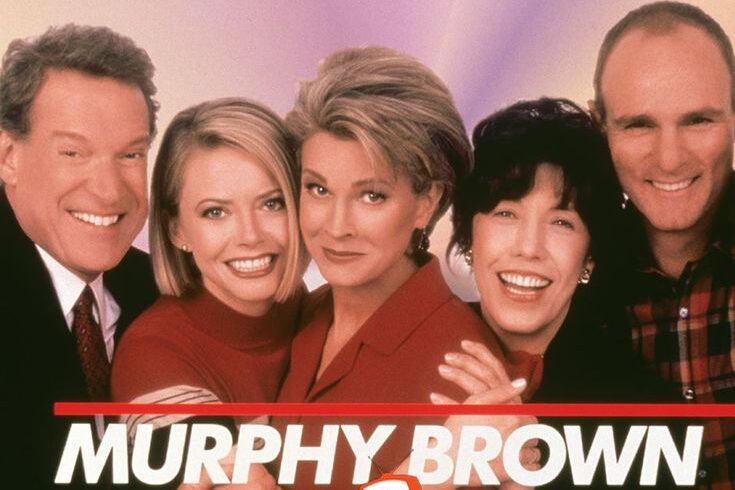
Murphy Brown confronted public judgment and professional scrutiny head on. The show predicted how women in leadership would face criticism for personal choices. That tension still exists. Murphy navigated career pressure, media attention, and social expectation without apology. Watching now feels validating. The show challenged norms without spectacle. It suggested independence often invites resistance. Murphy Brown reminds viewers that progress is rarely comfortable. Representation matters because it reshapes what feels possible. That lesson continues to hold weight.
26. Alf
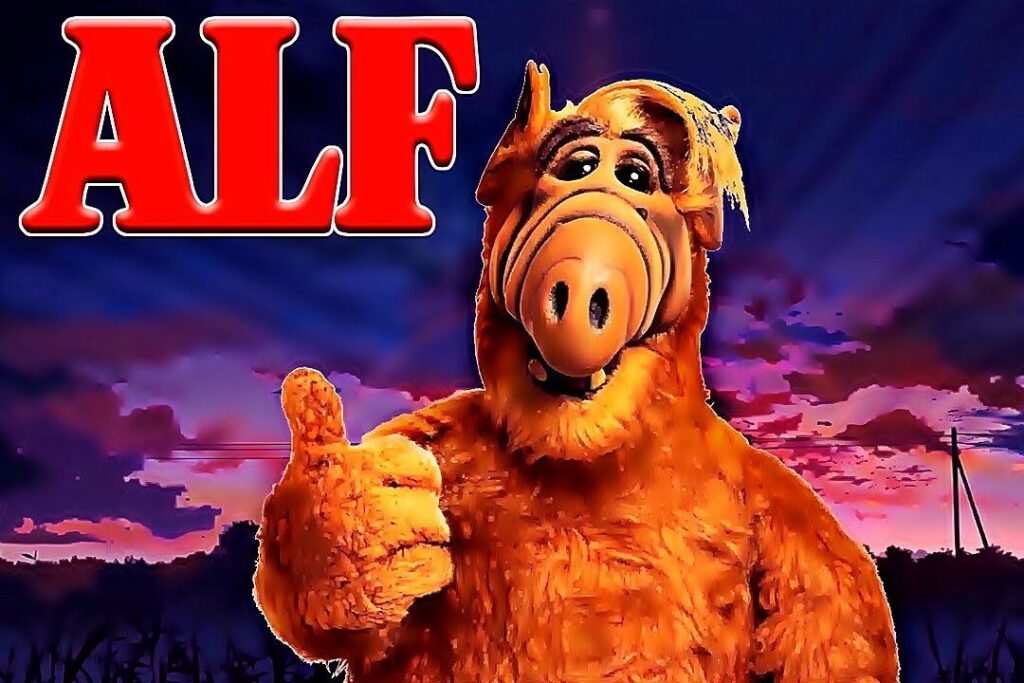
Alf used humor to explore displacement and belonging. An outsider navigating an unfamiliar world became the emotional center. That theme feels relevant in conversations about identity and adaptation. Alf struggled to fit without losing himself. Watching now highlights how humor softens alienation. The show predicted how cultural difference would remain a source of tension and curiosity. Alf never fully belonged, yet connection still formed. The series suggests acceptance does not require sameness. That message continues to resonate quietly.
27. Night Court

Night Court normalized chaos through routine. Absurd situations became everyday occurrences. The show predicted how people adapt to instability by treating it as normal. That response feels familiar today. Humor became a coping tool. Watching now reflects how disorder often stops surprising people. Night Court suggested resilience grows through repetition. When chaos becomes routine, perspective shifts. The series reminds viewers that adaptation can feel invisible. Stability sometimes exists inside acceptance rather than control.
28. St. Elsewhere

St. Elsewhere portrayed healthcare as emotionally demanding and imperfect. Doctors faced exhaustion, ethical dilemmas, and personal strain. The show predicted conversations about burnout and system pressure. That reality feels familiar today. St. Elsewhere never presented medicine as heroic fantasy. It showed humanity behind responsibility. Watching now feels grounded. The series reminds viewers that care work carries emotional cost. That cost often goes unseen. Recognition matters even when solutions feel distant.
29. Babylon 5
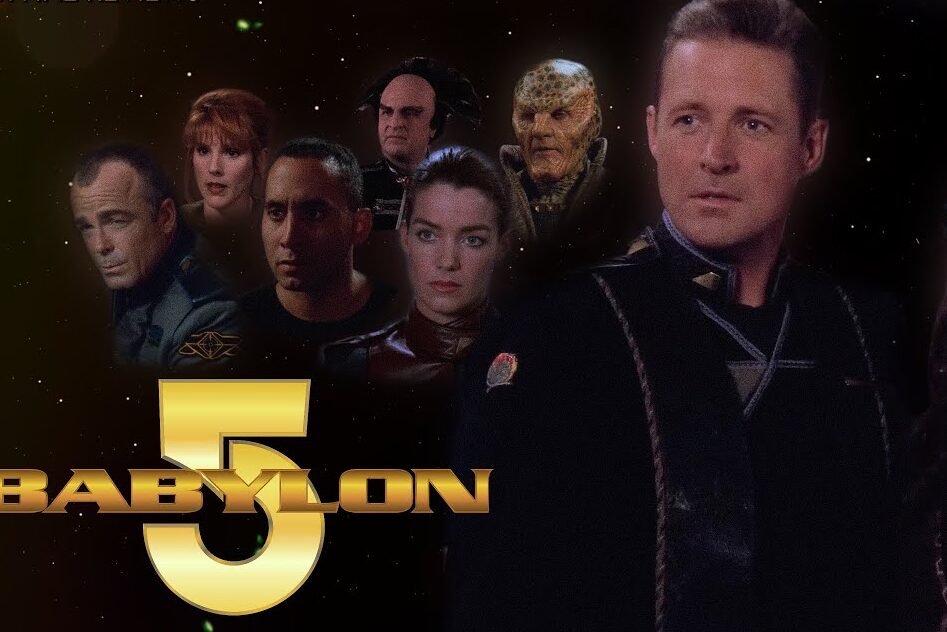
Babylon 5 explored political manipulation and manufactured conflict. Power operated quietly through narrative control. The show predicted how stories shape perception. That idea feels relevant today. Babylon 5 suggested truth becomes fragile when messaging dominates reality. Watching now highlights how easily division is engineered. The series did not focus on spectacle. It focused on consequence. It reminds viewers that awareness is a form of defense. Understanding motives matters as much as understanding events.
30. The Golden Girls
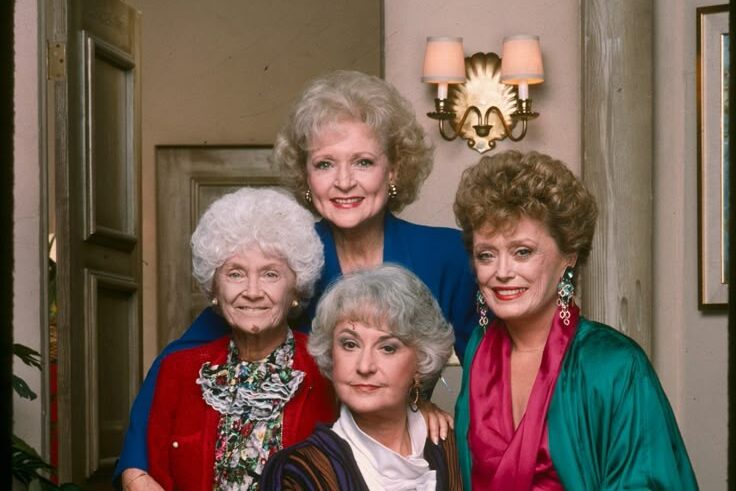
The Golden Girls closed the conversation by focusing on aging, friendship, and chosen family. The show predicted discussions society is finally having openly. Growing older did not mean becoming invisible. Community mattered more than milestones. Watching now feels comforting rather than dated. The Golden Girls suggested fulfillment evolves with time. Laughter softened honesty. As modern life grows louder, the show quietly reminds viewers that connection, patience, and shared experience still anchor everything. Sometimes the future looks less like innovation and more like remembering what already works.


