
1. The Quiet Joy of Comfort

Aging is one of those things we all talk about, yet nobody truly prepares us for. We spend our youth running away from it, only to realize that the journey into our later years is less about fading away and more about settling into a version of ourselves that finally knows what matters. It starts with a simple realization that you no longer care about being the best dressed person in the room if it means your feet are going to ache for three days. You start choosing fabrics that feel like a hug and shoes that actually support your journey. There is a specific kind of freedom in realizing that your worth is not tied to a stiff collar or a pair of high heels. As one observer beautifully put it, I finally stopped dressing for the person I wanted people to think I was and started dressing for the person I actually am.
The transition into a more comfortable existence is a silent rebellion against the idea that aging means becoming less relevant. In reality, you are becoming more focused as the candles on the cake start getting a bit more crowded. You stop looking at the racks of clothing that require a specific body type or a certain level of suffering to pull off. Instead, you look for things that allow you to move and breathe without constant self-correction. This comfort extends beyond your wardrobe and into your physical spaces. You want chairs that support your back and lighting that does not strain your eyes. By prioritizing your physical wellbeing in these small ways, you are actually preserving your energy for the things that truly matter. It is a graceful way of acknowledging that while your body is changing, your spirit is becoming more discerning.
2. Time Becomes a Currency

You begin to treat your hours with the same stinginess you used to reserve for your paycheck. In our twenties, we throw time around like it is an infinite resource, but eventually, the math starts to change. You stop saying yes to obligations that drain your spirit and start saying no to opportunities that are really just distractions. A common sentiment shared online is that time is the only thing you cannot earn more of, so I have stopped spending it on people who make me feel like a chore. This clarity is one of the greatest gifts of getting older. You learn to invest your presence where it is celebrated, not just tolerated, and you find that a quiet afternoon doing absolutely nothing is often more productive for your soul than a busy day spent chasing shadows.
The realization that your time is finite changes how you view every invitation and every project. You no longer feel the need to attend every social gathering just to prove you were there. Instead, you ask yourself if the experience will add value to your life or the lives of others. This does not mean you become selfish; rather, you become more intentional. You might spend an entire afternoon teaching a grandchild how to bake or sitting on a porch with an old friend. These moments, which once felt like luxuries or even wastes of time, now feel like the most significant parts of your day. You stop rushing to the next thing and start soaking in the current thing. By valuing your time, you are actually learning how to value your life. It is the ultimate form of self respect.
3. Friendship Quality Over Quantity

The massive social circles of your youth begin to shrink, and surprisingly, it feels like a relief rather than a loss. You realize that having two people who will show up at your door with soup when you are sick is worth more than a thousand followers or brunch friends. There is a deep truth in the idea that as we age, we do not lose friends, we just learn who the real ones are. One blogger noted that my circle did not get smaller, it just got clearer. You stop performing for a crowd and start connecting with individuals who know your history and love you anyway. This thinning of the herd allows for deeper roots to grow, creating a support system that is sturdy enough to weather the actual storms of life.
As the noise of a large social circle fades, the harmony of a few close relationships becomes much louder. You find that you no longer have the energy for the small talk and posturing that often come with casual acquaintances. Instead, you crave the kind of conversations that go below the surface. These are the friends who have seen you at your worst and did not look away. They are the ones who remember your parents and your childhood pets and the big dreams you used to have. Maintaining these bonds takes effort, but it is an effort that feels nourishing rather than draining. You learn that a true friend is someone you can be silent with without it being awkward. You also learn to let go of people who only bring drama.
4. The Body Speaks a New Language

Your relationship with your physical self transitions from a performance to a partnership. You start to notice that your body has its own way of telling you when it is tired, hungry, or stressed, and you finally start listening. It is no longer about how many miles you can run or how much you can lift, but about how well you can move and how long you can stay active. An authentic view from a health forum mentioned that I used to exercise to look a certain way, but now I move because I want to keep the machinery oiled and the joints moving. You learn that a long walk is just as valid as a sprint and that rest is not a sign of weakness but a vital part of maintenance.
Listening to your body requires a level of humility that often only comes with age. You have to admit that you cannot pull all nighters anymore or eat whatever you want without consequences. While this can feel like a loss of freedom, it is actually the beginning of a much deeper self awareness. You start to appreciate the miracle of your own resilience. You think about everything your heart has pumped through and everything your lungs have breathed in. You treat your body with a bit more kindness, opting for nourishing foods and gentle movements that feel like a thank you rather than a punishment. This new language is one of subtle cues and soft warnings. When you honor those signals, you find that you have a more consistent level of energy.
5. Forgiveness Becomes Easier

Holding onto a grudge starts to feel like carrying a heavy backpack on a long hike; eventually, you just want to set it down so you can enjoy the view. You realize that most people were just doing the best they could with the tools they had, even if those tools were broken. There is a profound lightness that comes when you stop waiting for an apology that is never coming. A poignant quote often shared by those reflecting on life is that forgiveness is giving up the hope that the past could have been any different. By letting go of old resentments, you free up space in your heart for the present. You find that life is simply too short to keep replaying old arguments.
The ease of forgiveness in later years often comes from a place of shared humanity. You look back at your own mistakes and realize how many times you needed grace, which makes it much easier to extend that same grace to others. You start to see the people who hurt you as flawed individuals who were likely struggling with their own burdens. This does not mean you have to invite them back into your life, but it means you stop allowing their past actions to control your current mood. You choose peace over being right. This shift is incredibly liberating because it places the power back in your hands. You are no longer a victim of someone else’s choices; you are the architect of your own emotional state.
6. The Beauty of a Slow Morning

There was a time when the goal was to hit the ground running, but now the goal is to sit with a cup of coffee and watch the light change in the room. You start to value the transition between sleep and the world. This deliberate pace sets the tone for everything that follows. One online journal entry described it as the golden hour of the soul where the world has not asked anything of me yet. You find that when you do not rush the start, you do not feel as frantic at the finish. It is in these quiet moments that your best ideas often surface and where you find the gratitude that anchors your day.
The ritual of a slow morning allows you to check in with yourself before checking in with the rest of the world. You might spend a few minutes journaling, reading a book, or simply staring out the window at the birds. There is no pressure to achieve anything during this time; the only goal is to exist. This practice helps to regulate your nervous system and provides a sense of stability that carries you through whatever challenges the day might bring. You find that you are less reactive to stress and more appreciative of the small details. These tiny observations build a foundation of mindfulness that enriches your entire life. By refusing to rush, you are claiming ownership over your day and your peace.
7. Nostalgia is a Warm Blanket
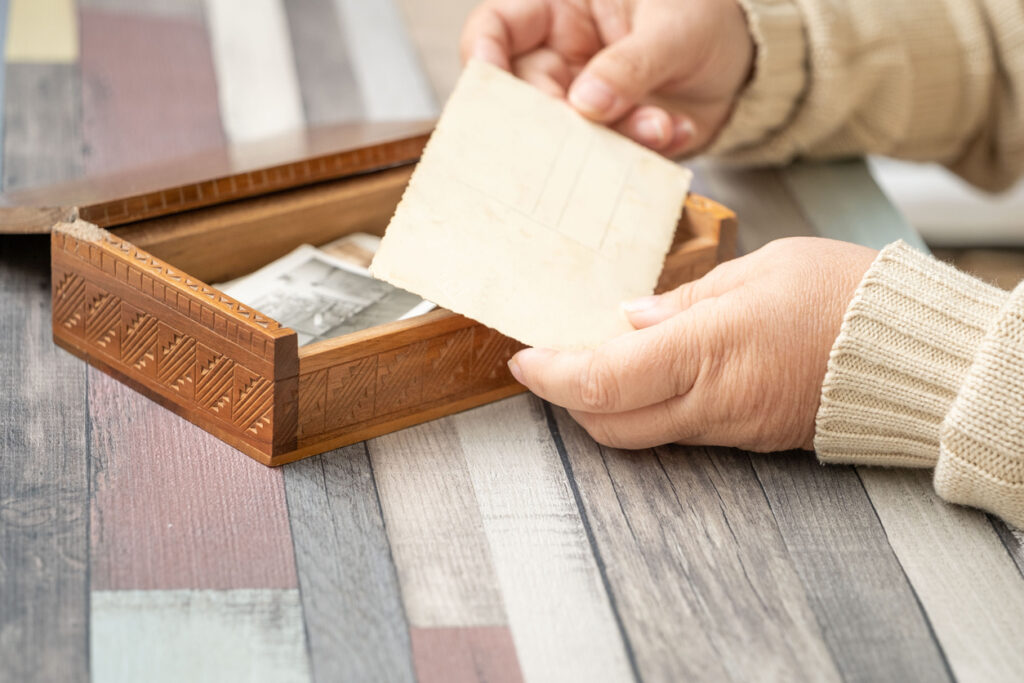
You find yourself looking back not with regret, but with a deep appreciation for the phases you have passed through. Old songs, smells, and photographs become portals to different versions of yourself, and you realize how much you have grown. It is like reading a favorite book for the tenth time and finally understanding the subtext. A user on a social platform recently shared that looking back at my younger self is not painful anymore; I just want to give that kid a hug and tell them it all turns out okay. This softening toward your own history allows you to integrate your past into your present. You see the thread of your life more clearly.
This relationship with the past becomes a source of comfort rather than a source of longing. You no longer wish you were twenty again because you remember the uncertainty and the heartache that came with that age. Instead, you enjoy the memories of that time while being perfectly happy where you are now. You might spend an evening looking through old albums or calling a sibling to talk about a shared childhood event. These connections to your history provide a sense of continuity and belonging. You realize that you are a collection of all the people you have ever been, and there is a great beauty in that complexity. Nostalgia becomes a way to celebrate your own endurance and your growth.
8. Learning to Love the Wrinkles

Those lines on your face start to look less like flaws and more like a map of everywhere you have been. They are the physical evidence of every laugh, every worry, and every squint into the sun. When you look in the mirror, you see a history of a life lived rather than just a surface to be maintained. A widely circulated thought on aging is that wrinkles should merely show where smiles have been. You begin to realize that trying to erase them is like trying to erase the story itself. There is a quiet confidence that comes with appearing exactly as old as you are, without the exhausting need to pretend otherwise.
The acceptance of your changing reflection is a major milestone in the aging process. You stop comparing yourself to the airbrushed images in magazines and start appreciating the unique character of your own face. You see your mother’s eyes or your father’s chin, and you feel a sense of connection to your lineage. This shift in perspective allows you to focus on the health of your skin rather than its perfection. You use moisturizer because it feels good, not because you think it will make you look twenty again. There is a profound sense of relief in letting go of the beauty standards of youth. Your face tells a story of resilience, love, and experience. When you embrace that story, you project beauty.
9. Wisdom is Knowing You Know Nothing

The older you get, the less certain you feel about having all the answers, and that uncertainty is actually quite liberating. You stop trying to win every debate and start asking more questions. You realize that life is infinitely more complex than the black and white certainties of youth. A seasoned philosopher once noted that the more I learn, the more I realize how much I do not know. This humility allows you to keep growing even as your hair turns gray. You become a better listener because you are no longer just waiting for your turn to speak. You find that there is a quiet power in being able to say I do not know.
This intellectual humility makes you a more compassionate and open person. You stop judging people for having different viewpoints because you realize that everyone’s perspective is shaped by their unique experiences. You become more interested in the gray areas of life, where the most interesting truths usually reside. This openness keeps you from becoming bitter or stagnant. You are willing to try new things and listen to new ideas, even if they challenge your long held beliefs. You find that the world is a much more fascinating place when you are not trying to fit it into a small box of certainty. This shift also makes your relationships much easier and more profound.
10. The Importance of Enough

You spend the first half of your life accumulating things, titles, and accolades, only to spend the second half realizing how little of it you actually need. The concept of enough becomes a North Star that guides your decisions. You find that a small, tidy home is easier to manage than a large, cluttered one, and a few high quality possessions are better than a mountain of cheap ones. A common reflection among retirees is that happiness is not having what you want, it is wanting what you have. This shift from more to better changes your relationship with the world. You stop chasing the next big thing and start appreciating the present.
The freedom of having enough extends to your social status and your professional life as well. You no longer feel the need to climb every ladder or impress every person you meet. You are content with your contributions and your place in the world. This allows you to focus on the quality of your work and your relationships rather than the quantity of your achievements. You start to declutter your life, both physically and mentally. You give away the things you no longer use and you let go of the goals that no longer serve you. This process of pruning allows the things that truly matter to flourish. You find that your happiness is no longer tied to success.
11. Resilience is a Muscle

By now, you have survived a few end of the world scenarios, and you realize that you are still standing. This gives you a quiet confidence when new challenges arise. You know that you have a 100% success rate of getting through your worst days. A survivor’s quote that resonates deeply is, I am not what happened to me, I am what I chose to become. This perspective changes how you handle stress; instead of panicking, you look for the lesson or the way through. You understand that scars are just proof that you healed. This built up resilience allows you to face the future with a steady gaze.
This strength does not mean you do not feel pain or fear; it just means you are not paralyzed by them. You have a history of overcoming, and that history serves as a source of power. When you face a loss or a setback, you can look back at previous times when you thought you would not make it and remember that you did. This perspective helps to shorten the duration of your despair. You allow yourself to grieve, but you also start looking for the small steps you can take to move forward. You find that you are more patient with the healing process, both for yourself and for others. Growth happens in the valleys.
12. Humor is the Best Medicine
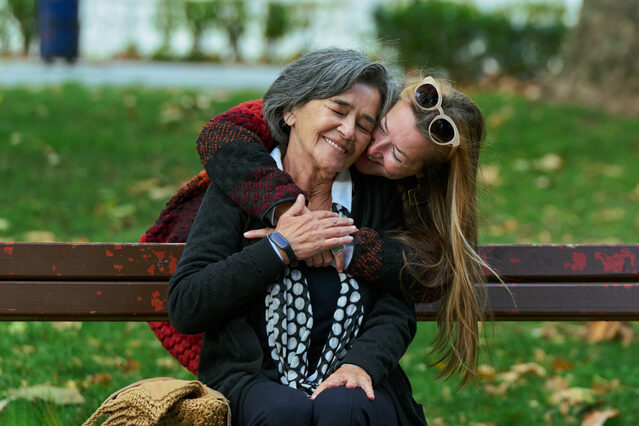
You start to find the absurdity in life much more quickly than you used to. Things that would have embarrassed you years ago now just seem like a good story to tell over dinner. You learn to laugh at yourself because, frankly, humans are quite ridiculous creatures. A lighthearted view from a senior community forum says, If you can’t laugh at yourself, you’re missing the best joke in the house. This ability to find humor in the mundane or the frustrating is a vital survival skill. It lightens the heavy moments and bonds you to others who are also navigating the quirks of aging.
Laughter becomes a way to bridge the gap between your expectations and your reality. When you forget a name or trip over your own feet, you can choose to be frustrated or you can choose to find the comedy in it. Choosing the latter makes life much more enjoyable. You find that you are drawn to people who can laugh at themselves and the world around them. This shared humor creates a sense of camaraderie and eases the tensions of daily life. You stop taking yourself so seriously, which allows you to be more playful and adventurous. Humor is not about avoiding hard truths, but about making them easier to carry.
13. The Power of Presence
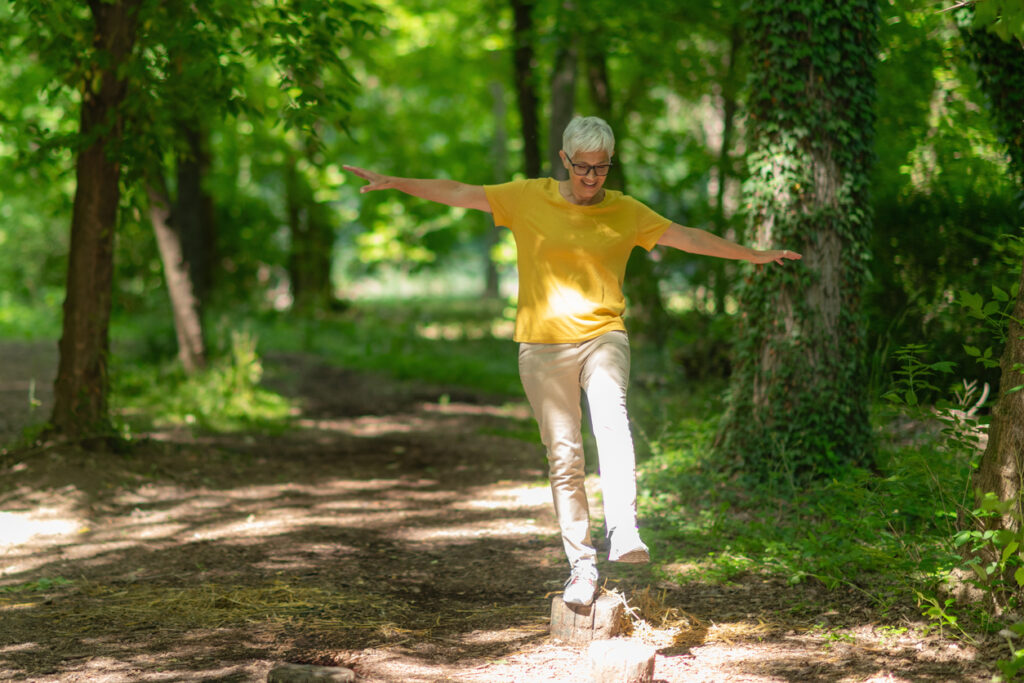
You stop living for some distant future and start focusing on the right now. Whether it is the taste of a fresh strawberry or the way the wind feels on your face, the present moment becomes much more vivid. You realize that later is not a guaranteed destination, so you might as well enjoy the scenery today. A mindfulness teacher once remarked that most of our lives are spent elsewhere, but the only place we can actually live is here. This focus on the now reduces anxiety and increases your capacity for delight. You find that you are less concerned with what comes next.
This presence makes you a better companion and a more attentive observer. When you are talking to someone, you are actually listening rather than just waiting for your turn to speak. You notice the small shifts in their expression and the tone of their voice. You become more attuned to your own physical sensations and emotions as well. This level of awareness helps you to appreciate the richness of your life as it is happening. You stop waiting for the perfect conditions to be happy and start finding happiness in the imperfect conditions of the present. By being present, you are able to collect a library of tiny beautiful experiences.
14. Nature Becomes a Necessity

Walking through a park or sitting by water starts to feel less like a leisure activity and more like a requirement for your mental health. You find a deep sense of peace in the cycles of the seasons, realizing that there is a time for growth and a time for rest. As one nature enthusiast wrote, the trees do not hurry, yet everything is accomplished. You begin to align your own internal clock with the natural world, finding comfort in the fact that change is the only constant. Whether it is tending a small garden or watching the birds, connecting with the earth reminds you that you are part of a system.
The natural world offers a type of perspective that is hard to find anywhere else. When you look at an ancient oak tree or a mountain range, your own problems start to feel a bit smaller and more manageable. You appreciate the slow, steady persistence of life. Nature does not demand anything from you; it simply exists, and in its existence, it provides a space for you to just be. These observations connect you to the rhythm of the planet and provide a sense of belonging. You realize that you are not separate from nature, but a part of it. This connection fosters a sense of stewardship and a desire to protect beauty.
15. The Shift from Doing to Being

Your identity becomes less about your job title or your productivity and more about your character and your presence. You realize that you are a human being, not a human doing. This transition can be difficult at first, but it leads to a much deeper sense of self worth. One retiree shared, I spent forty years answering what do you do and now I am finally learning how to answer who are you. This internal exploration is the work of a lifetime. You find that your value lies in your kindness, your stories, and the way you make people feel, rather than the tasks you completed.
Learning how to just be is a radical act in a culture that prizes constant activity. It requires you to sit with yourself and find value in your own company. You might find that you enjoy quiet activities like meditation, birdwatching, or simply thinking. This shift allows you to be more present for the people in your life because you are no longer distracted by the next thing on your to do list. You become a steadying influence for others, showing them that it is possible to be happy without being busy. Your self worth becomes anchored in internal values. This brings peace and allows you to move through the world with a light heart.
16. Legacy is Not About Money

You start thinking about what you will leave behind, and it rarely has a dollar sign attached to it. It is the recipes you taught your grandkids, the way you handled hardship, and the love you poured into your community. You realize that your real legacy is the impact you had on the hearts of others. A moving sentiment from a family patriarch was that I want to be remembered for how I listened, not for what I owned. This shift in focus makes you more intentional with your interactions because you want to leave people better than you found them. You understand that the stories told about you after you are gone will be about your character and your quirks. These are the things that truly endure through the generations long after the physical objects have faded away.
By shifting your focus from accumulation to contribution, you find a deeper sense of purpose in your daily life. You spend more time mentoring younger people or volunteering for causes that align with your values. You realize that your wealth is measured by the quality of your relationships and the kindness you have shared. This perspective takes the pressure off of financial achievements and places it on human connection. You start to see every conversation as an opportunity to plant a seed of positivity. Whether it is a word of encouragement or a shared laugh, these are the true building blocks of a lasting legacy. You find peace in knowing that your influence will continue through the lives of those you have touched. It is a beautiful way to live with intention.
17. The Luxury of Privacy

The need to broadcast every meal, vacation, or thought begins to fade away. You find that some of the best moments are the ones that nobody else knows about. There is a sacredness in keeping your private life private. A common observation in the digital age is that happiness is a private thing, and the more I share it, the less of it I seem to hold onto. You stop seeking likes from strangers and start seeking moments for yourself. This inward turn allows for a more authentic experience of life because you do not need a witness to validate that your life is good. You know it is good because you are the one living it. Privacy becomes a way of protecting your peace and keeping your experiences pure and untainted.
This retreat into privacy is not about hiding; it is about choosing who gets to share in your joy. You become more selective about what you post online and who you invite into your inner circle. This boundaries create a safe space where you can be your true self without fear of judgment or the need for performance. You find that your experiences feel more significant when they are not being curated for an audience. You savor the quiet dinner or the walk in the woods without feeling the urge to take a photo. This presence allows you to fully engage with the world around you. You realize that your life is for you, not for the consumption of others. There is a quiet power in being a mystery to the world while being fully known to yourself.
18. Emotional Intelligence Peaks

You become much better at reading the room and understanding the unspoken needs of those around you. You have seen enough human drama to recognize the patterns, and you can offer a steady hand when others are spiraling. This emotional maturity is one of the superpowers of aging. One counselor noted that age does not always bring wisdom, but it usually brings a better poker face and a softer heart. You learn when to speak and, more importantly, when to stay silent. You become a bridge builder and a peacemaker because you no longer have the ego driven need to be right all the time. Your presence becomes a calming influence on the people you love.
This heightened awareness allows you to navigate conflicts with grace and empathy. You understand that people’s reactions are often more about their own struggles than they are about you. This perspective prevents you from taking things personally and allows you to respond with kindness rather than defensiveness. You become a sought after confidant because people know you will listen without judgment. You find that your relationships become deeper and more meaningful as a result. You are able to provide the perspective that younger people might lack, helping them to see the bigger picture. This role of the steady observer is one of the most fulfilling parts of getting older. You realize that your emotional experience is a gift that you can share to help others find their own way through the storm.
19. Gratitude is the Default Setting

Instead of focusing on what is missing, you find yourself overwhelmed by what is present. A clean sheet, a warm cup of tea, a phone call from a friend, these things take on a new level of significance. You realize that a good life is built out of a thousand tiny, beautiful moments. A quote from a gratitude journal says that I used to wait for big things to happen, now I realize the small things were the big things all along. This perspective makes you nearly impossible to discourage. When you are grateful for the basics, every extra blessing feels like a bonus. You find that your happiness baseline rises because you are no longer looking past the present.
Practicing gratitude becomes a daily ritual that transforms your outlook. You start to notice the beauty in things you once took for granted, like the sound of the rain or the feeling of sun on your skin. This awareness shifts your energy from scarcity to abundance. Even on difficult days, you can find something to be thankful for. This habit of looking for the good helps to build resilience and keeps your spirit light. You find that you complain less and appreciate more. This positivity is magnetic and draws people toward you. You realize that happiness is not a destination you reach, but a way of traveling through the world. By choosing gratitude, you are choosing to live a life of richness and depth regardless of your external circumstances. It is a simple but profound change.
20. Accept What You Can’t Change

The serenity prayer starts to make a lot of practical sense. You stop banging your head against walls that are not going to move and start looking for the doors that are already open. This acceptance is not about giving up; it is about being strategic with your energy. One wise soul mentioned on a forum that I finally stopped trying to fix people who did not want to be fixed and started focusing on my own garden. This realization saves you an incredible amount of heartache. You learn to flow with the river of life rather than trying to swim upstream against the current. It brings a profound sense of peace to let go of the need to control.
This shift in focus allows you to invest your time in things that actually yield results. You stop worrying about the weather, the economy, or other people’s opinions. Instead, you focus on your own health, your own growth, and your own relationships. This internal focus makes you feel more empowered and less like a victim of circumstance. You learn to accept the limitations of aging with grace rather than bitterness. You find new ways to enjoy life that work with your current reality. This flexibility is a hallmark of maturity. By accepting what you cannot change, you free up the mental space to fully enjoy the things you can influence. You find that life is much easier when you stop fighting the inevitable and start embracing the possible. It is a path to true contentment.
21. Sleep is a Sacred Ritual

You no longer view sleep as a nuisance that gets in the way of your social life, but as a vital restoration of your soul. A good night’s rest becomes something you plan for and protect. You invest in better pillows and a routine that signals to your brain that it is time to let go of the day. A health blog aptly stated that sleep is the interest we pay on the capital of life. You realize that everything looks better after eight hours of rest and that most of your problems are actually just exhaustion in disguise. This respect for your body’s need for downtime allows you to show up more fully when you are awake.
Your bedroom becomes a sanctuary dedicated to rest and recovery. You prioritize darkness, cool temperatures, and quiet. This intentionality improves the quality of your sleep and, by extension, the quality of your life. You find that you have more patience, better focus, and a more stable mood when you are well rested. You stop feeling the need to apologize for an early bedtime. Instead, you celebrate the fact that you are taking care of yourself. This shift is a sign of self respect. You understand that your body is a finely tuned instrument that requires proper maintenance. By honoring your need for sleep, you are ensuring that you have the energy to pursue your passions and enjoy your days. It is one of the kindest things you can do for yourself as you age.
22. Curiosity Keeps You Young

The moment you stop being curious is the moment you actually start getting old, regardless of your age. You find that learning a new skill or exploring a new topic keeps your mind sharp and your spirit engaged. Whether it is taking a painting class or learning how to use new technology, that spark of how does this work is essential. A lifelong learner shared that my body might be slowing down, but my mind is still an explorer. This intellectual engagement prevents stagnation. It gives you something to talk about other than your ailments and keeps you connected to the evolving world. Curiosity is the fountain of youth that provides novelty.
Remaining a student of life means you are always open to new experiences. You seek out different perspectives and challenge your own assumptions. This mental flexibility helps you adapt to the changes that come with aging. You find joy in the process of learning, even if you never become an expert. The goal is not perfection, but engagement. This curiosity also makes you more interesting to others. You are someone who has something to contribute to the conversation. You find that there is always something new to discover, even in familiar surroundings. By staying curious, you are keeping your world large and full of possibility. It is a way to ensure that your later years are just as exciting as your youth, just in a different and perhaps more profound way.
23. The Weight of Expectations Drops
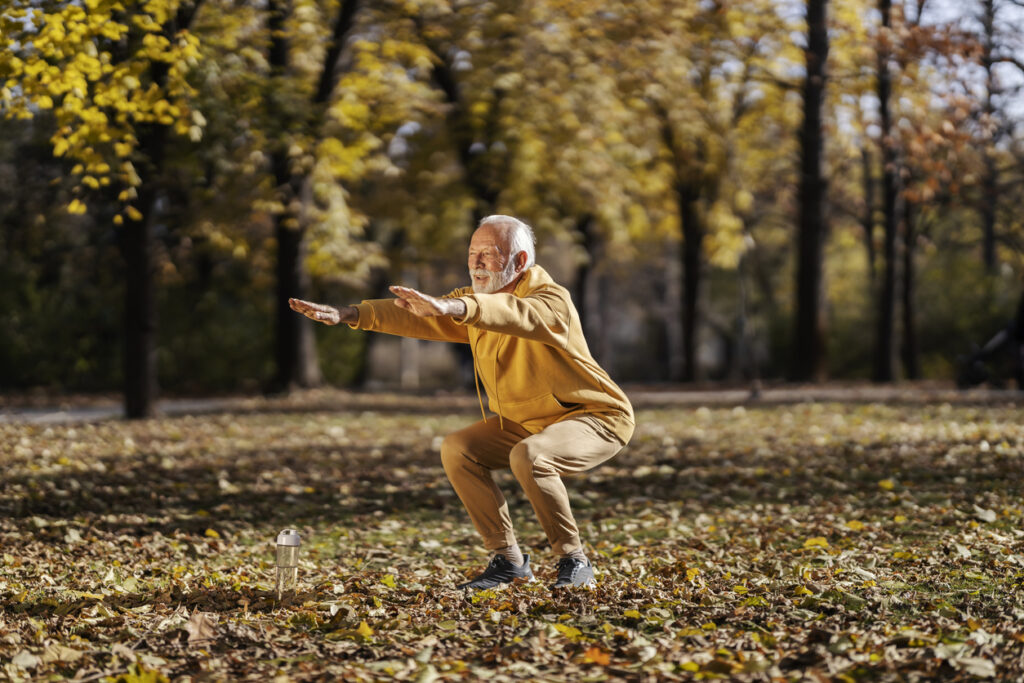
You spend so much of your life trying to meet the expectations of your parents, your boss, and your neighbors, and then one day, you just stop. You realize that most people are too busy worrying about their own lives to spend much time judging yours. This realization is incredibly freeing. An author once wrote that at twenty we worry about what others think, at forty we do not care, and at sixty we discover they were not thinking of us at all. This freedom allows you to pursue hobbies, interests, and lifestyles that actually make you happy. You start living for an audience of one, and you find that you are much more interesting.
This shedding of external pressure allows your true personality to shine through. You stop doing things out of a sense of obligation and start doing them out of a sense of desire. This authenticity is refreshing and attracts people who appreciate you for who you really are. You find that you are more relaxed and confident in social situations. You are no longer performing a role; you are simply being yourself. This shift also improves your mental health as you let go of the anxiety that comes with trying to please everyone. You realize that the only person you really need to satisfy is the person looking back at you in the mirror. By living according to your own values, you create a life that feels truly yours. It is a profound and lasting relief.
24. Patience is a Quiet Power

You stop needing everything to happen now. You understand that some of the best things in life take time to grow, ripen, and develop. Whether it is waiting for a plant to bloom or for a child to find their way, you develop a longer fuse. One grandmother shared that I used to be a storm, now I am the harbor. This shift in temperament makes you a much more pleasant person to be around. You do not get as rattled by delays or inconveniences because you know that in the grand scheme of things, they are just minor blips. This patience extends to yourself as well.
You give yourself permission to take the time you need to heal, learn, or simply move through your day. You stop rushing from one task to the next and start enjoying the pace of your own life. This deliberate speed allows you to be more thorough and more present. You find that you make fewer mistakes and experience less stress. Your patience becomes a gift to those around you, providing a sense of calm in a frantic world. You become a steadying influence during times of crisis. You understand that most things cannot be forced and that there is a season for everything. By embracing patience, you are aligning yourself with the natural rhythm of life. You find that when you stop pushing, things often fall into place more easily. It is a quiet but formidable strength.
25. Vulnerability is Strength

You stop trying to look like you have it all together all the time. You realize that being honest about your struggles, your fears, and your needs is what actually connects you to other people. There is a deep intimacy in being seen for who you really are, flaws and all. A social worker noted that the most powerful words in the English language are me too. When you let down your guard, you give others permission to do the same. This authenticity creates a ripple effect of healing and connection in your community. You find that your weaknesses are often the things that make you most lovable.
Being vulnerable requires a great deal of courage, but the rewards are immeasurable. It allows you to build deeper, more honest relationships. You stop wasting energy on maintaining a perfect facade and start investing it in genuine connection. You find that people are more than willing to support you when you are honest about your needs. This mutual support builds a strong foundation for your social network. You also find that you are more compassionate toward yourself. You accept your humanity and your limitations with grace. This self acceptance is a vital part of aging well. By embracing your vulnerability, you are opening yourself up to the full experience of being human. You find that life is much richer when you stop hiding and start showing up exactly as you are.
26. Routine is a Comfort, Not a Cage

You used to crave constant excitement and novelty, but now you find a deep sense of security in your daily habits. Knowing where your keys are and what you are having for breakfast provides a stable foundation for your life. A writer on aging reflected that my routines are the scaffolding that allows me to build a peaceful life. These small, predictable patterns reduce decision fatigue and create a sense of order in an often chaotic world. While you still enjoy the occasional adventure, you always look forward to returning to the rhythm of your own home. Routine becomes the melody of your life.
These habits provide a sense of control and predictability that is especially comforting as other things in life change. You find that your morning walk or your evening tea becomes a sacred time for reflection. These rituals anchor you in the present and provide a sense of continuity. They also help to maintain your health and well being. By automating the small decisions, you free up your mental energy for the things that really matter. You find that you are more productive and more relaxed when you have a consistent schedule. This orderliness is not boring; it is a way of creating space for creativity and joy. You realize that a well structured life is a life that is easier to enjoy. By embracing routine, you are providing yourself with the stability you need to thrive.
27. Every Stage has its Music

You realize that you do not have to stay stuck in one best decade of your life. Every age has its own particular beauty and its own set of challenges. You stop trying to recreate your twenties and start leaning into the unique advantages of your current age. A quote that often surfaces in discussions about longevity is that do not resent growing old, it is a privilege denied to many. This perspective helps you stay present and appreciative. You see that your life is a symphony with different movements, and each one is necessary for the whole piece to make sense.
This acceptance allows you to enjoy the unique gifts of each stage of life. You appreciate the energy of youth, the ambition of midlife, and the wisdom of later years. You stop looking back with longing and start looking forward with curiosity. You find that you are more content when you are not fighting the passage of time. Each new year brings new opportunities for growth and discovery. You realize that you are still evolving and that your story is not yet finished. This sense of continuity provides a great deal of comfort. You see yourself as part of a larger human experience. By honoring the music of your current stage, you are living fully and authentically. You find that there is beauty to be found at every age if you are willing to look for it.
28. Inner Peace is the Ultimate Goal

The external markers of success start to look like a lot of extra work. What you really want is a mind that is quiet and a heart that is at ease. You find that you can be happy with very little if your internal world is in order. A spiritual teacher once said that peace is not the absence of trouble, but the presence of grace within it. You spend more time on activities that nourish your spirit and less on things that cause you stress. This pursuit of peace changes your priorities and your personality. You become a calmer, steadier version of yourself.
This focus on internal well being leads to a more balanced and fulfilling life. You stop chasing the highs and lows of external validation and start looking for a steady sense of contentment. You prioritize activities that bring you a sense of calm, such as meditation, gardening, or reading. You find that you are less affected by the ups and downs of life. Your inner peace becomes a sanctuary that you can retreat to whenever the world feels overwhelming. This stability is a powerful asset that helps you navigate the challenges of aging. You find that your happiness is no longer dependent on things outside of your control. By making inner peace your goal, you are creating a foundation for a truly successful life. It is the greatest gift you can give to yourself and to those around you.
29. Adventure Changes Form

You might not be backpacking across Europe, but you find adventure in different ways. It might be trying a new cuisine, reading a challenging book, or finally learning how to play an instrument. The scale of the adventure matters less than the spirit of exploration. A traveler in their seventies noted that the world is still huge, even if I am seeing it from a train window instead of a hiking trail. You realize that adventure is a state of mind, not a physical location. You keep your heart open to new experiences, and you find that the world is still full of wonder.
This shift in perspective allows you to find excitement in your daily life. You seek out new experiences in your own neighborhood and find joy in the unexpected. You are willing to step outside of your comfort zone and try things that are unfamiliar. This keeps your life interesting and prevents you from getting stuck in a rut. You find that the smallest discoveries can be the most rewarding. Whether it is a new flower in your garden or a new idea in a book, these moments of wonder keep your spirit youthful. You realize that the world is full of hidden treasures if you are willing to look. By embracing this new form of adventure, you are ensuring that your life remains a journey of discovery. It is a way to stay engaged and excited about the world around you.
30. We’re All Just Walking Each Other Home
Finally, you realize that love is not just a feeling, but a long term commitment to showing up. Your love for your partner, your children, and your friends becomes less about passion and more about a deep, abiding companionship. It is the kind of love that has been tested by time and has come out stronger. A poignant final thought on aging is that at the end of the day, we are all just walking each other home. This sense of shared journey makes you more compassionate and more kind. You see the humanity in everyone you meet, and you realize that we are all just doing our best.
This perspective fosters a deep sense of connection and community. You stop competing and start supporting. You find joy in the success of others and offer a shoulder during their struggles. You realize that the relationships you have built are your most valuable assets. This sense of belonging provides a great deal of comfort and security. You approach the end of your journey with a heart that is full and a spirit that is at peace. You understand that you have been part of something much larger than yourself. This realization is the ultimate reward for a life well lived. You find that in the end, love is the only thing that truly matters. By embracing this truth, you are finishing your journey with grace and gratitude.


