
1. The Mouse That Started the Conversation
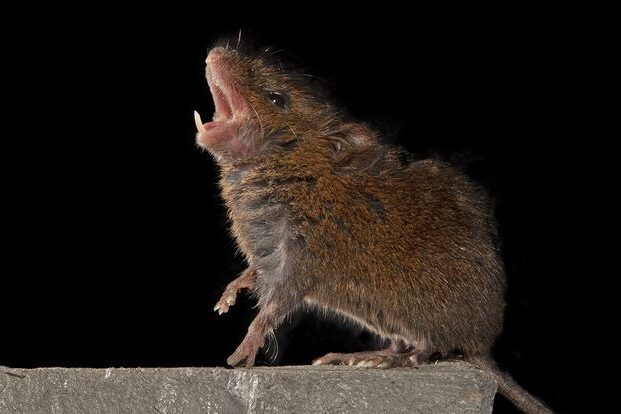
We often assume Earth has already revealed its most interesting stories, but this tiny singing mouse gently challenges that belief. Found in a quiet forest corridor, it communicates using structured vocal patterns that resemble turn taking. Scientists noticed one mouse pauses, listens, then responds, creating meaningful exchanges rather than noise. This discovery reframed how researchers understand communication in small mammals. Beginning with such a familiar creature feels intentional, because it reminds us discovery does not always come from distant places. Sometimes it begins with paying closer attention to what already lives beside us, quietly rewriting what we thought we knew.
2. The Shark That Glows Near Shore
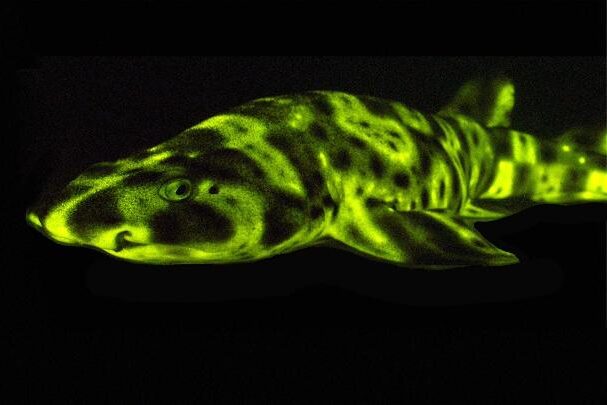
This small shark lives closer to shore than scientists expected, yet it carries an extraordinary trait. Its body emits a soft green glow, visible in darker water. Bioluminescence was once linked mostly to deep oceans, making this discovery surprising. Researchers believe the glow helps with camouflage and subtle communication. The shark challenges assumptions about where complex adaptations occur. Its presence suggests shallow waters still hide biological surprises. Knowing such a creature swims quietly near familiar coastlines adds wonder to places many assume are already fully understood.
3. The Frog Known to One Valley
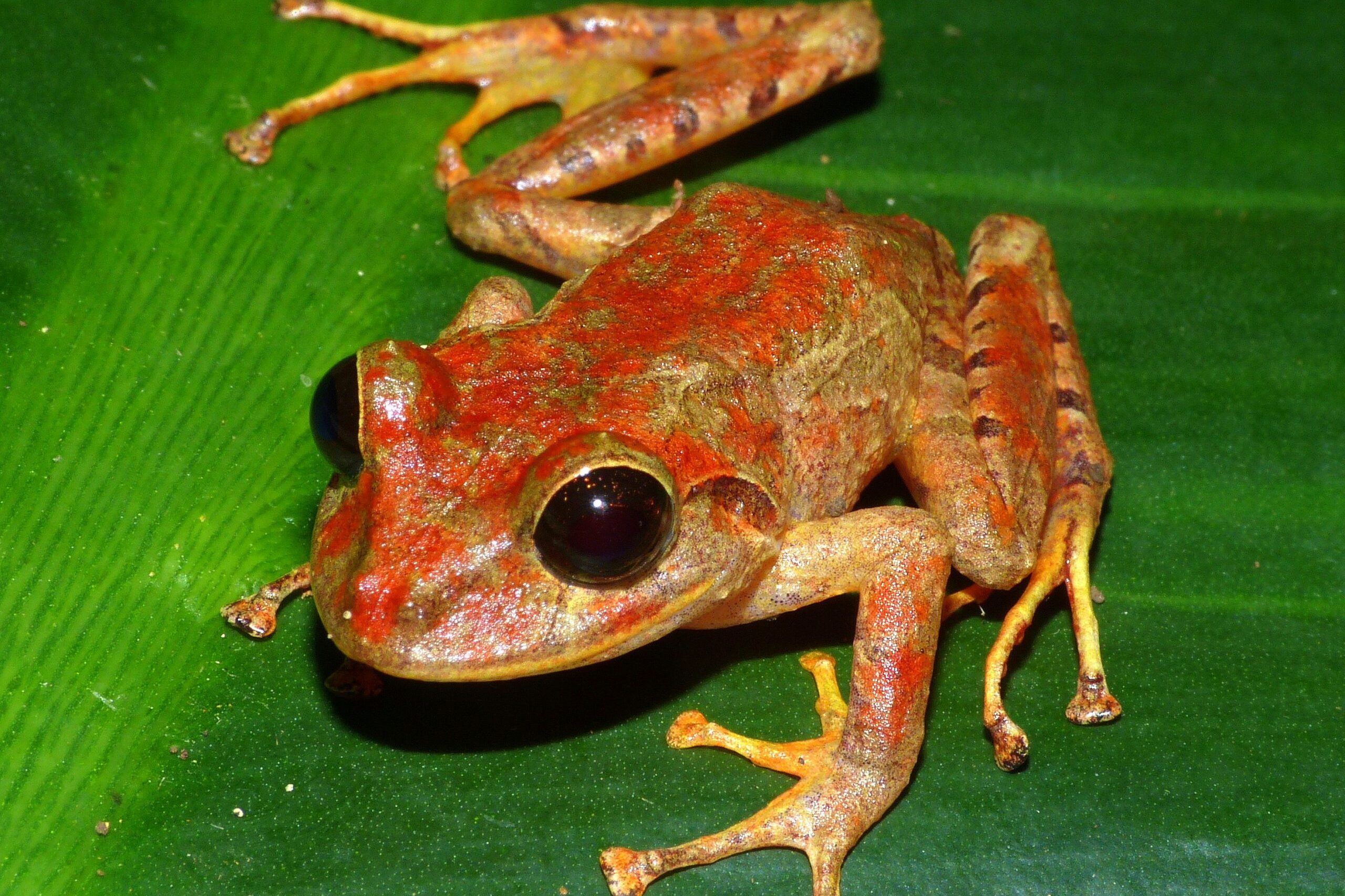
This frog exists only within a single valley, surrounded by farms and footpaths. Its call is unique, its coloring subtle, and its presence easy to miss. Scientists realized it had gone undocumented simply because it blended in so well. The discovery highlights how evolution can take place in very small spaces. Entire species may depend on narrow habitats. This frog reminds us that rarity is not always dramatic or distant. Sometimes it hides quietly in ordinary landscapes, asking for attention only when someone listens closely enough.
4. The Beetle That Thrives in Poisoned Ground
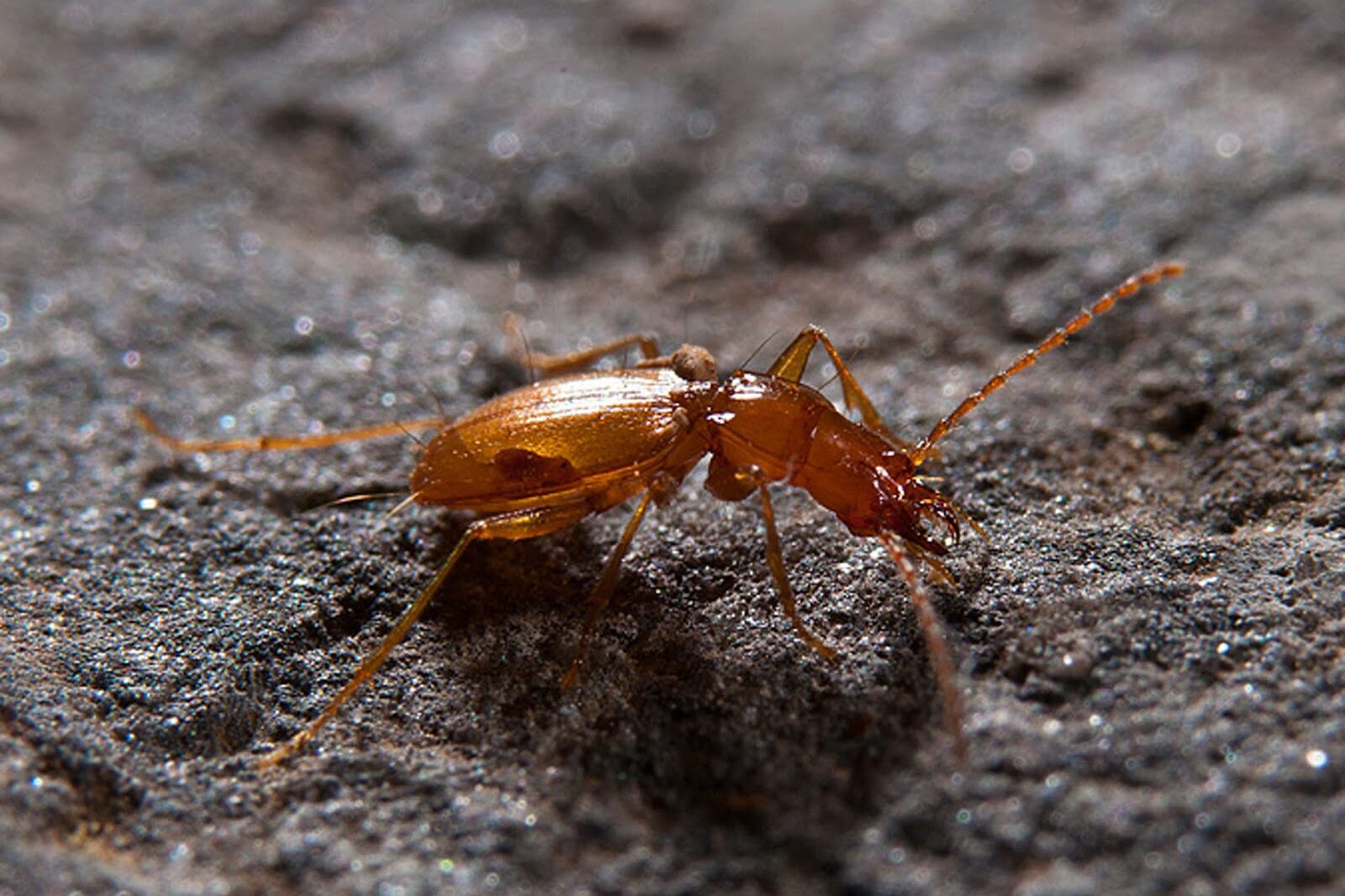
In soil contaminated with heavy metals, this beetle was not struggling but thriving. Researchers studying polluted land noticed stable populations where other insects failed. The beetle appears able to process toxins that would normally be fatal. This finding reshaped how scientists think about adaptation. Rather than avoiding damage, some species evolve tolerance. The beetle does not justify pollution, but it reveals resilience in unexpected places. Its existence hints at biological processes that could someday inform environmental recovery through understanding rather than force.
5. The Orchid That Lives Without Sun
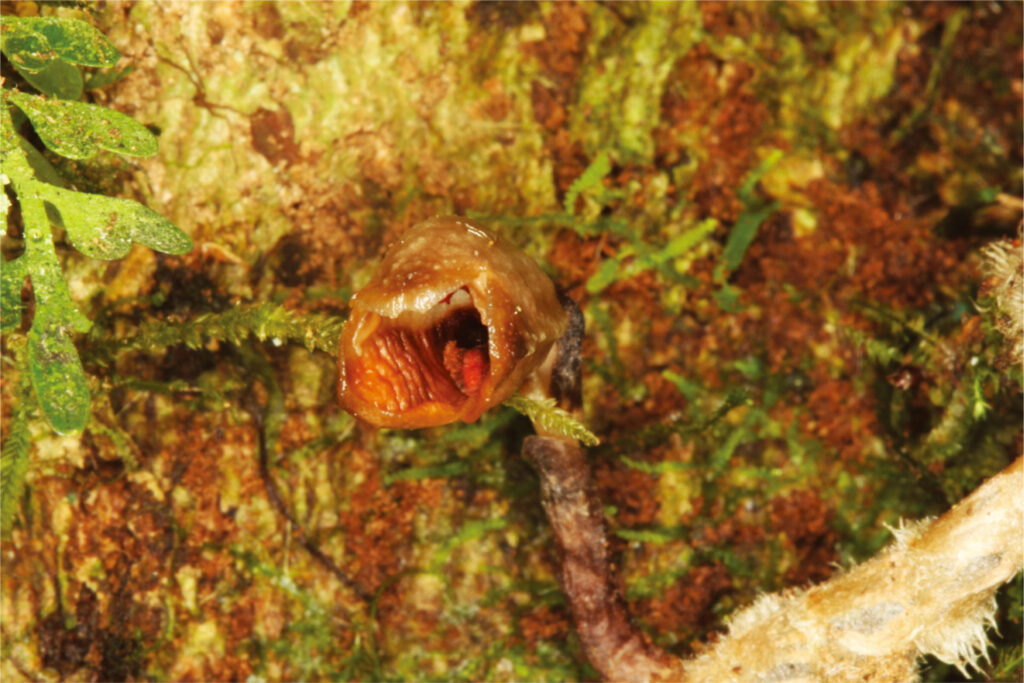
Hidden beneath dense forest canopy, this orchid survives without relying on sunlight. Instead, it draws nutrients through relationships with underground fungi. Its pale appearance once caused it to be mistaken for decay. Careful study revealed a thriving plant using a different survival strategy. The orchid challenges assumptions about what plants need to live. It shows growth can occur without following familiar rules. Quiet and easily overlooked, it broadens our understanding of how life adapts when common resources disappear.
6. The Spider with Perfect Timing
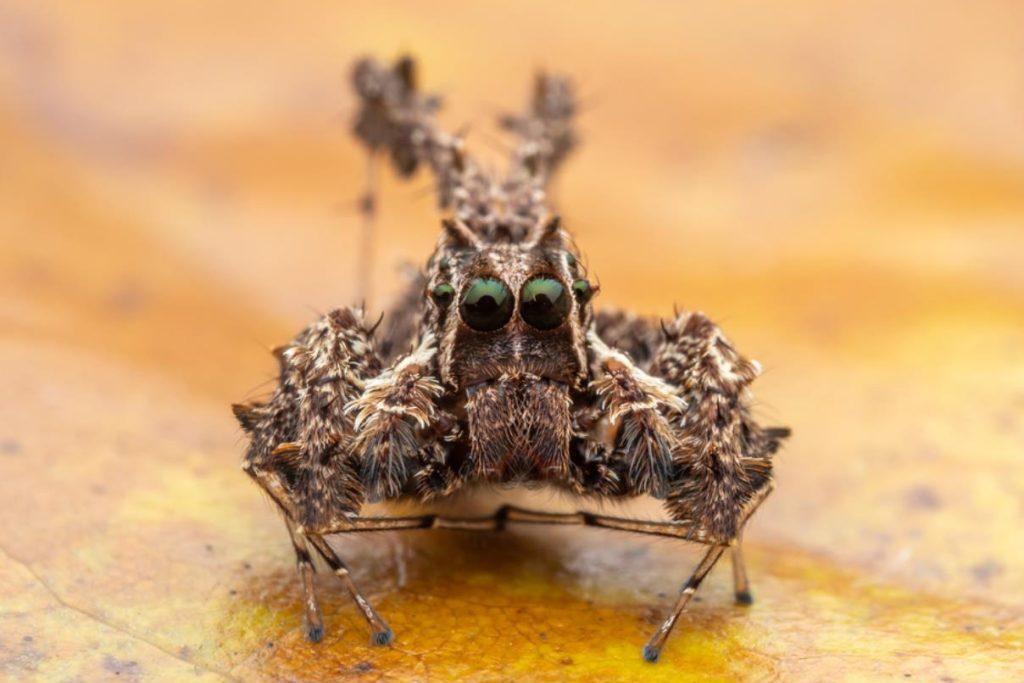
This spider hunts by leaping with remarkable precision. High speed observation revealed it adjusts direction midair before landing. Such accuracy suggests advanced spatial awareness. Living among dense foliage, precise movement is essential. The discovery adds depth to conversations about intelligence in small creatures. It proves complex behavior does not depend on size. Watching this spider move feels like seeing instinct refined through patience and necessity, reminding us that skill often develops quietly through survival.
7. The Fish That Walks on Mud
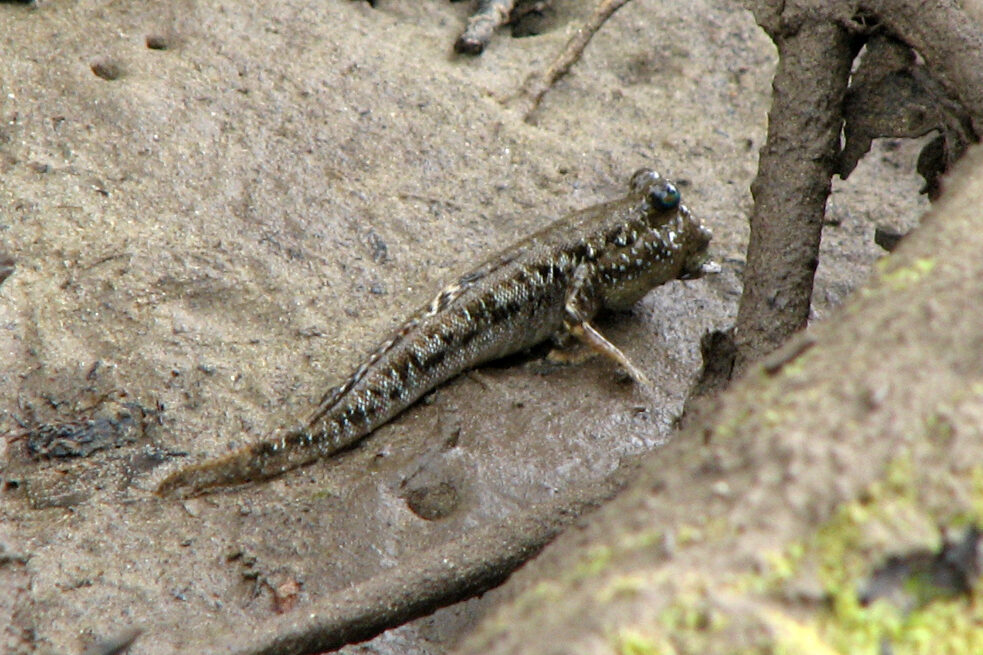
This fish confidently moves across exposed mudflats during low tide, using fin like limbs to support its body and balance. Scientists were surprised by how long it survives out of water, navigating wet ground without distress. Its behavior offers a living glimpse into ancient evolutionary transitions when aquatic life first explored land. The fish blurs boundaries between water and earth, showing adaptation in action rather than theory. Observing it helps researchers imagine how early vertebrates may have tested new environments. Sometimes evolution leaves its clearest clues in quiet places where tides pull back and life briefly steps forward to explore unfamiliar ground patiently and persistently over time.
8. The Mushroom That Breaks Plastic
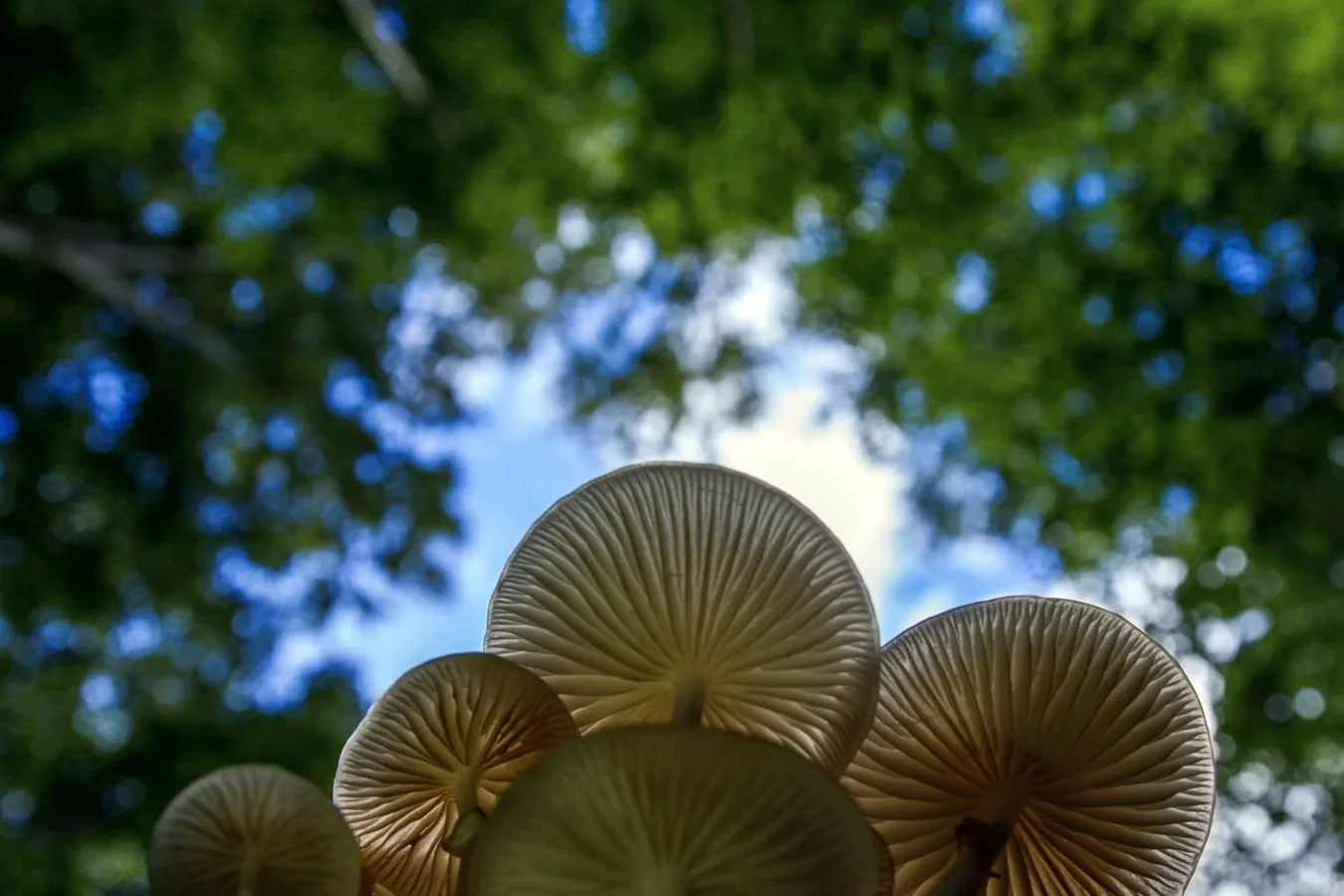
Discovered near industrial waste, this fungus can weaken certain plastics using natural enzymes. Researchers approached the finding with careful curiosity. While it is not a complete solution, it shifts how scientists think about biodegradation. The mushroom shows that biology can interact with human made materials in unexpected ways. Its presence suggests damaged environments may already contain tools for healing. Understanding those tools requires patience, observation, and respect for natural processes.
9. The Ant That Farms Underground
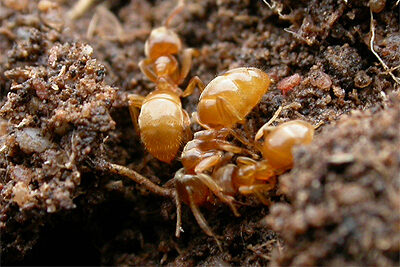
Hidden beneath the surface, this ant species practices agriculture entirely underground, tending aphids in protected chambers. In return, the ants collect nutrient rich secretions that sustain the colony. While ant farming is known, this concealed system surprised researchers because it operates without sunlight or surface cues. The ants manage resources, defend their aphids, and maintain organized tunnels with remarkable precision. Their discovery expands understanding of insect cooperation and planning. It also reminds us that much of Earth’s complexity unfolds quietly below ground, where entire systems function unseen, shaping ecosystems without ever drawing human attention over long evolutionary time periods continuously.
10. The Bird That Returned
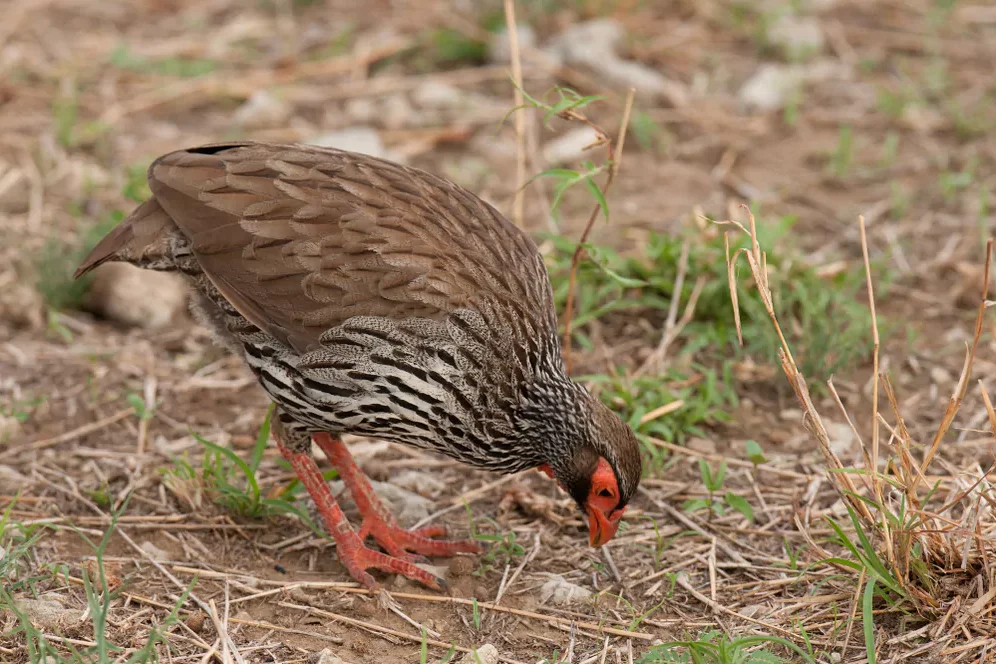
Once believed extinct, this small bird was rediscovered in remote wetlands after decades of absence. Its quiet survival surprised researchers who had long assumed it was gone forever. The sighting did not erase years of habitat loss, but it reframed extinction as sometimes uncertain rather than final. The bird persisted by staying hidden, avoiding attention, and relying on fragile ecosystems. Its return encourages cautious hope instead of celebration. It reminds conservationists that protection still matters even when outcomes seem sealed, because life can endure patiently in overlooked places, waiting for conditions gentle enough to be seen again by humans quietly.
11. The Lizard Without Males
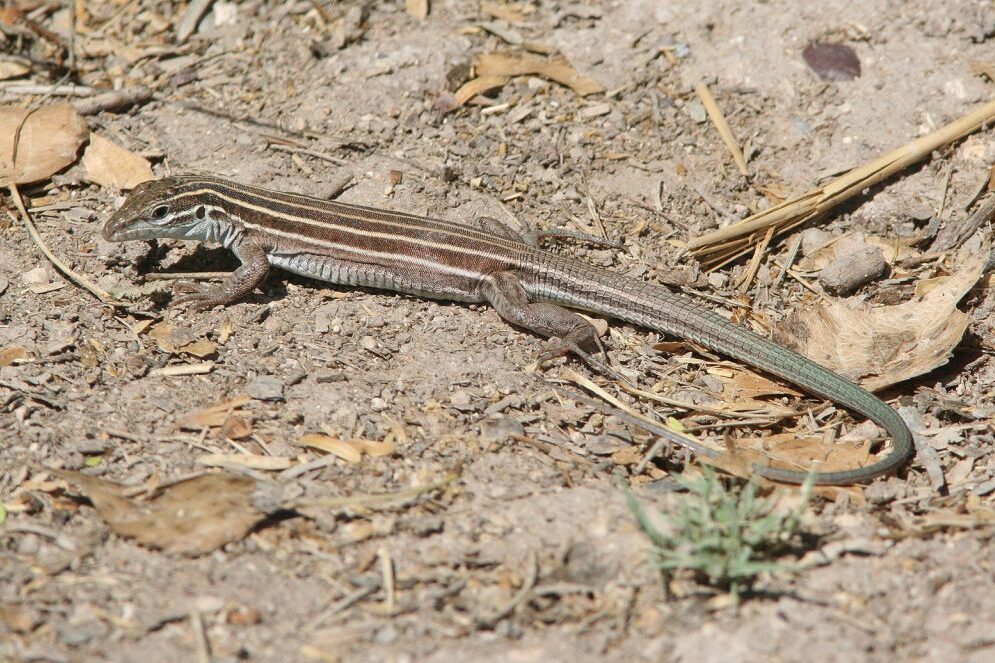
This lizard species reproduces without males, creating genetic copies of itself across generations. Living in harsh, isolated environments, it thrives where other reptiles struggle to survive. Scientists studying the species observed reproduction itself becoming a survival strategy rather than a limitation. The lizard maintains stable populations despite environmental pressure and scarce resources. Its existence challenges traditional ideas about evolution, diversity, and dependence on pairing. By succeeding through independence, the lizard expands what biology allows and shows that life often adapts by simplifying processes when complexity becomes a risk in unstable landscapes shaped by constant change over long periods of time.
12. The Jellyfish That Rewinds Life
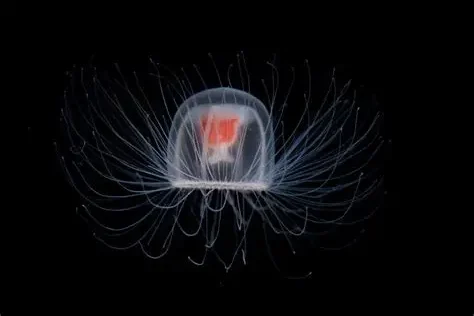
This jellyfish possesses the unusual ability to revert to an earlier life stage after reaching maturity. Instead of dying, it resets its development when environmental conditions allow. While it is not immortal, its repeating cycle fascinates scientists studying aging and cellular repair. The jellyfish challenges the assumption that life must move forward in one direction. Its existence suggests survival may sometimes depend on flexibility rather than finality, offering a quiet lesson that renewal, in nature, can be as powerful as endurance especially in unstable environments shaped by constant change over long evolutionary timescales observed quietly by researchers worldwide today still.
13. The Bat With a New Face
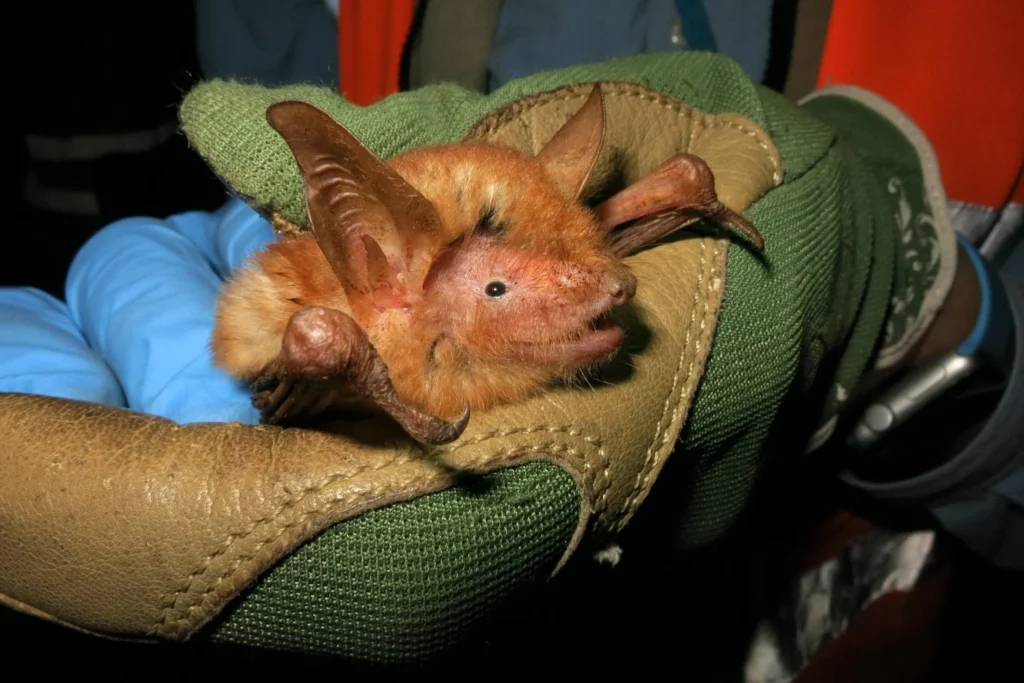
This bat species features facial structures unlike any closely related relatives. Its unique form supports finely tuned echolocation suited for dense forest habitats. Scientists realized the bat’s face plays a direct role in shaping sound waves, improving navigation and hunting. The discovery highlights how physical traits evolve alongside environment. Rather than decoration, every ridge serves a function. This bat expands understanding of mammal adaptation and reminds us that evolution often reshapes form subtly, adjusting bodies to match the sounds, spaces, and challenges of survival within changing ecosystems across generations and locations worldwide today quietly observed by patient scientists everywhere still.
14. The Coral That Handles Heat
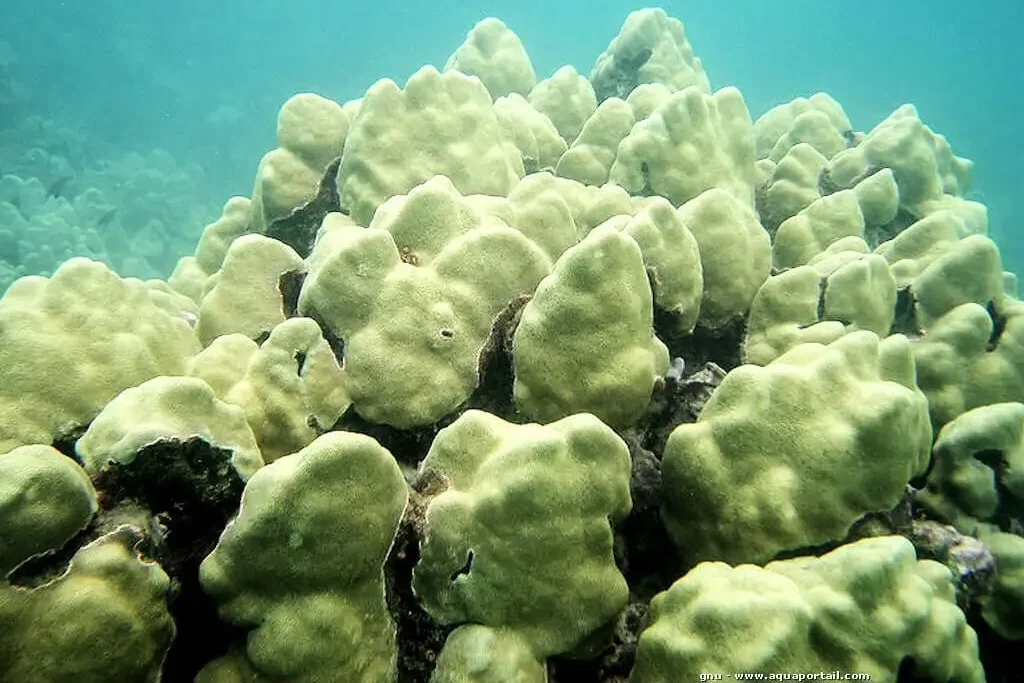
This coral species survives in warmer waters that stress most reef systems. It resists bleaching and continues growing while neighboring corals weaken. Scientists study it to understand resilience rather than immunity. The coral does not promise to save reefs, but it offers insight into how adaptation may work under pressure. Its presence suggests flexibility matters. By tolerating heat that others cannot, this coral quietly informs conservation strategies focused on endurance, variation, and survival within changing oceans over long periods of environmental stress observed by marine scientists studying climate impacts worldwide today carefully and patiently still unfolding naturally now and onward.
15. The Cave Shrimp That Lives Without Light
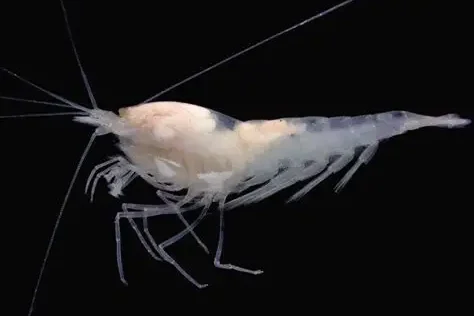
Life keeps surprising researchers, and this newly documented cave shrimp does exactly that. Found deep inside flooded limestone caves, it lives in complete darkness and has no functional eyes. Instead, it relies on heightened chemical sensing to locate food drifting through the water. Scientists noticed its pale body and elongated limbs, signs of long isolation underground. The shrimp survives on sparse nutrients carried in by slow currents. Its discovery reshapes how scientists understand survival in extreme isolation. This shrimp reminds us that even environments stripped of light and space still support specialized life, patiently adapting beyond human expectations today quietly
16. The Snail That Lives on Stone
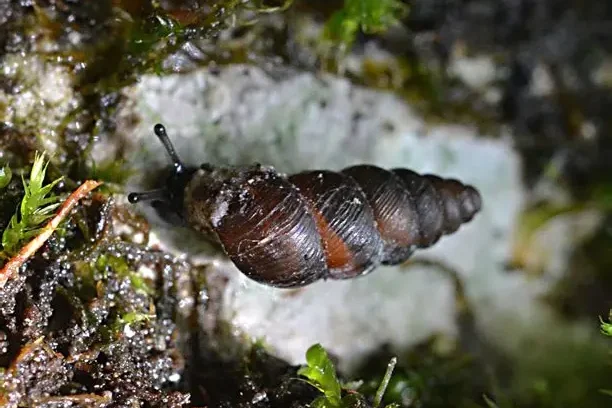
This snail was discovered clinging to bare limestone cliffs where little else survives. At first glance the environment seemed too harsh to support life, yet the snail feeds on microscopic algae growing on stone surfaces. Scientists were surprised by its slow but steady movement across vertical rock. Its shell structure helps retain moisture in extreme heat. The discovery highlights how life adapts to scarcity rather than abundance. This snail shows survival does not always require comfort, only consistency. It quietly reminds us that even the hardest surfaces can host living stories when patience and adaptation meet over long stretches of time unnoticed by most observers.
17. The Crab That Climbs Trees
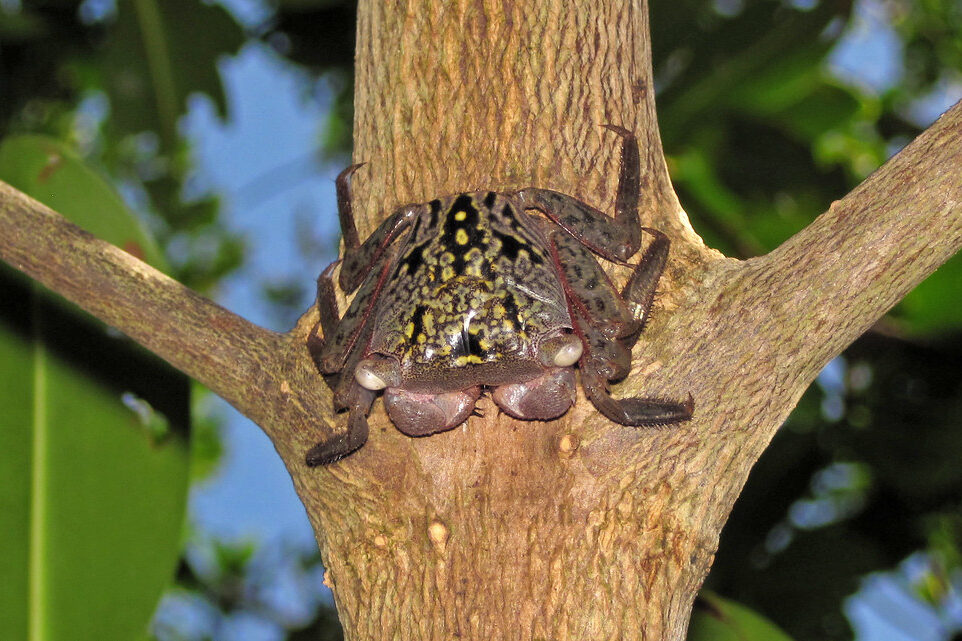
This crab species spends much of its life climbing trees near coastal forests. Researchers observed it feeding on leaves, fruit, and insects above ground. Unlike typical crabs, it avoids constant contact with water. Its strong claws and joint structure support vertical movement. The discovery challenges assumptions about where crabs belong. It also shows how coastal ecosystems blur boundaries between land and sea. Watching a crab navigate branches reframes ideas about adaptation. Nature often ignores categories humans rely on, choosing practicality instead.
18. The Insect That Uses Scent to Survive
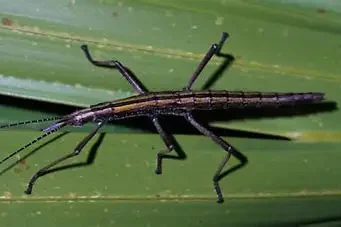
This insect was discovered in leaf litter after researchers noticed movement where nothing seemed present. Instead of mimicry, it survives by releasing a faint chemical scent that deters predators. Its dull brown body offers little warning, but the odor signals danger effectively. Scientists studying forest floor ecosystems were surprised by how well the strategy worked. The insect does not flee or hide aggressively. It simply relies on chemistry and stillness. This discovery shifts attention away from visual defenses and highlights how scent plays a quiet role in survival. Sometimes remaining unnoticed means being smelled, not seen by animals nearby daily.
19. The Fish That Survives Ice
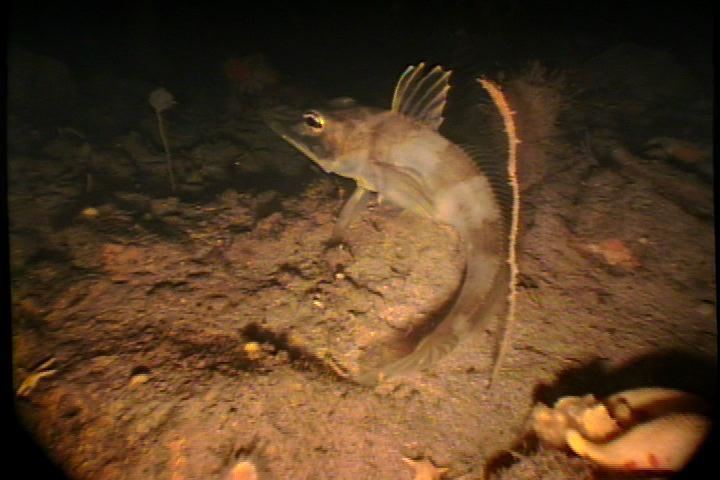
Living beneath frozen waters, this fish produces proteins that prevent ice crystals from forming in its blood. Scientists long believed such adaptations were rare. The discovery expanded understanding of how vertebrates survive extreme cold. The fish remains active where others freeze. Its biology offers insight into resilience under harsh conditions. This discovery shows that life does not retreat from extremes but adapts to them. Even in environments that seem lifeless, evolution quietly equips survivors with remarkable tools.
20. The Plant That Blooms Underground
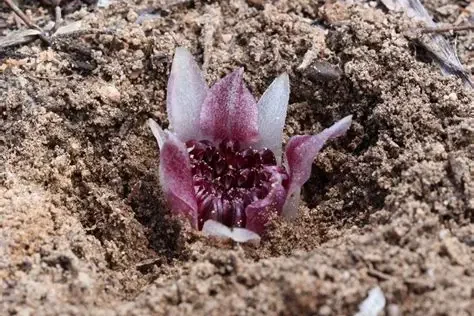
This plant completes most of its life cycle below ground, flowering beneath the soil surface. Pollination occurs through insects that burrow rather than fly. Scientists were surprised by its hidden reproductive strategy. The plant avoids harsh surface conditions by remaining concealed. Its discovery expands understanding of plant reproduction. It shows that flowering does not always require visibility. Sometimes success comes from staying hidden, letting life unfold away from open air and attention.
21. The Octopus with Pattern Memory
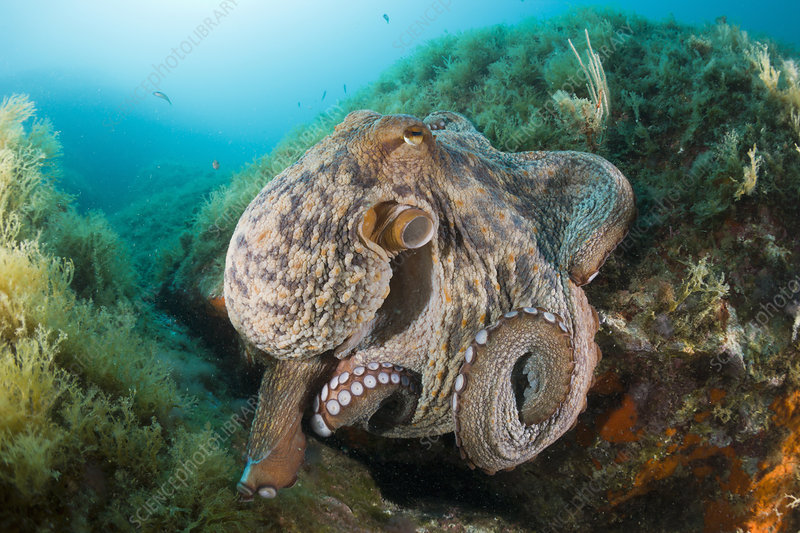
This octopus can remember and repeat complex skin patterns in response to surroundings. Researchers observed it adjusting colors based on past encounters. The behavior suggests memory based camouflage rather than instinct alone. The discovery adds depth to understanding cephalopod intelligence. It shows learning plays a role in survival. The octopus responds thoughtfully rather than automatically. Watching it adapt reminds scientists that intelligence appears in many forms across oceans and habitats.
22. The Bird That Nests on Water
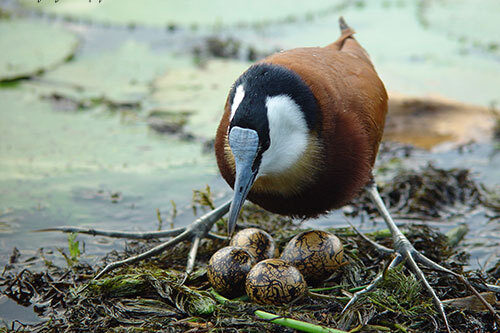
This bird surprised researchers by building floating nests anchored to aquatic plants instead of solid ground. It raises its young entirely on water, adjusting constantly to waves and shifting currents. Scientists observed parents reinforcing nest edges daily to prevent sinking. This strategy reduces threats from land predators but introduces risks from storms and flooding. The discovery highlights how birds adapt architecture to environment rather than tradition. It also challenges assumptions about safety and stability in nesting behavior. By choosing water over land, this bird shows that survival often depends on flexibility and ongoing effort rather than permanence or comfort alone.
23. The Worm That Eats Plastic Fibers
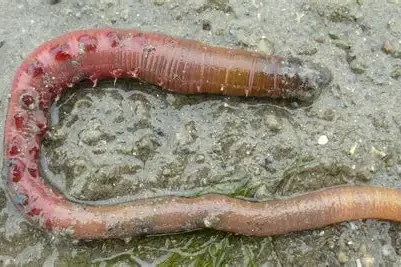
This marine worm lives within sediment filled with microscopic plastic fibers and feeds on them without immediate harm. Researchers were surprised to find plastics passing through its system while the worm remained active. The discovery does not present a solution to pollution, but it reshapes understanding of how organisms interact with waste. The worm demonstrates that life begins responding to environmental change long before humans intervene. Its existence raises important questions about adaptation, tolerance, and unseen biological consequences. It quietly reminds us that ecosystems are already adjusting to materials never meant to be part of natural food chains.
24. The Frog That Skips Tadpoles
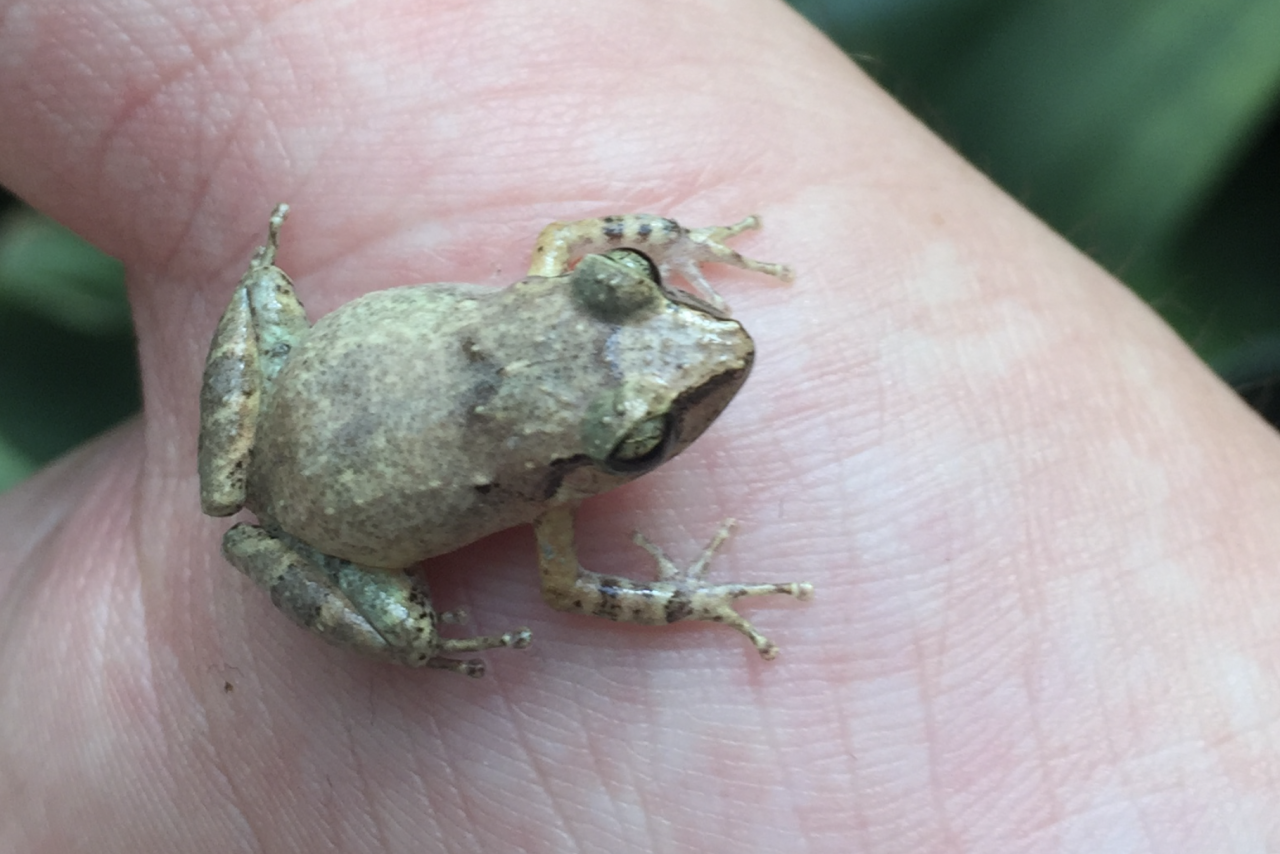
This frog species bypasses the tadpole stage entirely, hatching directly into tiny adults. Found among damp leaf litter, it avoids standing water where predators thrive. Scientists studying amphibian development found this reproductive shortcut unusual but effective. By skipping an aquatic phase, the frog reduces vulnerability and conserves energy. Its discovery expands understanding of life cycle flexibility. It shows reproduction can shift dramatically when environments demand change. The frog’s quiet adaptation reminds us that survival often favors efficiency over tradition, rewriting biological expectations without fanfare or spectacle.
25. The Coral That Glows at Night
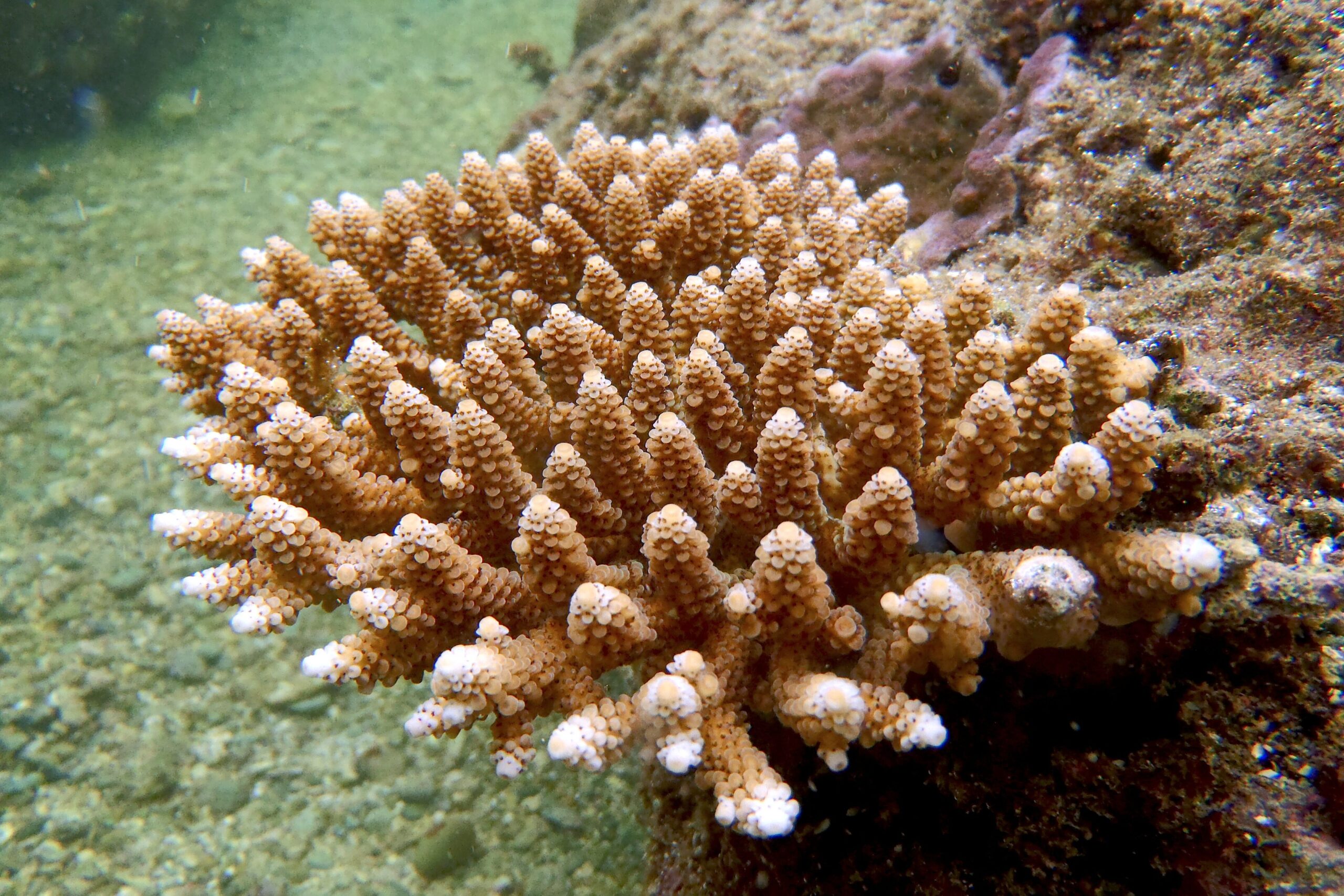
This coral emits a soft glow after sunset, illuminating surrounding water faintly. Researchers observed increased activity from nearby organisms drawn to the light. The glow appears linked to symbiotic relationships rather than defense. Scientists believe it helps attract beneficial algae or microorganisms. The discovery adds complexity to how coral communicates within reef ecosystems. It suggests reefs interact using subtle signals beyond structure alone. This glowing coral reminds us that even stationary life finds ways to connect, cooperate, and influence its environment quietly beneath the surface after daylight fades.
26. The Mammal That Sleeps Standing
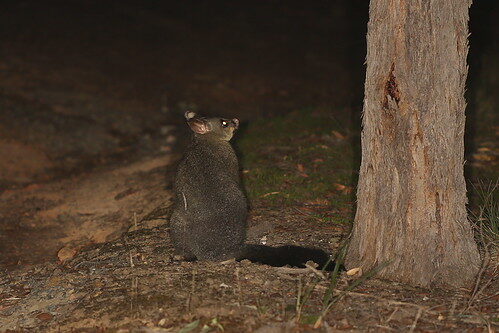
This small mammal rests upright against tree trunks, gripping bark with specialized limbs. Researchers observed it sleeping briefly while remaining alert to danger. This posture reduces exposure to ground predators and conserves energy. The discovery challenges assumptions that sleep requires vulnerability. Instead, rest becomes another adapted behavior shaped by survival. The mammal demonstrates how even basic needs adjust to environment. Its existence reminds us that nature reshapes daily routines in subtle ways, turning necessity into strategy rather than comfort or habit.
27. The Lichen That Lives on Metal
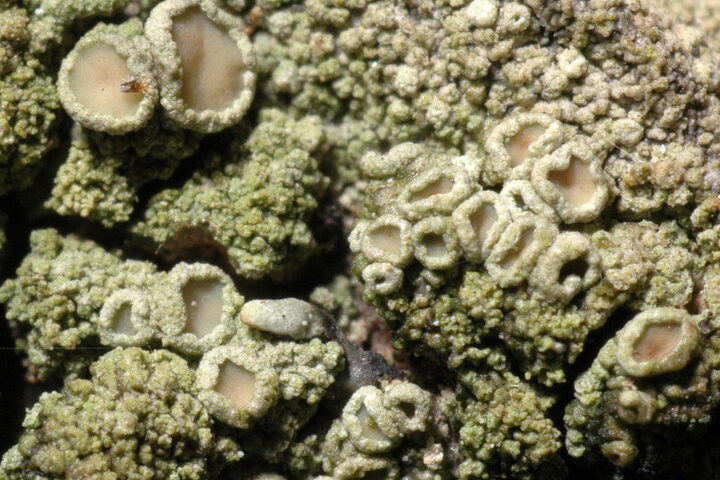
This lichen was discovered growing on rusted metal surfaces, drawing nutrients from oxidation rather than soil. Researchers found it thriving on abandoned structures once thought lifeless. Its ability to colonize artificial materials surprised scientists studying habitat limits. The lichen reframes decay as opportunity, showing life adapts even to human remnants. This discovery expands understanding of resilience and colonization. It also reminds us that nature does not separate clean from damaged. Life persists wherever conditions allow, quietly transforming neglect into habitat over time.
28. The Snake That Mimics Roots
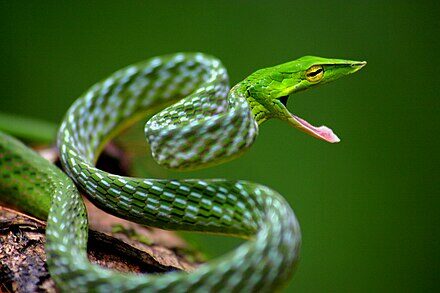
This snake survives by remaining completely still among tree roots, matching their color and texture perfectly. Predators pass without noticing its presence. Scientists studying camouflage were struck by how precise the mimicry is. The snake does not flee or strike unless necessary. Its survival depends on patience rather than speed. The discovery deepens understanding of passive defense strategies. It shows that blending in can be more effective than aggression. Sometimes survival means becoming part of the background rather than standing out.
29. The Algae That Breathes Sulfur
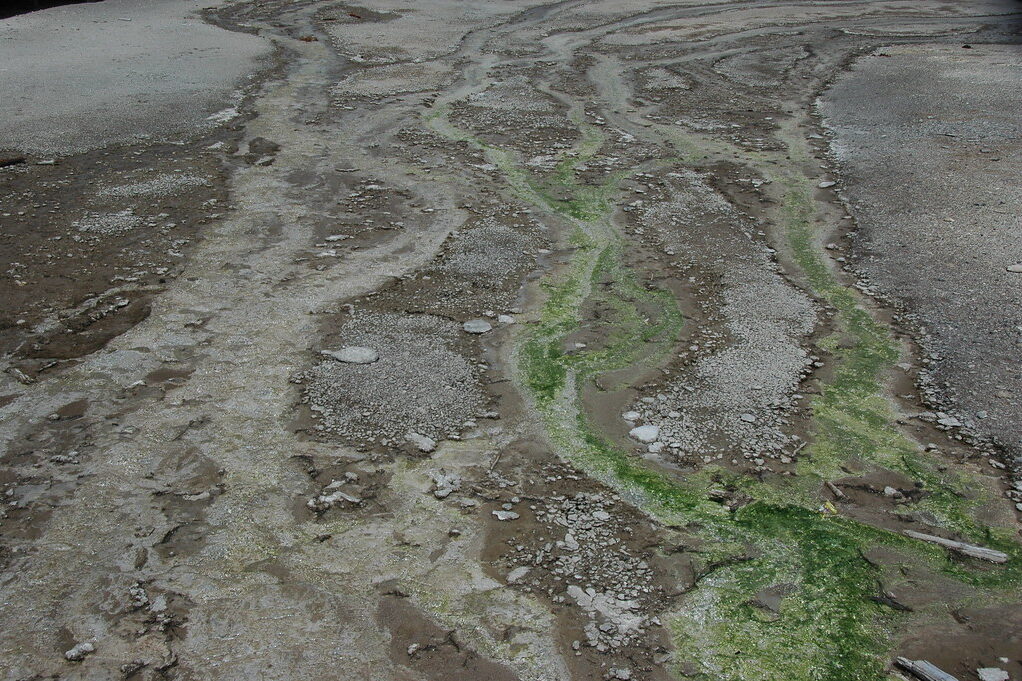
This alga lives in sulfur rich waters toxic to most organisms. Instead of relying on oxygen-based processes, it uses alternative chemical pathways to produce energy. Scientists studying extreme environments found its efficiency surprising. The discovery expands definitions of photosynthesis and metabolism. It shows life adapts chemistry to circumstance rather than following one model. The algae reminds us that biological rules are flexible. Survival often depends on using what is available rather than what is familiar.
30. The Beetle That Quietly Closed the Circle
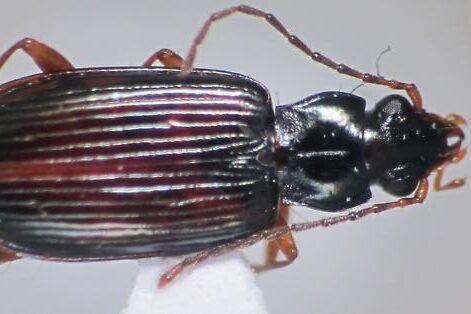
This beetle was discovered in a forest scientists believed had already revealed its full inventory. It did not arrive with dramatic traits or rare coloring, yet its presence carried weight. Researchers realized it had lived alongside studied species for years without notice. That quiet oversight became the point. The beetle represents how knowledge grows slowly, shaped by attention rather than certainty. It reminds us that discovery is not always about distant places or strange forms, but about looking again at what feels familiar. Ending here feels natural, because this beetle reflects the ongoing nature of learning. Earth is not finished explaining itself, and we are still learning how to listen carefully.


