
1. Harvey Weinstein
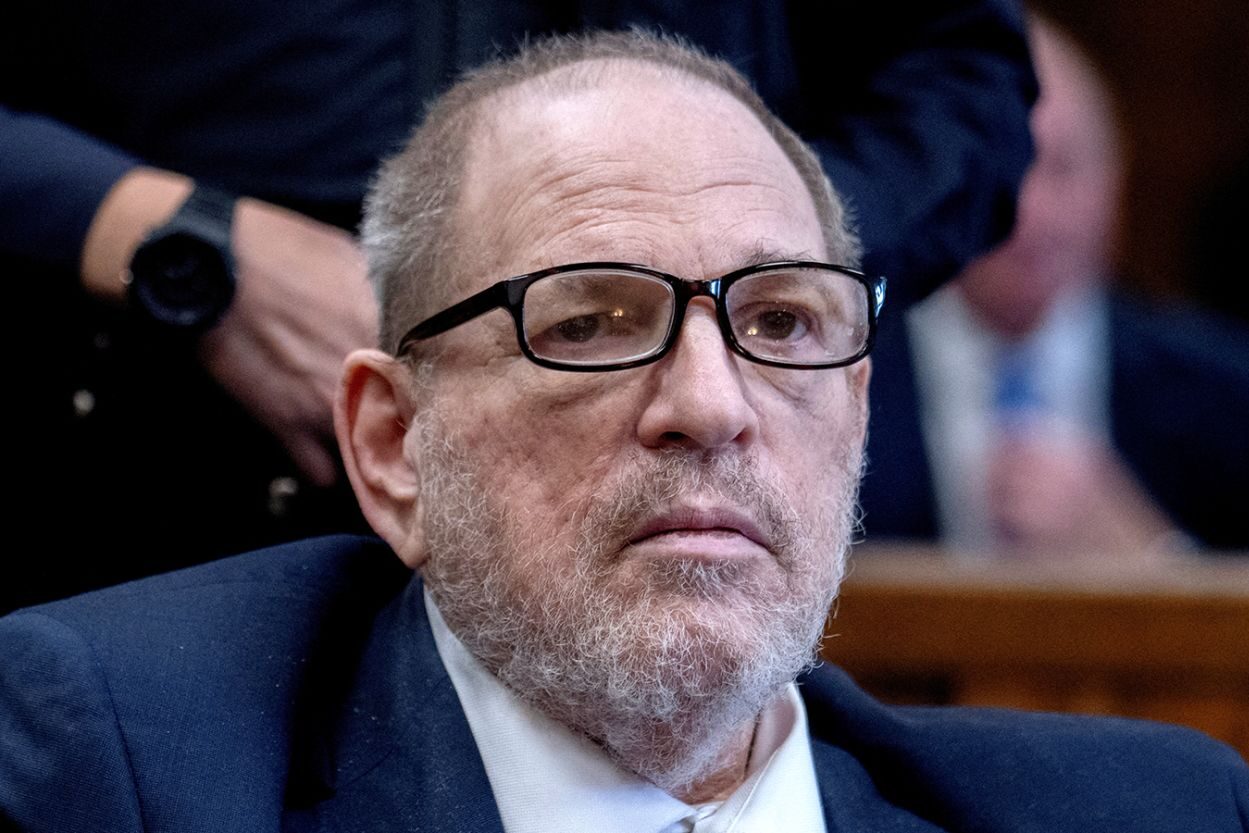
1. Harvey Weinstein
Before we get into all the names, it helps to remember how fast #MeToo reshaped power and consequences. Careers that once looked untouchable suddenly faced firings, cancellations, resignations, and court battles the public could follow in real time. Harvey Weinstein became the most visible symbol of that shift because his fall combined celebrity, industry power, and the justice system. His influence once opened doors for actors and filmmakers, but the accusations turned his name into a warning sign about how power can be abused and protected for too long. Even people who never followed movie industry news recognized his face, because his scandal became the story that changed everything.
Where he is today is still tied to courtrooms and long legal timelines rather than any attempt at rebuilding his former life. He has faced continued legal battles and remains linked to active cases that keep his name in the public eye. For many readers, his situation represents the harshest type of downfall, one that cannot be separated from punishment and public memory. The years have not softened the conversation around him, and the idea of a comeback has never truly been part of the discussion. His story remains one of the clearest examples of consequences stretching far beyond headlines.
2. Kevin Spacey
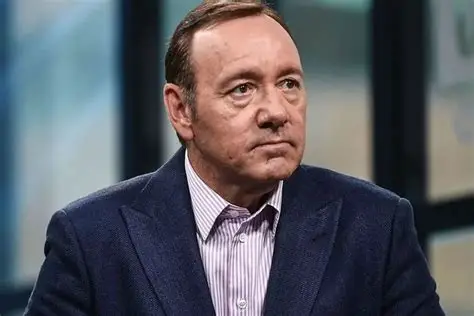
Kevin Spacey’s case remains one of the most debated because legal outcomes and public opinion did not move together. When the accusations surfaced, the career consequences were swift, with major projects pulling away and the public reevaluating his legacy. He had been respected as a serious actor with decades of acclaimed roles, so the shock felt personal for many fans who grew up watching him. His name became part of a wider cultural argument about whether talent should protect anyone from accountability, and whether audiences should forgive once the headlines cool down.
Where he is today looks complicated, because he was acquitted in a London criminal trial, yet the controversy still follows him. Even after a not-guilty verdict, there is no clear return to the level of mainstream success he once enjoyed. He has made appearances and attempted to speak publicly about the outcome, but the industry has been cautious, and many viewers remain divided. His story shows that a courtroom conclusion can close a legal chapter, while the cultural fallout continues for years. It is one of the strongest examples of how reputation can change permanently.
3. Matt Lauer
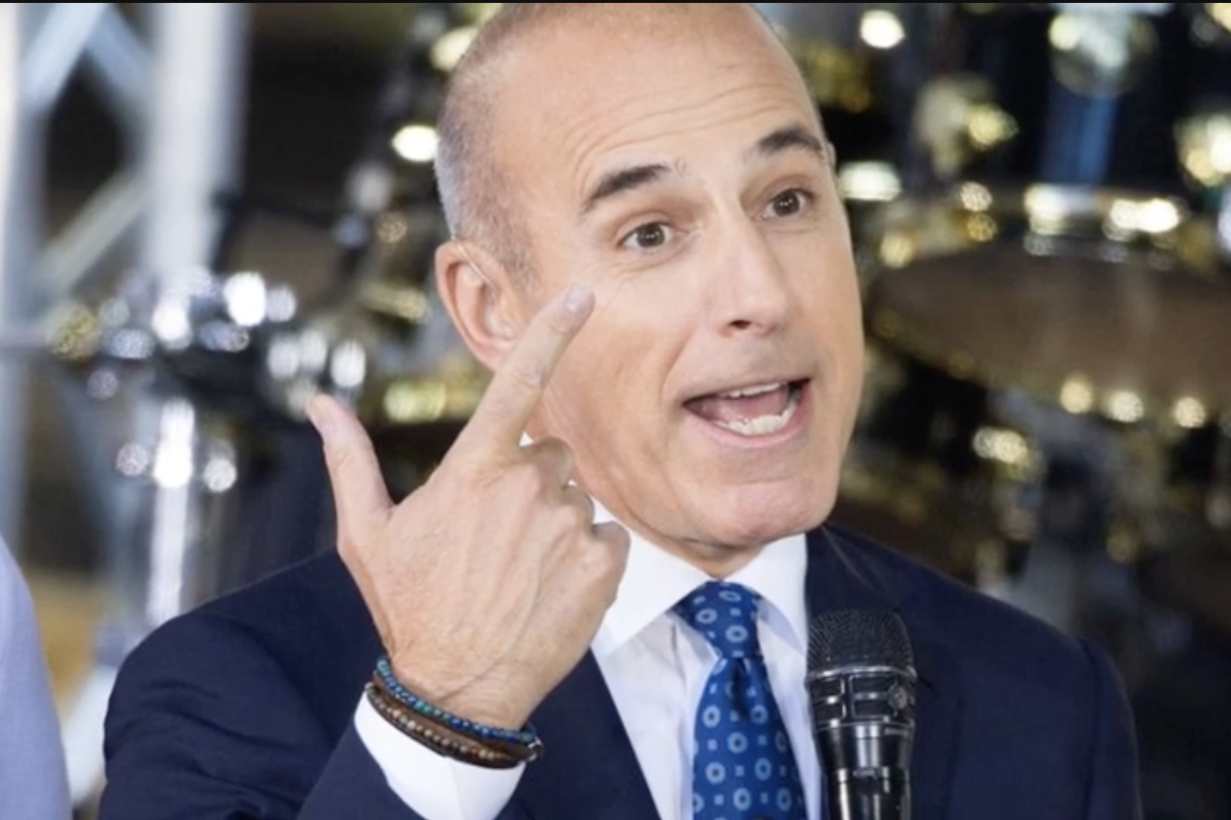
Matt Lauer’s departure from the Today show happened fast and publicly, and it changed how people viewed the polished world of morning television. For years, he was one of the most familiar faces in American media, delivering news with the steady tone people associated with routine and trust. Then allegations surfaced, NBC moved quickly, and his long-running career ended in a moment that felt abrupt and final. The story hit hard because it involved a workplace many viewers saw as friendly and safe, which made the behind-the-scenes claims feel even more unsettling.
Where he is today looks quiet and private compared to the life he once lived on camera. He has not returned to mainstream television, and he has largely stayed away from major interviews that would place him back in the spotlight. When his name comes up now, it is often in conversations about workplace power and the moment big networks started acting faster when scandals broke. His story is one of the clearest examples of someone losing a powerful media position and never regaining that public seat. The absence has become the update, and it has lasted for years.
4. Charlie Rose
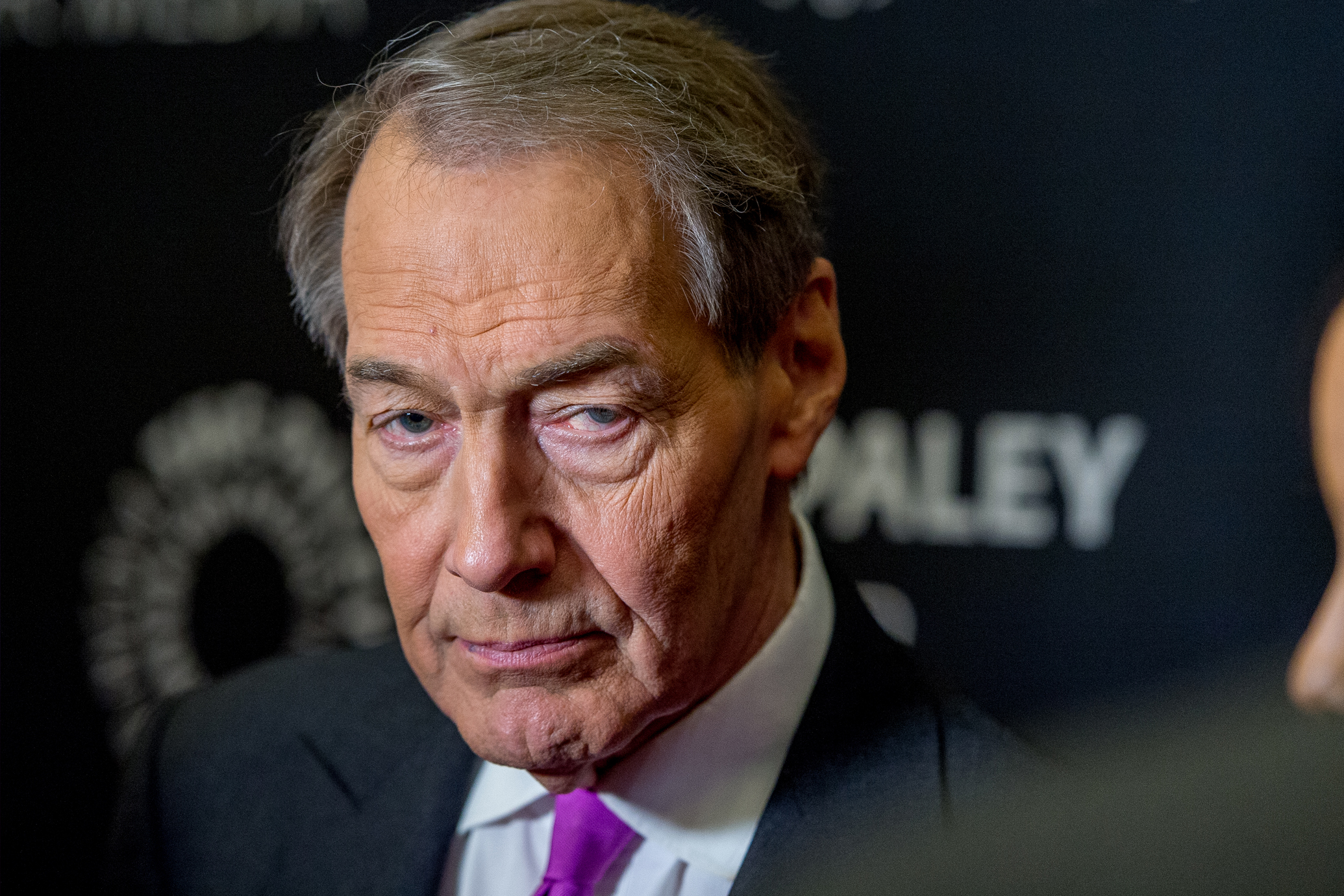
Charlie Rose’s downfall ended a long media career almost overnight, and for many viewers it felt like the closing of a chapter in broadcast journalism. He was known for calm, serious interviews with major public figures, and his reputation was built on credibility and quiet authority. When allegations surfaced, his network and public television roles ended quickly, and the show that carried his name was cancelled. The speed of the collapse made it feel like a door slamming shut, leaving little room for a public dispute about what happened next.
Where he is today is mostly defined by that loss of platform and the lasting stain on his legacy. He has remained largely out of public view since his fall, and there has not been any meaningful return to the kind of public-facing role he once held. His story shows how media careers depend on trust in a way that other industries sometimes do not. Once that trust breaks, the consequences can be immediate and long-lasting. Even years later, his name is less associated with interviews and more associated with how quickly an institution can cut ties when allegations become public.
5. Louis C.K.
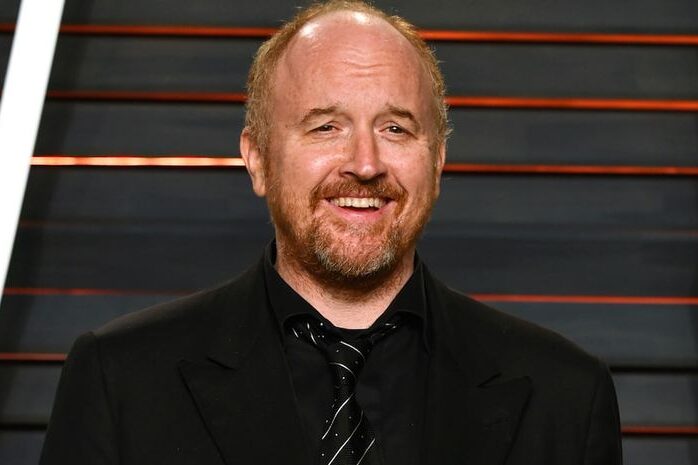
Louis C.K.’s case hit differently because he admitted wrongdoing, which removed the usual public guessing game. At the height of his success, he had sold-out shows, big deals, and a reputation as one of the most influential voices in modern comedy. When reports surfaced, he confirmed the accounts were true, and the consequences came fast, with projects ending and public support splitting in two. His story became a major cultural conversation because it raised hard questions about power, consent, and how admiration can be weaponized against people who are trying to build their careers.
Where he is today looks like a quieter, more independent version of his previous fame. He returned to stand-up, released projects outside the traditional studio system, and continued working with a smaller but loyal audience. At the same time, the backlash never fully disappeared, and many people still believe he should not have been allowed back into entertainment spaces so easily. His story remains one of the clearest examples of a career surviving, but never returning to the same moral comfort it once had. Even in comedy, where people expect boldness, his name still creates tension.
6. Al Franken
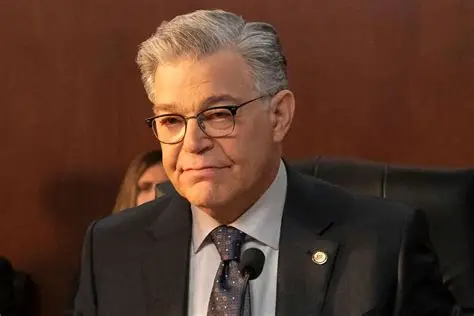
Al Franken’s exit from the U.S. Senate became one of the most debated political moments connected to the #MeToo era. He had been gaining influence and was viewed by many as an effective lawmaker with sharp communication skills. When allegations surfaced, pressure grew quickly, and he resigned, even while defending parts of his record and questioning the fairness of the outcome. His case stood out because it happened in the public eye, with political allies urging him to step aside, and critics arguing that staying would damage the larger cause of accountability in government.
Where he is today looks like a life that continued, but outside elected office. He has remained active through public commentary, interviews, and advocacy work, but he has not returned to a role with legislative power. People still argue about whether he resigned too soon, and that debate keeps his story alive in political memory. His situation is a reminder that consequences in politics do not always come through courts, but through public pressure and party decisions. Even years later, his name still triggers strong opinions, with some seeing him as a cautionary example of accountability, and others viewing him as a complicated loss.
7. Les Moonves
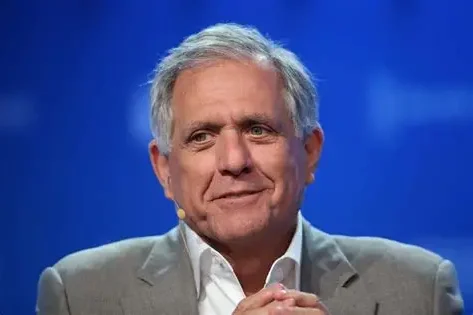
Les Moonves was one of the most powerful executives in American television, and his fall became a major corporate moment. For years, he shaped programming decisions, career opportunities, and the entire tone of a major media company. When allegations surfaced, he stepped down, and the story sent a message that leadership roles were no longer protected the way they once were. His departure felt like a turning point because it was not just an individual scandal, it was a reminder that boardrooms and shareholders could be forced to respond when the public demanded accountability.
Where he is today looks quieter, with no return to the level of influence he once held. He has stayed largely out of the spotlight, and there has been no major comeback into the same kind of executive position. The impact on his reputation has lasted, and his story remains tied to conversations about workplace culture, power, and how much damage can happen behind closed doors when leadership goes unchecked. In many ways, his career shows a different kind of downfall, one that is financial, professional, and legacy-based all at once. Even without constant headlines, the loss of power is the lasting update.
8. R. Kelly
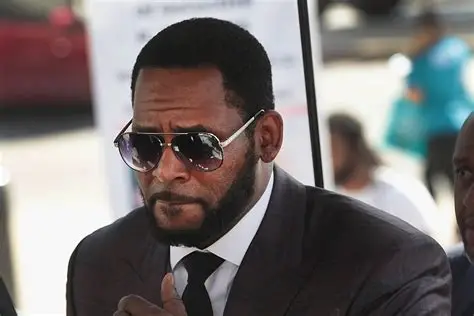
R. Kelly’s downfall became one of the clearest examples of celebrity consequences moving beyond career trouble into serious criminal punishment. For years, there were public accusations and long-running rumors, but the legal outcomes did not arrive in a way that felt final until later prosecutions pushed everything into court. When that happened, the public conversation shifted sharply from music debates to accountability, exploitation, and long-term harm. His story connected strongly with the #MeToo era because it showed how long powerful people can avoid real consequences, even when the warning signs are widely visible.
Where he is today is not a mystery, because he is serving lengthy prison sentences. His public life is now reduced to legal appeals and prison-related updates, not tours, celebrity interviews, or new releases. People still argue about whether his music should be played, but his personal reality is locked behind bars, and his career as a public performer is effectively over. His case stands out because it represents the most concrete kind of outcome, one that cannot be explained away as cancel culture or temporary backlash. It is a reminder that some stories are not about reputation alone, but about crimes and punishments that last for decades.
9. Mark Halperin
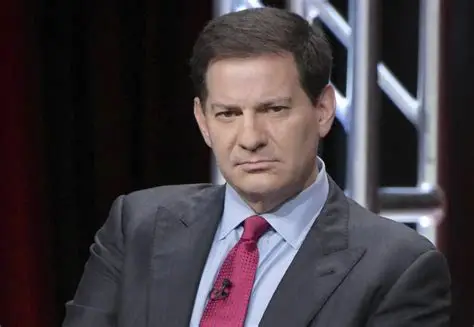
Mark Halperin once had a central seat in political media, known as an insider whose opinions influenced how audiences understood elections. He appeared as a trusted analyst, shaping narratives and helping define which candidates were taken seriously. When allegations surfaced, that credibility collapsed quickly, and major media platforms distanced themselves. His story became one of those media cautionary tales, where public trust is everything and one scandal can erase years of influence. Unlike cases tied to courtroom verdicts, his consequences were mostly professional, tied to whether people still believed he deserved a microphone.
Where he is today looks like a career that shifted away from mainstream platforms into smaller, more independent spaces. He has tried to remain part of political conversation, but the controversy continues to follow him, and public reactions remain mixed. His story shows how difficult it is to rebuild credibility in media once your reputation is linked to abuse of power. Even if someone keeps working, the scale changes, and the audience becomes narrower. For many readers, his update is less about new achievements and more about the long-term effect of losing legitimacy in an industry that survives on public trust.
10. Mario Batali
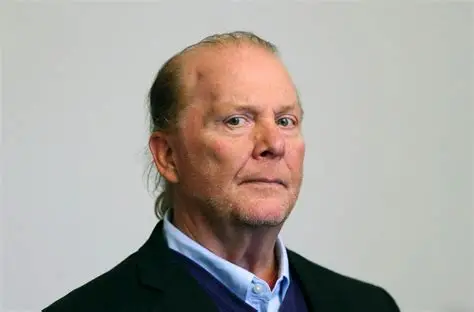
Mario Batali’s fall reshaped how people talked about celebrity chefs and lifestyle fame. He was not just known for cooking, he was a recognizable public personality, with restaurants, books, and television roles that made him feel like a permanent part of food culture. When allegations surfaced, he stepped away from business operations and lost major media visibility. The story shocked many fans because it challenged the warm, approachable image that food television often sells. His situation reminded audiences that power dynamics exist everywhere, even in industries that look friendly from the outside.
Where he is today looks far quieter than his peak years. He has not returned to the same level of celebrity influence, and public discussion around him remains tied to scandal rather than restaurant success. Even when people revisit his old shows or recipes, there is often an uncomfortable pause because the brand no longer feels the same. His story shows how quickly a lifestyle career can collapse once trust breaks, especially when the public image depends heavily on likability. In his case, the biggest consequence is the disappearance from the mainstream spotlight, with no clear path back to the celebrity chef world he once dominated.
11. Brett Ratner
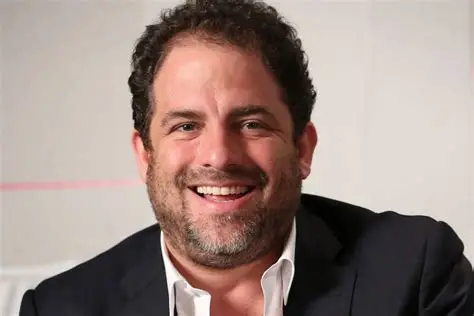
Brett Ratner was once a mainstream Hollywood director with steady studio opportunities and big-name connections. He worked in a world where success often leads to more projects, more access, and more influence. When multiple allegations surfaced, the industry reaction was swift, and his projects faded from view. His story became a reminder that entertainment consequences do not always come with public trials or dramatic courtroom scenes. Sometimes it looks like a quiet shutdown, where funding disappears, partnerships end, and the phone stops ringing.
Where he is today looks like a life outside the Hollywood spotlight he once enjoyed. He has not returned in a major way to direct big studio films, and there has been no clear mainstream comeback that matches his earlier momentum. His name is still remembered, but more for the controversy than for the films he made. That shift is the real consequence, because in Hollywood, being seen as untouchable is a form of power, and losing that perception can end a career. His story shows how quickly the industry can move on when reputational risk becomes too high, leaving silence where opportunity used to be.
12. Dustin Hoffman
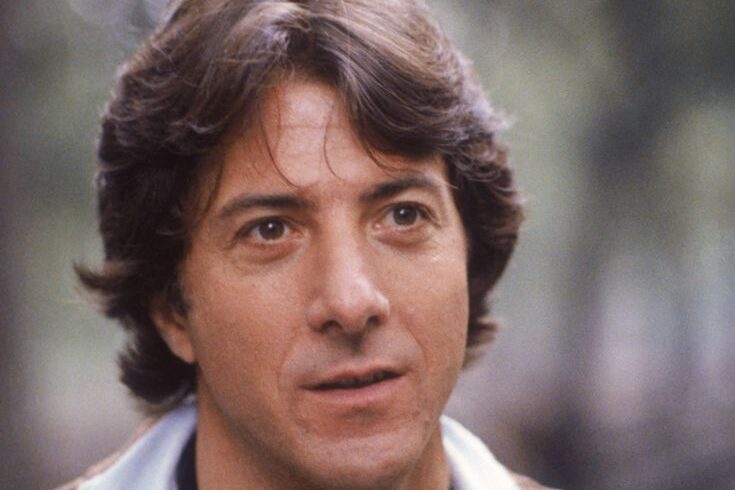
Dustin Hoffman’s situation looked different from the fast collapses many people associate with #MeToo. Allegations were reported and he responded publicly, but his career did not vanish overnight. That created a complicated public reaction because he was already viewed as an acting legend with decades of acclaimed work. His story became part of a wider cultural argument about how to handle older, established figures whose careers were built in a different era. For some audiences, it was difficult to reconcile admiration for his work with discomfort about what was being said about him.
Where he is today reflects that mixed outcome. He continued to appear in projects, but the conversation around his name changed permanently. Even when people discuss his classic roles, there is often a lingering question about what accountability should look like when someone’s legacy is already cemented. His case shows that consequences do not always mean total removal. Sometimes it means a slow shift in reputation, where public affection becomes less certain and more cautious. His work still exists, but the way people talk about him is not as simple as it once was, and that change in tone can be its own lasting consequence.
13. Bryan Singer
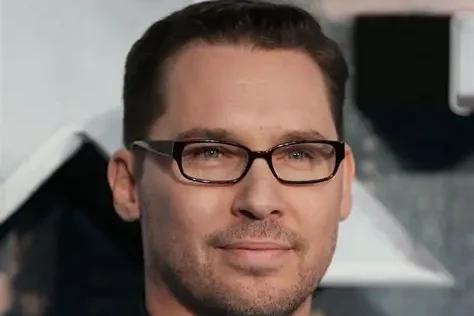
Bryan Singer faced serious allegations over time, and although he denied wrongdoing, the controversy became a heavy shadow over his career. For years, he was tied to major blockbuster films, the type of projects that keep a director in constant demand. As the allegations gained more attention, his professional standing weakened, and he became far less visible in high-profile studio work. His story reflects how controversy can slowly drain power from someone who once seemed firmly established. Even without a single public moment that ended everything, the buildup of allegations changed the level of trust the industry placed in him.
Where he is today looks like a filmmaker whose mainstream momentum has faded. He has stayed mostly out of public view, and his name no longer carries the same confidence it once did in major Hollywood spaces. When people revisit his past projects, the conversation often includes the controversy, which makes it hard for his work to exist in a separate box. His case shows how careers can shrink over time when the public and the industry lose trust. Instead of a dramatic ending, the story becomes a long fade, with fewer opportunities and a reputation that never fully recovers.
14. Tavis Smiley
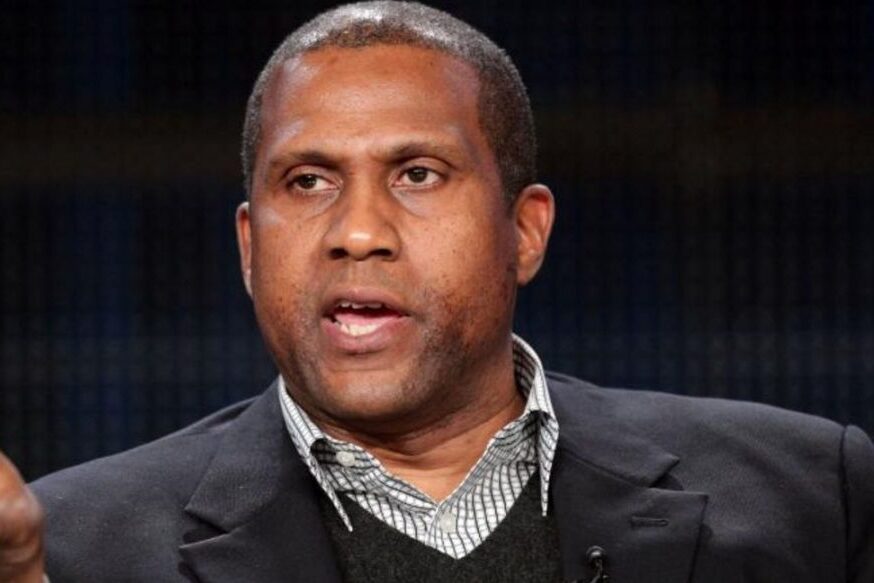
Tavis Smiley’s career changed sharply when his PBS show ended following allegations. He denied wrongdoing and described the situation as unfair, but the separation from public broadcasting remained final. His story mattered because he was seen as a serious host and interviewer with a long-standing reputation in public media. Losing that platform reshaped his identity, because much of his influence came from being trusted by audiences who valued credibility. It also showed how quickly a media organization can cut ties when it believes controversy will harm its reputation.
Where he is today looks like a public life outside his former PBS home. He has continued speaking publicly and staying active in different ways, but the scale and stability of his previous role did not return. His story is a reminder that media careers rely heavily on trust, and once that trust becomes publicly questioned, rebuilding can be difficult even if the person insists they were treated unfairly. The lasting consequence is not just a job loss, but a change in how audiences receive your voice. For him, the fallout became a permanent shift away from the platform that once defined his career.
15. Jeffrey Tambor
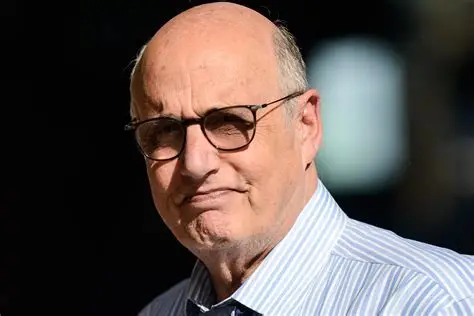
Jeffrey Tambor’s exit from Transparent became one of the most memorable television shakeups connected to the #MeToo era. He was at the height of a celebrated run, earning awards and recognition that made him feel unstoppable. Then allegations surfaced, and he left the series, turning what could have been a career peak into a public controversy. The story stood out because the show already carried cultural weight, so the fallout felt bigger than one performer. It became part of a wider discussion about workplace behavior, power dynamics, and whether success can excuse harm behind the scenes.
Where he is today looks quieter than the award-season momentum he once had. He has appeared in some projects since then, but he has not returned to the same level of mainstream acclaim. For many viewers, his name remains tied to the Transparent controversy rather than the long list of roles that came before it. His story shows how quickly a career peak can be rewritten into a cautionary chapter, even after decades in entertainment. The biggest update is not a dramatic new headline, but the lasting shift in visibility, trust, and opportunity.
16. James Toback
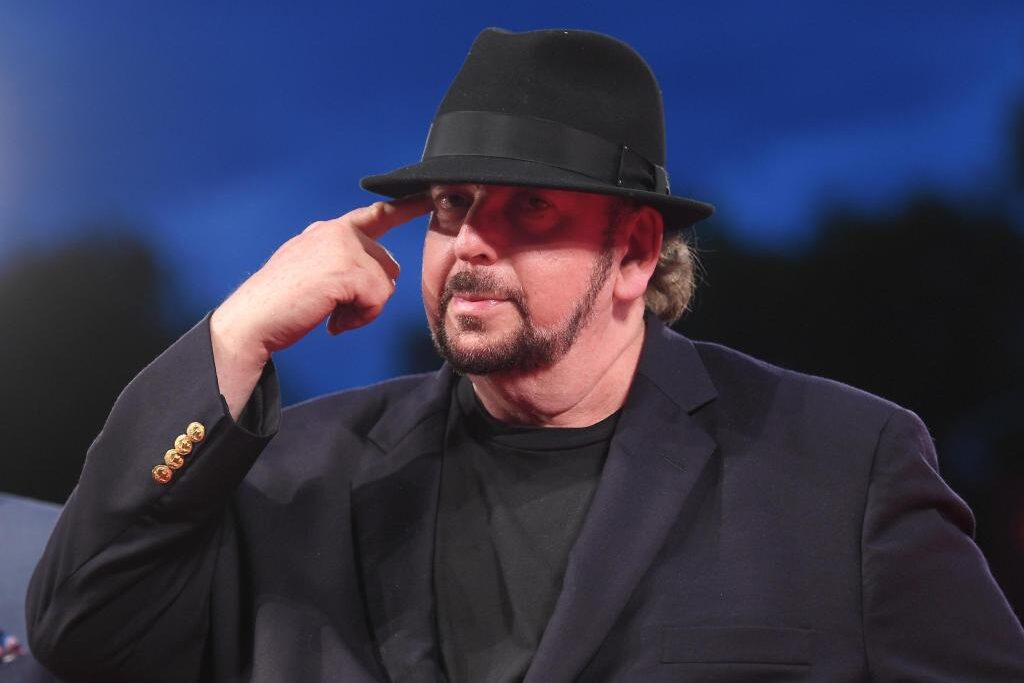
James Toback became widely known during the #MeToo era after many women came forward with allegations, and the number of accounts made the story hard for the film world to ignore. For years, he had a reputation as a provocative writer and director, someone who moved freely through creative spaces with access and influence. When the accusations became public, the fallout went beyond a single headline. It became a full collapse of professional support, where industry connections that once seemed steady vanished almost overnight. His name shifted from being tied to film to being tied to misconduct claims, and that became the story people remembered most.
Where he is today looks like long-term professional isolation rather than reinvention. He has continued to deny wrongdoing, but he has not returned to the center of mainstream filmmaking. There has been no visible studio-backed comeback and no public rebuilding arc that resembles his earlier standing. His story is a reminder that not every downfall ends in court, but the consequences can still be permanent. Sometimes the industry response is simply distance, silence, and the slow disappearance of opportunity, leaving a career to fade without closure.
17. Russell Simmons
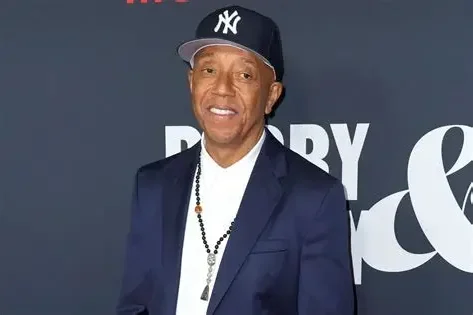
Russell Simmons built a legacy that once looked untouchable, with major influence in music, fashion, and business. For many people, he represented the kind of cultural power that lasts forever, because his brand was tied to creativity and success. When multiple women accused him of sexual misconduct, the tone around his name changed quickly. He denied the allegations, but the accusations still damaged his public image and pushed many businesses and partners to create distance. The story shifted from celebration to controversy, and that change followed him in a way that did not fade easily.
Where he is today is often described as a life lived away from the center of American media attention. His updates tend to appear through legal developments, renewed public discussion, or statements addressing the accusations. Even when he presents himself through wellness and personal growth, the allegations remain the main lens people use when discussing him. His story shows how influence does not always erase consequences, but it can change what consequences look like. The public may move on to new headlines, but his name still carries the weight of unfinished questions and lasting damage.
18. Andrew Kreisberg
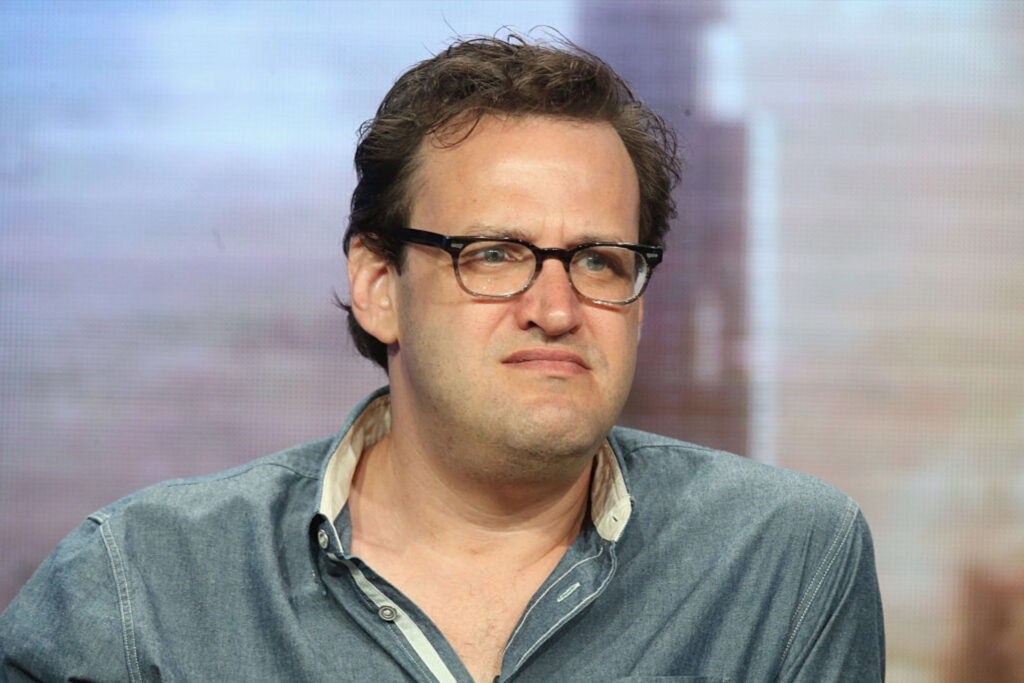
Andrew Kreisberg held serious behind-the-scenes power in television, especially during the rise of superhero shows that dominated pop culture. While audiences may not have recognized him the way they recognized actors, his leadership affected writers, cast members, and production teams. When allegations surfaced, he was suspended and later removed from major projects, and it became a clear example of the industry acting against someone who did not live in the spotlight. His story mattered because it showed that accountability was not only about celebrities. It was also about powerful decision-makers working quietly behind the scenes.
Where he is today looks like a low-profile career compared to the influence he once had. He has not returned publicly to the same level of television leadership, and his name is no longer attached to big projects in the way it used to be. The biggest update is the absence, because when producers lose trust, studios rarely risk putting them back in charge. His story is a reminder that leadership roles depend on confidence and credibility, and once that confidence is shaken, the return path can disappear completely.
19. Mark Salling
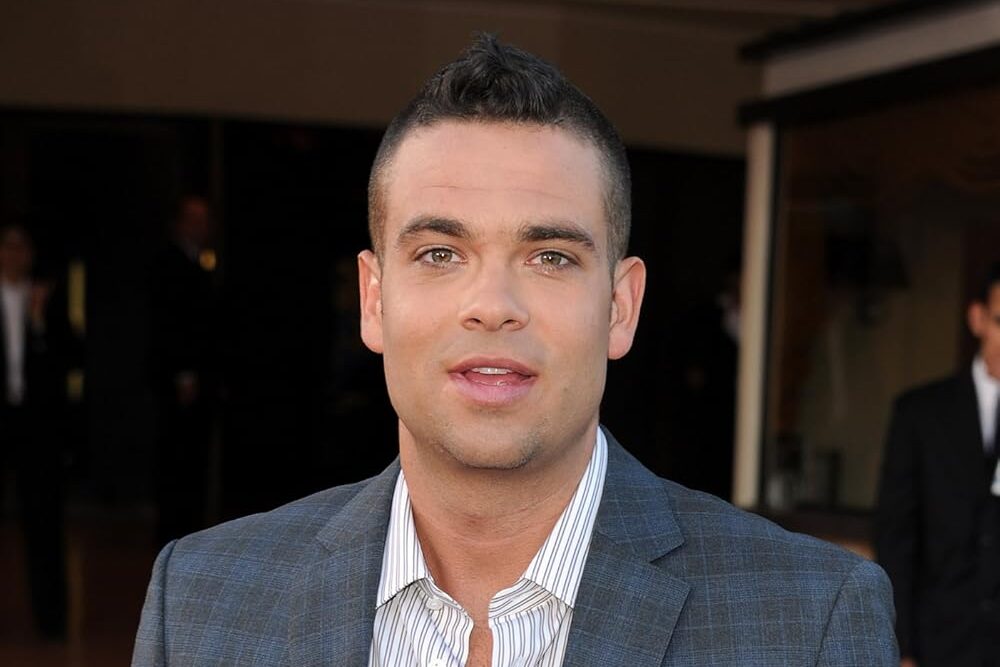
Mark Salling’s story remains one of the most disturbing outcomes linked to this era because it involved criminal charges and ended in death. For a time, he was known as a television actor whose career looked like it could keep growing. Then serious legal issues emerged, and the public conversation shifted away from entertainment and into criminal accountability. His case involved child pornography charges, which pushed it beyond public opinion and into hard legal consequences. Once those facts became known, there was no separating the person from the crime, and his career ended immediately and completely.
Where he is today is a fixed answer because he died by suicide in 2018. His death happened before his sentencing process could fully conclude, and it left the public with a mix of shock and anger. His story is not about rebuilding or redemption, and it is not a story of fading quietly into private life. It is a reminder that some cases tied to these cultural reckonings are about serious crimes, and the consequences can become final in ways that leave no future chapter at all.
20. Roger Ailes
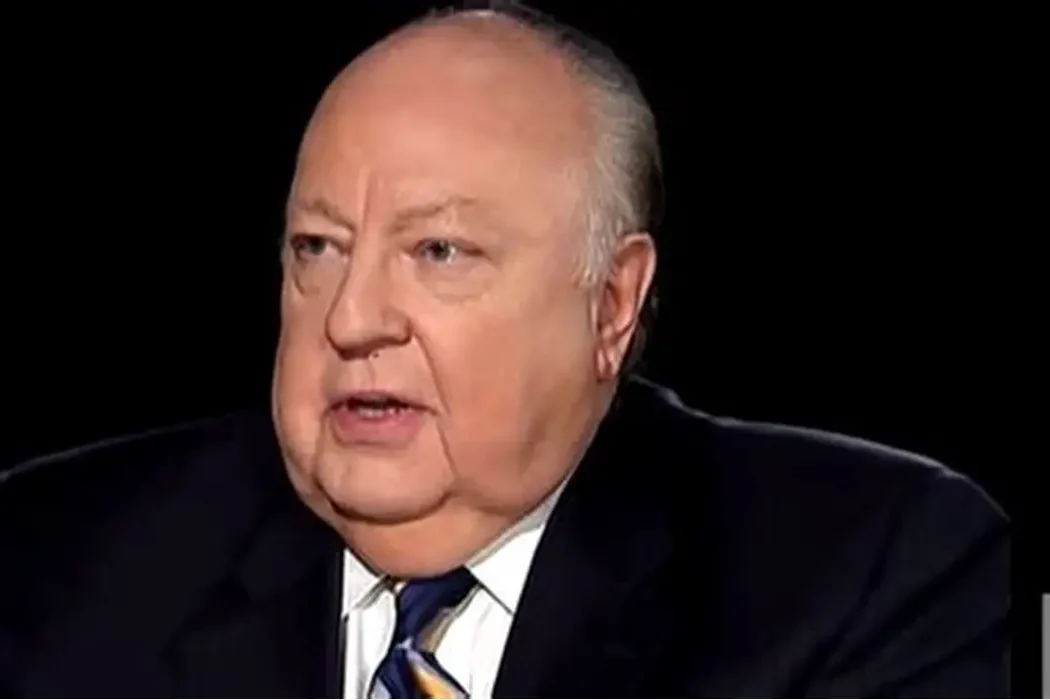
Roger Ailes was one of the most powerful media executives of his generation, shaping cable news and influencing public debate for years. He built an empire that affected politics and culture, and his leadership style was widely known as aggressive and commanding. When allegations of sexual harassment surfaced, his resignation became a major moment because it showed how quickly even top executives could lose control. The story mattered because it revealed workplace culture problems tied to leadership itself, not just individual behavior. It also changed how many people viewed the institutions that had protected powerful figures for so long.
Where he is today is not a changing story because he died in 2017. Even so, his legacy remains part of public conversation, because people still debate the media system he created and the scandal that ended his career. His name continues to appear in discussions about workplace abuse, power, and institutional accountability. His story shows that careers built on control can still end abruptly when allegations become too heavy to contain, and even death does not erase the way the final chapter reshaped how people remember the whole life.
21. Eric Schneiderman
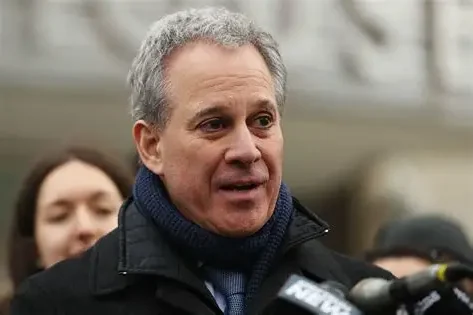
Eric Schneiderman’s downfall was swift and tied directly to his position as New York Attorney General, which made it especially shocking. He held an office meant to represent law and accountability, so allegations of abuse hit with extra force. When multiple women accused him of physical abuse, he resigned quickly, and the political future he was building collapsed in hours. His story became a reminder that public roles tied to justice come with expectations that are personal as well as professional. Even though debate followed, the resignation became the main fact most people remember.
Where he is today looks like a life outside elected office and outside the political path he once seemed to be climbing. He has not returned to a public leadership role, and his name remains closely tied to the scandal that forced him out. His case shows how power can evaporate once trust breaks, especially in politics where image and credibility are everything. Even years later, the fallout continues to define the way he is discussed, because the exit was so sudden and so public that it became the permanent ending.
22. John Conyers
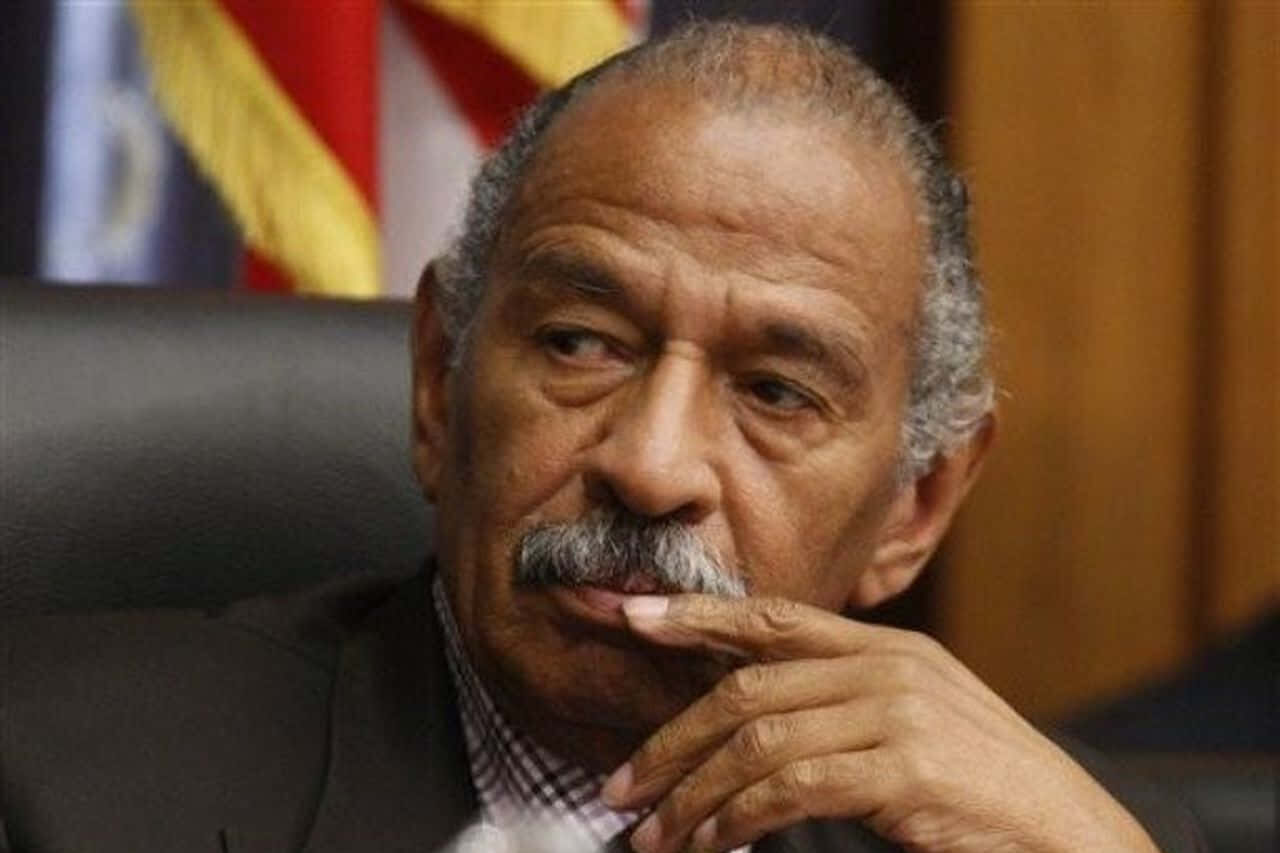
John Conyers spent decades in Congress, and his long career made his resignation feel historic and heavy. He was one of the most established figures in Washington, and for years his seniority carried real influence. When allegations surfaced, he stepped down, and the fall was made sharper by the fact that it happened late in a career many assumed would end with respect and celebration. His resignation became part of the wider cultural moment that proved even long-standing power could be challenged. His story showed that years in office do not guarantee protection when public standards shift.
Where he is today is a clear answer because he is deceased. Still, the controversy remains tied to how people remember his final public years. His story shows how a legacy can change quickly, even after decades of public service. For many readers, his case remains one of the moments that showed how much the culture had changed, because the ending did not match the long career that came before it. Even after his death, the way his time in office ended remains part of the record.
23. Aziz Ansari
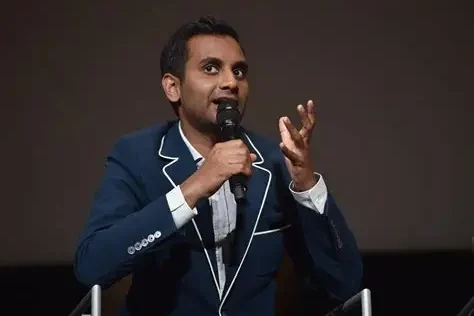
Aziz Ansari’s controversy became one of the most discussed because it sparked a wider debate about consent, dating, and personal boundaries. Unlike many other cases, this one did not hinge on a criminal trial or a workplace firing. Instead, it became a cultural argument that pushed people to think differently about uncomfortable experiences and how they should be handled. At the time, his career was thriving, and he was known for speaking about modern relationships and social behavior. When the story broke, he stepped back, and the pause felt noticeable because he had been so visible in comedy and entertainment.
Where he is today looks like a quieter return rather than a total disappearance. He continued working in comedy and creative projects, but with a more careful public presence than before. His story shows how consequences can come through discomfort and public debate even when there is no legal outcome. Some audiences moved on quickly, while others remained skeptical and unsure. Even now, his name can reopen the conversation about boundaries and how people interpret harm. In his case, the aftermath is more about reputation and visibility than about punishment.
24. Garrison Keillor
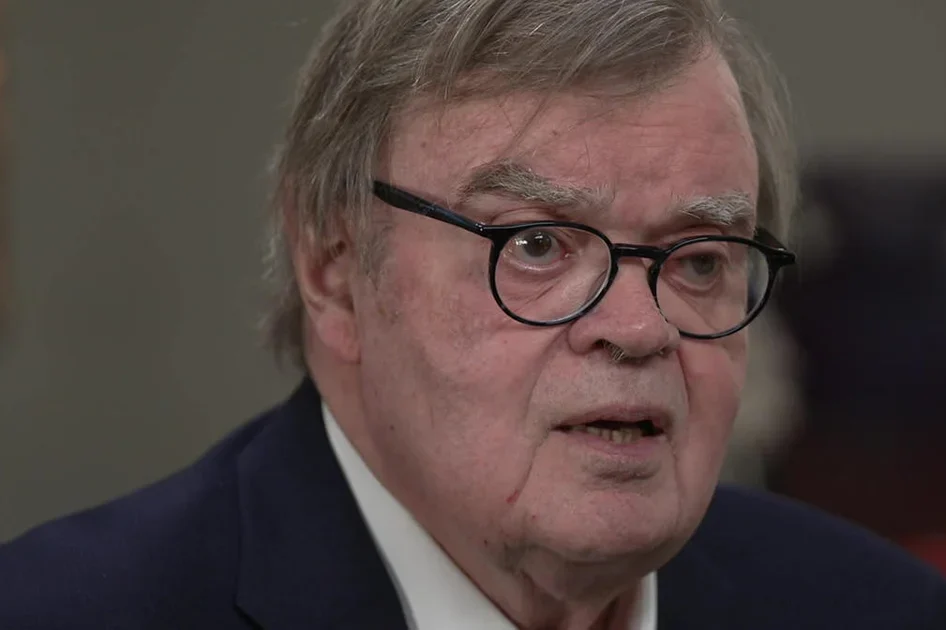
Garrison Keillor’s exit from public radio surprised many listeners because his voice had long been associated with comfort and familiarity. He was seen as a storyteller whose work felt tied to routine and nostalgia, which made the allegations and contract cuts feel especially jarring. When the accusations surfaced, public broadcasting organizations ended ties, and the separation was decisive. His story became part of a wider moment where institutions tried to show they would act quickly when allegations were raised. For longtime fans, it was a hard reminder that the image built on-air does not always match what people experience behind the scenes.
Where he is today looks like a life outside the public radio platform that once defined him. He has continued writing and speaking in other ways, but without the same institutional home and broad reach. His story shows how losing a trusted platform can permanently change a career, even if a person still has supporters. The consequence is not only professional, it is cultural. The name that once felt cozy to many listeners now carries a complicated reaction, with admiration and discomfort sitting side by side.
25. Roy Moore
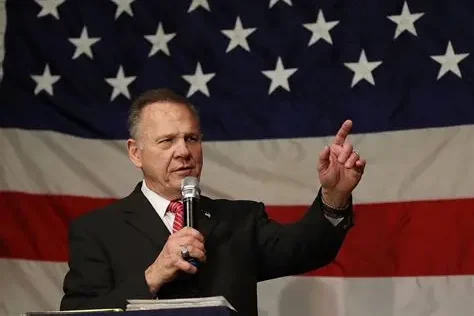
Roy Moore’s scandal unfolded during an election, which made the accusations and public debate feel immediate and intense. Multiple women accused him of pursuing them when they were teenagers, and he denied the allegations. The timing mattered because voters were deciding what to believe in real time, and the controversy became a national political test. It raised questions about party loyalty, public standards, and whether scandal should stop someone from holding office. His campaign became less about policies and more about credibility, and the outcome showed that reputational damage can shape history quickly.
Where he is today looks like a political figure whose public standing never recovered from that election cycle. He lost the Senate race, and the controversy became the main thing tied to his name. Even though he continued to deny wrongdoing, the scandal remains the dominant story people remember. His case shows how political consequences can come through voters and public pressure, not through court verdicts. The aftermath is not a full disappearance, but a long-term reduction of credibility and influence that continues to follow him.
26. Joss Whedon
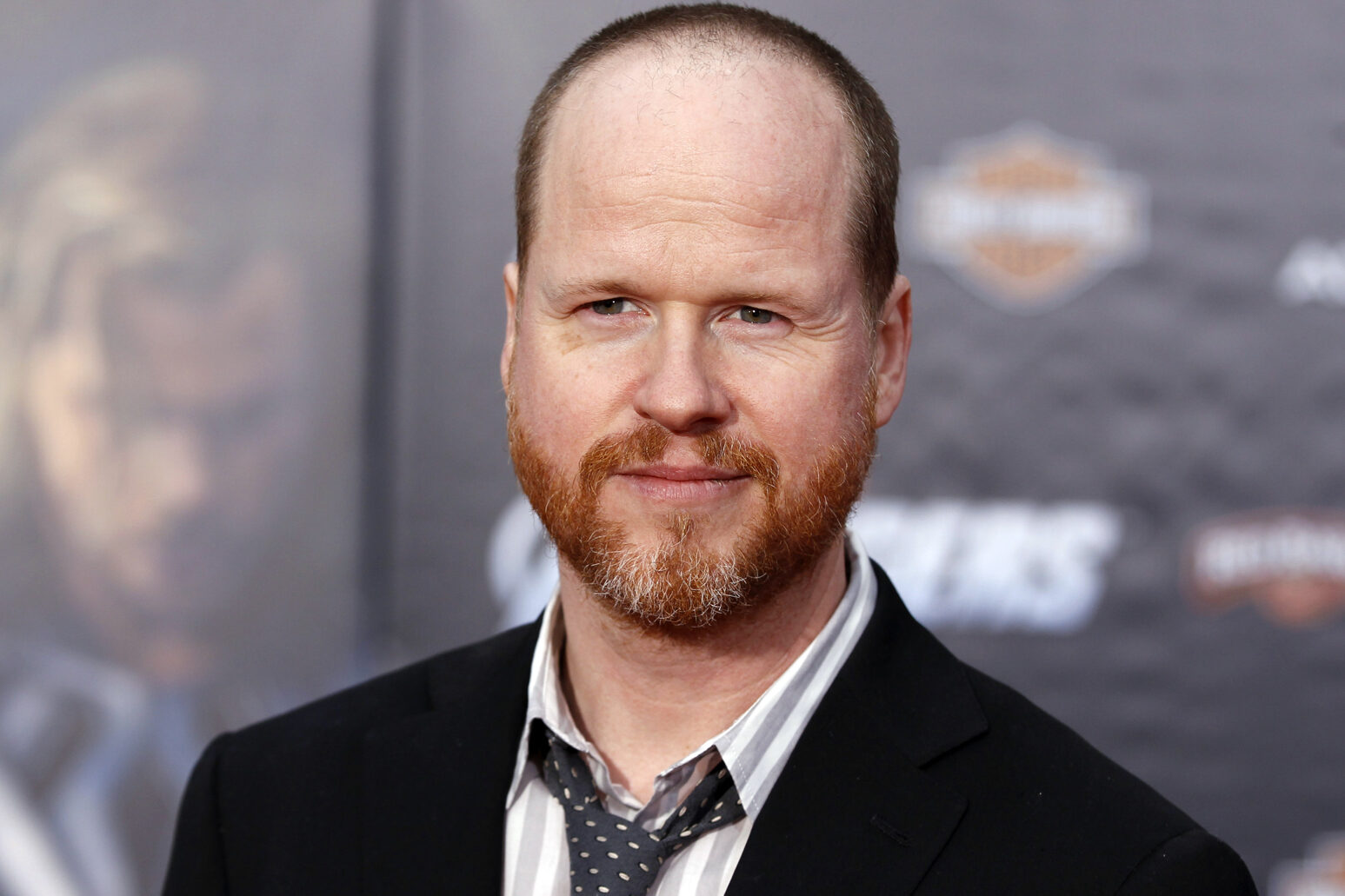
Joss Whedon’s fall was shaped by public claims from actors and colleagues that changed how many fans viewed him and the work he created. For years, he was treated like a creative hero, especially by audiences who loved the style and humor of his projects. Then people connected to his productions described experiences that painted a far harsher picture of his leadership. He denied major allegations, but the cultural shift around him was real. His story became another example of how success can hide workplace behavior, and how public admiration can change once other voices are finally heard.
Where he is today looks like distance from the mainstream power he once held. He has not returned to the same level of influence in Hollywood, and his name is no longer attached to major new projects the way it once was. Even when fans revisit his older work, there is often a pause, because the legacy feels complicated now. His story shows how consequences can be cultural rather than legal. Sometimes the industry response is quiet, and the punishment is reduced influence, reduced opportunity, and a lasting shadow over everything that came before.
27. Bill O’Reilly
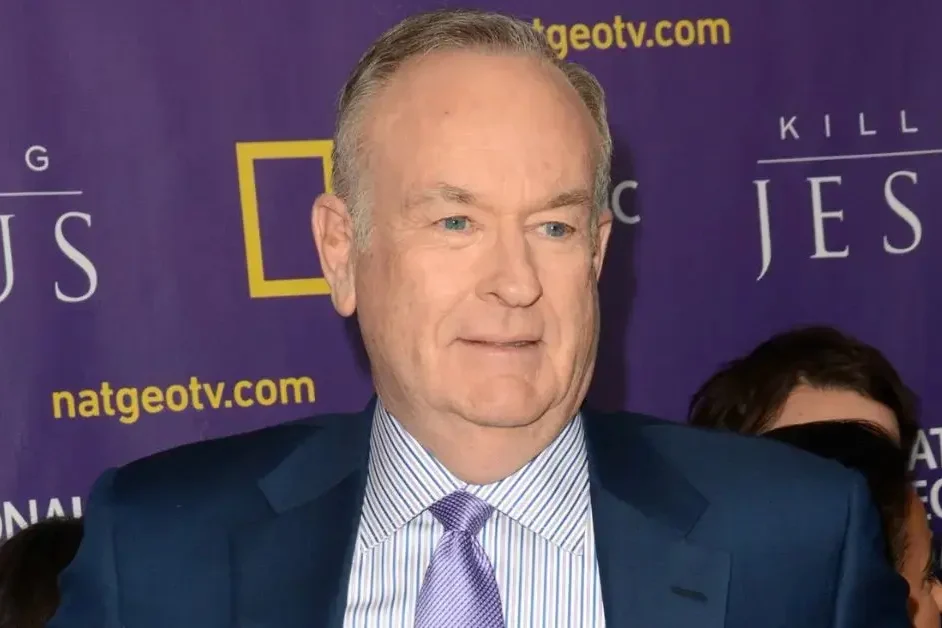
Bill O’Reilly’s fall was one of the biggest cable news shakeups in years, because he had been a dominant voice in American media. He held a nightly platform that shaped opinions and drove political conversation, and his influence was hard to ignore. When harassment allegations and settlement reports became public, Fox News removed him, and it marked a major shift in how networks handled reputational risk. His departure also showed that advertisers and public pressure can change the math for media companies quickly. The fall was public and clear, and it ended a long run at the top.
Where he is today looks like a move to smaller digital platforms where he still speaks to a loyal audience. He did not disappear completely, but he did lose the mainstream dominance that came with being a network star. His story shows how consequences can look like a reduced stage rather than total silence. Even if someone keeps supporters, the loss of a major institutional platform changes the scale of their influence. The “today” version of his career is built on narrower reach and less cultural power than before.
28. Bryan Callen
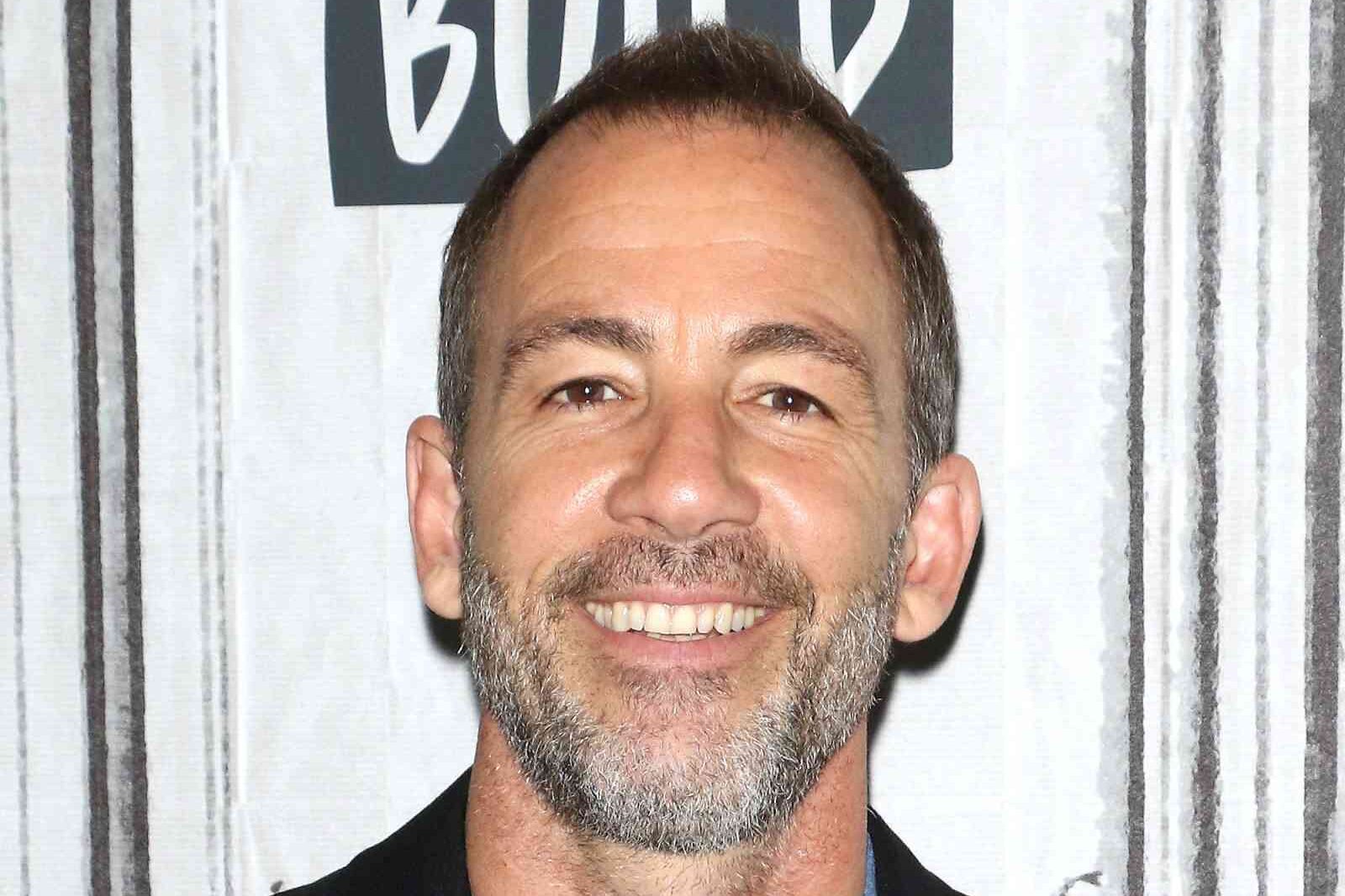
Bryan Callen faced serious allegations and publicly denied them, but the controversy changed the shape of his career. He had been visible in comedy, acting, and podcast spaces, often moving in popular entertainment circles. When the allegations became public, the fallout included disrupted opportunities and a shift in how audiences reacted to his presence. His story reflects how consequences can show up through slowed momentum rather than immediate disappearance. Even without a courtroom ending, public controversy can reshape a career in a way that feels permanent, especially in entertainment where reputation is part of the product.
Where he is today looks like continued work largely through stand-up and podcast platforms, with a career that is more niche than before. He remains present, but the controversy still follows him and influences the way people respond. His story shows how public judgment can become a long-term reality even without legal conclusions. The consequence is not always a full stop, but a lasting shift in scale, trust, and public comfort. For him, the aftermath is a career that continues under heavier scrutiny, with the past staying close behind every new appearance.
29. Ed Westwick
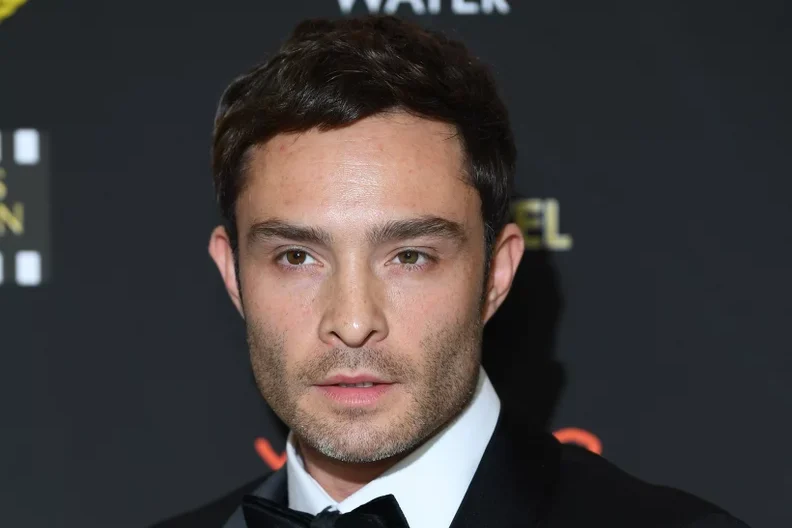
Ed Westwick faced allegations that he denied, and the controversy altered how the public viewed him during a period when many actors were trying to build lasting careers beyond early fame. He was best known for a major teen drama role, and his future depended on maintaining a marketable image for studios and audiences. When the allegations surfaced, his reputation became uncertain, and his career momentum slowed. His case reflects how quickly accusations can change an actor’s path, even when they deny wrongdoing. In entertainment, perception often matters as much as talent, and doubt can make opportunities harder to secure.
Where he is today looks like an acting career that continued, but without the smooth rise many expected after his most famous role. He has worked on projects, but the controversy remains part of the background whenever his name comes up. His story shows that consequences can look like stalled momentum rather than a dramatic ending. Over time, the public memory stays sticky, and rebuilding trust can be difficult. The update is not one big moment, but a long period of caution around his reputation and a slower pace of opportunity.
30. Neil deGrasse Tyson
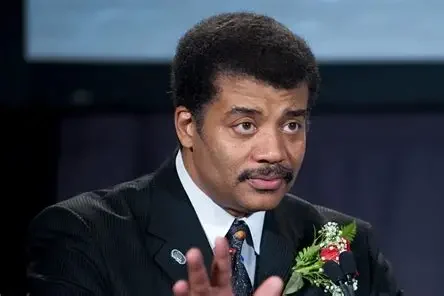
Neil deGrasse Tyson’s situation stood out because it unfolded differently from many public downfall stories. Multiple women made allegations, and he denied wrongdoing. For a period, projects connected to him were paused while reviews were conducted, and the public conversation became mixed, with some people defending him and others feeling uncomfortable. He had built a public reputation as a science communicator, which made the controversy feel especially complicated for fans who saw him as a trusted educational voice. His story became part of the wider question of how accountability works when outcomes are not as straightforward as firing or conviction.
Where he is today looks like continued visibility in science media spaces, with him returning to hosting and public appearances. His case shows that not every controversy leads to total collapse, and different industries respond in different ways. Some people accepted his return, while others remained skeptical and continued discussing the allegations. In the end, his story reflects how these moments leave a footprint even when someone stays active. The headlines may slow down, but public memory does not fully reset. Even now, his name carries a layer of debate that did not exist before


