
1. Paper Clips With Quiet Histories
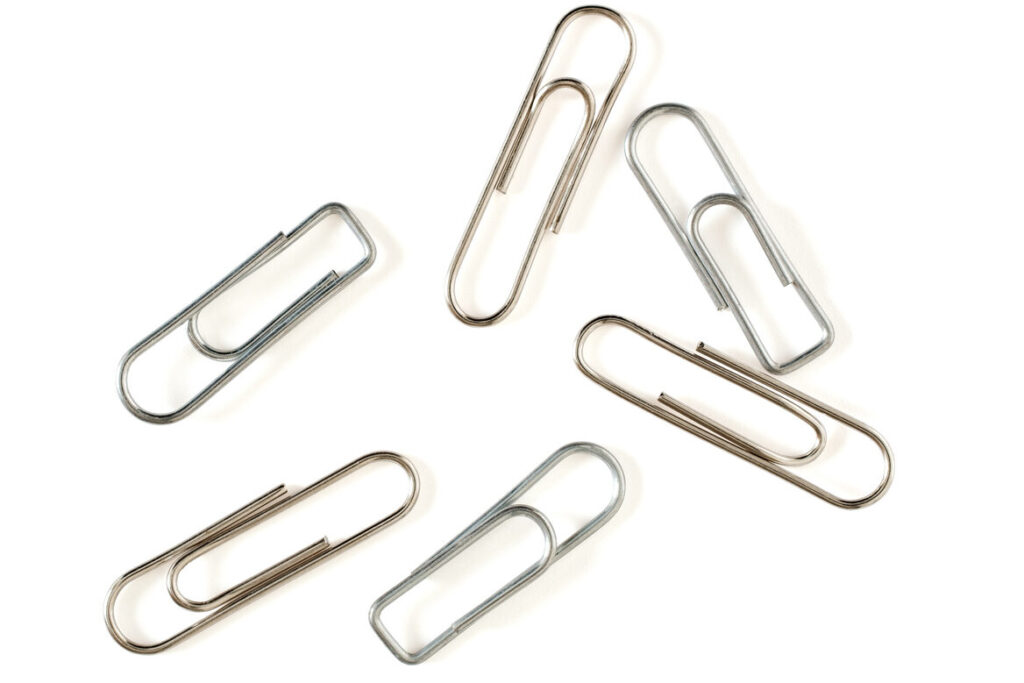
Everyone has that drawer where small things quietly gather, and paper clips usually appear first, bent and patient. Long before kitchens claimed them, paper clips were designed to hold documents without tearing pages. They replaced pins and string during paperwork heavy years, offering cleaner organization. Offices relied on them, then homes followed. Over time they became invisible helpers, holding lists, notes, and reminders together. Keeping them feels natural because they promise order. A single paper clip now represents our desire to keep life neat, even when thoughts, plans, and responsibilities feel scattered inside everyday moments we rarely stop to notice.
2. Rubber Bands That Learned to Stretch
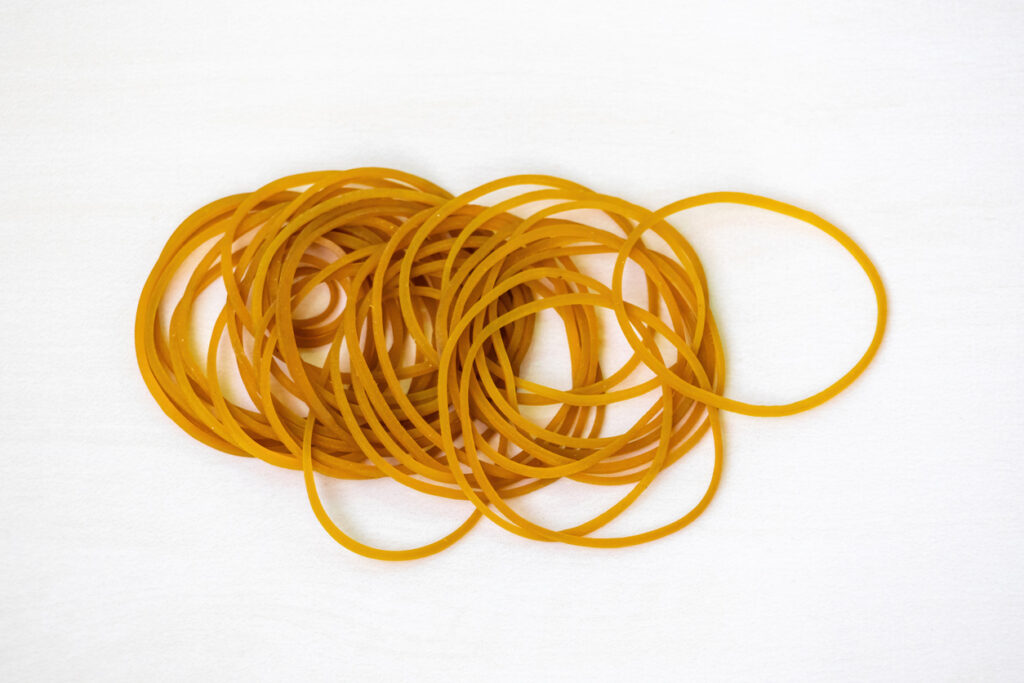
Rubber bands often sit curled and forgotten, yet they were created to solve everyday bundling problems. As packaging increased, rubber bands helped secure food, papers, and household items. They moved easily from factories into homes, adapting to endless tasks. People keep them because they might help later. Even when brittle, they represent flexibility and thrift. Saving rubber bands reflects a mindset of reuse and preparation. In a drawer, they quietly show how small inventions stretch beyond their purpose, staying useful long after their original job fades away while reminding us why we hesitate to throw simple things out at home.
3. Spare Keys Without Stories
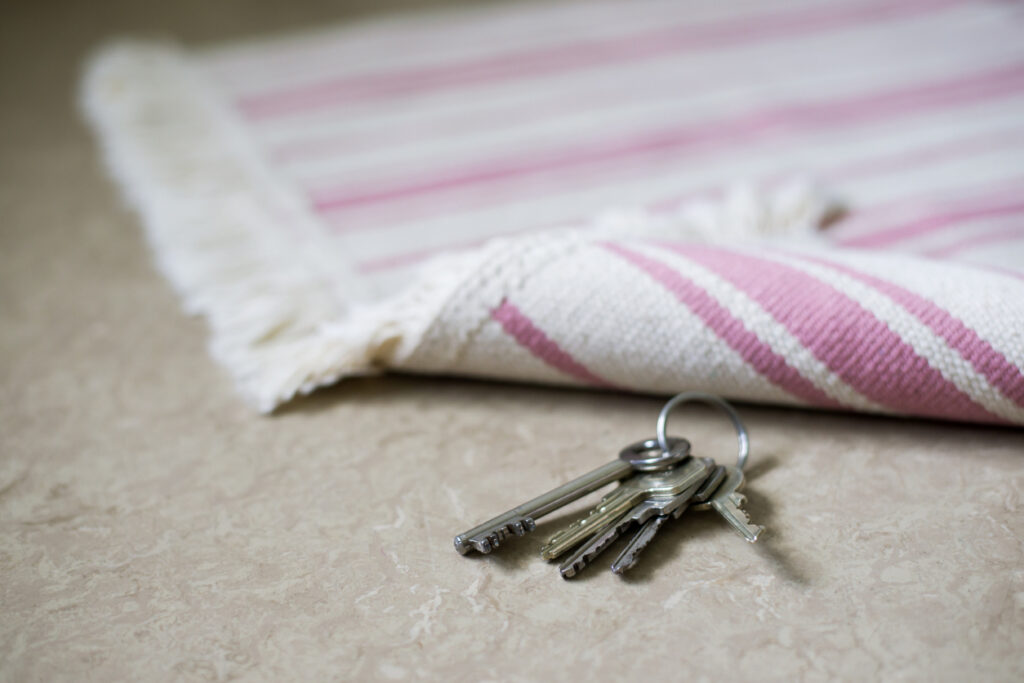
A lone key resting in a drawer always feels important, even without a known lock. Before digital security, keys guarded privacy, trust, and access. Losing one meant replacing locks, so spares were carefully saved. When their purpose disappears, keys remain behind. People keep them because throwing them away feels final. That unused key represents doors once opened and spaces once claimed. It quietly carries memory, caution, and readiness, reminding us how access once depended on something small enough to lose easily and how we still value what once protected our private lives without asking many questions at all times now.
4. Takeout Chopsticks That Stayed Behind
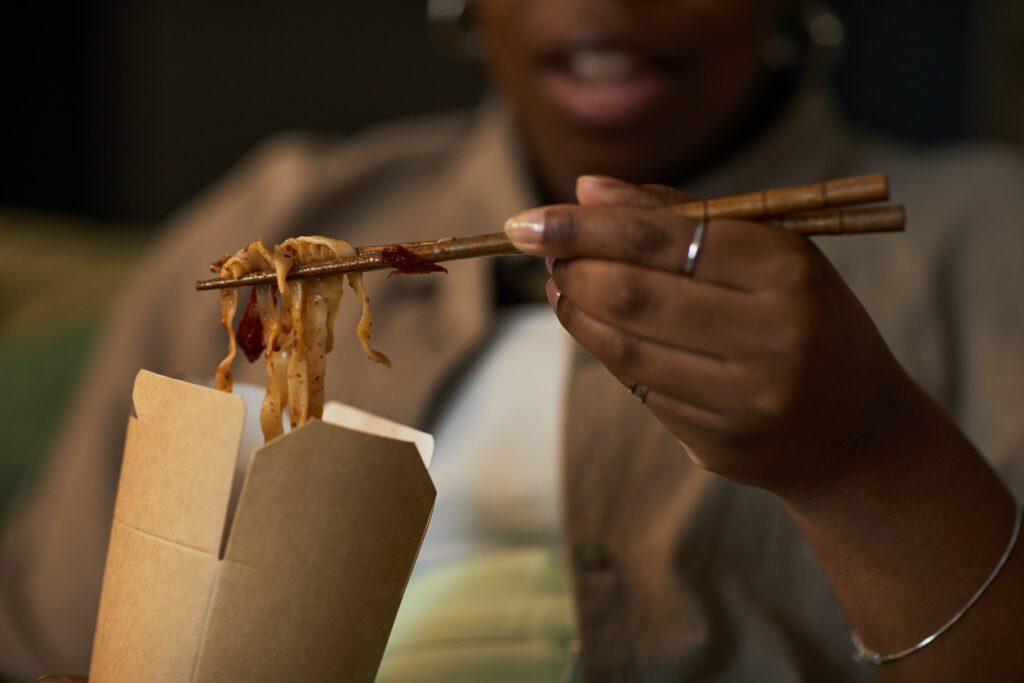
Extra chopsticks arrive after rushed meals and shared conversations, then quietly stay behind. Originally created for balance and communal dining, chopsticks carried tradition into daily routines. As food culture shifted toward speed, disposable versions became common. People keep them because they feel practical and familiar. In a drawer, they reflect how customs travel and adapt. These simple sticks remind us that even convenient objects carry history, connecting modern habits to older ways of eating together that once emphasized patience sharing and quiet moments around everyday tables before convenience slowly changed how meals were experienced at home by many families everywhere.
5. Old Instruction Manuals We Ignore
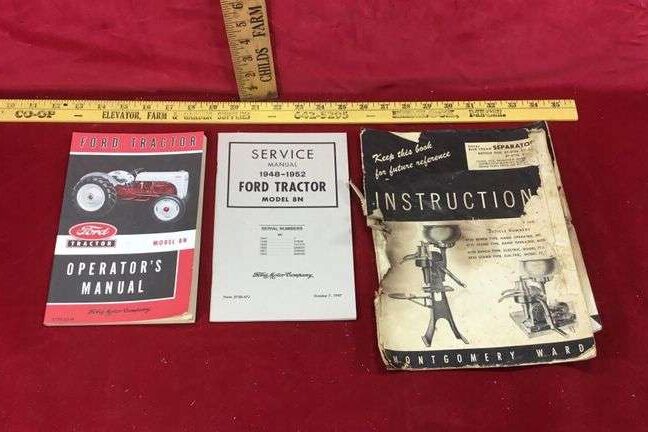
Instruction manuals often remain long after devices stop working. As homes filled with appliances, manuals promised guidance and safety. People saved them carefully, believing understanding mattered. Over time, technology advanced faster than patience, leaving manuals unread. They stayed in drawers just in case. Each booklet represents a moment when learning felt necessary before use. Keeping them reflects responsibility and caution, showing how people once tried to keep up with complicated tools entering everyday life without always feeling confident yet still wanting control over new machines that promised ease but demanded attention from ordinary users at home daily during changing times.
6. Dead Batteries Waiting Patiently
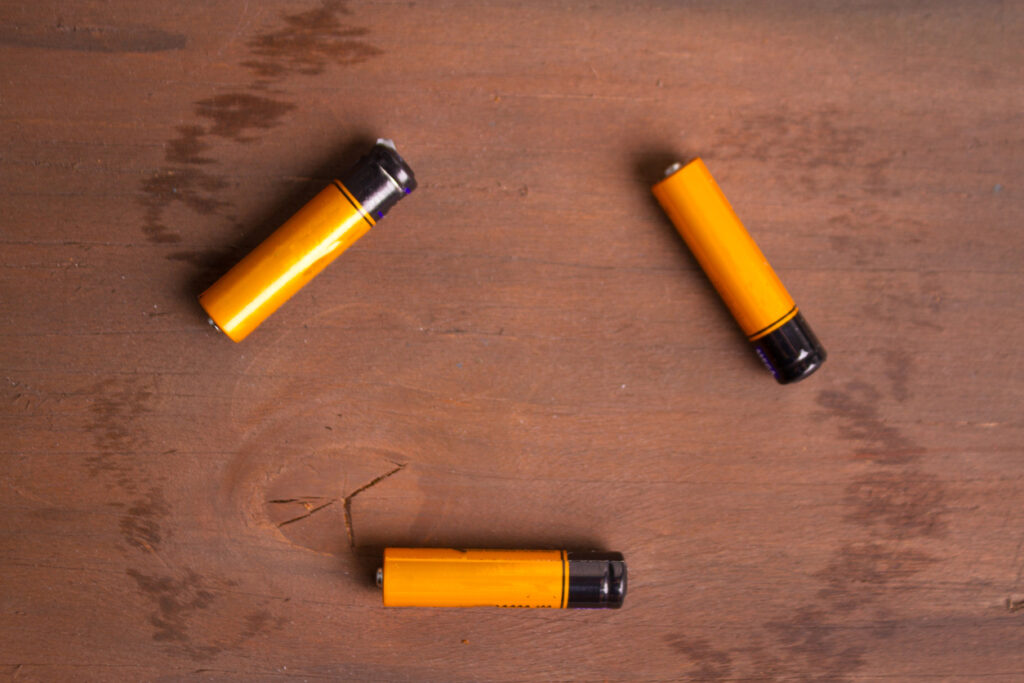
Batteries without power still linger in drawers, waiting quietly. Portable energy transformed daily life, allowing radios, toys, and tools to work anywhere. Batteries made power personal and mobile. People keep old ones hoping they might still help during emergencies. Even drained, they symbolize reliance on unseen energy. In a drawer, batteries remind us how much modern living depends on stored power we rarely notice until everything suddenly stops working around us daily shaping habits comfort routines and expectations of constant availability that quietly influence how prepared we feel for disruptions at home large or small without much thought given today.
7. Safety Pins That Solve Emergencies

Safety pins earn trust through reliability and simplicity. Designed to fasten fabric safely, they quickly became everyday problem solvers. From fixing hems to securing straps, they step in quietly. People keep them because emergencies arrive without warning. A safety pin represents readiness and care. In a drawer, it waits patiently, reminding us that small tools often save situations when plans fail and improvisation becomes necessary during moments when appearance comfort or function suddenly matter more than preparation and calm solutions are found in overlooked everyday objects nearby kept for reasons we barely question anymore until they are needed again someday.
8. Twist Ties That Refuse to Leave
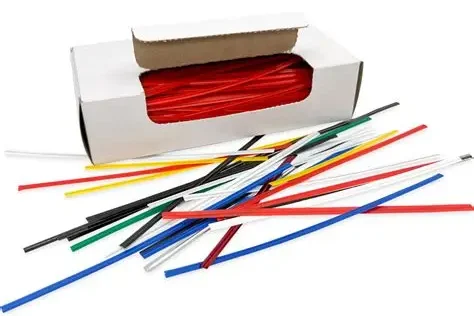
Twist ties arrive attached to groceries and quickly earn second lives. Their simple design makes them useful for bundling cords, sealing bags, and organizing clutter. People keep them because they adapt easily. Saving twist ties reflects creativity and thrift. In a drawer, they symbolize reuse and flexibility. These small pieces show how convenience items often outlast their purpose, quietly solving problems without drawing attention or demanding recognition from everyday messes while encouraging habits of saving instead of discarding objects that still hold potential value in simple household moments long after shopping trips are forgotten and routines move on without notice.
9. Spare Buttons with Patience
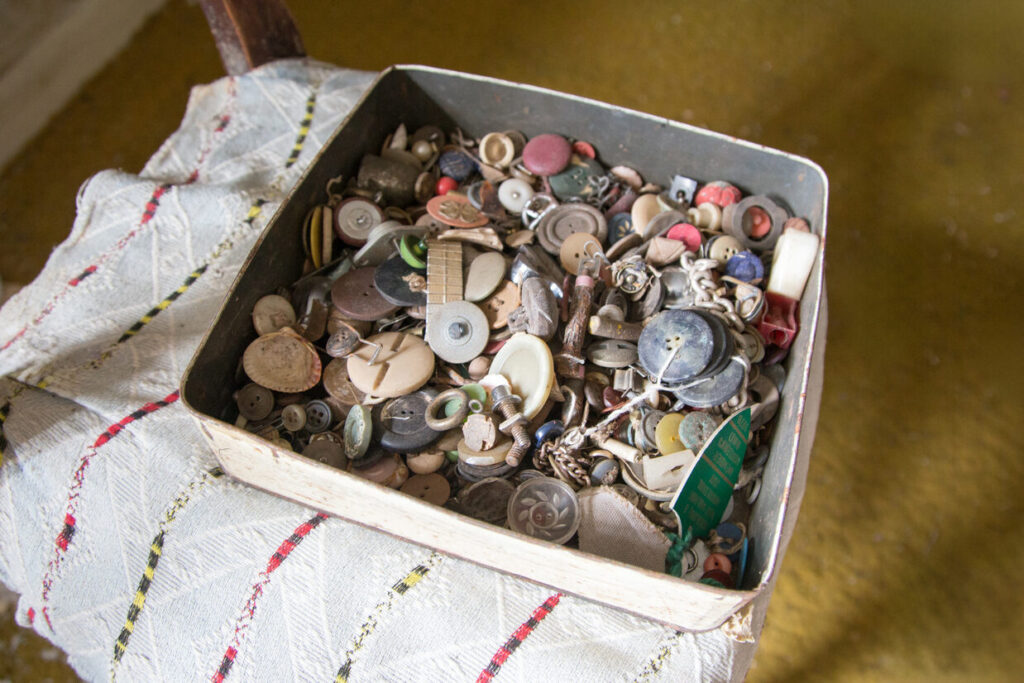
Spare buttons often end up in drawers after garments age or disappear. They once signaled quality and long term care. Clothing was meant to be repaired, not replaced. Saving extra buttons allowed clothes to last longer. In a drawer, each button waits quietly. They represent patience and maintenance, reminding us that mending was once normal. Keeping them reflects a time when care mattered more than quick replacement and wardrobes were built slowly through attention responsibility and thoughtful ownership rather than constant buying driven by changing trends and seasons that encouraged repair over disposal inside everyday domestic life for many people.
10. Measuring Tapes That Crossed Rooms
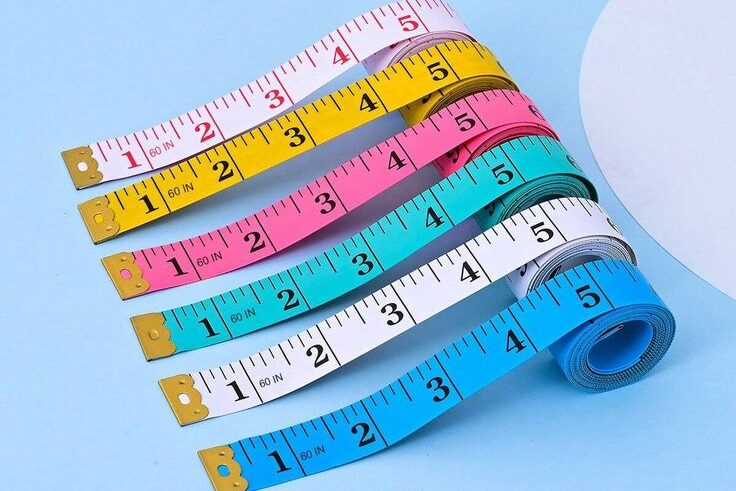
Measuring tapes traveled from tailoring rooms into everyday homes. As people began fixing and building things themselves, these tools became essential. Keeping one nearby meant independence and confidence. Measuring before cutting felt responsible. In a drawer, a measuring tape represents planning and intention. Its familiar curl reminds us that accuracy once empowered households, encouraging care, patience, and self reliance in everyday projects both small and large without professionals guiding each step or tools being hidden behind specialists making ordinary people feel capable within their own spaces through simple preparation and careful measurement habits learned over time at home daily routinely.
11. Old Receipts That Faded Slowly
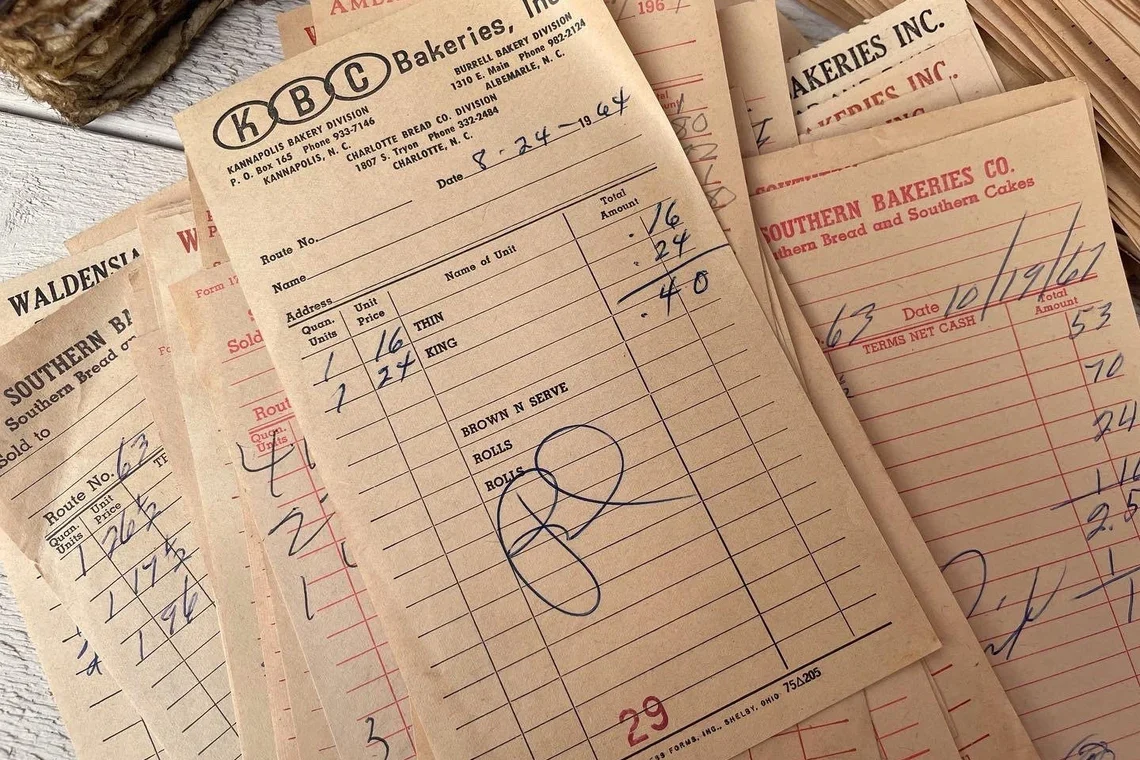
Receipts collect quickly because they feel like proof. Proof of purchase, fairness, and responsibility. As shopping expanded, receipts became records of trust between buyers and sellers. People saved them for returns, budgets, or reassurance. Over time, ink fades but habits remain. In a drawer, receipts show how everyday transactions became personal records, even when the moment they captured no longer feels important to daily life shaping how we remember spending choices and past routines that once required attention organization and careful tracking before digital records quietly replaced paper evidence inside many households over recent decades without much notice from anyone.
12. Flashlights Saved for Blackouts

Flashlights earned their place during nights when electricity failed unexpectedly. They offered comfort, safety, and direction during storms or outages. People keep them nearby because light feels reassuring. Even unused, a flashlight represents preparedness. In a drawer, it waits patiently. It reminds us that darkness can be managed and that having a simple source of light nearby can restore calm during uncertain moments when fear confusion or silence take over familiar spaces and people search for small tools that bring reassurance without requiring effort explanation or complicated instructions during unexpected household interruptions both minor and serious for everyone involved inside.
13. Coins From Somewhere Else
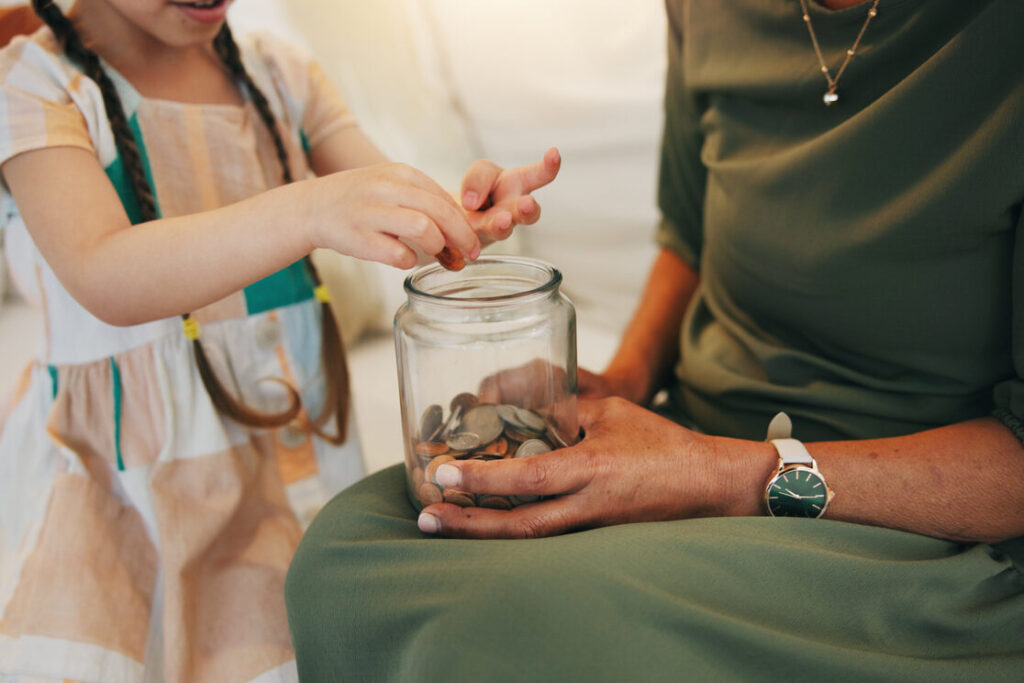
Foreign coins often appear in drawers after trips or chance exchanges. Once home, they lose spending value but keep emotional weight. People save them because they represent places visited or imagined. Each coin carries unfamiliar symbols and textures. In a drawer, they become reminders of movement and curiosity. These coins quietly hold stories of travel, change, and moments when life briefly felt larger than routine without requiring souvenirs photographs or explanations to feel meaningful as they sit quietly among everyday objects at home waiting to be noticed during moments of reflection or quiet curiosity when drawers are opened slowly again.
14. Tiny Screwdrivers That Save Glasses
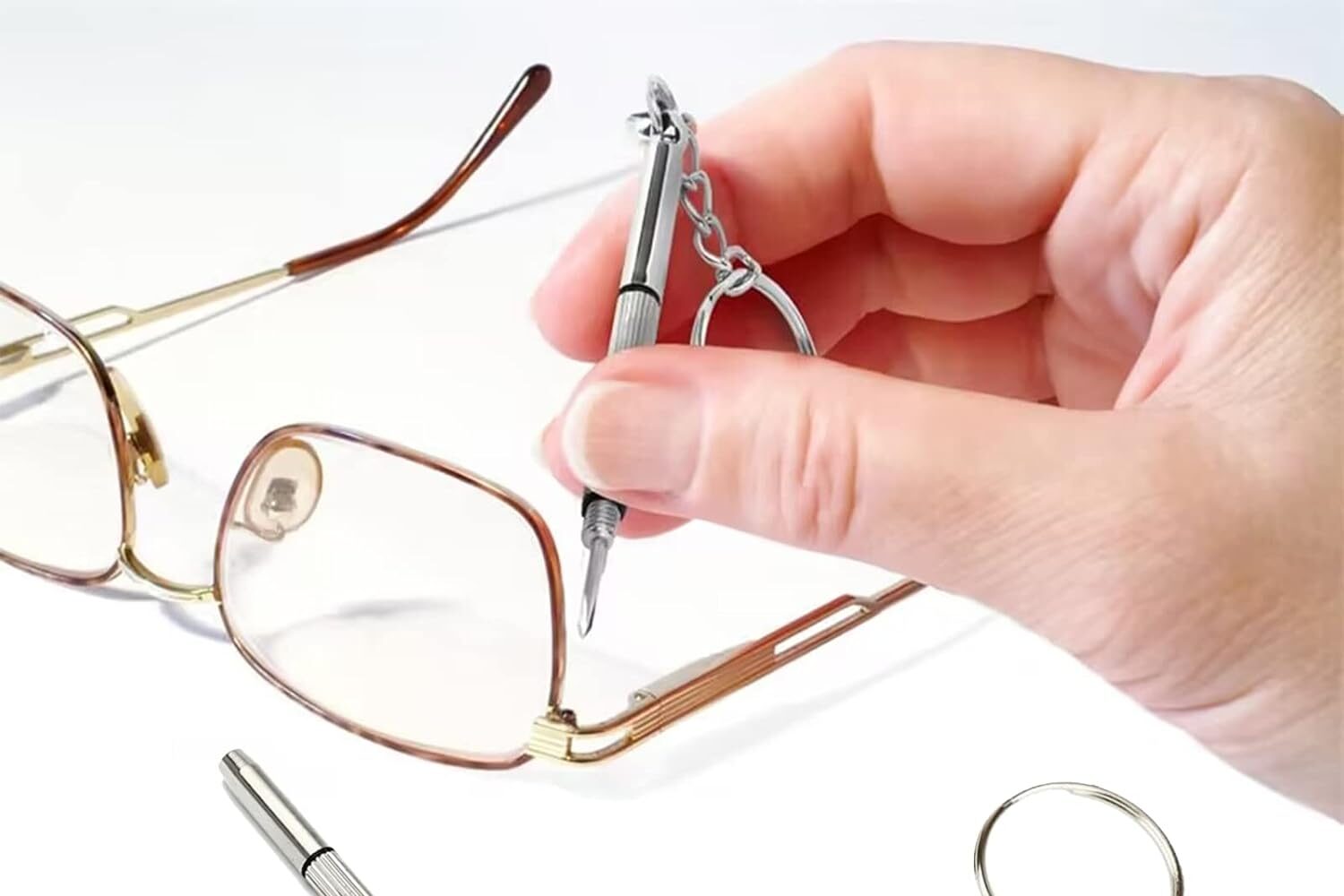
Mini screwdrivers often arrive with eyeglass kits and quietly stay. As glasses became common, these tools followed. They allow quick repairs without assistance. People keep them because they solve small problems efficiently. In a drawer, they represent independence. Their size hides their importance. These tools remind us that modern life often depends on tiny adjustments that keep things working smoothly from vision comfort to daily tasks requiring precision and care without professional help or complicated equipment being necessary during ordinary moments when focus matters most and small fixes prevent larger disruptions to daily routines at home and work combined together.
15. Old Phone Chargers That No Longer Match
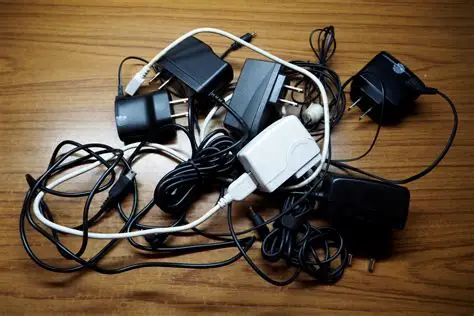
Old phone chargers gather as devices change faster than habits. Each cord once powered connection, comfort, and routine. When phones are replaced, chargers lose purpose but remain familiar. People keep them just in case. Tangled in drawers, they show how progress leaves leftovers. These cords quietly reflect changing technology and attachment. Looking at them invites reflection on what we hold onto and why over time as everyday tools become memories rather than necessities hidden among small objects that mark personal transitions and encourage readers to notice their own drawers today then share stories sparked by familiar forgotten items with others.
16. Business Cards from Past Versions
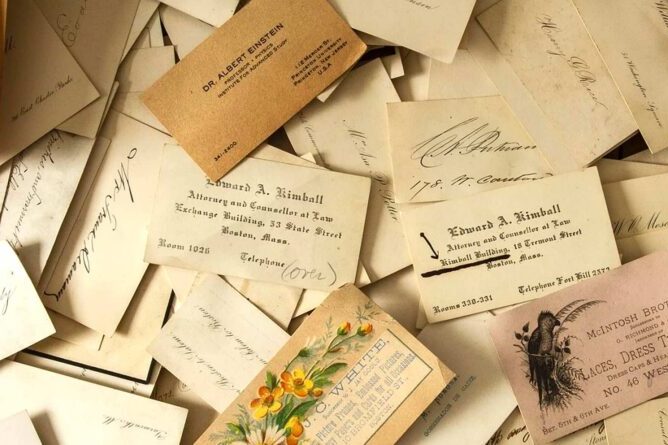
Business cards often outlive the roles and dreams they once represented. They were handed out during hopeful conversations, firm handshakes, and moments of confidence. People keep them because they feel harmless and personal. Each card carries a name, a title, and a chapter of life that has already shifted. Sitting in a drawer, they quietly remind us how identity changes over time. Careers evolve, plans adjust, and priorities grow. These small cards remain as proof that we once showed up somewhere with intention, believing connection mattered and that introductions could lead somewhere meaningful even if the path eventually turned in another direction we did not expect.
17. Matchbooks With Logos and Memories
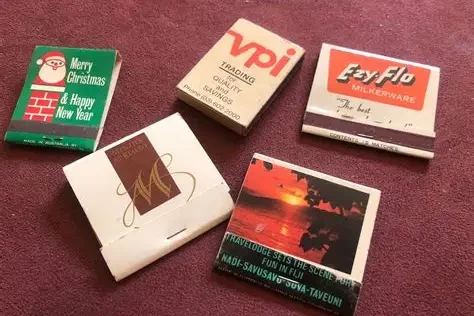
Matchbooks once lived in pockets, cars, and purses, handed out by restaurants and bars. They offered fire and advertising at the same time. People kept them because they were useful and memorable. Over time, smoking declined and matchbooks faded from daily routines, yet many stayed behind. In a drawer, they carry logos, addresses, and moments tied to evenings out or special places. Each one represents a time when lighting something felt social and shared. Now they rest quietly, reminding us how everyday habits create memories without effort and how small objects can preserve moments we did not realize would last.
18. Sticky Notes Waiting for Thoughts
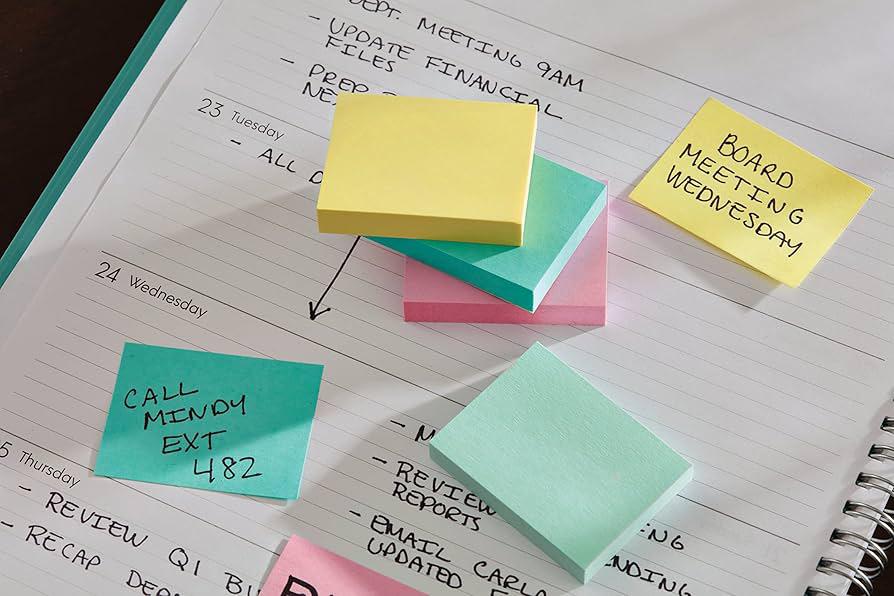
Sticky notes sit unused because they promise future organization. Created to hold temporary reminders, they became symbols of planning and encouragement. People keep extra pads because blank space feels hopeful. In a drawer, sticky notes represent unfinished ideas and gentle intentions. Their bright colors contrast with the quiet place they rest. They remind us that life often moves faster than plans, yet we still prepare to remember. Even untouched, they wait patiently, ready to hold reminders, encouragement, or lists that help life feel manageable when thoughts feel scattered and days demand structure without pressure or permanence.
19. Old USB Drives with Secrets
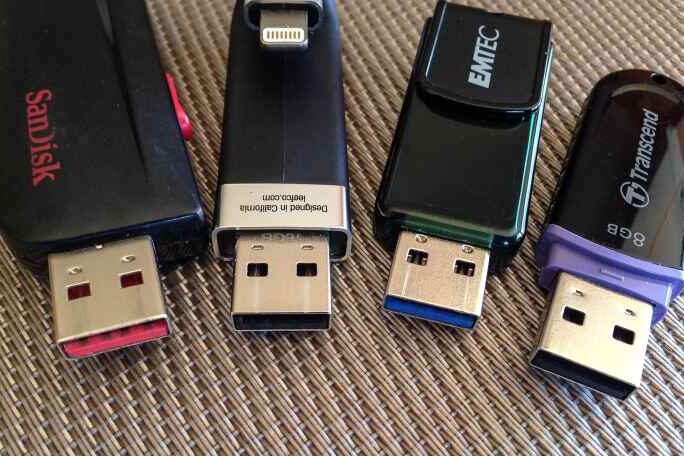
USB drives once felt essential for storing photos, documents, and personal files. They offered privacy and portability in a changing digital world. People trusted them with important information. As technology advanced, cloud storage replaced them, but the drives remained. In a drawer, they hold unknown contents and forgotten memories. Keeping them feels cautious, as if deleting them might erase something important. These small devices represent a time when information felt physical and personal. They quietly remind us how fast technology moves while our instinct to protect memories and data remains steady and careful long after formats change.
20. Hotel Sewing Kits That Felt Kind
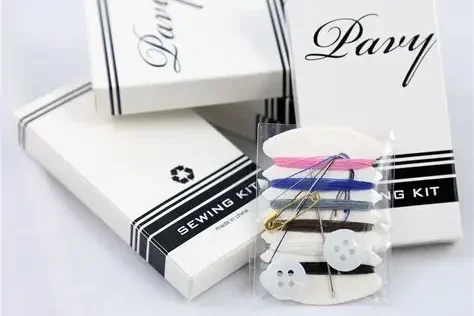
Hotel sewing kits often come home unnoticed, tucked into bags or pockets. They were designed to solve small problems during travel, offering care without fuss. People keep them because they feel thoughtful and complete. In a drawer, they represent hospitality and attention to detail. Each tiny kit reflects a moment when someone anticipated your needs. Keeping them feels like holding onto kindness. They wait quietly, ready to help again, reminding us that care often comes in small gestures and that thoughtful preparation can leave lasting impressions long after the stay itself ends and routines return to normal at home.
21. Bottle Openers That Traveled Far
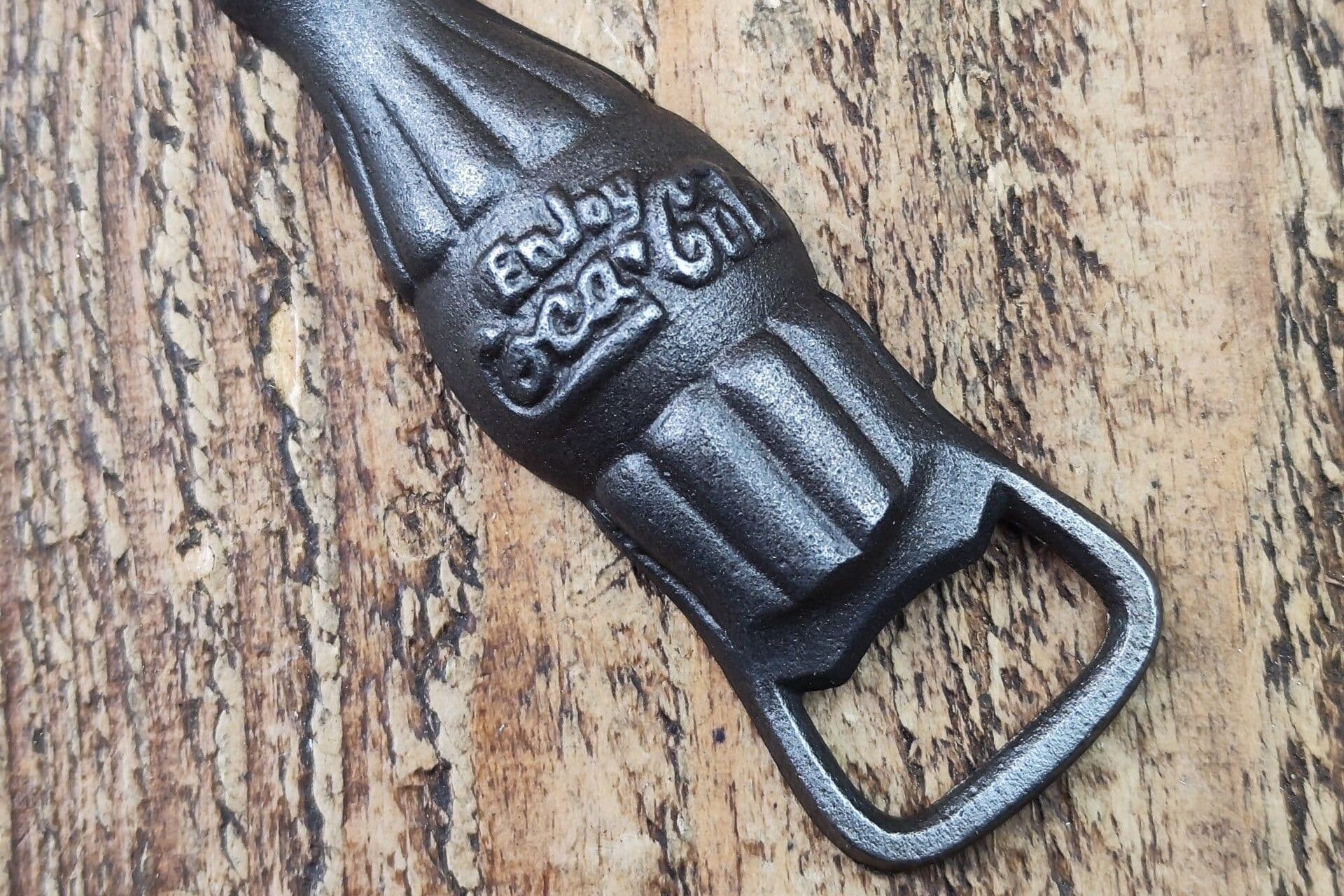
Bottle openers often arrive as souvenirs, gifts, or event keepsakes. They are practical, sturdy, and easy to keep. Over time, they collect in drawers, each tied to a place or memory. People save them because they feel useful and personal. In a drawer, they represent gatherings, celebrations, and shared moments. Even when unused, they carry social history. These tools remind us how objects become markers of connection, holding onto times when laughter flowed easily and everyday life paused long enough to enjoy company without urgency or distraction.
22. Half Used Notepads Full of Plans
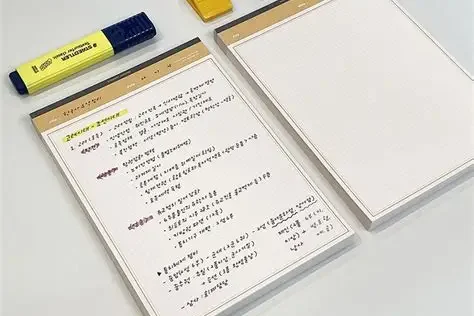
Notepads rarely reach their final page. They begin with enthusiasm, lists, and ideas, then fade as priorities change. People keep them because blank pages still feel possible. In a drawer, half used notepads hold both action and pause. They represent intention without pressure. Each page reflects a moment when writing felt necessary. Keeping them shows our desire to return to unfinished thoughts. These notepads quietly remind us that planning is part of hope and that not every idea needs completion to have meaning or value in daily life.
23. Old Earbuds That Still Work

Earbuds gather easily and disappear just as fast. Older pairs often linger long after newer versions arrive. People keep them because they still function, even imperfectly. They once delivered music, calls, and quiet escapes. In a drawer, they represent personal soundtracks and private moments. Their worn wires reflect hours of use. Keeping them feels practical and sentimental. These earbuds remind us how sound became personal and portable, shaping routines and emotions, and how familiar tools remain comforting even as technology improves and replacements become available quickly.
24. Keychains That Grew Too Heavy
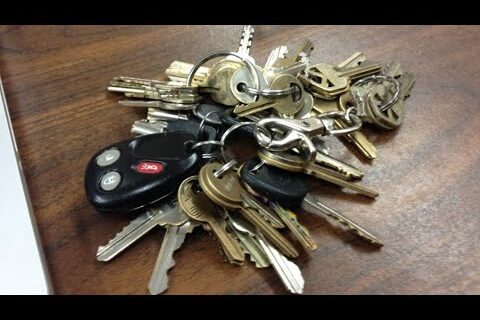
Keychains often start simple and grow with time. Each added ring holds a memory, spare key, or souvenir. People keep them because removing anything feels like letting go. In a drawer, heavy keychains represent accumulation and attachment. They show how objects collect meaning beyond function. Each piece once mattered enough to carry daily. Now resting together, they remind us how memory builds quietly, turning practical items into timelines of places visited, doors opened, and moments we chose to keep close.
25. Calendars That Refused to Leave
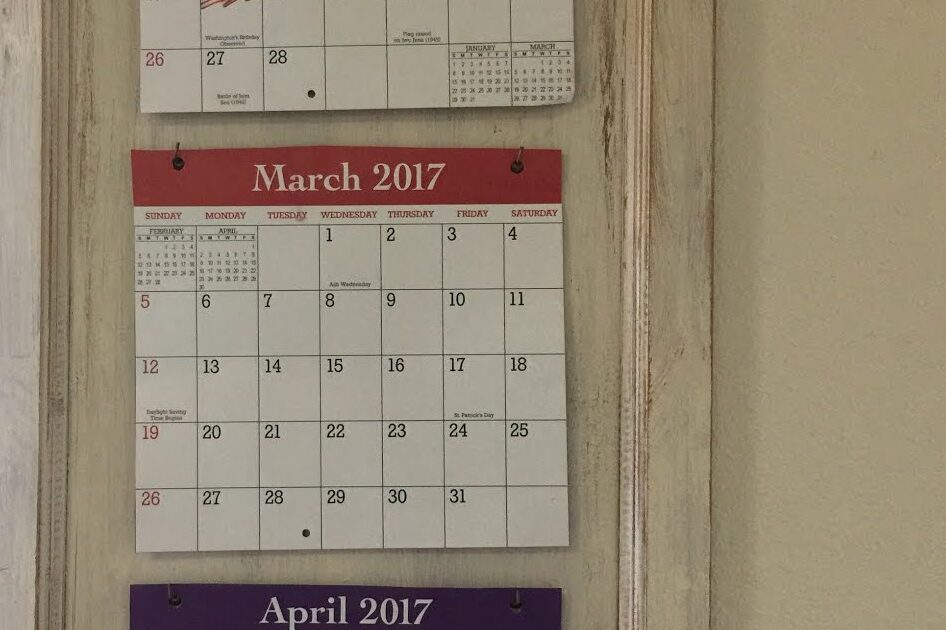
Old calendars linger because time feels personal. Each page once organized days, plans, and routines. People keep them because flipping through feels familiar. In a drawer, they represent how time was once structured. Dates marked and passed still hold emotional weight. Keeping them feels comforting. They remind us that time moves forward, but memory stays behind. Calendars quietly show how we try to preserve moments by holding onto the framework that once contained them, even after the year itself has moved on and new routines have taken over daily life.
26. Allen Keys Without Furniture
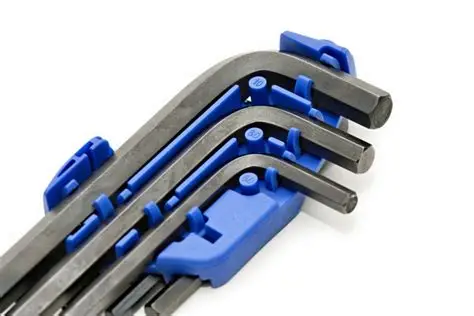
Allen keys often arrive with flat pack furniture and quickly lose their context. People keep them because they feel important and specific. Throwing them away seems risky. In a drawer, they represent modern self reliance and assembly culture. These small tools empowered people to build their own spaces. Even unused, they promise repair. They remind us how convenience shifted responsibility, placing construction and care into everyday hands and making ordinary people feel capable of maintaining their surroundings with simple tools kept nearby.
27. Envelopes Filled with Loose Screws
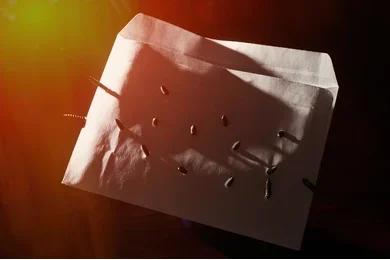
Loose screws and bolts often end up together after repairs. People save them because they might fit something later. In a drawer, these envelopes represent preparation and thrift. Each piece once mattered enough to keep. They reflect a mindset of fixing rather than replacing. Keeping them feels sensible. These small parts quietly remind us that maintenance was once routine and that holding onto tiny pieces often means believing things can be restored instead of discarded when problems appear unexpectedly.
28. Expired Coupons with Hope

Coupons are usually saved with good intentions and quiet optimism. They promise savings, planning, and a sense of being prepared. People tuck them into drawers believing they will be useful soon. When they expire, throwing them away feels harder than expected. In a drawer, expired coupons represent missed timing rather than failure. They show how hope often arrives early and leaves quietly. Keeping them reflects optimism and the desire to plan ahead. These slips of paper remind us how anticipation shapes everyday choices, even when life moves faster than printed dates and priorities change before opportunities are used fully.
29. Extra Remotes Without Screens
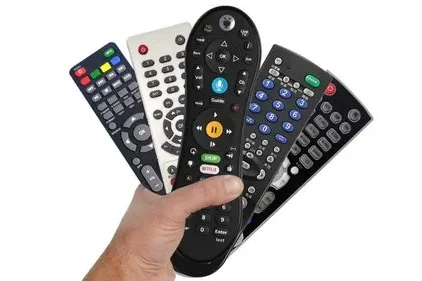
Extra remote controls often remain long after televisions are replaced or removed. People keep them because they once controlled comfort, sound, and shared moments. In a drawer, they represent power without purpose. Buttons still respond, yet nothing happens. Keeping them feels harmless and familiar. These remotes quietly show how technology advances while habits lag behind. They remind us that familiarity brings comfort, even when usefulness fades. Sitting among other forgotten items, they reflect how we hold onto tools tied to routine, choosing memory over practicality, and keeping objects that once made life easier even when their role has ended.
30. The Drawer That Holds It All
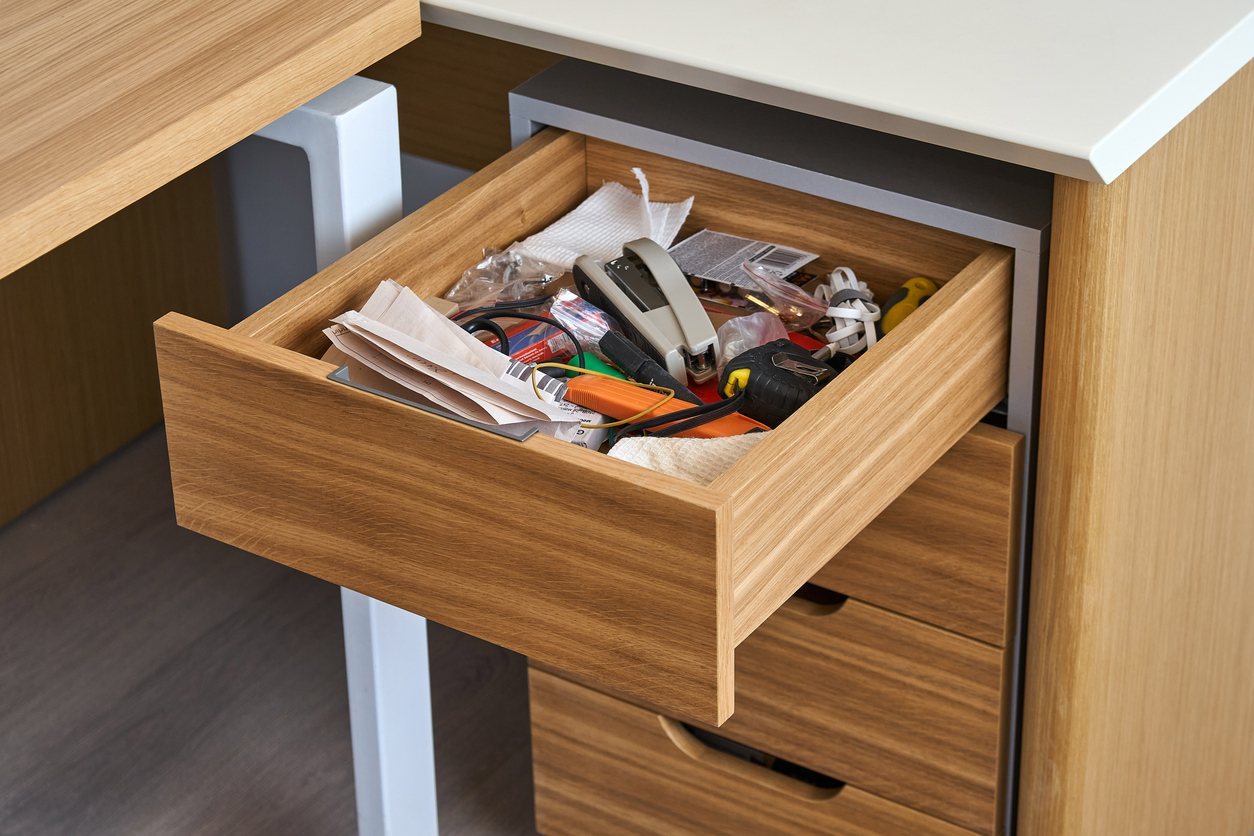
The junk drawer itself becomes the final keeper of everyday life. Designed to hide clutter, it collects fragments without judgment. Inside it lives memory, habit, and hesitation. Each item stayed because it once mattered or might again. Opening the drawer feels like revisiting small chapters of personal history. It quietly shows how people live, adapt, and hold on. If this felt familiar, take another look inside your own drawer, notice what you keep, and share the stories hiding there with someone who understands the beauty of ordinary things.


