
1. Bees Holding Our Food Together
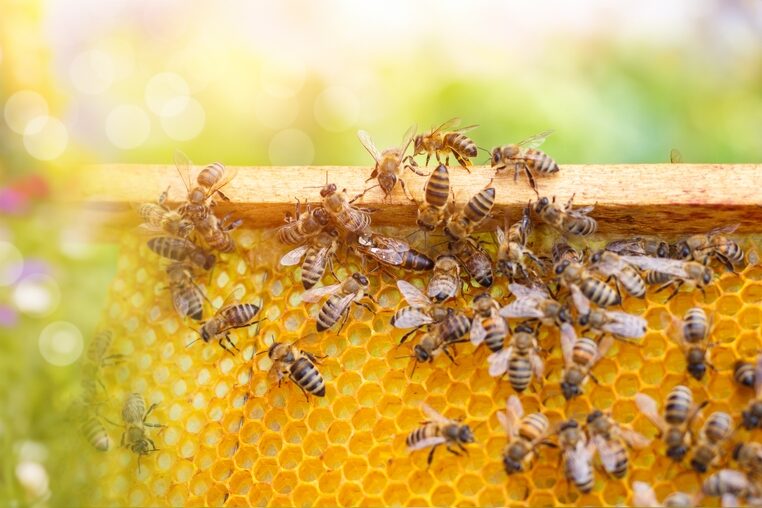
We rarely stop to notice how much of modern life depends on tiny wings working quietly nearby. Bees begin this story because they are already part of our mornings, even when we do not realize it. From fruits to vegetables to nuts, bees help plants reproduce by moving pollen as they feed. Without that simple exchange, grocery shelves would look very different. Their work supports farms, home gardens, and global food systems every single day. Bees are not loud or demanding. They simply return, season after season, making sure abundance remains possible while we go about our lives.
2. Ants Shaping the Ground Beneath Us
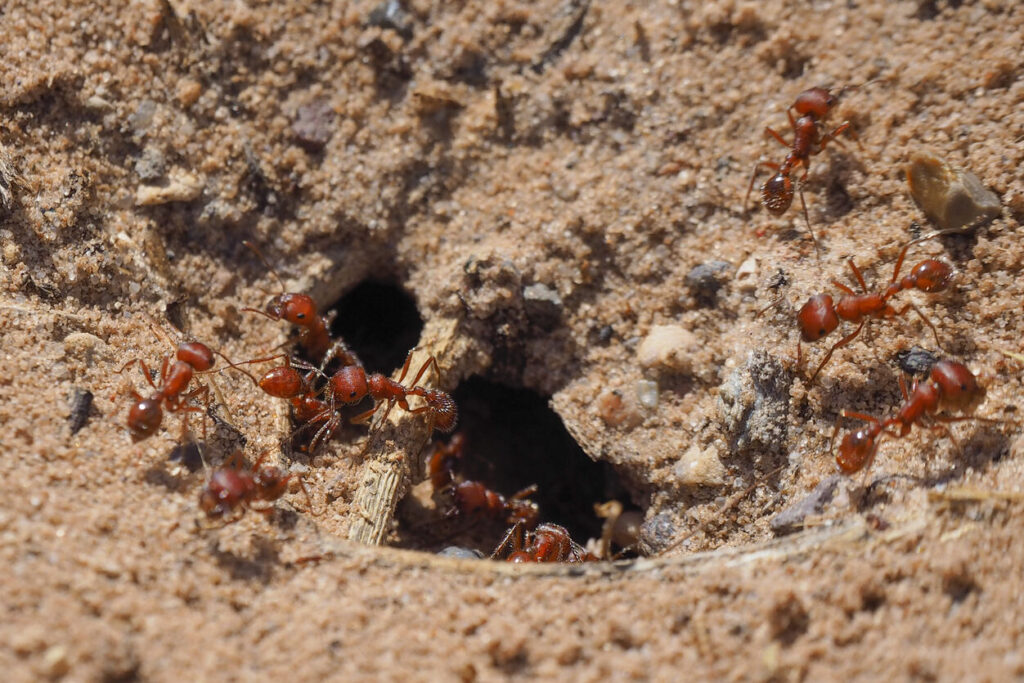
Ants spend their lives moving through soil, and in doing so, they quietly improve it. Their tunnels allow air and water to reach plant roots more easily, which helps crops and wild plants grow stronger. As ants carry food scraps and organic material underground, they redistribute nutrients where plants need them most. This constant movement keeps soil healthy without machines or chemicals. Ants also clean up waste, removing decaying matter that could spread disease. When you notice a line of ants crossing a path, you are watching a small maintenance crew at work, keeping land productive and balanced.
3. Ladybugs Guarding Crops Gently
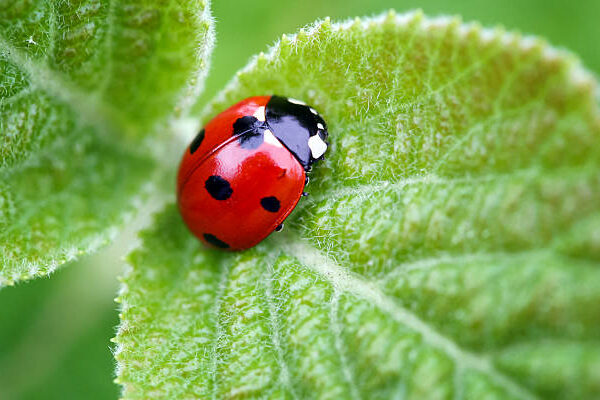
Ladybugs may look harmless, but they are serious protectors of plants. They feed on aphids and other pests that damage crops, gardens, and trees. By keeping these populations in check, ladybugs reduce the need for chemical pesticides. This helps farmers grow healthier food while protecting soil and water. Gardeners often welcome ladybugs because their work is quiet and effective. They do not disturb balance. They simply remove what harms growth. Each spotted shell hides a steady appetite that supports agriculture and everyday food production without noise or recognition.
4. Termites Recycling What Forests Leave Behind
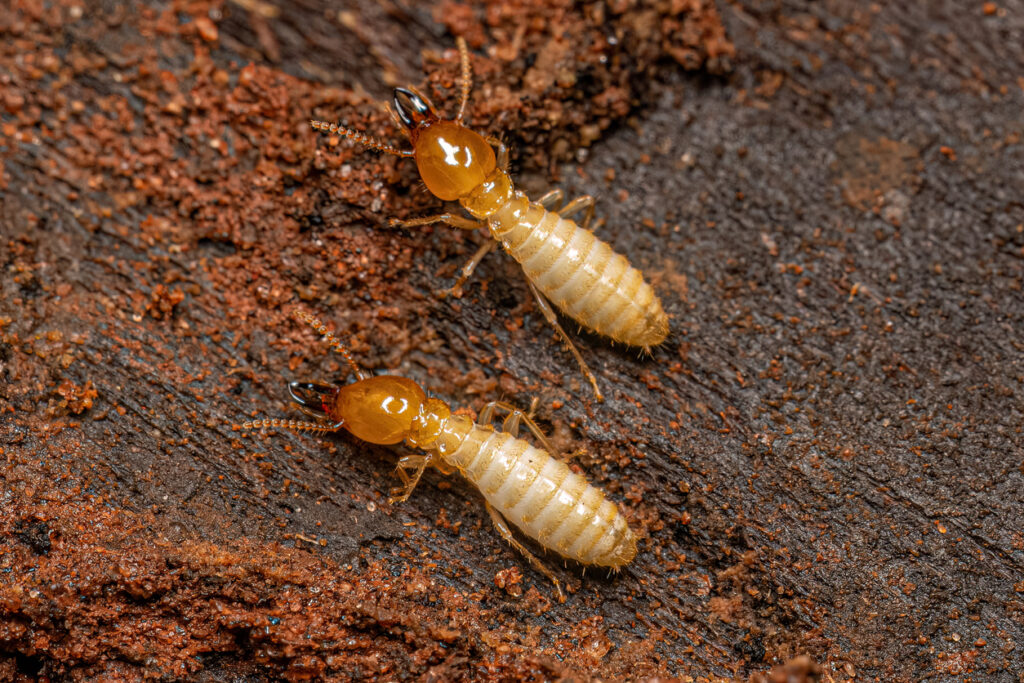
Outside human buildings, termites are essential workers. They break down dead wood and plant material that would otherwise pile up for years. By digesting tough fibers, termites return nutrients to the soil, making space for new plants to grow. Their underground networks also improve soil structure and water movement. In forests and grasslands, termites prevent clutter and decay from overwhelming ecosystems. Their work keeps landscapes breathable and fertile. Though often misunderstood, termites quietly manage nature’s leftovers, ensuring cycles continue smoothly without interruption.
5. Butterflies Supporting Plant Diversity

Butterflies contribute more than beauty. As they move between flowers, they help pollinate plants, especially wild species that rely on lighter contact. This process supports genetic diversity, which helps plant populations adapt to change. Butterflies are also sensitive to environmental shifts, making their presence a sign of healthy surroundings. When butterflies thrive, it often means ecosystems are balanced. Their gentle movements help maintain plant variety, which supports insects, animals, and people alike. Each flight carries more purpose than it appears, connecting plants across fields and seasons.
6. Dung Beetles Cleaning the Land
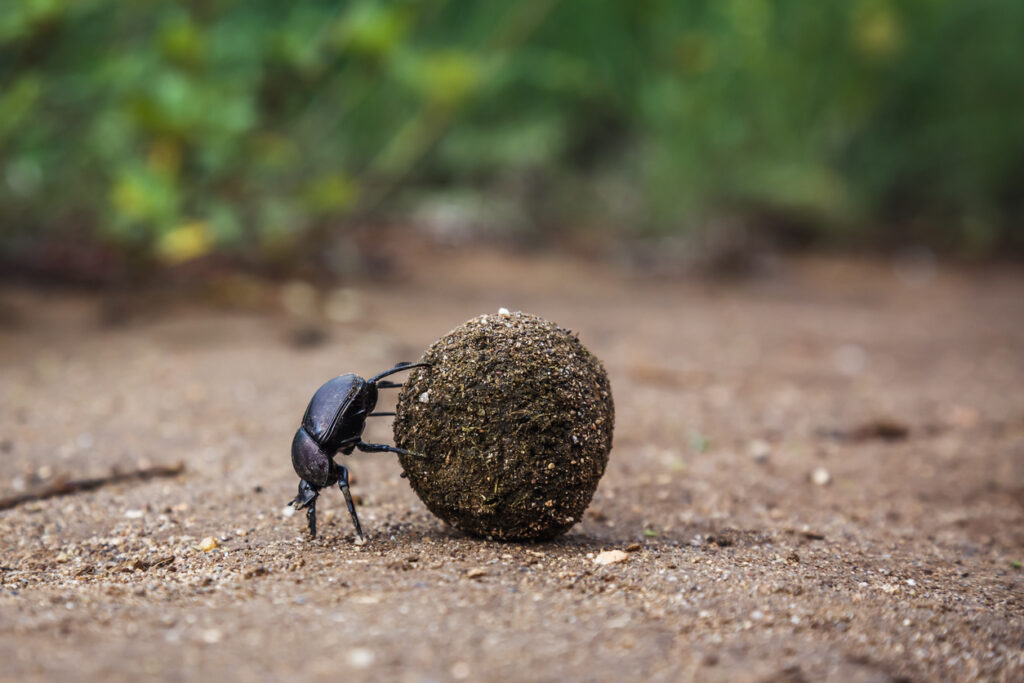
Dung beetles perform one of nature’s least celebrated but most important tasks. They break down animal waste by burying and consuming it. This process returns nutrients to the soil, improves fertility, and prevents parasites from spreading. By removing waste quickly, dung beetles also reduce flies and unpleasant buildup in grazing areas. Their work improves water absorption in soil and keeps land usable for farming. Without dung beetles, landscapes would struggle to stay healthy. They quietly keep fields clean and productive, asking nothing in return.
7. Dragonflies Keeping Mosquitoes Balanced
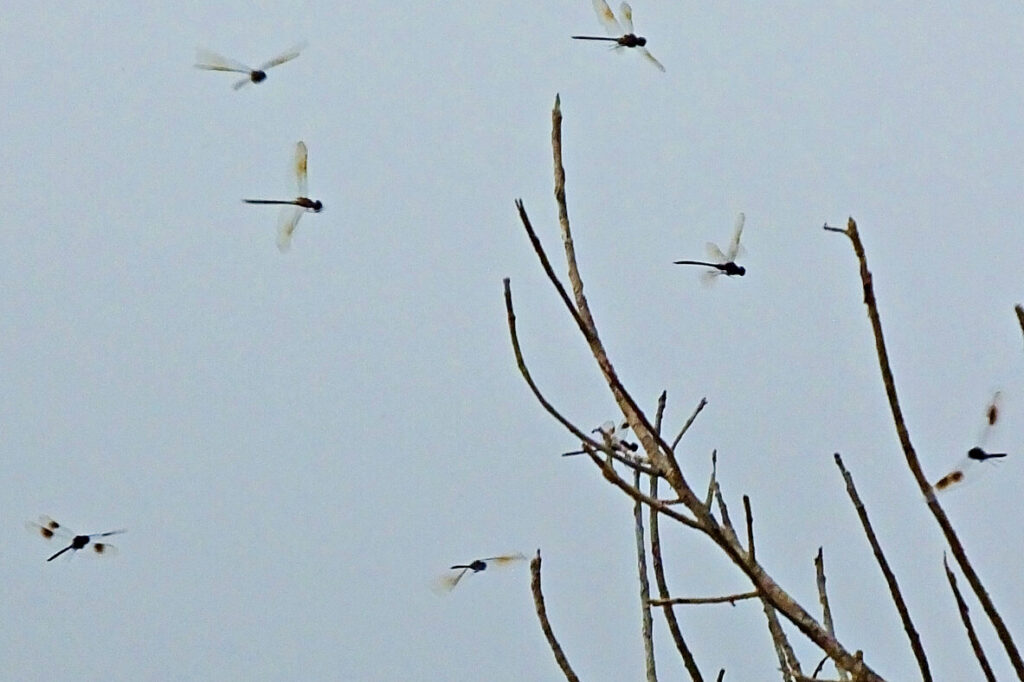
Dragonflies are skilled hunters that help control mosquito populations naturally. As larvae, they feed in water, and as adults, they hunt in the air. This two stage role makes them effective at reducing pests that affect human comfort and health. Dragonflies also depend on clean water, so their presence often signals healthy wetlands. Their fast movements may look playful, but their work is precise. By limiting mosquito numbers, dragonflies help maintain balance without chemicals, making outdoor spaces more comfortable for people and wildlife alike.
8. Wasps Managing Pests Quietly
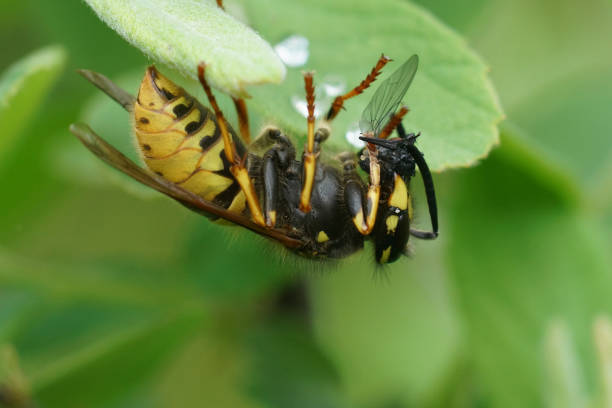
Wasps are often feared, but many species play a valuable role in agriculture. Parasitic wasps help control insect populations by targeting pests that damage crops. This natural control reduces the need for chemical sprays and supports healthier farming systems. Some wasps also assist with pollination, contributing to plant reproduction. Their work happens quietly among leaves and stems, mostly unnoticed. While they may not be welcome at picnics, wasps help protect food sources and maintain balance in fields and gardens every day.
9. Beetles Recycling Organic Waste
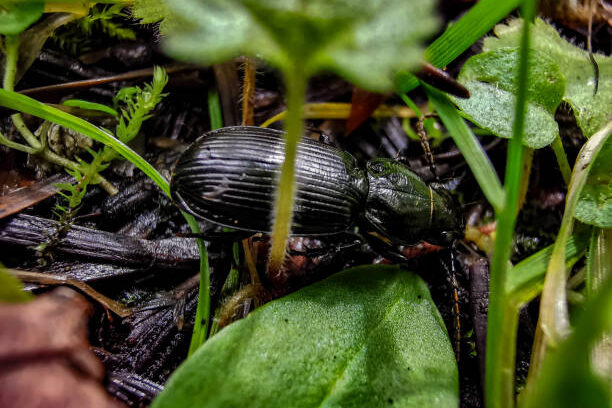
Many beetles specialize in breaking down dead plants, animals, and organic waste. This decomposition process returns nutrients to the soil, supporting new growth. Beetles help prevent disease by removing decaying matter that could attract harmful organisms. Their work keeps ecosystems clean and functional. Some beetles also contribute to pest control and soil health, making them versatile contributors. When beetles disappear under leaves or logs, they are performing essential cleanup tasks. Their quiet recycling supports plant growth and overall environmental stability.
10. Hoverflies Filling Pollination Gaps
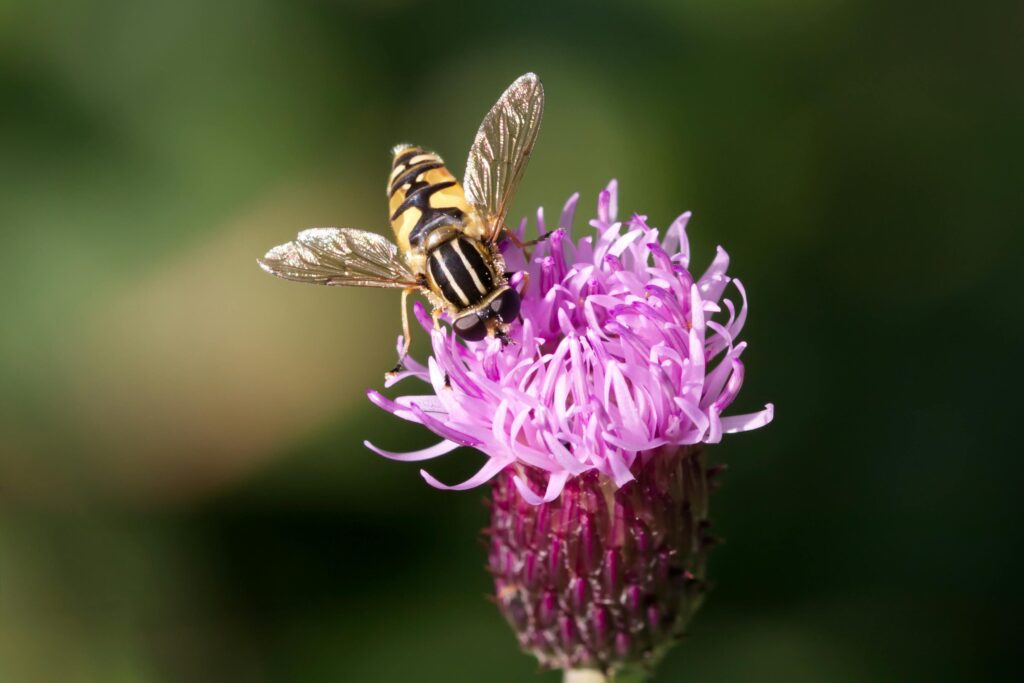
Hoverflies are often mistaken for bees, and their contribution is just as meaningful. They pollinate crops and wild plants, especially in areas where bees are fewer. As larvae, many hoverflies feed on aphids, helping protect plants from damage. This dual role supports gardens and farms naturally. Hoverflies are calm and non aggressive, making them easy neighbors in green spaces. Their presence helps ensure pollination continues even during environmental changes. They quietly step in where needed, keeping plant systems functioning smoothly.
11. Moths Working After Dark
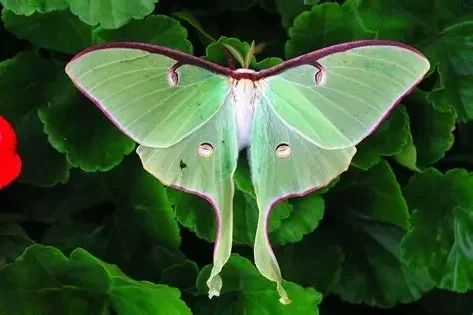
While many pollinators rest at night, moths take over. They pollinate night blooming plants that depend on evening activity to reproduce. Their fuzzy bodies collect pollen as they feed, connecting plants across dark landscapes. Moths also support food chains by feeding birds, bats, and other animals. Their nighttime work keeps ecosystems balanced around the clock. Even when humans sleep, moths continue maintaining plant diversity and supporting wildlife. Their quiet labor reminds us that essential work happens at all hours.
12. Grasshoppers Supporting Soil Health
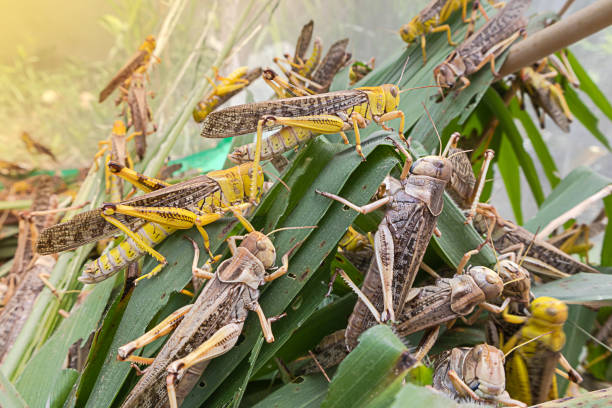
In balanced numbers, grasshoppers play a helpful role in ecosystems. By feeding on plants and producing waste, they speed up nutrient cycling in grasslands. Their droppings enrich soil, supporting new plant growth. Grasshoppers also serve as food for birds, reptiles, and mammals, transferring energy through ecosystems. Their presence keeps plant communities dynamic and prevents overgrowth. Though sometimes seen as pests, grasshoppers contribute to soil fertility and ecosystem resilience when populations remain stable.
13. Fireflies Reflecting Healthy Spaces
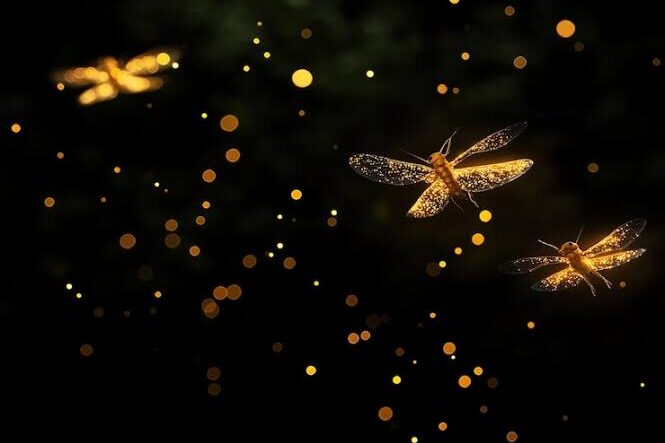
Fireflies do more than glow on warm evenings. Their presence often signals clean water, healthy soil, and low pollution. As larvae, they feed on pests like snails and slugs, helping control populations naturally. Fireflies are sensitive to environmental changes, so their disappearance can indicate deeper problems. Their gentle light reflects balance within ecosystems. When fireflies thrive, it often means surrounding habitats are functioning well. Their quiet role supports pest control and environmental awareness in subtle but meaningful ways.
14. Lacewings Protecting Plants Naturally
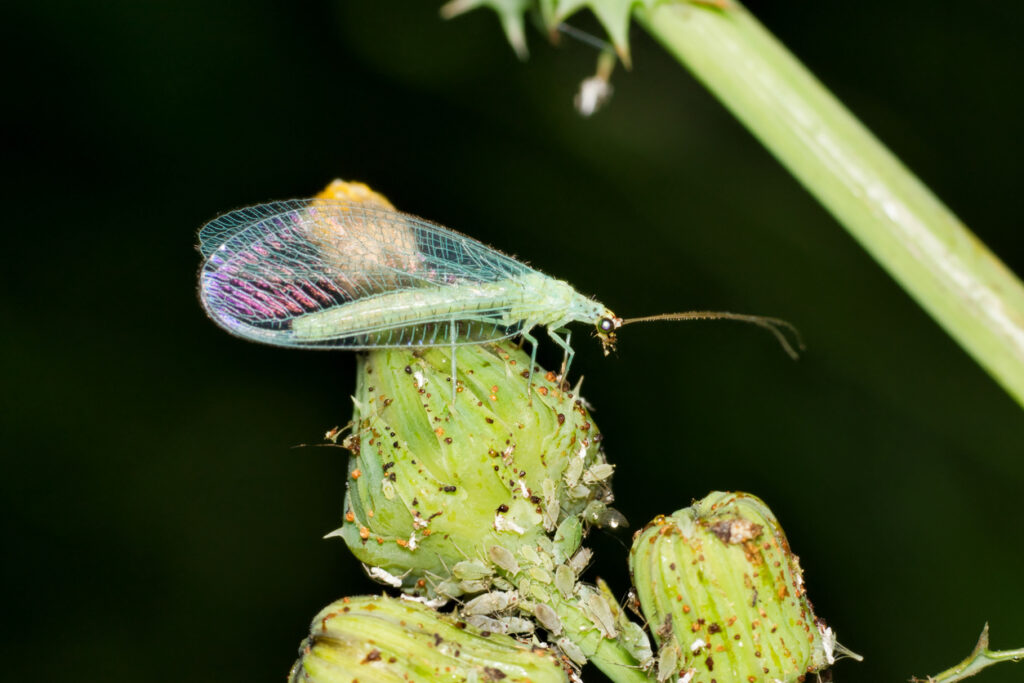
Lacewings may look delicate, but their larvae are effective predators. They feed on aphids and other insects that damage crops and gardens. This natural pest control reduces reliance on chemical treatments. Lacewings work quietly among leaves, protecting plants without disturbing surrounding life. Their presence supports healthier farming and gardening practices. By controlling pests naturally, lacewings help maintain balance while preserving soil and water quality. Their contribution is small in appearance but significant in impact.
15. Crickets Supporting Sustainable Systems
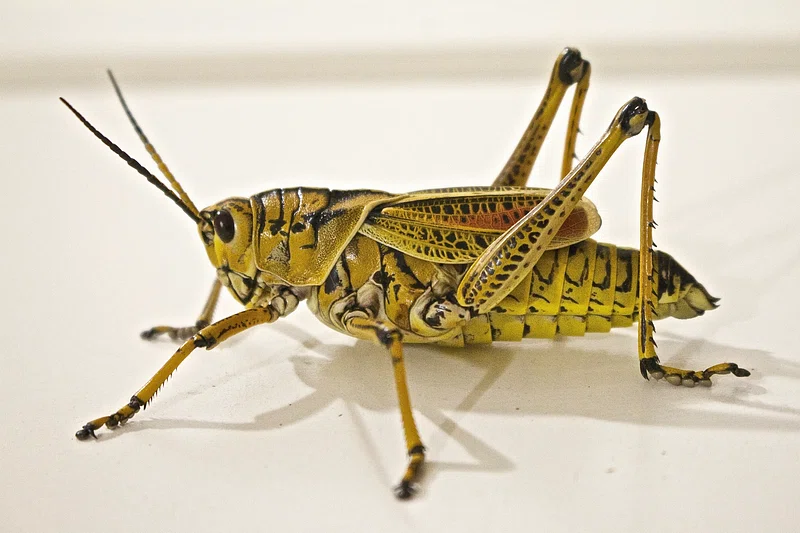
Crickets quietly recycle plant matter while serving as food for many animals. Their activity supports nutrient cycling and soil health across ecosystems. Recently, crickets have gained attention for their potential as a sustainable protein source, requiring fewer resources than traditional livestock. Even without that role, their natural contributions remain valuable. Crickets help maintain ecological balance while offering solutions for future food systems. Their steady presence reminds us that sustainability often begins with small, consistent work already happening around us.
16. Flies Recycling What We Leave Behind
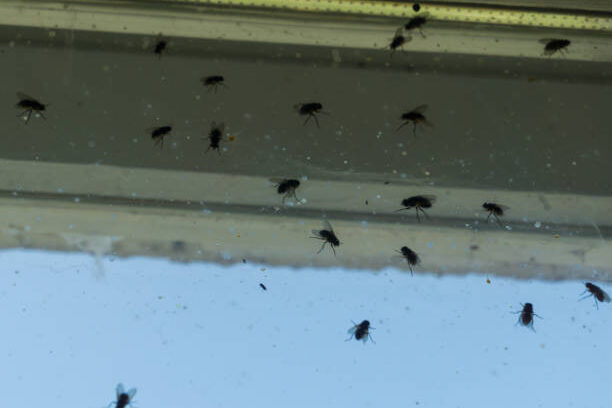
Flies are rarely appreciated, yet they perform essential cleanup work every day. Many species feed on decaying organic matter, breaking it down before it becomes a health risk. This process speeds up decomposition and returns nutrients to the soil. In nature, flies help prevent waste from piling up and spreading disease. They also support food chains by feeding birds, reptiles, and other insects. While their presence can feel inconvenient, flies quietly manage what ecosystems cannot ignore. Their work keeps environments cleaner and supports natural recycling systems that modern sanitation still depends on indirectly.
17. Aphids Feeding Beneficial Insects
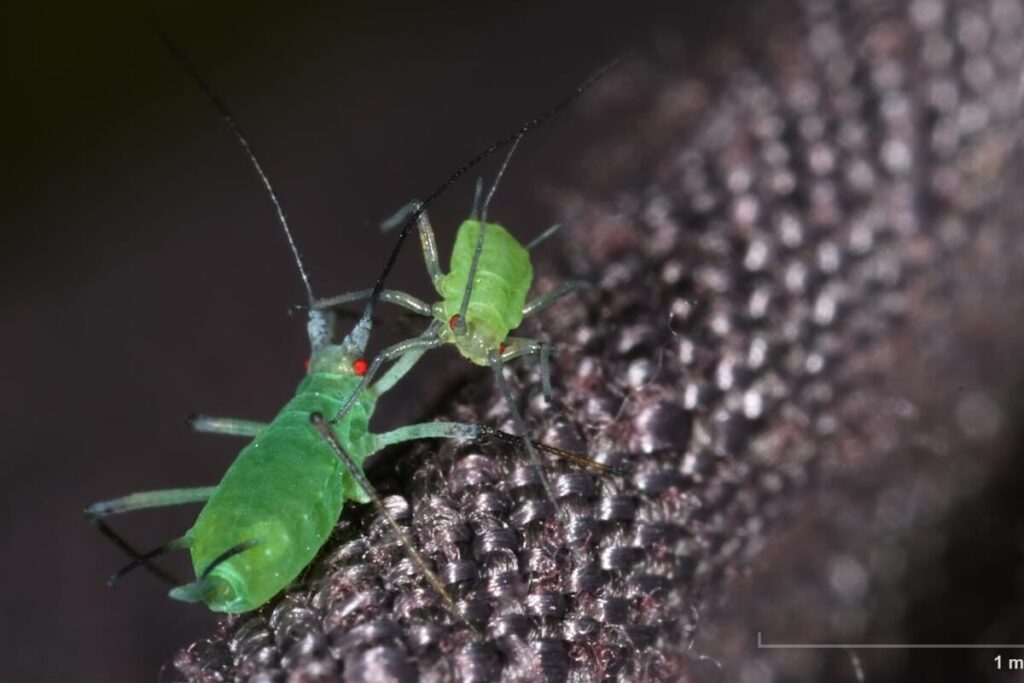
Aphids are often labeled pests, but their role is more complex. They feed on plants, yes, but they also provide food for ladybugs, lacewings, and other helpful insects. This relationship keeps ecosystems balanced. Aphids help transfer energy from plants to predators that protect crops later. In controlled numbers, they support natural pest management systems. Their presence encourages biodiversity and strengthens food webs. Aphids remind us that even disliked insects can serve a purpose, quietly supporting balance while nature manages its own checks and responses.
18. Cicadas Enriching Forest Soil
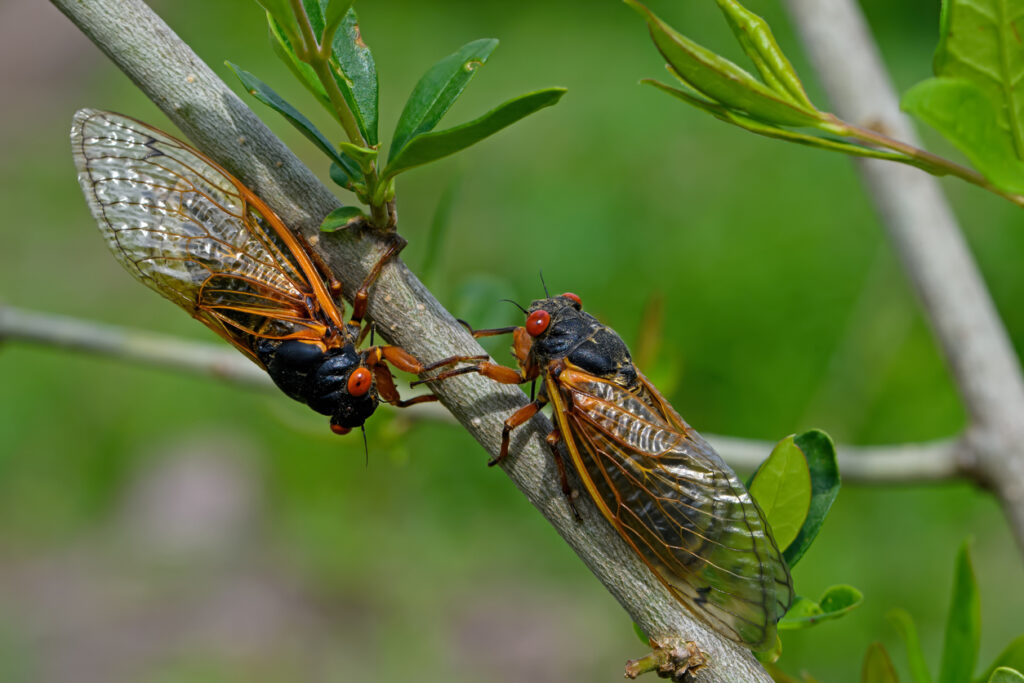
Cicadas spend most of their lives underground, feeding on tree roots without causing harm. When they emerge and eventually die, their bodies return nutrients to the soil. This sudden input enriches forest floors and supports plant growth. Cicadas also aerate soil as they emerge, improving water absorption. Their brief appearances bring long term benefits to trees and surrounding plants. Though noisy for a short time, cicadas spend years working silently below ground, supporting forests in ways that last long after they disappear.
19. Spiders Regulating Insect Populations
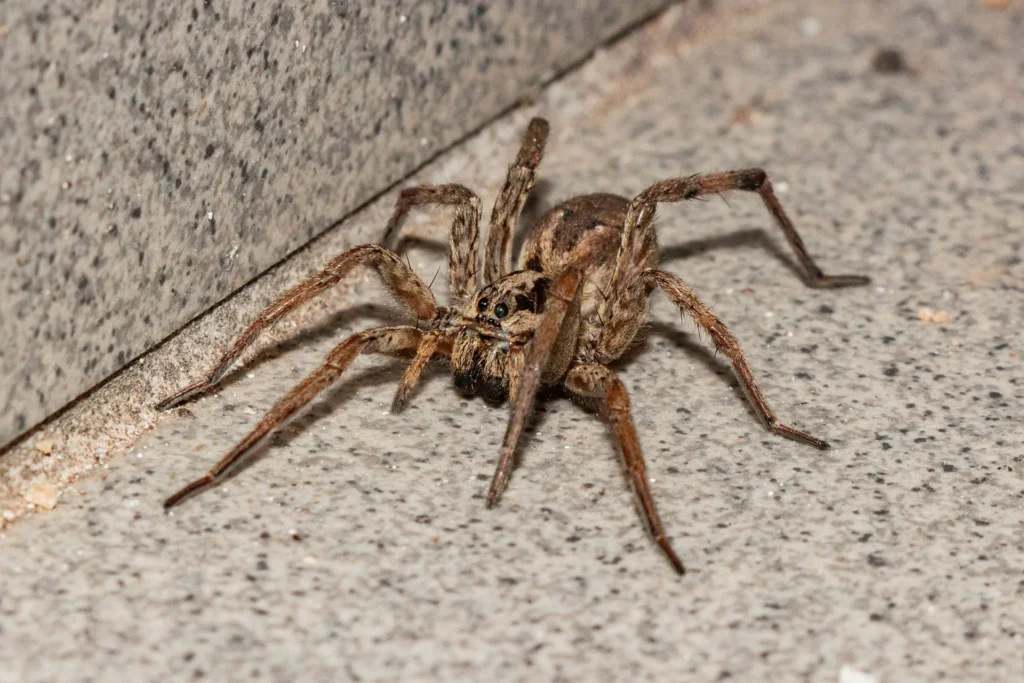
Spiders are not insects, but they work closely with them, maintaining balance. By feeding on flies, mosquitoes, and other pests, spiders reduce population surges naturally. This helps protect crops and limits disease spread. Spiders work without chemicals or noise, setting traps that quietly manage excess insects. Their presence keeps ecosystems stable and reduces the need for human intervention. Though often feared, spiders perform constant pest control, making indoor and outdoor environments more comfortable without disrupting natural systems.
20. Silverfish Breaking Down Paper Waste
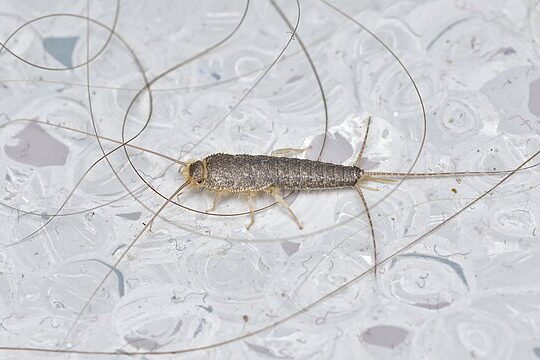
Silverfish feed on materials rich in starch, including paper, glue, and plant fibers. In natural environments, this helps break down organic waste. While unwanted indoors, their role outdoors supports decomposition processes. Silverfish assist in recycling materials that take time to degrade. Their activity helps return nutrients to ecosystems gradually. Though rarely seen, silverfish contribute quietly to nature’s cleanup work. Their presence reflects how even the smallest feeders help manage waste and support ongoing cycles of breakdown and renewal.
21. Mayflies Signaling Clean Water

Mayflies live most of their lives as larvae in water, where they require clean conditions to survive. Their presence indicates healthy rivers and lakes. As adults, they become food for birds and fish, transferring nutrients through ecosystems. Mayflies help scientists and communities understand water quality without tools or testing kits. When mayflies thrive, it suggests balance. Their short adult lives still support larger systems, showing how sensitive insects quietly reflect environmental health while supporting food chains.
22. Stick Insects Balancing Plant Growth
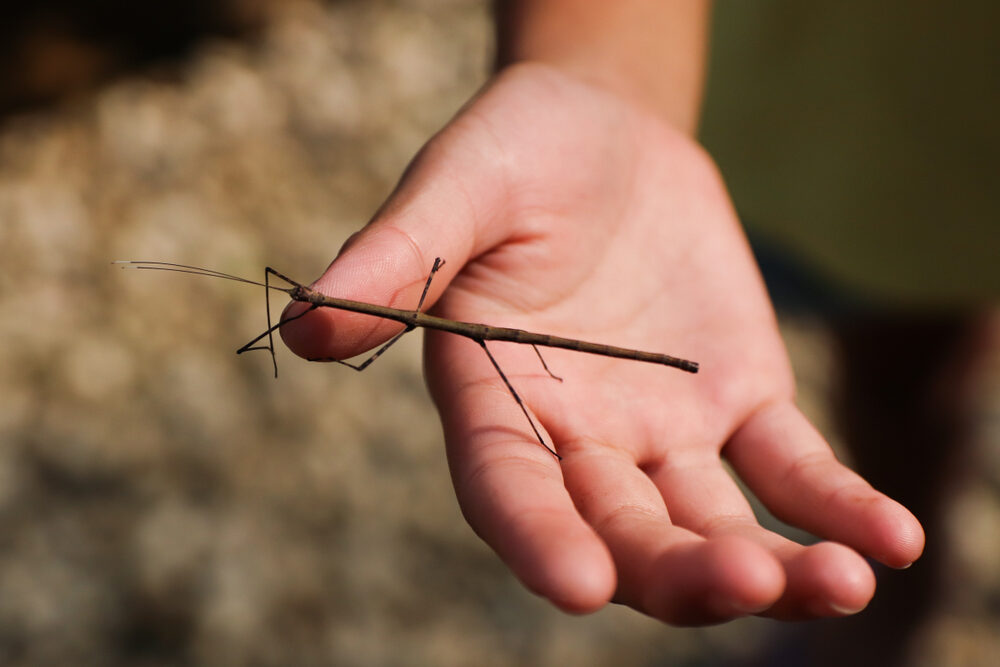
Stick insects feed on leaves, helping manage plant growth in forests. By consuming foliage selectively, they prevent certain plants from overwhelming others. This supports plant diversity and balanced ecosystems. Stick insects also serve as food for birds and reptiles, moving energy through the food web. Their camouflage keeps them unnoticed while they work. Though rarely seen, stick insects quietly influence plant communities, ensuring forests remain layered and diverse rather than dominated by a few aggressive species.
23. Water Striders Managing Surface Balance
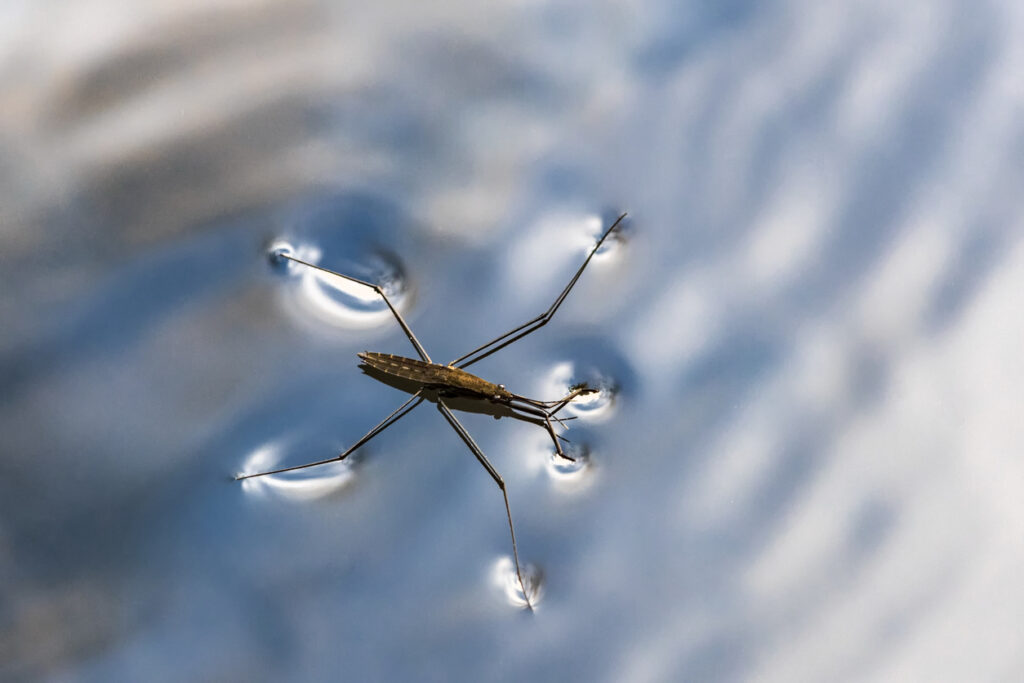
Water striders live on the surface of ponds and streams, feeding on insects that fall into water. This helps control insect populations and keeps water surfaces clear for aquatic life. They also serve as food for fish and amphibians, supporting balanced food chains. Water striders depend on clean water surfaces, which makes their presence a quiet signal of healthy environments. Their light movements allow them to work without disturbing ecosystems below. They glide across water effortlessly, maintaining balance, supporting biodiversity, and helping freshwater systems remain stable and functional for wildlife and nearby human communities.
24. Weevils Supporting Seed Cycles
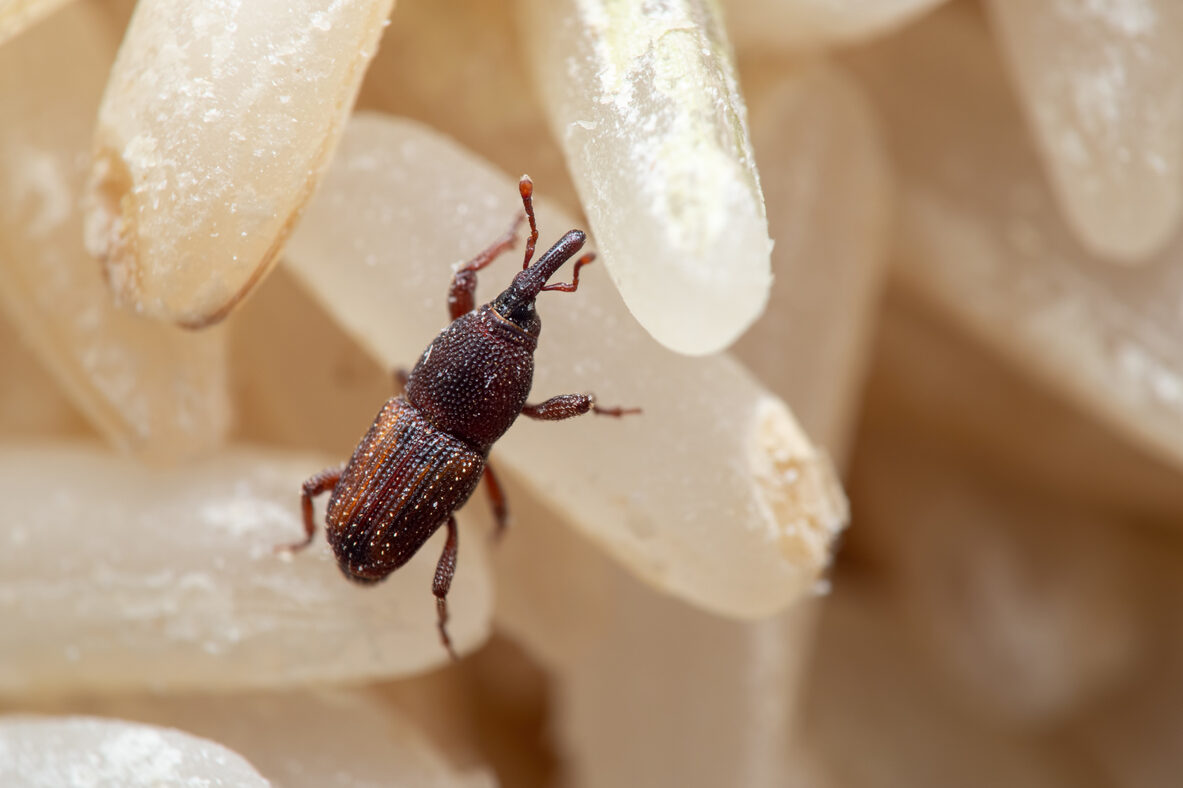
Weevils interact closely with plants by feeding on seeds and plant tissue, shaping how plants regenerate over time. While sometimes viewed as destructive, their activity helps natural selection by ensuring only stronger seeds thrive. Weevils also aid seed dispersal through their movement and feeding behavior. This gradual process influences plant diversity and resilience. In natural ecosystems, weevils help prevent overcrowding and support regeneration cycles. Their quiet feeding shapes plant populations slowly, encouraging adaptation and balance. Through simple daily activity, weevils influence long term plant survival across landscapes.
25. Earwigs Clearing Plant Debris
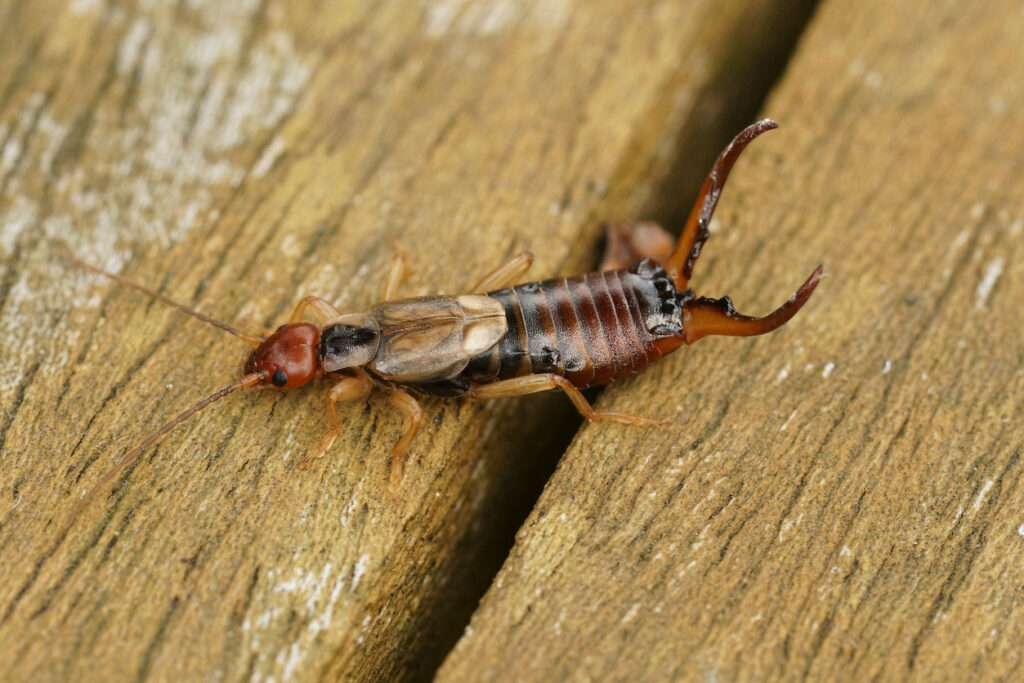
Earwigs play a quiet role in keeping ecosystems tidy. They feed on decaying plant matter, fungi, and smaller insects that accumulate on soil surfaces. This cleanup helps return nutrients to the soil and supports healthy plant growth. Earwigs also help manage pest populations by consuming insects that damage crops and gardens. Their nighttime activity allows them to work unnoticed while ecosystems rest. Though often misunderstood, earwigs contribute to natural recycling processes. Their steady presence supports soil health, reduces waste buildup, and helps landscapes remain balanced and productive.
26. Mosquito Larvae Supporting Aquatic Life
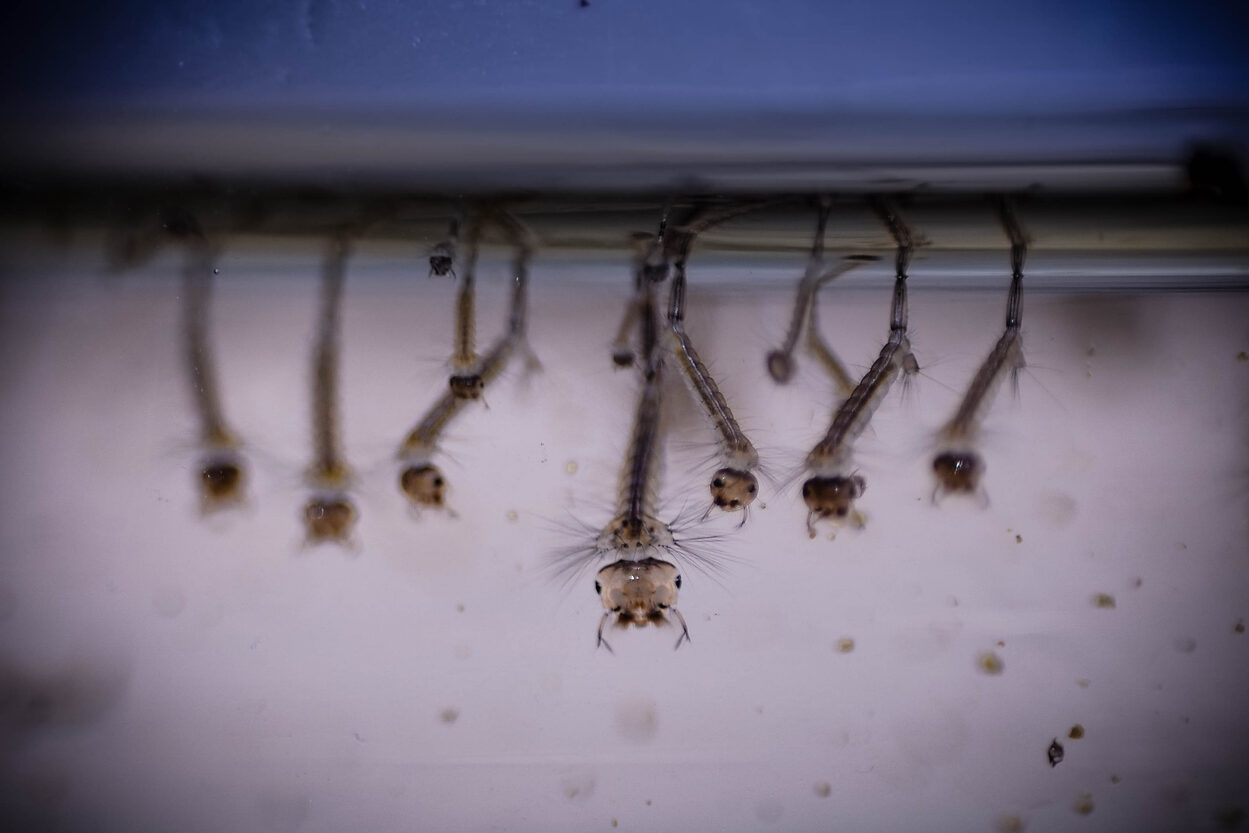
Mosquito larvae play an overlooked role in aquatic ecosystems. Before becoming flying insects, they live in water where they feed on organic particles and microorganisms. This filtering activity contributes to nutrient cycling in ponds and wetlands. Mosquito larvae also provide food for fish, frogs, and aquatic insects, supporting food webs. In balanced ecosystems, their presence supports biodiversity rather than disruption. Though adult mosquitoes create challenges, their early life stage contributes quietly to aquatic systems. Their role reminds us that ecosystems depend on every stage of life.
27. Thrips Assisting Pollination
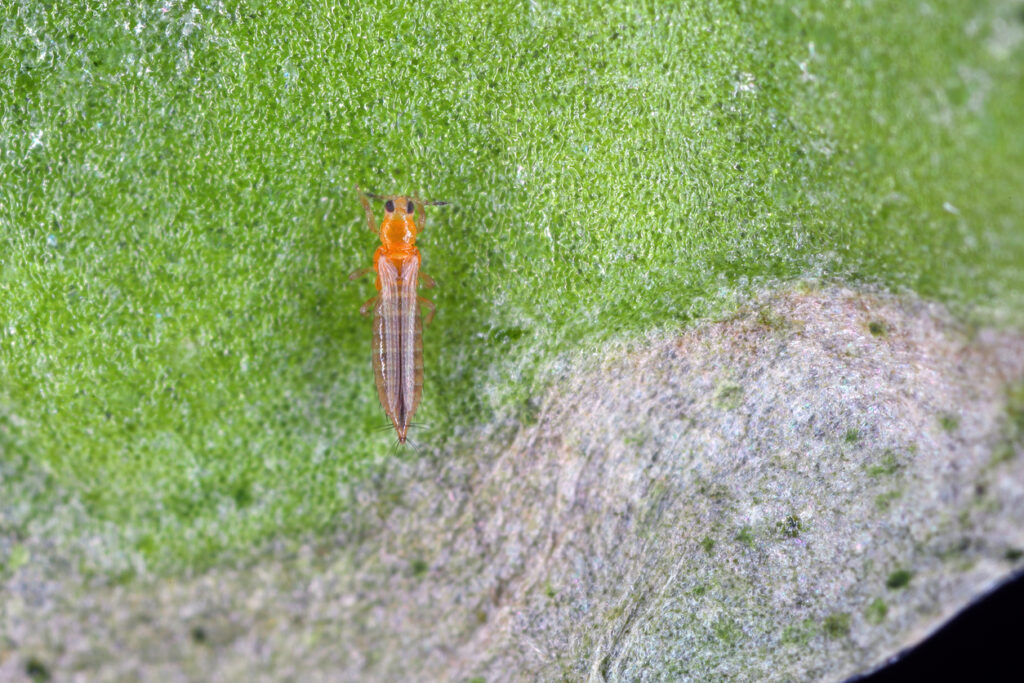
Thrips are tiny insects that often escape notice, yet they assist with pollination for certain plants. As they feed on pollen, they transfer it between flowers, supporting reproduction. Their small size allows them to reach parts of plants larger pollinators cannot access. Thrips influence plant health and diversity, especially in delicate ecosystems. While sometimes labeled pests, they also contribute positively when populations remain balanced. Their quiet movement supports plant systems in subtle ways, reinforcing how even the smallest insects play meaningful ecological roles.
28. Leafcutter Ants Enriching Soil
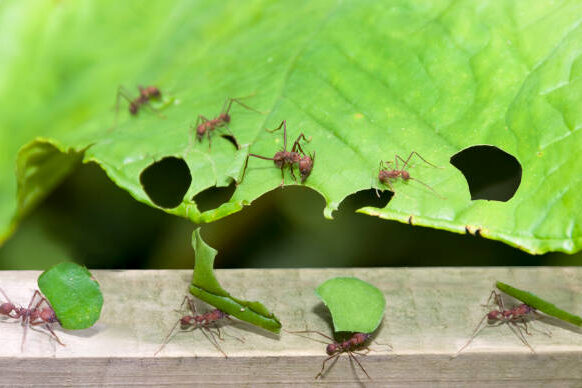
Leafcutter ants collect leaves not to eat directly, but to cultivate fungus underground. This farming process creates nutrient rich material that improves soil fertility. Their tunnels aerate soil and help water penetrate deeper layers. By recycling plant matter efficiently, leafcutter ants support forest regeneration and healthy plant growth. Their organized labor shapes ecosystems over time without drawing attention. Though small, their collective work improves soil quality, supports biodiversity, and strengthens the foundation of the environments modern life continues to depend on.
29. Bark Beetles Renewing Forests
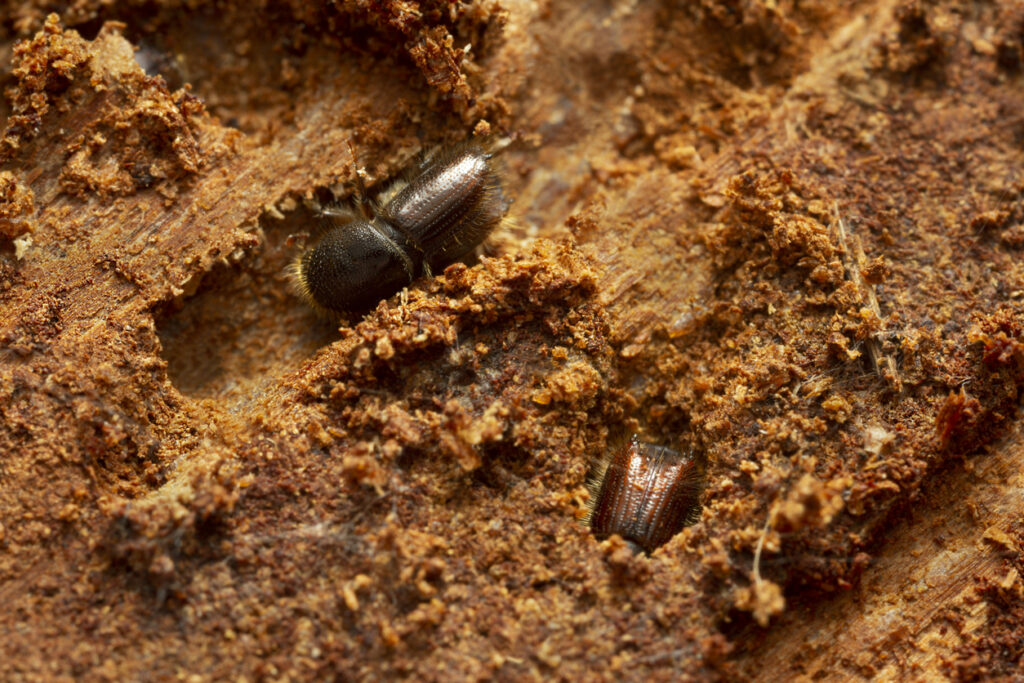
Bark beetles target weakened or stressed trees, helping forests renew naturally. By removing vulnerable trees, they create space for younger growth and increase plant diversity. This process prevents overcrowding and supports healthier forest structure. Bark beetles also provide food for birds and other wildlife, linking them into food chains. When populations remain balanced, they contribute to natural forest cycles. Their quiet role highlights how renewal often follows removal, shaping forests gradually while maintaining long term ecological balance.
30. Springtails Holding Soil Together
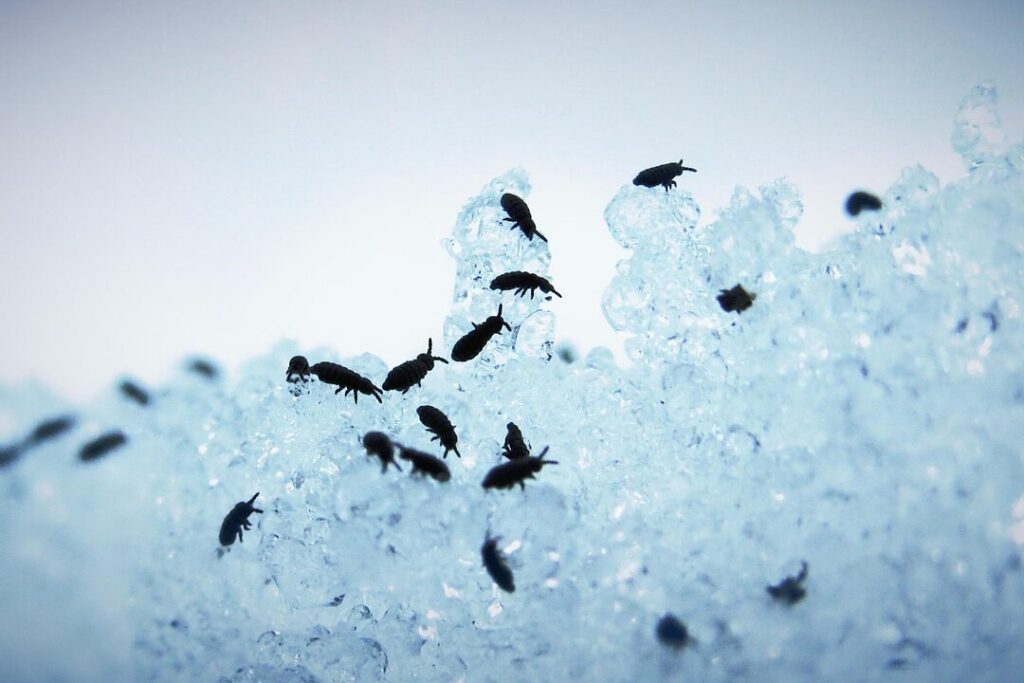
Springtails live within soil layers, feeding on decaying plant matter and fungi. Their activity supports decomposition and releases nutrients plants need to grow. By moving through soil, springtails improve structure and encourage healthy microbial communities. This keeps soil fertile, stable, and capable of supporting crops and vegetation. Though rarely seen, they exist almost everywhere. Their quiet work connects food systems, ecosystems, and human life. Paying attention to small contributors like springtails changes perspective.


