
1. Rolodexes
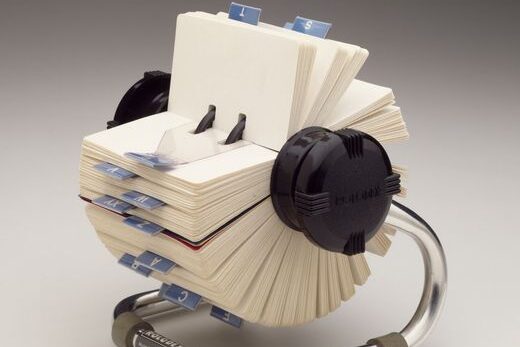
Rolodexes once sat proudly on desks, holding names, numbers and notes on small spinning cards. They made staying connected feel organized and personal. People added cards by hand, updated details and felt the satisfaction of keeping everything in one accessible place. Then digital devices offered easier storage, quicker updates and better search tools. The Rolodex slowly slipped out of daily use, becoming more of a decorative symbol of old school efficiency. It reminds us how quickly modern tools replace familiar rituals, even when those rituals once felt essential.
2. Button Hooks
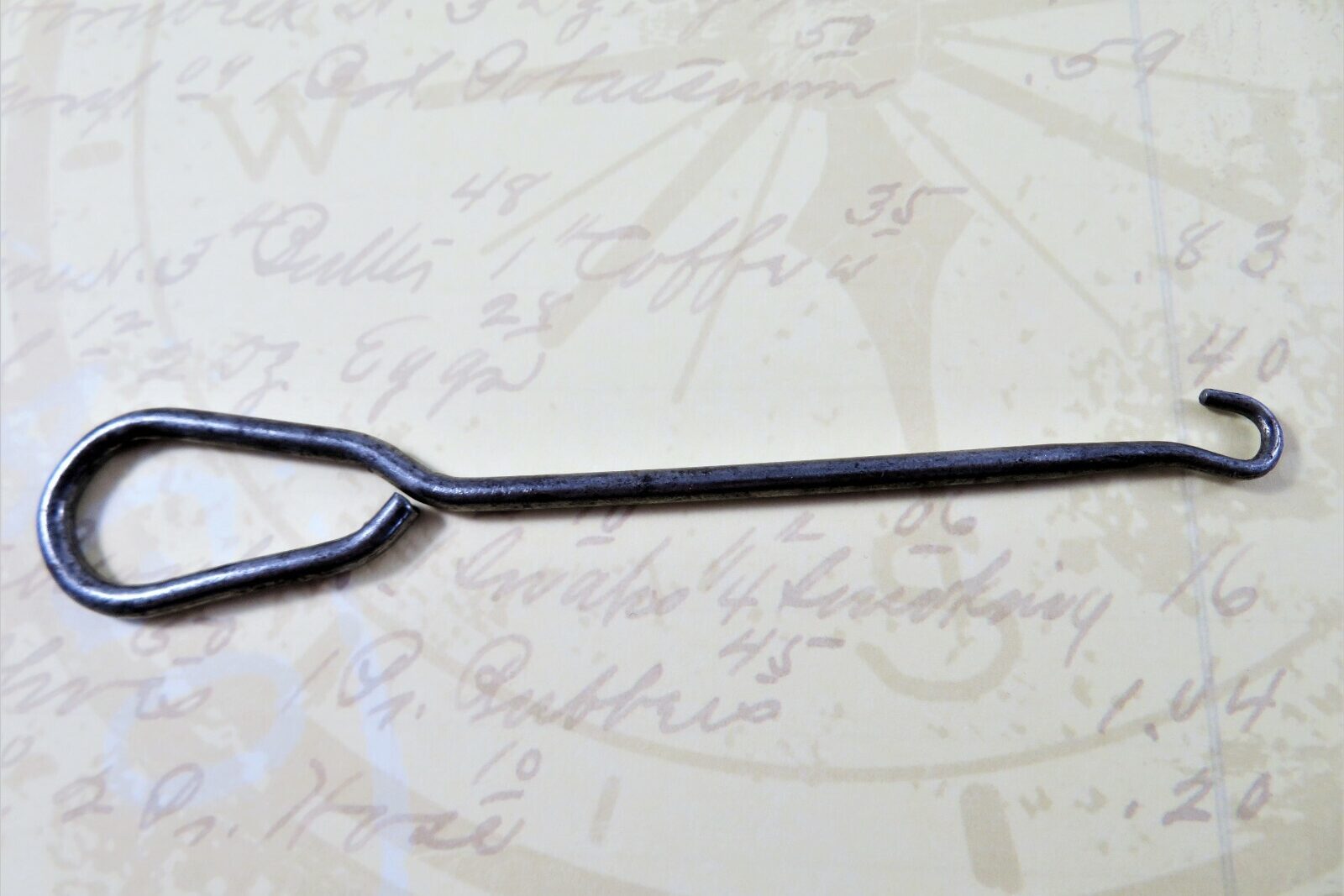
Sometimes it is funny how our homes hold tiny reminders of problems that simply do not exist anymore, and button hooks are one of the clearest examples. They once made getting dressed easier when boots had rows of tiny buttons that were nearly impossible to fasten by hand. People needed something small and sturdy to help pull them through those tight holes. As zippers and laces replaced buttoned footwear, the hook quietly faded into history. Seeing one today feels like finding a soft whisper from a slower time when even getting ready had its own gentle rhythm.
3. Ice Tongs
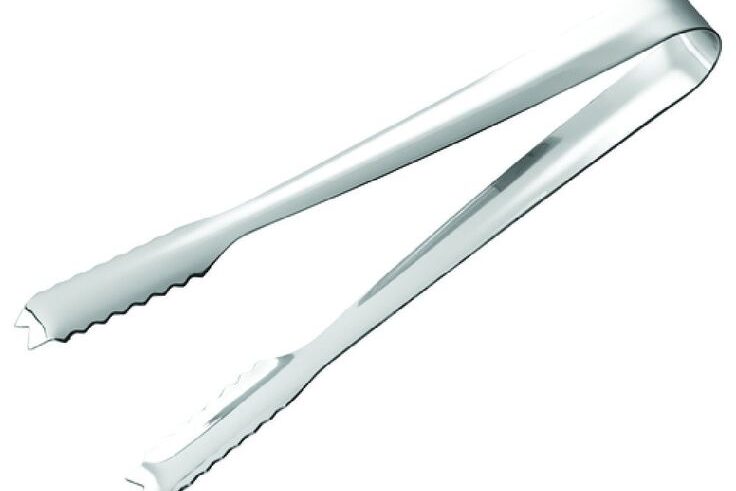
Ice tongs made sense when families relied on iceboxes and needed strong grips to carry heavy blocks into their kitchens. They were part of a routine that feels almost unreal now, one where ice arrived by delivery instead of freezing quietly in a machine. Their sturdy design matched the physical effort of daily tasks at the time. Once refrigerators took over, the tongs lost their purpose, slowly slipping out of homes. Today they appear mostly in antique shops, reminding us that comfort often begins with the simplest innovations that quietly change how we live.
4. Candle Snuffers
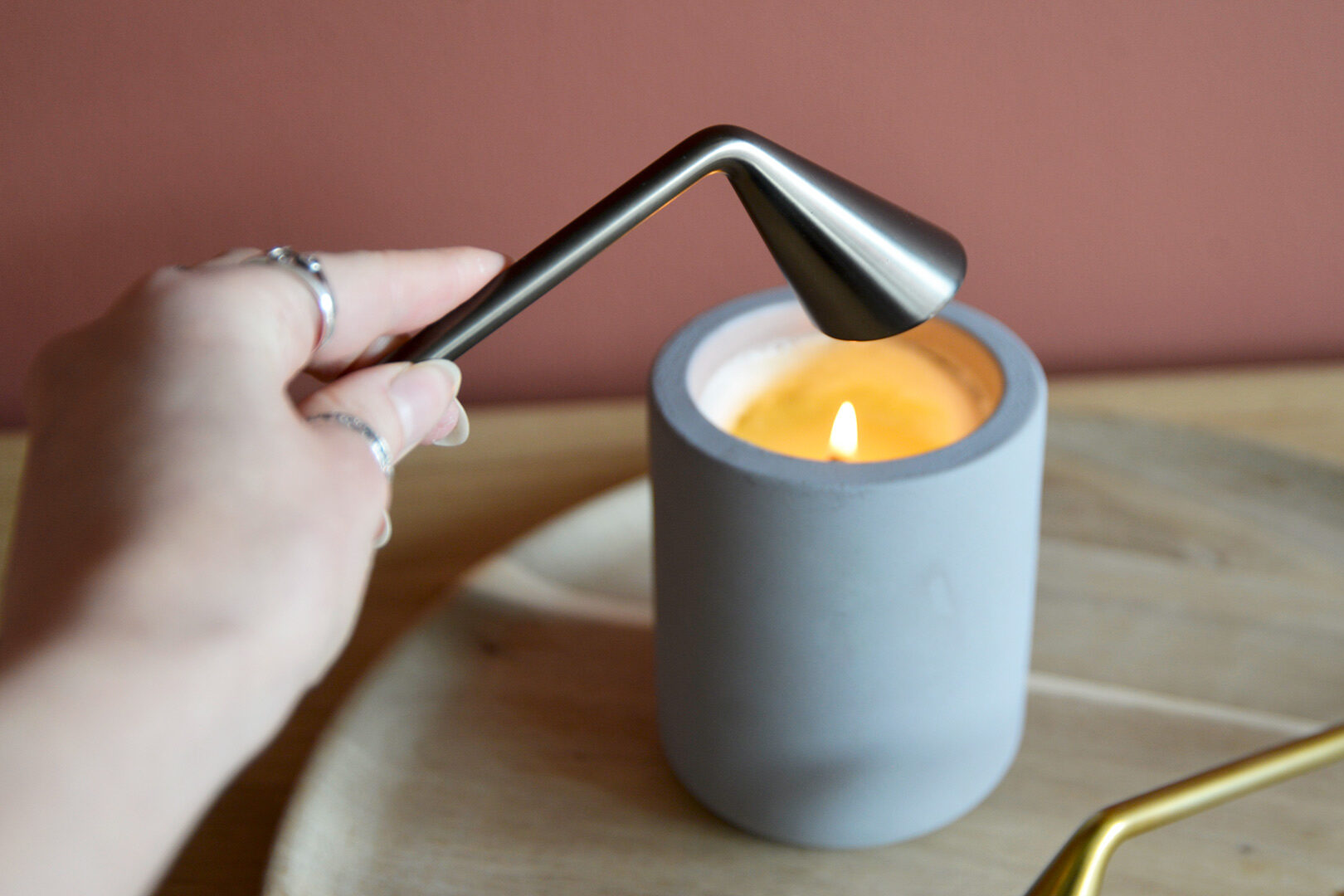
Candle snuffers once helped families end their evenings without smoke filling the room. They made putting out candles gentle and tidy, especially when flame was the only source of light after sunset. Their long handles and small cones added a calm final touch to each night. When electric lighting became common and reliable, the snuffer lost its everyday role. Now people keep them mostly for decoration or nostalgia. They feel like small symbols of a time when light came with effort, care and quiet rituals instead of switches and instant brightness.
5. Slide Projectors
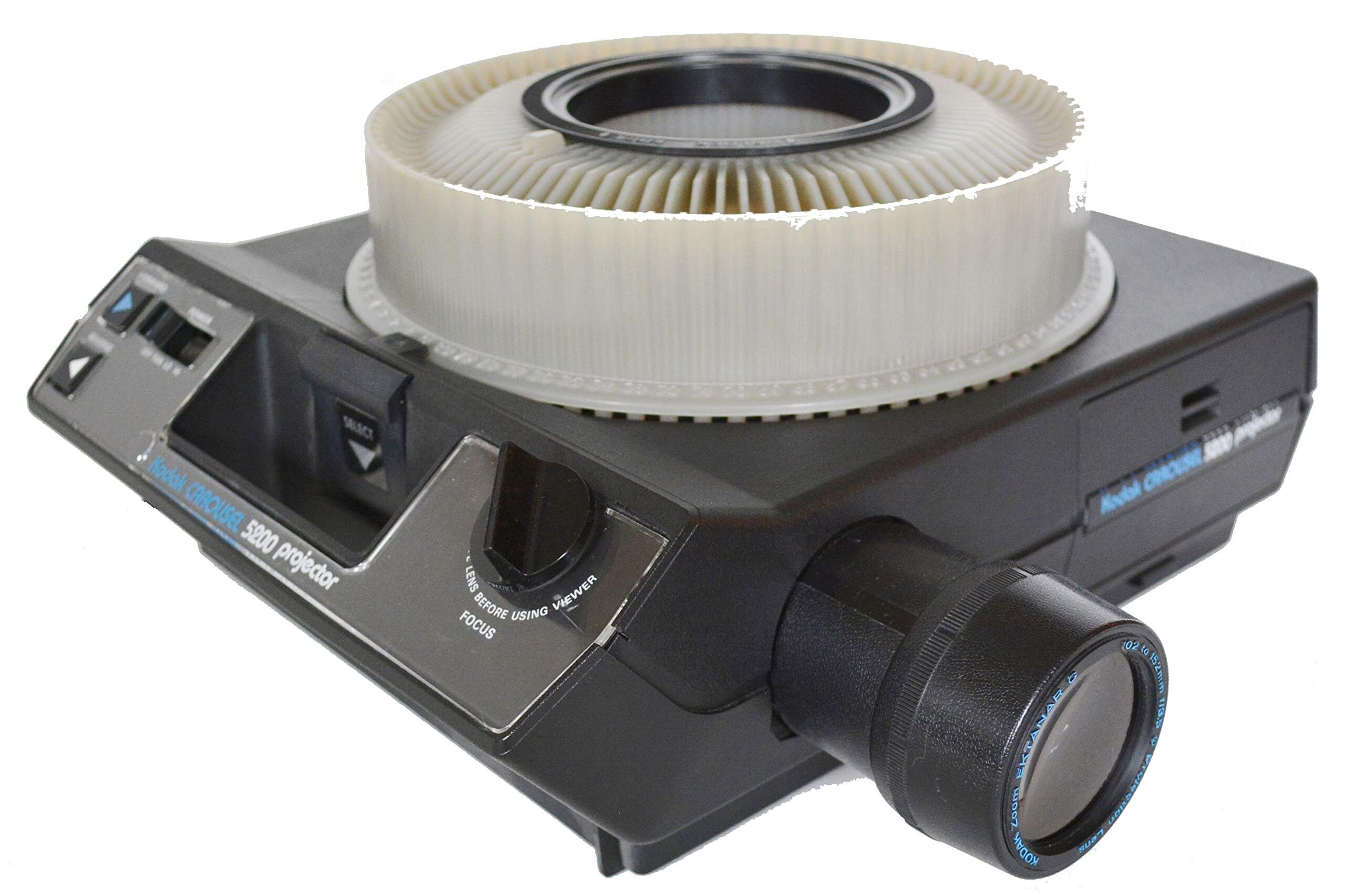
Slide projectors once brought family memories to life on living room walls, turning simple photos into shared stories. Watching each slide appear felt almost ceremonial as families gathered to relive vacations and milestones. The soft click and warm light made the moment special. When digital cameras and phones arrived, slides disappeared almost overnight. People could suddenly preview, edit and share photos without setting up equipment. The projector lost its place in everyday life. Now it represents a slower way of remembering, one that required intention and togetherness that feels rare today.
6. TV Antenna Ears
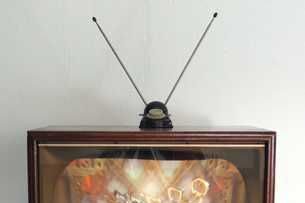
TV antenna ears were part of a familiar dance in many homes, with someone adjusting the metal arms while another person shouted that the picture was almost clear. Reception depended on precise angles and a bit of luck. Families often stood still in awkward poses just to keep the image from flickering. When cable and digital broadcasts arrived, the need for those metal ears disappeared almost instantly. Now they feel like reminders of a time when watching television required patience and teamwork instead of reliable streams and smooth screens.
7. VHS Rewinders
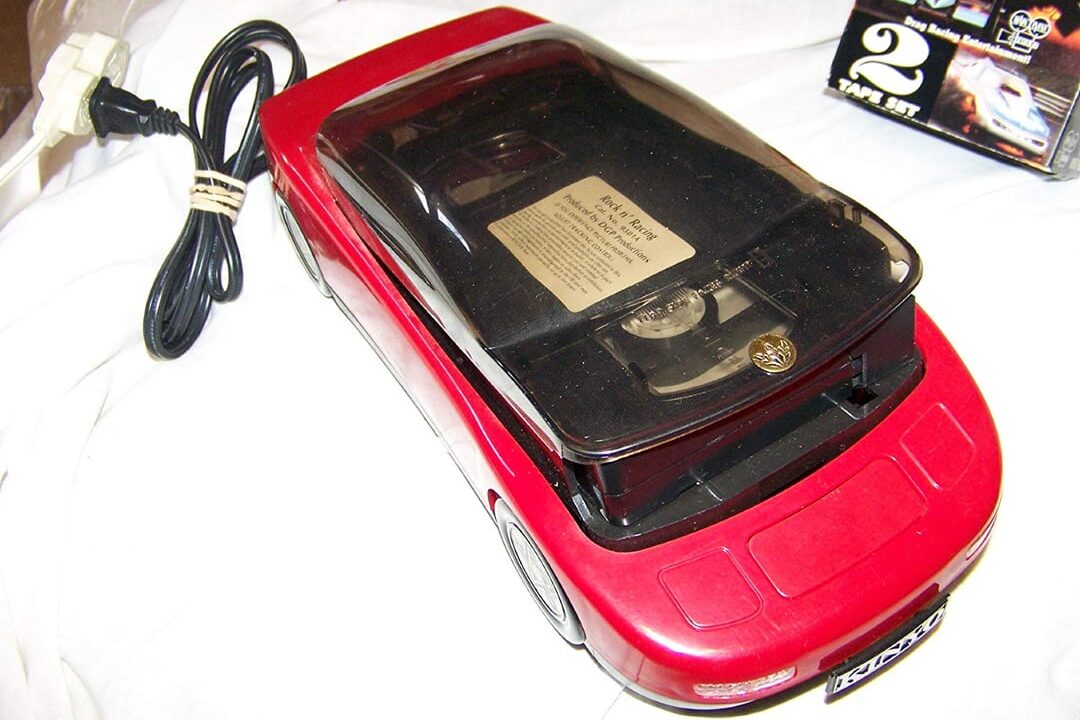
VHS rewinders saved time and protected VCRs from wearing out. Movie nights often ended with someone dropping a tape into the rewinder and listening to the soft whir as it spun back to the beginning. It was a tiny but important step in keeping home entertainment running smoothly. When DVDs and streaming replaced tapes, rewinders became unnecessary. Their purpose faded along with the format they supported. Today they trigger quiet nostalgia, reminding us of the small routines that defined earlier movie watching, long before everything became instant.
8. Typewriter Correction Tape
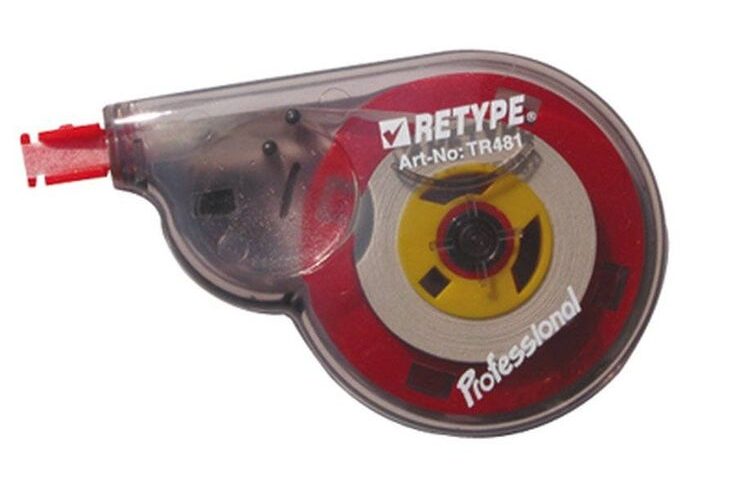
Typewriter correction tape once rescued writers from the frustration of starting pages over after simple mistakes. A quick swipe could fix a letter or word and keep the work moving. It felt like a little miracle for anyone typing quickly or under pressure. Computers replaced the need for physical corrections with a simple delete key, and the tape faded from offices and study tables. Now it sits mostly in storage boxes or vintage collections, reminding us how much effort writing once required and how grateful people were for simple tools that made the process easier.
9. Laundry Starch Sprayers
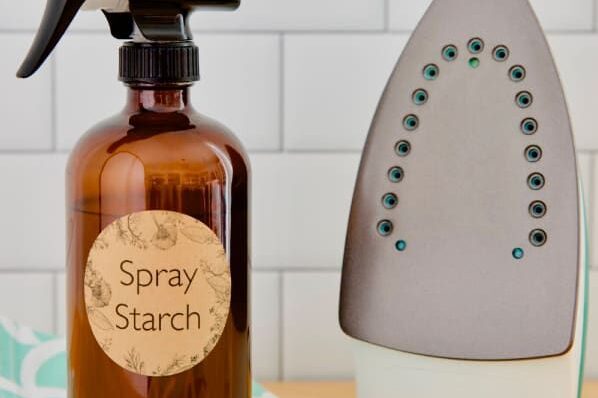
Laundry starch sprayers helped create crisp collars and perfectly pressed shirts when polished clothing was part of daily life. Spraying starch before ironing made fabrics stiff and neat, matching the fashion standards of the time. As clothing materials evolved and people leaned toward comfort over formality, starching became less common. Wrinkle resistant fabrics and relaxed styles made the sprayer less useful. Today it appears mostly in costume departments or among older cleaning supplies. Its fading presence shows how shifting trends quietly change household routines without us fully noticing.
10. Phone Books
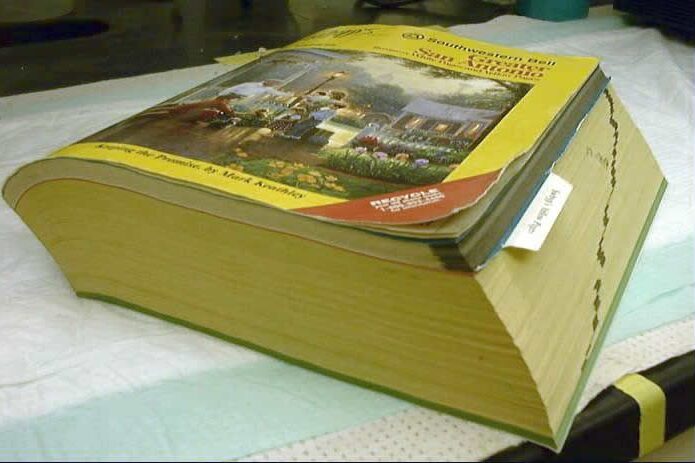
Phone books once landed on doorsteps like dependable guides to the entire neighborhood. People used them to find stores, call friends and solve small daily mysteries. Families kept them near the phone and flipped through pages filled with fine print and endless listings. Digital search tools eventually made the book unnecessary because finding information became faster and easier. The heavy pages slowly disappeared from homes. Today phone books feel like soft echoes of a world where patience and alphabetical order shaped everyday problem solving in ways we rarely think about anymore.
11. Film Canisters
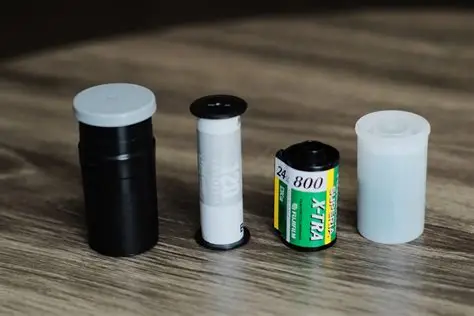
Film canisters kept undeveloped photos safe from light and dust during a time when capturing memories required patience and care. People dropped film rolls into these little containers before heading to the photo lab, hoping the images would turn out well. The canister became part of the anticipation that made photography exciting. When digital cameras and phones changed how images were stored, the canister lost its purpose. Today it appears in craft drawers or vintage boxes, reminding us how much waiting once shaped the joy of seeing moments come to life.
12. Answering Machines
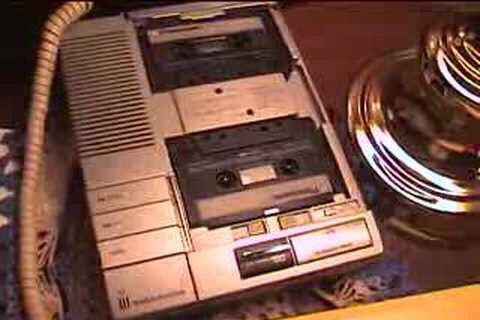
Answering machines once helped families stay connected when they were not home. The blinking light, rewind buttons and familiar beep became part of daily communication. People checked messages with curiosity, sometimes replaying special ones. Cellphones and digital voicemail eventually made the machines unnecessary, giving everyone easier access to calls and messages. The once familiar device slowly disappeared from tables and shelves. Now answering machines feel like gentle reminders of a simpler connection style, one that involved physical buttons and small moments of anticipation instead of instant notifications.
13. Ash Trays in Every Room

Ash trays once appeared in living rooms, kitchens and even bedrooms because indoor smoking was a common habit. They came in various shapes and designs, often matching home decor. As health awareness grew and smoking rules changed, the ash tray began disappearing from everyday spaces. Homes no longer needed multiple trays because indoor smoking became rare. Today they appear mostly as vintage decor or small holders for trinkets. Their fading presence shows how social habits shape the objects we keep around us and how quickly norms can shift.
14. Floppy Disk Organizers
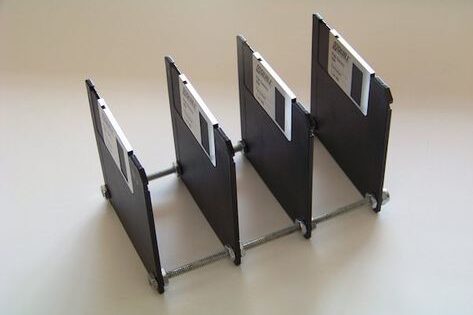
Floppy disk organizers once helped people store important files in neat little rows. Each disk held only a small amount of data, so staying organized mattered. People labeled them carefully and kept them sorted for school projects, office work and personal documents. When larger storage devices and cloud systems arrived, floppy disks became outdated. The organizer soon followed, losing its purpose. Today it feels like a small time capsule that reminds us how physical and delicate digital storage used to be compared to the effortless systems we rely on now.
15. Egg Beaters
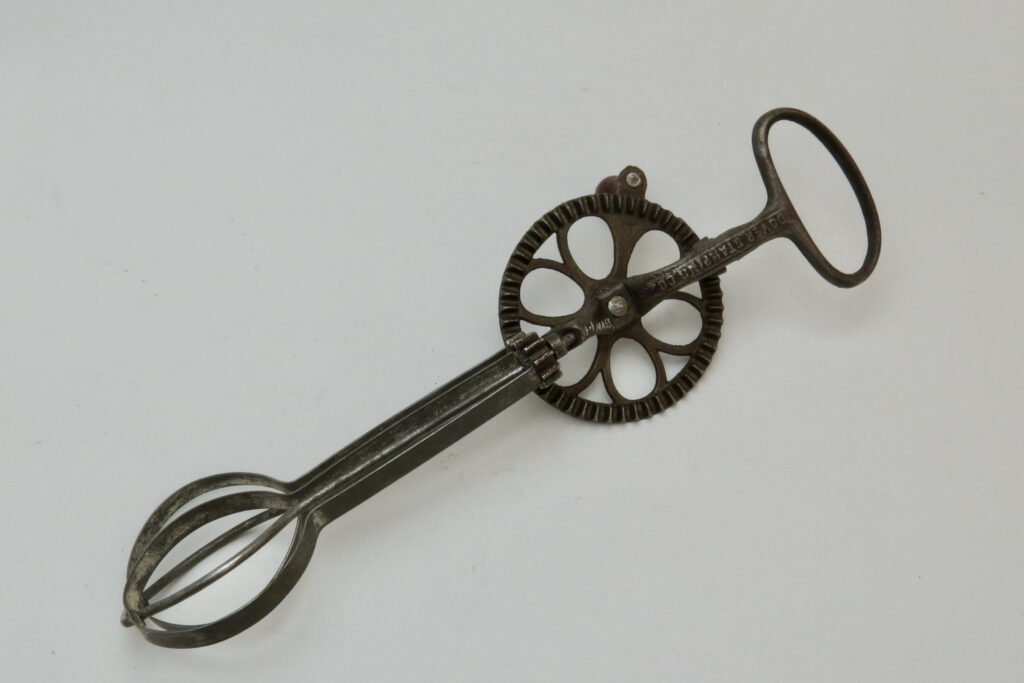
Hand crank egg beaters once made baking easier at a time when kitchens depended on manual tools. Turning the handle made the blades whip eggs and batter smoothly, giving cooks more control. When electric mixers became common, the hand beater slowly faded because people preferred faster and simpler methods. It still appears in some homes for small tasks, but its central role is gone. Egg beaters remind us that food preparation once required more effort and rhythm, and even simple recipes involved tools that carried their own quiet charm.
16. Library Card Catalogs at Home
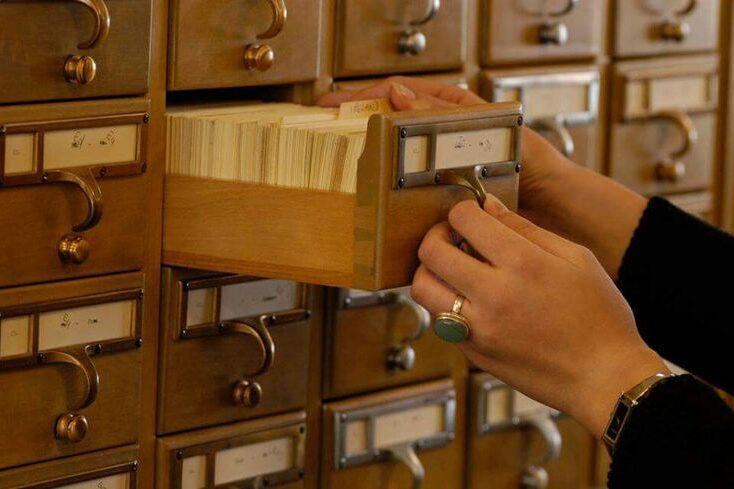
Home card catalogs once helped book lovers keep track of personal collections by listing titles, authors and notes on small cards. People enjoyed the order it brought to their shelves. As digital tracking tools and simple shelving replaced handwritten systems, the catalog lost its everyday function. Now the small drawers often serve decorative purposes or hold unrelated items. They remind us how personal organization once relied on careful handwriting and thoughtful sorting rather than quick searches. The shift shows how technology can simplify even the most beloved routines.
17. Oil Lamps for Daily Use
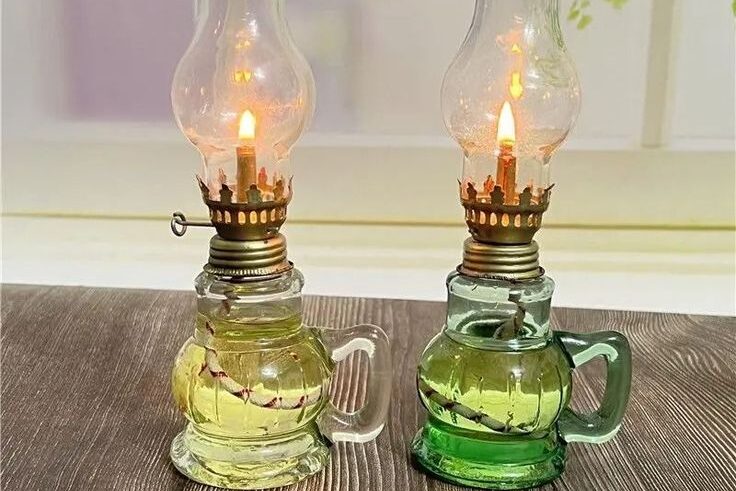
Oil lamps once lit homes before electricity made evenings brighter and easier. Families filled the lamps with oil, trimmed the wicks and cleaned the glass to maintain steady light. It was a small but consistent chore that shaped nightly routines. When electric lighting became widespread, the need for oil lamps faded quickly. Today they serve mostly as decoration or appear during power outages. Their warm glow still feels comforting, reminding us of a time when light was earned through care and preparation rather than delivered at the flip of a switch.
18. Sewing Thimbles for Mending Everything
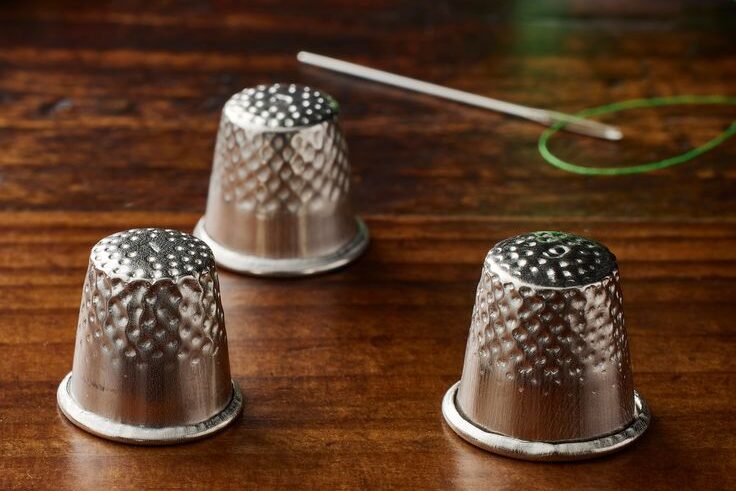
Sewing thimbles once protected fingers during constant home mending when people regularly fixed torn clothes, socks and linens. Mending was a routine chore, so the thimble stayed close by in sewing kits. As clothing became cheaper and ready replacements more common, frequent mending declined. The thimble slowly lost its everyday importance. It now appears more in craft boxes or vintage collections than in active sewing baskets. Thimbles remind us of a time when repairing was part of ordinary living and families extended the life of everything they owned with simple tools.
19. Electric Can Openers

Electric can openers once felt like a modern upgrade in kitchens, offering smooth opening without manual effort. They sat on countertops as symbols of convenience. Over time they began to feel bulky compared to sleek manual openers that were easier to clean and store. Many households eventually preferred the simpler option. Electric models slowly faded from everyday use, becoming less essential. They remind us that convenience sometimes shifts and what once felt advanced can later seem unnecessary as people look for tools that fit smaller spaces and faster routines.
20. Bed Warmers

Bed warmers once made cold nights bearable before homes had central heating. Families filled the metal pans with hot coals and slid them between blankets to warm the sheets. It was a careful process that required attention and patience. As heaters and electric blankets became common, the need for such tools disappeared. Bed warmers became nostalgic pieces displayed for their charm rather than their function. They remind us how creativity shaped comfort and how much effort once went into preparing for sleep during colder seasons.
21. Rotary Timers

Rotary timers once helped people track cooking, study time and household tasks with a simple twist. Their steady ticking created a sense of focus and rhythm. When digital timers arrived with more accuracy and silent operation, rotary versions slowly faded. People appreciated the convenience of built in timers on appliances and phones. The old style now feels nostalgic, showing how sound once guided daily routines. Rotary timers remind us that even small devices can shape the atmosphere of home life and how shifting preferences gradually change the tools we depend on.
22. Dusting Combs for Records

Dusting combs once kept vinyl records clean so music played without crackles. Handling records required care, and the little comb helped protect delicate grooves. As digital music grew, people no longer needed physical maintenance for their songs. Records faded, and the combs went with them. Although vinyl has made a comeback, most households still rely on streaming. The comb remains a gentle reminder of a time when listening to music involved participation and care rather than simple taps on a screen. It shows how much the experience of entertainment has changed.
23. Powder Puffs for Everyday Grooming

Powder puffs once played a central role in daily grooming because loose powder was a common finishing touch. Women kept soft puffs on their vanities and applied powder with slow, sweeping motions. As makeup formulas changed and pressed powders became easier to use, the puff faded from everyday life. Now it appears mostly in retro beauty sets or decorative containers. Powder puffs remind us of a slower approach to beauty routines, one that invited small moments of calm rather than quick touch ups. They show how traditions shift subtly through time.
24. Key Map Books
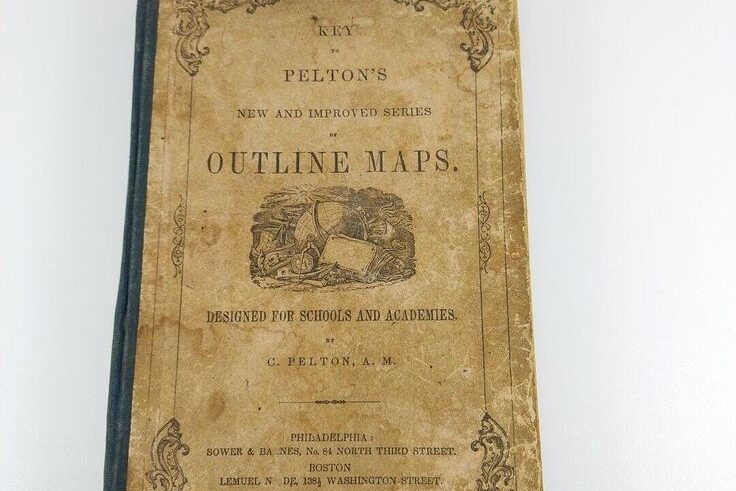
Key map books once guided drivers through unfamiliar areas with detailed street grids and indexes. People kept them in cars and studied routes before leaving home. They offered reassurance during long trips and helped travelers plan with intention. When digital navigation arrived, real time directions replaced the need for heavy map books. The once trusted guides faded from glove compartments as screens provided faster and simpler help. Today they symbolize a time when getting lost was part of the journey, and finding your way required focus rather than constant digital assistance.
25. Filmstrip Viewers
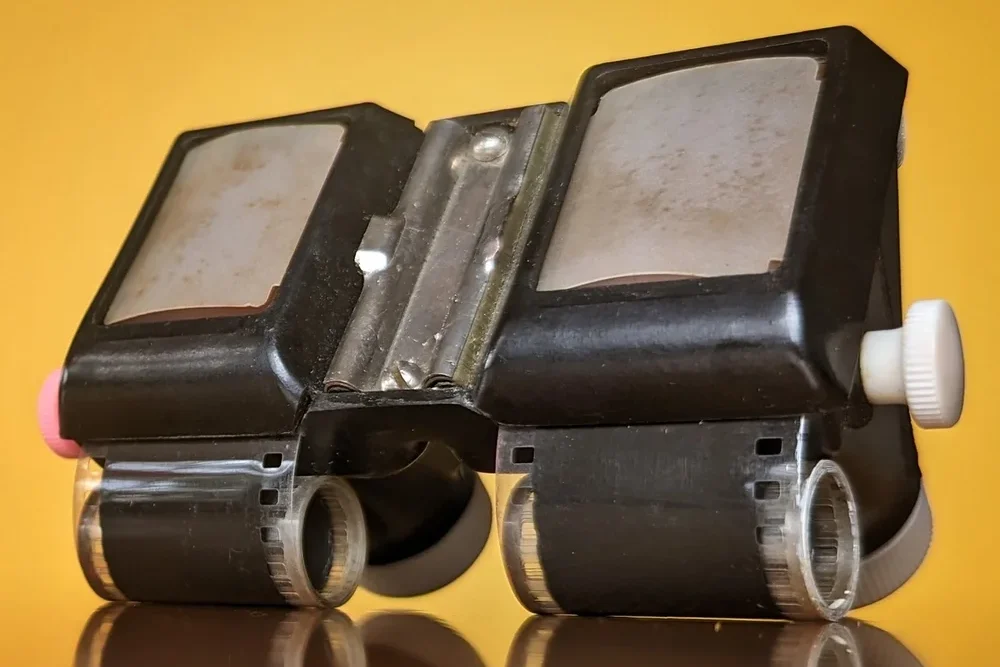
Filmstrip viewers once supported classroom lessons by showing images one frame at a time. Teachers loaded strips carefully and used a soft clicking mechanism to move through each picture. Students learned at a steady pace, guided by simple visuals. As digital projectors and tablets became common, filmstrip viewers disappeared from schools. They feel like reminders of a quieter teaching style that relied on slower storytelling. Though outdated, the viewer holds a certain charm, showing how education used to unfold with less technology and more emphasis on patience and imagination.
26. Toothpick Dispensers for Guests
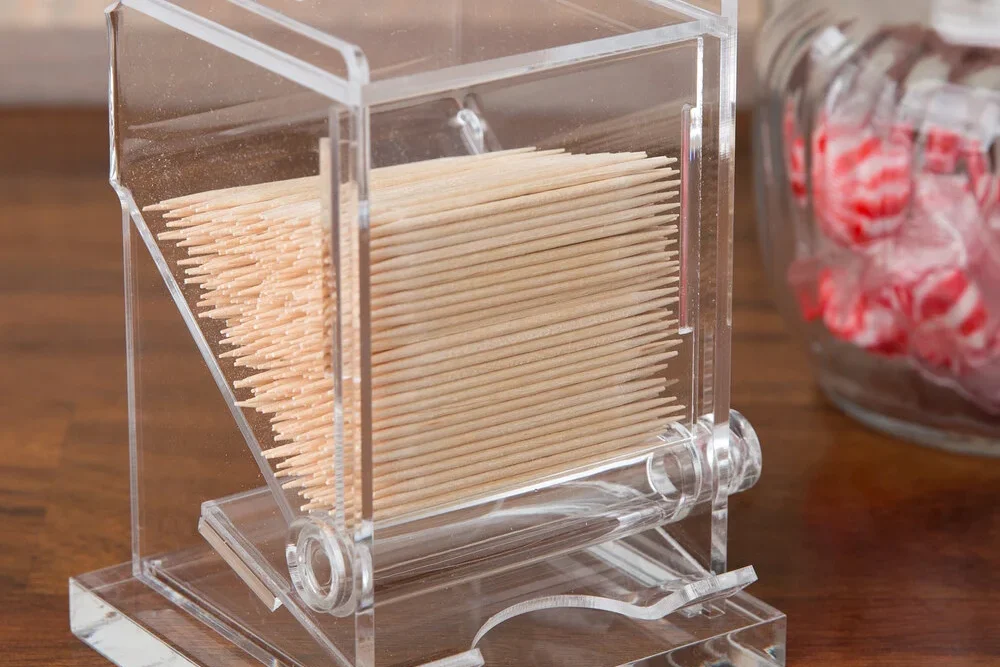
Toothpick dispensers once decorated dining tables as small gestures of hospitality. Hosts placed them near dishes so guests could help themselves easily. Over time individually wrapped toothpicks and changing table habits made the dispenser less necessary. It slowly faded from homes and now appears mostly in retro diners or themed restaurants. The little container reminds us how social customs shift and how small touches once carried more importance. Toothpick dispensers show that even the tiniest items can reflect the way people gathered, ate and shared moments together.
27. Coupon Organizers
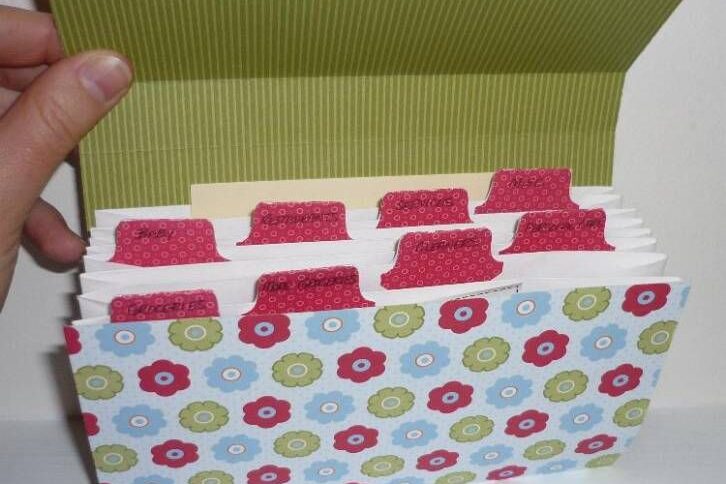
Coupon organizers once helped families plan grocery trips with precision. People clipped coupons from newspapers, sorted them into categories and carried the organizer to stores. It felt rewarding to save money with careful preparation. As digital coupons and store apps grew, paper clipping declined. The organizer lost its central place in frugal routines. Today it often sits unused in drawers or returns in small ways through hobby couponers. It reminds us that saving used to require more hands on effort and quiet weekend planning instead of quick scanning and automatic discounts.
28. Milk Bottle Caps
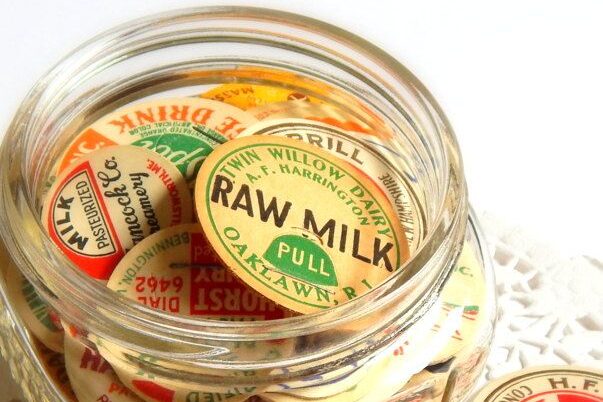
Milk bottle caps once sealed fresh deliveries left at people’s doorsteps each morning. Families opened the bottles during breakfast and placed the caps back to keep the milk clean and cool. When milk began appearing in cartons and plastic containers, the cardboard caps slowly vanished. They now show up in collections or nostalgic displays. These little caps reflect a world where food arrived in simpler packaging and daily routines included small tasks that felt familiar and comforting. They remind us how even basic items can hold memories of earlier home life.
29. Metal Ice Cube Trays
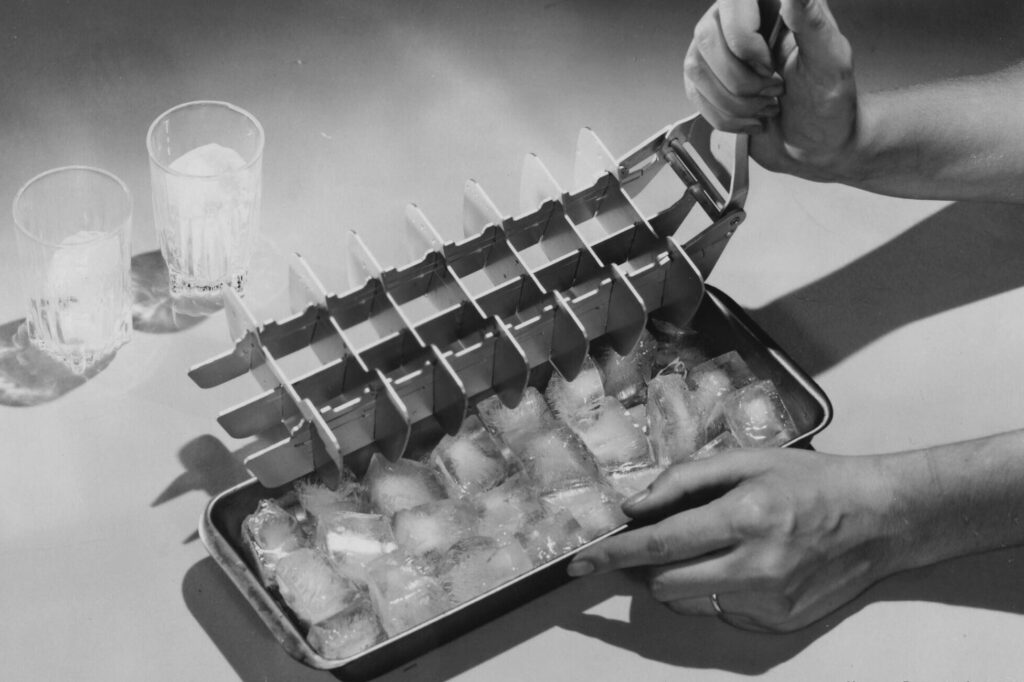
Metal ice cube trays once required strength and patience because releasing the cubes demanded lifting a lever that often stuck. Families accepted the challenge because it was the only way to get ice at home. When plastic trays and automatic ice makers appeared, the metal version slowly lost its place. Its heavy frame and tricky mechanism faded as simpler options took over. Today it feels like a charming relic that shows how even small kitchen tasks have evolved. The tray reflects how convenience gradually transforms the items we rely on.
30. Personal Address Books

Personal address books once carried lists of phone numbers, birthdays and handwritten notes that people updated with care. Families kept them near telephones and flipped through pages when reaching out to others. As digital contacts took over, the need for these small books faded. Phones stored everything automatically and made searching easy. Still, the address book feels like a quiet symbol of thoughtful communication. Its gentle presence ties together all these forgotten items, reminding us how life keeps shifting.


