
1. Woolly Mammoth
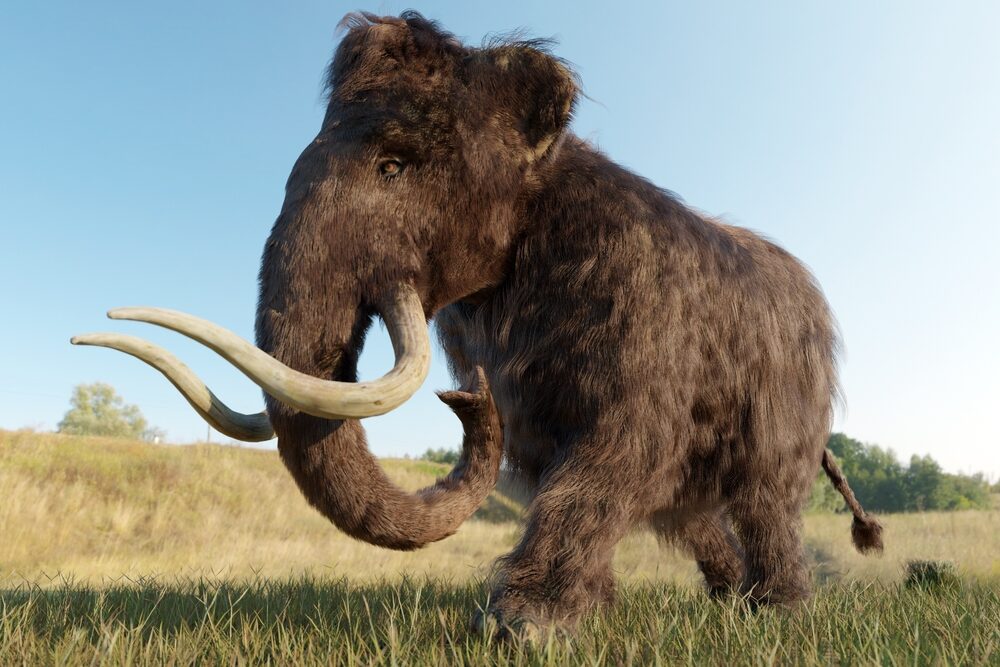
Imagine stepping outside and sharing today’s cities, farms, and coastlines with creatures that vanished thousands of years ago. The woolly mammoth once roamed large parts of the Northern Hemisphere, thriving in icy grasslands during the last Ice Age. If mammoths still existed today, modern infrastructure in cold regions would need major adjustments. Roads, pipelines, and railways across Siberia, Alaska, and northern Canada would have to account for massive, migrating herds weighing up to six tonnes. Their grazing habits would also reshape ecosystems by keeping grasslands open and reducing forest spread, a process scientists believe helped regulate ancient climates. Human interaction with mammoths would likely mirror modern elephant management, involving protected zones, wildlife corridors, and strict conservation laws.
2. Saber-Toothed Tiger
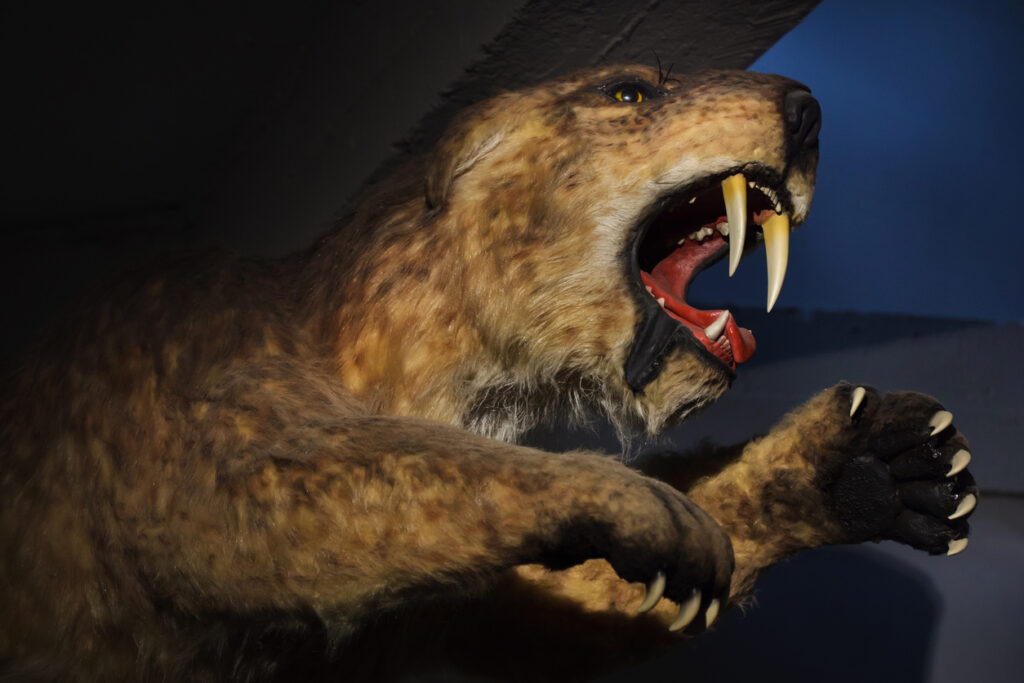
The saber-toothed tiger, often identified as Smilodon, was a powerful predator with long, curved canine teeth built for hunting large prey. If this animal still existed, human expansion into forests and grasslands would look very different. Communities near wilderness areas would require reinforced safety measures similar to those used around modern big cats, but on a larger scale. Livestock protection would be a constant concern, leading to advanced fencing, monitoring systems, and predator deterrents. Their presence would also influence wildlife populations by controlling large herbivores, which could help prevent overgrazing. National parks would need strict visitor regulations, and outdoor recreation would come with greater risks. The saber-toothed tiger would likely become a symbol of conservation debates balancing human safety with ecological importance.
3. Dodo
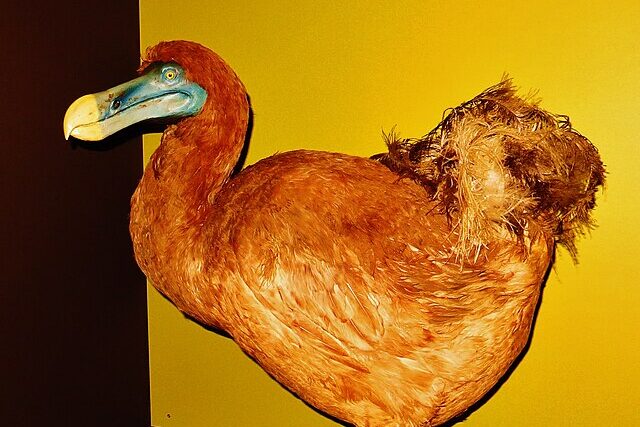
The dodo was a flightless bird native to Mauritius, driven to extinction in the late 1600s due to human hunting and introduced animals. If the dodo still existed today, it would stand as a global reminder of early human-driven extinction. Strict protection laws would likely surround its habitat, reshaping tourism and land use on the island. The bird’s role as a seed disperser would influence forest regeneration, potentially altering modern conservation strategies. Scientists believe some plant species evolved alongside the dodo and declined after its disappearance. Seeing a living dodo today would change how people view environmental responsibility, making extinction feel less abstract. The bird would likely become one of the most protected species on Earth, shaping education, policy, and global attitudes toward wildlife preservation.
4. Megalodon
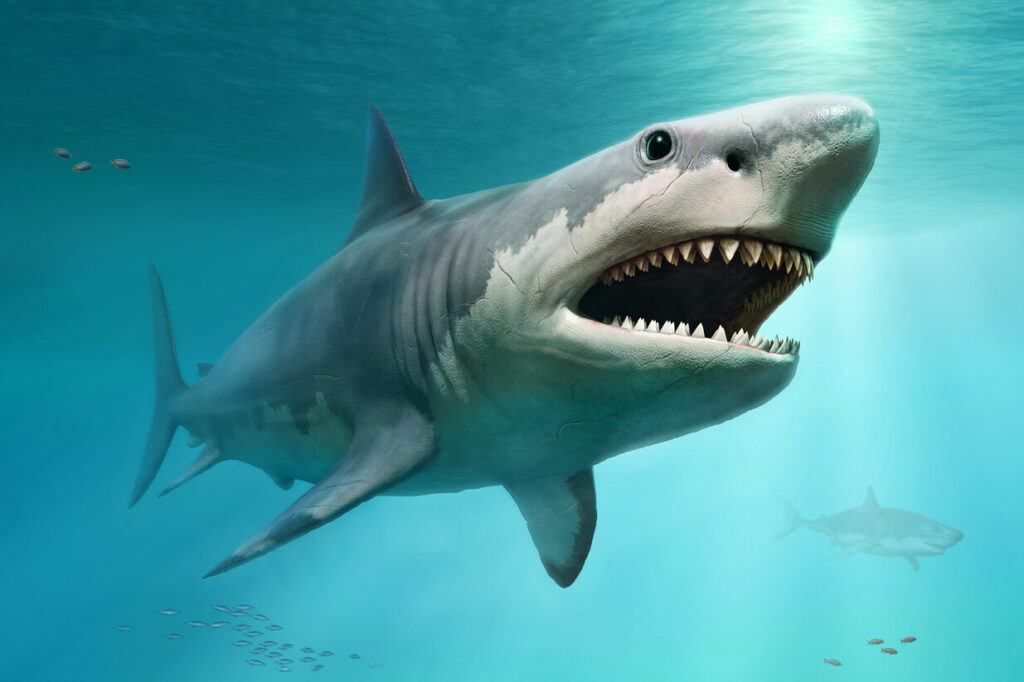
Megalodon was a gigantic prehistoric shark that dominated ancient oceans millions of years ago. If it still existed, modern ocean travel and coastal life would be dramatically altered. Shipping routes, underwater cables, and offshore structures would require reinforced designs to withstand encounters with a predator estimated to reach over 15 metres in length. Beach safety protocols would go far beyond current shark monitoring systems, and some coastal areas might be permanently restricted. Megalodon’s presence would also reshape marine ecosystems by controlling populations of large whales and fish. Marine research would focus heavily on tracking and understanding this apex predator. While terrifying to imagine, its existence would force humans to rethink how much control we truly have over the oceans.
5. Giant Ground Sloth
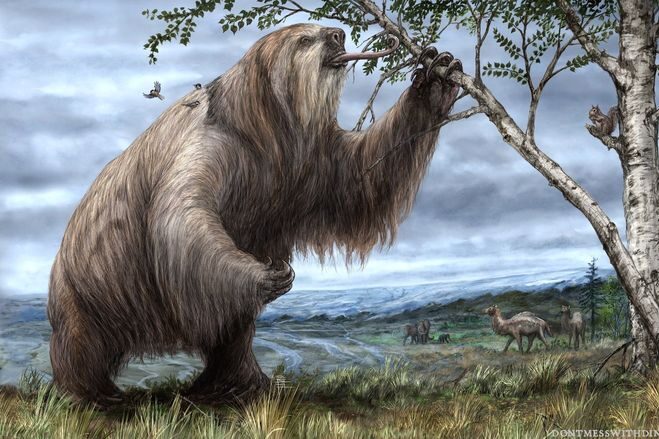
Giant ground sloths were enormous plant-eating mammals that once lived across the Americas, some standing as tall as modern elephants when upright. If they still existed, agriculture and land development would need careful planning. These slow-moving giants consumed vast amounts of vegetation, which would influence forest structure and plant diversity. Farmers might view them as both ecological helpers and serious competitors for crops. Roads and settlements in their habitats would require wildlife crossings and protective barriers. Their calm nature could make them popular in wildlife tourism, similar to modern elephants or rhinos. Scientifically, their survival would offer valuable insight into Ice Age ecosystems. Seeing such massive creatures peacefully roaming would fundamentally change how humans experience natural landscapes.
6. Passenger Pigeon
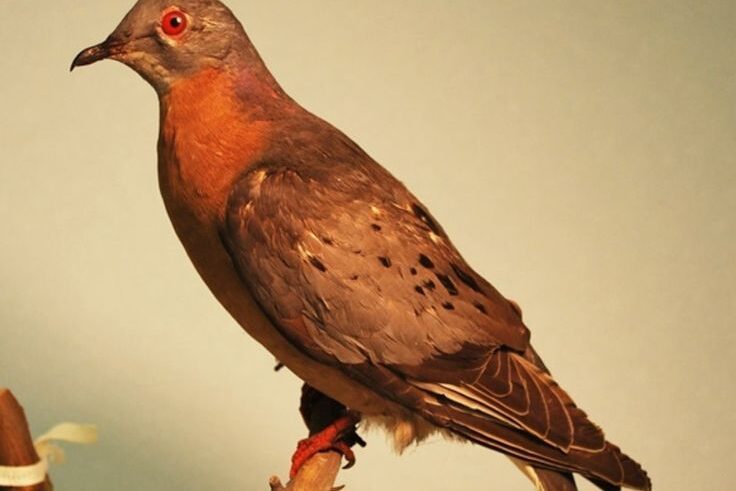
The passenger pigeon was once one of the most abundant birds on Earth, with flocks so large they darkened the sky for hours. If it still existed today, urban life, farming, and forestry would all feel its presence. These birds fed heavily on nuts and seeds, shaping forest growth patterns across North America. Modern cities would need bird-management systems on a scale never seen before, as massive flocks could overwhelm buildings, power lines, and transport routes. Farmers would also face challenges protecting crops from sudden invasions. At the same time, forests would likely be healthier and more diverse due to the pigeons’ role in seed dispersal. Their survival would force humans to rethink how large-scale wildlife and modern development can coexist.
7. Tasmanian Tiger
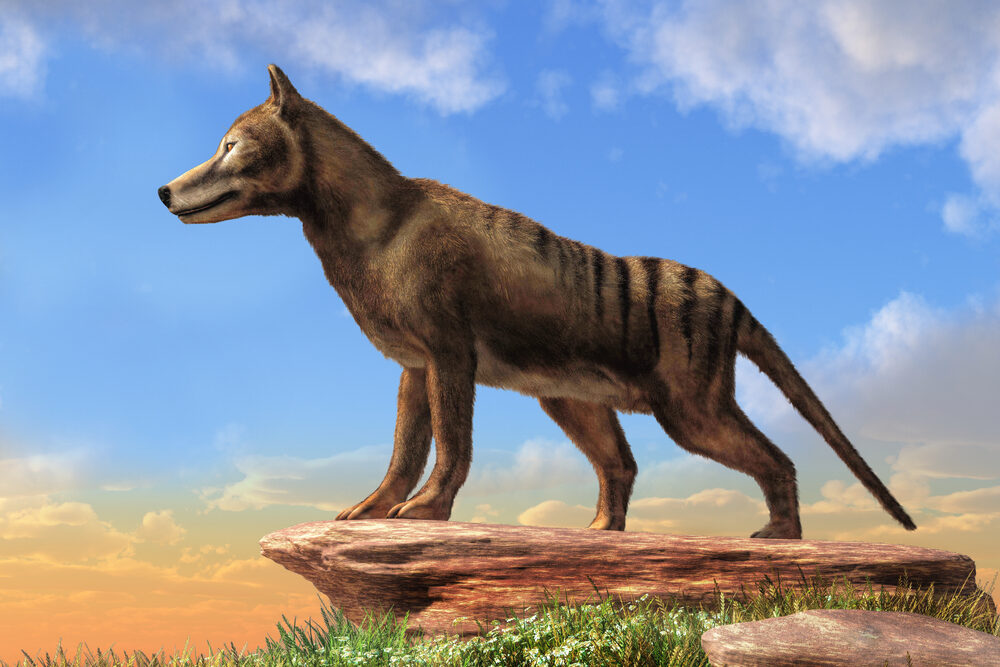
The Tasmanian tiger, or thylacine, was a striped marsupial predator native to Australia and Tasmania, officially declared extinct in the 20th century. If it still lived today, Australia’s ecosystems might look very different. As a top predator, it helped control populations of smaller animals, which could reduce overgrazing and habitat damage. Its survival would likely have limited the spread of invasive species that now threaten native wildlife. Modern farming practices would need to balance livestock protection with conservation, much like wolf management in parts of Europe. The thylacine would also be one of the most studied animals in the world, reshaping debates about extinction, human responsibility, and the limits of conservation.
8. Great Auk
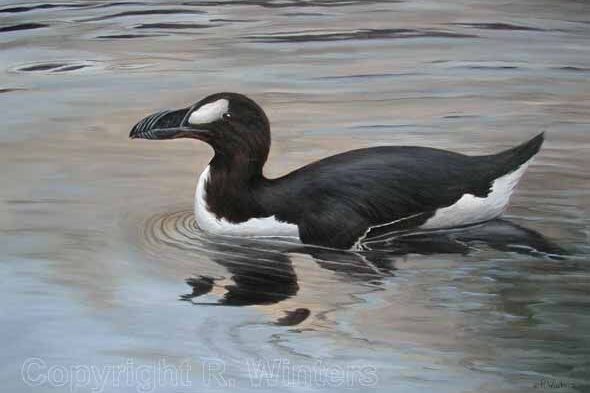
The great auk was a large, flightless seabird that lived along the North Atlantic coasts before being hunted to extinction in the 19th century. If it still existed, coastal ecosystems and fishing industries would feel its influence. The bird fed on fish and nested in large colonies, shaping marine food chains and coastal biodiversity. Modern conservation zones would likely protect breeding islands, limiting human access and altering tourism routes. Fishing regulations might be stricter to ensure enough food for these birds. The great auk’s presence would also change public awareness of ocean conservation, serving as a visible indicator of marine health. Its survival would remind modern societies how fragile coastal ecosystems truly are.
9. Irish Elk
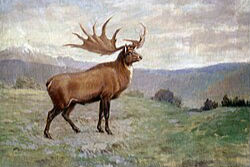
The Irish elk was one of the largest deer species ever to exist, famous for its enormous antlers that could span over three metres. If it still roamed Europe today, land use and transportation planning would need major adjustments. Forests and open grasslands would require wildlife corridors to support these massive animals. Road safety would be a serious concern, with collisions posing risks to both humans and elk. Their grazing habits would shape vegetation patterns, potentially restoring open landscapes that have disappeared. The Irish elk would also be a major attraction in conservation tourism. Its presence would blur the line between ancient wildlife and modern civilisation in a very visible way.
10. Moa
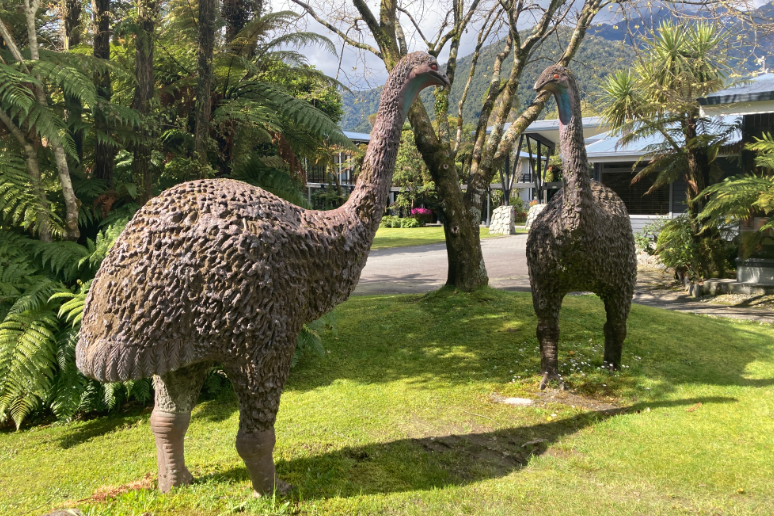
Moa were giant, flightless birds native to New Zealand, some standing taller than an adult human. If they still existed, New Zealand’s forests and conservation policies would look dramatically different. Moa played a crucial role in shaping vegetation by browsing shrubs and trees, influencing how forests regenerated. Modern farming and development would need to account for large, slow-moving birds crossing land and roads. Predator control efforts might also differ, as moa evolved without mammalian predators. Their survival would transform ecotourism, making them global icons of living prehistory. Seeing moa in the wild would fundamentally change how people experience nature in the region.
11. Quagga
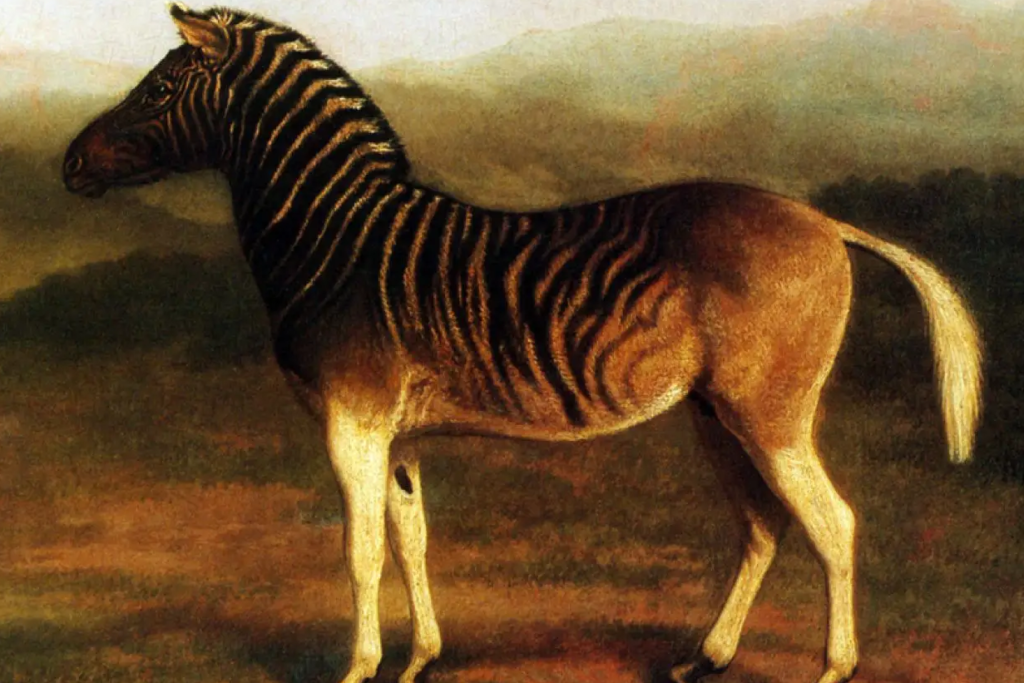
The quagga was a partially striped zebra native to southern Africa, extinct by the late 1800s. If it still existed today, conservation and land management in Africa would be noticeably different. Quaggas grazed differently from other zebras, helping maintain balanced grasslands. Their presence could reduce competition among modern grazing animals, benefiting livestock and wildlife alike. Conservation areas might be designed to protect unique mixed herds, altering safari tourism. The quagga would also play a major role in discussions about biodiversity loss and selective hunting. Its survival would highlight how small differences within species can have large ecological impacts.
12. Steller’s Sea Cow
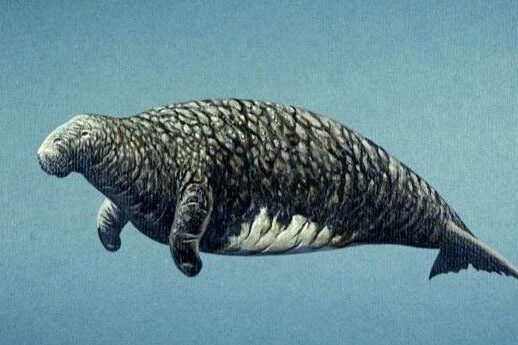
Steller’s sea cow was a massive marine mammal related to modern manatees, living in cold northern waters. If it still existed, coastal ecosystems would benefit from its grazing on kelp forests, which helps maintain healthy marine habitats. Shipping lanes and fishing zones would need careful regulation to avoid collisions and habitat damage. Its gentle nature could make it a symbol of marine conservation worldwide. Ecotourism in northern oceans would expand, with guided viewing similar to whale watching today. The sea cow’s survival would also change how humans view the vulnerability of large marine animals in industrialised oceans.
13. Woolly Rhinoceros
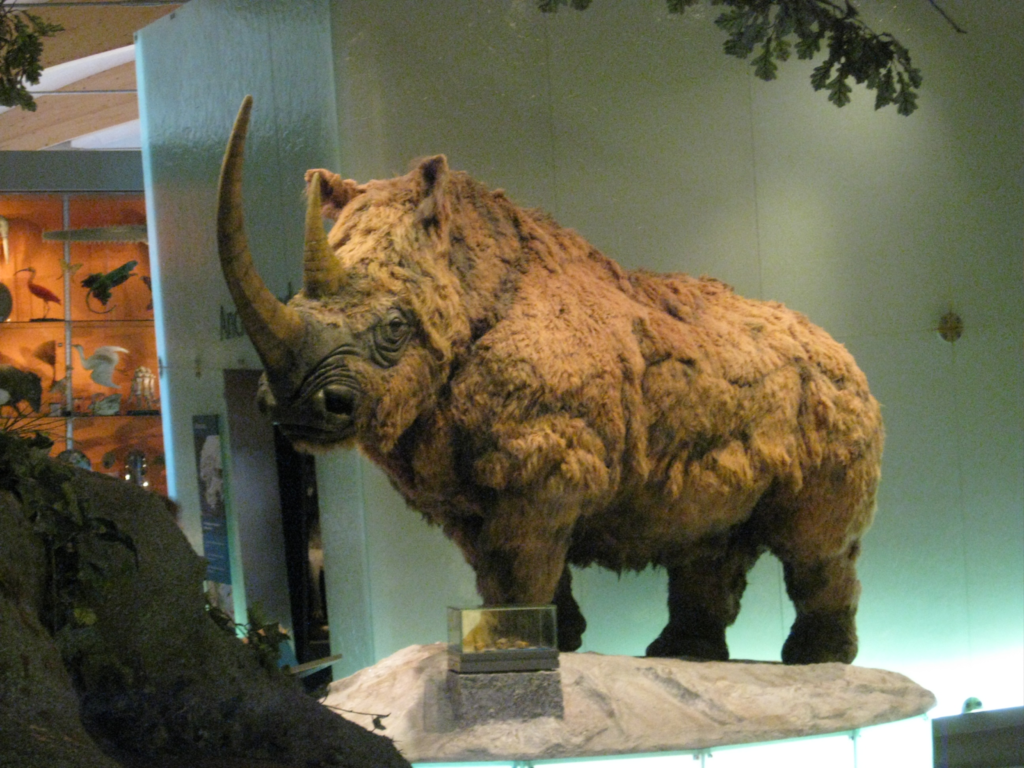
The woolly rhinoceros lived alongside mammoths in Ice Age Eurasia, adapted to cold climates and open grasslands. If it still existed today, tundra and steppe regions would host another massive grazing animal. Infrastructure in northern areas would need protection against such powerful creatures. Their grazing could help maintain open landscapes and prevent forest overgrowth. Conservation laws would be strict, given the animal’s size and potential danger. The woolly rhinoceros would also provide scientists with rare insight into Ice Age adaptations. Its survival would reshape how humans interact with cold-region wildlife.
14. Aurochs
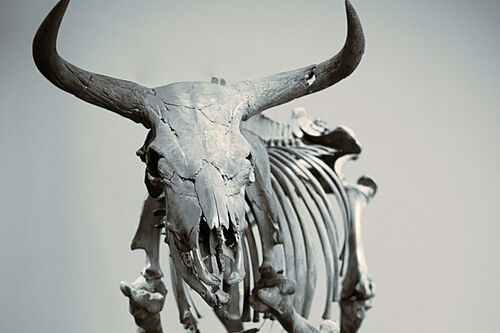
The aurochs was the wild ancestor of modern cattle, once roaming across Europe, Asia, and North Africa. If it still existed, farming and land ownership would be very different. These massive, aggressive animals would require large protected reserves and strong fencing. Their grazing patterns would help restore natural grasslands and wetlands. Modern cattle breeding might also look different, with less reliance on selective domestication. The aurochs would likely become a powerful symbol of wild nature surviving alongside agriculture. Its presence would challenge modern ideas about livestock, wilderness, and control.
15. Elephant Bird
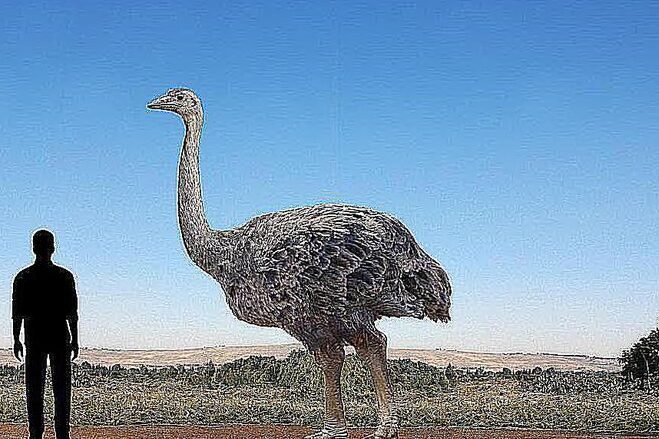
The elephant bird of Madagascar was the largest bird ever known, laying eggs larger than any other species. If it still lived today, Madagascar’s ecosystems would be shaped around its movements and feeding habits. Forest management would need to consider its impact on vegetation and seed dispersal. Roads and villages would require planning to avoid conflicts with such massive animals. The elephant bird would attract global scientific and tourist interest. Its survival would dramatically change how humans perceive the limits of bird size and evolution.
16. American Lion
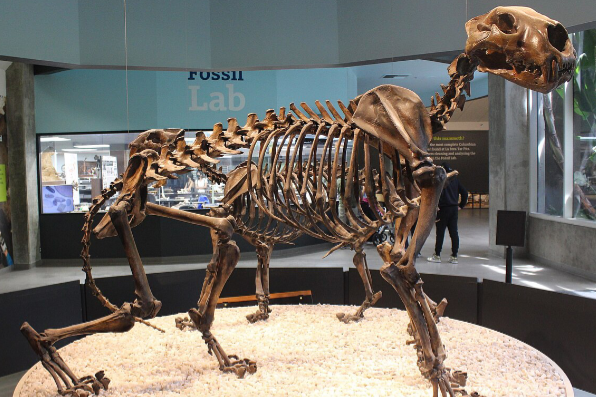
The American lion was larger than modern African lions and once roamed North America. If it still existed, human settlement patterns would have developed very differently. Large protected areas would be necessary to support such apex predators. Livestock protection and wildlife monitoring would be constant concerns. At the same time, these lions would help regulate herbivore populations, benefiting ecosystems. National parks would enforce strict safety rules for visitors. The American lion’s survival would redefine wilderness in the modern United States.
17. Giant Beaver
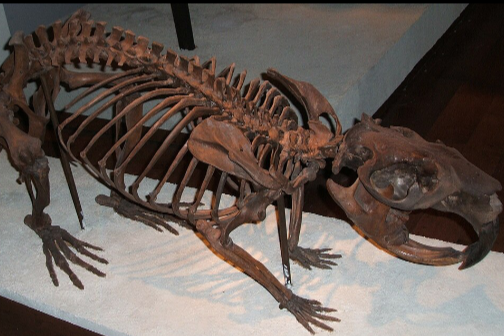
Giant beavers were much larger than modern beavers and played a major role in shaping wetlands. If they still existed, water management and flood control would look very different. Their dam-building could benefit ecosystems but also threaten infrastructure. Engineers and conservationists would need to work together to manage waterways. Wetland biodiversity would likely be richer and more stable. The giant beaver’s presence would highlight how animals can act as natural engineers.
18. Short-Faced Bear
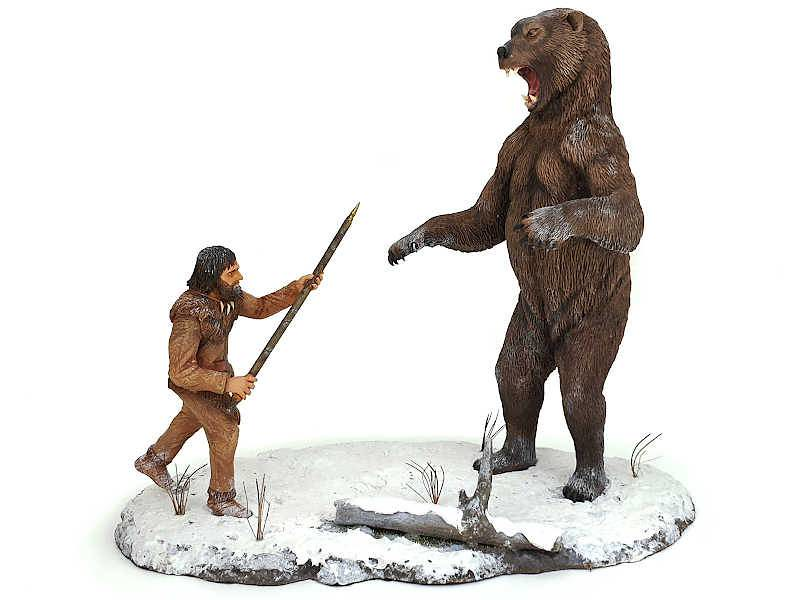
The short-faced bear was one of the largest land predators ever to exist. If it still lived today, human expansion into wilderness areas would be far more limited. These bears could cover vast distances quickly, making them unpredictable. National parks would require extreme safety measures. Their role as scavengers and hunters would shape ecosystems in unique ways. The short-faced bear would become one of the most respected and feared animals in the modern world.
19. Glyptodon
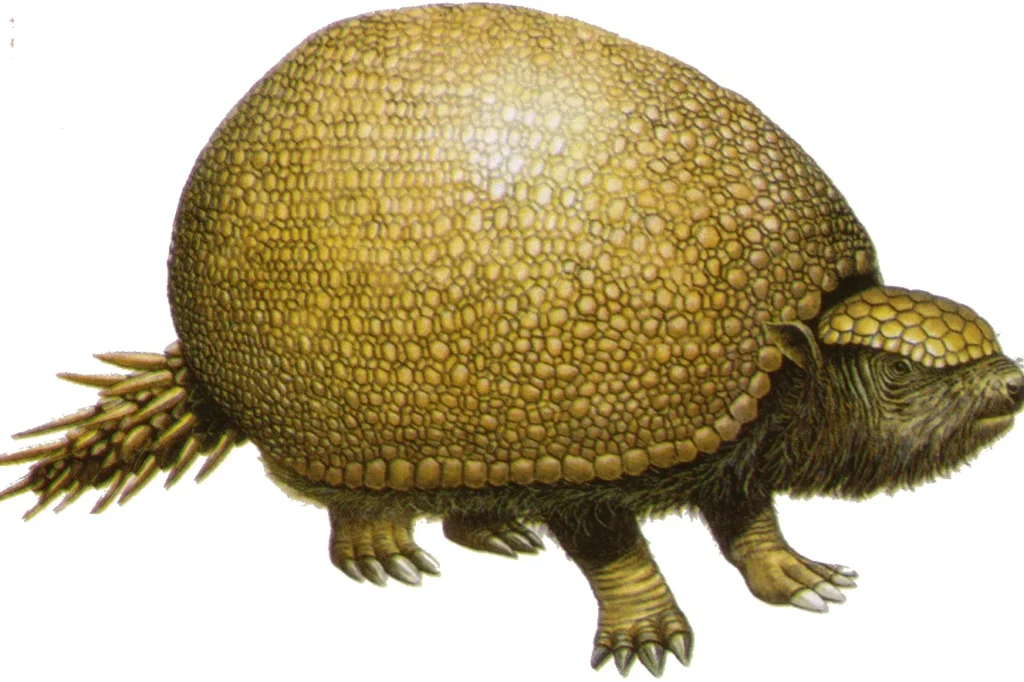
Glyptodons were giant, armoured relatives of armadillos, roaming South America. If they still existed, farming and land development would need to account for slow-moving, heavily protected animals. Their grazing habits would influence vegetation and soil health. Roads would need wildlife crossings designed for their size and armour. Glyptodons would likely be protected by strict conservation laws. Their survival would offer a living glimpse into prehistoric defensive evolution.
20. Haast’s Eagle
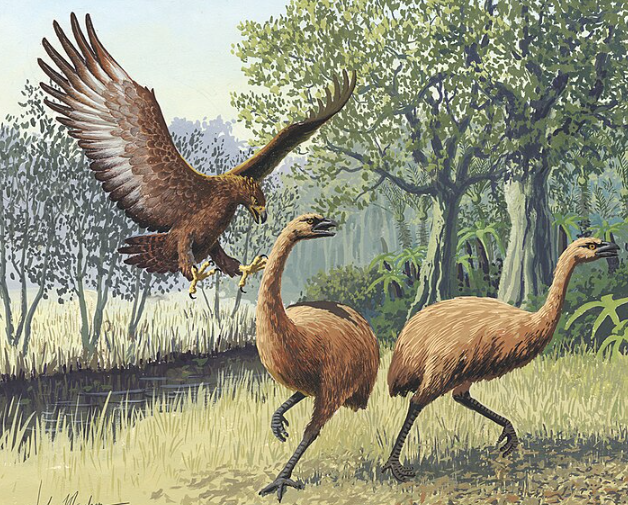
Haast’s eagle was the largest eagle ever known, capable of hunting large prey including moa. If it still existed, airspace over parts of New Zealand would require special consideration. Outdoor activities might be restricted in nesting areas. Its presence would control herbivore populations naturally. Conservation efforts would focus on balancing human safety with ecological value. Haast’s eagle would stand as a reminder of how powerful avian predators once were.
21. Cave Lion
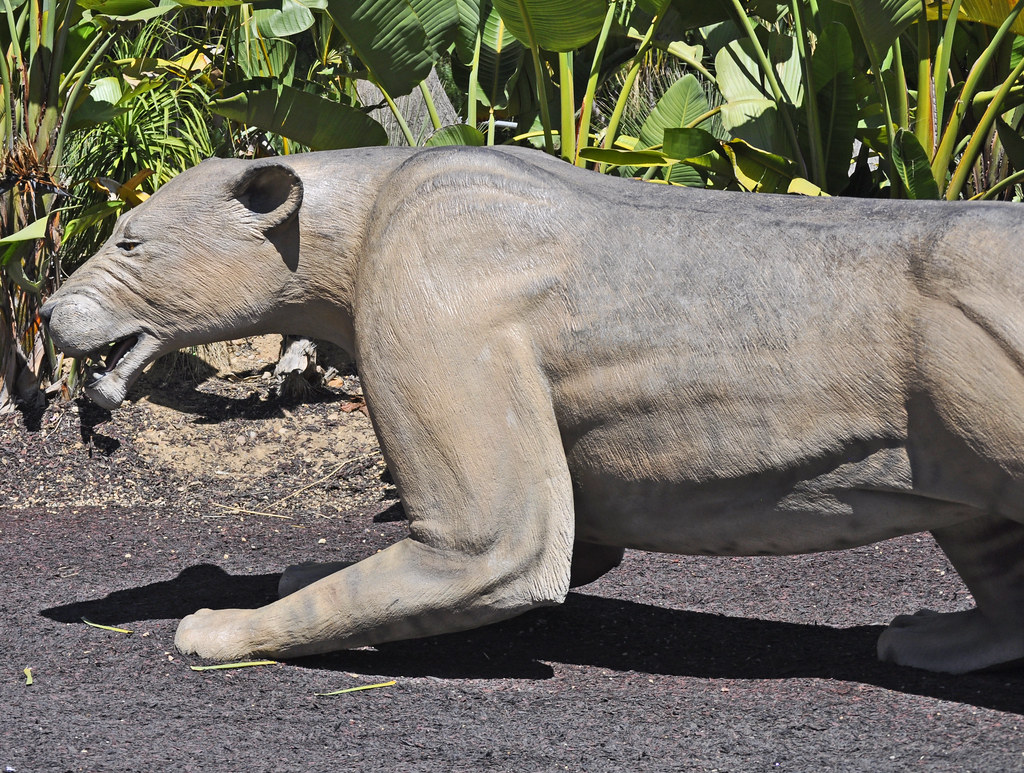
The cave lion was a massive Ice Age predator that once roamed Europe and parts of Asia, larger than most modern lions. If it still existed today, Europe’s landscapes would require extensive wildlife corridors and protected reserves. Rural communities would need strong safety planning similar to regions that live alongside large carnivores today. Cave lions hunted large herbivores, helping maintain balanced ecosystems and preventing overpopulation. Their presence could reduce pressure on forests and grasslands by naturally controlling grazing animals. Tourism would change dramatically, with regulated wildlife viewing replacing unrestricted access to wilderness areas. The cave lion’s survival would force modern societies to rethink how densely populated regions coexist with powerful predators.
22. Pterosaurs
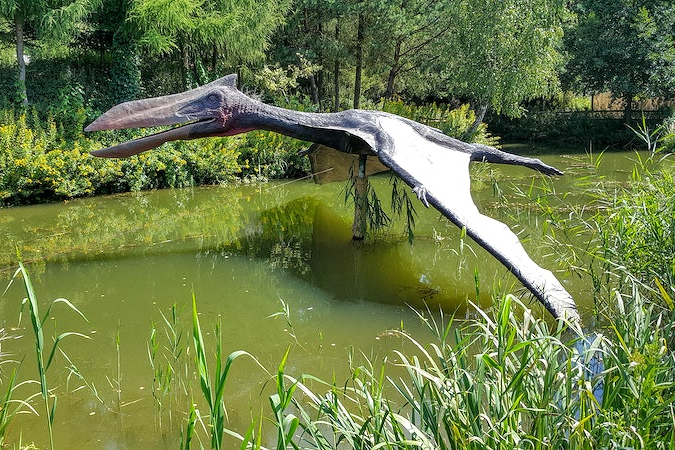
Pterosaurs were flying reptiles that lived alongside dinosaurs, some with wingspans larger than small aircraft. If they still existed, modern airspace management would need to include wildlife monitoring. Airports, wind farms, and tall buildings would require special designs to prevent collisions. Coastal and open inland areas might become restricted during nesting seasons. Pterosaurs fed on fish and small animals, influencing food chains in both marine and terrestrial environments. Their presence would also transform scientific understanding of flight evolution. Seeing giant reptiles soaring above cities or coastlines would dramatically change how humans experience the sky.
23. Smilodon Populator
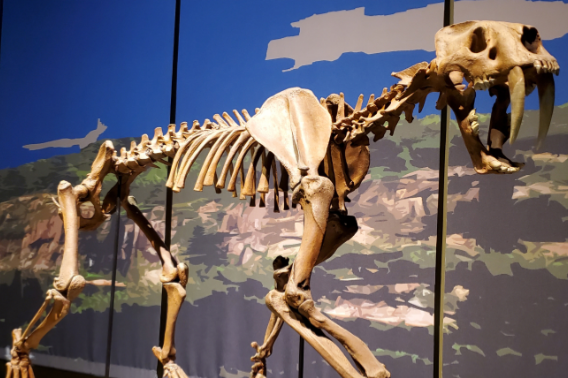
Smilodon populator was one of the largest saber-toothed cats, native to South America and even bigger than its North American relatives. If it still existed, land use across parts of South America would be heavily regulated. Livestock farming would need advanced protection strategies, and wildlife reserves would be expanded. This predator helped control populations of large herbivores, supporting healthy grasslands. Its survival would strengthen ecosystems but increase human-wildlife conflict. National parks would enforce strict visitor guidelines. Smilodon populator would become a key symbol of prehistoric wildlife surviving in a modern world.
24. Giant Moa-Nalo
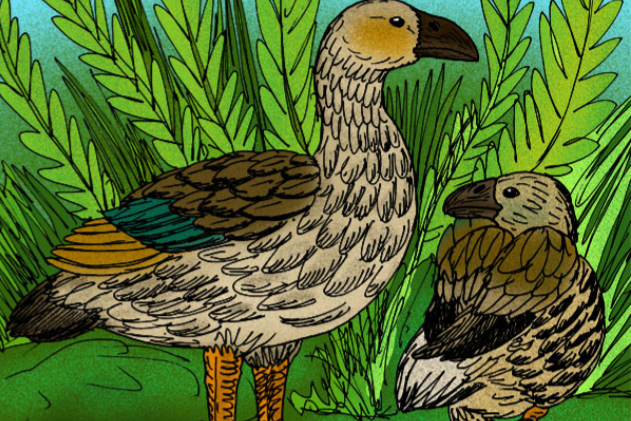
The moa-nalo were large, flightless birds native to Hawaii, descended from ducks but adapted to browsing plants. If they still existed, Hawaii’s ecosystems would look noticeably different. These birds shaped vegetation by feeding on shrubs and low trees, helping maintain diverse plant life. Modern conservation efforts would need to protect them from predators and habitat loss. Hiking trails and natural reserves might include restrictions to protect nesting grounds. Their survival would provide rare insight into island evolution and adaptation. Moa-nalo would also reshape ecotourism, offering a living reminder of Hawaii’s prehistoric biodiversity.
25. Andrewsarchus
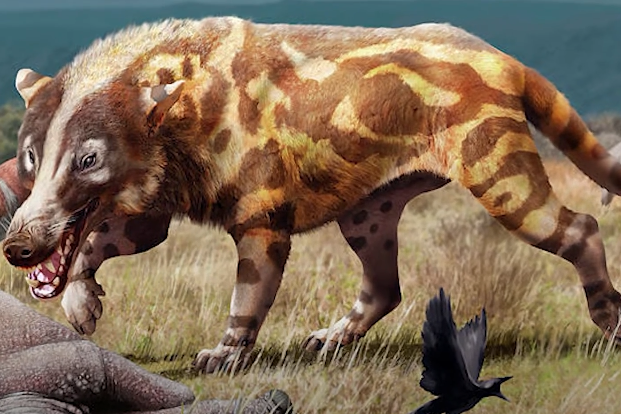
Andrewsarchus is known from a massive skull and is considered one of the largest land-dwelling carnivorous mammals ever discovered. If it still existed, open plains and coastal regions would be dangerous places for unprotected human activity. Its powerful jaws suggest it could crush bone and hunt large prey. Human settlement patterns would likely avoid its habitats altogether. Conservation zones would need strict enforcement. Scientists would closely study its behaviour to understand early mammal predators. Andrewsarchus would redefine the upper limits of mammalian size and power in the modern world.
26. Titanoboa
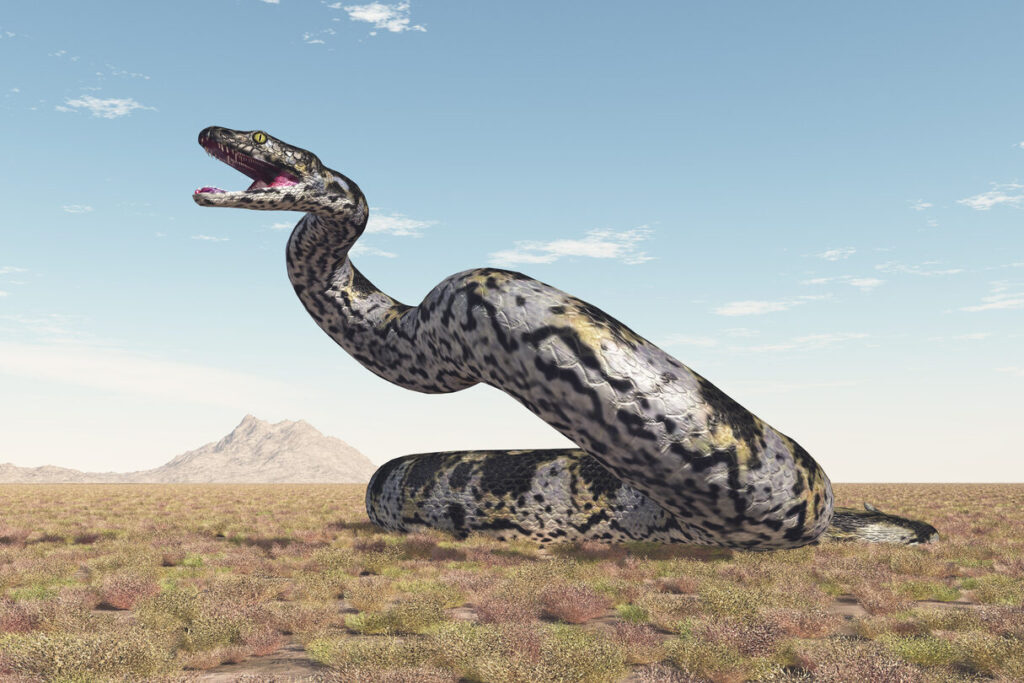
Titanoboa was the largest snake ever known, living in tropical environments millions of years ago. If it still existed, life in certain rainforest regions would change dramatically. Rivers and wetlands would require strict safety measures for boats and fishing communities. Its presence would influence prey populations, maintaining ecological balance. Infrastructure such as bridges and pipelines would need reinforcement. Titanoboa would become one of the most monitored animals on Earth. Its survival would challenge modern assumptions about safety and dominance in natural environments.
27. Diprotodon
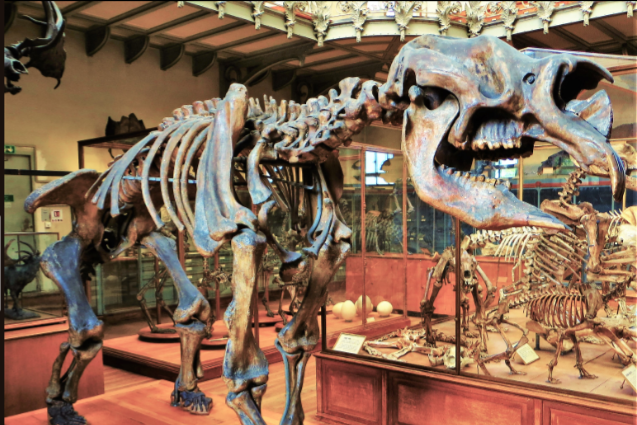
Diprotodon was the largest marsupial ever to live, resembling a giant wombat. If it still existed, Australia’s land use and farming systems would need major adjustments. These herbivores consumed vast amounts of vegetation, shaping landscapes. Wildlife crossings and protected corridors would be essential. Their calm behaviour could make them popular in conservation tourism. Diprotodon’s survival would also provide valuable insights into marsupial evolution. Seeing such massive yet gentle animals would change how people view Australia’s natural history.
28. Terror Bird
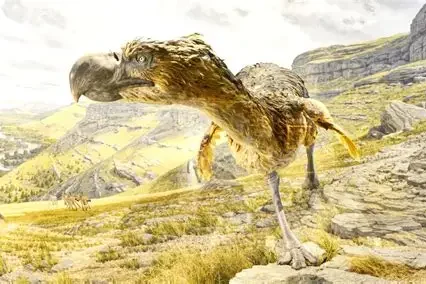
Terror birds were large, flightless predators that dominated parts of South America. If they still existed, open grasslands would require safety regulations similar to those used for large carnivores. These birds hunted using speed and powerful beaks, making them formidable hunters. Their presence would control populations of smaller animals, shaping ecosystems. Human expansion into their habitats would be limited. Terror birds would challenge modern ideas about birds as harmless creatures.
29. Desmostylus
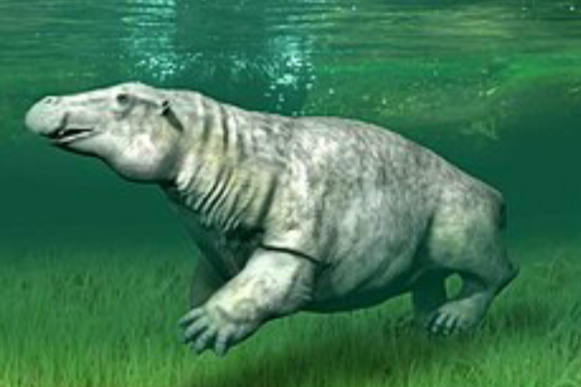
Desmostylus was a strange marine mammal that lived along Pacific coastlines, feeding on aquatic plants. If it still existed, coastal development would need careful planning. Its grazing would help maintain healthy marine vegetation. Fishing and shipping routes might be adjusted to avoid key habitats. Desmostylus would become a focus of marine research. Its survival would highlight the diversity of prehistoric coastal life.
30. Woolly Horse
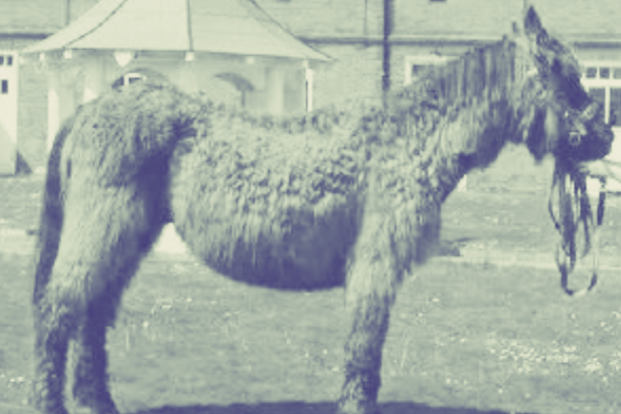
The woolly horse lived during the Ice Age and was adapted to cold grasslands. If it still existed, northern ecosystems would include another important grazing animal. These horses would shape vegetation and soil health. Roads and railways would require wildlife planning. Conservation programmes would likely protect large herds. The woolly horse would offer insight into ancient domestication pathways. Its presence would connect modern humans more directly to Ice Age landscapes.
Life today would look very different if these extinct creatures still walked, swam, or flew among us. From reshaped ecosystems to altered cities and safety rules, their absence quietly defines the modern world. Remembering them reminds us how deeply nature and daily life are intertwined.
Like this story? Add your thoughts in the comments, thank you.
This story 30 Extinct Creatures That Would Completely Change Daily Life Today was first published on Daily FETCH


