
1. Bees Reading Invisible Signs
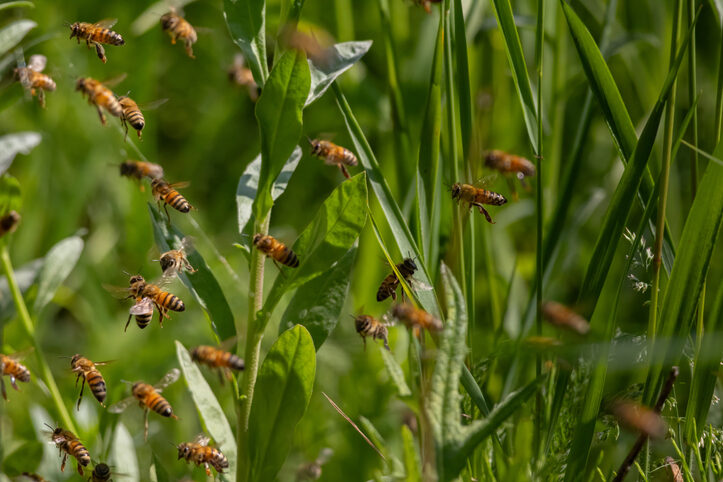
We often assume we see the world clearly, yet this story quietly begins with bees showing us otherwise. Bees move through familiar gardens guided by patterns our eyes cannot detect. Their vision includes ultraviolet light, turning petals into glowing maps that point toward nectar. Flowers become instructions rather than decorations. This ability helps bees work efficiently, landing with certainty even in crowded spaces. It reminds us that beauty sometimes exists for function, not admiration. Standing near a flower bed suddenly feels different when you realize how much information lives there unseen, shaping daily survival in silent, practical ways.
2. Dogs Tracking Motion First
Dogs experience color differently, seeing mostly blues and yellows while reds fade into dull shades. What truly shapes their vision is movement. A shifting shadow or distant motion immediately catches their attention. This explains their sudden alertness during walks and their obsession with running objects. Their sight prioritizes action over fine detail, making them excellent watchers of change. It suits a life built around awareness and companionship. When a dog reacts before you notice anything, it is not guessing or overreacting. It is responding to a visual world designed to notice movement first.
3. Cats Owning the Night
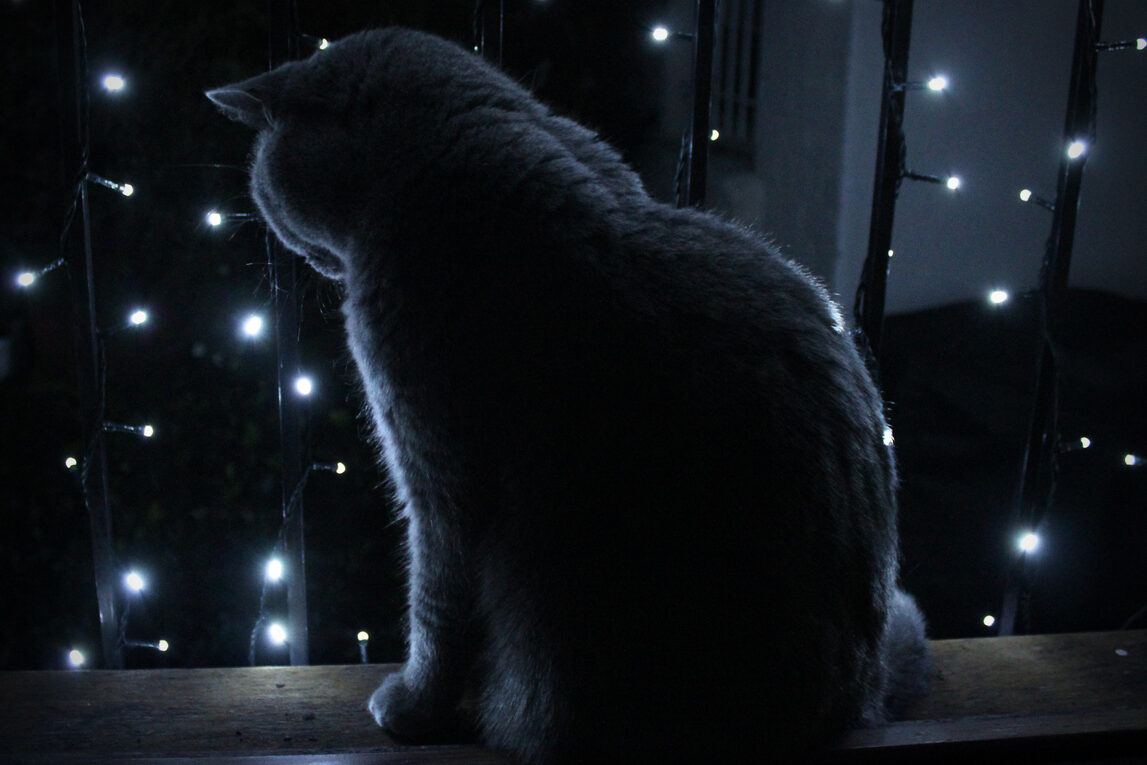
Cats appear most confident when light grows dim, and their eyes tell the story. A reflective layer inside their eyes allows light to pass through twice, improving visibility in darkness. Where humans strain to see, cats move smoothly, reading shapes and subtle shifts. Nighttime becomes an active space rather than a limitation. This vision supports quiet exploration and careful hunting, even indoors. It also explains those sudden evening energy bursts. Cats are not restless without reason. They are simply engaging with a world that becomes clearer and more inviting once daylight softens.
4. Birds Seeing Extra Colors
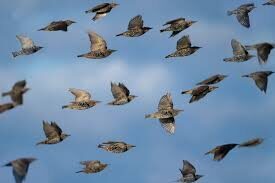
Birds see a richer range of color than humans, including ultraviolet light. This added dimension changes everything from how they find food to how they choose mates. Feathers that look plain to us may carry bright signals to them. Their world feels layered with visual messages hidden in plain sight. Trees, skies, and wings become conversations rather than scenery. Watching birds takes on new meaning when you imagine what they notice. They are not just flying or perching. They are constantly reading colors and patterns that quietly guide their choices and movements every day.
5. Frogs Watching for Movement
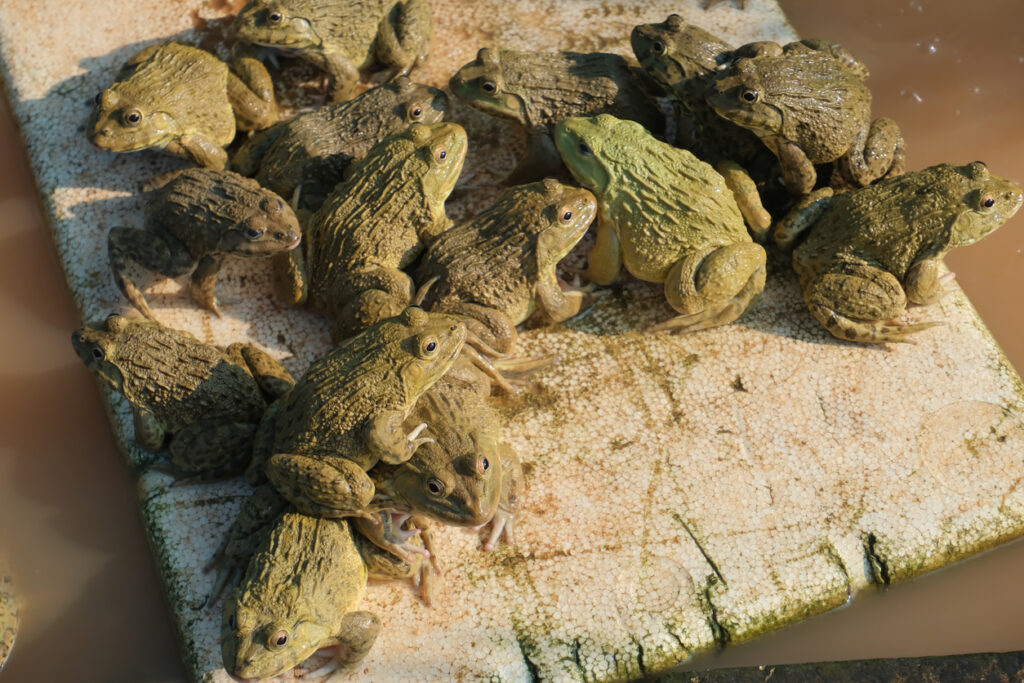
Frogs see the world through motion rather than stillness. Their eyes are tuned to detect movement quickly, making a hopping insect impossible to miss while a motionless one nearly disappears. This keeps frogs efficient and focused. They wait patiently until the world shifts, then respond instantly. It explains their sudden jumps and long pauses. Frogs do not analyze scenery. They react to change. Their visual world feels active, shaped by timing instead of detail. When a frog seems frozen, it is not confused. It is simply waiting for movement to return.
6. Horses Scanning Wide Spaces
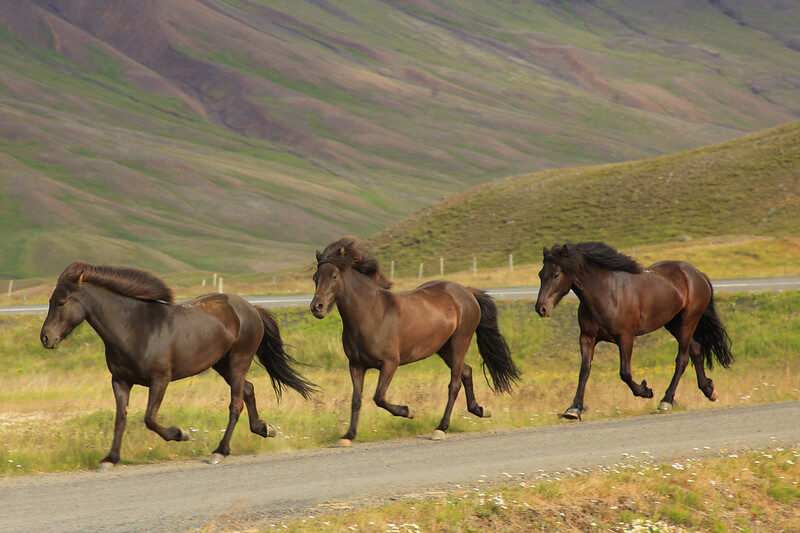
Horses see nearly everything around them because their eyes sit on the sides of their heads. This wide vision helps them detect danger early, especially in open environments. However, it also creates small blind spots that can make sudden movements feel alarming. Their sight is built for survival rather than comfort. It explains their alert posture and occasional startle reactions. Horses are not nervous without reason. They are constantly monitoring a broad visual field. Understanding how they see helps us approach them with patience, awareness, and respect for a world that never fully rests.
7. Owls Focusing in Darkness
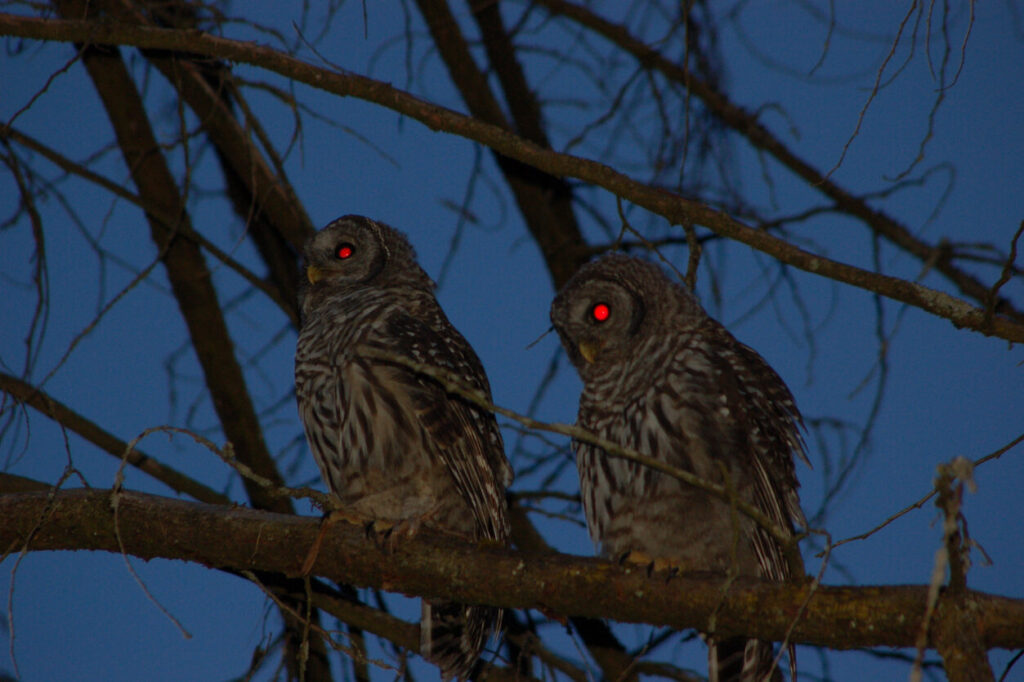
Owls see best when light fades. Their forward facing eyes give them strong depth perception, helping them judge distance precisely in low light. This makes hunting quiet and efficient. Their world feels focused and intentional, narrowed toward what truly matters. An owl does not scan everything. It locks onto small movements with calm precision. Watching one hunt feels deliberate rather than rushed. Darkness does not limit them. It sharpens their advantage. Their vision shows how clarity does not always come from brightness, but from knowing exactly where to look and when to act.
8. Fish Reading Water Light
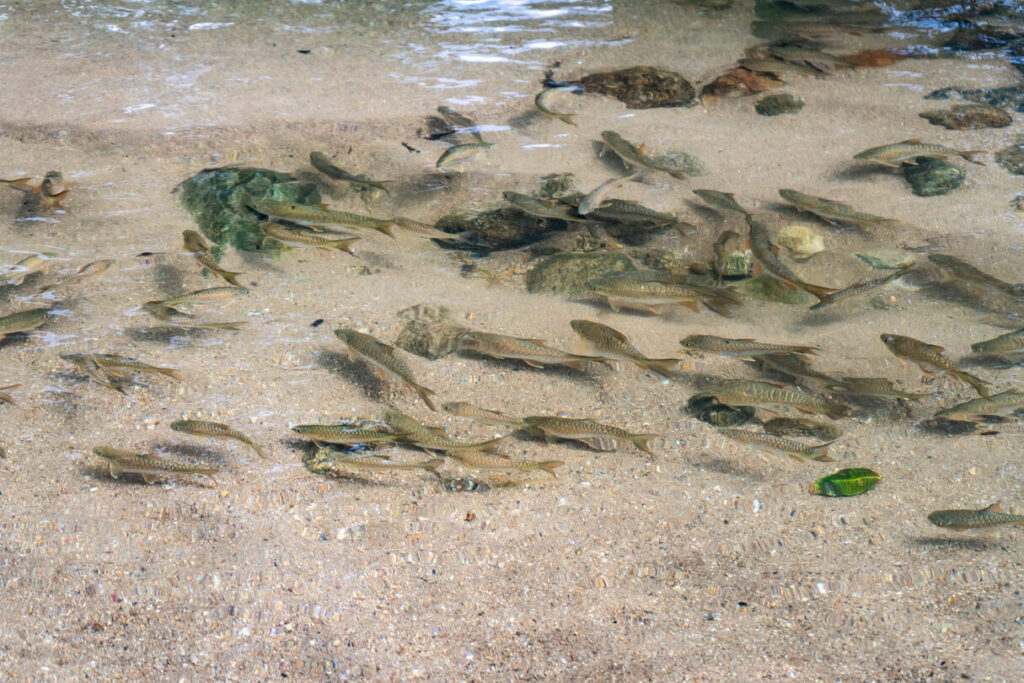
Fish live in a world where light bends and fades differently. Water absorbs certain colors quickly, causing reds to disappear while blues and greens remain visible. Fish eyes adapt to these changes, helping them see clearly where humans struggle. Their vision shifts depending on depth, making shallow and deep waters feel like separate environments. Contrast matters more than brightness. This shapes how fish hunt, hide, and move together. What looks dull underwater to us may feel perfectly clear to them. Their sight is designed for fluid spaces where light is always changing.
9. Snakes Sensing Warmth
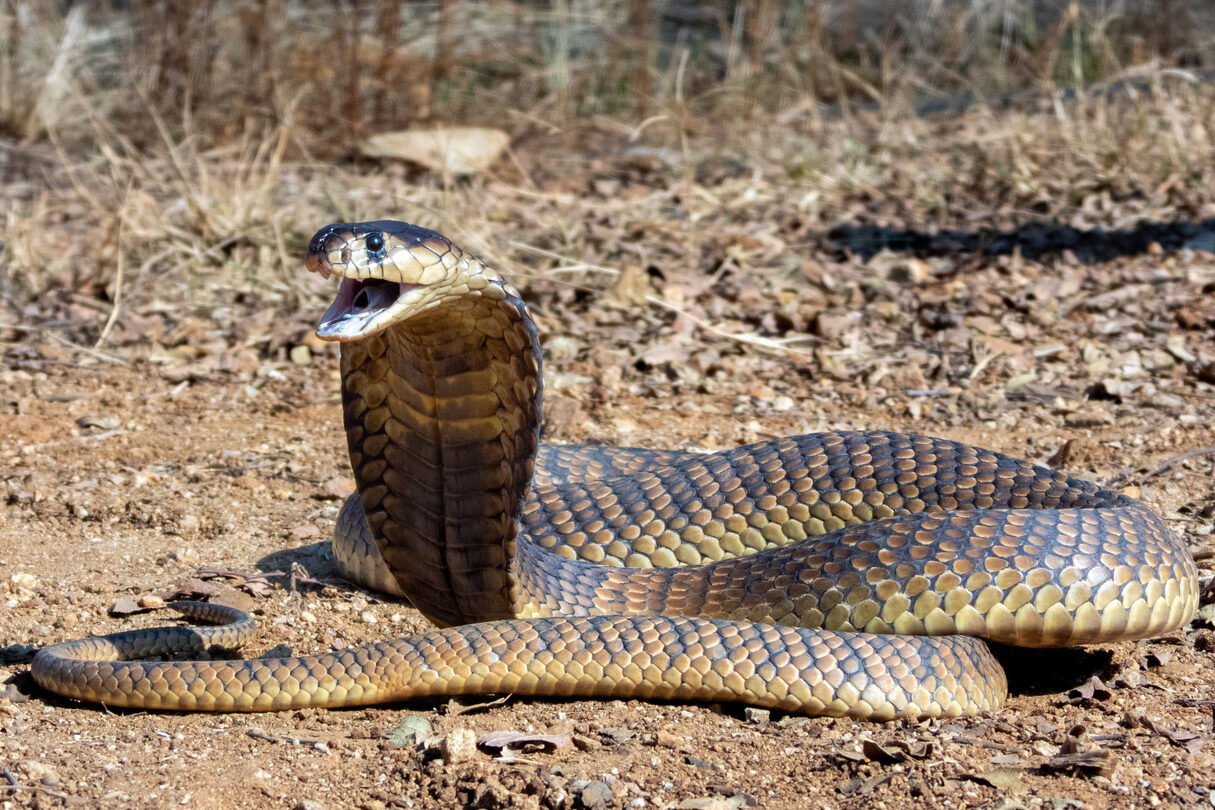
Some snakes experience the world through heat as much as light. Special sensors allow them to detect warmth from nearby animals, even in darkness. This creates a visual map shaped by temperature and movement. Prey does not need to be seen to be found. Warmth tells the story. This ability explains a snake’s stillness while waiting and precision when striking. Darkness does not blind them. It sharpens their awareness. Their vision reminds us that seeing does not always involve color or shape. Sometimes it means sensing presence through subtle changes in the environment.
10. Butterflies Following Color Codes
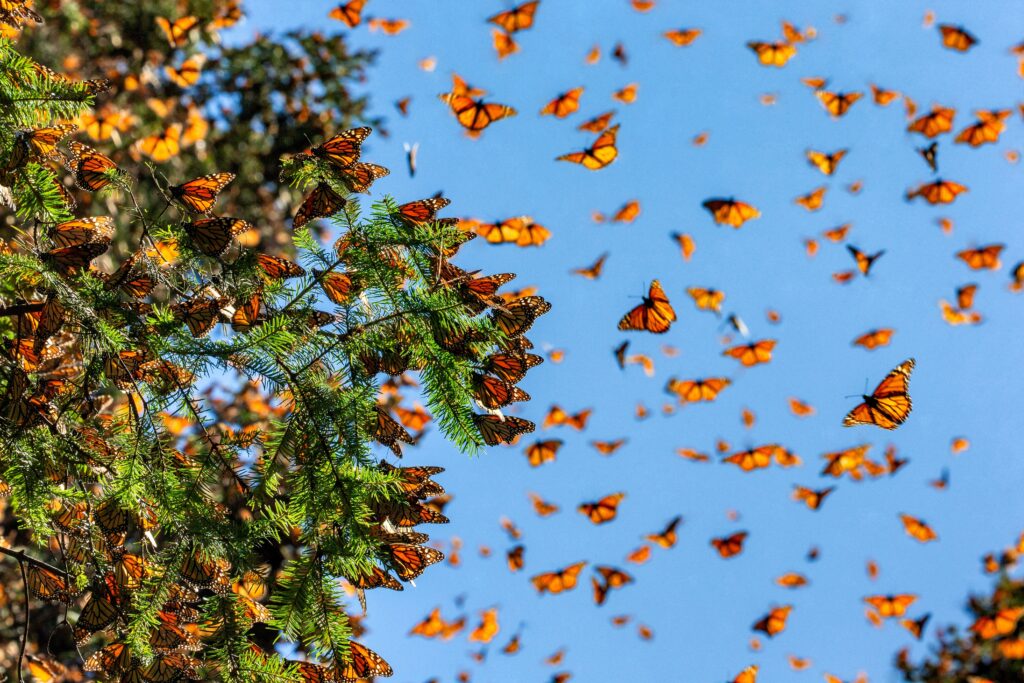
Butterflies see color with impressive detail, including shades invisible to humans. Ultraviolet patterns help them identify flowers and recognize potential mates. Every landing is guided by visual signals we never notice. Their world feels bright, coded, and intentional. Butterflies are not drifting randomly through the air. They are responding to visual instructions written across petals and wings. This adds meaning to their gentle movements and slow flight. When a butterfly pauses on a flower, it is not resting. It is reading information that quietly directs its next choice.
11. Cows Noticing Contrast
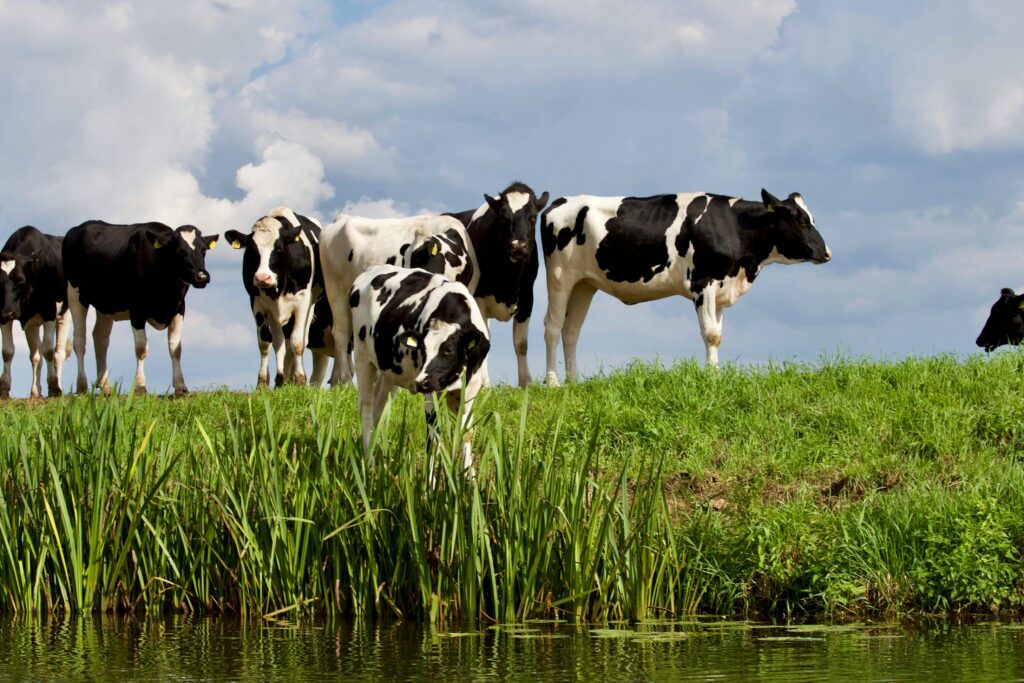
Cows see wide spaces but struggle with depth perception. Their eyes are sensitive to contrast, shadows, and sudden visual changes. A dark patch on the ground may appear unsafe, causing hesitation. This makes calm, consistent environments important for them. Their vision favors predictability over complexity. When handled gently, cows move with confidence. When rushed, confusion appears. Understanding how cows see explains much of their behavior. They are not stubborn or slow. They are responding carefully to a visual world where unfamiliar contrasts can feel risky and unsettling.
12. Rabbits Watching All Around
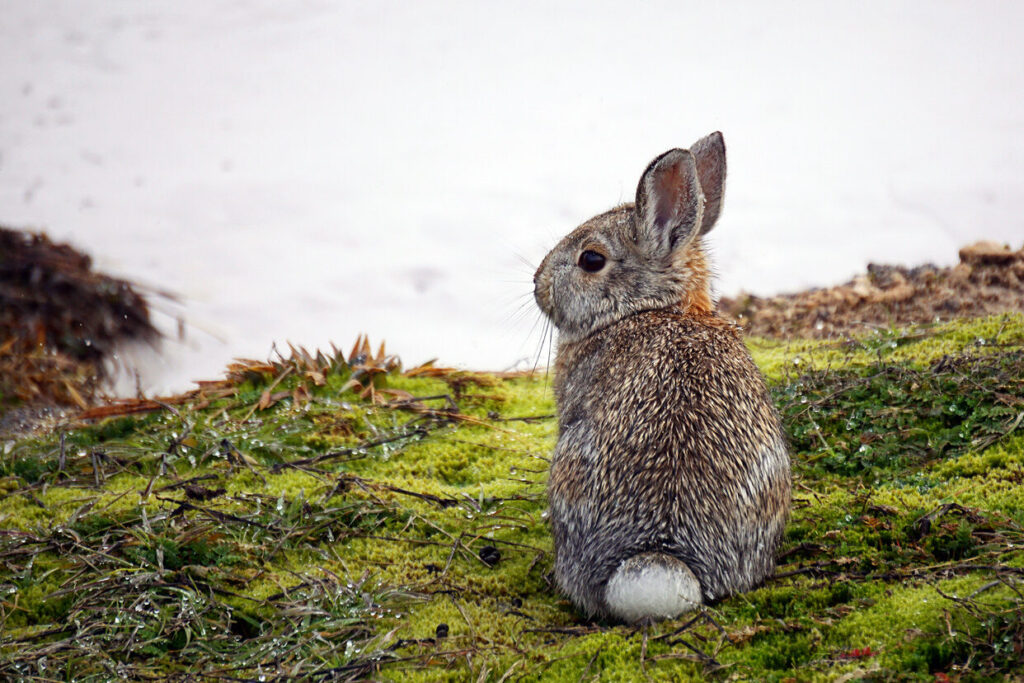
Rabbits are designed to watch nearly everything at once. Their eyes sit high and wide, giving them almost complete surrounding vision. This helps them detect danger early, but limits sharp focus straight ahead. Their world feels alert and cautious, shaped by constant awareness. Every movement matters. This explains their quick starts and sudden dashes. Rabbits are not overreacting. They are responding to a visual system built for survival. When you see a rabbit pause and scan, it is reading its surroundings carefully before deciding whether it is safe to move.
13. Chameleons Splitting Attention
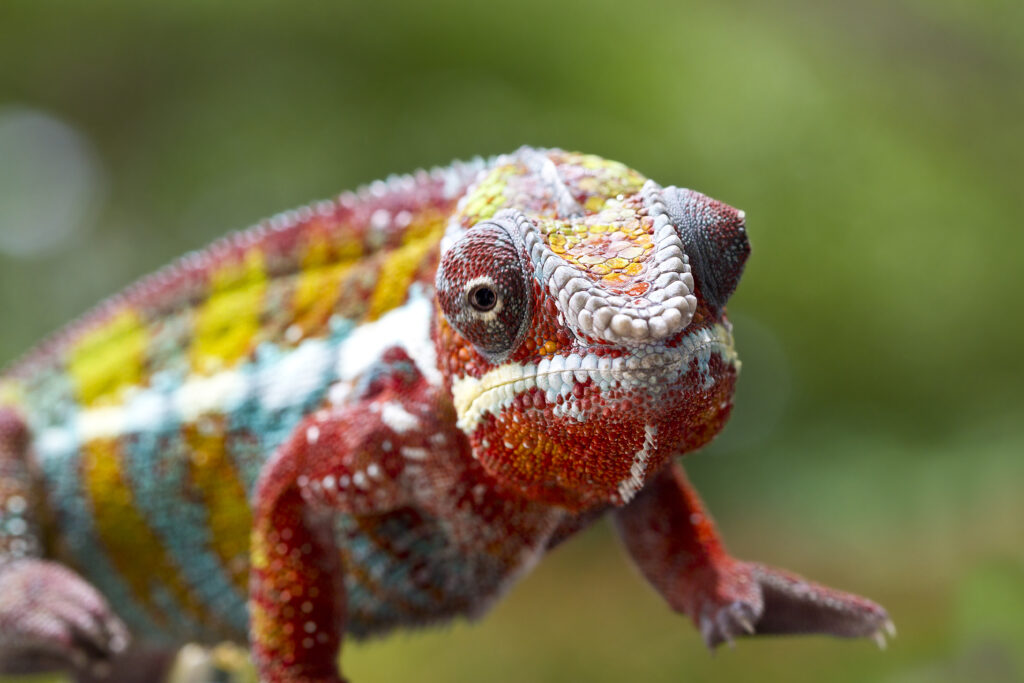
Chameleons see the world one eye at a time. Each eye moves independently, allowing them to scan different directions simultaneously. This helps them watch for danger while searching for food. When prey appears, both eyes focus together. Their vision feels strategic, divided until precision is needed. This explains their slow movements and sudden accuracy. Chameleons are not lazy or distracted. They are processing information carefully. Their way of seeing reminds us that focus does not always mean looking straight ahead. Sometimes it means paying attention in more than one direction at once.
14. Flies Seeing Faster Time
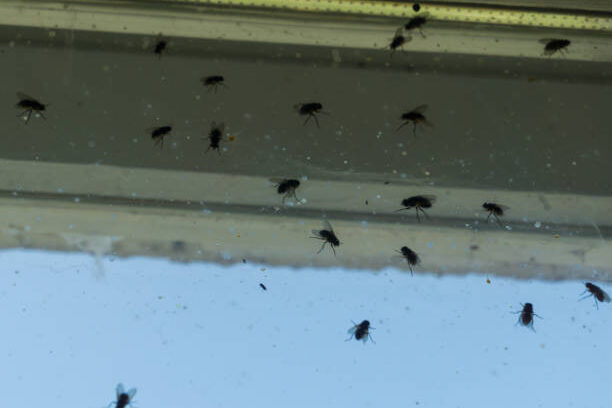
Flies experience visual information faster than humans. Their compound eyes process movement quickly, making our actions feel slow by comparison. A raised hand becomes a warning long before it lands. This explains why flies escape so easily. Their world moves at a different pace, where quick reactions matter more than detail. Time feels stretched, giving them space to respond. Flies are not lucky. They are visually prepared. When one dodges you with ease, it is not teasing. It simply saw the danger coming earlier than you realized.
15. Turtles Following Gentle Paths
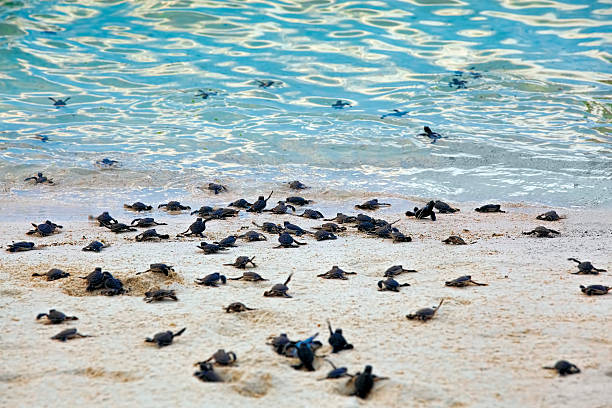
Turtles see color well, especially blues and greens, and use vision mainly for navigation. Their sight supports direction rather than speed. For sea turtles, it helps guide them toward the ocean after hatching and across long journeys later. Their world feels steady and purposeful, shaped by slow movement and long memory. Vision helps them stay oriented rather than alert. This fits their calm pace. Turtles remind us that seeing clearly does not always mean reacting quickly. Sometimes it means knowing where you are going and continuing forward with patience.
16. Goats Reading Terrain
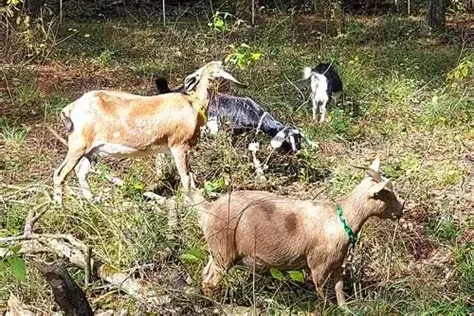
Goats move confidently across steep ground because their vision is built for balance and depth. Their rectangular pupils help them judge footing on uneven surfaces, turning cliffs and rocks into readable paths. Each step feels informed rather than risky. This way of seeing shapes their bold reputation. Goats are not careless climbers. They are visually prepared for complex terrain. Their world feels angled and textured, full of edges that guide movement. Watching a goat climb becomes less surprising when you realize its eyes are constantly measuring distance, slope, and stability with quiet accuracy during everyday movement in familiar landscapes around.
17. Ants Using the Sky
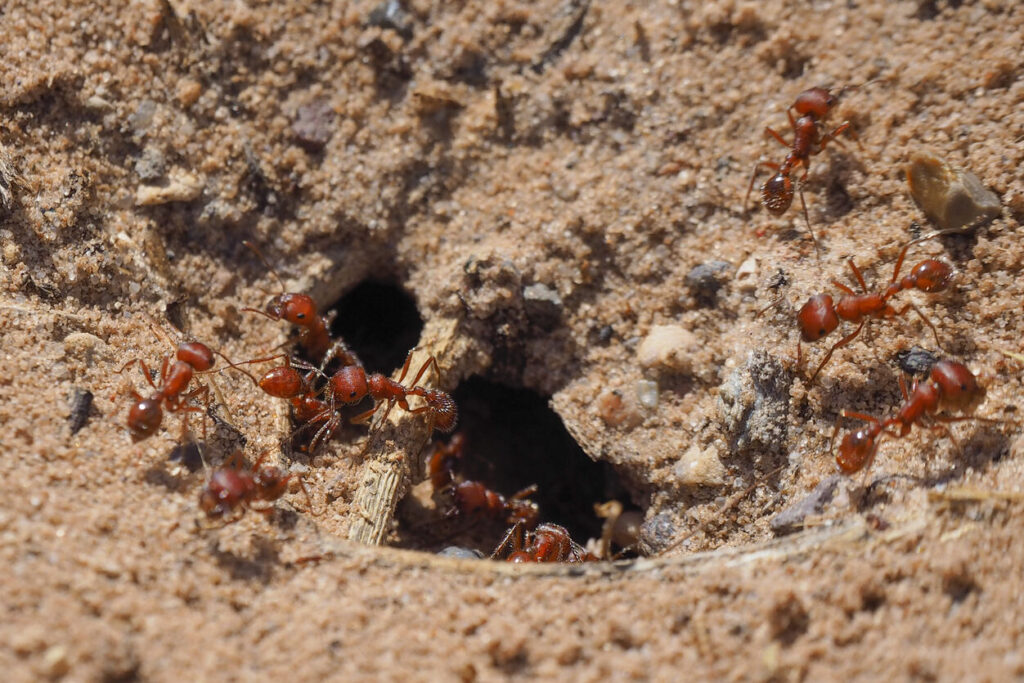
Ants may seem small, but their vision connects them to the sky above. They use light patterns invisible to humans to navigate accurately, even when landmarks change. This ability helps them travel long distances and still return home. Their movement feels purposeful, never random. An ant crossing the ground is following guidance written overhead. Its world blends earth and sky into one system. Watching ants work becomes more impressive when you realize each step is guided by visual information most of us never notice or understand. It quietly proves intelligence can appear without size or attention from curious observers everywhere.
18. Sharks Spotting Contrast
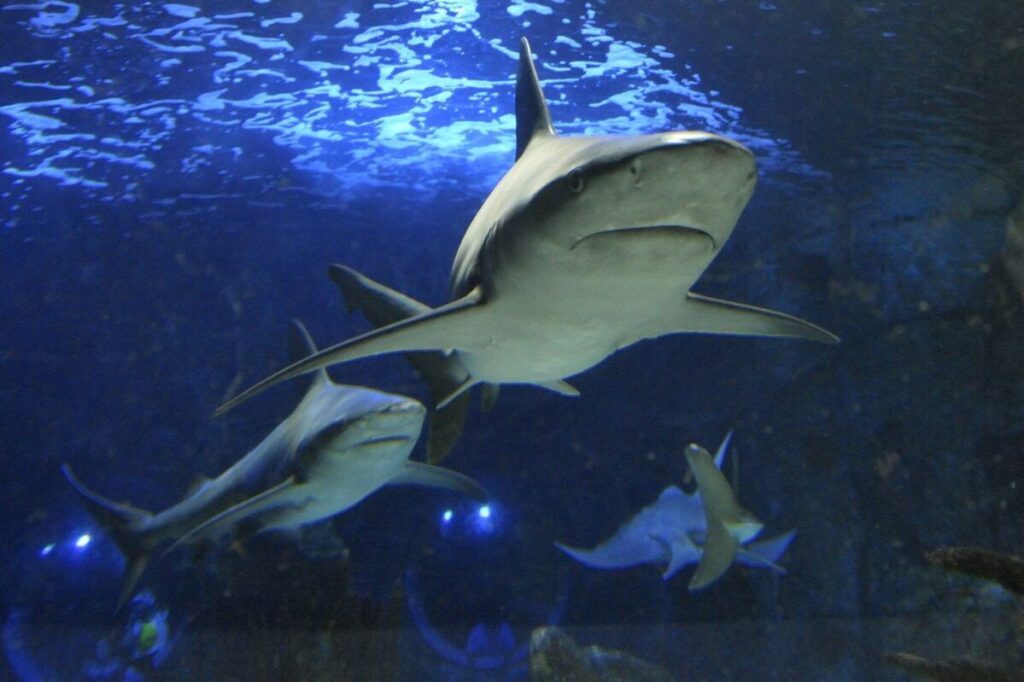
Sharks see the ocean through contrast rather than color. Light and dark differences matter more than fine detail in their underwater world. This ability helps them detect movement in murky conditions where clarity fades. Shapes stand out quickly, guiding attention toward potential prey. Their vision suits an environment filled with shadows and shifting light. Sharks are not reacting blindly. They are reading outlines and motion carefully. Understanding this makes their behavior feel focused instead of aggressive. They respond to what stands out, not what looks beautiful or familiar within constantly changing ocean spaces around them daily always alert and aware.
19. Pigeons Remembering Patterns

Pigeons experience cities as detailed visual maps. Their eyes help them recognize patterns, landmarks, and familiar faces with surprising accuracy. Streets become routes, buildings become markers, and distance becomes manageable. This visual memory supports their ability to return home from far away. Their movement feels confident, not accidental. Pigeons are not wandering aimlessly above traffic. They are recalling stored visual information gathered over time. Watching them navigate busy spaces feels different once you realize they are following remembered images rather than guessing directions through familiar skylines built from daily repeated journeys and quiet observation skills developed gradually over years alone.
20. Octopuses Feeling Shapes
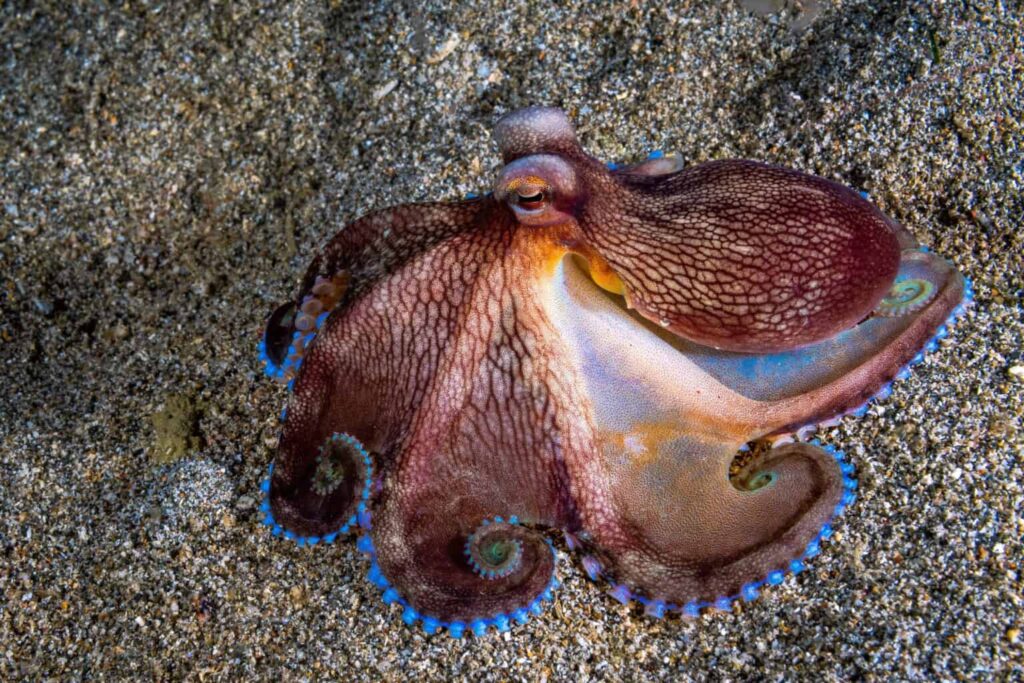
Octopuses do not rely on color the way humans do, yet their vision remains powerful. They focus on brightness, shape, and texture to understand surroundings. Combined with sensitive skin, their sight feels almost tactile. Surfaces become readable through contrast and form. This helps them blend seamlessly into different environments. Their world adapts quickly, and so do they. Octopuses are not limited by color blindness. They interpret space creatively, responding to change with intelligence, flexibility, and quiet awareness that feels almost human while navigating reefs dens and shifting seafloors daily without hesitation or confusion at all times naturally alone there calmly.
21. Deer Watching the Edges
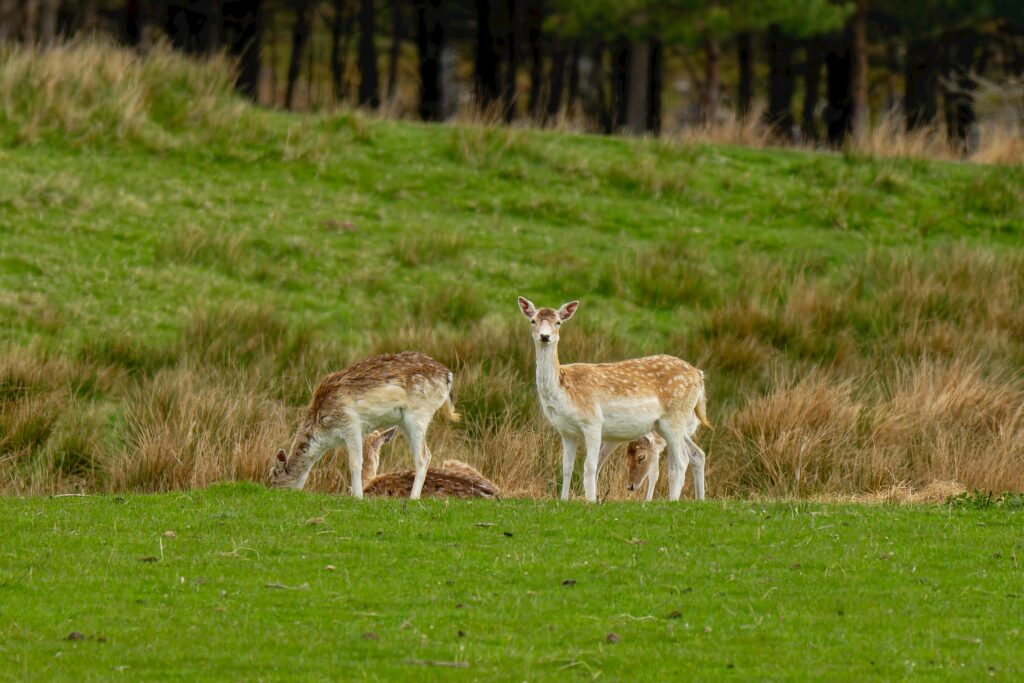
Deer see best when light is soft and low, especially at dawn and dusk. Their eyes are tuned to detect movement in dim conditions. This makes them alert during quiet hours when danger often appears. Their world feels watchful rather than relaxed. Sudden motion stands out clearly against fading light. This vision shapes their cautious behavior and timing. Deer are not timid without reason. They are responding to an environment where subtle changes matter. Understanding how they see helps explain their calm pauses and sudden escapes through forests fields roadsides and open grazing spaces encountered daily across seasons naturally always.
22. Mantis Shrimp Processing Quickly
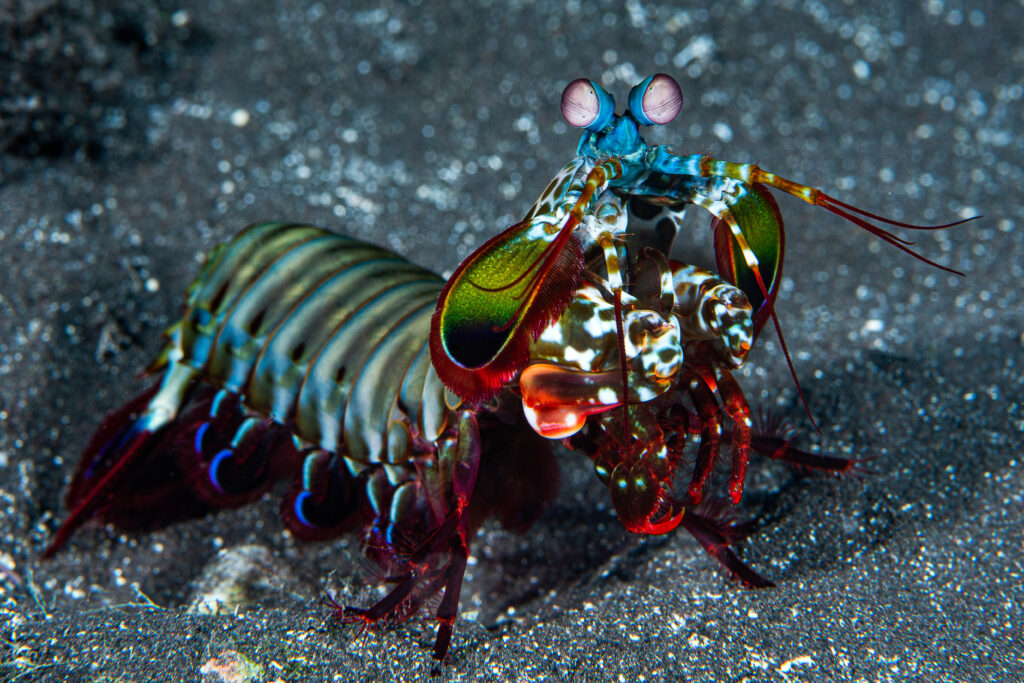
Mantis shrimp possess complex eyes that detect many forms of light. Instead of focusing on detail, their vision prioritizes speed. This allows them to react instantly in crowded reef environments. Their world feels immediate and efficient, built around quick decisions. Information is processed rapidly rather than deeply. This suits a life where timing matters. Mantis shrimp are not overwhelmed by what they see. They use fast visual signals to survive. Their vision shows that seeing more does not always mean understanding more, only responding faster when necessary within dynamic marine spaces filled with constant motion pressure and competition daily life.
23. Goldfish Recognizing Colors
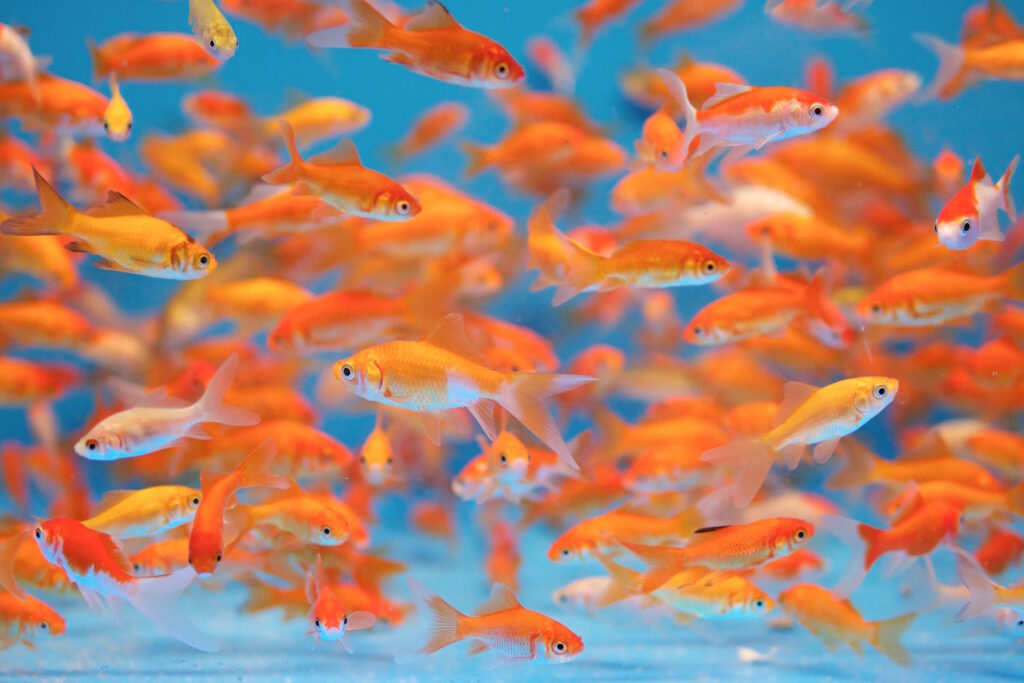
Goldfish see more than many people expect. Their vision allows them to recognize colors, shapes, and patterns over time. This helps them learn routines and respond to familiar signals. Feeding schedules, tank features, and movement become recognizable. Their world feels structured rather than simple. Goldfish are not forgetful swimmers. They store visual information and adjust behavior accordingly. Watching them respond consistently makes sense once you consider their visual memory. Even in small spaces, their sight supports awareness, learning, and gentle interaction with surroundings that quietly shape daily comfort habits safety recognition and calm behavior patterns formed slowly over time alone.
24. Elephants Relying Beyond Sight
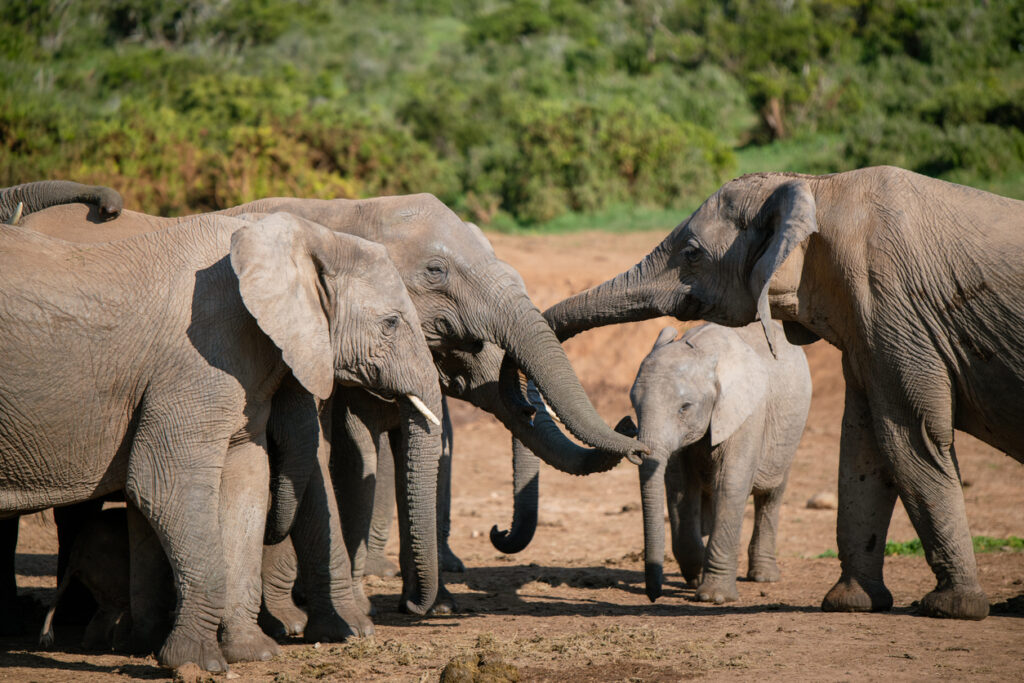
Elephants experience the world through many senses, with vision playing a smaller role. Their eyesight is limited compared to their hearing and smell. Still, it supports general awareness and movement. Their environment feels layered with information gathered from vibration, scent, and sound. Vision fills in gaps rather than leading. This explains their calm confidence and steady presence. Elephants do not need sharp sight to understand their surroundings. They read the world holistically. Watching them move reminds us that seeing is only one way of truly knowing shaped by memory connection communication and trust built over time together quietly always present.
25. Lizards Spotting Movement
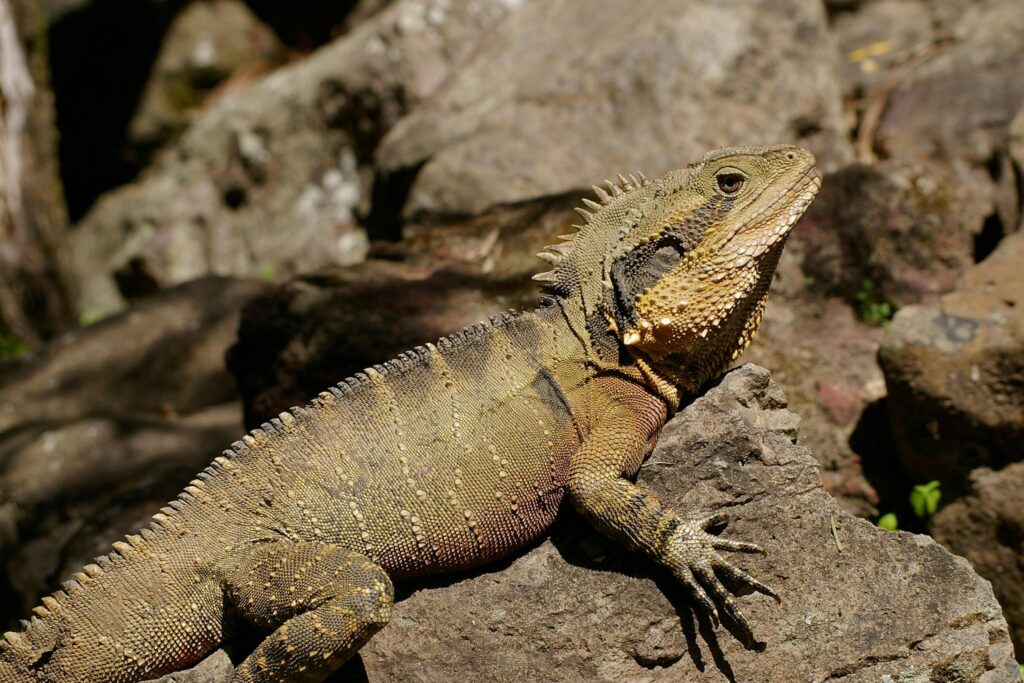
Lizards experience their surroundings through motion. Their eyes quickly detect moving insects even when everything else remains still. This makes their reactions fast and precise. Their world feels defined by change rather than detail. Lizards wait patiently until movement appears, then respond instantly. This vision supports short bursts of action followed by stillness. They are not impulsive hunters. They are efficient observers. Understanding how lizards see explains their behavior clearly. They act when the world shifts, conserving energy until movement gives them a reason to engage with surroundings safely efficiently and successfully each day without waste or panic responses ever.
26. Crabs Seeing Sideways
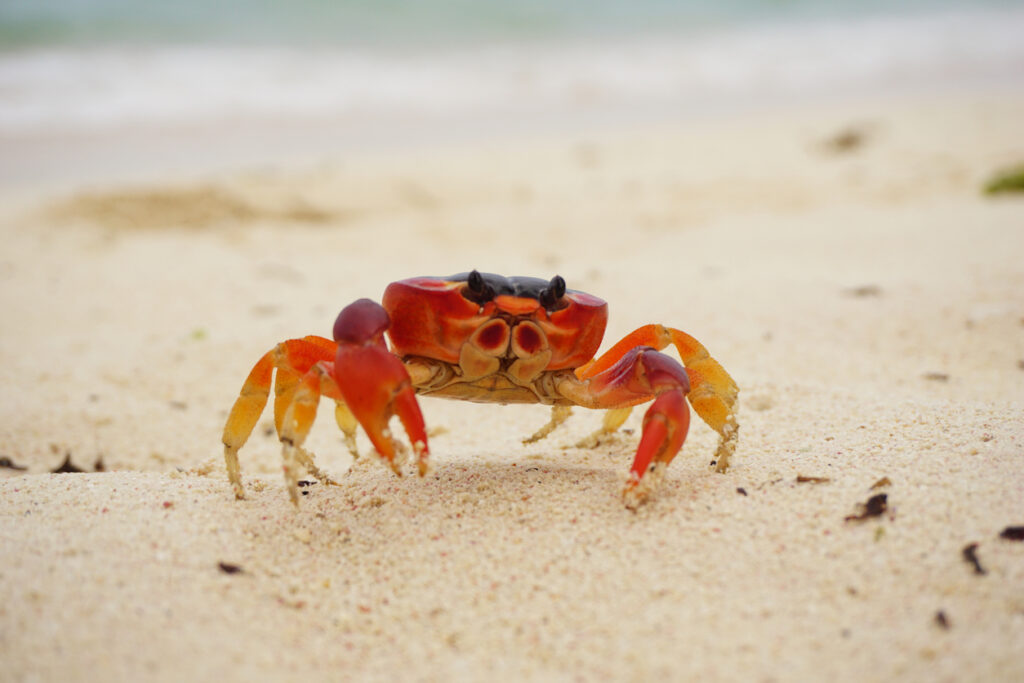
Crabs view the world from the sides, with eyes perched on stalks. This gives them wide visual coverage without turning their bodies. It helps them detect danger while moving sideways across sand and rock. Their environment feels open and exposed, requiring constant awareness. Vision supports quick decisions and steady movement. Crabs are cautious because they must be. Their sight suits shorelines where threats approach from many angles. Watching a crab pause and move makes sense when you realize how much it is seeing at once while navigating tides shadows predators people and shifting coastal environments daily with care always alert.
27. Sheep Seeking Calm Views
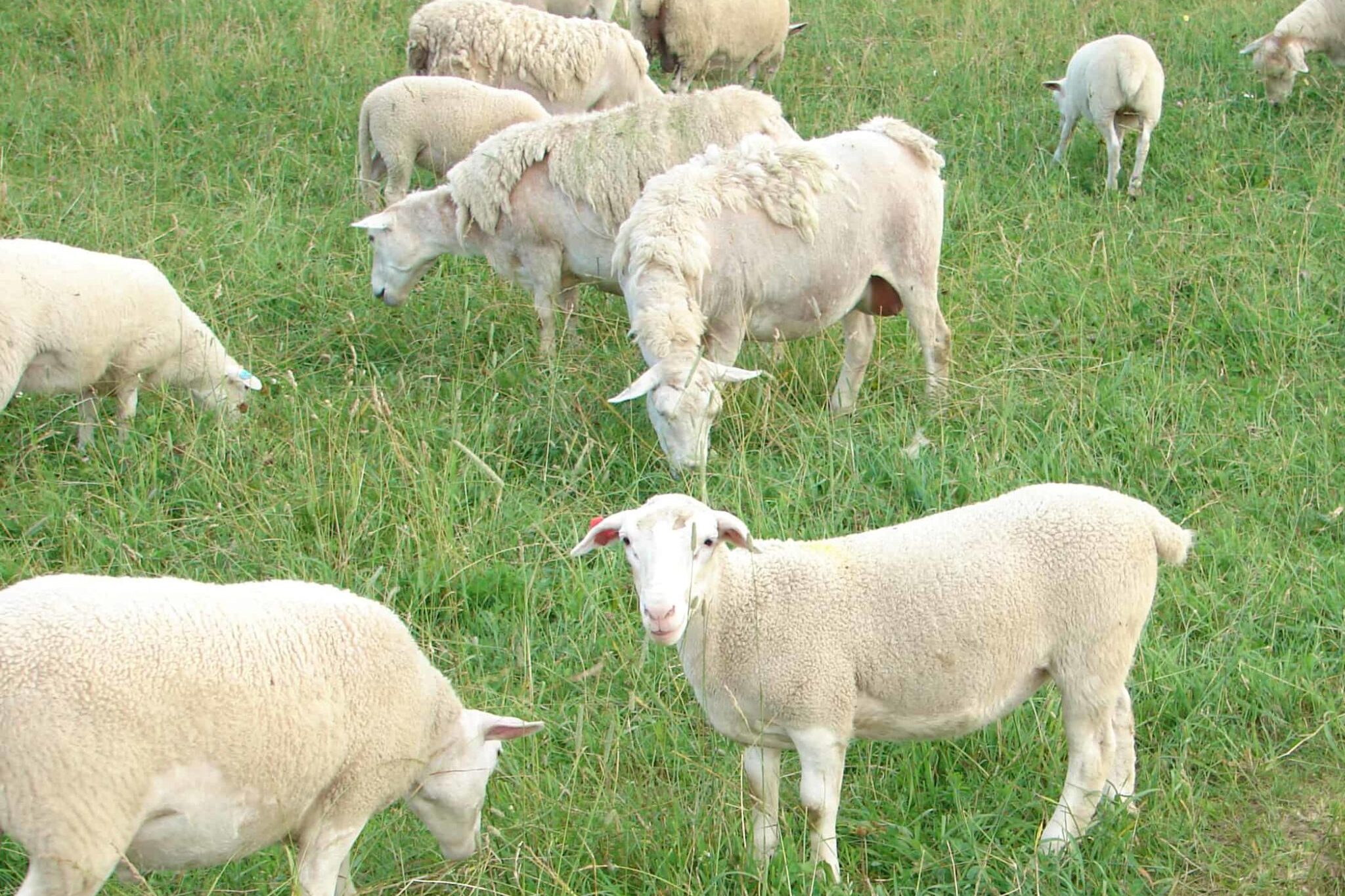
Sheep see wide areas around them but struggle with depth and sudden contrast. Shadows or unfamiliar shapes can feel threatening. Their vision prefers calm, steady surroundings. This explains why sheep move together and follow familiar paths. Consistency brings comfort. Their world feels gentler when nothing changes abruptly. Sheep are not stubborn followers. They are responding to what feels visually safe. Understanding their sight helps explain their behavior. When environments remain predictable, sheep move calmly and confidently, trusting what they see and staying close to what feels familiar during daily grazing resting walking routines across open pastures farms hillsides quietly together.
28. Bats Blending Sight and Sound
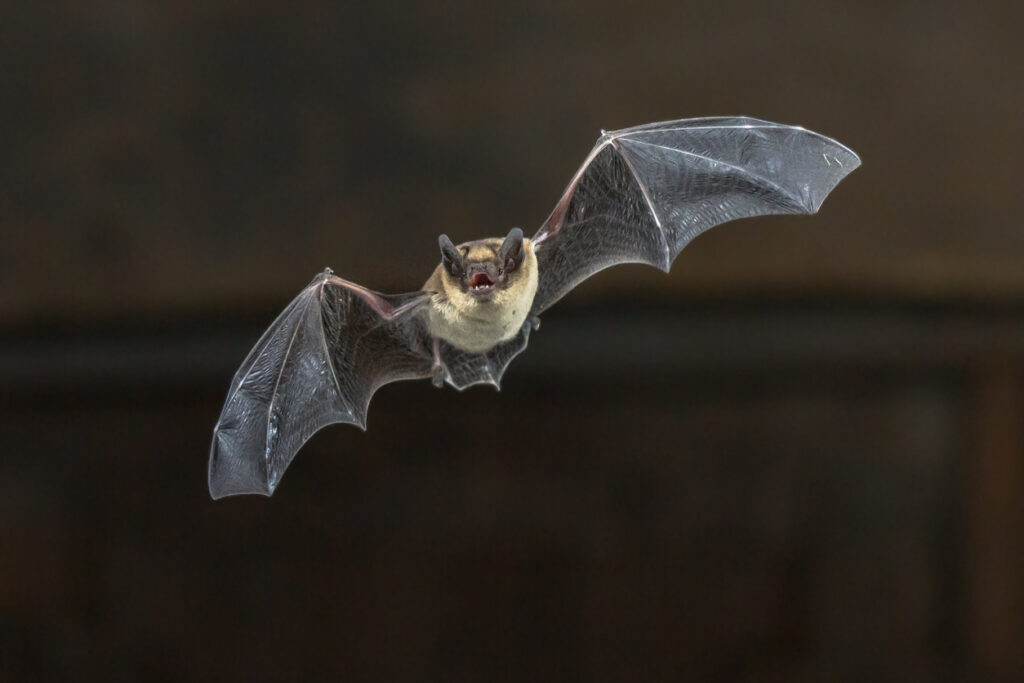
Bats are not blind, though they rely heavily on sound. Their vision works alongside echolocation to create a complete picture of space. Sight helps with orientation, while sound fills in detail. Their world blends images and echoes seamlessly. This allows precise movement in darkness where eyes alone would struggle. Bats navigate confidently through night skies and tight spaces. They are not guessing where to fly. They are reading their surroundings through multiple senses at once, proving that vision does not need to work alone to be effective during fast flights hunts migrations roosting routines and social interactions nightly everywhere naturally.
29. Chickens Noticing Details
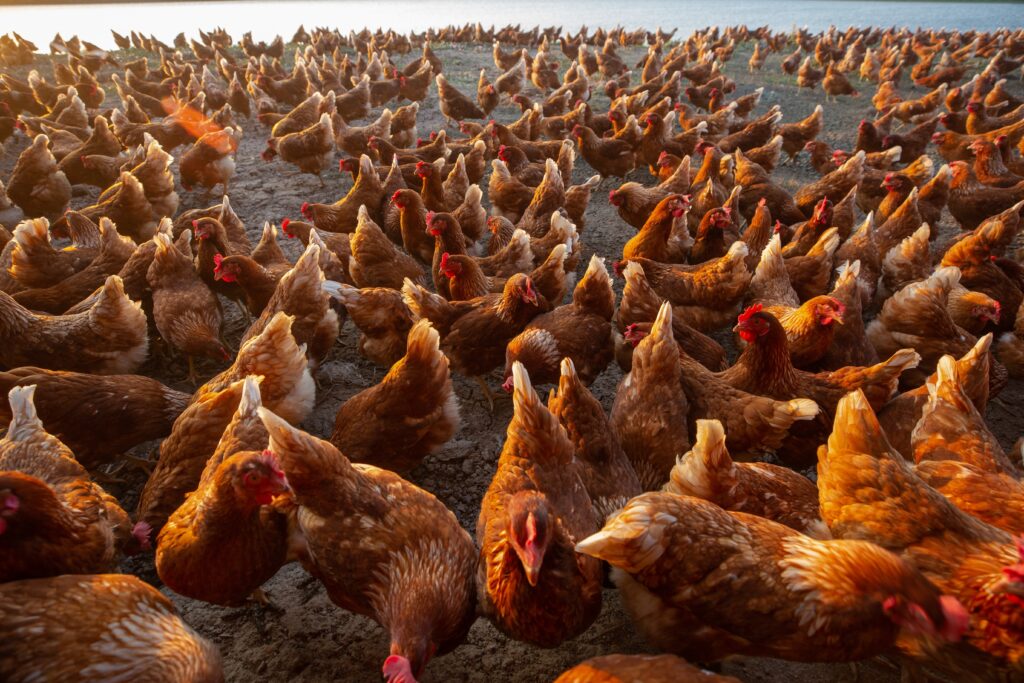
Chickens see fine details and a wide range of colors. Their vision helps them recognize flock members, spot food, and stay alert. Small changes in their environment stand out clearly. This keeps them attentive and responsive. Their world feels busy and information rich. Chickens are not easily distracted. They are visually engaged. Understanding how they see explains their constant scanning and quick reactions. They notice what others overlook. In shared spaces, their sight supports social awareness, safety, and everyday survival through careful observation within flocks yards farms coops and outdoor roaming areas each ordinary day without pause or rest ever.
30. Humans Seeing One Version

Humans often assume their vision shows the full picture, yet it reveals only one version of reality. Compared to many animals, human sight is narrow but deeply focused. We notice detail while missing what lies beyond attention. Other creatures remind us that vision adapts to need, not preference. This understanding invites curiosity rather than comparison. The world does not change, but awareness can. If seeing differently sparks interest, try observing everyday animals more closely. Let their perspectives challenge yours and share what you notice with someone else today to keep conversations curiosity empathy learning alive beyond screens pages lists daily.
This story 30 Everyday Creatures That See the World Completely Differently was first published on Daily FETCH


