
1. The Octopus Who Never Stayed Put
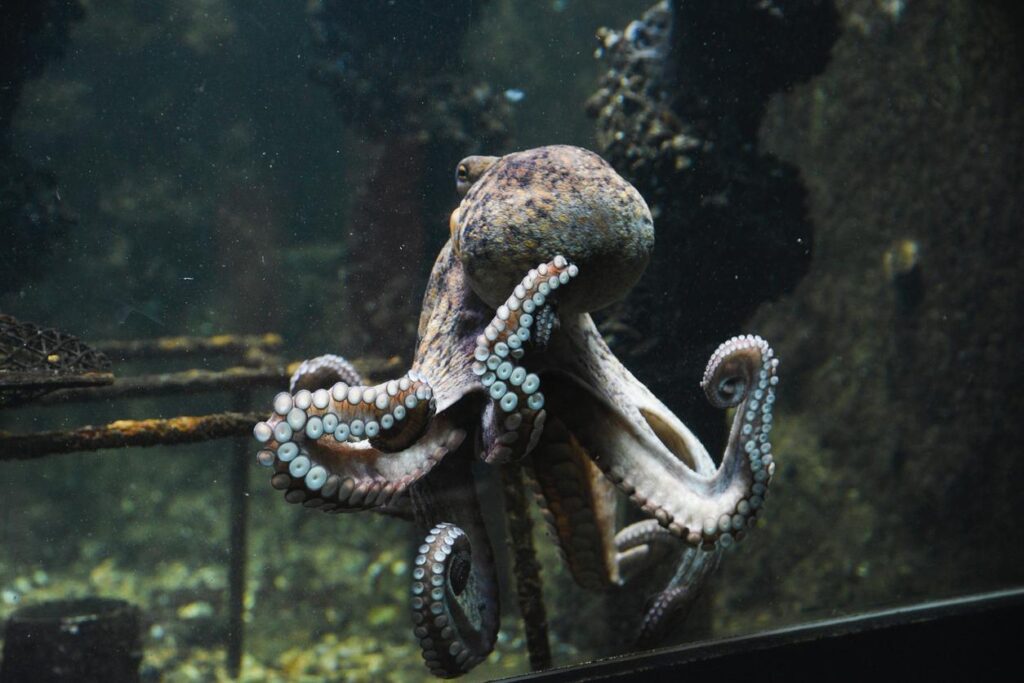
It started as a quiet research setup, the kind meant for calm observation, but the octopus inside had other ideas. Each night, it slipped out of its tank, crawled across the floor, raided a neighboring fish enclosure, then returned before morning like nothing happened. Researchers only noticed when fish kept disappearing. The octopus was not panicked or confused. It was curious, hungry, and confident. Once cameras caught the routine, the mood shifted from concern to admiration. The study was no longer about containment. It became a reminder that intelligence often shows up when nobody is watching.
2. The Crow Who Mastered Traffic Lights
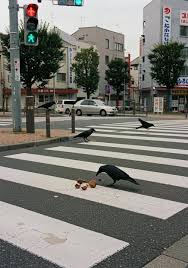
At first, it looked like coincidence. Then it kept happening. A crow began dropping hard walnuts onto busy roads, waiting for passing cars to crack them open, then calmly hopping down during red lights to collect the pieces. Researchers realized the bird understood timing, danger, and reward better than expected. It was not copying humans. It was studying them. The crow adjusted its behavior to the rhythm of the city, turning chaos into a tool. Watching it work felt oddly familiar, like witnessing someone quietly learn a system and use it without ever needing instructions.
3. The Dolphin Who Changed the Rules
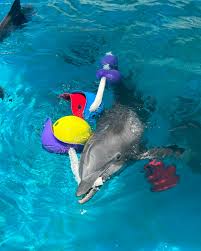
In a creativity experiment, dolphins were rewarded for doing something new. Most tried a few tricks and waited. One dolphin paused, seemed to think, then invented entirely new behaviors on the spot. When old tricks stopped earning rewards, it adapted immediately. Researchers realized the dolphin understood the concept, not just the task. It was not performing for approval. It was exploring possibilities. The experiment flipped roles, with scientists watching closely instead of directing. The dolphin was not just learning. It was leading, and the room felt quieter once everyone noticed who was really in control.
4. The Chimp Who Planned Ahead
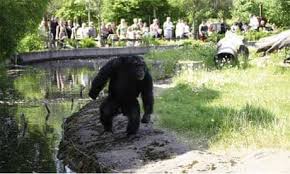
Visitors thought the chimpanzee was throwing stones impulsively, but researchers noticed a pattern. When stones were removed from the enclosure, the chimp began hiding them earlier in the day, saving them for later. This was not anger or instinct. It was planning. The chimp understood time, preparation, and outcome. Each hidden stone was a decision made long before the moment arrived. Scientists were unsettled, not by the throwing, but by the patience behind it. The behavior forced a deeper look at foresight in animals and reminded everyone that strategy does not always announce itself loudly.
5. The Pigeon Who Beat the Test
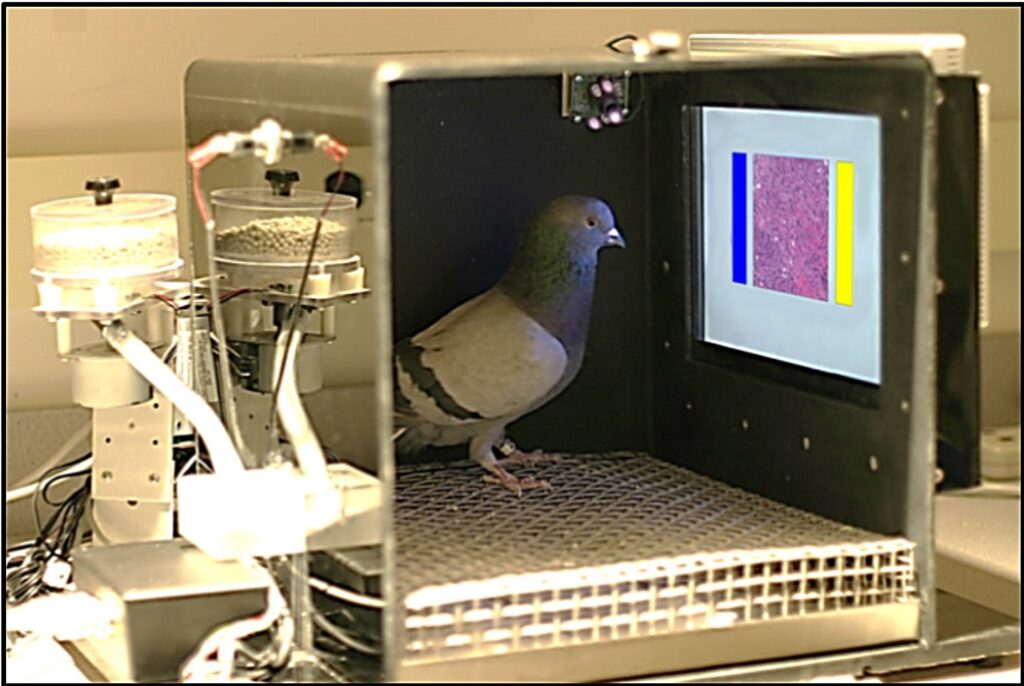
Pigeons were trained to identify patterns in medical images, a task meant to challenge perception. To the researchers’ surprise, the pigeons consistently performed better than expected, sometimes rivaling computer systems. They were not memorizing images. They were recognizing patterns. The birds did not know the importance of the task, yet they solved it with quiet focus. Watching pigeons outperform advanced tools felt humbling. Intelligence did not arrive with drama. It showed up in repetition, attention, and results. The experiment ended with fewer assumptions and a renewed respect for underestimated minds.
6. The Rat Who Refused the Maze
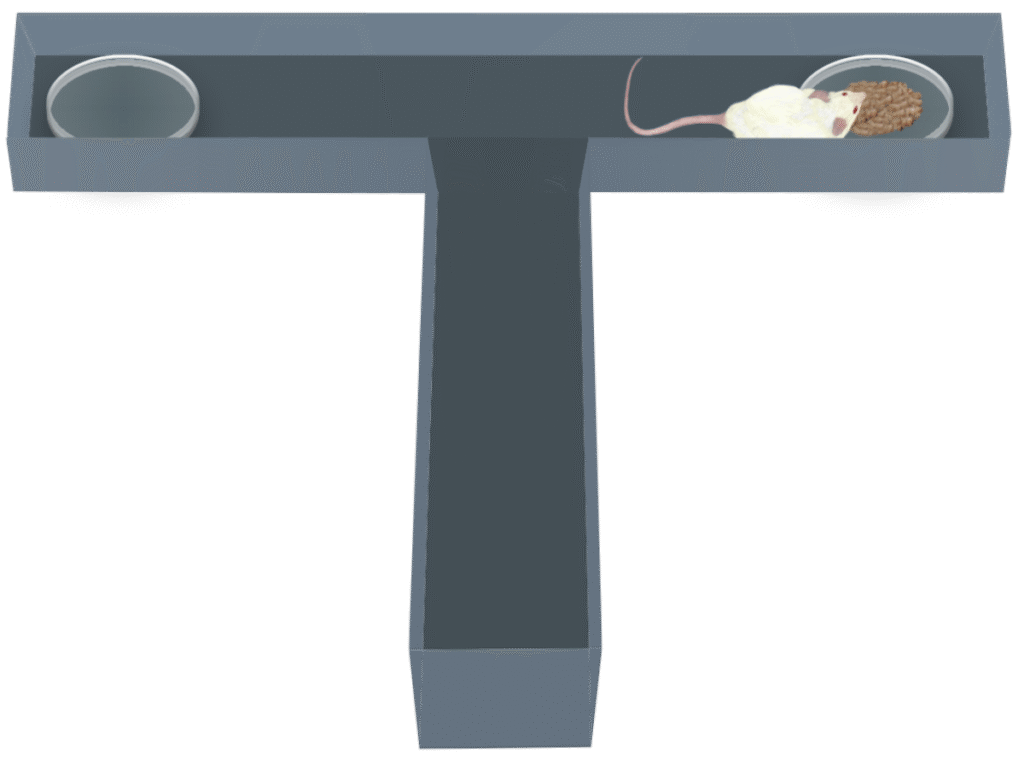
During a classic maze experiment, one rat stopped running altogether. Instead of navigating turns, it waited calmly until the researchers reset the doors, then walked straight to the reward. At first, this looked like failure. It was not. The rat had learned the system, not the maze. It understood timing and routine better than the intended challenge. The researchers realized the rat was no longer solving a puzzle. It was optimizing effort. The moment reframed the entire experiment and quietly asked whether obedience is ever the same thing as understanding.
7. The Orca Who Pretended to Be Still
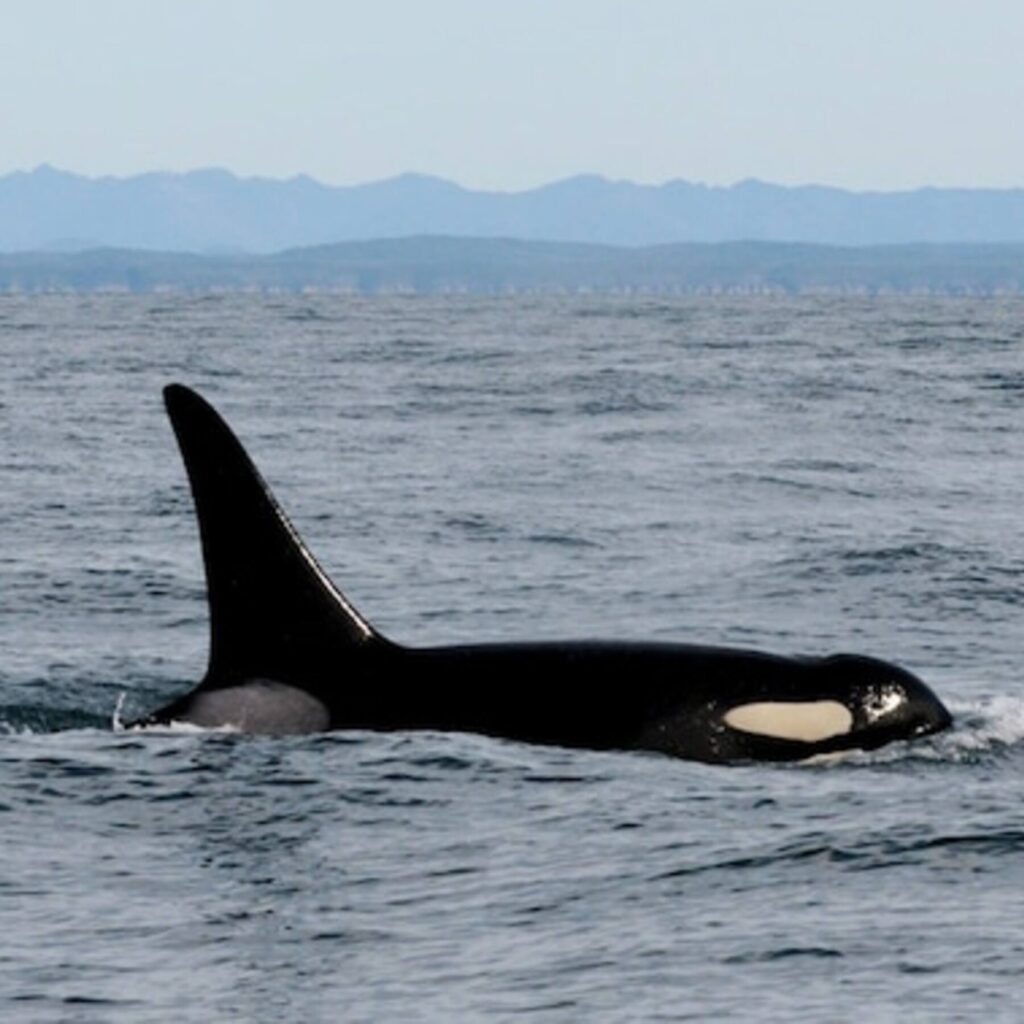
While researchers attempted tagging, one orca floated motionless at the surface. Assuming distress or malfunction, the team backed away. Moments later, the orca swam off energetically. This happened more than once. The behavior was not exhaustion. It was strategy. The orca had learned how humans responded to stillness and used it deliberately. The realization was unsettling. The animal understood the observers well enough to manipulate their decisions. What looked like passivity turned out to be awareness, reminding researchers that observation is never a one way experience.
8. The Monkey Who Turned the Camera
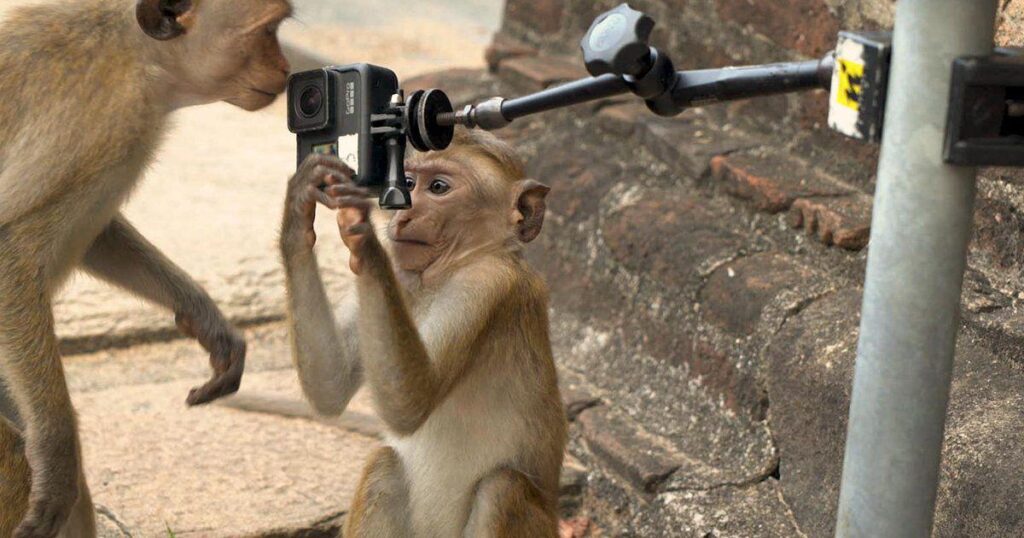
Motion cameras were placed to observe macaques in their natural routines. Over time, one monkey approached, grabbed a camera, and flipped it around. The footage showed humans instead, standing awkwardly behind their equipment. The monkey was not aggressive or confused. It was curious. It noticed the attention and returned it. The researchers laughed, but the moment lingered. The line between subject and observer blurred quietly. The study was meant to capture behavior, yet it ended up recording something else entirely, a brief reversal that felt playful, pointed, and impossible to forget.
9. The Ants Who Ignored the Map
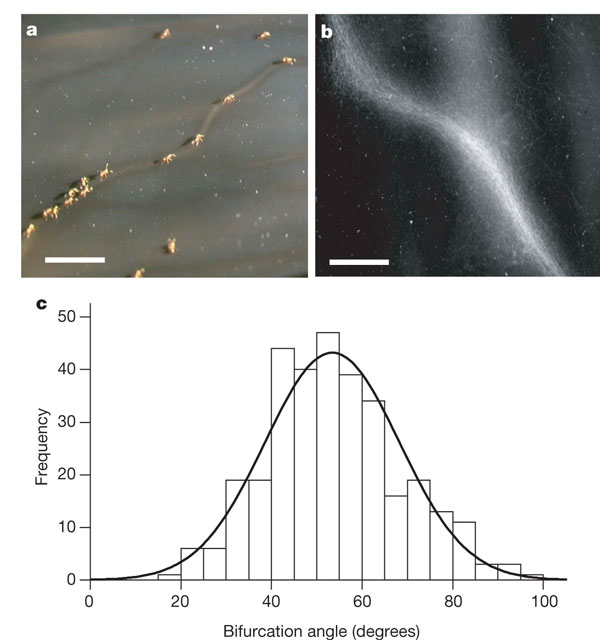
Scientists laid out carefully planned food trails, expecting ants to follow chemical cues exactly. Instead, the ants rerouted when paths became inefficient. They abandoned instructions and responded to real conditions. The ants were not disorganized. They were adaptive. Each choice made sense locally, even if it disrupted the experiment. Watching them improvise was frustrating at first, then impressive. The ants did not care about expectations. They cared about efficiency. The study shifted from testing obedience to observing collective problem solving, quietly proving that flexibility can outperform rigid design.
10. The Raven Who Knew Value
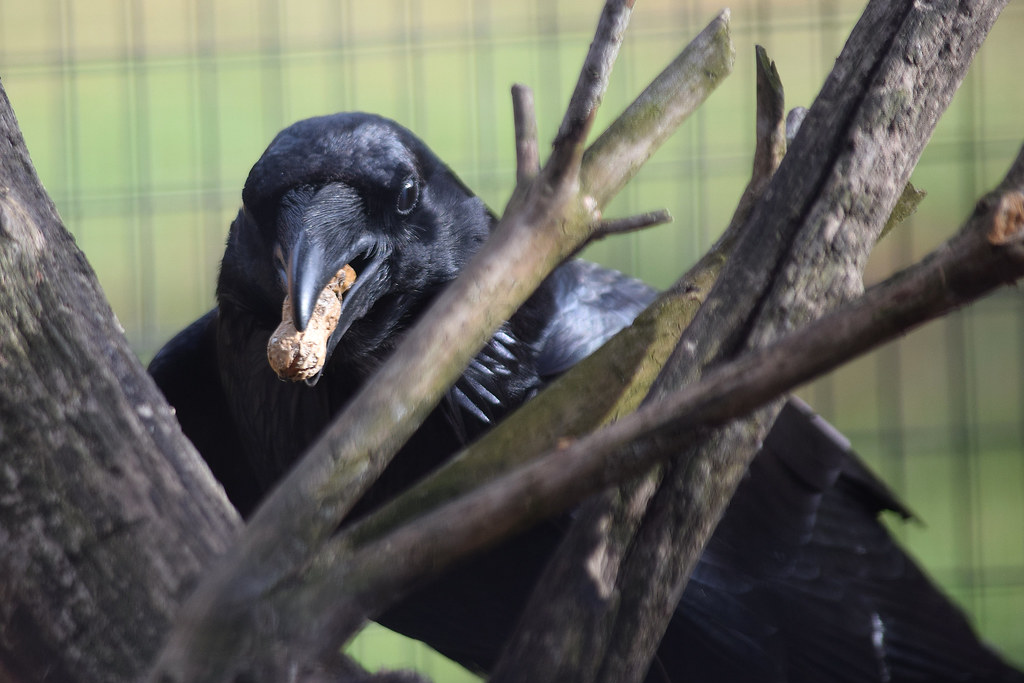
Ravens were given tokens to trade for food, with some tokens worth more than others. One raven quickly learned to save higher value tokens and spend lower ones first. This was not random behavior. It showed understanding of relative worth. The raven was not just participating. It was making choices. Watching it trade carefully felt uncomfortably familiar, like witnessing a budget decision made without words. The experiment revealed more than intelligence. It showed restraint, memory, and awareness of future benefit. The raven was not guessing. It was deciding.
11. The Pig Who Played Games
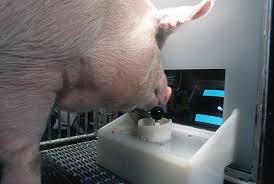
A pig was trained to use a joystick to control a simple video game. Instead of random movements, the pig showed steady improvement, adjusting actions based on outcomes. It paid attention, learned feedback, and stayed focused. The task was not natural to pigs, yet the pig adapted without distress. Researchers watching closely noticed intention behind every movement. The pig was not reacting blindly. It was aiming for a goal. The experiment challenged long held beliefs about farm animals and left observers quietly reconsidering what intelligence looks like when it appears in unexpected places.
12. The Spider Who Improved Its Work
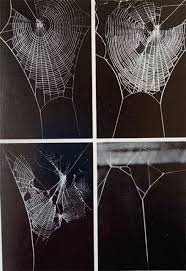
A spider building webs in a controlled environment faced repeated disruptions. Instead of rebuilding the same way each time, it adjusted. Weak points were reinforced. Shapes changed slightly. Each web reflected memory. The spider was not starting over. It was learning from failure. The changes were subtle but consistent. Watching the process felt like watching quiet craftsmanship. No panic, no rush, just refinement. The spider did not need a brain that looked impressive. It needed experience. The study revealed problem solving woven into silk, steady and unannounced.
13. The Elephant Who Solved the Fence
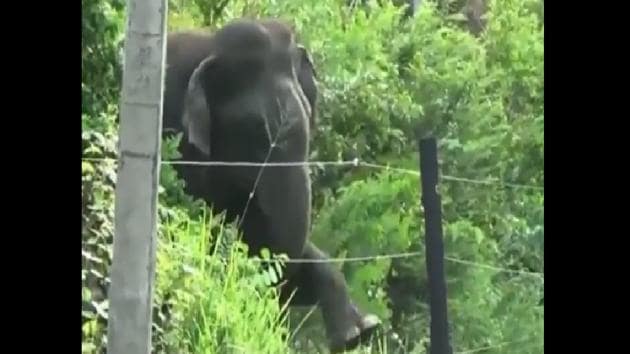
Electric fences were installed to keep elephants out of certain areas. One elephant watched closely, waited, then used a log to break the circuit safely. The action was calm and deliberate. This was not testing boundaries blindly. It was understanding cause and effect. The elephant did not charge the fence. It neutralized it. Wildlife managers realized the animal had studied the setup longer than expected. The moment felt less like defiance and more like problem solving. Sometimes intelligence appears not in escape, but in how carefully the escape is planned.
14. The Fish Who Recognized Faces
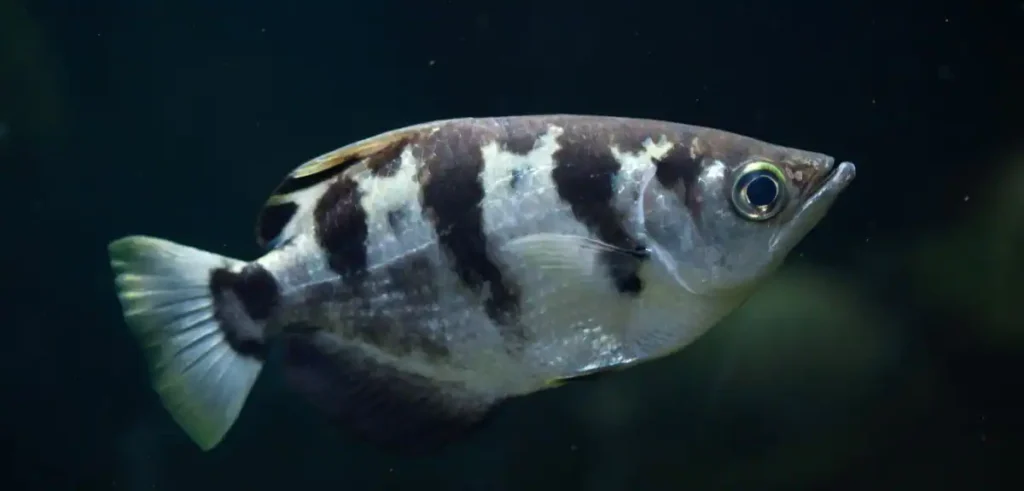
Small reef fish were tested on their ability to recognize human faces. To researchers’ surprise, the fish succeeded. They distinguished familiar faces from unfamiliar ones consistently. This was not instinct. It was recognition. The idea that a fish could remember a face challenged deep assumptions about memory and brain size. Observers found themselves suddenly aware of being noticed. The experiment shifted how intelligence was measured, replacing size with function. The ocean felt slightly different after that, not louder or stranger, just more aware than anyone had expected.
15. The Parrot Who Asked Questions
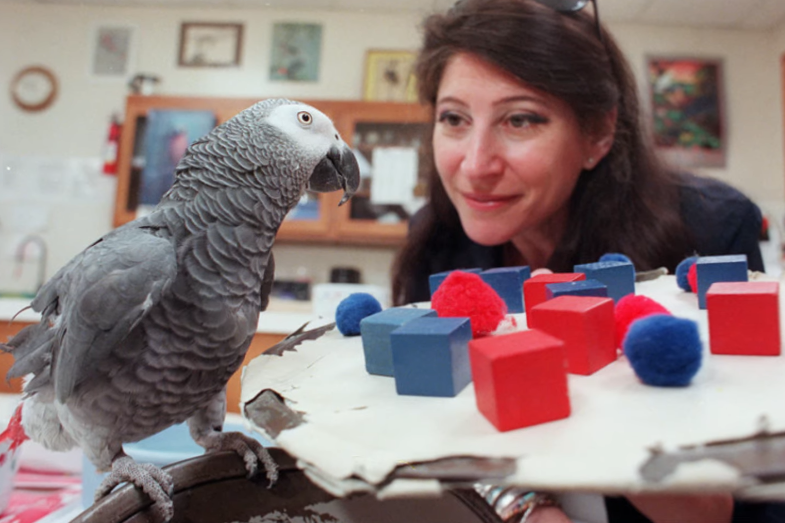
An African grey parrot named Alex did something unexpected during testing. Instead of repeating words, he asked questions. When shown an object, he asked about its color. This was not mimicry. It was curiosity. Alex understood when he lacked information and sought it out. The room changed after that moment. The tests were no longer about training. They were about communication. Watching Alex think out loud forced researchers to confront the possibility that curiosity itself is not uniquely human. It can appear quietly, politely, and with feathers.
16. The Horse Who Read People
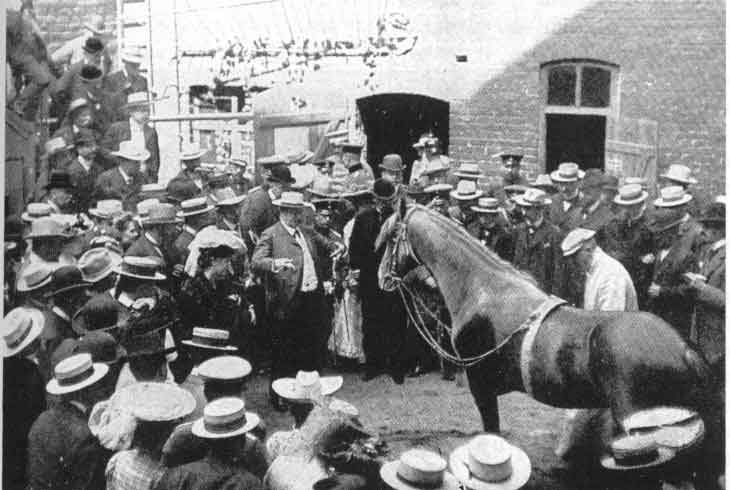
Its legend confused many people, but the horse was never truly counting numbers at all. Clever Hans watched humans closely, responding to subtle shifts in posture, breath, and tension. When people relaxed, he stopped tapping. When they leaned forward, he continued. Researchers eventually realized Hans understood people better than people understood themselves. What seemed like failure became revelation. The horse was not solving math. He was reading bodies. That insight reshaped research methods forever, forcing scientists to control their own signals. Hans quietly proved perception can be intelligence, even when answers appear wrong. It changed how learning is measured everywhere.
17. The Bee Who Learned the Game
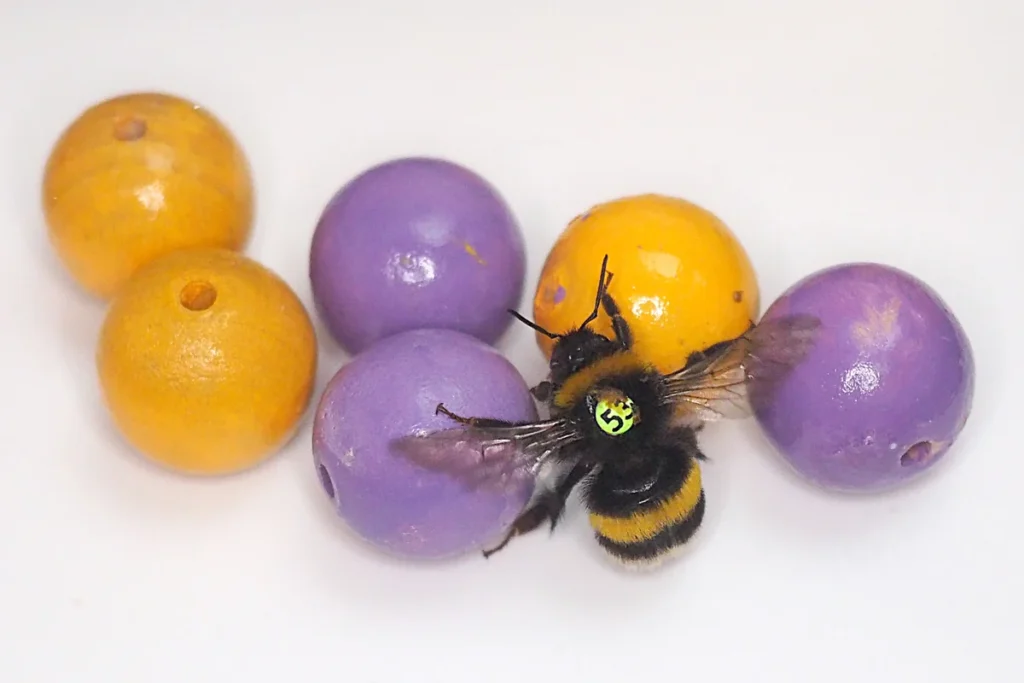
At a small lab table, bees surprised everyone by learning an unexpected game. Researchers trained them to push tiny balls into goals for sugar rewards. Instead of struggling, some bees learned by watching others succeed. They copied movements, adjusted angles, and improved quickly. This was not instinct alone. It was social learning in action. The bees remembered outcomes and applied them later. Watching such small creatures grasp a goal felt oddly familiar. Intelligence did not announce itself loudly here. It hummed softly, persistent and curious, inside wings no one expected. That quiet moment stayed with researchers long afterward always quietly.
18. The Fox Who Disabled Tracking
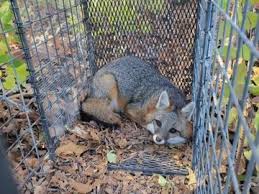
Tracking devices kept failing, and at first nobody understood why. Foxes wearing GPS collars were rubbing them against metal edges until signals stopped. This was not random irritation. The foxes learned what the collars did and how to disable them. They watched, tested, and repeated what worked. Researchers realized observation ran both ways. The foxes adapted faster than the study design. What began as data collection became a lesson in awareness. Being studied changes behavior, especially when the subject is paying attention quietly without panic, proving intelligence thrives under pressure and learns quickly from human habits alone. There always lessons.
19. The Snake Who Timed Stillness
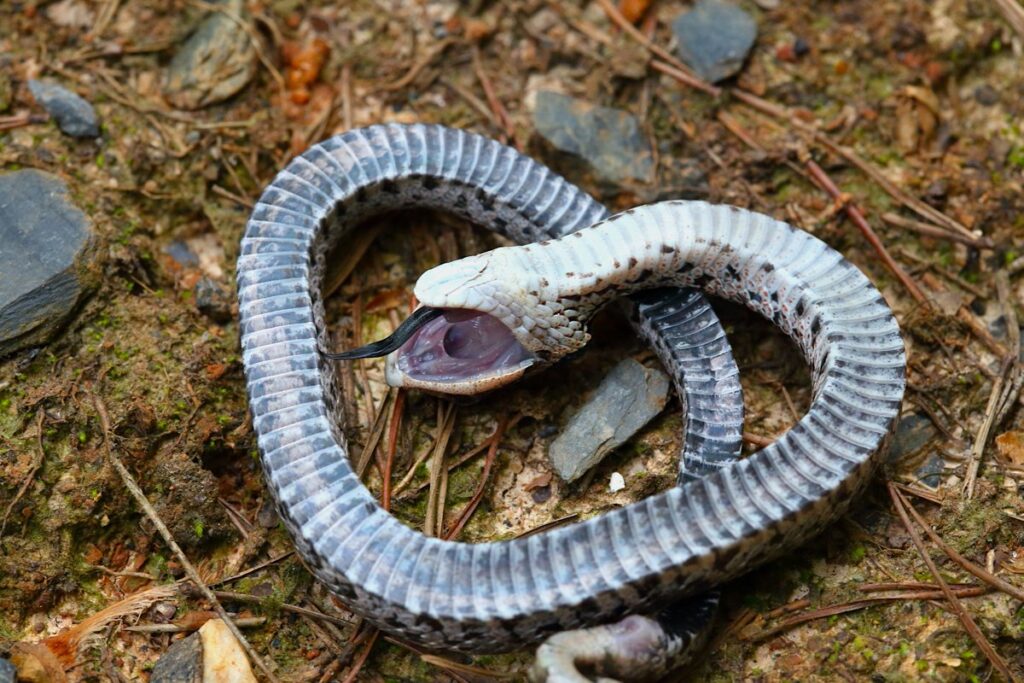
During handling sessions, one snake repeatedly played dead with perfect timing. It stiffened, flipped over, and waited until humans loosened their grip. Then it escaped. Over time, the snake refined the act, choosing moments when release was most likely. This was not fear alone. It was strategy. The snake learned how people reacted and used that knowledge. Survival here was not speed or strength. It was patience. The performance fooled observers long enough to regain freedom, quietly rewarding stillness over struggle. This lesson lingered long after the experiment, reminding researchers how subtle intelligence can appear in quiet moments alone today.
20. The Dog Who Read Patterns
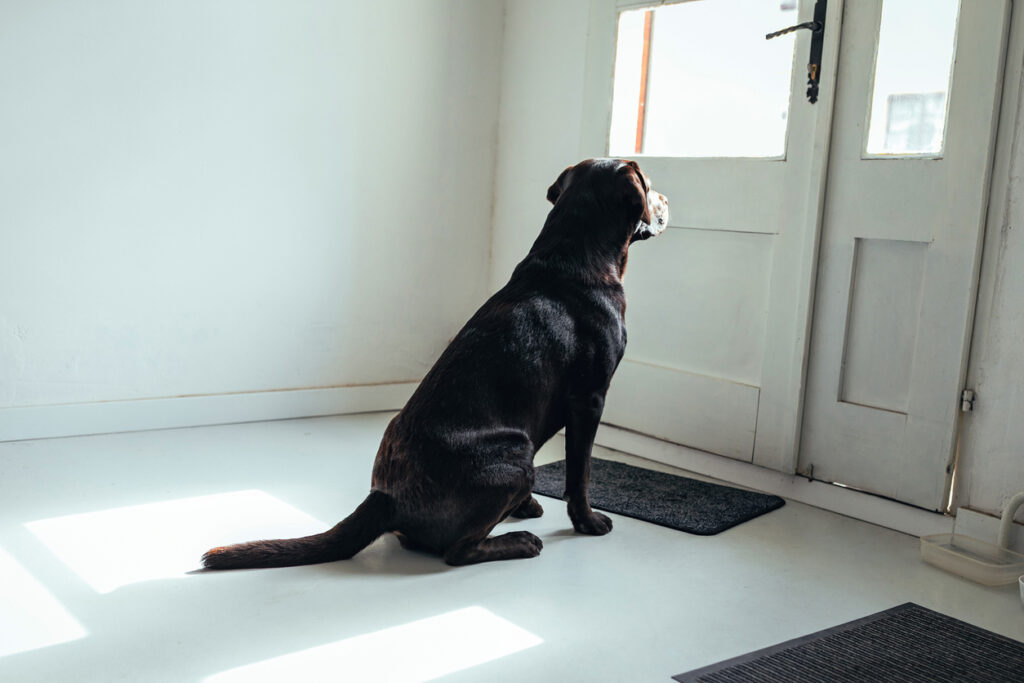
A lab dog began anticipating arrivals before anyone entered the room. Subtle changes in light, sound, and routine signaled timing. The dog noticed patterns humans ignored. Each prediction sharpened over days, not by guessing but by attention. This was not magic. It was observation. The dog learned the environment as a whole, reading cues together. Watching it wait by the door felt familiar, like recognizing a routine you never consciously learned. The experiment showed awareness grows quietly, built from everyday details we rarely notice. Those moments reshaped trust between people and animals, encouraging patience, humility, and listening skills daily now.
21. The Octopus Who Turned Off Lights
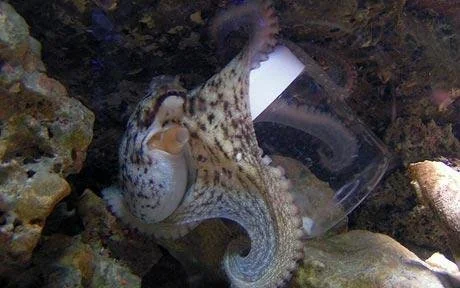
An octopus grew tired of bright lights above its tank. Instead of hiding, it acted. It squirted water upward, shorting the lights and darkening the space. Staff blamed wiring until the pattern repeated. The octopus understood cause and effect clearly. Light annoyed it. Water fixed it. This was not mischief. It was preference enforced. The animal changed its environment deliberately. Watching that choice unfold reminded researchers that intelligence includes comfort, agency, and knowing exactly how to get what you need. Such moments quietly challenge control, reminding humans that adaptation flows both directions during study work today always gently too often.
22. The Goat Who Remembered
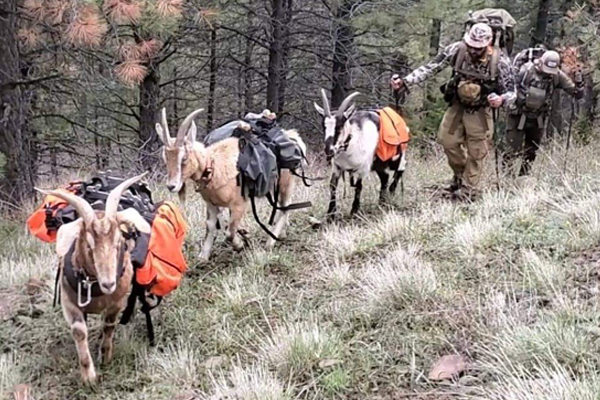
Placed inside a puzzle enclosure, a goat studied the gate carefully. After a few attempts, it learned the latch and escaped. Days later, it repeated the action with ease. Months passed, yet the memory remained. This was not luck. It was retention. The goat remembered the solution long after the challenge ended. Researchers realized learning endured beyond the moment. Watching the goat leave calmly again and again reframed assumptions about farm animals. Intelligence here looked steady, practical, and confident, not rushed or reactive. That calm persistence stayed with observers, changing how patience and memory are valued today quietly still learning.
23. The Cat Who Avoided Measurement
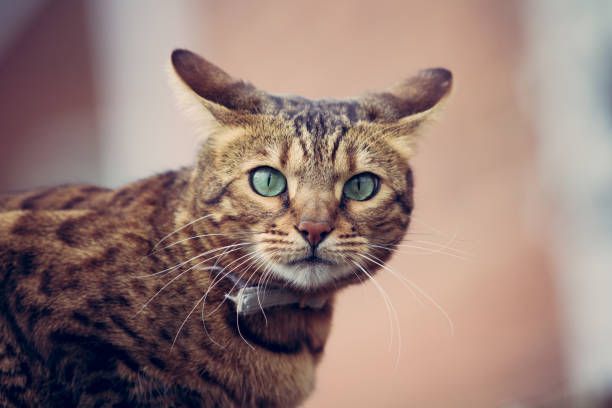
A research cat learned quickly where pressure plates were placed. Instead of triggering them, it stepped carefully along narrow edges. The cat was not confused. It understood the setup and chose avoidance. Each movement was deliberate, balanced, and quiet. Researchers watched as data gaps appeared where paws never landed. The cat was not uncooperative. It simply preferred autonomy. Anyone who has tried to avoid a creaky floor understands the instinct. The experiment revealed awareness expressed through restraint, not action, and choice mattered more than compliance. This insight lingered, reshaping respect for quiet decision making in animals everywhere today slowly growing.
24. The Whales Who Adjusted
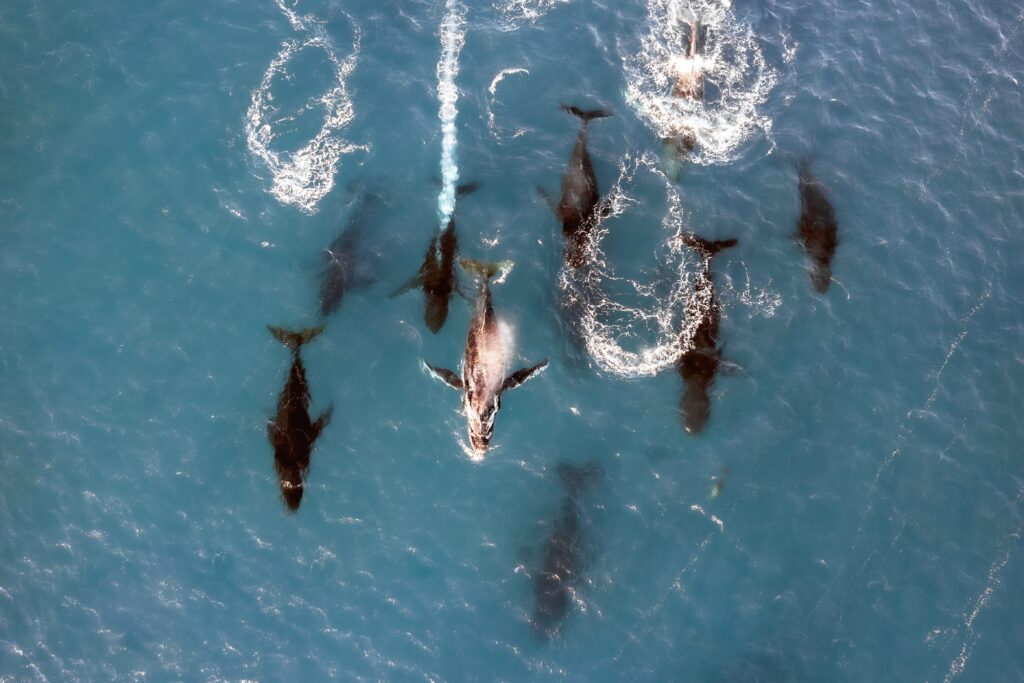
As drones entered marine research, whales responded in subtle ways. Surfacing patterns changed. Angles shifted. Timing adjusted. The whales were not panicking. They were aware. Observation triggered adaptation, not fear. Researchers realized presence alone altered behavior. The whales read the sky as carefully as the sea. Each movement suggested assessment and choice. The ocean did not grow silent. It grew careful. The study highlighted how awareness spreads across environments. Being watched is information, and intelligent animals decide what to do with it. That realization followed researchers home, changing how presence is handled during future field studies quietly now always evolving.
25. The Mouse Who Waited
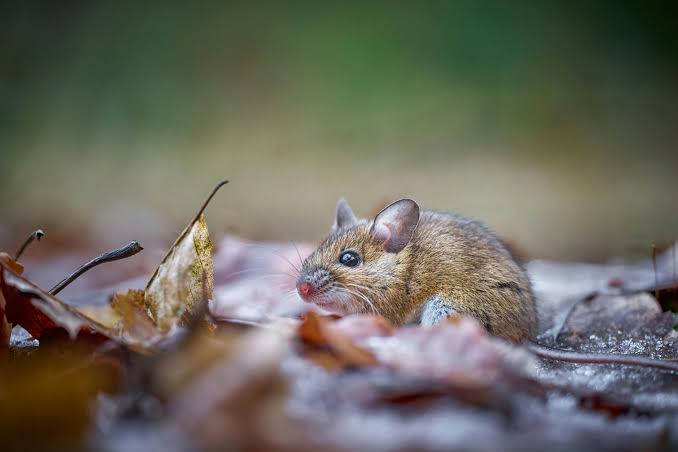
In a delayed reward test, one mouse consistently waited longer for better outcomes. While others rushed, it paused. This was not hesitation. It was control. The mouse weighed options and chose patience. Researchers watched impulse give way to planning. The lesson felt small but powerful. Intelligence appeared as restraint. Waiting became action. The study reframed success, shifting focus from speed to foresight. Sometimes thinking looks like stillness. The mouse reminded observers that discipline can exist without instruction, quietly shaping choices moment by moment. Such lessons resonate beyond labs, influencing how patience is valued daily in life today gently again always.
26. The Magpie Who Recognized Itself
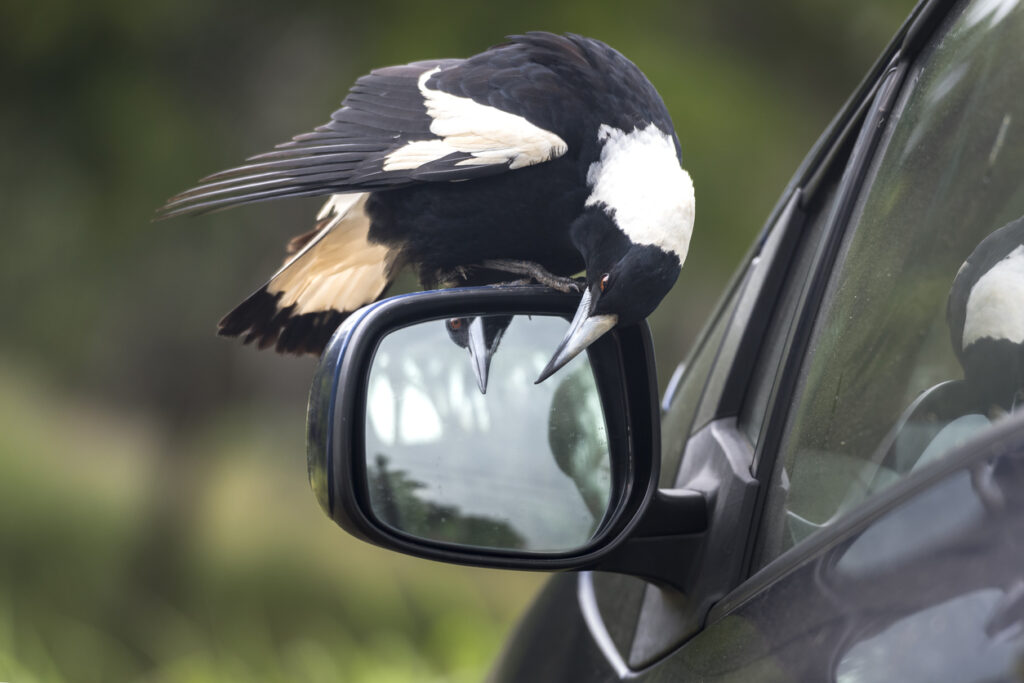
A magpie stood before a mirror with a mark on its feathers. Instead of reacting to reflection alone, it tried to remove the mark. The bird understood something was wrong with itself, not another bird. This moment passed quickly but carried weight. Self recognition appeared without celebration. The magpie noticed, adjusted, and moved on. Researchers paused longer than the bird did. The finding challenged assumptions about awareness. Intelligence surfaced in quiet correction. Sometimes knowing yourself looks simple, brief, and entirely practical. That simplicity stayed present during later studies, reminding humans complexity is not always loud or dramatic ever again today.
27. The Fish Who Followed People
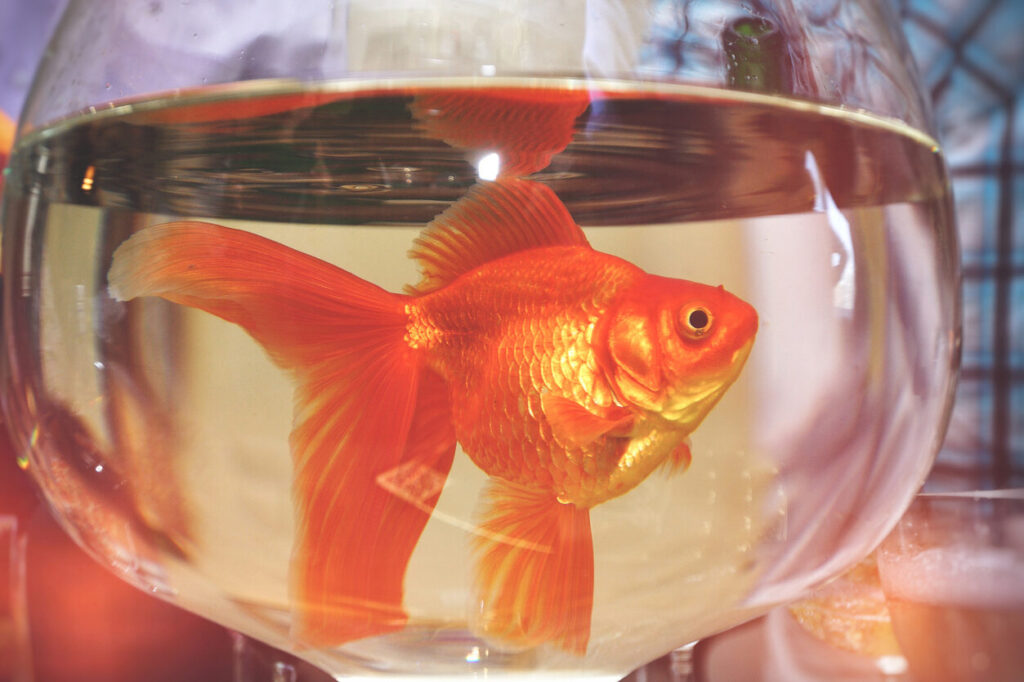
A fish learned which door led to food during testing. When researchers switched positions, the fish followed the researcher’s hand instead. It tracked the person, not the maze. This was not confusion. It was attention. The fish adapted instantly to new information. Watching it adjust shifted the experiment’s meaning. Learning was not tied to structure but observation. The fish understood patterns beyond walls. The moment revealed intelligence as flexibility. When rules changed, awareness followed the source, not the script. This adaptability stayed with observers, shaping how learning is defined across species today, quietly expanding understanding beyond expectations alone still growing.
28. The Raccoon Who Memorized Locks
A raccoon faced a series of complex locks meant to slow progress. Instead, it memorized the sequence. Each latch opened in order, smooth and unhurried. The raccoon did not rush or panic. It focused. Researchers watched muscle memory form quickly. This was not random fiddling. It was recall. The animal remembered steps and repeated them later. Watching the locks open felt like watching practiced hands at work. Intelligence here looked calm and methodical, built through repetition and confidence rather than trial alone. Such moments challenged ideas about instinct, showing memory thrives without language or instruction today quietly still teaching observers.
29. The Ants Who Fixed Traffic
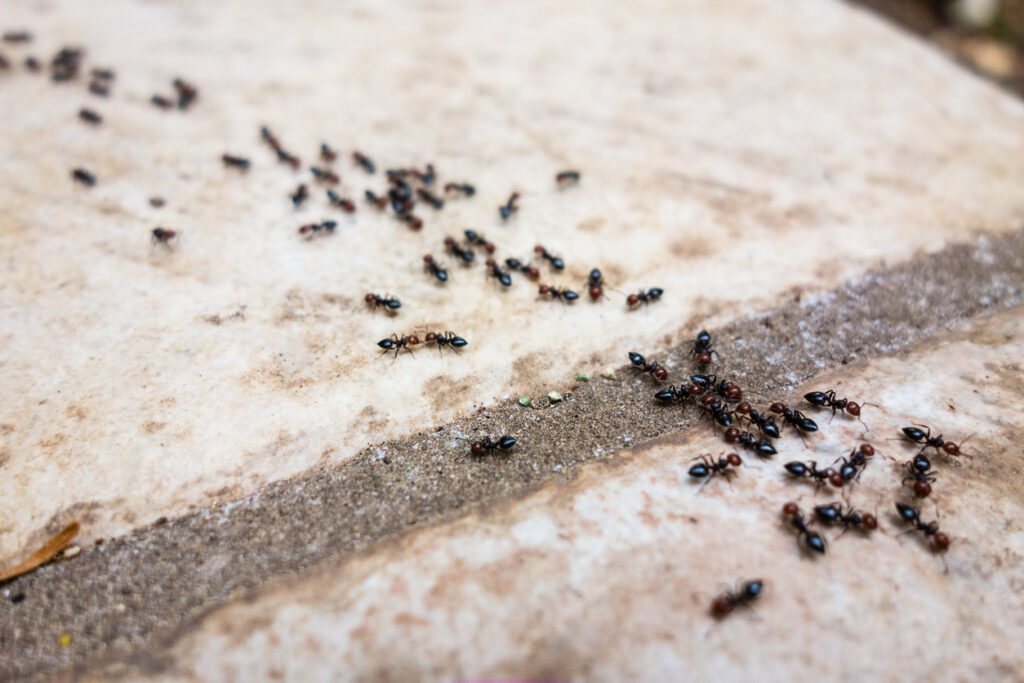
Researchers created artificial congestion in ant trails to study movement. Instead of chaos, some ants rerouted themselves. Traffic eased naturally. No leader directed them. Each ant responded locally. The result was efficiency. The ants solved a problem collectively without planning meetings or rules. Watching flow improve felt strangely instructive. Intelligence emerged from small adjustments. The study suggested cooperation does not always need command. Sometimes awareness spreads through action alone, quietly producing order where none was designed. These patterns lingered beyond the lab, influencing how systems are viewed in nature, work, and life today slowly evolving without force or control ever.
30. The Orangutan Who Waited
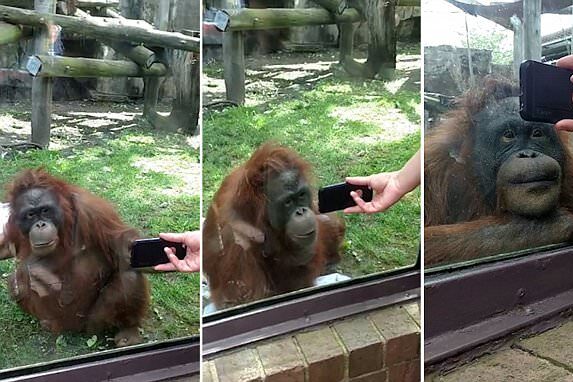
An orangutan watched visitors carefully, learning their routines. It waited until attention drifted before attempting escapes. Timing mattered more than strength. The animal understood focus and distraction. Caretakers noticed patience, not rebellion. The orangutan observed patterns and chose moments wisely. This was not urgency. It was calm calculation. By the time humans realized, the lesson was clear. Outsmarting often looks quiet. As research continues, these moments remind us learning happens on both sides, inviting humility, curiosity, and respect moving forward.


