
Phoebe Cates Found New Purpose
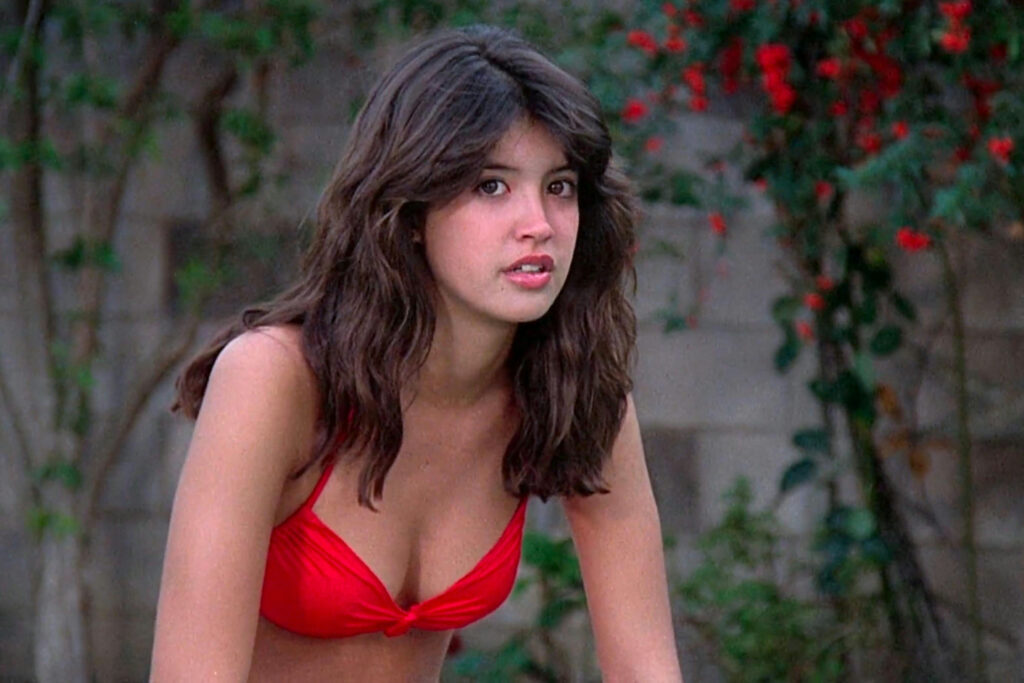
Phoebe Cates became an instant sensation during the early eighties after her unforgettable roles in Fast Times at Ridgemont High and the creature-feature classic Gremlins. She possessed the kind of effortless charm that suggested she would be a mainstay on cinema screens for decades to come, yet she made the deliberate choice to prioritise her family over the demands of a high-profile career. After marrying fellow actor Kevin Kline in 1989, she gradually stepped back from the industry to raise their two children because she wanted to provide them with a grounded upbringing that was far removed from the chaotic nature of film sets and red carpets.
By the time the mid-nineties arrived, Phoebe had almost entirely transitioned out of acting and eventually opened her own boutique called Blue Tree on the Upper East Side of New York. This transition allowed her to explore her passion for curation and retail while maintaining a much lower profile than she ever could have managed in Hollywood. She has often expressed that she does not miss the constant scrutiny of the public eye and prefers the tangible rewards of running a local business and being present for her loved ones. Her departure remains one of the most graceful exits in show business history because it was handled with such quiet and unwavering resolve.
Rick Moranis Chose Family First
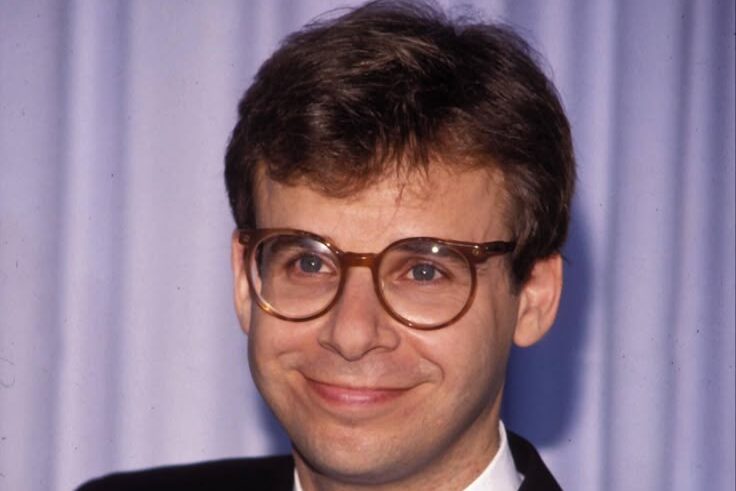
Rick Moranis was a comedic powerhouse throughout the 1980s and early 1990s as he starred in massive hits like Ghostbusters, Spaceballs, and Honey, I Shrunk the Kids. His unique ability to play the lovable underdog made him a household name and a reliable box office draw, but his life took a tragic turn when his wife, Ann Belsky, passed away from cancer in 1991. Faced with the daunting task of raising two young children as a single father, Rick realised that he could not balance the long hours of film production with the emotional needs of his grieving family, so he decided to take what he thought would be a short break.
That short hiatus eventually turned into a decades-long retirement from live-action cinema because he found that he genuinely preferred being a stay-at-home father to being a movie star. He occasionally lent his voice to animated projects or released comedic albums, but he resisted the urge to return to the big screen despite countless offers for sequels and reboots. Rick has frequently noted that he never truly missed the travel or the vanity of the industry because he found much deeper satisfaction in the daily routines of domestic life. His legacy is now defined not just by his iconic characters, but by his admirable commitment to his children during their most formative years.
Charlie Korsmo Prefers The Law

Charlie Korsmo was one of the most talented child stars of the late 1980s and early 1990s as he held his own against giants like Warren Beatty in Dick Tracy and Robin Williams in Hook. His performance as Jack Banning showcased a maturity beyond his years, leading many critics to believe he was destined for a long and prestigious career as a leading man. However, Charlie never felt a deep-seated passion for the performative arts and instead found himself drawn to the intellectual rigours of academia and public policy. After a final role in the teen comedy Can’t Hardly Wait, he walked away from the industry to focus entirely on his education.
He went on to earn a degree in physics from the Massachusetts Institute of Technology and later a Juris Doctor from Yale Law School, which is a far cry from the usual path of a former child star. Today, he is a highly respected professor of law at Case Western Reserve University and has even worked for the government in various legal capacities. Charlie has mentioned in interviews that he finds the challenges of the legal profession far more rewarding than the repetitive nature of acting. He remains a fascinating example of someone who used their early success as a stepping stone to a completely different and intellectually stimulating life that better suited his personal ambitions.
Mia Sara Embraced Quiet Living

Mia Sara captured hearts across the globe when she played the elegant Sloane Peterson in the 1986 cult classic Ferris Bueller’s Day Off. Her chemistry with Matthew Broderick and her timeless sense of style made her an icon of the decade, yet she often felt like a bit of an outsider within the Hollywood machine. Although she continued to work through the late eighties and nineties in projects like Legend and Timecop, she never seemed to crave the relentless spotlight that comes with A-list status. As she grew older, she found herself increasingly drawn to writing and the peaceful atmosphere of a domestic life far from the prying eyes of the paparazzi.
Mia eventually decided to step away from professional acting to focus on her poetry and her family, including her marriage to Brian Henson. She has since become an accomplished poet and frequently contributes to various literary journals, proving that her creative spirit simply needed a different medium to flourish. She has spoken about the liberation that comes with no longer being judged solely on her physical appearance or her box office viability. By choosing to trade the camera for the pen, she has built a life that is rich in personal expression and remarkably free from the anxieties that often plague those who remain in the entertainment industry for too long.
Michael Schoeffling Left For Woodworking
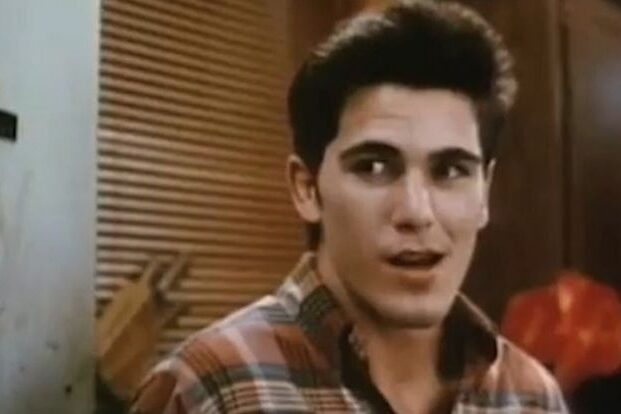
Michael Schoeffling became the ultimate teenage heartthrob when he portrayed Jake Ryan in the 1984 film Sixteen Candles. His rugged good looks and sensitive portrayal of the popular high school senior made him a fantasy for millions of fans, yet Michael himself was never quite comfortable with the fame that followed. Despite his sudden popularity, he found the acting world to be unpredictable and often frustrating, especially when it came to finding roles that offered more depth than his initial breakout. After a few more appearances in films like Wild Hearts Can’t Be Broken, he decided that the Hollywood lifestyle was simply not a sustainable path for his future.
In a move that surprised many of his admirers, Michael moved to a small town in Pennsylvania to open his own woodworking shop and focus on handcrafted furniture. He traded the glamour of film sets for the honest labour of a craftsman and has remained largely out of the public eye ever since. Reports suggest that he is incredibly happy with his quiet life as a husband and father, finding much more peace in the smell of sawdust than the glow of a premiere. His story is often cited as the perfect example of someone who recognised that their true calling lay in a traditional trade rather than the fickle world of celebrity.
Kelly LeBrock Sought Country Peace
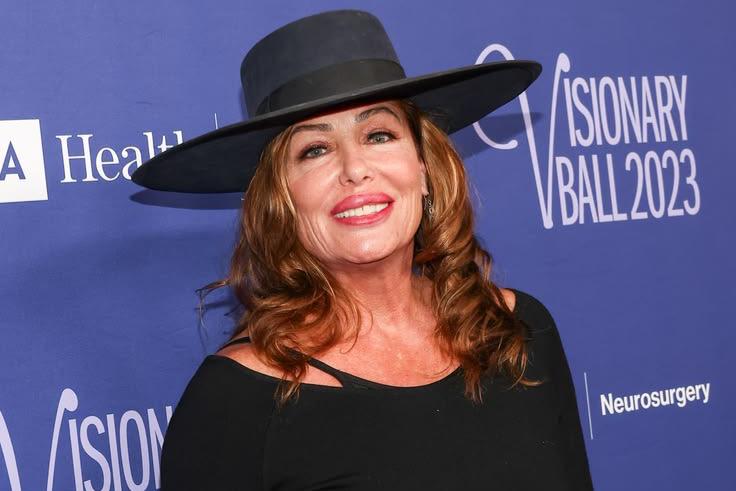
Kelly LeBrock was the definitive “dream woman” of the 1980s, starring in hits like The Woman in Red and Weird Science. Her striking beauty and comedic timing made her a massive star, but the intense media scrutiny surrounding her marriage to action star Steven Seagal became overwhelming. The constant presence of photographers and the pressure to maintain a certain image began to take a toll on her mental well-being, leading her to question if the fame was worth the sacrifice of her privacy. Following her divorce, she made the radical decision to leave Los Angeles entirely and move to a remote ranch in the Santa Ynez Wilderness.
For many years, Kelly lived entirely off the grid without a television or even a telephone, focusing instead on raising her children and tending to her land. She traded designer gowns for work boots and found a sense of serenity that the city could never provide. Although she has made occasional appearances in documentaries or independent projects, she remains committed to her rural lifestyle and the freedom it affords her. She has often stated that she wanted her children to grow up with real values rather than the superficiality of Hollywood. Her departure was a deliberate act of self-preservation that allowed her to rediscover who she was outside of her famous persona.
Danny Lloyd Desired Normal Schooling
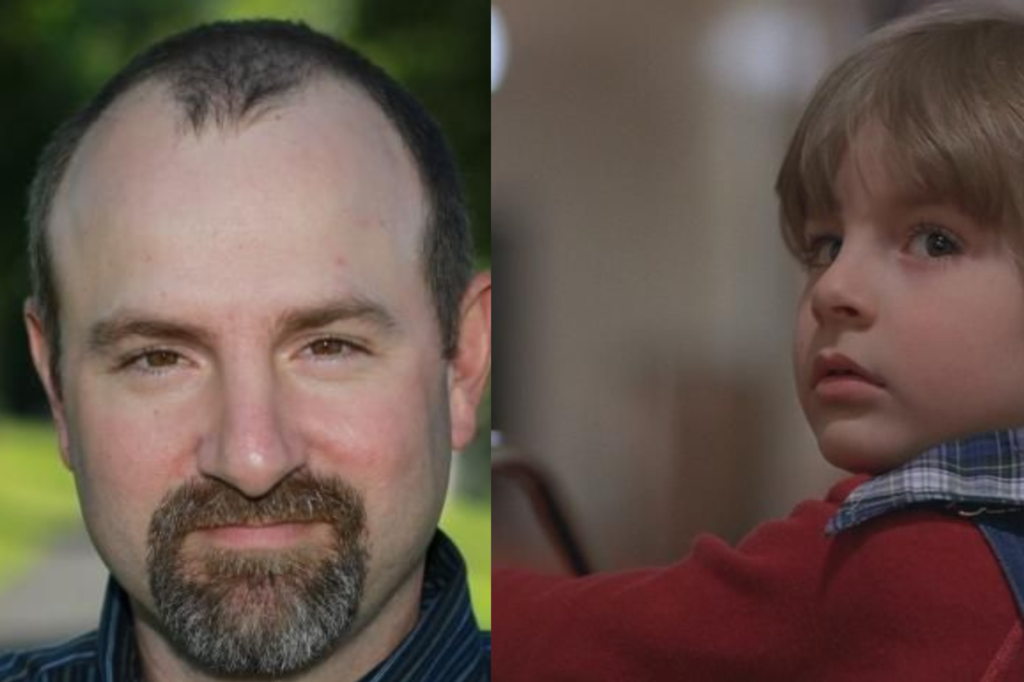
Danny Lloyd gave one of the most chilling and impressive performances by a child actor in history when he played Danny Torrance in the 1980 masterpiece The Shining. Directed by Stanley Kubrick, the film was an exhausting experience for the young boy, though Kubrick famously protected him from the darker elements of the plot during filming. Despite the massive success of the movie and his obvious talent, Danny found that he didn’t particularly enjoy the process of auditioning or the attention that came with being a recognisable face. After one more television role, he and his parents decided that a normal childhood was much more important than a career in cinema.
He grew up in the Midwest and eventually became a professor of biology at a community college in Kentucky, where he leads a quiet and fulfilling life. Danny has rarely spoken to the press over the years, but when he does, he expresses no regrets about leaving the industry behind at such a young age. He values his privacy and the ability to work in a field that genuinely interests him without the baggage of his early fame. For him, The Shining is a fond but distant memory rather than a defining identity. He is a testament to the fact that you can be part of a cinematic legend and still choose a path that is wonderfully ordinary and deeply satisfying.
Lisa Bonet Values Her Privacy
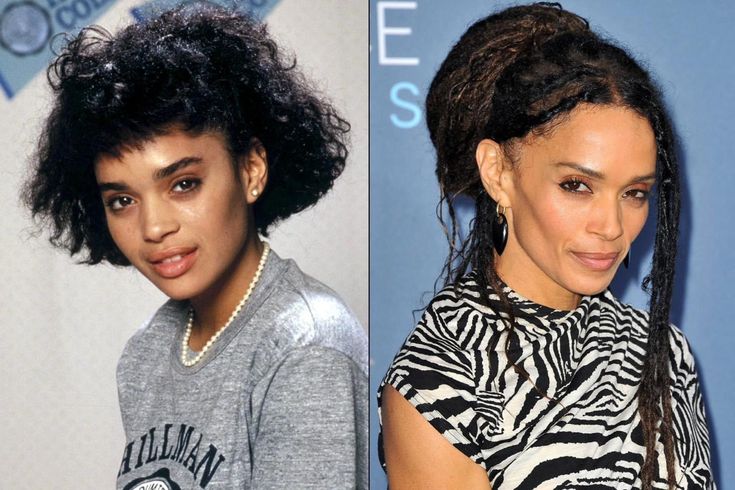
Lisa Bonet became a household name as Denise Huxtable on The Cosby Show, representing a stylish and rebellious spirit that resonated with viewers throughout the 1980s. However, Lisa often clashed with the rigid expectations of the television industry and sought roles that were more artistically challenging, such as her turn in the controversial film Angel Heart. As the decade came to a close, she began to distance herself from the mainstream Hollywood circuit in favour of a more bohemian and private existence. She resisted the pressure to conform to the “it girl” mould and instead focused on her personal growth and her young daughter, Zoë Kravitz.
Over the following decades, Lisa became known for her selective approach to work and her total disdain for the celebrity gossip machine. She prioritised her spiritual life and her family, appearing in projects only when they truly spoke to her rather than to maintain her fame. While she has remained a figure of fascination for the public, she rarely grants interviews and avoids social media entirely. By choosing to live on the periphery of the industry, she has managed to maintain an aura of mystery and authenticity that is rare in the modern era. Her choice to walk away from the height of her sitcom fame allowed her to protect her integrity and live a life that felt honest to her.
Josh Saviano Chose The Boardroom
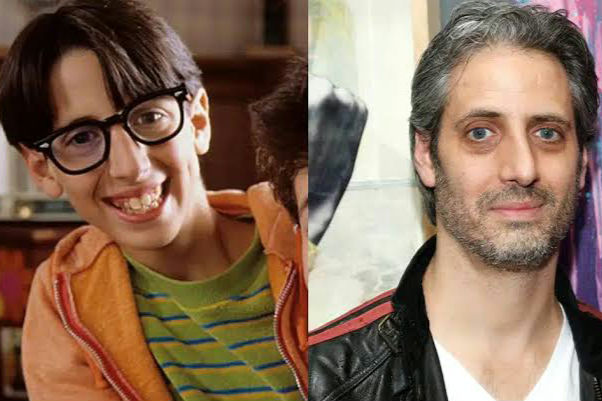
Josh Saviano is best remembered for his role as the nerdy and loyal Paul Pfeiffer in the beloved 1980s series The Wonder Years. Growing up on television gave him a unique perspective on the world of entertainment, but as the show approached its conclusion, Josh realised that his interests were shifting toward the intellectual challenges of law and business. Unlike many of his peers who struggled to transition into adult acting roles, he saw the end of the series as a natural opportunity to pursue a completely different career path. He enrolled at Yale University and excelled in his studies, proving that he was just as sharp as the character he played.
He eventually became a successful corporate lawyer and later founded his own consultancy firm that helps artists and brands navigate the complexities of the modern economy. Josh has often remarked that he appreciates the analytical nature of his work and the stability it provides compared to the feast-or-famine world of acting. While he looks back on his time on The Wonder Years with great affection, he has never felt the urge to return to the screen full-time. He is a shining example of a child star who successfully navigated the transition to adulthood by following his curiosity and building a professional life based on merit rather than just fame.
Jami Gertz Focuses On Philanthropy
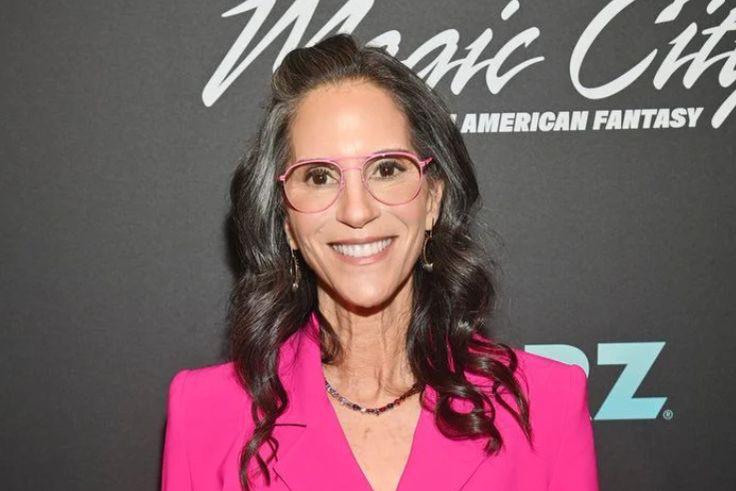
Jami Gertz was a staple of 1980s cinema, appearing in iconic films like The Lost Boys, Less Than Zero, and Quicksilver. Her energy and talent made her a favourite among casting directors, but as she moved into the 1990s, her priorities began to shift toward her marriage to businessman Tony Ressler and their growing family. While she never officially retired and still takes the occasional role, she moved away from the pursuit of leading-lady status to focus on her ventures in sports ownership and large-scale philanthropy. She became a co-owner of the Atlanta Hawks, which occupied much of her professional focus and required a different set of skills than acting.
Jami and her husband have become some of the most generous donors in the United States, frequently topping lists for their charitable contributions to various causes. This shift in focus allowed her to use her resources and influence to make a tangible difference in the world rather than just entertaining audiences. She has managed to maintain a grounded perspective despite her immense wealth and past fame, often appearing more comfortable in a boardroom or at a charity gala than on a movie set. Her life serves as a reminder that one can have a hugely successful first act in Hollywood and then find even greater purpose in giving back and building a legacy of kindness.
Kim Wilde Swapped Fame For Farming
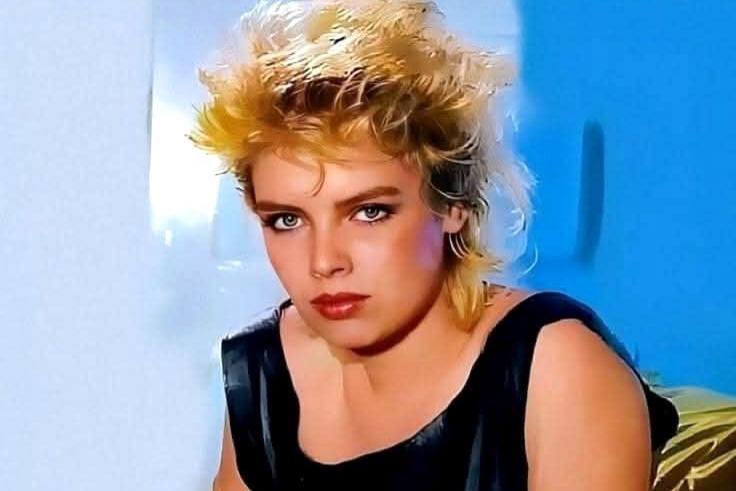
Kim Wilde became an overnight pop sensation in 1981 with her debut single Kids in America, a track that defined the synth-pop sound of the decade. With her signature blonde hair and rebellious attitude, she toured with the likes of Michael Jackson and David Bowie, cementing her status as a global icon. However, the relentless pressure of the music industry and the constant focus on her image eventually began to take a toll on her mental health. By the late nineties, Kim felt a profound disconnect from the pop world and sought a way to ground herself far from the flashing lights of the stage and the demands of record executives.
She discovered a new passion in an unlikely place: the garden. Seeking a quieter life for her children, she enrolled in a horticulture course and found that working with the earth provided a sense of peace that the music industry never could. Kim eventually became an award-winning landscape designer and even wrote several books on the subject, proving that her creativity was not limited to the recording studio. While she occasionally returns to perform for nostalgic fans, her primary focus remains on the environment and the simple joys of nature. She has frequently stated that plants don’t judge her the way the press did, allowing her to bloom in a much more authentic and sustainable way.
Gene Hackman Chose The Quiet Life
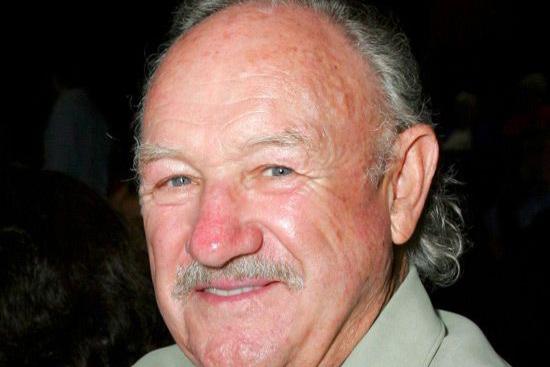
Gene Hackman was already a respected actor before the eighties, but that decade saw him reach new heights of fame with iconic roles in films like Superman II, Hoosiers, and Mississippi Burning. He was known for his incredible work ethic and his ability to bring a gritty realism to every character he portrayed, making him one of the most sought-after actors in Hollywood. Despite his massive success and two Academy Awards, Gene never fully embraced the celebrity lifestyle and often preferred the company of his family over the glitz of industry parties. As he entered his seventies, he realised that the physical and emotional demands of filmmaking were no longer bringing him the same satisfaction.
In 2004, he walked away from the screen entirely to retire to Santa Fe, New Mexico, where he pivoted to a second career as a novelist. He has since published several historical fiction books, finding that the solitary act of writing suits his private nature much better than the collaborative chaos of a film set. Gene has remained steadfast in his retirement, famously turning down numerous offers to return to the big screen even for cameo appearances. He spends his days cycling, painting, and enjoying the vast landscapes of the desert, proving that a legendary career does not have to end with a whimper but can transition into a peaceful and intellectually stimulating retirement.
Grace Jones Sought Artistic Freedom
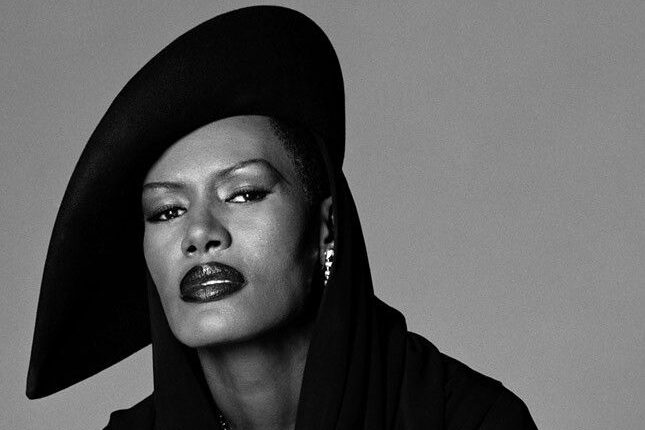
Grace Jones was the ultimate eighties provocateur, blending music, fashion, and film in a way that defied every conventional category. Whether she was starring as a Bond villain in A View to a Kill or releasing avant-garde albums like Nightclubbing, she was a constant fixture in the public eye and a muse for the world’s most famous designers. However, the commercial demands of the mainstream industry often felt restrictive to her radical creative spirit. As the decade closed, Grace began to step back from the traditional Hollywood machine to focus on more niche artistic projects and her own personal freedom, moving away from the constant chase for chart-topping hits.
She spent much of her time in Jamaica and Europe, choosing to live a life that was less about being a “product” and more about being a true artist. While she never fully retired, she stopped playing the game of celebrity, often going years between public appearances or releases. This distance allowed her to maintain her status as a cult icon without the burnout that often follows such intense fame. Grace has always prioritised her own rhythm over the expectations of others, and by walking away from the peak of her commercial power, she managed to preserve her mystique. Her life today is a testament to the power of saying no to the mainstream in order to remain a singular, uncompromising force of nature.
Claudia Wells Prioritised Her Mother
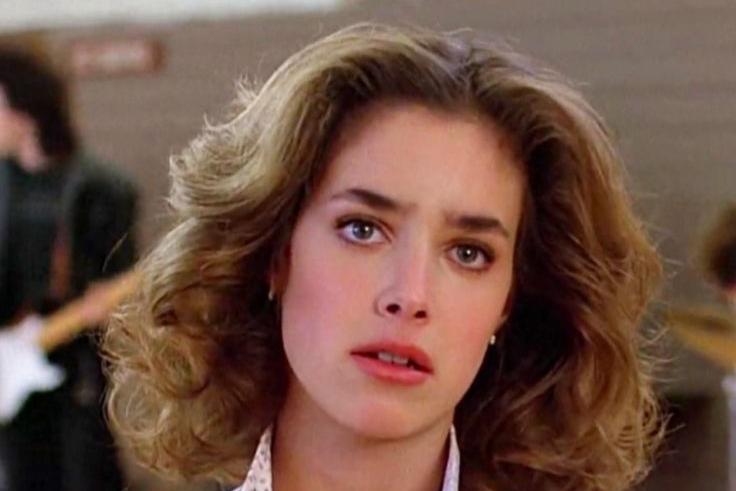
Claudia Wells won the hearts of millions as Jennifer Parker, the supportive girlfriend of Marty McFly in the 1985 classic Back to the Future. She was poised for a major career after the film’s massive success, but life took a sudden and difficult turn when her mother was diagnosed with terminal cancer. Faced with the choice between a burgeoning acting career and being a caretaker, Claudia chose the latter without hesitation. She dropped out of the sequels and stepped away from the industry entirely, dedicating her time and energy to supporting her family during their darkest hour. It was a selfless decision that many in the industry found difficult to understand, yet for Claudia, it was the only path forward.
Years later, after her mother passed away, Claudia did not immediately return to the screen but instead opened an upscale men’s clothing boutique in Studio City called Armani Wells. She found that she enjoyed the personal connections she made with her customers and the stability of running her own business. While she eventually made a small return to acting and frequently appears at fan conventions, her primary focus remains her shop and her philanthropic work. She has often spoken about how she has no regrets about leaving Hollywood when she did, as the time she spent with her mother was far more valuable than any film credit could ever be.
Peter Ostrum Preferred The Vet Life
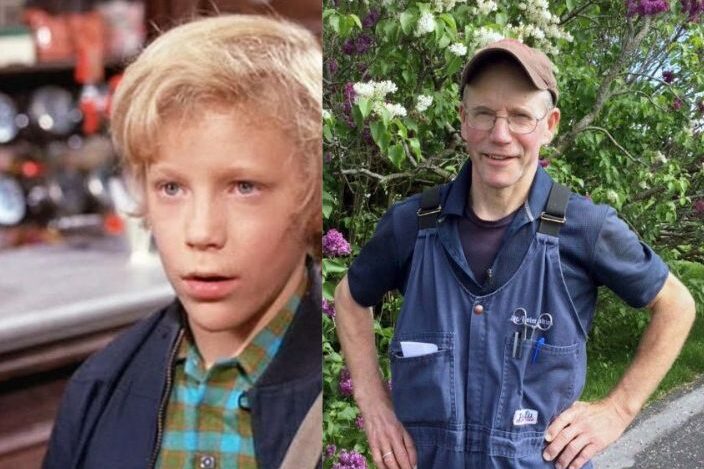
While his primary claim to fame happened just before the eighties, Peter Ostrum’s performance in Willy Wonka & the Chocolate Factory remained a staple of eighties television and culture. As Charlie Bucket, he was the face of childhood innocence, but the experience of filming left him feeling disillusioned with the industry. After returning home from the set in Germany, he turned down a three-picture deal, much to the surprise of his family and agents. He found that he didn’t enjoy the repetitive nature of acting and felt a much stronger connection to the animals he encountered back home in rural America.
He decided to pursue a career in veterinary medicine, eventually earning his doctorate from Cornell University. Peter spent the rest of his life working as a veterinarian in upstate New York, specialising in large animals like cows and horses. He lived a completely anonymous life for decades, rarely speaking about his past as a child star until he was much older. He has often remarked that acting was a great experience, but it wasn’t a “real” job in the way that helping a sick animal is. His story is a powerful reminder that sometimes the most magical path is the one that leads you toward a humble and practical vocation that serves your community.
Robert McNaughton Chose The Post
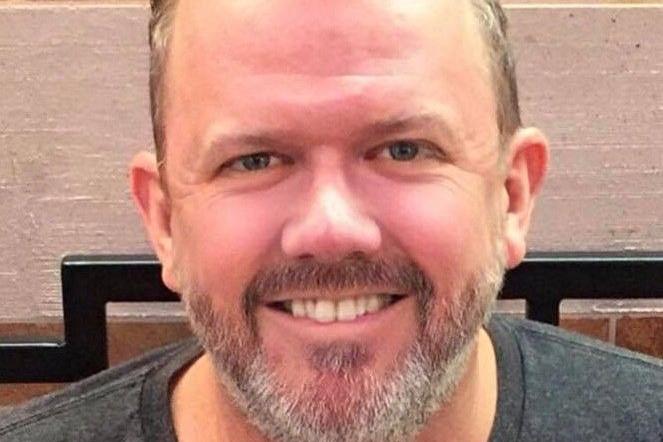
Robert McNaughton is best known for playing the protective older brother Michael in the 1982 blockbuster E.T. the Extra-Terrestrial. The film was a cultural phenomenon, and Robert’s performance was praised for its grounded and relatable quality. However, as he moved into his late teens and early twenties, he found the transition to adult roles to be increasingly difficult and unsatisfying. He moved to New York to pursue theatre, which he found more artistically fulfilling, but the financial instability of an actor’s life began to weigh on him. He eventually decided that he wanted a more stable and predictable life for his future family.
In a surprising career pivot, Robert moved to Phoenix, Arizona, and began working for the United States Postal Service. He spent years as a mail carrier, enjoying the physical nature of the work and the simple routine of his daily route. He found a sense of peace in the “normalcy” of his job that was entirely absent from the high-stakes world of Hollywood. While he eventually returned to the stage in a limited capacity later in life, he remained committed to his work at the post office until his retirement. Robert’s choice to trade the red carpet for a mail bag is a refreshingly honest look at how one can find dignity and contentment in a traditional career path.
Agnetha Fältskog Sought Solitude
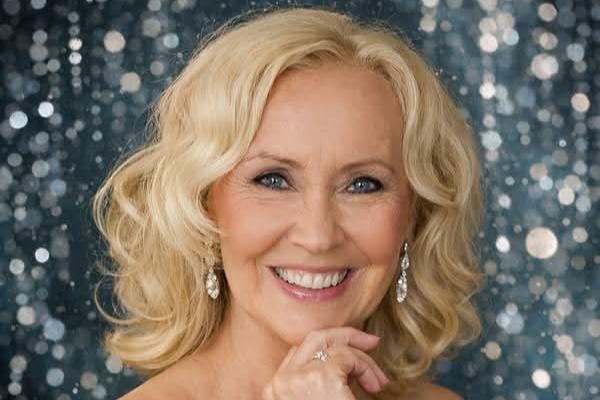
Agnetha Fältskog was one of the most famous faces in the world during the early eighties as the lead singer of ABBA. Her soaring vocals and stunning presence helped the band sell hundreds of millions of records, but the pressure of global fame and the breakdown of her marriage to bandmate Björn Ulvaeus took a massive toll. After the group disbanded in 1982, Agnetha released a few solo albums but found the promotional cycles and the constant media attention to be increasingly unbearable. She eventually decided to retreat to her island home in Sweden, seeking a life of quiet and anonymity far from the screaming fans.
She became known as a bit of a recluse, rarely granting interviews and avoiding the public eye for nearly two decades. This period of solitude allowed her to heal and raise her children in a peaceful environment, away from the intense scrutiny that had defined her twenties. Agnetha has spoken about how she needed to “find herself” again after being part of such a massive commercial machine. While she has made a gentle return to music in recent years with solo projects and the ABBA Voyage show, she remains a very private individual who values her quiet life in the Swedish countryside. Her story highlights the importance of stepping away to protect one’s spirit after experiencing the extremes of global stardom.
Bill Hudson Left The Limelight
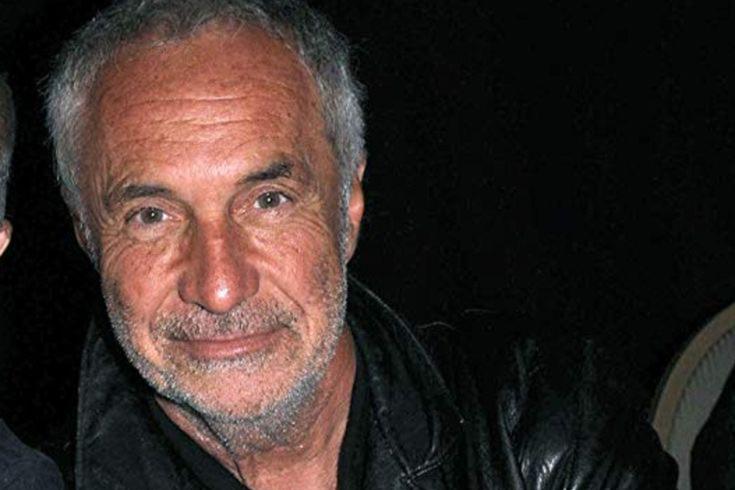
Bill Hudson was a prominent figure in the late seventies and early eighties, both as a member of The Hudson Brothers and through his high-profile marriage to Goldie Hawn. He was a regular on television variety shows and possessed the kind of charisma that made him a natural entertainer. However, as the eighties progressed, Bill found himself increasingly frustrated with the industry and the way his personal life was being played out in the tabloids. After his marriage ended and his musical career began to wane, he decided that he had had enough of the Hollywood circus and sought a life that was less defined by his associations with other famous people.
He moved away from the main spotlight and focused on more behind-the-scenes work and personal business interests. While his children, Oliver and Kate Hudson, went on to become major stars, Bill remained largely on the periphery of the industry. He has often expressed a sense of relief at being away from the constant pressure to perform and the superficiality of the celebrity world. By walking away, he was able to live a life that was more aligned with his own values, even if it meant being distanced from the fame he once enjoyed. His story serves as a reminder that sometimes the best way to reclaim your identity is to step away from the world that tries to define you.
Mary Badham Preferred The Country
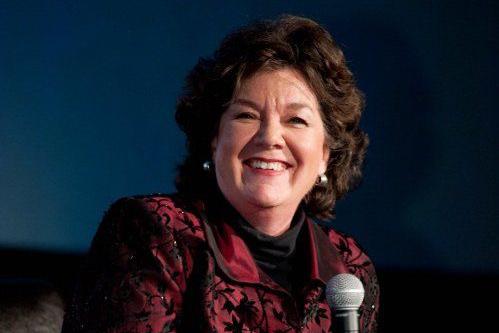
Although she is most famous for her role as Scout in To Kill a Mockingbird, Mary Badham remained a figure of interest throughout the eighties as fans looked back at her iconic performance. She was the youngest person ever nominated for an Oscar at the time, but she never had any intention of making acting her lifelong career. As she grew older, she found the Hollywood environment to be stifling and disconnected from the real world. By the time she reached adulthood, she had essentially left the industry behind, choosing instead to focus on her education and her love for the outdoors.
Mary eventually moved to a farm in Virginia, where she worked as a restorative artist and a makeup artist while raising her family. She found that the quiet rhythms of rural life were far more suited to her personality than the chaos of Los Angeles. She spent years away from the industry, only returning occasionally for special screenings or educational events related to the legacy of her famous film. Mary has often said that she didn’t need the fame to feel fulfilled, as her life on the farm provided everything she truly wanted. Her choice to stay away from the limelight allowed her to maintain a sense of groundedness and integrity that is often lost in the transition from child star to adult.
Kirk Cameron Chose Faith

Kirk Cameron was the quintessential eighties teen idol, starring as Mike Seaver on the hit sitcom Growing Pains. His face was on the cover of every teen magazine, and he was one of the most recognisable young actors in the country. However, during the height of his fame, Kirk underwent a significant religious conversion that fundamentally changed his perspective on his career and his life. He began to feel that the content of the show and the lifestyle of a Hollywood star were no longer in alignment with his new-found faith. This led to tensions on set and a gradual distancing from the mainstream entertainment industry.
After Growing Pains ended, Kirk walked away from traditional Hollywood roles to focus on faith-based projects and evangelism. He started his own ministry and produced films that reflected his personal beliefs, such as the Left Behind series and Fireproof. While he remains a public figure, he operates entirely outside the traditional studio system, preferring to use his platform to promote his message rather than to seek commercial success. He has often stated that his faith brought him a level of peace and purpose that fame never could. His departure from the mainstream was a deliberate choice to live a life that he felt was more meaningful and consistent with his convictions.
Meg Ryan Sought A Normal Life
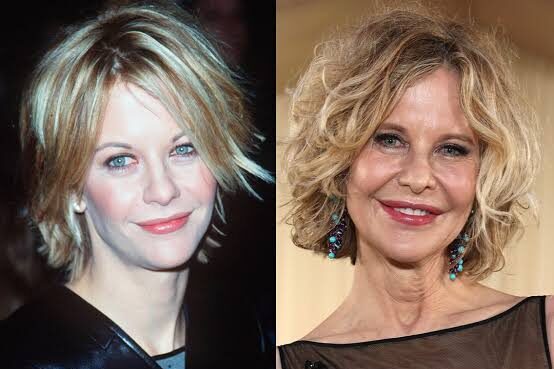
Meg Ryan was the undisputed queen of romantic comedies throughout the late eighties and nineties, capturing the world’s imagination in When Harry Met Sally. Her bubbly personality and iconic blonde curls made her a global sweetheart, yet the intense media scrutiny regarding her personal life eventually became a heavy burden to carry. By the early 2000s, Meg felt that the industry’s narrow expectations were beginning to stifle her growth as a person, so she made the conscious decision to step back from the constant hum of Hollywood. She wanted to focus on being a mother and exploring her own interests without the relentless pressure of having to maintain her “America’s Sweetheart” persona for the public.
She moved to New York and embraced a much more private lifestyle, occasionally directing her own projects rather than just acting in them. This transition allowed her to reclaim her autonomy and live on her own terms, far away from the prying lenses of the paparazzi who had tracked her every move. Meg has frequently noted that she feels much more at ease now that she is no longer at the centre of the fame machine because she can finally enjoy the simple pleasures of an ordinary day. Her departure was not about a lack of opportunity but rather a desire to find a sense of peace that the spotlight could never truly provide her.
Rick Astley Chose The Exit
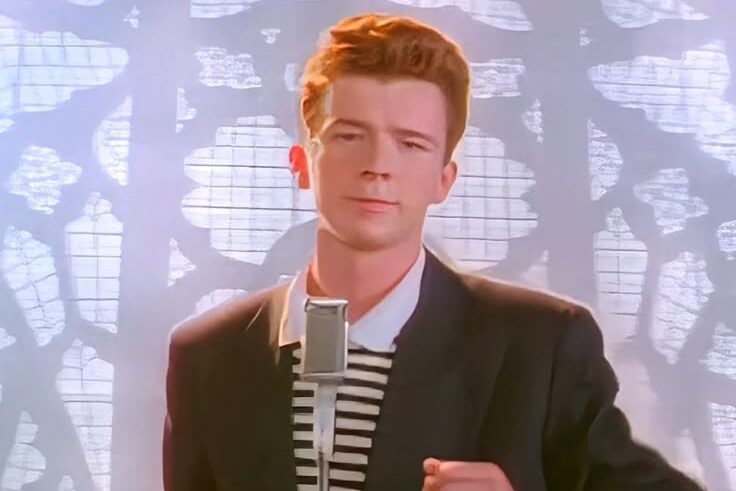
Rick Astley became an international phenomenon in 1987 with his hit Never Gonna Give You Up, which topped charts in twenty-five different countries. Despite his massive success and incredible voice, the young singer from Lancashire found the frantic pace of global stardom to be incredibly draining and often overwhelming. He struggled with a fear of flying and the repetitive nature of promotional tours, which left him feeling like a product rather than a musician with his own agency. At the age of twenty-seven, while still at the height of his commercial powers, Rick decided to retire from the music industry to focus on his family and a quieter life.
He spent the next several years away from the stage, enjoying the stability of being a husband and father while staying out of the tabloids entirely. This break gave him the perspective he needed to eventually return to music on his own terms decades later, without the intense pressure of his early career. Rick has often spoken about how walking away was the best thing he ever did for his mental health because it allowed him to grow up away from the artificial glow of celebrity. His story is a wonderful example of how stepping back can actually save your passion for your craft in the long run by preventing total burnout.
Terrence Stamp Found His Zen
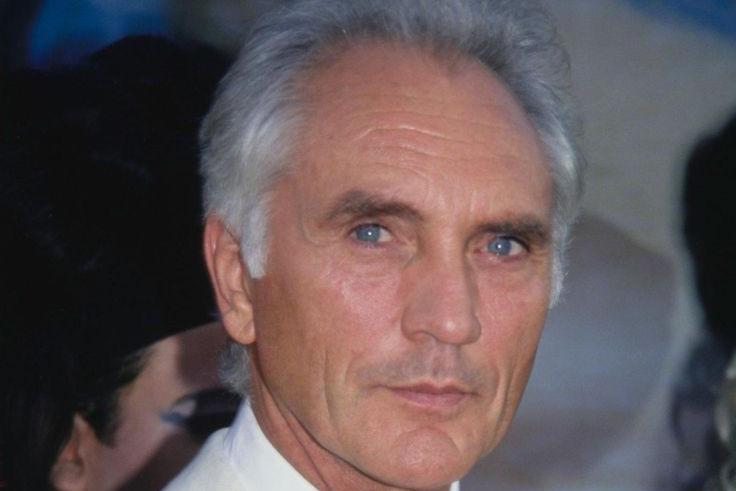
Late Terrence Stamp was one of the coolest actors of the sixties and eighties, famously playing the villainous General Zod in the Superman films. He possessed a commanding presence and a voice that could silence a room, but he often felt that the shallow nature of fame was at odds with his spiritual seeking. During the peak of his career, he decided to travel to India to study with various spiritual teachers, choosing a life of meditation and simplicity over the luxury of a movie star’s existence. He spent years away from the Western world, living in ashrams and focusing on his inner journey rather than his next big film role.
When he eventually returned to acting, he did so with a renewed sense of purpose and a much more detached attitude toward the industry’s vanity. He became very selective about his work, choosing roles that intrigued him rather than those that simply offered a large paycheque. Terrence has maintained a youthful energy and a sharp mind well into his later years, which he attributes to his time spent away from the stresses of the limelight. His choice to walk away allowed him to develop a depth of character that has served him well both on and off the screen throughout his remarkable life.
Steve Martin Embraced New Arts
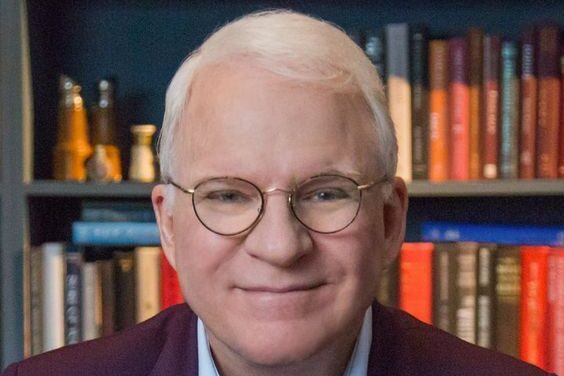
Steve Martin was a comedic force in the 1980s, transitioning from stand-up legend to a major movie star in films like The Jerk and Parenthood. He was everywhere, but beneath the wild and crazy guy persona was a deeply intellectual man who craved different types of creative expression. Over time, he began to pull back from the heavy filming schedules of Hollywood to focus on his passions for writing plays, novels, and playing the banjo. He found that the quieter world of literature and bluegrass music offered a different kind of satisfaction that the boisterous world of film comedy sometimes lacked.
While he never completely disappeared, he certainly walked away from the relentless pursuit of being the “number one” star at the box office. He became a respected author and a Grammy-winning musician, proving that his talents were far more diverse than many had initially realised. Steve has often mentioned that he enjoys the control he has over his writing and music, which feels much more personal than the collaborative nature of a film set. By diversifying his life and stepping away from the traditional celebrity path, he has created a rich and varied career that continues to inspire people across multiple generations.
Emilio Estevez Chose The Vines
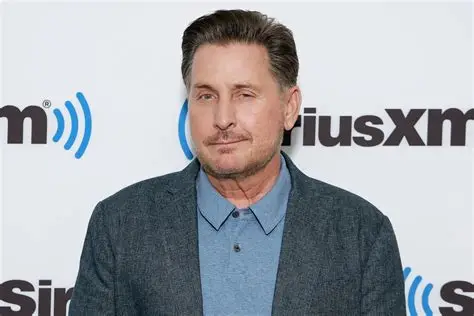
Emilio Estevez was a core member of the “Brat Pack” in the 1980s, starring in definitive films such as The Breakfast Club and St. Elmo’s Fire. As the son of Martin Sheen, he seemed destined for a lifelong career as a leading man, yet he always felt a stronger pull toward directing and independent projects. As the decade ended, he began to move away from the high-profile acting roles that had made him famous to focus on writing and directing his own films. He also sought a life that was more grounded in nature, eventually becoming a dedicated viticulturist and tending to his own vineyard.
He spent years working on the land and focusing on stories that were deeply personal to him, such as the film The Way, which he made with his father. Emilio has found that the quiet life of a filmmaker and a winemaker is much more fulfilling than the frantic energy of his youth as a teen idol. He values the privacy and the creative freedom that comes with being an independent artist who is no longer chasing the next blockbuster hit. His transition from a young star to a thoughtful creator is a testament to the importance of following your own internal compass rather than the expectations of an industry.
Linda Kozlowski Sought Real Life
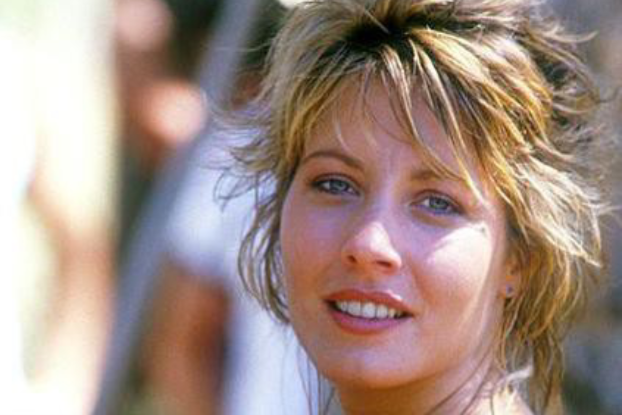
Linda Kozlowski became an international star alongside Paul Hogan in the 1986 smash hit Crocodile Dundee. The film’s enormous success brought her instant fame, but she often found the roles offered to her afterward to be repetitive and lacking in real substance. She felt frustrated by the industry’s tendency to pigeonhole her based on her breakout role, and she grew tired of the superficiality that often defines the Hollywood experience. Eventually, she decided that the trade-off between her privacy and her career was no longer worth it, leading her to step away from acting entirely.
She married Paul Hogan and spent many years focusing on her family and traveling, eventually finding a new passion for real estate and business. Linda has mentioned in rare interviews that she does not miss the “acting game” at all and much prefers the freedom of her current lifestyle. She has lived in various parts of the world and enjoys the fact that she can move through life without being constantly recognised by the public. Her decision to walk away allowed her to build a life that was based on her own interests rather than the whims of casting directors and studio executives.
John Stockwell Moved Behind Camera
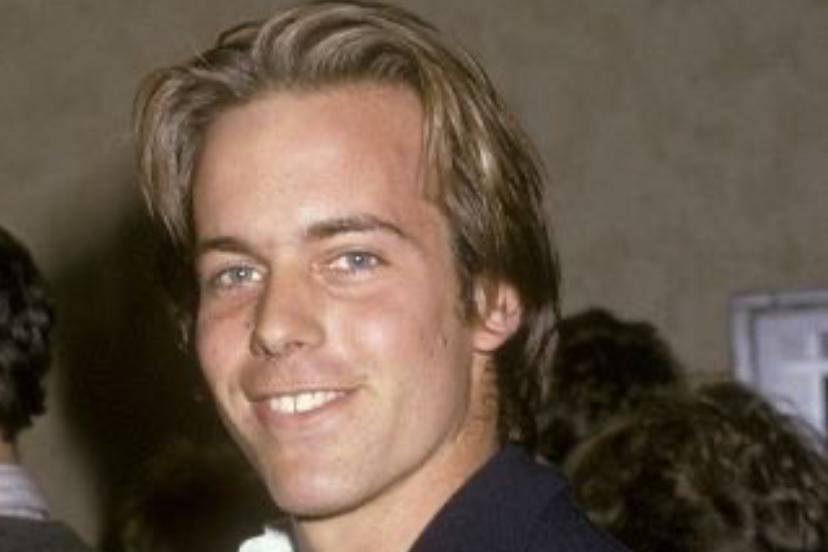
John Stockwell was a recognisable face in the eighties with roles in films like Top Gun and Christine. He had the classic looks of a leading man, yet he was always more fascinated by the mechanics of storytelling than the vanity of being on camera. He decided to pivot away from acting to pursue a career as a writer and director, eventually finding great success behind the scenes with films like Blue Crush. This shift allowed him to stay in the industry he loved while avoiding the intense public scrutiny that comes with being a famous actor.
He found that he preferred the creative control and the technical challenges of directing, which felt like a much better fit for his analytical mind. John has built a solid career as a filmmaker, often focusing on projects that involve his love for the ocean and the outdoors. By choosing to step out of the frame, he was able to enjoy a long and productive career that provided both professional satisfaction and personal privacy. His story is a great example of how one can transition within the same industry to find a role that better suits their personality and long-term goals.
Justine Bateman Studied The Future
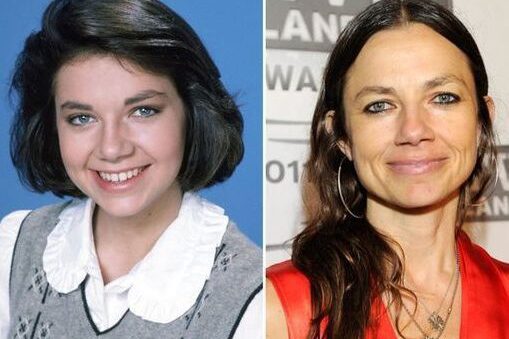
Justine Bateman became a household name as Mallory Keaton on the hit eighties sitcom Family Ties. Growing up in the spotlight was a complicated experience, and as the show ended, she found herself questioning the value society places on fame and physical appearance. She continued to work in the industry for a time but eventually decided to take a radical turn by enrolling at UCLA to study computer science in her late forties. This move was a deliberate attempt to challenge herself intellectually and move away from a career that was so heavily focused on her image.
She graduated with a degree and has since become a vocal advocate for aging naturally and rejecting the unrealistic beauty standards of Hollywood. Justine has also become a filmmaker and author, using her platform to discuss the psychological effects of being famous. She has found that her life is much more interesting and fulfilling now that she is no longer trying to fit into the narrow box of a television star. Her journey into the world of technology and independent film shows that it is never too late to reinvent yourself and find a new purpose that has nothing to do with your past fame.
Jason Patric Values The Work
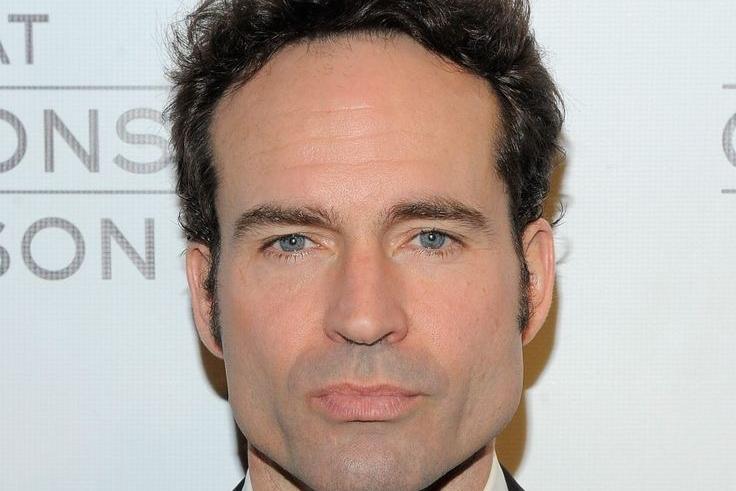
Jason Patric emerged as a major talent in the late eighties with his role in The Lost Boys, but he quickly became known for his intense dislike of the celebrity lifestyle. He was often described as a reluctant star because he frequently turned down massive roles in favour of smaller, more challenging theatre projects or independent films. He prioritised the integrity of his work over the size of his paycheque and was never interested in playing the Hollywood game of networking and self-promotion. This selective approach meant that he often spent long periods away from the public eye.
He has maintained a very private personal life and has often spoken about how fame is an unfortunate side effect of a job he loves rather than a goal in itself. While he still acts occasionally, he does so on his own terms and avoids the red-carpet circuit as much as possible. Jason has found that by keeping the industry at arm’s length, he has been able to preserve his passion for acting and live a life that feels authentic to him. His refusal to conform to the traditional movie star mould has allowed him to maintain a sense of mystery and a career that is defined by quality rather than quantity.
Sarah Jessica Parker Chose Balance
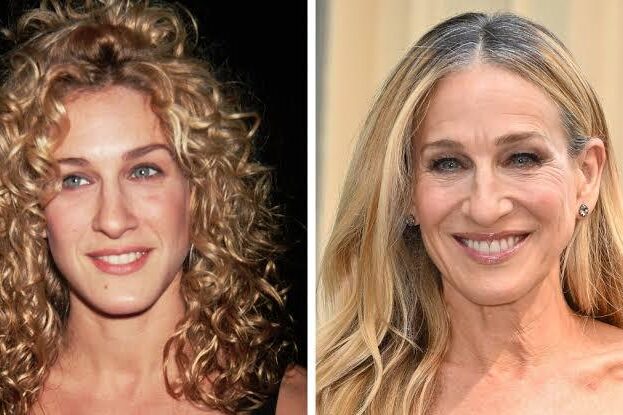
While Sarah Jessica Parker is still very much a public figure, her journey through the eighties as a young actress in Square Pegs and Footloose led her to a very specific philosophy regarding fame. She saw many of her peers struggle with the pressures of the industry and decided early on that she wanted a life that was balanced by business and family. While she reached new heights with Sex and the City, she has always maintained a foot outside of the Hollywood bubble, focusing on her own business ventures, such as her shoe line and her publishing imprint.
She has managed to stay relevant without letting the fame consume her, often prioritising her life in New York over the demands of Los Angeles. Sarah Jessica has used her platform to build a brand that is entirely her own, allowing her to have a level of independence that many actors never achieve. By diversifying her interests and staying grounded in her personal life, she has navigated the world of celebrity with a level of grace and practicality that is rare. Her story shows that you can stay in the game while also carving out a space that is entirely your own, far away from the traditional constraints of a film career.
The choices made by these stars remind us that the most important role any of us will ever play is simply being ourselves. It is worth considering that the true path to success might not be the one that leads to the top of a mountain, but the one that leads us safely home.
Like this story? Add your thoughts in the comments, thank you.


