
1. Ellen DeGeneres

For years, Ellen DeGeneres built a brand rooted in kindness. Her show promised warmth, laughter, and empathy, making audiences feel safe in her presence. Behind the scenes, former staff members described a workplace filled with tension. Small mistakes reportedly led to public reprimands, while silence and distance were used as punishment. The contrast between her cheerful image and private behavior left many confused and hurt. People struggled to reconcile the woman who preached kindness with the boss they experienced daily.
Several employees later shared that fear shaped their workdays. They spoke of walking on eggshells, unsure what might trigger displeasure. Compliments were rare, while coldness felt routine. When these accounts surfaced, fans felt betrayed rather than shocked. The disappointment came from believing the message more than the person. Her story shows how carefully crafted images can mask environments that feel anything but kind.
1. Steve Jobs

People once spoke about Steve Jobs as if intensity itself were a virtue. His public story centered on vision, innovation, and an almost mystical belief in excellence. Inside Apple, many experienced something harsher. Former employees described meetings where mistakes were met with ridicule rather than correction. Jobs was known to publicly dismiss ideas as stupid, sometimes reducing seasoned professionals to silence. Praise was rare and unpredictable, while criticism arrived swiftly and without cushioning. Some employees said they learned to brace themselves before speaking, knowing a single sentence could trigger humiliation. Admiration for his genius often overshadowed how exhausting it felt to work under him.
Those who stayed often justified the treatment by telling themselves the work mattered more than comfort. Others left carrying emotional scars but impressive resumes. Over time, stories painted a clearer picture of someone whose brilliance did not soften his temper. Jobs did not hide his impatience, and power allowed it to flourish. His legacy now sits in a complicated place, reminding us that innovation can change the world while still leaving people bruised along the way.
3. James Brown
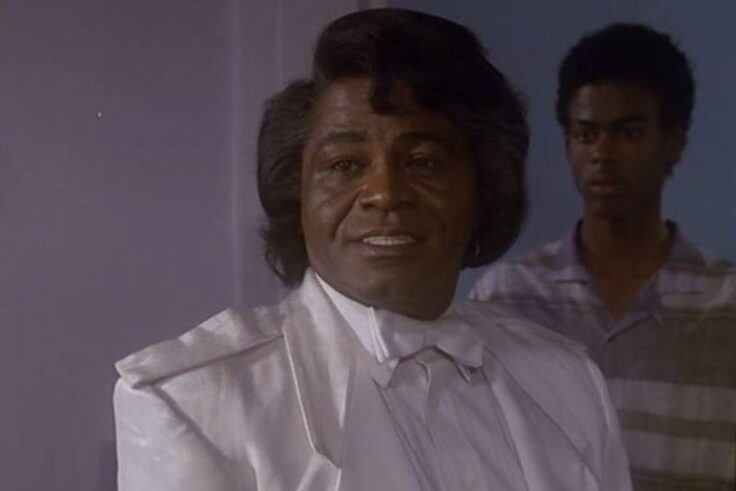
James Brown’s public image was built on discipline, showmanship, and pride. On stage, he demanded perfection and delivered it, becoming one of the most influential performers in music history. Away from the spotlight, many people experienced a far harsher man. Brown had a long record of violent behavior, especially toward women close to him. Partners later described explosive rage, controlling tendencies, and physical abuse that left lasting fear. Police reports and arrests over the years supported what insiders had whispered for decades. Fame did not soften him. It protected him.
Those who stayed in his orbit often felt trapped between admiration and survival. Brown’s power made leaving difficult and speaking out risky. Some excused his behavior as part of his intensity, while others carried quiet trauma long after the music stopped. Remembering this side of him does not erase his cultural impact. It simply acknowledges that talent and cruelty lived side by side, and that brilliance never justified harm inflicted behind closed doors.
4. Pablo Picasso
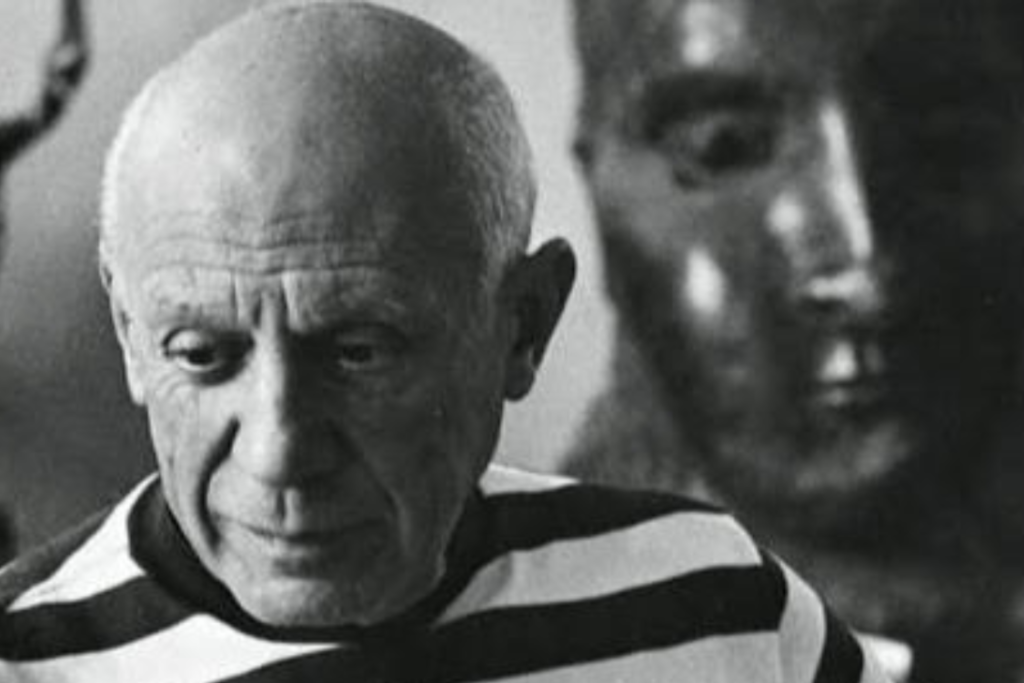
Pablo Picasso is celebrated as a revolutionary artist whose work reshaped modern art. His private life tells a darker, deeply personal story. Many of the women who loved him later described emotional cruelty that was constant and deliberate. Picasso often controlled partners through humiliation, jealousy, and isolation, slowly eroding their confidence. He reportedly enjoyed dominance and viewed emotional suffering as useful, even inspiring. Love in his world came with fear, manipulation, and psychological pressure that left lasting damage.
Several women connected to Picasso experienced severe emotional distress long after leaving him. Some struggled to rebuild their sense of self, carrying emotional wounds that never fully healed. Picasso rarely showed remorse, believing his genius excused his behavior. While his paintings hang in museums, the personal cost paid by those closest to him is harder to display. Acknowledging this does not cancel his legacy. It restores balance by recognizing that artistic greatness does not excuse cruelty inflicted in private lives.
5. Alfred Hitchcock
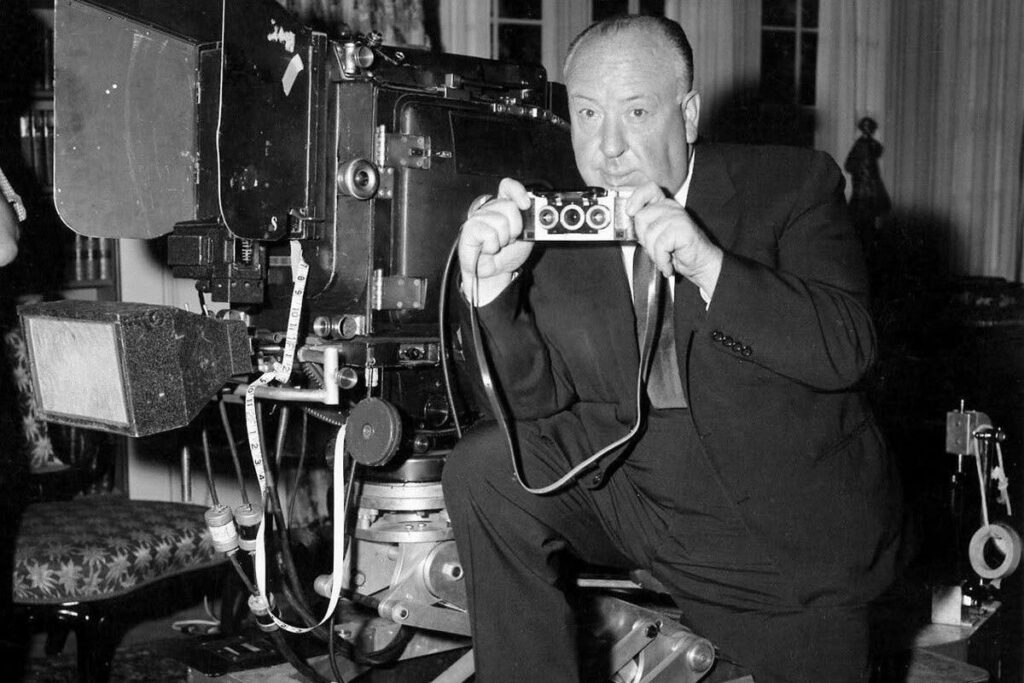
Alfred Hitchcock carefully crafted a public image that felt playful and clever, often presenting himself as a harmless prankster. On set, many experienced something far more unsettling. Hitchcock was known for intimidating actors, especially women, using fear as a method of control. Actress Tippi Hedren later spoke openly about feeling trapped, manipulated, and punished after rejecting his advances. His authority allowed him to blur professional boundaries without consequence for years.
Crew members described an environment where anxiety replaced collaboration. Hitchcock’s behavior was often dismissed as eccentric genius rather than abuse. Success shielded him from accountability while others absorbed the damage quietly. His films remain influential, but the stories behind them complicate admiration. Looking honestly at his conduct reminds us that creative power should never override basic human respect, no matter how iconic the work becomes.
6. Walt Disney
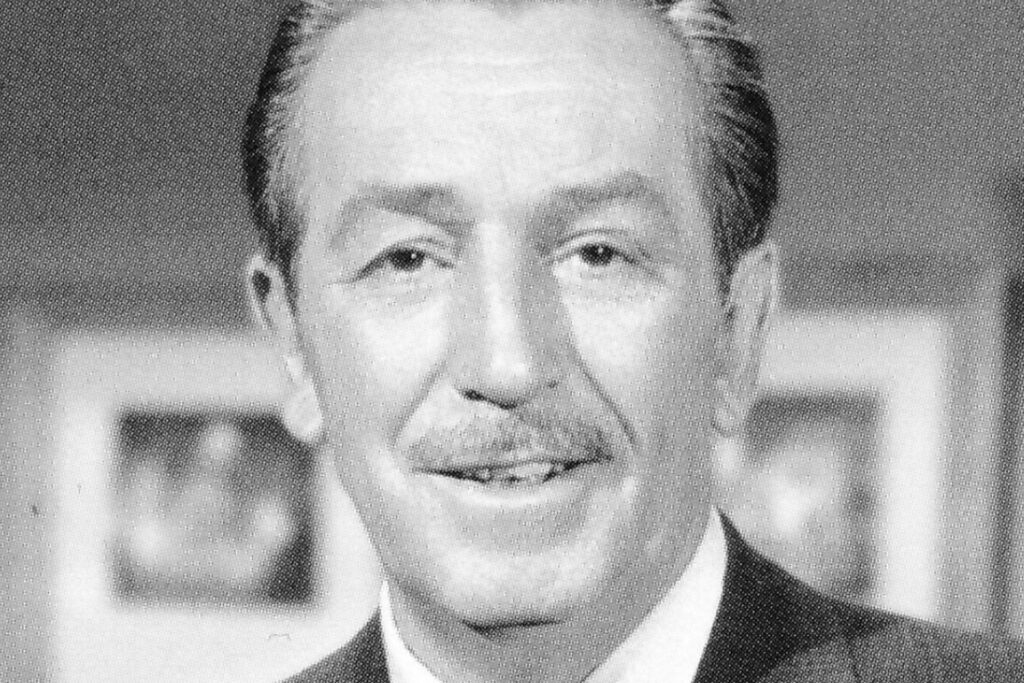
Walt Disney is remembered as a visionary who built joy, imagination, and childhood wonder into a global empire. Inside his studios, many employees experienced a colder presence. Former staff described Disney as controlling and intolerant of dissent, especially when his authority was questioned. He was known to fire workers abruptly and discouraged union activity aggressively, seeing it as betrayal rather than advocacy. Creativity existed, but fear often sat beside it. People learned quickly which ideas were safe to voice and which were better left unspoken. The magic felt carefully guarded, not shared.
Several animators later recalled an environment where loyalty mattered more than well being. Long hours were expected, gratitude assumed, and pushback rarely welcomed. Those who left spoke of relief mixed with disappointment, having contributed to something iconic while feeling personally diminished. Disney’s legacy remains powerful, but these accounts remind us that inspiration can coexist with intimidation. Wonder may have filled screens, yet behind them, many felt small in service of a dream that demanded silence.
7. Frank Sinatra
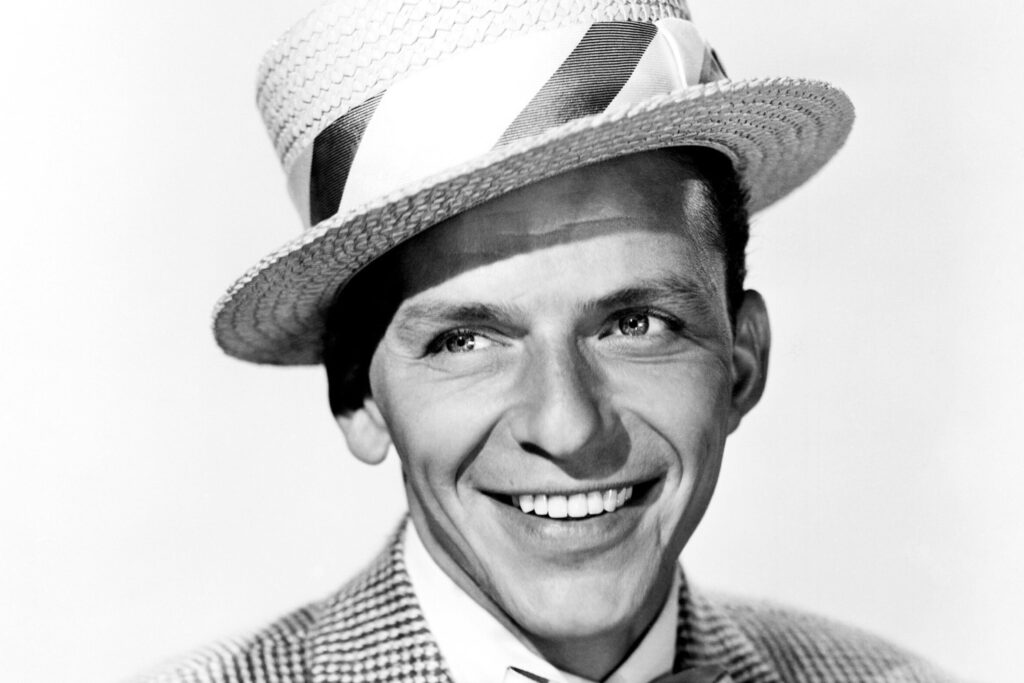
Frank Sinatra’s public persona radiated charm, confidence, and emotional depth. He sang about love with tenderness that felt intimate and sincere. Offstage, many people encountered a man ruled by anger. Sinatra was known for explosive temper tantrums, verbal abuse, and threats directed at those around him. Friends, employees, and collaborators described walking carefully, never sure what might trigger his rage. His moods could shift suddenly, turning admiration into fear without warning.
Because of his fame, much of this behavior went unchecked. People tolerated mistreatment because association with him promised opportunity and protection. Those who pushed back often found themselves pushed out. Over time, stories painted a portrait of someone who wielded anger as authority. Remembering this side of Sinatra complicates the romance attached to his voice. It shows how charisma can blur accountability, and how power can allow cruelty to pass as temperament for far too long.
8. Charlie Chaplin
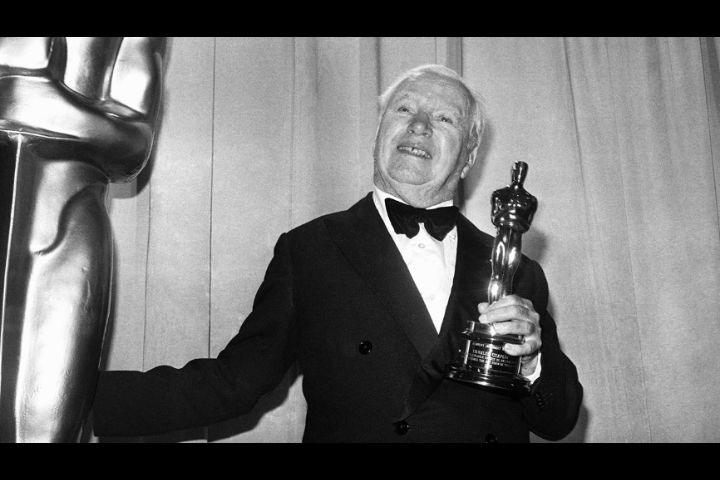
Charlie Chaplin’s screen image symbolized innocence, struggle, and gentle humor. Audiences felt comforted by his performances, believing they reflected his nature. In private, Chaplin’s relationships told a more troubling story. He pursued much younger women and maintained strict control over their lives. Former partners described emotional manipulation, jealousy, and dominance that left them isolated and dependent. The power imbalance was clear, yet rarely questioned at the time.
Legal disputes and personal testimonies later exposed patterns that had been ignored. Chaplin’s fame shielded him, allowing behavior that harmed others to be dismissed as personal eccentricity. Fans were left grappling with the contrast between art and artist. His story reminds us that public sweetness does not guarantee private integrity. Laughter on screen can coexist with suffering off it, and both deserve to be acknowledged honestly.
9. Naomi Campbell

Naomi Campbell became one of the most recognizable faces in fashion, admired for her presence and professionalism on the runway. Behind the scenes, her reputation grew darker. Over the years, multiple assistants accused Campbell of violent outbursts, including physical assaults. Court cases and settlements reinforced what insiders had long whispered. Working for her reportedly meant constant tension, with fear replacing stability.
Many former employees described unpredictable anger that made even routine tasks stressful. Apologies often followed incidents, but patterns repeated. Fame softened consequences but did not change behavior quickly. Campbell’s story fits here because it shows how success can delay accountability. Her career remains influential, yet these experiences complicate admiration. They remind us that glamour does not erase harm, and that respect behind closed doors matters as much as applause in public.
10. Gordon Ramsay

Gordon Ramsay built his public image on intensity, discipline, and high standards. Early in his career, that intensity often crossed into cruelty. Televised shouting matched real kitchen experiences, where verbal abuse was common and humiliation normalized. Many former staff later described long lasting emotional impact, saying fear replaced learning. Kitchens became places of survival rather than growth.
Over time, Ramsay’s public behavior softened, suggesting reflection and change shaped by scrutiny. Ending here feels intentional. Not every story stays frozen in its worst moment. Some icons evolve when challenged. Looking honestly at harm does not cancel achievement. It invites accountability and growth. If these stories made you pause or rethink admiration, share them with someone who values honest cultural reflection and believes influence should always come with responsibility.
11. Oprah Winfrey

For decades, Oprah Winfrey was seen as the embodiment of empathy, a woman who listened deeply and made people feel understood. Her public persona centered on compassion, healing, and emotional honesty. Behind the scenes, however, some former staff and associates described a more complicated dynamic shaped by hierarchy and control. People who worked around her have spoken about an environment where expectations were sky high and dissent felt unwelcome. Decisions were rarely questioned, and those who disappointed her reportedly felt the shift immediately, often through distance rather than direct confrontation.
Several former employees later described feeling intimidated rather than nurtured, unsure how to reconcile her public warmth with private authority. Some said praise came sparingly, while disapproval lingered silently. These accounts did not erase her impact, but they complicated it. Oprah’s story fits here because it reflects how immense influence can unintentionally create emotional distance. Even leaders built on empathy can struggle when power grows faster than self awareness, leaving those nearby feeling unseen.
12. Michael Jackson

Michael Jackson was adored worldwide, celebrated as gentle, shy, and deeply sensitive. Fans often described him as childlike and harmless, someone who never truly grew up. Behind closed doors, former employees and associates described a man who exerted tight control over his inner circle. Staff members spoke about strict rules, emotional manipulation, and sudden dismissals that left people unsettled. Life around him revolved entirely around his needs, leaving little room for autonomy or disagreement.
Those who worked closely with Jackson later said the isolation he lived in shaped how he treated others. Boundaries blurred, and loyalty was expected without question. People who challenged him often found themselves pushed out quietly. His story remains one of the most complicated in modern culture. Admiration, discomfort, and grief coexist. Remembering the control he wielded does not rewrite history, but it adds context to a life lived under constant pressure and immense power.
13. Marilyn Monroe
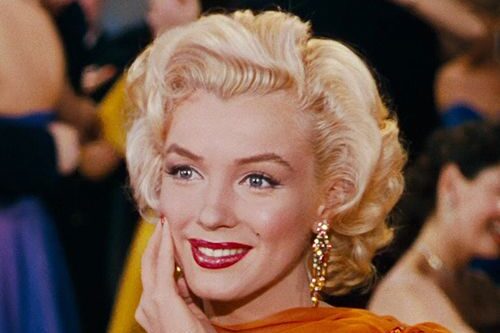
Marilyn Monroe remains one of the most enduring symbols of vulnerability and beauty. Publicly, she was portrayed as fragile and mistreated by others. Privately, some colleagues experienced her as emotionally volatile and unpredictable. Crew members described frequent lateness, missed commitments, and sudden mood shifts that disrupted productions. While much sympathy surrounded her struggles, working with her often meant navigating emotional unpredictability that left others exhausted.
Several co workers later shared that Monroe could be dismissive or cutting when overwhelmed. Stress often translated into behavior that hurt those around her, even if unintentionally. Her story belongs here not to diminish her suffering, but to acknowledge complexity. Pain does not always make people gentle. Sometimes it spills outward. Remembering Monroe honestly means holding space for both her vulnerability and the difficult experiences of those who worked beside her.
14. John Lennon
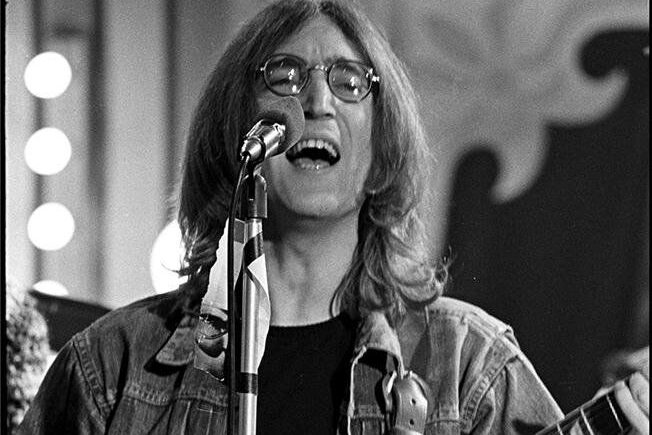
John Lennon was celebrated as a voice of peace, love, and social change. His lyrics encouraged compassion and unity, shaping a generation’s ideals. In his personal life, Lennon admitted to being cruel and emotionally abusive, particularly in his early relationships. Friends and partners described sharp words, jealousy, and controlling behavior that contradicted his public message. Lennon himself later acknowledged these flaws, calling out his own violence and cruelty.
Those close to him often struggled with his temper and bluntness. Honesty, for Lennon, sometimes crossed into emotional harm. His story stands out because he eventually named his behavior rather than hiding it. Growth did not erase the damage, but it offered reflection. Including him here shows that self awareness can come late, and that even icons of peace were capable of causing pain long before they preached change.
15. Madonna
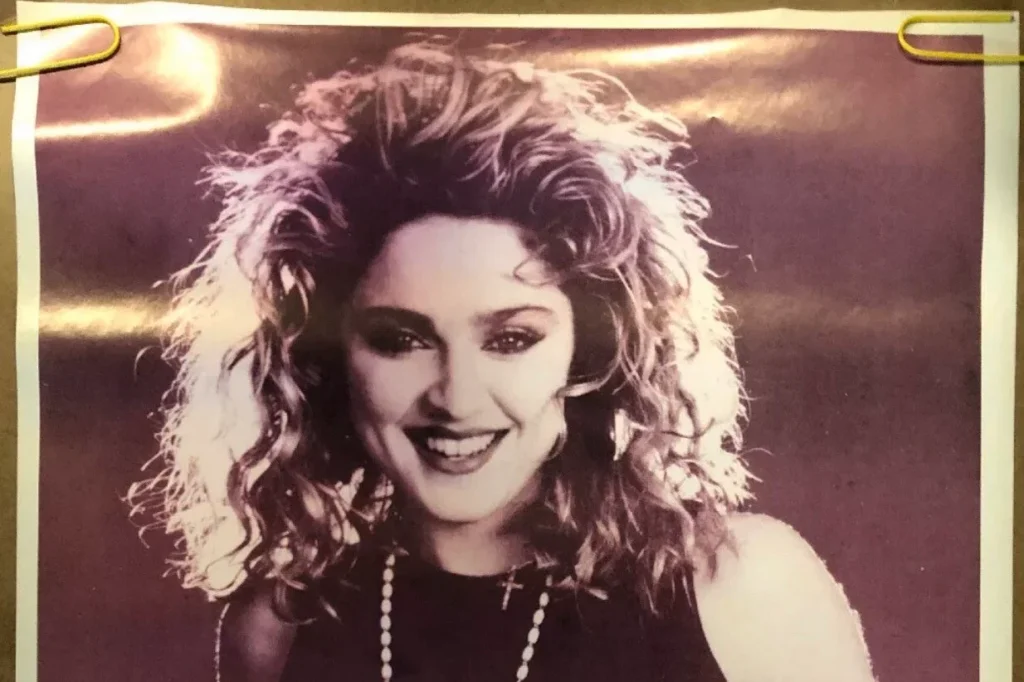
Madonna built her career on reinvention, confidence, and control. She presented herself as fearless and unapologetic, someone who demanded respect in male dominated spaces. Those who worked with her often described an atmosphere that felt rigid and unforgiving. Dancers and crew members spoke about intense rehearsals where criticism was blunt and empathy scarce. Mistakes were corrected publicly, leaving little room for vulnerability.
Former collaborators later said Madonna valued perfection over comfort. While some thrived under that pressure, others felt diminished by it. Her leadership style reflected her need for dominance in an industry that constantly challenged her authority. Ending here feels fitting because Madonna’s story reflects a broader truth. Strength and harshness can blur easily. Admiring ambition while questioning its cost allows us to engage with icons more honestly and humanly.
16. Kanye West
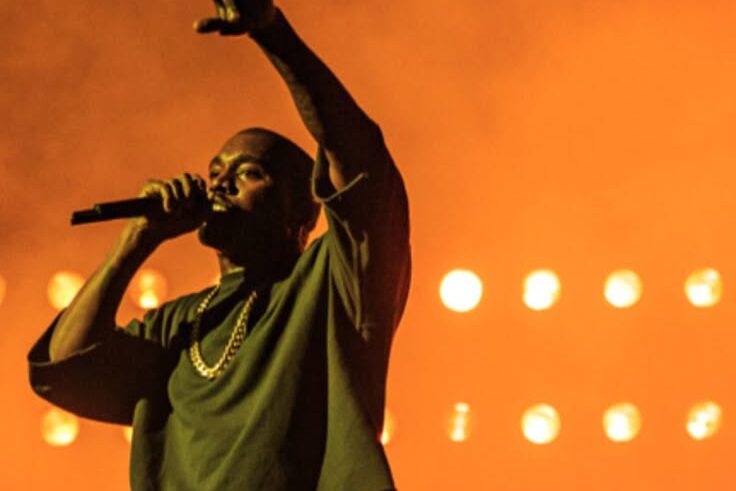
Kanye West built his reputation as a creative genius who challenged norms and refused to be boxed in. Early admiration often focused on his honesty and boldness. Over time, that honesty increasingly showed up as cruelty. Former collaborators and industry peers have spoken about verbal attacks that felt calculated to dominate rather than debate. Meetings reportedly turned into tirades where insults replaced discussion. People who questioned him were often publicly humiliated, leaving lasting professional and emotional damage. His fame amplified the impact of every outburst, making it harder for others to respond without consequences.
Those close to him described an environment where volatility became normal. Loyalty was expected, disagreement punished. While many acknowledged his struggles with mental health, they also spoke about harm that went unaddressed for years. Kanye’s story fits here because it shows how unchecked expression can become destructive. Creativity does not excuse cruelty. Admiration becomes complicated when honesty is weaponized, leaving others to absorb the fallout in silence.
17. Christian Bale

Christian Bale earned respect for his dedication and intense performances. His commitment to roles became legendary, often praised as professionalism taken to extremes. That intensity crossed a line during a widely reported on set incident where Bale unleashed a furious verbal attack on a crew member. The outburst revealed a side many had experienced privately. Crew members later described working in fear of triggering anger, unsure when frustration might explode.
Although Bale later apologized, the incident sparked conversations about behavior long tolerated in the name of art. Some colleagues said his temper had been an open secret, excused because of his talent. The moment resonated because it exposed how easily professionalism can be confused with intimidation. Bale’s career survived, but the episode remains a reminder that excellence does not justify cruelty. Respect on set should never depend on silence or fear.
18. Russell Crowe

Russell Crowe’s screen presence often mirrored authority and aggression. Off screen, similar traits reportedly surfaced. Crowe became known for volatile behavior, including verbal threats and physical confrontations. Crew members and industry insiders described working around him as unpredictable, where tension followed his mood. His anger sometimes spilled into public spaces, reinforcing a reputation that extended beyond rumor.
Those who interacted with him spoke about bracing themselves emotionally. While some admired his talent, others avoided him entirely. Consequences often came late or lightly, softened by box office success. Crowe’s story highlights how repeated aggression can become normalized when attached to fame. Intensity may create compelling performances, but it should never come at the expense of basic respect for others sharing the space.
19. Marlon Brando
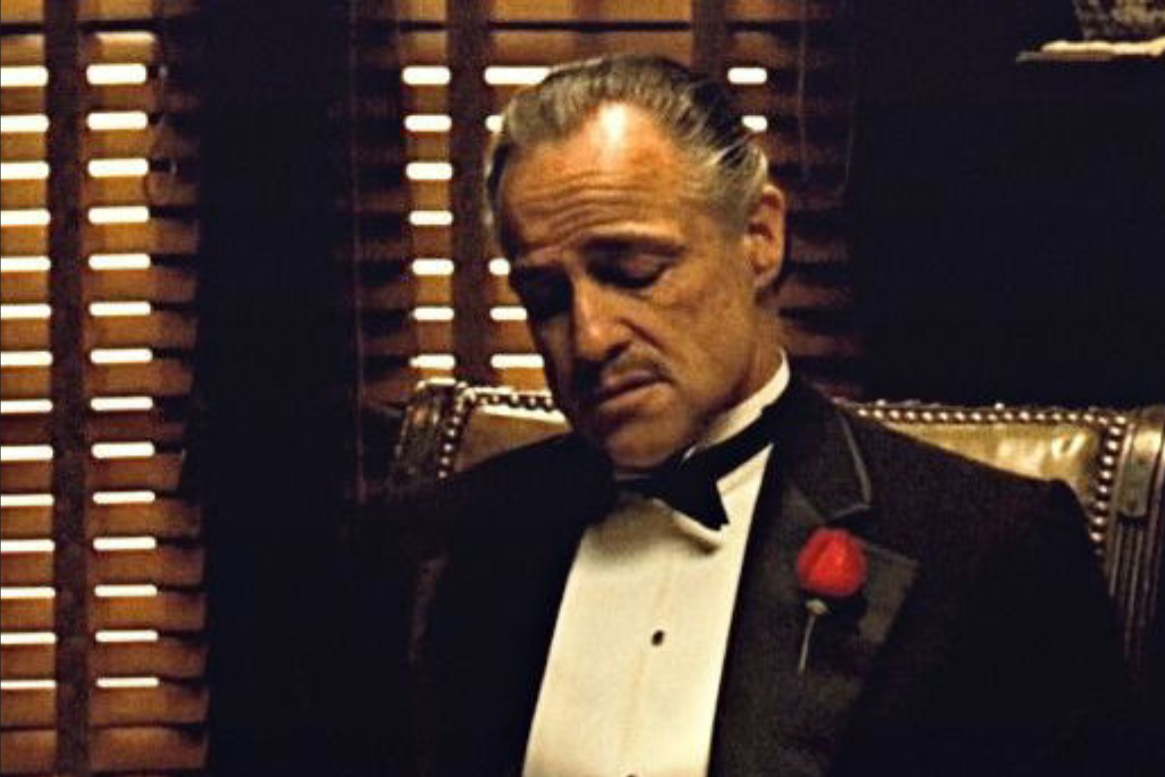
Marlon Brando reshaped acting with emotional depth and realism. He was also widely known for his contempt toward colleagues and productions. Brando frequently insulted directors, ignored scripts, and dismissed cast members openly. Many described him as cruel, mocking, and indifferent to how his behavior affected others. Working with him often meant enduring disrespect under the guise of artistic rebellion.
Despite this, Brando was repeatedly excused as misunderstood or brilliant. Younger actors recalled feeling belittled rather than inspired. His behavior set a precedent that genius allowed disregard for collaboration. Brando’s influence remains undeniable, but so does the damage he caused in professional spaces. Remembering both forces a more honest conversation about how talent should never outrank decency.
20. Bill Murray
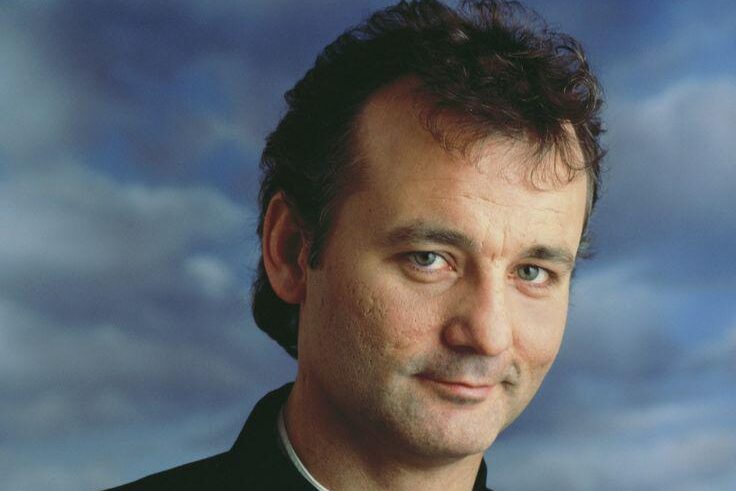
Bill Murray’s public image centers on humor, unpredictability, and charm. Fans love his eccentricity and casual defiance of norms. Behind the scenes, many colleagues experienced that unpredictability as hostility. Actors and crew members have spoken about verbal abuse, bullying, and volatile moods that made sets uncomfortable. What felt funny to audiences often felt frightening to those working closest to him.
Several projects were reportedly strained by his behavior, with collaborators describing emotional distress and frustration. Apologies, when offered, did not always undo the harm. Murray’s story resonates because it shows how humor can mask cruelty. Being entertaining does not excuse making others feel unsafe. As admiration grows more reflective, stories like this encourage audiences to separate charm from character and ask harder questions about what behavior we accept from those we love to watch.
21. Chevy Chase
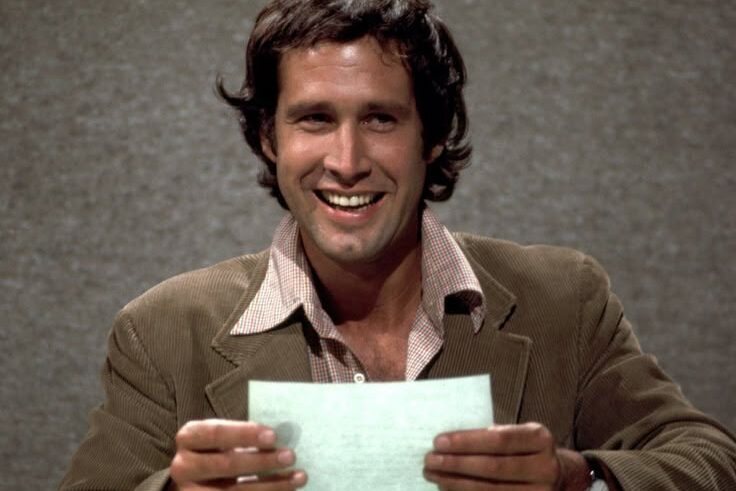
Chevy Chase built his career on sarcasm and confidence, becoming one of comedy’s most recognizable faces. On screen, his sharp delivery felt playful and clever. Off screen, many coworkers described that sharpness as cruelty. Former cast members and writers from multiple projects have spoken about insults, belittling remarks, and an atmosphere where humiliation was treated as humor. Working with him reportedly meant bracing for comments that felt personal rather than professional. Laughter often came at someone else’s expense, and not everyone was in on the joke.
Several colleagues later said the behavior wore them down over time. What audiences enjoyed as edge felt exhausting behind the scenes. Complaints followed him across productions, creating a reputation that outlasted individual incidents. Chase’s story fits here because it shows how comedy can disguise harm. When cruelty is framed as wit, it becomes harder to challenge. His legacy now carries both laughter and lingering discomfort for those who stood closest.
22. Shia LaBeouf

Shia LaBeouf emerged as a young star praised for vulnerability and raw talent. As his career evolved, so did reports of erratic and aggressive behavior. Directors and fellow actors described working with him as unpredictable, with outbursts that disrupted sets and strained relationships. Some collaborators spoke about verbal aggression that blurred into intimidation, leaving others unsure how to respond. His intensity often overshadowed the work itself.
Over time, multiple accounts painted a pattern rather than isolated moments. Projects stalled, trust eroded, and apologies followed public fallout. LaBeouf later acknowledged harming others, which added honesty but did not erase impact. His story belongs here because it reflects how unchecked intensity can turn collaboration into chaos. Talent alone could not sustain relationships built on instability. For many, working with him became less about creativity and more about endurance.
23. Faye Dunaway
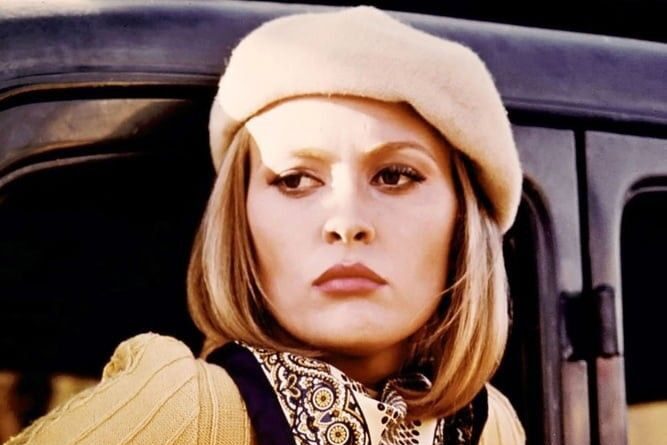
Faye Dunaway commanded respect with her performances, earning a reputation as formidable and precise. Behind the camera, that precision often turned harsh. Crew members and co stars described explosive tempers, public scolding, and behavior that created tense working environments. Some recalled being reduced to tears after confrontations that felt excessive and humiliating. Her standards were high, but the delivery left scars.
Dunaway’s reputation followed her for years, shaping how people approached working with her. While her talent was never questioned, many said the emotional cost was heavy. Her story illustrates how authority in creative spaces can become fear driven. Excellence does not require cruelty, yet for some, the two became tangled. Remembering this side adds realism to the myth of brilliance without denying the work itself.
24. Gene Hackman

Gene Hackman was widely respected for his craft and professionalism on screen. Privately, several colleagues described him as cold, dismissive, and difficult to approach. He was known for expressing impatience openly and showing little tolerance for mistakes. Working alongside him reportedly meant emotional distance, where collaboration felt rigid rather than shared.
Some co stars later said they felt belittled by his tone and unwillingness to engage. While not loud or explosive, his demeanor communicated disdain clearly. Hackman’s story fits here because cruelty does not always arrive loudly. Sometimes it shows up as disregard. His performances remain admired, but accounts from sets reveal how subtle behavior can still shape uncomfortable and lasting experiences for those involved.
25. Dustin Hoffman
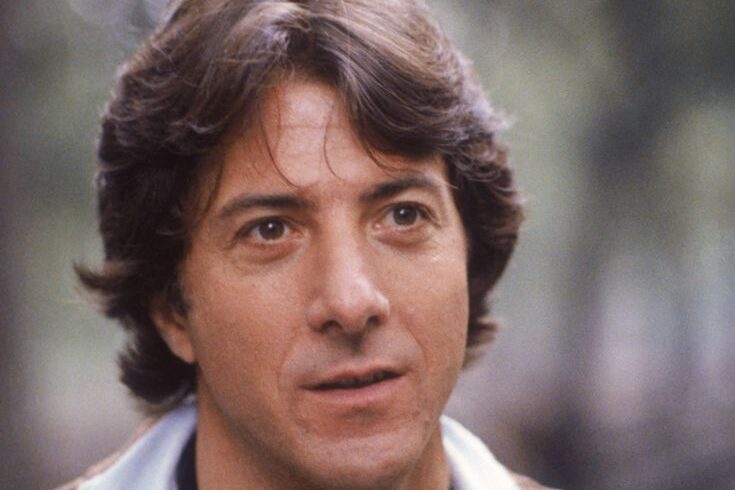
Dustin Hoffman earned acclaim for immersive performances that pushed emotional boundaries. That dedication often extended beyond himself and onto others. Co stars described methods that felt manipulative, including deliberately distressing fellow actors to elicit reactions. What he framed as commitment to realism left others feeling violated rather than inspired.
Several colleagues later spoke about emotional harm that lingered long after filming ended. The line between acting and personal intrusion blurred, with little concern for consent. Hoffman’s story resonates because it questions how far dedication should go. Art thrives on honesty, not harm. Remembering these accounts encourages a more thoughtful view of creativity, one that values humanity alongside performance.
26. Dr Phil
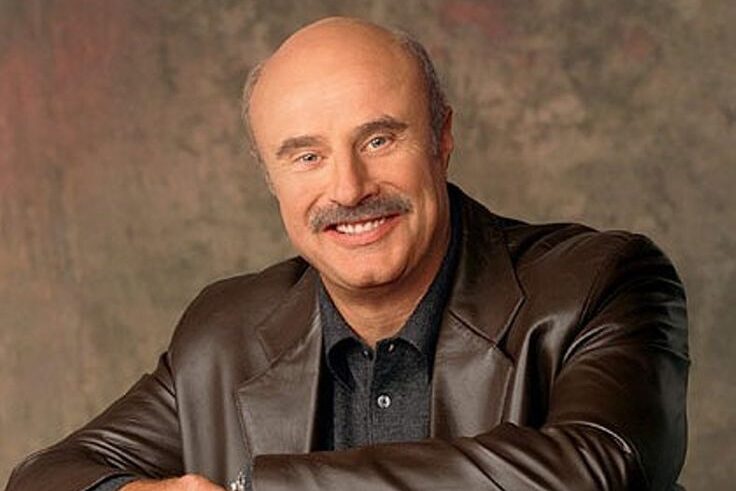
Dr Phil built a career on plain speaking advice and tough love that promised clarity and healing. Viewers trusted him as someone who told hard truths with good intentions. Behind the scenes, former guests and staff described experiences that felt far less supportive. Some participants later said they felt rushed, dismissed, or emotionally exposed without proper aftercare. Conversations that appeared caring on screen reportedly felt transactional once cameras stopped rolling. The authority he carried made it difficult for vulnerable people to push back or question the process.
Several critics have pointed out how power dynamics shaped these interactions. Guests came in seeking help, while control over the narrative remained firmly in his hands. What was framed as honesty sometimes landed as coldness. His story fits here because it shows how guidance can slip into detachment when empathy is secondary to performance. Advice delivered without softness can leave people feeling smaller than when they arrived.
27. Simon Cowell

Simon Cowell became famous for blunt critiques that audiences found refreshing and funny. His honesty felt like a break from polite dishonesty. Contestants, however, often described his comments as cutting rather than constructive. Public humiliation became part of the format, turning personal dreams into punchlines for entertainment. Many performers recalled feeling embarrassed rather than guided, especially early in their careers.
Behind the scenes, some staff and contestants described an atmosphere where fear replaced encouragement. Cowell’s influence meant his words carried lasting weight. While some thrived under pressure, others left damaged confidence behind. His inclusion here reflects how cruelty can be repackaged as truth telling. Honesty without care stops being helpful. It becomes a performance built on someone else’s vulnerability.
28. Jared Leto

Jared Leto has long been praised for disappearing into roles and committing fully to his characters. That dedication became part of his legend, especially as his performances grew darker and more extreme. For people working alongside him, that commitment often crossed into discomfort. Several co stars and crew members later described behavior that felt invasive, unsettling, and unnecessary. Actions framed as staying in character reportedly ignored boundaries and left others uneasy. What audiences admired as intensity sometimes landed as disrespect in shared spaces.
Those affected often felt pressured to stay silent. Speaking up risked being labeled difficult or uncommitted to the craft. Over time, these experiences shaped how colleagues remembered working with him. Leto’s story fits here because it highlights a recurring problem in creative industries. Dedication should not override consent. Art can be powerful without causing harm. When method acting forgets the humanity of others, it stops being commitment and becomes something else entirely.
29. David Bowie

David Bowie was admired for curiosity, sensitivity, and emotional depth. His music explored identity and connection in ways that felt deeply personal to listeners. In his private life, some partners and close associates described him as emotionally distant and controlling. Relationships reportedly revolved around his needs and creative focus, leaving others feeling secondary. The warmth people felt through his art did not always translate into intimacy behind closed doors.
Those close to Bowie spoke about loving him while feeling held at arm’s length. He could be present yet unavailable, charming yet withdrawn. This distance left marks that lingered quietly. Bowie’s inclusion here is not about loud cruelty but subtle impact. Harm does not always shout. Sometimes it lives in absence and imbalance. Remembering this side adds nuance to admiration without stripping away the meaning his work continues to hold for many.
30. Elizabeth Taylor
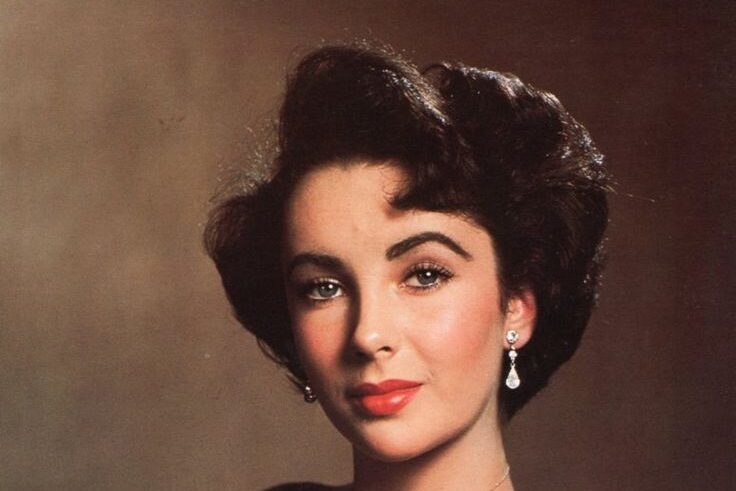
Elizabeth Taylor lived her life in full view, marked by passion, intensity, and constant attention. Her public image centered on beauty, vulnerability, and resilience through illness and heartbreak. Privately, many people in her orbit experienced emotional turbulence. Friends and partners described cycles of devotion followed by conflict that drained everyone involved. Her needs often dominated relationships, leaving little room for stability or mutual emotional grounding.
Those closest to Taylor often felt pulled into a world that revolved around crisis and reconciliation. Love came fast and fiercely, but peace rarely stayed long. While her generosity and loyalty were real, so were the emotional demands she placed on others. Her story reflects how intensity can blur into harm without malicious intent. Sometimes the damage comes not from cruelty, but from relationships that burn too hot to sustain those inside them.


